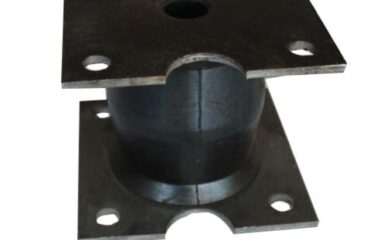
Mantle and Bowl Liner: Comprehensive Guide to Mining Machinery and Spare Parts
In the mining industry, the efficiency and longevity of machinery are paramount. One of the critical components that ensure smooth operation in crushers and grinding equipment are the mantle and bowl liners. These parts play a vital role in mineral processing, helping to crush and grind ores effectively. Whether you’re a mining engineer, equipment operator, or procurement specialist, understanding the nuances of mantle and bowl liners alongside mining machinery and spare parts can significantly impact your operational success.
Understanding Mantle and Bowl Liners in Mining Machinery
The mantle and bowl liner are essential wear parts used primarily in cone crushers. The mantle is the moving part, while the bowl liner is stationary. Together, they form the crushing chamber where rocks and ores are broken down.
What Are Mantle and Bowl Liners?
The mantle is a conical-shaped component that gyrates inside the bowl liner. The bowl liner is a fixed ring that surrounds the mantle. Both are made from high manganese steel or composite materials designed to withstand abrasive wear and impact.
Key Functions of Mantle and Bowl Liners
- Protect the crusher’s mainframe from wear and tear
- Provide crushing surfaces for ore reduction
- Maintain crusher efficiency and product size consistency
Mining Machinery: Types and Their Spare Parts
Mining machinery encompasses a wide range of equipment used for extraction, processing, and transportation of minerals. The durability and performance of these machines depend heavily on the quality and maintenance of their spare parts.
Major Types of Mining Machinery
- Crushers: Jaw crushers, cone crushers (using mantle and bowl liners), impact crushers
- Grinding Mills: Ball mills, SAG mills, rod mills
- Drilling Machines: Rotary drills, percussion drills
- Loading and Hauling Equipment: Excavators, dump trucks, loaders
Essential Spare Parts for Mining Machinery
Spare parts are critical to maintaining continuous mining operations. Common spare parts include:
- Wear parts: Mantle and bowl liners, jaw plates, grinding media
- Mechanical components: Bearings, gears, shafts
- Hydraulic parts: Pumps, valves, cylinders
- Electrical parts: Motors, sensors, control panels
How Mantle and Bowl Liners Impact Mining Efficiency
Choosing the right mantle and bowl liners can drastically improve crusher performance. Factors such as material composition, design, and installation quality affect crushing efficiency and equipment lifespan.
Material Selection
High manganese steel is the most commonly used material due to its excellent toughness and work-hardening properties. However, composite materials with added alloys may offer better wear resistance in specific conditions.
Design Considerations
Advanced liner designs optimize the crushing chamber’s shape, enhancing throughput and reducing power consumption. Manufacturers often customize liners based on ore hardness and crusher type.
Installation and Maintenance
Proper installation ensures even wear and prevents premature failure. Regular inspections and timely replacements minimize downtime and repair costs.
Comparison of Mantle and Bowl Liners: Standard vs. Customized Options
| Feature | Standard Liners | Customized Liners |
|---|---|---|
| Material | High manganese steel | Alloyed composites tailored to ore type |
| Design | Generic fit for multiple crushers | Optimized geometry for specific crushers |
| Cost | Lower initial cost | Higher upfront investment |
| Performance | Good wear resistance | Enhanced efficiency and longer lifespan |
| Lead Time | Readily available | Longer due to customization |
Buying Guide: Selecting the Right Mining Machinery Spare Parts
Choosing the right spare parts is crucial for maximizing mining equipment performance. Here are key criteria to consider when selecting mantle and bowl liners or other spare parts:
- Compatibility: Ensure parts match your machine’s make and model.
- Material Quality: Opt for wear-resistant materials suitable for your ore type.
- Supplier Reputation: Purchase from trusted manufacturers with proven quality.
- Cost vs. Longevity: Balance initial cost with expected lifespan to optimize ROI.
- Availability: Consider lead times and stock availability to avoid downtime.
- Technical Support: Choose suppliers offering installation guidance and after-sales service.
Common Mistakes When Purchasing Mantle and Bowl Liners
- Ignoring machine specifications leading to incompatible parts
- Choosing low-cost liners without assessing wear resistance
- Neglecting regular maintenance and inspections
- Failing to consider ore characteristics affecting liner wear
- Overlooking supplier credibility and warranty terms
Frequently Asked Questions (FAQ) About Mantle and Bowl Liners and Mining Machinery Spare Parts
1. What is the typical lifespan of mantle and bowl liners?
The lifespan varies depending on ore hardness, material quality, and maintenance but typically ranges from 6 months to 2 years.
2. How do I know when to replace mantle and bowl liners?
Signs include reduced crushing efficiency, visible wear or cracks, and changes in product size. Regular inspections help determine replacement timing.
3. Can I use liners from different manufacturers interchangeably?
It’s best to use liners compatible with your crusher model. Mixing brands may lead to poor fit and reduced performance.
4. What materials are best for mantle and bowl liners in abrasive conditions?
High manganese steel is generally preferred, but alloyed composites or ceramic-infused liners can offer superior wear resistance in highly abrasive environments.
5. How does liner design affect crusher performance?
Liner shape influences the crushing chamber’s volume and crushing action, affecting throughput, product size, and power consumption.
6. Are there environmental considerations in disposing of used liners?
Yes, used liners should be recycled properly to minimize environmental impact due to their metal content.
7. What internal resources can help with spare parts selection?
Refer to your equipment manuals and maintenance logs, and consult with supplier technical teams for tailored recommendations. Learn more here.
8. How can I optimize maintenance schedules for mining machinery?
Implement predictive maintenance using wear sensors and regular inspections to replace parts proactively, reducing downtime.