


Crusher Wear Parts Replacement Schedule: Essential Guide for Mining Machinery and Spare Parts
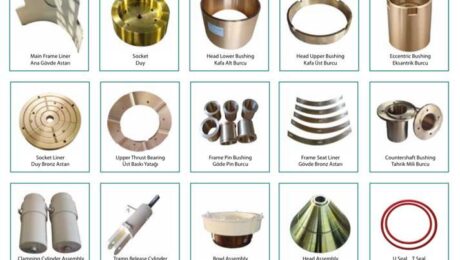
Crusher Wear Parts Replacement Schedule: Essential Guide for Mining Machinery and Spare Parts
In the demanding world of mining machinery, maintaining crusher wear parts on a timely replacement schedule is crucial to ensure operational efficiency and reduce downtime. Whether you operate jaw crushers, cone crushers, or impact crushers, understanding the crusher wear parts replacement schedule can save you significant costs and improve productivity. This comprehensive guide dives deep into mining machinery spare parts, focusing on wear part management, replacement timing, and best practices to optimize your equipment’s lifespan.
Understanding Crusher Wear Parts and Their Importance in Mining Machinery
Crusher wear parts are the components within crushers that endure the most stress and abrasion during the crushing process. These include jaw plates, cone liners, mantles, blow bars, and impact plates. Over time, these parts wear down due to constant exposure to hard rock and abrasive materials.
Replacing these parts at the right time is critical to maintain crusher performance, prevent unexpected breakdowns, and avoid damage to other components. A well-planned crusher wear parts replacement schedule aligns with the mining operation’s demands and material characteristics.
Common Types of Crusher Wear Parts
- Jaw Plates: Used in jaw crushers to crush large rocks.
- Cone Liners and Mantles: Found in cone crushers for secondary and tertiary crushing.
- Blow Bars: Installed in impact crushers to break down materials.
- Impact Plates: Protect the crusher housing and enhance crushing efficiency.
Search Intent Analysis: Informational and Commercial Blend
The primary search intent for the keyword crusher wear parts replacement schedule is informational. Users are seeking detailed knowledge about when and how to replace crusher wear parts effectively. However, there is also a commercial intent, as mining operators look for reliable spare parts and replacement services. This article caters to both by providing in-depth information and guiding readers towards making informed purchasing decisions.
Factors Influencing Crusher Wear Parts Replacement Schedule
Several variables impact the timing and frequency of wear parts replacement. Understanding these ensures a customized and efficient maintenance plan.
Material Hardness and Abrasiveness
The hardness and abrasiveness of the material crushed directly affect wear rates. Harder materials like granite or quartz cause faster wear, requiring more frequent replacements.
Crusher Type and Operation Mode
Different crushers have varying wear patterns. For example, jaw crushers have jaw plates that wear differently than cone crusher liners. Operational parameters such as feed size, throughput, and crushing stages also influence wear.
Maintenance Practices and Monitoring
Regular inspection and condition monitoring help detect wear early. Techniques include visual checks, thickness measurements, and using wear indicators.
Developing an Effective Crusher Wear Parts Replacement Schedule
Creating a replacement schedule involves systematic monitoring, data collection, and predictive maintenance.
Step 1: Baseline Wear Data Collection
Start by documenting the lifespan of wear parts under typical operating conditions. Keep records of installation dates, wear measurements, and replacement intervals.
Step 2: Implement Wear Monitoring Techniques
- Visual inspections during routine maintenance.
- Use of ultrasonic thickness gauges.
- Wear indicator systems integrated into parts.
Step 3: Analyze Operational Data
Track crusher load, feed characteristics, and downtime to correlate with wear trends.
Step 4: Schedule Replacement Intervals
Based on data, define optimal replacement intervals to prevent failures while maximizing part usage.
Comparison of Wear Parts Replacement Strategies
| Strategy | Advantages | Disadvantages |
|---|---|---|
| Reactive Replacement | Lower upfront costs, no unnecessary part changes | Risk of unexpected downtime, potential damage to crusher |
| Preventive Replacement | Scheduled maintenance reduces downtime, predictable costs | Possible premature part replacement, higher inventory needs |
| Predictive Replacement | Optimizes part life, reduces downtime, cost-effective | Requires monitoring technology and data analysis expertise |
Buying Guide: Selecting Quality Mining Machinery Spare Parts
Choosing the right spare parts is as important as scheduling replacements. Here are key criteria to consider:
Material Quality and Hardness
Wear parts should be made from high-quality alloys like manganese steel or chromium alloys to withstand abrasion.
Compatibility and Fit
Ensure parts are compatible with your crusher model and meet OEM specifications.
Supplier Reputation and Warranty
Purchase from trusted suppliers offering warranties and after-sales support.
Cost vs. Longevity
Balance upfront cost with expected lifespan and performance.
Common Mistakes in Crusher Wear Parts Replacement
- Ignoring Wear Indicators: Overlooking early signs of wear leads to catastrophic failures.
- Inconsistent Monitoring: Skipping inspections results in unpredictable downtime.
- Using Substandard Parts: Cheap parts can cause faster wear and damage.
- Improper Installation: Incorrect fitting reduces part lifespan.
- Neglecting Crusher Settings: Poor crusher adjustments increase wear rates.
Frequently Asked Questions (FAQ)
1. How often should crusher wear parts be replaced?
Replacement frequency varies based on material, crusher type, and usage but typically ranges from a few weeks to several months. Monitoring wear and operational data helps determine exact intervals.
2. What are the signs that a crusher wear part needs replacement?
Signs include decreased crushing efficiency, unusual noises, visible wear or cracks, and reduced product size consistency.
3. Can I use aftermarket wear parts instead of OEM parts?
Yes, but ensure aftermarket parts meet quality and compatibility standards to avoid performance issues.
4. What maintenance practices extend wear part life?
Regular inspections, proper crusher settings, using quality lubrication, and avoiding overloading help prolong wear part lifespan.
5. How does material type affect wear part selection?
Harder and more abrasive materials require wear parts made from tougher alloys with higher abrasion resistance.
6. Is predictive maintenance worth the investment?
Predictive maintenance reduces downtime and overall costs by replacing parts only when necessary, making it highly beneficial for large-scale operations.
7. Where can I find reliable mining machinery spare parts?
Trusted suppliers, OEM dealers, and certified distributors offer quality spare parts. Check reviews and certifications before purchasing.
8. How can I optimize crusher performance alongside wear part replacement?
Maintain correct crusher settings, ensure proper feed size, and conduct regular equipment inspections to complement wear part management.
For more information on mining machinery maintenance and spare parts, visit our Mining Machinery Resources page.
- Published in Products
Crusher Parts Competitive Price Quality: Comprehensive Guide to Mining Machinery and Spare Parts
Crusher Parts Competitive Price Quality: Comprehensive Guide to Mining Machinery and Spare Parts
In the dynamic world of mining, securing crusher parts competitive price quality is essential for maximizing operational efficiency and reducing downtime. Mining machinery and their spare parts form the backbone of mining operations, and understanding how to select the right components at the best value can save costs and boost productivity. This detailed guide explores everything you need to know about mining machinery and their spare parts, focusing on crusher parts that combine quality with competitive pricing.
Understanding Mining Machinery and Its Importance
Mining machinery refers to the heavy-duty equipment used to extract minerals and ores from the earth. These machines include crushers, excavators, conveyors, drilling rigs, and more. Among these, crushers play a pivotal role in breaking down large rocks into smaller, manageable sizes for further processing.
What Are Crusher Parts?
Crusher parts are the essential components that make up a crusher machine. These include:
- Jaw plates
- Concave liners
- Mantles
- Toggle plates
- Wear-resistant liners
- Bearings and shafts
Each part must be durable and precisely manufactured to withstand extreme pressure and abrasive materials.
Search Intent Analysis: Why Competitive Price and Quality Matter
The keyword crusher parts competitive price quality indicates a commercial and transactional search intent. Buyers are looking for reliable suppliers offering crusher parts that balance cost and quality effectively. They want assurance that the parts will perform well without overspending.
Key Factors in Selecting Mining Machinery Spare Parts
1. Material Quality and Durability
High-quality materials such as manganese steel or alloy steel are preferred for crusher parts due to their wear resistance and toughness.
2. Compatibility and Fit
Parts must be compatible with your specific crusher model to ensure optimal performance and avoid premature wear.
3. Supplier Reputation and Warranty
Choosing suppliers with proven track records and offering warranties can protect your investment.
4. Competitive Pricing
While cost is important, it should not compromise quality. Seek suppliers offering the best value by balancing price and durability.
Popular Types of Mining Machinery Spare Parts
Crusher Spare Parts
These include jaw plates, cone crusher mantles, impact crusher blow bars, and more. Their design varies based on crusher type.
Conveyor Spare Parts
Belts, rollers, pulleys, and motors ensure smooth material transport within mining sites.
Drilling Equipment Parts
Drill bits, rods, and hydraulic components are essential for efficient drilling operations.
Comparison of Crusher Parts by Material and Price
| Part Type | Material | Average Price Range | Durability | Best For |
|---|---|---|---|---|
| Jaw Plate | Manganese Steel | $100 – $300 | High | Heavy-duty crushing |
| Concave Liner | Alloy Steel | $150 – $350 | High | Cone crushers |
| Blow Bar | High Chrome | $120 – $280 | Medium | Impact crushers |
| Toggle Plate | Carbon Steel | $80 – $200 | Medium | Jaw crushers |
Buying Guide: How to Choose Crusher Parts at Competitive Price and Quality
- Identify Your Crusher Model: Always know the exact model and specifications before purchasing parts.
- Assess Your Operational Needs: Consider the intensity and type of materials processed.
- Research Suppliers: Look for reviews, certifications, and after-sales support.
- Compare Prices and Quality: Request samples or detailed specifications to evaluate.
- Check Warranty and Return Policies: Ensure protection against defects or incompatibility.
- Consider Lead Time: Timely delivery is crucial to avoid production delays.
Common Mistakes When Purchasing Mining Machinery Spare Parts
- Ignoring Compatibility: Buying generic parts that don’t fit your machinery can cause damage.
- Prioritizing Price Over Quality: Low-cost parts may wear out quickly, increasing long-term costs.
- Skipping Supplier Verification: Unverified suppliers may offer counterfeit or substandard parts.
- Neglecting Maintenance Schedules: Poor upkeep can reduce part lifespan regardless of quality.
- Overlooking Installation Guidelines: Incorrect installation can lead to premature failure.
Frequently Asked Questions (FAQs)
1. What is the best material for crusher parts to ensure durability?
Manganese steel is widely regarded as the best material for crusher parts due to its high impact resistance and wear properties.
2. How can I verify the quality of crusher parts before purchasing?
Request material certificates, ask for sample parts, and check supplier reviews and industry certifications.
3. Are aftermarket crusher parts reliable compared to OEM parts?
High-quality aftermarket parts can be reliable and cost-effective, but it is crucial to source them from reputable manufacturers.
4. How often should crusher parts be replaced?
Replacement frequency depends on usage intensity and material hardness but generally ranges from a few months to a year.
5. Can I install crusher parts myself or should I hire a professional?
While some parts can be installed by trained personnel, it is recommended to hire professionals to ensure proper fitting and safety.
6. Where can I find competitive prices for mining machinery spare parts?
Competitive prices are often found through direct manufacturers, authorized dealers, and verified online marketplaces.
7. What are signs that crusher parts need immediate replacement?
Signs include unusual noises, reduced crushing efficiency, visible wear, and frequent breakdowns.
8. How does proper maintenance affect the lifespan of mining machinery parts?
Regular maintenance significantly extends part life by preventing excessive wear and catching issues early.
For more detailed information on mining machinery and spare parts, visit our comprehensive resource page here.
- Published in Products
Mining Equipment Spare Parts Exporter Turkey: Comprehensive Guide to Mining Machinery and Spare Parts
Mining Equipment Spare Parts Exporter Turkey: Comprehensive Guide to Mining Machinery and Spare Parts
Turkey has emerged as a prominent hub for mining equipment spare parts exporters, catering to the global demand for high-quality mining machinery components. Whether you’re a mining company seeking reliable spare parts or a distributor looking to partner with Turkish exporters, understanding the landscape of mining machinery and spare parts is crucial. This article dives deep into the world of mining equipment spare parts exporter Turkey, covering everything from types of machinery, selection criteria, common mistakes, and FAQs to help you make informed decisions.
Understanding Mining Machinery and Its Spare Parts
Mining machinery comprises various heavy-duty equipment used to extract minerals from the earth. These machines operate in harsh environments and require durable spare parts to maintain efficiency and prolong lifespan.
Types of Mining Machinery
- Drilling Machines: Used for creating boreholes in mineral deposits.
- Excavators: Essential for digging and removing overburden or ore.
- Conveyors: Transport mined materials efficiently.
- Crushers: Break down large rocks into smaller, manageable pieces.
- Loaders and Haulers: Move materials within mining sites.
Common Mining Equipment Spare Parts
Spare parts are critical for the maintenance and repair of mining machinery. Some key spare parts include:
- Hydraulic cylinders and pumps
- Wear-resistant liners and plates
- Conveyor belts and rollers
- Drill bits and drill rods
- Engine components and filters
- Electrical parts and sensors
Why Choose a Mining Equipment Spare Parts Exporter in Turkey?
Turkey’s strategic location bridging Europe and Asia, combined with its robust manufacturing sector, makes it a competitive exporter of mining equipment spare parts. Here are some reasons why Turkey stands out:
- High-Quality Manufacturing: Turkish manufacturers adhere to international standards ensuring durability and performance.
- Cost-Effective Solutions: Competitive pricing without compromising quality.
- Wide Product Range: From standard components to customized spare parts.
- Efficient Logistics: Quick shipping and flexible delivery options worldwide.
Mining Equipment Spare Parts Exporter Turkey: Market Overview
The mining sector in Turkey is growing steadily, with increasing investments in mineral exploration and extraction. Consequently, the demand for spare parts has surged, encouraging exporters to expand their offerings globally.
Leading Turkish Exporters and Manufacturers
Several Turkish companies specialize in mining machinery spare parts, known for their innovation, quality control, and customer support. These exporters often provide:
- OEM and aftermarket parts
- Customized solutions based on client specifications
- Technical assistance and installation support
For more detailed company listings and partnerships, visit our mining industry partners page.
Comparison of Mining Equipment Spare Parts Exporters: Turkey vs. Other Countries
| Criteria | Turkey | China | USA |
|---|---|---|---|
| Quality Standards | ISO certified, EU compliance | Varies, some ISO certified | High, strict regulations |
| Pricing | Competitive | Lower | Higher |
| Customization | High | Moderate | High |
| Delivery Time | Fast (Europe & Asia) | Longer (due to distance) | Fast (domestic) |
| After-Sales Support | Good | Moderate | Excellent |
Buying Guide: How to Select the Right Mining Equipment Spare Parts Exporter in Turkey
Choosing the right exporter can significantly impact your mining operations’ efficiency and cost-effectiveness. Consider the following criteria:
1. Quality Assurance and Certifications
Ensure the exporter provides certified spare parts compliant with international standards such as ISO, CE, or equivalent.
2. Product Range and Customization
Look for exporters offering a wide variety of parts and the ability to customize according to your machinery’s specifications.
3. Pricing and Payment Terms
Compare quotations carefully, and understand payment terms, including advance payments, credit, or escrow options.
4. Delivery and Logistics
Check the exporter’s shipping capabilities, lead times, and ability to handle customs and documentation efficiently.
5. After-Sales Service and Technical Support
Reliable exporters provide technical assistance, installation guidance, and warranty services.
Common Mistakes When Purchasing Mining Equipment Spare Parts
- Ignoring Compatibility: Buying parts without verifying compatibility with existing machinery can cause malfunctions.
- Overlooking Quality: Opting for cheaper, low-quality parts may lead to frequent breakdowns and increased costs.
- Neglecting Supplier Verification: Failing to check the credibility and certifications of exporters can result in scams or subpar products.
- Skipping After-Sales Support: Lack of technical support post-purchase can delay repairs and downtime.
- Inadequate Planning for Logistics: Not accounting for shipping times and customs clearance can disrupt operations.
Frequently Asked Questions (FAQs) About Mining Equipment Spare Parts Exporter Turkey
1. What types of mining equipment spare parts are commonly exported from Turkey?
Turkey exports a wide range of spare parts including hydraulic components, drill bits, conveyor belts, wear-resistant liners, engine parts, and electrical sensors tailored for various mining machinery.
2. How can I verify the quality of spare parts from Turkish exporters?
Request certifications such as ISO or CE, ask for product samples, and review customer testimonials or case studies to ensure quality verification.
3. Are Turkish mining equipment spare parts customizable?
Yes, many Turkish exporters offer customization services to meet specific machinery requirements and operational conditions.
4. What is the typical delivery time for spare parts shipped from Turkey?
Delivery times vary based on destination and shipping method but generally range from 7 to 21 days for most international shipments.
5. Can Turkish exporters provide technical support after purchase?
Most reputable exporters offer after-sales support including installation guidance, troubleshooting, and warranty services.
6. How do Turkish spare parts prices compare to other countries?
Prices are competitive, often lower than Western countries while maintaining high quality, making Turkey a cost-effective sourcing option.
7. What are the payment options when buying from Turkish exporters?
Common payment methods include wire transfers, letters of credit, and sometimes escrow accounts depending on the exporter’s policies.
8. How do I find reliable mining equipment spare parts exporters in Turkey?
Research online directories, attend mining trade fairs in Turkey, and use verified B2B platforms to connect with trustworthy suppliers.
Conclusion
Mining equipment spare parts exporter Turkey offers a compelling combination of quality, cost-efficiency, and customization that meets the demanding needs of global mining operations. By understanding the types of machinery, selection criteria, and common pitfalls, businesses can confidently source the right parts to enhance productivity and reduce downtime. For additional resources and supplier connections, explore our mining equipment resources.
- Published in Products
Mining Spare Parts Fast Delivery: Your Ultimate Guide to Mining Machinery and Spare Parts

Mining Spare Parts Fast Delivery: Your Ultimate Guide to Mining Machinery and Spare Parts
The mining industry demands efficiency, reliability, and rapid response when it comes to equipment maintenance and repairs. Mining spare parts fast delivery is crucial for minimizing downtime and maintaining productivity. In this comprehensive guide, we delve deep into mining machinery, essential spare parts, and how to ensure you get the fastest delivery without compromising quality.
Understanding Mining Machinery and Its Importance
Mining machinery forms the backbone of the mining sector. These machines perform tasks ranging from extraction to material handling. Having the right mining machinery and maintaining it with the correct spare parts ensures smooth operations and safety on site.
Types of Mining Machinery
- Excavators: Used for digging and material removal.
- Drilling Machines: Essential for creating boreholes and tunnels.
- Conveyor Systems: Transport mined materials efficiently.
- Loaders and Haulers: Move extracted materials within the site.
- Crushers and Mills: Break down ore into smaller pieces for processing.
Mining Spare Parts: Essential Components for Operational Excellence
Mining spare parts are critical for the upkeep and longevity of mining machinery. They range from simple consumables to complex mechanical components.
Common Mining Machinery Spare Parts
- Hydraulic Components: Pumps, valves, cylinders, and hoses.
- Wear Parts: Teeth, blades, liners, and cutting edges.
- Electrical Parts: Motors, sensors, wiring harnesses.
- Engine Parts: Filters, pistons, belts, and spark plugs.
- Undercarriage Components: Tracks, rollers, sprockets.
Long-Tail Keywords Related to Spare Parts
When searching for parts, long-tail keywords like “high-quality mining spare parts fast delivery,” “replacement parts for mining machinery,” and “urgent mining equipment spare parts shipping” often appear in queries, reflecting the commercial and transactional intent of buyers.
Why Fast Delivery of Mining Spare Parts Matters
Mining operations cannot afford prolonged downtime. Quick access to spare parts ensures machines get back to work promptly, reducing financial losses and maintaining project timelines.
Benefits of Fast Spare Parts Delivery
- Reduced Downtime: Immediate replacement minimizes operational halts.
- Cost Efficiency: Prevents costly delays and emergency repairs.
- Improved Productivity: Machines stay operational longer.
- Enhanced Safety: Properly maintained equipment reduces accident risks.
Comparison of Mining Spare Parts Suppliers Offering Fast Delivery
| Supplier | Delivery Time | Product Range | Quality Certifications | Customer Support |
|---|---|---|---|---|
| Global Mining Parts | 24-48 hours | Extensive – all major brands | ISO 9001, CE | 24/7 support |
| RapidMine Supplies | Same day delivery in select regions | Specialized wear parts | ISO 14001 | Dedicated account managers |
| Express Mining Solutions | 48 hours nationwide | Hydraulic & electrical parts | ISO 9001 | Technical assistance available |
How to Choose the Right Mining Machinery Spare Parts Supplier
Choosing the right supplier is critical to ensuring fast delivery and quality products. Here are key criteria to consider:
Selection Criteria for Mining Spare Parts Suppliers
- Delivery Speed: Confirm guaranteed fast shipping options.
- Product Authenticity: Ensure parts are OEM or certified equivalents.
- Inventory Availability: Suppliers with large stock reduce wait times.
- Customer Service: Responsive support for urgent needs.
- Warranty and Returns: Clear policies protect your investment.
- Technical Expertise: Ability to recommend correct parts.
Common Mistakes When Ordering Mining Spare Parts
Even experienced procurement teams can make errors that lead to delays or wrong parts. Avoid these pitfalls:
- Incorrect Part Numbers: Always double-check specifications and model numbers.
- Ignoring Supplier Lead Times: Not verifying delivery schedules can cause downtime.
- Overlooking Quality Certifications: Low-quality parts may fail prematurely.
- Failing to Plan for Emergencies: Keep critical spares in stock to avoid urgent orders.
- Neglecting Compatibility Checks: Ensure parts fit your specific machinery model.
Frequently Asked Questions About Mining Spare Parts and Fast Delivery
1. What is the typical delivery time for mining spare parts?
Delivery times vary by supplier and location but fast delivery options typically range from same day to 48 hours for in-stock items.
2. How can I ensure I order the correct spare part?
Refer to your machinery’s manual, OEM part numbers, and consult with supplier technical support to confirm compatibility.
3. Are aftermarket spare parts reliable for mining machinery?
High-quality aftermarket parts can be reliable if sourced from reputable manufacturers with proper certifications.
4. Can I get emergency delivery for critical mining parts?
Many suppliers offer expedited shipping or emergency delivery services for urgent needs.
5. How important is warranty on mining spare parts?
Warranty protects you against defective parts and ensures peace of mind for your investment.
6. What are the best practices for maintaining mining machinery?
Regular inspections, timely replacement of wear parts, and using genuine spare parts contribute to optimal maintenance.
7. How do I find a supplier offering fast delivery near my mining site?
Search for local distributors or suppliers with regional warehouses and verify their delivery commitments.
8. What are the cost factors affecting mining spare parts pricing?
Pricing depends on part type, brand, material quality, and shipping urgency.
Conclusion
Fast delivery of mining spare parts is a vital component in maintaining mining machinery and ensuring uninterrupted operations. By understanding the types of machinery, spare parts, and how to select the right supplier, mining companies can optimize their procurement process and reduce downtime. For more information on mining equipment and parts, visit our resources page.
- Published in Products
Cone Crusher Countershaft Bushing Replacement: Essential Guide for Mining Machinery and Spare Parts
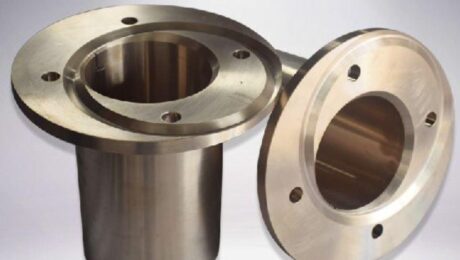
Cone Crusher Countershaft Bushing Replacement: Essential Guide for Mining Machinery and Spare Parts
In the demanding world of mining machinery, the cone crusher countershaft bushing replacement plays a crucial role in maintaining equipment efficiency and longevity. Whether you’re a mining operator, equipment technician, or procurement specialist, understanding the process and importance of this replacement can save you significant downtime and repair costs. This comprehensive guide dives deep into the intricacies of cone crusher components, focusing on the countershaft bushing, its replacement, and how it fits within the broader scope of mining machinery spare parts.
Understanding Cone Crushers and Their Components
Cone crushers are vital in crushing hard rock materials, widely used in mining, quarrying, and aggregate production. They operate by compressing material between a moving cone and a fixed outer shell. Among the many components, the countershaft bushing is a critical part that supports the countershaft, allowing smooth rotation and absorbing stress.
What Is a Countershaft Bushing?
The countershaft bushing is a cylindrical bearing that fits around the countershaft, providing a wear-resistant surface that reduces friction between moving parts. Over time, this bushing wears out due to constant mechanical stress, heat, and abrasive particles from the crushed material.
Why Is Countershaft Bushing Replacement Important?
- Prevents excessive wear on the countershaft itself
- Maintains optimal crusher performance and efficiency
- Reduces the risk of catastrophic equipment failure
- Extends the lifespan of the cone crusher
- Minimizes costly downtime and repair expenses
Signs You Need Cone Crusher Countershaft Bushing Replacement
Recognizing early symptoms can prevent severe damage. Key indicators include:
- Unusual noises during operation, such as grinding or rattling
- Increased vibration or shaking of the crusher
- Visible wear or deformation on the bushing surface
- Oil leakage or lubrication issues around the countershaft area
- Decreased crushing efficiency and inconsistent output size
Step-by-Step Guide to Replacing the Countershaft Bushing
Preparation and Safety Measures
- Shut down the crusher and disconnect power sources.
- Ensure the machine is cooled and depressurized.
- Wear appropriate personal protective equipment (PPE).
- Gather all necessary tools and replacement parts.
Removal of the Old Bushing
- Remove the crusher’s protective covers and access panels.
- Locate the countershaft and its bushing.
- Use appropriate pullers or presses to carefully extract the worn bushing.
- Inspect the countershaft for any damage or wear.
Installing the New Bushing
- Clean the countershaft and bushing housing thoroughly.
- Lubricate the new bushing with recommended grease or oil.
- Press the new bushing onto the countershaft using a hydraulic press or manual tools, ensuring correct alignment.
- Reassemble all removed parts and protective covers.
- Test the crusher at low speed to verify smooth operation.
Mining Machinery Spare Parts: Importance and Selection
Mining operations rely heavily on the availability and quality of spare parts. Using genuine and high-quality components like cone crusher countershaft bushings ensures reliability and safety.
Common Mining Machinery Spare Parts
- Jaw plates and liners
- Countershaft bushings
- Drive belts and pulleys
- Hydraulic cylinders
- Bearings and seals
- Screen meshes and grates
Factors to Consider When Selecting Spare Parts
- Compatibility with your specific machinery model
- Material quality and wear resistance
- Supplier reputation and warranty offerings
- Availability and delivery time
- Cost-effectiveness and lifecycle value
Comparison: OEM vs. Aftermarket Countershaft Bushings
| Feature | OEM Bushings | Aftermarket Bushings |
|---|---|---|
| Quality | High, manufacturer guaranteed | Varies; some high quality, others lower |
| Price | Generally higher | Often more affordable |
| Warranty | Usually included | Depends on supplier |
| Availability | May have longer lead times | Often readily available |
| Fit and Compatibility | Exact fit | Possible minor variations |
Buying Guide: How to Choose the Right Countershaft Bushing
Choosing the correct countershaft bushing is essential for crusher performance and durability. Follow these criteria:
- Verify Model Compatibility: Always check the part number and specifications against your crusher’s manual.
- Material Quality: Opt for bushings made from high-grade alloys or composites designed for abrasion resistance.
- Supplier Credentials: Purchase from reputable dealers with proven track records.
- Warranty and Support: Prefer parts with warranty coverage and technical support.
- Price vs Longevity: Consider lifecycle cost, not just initial price.
Common Mistakes to Avoid During Countershaft Bushing Replacement
- Skipping proper inspection of the countershaft before installing the new bushing
- Using incorrect tools that can damage the bushing or shaft
- Failing to clean the bushing housing and countershaft thoroughly
- Ignoring lubrication requirements leading to premature wear
- Not verifying bushing fit, causing misalignment and operational issues
- Overlooking safety protocols during maintenance
Frequently Asked Questions (FAQ)
1. How often should the cone crusher countershaft bushing be replaced?
Replacement frequency depends on crusher usage, material abrasiveness, and maintenance practices. Typically, bushings are inspected every 6 months and replaced when wear exceeds manufacturer limits.
2. Can I replace the countershaft bushing myself?
With proper tools, knowledge, and safety measures, experienced technicians can perform the replacement. However, consulting the manufacturer’s guidelines or hiring professionals is recommended.
3. What materials are used for countershaft bushings?
Common materials include bronze alloys, hardened steel, and composite materials designed for high wear resistance and low friction.
4. How do I know if the bushing is worn out?
Signs include increased vibration, noise, visible wear, and reduced crusher performance. Measuring the bushing diameter and comparing it to specifications also helps.
5. Are aftermarket bushings reliable?
Some aftermarket bushings meet or exceed OEM standards, but quality varies widely. It’s essential to source from reputable suppliers.
6. What lubrication is recommended for countershaft bushings?
Use manufacturer-recommended grease or oil designed for high load and temperature conditions to ensure optimal performance.
7. Can improper bushing installation damage the cone crusher?
Yes, incorrect installation can cause misalignment, increased wear, and potential failure of the crusher components.
8. Where can I find genuine spare parts for cone crushers?
Authorized dealers, manufacturer websites, and certified distributors are the best sources for genuine parts. Always verify authenticity before purchase.
For more detailed information on mining machinery maintenance and parts, visit our Mining Equipment Resources page.
- Published in Products
Cone Crusher Eccentric Bushing Supplier: Your Ultimate Guide to Mining Machinery and Spare Parts
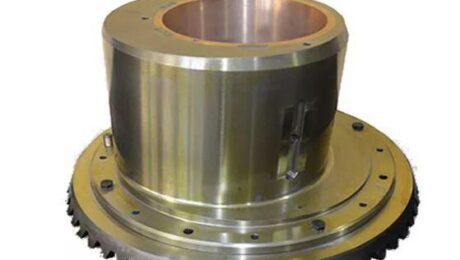
Cone Crusher Eccentric Bushing Supplier: Your Ultimate Guide to Mining Machinery and Spare Parts
In the competitive world of mining machinery, sourcing reliable and high-quality components like the cone crusher eccentric bushing is crucial for maintaining optimal equipment performance. Whether you’re a mining operation manager, equipment maintenance professional, or procurement specialist, understanding the nuances of these essential parts can save you time, money, and downtime. This comprehensive guide dives deep into the world of mining machinery and spare parts, focusing on the cone crusher eccentric bushing and how to select the best supplier for your needs.
Understanding Cone Crusher Eccentric Bushings and Their Role in Mining Machinery
The cone crusher eccentric bushing is a vital component within the cone crusher assembly. It acts as a bearing that allows the moving cone to gyrate smoothly around a fixed axis, facilitating the crushing process of rocks and ores in mining operations. Without a properly functioning eccentric bushing, cone crushers can experience excessive wear, reduced efficiency, and potential breakdowns.
What Is a Cone Crusher Eccentric Bushing?
Simply put, the eccentric bushing is a cylindrical sleeve that fits around the eccentric shaft of a cone crusher. It provides a bearing surface that supports the gyrating motion of the crusher’s mantle. Made typically from high-strength alloy materials, these bushings endure significant stress and abrasive forces.
Key Functions of the Eccentric Bushing in Cone Crushers
- Facilitates smooth gyrating motion of the cone mantle
- Absorbs and distributes crushing forces
- Reduces wear on the eccentric shaft and other components
- Maintains crusher stability and performance
Mining Machinery and Spare Parts: An Overview
Mining machinery encompasses a wide range of equipment designed for extraction, processing, and transportation of minerals. Spare parts like bearings, bushings, liners, and gears are essential to keep this machinery running efficiently.
Common Types of Mining Machinery
- Jaw Crushers
- Cone Crushers
- Impact Crushers
- Grinding Mills
- Screening Equipment
- Conveyors
Importance of Quality Spare Parts in Mining
High-quality spare parts ensure longevity, reduce unplanned downtime, and improve overall operational efficiency. Using inferior components can lead to frequent breakdowns, increased maintenance costs, and safety hazards.
How to Choose a Reliable Cone Crusher Eccentric Bushing Supplier
Choosing the right supplier is critical to ensure you receive durable, compatible, and cost-effective eccentric bushings. Here are key factors to consider:
1. Product Quality and Material Standards
Ensure the supplier uses high-grade alloy materials and follows industry standards for manufacturing eccentric bushings. Ask for certifications or quality assurance documentation.
2. Compatibility and Customization
Check if the supplier offers bushings compatible with your crusher model or can provide custom sizes and designs tailored to your machinery.
3. Supplier Reputation and Experience
Look for suppliers with proven track records in the mining industry. Customer reviews, case studies, and years of operation are good indicators.
4. Delivery Time and After-Sales Support
Timely delivery minimizes downtime. Also, reliable after-sales service including technical support and warranty can be invaluable.
5. Competitive Pricing
While quality should never be compromised, competitive pricing ensures cost-effectiveness. Request detailed quotes and compare.
Comparison of Leading Cone Crusher Eccentric Bushing Suppliers
| Supplier | Material Quality | Customization | Delivery Time | Warranty | Customer Support |
|---|---|---|---|---|---|
| Supplier A | High-grade alloy steel | Yes, custom sizes available | 2-3 weeks | 12 months | 24/7 technical support |
| Supplier B | Standard alloy | Limited options | 4-6 weeks | 6 months | Business hours only |
| Supplier C | Premium alloy with heat treatment | Fully customizable | 1-2 weeks | 18 months | Dedicated account manager |
For more detailed supplier reviews and comparisons, visit our supplier directory.
Common Mistakes When Purchasing Cone Crusher Eccentric Bushings
- Ignoring Compatibility: Buying bushings that don’t fit your specific crusher model leads to poor performance and damage.
- Overlooking Material Quality: Choosing cheaper materials can cause premature wear and frequent replacements.
- Neglecting Supplier Reputation: Unverified suppliers may provide substandard products without warranty.
- Failing to Plan for Lead Time: Not accounting for delivery time can cause operational delays.
- Skipping After-Sales Support: Lack of technical assistance can complicate installation and troubleshooting.
Buying Guide: Selecting the Best Cone Crusher Eccentric Bushing for Your Mining Machinery
Step 1: Identify Your Crusher Model and Specifications
Consult your equipment manual or manufacturer to determine the exact size and type of eccentric bushing required.
Step 2: Evaluate Material and Durability
Look for bushings made from wear-resistant alloys with proven performance in harsh mining environments.
Step 3: Request Samples or Product Data Sheets
Review technical data, including hardness, tensile strength, and heat treatment processes.
Step 4: Compare Supplier Offers
Consider pricing, delivery schedules, warranty terms, and customer service responsiveness.
Step 5: Plan Installation and Maintenance
Ensure your maintenance team is prepared for installation and routine checks to maximize bushing lifespan.
Frequently Asked Questions About Cone Crusher Eccentric Bushings
1. What is the average lifespan of a cone crusher eccentric bushing?
Typically, a well-maintained eccentric bushing lasts between 6 months to 2 years depending on mining conditions and material quality.
2. Can eccentric bushings be repaired or reconditioned?
Some suppliers offer reconditioning services, but replacement is often recommended to ensure optimal performance.
3. How do I know if my eccentric bushing needs replacement?
Signs include unusual noise, increased vibration, uneven wear on the mantle, and decreased crushing efficiency.
4. Are all eccentric bushings interchangeable between different cone crusher brands?
No, compatibility depends on the crusher model and manufacturer specifications. Always verify before purchasing.
5. What materials are eccentric bushings typically made from?
They are usually made from high-strength alloy steels with heat treatment to improve wear resistance.
6. How important is after-sales support from a supplier?
Very important. Good support helps with installation guidance, troubleshooting, and warranty claims.
7. Where can I find trustworthy suppliers for mining machinery spare parts?
Industry directories, trade shows, and verified online marketplaces are good places to start. See our supplier recommendations.
8. How does the eccentric bushing affect overall crusher performance?
A properly functioning bushing ensures smooth gyration, reducing wear on other parts and maintaining crushing efficiency.
For more information on mining machinery and spare parts, check out our related articles at Mining Equipment Insights.
- Published in Products
Jaw Crusher Fixed Jaw Movable Jaw Supplier: Comprehensive Guide to Mining Machinery and Spare Parts
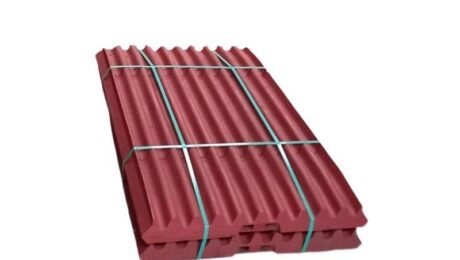
Jaw Crusher Fixed Jaw Movable Jaw Supplier: Comprehensive Guide to Mining Machinery and Spare Parts
In the world of mining and construction, the role of jaw crusher fixed jaw movable jaw suppliers is pivotal. Whether you are looking to upgrade your machinery or source reliable spare parts, understanding the nuances of jaw crushers and their components is essential. This article delves deep into mining machinery and mining machinery spare parts, helping you make informed decisions tailored to your operational needs.
Understanding Jaw Crushers: Fixed Jaw and Movable Jaw Explained
Jaw crushers are fundamental equipment in mining operations used for crushing large rocks into smaller, manageable pieces. The two primary components that define their operation are the fixed jaw and the movable jaw.
What is a Fixed Jaw in Jaw Crushers?
The fixed jaw is the stationary part of the crusher that holds the material in place during crushing. It is typically made from high-strength manganese steel to withstand significant wear and tear.
What is a Movable Jaw?
The movable jaw moves back and forth relative to the fixed jaw, applying compressive force to crush the material. Its motion is powered by an eccentric shaft and is crucial for the crusher’s efficiency.
Types of Jaw Crushers and Their Applications
Jaw crushers come in several types, each suited for specific mining tasks:
- Single-toggle jaw crusher: Features a single moving jaw and is commonly used for primary crushing.
- Double-toggle jaw crusher: Has two toggles allowing for a more complex movement, ideal for hard or abrasive materials.
- Mobile jaw crushers: Portable units designed for flexibility and ease of transport.
Mining Machinery Overview: Beyond Jaw Crushers
Mining machinery encompasses a broad range of equipment beyond jaw crushers, including:
- Conveyors and feeders
- Impact crushers
- Grinding mills
- Screening machines
- Spare parts such as liners, shafts, and bearings
Each component plays a critical role in ensuring smooth mining operations.
Why Choosing the Right Jaw Crusher Fixed Jaw Movable Jaw Supplier Matters
Selecting a reliable supplier impacts your equipment’s performance, durability, and maintenance costs. Key considerations include:
- Quality of materials used in fixed and movable jaws
- Customization options to suit specific mining needs
- Availability of genuine spare parts
- After-sales support and warranty
Comparison of Leading Jaw Crusher Fixed Jaw Movable Jaw Suppliers
| Supplier | Material Quality | Customization | Spare Parts Availability | Warranty & Support |
|---|---|---|---|---|
| Supplier A | High manganese steel | Yes | Extensive | 2 years with 24/7 support |
| Supplier B | Chromium alloy steel | Limited | Moderate | 1 year with online support |
| Supplier C | Standard manganese steel | Yes | Good | 1.5 years with phone support |
Buying Guide: How to Select the Best Jaw Crusher Fixed Jaw Movable Jaw Supplier
- Assess Your Crushing Requirements: Understand the type of material, feed size, and output size needed.
- Evaluate Material Quality: Ensure the fixed and movable jaws are made from durable materials like manganese steel.
- Check Supplier Reputation: Look for reviews, certifications, and years in the industry.
- Request Customization Options: Tailored solutions can optimize crusher performance.
- Verify Spare Parts Availability: Easy access to genuine parts reduces downtime.
- Consider After-Sales Service: Responsive support is critical for maintenance and troubleshooting.
Common Mistakes When Purchasing Jaw Crusher Fixed Jaw Movable Jaw Parts
- Ignoring Material Specifications: Using substandard materials leads to frequent wear and failures.
- Overlooking Compatibility: Parts not matching your crusher model cause operational issues.
- Neglecting Supplier Support: Lack of technical assistance can prolong downtime.
- Failing to Plan for Maintenance: Not stocking essential spare parts can halt production.
Frequently Asked Questions (FAQ)
1. What materials are used for fixed and movable jaws?
Typically, high manganese steel is used due to its durability and resistance to abrasion. Some suppliers may offer chromium alloy steel for enhanced wear resistance.
2. How do I know if a supplier’s spare parts are genuine?
Check for certifications, request material test reports, and verify the supplier’s reputation in the industry.
3. Can jaw crusher parts be customized?
Yes, many suppliers offer customization to match specific crusher models and operational requirements.
4. How often should jaw crusher parts be replaced?
Replacement frequency depends on usage intensity, material hardness, and maintenance. Regular inspections help determine the right timing.
5. What is the difference between single-toggle and double-toggle jaw crushers?
Single-toggle crushers have one moving jaw and are simpler, while double-toggle crushers have two toggles allowing more complex motion, suitable for harder materials.
6. Are mobile jaw crushers effective for mining operations?
Yes, mobile jaw crushers provide flexibility and are ideal for remote or small-scale mining projects.
7. How can I improve the lifespan of jaw crusher parts?
Regular maintenance, using high-quality parts, and operating within recommended parameters enhance longevity.
8. Where can I find reliable suppliers?
Industry trade shows, verified online marketplaces, and recommendations from mining professionals are good starting points. Explore our related resources here.
For more insights on mining machinery and spare parts, visit our comprehensive resource center.
- Published in Products
Jaw Crusher Cheek Plate Replacement: Essential Guide for Mining Machinery and Spare Parts
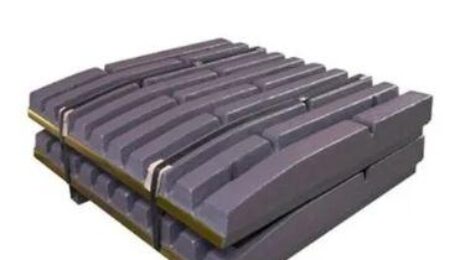
Jaw Crusher Cheek Plate Replacement: Essential Guide for Mining Machinery and Spare Parts
In the mining and construction industry, maintaining the efficiency and durability of equipment like jaw crushers is crucial. One of the most vital components in jaw crushers is the cheek plate, which protects the crusher’s frame from wear and tear. This comprehensive guide on jaw crusher cheek plate replacement explores everything you need to know about mining machinery and spare parts, ensuring you make informed decisions for optimal performance.
Understanding Jaw Crusher Cheek Plates and Their Importance
The jaw crusher cheek plate is a protective liner installed on the sides of the crusher’s crushing chamber. Its primary function is to shield the crusher frame from damage caused by the abrasive materials processed during crushing. Over time, these plates wear out and require replacement to maintain crusher efficiency and prevent costly repairs.
What Is a Jaw Crusher Cheek Plate?
A cheek plate is a replaceable metal liner, typically made from manganese steel or other wear-resistant alloys. It fits snugly against the crusher’s frame, absorbing impacts and reducing wear on the main structure. Without cheek plates, the crusher’s frame would suffer significant damage, leading to operational downtime.
Types of Cheek Plates
- Standard Manganese Steel Plates: Most commonly used due to their toughness and wear resistance.
- High Chromium Alloy Plates: Offer superior hardness and longer life in extremely abrasive environments.
- Composite Plates: Combine different materials for enhanced durability and reduced weight.
Mining Machinery and Spare Parts: The Role of Jaw Crusher Components
Mining machinery relies heavily on durable spare parts to sustain continuous operation. Jaw crushers are among the most widely used machines in mining, quarrying, and recycling industries. Their spare parts, including cheek plates, play a pivotal role in maintaining productivity and minimizing downtime.
Common Spare Parts for Jaw Crushers
- Cheek Plates
- Jaw Plates (Fixed and Movable)
- Toggle Plates
- Flywheels
- Bearings
- Drive Belts
Each part has a specific function, but cheek plates are especially critical because they directly affect the crusher frame’s longevity and operational safety.
When and Why to Replace Jaw Crusher Cheek Plates
Recognizing the right time for replacement is key to avoiding unexpected failures. Here are the main indicators that your cheek plates need replacement:
- Visible Wear and Tear: Cracks, deep grooves, or thinning of the plates.
- Reduced Crushing Efficiency: Increased material slippage or uneven crushing.
- Unusual Noise or Vibrations: Indicating loose or damaged plates.
- Regular Maintenance Schedule: Preventive replacement based on operational hours or tonnage.
Consequences of Delayed Replacement
Ignoring worn cheek plates can lead to frame damage, increased repair costs, and prolonged downtime, severely impacting mining operations.
Step-by-Step Guide to Jaw Crusher Cheek Plate Replacement
- Prepare the Equipment: Shut down the crusher and ensure it is safely locked out.
- Remove Old Cheek Plates: Use appropriate tools to unbolt and detach worn plates.
- Inspect the Frame: Check for any damage or deformation before installing new plates.
- Install New Cheek Plates: Align and secure the new plates firmly using manufacturer-recommended torque settings.
- Test the Crusher: Run the crusher at low speed to ensure proper installation and no abnormal noises.
Comparison of Jaw Crusher Cheek Plate Materials
| Material | Durability | Cost | Best Use Case |
|---|---|---|---|
| Manganese Steel | High | Moderate | General crushing operations |
| High Chromium Alloy | Very High | High | Extremely abrasive materials |
| Composite | Moderate to High | Moderate to High | Lightweight applications with moderate wear |
Buying Guide: How to Choose the Right Jaw Crusher Cheek Plates
Selecting the correct cheek plates is essential for maximizing crusher lifespan and efficiency. Consider the following criteria:
1. Material Compatibility
Choose plates made from materials suited to the abrasiveness and hardness of the processed material.
2. Manufacturer Specifications
Always refer to the crusher manufacturer’s recommendations for plate dimensions and material grades.
3. Durability vs. Cost
Balance your budget with the expected lifespan; investing in higher quality plates can reduce long-term costs.
4. Ease of Installation
Opt for designs that allow straightforward replacement to minimize downtime.
5. Supplier Reputation
Purchase from reliable suppliers who provide warranties and technical support.
Common Mistakes to Avoid During Cheek Plate Replacement
- Ignoring Regular Inspections: Leads to unexpected failures.
- Using Incorrect Materials: Reduces plate life and damages the crusher.
- Poor Installation Practices: Can cause misalignment and accelerated wear.
- Neglecting Frame Inspection: Overlooking frame damage can cause operational hazards.
- Delaying Replacement: Increases repair costs and downtime.
Frequently Asked Questions (FAQ) About Jaw Crusher Cheek Plate Replacement
1. How often should jaw crusher cheek plates be replaced?
Replacement frequency depends on usage intensity and material abrasiveness but generally ranges from every few months to annually. Regular inspections help determine the right timing.
2. Can I replace cheek plates myself or should I hire a professional?
While experienced technicians can perform replacements, it’s recommended to hire professionals to ensure safety and proper installation.
3. What are the signs that cheek plates are worn out?
Look for cracks, thinning, unusual noises, and decreased crushing efficiency as key indicators.
4. Are aftermarket cheek plates as reliable as OEM parts?
High-quality aftermarket parts can be reliable if sourced from reputable manufacturers, but OEM parts are generally preferred for guaranteed compatibility.
5. How can I prolong the life of jaw crusher cheek plates?
Regular maintenance, using appropriate materials, and timely replacement help extend plate life.
6. What is the cost range for jaw crusher cheek plates?
Costs vary widely based on material and size but typically range from a few hundred to several thousand dollars per set.
7. Are there any environmental considerations when disposing of worn cheek plates?
Yes, worn plates should be recycled as scrap metal to minimize environmental impact.
8. How do cheek plates affect overall mining machinery performance?
Proper cheek plates protect the crusher frame, ensuring consistent performance and reducing downtime.
For more detailed information on mining machinery spare parts, visit our Mining Equipment Resources page.
- Published in Products
Crusher Wear Parts Manganese Grade Mn22: Comprehensive Guide to Mining Machinery and Spare Parts
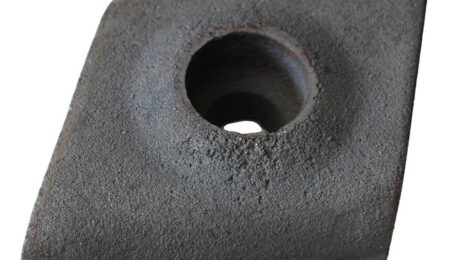
Crusher Wear Parts Manganese Grade Mn22: Essential Insights for Mining Machinery and Spare Parts
In the demanding world of mining, the efficiency and durability of machinery directly impact productivity and operational costs. One critical component that often determines the lifespan and performance of crushers is the crusher wear parts manganese grade Mn22. This article delves deep into the significance of Mn22 manganese wear parts, their role in mining machinery, and how to select the best spare parts to optimize your mining operations.
Understanding Crusher Wear Parts and the Importance of Manganese Grade Mn22
Crusher wear parts are specialized components designed to withstand extreme abrasion and impact during the crushing process. Among these, manganese steel parts are widely recognized for their toughness and resistance to wear. The Mn22 manganese grade refers to a manganese content of approximately 22%, which offers an ideal balance of hardness and ductility.
What Are Crusher Wear Parts?
Crusher wear parts include jaw plates, cone crusher liners, blow bars, hammers, and impact plates. These parts come into direct contact with rocks and ores, experiencing constant friction and impact. Their quality and material composition significantly influence the crusher’s operational efficiency.
Why Choose Manganese Grade Mn22?
- High Wear Resistance: Mn22 provides excellent resistance against abrasion, extending the lifespan of wear parts.
- Impact Toughness: Its composition allows parts to absorb heavy impacts without cracking or breaking.
- Self-hardening Property: During operation, the surface hardens due to work hardening, improving durability.
Mining Machinery and Spare Parts: A Detailed Overview
Mining machinery encompasses a wide range of equipment used to extract, process, and transport minerals. From crushers and conveyors to drilling rigs and excavators, each machine relies on high-quality spare parts for optimal performance.
Key Types of Mining Machinery
- Crushers: Primary, secondary, and tertiary crushers reduce ore size for processing.
- Drilling Machines: Used for exploration and blasting preparation.
- Conveyors and Feeders: Transport materials efficiently across mining sites.
- Excavators and Loaders: Handle material loading and earthmoving tasks.
Essential Spare Parts for Mining Machinery
Spare parts like crusher wear parts, conveyor belts, hydraulic components, and drill bits must meet stringent quality standards. The manganese grade Mn22 is particularly critical for crusher wear parts due to its superior performance under harsh mining conditions.
How to Select the Right Crusher Wear Parts Manganese Grade Mn22
Choosing the right wear parts is crucial to minimize downtime and maximize crusher efficiency. Here’s a comprehensive buying guide to help you make informed decisions.
Selection Criteria for Crusher Wear Parts
- Material Quality: Ensure the manganese content is consistent and meets industry standards for Mn22.
- Compatibility: Parts must fit your crusher model precisely to avoid operational issues.
- Manufacturer Reputation: Opt for suppliers with proven expertise in mining wear parts.
- Performance Testing: Check for wear resistance and toughness through lab or field tests.
- Cost vs. Lifespan: Evaluate the total cost of ownership, not just the initial price.
Long-Tail Keywords to Consider When Purchasing
- High-quality Mn22 manganese crusher wear parts
- Durable mining crusher liners Mn22 grade
- Replacement manganese crusher jaw plates Mn22
- Wear-resistant Mn22 manganese blow bars for crushers
Comparison of Manganese Grades in Crusher Wear Parts
Understanding how Mn22 compares to other manganese grades helps in selecting the best material for your application.
| Grade | Manganese Content (%) | Hardness | Typical Applications | Advantages |
|---|---|---|---|---|
| Mn13 | 13 | Medium | Light crushing, low impact | Lower cost, good toughness |
| Mn22 | 22 | High | Heavy crushing, high impact | Excellent wear resistance and toughness |
| Mn18 | 18 | Medium-High | Medium crushing, moderate impact | Balanced wear and toughness |
Common Mistakes When Choosing and Using Crusher Wear Parts
Even experienced operators can make errors that reduce the efficiency and lifespan of crusher wear parts. Avoid these pitfalls:
- Ignoring Material Specifications: Using lower-grade manganese parts in high-impact crushers leads to premature failure.
- Poor Installation Practices: Incorrect fitting can cause uneven wear and damage.
- Neglecting Regular Maintenance: Failing to inspect and replace worn parts timely increases downtime.
- Overlooking Compatibility: Using generic parts not designed for specific crusher models.
- Focusing Solely on Price: Cheaper parts may cost more in the long run due to frequent replacements.
Frequently Asked Questions About Crusher Wear Parts Manganese Grade Mn22
1. What makes Mn22 manganese steel ideal for crusher wear parts?
Mn22 manganese steel combines high manganese content with excellent toughness and wear resistance. Its ability to harden under impact makes it perfect for parts subjected to heavy abrasion.
2. How often should crusher wear parts be replaced?
Replacement frequency depends on operational intensity, material characteristics, and maintenance. Regular inspections help determine wear levels and optimal replacement timing.
3. Can Mn22 crusher wear parts be used in all types of crushers?
Mn22 parts are best suited for heavy-duty crushers like jaw crushers, cone crushers, and impact crushers where high impact and abrasion occur.
4. Are there alternatives to manganese steel for crusher wear parts?
Yes, alternatives include alloy steels, ceramic composites, and rubber liners, but manganese steel remains preferred for its balance of durability and cost-effectiveness.
5. How does work hardening improve Mn22 wear parts performance?
Work hardening occurs when the surface layer of manganese steel becomes harder due to impact and friction, enhancing wear resistance over time.
6. Where can I find reliable suppliers of Mn22 crusher wear parts?
Look for manufacturers with certifications, positive industry reviews, and a track record of supplying mining equipment parts. Explore our recommended suppliers.
7. What maintenance tips help extend the life of Mn22 crusher wear parts?
Regular cleaning, timely inspections, proper installation, and operating within recommended parameters help maximize part lifespan.
8. How does the cost of Mn22 parts compare to other manganese grades?
Mn22 parts typically have a higher upfront cost due to superior material quality but offer better longevity, resulting in lower overall expenses.
Conclusion
Investing in high-quality crusher wear parts manganese grade Mn22 is essential for mining operations aiming for durability and efficiency. Understanding material properties, selecting the right parts, and adhering to maintenance best practices can significantly reduce downtime and operational costs. For further insights and product options, visit our detailed resources on mining machinery spare parts and crusher maintenance.
- Published in Products
Crusher Wear Parts Manganese Grade Mn18: Ultimate Guide to Mining Machinery and Spare Parts
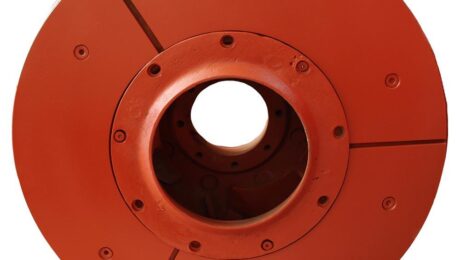
Crusher Wear Parts Manganese Grade Mn18: Ultimate Guide to Mining Machinery and Spare Parts
In the demanding world of mining, the durability and efficiency of crusher wear parts play a pivotal role in operational success. Among various materials, crusher wear parts manganese grade Mn18 stand out for their exceptional hardness and wear resistance. This comprehensive guide dives deep into the significance of Mn18 manganese in mining machinery spare parts, helping you understand its benefits, applications, and how to select the best components for your equipment.
Understanding Crusher Wear Parts and Their Importance in Mining Machinery
Crusher wear parts are critical components subjected to intense abrasion and impact during mineral processing. They include jaw plates, cone liners, impact bars, and more, all designed to protect the crusher’s main structure and enhance crushing efficiency.
The mining industry demands parts that can withstand extreme conditions, and the choice of material directly influences performance and longevity. Manganese steel grades, especially Mn18, are widely used due to their unique properties.
What Is Manganese Grade Mn18?
Manganese grade Mn18 is a high-manganese alloy steel containing approximately 18% manganese. This composition provides excellent work-hardening capabilities, making it ideal for high-impact and abrasive environments.
- High impact resistance: Mn18 parts harden under impact, reducing wear.
- Superior toughness: Prevents premature failure and cracking.
- Corrosion resistance: Suitable for harsh mining environments.
Mining Machinery and Their Spare Parts: An Overview
Mining machinery encompasses a wide range of equipment designed for extraction, crushing, grinding, and transporting minerals. Key machinery includes:
- Jaw crushers
- Cone crushers
- Impact crushers
- Grinding mills
- Screening equipment
Each machine relies heavily on its wear parts to maintain continuous operation without costly downtime.
Common Wear Parts in Mining Machinery
- Jaw plates: Critical for primary crushing, often made from Mn18 manganese steel.
- Cone liners: Protect cone crushers from wear and impact.
- Hammer and blow bars: Used in impact crushers for breaking down materials.
- Grinding balls and liners: Used in mills to grind ores.
Why Choose Mn18 Manganese Steel for Crusher Wear Parts?
Choosing the right material for crusher wear parts can significantly affect operational efficiency and maintenance costs.
Advantages of Mn18 Manganese Steel
- Self-hardening property: Surfaces become harder with impact, extending service life.
- High ductility: Absorbs shocks without breaking.
- Cost-effective: Longer lifespan reduces replacement frequency.
- Adaptability: Suitable for various crushing applications.
Comparison of Mn18 with Other Manganese Grades
| Grade | Manganese Content (%) | Hardness | Typical Application | Cost |
|---|---|---|---|---|
| Mn13 | 13 | Medium | Light to medium wear parts | Lower |
| Mn18 | 18 | High | Heavy-duty wear parts | Moderate |
| Mn22 | 22 | Very High | Extreme wear conditions | Higher |
Mn18 strikes a balance between hardness and toughness, making it the preferred choice for many mining operations.
How to Select the Right Crusher Wear Parts: Buying Guide
Choosing the correct wear parts requires understanding your equipment and operational conditions.
Key Selection Criteria
- Material Compatibility: Ensure the wear parts material matches the crusher type and ore characteristics.
- Wear Resistance: Select parts with proven abrasion and impact resistance, such as Mn18 manganese steel.
- Manufacturer Reputation: Purchase from trusted suppliers with quality certifications.
- Cost vs. Performance: Consider total lifecycle cost, not just initial price.
- Size and Fit: Confirm compatibility with your mining machinery model.
Tips for Ordering Spare Parts
- Keep a maintenance log to anticipate replacement needs.
- Order from suppliers offering technical support and warranty.
- Request samples or test reports when possible.
Common Mistakes When Choosing and Using Crusher Wear Parts
Mining operators often face challenges that can be avoided with proper knowledge.
Top Mistakes to Avoid
- Ignoring material specifications: Using low-grade steel can lead to premature wear.
- Overlooking compatibility: Parts not matching machinery cause poor performance.
- Delaying replacements: Worn parts increase energy consumption and risk damage.
- Neglecting supplier verification: Counterfeit parts can compromise safety and efficiency.
Frequently Asked Questions About Crusher Wear Parts Manganese Grade Mn18
1. What makes Mn18 manganese steel suitable for crusher wear parts?
Mn18 manganese steel has a high manganese content that provides excellent work-hardening properties, making it highly resistant to impact and abrasion common in crushing operations.
2. Can Mn18 wear parts be used in all types of crushers?
While Mn18 is versatile, it is especially ideal for jaw and cone crushers. For extremely abrasive or specialized applications, other grades might be more suitable.
3. How long do Mn18 crusher wear parts typically last?
Service life varies by application but generally, Mn18 parts offer a longer lifespan compared to lower manganese grades, reducing downtime and replacement costs.
4. Are Mn18 wear parts compatible with all mining machinery brands?
Most manufacturers produce Mn18 wear parts compatible with popular machinery models, but always verify fit and specifications with your equipment supplier.
5. How can I maintain Mn18 crusher wear parts to extend their life?
Regular inspections, timely replacements, and proper installation help maximize the durability of Mn18 parts.
6. Where can I buy authentic Mn18 crusher wear parts?
Purchase from reputable mining machinery spare parts suppliers or authorized dealers to ensure quality and warranty coverage. See our recommended suppliers for trusted sources.
7. What are the cost implications of choosing Mn18 over other manganese grades?
Though Mn18 parts may cost more upfront than lower grades, their extended durability typically results in lower total lifecycle costs.
8. Can Mn18 parts be recycled or refurbished?
Yes, manganese steel parts can often be refurbished or recycled, supporting sustainable mining practices.
Conclusion
Understanding the role of crusher wear parts manganese grade Mn18 in mining machinery is essential for optimizing performance and reducing operational costs. By selecting the right materials and suppliers, mining operators can ensure their equipment runs efficiently, safely, and sustainably. For more detailed information on mining machinery spare parts and maintenance tips, visit our resource center.
- Published in Products
