


Symons 4.25ft Cone Crusher Parts: Ultimate Guide to Mining Machinery and Spare Parts

Symons 4.25ft Cone Crusher Parts: Essential Components for Efficient Mining Machinery
The Symons 4.25ft cone crusher parts are critical components for maintaining peak performance in mining machinery. Whether you’re operating in quarrying, mineral processing, or aggregate production, understanding these parts ensures your equipment runs smoothly and efficiently. In this comprehensive guide, we explore everything from the key components and their functions to tips on selecting the best spare parts, common mistakes to avoid, and a detailed FAQ to answer all your questions.
Understanding Symons 4.25ft Cone Crusher and Its Parts
The Symons cone crusher is a widely used piece of mining machinery designed for crushing ores and rocks with high efficiency and reliability. The 4.25ft model is known for its robust design and ability to handle medium to hard materials.
Primary Components of Symons 4.25ft Cone Crusher
- Mantle: The moving part that crushes material against the concave.
- Concave (Bowl Liner): The stationary part that works with the mantle to crush material.
- Spider Cap: Protects the top bearing and helps maintain crusher stability.
- Adjustment Ring: Allows adjustment of the crusher’s discharge opening.
- Drive Shaft and Bearings: Transmit power and support the rotating mantle.
- Hydraulic System: Provides protection and adjustment functions.
How Symons 4.25ft Cone Crusher Parts Work Together
The mantle gyrates inside the concave, crushing rocks against the bowl liner. The adjustment ring helps control the size of the crushed output, while the hydraulic system ensures safety and ease of maintenance. Each part plays a vital role in the crusher’s overall performance.
Mining Machinery and Spare Parts: Why Quality Matters
Mining machinery spare parts like those for the Symons 4.25ft cone crusher must meet strict quality standards. Using OEM or high-quality aftermarket components increases equipment lifespan, reduces downtime, and improves operational efficiency.
Common Types of Mining Machinery Spare Parts
- Wear parts (mantle, concave, liners)
- Hydraulic components
- Drive components (shafts, bearings, gears)
- Electrical parts
- Filters and seals
Choosing the right parts for your machinery can significantly impact productivity and safety.
Comparison of Symons 4.25ft Cone Crusher Parts with Other Models
| Feature | Symons 4.25ft Cone Crusher | Standard 3ft Cone Crusher | Nordberg HP Series |
|---|---|---|---|
| Crushing Capacity | Medium to high | Low to medium | High |
| Spare Parts Availability | Widely available | Limited | Specialized |
| Maintenance Complexity | Moderate | Low | High |
| Cost of Parts | Moderate | Low | High |
This comparison helps you understand the value and suitability of the Symons 4.25ft cone crusher parts for different mining needs.
Buying Guide: How to Select the Right Symons 4.25ft Cone Crusher Parts
Choosing the right spare parts involves several key considerations:
1. Compatibility
Ensure parts fit your specific crusher model and serial number.
2. Material Quality
Opt for wear-resistant materials like manganese steel for longer life.
3. Supplier Reputation
Purchase from trusted manufacturers or authorized dealers.
4. Warranty and Support
Check for warranties and after-sales service availability.
5. Cost vs. Longevity
Balance initial cost with expected lifespan to maximize ROI.
Following these criteria will help you maintain crusher efficiency and reduce unplanned downtime.
Common Mistakes to Avoid When Purchasing and Installing Cone Crusher Parts
- Buying incompatible parts without verifying model specifics.
- Ignoring OEM recommendations and opting for low-quality alternatives.
- Neglecting proper installation procedures leading to premature wear.
- Skipping routine inspections and maintenance schedules.
- Failing to train operators on correct usage and safety protocols.
Avoiding these mistakes can save significant costs and extend the life of your mining machinery.
Frequently Asked Questions About Symons 4.25ft Cone Crusher Parts
1. What is the typical lifespan of Symons 4.25ft cone crusher parts?
With proper maintenance, wear parts like mantles and concaves can last several months to over a year depending on material hardness and operating conditions.
2. Can I use aftermarket parts for my Symons 4.25ft cone crusher?
Yes, but ensure they meet OEM specifications and come from reputable suppliers to avoid quality issues.
3. How often should I inspect the crusher parts?
Routine inspections should be conducted weekly or monthly based on usage to detect wear or damage early.
4. What are signs that a cone crusher part needs replacement?
Look for excessive wear, cracks, decreased crushing efficiency, unusual noises, or hydraulic leaks.
5. How do I adjust the discharge size on a Symons 4.25ft cone crusher?
Use the adjustment ring or hydraulic system to change the crusher setting safely as per the manufacturer’s manual.
6. Are there any safety tips when handling cone crusher parts?
Always wear protective gear, follow lockout/tagout procedures, and use proper lifting equipment.
7. Where can I find genuine Symons 4.25ft cone crusher parts?
You can source genuine parts from authorized dealers, OEM manufacturers, or trusted online suppliers. Check our parts directory for verified vendors.
8. What maintenance practices prolong the life of cone crusher parts?
Regular lubrication, cleaning, timely replacement of worn parts, and operator training are essential for longevity.
For more detailed insights and parts sourcing, visit our Mining Machinery Resources page.
- Published in Products
Sandvik CH660 Wear Parts: Comprehensive Guide to Mining Machinery and Spare Parts
Sandvik CH660 Wear Parts: Essential Components for Efficient Mining Machinery
The mining industry demands robust and reliable equipment to ensure continuous operations and maximum productivity. Among the critical components that keep crushers like the Sandvik CH660 running smoothly are the wear parts. This guide dives deep into the world of Sandvik CH660 wear parts, exploring their importance, types, and how to select the best options for your mining machinery. Whether you’re a mining operations manager, equipment purchaser, or maintenance technician, understanding these parts is key to optimizing your crushing performance.
Understanding the Sandvik CH660 Crusher and Its Wear Parts
The Sandvik CH660 is a high-capacity cone crusher designed for tough mining applications. It features advanced technology to deliver high productivity, superior product quality, and low operating costs. However, like all crushers, the CH660 relies heavily on wear parts that endure constant abrasion and impact.
What Are Wear Parts in Mining Machinery?
Wear parts are components that experience regular wear and tear during operation and require periodic replacement. For the Sandvik CH660, wear parts include items such as:
- Concaves
- Mantles
- Drive belts
- Seals
- Feed plates
These parts protect the crusher’s structure and ensure efficient crushing by maintaining the correct geometry and wear profile.
Why Are Sandvik CH660 Wear Parts Critical?
- Performance: Worn parts reduce crushing efficiency and product quality.
- Safety: Damaged parts can cause unexpected breakdowns and hazards.
- Cost-effectiveness: Timely replacement prevents expensive repairs and downtime.
Types of Sandvik CH660 Wear Parts and Their Functions
Concaves
Concaves are the inner liners of the crusher bowl, responsible for crushing the material between the mantle and the concave surface. They come in various profiles and materials to suit different mining conditions.
Mantles
The mantle is the moving part inside the crusher that gyrates to crush material. Mantles must be durable and precisely engineered to maintain crushing efficiency.
Drive Belts and Seals
Drive belts transmit power from the motor to the crusher, while seals protect internal components from dust and debris. Both require regular inspection and replacement to avoid operational issues.
How to Choose the Right Sandvik CH660 Wear Parts: A Buying Guide
Selecting the correct wear parts is crucial for maximizing crusher uptime and performance. Here are key criteria to consider:
Material Quality and Composition
Wear parts are typically made from manganese steel or other alloys designed to withstand abrasion and impact. Ensure the parts meet OEM specifications for material hardness and toughness.
Compatibility and Fit
Always verify that the wear parts are designed specifically for the Sandvik CH660 model. Ill-fitting parts can cause premature wear and damage.
Supplier Reputation and Warranty
Choose suppliers with proven track records and offer warranties. OEM parts are preferred but high-quality aftermarket options can be cost-effective.
Price vs. Longevity
Cheaper parts might save money upfront but could wear faster. Evaluate the total cost of ownership including lifespan and replacement frequency.
Comparison of OEM vs. Aftermarket Wear Parts for Sandvik CH660
| Feature | OEM Wear Parts | Aftermarket Wear Parts |
|---|---|---|
| Quality Assurance | High, tested by manufacturer | Varies by supplier |
| Price | Higher | Lower |
| Availability | Direct from manufacturer | Widely available |
| Warranty | Typically included | Depends on supplier |
| Fit and Compatibility | Exact fit | May vary |
Common Mistakes When Purchasing and Maintaining Sandvik CH660 Wear Parts
- Ignoring wear patterns: Not monitoring wear can lead to unexpected failures.
- Using incompatible parts: Non-OEM or incorrect parts can damage the crusher.
- Delaying replacement: Waiting too long to replace worn parts increases downtime.
- Neglecting supplier verification: Buying from unreliable sources risks counterfeit or poor-quality parts.
Maintenance Tips for Prolonging Wear Part Life
Regular inspection, proper lubrication, and following manufacturer guidelines help extend the life of wear parts. Implementing a scheduled maintenance plan reduces unplanned downtime and repair costs.
Frequently Asked Questions About Sandvik CH660 Wear Parts
1. How often should Sandvik CH660 wear parts be replaced?
Replacement frequency depends on the material processed and operating conditions but typically ranges from several hundred to a few thousand operating hours. Regular inspection is vital.
2. Can aftermarket wear parts be used without affecting warranty?
Using aftermarket parts may void the manufacturer’s warranty. Always check warranty terms before installation.
3. What materials are best for Sandvik CH660 wear parts?
Manganese steel is commonly used due to its high abrasion resistance and toughness, but specific alloys may be recommended based on application.
4. How do I identify worn wear parts?
Look for signs like reduced crusher performance, unusual noises, visible cracks, or uneven wear patterns on liners and mantles.
5. Are there any environmental considerations when disposing of worn wear parts?
Yes, worn parts should be recycled or disposed of according to local environmental regulations to minimize impact.
6. Where can I find genuine Sandvik CH660 wear parts?
Genuine parts are available through authorized Sandvik dealers and distributors. Verify authenticity before purchase.
7. Can I upgrade wear parts for better performance?
Some suppliers offer enhanced wear parts with improved materials or designs. Consult with experts to ensure compatibility.
8. What is the impact of using worn wear parts on crusher efficiency?
Worn parts reduce crushing efficiency, increase power consumption, and can lead to product quality issues.
For more detailed information on mining machinery and spare parts, explore our resources at Mining Equipment Hub and Spare Parts Solutions.
- Published in Products
Sandvik CH440 Wear Parts: Comprehensive Guide to Mining Machinery and Spare Parts
Sandvik CH440 Wear Parts: Comprehensive Guide to Mining Machinery and Spare Parts
The mining industry demands reliable, durable equipment to maintain efficiency and safety. Among the critical components in mining machinery are wear parts, especially for crushers like the Sandvik CH440. Understanding the importance of Sandvik CH440 wear parts is essential for mining operators aiming to maximize uptime and reduce operational costs. This article dives deep into mining machinery and spare parts, focusing on the Sandvik CH440 crusher wear components, their selection, maintenance, and common challenges faced during operation.
Understanding Sandvik CH440 Crusher and Its Wear Parts
The Sandvik CH440 is a versatile cone crusher designed for secondary and tertiary crushing applications. It is widely used in mining and aggregate industries due to its compact size and high performance. The crusher’s efficiency largely depends on the condition of its wear parts, which include components that come into direct contact with the crushed material.
Primary Wear Parts of Sandvik CH440
- Concave Liners: These form the crushing chamber’s outer surface and protect the main frame.
- Mantle: The moving part of the crusher that crushes the material against the concave.
- Feed Plate: Guides the material into the crushing chamber.
- Drive and Transmission Components: Though not wear parts, these are critical for crusher operation.
Wear parts are typically made from manganese steel or other high-strength alloys to withstand the abrasive nature of mining materials.
Mining Machinery and Spare Parts: Key Components and Their Roles
Mining machinery encompasses a wide range of equipment, including crushers, conveyors, excavators, and drilling machines. Each machine relies on specific spare parts to maintain optimal functionality.
Common Mining Machinery Spare Parts
- Crusher Wear Parts: Liners, mantles, jaw plates, and hammers.
- Conveyor Components: Belts, rollers, pulleys, and motors.
- Drill Bits and Rods: For core drilling and exploration.
- Hydraulic Components: Cylinders, pumps, and valves.
Regular replacement and maintenance of these parts prevent downtime and extend machinery life.
Why Proper Selection of Sandvik CH440 Wear Parts Matters
Choosing the right wear parts for your Sandvik CH440 crusher is crucial. Incorrect or low-quality parts can lead to premature failure, reduced crushing efficiency, and increased operational costs.
Factors to Consider When Selecting Wear Parts
- Material Composition: Opt for manganese alloys or composite materials designed for high abrasion resistance.
- Compatibility: Ensure parts are OEM-certified or meet Sandvik’s specifications.
- Operating Conditions: Consider the hardness, moisture content, and abrasiveness of the material being crushed.
- Cost vs. Longevity: Balance upfront costs with part lifespan and performance.
Comparison of Sandvik CH440 Wear Parts: OEM vs. Aftermarket
Mining operators often debate between OEM (Original Equipment Manufacturer) and aftermarket wear parts. Both options have advantages and disadvantages.
| Feature | OEM Wear Parts | Aftermarket Wear Parts |
|---|---|---|
| Quality Assurance | High, tested by manufacturer | Varies by supplier |
| Cost | Higher | Lower |
| Fit and Compatibility | Guaranteed | May require adjustments |
| Warranty | Usually included | Rare or limited |
| Availability | May have longer lead times | Often readily available |
While OEM parts provide peace of mind, reputable aftermarket suppliers can offer cost-effective alternatives without compromising too much on quality.
Buying Guide for Sandvik CH440 Wear Parts and Mining Machinery Spares
To ensure you select the best wear parts for your mining machinery, follow this structured buying guide:
- Identify Your Needs: Determine the specific parts required based on wear patterns and maintenance schedules.
- Research Suppliers: Look for reputable manufacturers or distributors with proven track records.
- Check Specifications: Verify that parts meet Sandvik’s technical requirements.
- Evaluate Material Quality: Confirm the use of appropriate alloys and manufacturing processes.
- Compare Prices and Warranties: Balance cost against expected lifespan and after-sales support.
- Request Samples or References: When possible, test parts or seek feedback from other users.
- Plan for Inventory Management: Keep critical spares on hand to minimize downtime.
Common Mistakes When Handling Sandvik CH440 Wear Parts
Mining operations can suffer from avoidable issues if common errors are not addressed:
- Ignoring Wear Patterns: Failing to monitor wear can lead to catastrophic failure.
- Using Non-Compatible Parts: Installing incorrect parts can damage the crusher.
- Neglecting Regular Maintenance: Skipping inspections reduces equipment lifespan.
- Overlooking Supplier Credibility: Cheap, low-quality parts often cost more in the long run.
- Poor Storage Conditions: Exposure to moisture or contaminants can degrade parts before use.
Frequently Asked Questions About Sandvik CH440 Wear Parts and Mining Machinery
1. How often should Sandvik CH440 wear parts be replaced?
Replacement frequency depends on material abrasiveness and crusher usage but typically ranges from several weeks to a few months. Regular inspections help determine exact timing.
2. Can aftermarket wear parts perform as well as OEM parts?
High-quality aftermarket parts can perform comparably, but it is essential to source them from reputable suppliers who meet OEM specifications.
3. What materials are commonly used for Sandvik CH440 wear parts?
Manganese steel is the most common due to its hardness and durability. Some parts may also use composite or alloy materials for specific applications.
4. How do I identify wear on crusher parts?
Look for thinning, cracks, deformation, or unusual noises during operation. Regular monitoring and measurement against manufacturer guidelines are recommended.
5. Are there any maintenance tips to extend the life of wear parts?
Yes, maintain proper crusher settings, avoid overfeeding, conduct routine inspections, and ensure correct installation of parts.
6. Where can I find genuine Sandvik CH440 wear parts?
Authorized Sandvik dealers and certified distributors are the best sources. Verify credentials before purchasing.
7. What are the risks of using incompatible wear parts?
Using incompatible parts can cause equipment damage, safety hazards, and increased downtime.
8. Is it possible to customize wear parts for specific mining conditions?
Yes, some manufacturers offer custom wear solutions tailored to unique material properties and operational demands.
For more information on mining machinery and spare parts, visit our Mining Equipment Resources page or explore the Sandvik Crusher Parts Catalog.
- Published in Products
Metso HP500 Spare Parts: The Ultimate Guide to Mining Machinery and Replacement Components
Metso HP500 Spare Parts: Essential Components for Reliable Mining Machinery
In the demanding world of mining, the performance and longevity of your equipment are paramount. The Metso HP500 spare parts are crucial for maintaining the efficiency and reliability of your crushing machinery. Whether you’re a mining operator, maintenance professional, or parts supplier, understanding the range, quality, and selection criteria of these components can significantly impact your operational success.
Understanding the Metso HP500 Cone Crusher and Its Spare Parts
The Metso HP500 is a high-performance cone crusher designed for secondary and tertiary crushing applications. It is widely used in mining operations due to its robustness and efficiency. To keep this machinery running smoothly, the availability and quality of spare parts are vital.
Key Components of the Metso HP500
- Crusher Mantle: The mantle is the moving part inside the crusher that crushes the rock against the concave.
- Concave (Bowl Liner): The fixed outer wear part that works with the mantle to crush materials.
- Hydraulic Cylinder: Provides the necessary force for adjusting the crusher settings and clearing blockages.
- Drive Belts and Pulleys: Transfer power from the motor to the crusher.
- Feed Hopper and Chutes: Direct the material into the crushing chamber.
- Other Wear Parts: Includes seals, bearings, and liners that ensure smooth operation.
Mining Machinery Spare Parts: Why Quality Matters
Mining machinery operates in harsh environments, making the durability of spare parts critical. Using genuine or high-quality aftermarket Metso HP500 spare parts prevents unexpected downtime, reduces maintenance costs, and extends the lifespan of your equipment.
Common Materials and Manufacturing Standards
Spare parts for the HP500 crusher are typically made from high-grade manganese steel or alloy steel, which offers excellent wear resistance. Quality parts comply with ISO and OEM standards, ensuring compatibility and performance.
Comprehensive Overview of Spare Parts for Metso HP500 Crushers
Wear Parts
Wear parts are subject to constant abrasion and impact. Key wear parts include:
- Mantles and Concaves: These parts bear the brunt of crushing and need periodic replacement.
- Feed Plates and Seal Rings: Protect the crusher body and prevent material leakage.
Hydraulic and Mechanical Components
Hydraulic cylinders, springs, and adjustment mechanisms ensure optimal crusher performance and safety. Mechanical components such as bearings and drive belts need regular inspection and replacement.
Comparison of Genuine vs. Aftermarket Metso HP500 Spare Parts
| Feature | Genuine Parts | Aftermarket Parts |
|---|---|---|
| Quality Assurance | OEM tested and certified | Varies by manufacturer |
| Price | Higher | Generally lower |
| Warranty | Usually included | Limited or none |
| Availability | May have lead times | Often readily available |
| Compatibility | Guaranteed | May vary |
Choosing between genuine and aftermarket parts depends on budget, urgency, and trust in suppliers. For critical components, genuine parts are often recommended to ensure safety and performance.
Buying Guide: How to Select the Right Metso HP500 Spare Parts
1. Identify the Correct Part Number
Always verify the part number from your equipment manual or supplier to avoid mismatches.
2. Assess Material Quality
Check the material specifications to ensure wear resistance and durability.
3. Supplier Reputation and Certification
Purchase from authorized dealers or reputable aftermarket suppliers with positive reviews and proper certifications.
4. Price vs. Performance Balance
Consider the total cost of ownership, including downtime and maintenance frequency.
5. Warranty and Support
Choose parts that come with warranty and technical support for added assurance.
Common Mistakes When Purchasing Metso HP500 Spare Parts
- Ignoring Compatibility: Installing incorrect parts can cause equipment damage.
- Choosing Lowest Price Only: Cheap parts may fail prematurely, increasing costs.
- Neglecting Supplier Verification: Unreliable suppliers may provide counterfeit or substandard parts.
- Skipping Regular Maintenance: Delay in replacement can lead to catastrophic failures.
- Overlooking Installation Guidelines: Improper installation affects performance and safety.
Frequently Asked Questions about Metso HP500 Spare Parts
1. What is the average lifespan of Metso HP500 wear parts?
Wear parts typically last between 6 to 12 months depending on material hardness and usage intensity.
2. Can I use aftermarket parts for my HP500 crusher?
Yes, but ensure they meet OEM specifications and come from reputable manufacturers to avoid quality issues.
3. How do I identify genuine Metso HP500 spare parts?
Genuine parts usually have OEM markings, serial numbers, and come with certificates of authenticity from authorized dealers.
4. What maintenance practices extend the life of HP500 spare parts?
Regular inspection, timely replacement, proper lubrication, and correct installation are key maintenance practices.
5. Where can I find reliable suppliers for Metso HP500 spare parts?
Authorized Metso distributors, certified aftermarket suppliers, and trusted online marketplaces are good starting points. For more details, visit our supplier directory.
6. Are there any upgrades available for the HP500 crusher parts?
Yes, some manufacturers offer enhanced wear-resistant materials and improved designs for better performance and longevity.
7. How important is the hydraulic system in the HP500 crusher?
The hydraulic system is critical for adjusting crusher settings and clearing blockages, ensuring safe and efficient operation.
Conclusion
Maintaining your Metso HP500 crusher with the right spare parts is essential for maximizing uptime and operational efficiency in mining. Understanding the variety of components, their quality standards, and selection criteria empowers you to make informed purchasing decisions. Always prioritize quality and compatibility to protect your investment and keep your mining operations running smoothly.
For further information on mining machinery and spare parts, explore our related articles and resources at Mining Equipment Hub.
- Published in Products
Metso HP300 Spare Parts: Comprehensive Guide to Mining Machinery and Spare Parts

Metso HP300 Spare Parts: Your Ultimate Guide to Mining Machinery and Replacement Components
When it comes to maintaining peak performance in the mining industry, having access to reliable Metso HP300 spare parts is crucial. Whether you’re operating crushers, conveyors, or other heavy-duty mining machinery, understanding the components that keep your equipment running smoothly can save you time and money. This comprehensive guide dives deep into the world of mining machinery, focusing on the Metso HP300 crusher and its essential spare parts. We’ll explore everything from identifying the right parts to common pitfalls and expert buying advice.
Understanding the Metso HP300 Crusher and Its Importance in Mining Operations
The Metso HP300 is a high-performance cone crusher widely used in mining for secondary and tertiary crushing. Known for its durability and efficiency, it plays a vital role in reducing rock sizes and preparing material for further processing. Proper maintenance and timely replacement of spare parts are key to prolonging the lifespan of this equipment.
Key Features of the Metso HP300 Crusher
- High crushing capacity with consistent product size
- Robust design for heavy-duty applications
- Advanced automation for optimized performance
- Ease of maintenance with accessible spare parts
Common Metso HP300 Spare Parts and Their Functions
Knowing which spare parts are essential helps in efficient inventory management and reduces downtime. Here are the most commonly replaced components:
Main Spare Parts for Metso HP300 Crushers
- Concave Liners: Protect the crusher’s mantle and provide the crushing surface.
- Mantle: The moving part that crushes the material against the concave.
- Hydraulic Cylinder: Used for adjusting the crusher setting and clearing blockages.
- Drive Belts: Transmit power from the motor to the crusher.
- Feed Cone: Directs material into the crushing chamber.
- Wear Plates: Protect machine surfaces from abrasion.
Additional Spare Parts Worth Knowing
- Seals and Gaskets
- Bearings and Bushings
- Lubrication Systems
- Control Panels and Sensors
Mining Machinery Overview: Beyond the Metso HP300
Mining operations rely on a variety of machinery beyond the cone crusher. Understanding the broader ecosystem helps in making informed decisions about spare parts procurement and maintenance strategies.
Types of Mining Machinery and Their Spare Parts
- Jaw Crushers: Require jaws, toggle plates, and flywheels.
- Screening Equipment: Includes screen panels, springs, and motors.
- Conveyors: Spare parts like belts, rollers, and pulleys.
- Drilling Machines: Drill bits, rods, and motors.
Comparison of Metso HP300 Spare Parts with Competitor Models
Choosing the right spare parts often involves comparing options from different manufacturers. Here’s a concise comparison to help you understand the advantages of Metso HP300 parts:
| Feature | Metso HP300 Spare Parts | Competitor Spare Parts |
|---|---|---|
| Durability | High-quality materials ensuring long life | Variable; often lower lifespan |
| Compatibility | Specifically designed for HP300 crushers | May require modifications |
| Availability | Widely available through authorized dealers | Limited or inconsistent supply |
| Cost | Premium pricing justified by quality | Lower cost but potentially higher replacement frequency |
Buying Guide: How to Select the Right Metso HP300 Spare Parts
Purchasing the correct spare parts requires careful consideration to avoid costly errors. Follow these criteria to make informed decisions:
1. Verify Part Numbers and Compatibility
Always cross-check the OEM part numbers and ensure compatibility with your specific HP300 model.
2. Source from Authorized Dealers
Purchase from reputable suppliers to guarantee authenticity and warranty support.
3. Assess Material Quality
High-grade steel and wear-resistant materials extend part life and improve performance.
4. Consider Lead Times and Availability
Ensure parts are readily available to minimize downtime during replacements.
5. Evaluate Cost versus Longevity
Investing in quality parts may have higher upfront costs but reduces total operational expenses.
Common Mistakes to Avoid When Buying and Installing Metso HP300 Spare Parts
- Ignoring OEM Specifications: Using non-compatible parts can damage equipment.
- Delaying Maintenance: Postponing part replacements can cause breakdowns.
- Improper Installation: Incorrect fitting leads to premature wear.
- Overlooking Inspection: Failing to inspect parts before installation may introduce defects.
- Neglecting Lubrication: Poor lubrication accelerates component failure.
Frequently Asked Questions About Metso HP300 Spare Parts and Mining Machinery
1. What is the typical lifespan of Metso HP300 spare parts?
Lifespan varies by part and operating conditions but generally ranges from several months to multiple years with proper maintenance.
2. Can I use aftermarket parts for the HP300 crusher?
While aftermarket parts may be cheaper, they often lack the quality and precision of OEM parts, potentially reducing crusher efficiency and lifespan.
3. How often should I inspect the HP300 spare parts?
Regular inspections are recommended every few weeks or after a set number of operating hours, depending on usage intensity.
4. Where can I buy genuine Metso HP300 spare parts?
Authorized Metso distributors and certified dealers are the best sources to ensure genuine parts.
5. What are the signs that a spare part needs replacement?
Signs include unusual noises, decreased crushing efficiency, visible wear or cracks, and hydraulic system alerts.
6. Is it necessary to replace all wear parts at once?
Not always; however, replacing related wear parts simultaneously can optimize performance and reduce future downtime.
7. How does proper maintenance affect spare parts longevity?
Routine maintenance such as lubrication, cleaning, and timely replacement significantly extends part service life.
8. Are there any upgrades available for the HP300 crusher parts?
Yes, some upgraded components offer enhanced wear resistance and improved performance; consult your supplier for options.
For more detailed information on mining machinery and spare parts, visit our Mining Equipment Resource Center and Metso Crusher Parts Guide.
- Published in Products
Metso HP200 Spare Parts: Comprehensive Guide to Mining Machinery and Replacement Components

Metso HP200 Spare Parts: Comprehensive Guide to Mining Machinery and Replacement Components
The Metso HP200 cone crusher is a pivotal piece of equipment in the mining industry, known for its efficiency and reliability. Whether you operate a large-scale mining operation or a smaller quarry, understanding the nuances of Metso HP200 spare parts is essential for maintaining peak performance and minimizing downtime. In this detailed guide, we explore everything you need to know about mining machinery, the critical role of spare parts, and how to select the best components for your Metso HP200 crusher.
Understanding the Metso HP200 Cone Crusher and Its Spare Parts
The Metso HP200 is a high-performance cone crusher designed for secondary and tertiary crushing stages. It processes a variety of ores and rocks, making it indispensable in mining and aggregate production. The durability and precision of its components directly affect operational efficiency.
Key Components of Metso HP200 Spare Parts
- Concave and Mantle: These wear parts form the crushing chamber and are subjected to constant abrasive action.
- Hydraulic System Components: Includes cylinders and accumulators essential for adjusting the crusher setting and clearing uncrushable materials.
- Drive Belts and Pulleys: Transfer power from the motor to the crusher, ensuring smooth operation.
- Bearings and Shafts: Support the rotating parts and maintain alignment.
- Lubrication System Parts: Critical for reducing friction and wear on moving components.
Mining Machinery and the Role of Spare Parts
Mining machinery encompasses a wide range of equipment used to extract and process minerals. Spare parts are vital for maintaining these machines, as they ensure continuous operation, reduce breakdowns, and extend equipment lifespan.
Why Quality Spare Parts Matter
Using genuine or high-quality aftermarket spare parts for your Metso HP200 crusher can:
- Enhance crusher performance and output.
- Reduce maintenance costs by minimizing unexpected failures.
- Improve safety by ensuring components meet design standards.
- Increase equipment longevity and resale value.
Common Types of Mining Machinery Spare Parts
Beyond the Metso HP200, mining operations rely on numerous spare parts categories:
- Wear Parts: Such as liners, hammers, and screens that endure constant abrasion.
- Hydraulic Components: Pumps, valves, and cylinders that control machine movement.
- Electrical Parts: Motors, sensors, and control panels critical for automation.
- Structural Components: Frames, bolts, and guards that maintain machine integrity.
Comparison: Genuine Metso HP200 Spare Parts vs. Aftermarket Alternatives
| Feature | Genuine Metso Parts | Aftermarket Parts |
|---|---|---|
| Quality Assurance | Tested and certified by manufacturer | Varies by supplier; may lack certification |
| Price | Higher cost | Generally more affordable |
| Compatibility | Guaranteed fit and performance | May require adjustments or modifications |
| Warranty | Manufacturer-backed warranty | Limited or no warranty |
| Availability | May have longer lead times | Often readily available |
Buying Guide: How to Select the Right Metso HP200 Spare Parts
1. Identify the Exact Part Number
Always reference the Metso HP200’s manual or parts catalog to ensure you order the correct components.
2. Consider the Source
Purchase parts from authorized dealers or trusted suppliers to guarantee authenticity and quality.
3. Evaluate Material and Durability
Opt for parts made from high-grade materials designed to withstand mining conditions.
4. Check Compatibility with Your Crusher Model
Even within the HP200 series, variations exist; confirm parts match your machine’s specifications.
5. Assess Warranty and Support
Choose suppliers offering warranties and customer support for peace of mind.
Common Mistakes When Purchasing and Using Metso HP200 Spare Parts
- Ignoring Manufacturer Specifications: Using incorrect parts can damage machinery and void warranties.
- Prioritizing Cost Over Quality: Cheap parts may save money initially but lead to frequent breakdowns.
- Delaying Replacement: Waiting too long to replace worn parts can cause cascading failures.
- Improper Installation: Incorrect fitting can reduce part lifespan and machine safety.
- Neglecting Regular Maintenance: Spare parts perform best when paired with routine inspections and servicing.
Frequently Asked Questions About Metso HP200 Spare Parts
1. What is the typical lifespan of Metso HP200 spare parts?
Lifespan depends on usage and maintenance but generally ranges from several months to a few years. Regular inspections help maximize part longevity.
2. Can I use aftermarket spare parts for my Metso HP200 crusher?
Yes, but it’s crucial to ensure they meet quality standards and are compatible. Genuine parts are recommended for optimal performance.
3. How do I identify worn-out parts on the HP200 crusher?
Look for signs such as unusual noises, reduced crushing efficiency, visible cracks, or excessive wear on liners and mantles.
4. Where can I buy authentic Metso HP200 spare parts?
Authorized Metso distributors, certified dealers, and reputable online suppliers are the best sources. Verify credentials before purchasing.
5. How often should I perform maintenance on the Metso HP200?
Routine maintenance is recommended monthly or based on operational hours. Follow the manufacturer’s guidelines for detailed schedules.
6. What are the benefits of hydraulic components in the HP200 crusher?
They enable quick adjustments, overload protection, and efficient clearing of blockages, enhancing operational safety and uptime.
7. Are there any special storage requirements for spare parts?
Store parts in a dry, clean environment away from corrosive substances to preserve their condition until installation.
8. Can I install Metso HP200 spare parts myself?
While some parts may be user-installable, it’s advisable to have trained technicians perform installations to ensure safety and proper fitting.
For more detailed resources and related articles, visit our Mining Machinery Resources page or explore our Spare Parts Catalog.
- Published in Products
OEM vs Aftermarket Crusher Parts Comparison: A Comprehensive Guide for Mining Machinery
OEM vs Aftermarket Crusher Parts Comparison: A Comprehensive Guide for Mining Machinery
In the mining industry, the choice between OEM vs aftermarket crusher parts is a critical decision that can impact equipment performance, maintenance costs, and operational efficiency. Whether you’re managing a large-scale mining operation or a smaller quarry, understanding the differences between these parts is essential for optimizing your machinery’s lifespan and productivity.
This article dives deep into the world of mining machinery and mining machinery spare parts, providing you with a detailed comparison, buying guide, and expert insights to help you make an informed choice.
Understanding Mining Machinery and Its Spare Parts
Mining machinery encompasses a wide range of equipment used to extract and process minerals. Crushers, conveyors, excavators, and drilling machines are some of the core components of mining operations. Over time, these machines require replacement parts to maintain performance and reduce downtime.
Spare parts can be categorized broadly into OEM (Original Equipment Manufacturer) parts and aftermarket parts. Each type has its unique advantages and disadvantages, which we will explore in detail.
What Are OEM Crusher Parts?
OEM crusher parts are components produced by the original manufacturer of the mining machinery. These parts are designed to meet the exact specifications and quality standards of the original equipment, ensuring perfect fit and performance.
Key Features of OEM Parts
- Guaranteed compatibility with the original machinery
- High-quality materials and manufacturing processes
- Often come with manufacturer warranties
- Higher price point due to brand assurance
What Are Aftermarket Crusher Parts?
Aftermarket parts are produced by third-party companies, not affiliated with the original equipment manufacturer. These parts are designed to fit and function similarly but may vary in quality, price, and availability.
Key Features of Aftermarket Parts
- Generally more affordable than OEM parts
- Wide range of options and suppliers
- May offer innovative designs or improvements
- Quality can vary significantly between manufacturers
OEM vs Aftermarket Crusher Parts: Detailed Comparison
| Criteria | OEM Parts | Aftermarket Parts |
|---|---|---|
| Quality | Consistent, high-quality, meets original specs | Varies; some meet or exceed OEM, others lower quality |
| Price | Higher cost due to brand and warranty | Usually lower cost, budget-friendly options |
| Warranty | Typically includes manufacturer warranty | Warranty varies by supplier; sometimes limited |
| Availability | May have longer lead times, limited stock | Often more readily available |
| Compatibility | Guaranteed perfect fit and function | Fit can vary; requires careful selection |
| Innovation | Standard design aligned with original equipment | Some suppliers offer enhanced designs |
Mining Machinery Spare Parts: Why Selection Matters
Choosing the right spare parts is crucial for maintaining mining machinery efficiency. Poor-quality parts can lead to frequent breakdowns, increased maintenance costs, and safety hazards.
Whether you opt for OEM or aftermarket parts, consider the following factors:
- Compatibility with your specific machinery model
- Durability and material quality
- Supplier reputation and warranty terms
- Cost-effectiveness over the part’s lifecycle
Buying Guide: How to Choose Between OEM and Aftermarket Crusher Parts
Making the right choice requires a clear understanding of your operational needs and budget constraints. Here’s a step-by-step guide to help you select the best parts:
1. Assess Your Machinery Requirements
Identify the exact parts needed and check compatibility with your crusher model. Refer to your equipment manual or consult with the manufacturer.
2. Evaluate Quality and Reliability
Research the quality standards of both OEM and aftermarket parts. Look for certifications, material specifications, and customer reviews.
3. Consider Cost vs. Longevity
While aftermarket parts may be cheaper upfront, OEM parts often last longer and reduce downtime, potentially saving money in the long run.
4. Analyze Warranty and Support
Check warranty terms and after-sales support. OEM parts usually come with better support but verify if aftermarket suppliers offer comparable guarantees.
5. Source from Trusted Suppliers
Purchase from reputable dealers or distributors to avoid counterfeit or substandard parts.
Common Mistakes When Choosing Crusher Parts
- Ignoring compatibility: Using parts not designed for your specific crusher can cause damage.
- Focusing solely on price: Cheap parts may lead to higher maintenance costs.
- Overlooking warranty: Lack of warranty can risk additional expenses.
- Neglecting supplier reputation: Unreliable suppliers may provide poor quality or fake parts.
- Skipping expert consultation: Not consulting with engineers or manufacturers can lead to wrong choices.
Frequently Asked Questions about OEM vs Aftermarket Crusher Parts
1. What is the main difference between OEM and aftermarket crusher parts?
OEM parts are made by the original equipment manufacturer and guarantee perfect fit and quality, while aftermarket parts are produced by third-party companies and vary in quality and price.
2. Are aftermarket parts reliable for mining machinery?
Some aftermarket parts are reliable and meet or exceed OEM standards, but quality varies widely. It’s important to source from reputable manufacturers.
3. Can using aftermarket parts void my machinery warranty?
It depends on the equipment manufacturer’s policy. Some warranties may be voided if non-OEM parts cause damage.
4. How do I ensure aftermarket parts fit my crusher?
Always verify part numbers, consult with suppliers, and cross-reference with your machinery’s specifications.
5. Which option is more cost-effective in the long term?
OEM parts typically offer longer lifespan and better performance, reducing downtime, which can be more cost-effective despite higher initial costs.
6. Where can I find genuine OEM crusher parts?
You can purchase OEM parts directly from the equipment manufacturer or authorized dealers.
7. Are there any innovations in aftermarket crusher parts?
Yes, some aftermarket suppliers develop enhanced or improved designs that offer better wear resistance or performance.
8. How often should mining machinery spare parts be replaced?
Replacement frequency depends on usage, operating conditions, and part quality. Regular inspections help determine the optimal replacement schedule.
For more information on mining machinery maintenance and spare parts, visit our resources page.
- Published in Products
Crusher Downtime Reduction Spare Parts Strategy: Optimizing Mining Machinery Performance
Crusher Downtime Reduction Spare Parts Strategy: Optimizing Mining Machinery Performance
In the mining industry, crusher downtime can severely impact productivity and profitability. Implementing an effective crusher downtime reduction spare parts strategy is essential for maintaining continuous operations and minimizing costly interruptions. This comprehensive guide explores the best practices for managing mining machinery and spare parts to reduce crusher downtime, improve efficiency, and extend equipment life.
Understanding Crusher Downtime and Its Impact on Mining Operations
Crusher downtime refers to the period when the crusher is not operational due to maintenance, repairs, or part failures. Downtime can lead to significant production losses and increased operational costs. Key factors contributing to crusher downtime include worn-out spare parts, inadequate maintenance, and delayed part replacements.
Common Causes of Crusher Downtime
- Wear and tear of critical spare parts
- Poor maintenance scheduling
- Unavailability of quality spare parts
- Operator errors
- Unexpected mechanical failures
Mining Machinery and Spare Parts: Core Components for Crusher Efficiency
Mining machinery comprises various heavy-duty equipment designed to extract and process minerals. Crushers are pivotal in breaking down raw materials. Ensuring the availability of high-quality spare parts is vital for sustaining crusher performance.
Essential Spare Parts for Crushers
- Jaw plates: Resist impact and abrasion during crushing
- Concave liners: Protect the crusher bowl and improve crushing efficiency
- Toggle plates: Absorb crushing forces and safeguard the crusher frame
- Bearings: Support rotating shafts and reduce friction
- Drive belts and pulleys: Facilitate power transmission
Types of Crushers in Mining Operations
Understanding crusher types helps tailor spare parts strategies:
- Jaw Crushers: Suitable for primary crushing of large rocks
- Cone Crushers: Used for secondary and tertiary crushing
- Impact Crushers: Employ impact force for material reduction
Developing an Effective Spare Parts Strategy for Downtime Reduction
Strategically managing spare parts inventory and maintenance schedules can drastically reduce crusher downtime.
Key Elements of a Spare Parts Strategy
- Inventory Management: Maintain optimal stock levels of critical parts to avoid delays
- Supplier Relationships: Partner with reliable suppliers offering quality parts and timely delivery
- Preventive Maintenance: Schedule regular inspections and part replacements based on usage data
- Training: Equip maintenance teams with skills to quickly diagnose and replace faulty parts
Implementing Predictive Maintenance for Crushers
Predictive maintenance uses sensor data and analytics to forecast part failures before they occur, allowing preemptive action and minimizing unplanned downtime.
Comparison of Spare Parts Sourcing Options
Choosing the right source for mining machinery spare parts influences downtime and overall costs.
| Source | Advantages | Disadvantages |
|---|---|---|
| Original Equipment Manufacturer (OEM) | Guaranteed compatibility and quality, warranty support | Higher cost, longer lead times |
| Aftermarket Suppliers | Lower cost, wider availability | Variable quality, potential compatibility issues |
| In-House Fabrication | Custom solutions, immediate availability | Requires skilled labor, possible quality concerns |
Buying Guide: Selecting the Right Spare Parts for Mining Crushers
When purchasing spare parts, consider the following criteria to ensure durability and compatibility:
- Compatibility: Verify parts match crusher model and specifications
- Material Quality: Choose wear-resistant materials like manganese steel
- Supplier Reputation: Evaluate supplier reliability and customer feedback
- Warranty and Support: Opt for parts with warranty and technical assistance
- Cost vs. Longevity: Balance initial cost with expected service life
Common Mistakes in Managing Crusher Spare Parts and How to Avoid Them
- Understocking critical parts: Leads to extended downtime during failures
- Ignoring maintenance schedules: Causes premature part failures
- Purchasing low-quality parts: Results in frequent replacements and inefficiency
- Lack of training: Increases risk of incorrect installation and damage
- Poor record keeping: Hampers inventory control and maintenance planning
Frequently Asked Questions (FAQ)
1. What is the best way to reduce crusher downtime in mining?
Implementing a proactive spare parts strategy combined with preventive and predictive maintenance is the most effective approach to minimize crusher downtime.
2. How often should crusher spare parts be replaced?
Replacement frequency depends on operating conditions and part wear. Regular inspections and monitoring help determine optimal replacement intervals.
3. Are aftermarket spare parts reliable for mining crushers?
Aftermarket parts can be reliable if sourced from reputable suppliers, but OEM parts generally guarantee compatibility and quality.
4. Can predictive maintenance reduce spare parts costs?
Yes, by identifying potential failures early, predictive maintenance prevents catastrophic damage and unnecessary part replacements, reducing overall costs.
5. What materials are commonly used for crusher spare parts?
Wear-resistant materials such as manganese steel and alloy steels are commonly used to enhance durability and lifespan.
6. How can training reduce crusher downtime?
Proper training equips maintenance personnel to perform timely inspections, accurate part replacements, and quick troubleshooting, all of which reduce downtime.
7. Is it better to stock spare parts in-house or rely on suppliers?
Maintaining an optimal in-house inventory of critical parts ensures quick replacements, while non-critical parts can be sourced as needed to balance costs.
8. What role does technology play in spare parts management?
Technologies like inventory management software and IoT sensors enable real-time tracking of part usage and condition, improving maintenance planning and reducing downtime.
For more detailed insights on mining machinery and maintenance strategies, visit our Mining Equipment Resources page.
- Published in Products
Gyratory Crusher Spare Parts Aftermarket: Comprehensive Guide to Mining Machinery and Spare Components
Gyratory Crusher Spare Parts Aftermarket: Your Ultimate Guide to Mining Machinery and Spare Components
In the demanding world of mining, ensuring the reliability and efficiency of your equipment is paramount. Gyratory crusher spare parts aftermarket play a critical role in maintaining the performance and longevity of your mining machinery. Whether you are a mining operator or an equipment manager, understanding the aftermarket options for gyratory crusher parts will help you make informed decisions, reduce downtime, and optimize your operations.
Understanding Gyratory Crushers and Their Importance in Mining Machinery
Gyratory crushers are heavy-duty machines used primarily for crushing large rocks into smaller sizes in mining and aggregate industries. They are essential for primary crushing, where raw materials are broken down before further processing.
What Are Gyratory Crusher Spare Parts?
Spare parts for gyratory crushers include all components that wear out or may need replacement during the crusher’s lifecycle. These parts are crucial for maintaining crusher efficiency and preventing unexpected breakdowns.
Common Gyratory Crusher Spare Parts
- Wear liners (mantle and concaves)
- Hydraulic cylinders
- Spider assemblies
- Drive shafts and bearings
- Seals and gaskets
- Lubrication systems
Aftermarket vs. OEM Gyratory Crusher Spare Parts: What You Need to Know
When sourcing spare parts, mining companies often face the choice between Original Equipment Manufacturer (OEM) parts and aftermarket alternatives. Understanding the differences can help you select the best option for your needs.
OEM Parts
OEM parts are produced by the original manufacturer of the crusher. They guarantee compatibility and quality but often come at a higher price.
Aftermarket Parts
Aftermarket parts are produced by third-party manufacturers. They can offer cost savings and sometimes enhanced features, but quality and compatibility vary.
Comparison Table: OEM vs. Aftermarket Gyratory Crusher Spare Parts
| Feature | OEM Parts | Aftermarket Parts |
|---|---|---|
| Price | Higher | Lower to Moderate |
| Quality Assurance | Guaranteed | Varies by Manufacturer |
| Warranty | Typically Included | Depends on Supplier |
| Availability | May Have Longer Lead Times | Often Readily Available |
| Customization | Limited | Possible |
Key Factors When Choosing Gyratory Crusher Spare Parts Aftermarket
Selecting the right aftermarket parts requires careful consideration to ensure performance and safety.
Selection Criteria for Aftermarket Spare Parts
- Compatibility: Confirm part specifications match your crusher model.
- Material Quality: Opt for high-grade materials to withstand harsh mining conditions.
- Supplier Reputation: Choose trusted manufacturers with proven track records.
- Warranty and Support: Ensure parts come with warranty and technical support.
- Cost-effectiveness: Balance price with quality and durability.
Common Mistakes to Avoid When Purchasing Gyratory Crusher Spare Parts
Many mining operators face challenges that could be mitigated by avoiding these frequent errors.
- Ignoring Compatibility: Using parts not designed for your crusher can cause damage.
- Choosing Lowest Price Only: Cheap parts may lead to frequent replacements and downtime.
- Neglecting Supplier Verification: Failing to verify supplier credibility risks counterfeit parts.
- Overlooking Maintenance Schedules: Delaying part replacement can escalate wear and tear.
- Not Considering Total Cost of Ownership: Focus on initial cost instead of long-term value.
Comprehensive Buying Guide for Gyratory Crusher Spare Parts Aftermarket
Follow these steps to make a well-informed purchase:
- Assess Your Crusher’s Needs: Identify which parts require replacement and their specifications.
- Research Suppliers: Look for aftermarket manufacturers with positive reviews and certifications.
- Request Samples or Technical Data: Evaluate material and design quality.
- Compare Prices and Warranties: Ensure a competitive offer with reliable warranty terms.
- Plan for Installation and Maintenance: Coordinate with your maintenance team to schedule replacement.
Frequently Asked Questions About Gyratory Crusher Spare Parts Aftermarket
1. What is the typical lifespan of gyratory crusher spare parts?
Lifespan varies by part and operating conditions but wear liners typically last several months to a year, while structural components last longer with proper maintenance.
2. Are aftermarket parts compatible with all gyratory crusher brands?
Many aftermarket parts are designed to be compatible with multiple brands, but always verify specifications and fitment before purchase.
3. How can I identify high-quality aftermarket spare parts?
Look for certifications, material specifications, supplier reputation, and customer testimonials to assess quality.
4. Can using aftermarket parts void my equipment warranty?
It depends on your equipment manufacturer’s policy. Some warranties may be voided if non-OEM parts cause damage.
5. What are the benefits of using aftermarket parts over OEM?
Aftermarket parts often offer cost savings, faster availability, and sometimes enhanced features or customization options.
6. How do I maintain my gyratory crusher to extend spare part life?
Regular inspections, timely lubrication, adherence to operating guidelines, and prompt replacement of worn parts are key maintenance practices.
7. Where can I find reliable aftermarket gyratory crusher spare parts suppliers?
Industry trade shows, mining equipment forums, and verified online marketplaces are good places to start your search.
8. What are the risks of using counterfeit gyratory crusher spare parts?
Counterfeit parts can lead to premature failure, safety hazards, and increased operational costs due to unplanned downtime.
For more detailed information on mining machinery and spare parts, visit our resource page here.
- Published in Products
Jaw Crusher Toggle Plate Supplier: Your Ultimate Guide to Mining Machinery and Spare Parts
Jaw Crusher Toggle Plate Supplier: Your Ultimate Guide to Mining Machinery and Spare Parts
In the competitive world of mining machinery, finding a reliable jaw crusher toggle plate supplier is crucial for maintaining operational efficiency and minimizing downtime. Whether you’re upgrading your equipment or sourcing spare parts, understanding the nuances of mining machinery and their components can save you time and money. This comprehensive guide dives deep into mining machinery, focusing on jaw crusher toggle plates, their importance, selection criteria, and common pitfalls to avoid.
Understanding Mining Machinery and Its Components
Mining machinery encompasses a variety of heavy-duty equipment designed to extract and process minerals from the earth. Among these, jaw crushers play a pivotal role in primary crushing operations. They break down large rocks into manageable sizes, preparing them for further processing.
What is a Jaw Crusher?
A jaw crusher is a mechanical device that uses compressive force to crush materials. It consists of two jaws: one fixed and one moving. The moving jaw compresses the material against the fixed jaw, breaking it down into smaller pieces.
Role of the Toggle Plate in Jaw Crushers
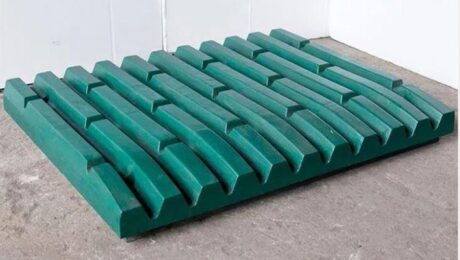
The toggle plate is a critical component of the jaw crusher. It acts as a safety mechanism and a transfer point for the crushing force. Positioned between the jaw crusher’s mainframe and the moving jaw, the toggle plate helps transmit power and protect the crusher from damage due to uncrushable objects.
Why Choosing the Right Jaw Crusher Toggle Plate Supplier Matters
Selecting a trustworthy jaw crusher toggle plate supplier ensures you receive high-quality parts that fit perfectly and last longer. Inferior toggle plates can cause frequent breakdowns, reduced crushing efficiency, and increased maintenance costs.
Key Qualities of Reliable Suppliers
- Use of high-grade materials like manganese steel for durability
- Precision manufacturing for exact fit and function
- Compliance with international quality standards
- Strong customer support and after-sales service
- Competitive pricing and timely delivery
Types of Mining Machinery Spare Parts: Beyond Toggle Plates
Mining machinery requires a variety of spare parts to operate efficiently. Understanding the range of components available helps you maintain your equipment optimally.
Common Spare Parts in Mining Machinery
- Jaw Plates: Wear-resistant plates that crush materials
- Toggle Plates: Safety and power transmission parts
- Flywheels: Store rotational energy for smooth operation
- Bearings: Support rotating shafts and reduce friction
- Hydraulic Cylinders: Control the movement of crusher components
Comparison of Toggle Plates: Manganese Steel vs. Alternative Materials
When sourcing toggle plates, material choice impacts performance and longevity.
| Material | Durability | Cost | Wear Resistance | Common Applications |
|---|---|---|---|---|
| Manganese Steel | High | Moderate | Excellent | Jaw crushers, heavy-duty mining |
| Cast Iron | Moderate | Low | Fair | Light crushing, less abrasive materials |
| Alloy Steel | High | High | Good | Specialized crushing applications |
Buying Guide: How to Select the Best Jaw Crusher Toggle Plate Supplier
Choosing the right supplier involves careful consideration of several factors to ensure you get the best value and product quality.
Selection Criteria
- Material Quality: Verify the toggle plate’s material composition and hardness ratings.
- Compatibility: Ensure the part matches your jaw crusher model and specifications.
- Supplier Reputation: Research reviews, certifications, and industry experience.
- Warranty and Support: Check for warranties and after-sales service availability.
- Price vs. Value: Avoid choosing solely on price; prioritize durability and performance.
- Delivery Time: Confirm the supplier can meet your required timelines.
Common Mistakes When Purchasing Mining Machinery Spare Parts
Many mining operations encounter avoidable issues by overlooking crucial aspects during procurement. Here are some common mistakes to watch out for:
- Ignoring Compatibility: Buying parts that don’t fit your specific crusher model.
- Overlooking Material Specifications: Choosing cheaper materials that wear out quickly.
- Neglecting Supplier Credentials: Failing to verify supplier reliability and certifications.
- Skipping Warranty Checks: Not securing warranty or return policies.
- Delaying Maintenance: Waiting too long to replace worn parts, causing bigger failures.
Frequently Asked Questions About Jaw Crusher Toggle Plates and Mining Machinery
1. What is the lifespan of a jaw crusher toggle plate?
The lifespan depends on material quality, usage intensity, and maintenance. High-quality manganese steel toggle plates can last several months to years under normal operating conditions.
2. Can I use toggle plates from different manufacturers?
It’s possible, but compatibility must be confirmed. Using parts not designed for your crusher can lead to poor performance and damage.
3. How often should I replace jaw crusher toggle plates?
Regular inspections are essential. Replace toggle plates when you notice excessive wear, cracks, or deformation to avoid equipment failure.
4. Are there alternatives to manganese steel toggle plates?
Yes, materials like alloy steel and cast iron are alternatives but may not offer the same durability or wear resistance.
5. What maintenance practices extend the life of toggle plates?
Routine lubrication, timely replacement of worn parts, and avoiding overloading the crusher help prolong toggle plate life.
6. Where can I find a reliable jaw crusher toggle plate supplier?
Look for suppliers with proven industry experience, quality certifications, and positive customer feedback. You can start by exploring trusted mining equipment marketplaces.
7. How do toggle plates protect jaw crushers?
Toggle plates act as a safety valve, breaking or bending to prevent damage when uncrushable materials enter the crusher.
8. What are the signs of a failing toggle plate?
Signs include unusual noises, decreased crushing efficiency, visible cracks, or frequent breakdowns.
For more insights on mining machinery and spare parts, visit our resource center and product catalog.
- Published in Products
