


Metso Nordberg Screen Media Panels: Comprehensive Guide to Mining Machinery and Spare Parts
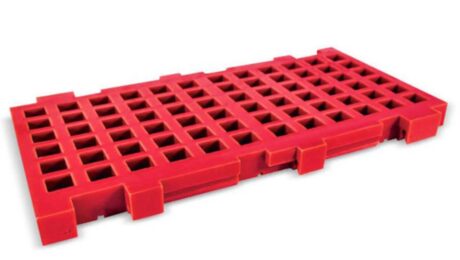
Metso Nordberg Screen Media Panels: Comprehensive Guide to Mining Machinery and Spare Parts
The mining industry relies heavily on efficient and durable machinery to ensure optimal productivity and safety. Among the essential components, Metso Nordberg screen media panels stand out as critical parts that influence screening efficiency in mineral processing. Whether you’re a mining operator, equipment manager, or procurement specialist, understanding these panels and the broader scope of mining machinery and spare parts is vital for sustained operational success.
Understanding Metso Nordberg Screen Media Panels
Metso Nordberg screen media panels are specialized screening components designed for use in Nordberg vibrating screens. These panels play a pivotal role in separating materials by size during mineral processing. Their design, material composition, and installation directly affect the screening performance and longevity of the equipment.
What Are Screen Media Panels?
Screen media panels are replaceable surface elements on vibrating screens that facilitate the separation of ore, gravel, or other mined materials. They come in various styles such as wire mesh, polyurethane panels, and rubber panels, each suited to specific applications and material types.
Key Features of Metso Nordberg Screen Media Panels
- Durability: Made from robust materials to withstand abrasive mining environments.
- Efficiency: Designed to maximize screening capacity and accuracy.
- Compatibility: Engineered specifically for Nordberg screen models ensuring a perfect fit.
- Easy Maintenance: Modular design allows quick replacement and reduces downtime.
Mining Machinery: An Overview
Mining machinery encompasses a wide range of equipment used for extracting, processing, and transporting minerals. From crushers and conveyors to vibrating screens and feeders, each machine plays a unique role in the mining workflow.
Primary Mining Equipment
- Crushers: Break down large rocks into smaller, manageable pieces.
- Vibrating Screens: Sort materials by size; Metso Nordberg screens are a prime example.
- Conveyors: Transport materials efficiently across the site.
- Feeders: Regulate the flow of materials into crushers or screens.
Importance of Spare Parts in Mining Machinery
Spare parts like screen media panels, wear liners, and bearings are crucial to maintain machinery uptime and performance. Using OEM or high-quality aftermarket parts ensures reliability and extends equipment lifespan.
Detailed Analysis of Screen Media Panels for Nordberg Screens
Types of Screen Media Panels
Choosing the right type of screen media panel depends on the application and material being processed:
- Woven Wire Mesh Panels: Traditional choice, excellent for fine screening.
- Perforated Plates: Durable for coarse screening and heavy-duty operations.
- Polyurethane Panels: Lightweight, resistant to clogging and abrasion.
- Rubber Panels: Flexible and impact-resistant, suitable for sticky materials.
Material Considerations
Screen media panels are typically made from high-tensile steel, polyurethane, or rubber composites. The selection should account for:
- Material abrasiveness
- Moisture content
- Material stickiness
- Operational temperature
Installation and Maintenance Best Practices
Proper installation ensures optimal screen performance. Key tips include:
- Align panels precisely to avoid gaps and uneven wear.
- Regularly inspect for signs of damage or wear.
- Replace damaged panels promptly to prevent equipment damage.
- Use recommended fasteners and tools for secure fitting.
Comparison: Metso Nordberg Screen Media Panels vs. Competitor Products
| Feature | Metso Nordberg Panels | Competitor Panels |
|---|---|---|
| Material Quality | High-grade steel and polyurethane | Varies; often lower-grade steel |
| Fit and Compatibility | Exact fit for Nordberg screens | May require adjustments |
| Durability | Longer service life | Shorter lifespan under heavy use |
| Price | Premium pricing | Generally lower cost |
| Availability | Widely available through authorized dealers | Varies by region |
Buying Guide: Selecting the Right Mining Machinery Spare Parts
Factors to Consider When Purchasing Screen Media Panels
- Compatibility: Ensure parts match your specific screen model.
- Material Suitability: Match panel material to your processing environment.
- Supplier Reputation: Choose trusted manufacturers or distributors.
- Cost vs. Quality: Balance upfront cost with long-term durability.
- Warranty and Support: Look for warranties and responsive customer service.
Where to Buy Genuine Metso Nordberg Spare Parts
Authorized Metso distributors and official websites are the safest sources for genuine parts. Avoid counterfeit or substandard parts that can jeopardize safety and efficiency.
Common Mistakes to Avoid When Handling Mining Machinery Spare Parts
- Ignoring Compatibility: Using non-compatible parts can cause equipment failure.
- Delaying Replacements: Postponing worn panel replacement increases downtime risk.
- Poor Installation: Improper fitting leads to premature wear and safety hazards.
- Neglecting Maintenance: Lack of regular inspections shortens machinery lifespan.
- Choosing Cheapest Options: Compromising quality for cost often results in higher long-term expenses.
Frequently Asked Questions (FAQ)
1. What are Metso Nordberg screen media panels used for?
They are used as the screening surface in Nordberg vibrating screens to separate mined materials by size efficiently.
2. How often should screen media panels be replaced?
Replacement frequency depends on material abrasiveness and usage but typically ranges from several months to a year. Regular inspections help determine the right timing.
3. Can I use generic screen media panels on Nordberg screens?
While some generic panels may fit, using OEM or certified parts is recommended to ensure proper fit, performance, and safety.
4. What materials are best for screen media panels in mining?
High-tensile steel and polyurethane are common due to their durability and resistance to wear and tear.
5. How do I maintain my mining machinery to extend spare parts life?
Regular cleaning, timely replacement of worn parts, proper installation, and routine inspections are essential maintenance practices.
6. Where can I buy genuine Metso Nordberg spare parts?
Authorized Metso distributors and official online platforms provide genuine parts with warranty and support.
7. Are polyurethane screen panels better than wire mesh?
Polyurethane panels offer better resistance to clogging and abrasion, making them suitable for sticky or abrasive materials, whereas wire mesh is ideal for fine screening.
8. What are the signs of worn screen media panels?
Signs include reduced screening efficiency, visible wear or tears, material leakage, and increased vibration or noise during operation.
For more detailed information on mining machinery and spare parts, visit our resources page or contact our experts for personalized advice.
- Published in Products
Impact Crusher Wear Parts Martensitic Steel: Ultimate Guide to Mining Machinery and Spare Parts
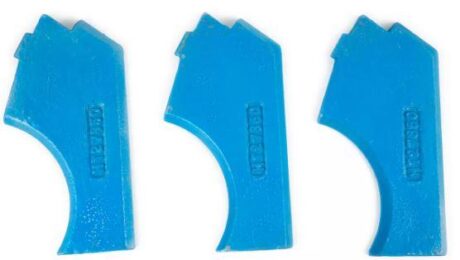
Impact Crusher Wear Parts Martensitic Steel: Ultimate Guide to Mining Machinery and Spare Parts
In the demanding world of mining machinery, the choice of materials for wear parts can make or break operational efficiency. Impact crusher wear parts martensitic steel have emerged as a leading solution, combining durability and performance for crushing applications. This comprehensive guide explores everything you need to know about mining machinery and spare parts, focusing on the role of martensitic steel in impact crusher wear parts.
Understanding Impact Crusher Wear Parts and Their Importance
Impact crushers are essential in mining operations for reducing large rocks into smaller, manageable pieces. The wear parts in these crushers, such as blow bars, impact plates, and liners, endure extreme stress and abrasion. Choosing the right material for these parts is crucial to maximize lifespan and reduce downtime.
What Are Impact Crusher Wear Parts?
Wear parts refer to components that experience constant friction and impact, requiring regular replacement. In impact crushers, these include:
- Blow bars
- Impact plates
- Side liners
- Hammer heads
Each part plays a role in crushing efficiency and product size distribution.
Why Martensitic Steel is the Preferred Material
Martensitic steel is a high-carbon alloy known for its hardness and toughness. It undergoes a heat treatment process that enhances wear resistance, making it ideal for harsh mining environments.
- High hardness: Resists abrasion and deformation.
- Excellent toughness: Absorbs impact without cracking.
- Corrosion resistance: Prolongs service life.
This combination makes martensitic steel superior to other materials like austenitic or ferritic steels for wear parts.
Mining Machinery Overview: Types and Spare Parts
Mining machinery covers a broad range of equipment designed for extraction, processing, and material handling. Understanding the machinery and their spare parts helps in effective maintenance and procurement.
Common Mining Machines
- Impact Crushers: Break down rocks using impact force.
- Jaw Crushers: Use compressive force to crush materials.
- Conveyor Systems: Transport materials efficiently.
- Screening Equipment: Separate materials by size.
Critical Spare Parts for Mining Machinery
Spare parts ensure machinery operates smoothly without prolonged downtime. Key spare parts include:
- Wear plates and liners
- Bearings and seals
- Hydraulic components
- Motors and gearboxes
- Fasteners and couplings
Regular inspection and timely replacement of these parts are vital.
Detailed Analysis of Martensitic Steel Wear Parts in Impact Crushers
Material Properties and Performance
Martensitic steel’s microstructure provides a balance between hardness and ductility. This ensures wear parts can withstand:
- High-velocity impacts
- Continuous abrasion from rocks and minerals
- Thermal stresses from operation
Manufacturing Processes
Wear parts made from martensitic steel undergo:
- Heat treatment: Quenching and tempering to achieve desired hardness.
- Precision casting or forging: For structural integrity.
- Surface finishing: To reduce friction and wear.
Comparison with Other Materials
| Material | Hardness | Toughness | Wear Resistance | Typical Application |
|---|---|---|---|---|
| Martensitic Steel | High | High | Excellent | Impact crusher wear parts |
| Austenitic Steel | Medium | Very High | Good | Corrosion-resistant parts |
| Cast Iron | Medium | Low | Moderate | Low-impact applications |
| Chromium Carbide Overlay | Very High | Medium | Superior | Extreme abrasion zones |
Buying Guide: Selecting the Right Impact Crusher Wear Parts Made of Martensitic Steel
Key Selection Criteria
- Material Grade: Verify martensitic steel grade and heat treatment quality.
- Compatibility: Ensure parts fit your crusher model and specifications.
- Supplier Reputation: Choose manufacturers with proven quality and support.
- Cost vs. Lifespan: Consider total cost of ownership, not just price.
- Warranty and After-Sales Service: Critical for long-term reliability.
Tips for Procurement
- Request samples or test reports for material verification.
- Check customer reviews and industry certifications.
- Plan inventory to avoid production halts.
Common Mistakes When Choosing and Maintaining Impact Crusher Wear Parts
- Ignoring Material Specifications: Using substandard steel leads to premature failure.
- Overlooking Proper Installation: Incorrect fitting causes uneven wear and damage.
- Neglecting Regular Inspections: Missed wear signs result in costly breakdowns.
- Failing to Match Parts to Crusher Type: Not all wear parts suit every crusher model.
- Underestimating Environmental Factors: Harsh conditions require specialized materials.
Frequently Asked Questions (FAQ)
1. What makes martensitic steel ideal for impact crusher wear parts?
Martensitic steel offers a unique combination of high hardness and toughness, enabling wear parts to resist abrasion and absorb impacts effectively, which extends their service life in harsh mining conditions.
2. How often should impact crusher wear parts be replaced?
Replacement frequency depends on material hardness, operational intensity, and maintenance. Regular inspections are recommended to identify wear before performance declines, typically ranging from weeks to several months.
3. Can I retrofit martensitic steel wear parts on any impact crusher?
Compatibility depends on the crusher model and part design. It’s essential to consult manufacturer specifications or suppliers to ensure proper fit and performance.
4. Are there any alternatives to martensitic steel for wear parts?
Yes, alternatives include chromium carbide overlays and austenitic steels, but martensitic steel balances cost and performance effectively for most impact crusher applications.
5. How does heat treatment affect martensitic steel wear parts?
Heat treatment processes like quenching and tempering optimize the steel’s hardness and toughness, enhancing wear resistance and durability.
6. What maintenance practices prolong wear part lifespan?
Regular cleaning, timely inspections, correct installation, and using parts suited to operational conditions help maximize wear part longevity.
7. Where can I find reliable suppliers for martensitic steel wear parts?
Look for suppliers with industry certifications, positive customer feedback, and transparent quality assurance processes. Explore our recommended suppliers for trusted options.
8. How does the cost of martensitic steel wear parts compare to other materials?
While martensitic steel parts may have a higher upfront cost than some alternatives, their extended lifespan and reduced downtime often lead to lower total ownership costs.
For more detailed insights on mining machinery and spare parts, visit our comprehensive resource center.
- Published in Products
VSI Crusher Rotor Tip Replacement: Comprehensive Guide on Mining Machinery and Spare Parts
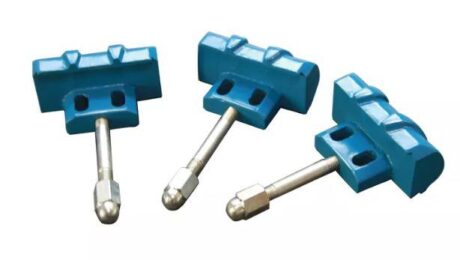
VSI Crusher Rotor Tip Replacement: Essential Insights for Mining Machinery and Spare Parts
In the demanding world of mining machinery, VSI crusher rotor tip replacement stands out as a critical maintenance task that ensures optimal performance and longevity of your equipment. Whether you’re an operator, maintenance engineer, or procurement specialist, understanding the nuances of rotor tip replacement can save costs and boost operational efficiency.
Understanding VSI Crushers and Their Role in Mining Machinery
Vertical Shaft Impact (VSI) crushers are pivotal in mining operations, especially for producing high-quality aggregates and shaping materials. These crushers utilize high-speed rotors to impact feed materials, breaking them down efficiently.
What Is a VSI Crusher Rotor Tip?
The rotor tip is the component attached at the edge of the rotor shaft that makes contact with the feed material. It plays a vital role in the crushing process by accelerating and directing the material flow inside the crusher chamber.
- Material Composition: Usually made from high manganese steel or other wear-resistant alloys.
- Functionality: Maximizes crushing efficiency and controls product shape.
- Wear and Tear: Subject to significant abrasion and impact, requiring timely replacement.
Why Is Rotor Tip Replacement Crucial in Mining Machinery?
Over time, rotor tips wear down due to constant impact and abrasive materials. Ignoring their replacement can lead to:
- Reduced crushing efficiency and product quality
- Increased energy consumption
- Potential damage to the rotor and other crusher components
- Unexpected downtime and higher maintenance costs
Signs You Need VSI Crusher Rotor Tip Replacement
Recognizing early signs can prevent costly failures. Watch out for:
- Visible wear, cracks, or deformation on rotor tips
- Unusual vibrations or noises during operation
- Decline in output quality or throughput
- Increased power draw from the crusher motor
Step-by-Step Guide to VSI Crusher Rotor Tip Replacement
Preparation and Safety Measures
- Shut down the crusher and disconnect power sources.
- Wear appropriate personal protective equipment (PPE).
- Consult the manufacturer’s manual for specific instructions.
Removal Process
- Access the rotor assembly by removing necessary covers.
- Loosen and remove the worn rotor tips carefully.
- Inspect rotor shaft and surrounding components for damage.
Installation of New Rotor Tips
- Select rotor tips compatible with your VSI crusher model.
- Securely fasten the new tips according to torque specifications.
- Reassemble covers and perform a test run to verify installation.
Comparing Different Types of VSI Crusher Rotor Tips
| Type | Material | Durability | Cost | Best Use Case |
|---|---|---|---|---|
| High Manganese Steel | Mn Steel Alloy | High | Moderate | General crushing with high abrasion |
| Chromium Alloy | Chrome Steel | Very High | High | Extremely abrasive materials |
| Ceramic Composite | Ceramic & Metal Mix | Exceptional | Premium | Specialized crushing with minimal wear |
Mining Machinery Spare Parts: Importance and Selection Criteria
Maintaining a ready inventory of mining machinery spare parts like rotor tips is essential for minimizing downtime. When selecting spare parts, consider:
- Compatibility: Ensure parts fit your specific VSI crusher model.
- Material Quality: Opt for wear-resistant and durable materials.
- Supplier Reputation: Purchase from reliable manufacturers or distributors.
- Cost vs. Longevity: Balance upfront cost with expected lifespan.
Buying Guide: How to Choose the Right VSI Crusher Rotor Tips
Follow these criteria for an informed purchase:
- Assess Wear Conditions: Analyze the abrasiveness of your feed material.
- Understand Operational Parameters: Speed, load, and impact forces.
- Check Manufacturer Recommendations: Use OEM or approved aftermarket parts.
- Evaluate Budget Constraints: Consider lifecycle cost, not just price.
- Warranty and Support: Opt for parts with strong after-sales service.
Common Mistakes to Avoid During Rotor Tip Replacement
- Ignoring manufacturer guidelines leading to improper installation.
- Using incompatible or substandard rotor tips.
- Delaying replacement until severe damage occurs.
- Neglecting to inspect related components during maintenance.
- Failing to document maintenance activities for future reference.
Frequently Asked Questions (FAQ) About VSI Crusher Rotor Tip Replacement
1. How often should VSI crusher rotor tips be replaced?
Replacement frequency depends on material abrasiveness and operational hours but typically ranges from 500 to 1500 hours of operation.
2. Can I replace rotor tips myself or should I hire professionals?
While skilled maintenance personnel can perform replacements, hiring professionals ensures safety and adherence to manufacturer specifications.
3. Are aftermarket rotor tips as reliable as OEM parts?
Quality aftermarket parts can be reliable if sourced from reputable suppliers, but OEM parts generally guarantee compatibility and performance.
4. What materials are best for rotor tips in highly abrasive mining environments?
Chromium alloy and ceramic composite rotor tips offer superior wear resistance in abrasive conditions.
5. How does rotor tip wear affect VSI crusher performance?
Worn rotor tips reduce crushing efficiency, increase energy consumption, and can cause uneven product size distribution.
6. Is it necessary to replace all rotor tips at once?
For balanced operation, it’s recommended to replace all rotor tips simultaneously to avoid uneven wear and vibrations.
7. What safety precautions are essential during rotor tip replacement?
Ensure the crusher is fully powered down, use proper PPE, and follow lockout/tagout procedures.
8. Where can I find high-quality VSI crusher rotor tips and spare parts?
Reliable suppliers and manufacturers specializing in mining machinery parts are your best sources. Check for certifications and customer reviews.
For more detailed insights on mining machinery and spare parts, visit our resource section here.
- Published in Products
HSI Crusher Breaker Plate Liner: Ultimate Guide to Mining Machinery and Spare Parts
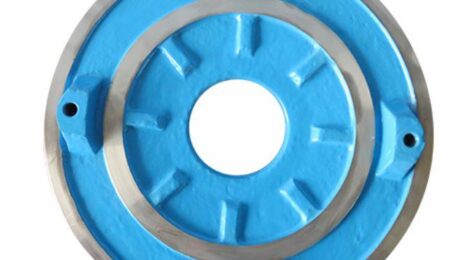
HSI Crusher Breaker Plate Liner: Ultimate Guide to Mining Machinery and Spare Parts
The HSI crusher breaker plate liner plays a crucial role in the efficiency and longevity of mining machinery. Whether you are involved in mineral processing or aggregate production, understanding the function, selection, and maintenance of these components is essential. This comprehensive guide delves deep into mining machinery and spare parts, focusing on the HSI crusher breaker plate liner, to help you make informed decisions and optimize your operations.
Understanding HSI Crusher Breaker Plate Liners in Mining Machinery
HSI (Horizontal Shaft Impact) crushers are widely used in mining and quarrying industries for crushing various materials. The breaker plate liner is a vital spare part that lines the crusher’s internal chamber, protecting the machine from wear and tear while enhancing crushing efficiency.
What Is an HSI Crusher Breaker Plate Liner?
The breaker plate liner is a heavy-duty, wear-resistant plate installed inside the crusher. It acts as a counter surface where materials are crushed by the impact of the rotor and blow bars. Constructed from high manganese steel or other durable alloys, it withstands severe abrasion and impact forces.
Key Functions of Breaker Plate Liners
- Protect the crusher body from damage
- Improve crushing efficiency by providing a hard surface
- Absorb impact energy to reduce machine stress
- Extend the service life of the crusher
Types of Mining Machinery and Their Spare Parts
Mining operations rely on a variety of machinery to extract, transport, and process minerals. Each machine requires specific spare parts to maintain optimal performance.
Common Mining Machinery
- Crushers: HSI crushers, jaw crushers, cone crushers
- Conveyors: Belt conveyors, screw conveyors
- Drilling Machines: Rotary drills, percussion drills
- Screening Equipment: Vibrating screens, trommels
Essential Spare Parts for Mining Machinery
- Breaker plate liners and wear plates
- Crusher blow bars and hammers
- Conveyor belts and rollers
- Drill bits and rods
- Screen meshes and frames
Choosing the Right HSI Crusher Breaker Plate Liner: Selection Criteria
Selecting the appropriate breaker plate liner is critical for maximizing crusher performance and minimizing downtime. Consider the following factors:
Material Composition
Opt for liners made from high manganese steel or alloy steel with excellent impact resistance and wear properties.
Compatibility
Ensure the liner matches the specific HSI crusher model and size to guarantee proper fit and function.
Wear Resistance and Durability
Look for liners with enhanced hardness and toughness to withstand abrasive materials and harsh operating conditions.
Ease of Installation and Maintenance
Choose designs that allow quick replacement and minimal maintenance to reduce operational interruptions.
Common Mistakes When Using HSI Crusher Breaker Plate Liners
- Ignoring regular inspection leading to unexpected failures
- Using incompatible or low-quality liners causing premature wear
- Improper installation resulting in poor crusher performance
- Neglecting lubrication and cleaning routines
- Failing to replace liners on time, risking damage to the crusher body
Comparison of Breaker Plate Liners: Material and Performance
| Material Type | Hardness (HRC) | Wear Resistance | Impact Resistance | Typical Applications |
|---|---|---|---|---|
| High Manganese Steel | 55-62 | Excellent | Very High | General mining, quarrying |
| Alloy Steel | 50-58 | Good | High | Medium abrasion environments |
| Chrome-Moly Steel | 60-65 | Very Good | Moderate | Hard rock crushing |
Comprehensive FAQ on HSI Crusher Breaker Plate Liners and Mining Machinery
1. What is the typical lifespan of an HSI crusher breaker plate liner?
The lifespan depends on the material being processed and operating conditions but generally ranges from 6 months to 2 years with proper maintenance.
2. How often should breaker plate liners be inspected?
Regular inspections every 3-6 months are recommended to detect wear and prevent unexpected failures.
3. Can I use a breaker plate liner from a different manufacturer?
Compatibility is crucial. Using liners not designed for your specific crusher model can lead to poor performance and damage.
4. What maintenance practices extend the life of breaker plate liners?
Routine cleaning, lubrication, timely replacement, and monitoring operating conditions help prolong liner life.
5. Are there environmentally friendly options for breaker plate liners?
Some manufacturers offer liners made from recycled materials or designed for longer wear life, reducing waste and environmental impact.
6. How do breaker plate liners affect crusher efficiency?
Proper liners ensure optimal crushing by providing a solid surface, reducing energy consumption, and minimizing downtime.
7. What are the signs that a breaker plate liner needs replacement?
Visible wear, cracks, reduced crusher performance, and increased vibration indicate the need for replacement.
8. Where can I find genuine spare parts for mining machinery?
Purchase from authorized dealers or trusted manufacturers to ensure quality and compatibility. For more information, visit our spare parts catalog.
Conclusion
The HSI crusher breaker plate liner is a fundamental component in mining machinery that directly influences operational efficiency and equipment lifespan. By understanding its function, selecting the right materials, avoiding common mistakes, and performing regular maintenance, mining professionals can significantly enhance productivity and reduce costs. For further details on mining machinery and spare parts, explore our comprehensive resources and contact our experts today.
- Published in Products
Sandvik QI341 Impact Crusher Parts: Comprehensive Guide to Mining Machinery and Spare Parts
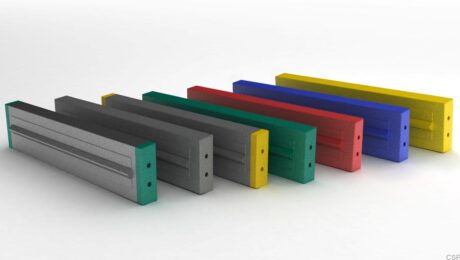
Sandvik QI341 Impact Crusher Parts: Essential Guide to Mining Machinery and Spare Parts
The Sandvik QI341 impact crusher parts are vital components that ensure the efficient operation and longevity of this powerful mining machinery. Whether you’re a mining professional, equipment manager, or parts supplier, understanding these parts and their roles can optimize your machinery’s performance and reduce downtime. In this guide, we delve deep into the world of mining machinery, focusing on the Sandvik QI341 impact crusher and its spare parts, helping you make informed decisions for maintenance, purchase, and operation.
Understanding the Sandvik QI341 Impact Crusher and Its Importance in Mining Machinery
The Sandvik QI341 is a versatile impact crusher known for its robust design and high productivity in mining and quarrying operations. It is engineered to crush various materials efficiently, making it a preferred choice in the mining industry. Learn more about impact crushers.
What Makes the Sandvik QI341 Unique?
- High crushing capacity with adjustable settings
- Durable construction for heavy-duty mining environments
- Ease of maintenance with accessible spare parts
- Advanced automation for operational control
Key Sandvik QI341 Impact Crusher Parts and Their Functions
Each part of the Sandvik QI341 plays a crucial role in its overall performance. Below is a detailed breakdown of the primary components and their functions:
1. Blow Bars
Blow bars are the main impact tools that strike the material. They are made from high manganese steel or other wear-resistant alloys to withstand heavy impact and abrasion.
2. Impeller
The impeller rotates at high speed, propelling the material against the blow bars and the crusher’s impact plates.
3. Impact Plates (Aprons)
These plates absorb the impact force and help in breaking down the material further.
4. Feed Hopper and Conveyor Components
They ensure smooth feeding of materials into the crusher and convey the crushed product efficiently.
5. Bearings and Seals
Critical for smooth rotation and protection against dust and debris, extending the life of moving parts.
6. Hydraulic System Parts
Used for setting adjustments and opening the crusher for maintenance.
Mining Machinery Spare Parts: Why Quality and Compatibility Matter
Using genuine and high-quality spare parts for your Sandvik QI341 impact crusher is crucial. Inferior parts can lead to frequent breakdowns, reduced efficiency, and higher operational costs. Always ensure compatibility and authenticity when sourcing parts.
Benefits of Using Genuine Spare Parts
- Optimal crusher performance
- Extended equipment lifespan
- Reduced maintenance frequency
- Safety assurance for operators
Comparison: Genuine vs. Aftermarket Sandvik QI341 Impact Crusher Parts
| Feature | Genuine Parts | Aftermarket Parts |
|---|---|---|
| Quality and Durability | High, tested to OEM standards | Varies, often lower |
| Price | Higher | Lower |
| Warranty | Provided by manufacturer | Limited or none |
| Compatibility | Guaranteed | May vary |
| Availability | Reliable | Can be inconsistent |
Buying Guide: How to Choose the Right Sandvik QI341 Impact Crusher Parts
Choosing the right parts requires careful evaluation of several factors to ensure you maintain your crusher’s performance and safety.
Selection Criteria
- Identify the Part Number: Always verify the exact part number compatible with your QI341 model.
- Material Quality: Opt for parts made with high-grade materials suitable for mining conditions.
- Supplier Reputation: Purchase from authorized dealers or trusted suppliers.
- Warranty and Support: Check for warranty coverage and after-sales support.
- Price vs. Quality: Balance cost with the expected lifespan and performance.
Common Mistakes When Purchasing and Maintaining Impact Crusher Parts
Avoid these pitfalls to maximize your equipment’s uptime and efficiency:
- Using incompatible or generic parts without verifying fitment
- Ignoring regular maintenance schedules leading to premature wear
- Overlooking the importance of proper installation
- Neglecting to inspect parts for wear and tear routinely
- Choosing price over quality, resulting in frequent replacements
Frequently Asked Questions (FAQ) About Sandvik QI341 Impact Crusher Parts
1. How often should I replace blow bars on the Sandvik QI341?
Blow bars typically require replacement based on wear, which depends on the material being crushed and operating hours. Regular inspections every 500-1000 hours are recommended.
2. Can I use aftermarket parts for my Sandvik QI341 impact crusher?
While aftermarket parts may be cheaper, they might not meet OEM standards and could affect performance and safety. It’s best to use genuine parts from authorized suppliers.
3. Where can I buy genuine Sandvik QI341 impact crusher parts?
Authorized Sandvik dealers and certified distributors offer genuine parts. Always verify the supplier’s credentials before purchasing.
4. What maintenance practices extend the life of impact crusher parts?
Regular cleaning, lubrication, timely replacement of worn parts, and proper operation according to manufacturer guidelines help extend part life.
5. How do I identify worn-out parts on my impact crusher?
Signs include unusual noises, decreased crushing efficiency, visible cracks, or excessive vibrations. Routine inspections can help detect wear early.
6. Are there any safety tips when replacing impact crusher parts?
Always shut down and lock out the machine before maintenance, use proper tools, and follow manufacturer instructions to avoid accidents.
7. What is the average lead time for ordering Sandvik QI341 parts?
Lead times vary by part and supplier but typically range from a few days to several weeks. Planning ahead minimizes downtime.
8. How does the hydraulic system affect the crusher’s performance?
The hydraulic system enables adjustments and maintenance access, ensuring the crusher operates efficiently and safely.
For more detailed insights on mining machinery and spare parts, visit our Mining Equipment Resources page.
- Published in Products
Metso NP1315 Blow Bars: Comprehensive Guide to Mining Machinery and Spare Parts
Metso NP1315 Blow Bars: Essential Mining Machinery Spare Parts Explained
The Metso NP1315 blow bars are a critical component in mining machinery, specifically designed for impact crushers used in aggregate and mining operations. Whether you’re a mining professional or equipment manager, understanding the functionality, selection, and maintenance of these blow bars can significantly enhance crusher performance and reduce downtime. This article dives deep into the world of mining machinery and spare parts, focusing on Metso NP1315 blow bars, their applications, buying considerations, and common pitfalls to avoid.
Understanding the Role of Metso NP1315 Blow Bars in Mining Machinery
Blow bars are wear parts attached to the rotor of impact crushers. The Metso NP1315 model is tailored for the NP1315 impact crusher, known for its robust design and efficiency in crushing hard materials. These blow bars absorb impact forces and facilitate the crushing process by striking and breaking down rocks and ores.
Key Features of Metso NP1315 Blow Bars
- High manganese steel or alloy steel construction for durability
- Optimized shape for maximum impact force distribution
- Wear-resistant coating options to extend lifespan
- Compatibility with Metso NP1315 impact crushers
Mining Machinery and Spare Parts: An Overview
Mining machinery encompasses a wide range of equipment including crushers, conveyors, excavators, and drilling machines. Spare parts like blow bars, liners, and hammers are vital to maintain operational efficiency and minimize downtime. Investing in quality spare parts ensures longevity and consistent performance.
Common Types of Mining Machinery Spare Parts
- Crusher wear parts (blow bars, liners)
- Drill bits and rods
- Conveyor belts and rollers
- Hydraulic components
Why Choose Genuine or High-Quality Metso NP1315 Blow Bars?
Using genuine or premium-quality replacement blow bars for the Metso NP1315 impact crusher is essential for:
- Ensuring optimal crusher performance and crushing efficiency
- Reducing wear and tear on other crusher components
- Minimizing unexpected downtime and maintenance costs
- Extending the overall life of the crusher
Comparison of Metso NP1315 Blow Bars and Alternatives
When selecting blow bars, it’s important to compare options based on material, durability, price, and compatibility. Below is a comparison table summarizing key factors:
| Feature | Metso NP1315 Blow Bars (OEM) | Aftermarket Blow Bars | Generic Blow Bars |
|---|---|---|---|
| Material Quality | High manganese steel/alloy steel | Varies; often high quality | Lower-grade steel |
| Fit and Compatibility | Exact fit for NP1315 crusher | Usually compatible with minor adjustments | May require modifications |
| Durability | Long lifespan | Moderate to high | Shorter lifespan |
| Price | Higher | Moderate | Lower |
| Warranty and Support | Full OEM support | Varies | Limited or none |
Buying Guide: How to Select the Right Metso NP1315 Blow Bars and Mining Machinery Spare Parts
Choosing the right blow bars and spare parts requires careful consideration of several factors to ensure compatibility and performance.
Selection Criteria for Blow Bars
- Material Composition: Opt for high manganese steel or alloy steel for durability and wear resistance.
- Crusher Compatibility: Ensure the blow bars are designed specifically for Metso NP1315 impact crushers.
- Wear Resistance: Look for coatings or treatments that enhance wear life.
- Supplier Reputation: Purchase from trusted OEMs or reputable aftermarket suppliers.
- Price vs. Quality: Balance cost with expected lifespan and performance.
Additional Tips for Buying Mining Machinery Spare Parts
- Verify part numbers and specifications before ordering.
- Request samples or technical datasheets.
- Consider supplier after-sales support and warranty.
- Plan for spare parts inventory to avoid operational delays.
Common Mistakes When Purchasing and Using Blow Bars in Mining Operations
Mining operators often encounter challenges related to blow bar selection and maintenance. Avoid these common mistakes:
- Using Non-Compatible Parts: Installing blow bars not designed for the NP1315 crusher can cause damage and inefficiency.
- Ignoring Wear Signs: Delaying replacement leads to crusher damage and costly repairs.
- Overlooking Material Quality: Choosing cheaper, low-quality blow bars can increase wear and downtime.
- Improper Installation: Incorrect mounting affects crusher balance and performance.
- Neglecting Regular Maintenance: Failing to inspect and maintain blow bars reduces their lifespan.
Frequently Asked Questions About Metso NP1315 Blow Bars and Mining Machinery Spare Parts
1. What are Metso NP1315 blow bars used for?
They are wear parts used in Metso NP1315 impact crushers to break down rocks and ores by delivering impact force.
2. How often should blow bars be replaced?
Replacement frequency depends on material hardness and usage but typically ranges from several weeks to a few months under heavy operation.
3. Can I use aftermarket blow bars for my NP1315 crusher?
Yes, but ensure they meet OEM specifications and quality standards to avoid performance issues.
4. What materials are best for blow bars?
High manganese steel and alloy steel are preferred due to their impact resistance and durability.
5. How do I know if my blow bars need replacement?
Signs include visible wear, cracks, reduced crusher efficiency, and unusual vibrations.
6. Where can I buy genuine Metso NP1315 blow bars?
Authorized Metso dealers, official distributors, and trusted aftermarket suppliers are recommended sources. Find suppliers here.
7. Are there any maintenance tips for prolonging blow bar life?
Regular inspection, proper installation, and operating within recommended crusher settings help extend blow bar lifespan.
8. What is the cost range for Metso NP1315 blow bars?
Prices vary based on material and supplier but generally range from moderate to high due to their specialized nature.
For more detailed information on mining machinery and spare parts, explore our related articles and resources at Mining Equipment Hub.
- Published in Products
Metso NP1213 Blow Bars: Comprehensive Guide to Mining Machinery and Spare Parts
Metso NP1213 Blow Bars: Essential Mining Machinery Spare Parts for Optimal Performance
In the mining industry, the efficiency and durability of machinery parts directly impact operational success. Among these, the Metso NP1213 blow bars stand out as critical components designed to enhance crushing performance and extend equipment lifespan. This article delves deep into the world of mining machinery and spare parts, focusing on the Metso NP1213 blow bars, their applications, selection criteria, and maintenance tips to ensure your mining operations run smoothly.
Understanding Metso NP1213 Blow Bars and Their Role in Mining Machinery
Blow bars are wear parts used primarily in impact crushers, designed to break down materials by delivering high-impact force. The Metso NP1213 blow bars are specifically engineered for the Metso NP1213 impact crusher, known for their superior material composition and design tailored for mining applications.
What Are Metso NP1213 Blow Bars?
Metso NP1213 blow bars are heavy-duty, replaceable components made from high manganese steel or alloy steel, optimized for crushing hard rock, ores, and minerals. Their robust construction allows them to withstand extreme impact and abrasion, making them indispensable in crushing circuits.
Key Features and Benefits
- High wear resistance: Prolonged lifespan reduces downtime.
- Optimized shape and weight: Ensures efficient crushing and energy utilization.
- Compatibility: Perfect fit for Metso NP1213 impact crushers.
- Easy installation: Designed for quick replacement to minimize operational delays.
Mining Machinery and Spare Parts: An Overview
Mining machinery encompasses a wide range of equipment used to extract and process minerals. Spare parts, like blow bars, play a pivotal role in maintaining machinery efficiency and preventing costly breakdowns.
Common Types of Mining Machinery
- Crushers: Primary, secondary, and tertiary crushers including jaw crushers, cone crushers, and impact crushers.
- Drilling machines: Used for creating holes for blasting or extraction.
- Conveyors: Transport materials within the mining site.
- Screening equipment: Sort and separate materials by size.
Essential Spare Parts in Mining Machinery
Spare parts ensure the continuous operation of mining equipment. These include:
- Blow bars and hammers
- Screen meshes and grates
- Bearings and seals
- Conveyor belts and rollers
- Cutting tools and drill bits
Metso NP1213 Blow Bars vs. Competitor Blow Bars: A Comparative Analysis
Choosing the right blow bars can significantly affect crusher performance. Here’s how Metso NP1213 blow bars compare to alternatives in the market.
| Feature | Metso NP1213 Blow Bars | Generic Blow Bars |
|---|---|---|
| Material Quality | High manganese steel or alloy steel | Varies; often lower grade steel |
| Durability | Superior wear resistance | Moderate to low |
| Fit and Compatibility | Exact fit for Metso NP1213 crushers | May require modifications |
| Price | Premium pricing | Lower cost but less reliable |
| Performance | Optimized crushing efficiency | Variable; often less efficient |
While generic blow bars may seem cost-effective, investing in authentic Metso NP1213 blow bars ensures better performance, longer service life, and reduced maintenance costs.
How to Choose the Right Metso NP1213 Blow Bars: Buying Guide and Selection Criteria
Selecting the right blow bars involves understanding your operational needs and the characteristics of the materials you process.
1. Material Composition
Choose blow bars made from high-quality manganese or alloy steel to ensure resistance to wear and impact.
2. Crusher Compatibility
Ensure the blow bars are designed specifically for Metso NP1213 impact crushers to guarantee proper fit and optimal performance.
3. Application Type
Consider the hardness and abrasiveness of the material being crushed. Different blow bar designs cater to varying material properties.
4. Weight and Shape
The blow bar’s weight influences the crusher’s impact force. Select a weight that balances crushing efficiency and machine stress.
5. Supplier Reputation
Purchase from reputable suppliers or authorized dealers to ensure product authenticity and quality.
Common Mistakes to Avoid When Using and Maintaining Metso NP1213 Blow Bars
- Ignoring regular inspections: Failure to monitor blow bar wear can lead to unexpected breakdowns.
- Using incompatible parts: Non-Metso blow bars may cause damage or reduce crusher efficiency.
- Poor installation: Incorrect fitting can lead to premature wear or safety hazards.
- Neglecting maintenance schedules: Regular cleaning and tightening are essential for optimal performance.
- Overlooking operating parameters: Running the crusher beyond recommended settings accelerates wear.
Frequently Asked Questions About Metso NP1213 Blow Bars and Mining Machinery
1. What materials are Metso NP1213 blow bars made from?
They are typically made from high manganese steel or alloy steel, chosen for their wear resistance and toughness.
2. How often should Metso NP1213 blow bars be replaced?
Replacement frequency depends on the material processed and operating conditions, but regular inspections are recommended to identify wear before failure.
3. Can I use generic blow bars in a Metso NP1213 crusher?
While possible, it is not recommended due to fitment issues and potential reduced performance or damage.
4. What factors affect the lifespan of blow bars?
Material hardness, crushing impact, maintenance practices, and operating conditions all influence lifespan.
5. How do I maintain blow bars to extend their service life?
Regular inspections, proper installation, maintaining operating parameters, and timely replacements are key.
6. Where can I purchase genuine Metso NP1213 blow bars?
Authorized Metso dealers and certified industrial suppliers are the best sources for authentic parts.
7. Are there different types of blow bars for specific applications?
Yes, blow bars come in various designs optimized for different material types and crushing stages.
8. What are the signs that blow bars need replacement?
Visible wear, cracks, reduced crushing efficiency, and unusual vibrations indicate replacement is necessary.
For more information on mining machinery and spare parts, visit our Mining Equipment Resources page or explore detailed product catalogs at Authorized Dealers.
- Published in Products
Cone Crusher Mantle Alloy Selection Guide: Expert Tips for Mining Machinery & Spare Parts

Cone Crusher Mantle Alloy Selection Guide: Expert Tips for Mining Machinery & Spare Parts
Choosing the right cone crusher mantle alloy is crucial for optimizing the performance and lifespan of your mining machinery. Whether you are operating a small-scale mine or managing large industrial crushing operations, understanding the nuances of alloy selection can save you time, reduce costs, and enhance productivity. In this comprehensive guide, we dive deep into the essentials of cone crusher mantles, their alloy compositions, and how to select the best fit for your mining equipment needs.
Understanding Cone Crusher Mantles and Their Role in Mining Machinery
The cone crusher mantle is a key wear part in cone crushers, responsible for crushing rock and ore by compressing material between the mantle and the concave. The choice of alloy directly impacts the mantle’s durability, wear resistance, and overall crusher efficiency.
What Is a Cone Crusher Mantle?
The mantle is the moving part of the cone crusher that gyrates within the concave to crush material. Typically made from high-strength alloys, it must withstand intense pressure, abrasion, and impact.
Why Alloy Selection Matters
Mining environments vary widely, from soft sedimentary rock to ultra-hard ores. Selecting the correct alloy ensures optimal wear life and reduces downtime caused by frequent replacements.
Primary Alloys Used in Cone Crusher Mantles
Manufacturers commonly use several types of alloys for mantles, each with unique properties suited to different mining conditions.
1. Manganese Steel Alloys
- Composition: High manganese content (11-14%)
- Advantages: Excellent work-hardening ability, toughness, and resistance to impact
- Best for: Medium to hard rock crushing applications
2. Chromium-Molybdenum Alloys
- Composition: Chromium and molybdenum additions for hardness and strength
- Advantages: Superior abrasion resistance and longer wear life
- Best for: Extremely abrasive and hard ores
3. Alloyed Cast Iron
- Composition: Cast iron with added alloying elements
- Advantages: Cost-effective, good for less abrasive materials
- Best for: Soft to medium hardness rock
How to Select the Right Cone Crusher Mantle Alloy for Your Mining Machinery
Choosing the ideal alloy requires a detailed assessment of your operational conditions and crusher specifications.
Key Selection Criteria for Cone Crusher Mantle Alloys
- Material Hardness and Abrasiveness: Analyze the hardness of the ore and its abrasiveness to pick an alloy that balances wear resistance and toughness.
- Operating Conditions: Consider factors like feed size, moisture content, and crushing pressure.
- Crusher Type and Size: Different crushers and their sizes demand specific mantle designs and materials.
- Cost vs. Wear Life: Evaluate initial alloy cost against expected wear life to optimize total operational expenses.
- Manufacturer Recommendations: Always consult OEM guidelines for alloy compatibility and warranty compliance.
Long-Tail Keyword Focus: Mining Machinery Spare Parts and Alloy Selection Tips
When sourcing mining machinery spare parts, it is essential to ensure that the cone crusher mantles are compatible with your crusher model and made from alloys tailored to your mining environment. This not only extends the service life but also improves crushing efficiency.
Comparing Popular Cone Crusher Mantle Alloys
| Alloy Type | Composition | Wear Resistance | Toughness | Best Application |
|---|---|---|---|---|
| Manganese Steel | 11-14% Manganese | Good | Excellent | Medium to hard rock |
| Chromium-Molybdenum | Cr + Mo additions | Excellent | Good | Highly abrasive ores |
| Alloyed Cast Iron | Cast iron + alloys | Moderate | Moderate | Soft to medium rock |
Common Mistakes to Avoid When Selecting Cone Crusher Mantle Alloys
- Ignoring Ore Characteristics: Using a mantle alloy not suited to the ore’s abrasiveness leads to premature wear.
- Overlooking Manufacturer Specs: Deviating from OEM recommendations can void warranties and reduce equipment life.
- Choosing Cheapest Options: Low-quality alloys may reduce maintenance costs initially but increase downtime and replacements.
- Neglecting Regular Inspections: Failing to monitor mantle wear can cause inefficient crushing and damage to other parts.
Buying Guide: How to Purchase the Best Cone Crusher Mantle and Spare Parts
Investing in quality cone crusher mantles and mining machinery spare parts ensures maximum uptime and operational efficiency.
Steps to Follow
- Identify Your Crusher Model: Know your crusher’s make and model for compatibility.
- Assess Your Mining Environment: Understand the ore type, hardness, and abrasiveness.
- Consult with Suppliers: Engage with trusted suppliers who provide detailed alloy specifications and OEM-compliant parts.
- Request Samples or Data Sheets: Verify the alloy composition and performance data.
- Compare Warranties and Service: Choose suppliers offering guarantees and after-sales support.
Frequently Asked Questions (FAQ) About Cone Crusher Mantle Alloy Selection
1. What is the best alloy for cone crusher mantles in hard rock mining?
Chromium-molybdenum alloys are generally preferred for hard, abrasive ores due to their superior wear resistance.
2. How often should cone crusher mantles be replaced?
Replacement frequency depends on ore abrasiveness and operating hours but typically ranges from several months to a year.
3. Can I use a mantle alloy different from the manufacturer’s recommendation?
It’s not advisable as it may void warranties and reduce crusher efficiency.
4. How does manganese steel work hardening benefit the mantle?
Manganese steel increases in hardness during operation due to impact, improving wear resistance over time.
5. Are aftermarket cone crusher mantles reliable?
Quality aftermarket parts can be reliable if sourced from reputable manufacturers adhering to OEM standards.
6. What internal links should I explore for more information?
Check out our detailed guides on mining machinery maintenance and crusher spare parts selection for further insights.
7. How does alloy composition affect crusher performance?
Alloy composition influences wear life, toughness, and the ability to handle impact loads, directly affecting crusher uptime and efficiency.
8. Is it worth investing in premium alloy mantles?
Yes, premium alloys typically provide longer wear life and reduce overall maintenance costs despite higher initial prices.
- Published in Products
Omnicone 1560 Replacement Parts: Comprehensive Guide to Mining Machinery and Spare Parts

Omnicone 1560 Replacement Parts: Your Ultimate Guide to Mining Machinery and Spare Parts
The Omnicone 1560 replacement parts play a crucial role in maintaining the efficiency and longevity of mining machinery. Whether you’re operating a quarry, a mining site, or a construction project, understanding the right components and how to select them ensures minimal downtime and optimal performance. In this comprehensive guide, we will explore the essentials of mining machinery, delve into the specifics of Omnicone 1560 replacement parts, and provide you with expert advice on buying, maintenance, and common pitfalls to avoid.
Understanding Mining Machinery and Its Importance
Mining machinery encompasses a wide range of heavy equipment used to extract minerals and ores from the earth. These machines include crushers, conveyors, excavators, and specialized components like the Omnicone 1560 cone crusher. Efficient mining machinery is vital for:
- Maximizing extraction rates
- Reducing operational costs
- Ensuring workplace safety
- Minimizing environmental impact
Among these machines, the Omnicone 1560 crusher stands out for its robust design and high crushing capacity, making it a popular choice for secondary and tertiary crushing applications.
What Are Omnicone 1560 Replacement Parts?
Omnicone 1560 replacement parts refer to the specific components designed to fit the Omnicone 1560 cone crusher model. These parts include wear components, mechanical parts, and hydraulic elements essential for maintaining crusher performance. Common replacement parts include:
- Wear liners (mantles and concaves)
- Hydraulic cylinders
- Drive shafts and bearings
- Adjustment rings and seals
Using genuine or high-quality replacement parts ensures the crusher operates efficiently, reducing unexpected breakdowns and costly repairs.
Types of Mining Machinery Spare Parts: A Closer Look
Wear Parts
Wear parts are components that experience constant abrasion and impact during crushing operations. These include:
- Mantles: The moving cone that crushes material.
- Concaves: The stationary bowl liner.
- Drive belts: Transfer power from the motor to the crusher.
Mechanical Parts
Mechanical parts support the machine’s structural and operational integrity, such as:
- Bearings
- Shafts
- Gears
- Hydraulic systems
Hydraulic and Electrical Components
These parts control the crusher’s movements and safety mechanisms, including:
- Hydraulic cylinders
- Control valves
- Electrical wiring and sensors
How to Identify Quality Omnicone 1560 Replacement Parts
Choosing the right replacement parts is critical. Here are key criteria to consider:
- Material Quality: Opt for parts made from high-grade steel or alloys designed for abrasion resistance.
- Compatibility: Ensure parts are specifically designed for the Omnicone 1560 model.
- Manufacturer Reputation: Purchase from trusted suppliers or OEMs.
- Warranty and Support: Look for warranty coverage and technical support.
Comparison: OEM vs. Aftermarket Omnicone 1560 Replacement Parts
| Feature | OEM Parts | Aftermarket Parts |
|---|---|---|
| Quality Assurance | Strictly tested and guaranteed | Varies by manufacturer |
| Price | Higher cost | Generally more affordable |
| Availability | May have longer lead times | Often readily available |
| Warranty | Usually included | Varies widely |
While OEM parts provide peace of mind and guaranteed fit, aftermarket parts can be cost-effective if sourced carefully from reputable vendors.
Buying Guide: Selecting the Best Omnicone 1560 Replacement Parts
Step 1: Assess Your Crusher’s Needs
Evaluate the wear patterns and operational hours of your crusher to determine which parts require replacement.
Step 2: Research Suppliers
Look for suppliers with proven experience in mining machinery parts and positive customer feedback.
Step 3: Verify Part Specifications
Confirm dimensions, materials, and compatibility with your Omnicone 1560 model.
Step 4: Compare Prices and Warranties
Balance cost with quality and after-sales service.
Step 5: Plan for Installation and Maintenance
Ensure you have access to skilled technicians and proper maintenance schedules to extend part life.
Common Mistakes to Avoid When Purchasing Mining Machinery Spare Parts
- Ignoring Compatibility: Purchasing parts not designed for the Omnicone 1560 can lead to poor performance or damage.
- Overlooking Quality: Cheap, low-quality parts may save money upfront but cause costly downtime.
- Neglecting Supplier Verification: Buying from unverified vendors risks counterfeit or substandard parts.
- Skipping Maintenance: Even the best parts fail prematurely without proper upkeep.
Frequently Asked Questions About Omnicone 1560 Replacement Parts
1. How often should I replace Omnicone 1560 wear parts?
Replacement frequency depends on usage intensity and material hardness but typically ranges from several hundred to a few thousand operational hours. Regular inspections help determine the optimal replacement time.
2. Can I use aftermarket parts instead of OEM for my Omnicone 1560?
Yes, aftermarket parts are available and can be cost-effective, but ensure they meet quality standards and are compatible with your crusher model.
3. What are the signs that my Omnicone 1560 crusher needs new replacement parts?
Signs include decreased crushing efficiency, unusual noises, increased vibration, and visible wear or damage to liners and mechanical components.
4. Where can I find reliable suppliers for Omnicone 1560 replacement parts?
Look for authorized dealers, OEM distributors, or well-reviewed aftermarket suppliers. Industry forums and mining equipment marketplaces can also be valuable resources.
5. How can I extend the lifespan of my mining machinery parts?
Regular maintenance, proper operation within design parameters, timely replacement of wear parts, and using quality components all contribute to longer equipment life.
6. Are there any safety precautions when replacing Omnicone 1560 parts?
Yes, always follow manufacturer guidelines, use proper lifting equipment, ensure machinery is powered down, and wear appropriate personal protective equipment during replacement procedures.
7. What role do hydraulic parts play in the Omnicone 1560 crusher?
Hydraulic components control crusher adjustments and safety functions, allowing for efficient operation and protection against overloads.
8. Is it possible to upgrade my Omnicone 1560 with newer spare parts?
Some parts may have upgraded versions offering better durability or performance. Consult with suppliers or manufacturers to identify compatible upgrades.
Conclusion
Understanding and investing in the right Omnicone 1560 replacement parts is essential for maintaining the productivity and reliability of your mining machinery. By choosing quality components, following a structured buying process, and avoiding common mistakes, you can ensure your equipment delivers peak performance for years to come. For more information on mining machinery and spare parts, visit our resource center and stay updated with the latest industry insights.
- Published in Products
Symons 7ft Cone Crusher Parts: Comprehensive Guide to Mining Machinery and Spare Parts
Symons 7ft Cone Crusher Parts: Essential Components for Efficient Mining Machinery
The Symons 7ft cone crusher parts are critical components in the mining industry, ensuring the smooth operation and longevity of cone crushers used in mineral processing. Whether you are looking to maintain, repair, or upgrade your mining machinery, understanding these parts and their function is crucial. This article dives deep into the world of mining machinery and spare parts, focusing on the significance of Symons 7ft cone crusher parts, their selection, and maintenance to optimize your mining operations.
Understanding Symons 7ft Cone Crusher and Its Parts
The Symons 7ft cone crusher is a heavy-duty crushing machine widely used in mining and aggregate industries. It is renowned for its reliability and high crushing efficiency. The crusher works by compressing material between a moving piece of steel and a stationary one.
Key Components of Symons 7ft Cone Crusher
- Concave (Mantle): The wear-resistant surface that crushes the material.
- Crusher Bowl Liner: Provides protection to the crusher frame and supports the mantle.
- Main Shaft: Supports the mantle and transmits crushing force.
- Adjustment Ring: Allows for setting the crusher’s closed side setting (CSS).
- Hydraulic Cylinder: Facilitates tramp release and adjustment.
- Drive Assembly: Includes gears, pulleys, and motor for power transmission.
Why Quality Parts Matter
Using genuine, high-quality Symons 7ft cone crusher parts ensures optimal performance, reduces downtime, and extends the machine’s lifespan. Inferior parts can lead to inefficient crushing, increased wear, and costly repairs.
Mining Machinery and Spare Parts: Overview and Importance
Mining machinery encompasses a variety of equipment designed for extraction, processing, and transportation of minerals. Spare parts are vital to keep this machinery operational.
Common Mining Machinery Types
- Jaw Crushers
- Impact Crushers
- Cone Crushers (including Symons 7ft models)
- Screening Equipment
- Conveyors and Feeders
Role of Spare Parts in Mining Operations
Spare parts like liners, shafts, bearings, and hydraulic components ensure continuous operation. Regular replacement prevents unexpected failures and maintains productivity.
Detailed Breakdown of Symons 7ft Cone Crusher Spare Parts
Wear Parts
Wear parts include the mantle and bowl liner which directly contact the crushed material. Their durability affects crushing efficiency and product size.
Structural Parts
These parts include the frame, main shaft, and adjustment ring, providing mechanical support and alignment.
Hydraulic System Components
Hydraulic cylinders and pumps enable adjustment and tramp release functions, protecting the crusher from damage.
Comparison: Genuine vs. Aftermarket Symons 7ft Cone Crusher Parts
| Feature | Genuine Parts | Aftermarket Parts |
|---|---|---|
| Quality | High, OEM standards | Varies, often lower |
| Fit & Compatibility | Exact fit | May require modifications |
| Durability | Long-lasting | Shorter lifespan |
| Cost | Higher | Lower |
| Warranty & Support | Comprehensive | Limited or none |
Choosing genuine parts is recommended for critical components to ensure safety and performance.
Buying Guide: How to Select the Right Symons 7ft Cone Crusher Parts
1. Identify Your Crusher Model and Specifications
Check the model number and technical specifications to ensure compatibility.
2. Verify Part Numbers
Use OEM part numbers to avoid confusion and ensure proper fit.
3. Assess Material Quality
Look for parts made from high-grade alloys for wear resistance.
4. Consider Supplier Reputation
Purchase from trusted vendors with proven track records.
5. Evaluate Warranty and After-Sales Support
Ensure parts come with warranty and support services.
Common Mistakes When Purchasing and Maintaining Cone Crusher Parts
- Ignoring OEM Specifications: Using incompatible parts can damage the crusher.
- Delaying Replacement: Worn parts reduce efficiency and increase breakdown risk.
- Overlooking Regular Maintenance: Leads to premature wear and costly repairs.
- Choosing Cheapest Options: May result in poor quality and frequent replacements.
- Improper Installation: Can cause misalignment and operational issues.
Frequently Asked Questions About Symons 7ft Cone Crusher Parts
1. What is the lifespan of Symons 7ft cone crusher parts?
Depending on operating conditions and maintenance, wear parts typically last between 6 to 12 months, while structural parts can last several years.
2. Can I use aftermarket parts for my Symons 7ft cone crusher?
While aftermarket parts may be cheaper, they often lack the durability and precision of OEM parts. It is advisable to use genuine parts for critical components.
3. How often should I replace the mantle and bowl liner?
Replacement frequency depends on material abrasiveness and usage but generally every 6 to 12 months or when wear reaches manufacturer limits.
4. What maintenance practices extend the life of cone crusher parts?
Regular inspection, proper lubrication, timely replacement of wear parts, and correct adjustment settings help prolong part life.
5. Where can I purchase genuine Symons 7ft cone crusher parts?
Authorized dealers, OEM suppliers, and reputable mining equipment distributors are the best sources. Always verify authenticity.
6. How does the hydraulic system protect the crusher?
The hydraulic system allows tramp release, which helps the crusher pass uncrushable material without damage.
7. Are there upgrades available for Symons 7ft cone crushers?
Yes, various upgrades like improved liners, automation controls, and enhanced hydraulic systems are available to increase efficiency.
8. What are common signs that parts need replacement?
Decreased crushing efficiency, unusual noises, increased power consumption, and visible wear indicate the need for replacement.
Conclusion
Understanding and investing in high-quality Symons 7ft cone crusher parts is essential for maintaining efficient mining machinery operations. By carefully selecting genuine parts, following maintenance best practices, and avoiding common mistakes, mining professionals can optimize productivity and reduce downtime. For more information on mining equipment and spare parts, visit our resources and stay updated with the latest industry trends.
- Published in Products
