


Shaft Dismantle and Mantle – Essential Components for Cone Crusher Performance

Introduction:
The shaft dismantle and mantle are crucial components in cone crushers, responsible for the crushing process. The shaft dismantle supports the rotational motion of the mantle, while the mantle is the main crushing surface. This article highlights the significance of these components in cone crusher performance, maintenance, and replacement.
How it Works:
In a cone crusher, the shaft dismantle provides the rotational motion to the mantle. As the mantle moves, it crushes the incoming material against the concave, resulting in the desired product size. The shaft dismantle is designed to withstand the forces generated during the crushing process, ensuring smooth and efficient operation. The mantle, made of wear-resistant materials, directly contacts the material being crushed, providing the crushing action.
FAQs:
Q: Why is the shaft dismantle important in cone crushers?
A: The shaft dismantle provides the rotational motion required for the crushing process. It supports the mantle and ensures smooth operation. A properly functioning shaft dismantle is essential for efficient cone crusher performance.
Q: What is the mantle’s role in cone crushers?
A: The mantle is the main crushing surface in a cone crusher. It directly contacts the material and applies compressive forces, resulting in the reduction of particle size. A high-quality mantle is crucial for achieving consistent and efficient crushing performance.
Q: How often should the shaft dismantle and mantle be replaced?
A: The replacement frequency depends on various factors such as the crusher’s operating conditions, feed material characteristics, and maintenance practices. Regular inspection, monitoring of wear, and adherence to manufacturer recommendations are important to determine the optimal replacement timing.
Q: Can I replace the shaft dismantle and mantle myself?
A: Replacing the shaft dismantle and mantle requires expertise and specialized tools. It is recommended to involve trained professionals or follow the manufacturer’s guidelines for safe and accurate replacement.
Conclusion:
The shaft dismantle and mantle are essential components for cone crusher performance. The shaft dismantle supports the rotational motion of the mantle, ensuring efficient crushing action. The mantle directly impacts the material and plays a crucial role in achieving desired particle size reduction. Proper maintenance, regular inspection, and timely replacement of the shaft dismantle and mantle contribute to the overall efficiency and longevity of cone crushers.
Top Serviced Products:
1. Cone Crusher Mantles: High-quality mantle options made of wear-resistant materials, designed to provide efficient crushing and extended lifespan.
2. Shaft Dismantle Assemblies: Reliable and durable shaft dismantle assemblies designed to support the rotational motion of the mantle for consistent cone crusher performance.
3. Cone Crusher Wear Parts: Various wear parts, including mantle and concave, designed to withstand the demanding crushing conditions and optimize crushing efficiency.
4. Cone Crusher Maintenance Tools: Specialized tools for the safe and efficient replacement of shaft dismantle and mantle, ensuring proper installation and minimizing downtime.
These top-selling products are critical for maintaining the performance and reliability of cone crushers. By utilizing high-quality mantle options, durable shaft dismantle assemblies, and proper maintenance tools, operators can ensure efficient crushing operations, minimize downtime, and achieve consistent crushing performance.
5. Cone Crusher Liners: Liners are wear-resistant components that line the crushing chamber of the cone crusher. They protect the mantle and concave from excessive wear and ensure optimal crushing performance. High-quality cone crusher liners contribute to extended liner life and improved overall efficiency.
6. Cone Crusher Thrust Bearings: Thrust bearings are crucial for the smooth operation of the cone crusher. They support the vertical load of the crusher and enable the adjustable clearance of the mantle and concave. Reliable thrust bearings ensure proper alignment and reduce excessive friction for enhanced performance.
7. Cone Crusher Eccentric Bushings: Eccentric bushings are used to support the main shaft and provide rotational motion in cone crushers. They help maintain the proper alignment of the shaft, mantle, and concave, ensuring efficient crushing and preventing premature wear.
8. Cone Crusher Torch Rings: Torch rings are sealing components located between the mantle and the cone crusher shell. They provide a tight seal to prevent dust and debris from entering the crushing chamber, maintaining a clean operating environment and protecting the internal components.
In conclusion, the proper maintenance and replacement of shaft dismantle and mantle are essential for efficient cone crusher performance. High-quality components such as cone crusher mantles, shaft dismantle assemblies, and wear parts contribute to extended equipment lifespan and optimized crushing operations. By investing in top-selling products and following recommended maintenance practices, operators can ensure reliable cone crusher performance, minimize downtime, and achieve consistent and productive crushing processes.
- Published in Cone Crushers, Kırma ve eleme, Uncategorized
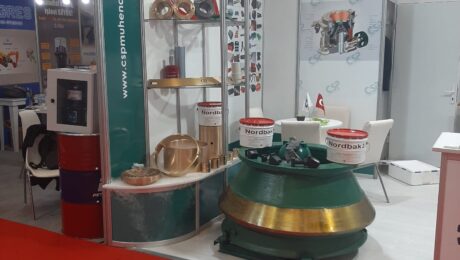
Cone Crusher Service – Maximizing Performance and Reliability
Introduction:
Cone crushers are widely used in industries such as mining, aggregate, and construction for crushing various materials. To maintain their performance and reliability, regular service and maintenance are crucial. Cone crusher service involves comprehensive inspections, adjustments, and repairs to ensure the equipment operates at its best. This article explores the importance of professional cone crusher service in maximizing performance and reliability.
How it Works:
Cone crusher service typically includes a range of activities performed by skilled technicians. These activities may include inspecting and lubricating key components, checking wear parts for replacement, adjusting the crusher’s settings, and troubleshooting any issues. The service process aims to optimize the crusher’s performance, identify potential problems, and address them promptly to prevent costly downtime.
FAQs:
Q: Why is cone crusher service important?
A: Cone crusher service is vital for maintaining optimal performance and reliability. It helps identify and address potential issues before they lead to major breakdowns, ensures proper lubrication and adjustment of critical components, and maximizes the lifespan of wear parts.
Q: How often should I service my cone crusher?
A: The frequency of cone crusher service depends on various factors, including the operating conditions, production levels, and manufacturer recommendations. Generally, regular service intervals, such as every 200-250 hours of operation, are recommended. However, more frequent inspections may be required in demanding operating conditions.
Q: Can I perform cone crusher service myself?
A: While some basic maintenance tasks can be performed by operators, professional cone crusher service is recommended. Trained technicians have the expertise, tools, and knowledge to conduct thorough inspections, identify hidden issues, and ensure proper adjustments and repairs.
Q: What are the benefits of regular cone crusher service?
A: Regular service helps prevent unexpected breakdowns, extends the lifespan of wear parts, maintains optimal performance and efficiency, and reduces the risk of costly repairs. It also allows for early detection of potential problems and ensures safe operation.
Conclusion:
Professional cone crusher service is critical for maintaining the performance, reliability, and longevity of the equipment. Regular inspections, lubrication, adjustments, and repairs carried out by trained technicians help optimize cone crusher performance, identify potential issues, and prevent unexpected downtime. By investing in regular maintenance and professional service, operators can maximize their cone crusher’s efficiency, reduce operational costs, and achieve consistent production.
Mostly Serviced Products:
1. Cone Crusher Wear Parts: High-quality wear-resistant parts, including mantle, concave, and bowl liner, designed to withstand the demanding crushing conditions.
2. Cone Crusher Lubrication Systems: Effective lubrication systems designed to ensure proper lubrication of key components, reducing friction and wear.
3. Cone Crusher Spare Parts: Various spare parts, such as seals, bushings, and hydraulic components, designed for specific cone crusher models to facilitate quick repairs and minimize downtime.
These top-selling products are crucial for maintaining the performance and reliability of cone crushers. By utilizing high-quality wear parts and proper lubrication systems, operators can enhance the productivity and longevity of their cone crushers.
4. Cone Crusher Eccentric Assembly: The eccentric assembly is a key component responsible for the crushing motion of the cone crusher. High-quality eccentric assemblies ensure smooth operation and efficient crushing performance.
5. Cone Crusher Hydraulic System: The hydraulic system of a cone crusher is essential for adjusting the crusher settings, controlling the crushing process, and protecting against overloading. Reliable hydraulic systems contribute to the safe and efficient operation of the cone crusher.
6. Cone Crusher Drive Belts: Drive belts transmit power from the motor to the cone crusher, enabling its operation. Durable and properly tensioned drive belts are necessary for efficient power transfer and reliable crushing performance.
7. Cone Crusher Control Panels: Control panels provide operators with the ability to monitor and adjust various parameters of the cone crusher, such as speed, feed, and discharge settings. Well-designed control panels enhance operational control and efficiency.
In conclusion, cone crusher service is vital for maximizing the performance and reliability of cone crushers. By engaging in regular professional service, operators can ensure optimal operation, early detection of potential issues, and prevention of costly downtime. Investing in high-quality spare parts and maintaining proper lubrication and adjustment of critical components contribute to efficient cone crusher operations. By prioritizing cone crusher service and utilizing top-selling products, operators can achieve consistent crushing performance, extend the lifespan of their equipment, and optimize productivity in their operations.
- Published in Cone Crushers
Hydraulic Pumps and Motors: Powering Fluid Systems Efficiently | Top Selling Products

Introduction:
Hydraulic pumps and motors are essential components in fluid systems, providing the necessary power to drive various machinery and equipment. They play a crucial role in converting mechanical energy into hydraulic energy, enabling efficient power transmission. In this article, we will delve into the importance of hydraulic pumps and motors, explain how they work, address common FAQs, provide a concluding remark on their significance, and highlight the top-selling products available in the market.
How it Works:
Hydraulic pumps and motors operate based on the principle of fluid mechanics. Here’s how they work:
1. Hydraulic Pumps: Hydraulic pumps are responsible for generating fluid flow and pressure in a hydraulic system. They draw hydraulic fluid from a reservoir and deliver it to the system at the required pressure. Common types of hydraulic pumps include gear pumps, vane pumps, and piston pumps.
2. Hydraulic Motors: Hydraulic motors convert hydraulic energy back into mechanical energy, providing rotational power to drive machinery or equipment. They receive pressurized fluid from the hydraulic system and convert it into rotary motion. Hydraulic motors can be of various types, including gear motors, vane motors, and piston motors.
FAQs:
1. What are the applications of hydraulic pumps and motors?
Hydraulic pumps and motors find extensive use in various industries such as construction, agriculture, manufacturing, and transportation. They power a wide range of equipment, including cranes, excavators, loaders, forklifts, presses, and conveyors, among others.
2. How do I select the right hydraulic pump or motor for my application?
The selection of a hydraulic pump or motor depends on factors such as required flow rate, operating pressure, speed, and torque. It is crucial to consider the specific application requirements and consult with hydraulic system experts or manufacturers to ensure the appropriate pump or motor is chosen.
3. What maintenance is required for hydraulic pumps and motors?
Regular maintenance is essential to ensure the optimal performance and longevity of hydraulic pumps and motors. This includes monitoring fluid levels, checking for leaks, replacing filters, and adhering to recommended service intervals. Additionally, maintaining cleanliness in the hydraulic system and using quality hydraulic fluids is crucial for proper operation.
Conclusion:
Hydraulic pumps and motors are vital components in fluid systems, providing efficient power transmission and driving various machinery and equipment. Understanding how these components work, addressing maintenance requirements, and selecting the right products contribute to optimal system performance and reliability.
Top Selling Products:
1. Gear Pumps: Known for their simplicity and reliability, gear pumps are widely used in hydraulic systems, offering a cost-effective solution for various applications.
2. Vane Pumps: Vane pumps provide efficient performance and quiet operation, making them suitable for applications requiring medium to high flows and pressures.
3. Piston Pumps: These pumps deliver high-pressure capabilities, making them ideal for demanding applications such as heavy machinery and industrial equipment.
4. Radial Piston Motors: Radial piston motors offer high torque and smooth operation, enabling precise control and power delivery in hydraulic systems.
5. Axial Piston Motors: Axial piston motors provide excellent efficiency and versatility, making them suitable for applications requiring high power density and speed control.
Investing in high-quality hydraulic pumps and motors ensures reliable power transmission and efficient operation of fluid systems across various industries.
In addition to the top-selling hydraulic pumps and motors mentioned earlier, there are several other notable products available in the market. Here are a few more options to consider:
6. Gerotor Pumps: Gerotor pumps are compact and lightweight, making them suitable for applications where space is limited. They provide smooth and quiet operation, offering excellent performance in low to medium-pressure hydraulic systems.
7. Bent Axis Motors: Bent axis motors are known for their high power density and efficiency. They are commonly used in heavy-duty applications, such as construction machinery and industrial equipment, where high torque and speed are required.
8. External Gear Pumps: External gear pumps are durable and cost-effective, making them popular in various hydraulic applications. They provide reliable performance and can handle a wide range of viscosities and pressures.
9. Radial Piston Pumps: Radial piston pumps offer exceptional pressure capabilities, making them suitable for high-pressure hydraulic systems. They are commonly used in demanding industrial applications that require precise control and high power output.
10. Fixed Displacement Motors: Fixed displacement motors provide a constant flow of hydraulic fluid, making them ideal for applications where a consistent speed is required. They are commonly used in conveyor systems, winches, and agricultural machinery.
When selecting hydraulic pumps and motors, it is crucial to consider factors such as flow rate, pressure requirements, operating conditions, and the specific needs of your application. Consulting with hydraulic system experts or manufacturers can help ensure the right products are chosen to meet your requirements.
In conclusion, hydraulic pumps and motors are essential components in fluid systems, enabling efficient power transmission and driving machinery and equipment in various industries. By understanding their working principles, addressing common FAQs, and exploring top-selling products, businesses can make informed decisions to optimize their hydraulic systems’ performance and achieve reliable and efficient operation.
- Published in Crushers
Conveyor Belts: Enhancing Material Handling and Screening Efficiency | Top Selling Products
Introduction:
Conveyor belts are essential components in material handling and screening applications, playing a vital role in optimizing efficiency and productivity. These versatile systems enable the seamless transportation, sorting, and separation of various materials. In this article, we will explore the importance of conveyor belts, explain how they work, address common FAQs, provide a concluding remark on their significance, and highlight the top-selling products in the market.
How it Works:
Conveyor belts consist of a continuous looped belt that moves materials from one location to another. Here’s how they work:
1. Material Transportation: The conveyor belt is powered by motorized pulleys or rollers, enabling it to continuously transport materials from the feeding point to the discharge point. It can be horizontal, inclined, or vertical, depending on the application requirements.
2. Material Handling: Conveyor belts are equipped with various components such as sidewalls, cleats, or separators to facilitate effective material handling. These features help prevent spillage, improve material flow, and enable the separation of different-sized particles during the conveying process.
FAQs:
1. Why are conveyor belts important in material handling and screening applications?
Conveyor belts are essential for efficient material handling and screening operations. They automate the transportation process, improve workflow, and enable the precise sorting and separation of materials, resulting in enhanced productivity and cost-effectiveness.
2. What factors should be considered when selecting conveyor belts?
When selecting conveyor belts, factors such as the material characteristics (e.g., size, weight, abrasiveness), operating conditions (e.g., temperature, moisture), required throughput, and application-specific requirements should be taken into account. It is crucial to choose belts that are durable, compatible with the application, and designed for optimal performance.
3. How can conveyor belt maintenance be performed effectively?
Conveyor belt maintenance involves regular inspections, cleaning, and lubrication to ensure smooth operation and prevent downtime. It is important to address any signs of wear, misalignment, or damage promptly. Additionally, following manufacturer guidelines and scheduling routine maintenance can help extend the lifespan and performance of conveyor belts.
Conclusion:
Conveyor belts are integral to material handling and screening processes, enhancing efficiency and streamlining operations in various industries. By automating material transportation and enabling effective separation, they contribute to improved productivity and cost-effectiveness. Proper maintenance and selecting the right conveyor belts are essential for maximizing performance and ensuring long-term reliability.
Top Selling Products:
1. Heavy-Duty Rubber Conveyor Belts: Designed for demanding applications, these belts offer excellent durability, impact resistance, and long service life, making them ideal for heavy material handling operations.
2. PVC Conveyor Belts: Known for their versatility and affordability, PVC belts provide good chemical resistance and are suitable for light to medium-duty material handling applications.
3. Modular Conveyor Belts: These belts consist of interlocking modules, allowing for easy customization, quick installation, and efficient maintenance. They are commonly used in industries requiring flexibility and frequent layout changes.
4. Wire Mesh Conveyor Belts: Constructed with metal wires in an interwoven pattern, wire mesh belts offer excellent airflow, drainage, and high-temperature resistance, making them suitable for food processing, cooling, and drying applications.
5. Cleated Conveyor Belts: Equipped with cleats or profiles on the belt surface, cleated belts ensure effective handling of bulk materials on inclines or declines, preventing slippage and improving efficiency.
Investing in high-quality conveyor belts is crucial for optimizing material handling and screening efficiency in various industries. By selecting the right type of belt based on application-specific requirements and ensuring regular maintenance, businesses can improve productivity, minimize downtime, and enhance overall operational performance.
With a wide range of conveyor belt options available, it’s essential to choose the top-selling products that best meet your needs. Here are some of the top-selling conveyor belt products in the market:
1. Chevron Conveyor Belts: These belts feature V-shaped cleats that prevent material from slipping, making them ideal for inclined conveying applications where grip is crucial.
2. Steel Cord Conveyor Belts: Designed for heavy-duty applications, steel cord belts offer exceptional tensile strength and resistance to impact, making them suitable for mining and bulk material handling operations.
3. Food-Grade Conveyor Belts: Manufactured with materials that comply with food safety regulations, these belts are specifically designed for the hygienic transportation of food products, ensuring compliance with industry standards.
4. Heat-Resistant Conveyor Belts: Built to withstand high temperatures, heat-resistant belts are commonly used in industries such as steel mills, cement plants, and foundries, where materials are transported through hot environments.
5. Magnetic Separator Belts: These specialized belts are embedded with magnetic plates or magnets, enabling efficient separation of ferrous materials during material handling processes.
By investing in these top-selling conveyor belt products, businesses can enhance material handling efficiency, improve workflow, and ensure the safe and reliable transportation of materials throughout their operations.
In conclusion, conveyor belts play a pivotal role in material handling and screening applications, enabling efficient transportation and effective separation of materials. By understanding how conveyor belts work, addressing common FAQs, and selecting top-selling products, businesses can optimize their material handling processes, improve productivity, and achieve operational success.
- Published in Crushers, Uncategorized
Screen Mesh: Enhancing Material Separation and Screening Efficiency | Top Selling Products
Introduction:
Screen mesh plays a crucial role in material separation and screening efficiency in various industries. It is a versatile component used in screening machinery to classify and separate different-sized materials effectively. In this article, we will explore the importance of screen mesh, explain how it works, address common FAQs, provide a concluding remark on its significance, and highlight the top-selling products in the market.
How it Works:
Screen mesh is a woven or perforated surface made of wire, rubber, or polyurethane. Here’s how it works:
1. Material Separation: The screen mesh contains openings of specific sizes. When material is fed onto the screen, smaller particles pass through the openings, while larger particles are retained.
2. Screening Efficiency: The design and quality of the screen mesh impact screening efficiency. Proper tensioning and appropriate mesh size selection ensure efficient material separation and optimal screening performance.
FAQs:
1. Why is screen mesh important in screening machinery?
Screen mesh is crucial for effective material separation in screening machinery. It helps classify materials based on size, ensuring accurate screening and improved efficiency in various industries such as mining, construction, and recycling.
2. How do I select the right screen mesh size?
The selection of the appropriate screen mesh size depends on the desired material separation and the specific application. Factors such as the material characteristics and desired screening efficiency should be considered. Consulting with experts or referring to manufacturer guidelines can help determine the suitable mesh size for your screening needs.
3. Can screen mesh be replaced or repaired?
Screen mesh can be replaced when it becomes worn or damaged. The replacement frequency depends on factors such as material abrasiveness and intensity of screening operations. In some cases, damaged sections of the mesh can be repaired by patching or using screen patches.
Conclusion:
Screen mesh plays a crucial role in optimizing material separation and screening efficiency. By selecting the right mesh size and ensuring proper tensioning, screening machinery can achieve accurate classification and improved productivity. Regular maintenance, inspection, and timely replacement of worn or damaged screen mesh are essential for maintaining optimal screening performance.
Top Selling Products:
1. Woven Wire Screen Mesh: Durable and versatile wire mesh options designed for various screening applications, offering excellent strength and longevity.
2. Rubber Screen Panels: These panels provide superior wear resistance, noise reduction, and efficient material separation, suitable for high-impact screening operations.
3. Polyurethane Screen Panels: Known for their durability, flexibility, and self-cleaning properties, polyurethane panels deliver efficient screening and extended service life.
4. Screen Mesh Cleaning Balls: These cleaning balls assist in keeping the screen mesh clean and free from blinding, ensuring uninterrupted screening performance.
5. Modular Screen Systems: These customizable screen systems consist of interchangeable screen panels, allowing for easy maintenance and optimization of screening efficiency.
Investing in high-quality screen mesh is vital for achieving accurate material separation, maximizing screening efficiency, and improving overall productivity in screening machinery.
- Published in Crushers
Cone Mantles and Concaves: Enhancing Crushing Efficiency and Product Quality | Top Selling Products
Introduction:
Cone mantles and concaves are critical components in cone crushers, playing a key role in optimizing crushing efficiency and achieving superior product quality. These parts provide protection to the main shaft and shape the crushed material during the crushing process. In this article, we will explore the importance of cone mantles and concaves, explain how they work, address common FAQs, provide a concluding remark on their significance, and highlight the top-selling products in the market.
How it Works:
Cone mantles and concaves work together to optimize the crushing process in cone crushers. Here’s how they function:
1. Cone Mantles: The cone mantle is a replaceable liner that covers the cone crusher’s main shaft. It protects the shaft from wear and transmits crushing forces to the material being crushed.
2. Concaves: Concaves are replaceable liners that line the crushing chamber of cone crushers. They are designed to shape the material and provide an optimal crushing environment for efficient and high-quality crushing.
FAQs:
1. Why are cone mantles and concaves important?
Cone mantles and concaves are crucial for achieving efficient and high-quality crushing in cone crushers. They provide protection to key components, shape the material, and ensure consistent product quality.
2. How often should cone mantles and concaves be replaced?
The replacement frequency of cone mantles and concaves depends on various factors, including the type of material being crushed, the intensity of crushing operations, and proper maintenance practices. Regular inspections and adherence to manufacturer recommendations help determine when these parts should be replaced.
3. Can I use different types of cone mantles and concaves?
Cone mantles and concaves are designed specifically for cone crusher models and should be selected based on compatibility and desired crushing outcomes. It is recommended to use the appropriate type and design recommended by the crusher manufacturer.
Conclusion:
Cone mantles and concaves are integral to achieving optimal crushing efficiency and superior product quality in cone crushers. By providing protection to key components and shaping the crushed material, these components contribute significantly to the overall performance of the crushing machinery. Regular maintenance, inspections, and the use of high-quality cone mantles and concaves are essential for maximizing crushing efficiency and achieving consistent product quality.
Top Selling Products:
1. High-Quality Cone Mantles: These durable and precision-engineered mantles offer excellent wear resistance and optimal crushing performance for various cone crusher models.
2. Premium Concaves: Designed to deliver superior product shaping and consistent quality, these concaves ensure efficient crushing and maximize the productivity of cone crushers.
3. Concave Liner Kits: Comprehensive kits that include multiple concave liners, tailored for specific cone crusher models, providing complete wear protection and improved crushing efficiency.
Investing in high-quality cone mantles and concaves is crucial for optimizing the performance of cone crushers, achieving superior product quality, and reducing operational costs in the crushing process.
- Published in Crushers
Crusher Wear Parts: Enhancing Crushing Efficiency and Equipment Longevity | Top Selling Products
Introduction:
Crusher wear parts are essential components in crushing machinery, specifically designed to withstand high impact and abrasion during the crushing process. These parts play a crucial role in optimizing crushing efficiency, ensuring equipment longevity, and minimizing downtime. In this article, we will delve into the significance of crusher wear parts, explain how they work, address common FAQs, provide a concluding remark on their importance, and highlight the top-selling products in the market.
How it Works:
Crusher wear parts are engineered to withstand the intense forces and wear encountered during crushing operations. They include:
1. Jaw Plates: Fixed and movable plates that protect the surfaces of jaw crushers from wear caused by the material being crushed.
2. Cone Mantles and Concaves: Mantles cover the main shaft of cone crushers, while concaves line the crushing chamber, providing protection and shaping the crushed material.
3. Impactor Blow Bars: These components deliver high-velocity impacts to break down the material in horizontal shaft impact crushers.
4. Rotor Tips: Designed for vertical shaft impact crushers, rotor tips facilitate efficient crushing by directing the material flow and minimizing wear.
FAQs:
1. Why are crusher wear parts important?
Crusher wear parts are vital for maintaining the performance and longevity of crushing equipment. They protect key components from excessive wear, optimize crushing efficiency, and minimize downtime.
2. How often should crusher wear parts be replaced?
The replacement frequency of crusher wear parts depends on factors such as the type of material being crushed, the intensity of crushing operations, and proper maintenance practices. Regular inspections and adherence to manufacturer recommendations help determine when specific parts need replacement.
3. Can I use aftermarket crusher wear parts?
While aftermarket crusher wear parts are available, it is generally recommended to use original equipment manufacturer (OEM) parts. OEM parts are specifically designed for compatibility, ensuring a proper fit and optimized performance.
Conclusion:
Crusher wear parts play a crucial role in enhancing crushing efficiency and extending the lifespan of crushing equipment. By protecting key components and optimizing performance, these parts minimize downtime and ensure the continuous operation of machinery. Regular maintenance, inspections, and the use of quality wear parts are essential for maximizing the efficiency and longevity of crushing equipment.
Top Selling Products:
1. High-Quality Jaw Plates: Designed for various jaw crusher models, these durable plates provide excellent wear resistance and optimized crushing performance.
2. Premium Cone Mantles and Concaves: Engineered for superior crushing efficiency and product shape, these wear parts offer extended durability and performance.
3. Impact-resistant Blow Bars: Designed for horizontal shaft impact crushers, these blow bars deliver exceptional impact strength and durability for efficient crushing.
4. Efficient Rotor Tips: Offering precise material flow control and exceptional wear resistance, these rotor tips optimize the crushing process in vertical shaft impact crushers.
5. Comprehensive Wear Protection Kits: These kits include a range of wear parts tailored for specific crusher models, ensuring comprehensive protection and improved efficiency.
Investing in high-quality crusher wear parts is crucial for maximizing crushing efficiency, reducing operational costs, and prolonging the lifespan of crushing machinery.
- Published in Crushers
Crushing and Screening Spare Parts: Enhancing Equipment Performance
Introduction:
Crushing and screening equipment play a crucial role in various industries such as mining, construction, and recycling. These machines are subjected to heavy usage and wear, resulting in the need for regular maintenance and replacement of spare parts. In this article, we will explore the significance of crushing and screening spare parts, how they work, address common FAQs, highlight popular products, and conclude with their overall importance in equipment performance.
How it Works:
Crushing and screening spare parts encompass a wide range of components that are essential for the proper functioning of crushing and screening machinery. These parts include but are not limited to:
1. Crusher Wear Parts: These are designed to withstand high impact and abrasion during the crushing process. Examples include jaw plates, cone mantles, and impactor blow bars.
2. Screen Media: Consisting of wire mesh, rubber, or polyurethane, screen media ensures efficient separation of materials based on size, preventing clogging and maximizing productivity.
3. Conveyor Belts: These durable belts transport materials from one stage of the process to another, ensuring smooth operation.
4. Bearings: Vital for reducing friction and maintaining rotational movement, bearings are critical components in crushers and screens.
5. Hydraulic Components: Responsible for providing power and control, hydraulic parts enable the smooth operation of various crushing and screening equipment.
FAQs:
1. Why are crushing and screening spare parts important?
Crushing and screening spare parts ensure the continuous and reliable operation of machinery, minimizing downtime and maximizing productivity. These parts are essential for maintaining optimal equipment performance.
2. How often should spare parts be replaced?
The replacement frequency depends on factors such as the type of equipment, intensity of usage, and maintenance practices. Regular inspections and following manufacturer recommendations help determine when to replace specific parts.
3. Can I use non-OEM spare parts?
While aftermarket spare parts are available, it is recommended to use original equipment manufacturer (OEM) parts. OEM parts are specifically designed for compatibility and performance, ensuring a proper fit and minimizing the risk of equipment damage.
Conclusion:
Crushing and screening spare parts are critical for maintaining the efficiency and productivity of crushing and screening equipment. By replacing worn-out or damaged parts, operators can ensure the longevity of their machinery and minimize costly downtime. Regular maintenance, inspection, and sourcing quality spare parts are essential for optimal equipment performance.
Top Selling Products:
1. Crusher Jaw Plates: High-quality jaw plates designed for various types of crushers.
2. Cone Mantles and Concaves: Precision-engineered components for efficient crushing in cone crushers.
3. Screen Mesh: Durable and versatile mesh options for effective material separation.
4. Conveyor Belts: Reliable belts designed to withstand heavy loads and harsh environments.
5. Hydraulic Pumps and Motors: Essential components for hydraulic systems in crushing and screening machinery.
Investing in high-quality spare parts not only ensures smooth equipment operation but also enhances overall productivity, ultimately leading to a successful and efficient crushing and screening process.
- Published in Crushers
NACE Horizontal Screen Spare Parts: Keep Your Equipment Running Efficiently
Introduction: NACE Horizontal Screens are an essential piece of equipment for any quarrying, mining, or recycling operation. They offer efficient and effective screening of materials, but to ensure maximum performance, it’s important to use genuine NACE spare parts. Our authorized dealers and distributors offer a wide range of high-quality spare parts that are engineered to fit seamlessly with NACE equipment.
FAQs:
1. Why should I use genuine NACE spare parts for my horizontal screen?
Using genuine NACE spare parts ensures that your equipment continues to operate at peak performance and efficiency. Genuine parts are engineered to fit seamlessly with NACE equipment, providing maximum reliability and durability.
2. What types of NACE horizontal screen spare parts are available?
NACE offers a wide range of spare parts for their horizontal screens, including screen decks, screening media, motors, and bearings.
3. How can I purchase NACE horizontal screen spare parts?
You can purchase NACE horizontal screen spare parts through our authorized dealers and distributors, ensuring that you are using genuine NACE parts that are designed to fit seamlessly with NACE equipment.
Conclusion: To ensure your NACE Horizontal Screen continues to operate efficiently and effectively, it’s essential to use genuine NACE spare parts. Our high-quality replacement parts are designed to fit seamlessly with NACE equipment, providing maximum reliability and durability. Contact our authorized dealers and distributors today to purchase NACE Horizontal Screen spare parts and keep your equipment running efficiently.
- Published in Brands
NACE Mobile Jaw Crusher Spare Parts: High-Quality Replacement Parts for Maximum Performance
Introduction: NACE Mobile Jaw Crushers are widely used in quarrying, mining, and recycling applications, offering a high crushing capacity and low fuel consumption. To keep your NACE Mobile Jaw Crusher running smoothly and efficiently, it’s essential to use genuine NACE spare parts. We offer a wide range of high-quality spare parts that are designed to fit seamlessly with NACE equipment.
FAQs:
1. Why should I use genuine NACE spare parts for my mobile jaw crusher?
Using genuine NACE spare parts ensures that your equipment continues to operate at peak performance and efficiency. Genuine parts are engineered to fit seamlessly with NACE equipment, providing maximum reliability and durability.
2. How can I purchase NACE mobile jaw crusher spare parts?
You can purchase NACE mobile jaw crusher spare parts through our authorized dealers and distributors, ensuring that you are using genuine NACE parts that are designed to fit seamlessly with NACE equipment.
3. What types of NACE mobile jaw crusher spare parts are available?
NACE offers a wide range of spare parts for their mobile jaw crushers, including jaw plates, toggle plates, bearings, and hydraulic components.
Conclusion: By using genuine NACE mobile jaw crusher spare parts, you can ensure that your equipment runs smoothly and efficiently, with maximum performance and reliability. Our high-quality replacement parts are engineered to fit seamlessly with NACE equipment, providing long-lasting durability and minimizing downtime. Contact our authorized dealers and distributors today to purchase NACE Mobile Jaw Crusher spare parts and ensure the long-term performance of your equipment.
- Published in Jaw crushers
