


Impact Crusher Best Practices for Optimal Performance | Introduction, Operation, FAQs, Conclusion | Top-Selling Solutions | Buy Now
Introduction:
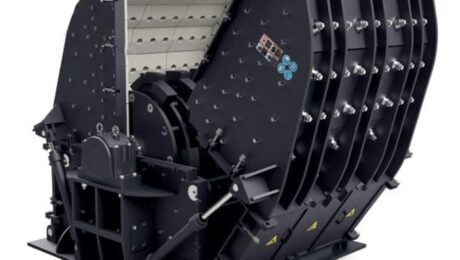
Unlock the full potential of your impact crusher with best practices for optimal performance. This comprehensive article introduces impact crushers, their importance in crushing operations, and provides valuable insights to maximize efficiency, productivity, and longevity.
How It Works:
Impact crushers operate by throwing the material against a solid surface or impact plates, causing it to break into smaller pieces. The rotor rotates at high speed, generating centrifugal force that accelerates the material and directs it towards the impact plates. The impact plates absorb the energy, reducing the size of the material. Impact crushers are versatile machines suitable for various applications and can produce high-quality aggregates.
FAQs:
Q: What are the key components of an impact crusher?
A: An impact crusher consists of several key components, including the rotor, impact plates, feed chute, and the adjustment system. Each component plays a vital role in the crushing process, ensuring proper impact forces, feeding, and product size control.
Q: How do I select the right impact crusher for my application?
A: When selecting an impact crusher, consider factors such as feed size, desired output size, capacity requirements, and the hardness and abrasiveness of the material. Consult the manufacturer’s specifications and seek expert advice to ensure the chosen impact crusher is suitable for your specific application.
Q: What maintenance practices should I follow to prolong the lifespan of my impact crusher?
A: Regular maintenance is essential for the longevity and performance of your impact crusher. Some key maintenance practices include inspecting and replacing worn impact plates, monitoring and adjusting the rotor speed and clearance, lubricating bearings, and ensuring proper alignment of all components.
Q: How can I optimize the productivity of my impact crusher?
A: To optimize the productivity of your impact crusher, ensure a consistent feed rate, avoid overloading the crusher, and adjust the rotor speed and impact plate settings according to the desired product size. Regularly check and replace worn parts, such as impact plates, and implement a comprehensive maintenance schedule.
Conclusion:
By following best practices, you can maximize the performance, efficiency, and durability of your impact crusher. Implement regular maintenance, select the appropriate impact crusher for your application, and optimize its operation to achieve optimal results. With proper care and attention, your impact crusher can deliver consistent and reliable crushing performance.
Top-Selling Solutions:
1. Impact Crusher Blow Bars
2. Impact Crusher Rotor
3. Impact Crusher Wear Plates
4. Impact Crusher Hammers
5. Impact Crusher Feed Tubes
Buy Now:
To purchase top-quality impact crusher components and other related products, visit our website https://cspmuhendislik.com/ or contact our sales team at Whatsapp. Enhance your impact crusher’s performance today with reliable wear parts and accessories.
- Published in Crushers
Hydraulic Pumps and Motors: Powering Fluid Systems Efficiently | Top Selling Products

Introduction:
Hydraulic pumps and motors are essential components in fluid systems, providing the necessary power to drive various machinery and equipment. They play a crucial role in converting mechanical energy into hydraulic energy, enabling efficient power transmission. In this article, we will delve into the importance of hydraulic pumps and motors, explain how they work, address common FAQs, provide a concluding remark on their significance, and highlight the top-selling products available in the market.
How it Works:
Hydraulic pumps and motors operate based on the principle of fluid mechanics. Here’s how they work:
1. Hydraulic Pumps: Hydraulic pumps are responsible for generating fluid flow and pressure in a hydraulic system. They draw hydraulic fluid from a reservoir and deliver it to the system at the required pressure. Common types of hydraulic pumps include gear pumps, vane pumps, and piston pumps.
2. Hydraulic Motors: Hydraulic motors convert hydraulic energy back into mechanical energy, providing rotational power to drive machinery or equipment. They receive pressurized fluid from the hydraulic system and convert it into rotary motion. Hydraulic motors can be of various types, including gear motors, vane motors, and piston motors.
FAQs:
1. What are the applications of hydraulic pumps and motors?
Hydraulic pumps and motors find extensive use in various industries such as construction, agriculture, manufacturing, and transportation. They power a wide range of equipment, including cranes, excavators, loaders, forklifts, presses, and conveyors, among others.
2. How do I select the right hydraulic pump or motor for my application?
The selection of a hydraulic pump or motor depends on factors such as required flow rate, operating pressure, speed, and torque. It is crucial to consider the specific application requirements and consult with hydraulic system experts or manufacturers to ensure the appropriate pump or motor is chosen.
3. What maintenance is required for hydraulic pumps and motors?
Regular maintenance is essential to ensure the optimal performance and longevity of hydraulic pumps and motors. This includes monitoring fluid levels, checking for leaks, replacing filters, and adhering to recommended service intervals. Additionally, maintaining cleanliness in the hydraulic system and using quality hydraulic fluids is crucial for proper operation.
Conclusion:
Hydraulic pumps and motors are vital components in fluid systems, providing efficient power transmission and driving various machinery and equipment. Understanding how these components work, addressing maintenance requirements, and selecting the right products contribute to optimal system performance and reliability.
Top Selling Products:
1. Gear Pumps: Known for their simplicity and reliability, gear pumps are widely used in hydraulic systems, offering a cost-effective solution for various applications.
2. Vane Pumps: Vane pumps provide efficient performance and quiet operation, making them suitable for applications requiring medium to high flows and pressures.
3. Piston Pumps: These pumps deliver high-pressure capabilities, making them ideal for demanding applications such as heavy machinery and industrial equipment.
4. Radial Piston Motors: Radial piston motors offer high torque and smooth operation, enabling precise control and power delivery in hydraulic systems.
5. Axial Piston Motors: Axial piston motors provide excellent efficiency and versatility, making them suitable for applications requiring high power density and speed control.
Investing in high-quality hydraulic pumps and motors ensures reliable power transmission and efficient operation of fluid systems across various industries.
In addition to the top-selling hydraulic pumps and motors mentioned earlier, there are several other notable products available in the market. Here are a few more options to consider:
6. Gerotor Pumps: Gerotor pumps are compact and lightweight, making them suitable for applications where space is limited. They provide smooth and quiet operation, offering excellent performance in low to medium-pressure hydraulic systems.
7. Bent Axis Motors: Bent axis motors are known for their high power density and efficiency. They are commonly used in heavy-duty applications, such as construction machinery and industrial equipment, where high torque and speed are required.
8. External Gear Pumps: External gear pumps are durable and cost-effective, making them popular in various hydraulic applications. They provide reliable performance and can handle a wide range of viscosities and pressures.
9. Radial Piston Pumps: Radial piston pumps offer exceptional pressure capabilities, making them suitable for high-pressure hydraulic systems. They are commonly used in demanding industrial applications that require precise control and high power output.
10. Fixed Displacement Motors: Fixed displacement motors provide a constant flow of hydraulic fluid, making them ideal for applications where a consistent speed is required. They are commonly used in conveyor systems, winches, and agricultural machinery.
When selecting hydraulic pumps and motors, it is crucial to consider factors such as flow rate, pressure requirements, operating conditions, and the specific needs of your application. Consulting with hydraulic system experts or manufacturers can help ensure the right products are chosen to meet your requirements.
In conclusion, hydraulic pumps and motors are essential components in fluid systems, enabling efficient power transmission and driving machinery and equipment in various industries. By understanding their working principles, addressing common FAQs, and exploring top-selling products, businesses can make informed decisions to optimize their hydraulic systems’ performance and achieve reliable and efficient operation.
- Published in Crushers
Conveyor Belts: Enhancing Material Handling and Screening Efficiency | Top Selling Products
Introduction:
Conveyor belts are essential components in material handling and screening applications, playing a vital role in optimizing efficiency and productivity. These versatile systems enable the seamless transportation, sorting, and separation of various materials. In this article, we will explore the importance of conveyor belts, explain how they work, address common FAQs, provide a concluding remark on their significance, and highlight the top-selling products in the market.
How it Works:
Conveyor belts consist of a continuous looped belt that moves materials from one location to another. Here’s how they work:
1. Material Transportation: The conveyor belt is powered by motorized pulleys or rollers, enabling it to continuously transport materials from the feeding point to the discharge point. It can be horizontal, inclined, or vertical, depending on the application requirements.
2. Material Handling: Conveyor belts are equipped with various components such as sidewalls, cleats, or separators to facilitate effective material handling. These features help prevent spillage, improve material flow, and enable the separation of different-sized particles during the conveying process.
FAQs:
1. Why are conveyor belts important in material handling and screening applications?
Conveyor belts are essential for efficient material handling and screening operations. They automate the transportation process, improve workflow, and enable the precise sorting and separation of materials, resulting in enhanced productivity and cost-effectiveness.
2. What factors should be considered when selecting conveyor belts?
When selecting conveyor belts, factors such as the material characteristics (e.g., size, weight, abrasiveness), operating conditions (e.g., temperature, moisture), required throughput, and application-specific requirements should be taken into account. It is crucial to choose belts that are durable, compatible with the application, and designed for optimal performance.
3. How can conveyor belt maintenance be performed effectively?
Conveyor belt maintenance involves regular inspections, cleaning, and lubrication to ensure smooth operation and prevent downtime. It is important to address any signs of wear, misalignment, or damage promptly. Additionally, following manufacturer guidelines and scheduling routine maintenance can help extend the lifespan and performance of conveyor belts.
Conclusion:
Conveyor belts are integral to material handling and screening processes, enhancing efficiency and streamlining operations in various industries. By automating material transportation and enabling effective separation, they contribute to improved productivity and cost-effectiveness. Proper maintenance and selecting the right conveyor belts are essential for maximizing performance and ensuring long-term reliability.
Top Selling Products:
1. Heavy-Duty Rubber Conveyor Belts: Designed for demanding applications, these belts offer excellent durability, impact resistance, and long service life, making them ideal for heavy material handling operations.
2. PVC Conveyor Belts: Known for their versatility and affordability, PVC belts provide good chemical resistance and are suitable for light to medium-duty material handling applications.
3. Modular Conveyor Belts: These belts consist of interlocking modules, allowing for easy customization, quick installation, and efficient maintenance. They are commonly used in industries requiring flexibility and frequent layout changes.
4. Wire Mesh Conveyor Belts: Constructed with metal wires in an interwoven pattern, wire mesh belts offer excellent airflow, drainage, and high-temperature resistance, making them suitable for food processing, cooling, and drying applications.
5. Cleated Conveyor Belts: Equipped with cleats or profiles on the belt surface, cleated belts ensure effective handling of bulk materials on inclines or declines, preventing slippage and improving efficiency.
Investing in high-quality conveyor belts is crucial for optimizing material handling and screening efficiency in various industries. By selecting the right type of belt based on application-specific requirements and ensuring regular maintenance, businesses can improve productivity, minimize downtime, and enhance overall operational performance.
With a wide range of conveyor belt options available, it’s essential to choose the top-selling products that best meet your needs. Here are some of the top-selling conveyor belt products in the market:
1. Chevron Conveyor Belts: These belts feature V-shaped cleats that prevent material from slipping, making them ideal for inclined conveying applications where grip is crucial.
2. Steel Cord Conveyor Belts: Designed for heavy-duty applications, steel cord belts offer exceptional tensile strength and resistance to impact, making them suitable for mining and bulk material handling operations.
3. Food-Grade Conveyor Belts: Manufactured with materials that comply with food safety regulations, these belts are specifically designed for the hygienic transportation of food products, ensuring compliance with industry standards.
4. Heat-Resistant Conveyor Belts: Built to withstand high temperatures, heat-resistant belts are commonly used in industries such as steel mills, cement plants, and foundries, where materials are transported through hot environments.
5. Magnetic Separator Belts: These specialized belts are embedded with magnetic plates or magnets, enabling efficient separation of ferrous materials during material handling processes.
By investing in these top-selling conveyor belt products, businesses can enhance material handling efficiency, improve workflow, and ensure the safe and reliable transportation of materials throughout their operations.
In conclusion, conveyor belts play a pivotal role in material handling and screening applications, enabling efficient transportation and effective separation of materials. By understanding how conveyor belts work, addressing common FAQs, and selecting top-selling products, businesses can optimize their material handling processes, improve productivity, and achieve operational success.
- Published in Crushers, Uncategorized
Screen Mesh: Enhancing Material Separation and Screening Efficiency | Top Selling Products
Introduction:
Screen mesh plays a crucial role in material separation and screening efficiency in various industries. It is a versatile component used in screening machinery to classify and separate different-sized materials effectively. In this article, we will explore the importance of screen mesh, explain how it works, address common FAQs, provide a concluding remark on its significance, and highlight the top-selling products in the market.
How it Works:
Screen mesh is a woven or perforated surface made of wire, rubber, or polyurethane. Here’s how it works:
1. Material Separation: The screen mesh contains openings of specific sizes. When material is fed onto the screen, smaller particles pass through the openings, while larger particles are retained.
2. Screening Efficiency: The design and quality of the screen mesh impact screening efficiency. Proper tensioning and appropriate mesh size selection ensure efficient material separation and optimal screening performance.
FAQs:
1. Why is screen mesh important in screening machinery?
Screen mesh is crucial for effective material separation in screening machinery. It helps classify materials based on size, ensuring accurate screening and improved efficiency in various industries such as mining, construction, and recycling.
2. How do I select the right screen mesh size?
The selection of the appropriate screen mesh size depends on the desired material separation and the specific application. Factors such as the material characteristics and desired screening efficiency should be considered. Consulting with experts or referring to manufacturer guidelines can help determine the suitable mesh size for your screening needs.
3. Can screen mesh be replaced or repaired?
Screen mesh can be replaced when it becomes worn or damaged. The replacement frequency depends on factors such as material abrasiveness and intensity of screening operations. In some cases, damaged sections of the mesh can be repaired by patching or using screen patches.
Conclusion:
Screen mesh plays a crucial role in optimizing material separation and screening efficiency. By selecting the right mesh size and ensuring proper tensioning, screening machinery can achieve accurate classification and improved productivity. Regular maintenance, inspection, and timely replacement of worn or damaged screen mesh are essential for maintaining optimal screening performance.
Top Selling Products:
1. Woven Wire Screen Mesh: Durable and versatile wire mesh options designed for various screening applications, offering excellent strength and longevity.
2. Rubber Screen Panels: These panels provide superior wear resistance, noise reduction, and efficient material separation, suitable for high-impact screening operations.
3. Polyurethane Screen Panels: Known for their durability, flexibility, and self-cleaning properties, polyurethane panels deliver efficient screening and extended service life.
4. Screen Mesh Cleaning Balls: These cleaning balls assist in keeping the screen mesh clean and free from blinding, ensuring uninterrupted screening performance.
5. Modular Screen Systems: These customizable screen systems consist of interchangeable screen panels, allowing for easy maintenance and optimization of screening efficiency.
Investing in high-quality screen mesh is vital for achieving accurate material separation, maximizing screening efficiency, and improving overall productivity in screening machinery.
- Published in Crushers
Cone Mantles and Concaves: Enhancing Crushing Efficiency and Product Quality | Top Selling Products
Introduction:
Cone mantles and concaves are critical components in cone crushers, playing a key role in optimizing crushing efficiency and achieving superior product quality. These parts provide protection to the main shaft and shape the crushed material during the crushing process. In this article, we will explore the importance of cone mantles and concaves, explain how they work, address common FAQs, provide a concluding remark on their significance, and highlight the top-selling products in the market.
How it Works:
Cone mantles and concaves work together to optimize the crushing process in cone crushers. Here’s how they function:
1. Cone Mantles: The cone mantle is a replaceable liner that covers the cone crusher’s main shaft. It protects the shaft from wear and transmits crushing forces to the material being crushed.
2. Concaves: Concaves are replaceable liners that line the crushing chamber of cone crushers. They are designed to shape the material and provide an optimal crushing environment for efficient and high-quality crushing.
FAQs:
1. Why are cone mantles and concaves important?
Cone mantles and concaves are crucial for achieving efficient and high-quality crushing in cone crushers. They provide protection to key components, shape the material, and ensure consistent product quality.
2. How often should cone mantles and concaves be replaced?
The replacement frequency of cone mantles and concaves depends on various factors, including the type of material being crushed, the intensity of crushing operations, and proper maintenance practices. Regular inspections and adherence to manufacturer recommendations help determine when these parts should be replaced.
3. Can I use different types of cone mantles and concaves?
Cone mantles and concaves are designed specifically for cone crusher models and should be selected based on compatibility and desired crushing outcomes. It is recommended to use the appropriate type and design recommended by the crusher manufacturer.
Conclusion:
Cone mantles and concaves are integral to achieving optimal crushing efficiency and superior product quality in cone crushers. By providing protection to key components and shaping the crushed material, these components contribute significantly to the overall performance of the crushing machinery. Regular maintenance, inspections, and the use of high-quality cone mantles and concaves are essential for maximizing crushing efficiency and achieving consistent product quality.
Top Selling Products:
1. High-Quality Cone Mantles: These durable and precision-engineered mantles offer excellent wear resistance and optimal crushing performance for various cone crusher models.
2. Premium Concaves: Designed to deliver superior product shaping and consistent quality, these concaves ensure efficient crushing and maximize the productivity of cone crushers.
3. Concave Liner Kits: Comprehensive kits that include multiple concave liners, tailored for specific cone crusher models, providing complete wear protection and improved crushing efficiency.
Investing in high-quality cone mantles and concaves is crucial for optimizing the performance of cone crushers, achieving superior product quality, and reducing operational costs in the crushing process.
- Published in Crushers
Crusher Wear Parts: Enhancing Crushing Efficiency and Equipment Longevity | Top Selling Products
Introduction:
Crusher wear parts are essential components in crushing machinery, specifically designed to withstand high impact and abrasion during the crushing process. These parts play a crucial role in optimizing crushing efficiency, ensuring equipment longevity, and minimizing downtime. In this article, we will delve into the significance of crusher wear parts, explain how they work, address common FAQs, provide a concluding remark on their importance, and highlight the top-selling products in the market.
How it Works:
Crusher wear parts are engineered to withstand the intense forces and wear encountered during crushing operations. They include:
1. Jaw Plates: Fixed and movable plates that protect the surfaces of jaw crushers from wear caused by the material being crushed.
2. Cone Mantles and Concaves: Mantles cover the main shaft of cone crushers, while concaves line the crushing chamber, providing protection and shaping the crushed material.
3. Impactor Blow Bars: These components deliver high-velocity impacts to break down the material in horizontal shaft impact crushers.
4. Rotor Tips: Designed for vertical shaft impact crushers, rotor tips facilitate efficient crushing by directing the material flow and minimizing wear.
FAQs:
1. Why are crusher wear parts important?
Crusher wear parts are vital for maintaining the performance and longevity of crushing equipment. They protect key components from excessive wear, optimize crushing efficiency, and minimize downtime.
2. How often should crusher wear parts be replaced?
The replacement frequency of crusher wear parts depends on factors such as the type of material being crushed, the intensity of crushing operations, and proper maintenance practices. Regular inspections and adherence to manufacturer recommendations help determine when specific parts need replacement.
3. Can I use aftermarket crusher wear parts?
While aftermarket crusher wear parts are available, it is generally recommended to use original equipment manufacturer (OEM) parts. OEM parts are specifically designed for compatibility, ensuring a proper fit and optimized performance.
Conclusion:
Crusher wear parts play a crucial role in enhancing crushing efficiency and extending the lifespan of crushing equipment. By protecting key components and optimizing performance, these parts minimize downtime and ensure the continuous operation of machinery. Regular maintenance, inspections, and the use of quality wear parts are essential for maximizing the efficiency and longevity of crushing equipment.
Top Selling Products:
1. High-Quality Jaw Plates: Designed for various jaw crusher models, these durable plates provide excellent wear resistance and optimized crushing performance.
2. Premium Cone Mantles and Concaves: Engineered for superior crushing efficiency and product shape, these wear parts offer extended durability and performance.
3. Impact-resistant Blow Bars: Designed for horizontal shaft impact crushers, these blow bars deliver exceptional impact strength and durability for efficient crushing.
4. Efficient Rotor Tips: Offering precise material flow control and exceptional wear resistance, these rotor tips optimize the crushing process in vertical shaft impact crushers.
5. Comprehensive Wear Protection Kits: These kits include a range of wear parts tailored for specific crusher models, ensuring comprehensive protection and improved efficiency.
Investing in high-quality crusher wear parts is crucial for maximizing crushing efficiency, reducing operational costs, and prolonging the lifespan of crushing machinery.
- Published in Crushers
Crushing and Screening Spare Parts: Enhancing Equipment Performance
Introduction:
Crushing and screening equipment play a crucial role in various industries such as mining, construction, and recycling. These machines are subjected to heavy usage and wear, resulting in the need for regular maintenance and replacement of spare parts. In this article, we will explore the significance of crushing and screening spare parts, how they work, address common FAQs, highlight popular products, and conclude with their overall importance in equipment performance.
How it Works:
Crushing and screening spare parts encompass a wide range of components that are essential for the proper functioning of crushing and screening machinery. These parts include but are not limited to:
1. Crusher Wear Parts: These are designed to withstand high impact and abrasion during the crushing process. Examples include jaw plates, cone mantles, and impactor blow bars.
2. Screen Media: Consisting of wire mesh, rubber, or polyurethane, screen media ensures efficient separation of materials based on size, preventing clogging and maximizing productivity.
3. Conveyor Belts: These durable belts transport materials from one stage of the process to another, ensuring smooth operation.
4. Bearings: Vital for reducing friction and maintaining rotational movement, bearings are critical components in crushers and screens.
5. Hydraulic Components: Responsible for providing power and control, hydraulic parts enable the smooth operation of various crushing and screening equipment.
FAQs:
1. Why are crushing and screening spare parts important?
Crushing and screening spare parts ensure the continuous and reliable operation of machinery, minimizing downtime and maximizing productivity. These parts are essential for maintaining optimal equipment performance.
2. How often should spare parts be replaced?
The replacement frequency depends on factors such as the type of equipment, intensity of usage, and maintenance practices. Regular inspections and following manufacturer recommendations help determine when to replace specific parts.
3. Can I use non-OEM spare parts?
While aftermarket spare parts are available, it is recommended to use original equipment manufacturer (OEM) parts. OEM parts are specifically designed for compatibility and performance, ensuring a proper fit and minimizing the risk of equipment damage.
Conclusion:
Crushing and screening spare parts are critical for maintaining the efficiency and productivity of crushing and screening equipment. By replacing worn-out or damaged parts, operators can ensure the longevity of their machinery and minimize costly downtime. Regular maintenance, inspection, and sourcing quality spare parts are essential for optimal equipment performance.
Top Selling Products:
1. Crusher Jaw Plates: High-quality jaw plates designed for various types of crushers.
2. Cone Mantles and Concaves: Precision-engineered components for efficient crushing in cone crushers.
3. Screen Mesh: Durable and versatile mesh options for effective material separation.
4. Conveyor Belts: Reliable belts designed to withstand heavy loads and harsh environments.
5. Hydraulic Pumps and Motors: Essential components for hydraulic systems in crushing and screening machinery.
Investing in high-quality spare parts not only ensures smooth equipment operation but also enhances overall productivity, ultimately leading to a successful and efficient crushing and screening process.
- Published in Crushers
Cone Crusher Spare Parts

Introduction: Cone crushers are widely used in the mining and aggregate industries for their ability to crush hard and abrasive materials. These machines rely on various components, including cone crusher spare parts, to ensure their efficient operation and longevity. Cone crusher spare parts are critical for maintaining the performance and reliability of cone crushers. In this article, we will delve into the world of cone crusher spare parts, discussing how they work, frequently asked questions (FAQs), and the importance of regular maintenance and replacement to ensure optimal crusher performance.
How Cone Crusher Spare Parts Work: Cone crusher spare parts are designed to replace worn or damaged components of a cone crusher to ensure its proper functioning. The main cone crusher spare parts include the mantle, concave/bowl liner, eccentric bushing, main shaft, bearings, thrust plate, feed plate, and torch ring. These parts work in coordination to crush the incoming material and provide stability to the crusher’s main components.
The mantle is a fixed, concave-shaped lining that sits over the cone head and crushes the material as it enters the crushing chamber. The concave/bowl liner is a movable lining that surrounds the mantle and catches and crushes the material. The eccentric bushing holds the main shaft in place and allows it to rotate, while the main shaft transmits the crushing force from the motor to the crushing cone. Bearings enable smooth rotation of various components, while the thrust plate provides stability and prevents axial movement of the main shaft. The feed plate directs the material into the crushing cavity, and the torch ring acts as a sealing component to prevent material from escaping the crushing chamber.
During operation, the cone crusher spare parts are subjected to wear and tear due to the continuous crushing action, impact of the material, and other factors. Regular inspection, maintenance, and timely replacement of worn or damaged parts are crucial to ensure the optimal performance of cone crushers and prevent downtime.
Frequently Asked Questions (FAQs):
How often should cone crusher spare parts be replaced? The frequency of cone crusher spare parts replacement depends on various factors, including the type of material being crushed, the operating conditions, and the manufacturer’s recommendations. It is essential to follow the manufacturer’s guidelines and conduct regular inspections to determine the condition of the spare parts and replace them as needed to prevent any adverse impact on crusher performance.
Can I use aftermarket cone crusher spare parts? While aftermarket cone crusher spare parts may be available as a cost-effective alternative, it is essential to exercise caution and ensure that they meet the quality standards required for reliable crusher operation. Using poor-quality or incompatible spare parts can lead to decreased crusher performance, increased downtime, and higher operating costs in the long run. It is recommended to source spare parts from reputable manufacturers or consult with the original equipment manufacturer (OEM) for guidance.
How can I extend the lifespan of cone crusher spare parts? Regular inspection, proper maintenance, and timely replacement of worn or damaged parts are crucial to extend the lifespan of cone crusher spare parts. Following the manufacturer’s recommended maintenance schedule, monitoring the wear patterns, and addressing any issues promptly can help prevent premature wear and ensure optimal crusher performance. Additionally, using high-quality spare parts, operating the crusher within its recommended parameters, and avoiding overloading or harsh operating conditions can also contribute to prolonging the lifespan of cone crusher spare parts.
Conclusion: Cone crusher spare parts play a crucial role in maintaining the optimal performance and longevity of cone crushers. Regular inspection, maintenance, and timely replacement of worn or damaged parts are essential to prevent downtime, improve efficiency, and reduce operating costs. It is important to source high-quality spare parts from reputable manufacturers or consult with the OEM for guidance. By following recommended maintenance practices and using quality spare parts, cone crushers can continue to operate at their best, ensuring efficient crushing operations in the mining and
aggregate industries. When it comes to cone crusher spare parts, prevention is key. Regular inspections, addressing any issues promptly, and adhering to manufacturer’s guidelines can help extend the lifespan of the spare parts and ensure reliable crusher performance.
It is also important to exercise caution when considering aftermarket cone crusher spare parts, as using poor-quality or incompatible parts can have detrimental effects on crusher performance. Consulting with the original equipment manufacturer (OEM) or sourcing spare parts from reputable manufacturers can help ensure the quality and compatibility of the replacement parts.
In conclusion, cone crusher spare parts are vital components that contribute to the efficient operation and longevity of cone crushers. Regular maintenance, timely replacement of worn or damaged parts, and using high-quality spare parts are essential practices to ensure optimal crusher performance. By taking proper care of cone crusher spare parts, mining and aggregate industries can minimize downtime, improve efficiency, and reduce operating costs, ultimately leading to increased productivity and profitability.
Cone crushers are widely used in the mining and aggregate industries for crushing hard and abrasive materials. These machines consist of a cone-shaped crushing chamber with a mantle and a concave, or bowl liner, which are the main wear parts that require replacement over time. Cone crusher spare parts refer to the components that are used to replace the worn or damaged parts of a cone crusher, ensuring its optimal performance and extending its lifespan.
There are various types of cone crusher spare parts, each designed for specific functions. Some of the commonly used cone crusher spare parts include:
Mantle: The mantle is a fixed, concave-shaped lining that sits over the cone head and is responsible for crushing the incoming material. It is typically made of high manganese steel, which is known for its excellent wear resistance. Over time, the mantle can wear out due to the continuous crushing action, and it needs to be replaced to maintain the crusher’s efficiency.
Concave/Bowl liner: The concave, also known as the bowl liner, is a movable lining that surrounds the mantle and is responsible for catching and crushing the material that enters the crushing chamber. It is also made of high manganese steel and is subject to wear and tear during operation, requiring periodic replacement.
Eccentric bushing: The eccentric bushing is a crucial component that is used to hold the main shaft in place and allow it to rotate within the crusher’s frame. It is typically made of bronze or brass and can wear out over time, leading to loss of performance and increased downtime.
Main shaft: The main shaft is a key part of the cone crusher, as it is responsible for transmitting the crushing force from the motor to the crushing cone. It needs to be robust and durable to withstand the heavy-duty crushing operations and may require replacement if damaged or worn.
Bearings: Bearings are used in various parts of the cone crusher, including the main shaft, countershaft, and eccentric bushing. They enable smooth rotation and reduce friction, ensuring efficient operation of the crusher. Bearings can wear out due to continuous use and may need replacement to maintain optimal performance.
Thrust plate: The thrust plate is used to support and guide the main shaft, providing stability and preventing it from moving axially. It is typically made of bronze or steel and can wear out or get damaged over time, necessitating replacement.
Feed plate: The feed plate is located at the top of the crushing chamber and directs the material into the crushing cavity. It is also subject to wear and tear due to the impact of the incoming material and may require replacement to maintain proper feeding.
Torch ring: The torch ring is a sealing component that is placed between the mantle and the concave to prevent material from escaping the crushing chamber. It is typically made of brass or bronze and can wear out over time, leading to decreased efficiency and increased dust emissions.
In conclusion, cone crusher spare parts are critical for ensuring the optimal performance and longevity of cone crushers. Regular inspection, maintenance, and replacement of these spare parts are essential to minimize downtime, improve efficiency, and reduce operating costs in the mining and aggregate industries. Proper selection of high-quality spare parts from reputable manufacturers and following recommended maintenance schedules can greatly extend the lifespan of cone crushers and maximize their productivity.
- Published in Crushers
Lock it Down with NORDBAK Locking Compound: The Ultimate Solution for Heavy-Duty Fastening

Introduction
As anyone who has ever worked in an industrial setting knows, keeping machinery and equipment running smoothly is essential for maintaining productivity and profitability. However, heavy-duty equipment can also pose a serious safety risk if not properly maintained. One common issue is fasteners that come loose over time due to vibration and other forces.
That’s where NORDBAK Locking Compound comes in. This innovative adhesive is designed to keep bolts, screws, and other fasteners securely in place, even in the most demanding applications. In this article, we’ll take a closer look at how NORDBAK Locking Compound works and why it’s the ultimate solution for heavy-duty fastening.
How NORDBAK Locking Compound Works
NORDBAK Locking Compound is a high-strength adhesive that creates a secure, tamper-proof bond between threaded fasteners and their mating surfaces. The compound is applied to the threads of the fastener, and when the fastener is tightened, the compound hardens and creates a locking effect that prevents it from coming loose.
Here are some of the key features and benefits of NORDBAK Locking Compound:
High strength: NORDBAK Locking Compound can withstand extreme loads and stresses, making it ideal for heavy-duty applications.
Tamper-proof: Once applied, the compound creates a permanent bond that cannot be easily removed or tampered with.
Chemical resistance: NORDBAK Locking Compound is resistant to a wide range of chemicals, including acids, bases, solvents, and oils.
Temperature resistance: The compound can withstand temperatures ranging from -50°C to +150°C, making it suitable for use in a variety of environments.
Easy to apply: NORDBAK Locking Compound is available in convenient, ready-to-use tubes that make application quick and easy.
Applications of NORDBAK Locking Compound
NORDBAK Locking Compound can be used in a wide range of applications, including:
Automotive and transportation: NORDBAK Locking Compound is commonly used to secure bolts and screws in engines, transmissions, and other critical components of vehicles and heavy equipment.
Manufacturing and assembly: The compound can be used to secure fasteners in machinery, equipment, and other industrial applications.
Oil and gas: NORDBAK Locking Compound is an ideal solution for securing fasteners in oil rigs, pipelines, and other oil and gas equipment that is subject to extreme vibration and shock.
Construction: The compound can be used to secure bolts and screws in bridges, buildings, and other infrastructure projects.
FAQs about NORDBAK Locking Compound
Q: Is NORDBAK Locking Compound easy to remove if necessary?
A: No, NORDBAK Locking Compound creates a permanent bond that cannot be easily removed. If removal is necessary, the fastener may need to be heated or drilled out.
Q: Can NORDBAK Locking Compound be used on plastic or non-metallic materials?
A: Yes, NORDBAK Locking Compound can be used on a variety of materials, including plastic, rubber, and other non-metallic materials.
Q: Is NORDBAK Locking Compound safe to use?
A: Yes, NORDBAK Locking Compound is safe to use when used according to the manufacturer’s instructions. However, it should not be ingested or allowed to come into contact with skin or eyes.
Conclusion
In conclusion, NORDBAK Locking Compound is a high-strength adhesive that is ideal for securing bolts, screws, and other fasteners in heavy-duty industrial applications. Its tamper-proof and chemical-resistant properties make it the ultimate solution for maintaining safety and productivity in your workplace.
Whether you work in the automotive, manufacturing, oil and gas, or construction industry, NORDBAK Locking Compound can provide you with a reliable and long-lasting solution for fastening applications. Its ease of use and temperature resistance also make it a versatile choice for a wide range of environments.
If you’re looking for a way to increase safety and productivity in your workplace, consider incorporating NORDBAK Locking Compound into your maintenance and repair protocols. With its high strength and durability, you can rest assured that your machinery and equipment will stay securely fastened, even in the toughest conditions.
- Published in Crushers
Unleash the Power of Nordbak Backing Compound for Industrial Applications
Introduction
Industrial maintenance and repair can be a challenging task, especially when dealing with complex applications that require high-performance materials. Nordbak Backing Compound is a versatile product that has been designed to meet the demanding requirements of industrial applications, providing a reliable and efficient solution for maintenance and repair.
Whether you are repairing crushers, mill liners, or any other equipment, Nordbak Backing Compound can help you achieve superior results. In this article, we will explore the benefits of using Nordbak Backing Compound and how it can make a difference in your industrial operations.
What is Nordbak Backing Compound?
Nordbak Backing Compound is a two-part epoxy system that is specially formulated to provide a high-strength bond to metal surfaces. The product is designed to be used as a backing material for crushers, mill liners, and other equipment, providing superior protection against impact and vibration.
Nordbak Backing Compound is a non-flammable, solvent-free product that has been tested and approved by major crusher and mill manufacturers. The product is easy to mix and apply, providing a fast and reliable solution for maintenance and repair.
How Does Nordbak Backing Compound Work?
Nordbak Backing Compound works by providing a strong and durable bond between the metal surface and the backing material. The product is designed to fill gaps and voids between the equipment and the backing material, creating a solid and reliable structure that can withstand high levels of impact and vibration.
Nordbak Backing Compound is also resistant to water, oil, and chemicals, providing long-lasting protection against corrosion and wear. The product has excellent adhesion to metal surfaces, ensuring that it stays in place and does not crack or shrink over time.
Advantages of Using Nordbak Backing Compound
Nordbak Backing Compound offers numerous advantages for industrial maintenance and repair, including:
Superior protection against impact and vibration
High-strength bond to metal surfaces
Excellent adhesion and resistance to water, oil, and chemicals
Easy to mix and apply, reducing downtime and labor costs
Non-flammable and solvent-free, ensuring a safe and eco-friendly solution
Tested and approved by major crusher and mill manufacturers, ensuring quality and reliability
Applications of Nordbak Backing Compound
Nordbak Backing Compound can be used in a wide range of industrial applications, including:
Crusher backing
Mill liner backing
Pipe and tank lining
Chute and hopper repair
Grouting and anchoring
Wear and corrosion protection
Industrial flooring and coating
FAQs about Nordbak Backing Compound
Q: Is Nordbak Backing Compound easy to apply?
A: Yes, Nordbak Backing Compound is easy to mix and apply, requiring only basic tools and equipment.
Q: Can Nordbak Backing Compound withstand high levels of impact and vibration?
A: Yes, Nordbak Backing Compound is designed to provide superior protection against impact and vibration, ensuring long-lasting performance.
Q: Is Nordbak Backing Compound safe to use?
A: Yes, Nordbak Backing Compound is non-flammable and solvent-free, ensuring a safe and eco-friendly solution for industrial maintenance and repair.
Q: Can Nordbak Backing Compound be used for pipe and tank lining?
A: Yes, Nordbak Backing Compound can be used for pipe and tank lining, providing a reliable and durable solution for industrial applications.
Conclusion
Nordbak Backing Compound is a high-performance appliance that offers a reliable and efficient solution for industrial maintenance and repair. Whether you are repairing crushers, mill liners, or any other equipment, Nordbak Backing Compound can help you achieve superior results, increasing productivity and reducing downtime.
The product is easy to mix and apply, reducing labor costs and allowing you to get back to your operations quickly. Nordbak Backing Compound has been tested and approved by major crusher and mill manufacturers, ensuring quality and reliability.
In conclusion, if you want to unleash the power of Nordbak Backing Compound for your industrial applications, you can trust this innovative product to provide superior protection against impact and vibration, excellent adhesion, and resistance to water, oil, and chemicals. Try it out today and experience the difference it can make for your industrial maintenance and repair needs.
- Published in Crushers
