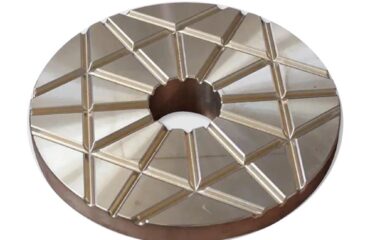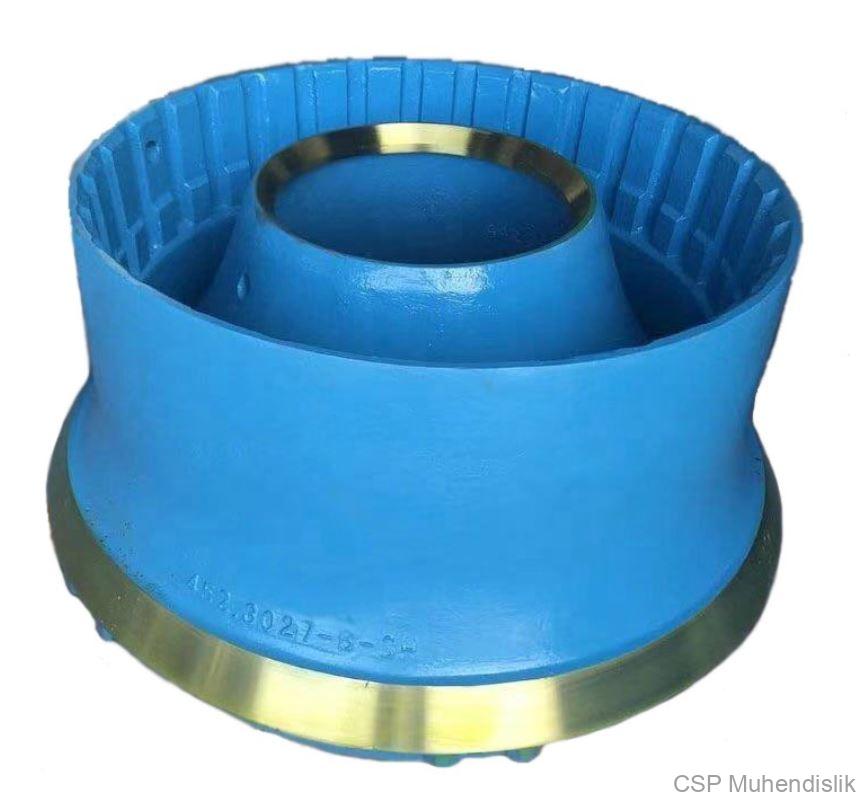
Cone Crusher Mantle Concave Replacement: Essential Guide for Mining Machinery and Spare Parts
In the mining industry, the efficiency and longevity of equipment are crucial for maintaining productivity and reducing operational costs. One of the key components that significantly affect the performance of cone crushers is the cone crusher mantle concave replacement. This article delves deeply into the importance of mantle and concave replacement, providing an extensive overview of mining machinery spare parts, maintenance best practices, and expert buying advice.
Understanding Cone Crushers and Their Components
Cone crushers are widely used in mining, aggregate production, and mineral processing to crush raw materials into smaller, manageable sizes. These machines rely on several critical parts to function effectively, including the mantle and concave, which are wear parts responsible for the crushing action.
What Is a Cone Crusher Mantle?
The mantle is the moving part of a cone crusher that gyrates inside the concave. It is typically a heavy, metallic component shaped like a cone, designed to crush material by pressing it against the stationary concave surface. Due to constant contact with abrasive materials, the mantle experiences significant wear and requires periodic replacement.
What Is a Cone Crusher Concave?
The concave, also known as the bowl liner, is the fixed outer surface inside the cone crusher. It works in tandem with the mantle to crush materials by providing a hard surface against which the mantle presses the rock. Like the mantle, the concave is subject to wear and tear, making its timely replacement essential for optimal crusher performance.
Why Is Cone Crusher Mantle Concave Replacement Important?
Replacing the mantle and concave at the right time ensures:
- Maximized crushing efficiency: Worn parts reduce crushing capacity and product quality.
- Extended equipment lifespan: Timely replacement prevents damage to other crusher components.
- Reduced downtime: Scheduled maintenance avoids unexpected breakdowns.
- Cost savings: Prevents expensive repairs and energy waste.
Signs That Indicate Mantle and Concave Replacement
Operators should monitor several indicators to determine when replacement is necessary:
- Reduced crushing capacity and throughput.
- Increased power consumption.
- Irregular product size or shape.
- Visible cracks, excessive wear, or deformation on mantle or concave surfaces.
- Unusual noises during operation.
Types of Mantle and Concave Materials
The choice of material affects the durability and performance of the mantle and concave. Common materials include:
- High manganese steel: Offers excellent toughness and wear resistance.
- Chromium alloy steel: Provides enhanced hardness and resistance to abrasion.
- Composite materials: Emerging options that combine metal and ceramic for improved lifespan.
Replacement Process: Step-by-Step Guide
1. Preparation and Safety Measures
Ensure the crusher is shut down, isolated from power sources, and cooled. Wear appropriate personal protective equipment (PPE).
2. Disassembly
Remove the crusher’s top shell and carefully extract the worn mantle and concave parts.
3. Inspection
Check other components like the eccentric shaft and bearings for wear or damage.
4. Installation
Fit the new mantle and concave carefully, ensuring proper alignment and secure fastening.
5. Testing
Restart the crusher and monitor for unusual vibrations or noises.
Comparison Table: Common Mantle and Concave Materials
| Material | Hardness | Wear Resistance | Cost | Typical Applications |
|---|---|---|---|---|
| High Manganese Steel | Medium (200-250 HB) | Good | Moderate | General aggregate crushing |
| Chromium Alloy Steel | High (600-700 HB) | Excellent | Higher | Hard rock and abrasive materials |
| Composite Materials | Variable | Very Good | Premium | Specialized mining applications |
Buying Guide: How to Select the Right Mantle and Concave Replacement Parts
Choosing the appropriate replacement parts involves several considerations:
1. Compatibility
Ensure the mantle and concave match your cone crusher model and specifications. Refer to the manufacturer’s manual or consult with suppliers.
2. Material Quality
Select parts made from high-quality materials suitable for your crushing conditions to maximize lifespan.
3. Manufacturer Reputation
Purchase from reputable manufacturers or authorized dealers to guarantee authenticity and warranty support.
4. Cost vs. Value
Balance upfront cost with durability and performance to achieve the best return on investment.
5. Lead Time and Availability
Consider delivery times to minimize downtime in your operations.
6. Technical Support
Opt for suppliers offering installation guidance, maintenance tips, and after-sales support.
Common Mistakes to Avoid During Mantle and Concave Replacement
- Ignoring wear signs: Delaying replacement can cause damage to other crusher parts.
- Using incompatible parts: Leads to poor performance and potential equipment failure.
- Poor installation: Incorrect fitting can cause uneven wear and reduce crusher efficiency.
- Neglecting safety protocols: May result in accidents and equipment damage.
- Overlooking regular maintenance: Increases the frequency of replacements and operational costs.
Frequently Asked Questions (FAQs)
1. How often should I replace the mantle and concave in a cone crusher?
Replacement frequency depends on the material being crushed, operating conditions, and maintenance practices. Typically, wear parts last several months to over a year. Regular inspections help determine the optimal replacement time.
2. Can I replace the mantle and concave myself?
While technically possible, it is recommended to have trained technicians perform replacements to ensure safety and correct installation.
3. What are the signs of worn mantle and concave?
Signs include reduced crushing efficiency, increased power consumption, unusual noises, and visible wear or cracks on the parts.
4. Are aftermarket mantle and concave parts reliable?
Quality varies among aftermarket suppliers. Choose reputable manufacturers with proven track records to ensure reliability.
5. How can I extend the lifespan of mantle and concave parts?
Regular maintenance, proper crusher operation, and timely replacement of worn parts help maximize lifespan.
6. What is the difference between mantle and concave?
The mantle is the moving crushing surface inside the cone crusher, while the concave is the stationary outer surface. Both work together to crush materials.
7. Can the mantle and concave be repaired instead of replaced?
Minor surface wear can sometimes be repaired, but extensive damage usually requires replacement to maintain performance.
8. Where can I find genuine replacement parts?
Genuine parts are available through original equipment manufacturers (OEMs) or authorized dealers. Always verify authenticity before purchase.
For more detailed information on mining machinery and spare parts, visit our comprehensive resources at Mining Machinery Hub and Spare Parts Solutions.