


The Complete Guide to Eccentric Bushing in Mining Machinery
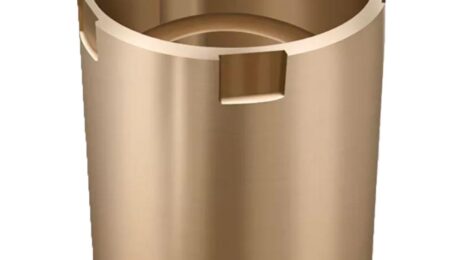
The Complete Guide to Eccentric Bushing in Mining Machinery
Eccentric bushings are crucial components in mining machinery, widely used for their unique properties and functionality in various types of equipment. This article delves into everything you need to know about eccentric bushings, their uses, benefits, and the spare parts associated with them.
What is an Eccentric Bushing?
An eccentric bushing is a cylindrical component that is not centered around the shaft, which allows for adjustments in alignment and gap spacing. It is integral in many types of equipment, particularly in the mining and construction industries.
Importance of Eccentric Bushings in Mining Machinery
Eccentric bushings play a critical role in ensuring the smooth operation of mining machinery. Their design helps to compensate for irregularities, offering enhanced performance and reducing wear and tear on machinery.
Applications of Eccentric Bushings in Mining Machinery
Eccentric bushings are used in various applications within the mining sector, including:
- Jaw Crushers: They help in maintaining the jaw’s motion and alignment.
- Cone Crushers: Eccentric bushings are vital for the crushing action in cone crushers.
- Screening Equipment: They assist in adjusting the angle and trajectory of material being screened.
- Excavators: Used in swing mechanisms to facilitate smoother operations.
Understanding the Structure of Eccentric Bushings
The structure of an eccentric bushing typically includes a cylindrical body with an offset hole that allows for eccentric rotation. This design is key to its functionality in reducing vibrations and operational noise.
Materials used in Manufacturing Eccentric Bushings
Quality eccentric bushings are made from high-strength materials that provide durability and resistance against wear and tear. Common materials include:
- Steel
- Bronze
- POM (Polyoxymethylene)
- Cast Iron
Choosing the Right Eccentric Bushing for Your Mining Equipment
Selecting the appropriate eccentric bushing is crucial for the performance of your machinery. Consider factors such as material compatibility, load capacities, and environmental conditions.
Benefits of High-Quality Eccentric Bushings
High-quality eccentric bushings offer numerous benefits, including:
- Improved machine efficiency
- Reduced operational noise
- Extended equipment lifespan
- Lower maintenance costs
Common Issues and Troubleshooting with Eccentric Bushings
Understanding potential issues with eccentric bushings will help in maintaining optimal performance:
- Wear and Tear: Regular inspection is key to identifying wear.
- Misalignment: Can lead to premature failure; ensure proper installation.
- Improper Lubrication: Essential for keeping bushings functioning properly.
How to Maintain Eccentric Bushings
Maintenance of eccentric bushings includes regular cleaning, lubrication, and inspection for signs of wear. Implementing a routine can greatly enhance the performance and longevity of your mining machinery.
Replacement of Eccentric Bushings
When needed, replacing eccentric bushings involves removing the old parts and installing new ones. Adhering to manufacturer guidelines ensures proper fit and function during replacement.
Mining Machinery Spare Parts: Eccentric Bushing
When talking about mining machinery spare parts, eccentric bushings are critical. Ensure that you source these parts from reputable suppliers to avoid compromising machine performance.
Supplier Considerations for Eccentric Bushings
When considering suppliers for eccentric bushings, evaluate the following:
- Quality certifications
- Delivery times
- Warranty offerings
- Customer reviews
FAQs about Eccentric Bushings
What is the function of an eccentric bushing?
The primary function of an eccentric bushing is to provide misalignment compensation, allowing machinery components to function smoothly.
How often should eccentric bushings be replaced?
Replacement frequency varies based on usage and wear; regular inspections can guide replacement timelines.
Can eccentric bushings be repaired?
While some minor wear can be addressed with repairs, complete replacement is often recommended for safety and efficiency.
What machinery commonly uses eccentric bushings?
Common machinery includes crushers, screens, and excavators in the mining industry.
How do I know if my eccentric bushing is failing?
Signs of failure can include unusual noises, increased vibrations, and misalignment of machinery components.
Conclusion
Eccentric bushings are indispensable in the mining machinery industry. Understanding their function, maintenance, and replacement needs can greatly reduce operational costs and improve efficiency. Always refer to trusted sources and suppliers for the best quality eccentric bushings to ensure that your machinery runs smoothly.
LSI and NLP Keywords
Eccentric bushing, mining machinery, spare parts, bushings, mining equipment, jaw crushers, cone crushers, wear resistance, precision components, maintenance, lubricants, and suppliers.
- Published in Products
The Breaker Bar: Essential Component in Mining Machinery and Spare Parts
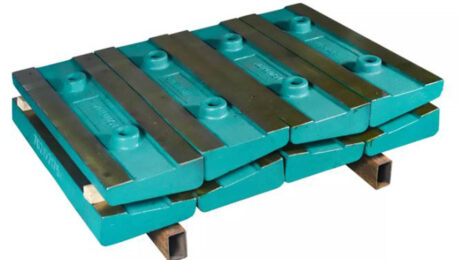
The Breaker Bar: Essential Component in Mining Machinery and Spare Parts
In the world of mining machinery, the breaker bar is an integral component that plays a vital role in the efficiency and function of various types of equipment. Whether you are dealing with crushers, screeners, or other heavy-duty machinery, understanding the aspects of the breaker bar can help in both performance enhancement and maintenance practices.
What is a Breaker Bar?
A breaker bar is a crucial part of machinery used in mining that aids in breaking and crushing materials. It is typically constructed from high-grade steel or other durable materials to withstand substantial stresses. Depending on the machinery design, the breaker bar can have various shapes, including flat, curved, or tapered edges to optimize functionality.
Importance of Breaker Bars in Mining Machinery
Breaker bars serve multiple purposes in mining operations:
- Material Reduction: They facilitate the reduction of large rocks into finer materials.
- Efficient Crushing: Breaker bars increase the efficiency of crushing machines by ensuring the right size and quality of crushed materials.
- Durability: Made from robust materials, breaker bars provide longevity and reduce the frequency of replacements.
Types of Breaker Bars in Mining Machinery
Several types of breaker bars are used in different mining applications, including:
- Standard Breaker Bars: Commonly found in various crushers for primary operations.
- Heavy-Duty Breaker Bars: Designed to endure extreme conditions and robust materials.
- Custom Breaker Bars: Tailored to fit specific machinery or unique application requirements.
How to Select the Right Breaker Bar for Your Machinery
Choosing the right breaker bar is critical for optimizing performance. Consider the following factors:
- Material Compatibility: Ensure the breaker bar material is compatible with the machinery type and the materials being processed.
- Size and Shape: The dimensions and shape should suit the application for efficient operation.
- Durability and Wear Resistance: Choose bars designed for longevity, especially if dealing with abrasive materials.
Maintenance of Breaker Bars
Routine maintenance can dramatically extend the life of breaker bars in mining machinery:
- Regular Inspections: Check for signs of wear, cracking, or damage.
- Proper Lubrication: Maintain proper lubrication to reduce friction and wear.
- Timely Replacement: Replace worn-out breaker bars promptly to avoid machinery failure.
Common Issues with Breaker Bars and Their Solutions
Breaker bars may encounter various challenges:
- Wear and Tear: Regular replacements and choosing high-quality materials can mitigate this issue.
- Improper Installation: Ensure the correct installation of breaker bars to avoid operational failures.
- Bending and Cracking: Use compatible machinery and materials to prevent stress-related damages.
Upgrading Breaker Bars: When and Why?
Consider upgrading your breaker bars when:
- You experience frequent breakdowns.
- The quality of crushed material is subpar.
- There are advancements in materials that could enhance performance.
Breaker Bar Suppliers and Manufacturers
When sourcing breaker bars, it’s essential to partner with reputable suppliers or manufacturers who can provide high-quality products that meet industry standards. Look for suppliers that offer a variety of options tailored to different types of machinery.
Cost Considerations for Breaker Bars
The price of breaker bars can vary widely based on factors such as:
- Material Quality: Higher-grade materials tend to be more expensive but offer better durability.
- Custom Features: Custom-made breaker bars may entail additional costs.
- Supplier Reputation: Established suppliers may charge more due to their reliability and service.
FAQs about Breaker Bars
What materials are breaker bars made of?
Breaker bars are typically made from high-grade steel or other durable materials to withstand high impacts and wear.
How often should breaker bars be replaced?
Replacement frequency depends on usage, wear and tear, and manufacturer recommendations. Regular inspections should guide decision-making.
Can I use a different size breaker bar on my machinery?
Using a different size breaker bar can lead to operational inefficiencies and potential damage. Always use manufacturer-recommended sizes.
What are signs of a worn breaker bar?
Signs include visible wear, cracks, reduced performance, and unusual noises from the machinery.
Are aftermarket breaker bars worth considering?
Aftermarket breaker bars may offer cost savings but ensure they meet or exceed OEM specifications to avoid compromising performance.
Conclusion
Breaker bars play an essential role in the performance and longevity of mining machinery. By understanding their types, selecting the right components, and ensuring proper maintenance, mining operators can enhance the efficiency and reliability of their equipment. The upfront cost considerations and decisions regarding upgrades or replacements can significantly affect operational output and maintenance budgets.
LSI and NLP Keywords
- Mining machinery
- Heavy-duty machinery
- Crusher parts
- Spare parts
- Crushing equipment
- Mining equipment
- Wear parts
- Steel fabrication
- Equipment maintenance
- Performance optimization
- Material handling
- Mining operations
- Industrial components
- Durability and performance
- Replacement parts
- Published in Products
Understanding Flywheels in Mining Machinery: Importance, Types, and Spare Parts
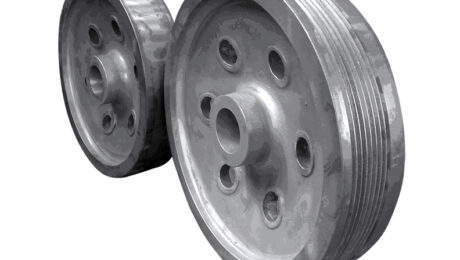
Understanding Flywheels in Mining Machinery: Importance, Types, and Spare Parts
Mining machinery plays a crucial role in the extraction of minerals and other materials from the earth. Within this machinery, various components work in harmony to ensure efficiency and functionality. One essential component utilized in this process is the flywheel. This article delves into the significance of flywheels in mining machinery, their types, their functionality, and the importance of flywheel spare parts.
What is a Flywheel?
A flywheel is a mechanical device specifically designed to store rotational energy. It is often used in machinery to smooth out the delivery of power from one component to another. In mining machinery, flywheels are integrated into engines or other machinery components to enhance performance and efficiency.
The Role of Flywheels in Mining Machinery
Flywheels serve multiple purposes in mining machinery:
- Energy Storage: Flywheels accumulate energy during periods of low demand and release it when required, helping maintain a steady operational flow.
- Stability: By providing mechanical stability, they ensure that machinery operates smoothly without excessive vibrations.
- Power Management: Flywheels help in managing power output, ensuring that machinery can handle variable load conditions effectively.
Types of Flywheels Used in Mining Machinery
Several types of flywheels are used in mining machinery, each tailored for specific applications:
- Solid Flywheels: These are made from a single block of material, offering durability and dependability under heavy loads.
- Composite Flywheels: Made from a combination of materials, composite flywheels are lightweight yet robust, making them suitable for various applications.
- High-Strength Flywheels: Often used in applications demanding high energy storage and transfer rates, these flywheels are designed for extreme conditions.
Flywheel Spare Parts: Ensuring Longevity and Performance
Like any mechanical component, flywheels in mining machinery may require replacement or maintenance over time. Understanding the various spare parts related to flywheels can help in prolonging their lifespan:
- Flywheel Bushings: Essential for reducing friction and wear, these bushings can enhance the longevity of the flywheel.
- Seals and Gaskets: These components help prevent leakage of lubricants, which is critical for maintaining the flywheel’s efficiency.
- Flywheel Rings: Special rings can be added to increase the inertia of the flywheel, providing better energy storage capabilities.
Choosing the Right Flywheel for Specific Mining Applications
Selecting the appropriate flywheel involves considering various factors:
- Load Requirements: Understanding the weight and type of load the machinery will handle is vital when choosing a flywheel.
- Operating Conditions: Factors such as temperature, humidity, and dust levels can influence the performance of a flywheel.
- Compatibility with Machinery: The flywheel must fit seamlessly with existing machinery components to ensure optimal performance.
Maintenance of Flywheels in Mining Machinery
Proper maintenance of flywheels is key to ensuring their efficiency and longevity:
- Regular Inspections: Conducting routine checks for wear and tear can help in identifying potential issues before they escalate.
- Lubrication: Keeping flywheel components properly lubricated reduces friction and prolongs their life.
- Replacement of Worn Parts: Ensuring that any worn spare parts are replaced promptly can prevent breakdowns and costly repairs.
Common Problems Associated with Flywheels in Mining Machinery
Maintaining optimal performance can sometimes be challenging. Some common issues include:
- Wear and Tear: Continuous operational use can lead to wear on flywheels, affecting overall machinery performance.
- Vibrations: Unbalanced flywheels can cause abnormal vibrations, leading to further complications in machinery.
- Alignment Issues: Misalignment of mechanical connections can lead to inefficiencies and potential damage.
Advanced Technologies in Flywheel Design
The mining industry continually evolves, and advancements in flywheel technology are helping to improve machinery performance:
- High-Efficiency Designs: New design principles are allowing for greater energy storage capacity with less weight.
- Smart Flywheels: Incorporating sensors and IoT technology for real-time monitoring adds to efficiency and predictive maintenance.
Frequently Asked Questions (FAQs)
- What is a flywheel? A flywheel is a mechanical device used to store rotational energy.
- Why are flywheels important in mining machinery? Flywheels help in energy storage, stability, and power management in mining machinery.
- What are common flywheel spare parts? Common spare parts include bushings, seals, gaskets, and flywheel rings.
- How often should flywheels be maintained? Regular inspections and maintenance should be performed to ensure optimal performance.
- What are signs of flywheel problems? Signs include uneven vibrations, abnormal noises, or decreased efficiency.
Conclusion
Flywheels are integral components of mining machinery, playing critical roles in energy storage and management. Understanding their functionality, types, and necessary spare parts ensures that machinery operates efficiently and effectively. Regular maintenance and the use of advanced technologies will continue to enhance the performance of flywheels in the ever-evolving mining industry.
LSI and NLP Keywords
- Mining machinery parts
- Heavy equipment flywheel
- Mining equipment maintenance
- Energy storage flywheel
- Mechanical stress in machinery
- Durability of flywheels
- Rotational energy storage
- Mechanical devices in mining
- Flywheel maintenance tips
- Types of flywheels
- Flywheel cost analysis
- Flywheel failure diagnosis
- Mining engine performance
- Optimizing machinery performance
- Flywheel installation guide
- Common issues in flywheels
- Published in Products
Understanding ‘End Frame’ in Mining Machinery and Spare Parts
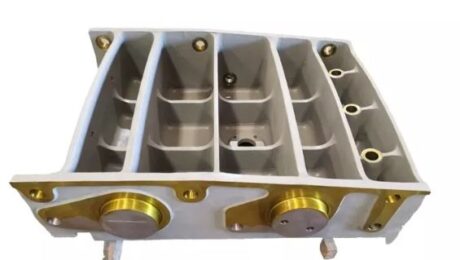
Understanding ‘End Frame’ in Mining Machinery and Spare Parts
The ‘end frame’ is a critical component in mining machinery, playing a vital role in the overall functionality and stability of various mining equipment. This comprehensive article will explore the significance of end frames, their construction, maintenance, and the spare parts associated with them. We’ll also dive into industry trends, innovative technologies, and answer common questions regarding end frames.
What is an End Frame?
The end frame is defined as the structural component that provides support and stability to the machinery. It serves as a mounting point for other parts and is essential for maintaining the integrity of mining equipment during operation.
Importance of End Frames in Mining Machinery
The importance of the end frame cannot be overstated. It ensures the durability of machines like excavators, drill rigs, and other heavy-duty mining equipment. A well-designed end frame absorbs vibrational forces and impacts, contributing to the operational efficiency and longevity of machinery.
Types of End Frames
- Fixed End Frames: Often used in stationary equipment.
- Modular End Frames: Designed for equipment that requires frequent disassembly.
- Lightweight End Frames: Common in portable mining devices.
- Heavy-Duty End Frames: Built to withstand extreme conditions in underground mining.
Materials Used in Manufacturing End Frames
End frames are made from various materials based on the application requirements:
- Steel: Offers high strength and durability.
- Aluminum: Lightweight and resistant to corrosion.
- Composite Materials: Increasingly popular for specialized applications.
Key Features of Quality End Frames
When assessing end frames, consider the following features:
- Load Capacity: Should meet the demands of the machinery.
- Corrosion Resistance: Vital for longevity in harsh environments.
- Compatibility: Must align with the specific machinery model.
End Frames and Equipment Types
Different mining machinery types utilize end frames uniquely:
Excavators
Excavators generally have robust end frames to support the hydraulic components and arm attachment points.
Drill Rigs
Drill rigs often feature specialized end frames designed to withstand the torque and forces generated during drilling.
Conveyor Systems
The end frames in conveyor systems are crucial for alignment and stability of the belt and load.
End Frame Maintenance Tips
Regular maintenance is essential for extending the life of end frames:
- Routine Inspections: Check for signs of wear and tear.
- Lubrication: Keep moving parts grease-free.
- Monitoring Vibration: Use sensors to detect anomalies.
End Frame Spare Parts
Replacement parts for end frames often include:
- Bearing Kits: Ensures smooth operation.
- Mounting Brackets: Helps secure the end frame properly.
- Wear Plates: Protects against abrasion and damage.
Current Innovations in End Frame Design
Advancements in technology have led to:
- 3D Printing: Enables custom end frame production.
- Smart Sensors: Integrating monitoring capabilities.
- Enhanced Materials: Utilizing alloys for strength and lightweight properties.
Future Trends for End Frames in Mining Machinery
Looking ahead, expect to see:
- Increased Automation: Remote monitoring and automated inspection.
- Sustainability: Eco-friendly materials being the focus.
- Customization: Tailored solutions for specific mining operations.
FAQs About End Frames
What is the function of an end frame in mining machinery?
The end frame provides structural support and stability to the machinery, helping to absorb vibrations and impacts during operation.
How often should end frames be inspected?
End frames should be inspected regularly, ideally as part of a routine maintenance program to identify any signs of wear or damage.
Can I replace an end frame myself?
While it is possible for experienced individuals to replace end frames, it is recommended to consult with professionals for specialized equipment to ensure proper installation.
What materials are commonly used in end frame construction?
Common materials include steel, aluminum, and composite materials, chosen based on the specific requirements of the machinery.
Why is load capacity important for end frames?
The load capacity determines how much weight the end frame can support without compromising operational integrity, making it crucial for safety and performance.
Conclusion
Understanding the role of end frames in mining machinery is essential for ensuring optimal performance and safety in operations. From material selection to maintenance practices, each aspect contributes to the machinery’s reliability. Keeping abreast of developments in end frame technology will benefit mining operations in the long run.
- Published in Products
The Essential Guide to Pitman in Mining Machinery and Spare Parts

The Essential Guide to Pitman in Mining Machinery and Spare Parts
In the mining industry, machinery plays a pivotal role in extracting resources efficiently. One crucial component in various mining machines is the pitman. This article will delve into the importance of pitman in mining machinery and its spare parts, exploring its design, functionality, and the overall impact on mining operations.
What is a Pitman?
The pitman refers to a critical mechanical component that converts rotary motion into linear motion. In mining machinery, it often connects to the jaw crusher, playing a vital role in the crushing process. Understanding the characteristics and functionality of pitman can help in maintaining efficient machinery operation.
The Role of Pitman in Mining Machinery
Pitman beams serve multiple functions in mining machinery, particularly in crushers and screeners. Their main responsibilities include:
- Load Distribution: The pitman distributes the mechanical load evenly across the machinery, reducing the risk of damage.
- Energy Conversion: Pitman converts rotary motion from the main drive into linear movement, facilitating crushing processes.
- Structural Integrity: It helps maintain structural stability during operation by withstanding high tension and compression forces.
The Design of a Pitman
Understanding the design of a pitman is essential for efficient machinery performance. Key design aspects include:
- Material Selection: Pitman components are usually made from durable materials that can withstand wear and tear.
- Shape and Size: The dimensions of a pitman vary depending on the machinery it serves, and custom designs are often necessary for specific applications.
- Weight and Balance: A well-balanced pitman improves overall machinery efficiency and reduces vibrations.
Types of Pitman Used in Mining Machinery
There are mainly two types of pitman used in mining machinery:
- Single Toggle Pitman: Commonly found in smaller crushers, this type allows simple movement and is easier to maintain.
- Double Toggle Pitman: Used in larger jaw crushers, this type offers more complex motion and is generally more efficient in material crushing.
Pitman Spare Parts: Why They Matter
Maintaining a robust inventory of pitman spare parts is crucial in mining operations. Here’s why:
- Minimizing Downtime: Having spare pitman parts on hand allows for quick replacements, ensuring that operation continues without major interruptions.
- Cost-Effective Maintenance: Regular replacements of worn-out parts can save money in the long run by preventing extensive damage to machinery.
- Enhanced Performance: Using genuine spare parts ensures that the machinery performs at an optimal level.
Choosing the Right Pitman Parts
When selecting pitman spare parts, consider the following factors:
- Compatibility: Ensure that parts are compatible with the specific model of the mining machinery.
- Quality: Opt for high-quality materials to enhance longevity and performance.
- Manufacturer Reputation: Select parts from reputable manufacturers known for their reliability and quality.
Maintenance Tips for Pitman
To ensure the longevity and efficiency of the pitman, implement the following maintenance tips:
- Regular Inspections: Periodically check the condition of the pitman and related components.
- Lubrication: Ensure that moving parts are well-lubricated to prevent wear and tear.
- Immediate Replacement: Replace any damaged parts immediately to avoid further damage.
Frequently Asked Questions (FAQ)
What is a pitman in mining machinery?
A pitman is a mechanical component that converts rotary motion into linear motion in various mining equipment, particularly crushers.
What are the different types of pitman used in mining?
The main types of pitman are single toggle pitman and double toggle pitman, which differ in their design and functionality.
Why are spare parts important for pitman?
Spare parts are crucial for minimizing downtime and maintaining the efficiency of mining operations.
How do I choose the right pitman parts?
When selecting pitman parts, consider compatibility, quality, and the reputation of the manufacturer.
How can I maintain my pitman effectively?
Regular inspections, lubrication, and immediate replacement of damaged parts are key to effective maintenance.
Conclusion
In conclusion, understanding the role of the pitman in mining machinery and its spare parts is essential for maintaining optimal performance in mining operations. By recognizing its importance, selecting the right parts, and implementing proper maintenance, operators can ensure the efficiency and longevity of their mining machinery.
List of LSI and NLP Keywords
- Pitman arm
- Mining machinery parts
- Jaw crusher pitman
- Crushing equipment
- Mechanical components
- Pitman design
- Pitman weight
- Pitman performance
- Mining operations
- Machinery maintenance
- Pitman assembly
- Machinery spare parts
- Mining equipment reliability
- Pitman upgrade
- Pitman characteristics
- Published in Products
The Ultimate Guide to Mining Machinery and Spare Parts: Focusing on Rotors

The Ultimate Guide to Mining Machinery and Spare Parts: Focusing on Rotors
Mining is a critical industry that relies on heavy machinery to ensure efficiency and productivity. Among the essential components in these machines are rotors, crucial for various applications in the mining sector. This guide delves into the importance of mining machinery and spare parts, particularly rotors, and how they impact operations.
Understanding Mining Machinery
Mining machinery encompasses a wide range of equipment designed to excavate, transport, and process minerals and ores. These machines are built for maximized efficiency, durability, and performance, which includes components like rotors that play a vital role in their functionality.
The Role of Rotors in Mining Machinery
Rotors are rotating components in various mining machines, including crushers, mills, and pulverizers. They are designed to crush, grind, or break down materials into smaller fragments, making the processing of valuable minerals much easier. The efficiency of these machines heavily relies on the quality and design of their rotors.
Types of Mining Machinery Using Rotors
- Crushers: Utilize rotors to crush large rocks into smaller pieces.
- Pulverizers: Use rotors to grind materials into fine powders.
- Mixers: Employ rotors to combine different materials homogeneously.
- Conveyors: Use rotors for efficient transportation of materials.
Mining Machinery Spare Parts
Mining machinery spare parts are essential for maintaining and repairing mining equipment. These parts ensure that machinery operates at peak performance. Rotors are among the most frequently replaced parts due to wear and tear caused by the harsh operational environment. It’s crucial to use high-quality spare parts to minimize downtime.
Importance of Rotor Quality
The quality of rotors significantly affects the performance and lifespan of mining machinery. Using substandard rotors can lead to:
- Increased Downtime: Poor-quality rotors can malfunction, leading to operational delays.
- Higher Maintenance Costs: Frequent replacements and repairs can strain financial resources.
- Lower Efficiency: Inefficient rotors hinder the overall productivity of mining operations.
Choosing the Right Rotor for Your Machinery
Selecting the appropriate rotor depends on various factors, including the type of mining machinery, the material being processed, and operational conditions. Key considerations include:
- Material Compatibility: Ensure the rotor material can withstand the physical and chemical properties of the mined materials.
- Size and Design: Choose a rotor size and design that aligns with your machine specifications.
- Manufacturer Reputation: Opt for rotors from reputable manufacturers to ensure quality and durability.
Common Materials Used for Mining Rotors
Mining rotors can be made from various materials, each offering different advantages:
- High Carbon Steel: Known for its toughness and strength.
- Stainless Steel: Resists corrosion and is ideal in wet environments.
- Composite Materials: Offers weight savings without sacrificing strength.
Maintenance Tips for Rotors
Regular maintenance of rotors is vital to ensure optimal performance. Here are some essential maintenance tips:
- Regular Inspections: Routinely check for signs of wear and damage.
- Proper Lubrication: Ensure rotors are adequately lubricated to reduce friction.
- Alignment Checks: Maintain proper alignment to prevent unnecessary wear.
Latest Innovations in Rotor Technology
Advancements in technology continually improve the design and performance of rotors. Innovations include:
- Smart Sensors: These can monitor rotor performance in real-time, providing data for predictive maintenance.
- Advanced Materials: Research into new materials enhances durability and decreases weight.
- 3D Printing: Enables customized rotor parts to be produced quickly and cost-effectively.
Future Trends in Mining Machinery Rotors
The future of mining machinery will likely see an increased focus on sustainability, efficiency, and automation. Trends may include:
- Eco-Friendly Materials: Adoption of sustainable materials for rotor manufacturing.
- Increased Automation: Development of smart rotors that adjust performance based on operating conditions.
- Data Analytics: Utilizing data analytics to optimize rotor performance and maintenance schedules.
Frequently Asked Questions (FAQ)
What is a rotor in mining machinery?
A rotor in mining machinery is a rotating component that is integral for operations such as crushing, grinding, and mixing materials.
How often should rotors be replaced?
The replacement frequency of rotors depends on their usage, material type, and operational conditions. Regular inspections will help determine the best timeline for replacement.
What materials are rotors made from?
Mining rotors are typically made from high carbon steel, stainless steel, or composite materials to enhance durability and performance.
Why is rotor quality important?
High-quality rotors enhance machinery efficiency, reduce maintenance costs, and minimize downtime, which is critical for operations.
How can I maintain rotors effectively?
Effective rotor maintenance involves regular inspections, proper lubrication, and ensuring correct alignment to enhance longevity and performance.
Conclusion
Understanding the significance of rotors in mining machinery is essential for anyone involved in the industry. By focusing on quality, maintenance, and innovation, operators can ensure their mining equipment runs efficiently, reducing downtime and maximizing productivity. As technology continues to evolve, staying informed about the latest trends and developments is crucial for success in the mining sector.
- Published in Products
The Comprehensive Guide to Conveyor Belts in Mining Machinery

The Comprehensive Guide to Conveyor Belts in Mining Machinery
Conveyor belts are an integral part of mining machinery, playing a crucial role in the transport of materials within mining operations. In this guide, we will explore the various aspects of conveyor belts, including their types, components, maintenance, and the essential role they play in mining efficiency and safety.
What is a Conveyor Belt?
A conveyor belt is an essential component of mining machinery, designed to transport materials from one location to another. These belts can carry a wide range of materials, including minerals, ores, and other raw materials.
The Importance of Conveyor Belts in Mining
Conveyor belts enhance productivity, reduce manual labor, and provide a safer working environment. They contribute significantly to operational efficiency in mines.
Types of Conveyor Belts
1. Flat Belt Conveyor
Flat belt conveyors are commonly used in various mining operations for transporting materials over short distances.
2. Modular Belt Conveyor
Modular belt conveyors offer flexibility and ease of maintenance, making them ideal for handling materials in harsh mining environments.
3. Pipe Conveyor
Pipe conveyors enclose materials within a tubular structure, which helps to reduce spillage and conserve space.
Components of Conveyor Belts
1. Belt Material
Conveyor belts can be made of various materials, including rubber, plastic, and metal, depending on the application.
2. Drive System
The drive system is responsible for moving the conveyor belt and can include motors, pulleys, and gears.
3. Tensioning System
Proper tensioning is crucial for the efficient operation of conveyor belts, ensuring that they do not slip or wear out prematurely.
Conveyor Belt Maintenance
1. Regular Inspections
Conducting regular inspections can help identify potential issues before they lead to significant downtime.
2. Cleaning Procedures
Keeping conveyor belts clean helps maintain their efficiency and prolongs their lifespan.
3. Lubrication
Proper lubrication of moving parts ensures smooth operation and minimizes wear and tear.
Choosing the Right Conveyor Belt for Mining Applications
Selecting the appropriate conveyor belt is vital for the success of mining operations. Factors to consider include the type of materials being transported, the distance of transport, and the environmental conditions.
Common Issues with Conveyor Belts in Mining
1. Slippage
Slippage can occur due to insufficient tension or contamination on the belt surface.
2. Wear and Tear
Frequent use of conveyor belts can lead to wear over time; proper maintenance can mitigate this.
3. Spillage
Improper alignment or insufficient load support can cause materials to spill off the conveyor belt.
Conveyor Belt Innovations in Mining Technology
Recent innovations include the use of advanced materials, smart sensors for monitoring, and energy-efficient drive systems.
Environmental Impact of Conveyor Belts in Mining
Conveyor belts can help minimize environmental impact by reducing noise pollution and decreasing fuel consumption in haul trucks.
Conclusion: The Future of Conveyor Belts in Mining
With ongoing advancements in technology, conveyor belts will continue to play a pivotal role in the efficiency and sustainability of mining operations.
Frequently Asked Questions (FAQs)
1. What materials are conveyor belts made of?
Conveyor belts can be made from various materials, including rubber, PVC, and metal, depending on their application.
2. How often should conveyor belts be inspected?
Conveyor belts should be inspected regularly, ideally on a daily basis, to ensure optimal performance and safety.
3. What are the signs of a worn-out conveyor belt?
Common signs include fraying edges, cracks, and excessive wear on the surface.
4. Can conveyor belts be repaired?
Yes, conveyor belts can often be repaired, but in cases of severe damage, replacing them may be more cost-effective.
5. What is the role of the tensioning system in conveyor belts?
The tensioning system keeps the conveyor belt taut, which is essential for preventing slippage and ensuring efficient operation.
LSI and NLP Keywords
Conveyor systems, mining equipment, bulk material handling, mine transport solutions, material transportation, conveyor installations, industrial conveyor systems, mining safety, belt conveyor maintenance, mining technology advancements, wear-resistant conveyor belts, eco-friendly mining solutions, high-performance conveyor belts, heavy machinery maintenance.
- Published in Products
The Comprehensive Guide to Roller in Mining Machinery and Spare Parts

The Comprehensive Guide to Roller in Mining Machinery and Spare Parts
The mining industry relies heavily on specialized machinery, including various components that enhance productivity, efficiency, and safety. Among these components, rollers play a crucial role in the operation of mining machinery. This article delves into the significance of rollers, their types, applications, and the spare parts associated with them. It also explores common questions surrounding the keyword ‘roller’ in the context of mining machinery.
Understanding Roller in Mining Machinery
Rollers are essential components in mining machinery that facilitate movement and operational efficiency. They are primarily used in conveyor systems, excavators, and other heavy machinery involved in the extraction and transport of minerals.
Types of Rollers in Mining Machinery
- Idler Rollers: Used to support the conveyor belt and maintain its tension.
- Drive Rollers: These rollers are connected to the motor and provide the primary force to move the conveyor system.
- Return Rollers: Positioned beneath the conveyor belt to guide it back to the loading area.
- Impact Rollers: Designed to absorb shock and prevent damage to the conveyor system.
- Guide Rollers: Provide additional support and help keep the belt aligned during operation.
Applications of Rollers in Mining Machinery
Rollers are utilized in various applications within the mining sector, including:
- Coal Mining: Rollers assist in transporting coal from extraction points to processing stations.
- Metal Mining: Rollers aid in the efficient movement of minerals such as gold, copper, and iron ore.
- Quarrying: Used in conveyor belts and crushing machinery.
- Aggregate Handling: Rollers help in the movement of aggregates in the construction material industry.
Roller Spare Parts in Mining Machinery
Maintaining the functionality of rollers is crucial for operational efficiency. Here is a list of common spare parts associated with mining rollers:
- Bearings: Essential for enabling smooth rotation.
- Seals: Protect rollers from dust and debris, ensuring longevity.
- Frames: Provide structural support for rollers.
- Belts: Often replaced when they show wear due to roller friction.
- Mounting Hardware: Essential for secure installation of rollers.
Choosing High-Quality Roller Parts for Mining Machinery
Selecting the right roller spare parts is essential for maintaining the performance of mining machinery. When choosing roller parts, consider the following:
- Material Quality: High-quality materials ensure durability and resistance to wear.
- Compatibility: Ensure parts are compatible with the specific machinery model.
- Manufacturer Reputation: Purchase from reputable manufacturers to guarantee reliability.
- Cost vs. Quality: Balance between affordability and quality to achieve the best value.
Roller Maintenance Tips in Mining Machinery
To ensure that rollers last as long as possible and function efficiently, regular maintenance is essential. Here are some maintenance tips:
- Regular Inspections: Conduct routine checks for wear and tear.
- Greasing: Apply lubricant to bearings to minimize friction.
- Cleaning: Remove debris and dust buildup regularly.
- Replacement of Worn Parts: Replace any worn components immediately to avoid further damage.
FAQs about Roller in Mining Machinery
1. What are the main functions of rollers in mining machinery?
Rollers support the movement of conveyor belts and facilitate the transport of materials within mining operations.
2. How do I choose the right roller for my mining equipment?
Consider the equipment’s specifications, load capacity, and the type of material being transported when selecting rollers.
3. What are common signs of roller wear in mining machinery?
Common signs of roller wear include unusual noises, vibrations, and excessive friction noted in machinery operations.
4. How often should roller maintenance be performed?
It is recommended to conduct roller maintenance checks at regular intervals, depending on usage and industry standards, at least every month.
5. Where can I find spare parts for mining machinery rollers?
Spare parts can be obtained from authorized dealers, online equipment suppliers, and directly from manufacturers.
Conclusion
In conclusion, rollers are integral to the functionality and efficiency of mining machinery. Understanding the different types of rollers, their applications, spare parts, maintenance practices, and how to choose high-quality components can significantly enhance operational productivity and equipment lifespan. By prioritizing roller performance, mining operations can ensure continued efficiency and safety in their processes.
- Published in Products
The Essential Guide to Mining Machinery: Focus on Drum Components
The Essential Guide to Mining Machinery: Focus on Drum Components
Mining is a crucial industry that plays a significant role in the global economy, providing the raw materials needed for various sectors. At the heart of mining operations are specialized machines designed for efficiency and durability. This article will delve into the essential aspects of mining machinery, with a specific focus on the ‘drum’ components used in various mining applications.
1. Understanding Mining Machinery
Mining machinery encompasses a wide range of equipment used in the extraction, processing, and transportation of minerals. These machines vary in size, function, and complexity. Each type of mining machinery serves a particular function, and the drum is a vital part of this machinery.
2. The Role of Drums in Mining Machinery
In the context of mining machinery, drums are primarily found in components used for transporting materials, such as conveyor systems, as well as in drills and other handling equipment. Drums contribute to the effectiveness and efficiency of mining operations.
3. Types of Drums Used in Mining Machinery
-
3.1. Conveyor Drums
Conveyor drums are essential for material handling systems, providing a surface for conveying materials. These drums come in various sizes and configurations depending on the specific application.
-
3.2. Haul Truck Drums
Haul trucks often utilize large drums as part of their hydraulic systems to facilitate lifting and dumping loads.
-
3.3. Drill Rig Drums
Drill rigs include drums that are used in the process of rotating and advancing the drill bit, ensuring that mining operations can reach deeper deposits.
4. Materials Used in Manufacturing Drums
The materials used for manufacturing drums in mining machinery are critical to their performance and longevity. Common materials include:
- Steel: Provides strength and durability.
- Rubber: Used for specific applications requiring reduced noise and vibration.
- Composite materials: These are increasingly popular for their lightweight and strong characteristics.
5. Maintenance of Mining Machinery Drums
Maintaining drums in mining equipment is crucial for optimal performance. Regular maintenance tasks include:
- Inspection for wear and damage
- Lubrication of bearings and moving parts
- Replacement of worn components
6. Choosing the Right Drum for Your Mining Operation
Selecting the appropriate drum for your mining equipment involves considering factors such as:
- Load capacity
- Operational environment
- Compatibility with existing machinery
7. Innovations in Drum Technology
Advancements in technology have led to innovations in drum design, enhancing efficiency and performance. Recent developments include:
- Smart drums equipped with sensors for real-time monitoring
- Advanced materials for greater wear resistance
- Modular drum systems for easier maintenance and upgrades
8. Mining Machinery Spare Parts: Importance of Drum Components
When it comes to mining machinery spare parts, drums are among the components that often require replacement due to wear and tear during operations. Ensuring a reliable supply of spare drum components is essential for minimizing downtime.
9. Frequently Asked Questions About Mining Machinery Drums
9.1. What is a mining drum?
A mining drum is a cylindrical component used in various mining machinery for transporting materials or aiding in drilling operations.
9.2. How are mining drums maintained?
Mining drums should be regularly inspected, lubricated, and replaced when necessary to ensure optimal performance.
9.3. What materials are drums typically made of?
Common materials include steel, rubber, and composite materials depending on the application and requirements.
9.4. How do I select the right drum for my machinery?
Consider factors such as load capacity, operational environment, and compatibility with your existing equipment when selecting a drum.
9.5. What innovations are currently shaping drum technology?
Innovations include smart technology for monitoring, advanced materials, and modular designs to facilitate easier maintenance.
10. Conclusion
Drums play a vital role in the functionality and efficiency of mining machinery. Understanding the types, materials, and maintenance of drums can significantly enhance productivity and safety in mining operations. By choosing the right drum and ensuring proper maintenance, mining operations can run smoothly and efficiently, thus contributing to the overall success of the industry.
LSI and NLP Keywords
Some related keywords that could enhance the SEO performance of this article include: mining equipment, conveyor systems, hydraulic systems, drilling machines, material handling, wear and tear, heavy machinery, industrial drums, conveyor belts, mining components, replacement parts, machinery efficiency, mining safety, material extraction, and more.
- Published in Products
The Ultimate Guide to Mantle and Bowl Liner in Mining Machinery: Understanding the Essentials of Mining Machinery Spare Parts

The Ultimate Guide to Mantle and Bowl Liner
Mining machinery plays a crucial role in the extraction of valuable resources from the earth. A key component of this machinery, particularly in crushers, is the mantle and bowl liner. This article explores everything you need to know about these essential mining machinery spare parts, including their functions, types, and maintenance tips.
What is a Mantle and Bowl Liner?
The mantle and bowl liner are integral components of cone crushers. The mantle is the moving part that exerts pressure on the material to crush it, while the bowl liner is the stationary part against which the material is crushed. Together, these components must work efficiently to ensure optimal crushing performance.
Types of Mantles and Bowl Liners
Understanding the different types of mantles and bowl liners is essential for choosing the right components for your mining machinery. The common types include:
- Standard Mantle and Bowl Liner: Commonly used for general applications, offering good wear resistance.
- Short Head Mantle and Bowl Liner: Used for finer crushing applications, providing a more aggressive crushing action.
- Heavy Duty Mantle and Bowl Liner: Designed for harsh mining environments, offering enhanced durability and lifespan.
Materials Used for Mantles and Bowl Liners
Typically, mantles and bowl liners are made from various materials that provide wear resistance and strength. Common materials include:
- High Carbon Steel: Offers good toughness and wear resistance.
- Manganese Steel: Known for its work-hardening properties, making it ideal for high-impact applications.
- Alloy Steel: Combines the benefits of different metals for enhanced performance.
Importance of Quality Mantle and Bowl Liners
Using high-quality mantle and bowl liners is crucial for the longevity and performance of cone crushers. Quality parts reduce the frequency of replacements, increase operational efficiency, and ensure smoother operations. Investing in quality can save costs in the long run by minimizing downtime and maintenance.
How to Choose the Right Mantle and Bowl Liner
Choosing the right mantle and bowl liner involves considering several factors:
- Crusher Model: Ensure compatibility with your specific crusher model.
- Application: Determine the type of materials you will be processing.
- Wear Profile: Understand the wear characteristics of your material to select the appropriate profile.
- Manufacturer: Opt for reputable manufacturers that guarantee quality.
Maintenance Tips for Mantle and Bowl Liners
Proper maintenance of mantles and bowl liners is essential for maximizing their lifespan. Follow these tips:
- Regular Inspections: Regularly check for wear and tear to avoid unexpected failures.
- Proper Lubrication: Ensure that your crusher is properly lubricated to minimize friction and wear.
- Monitor Crushing Performance: Track production rates and product size to identify any decrease in performance.
- Cleanliness: Keep the crushing area free from excess debris to reduce wear.
Common Issues with Mantles and Bowl Liners
Some common issues include:
- Premature Wear: Poor material choice or operating conditions can lead to early failure.
- Misalignment: Incorrect installation can cause uneven wear.
- Impact Damage: Excessive impact can fracture liners, requiring immediate replacement.
Frequently Asked Questions about Mantle and Bowl Liner
1. What is the lifespan of a mantle and bowl liner?
The lifespan varies depending on material, application, and maintenance, but typically ranges from several weeks to several months.
2. How often should mantle and bowl liners be replaced?
Monitoring wear can determine the ideal replacement time. Generally, replacements are needed when wear reaches 40-50%.
3. Can I use different brands of liners in my crusher?
While different brands can be used, it’s critical to ensure compatibility with your specific model for optimal performance.
4. What are the signs of a worn-out mantle and bowl liner?
Common signs include decreased crushing efficiency, increased production of fines, and visible wear on the liner.
Conclusion
In summary, mantles and bowl liners are essential parts of mining machinery, specifically in cone crushers. Understanding their functions, types, maintenance practices, and how to choose the right liners can lead to better performance and longer lifespan. Invest in quality parts and regular maintenance to keep your mining operations running smoothly.
LSI and NLP Keywords
- Cone crusher
- Mining equipment
- Crusher liners
- Mining machinery spare parts
- Wear parts
- Casting technology
- High chromium steel
- Crusher spare parts
- Mantle wear
- Bowl liner replacement
- Crushing chamber
- Aggregate production
- Mining industry
- Published in Products
