


The Essential Guide to Nuts in Mining Machinery and Spare Parts

The Essential Guide to Nuts in Mining Machinery and Spare Parts
Nuts play a critical role in the mining machinery industry, serving as essential fastening components that ensure the reliability and safety of machinery operations. Understanding the various types of nuts used in mining equipment along with their applications can enhance maintenance schedules and operational efficiency.
What are Nuts in Mining Machinery?
Nuts are hexagonal or cylindrical fasteners that pair with bolts to secure various components of mining machinery. By fastening parts together, they help maintain structural integrity under heavy operational stresses associated with mining activities.
Types of Nuts Used in Mining Machinery
-
Hex Nuts
Hex nuts are the most common type of nut used in mining applications, available in various sizes to accommodate industry-standard bolts.
-
Lock Nuts
Lock nuts provide additional security by preventing loosening due to vibration and movement.
-
Flange Nuts
Flange nuts are designed with a built-in washer that distributes the load over a larger area, reducing the risk of damage to softer materials.
-
Cap Nuts
Cap nuts, which have rounded ends, are often used when aesthetic appearance or safety is a concern.
-
Wing Nuts
Wing nuts can be quickly tightened or loosened by hand, making them useful for applications requiring frequent adjustments.
Choosing the Right Nut for Mining Machinery
Selecting the appropriate type of nut is essential for ensuring the functionality and safety of mining machinery. Consider factors such as the environment, types of materials used in machinery, and vibration levels during operation.
Material Considerations for Mining Nuts
-
Steel Nuts
Steel nuts are durable and suitable for heavy-duty machinery but may be prone to corrosion, requiring protective coatings.
-
Stainless Steel Nuts
Stainless steel nuts offer excellent resistance to corrosion, making them a popular choice in harsh mining environments.
-
Brass Nuts
Brass nuts are often used in non-corrosive applications and can be beneficial due to their electrical conductivity.
The Importance of Spare Parts: Nuts in Mining
Having access to spare nuts and fasteners is crucial for minimizing downtime in mining operations. Regular inspection and maintenance of nuts can prevent machinery breakdowns and extend the lifespan of equipment.
How to Maintain Nuts in Mining Machinery
-
Regular Inspection
Routine checks should be performed to identify any corrosion, wear, or loosening of nuts.
-
Use of Lubricants
Applying lubricants can help prevent rust and maintain the integrity of fastenings.
-
Torque Specifications
Adhere to manufacturer torque specifications to ensure correct installation and avoid over-tightening.
Common Issues Related to Nuts in Mining Machinery
-
Corrosion
Corroded nuts can lead to failure in fastening strength, causing safety hazards.
-
Loosening
Vibrations and movement can cause nuts to loosen, impacting operational efficiency.
FAQ Section: Nuts in Mining Machinery
What types of nuts are best for mining machinery?
Hex nuts and lock nuts are commonly recommended due to their security and reliability under heavy loads.
How often should nuts be inspected in mining machinery?
Nuts should be inspected regularly as part of routine machinery maintenance schedules, ideally every few weeks or as per specific machinery guidelines.
Can I reuse nuts in mining applications?
It is generally not recommended to reuse nuts as they can experience fatigue and corrosion that compromise their effectiveness.
Where can I find spare nuts for mining machinery?
Many manufacturers and specialized suppliers offer a range of nuts tailored for mining machinery, both online and in physical stores.
Conclusion: Maximizing Efficiency with Quality Nuts
Investing in quality nuts and regularly maintaining them is essential for the operational efficiency of mining machinery. Proper selection and care of nuts can lead to enhanced reliability and safety, ultimately benefiting mining operations overall.
List of LSI and NLP Keywords Related to ‘Nut’
- Fastening components
- Mining machinery spare parts
- Heavy-duty nuts
- Corrosion-resistant nuts
- Locking mechanisms
- Montage nuts
- Industrial nuts
- Hexagon-shaped fasteners
- Flanged fasteners
- Mining equipment maintenance
- Nuts and bolts assemblies
- Assembly fasteners
- Mining industry specifications
- Durable materials
- Mechanical connections
- Fastener torque specifications
- Structural integrity
- Nut types
- Mining operation efficiency
- Published in Products
The Importance of Bolts in Mining Machinery and Spare Parts

The Importance of Bolts in Mining Machinery and Spare Parts
In the realm of mining machinery, bolts serve as essential components that ensure the structural integrity and operational efficiency of various machines. This article delves into the various aspects of bolts, including their types, applications, manufacturing processes, and maintenance considerations.
Understanding Bolts: Definition and Purpose
Bolts are mechanical fasteners used to hold together two or more objects securely. In mining machinery, they play critical roles in securing heavy equipment, providing stability, and allowing for the disassembly of machinery for repairs or upgrades.
Types of Bolts Used in Mining Machinery
1. Hex Head Bolts
Hex head bolts are among the most common types used in mining machinery due to their strength and ease of installation. They can be tightened with a standard wrench, making them practical for various applications.
2. Flange Bolts
These bolts feature a built-in washer that distributes the load evenly, reducing the risk of damage to the machinery. Flange bolts are ideal for high-stress applications in mining environments.
3. High Strength Bolts
Used in critical applications, high-strength bolts are engineered to withstand heavy loads and high-stress conditions, providing maximum reliability and safety in mining operations.
4. Specialty Bolts
Certain mining applications might require specialty bolts, including shoulder bolts, anchor bolts, and eye bolts, which are designed for specific functions and load capacities.
Applications of Bolts in Mining Machinery
Bolts are utilized in various mining machinery, including:
- Excavators: Bolts secure components such as the boom, arm, and bucket attachment.
- Draglines: Bolts connect the bucket to the hoist system, ensuring the transfer of heavy loads.
- Trucks: Heavy-duty trucks use bolts to fasten the chassis and support structures.
- Crushers: Bolts are vital in connecting crusher parts to withstand the hammering forces exerted during operation.
The Manufacturing Process of Mining Machinery Bolts
1. Material Selection
Bolts in mining operations must be crafted from durable materials such as carbon steel or alloy steel to endure harsh conditions.
2. Forging and Machining
The manufacturing process generally involves forging the bolts to create the desired shape, followed by machining to ensure precise dimensions.
3. Heat Treatment
Heat treatment processes enhance the mechanical properties of bolts, increasing their hardness and strength to meet the rigorous demands of mining environments.
Choosing the Right Bolts for Your Mining Equipment
Selecting the appropriate bolts for mining machinery involves considering factors such as load requirements, environmental conditions, and specific machinery needs. Consulting technical specifications and manufacturer’s recommendations is essential in this decision-making process.
Maintenance Tips for Bolts in Mining Machinery
1. Regular Inspections
Routine inspections are vital to detect signs of wear, corrosion, or fatigue in bolts, ensuring that they remain secure and functional.
2. Lubrication
Applying lubrication to bolt threads can prevent galling and ease future disassembly.
3. Tightening Protocols
Follow recommended torque specifications during installation and periodic maintenance to ensure bolts remain adequately secured.
Common Questions about Bolts in Mining Machinery
FAQ
1. What types of bolts are most common in mining machinery?
Hex head bolts and flange bolts are among the most commonly used types due to their strength and versatility.
2. How often should bolts be inspected in mining machinery?
Bolts should be inspected regularly, ideally before and after use, to ensure they are functioning properly.
3. What materials are bolts made from for mining equipment?
Bolts are typically made from carbon steel or alloy steel to withstand the stresses of mining environments.
4. Can I use regular bolts for mining machinery?
It is essential to use bolts specifically designed for mining applications to ensure safety and durability under extreme conditions.
5. How can I determine the appropriate bolt size for my machinery?
Consult the machinery’s manual or technical specifications to determine the correct bolt size required for your application.
Conclusion
In summary, bolts play an indispensable role in the integrity and functionality of mining machinery. Understanding the different types, applications, and maintenance practices associated with bolts can enhance the lifespan of machinery and ensure safer operations in the mining industry.
- Published in Products
The Importance of Toggle Seats in Mining Machinery: A Comprehensive Guide

The Importance of Toggle Seats in Mining Machinery: A Comprehensive Guide
Introduction to Toggle Seats
Toggle seats are critical components in mining machinery, designed to support the toggle mechanism in excavators, crushers, and various other equipment. Understanding their function, quality, and longevity can greatly influence operational efficiency.
What are Toggle Seats?
A toggle seat is a robust metal component that acts as a support for the toggle mechanism, allowing pivoting motion, which is essential for crushing and grinding materials. These parts are usually made from high-grade steel or other durable alloys to withstand heavy loads and abrasive environments typical in mining operations.
Functionality of Toggle Seats in Mining Machinery
The primary function of a toggle seat is to facilitate the conversion of rotary motion into linear motion within the machinery. This mechanism is crucial for ensuring that the machinery operates at optimal efficiency, crushing or processing materials effectively with minimum downtime.
Types of Toggle Seats Used in Mining Machinery
Toggle seats come in various designs and sizes depending on the specific machinery they are used in. Common types include:
- Fixed Toggle Seats: These are permanently fixed in position and do not allow for movement, providing stability.
- Adjustable Toggle Seats: These can be adjusted to change the degree of movement and crushing force, allowing for greater flexibility in operations.
- Heavy-Duty Toggle Seats: Designed for larger machinery and more demanding applications, these toggle seats are reinforced to handle higher stresses.
Materials Used in Manufacturing Toggle Seats
Toggle seats are typically made from high-quality steel, but there are variations:
- High Carbon Steel: Good toughness and hardness, ideal for high-impact applications.
- Alloy Steel: Offers enhanced strength and wear resistance.
- Composite Materials: Sometimes used for specialty applications where steel may not be suitable.
Choosing the Right Toggle Seat for Your Mining Equipment
Selecting the right toggle seat involves considering several factors:
- Compatibility: Ensure the toggle seat fits the specific machinery model.
- Durability: Look for materials that can withstand the operational conditions.
- Manufacturer Reputation: Choose toggle seats from reputable manufacturers to ensure quality.
Common Issues with Toggle Seats
Toggle seats can encounter several issues during operation:
- Wear and Tear: Frequent use leads to degradation over time, necessitating regular inspections.
- Improper Installation: Incorrect installation can lead to malfunction and reduced efficiency.
- Material Fatigue: Overloading machinery can result in cracks and failures in toggle seats.
Why Regular Maintenance of Toggle Seats is Essential
Regular maintenance of toggle seats is vital for several reasons:
- Enhances Performance: Well-maintained toggle seats ensure machinery operates smoothly and efficiently.
- Reduces Downtime: Preventive maintenance reduces unexpected breakdowns and repairs.
- Increases Lifespan: Regular checks can extend the operating life of the toggle seat significantly.
How to Maintain Toggle Seats in Mining Machinery
To maintain toggle seats effectively, consider implementing these practices:
- Regular Inspections: Check for signs of wear, cracks, and proper alignment.
- Lubrication: Regularly lubricate pivot points to reduce friction.
- Replacement Schedule: Create a timeline for when to replace toggle seats based on usage data.
Toggle Seat Spare Parts: Where to Buy
When looking for spare parts, including toggle seats, consider the following sources:
- OEM Suppliers: Original Equipment Manufacturers often have the best quality parts.
- Specialty Mining Parts Retailers: Retailers specializing in mining machinery often have a range of options.
- Online Marketplaces: Platforms like eBay and Alibaba may also list various toggle seats; however, ensure to verify quality and compatibility.
Cost Considerations for Toggle Seats
There are several factors influencing the cost of toggle seats:
- Material: Higher-grade materials typically cost more.
- Manufacturer: Renowned brands can charge a premium.
- Quantity: Bulk orders may reduce per-unit costs.
Future of Toggle Seats in Mining Machinery
As mining technology evolves, the design and manufacturing of toggle seats are also expected to improve, focusing on resilience, efficiency, and innovation.
Conclusion
The toggle seat is a fundamental component in mining machinery, critical for functionality and efficiency. Understanding its importance, types, and maintenance practices can lead to better decision-making and improved operational performance.
Frequently Asked Questions (FAQ)
What is a toggle seat in mining machinery?
A toggle seat is a key component that supports the toggle mechanism in mining machinery, facilitating movement necessary for crushing and processing materials.
How often should toggle seats be replaced?
Replacement schedules vary based on use, but regular inspections should determine if a toggle seat shows signs of wear or damage.
What materials are used to make toggle seats?
Toggle seats are primarily made from high-grade steel, alloy steel, or composite materials, depending on their intended application.
Where can I buy toggle seat spare parts?
Spare parts for toggle seats can be purchased from OEM suppliers, specialty retailers, or online marketplaces.
How can I maintain toggle seats for longevity?
Regular inspections, appropriate lubrication, and adherence to a replacement schedule are crucial for maintaining toggle seats.
- Published in Products
The Comprehensive Guide to Toggle Plates in Mining Machinery

The Comprehensive Guide to Toggle Plates in Mining Machinery
Toggle plates are critical components in mining machinery, specifically within the realm of crushers and screens. They play a pivotal role in the function and efficiency of various mining operations. This article aims to provide an extensive insight into toggle plates, their types, functions, manufacturing processes, maintenance, and more, ensuring you have a complete understanding of this essential element.
What is a Toggle Plate?
A toggle plate is a vital part of the toggle mechanism in crank-type or toggle jaw crushers. It serves as a safety device and also regulates the amount of space that the material will pass through. The primary purpose of toggle plates is to connect the movable jaw to the stationary jaw, facilitating the crushing process.
Types of Toggle Plates
- Standard Toggle Plates: These are the basic type used in various crushers to facilitate movement between the jaw components.
- Heavy-Duty Toggle Plates: Designed for rigorous applications, these plates are thicker and made from more durable materials for enhanced lifespan.
- Adjustable Toggle Plates: These provide the ability to modify the crushing settings and are valuable for operators needing flexibility in their crushing processes.
Functions of Toggle Plates
The primary functions of toggle plates in mining machinery include:
- Connecting Components: Toggle plates link the movable and fixed jaws, allowing for the required movement that crushes the material.
- Providing Safety: When uncrushable materials enter the machine, the toggle plate will break to prevent damage to the rest of the machinery.
- Adjusting the Size of Crushed Material: The toggle plate’s position can be adjusted to change the output material size.
- Reducing Wear and Tear: They help reduce the impact on main components by absorbing some of the crushing forces.
Materials Used for Toggle Plates
Toggle plates are typically manufactured from various types of metal and alloys, including:
- Steel: The most common material due to its strength and resilience.
- High Manganese Steel: Known for its amazing wear-resistance properties, often used in high-impact applications.
- Cast Iron: Sometimes used in toggle plate manufacturing due to its cost-effectiveness and sufficient strength.
Manufacturing Process of Toggle Plates
The manufacturing process of toggle plates generally involves:
- Design and Engineering: Engineers create precise designs tailored to specific crusher models.
- Selecting Materials: Appropriate materials are selected based on the expected challenges and wear.
- Casting/Forging: The material is cast or forged into the shape of the toggle plate, ensuring it meets specifications.
- Machining: The toggle plates undergo machining to achieve precise dimensions and surface finish.
- Quality Control: Rigorous testing is conducted to ensure durability and performance standards are met.
Maintenance of Toggle Plates
Regular maintenance of toggle plates is crucial for ensuring the longevity of mining machinery:
- Inspection: Regular checks for wear and tear are recommended to ensure optimal performance.
- Replacement: When extensive wear is noticed, timely replacement is crucial to prevent damage to the machinery.
- Lubrication: Ensuring proper lubrication will decrease friction and prolong the life of toggle plates.
Common Issues with Toggle Plates
Toggle plates can face several issues during operation, including:
- Wear and Tear: Continuous operation can lead to significant wear, requiring frequent inspections.
- Misalignment: If not installed or maintained correctly, toggle plates can become misaligned, affecting crushing efficiency.
- Breakage: Overloading the machinery with uncrushable material can result in the toggle plate breaking.
Applications of Toggle Plates in Mining Machinery
Toggle plates are mainly used in:
- Jaw Crushers: The primary application in mining for crushing rocks and ores.
- Impact Crushers: Used in various mining stages for different crushing purposes.
- Quarry Machines: Essential components in machinery used specifically for quarry operations.
Conclusion
Toggle plates are an essential part of mining machinery, playing a critical role in ensuring efficient operation and safety of equipment. Understanding their functions, types, and maintenance can lead to better performance and longevity of your mining operations.
Frequently Asked Questions (FAQs)
1. What is the purpose of a toggle plate in mining machinery?
The toggle plate connects the movable and fixed jaws of a crusher, facilitating the crushing process while also providing safety features.
2. How often should toggle plates be inspected?
Toggle plates should be inspected regularly, with checks performed after significant operational hours or when performance issues arise.
3. What materials are used in manufacturing toggle plates?
Toggle plates are commonly made from steel, high manganese steel, and cast iron for durability and strength.
4. What are the signs that a toggle plate needs replacement?
Signs include excessive wear, visible breakage, and decreased efficiency in the crushing process.
5. Can toggle plates be adjusted?
Yes, adjustable toggle plates allow users to modify the output size of the crushed material, providing flexibility in operation.
LSI and NLP Keywords Related to Toggle Plates
- Mining machinery
- Crushers
- Jaw crushers
- Spare parts
- Mining equipment
- Crusher wear parts
- Toggle mechanism
- Heavy-duty machinery
- Adjustable plates
- Crusher parts manufacturer
- Wear-resistant materials
- Mining operations
- Equipment maintenance
- Mining industry
- Rock crushers
- Material processing
Related Terms
- Jaw plate
- Toggle mechanism design
- Crusher maintenance
- Quarry machinery
- Impact hammer
- Casting vs forging
- Mining technology
- Published in Products
The Essential Guide to Countershaft Bushings in Mining Machinery

The Essential Guide to Countershaft Bushings in Mining Machinery
Mining machinery plays a crucial role in the efficient extraction of minerals from the earth. One critical component of this machinery is the countershaft bushing. This article will delve deep into the importance, types, materials, maintenance, and purchasing considerations associated with countershaft bushings.
What is a Countershaft Bushing?
A countershaft bushing is a cylindrical component fitted within the countershaft assembly of mining equipment. It serves to support the shafts and reduce friction as well as wear between moving parts, ensuring smooth operation. Understanding the function of countershaft bushings is essential for mining machinery operators and maintenance personnel.
The Importance of Countershaft Bushings in Mining Machinery
Countershaft bushings play an essential role in the overall performance of mining machinery. They ensure precise alignment of rotating components and help distribute loads evenly, preventing premature wear and tear on more expensive parts. This not only prolongs the lifespan of the machinery but offers optimal efficiency and reliability.
Types of Countershaft Bushings
- Bronze Countershaft Bushings – Known for durability and resistance to wear.
- Plastic Countershaft Bushings – Lightweight, cost-effective, and resistant to corrosion.
- Composite Countershaft Bushings – Made from a combination of materials for specific applications.
Materials Used in Countershaft Bushings
Countershaft bushings are made from various materials, each offering unique properties:
- Bronze – Offers excellent wear resistance and is suitable for heavy-duty applications.
- Acetal – A durable plastic that provides low friction in applications where corrosion is a concern.
- Nylon – A lightweight and cost-effective option, ideal for low to moderate loads.
How to Maintain Countershaft Bushings
Maintaining countershaft bushings is critical for the longevity of mining equipment:
- Regular Inspections – Check for signs of wear and tear.
- Lubrication – Ensure proper lubrication to minimize friction.
- Replace When Necessary – Timely replacement of worn bushings prevents damage to other components.
Common Issues with Countershaft Bushings
Some of the common issues faced with countershaft bushings include:
- Excessive Wear – Often due to improper lubrication or misalignment.
- Overheating – Caused by inadequate cooling and friction.
- Deformation – Can occur from overload or material fatigue.
How to Identify the Right Countershaft Bushing
Choosing the right countershaft bushing is essential for successful machinery operation:
- Determine Specifications – Check the dimensions and material requirements.
- Consider Load Requirements – Choose bushings based on the operational load and conditions.
- Understand Compatibility – Ensure the bushing fits with your existing machinery.
Purchasing Countershaft Bushings
When purchasing countershaft bushings, consider the following:
- Supplier Reputation – Buy from reputable suppliers to ensure quality.
- Price vs. Quality – Balance cost with the quality of the part.
- Warranty – Look for warranties or guarantees on the products.
Countershaft Bushing FAQs
What is the primary function of a countershaft bushing?
The primary function of a countershaft bushing is to support the countershaft and reduce wear and friction between moving parts in mining machinery.
What materials are commonly used for countershaft bushings?
Countershaft bushings are typically made from bronze, plastic (like acetal and nylon), or composite materials.
How can I tell if my countershaft bushing needs to be replaced?
Signs of wear, excessive play, or unusual noises during operation often indicate that a countershaft bushing needs to be replaced.
Can I use any type of lubricant on countershaft bushings?
It’s best to use lubricants recommended by the machine manufacturer, as different materials may require specific types of lubricant for optimal performance.
Conclusion
Countershaft bushings are a vital component in the efficient operation of mining machinery. Understanding their function, maintenance, and selection is crucial for operators aiming to prolong the life of their equipment and minimize operational downtime. By adhering to best practices in maintenance and purchasing decisions, mining professionals can ensure their machinery performs optimally.
Additional Keywords and Phrases (LSI and NLP)
- Mining equipment bushings
- Heavy machinery parts
- Countershaft assembly
- Mining machine maintenance
- Industrial bushings
- Wear resistance
- Lubrication systems
- Heavy-duty machinery
- Replacement parts
- Operational efficiency
- Forklift bushings
- Mining machinery components
- Published in Products
The Essential Guide to Eccentric Bushings in Mining Machinery
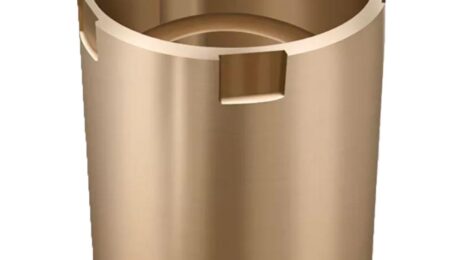
Eccentric Bushing in Mining Machinery: An Overview
Mining machinery plays a crucial role in the extraction of valuable minerals and resources. Among its many components, the eccentric bushing is a vital part that ensures efficiency and performance. In this article, we explore the definition, functions, and importance of eccentric bushings in mining machinery, along with insights into their spare parts, maintenance, and related technologies.
What is an Eccentric Bushing?
An eccentric bushing is a mechanical component used in various types of mining machinery, designed to enable controlled motion of other moving parts. This component is specifically crafted to fit around a rotating shaft, utilizing its eccentric shape to convert rotational motion into linear movement. Eccentric bushings are commonly used in crushers, feeders, and grinding equipment, making them critical for mining operations.
Functions of Eccentric Bushings in Mining Machinery
The primary functions of eccentric bushings include:
- Adjustable Motion: They allow precise adjustments in movement, enhancing operational flexibility.
- Wear Resistance: Crafted from durable materials, they resist wear and tear, contributing to longer equipment life.
- Vibration Absorption: Eccentric bushings help dampen vibrations, reducing stress on machinery.
Importance of Eccentric Bushings
Eccentric bushings are critical for optimizing the performance of mining machinery. Their role in ensuring smooth operation cannot be overstated. High-quality eccentric bushings directly influence the productivity and lifespan of mining equipment. Properly functioning bushings result in reduced downtime and maintenance costs.
Eccentric Bushings in Different Mining Equipment
Various types of mining machinery utilize eccentric bushings:
Eccentric Bushings in Crushers
In crushers, eccentric bushings are used to regulate the crushing process. They allow for variable feed size adjustments, facilitating efficient material reduction.
Eccentric Bushings in Vibrating Screens
The performance of vibrating screens relies on the capability of eccentric bushings to maintain consistent shake patterns, ensuring optimal material separation.
Eccentric Bushings in Feeder Machines
Feeder machines benefit from the controlled motion provided by eccentric bushings, ensuring uniform material flow into subsequent processing stages.
The Manufacturing Process of Eccentric Bushings
Eccentric bushings are manufactured using advanced techniques and materials:
- Material Selection: High-grade steel or bronze is often used for durability.
- Machining: Precision machining techniques ensure the perfect dimensions and fit.
- Finishing: Surface treatments enhance wear resistance and reduce friction.
Maintenance Tips for Eccentric Bushings
Proper maintenance of eccentric bushings extends their usability:
- Regular Inspections: Check for wear, tear, and alignment issues.
- Lubrication: Ensure that bushings are adequately lubricated to minimize friction.
- Replacement: Replace worn bushings promptly to maintain machinery efficiency.
Common Issues Associated with Eccentric Bushings
While eccentric bushings are designed for durability, they may face several challenges:
- Wear and Tear: Continuous operation can lead to wear, necessitating timely replacement.
- Misalignment: Improper installation may cause misalignment, affecting performance.
- Overheated Components: Insufficient lubrication can cause overheating, leading to premature failure.
Choosing the Right Eccentric Bushing for Your Machinery
Selecting the right eccentric bushing involves consideration of several factors:
- Compatibility: Ensure the bushing fits the specific machinery.
- Material Quality: Opt for high-quality materials that ensure durability.
- Manufacturer Reputation: Choose reliable manufacturers known for superior products.
Leading Manufacturers of Eccentric Bushings in Mining Machinery
Several prominent manufacturers supply eccentric bushings specifically designed for mining applications. Knowing these brands can help in making informed purchasing decisions. Look for manufacturers with a reputation for quality and innovative engineering.
The Future of Eccentric Bushings in Mining Machinery
The evolution of mining machinery continues to advance, with expectations for innovative eccentric bushing designs that enhance performance and durability. Future trends may include smart technologies that monitor the status of bushings, predicting when maintenance is required, thereby minimizing downtime.
FAQs About Eccentric Bushings
What is the purpose of an eccentric bushing?
The purpose of an eccentric bushing is to enable controlled motion of rotating components in machinery, optimizing performance.
How often should eccentric bushings be replaced?
The replacement frequency depends on usage and wear; regular inspections can help determine the right timing.
What materials are eccentric bushings made from?
Eccentric bushings are commonly made from high-grade steel or bronze to ensure durability and resistant to wear.
Can I use aftermarket eccentric bushings in my mining equipment?
Aftermarket eccentric bushings can be used, but ensure they meet the specifications and quality standards required for your machinery.
How do I maintain my eccentric bushings?
Maintain eccentric bushings by performing regular inspections, ensuring proper lubrication, and replacing them when signs of wear occur.
Conclusion
Eccentric bushings are integral to the efficiency of mining machinery, impacting performance and equipment lifespan significantly. Understanding their function, selecting the right bushing, and adhering to maintenance protocols can lead to enhanced operational capabilities in mining applications.
- Published in Products
The Ultimate Guide to Breaker Bars in Mining Machinery and Spare Parts
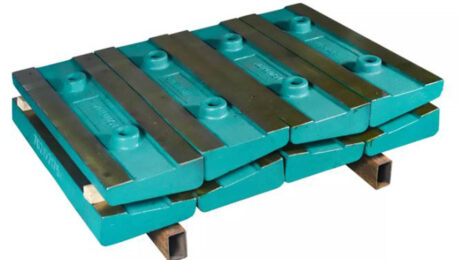
The Ultimate Guide to Breaker Bars in Mining Machinery and Spare Parts
Mining operations rely heavily on a variety of machinery to extract and process materials efficiently. Among these critical components, the breaker bar plays a vital role in ensuring the optimal functioning of mining equipment. This guide delves deep into the functionality, importance, and specifications of breaker bars in mining machinery and spare parts.
1. What is a Breaker Bar?
A breaker bar is an essential component used in various machinery, particularly in the mining sector. It serves as a lever or extension that helps in applying torque to fasten or loosen nuts and bolts on machinery. The breaker bar is designed to provide the necessary leverage, making the job easier and reducing the risk of injury.
2. Importance of Breaker Bars in Mining Machinery
The importance of breaker bars in mining machinery cannot be underestimated. They enhance safety, improve maintenance efficiency, and ensure the longevity of the equipment. Properly maintained breaker bars reduce downtime, which is crucial for productivity in mining operations.
3. Types of Breaker Bars Used in Mining
- Standard Breaker Bars: Used for general purposes and come in various lengths for versatility.
- Impact Breaker Bars: Designed for heavy-duty applications where additional power is required.
- Extended Breaker Bars: Offer extra leverage for hard-to-reach bolts and provide a longer handle for added torque.
4. Materials Used in Breaker Bars
Breaker bars are typically made from durable materials such as high-carbon steel or chrome-vanadium steel. These materials provide sufficient strength and resistance to wear, ensuring the longevity and reliability of the bars in harsh mining environments.
5. How to Choose the Right Breaker Bar
Selecting the right breaker bar is critical for efficient machinery operation. Consider the following factors:
- Size and Length: Ensure the breaker bar fits the application.
- Material Strength: Choose a high-quality, durable material.
- Weight: Consider the ease of use and maneuverability.
6. Maintenance Tips for Breaker Bars
Proper maintenance of breaker bars can extend their lifespan. Key maintenance tips include:
- Regular Inspection: Check for signs of wear and tear.
- Cleanliness: Keep the breaker bar free from debris and corrosion.
- Proper Storage: Store in a dry, safe place to avoid damage.
7. Comparing Breaker Bars with Other Tools
Breaker bars are often compared to other tools such as ratchets and wrenches. While each tool has its place, breaker bars are favored for their leverage and efficiency when dealing with stubborn fasteners, making them the choice in many mining applications.
8. Breaker Bars in Mining Machinery Spare Parts
In the context of mining machinery spare parts, breaker bars must meet specific standards for compatibility and performance. Manufacturers often provide specifications to ensure that the breaker bars are suitable for different types of equipment, such as excavators, conveyors, and drilling machines.
9. Innovations in Breaker Bar Design
The design of breaker bars has evolved significantly, with advancements resulting in lighter materials and improved grip features. These innovations help operators handle tools more effectively, thereby increasing productivity and safety in mining operations.
10. Frequently Asked Questions (FAQs)
10.1 What is the main function of a breaker bar?
The primary function of a breaker bar is to provide leverage for loosening or tightening bolts and nuts, especially those that are rusted or difficult to access.
10.2 Can breaker bars be used on all types of machinery?
While breaker bars are versatile, it’s essential to select the right size and type specific to the machinery being used to ensure proper fit and effectiveness.
10.3 How do I maintain my breaker bar?
Regularly inspect your breaker bar for signs of wear, keep it clean, and store it properly to maintain its functionality.
10.4 Are there safety considerations when using a breaker bar?
Yes, always ensure you have a firm grip, use the appropriate length for leverage, and be cautious of potential slip hazards when applying force.
10.5 Where can I purchase high-quality breaker bars?
Breaker bars can be purchased through industrial supply stores, equipment manufacturers, and online marketplaces specializing in mining machinery and spare parts.
11. LSI and NLP Keywords
- Mining tools
- Heavy-duty machinery
- Torque wrench
- Industrial equipment
- Maintenance tools
- Mining equipment parts
- Lubrication
- Safety tools
- Fasteners
- Durability
12. Conclusion
In conclusion, breaker bars are indispensable in the mining industry, aiding in the maintenance and operation of heavy machinery. Understanding their types, usage, and maintenance can greatly contribute to the efficiency and safety of mining operations. Investing in high-quality breaker bars is crucial for any mining operation aiming for longevity and safety in their equipment.
- Published in Products
The Integral Role of Flywheels in Mining Machinery and Spare Parts
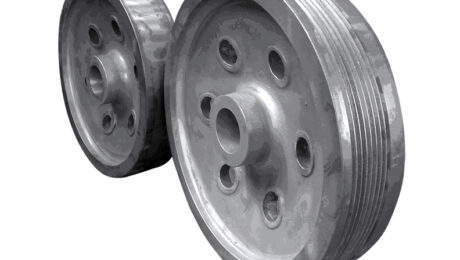
The Integral Role of Flywheels in Mining Machinery and Spare Parts
Mining machinery is essential for the extraction of valuable minerals and resources. One crucial component within this machinery is the flywheel, which plays a significant role in enhancing efficiency and performance. In this article, we will delve deep into the concept of flywheels, their application in mining machinery, and the importance of mining machinery spare parts.
What is a Flywheel?
A flywheel is a mechanical device that stores rotational energy. It typically consists of a heavy disc or wheel that spins around an axis. When energy is added, it accelerates, storing energy in the form of kinetic motion. This energy can then be released when needed, providing a steady output of power. Flywheels are essential in numerous applications, especially in heavy machinery like mining equipment.
The Purpose of Flywheels in Mining Machinery
In mining machinery, flywheels serve several purposes:
- Energy Storage: Flywheels efficiently store energy generated during the operation of mining equipment, allowing for smoother power delivery.
- Stabilization: They help stabilize equipment function by equalizing energy fluctuations and providing a consistent power output.
- Enhancing Performance: By storing excess energy, flywheels enhance the overall performance of mining machinery.
Types of Flywheels Used in Mining Machinery
There are various types of flywheels utilized in mining machinery:
- Traditional Flywheels: Made from steel, these are the most common and provide excellent durability and stability.
- Composite Flywheels: Made from advanced materials, these flywheels offer reduced weight and increased efficiency.
- High-performance Flywheels: Designed for specialized machinery, they can store and release energy at rapid rates.
Flywheels in Different Mining Machinery
Flywheels are found across various types of mining machinery:
- Excavators: Flywheels help maintain hydraulic pressure for efficient digging.
- Drilling Machines: They ensure a consistent supply of power for drilling operations.
- Haul Trucks: Flywheels support the truck’s heavy load and provide energy during lifting and dumping.
Mining Machinery Spare Parts and Flywheel Maintenance
The longevity of flywheels directly impacts the performance of mining machinery. Regular maintenance is crucial:
- Inspection: Regularly check for physical damage or wear that may impair performance.
- Lubrication: Adequate lubrication reduces friction and prevents wear and tear.
- Replacement: Know when to replace worn-out flywheels to avoid machinery downtime.
How to Source Mining Machinery Spare Parts
Finding the right spare parts, including flywheels, is essential for effective maintenance:
- Authorized Dealers: Always purchase from authorized dealers to guarantee quality.
- Online Marketplaces: Many platforms offer a vast selection of mining machinery spare parts.
- Manufacturer Websites: Verify compatibility and quality directly from manufacturers.
Frequently Asked Questions (FAQ)
1. What is the function of a flywheel in mining machinery?
A flywheel in mining machinery primarily stores and stabilizes energy, ensuring a smooth power supply during operations.
2. How often should I check the flywheel in my mining equipment?
Regular inspections are recommended, typically every few months or based on the usage patterns of the machinery.
3. Can I replace a flywheel myself?
While minor maintenance can be done by knowledgeable individuals, it is recommended to consult a professional for replacements.
4. What materials are flywheels made of?
Flywheels can be made from steel, aluminum, or composite materials, depending on their application and requirements.
5. Why is weight important for a flywheel?
The weight of a flywheel is critical for its ability to store energy; heavier flywheels can store more rotational energy but may add weight to the machinery.
LSI and NLP Keywords Related to ‘Flywheel’
- Flywheel performance
- Energy storage device
- Mining equipment parts
- Flywheel maintenance
- Mining machinery efficiency
- Types of flywheels
- Spare parts for mining machines
- Hydraulic systems and flywheels
- Mechanical energy storage
- Durability of mining equipment
- Rotational kinetic energy
- Mining machinery repair
- Excavator flywheel
- Drilling machine components
- Flywheel installation
- Repairing flywheel
Conclusion
Flywheels are a critical component in mining machinery, improving efficiency and performance while reducing operational risks. Understanding the function, types, maintenance, and sourcing of flywheels and their spare parts is essential for operators and businesses in the mining industry. Proper care and timely replacement of flywheels will ensure the longevity of mining equipment and enable optimal operation.
- Published in Products
The Essential Guide to Mining Machinery and Spare Parts: Focus on End Frame
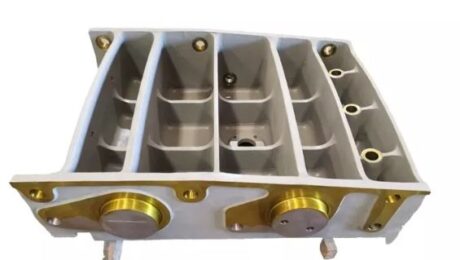
The Essential Guide to Mining Machinery and Spare Parts: Focus on End Frame
Mining machinery plays a crucial role in the extraction of valuable minerals and resources from the earth. Among the many components that make up this machinery, the end frame stands out as a significant part that enhances productivity and ensures durability. In this article, we will delve into everything you need to know about the end frame.
1. What is an End Frame?
The end frame is a critical component in mining machinery, particularly in large machines such as excavators, bulldozers, and other earth-moving equipment. It typically serves as a structural housing for various machinery parts, providing support and stability. The end frame holds different assemblies, thus ensuring the seamless operation of the equipment.
2. Importance of the End Frame in Mining Machinery
Understanding the importance of the end frame can help operators and maintenance personnel appreciate its role. It not only provides structural integrity but also helps in absorbing shocks and vibrations that occur during machinery operations. A robust end frame extends the lifespan of your mining equipment, reducing the need for frequent repairs and replacements.
3. Types of End Frames
End frames can vary based on the type of mining equipment:
- Excavator End Frames: Designed to withstand the forces generated during digging activities.
- Bulldozer End Frames: Built for heavy-duty applications, these frames must accommodate high levels of stress.
- Haul Truck End Frames: Integral to the overall structural design, providing balance and support to carry heavy loads.
4. Materials Used in Manufacturing End Frames
End frames can be made from various materials depending on their intended use:
- Steel: Commonly used due to its strength and ability to withstand harsh conditions.
- Aluminum: Lightweight and resistant to corrosion, suitable for specific applications.
- Composite Materials: Increasingly popular for specialized mining equipment due to their enhanced performance.
5. How to Maintain Your End Frame
Proper maintenance of the end frame is crucial for ensuring the longevity of mining machinery:
- Regular Inspections: Check for signs of wear and tear.
- Cleaning: Remove dirt and debris to prevent corrosion.
- Lubrication: Ensure all moving parts are adequately lubricated.
6. Identifying When to Replace an End Frame
Operators should be vigilant in identifying signs that indicate a need for replacement:
- Cracks or Fractures: Visible damage can severely impact performance.
- Corrosion: Persistent rust or deterioration signifies the need for replacement.
- Structural Deformation: Any bending or warping compromises the frame’s integrity.
7. The Role of End Frames in Equipment Efficiency
Efficient machinery leads to better operational productivity. A well-structured end frame contributes to:
- Improved Load Distribution: Ensures that forces are evenly distributed.
- Minimized Downtime: Reduces the frequency of breakdowns and maintenance needs.
- Enhanced Operator Safety: A sturdy end frame can protect operators from potential hazards.
8. Innovations in End Frame Design
The industry continually evolves, leading to innovations such as:
- Advanced Computational Designs: Using software to create more efficient structures.
- 3D Printing: Allowing for quick and customized manufacturing of components.
- Smart Materials: Incorporating materials that adapt to environmental conditions.
9. Suppliers of End Frames and Spare Parts
Identifying trusted suppliers is key to acquiring quality end frames. Look for:
- OEMs: Original Equipment Manufacturers provide components that match original specifications.
- Aftermarket Vendors: Often offer competitive pricing and parts.
10. Frequently Asked Questions (FAQ)
What is the lifespan of an end frame?
The lifespan varies depending on usage, material, and maintenance, but a well-maintained end frame can last several years.
Can I replace an end frame myself?
While it’s possible, it’s recommended to have a professional handle the replacement to ensure safety and proper installation.
What are the signs of end frame failure?
Look for cracks, unusual noises coming from the machinery, or changes in the equipment’s performance.
Are aftermarket end frames reliable?
Many aftermarket end frames are reliable, but it’s essential to verify the quality and warranty offered by the supplier.
How do I choose the right end frame for my equipment?
Consult your machinery’s specifications and work with trusted suppliers to ensure compatibility.
11. Conclusion
In summary, the end frame is a pivotal element within mining machinery that must not be overlooked. Understanding its function, maintenance, and the options available can lead to improved machinery performance and safety. Stakeholders in the mining industry should prioritize quality end frames to optimize their operations.
- Published in Products
The Comprehensive Guide to Pitman: Understanding Its Importance in Mining Machinery and Spare Parts

The Comprehensive Guide to Pitman: Understanding Its Importance in Mining Machinery and Spare Parts
Mining machinery plays a crucial role in extracting valuable resources from the earth. One essential component of various machinery used in this industry is the ‘Pitman.’ In this article, we will delve into what a Pitman is, its function, types, and its significance in maintaining mining machinery efficiency. We will also cover the different spare parts associated with the Pitman, answering common questions and providing valuable insights.
What is a Pitman in Mining Machinery?
The Pitman is a key component in several types of mining machinery, primarily used in jaw crushers and grinding mills. It serves as a connection between the movable jaw and the eccentric shaft, facilitating the crushing process. The durability and performance of the Pitman directly impact the efficiency of the machinery.
Importance of the Pitman in Mining Machinery
The Pitman plays a pivotal role in the overall functioning of mining machinery. Its primary importance lies in its mechanical function, providing the necessary force to crush rocks and minerals. A well-designed Pitman ensures optimal performance, reducing wear and tear on other components, and increasing the longevity of the machine.
Types of Pitman Used in Mining Machinery
There are various types of Pitman designs based on the machinery in which they are used:
- Single Toggle Pitman: This design is commonly used in single toggle jaw crushers where the Pitman is a single piece that connects to the movable jaw.
- Double Toggle Pitman: More commonly found in double toggle jaw crushers, this design has two distinct motion points and provides extra crushing power.
- Hydraulic Pitman: In modern machinery, hydraulic Pitman designs are gaining popularity due to their ability to adjust the crusher settings and improve efficiency.
Materials Used in Manufacturing Pitman
The durability and performance of a Pitman depend significantly on the materials used for its construction. Common materials include:
- Steel: High-grade steel is commonly used due to its strength and ability to withstand heavy loads.
- Alloy Steel: Alloy steels provide enhanced durability and resistance to wear.
- Cast Iron: Some machinery uses cast iron Pitman due to its cost-effectiveness and sufficient mechanical properties.
Understanding Pitman Wear and Tear
Like any machinery component, the Pitman experiences wear and tear over time, particularly in harsh mining environments. Regular inspection and maintenance are crucial to prolong its life. Signs of wear can include cracking, excessive vibration, and poor performance in crushing capacity.
Replacing Pitman: When and How?
Replacing a Pitman is essential when it shows signs of serious damage or wear. The replacement process, while technical, can be broken down into key steps:
- Conduct a thorough inspection of the entire machinery to assess the extent of wear.
- Gather all necessary tools and a compatible replacement Pitman.
- Follow the manufacturer’s guidelines for disassembling the machinery and replacing the Pitman.
- Reassemble and test the machinery to ensure proper functioning.
Pitman Spare Parts: A Complete Overview
A variety of spare parts are associated with the Pitman that contribute to the proper functioning of mining machinery:
- Bearings: Essential for reducing friction between moving parts.
- Bushings: Help in maintaining proper alignment and reducing wear.
- Jaw Plates: Integral for the crushing process; these plates come into direct contact with the material being crushed.
How to Choose Quality Pitman Spare Parts?
Selecting high-quality spare parts is vital for maintaining the integrity of mining machinery. Key factors to consider include:
- Material specifications
- Compatibility with existing machinery
- Reputation of the manufacturer
FAQs About Pitman in Mining Machinery
What is the role of a Pitman in a jaw crusher?
The Pitman in a jaw crusher connects the movable jaw to the eccentric shaft, enabling the crushing action as the movable jaw moves back and forth.
Why is it important to maintain the Pitman?
Regular maintenance of the Pitman is crucial to ensure efficient operation, reduce downtime, and prolong the lifespan of mining machinery.
How often should the Pitman be replaced?
The replacement frequency depends on the wear level and operating conditions, but generally, monitoring for signs of damage can help determine the right time.
What materials are best for Pitman production?
High-grade steel and alloy steel are preferred materials for Pitman production due to their durability and performance under heavy loads.
Conclusion: The Pitman’s Vital Role in Mining Machinery
In summary, the Pitman is an integral component of mining machinery that significantly impacts efficiency and durability. Understanding its function, maintenance, and replacement processes is essential for anyone involved in the mining industry. By prioritizing the quality of Pitman and associated spare parts, operators can ensure their machinery remains functional and effective over time.
LSI and NLP Keywords
Mining, Machinery, Spare Parts, Jaw Crusher, Crushing, Wear and Tear, Bearings, Bushings, Jaw Plates, Eccentric Shaft, Hydraulic Pitman, Alloy Steel, Maintenance, Mining Equipment, Crusher Efficiency, Pitman Arm, Rock Crushing, Components, Mechanical Parts, Mining Industry, Extraction, Material Processing.
- Published in Products
