


Toggle Plate: Understanding Function, Types & Applications in Mining Machinery

Toggle Plate: The Critical Component in Mining Machinery
The ‘toggle plate’ is a deceptively simple yet fundamentally important component within numerous types of mining machinery. Often overlooked, this critical part plays a vital role in managing material flow, preventing blockages, and ensuring efficient operation across various mining processes. This article provides a comprehensive overview of toggle plates, including their function, different types, applications within the mining industry, maintenance considerations, and frequently asked questions.
What is a Toggle Plate? Defining its Role
A toggle plate, also known as a drag chain or a drag gate, is essentially a hinged, reciprocating plate used to control the movement of abrasive materials in chutes, conveyors, and other material handling systems. Its primary function is to ‘toggle’ – meaning it pivots back and forth – allowing material to pass through while simultaneously preventing jams caused by larger pieces attempting to force their way through. Think of it as a natural choke point designed for controlled flow.

Without toggle plates, material buildup would quickly lead to blockages, drastically reducing throughput and causing significant downtime for mining equipment. They are a key element in maintaining operational efficiency.
Types of Toggle Plates: A Detailed Examination
1. Standard Toggle Plates
These are the most common type, typically constructed from hardened steel or abrasion-resistant alloys. Standard toggle plates feature a hinged design with a central pivot point and two reciprocating arms. They’re suitable for handling moderately abrasive materials and lower capacities.
2. Heavy Duty Toggle Plates
Designed for demanding applications involving high volumes of abrasive material, heavy-duty toggle plates utilize thicker steel components and robust hinge mechanisms. These are engineered to withstand prolonged exposure to harsh conditions, offering enhanced durability and extended service life. They’re frequently found in hard rock mining operations.
3. Wear Plate Toggle Plates
These incorporate wear-resistant liners, such as ceramic or tungsten carbide, on the reciprocating arms of the toggle plate. This minimizes friction and reduces material buildup at the contact points, extending the life of the toggle plate considerably, particularly when dealing with highly abrasive materials like phosphate rock or coal.
4. Segmented Toggle Plates
These are constructed from multiple individual plates that slide against each other. This design increases surface area and enhances material flow while mitigating blockages in complex conveying systems. They’re favored where material distribution needs to be particularly uniform.
Applications of Toggle Plates in Mining Machinery
Toggle plates are integral across a broad spectrum of mining operations. Here’s a breakdown of key applications:
- Conveyor Systems: Maintaining consistent material flow, preventing jams, and reducing the risk of conveyor blockages.
- Chutes & Hopper Gates: Controlling the discharge of materials from chutes and hoppers, particularly in bulk solids handling.
- Mineral Processing Plants: Managing material transfer within mineral processing plants, including crushing, grinding, and screening operations.
- Aggregate Handling: Used extensively in aggregate quarries for controlling the flow of rock during excavation and transportation.
Maintenance and Inspection of Toggle Plates
Regular maintenance is crucial to prolonging the lifespan of toggle plates and ensuring optimal performance. Key inspection points include:
- Hinge Wear: Check for excessive wear or damage to the hinge mechanism.
- Reciprocating Arms: Inspect arms for cracks, deformation, or material buildup.
- Wear Plates (if applicable): Monitor wear plate condition and replace when worn down.
- Lubrication: Implement a regular lubrication schedule using appropriate grease or oil to minimize friction and wear.
Preventative maintenance programs, including scheduled inspections and component replacements, are essential for minimizing downtime and maximizing the operational efficiency of mining equipment incorporating toggle plates.
Selecting the Right Toggle Plate
Choosing the correct toggle plate involves considering several factors including material type, abrasive hardness, expected volume, conveyance speed and operating environment. Consulting with a specialist supplier is highly recommended to ensure optimal performance and longevity of your equipment.
Frequently Asked Questions (FAQ) – Toggle Plate
Q: What materials are toggle plates typically used with?
A: Toggle plates are employed with a wide range of materials, including coal, phosphate rock, potash, iron ore, aggregate and other bulk solids. The specific material dictates the necessary wear resistance and plate strength.
Q: How often should I inspect my toggle plate?
A: Regular inspections are recommended every 6-12 months, or more frequently in high-wear applications. A thorough visual inspection is crucial to identify signs of wear, damage, or misalignment.
Q: What type of lubrication should I use on my toggle plate?
A: Use a high-quality grease specifically designed for heavy-duty machinery and abrasive environments. Synthetic greases are often preferred due to their superior resistance to heat and wear.
Q: Can toggle plates be repaired or replaced relatively easily?
A: While some minor repairs can be performed, significant damage usually necessitates replacement. Replacement parts availability is a crucial factor in determining the overall maintenance cost.
Q: What’s the typical lifespan of a toggle plate?
A: Lifespan varies greatly depending on material, operational conditions and maintenance practices. Generally, well-maintained standard toggle plates can last 1-3 years, while heavy-duty or wear plate versions may extend to 5+ years.
- Published in Products
Countershaft Bushing: The Critical Component for Mining Machinery Performance

Countershaft Bushing: Understanding its Role in Mining
The countershaft bushing is a surprisingly critical component within many types of mining machinery, particularly those utilizing skip-gear systems. Often overlooked, this small part plays a monumental role in the efficient and reliable operation of crushers, screens, classifiers, and other vital equipment. This article delves into the specifics of countershaft bushings, exploring their purpose, materials, common issues, maintenance, and replacement procedures. Understanding these aspects is essential for maximizing uptime, minimizing downtime costs, and ensuring optimal performance across a range of mining applications.
What is a Countershaft Bushing?
A countershaft bushing (also sometimes referred to as a gear center or shaft bushing) is a precisely engineered component designed to support rotating shafts – specifically the countershaft – within a gearbox. These bushings are typically made of hardened materials like bronze, brass, or more specialized alloys and act as bearings, reducing friction and wear between the countershaft and its housing. Without proper countershaft bushings, extreme vibration and heat would quickly develop, leading to catastrophic failure.

The Function of a Countershaft Bushing
The primary function of the countershaft bushing is threefold:
1. Load Bearing: It supports the rotating shafts within the gearbox, distributing the load evenly to prevent localized stress and premature wear.
2. Friction Reduction: The bushing’s smooth surface minimizes friction between the shaft and housing, increasing efficiency and reducing energy consumption.
3. Noise Dampening: By absorbing vibrations, it helps reduce noise levels within the machinery.
In a skip-gear system, the countershaft rotates at half the speed of the main drive shaft, allowing for efficient gear ratios commonly found in mining equipment. The bushing ensures smooth and quiet operation during this rotation.
Materials Used in Countershaft Bushings
The selection of material is crucial to the longevity and performance of a countershaft bushing. Common materials include:
- Bronze: A cost-effective option offering good wear resistance and machinability. Often used for lighter duty applications.
- Brass: Similar properties to bronze, but with slightly different hardness characteristics.
- Carbon Steel (Hardened & Tempered): Provides superior strength and durability in high-load conditions. Typically surface hardened for increased wear resistance.
- Ceramics: Increasingly popular due to their exceptional wear resistance, self-lubricating properties, and ability to operate at higher temperatures. Offers significant advantages in abrasive environments.
- Polyurethane: Used in some lower load applications offering excellent vibration damping.
Common Countershaft Bushing Issues & Causes
Several factors can lead to countershaft bushing failure, including:
- Wear and Tear: The constant rotational forces generate friction and wear over time, leading to material loss.
- Contamination: Dust, debris, and moisture entering the gearbox can accelerate wear and corrosion.
- Lubrication Issues: Insufficient or incorrect lubrication dramatically increases friction and accelerates bushing failure.
- Overload: Operating machinery beyond its design capacity puts excessive stress on the bushings.
- Misalignment: Improper alignment of shafts can cause uneven load distribution and premature bushing wear.
Maintenance and Replacement
Regular maintenance is key to extending the life of countershaft bushings. Recommended practices include:
- Lubrication: Implement a regular lubrication schedule using a high-quality gear oil specifically designed for mining applications.
- Inspection: Conduct routine visual inspections for signs of wear, damage, or contamination.
- Bearing Replacement: Replace bushings proactively based on operating hours or condition assessments rather than solely relying on catastrophic failure.
Replacement should be carried out by qualified technicians using the correct bushing size and material. Proper installation techniques are crucial to ensure proper function.
Countershaft Bushing Sizes & Specifications
Countershaft bushings come in a wide range of sizes, primarily dictated by the shaft diameter they support. Common diameters include 1/2 inch, 5/8 inch, and 3/4 inch. However, specifications also encompass bushing length, material hardness (typically Rockwell C), and surface finish. Accurate measurement and selection are critical for optimal performance.
FAQ – Countershaft Bushings
What is the typical lifespan of a countershaft bushing?
Lifespan varies greatly depending on operating conditions, lubrication, and material. Bronze bushings may last 10,000 – 20,000 hours under good maintenance, while ceramic bushings can exceed 50,000 hours.
How often should I inspect countershaft bushings?
At least every 100 operating hours or after significant downtime. More frequent inspections are recommended in abrasive environments.
What type of lubricant is best for countershaft bushings?
High-quality synthetic gear oil specifically formulated for mining equipment is crucial. Consult the manufacturer’s recommendations for viscosity and additives.
Can I replace a worn bushing myself?
While DIY replacement is possible, it requires specialized tools and knowledge. Improper installation can lead to serious damage or injury. Professional maintenance is highly recommended.
- Published in Products
Eccentric Bushing: Understanding, Selection, and Maintenance for Mining Machinery
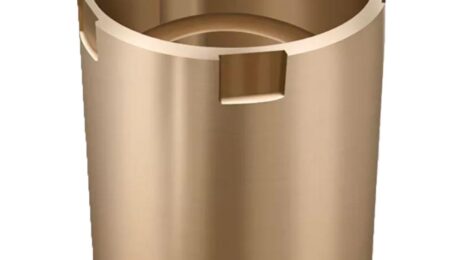
Eccentric Bushing: A Critical Component in Mining Machinery
Eccentric bushings are specialized bearings that play a vital role in the efficient and reliable operation of various mining machinery. Their unique design allows for rotational movement while accommodating significant misalignment, making them indispensable components within crushers, screens, conveyors, and other heavy-duty equipment. This article delves into the specifics of eccentric bushings, including their construction, applications, selection criteria, maintenance procedures, and common challenges. Understanding these aspects is crucial for minimizing downtime, maximizing equipment lifespan, and ensuring operational safety in mining operations.
What is an Eccentric Bushing?
An eccentric bushing, also known as a misaligned roller bearing or a wobble bearing, is a type of self-aligning bearing that allows for angular misalignment between the shaft and housing. Unlike traditional bearings which require perfect alignment, eccentric bushings compensate for variations in shaft position, wear, and deformation. This compensation is achieved through a series of rollers arranged around a central bore, allowing them to maintain contact even when the components are not perfectly aligned.

Construction and Types of Eccentric Bushings
Eccentric bushings typically consist of the following key components:
- Rollers: These are the primary load-bearing elements, arranged in a circular pattern to provide support when misalignment occurs.
- Bore: The central hole through which the shaft rotates.
- Outer Race: The outer housing that supports and retains the rollers.
- Retainer Ring (Optional): Some eccentric bushings feature a retainer ring to keep the rollers in place.
Several types of eccentric bushings exist, each designed for specific applications:
- Roller Element Eccentric Bushings: The most common type, utilizing rollers for load distribution.
- Ball Element Eccentric Bushings: Employing ball bearings instead of rollers, offering lower friction but potentially reduced load capacity.
- Bronze Eccentric Bushings: Bronze is a popular material choice due to its excellent wear resistance and self-lubricating properties.
- Polyurethane Eccentric Bushings: Suitable for applications requiring high elasticity and damping capabilities, often used in impact environments.
Applications of Eccentric Bushings in Mining Machinery
Eccentric bushings are extensively used across various mining machinery due to their ability to handle misalignment:
- Crushers: Used to support the rotor shaft, compensating for wear and distortion.
- Screens: Support the screen deck shafts, ensuring smooth operation despite variations in alignment.
- Conveyors: Used in conveyor idlers and drive systems to minimize vibration and accommodate misalignment caused by uneven ground surfaces or worn rollers.
- Jaw Crushers: Compensate for jaw plate wear and misalignment.
- Rotary Screens: Maintain proper screen rotation despite shaft displacement.
Their presence reduces stress on other components, extending the overall lifespan of mining equipment.
Selecting the Right Eccentric Bushing
Choosing the appropriate eccentric bushing requires careful consideration of several factors:
- Load Capacity: The required load should be determined based on the application and operating conditions.
- Misalignment Angle: The maximum misalignment the bushing needs to accommodate.
- Operating Speed: Higher speeds necessitate bearings with lower friction characteristics.
- Lubrication Requirements: Selecting a suitable lubricant is critical for minimizing wear and extending bearing life. Grease or oil, depending on the application.
- Material Selection: Bronze, polyurethane, and stainless steel are common choices, each possessing unique properties.
Consulting with bearing manufacturers and experienced mining engineers is highly recommended during the selection process.
Eccentric Bushing Maintenance
Regular maintenance of eccentric bushings is essential for preventing premature failure and ensuring optimal performance:
- Lubrication: Consistent lubrication, based on manufacturer recommendations, is paramount.
- Inspection: Periodic visual inspections should be conducted to check for signs of wear, damage, or contamination.
- Cleaning: Remove debris and contaminants from the bearing surfaces.
- Replacement: Replace worn bushings proactively before they lead to catastrophic failure.
Proper lubrication reduces friction, prevents corrosion, and extends the life of the bushing significantly.
Common Eccentric Bushing Problems
Several issues can affect eccentric bushings:
- Wear: The primary cause of failure, resulting from contact between rollers and housing.
- Contamination: Dirt, dust, and other debris can accelerate wear and corrosion.
- Misalignment Amplification: Existing misalignment can worsen over time, leading to increased load on the bushing.
- Lubricant Failure: Insufficient or degraded lubricant contributes significantly to premature failure.
Early detection of these problems allows for timely intervention and reduces repair costs.
FAQ – Eccentric Bushings
Q: What is the lifespan of an eccentric bushing in a typical mining application?
A: Lifespan varies significantly based on operating conditions, load, alignment, and maintenance practices. Generally, well-maintained eccentric bushings can last from 6 months to several years.
Q: How often should I inspect eccentric bushings?
A: Regular inspections are recommended every 3-6 months, or more frequently in harsh operating environments.
Q: What type of lubricant is best for eccentric bushings in mining equipment?
A: Grease and oil formulations specifically designed for heavy-duty machinery applications are ideal. Consult the manufacturer’s recommendations.
Q: Can eccentric bushings be replaced without significant downtime?
A: With proper planning and readily available spare parts, replacement can often be accomplished within a reasonable timeframe (typically 4-8 hours), minimizing operational disruptions.
Q: What are the signs of a failing eccentric bushing?
A: Increased noise, vibration, excessive heat, and reduced bearing life are all indicators of potential failure.
- Published in Products
Flywheel Mining Machinery: Types, Applications & Maintenance
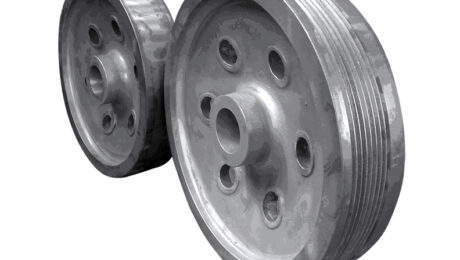
Flywheel Mining Machinery: Understanding the Importance
In the demanding world of mining, efficiency and reliability are paramount. Flywheel mining machinery plays a critical role in optimizing operations across various sectors, from surface to underground mining. This article delves into the core aspects of flywheels – their types, applications within mining, crucial maintenance procedures, and answers frequently asked questions. We’ll explore how these rotating mechanical components contribute significantly to power transmission, shock absorption, and overall equipment performance.
What is a Flywheel in Mining Machinery?
A flywheel, fundamentally, is a heavy rotating disc designed to store kinetic energy. In mining machinery, specifically within gyratory crushers, cone crushers, and some drilling rigs, flywheels act as an integral part of the power transmission system. They smooth out fluctuations in rotational speed, reducing vibrations and improving the efficiency of the crushing or drilling process. The high inertia of the flywheel allows it to resist changes in its rotation rate – a key factor for stable operation.

Types of Flywheels Used in Mining Machinery
Gyratory Crusher Flywheels
Gyratory crushers, commonly used for primary crushing of large rock masses, rely heavily on flywheels. These are typically massive steel or cast iron discs, often with a central hub for mounting and lubrication. The size of the flywheel is directly related to the crusher’s horsepower; larger flywheels provide greater inertia and smoother operation, particularly when handling abrasive materials. The flywheel in gyratory crushers maintains constant speed during crushing.
Cone Crusher Flywheels
Similar to gyratory crushers, cone crushers also benefit from the stabilizing effect of a flywheel. Cone crushers are generally smaller and operate at higher rotational speeds than gyratory crushers. Consequently, the flywheels in these machines are typically smaller and designed for high-speed operation while still mitigating vibrations.
Drilling Rig Flywheels
In drilling rigs, especially those equipped with rotary tables, flywheels assist in transmitting torque from the engine to the drill bit. These flywheel mining machinery components are crucial for maintaining consistent drilling speed and preventing excessive vibration that can damage the drill string or borehole.
Applications of Flywheels in Mining
The applications of flywheels within mining machinery extend beyond simple power transmission. Here’s a breakdown:
- Vibration Reduction: The primary function is to dampen vibrations, leading to smoother operation and reduced wear and tear on other components.
- Torque Smoothing: They smooth out variations in torque delivered by the engine, ensuring consistent crushing or drilling force.
- Power Transmission: Efficiently transfer power from the motor to the rotating parts of the machinery.
- Shock Absorption: Absorb shock loads caused by impacts with rocks and debris, further protecting the machine’s components.
Specifically, in large-scale open pit operations, flywheel mining machinery is used extensively for crushing ore before it’s transported to processing plants. In underground mining, they are vital for drilling through hard rock formations.
Maintenance of Flywheels in Mining Machinery
Proper maintenance of flywheels is crucial for maximizing their lifespan and ensuring the continued reliable operation of mining machinery. Here’s a typical maintenance schedule:
- Regular Inspections: Weekly visual inspections for cracks, dents, or signs of damage.
- Lubrication: Regular lubrication of bearings and hubs to reduce friction and wear. Use high-quality lubricants specifically designed for heavy-duty mining equipment.
- Bearing Replacement: Bearings are a key component that wears out frequently. Replace worn bearings according to the manufacturer’s recommendations, typically every 6 months to 1 year depending on operating conditions.
- Hub Inspection and Repair: Inspect the hub for cracks or damage. Repairs should be carried out by qualified technicians.
- Balance Checks: Periodic balancing of the flywheel to maintain optimal rotation.
Ignoring these maintenance procedures can lead to catastrophic failures, resulting in costly downtime and potential safety hazards.
Key Considerations for Flywheel Selection
- Size & Mass: The size and mass of the flywheel must be appropriately sized for the horsepower and rotational speed of the machinery.
- Material: Steel or cast iron are the most common materials, chosen for their strength and durability.
- Bearing Type: Selecting the correct bearing type is critical for smooth operation and long-term reliability.
Frequently Asked Questions (FAQ)
Q1: How often do flywheels in gyratory crushers need to be replaced?
Typically, flywheel replacement in gyratory crushers occurs every 3-5 years, depending on operating conditions and maintenance practices.
Q2: What causes flywheel failure in mining machinery?
Common causes include excessive vibration, inadequate lubrication, bearing failures, material impact, and corrosion.
Q3: How does the size of the flywheel affect crusher performance?
A larger flywheel provides greater inertia, resulting in smoother operation and reduced vibrations. This is particularly important when crushing abrasive materials or operating at high speeds.
Q4: What type of lubrication should be used on mining machinery flywheels?
High-quality industrial lubricants specifically formulated for heavy-duty equipment are recommended. Synthetic lubricants often offer superior performance and longevity.
Q5: Are there any specific safety precautions when working around flywheels?
Always disconnect the power supply before performing maintenance on flywheels. Wear appropriate personal protective equipment (PPE), including gloves, eye protection, and hearing protection. Ensure the flywheel is properly supported during repairs.
- Published in Products
End Frame Mining Machinery: Design, Importance & Spare Parts
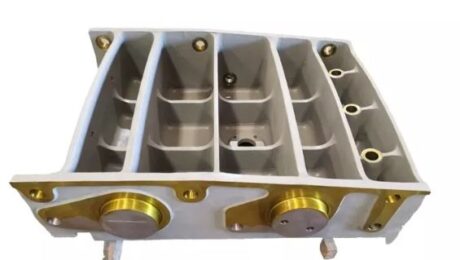
End Frame Mining Machinery: A Critical Component
The ‘end frame’ in mining machinery represents a vital structural element, playing a crucial role in stability, safety, and operational efficiency. Often overlooked, its design and maintenance significantly impact the entire mining process. This article delves into the importance of end frames, their various designs, common issues, and readily available spare parts for mining machinery.
What is an End Frame in Mining Machinery?
In mining operations, particularly with equipment like excavators, draglines, and some types of ore cars, the ‘end frame’ refers to the structural framework that provides a robust support system at the rear or trailing end of the machine. It’s typically constructed from high-strength steel, designed to withstand immense forces generated during excavation, loading, hauling, and material handling. It connects the main chassis with the boom or arm, distributing these stresses effectively.

The Critical Role of End Frames in Mining
Several key functions make the end frame indispensable:
- Structural Support: It acts as a primary support for the machine’s boom, arm, and hydraulic cylinders, crucial during heavy lifting and digging operations.
- Load Distribution: The end frame distributes stresses from the operating components evenly across the chassis, preventing localized weaknesses and potential catastrophic failures.
- Stability: It contributes significantly to the overall stability of the machine, particularly when operating on uneven terrain or during dynamic movements.
- Safety: A structurally sound end frame is paramount for operator safety, minimizing the risk of component failure leading to accidents.
Types of End Frame Designs
End frames aren’t a one-size-fits-all solution. Designs vary based on the machine type and operating environment. Here are some common types:
- Box Frame: The most prevalent design, offering robust support and load distribution.
- Triangulated Frame: Enhances rigidity and stability by incorporating triangular supports.
- Reinforced End Frames: Specifically designed for heavy-duty applications involving large loads or abrasive materials.

Common End Frame Issues and Their Causes
Despite their importance, end frames are susceptible to wear and tear due to the demanding conditions of mining operations. Some common issues include:
- Cracking: Caused by fatigue stress, particularly around weld points and high-stress areas.
- Buckling: Resulting from excessive loads or improper alignment.
- Wear and Corrosion: Due to exposure to abrasive materials, moisture, and extreme temperatures.
- Weld Failure: A significant concern due to the high stresses involved; often linked to poor welding practices or substandard materials.
Spare Parts for End Frames – Ensuring Downtime Reduction
Regular maintenance and timely replacement of end frame spare parts are crucial for extending equipment lifespan and minimizing downtime. Key components requiring periodic attention include:
- End Frame Brackets: Frequently subjected to stress; prone to cracking and wear.
- Bearing Housings: Supporting critical bearings, susceptible to damage from impact or misalignment.
- Welding Consumables: Replacement welding rods and wire are essential for repairs.
- Steel Plates & Sheets: Used in reinforcement and structural support; common wear items.
Availability of these parts, coupled with efficient sourcing strategies, can drastically reduce downtime costs.
Material Selection – Key to End Frame Longevity
The material chosen for an end frame is paramount. High-strength steel alloys are almost universally employed, often incorporating manganese and chromium for enhanced toughness and resistance to wear. Specific grades like 4140 or 4340 steels are frequently used due to their high yield strength and weldability.
Maintenance Best Practices
Implementing robust maintenance protocols is essential:
- Regular Inspections: Conducting detailed visual inspections for cracks, corrosion, and wear.
- Torque Checks: Ensuring all fasteners are tightened to specified torque values.
- Lubrication: Maintaining proper lubrication of bearings and joints.
- Load Monitoring: Utilizing sensors to monitor load distribution and detect potential overloading.
Frequently Asked Questions (FAQ) – End Frame Mining Machinery
Q: What is the lifespan of a typical end frame?
A: Lifespan varies considerably depending on operating conditions, maintenance practices, and material quality. Generally, with proper care, an end frame can last between 5-10 years.
Q: How often should I inspect my end frame?
A: We recommend visual inspections at least monthly, and more frequently in abrasive environments or after periods of heavy operation.
Q: What are the signs of a failing end frame?
A: Cracking, excessive noise, vibration, loss of stability, and difficulty operating the machine are all indicators of potential end frame issues.
Q: What is the best way to repair a cracked end frame?
A: Repairs should be performed by qualified technicians using appropriate welding techniques. Often, reinforcing with additional steel plates is recommended.
Q: Where can I source spare parts for end frames?
A: Many manufacturers offer direct support and spare parts sales. Additionally, specialized mining equipment suppliers and online marketplaces provide a wide selection of components.
- Published in Products
Pitman Parts for Mining Equipment: Types, Applications, and Maintenance

Pitman Parts for Mining Equipment: Understanding the Critical Component
In the demanding world of mining operations, reliable machinery is paramount. Amongst the intricate systems within excavators, loaders, and other heavy-duty equipment, the Pitman plays a crucial role. This article delves into the specifics of Pitman parts for mining machinery, exploring their types, applications, maintenance needs, and why proper understanding is vital for operational efficiency and safety.
What is a Pitman Arm?
The Pitman arm, also known as a connecting rod or a linkage arm, is a fundamental component in the hydraulic systems of many mining machines. Specifically found in excavators, it connects the hydraulic cylinder to the bucket or attachment, translating linear motion into rotational movement – essential for digging and lifting materials. Its design allows for precise control over the load’s movement, enabling efficient excavation across various terrains.

Types of Pitman Parts and Their Functions
Several Pitman parts contribute to the overall functionality of the system. Understanding each component’s role is crucial for proper maintenance and repair.
1. The Pitman Arm Itself
The primary Pitman arm itself is a robust, forged steel component designed to withstand extreme stresses and vibrations inherent in mining operations. Its geometry dictates the angle of swing for the bucket or attachment, influencing digging efficiency.
2. Bushings & Bearings
These are critical wear components within the Pitman system. Bushings (typically made from polyurethane or bronze) reduce friction and absorb shocks, while bearings – often ball bearings – provide smooth rotational movement. Regular replacement of these is vital to maintain operational efficiency and prevent premature damage to other components.
3. Linkage Pins & Rods
Linkage pins and rods connect the Pitman arm to the bucket or attachment, transmitting forces during digging operations. These are frequently subjected to high loads and require periodic inspection for signs of wear or damage.
4. Seals & O-Rings
Seals prevent hydraulic fluid leakage within the Pitman system, maintaining pressure and ensuring optimal performance. Damage to these seals can lead to decreased efficiency and potential downtime.
Applications of Pitman Parts in Mining Machinery
The Pitman arm finds widespread use across various mining applications, including:
- Excavators: In excavators, the Pitman arm directly controls the movement of the bucket, enabling precise digging and material handling.
- Loaders: It’s used in loaders to manage the swing of the loader arms for efficient loading and unloading.
- Draglines: Within dragline excavators, it assists in controlling the arm’s movement during continuous excavation.
The specific design and dimensions of the Pitman arm vary depending on the type of machine and its intended application.
Maintenance & Inspection of Pitman Parts
Proper maintenance is crucial for extending the lifespan of Pitman parts and preventing costly downtime. Here’s a breakdown:
1. Regular Visual Inspections
Conduct routine visual inspections to identify signs of wear, damage, or leaks. Pay close attention to bushings, bearings, linkages, and seals.
2. Lubrication
Regular lubrication of all moving parts – including bearings and linkages – is essential for reducing friction and extending component life. Use a high-quality hydraulic oil specifically designed for mining equipment.
3. Torque Checks
Ensure that all connections, such as linkage pins and rods, are tightened to the manufacturer’s specified torque values. Loose connections can lead to misalignment and premature wear.
4. Bearing Monitoring
Regularly check bearings for smooth rotation and any unusual noises. Signs of bearing failure include excessive vibration or grinding sounds.
5. Bushing Replacement
Bushings are prone to wear due to constant friction. Replace worn bushings promptly to maintain efficient operation and prevent damage to other components.
Pitman Parts Suppliers & Quality Considerations
Sourcing high-quality Pitman parts is essential for reliable performance. Consider these factors when selecting a supplier:
- Material Certification: Ensure that the parts are manufactured from materials meeting industry standards (e.g., ASTM).
- Manufacturer Reputation: Choose suppliers with a proven track record and positive customer reviews.
- Warranty & Support: Select suppliers offering warranties and comprehensive technical support.
FAQ – Frequently Asked Questions About Pitman Parts
Here are some common questions regarding Pitman parts for mining machinery:
- Q: How often should I replace Pitman bushings? A: Bushings typically require replacement every 6-12 months, depending on operating conditions and usage.
- Q: What is the lifespan of a Pitman arm itself? A: The lifespan varies considerably based on wear, maintenance, and operating environment but generally ranges from 1,000 to 5,000 operating hours.
- Q: What causes premature failure of Pitman parts? A: Common culprits include excessive loads, inadequate lubrication, misalignment, worn bearings, and contamination.
- Q: Are there specific types of lubricants recommended for Pitman systems? A: High-quality hydraulic oils specifically designed for mining equipment are recommended. Consult your machinery’s manual for the correct specification.
- Q: How does the size of a Pitman arm affect performance? A: The size and geometry directly influence the bucket’s swing radius and digging efficiency.
- Published in Products
Rotor Mining Machinery: Types, Applications & Spare Parts – Ultimate Guide

Rotor Mining Machinery: A Comprehensive Overview
Rotor mining machinery represents a critical segment within the broader mining industry, particularly in alluvial and hard-rock operations. These machines are specifically designed to efficiently recover valuable minerals from densely packed material – often gold, diamonds, or copper – by utilizing centrifugal force. Understanding the different types of rotors, their applications, and the essential rotor mining spare parts is crucial for maximizing operational efficiency and minimizing downtime.
What is a Rotor in Mining Machinery?
At its core, a rotor in mining machinery is the rotating component responsible for generating centrifugal force. This force separates heavier valuable minerals from lighter gangue material. The specific design of the rotor – including blade shape, number of blades, and rotational speed – dictates the machine’s effectiveness for recovering particular target materials. Rotor mining is primarily used where conventional methods like crushing and screening are ineffective.
Types of Rotor Mining Machinery
1. Gold Rotors
Gold rotors are arguably the most prevalent type, widely utilized in placer deposits around the globe. These rotors typically feature a central rotating shaft with numerous blades extending outwards. As the rotor spins, the centrifugal force throws the heavier gold particles towards the outer edge of the rotor, where they accumulate and are collected.
2. Diamond Rotors
Diamond rotors are engineered for recovering diamonds from kimberlite pipes and alluvial deposits. They often incorporate a design with precisely angled blades to ensure optimal diamond capture. These machines frequently use a ‘scoop and carry’ mechanism, enhancing their effectiveness in separating diamonds from surrounding material.
3. Copper Rotors
Copper rotors are employed in the extraction of copper mineralization, commonly found in porphyry deposits and sedimentary formations. Their design is optimized for handling coarser materials and achieving high throughput rates. Rotor mining of copper often involves complex fluidization techniques to maintain optimal separation efficiency.
4. Multi-Metal Rotors
These rotors are designed to process multiple minerals simultaneously, maximizing recovery potential from mixed deposits. They require sophisticated blade design and control systems to effectively separate different materials based on density differences.
Applications of Rotor Mining Machinery
Rotor mining machinery finds applications across a diverse range of mining operations, including:
- Alluvial Gold Deposits: Ideal for recovering gold from riverbeds, gravel pits, and beach sands.
- Kimberlite Pipes: Employed to extract diamonds from hard-rock kimberlite formations.
- Porphyry Copper Deposits: Utilized in the recovery of copper mineralization from large-scale deposits.
- Hard Rock Mining: Increasingly used in hard rock applications where traditional crushing and screening are insufficient.
Maintenance & Rotor Spare Parts
Proper maintenance is paramount to ensuring the longevity and efficiency of rotor mining machinery. Key maintenance tasks include regular blade inspections, lubrication, bearing checks, and seal replacements. Common rotor spare parts include:
- Rotor Blades: The most critical component, requiring frequent replacement due to wear and tear.
- Bearings: Subject to high loads and speeds, necessitating periodic replacement.
- Seals: Maintaining fluid integrity is crucial for optimal performance.
- Shafts & Hubs: These components require regular inspection for damage or wear.
- Pump Impellers & Housings: Essential for fluid handling within the rotor system.
Choosing the Right Rotor Mining Spare Parts
Selecting the correct rotor mining spare parts is critical for ensuring proper functionality and preventing premature failure. Factors to consider include:
- Material Compatibility: Parts must be constructed from materials resistant to the specific abrasive minerals being processed.
- Precision Manufacturing: Accurate dimensions and tolerances are essential for optimal fit and performance.
- OEM Specifications: Using original equipment manufacturer (OEM) spare parts guarantees compatibility and quality.
Rotor Mining – Key Considerations
Several factors contribute to the success of rotor mining operations:
- Fluidization: Maintaining adequate fluidization is vital for efficient separation, often involving air or water injection.
- Blade Angle Optimization: The angle of the blades significantly impacts recovery rates – experimentation and analysis are key.
- Rotor Speed Control: Precise control of rotor speed optimizes centrifugal force and reduces blade wear.
Frequently Asked Questions (FAQs) About Rotor Mining Machinery
Q: What is the typical lifespan of a gold rotor?
A: Gold rotor lifespans vary considerably, typically ranging from 6 months to 2 years depending on operating conditions, material density, and maintenance practices.
Q: How does fluidization affect rotor mining efficiency?
A: Fluidization creates a fluidized bed within the rotor, promoting efficient mineral transport and enhancing separation effectiveness by reducing friction and allowing for better particle movement.
Q: What are the main causes of rotor blade wear?
A: Rotor blade wear is primarily caused by abrasion from the minerals being processed. Factors like excessive speed or improper fluidization can accelerate this process.
Q: Are there any specific maintenance schedules for rotor mining machinery?
A: Regular inspections should be conducted weekly, with more detailed checks (blade inspection and lubrication) performed monthly. A full overhaul is typically recommended every 6-12 months.
Q: What types of materials are commonly used to manufacture rotor components?
A: Rotor components are often manufactured from hardened steel alloys, ceramics, or tungsten carbide to withstand the abrasive nature of mineral processing.
Conclusion
Rotor mining machinery represents a specialized and effective solution for recovering valuable minerals from dense materials. By understanding the different rotor types, their applications, and prioritizing proper maintenance and spare parts management, operators can optimize performance, reduce downtime, and maximize profitability.
- Published in Products
Conveyor Belt Systems: A Comprehensive Guide for Mining & Material Handling

Conveyor Belt Systems: The Backbone of Modern Mining
Conveyor belts are arguably the most ubiquitous and critical component in modern material handling systems. From the initial extraction of raw materials to their final processing and distribution, conveyor belts play a pivotal role. This comprehensive guide delves into the intricacies of conveyor belt systems, focusing on their application within the mining industry and broader material handling sectors. We’ll explore different types, key considerations for selection, maintenance strategies, and emerging technologies.
Understanding Conveyor Belt Types
Not all conveyor belts are created equal. The specific type of conveyor belt chosen depends heavily on the material being conveyed, the distance involved, the required speed, and environmental conditions. Here’s a breakdown of common types:
- Steel Cord Conveyor Belts: These robust belts are ideal for high-capacity applications, particularly in mining operations handling abrasive materials like coal or ore. Their strength and durability make them a top choice.
- Fabric Conveyor Belts: Offering flexibility and cost-effectiveness, fabric belts are suitable for conveying lighter materials, powders, and granules. They come in various constructions (e.g., PVC, EPDM) to suit different environmental needs.
- Rubber Conveyor Belts: Known for their resistance to abrasion and chemicals, rubber belts are frequently used in industries dealing with corrosive substances.
- Modular Belt Conveyors: These versatile systems combine individual belt modules, offering modularity, ease of repair, and adaptability to changing layouts.

Conveyor Belt Applications in Mining
The mining industry relies heavily on conveyor belts for nearly every stage of operation. Here’s how they are utilized:
- Ore Extraction: Moving ore from the mine face to processing plants.
- Material Transfer: Transporting crushed and screened materials throughout the facility.
- Bulk Material Handling: Efficiently conveying large volumes of coal, aggregate, or other minerals.
- Tailings Management: Utilizing conveyor belts for transporting processed tailings back to storage areas.
The durability and high-capacity performance of steel cord conveyor belt systems are particularly crucial in these demanding environments, where equipment must withstand harsh conditions and continuous operation.
Key Considerations When Selecting a Conveyor Belt
Choosing the right conveyor belt involves careful consideration of several factors:
- Material Type: The characteristics of the material being conveyed (abrasiveness, moisture content, density) dictate the required belt properties.
- Belt Length and Width: Determining the optimal dimensions for efficient transport.
- Load Capacity: Calculating the weight the belt needs to handle safely.
- Operating Speed: Matching the belt speed to the downstream equipment requirements.
- Environmental Conditions: Considering temperature, humidity, and exposure to chemicals or dust.
Proper sizing is critical to prevent belt slippage, overloading, and premature wear – all of which can lead to costly downtime.
Conveyor Belt Maintenance and Repair
Regular maintenance is paramount for maximizing the lifespan and efficiency of conveyor belts. Key tasks include:
- Belt Inspection: Regularly inspecting for wear, damage, and contamination.
- Idler Alignment: Maintaining proper idler alignment to prevent belt deviation.
- Pulley Lubrication: Lubricating pulleys to reduce friction and wear.
- Belt Tensioning: Adjusting belt tension to ensure optimal performance.
- Cleaning: Removing accumulated material from the belt surface.
Implementing a proactive maintenance program significantly reduces downtime, extends belt life, and lowers overall operational costs.
Emerging Technologies in Conveyor Belt Systems
Innovation is driving advancements in conveyor belt technology. Some key trends include:
- Smart Conveyors: Utilizing sensors and data analytics to monitor belt performance, predict maintenance needs, and optimize material flow.
- Variable Speed Drives: Employing variable speed drives for precise control of belt speed.
- Modular Belt Systems: Further refinement of modular systems with enhanced flexibility and ease of installation.
Frequently Asked Questions (FAQ) about Conveyor Belts
Here are some common questions regarding conveyor belts:
- Q: What is the lifespan of a steel cord conveyor belt? A: Typically, steel cord conveyors last between 5 and 10 years with proper maintenance.
- Q: How do I determine the correct belt tension? A: The ideal tension depends on the load and belt type; consult manufacturer guidelines or an experienced technician.
- Q: What is the best way to clean a conveyor belt? A: Use appropriate cleaning agents and techniques, avoiding harsh chemicals that could damage the belt.
- Q: Are rubber conveyor belts suitable for handling wet materials? A: Yes, but select a rubber compound designed for moisture resistance.
- Q: What are the main causes of conveyor belt failure? A: Common causes include excessive tension, improper alignment, material buildup, and wear and tear.
- Published in Products
Roller Mining Machinery: Types, Applications & Spare Parts – A Comprehensive Guide

Roller Mining Machinery: Understanding the Importance
Roller mining machinery plays a critical role in numerous mining operations worldwide. These machines, fundamentally designed to transport material efficiently and reliably, are essential for optimizing productivity and reducing operational costs. This comprehensive guide delves into the various types of rollers used in mining, their diverse applications, and vital considerations for selecting and maintaining roller mining machinery spare parts.
Types of Mining Rollers
The world of mining rollers is surprisingly varied, with different designs catering to specific needs. Here’s a breakdown of the most common types:
1. Concave Rollers

Concave rollers are arguably the most prevalent type in surface mining, particularly in operations involving coal and phosphate extraction. These rollers feature a curved or concave surface, which is crucial for creating a trough to collect the powdered material as it’s blasted from the face. The shape of the curve is carefully engineered to maximize collection efficiency. They’re typically large diameter, offering high carrying capacities.
2. Hearth Rollers

Hearth rollers are commonly found in operations focused on extracting materials like phosphate and potash. They’re characterized by a relatively flat hearth surface, designed to support the material being conveyed. Hearth rollers often operate in pairs, creating a continuous transport system.
3. Bucket Rollers

Bucket rollers combine the functionality of a roller with a bucket-like structure. This design is ideal for transporting abrasive materials and those containing larger chunks, as the buckets prevent material from spilling out during conveyance.
4. Auxiliary Rollers
Beyond the primary types, auxiliary rollers are frequently utilized to supplement main roller systems. These smaller rollers can be strategically placed to manage uneven surfaces, reduce stress concentrations, and ensure smooth material flow. They’re often customized for specific operational challenges.
Applications of Roller Mining Machinery
The versatility of mining rollers is reflected in their wide range of applications. Here are some key areas where they excel:
- Coal Mining: Concave and hearth rollers are extensively used for conveying coal from the face to processing facilities.
- Phosphate & Potash Extraction: Hearth rollers are the dominant choice in these operations, enabling efficient material transport during large-scale extraction.
- Iron Ore Mining: Bucket rollers are frequently employed to handle the abrasive nature of iron ore and its associated byproducts.
- Diamond Mining: Rollers play a significant role in transporting diamondiferous kimberlite and other valuable materials.
- Aggregate Production: Certain types of rollers are adapted for aggregate processing, specifically for moving crushed stone and gravel.
Roller Mining Machinery Spare Parts – Key Components & Maintenance
Proper maintenance of roller mining machinery spare parts is paramount to ensuring operational longevity and minimizing downtime. Critical components include:
- Rollers (of course!): The primary wear item, requiring regular inspection for damage or deformation.
- Bearing Assemblies: High-stress environments demand robust bearings – often sealed for dust protection.
- Seals & Bushings: Maintaining lubrication and preventing contamination are crucial.
- Shafts & Axles: Regular inspection to check for cracks or bending.
- Hydraulic Cylinders (for larger systems): Ensuring hydraulic fluid levels and cylinder integrity.
A preventative maintenance schedule, incorporating regular lubrication, bearing replacement, and visual inspections, is the cornerstone of extending the lifespan of these rollers.
Choosing the Right Roller for Your Operation
Selecting the appropriate roller requires careful consideration of several factors:
- Material Characteristics: Abrasiveness, hardness, and particle size distribution significantly impact roller selection.
- Production Rate: Higher production rates necessitate larger rollers with greater carrying capacities.
- Ground Conditions: Uneven terrain requires rollers capable of adapting to varying slopes and surface irregularities.
- Budget Constraints: Initial investment costs versus long-term operational savings should be thoroughly evaluated.
Frequently Asked Questions (FAQ) – Roller Mining Machinery
Here are some common questions regarding roller mining machinery:
- Q: What is the average lifespan of a concave roller? A: Typically, a well-maintained concave roller can operate for 5-10 years.
- Q: How often should I replace bearing assemblies in my rollers? A: Bearing replacement intervals vary depending on operating conditions but generally range from 6 months to 2 years.
- Q: What are the key signs of roller wear that indicate a need for repair or replacement? A: Cracking, deformation, excessive vibration, and unusual noises are strong indicators of roller problems.
- Q: How does lubrication affect roller performance and lifespan? A: Proper lubrication reduces friction, minimizes wear, and extends the life of bearings and other moving parts.
- Q: What type of hydraulic fluid is recommended for large roller systems? A: Consult your equipment manufacturer’s recommendations for optimal hydraulic fluid selection based on operating temperatures and system requirements.
- Published in Products
