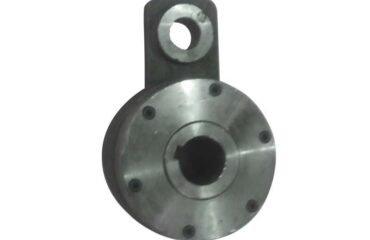
Roller Mining Machinery: Understanding the Importance
Roller mining machinery plays a critical role in numerous mining operations worldwide. These machines, fundamentally designed to transport material efficiently and reliably, are essential for optimizing productivity and reducing operational costs. This comprehensive guide delves into the various types of rollers used in mining, their diverse applications, and vital considerations for selecting and maintaining roller mining machinery spare parts.
Types of Mining Rollers
The world of mining rollers is surprisingly varied, with different designs catering to specific needs. Here’s a breakdown of the most common types:
1. Concave Rollers

Concave rollers are arguably the most prevalent type in surface mining, particularly in operations involving coal and phosphate extraction. These rollers feature a curved or concave surface, which is crucial for creating a trough to collect the powdered material as it’s blasted from the face. The shape of the curve is carefully engineered to maximize collection efficiency. They’re typically large diameter, offering high carrying capacities.
2. Hearth Rollers

Hearth rollers are commonly found in operations focused on extracting materials like phosphate and potash. They’re characterized by a relatively flat hearth surface, designed to support the material being conveyed. Hearth rollers often operate in pairs, creating a continuous transport system.
3. Bucket Rollers

Bucket rollers combine the functionality of a roller with a bucket-like structure. This design is ideal for transporting abrasive materials and those containing larger chunks, as the buckets prevent material from spilling out during conveyance.
4. Auxiliary Rollers
Beyond the primary types, auxiliary rollers are frequently utilized to supplement main roller systems. These smaller rollers can be strategically placed to manage uneven surfaces, reduce stress concentrations, and ensure smooth material flow. They’re often customized for specific operational challenges.
Applications of Roller Mining Machinery
The versatility of mining rollers is reflected in their wide range of applications. Here are some key areas where they excel:
- Coal Mining: Concave and hearth rollers are extensively used for conveying coal from the face to processing facilities.
- Phosphate & Potash Extraction: Hearth rollers are the dominant choice in these operations, enabling efficient material transport during large-scale extraction.
- Iron Ore Mining: Bucket rollers are frequently employed to handle the abrasive nature of iron ore and its associated byproducts.
- Diamond Mining: Rollers play a significant role in transporting diamondiferous kimberlite and other valuable materials.
- Aggregate Production: Certain types of rollers are adapted for aggregate processing, specifically for moving crushed stone and gravel.
Roller Mining Machinery Spare Parts – Key Components & Maintenance
Proper maintenance of roller mining machinery spare parts is paramount to ensuring operational longevity and minimizing downtime. Critical components include:
- Rollers (of course!): The primary wear item, requiring regular inspection for damage or deformation.
- Bearing Assemblies: High-stress environments demand robust bearings – often sealed for dust protection.
- Seals & Bushings: Maintaining lubrication and preventing contamination are crucial.
- Shafts & Axles: Regular inspection to check for cracks or bending.
- Hydraulic Cylinders (for larger systems): Ensuring hydraulic fluid levels and cylinder integrity.
A preventative maintenance schedule, incorporating regular lubrication, bearing replacement, and visual inspections, is the cornerstone of extending the lifespan of these rollers.
Choosing the Right Roller for Your Operation
Selecting the appropriate roller requires careful consideration of several factors:
- Material Characteristics: Abrasiveness, hardness, and particle size distribution significantly impact roller selection.
- Production Rate: Higher production rates necessitate larger rollers with greater carrying capacities.
- Ground Conditions: Uneven terrain requires rollers capable of adapting to varying slopes and surface irregularities.
- Budget Constraints: Initial investment costs versus long-term operational savings should be thoroughly evaluated.
Frequently Asked Questions (FAQ) – Roller Mining Machinery
Here are some common questions regarding roller mining machinery:
- Q: What is the average lifespan of a concave roller? A: Typically, a well-maintained concave roller can operate for 5-10 years.
- Q: How often should I replace bearing assemblies in my rollers? A: Bearing replacement intervals vary depending on operating conditions but generally range from 6 months to 2 years.
- Q: What are the key signs of roller wear that indicate a need for repair or replacement? A: Cracking, deformation, excessive vibration, and unusual noises are strong indicators of roller problems.
- Q: How does lubrication affect roller performance and lifespan? A: Proper lubrication reduces friction, minimizes wear, and extends the life of bearings and other moving parts.
- Q: What type of hydraulic fluid is recommended for large roller systems? A: Consult your equipment manufacturer’s recommendations for optimal hydraulic fluid selection based on operating temperatures and system requirements.