


Screen Meshes: The Critical Component of Mining Machinery Performance
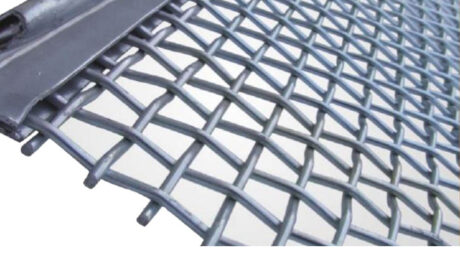
Screen Meshes: Understanding Their Vital Role
Mining machinery relies heavily on efficient separation techniques, and at the heart of many of these systems lie screen meshes. These seemingly simple components are critical to achieving optimal performance, reducing downtime, and maximizing resource recovery. This comprehensive guide delves into everything you need to know about screen meshes – from their various types and materials to their installation, maintenance, and impact on your mining operations.
What are Screen Meshes?
Screen meshes, also known as screening media or screens, are precisely engineered components used within mineral processing equipment like trommels, jigs, spirals, and shake tables. Their primary function is to separate materials based on size. The mesh size dictates the separation criteria – finer meshes allowing smaller particles through while retaining larger ones. Understanding the specific mesh size required for your application is paramount to achieving desired results.

Types of Screen Meshes
A diverse range of screen meshes are available, each suited for specific applications and material characteristics. Here’s a breakdown of the most common types:
- Rubber Mesh Screens: These are arguably the most prevalent type, known for their durability, resistance to abrasion, and ability to handle abrasive materials like coal, phosphate, and potash. They come in various rubber compounds (e.g., natural rubber, neoprene) offering tailored properties.
- Metal Mesh Screens: Constructed from stainless steel or carbon steel, metal meshes are favored for their high strength, resistance to corrosion, and ability to handle extreme temperatures. They’re often used in applications involving gold recovery and precious metals processing.
- Plastic Mesh Screens: Polyurethane and PVC plastic meshes offer a cost-effective solution for screening lighter materials like sand, gravel, and aggregates. Their flexibility makes them suitable for irregular surfaces.
- Ceramic Screen Meshes: Employed in high-temperature applications, ceramic screens provide exceptional resistance to thermal shock and chemical attack. They are commonly found in phosphate and potash processing.
Material Selection for Screen Meshes
Choosing the right material for your screen meshes is crucial. Consider these factors:
- Abrasion Resistance: For abrasive materials, rubber or metal meshes with high abrasion resistance are essential.
- Corrosion Resistance: In corrosive environments (e.g., acidic solutions), stainless steel or plastic meshes are preferable.
- Temperature Resistance: High-temperature applications necessitate ceramic or specialized rubber compounds.
- Chemical Compatibility: Ensure the mesh material is compatible with the slurry being processed to prevent degradation and contamination.
Installation and Maintenance of Screen Meshes
Proper installation is key to maximizing the lifespan of your screen meshes. Follow these guidelines:
- Correct Mesh Size: Select the mesh size based on the desired separation criteria.
- Secure Mounting: Use appropriate fasteners and mounting hardware to ensure stable operation.
- Regular Inspection: Regularly inspect meshes for signs of wear, damage, or contamination.
- Cleaning & Replacement: Clean meshes regularly to remove accumulated material. Replace damaged meshes promptly to prevent performance degradation.
Impact on Mining Machinery Performance
The condition and quality of your screen meshes directly impact the efficiency of your mining equipment. Worn or damaged screens can lead to:
- Reduced Material Recovery: Improper screening results in a loss of valuable minerals.
- Increased Downtime: Damaged screens necessitate frequent replacement, causing downtime and lost production.
- Equipment Damage: Excessive wear on screening components can damage the underlying equipment.
- Inefficient Separation: Incorrect mesh sizes lead to oversized or undersized material passing through, disrupting the desired separation process.
Screen Mesh Spare Parts – A Critical Investment
Investing in high-quality screen mesh spare parts is a strategic move for any mining operation. Regular replacement of worn screens not only ensures optimal performance but also minimizes the risk of costly repairs and downtime. Many suppliers offer customized mesh solutions tailored to specific equipment models and operational needs.
FAQ – Screen Meshes
Here are some frequently asked questions regarding screen meshes:
- Q: What is the typical lifespan of a rubber screen mesh? A: Lifespan varies depending on material, abrasion resistance, and operating conditions. Generally, it ranges from 6-18 months.
- Q: How do I determine the correct mesh size for my application? A: Consider the particle size distribution of your feed material and the desired separation results. Consult with a screen mesh supplier for expert advice.
- Q: What is the best way to clean rubber screen meshes? A: Use high-pressure water sprayers, avoiding harsh chemicals that can damage the rubber.
- Q: Are there any specific considerations for screening gold ore? A: Gold recovery often utilizes stainless steel or polyurethane screens due to their resistance to corrosive reagents and abrasion.
- Published in Products
Feed Eye Ring: The Critical Component for Mining Machinery Performance
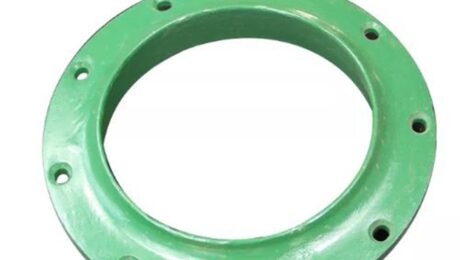
Feed Eye Ring: The Critical Component for Mining Machinery Performance
The feed eye ring is a vital component in numerous mining machinery systems, playing a crucial role in conveying and managing material within processing plants. Often overlooked, its proper function directly impacts operational efficiency, reducing downtime, and maximizing productivity. This comprehensive guide delves into the specifics of feed eye rings, covering their purpose, types, maintenance requirements, common issues, and best practices for ensuring optimal performance. Understanding the intricacies of this component is paramount for any mining operation seeking to streamline processes and minimize costly disruptions.
What is a Feed Eye Ring?
A feed eye ring, also known as a transfer ring or conveying ring, is a precisely engineered circular component designed to guide and transport material—typically ore, coal, or aggregate—within conveyor systems. It’s fundamentally part of the conveyor system’s driving mechanism, ensuring smooth and consistent movement. These rings are typically made from high-strength materials like steel, cast iron, or composite materials chosen for their ability to withstand abrasive conditions, high stresses, and continuous rotation.

Types of Feed Eye Rings
Several types of feed eye rings cater to different mining applications and conveyor system designs. Here’s a breakdown:
Segmented Feed Eye Rings
These are the most common type, consisting of multiple segments rotating around a central shaft. Each segment is precisely machined with an internal groove that guides the material flow. This design offers greater flexibility and allows for adjustments in conveying speed and capacity.
Solid Feed Eye Rings
Simpler designs with a single solid ring. These are suitable for applications requiring less variation in conveying speed and where abrasive materials are not prevalent. Solid rings offer reduced maintenance due to fewer moving parts but have limited adjustability.
Composite Feed Eye Rings
Increasingly popular, composite rings combine the strength of steel with the wear resistance of ceramic or polyurethane coatings. This hybrid design extends ring lifespan and reduces operational costs in harsh environments.
The Role of the Feed Eye Ring in Conveyor Systems
The feed eye ring’s primary function is to ensure material moves consistently, minimizing spillage, blockages, and uneven distribution. It achieves this by:
- Guiding Material Flow: The grooves within the ring precisely direct the flow of material as it rotates.
- Reducing Friction: Smooth surface finishes minimize friction between the ring and the conveyed material, optimizing energy efficiency.
- Distributing Load: Evenly distributing the load across the ring’s circumference prevents premature wear and extends its lifespan.
Maintenance of Feed Eye Rings
Regular maintenance is crucial to maintain the effectiveness and longevity of feed eye rings. Key tasks include:
Inspection
Conducting routine visual inspections for wear, damage, or misalignment. Look for signs of fretting, scoring, or cracks.
Lubrication
Applying appropriate lubricants—typically high-performance grease—to reduce friction and prevent premature wear. Lubrication frequency depends on operating conditions.
Alignment
Ensuring the ring is properly aligned with the conveyor shaft to eliminate vibration and uneven load distribution. Misalignment can lead to accelerated wear and component failure.
Replacement
Replacing worn or damaged rings promptly prevents catastrophic failures and minimizes downtime. Utilize genuine manufacturer parts for optimal performance and reliability.
Common Feed Eye Ring Issues & Troubleshooting
Several issues can affect feed eye ring performance. Recognizing these problems allows for swift corrective action:
Spillage
Excessive spillage often indicates improper alignment, worn rings, or material characteristics unsuitable for the system.
Blockages
Blockages can result from accumulated debris, oversized material, or damaged segments. Regular cleaning and inspection are vital to prevent blockages.
Excessive Wear
Accelerated wear is common in abrasive environments. Switching to composite rings or improving lubrication may mitigate this issue.
Vibration
Vibrations suggest misalignment, unbalanced loads, or damaged components requiring immediate attention.
Material Compatibility
Selecting the correct feed eye ring material is crucial. Consider factors like:
- Abrasiveness of Material: Abrasive materials demand composite rings with wear-resistant coatings
- Operating Temperature: High temperatures necessitate heat-resistant materials
- Material Density: Higher density materials require stronger ring designs.
The Future of Feed Eye Rings
Ongoing advancements in material science and manufacturing techniques are driving innovation in feed eye rings. Expect to see increased use of advanced composite materials, smart sensors for predictive maintenance, and optimized designs leveraging finite element analysis (FEA) for enhanced performance.
FAQ: Feed Eye Rings
- What is the lifespan of a feed eye ring?
- Lifespan varies significantly based on operating conditions, material being conveyed, and maintenance practices. Generally, expect 5-10 years with proper care.
- How often should I inspect my feed eye rings?
- Regular inspections should be conducted at least monthly, or more frequently in high-wear environments.
- What lubricant is recommended for feed eye rings?
- High-performance synthetic grease specifically designed for conveyor systems is typically recommended. Consult your manufacturer’s specifications.
- Can I replace a damaged segment without replacing the entire ring?
- In some cases, individual segments can be replaced; however, it’s often more cost-effective to replace the entire ring, especially for segmented designs.
- Published in Products
Feed Tube: Design, Types, Importance & Spare Parts for Mining Machinery

Feed Tube: The Critical Component in Mining Machinery
The feed tube, often overlooked but utterly essential, is a vital component within various mining machinery systems. Specifically, it plays a crucial role in transporting ore and material from the digger or breaker to subsequent processing stages. Understanding its design, types, importance, and potential spare parts is paramount for optimizing efficiency, reducing downtime, and ensuring the longevity of your mining operations. This comprehensive guide will delve deep into all aspects related to feed tubes within the mining industry.
What Exactly is a Feed Tube in Mining Machinery?
In mining operations, the feed tube acts as a conduit, channeling raw ore material from the initial extraction equipment – typically a derrick or breaker – towards further processing stages. It’s designed to withstand abrasive materials and high pressures while maintaining consistent flow. Without an effective feed tube system, the entire operation grinds to a halt.
Types of Feed Tubes Used in Mining
Feed tubes come in various designs tailored to specific mining applications and ore types. Here’s a breakdown of common types:
- Steel Feed Tubes: These are the most prevalent type, constructed from high-strength steel alloys for durability against abrasion and impact. They’re suitable for diverse mining operations.
- Rubber-Lined Feed Tubes: Ideal for handling abrasive materials like gold ore or phosphate rock, rubber lining provides a protective layer against wear and tear, significantly extending the tube’s lifespan.
- Spiral Wound Feed Tubes: Employing a spiral reinforcement within the steel body, these tubes offer enhanced resistance to internal pressure and stress, making them suitable for high-pressure applications.
- Segmented Feed Tubes: These are comprised of multiple segments that can be individually replaced if damaged, minimizing downtime during repairs.

(Replace this URL with an actual image link)
The Importance of a Properly Designed Feed Tube
A well-designed feed tube is crucial for several reasons:
- Material Flow Optimization: Ensuring smooth and uninterrupted flow minimizes bottlenecks and maximizes throughput.
- Reduced Wear & Tear: Proper design reduces friction and abrasion, extending the life of connected machinery components.
- Increased Efficiency: Seamless material transfer contributes to higher overall operational efficiency.
- Safety: A robust feed tube prevents material buildup and potential hazards during operation.
Key Design Considerations for Feed Tubes
Several factors influence the design of a feed tube:
- Material Selection: Matching the material to the ore’s abrasive characteristics is critical.
- Diameter and Length: Determining the optimal dimensions based on throughput requirements.
- Wall Thickness: Ensuring sufficient strength for pressure resistance and impact protection.
- Joint Design: Robust joints minimizing leakage and ensuring a secure connection.
Feed Tube Spare Parts: Essential for Maintenance
Regular maintenance and timely replacement of feed tube components are crucial for preventing costly downtime. Common spare parts include:
- Joint Seals & Gaskets: Replacing worn seals prevents leakage and maintains pressure integrity.
- Wear Rings: These replaceable rings reduce friction and abrasion at points of high contact.
- Segment Liners: For segmented tubes, replacement liners are a cost-effective solution for damage repair.
- Steel Sleeves & Bushings: Providing smooth transitions and reducing wear in critical areas.

(Replace this URL with an actual image link)
Feed Tube Maintenance Schedule
A proactive maintenance schedule is key to optimizing feed tube performance. This should include:
- Regular Visual Inspections: Identifying signs of wear, damage, or leakage.
- Joint Lubrication: Maintaining lubrication reduces friction and extends joint life.
- Wear Ring Replacement: Replacing worn wear rings at predetermined intervals.
- Seal & Gasket Inspection: Checking for cracks or degradation and replacing as needed.
FAQ – Frequently Asked Questions About Feed Tubes
Q: What materials are feed tubes typically made of?
A: Primarily high-strength steel alloys, often supplemented with rubber lining for abrasive applications.
Q: How often should I replace wear rings?
A: Wear ring replacement intervals depend on the ore type and operating conditions, but typically every 6-12 months is recommended.
Q: What are the signs of a failing feed tube?
A: Leaks, excessive noise, reduced material flow, and visible wear are indicators of potential problems.
Q: How does the type of ore affect feed tube selection?
A: Abrasive ores require rubber-lined or spiral wound tubes for optimal protection. Softer ores may use standard steel tubes.
Q: What is the typical lifespan of a feed tube?
A: With proper maintenance, a feed tube can last 3-7 years depending on operating conditions and material type.
Conclusion
The feed tube represents more than just a pipe in mining machinery; it’s a cornerstone of operational efficiency. By understanding its design considerations, selecting appropriate materials, implementing a robust maintenance schedule, and proactively addressing potential issues through spare parts replacement, mining operations can significantly reduce downtime, maximize productivity, and ensure the long-term reliability of their equipment.
- Published in Products
Wear Plate: Understanding, Types, Selection & Maintenance for Mining Machinery

Wear Plate: The Cornerstone of Mining Machinery Longevity
In the demanding world of mining, equipment faces relentless abrasion, impact, and chemical exposure. The wear plate is a critical component, directly impacting operational efficiency, downtime reduction, and ultimately, profitability. This comprehensive guide delves into everything you need to know about wear plates – from their function and various types to proper selection, maintenance, and the vital role they play in mining machinery performance.
What is a Wear Plate?
A wear plate, also known as a lining or scraper, is a replaceable metal component designed to protect underlying equipment from excessive wear. Typically constructed from hardened steel alloys, cast iron, ceramics, or composites, it’s strategically positioned in areas subject to high friction and abrasion, such as chutes, feeders, crushers, screens, and conveyor systems. The primary purpose of the wear plate is to extend the lifespan of expensive equipment by absorbing the brunt of the wear, preventing premature failure and costly repairs.

Types of Wear Plates for Mining Machinery
1. Steel Wear Plates
Steel wear plates are the most common type, offering a cost-effective solution for general abrasion resistance. They’re typically made from high-carbon steel and can be hardened through case hardening processes to increase wear resistance. Different grades of steel, like 4Cr13 and 5CrMo, provide varying levels of protection based on the specific application.
2. Cast Iron Wear Plates
Cast iron wear plates are favored for their excellent impact resistance and ability to handle abrasive particles. They’re often used in applications involving moderate wear and are less expensive than steel options. However, cast iron is susceptible to cracking under extreme loads.
3. Ceramic Wear Plates
Ceramic wear plates represent a significant advancement in abrasion resistance. Constructed from materials like silicon nitride or aluminum oxide, they can withstand significantly higher abrasive loads than steel or cast iron. This makes them ideal for applications involving highly abrasive minerals and high-speed operation. While more expensive, ceramic wear plates offer superior longevity.
4. Composite Wear Plates
Composite wear plates combine the strengths of various materials – often reinforced with fibers like carbon or fiberglass – to achieve exceptional durability. They’re particularly effective against impact and corrosion and are increasingly popular in challenging mining environments. The cost is generally higher than steel, but the extended lifespan can offset this investment.
Selecting the Right Wear Plate: Key Considerations
Choosing the appropriate wear plate requires careful consideration of several factors:
- Abrasive Material: Identify the specific minerals or materials being processed.
- Operating Conditions: Assess the load, speed, and temperature conditions.
- Wear Rate Requirements: Determine the desired lifespan of the wear plate.
- Budget: Balance performance with cost-effectiveness.
Consulting with a qualified wear plate supplier is crucial to select the optimal material and design for your specific application.
Wear Plate Maintenance & Replacement
Regular inspection and timely replacement of wear plates are vital. Monitoring wear rates through methods like laser scanning or visual inspection can help predict when a plate needs replacing. Proper maintenance includes:
- Periodic Inspections: Check for signs of excessive wear, cracks, or damage.
- Lubrication: Maintain proper lubrication to reduce friction and heat buildup.
- Correct Installation: Ensure the wear plate is properly installed according to manufacturer specifications.

Benefits of Utilizing Wear Plates
- Reduced Downtime: Minimizes unplanned equipment downtime due to wear and tear.
- Increased Equipment Lifespan: Extends the operational life of expensive mining machinery.
- Lower Maintenance Costs: Reduces overall maintenance expenses by preventing catastrophic failures.
- Improved Operational Efficiency: Ensures consistent performance and productivity.
Wear Plate Applications in Mining
Wear plates are used extensively across various mining operations, including:
- Crushers & Grinders
- Conveyors
- Screens
- Feeders
- Chutes
- Classifier Blades
Frequently Asked Questions (FAQ) about Wear Plates
Q: How often do wear plates need to be replaced?
A: Replacement frequency varies depending on the abrasive material, operating conditions, and wear plate type. Regular inspections are crucial for determining when replacement is necessary.
Q: What is the difference between a wear lining and a wear plate?
A: The terms are often used interchangeably. A “wear lining” typically refers to a similar component, while “wear plate” emphasizes its structural form.
Q: Can ceramic wear plates be damaged by impact?
A: While ceramic wear plates offer exceptional abrasion resistance, they can still be susceptible to damage from significant impacts. Selecting a suitable hardness grade is essential.
Q: What are the advantages of composite wear plates over steel?
A: Composite wear plates provide superior impact strength and corrosion resistance, leading to longer service life in harsh mining environments.
- Published in Products
Feed Cone Optimization: Types, Materials, Maintenance & Selection for Mining Machinery

Feed Cone Optimization: The Critical Component in Mineral Processing
The feed cone, often overlooked yet absolutely critical, plays a fundamental role in mineral processing. It’s the initial contact point between the grinding mill and the ore, directly impacting efficiency, throughput, and ultimately, profitability. Understanding feed cone optimization is therefore essential for any mining operation aiming to maximize its return on investment. This comprehensive guide delves into the intricacies of feed cones – their types, material selection, maintenance strategies, and crucial considerations for optimal performance.
What is a Feed Cone?
A feed cone is a precisely engineered conical surface within a grinding mill designed to distribute ore evenly across the grinding rollers. It’s not merely a support; it’s an active component that shapes the material flow, minimizing segregation and ensuring consistent milling. Without proper feed cone operation, you risk uneven wear on the grinding rollers, reduced grinding efficiency, and increased downtime due to premature roller replacement.

Types of Feed Cones
Several distinct designs cater to different ore types and mill configurations. Recognizing these variations is key to selecting the right feed cone for your specific application:
- Flat-Bottomed Feed Cones: These are the most common and simplest design, suitable for relatively uniform ores.
- Conical Bottom Feed Cones: Featuring a slightly tapered bottom, these cones offer improved distribution for moderately abrasive materials.
- Segmented Feed Cones: Composed of multiple segments, allowing for precise adjustment and compensation for varying ore properties. This is a key feature in feed cone optimization.
- Rotating Feed Cones: Advanced designs with rotating elements that actively maintain uniform distribution, particularly effective for high-abrasive materials.
Feed Cone Materials – Selecting the Right Alloy
The feed cone experiences extreme wear and tear due to constant abrasion from the ore. Consequently, material selection is paramount. Common materials include:
- Chrome-Moly Steel: The industry standard, offering exceptional hardness, toughness, and resistance to abrasive wear.
- High-Speed Tool Steel: Suitable for exceptionally hard ores, providing superior abrasion resistance but can be more brittle.
- Stellite (Cobalt Alloy): Used in specialized applications dealing with extremely abrasive materials like gold or silver concentrates.
The choice of material depends on the ore’s abrasiveness, hardness, and particle size. Regular inspections and wear monitoring are crucial to determine when a replacement is necessary.
Feed Cone Maintenance – Ensuring Longevity
Proper feed cone maintenance significantly extends its lifespan and optimizes grinding performance. Key maintenance practices include:
- Regular Inspection: Frequent visual inspections for wear, cracks, or damage are essential.
- Wear Monitoring: Using gauges to measure the feed cone’s profile is crucial for detecting excessive wear.
- Profiling & Reshaping: Regular profiling and reshaping of the conical surface using specialized tools restores optimal distribution. This is a core component of feed cone optimization.
- Lubrication: Applying appropriate lubricants to reduce friction and minimize wear.
Factors Influencing Feed Cone Performance
Several factors contribute to the performance and longevity of a feed cone:
- Ore Type: Abrasiveness, hardness, and particle size significantly impact wear rates.
- Mill Speed & Load: Higher speeds and loads accelerate wear.
- Roller-to-Cone Ratio: Maintaining the correct ratio is crucial for efficient material distribution.
- Feed Rate Control: Consistent feed rate prevents overloading the cone and premature wear.
Optimizing Feed Cone Performance – A Holistic Approach
Feed cone optimization isn’t just about replacing worn cones; it’s a holistic approach encompassing proper maintenance, material selection, and operational control. Regular profiling, coupled with careful monitoring of wear rates and operational parameters, allows you to proactively manage the feed cone and maximize its contribution to your grinding process.
FAQ – Frequently Asked Questions About Feed Cones
Q: How often should I replace a feed cone?
A: Replacement frequency depends on ore type, mill speed, and maintenance practices. Typically, feed cones are replaced every 6-12 months in high-wear applications.
Q: What is the cost of a feed cone?
A: The cost varies significantly based on material and design. Chrome-moly steel cones typically range from $500 to $2,000, while specialized alloys can exceed $5,000.
Q: How does a segmented feed cone differ from a flat-bottomed one?
A: Segmented cones offer greater adjustability and compensation for variations in ore properties, leading to improved distribution and reduced roller wear. Flat-bottomed cones are simpler but less adaptable.
Q: What signs indicate a problem with the feed cone?
A: Uneven grinding roller wear, inconsistent throughput, and increased energy consumption are all indicators of potential feed cone issues.
Q: Can I repair a worn feed cone instead of replacing it?
A: While some minor repairs may be possible, significant wear often necessitates replacement to ensure optimal performance and prevent further damage.
- Published in Products
Frame Liner: Enhancing Mining Machinery Performance and Longevity

Frame Liner: The Key to Durable Mining Machinery
The mining industry relies heavily on robust and reliable machinery. Within this critical sector, the frame of a mining machine plays a fundamental role in its structural integrity and operational performance. A significant factor often overlooked is the importance of a frame liner. This article delves into everything you need to know about frame liners – their purpose, benefits, materials, installation, maintenance, and selection process for optimizing your mining machinery.
What is a Frame Liner?
A frame liner is a protective layer, typically made from hardened steel or composite materials, that is fitted within the frame of a mining machine. Its primary function is to distribute stress and impact forces evenly across the frame’s surface, preventing localized wear and tear, corrosion, and ultimately extending the lifespan of the machinery. It’s not simply a coating; it’s an integral component designed for prolonged performance.
Why are Frame Liners Essential in Mining?
Mining operations inherently involve extreme conditions: abrasive materials, high impact forces from excavation and drilling, constant vibration, and potentially corrosive environments. Without a frame liner, these factors quickly lead to frame damage – cracks, dents, and premature failure. Investing in a quality frame liner offers several key advantages:
- Reduced Wear and Tear: Distributes stress, minimizing surface abrasion.
- Corrosion Protection: Shields the frame from chemical attack by water, slurry, and other contaminants.
- Extended Machinery Lifespan: Significantly increases the operational life of the machine.
- Lower Maintenance Costs: Reduces the frequency of repairs and replacements.
- Improved Safety: Contributes to a more stable and reliable operation, minimizing risks.
Types of Frame Liner Materials
Several materials are commonly used for frame liners, each offering specific properties tailored to different mining applications:
- Hardened Steel: Offers superior strength and durability, particularly effective against abrasive wear.
- Ceramic Liners: Provides exceptional resistance to high temperatures and extreme abrasion. Often used in diamond drilling equipment.
- Composite Materials (e.g., Fiber Reinforced Polymers – FRP): Lightweight, corrosion-resistant, and suitable for environments with significant vibration.
- Stainless Steel: A good choice where corrosion resistance is a key concern.
Installation of Frame Liners
Proper installation is crucial to the effectiveness of any frame liner. The process typically involves:
- Frame Assessment: Evaluating the frame’s condition and identifying areas prone to wear.
- Precision Cutting: The liner is cut to the exact dimensions of the frame, ensuring a snug fit.
- Secure Fastening: The liner is secured to the frame using bolts, rivets, or welding techniques – dependent on the material and application.
- Surface Preparation: Cleaning and potentially priming the frame surface for optimal bonding (for composite liners).
Maintenance of Frame Liners
Regular maintenance is vital to preserving the performance of a frame liner. Key practices include:
- Visual Inspections: Routine checks for cracks, chips, or signs of wear.
- Cleaning: Removing dirt, debris, and contaminants that can accelerate corrosion.
- Lubrication: Applying appropriate lubricants to fasteners and joints.
- Periodic Replacement: Liners should be replaced when damage is beyond repair or when performance degrades significantly.
Selecting the Right Frame Liner
Choosing the correct frame liner material requires careful consideration of several factors:
- Operating Environment: Temperature, humidity, abrasive materials, and chemical exposure.
- Machine Type: The specific demands of the mining operation (e.g., drilling, excavation, crushing).
- Wear Rate: Assessing the expected rate of wear based on operational parameters.
- Budget Constraints: Balancing initial cost with long-term maintenance savings.
Frame Liner Benefits Compared to Traditional Solutions
Traditional solutions like simple coatings or basic steel plates offer limited protection against the extreme forces encountered in mining. Frame liners provide a far superior level of defense by distributing stress, minimizing localized damage and dramatically extending machine lifespan. Coatings can easily be worn away, while steel plates alone don’t adequately handle impact forces.
Case Studies – Frame Liner Impact
Numerous mining operations have reported significant improvements after implementing frame liner solutions. For example, a hard rock quarry reduced its excavator frame replacement rate by 60% following the adoption of ceramic liners. Similarly, diamond drilling companies utilizing FRP liners experienced substantial decreases in tool wear and downtime.
Conclusion: Investing in Frame Liner Technology
In conclusion, a frame liner is not merely an accessory but a critical component for maximizing the performance, durability, and profitability of mining machinery. By understanding the benefits, materials, installation requirements, and maintenance practices associated with frame liners, mining operations can significantly reduce operational costs, enhance safety, and ensure long-term equipment reliability.
Frequently Asked Questions (FAQ) about Frame Liners
Q: What is the typical lifespan of a frame liner?
A: The lifespan varies depending on the material, operating conditions, and maintenance practices. Hardened steel liners can last 5-10 years with proper care, while ceramic or FRP liners may exceed 10 years.
Q: How much does a frame liner cost?
A: Costs vary significantly based on the material, size, and complexity of the installation. Expect to pay anywhere from $500 to $5,000+ per frame liner.
Q: Can I install a frame liner myself?
A: While some simple installations are possible, it’s generally recommended to have a qualified technician or engineer perform the installation to ensure proper fit and secure fastening.
Q: What type of lubrication is suitable for frame liners?
A: Use a high-quality synthetic grease designed for extreme conditions. Avoid petroleum-based lubricants that can degrade over time.
Q: Are frame liners compatible with all mining machinery?
A: While most modern mining machines benefit from frame liner technology, it’s essential to consult with a specialist to determine the optimal solution for your specific equipment and operating environment.
- Published in Products
Nut Selection & Mining Machinery Spare Parts: A Comprehensive Guide

Nut Selection & Mining Machinery Spare Parts
Understanding the critical role of nuts in mining machinery and their corresponding spare parts is paramount for optimal performance, safety, and longevity of your equipment. This comprehensive guide delves into various nut types, material considerations, selection criteria, and maintenance practices specific to the demanding environment of mining operations. We’ll explore how proper nut selection minimizes downtime, reduces repair costs, and ensures operational efficiency.
The Importance of Nuts in Mining Machinery
Nuts are fundamental fastening components within a vast array of mining machinery – from drilling rigs and excavators to crushers and conveyors. They connect shafts, bolts, plates, and other critical elements, providing structural integrity and allowing for precise movement. A single faulty nut can lead to catastrophic equipment failure, resulting in significant financial losses, production delays, and potential safety hazards. Consequently, choosing the right nuts and maintaining their condition is a non-negotiable aspect of mining operations.
Types of Nuts Commonly Used in Mining
Several nut types are prevalent within the mining industry, each possessing unique characteristics suited to specific applications. Here’s an overview:
- Hex Nuts: The most common type, offering ease of tightening and loosening with a standard wrench. Ideal for general-purpose connections.
- Square Nuts: Provide a larger contact area than hex nuts, resulting in superior holding power – crucial where high torque is applied.
- Lock Nuts (Jam Nuts): Incorporate nylon or other materials to prevent loosening due to vibration and thermal expansion. Essential for frequently used connections.
- Wing Nuts: Provide quick and easy tightening/loosening, often utilized in situations requiring frequent adjustments.
- Cast Iron Nuts: Known for their durability and resistance to corrosion, particularly well-suited for abrasive environments.
- Steel Nuts: Offer high strength and are commonly used in heavy-duty applications.
Nut Material Selection – Key Considerations
Material selection is arguably the most crucial factor when choosing mining nuts. The surrounding environment, operating conditions, and load requirements dictate the optimal material. Here’s a breakdown:
- Steel (A36, A574, 4140): Provides excellent strength and durability for general applications.
- Stainless Steel (304, 316): Offers superior corrosion resistance – vital in wet, abrasive, or chemically aggressive mining environments. 316 stainless steel is preferred due to its enhanced molybdenum content providing improved oxidation resistance.
- Cast Iron (Gray Cast Iron): Cost-effective and suitable for moderate loads and temperatures.
- Duplex Stainless Steel: Higher strength and corrosion resistance compared to standard 316, often used in harsh offshore mining conditions.
Nut Spare Parts – Ensuring Reliability
The longevity of mining machinery hinges on the availability and condition of spare parts, including nuts. Regular inspections and proactive replacement are crucial. Common nut spare parts include: Hex Nuts, Square Nuts, Lock Nuts (Jam Nuts), Wing Nuts, Cast Iron Nuts, Steel Nuts. Maintaining a comprehensive inventory of frequently used nut sizes and materials minimizes downtime.
Nut Maintenance & Inspection Procedures
Implementing robust maintenance procedures is key to extending the life of your nuts. Here’s what to consider:
- Regular Visual Inspections: Conduct frequent visual inspections for signs of wear, damage (crushing, bending), and corrosion.
- Torque Verification: Ensure proper torque is applied during reassembly using calibrated wrenches and torque specifications provided by the equipment manufacturer.
- Lubrication: Apply a suitable lubricant (e.g., anti-seize compound) to prevent galling, seizing, and corrosion.
- Replacement Intervals: Establish replacement intervals based on operational hours, load conditions, and inspection findings.
Nut Selection Based on Mining Application
The ideal nut choice depends heavily on the specific mining operation. Considerations include:
- Drilling Rigs: High-strength steel nuts, often with locknuts, are essential due to high torque and vibration.
- Excavators: Stainless steel nuts (316) are crucial for resisting corrosion in slurry environments.
- Crushers & Conveyors: Cast iron or robust steel nuts designed for heavy loads and abrasive materials.
Frequently Asked Questions (FAQ) – Nut Selection
Here are some common questions regarding nut selection in mining machinery:
- Q: What’s the best nut material for a high-vibration environment? A: Lock nuts (jam nuts) with nylon inserts are highly recommended.
- Q: Should I always use stainless steel nuts, regardless of the application? A: While stainless steel offers superior corrosion resistance, cost and operating conditions should drive the final selection.
- Q: How often should I inspect my nuts? A: Implement a scheduled inspection program – at least monthly for critical components, and more frequently if operating in harsh environments.
- Q: What is torque verification and why is it important? A: Torque verification ensures that nuts are tightened to the manufacturer’s specifications, preventing loosening, premature failure, and potential hazards.
- Q: Can I use different nut sizes without compromising equipment performance? A: No, using incorrect nut sizes can severely compromise structural integrity and lead to catastrophic failures. Always adhere to manufacturer’s specifications.
- Published in Products
Bolt for Mining Machinery: Types, Applications & Critical Importance

Bolt for Mining Machinery: Types, Applications & Critical Importance
Bolts are fundamental fasteners in the mining industry, playing a crucial role in the structural integrity and operational safety of various mining machinery. From excavators and haul trucks to crushers and screens, the correct selection and application of bolts – including Mining Machinery Bolts – is paramount. This comprehensive guide delves into the diverse types of bolts used in mining operations, their specific applications, material considerations, and best practices for maintenance and replacement. We’ll also address critical aspects like torque specifications and thread strength, highlighting why investing in high-quality Mining Machinery Spare Parts, including bolts, is essential for maximizing equipment lifespan and minimizing downtime.
Understanding the Critical Role of Bolts in Mining
In the demanding environment of a mine – characterized by extreme temperatures, abrasive materials, heavy loads, and potential shock impacts – bolts are subjected to tremendous stress. A failure of a bolt can lead to catastrophic equipment damage, production delays, and potentially serious safety hazards. Therefore, selecting the right type of Bolt for Mining Equipment is not merely an engineering detail; it’s a matter of operational resilience and worker protection. Regular inspection, proper torqueing, and timely replacement are key to preventing failures.
Types of Bolts Used in Mining Machinery
| Bolt Type | Description | Common Applications in Mining |
|---|---|---|
| Hex Head Bolts | The most common type, featuring a hexagonal head for easy tightening with a wrench. | General structural connections, attaching components to excavators, haul trucks, and crushers. Often used in Mining Bolt Suppliers offerings. |
| Square Head Bolts | Similar to hex head bolts but with a square head, offering increased torque capacity. | Applications requiring high clamping force, such as securing heavy machinery components and hydraulic cylinders. |
| Shoulder Bolts | Designed with a shoulder that provides additional bearing surface for increased load distribution. | Used in applications where uneven stress distribution is present, common in conveyor systems and screening equipment. |
| Stud Bolts | Bolts with a threaded stud extending beyond the head, used for connecting rotating shafts and pulleys. | Critical components in mining pumps, mills, and other rotating machinery. Ensuring robust Mining Bolt Quality is vital here. |
| Anchor Bolts | Designed for anchoring structures to bedrock or concrete foundations. | Used during mine construction and infrastructure development. |
Material Selection: Key Considerations
The choice of bolt material is as crucial as the type. Mining environments demand materials capable of withstanding extreme conditions. Here’s a breakdown:
- High-Strength Steel Alloys (e.g., ASTM A536, ASTM A544): These alloys are commonly used due to their high tensile strength and resistance to fatigue. They’re frequently supplied by reputable Mining Machinery Bolt Manufacturers.
- Stainless Steel (e.g., 316 Stainless Steel): Ideal for corrosive environments, particularly where exposure to chemicals or moisture is present.
- Duplex Stainless Steel: Offers superior strength and corrosion resistance compared to standard stainless steel, suitable for demanding applications.
- Chrome-Moly Alloy Bolts: These bolts provide exceptional toughness and wear resistance, often used in high-stress applications.
Torque Specifications & Thread Strength
Proper torqueing is absolutely vital when installing Mining Bolts. Under-torquing can lead to loosening and eventual failure, while over-torquing can damage the bolt threads or the connected components. Always adhere strictly to manufacturer’s torque specifications – which are often found in equipment manuals or provided by suppliers. Thread strength plays a significant role; using bolts with appropriate thread pitch and grade is crucial for reliable performance.
Inspection, Maintenance & Replacement
Regular inspection of all bolts is essential. Look for signs of wear, corrosion, cracking, or deformation. Implement a proactive maintenance program that includes periodic torque checks and replacement of worn or damaged bolts. Promptly replacing Mining Machinery Spare Parts like bolts prevents minor issues from escalating into major problems.
The Importance of Quality – Partnering with Reliable Suppliers
Choosing a reputable supplier of Mining Machinery Bolts is critical. Opt for suppliers who adhere to stringent quality control standards and provide certified products. Ensure the supplier offers warranties and provides technical support to address any concerns.
FAQ: Frequently Asked Questions About Mining Bolts
- Q: What’s the typical torque value for a 1/2” hex head bolt in an excavator? A: Torque values vary depending on the bolt size, material, and application. Consult the equipment manufacturer’s specifications, typically around 75-100 ft-lbs is a common range.
- Q: How often should I inspect mining bolts? A: Inspect all bolts at least quarterly or after any significant operational event (e.g., a rock fall).
- Q: What’s the best bolt material for use in a slurry pipeline? A: 316 Stainless Steel or Duplex Stainless Steel are recommended due to their corrosion resistance.
- Q: Can I substitute different bolt types without affecting equipment performance? A: Generally no; using incompatible bolt types can compromise structural integrity and potentially lead to catastrophic failure.
- Q: Where can I find reliable suppliers of mining machinery bolts? A: Many specialized suppliers exist, often offering a range of Mining Machinery Parts including bolts. Researching reputable manufacturers is crucial.
By understanding the various types of Mining Bolts, their applications, and proper maintenance procedures, mining operations can significantly enhance equipment reliability, reduce downtime, and improve overall safety performance.
- Published in Products
Toggle Seat: Understanding Functionality, Benefits, and Selection

Toggle Seat: A Comprehensive Guide
The “toggle seat” – a term often encountered in the context of automotive seating and particularly in off-road vehicles, utility carts, and industrial equipment – refers to a unique mechanism allowing for swift and easy adjustment of seat position. This article delves into the intricacies of toggle seats, exploring their functionality, advantages, selection criteria, maintenance, and common applications. We’ll also address frequently asked questions regarding these versatile seating solutions.
What is a Toggle Seat?
A toggle seat, fundamentally, is a type of adjustable seat that utilizes a mechanical lever – the “toggle” – to rapidly change its position. Unlike traditional sliding seats or those with manual levers for incremental adjustments, a toggle seat allows for immediate and significant shifts in seating height and angle. This rapid adjustment capability is crucial in situations demanding quick adaptation to varying terrain, tasks, or operator preferences. The design often incorporates a robust base and locking mechanism to ensure stability once the desired position is achieved.
How Toggle Seats Work: The Mechanism
The operation of a toggle seat is surprisingly simple yet effective. At its core, it consists of several key components:
- Toggle Lever: This is the prominent lever that the operator manipulates to move the seat. It’s typically made from durable materials like steel or aluminum and designed for easy operation with one hand.
- Base Plate: The base plate provides a solid foundation for the entire mechanism, ensuring stability and rigidity when the seat is locked in place.
- Pivot Rods/Shafts: These rods connect the base plate to the seat frame, allowing it to rotate freely under the influence of the toggle lever.
- Locking Mechanism: A crucial element that secures the seat in its selected position. This can be a ratchet system, a pin lock, or another secure fastening method.
When the toggle lever is moved, it directly rotates the pivot rods, causing the seat to move quickly and smoothly. Once the desired adjustment is made, the locking mechanism engages, holding the seat firmly in place.
Benefits of Using a Toggle Seat
Toggle seats offer numerous advantages over conventional seating options:
- Rapid Adjustment: The most significant benefit – immediate and substantial changes in seat height and angle.
- Improved Ergonomics: Enables operators to quickly find the optimal position for comfort and productivity, reducing fatigue and strain.
- Enhanced Safety: Facilitates quick adjustments during dynamic tasks, allowing operators to maintain control and stability.
- Versatile Applications: Suitable for a wide range of applications including off-road vehicles, construction equipment, industrial machinery, and utility carts.
- Ease of Use: Designed for intuitive operation, requiring minimal training.
Applications of Toggle Seats
Toggle seats are found in a diverse range of applications:
- Off-Road Vehicles (ATVs, UTVs): Providing superior control and comfort for navigating challenging terrain.
- Construction Equipment (Excavators, Skid Steers): Allowing operators to adapt quickly to varying digging depths and slopes.
- Industrial Machinery (Forklifts, Pallet Jacks): Enhancing operator comfort and productivity in warehouse environments.
- Utility Carts & Hand Trucks: Offering ease of maneuverability and ergonomic support for carrying heavy loads.
- Agricultural Equipment: Used on tractors and other farm machinery for operator adjustment.
Selecting the Right Toggle Seat
Choosing the appropriate toggle seat involves considering several factors:
- Load Capacity: Determine the maximum weight the seat needs to support.
- Adjustable Range: Consider the range of height and angle adjustments required for your application.
- Material Quality: Opt for durable materials like steel or aluminum for long-lasting performance.
- Locking Mechanism Strength: Ensure the locking mechanism is robust and reliable, especially for heavy-duty applications.
- Comfort Features: Look for seats with padding and ergonomic design features to enhance comfort.
Maintenance of Toggle Seats
Regular maintenance is crucial for ensuring optimal performance and longevity:
- Check the Locking Mechanism: Regularly inspect the locking mechanism for wear or damage.
- Lubricate Moving Parts: Apply a lubricant to pivot rods and other moving parts as needed.
- Inspect the Toggle Lever: Ensure the toggle lever is functioning smoothly and without excessive resistance.
- Tighten Loose Bolts: Periodically check for loose bolts and tighten them as necessary.
Frequently Asked Questions (FAQ) – Toggle Seats
Here are some common questions about toggle seats:
Q: Are toggle seats more expensive than standard sliding seats?
A: Generally, yes. The complex mechanism and robust construction of a toggle seat contribute to its higher price point compared to simpler sliding seats.
Q: Can I use a toggle seat on any type of equipment?
A: While versatile, it’s essential to select a toggle seat specifically designed for your equipment’s weight capacity and intended application. Not all equipment is suitable for this type of seating.
Q: How often should I lubricate my toggle seat?
A: Lubrication frequency depends on usage, but typically every 3-6 months or after prolonged heavy use is recommended.
Q: Are toggle seats suitable for outdoor use?
A: Yes, many models are designed with weather-resistant materials to withstand outdoor conditions. However, it’s essential to protect the seat from extreme temperatures and moisture.
Q: What is the lifespan of a typical toggle seat?
A: With proper maintenance, a high-quality toggle seat can last for several years – typically 5-10 years depending on usage and care.
Conclusion
Toggle seats represent a significant advancement in adjustable seating technology. Their rapid adjustment capabilities, ergonomic benefits, and diverse applications make them an invaluable addition to various industries. Understanding the principles of operation, selecting the right seat for your needs, and implementing regular maintenance practices will ensure optimal performance and longevity.
- Published in Products
