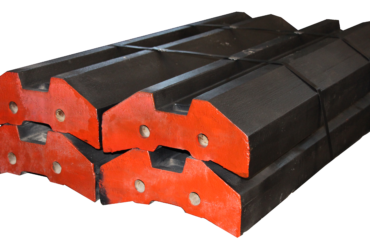
Feed Eye Ring: The Critical Component for Mining Machinery Performance
The feed eye ring is a vital component in numerous mining machinery systems, playing a crucial role in conveying and managing material within processing plants. Often overlooked, its proper function directly impacts operational efficiency, reducing downtime, and maximizing productivity. This comprehensive guide delves into the specifics of feed eye rings, covering their purpose, types, maintenance requirements, common issues, and best practices for ensuring optimal performance. Understanding the intricacies of this component is paramount for any mining operation seeking to streamline processes and minimize costly disruptions.
What is a Feed Eye Ring?
A feed eye ring, also known as a transfer ring or conveying ring, is a precisely engineered circular component designed to guide and transport material—typically ore, coal, or aggregate—within conveyor systems. It’s fundamentally part of the conveyor system’s driving mechanism, ensuring smooth and consistent movement. These rings are typically made from high-strength materials like steel, cast iron, or composite materials chosen for their ability to withstand abrasive conditions, high stresses, and continuous rotation.

Types of Feed Eye Rings
Several types of feed eye rings cater to different mining applications and conveyor system designs. Here’s a breakdown:
Segmented Feed Eye Rings
These are the most common type, consisting of multiple segments rotating around a central shaft. Each segment is precisely machined with an internal groove that guides the material flow. This design offers greater flexibility and allows for adjustments in conveying speed and capacity.
Solid Feed Eye Rings
Simpler designs with a single solid ring. These are suitable for applications requiring less variation in conveying speed and where abrasive materials are not prevalent. Solid rings offer reduced maintenance due to fewer moving parts but have limited adjustability.
Composite Feed Eye Rings
Increasingly popular, composite rings combine the strength of steel with the wear resistance of ceramic or polyurethane coatings. This hybrid design extends ring lifespan and reduces operational costs in harsh environments.
The Role of the Feed Eye Ring in Conveyor Systems
The feed eye ring’s primary function is to ensure material moves consistently, minimizing spillage, blockages, and uneven distribution. It achieves this by:
- Guiding Material Flow: The grooves within the ring precisely direct the flow of material as it rotates.
- Reducing Friction: Smooth surface finishes minimize friction between the ring and the conveyed material, optimizing energy efficiency.
- Distributing Load: Evenly distributing the load across the ring’s circumference prevents premature wear and extends its lifespan.
Maintenance of Feed Eye Rings
Regular maintenance is crucial to maintain the effectiveness and longevity of feed eye rings. Key tasks include:
Inspection
Conducting routine visual inspections for wear, damage, or misalignment. Look for signs of fretting, scoring, or cracks.
Lubrication
Applying appropriate lubricants—typically high-performance grease—to reduce friction and prevent premature wear. Lubrication frequency depends on operating conditions.
Alignment
Ensuring the ring is properly aligned with the conveyor shaft to eliminate vibration and uneven load distribution. Misalignment can lead to accelerated wear and component failure.
Replacement
Replacing worn or damaged rings promptly prevents catastrophic failures and minimizes downtime. Utilize genuine manufacturer parts for optimal performance and reliability.
Common Feed Eye Ring Issues & Troubleshooting
Several issues can affect feed eye ring performance. Recognizing these problems allows for swift corrective action:
Spillage
Excessive spillage often indicates improper alignment, worn rings, or material characteristics unsuitable for the system.
Blockages
Blockages can result from accumulated debris, oversized material, or damaged segments. Regular cleaning and inspection are vital to prevent blockages.
Excessive Wear
Accelerated wear is common in abrasive environments. Switching to composite rings or improving lubrication may mitigate this issue.
Vibration
Vibrations suggest misalignment, unbalanced loads, or damaged components requiring immediate attention.
Material Compatibility
Selecting the correct feed eye ring material is crucial. Consider factors like:
- Abrasiveness of Material: Abrasive materials demand composite rings with wear-resistant coatings
- Operating Temperature: High temperatures necessitate heat-resistant materials
- Material Density: Higher density materials require stronger ring designs.
The Future of Feed Eye Rings
Ongoing advancements in material science and manufacturing techniques are driving innovation in feed eye rings. Expect to see increased use of advanced composite materials, smart sensors for predictive maintenance, and optimized designs leveraging finite element analysis (FEA) for enhanced performance.
FAQ: Feed Eye Rings
- What is the lifespan of a feed eye ring?
- Lifespan varies significantly based on operating conditions, material being conveyed, and maintenance practices. Generally, expect 5-10 years with proper care.
- How often should I inspect my feed eye rings?
- Regular inspections should be conducted at least monthly, or more frequently in high-wear environments.
- What lubricant is recommended for feed eye rings?
- High-performance synthetic grease specifically designed for conveyor systems is typically recommended. Consult your manufacturer’s specifications.
- Can I replace a damaged segment without replacing the entire ring?
- In some cases, individual segments can be replaced; however, it’s often more cost-effective to replace the entire ring, especially for segmented designs.