


V Belt Optimization: Types, Selection, Maintenance & Replacement

V Belt Optimization: The Key to Efficient Mining Machinery
The V belt is a critical component in countless mining machinery systems. Its function—transmitting power between pulleys—directly impacts the efficiency, reliability, and overall performance of excavators, crushers, conveyors, and more. Understanding V belt types, proper selection, effective maintenance, and timely replacement are paramount for maximizing operational uptime and minimizing costly downtime within a mining operation. This comprehensive guide delves into all aspects of V belts, offering vital insights for professionals.
What is a V Belt?
A V belt, short for Vee belt, is a type of timing belt used to transmit power between two pulleys. Unlike flat belts which rely on friction, the V belt utilizes a specially shaped cross-section (the “vee”) and tensioning mechanisms to maintain precise alignment and minimize slippage. This results in significantly higher power transmission efficiency and reduced wear compared to traditional flat belt systems.
Types of V Belts for Mining Machinery
Several V belts are designed to meet the demands of different mining applications. Understanding these variations is crucial for selecting the optimal V belt for your equipment:
- Standard V Belt: These are the most common type, offering a balance of cost-effectiveness and performance. They’re suitable for general-purpose mining machinery.
- Crosslinked V Belt: Constructed with crosslinked rubber compounds, these belts exhibit superior resistance to heat, abrasion, and ozone degradation – vital in harsh mining environments. Crosslinked V belts are the preferred choice for high-load applications.
- Reinforced V Belt: Featuring internal reinforcement layers, reinforced V belts provide exceptional strength and durability, making them ideal for heavy-duty equipment and challenging operating conditions.
- Extended Boots V Belts: These belts have extended boots which protect the belt core from contamination. This is beneficial where there is dust or other contaminants in the environment.
Choosing the correct V belt type directly impacts its lifespan and performance, so careful consideration of operating conditions is essential.
Selecting the Right V Belt for Your Mining Equipment
Proper V belt selection hinges on several factors:
- Power Transmission Requirements: Higher power demands necessitate reinforced or crosslinked belts.
- Operating Speed: Faster speeds require belts designed to minimize slip and maintain efficiency.
- Environmental Conditions: Mining environments often involve extreme temperatures, abrasion, and dust. Crosslinked or reinforced V belts are best suited for these conditions.
- Pulley Size Ratio: The ratio between the pulley diameters significantly influences belt tension and selection. A larger diameter ratio requires a stronger V belt.
- Load Factor: The load factor, or how heavily the belt is loaded, dictates the necessary strength of the V belt.
Consulting with a qualified mining machinery specialist can provide tailored recommendations based on your specific equipment and operational needs.
V Belt Maintenance: Extending Lifespan
Regular maintenance is crucial for maximizing the lifespan of V belts. Key maintenance practices include:
- Visual Inspection: Regularly check belts for signs of wear, cracking, glazing, or contamination.
- Tension Adjustment: Maintaining correct belt tension is critical. Too loose, and slippage occurs; too tight, and bearing loads increase. Use a belt tension gauge to ensure accurate adjustment.
- Lubrication: Applying a suitable belt dressing (specifically designed for V belts) periodically reduces friction and extends lifespan. Avoid using general-purpose lubricants.
- Cleaning: Remove dust, dirt, and debris from the belt surface to prevent premature wear.
Implementing a proactive maintenance schedule significantly reduces unplanned downtime and optimizes operational efficiency.
V Belt Replacement: When is it Necessary?
Determining when to replace a V belt involves assessing its condition and performance. Indicators of imminent failure include:
- Excessive Squealing or Chirping: These noises often signify belt slippage due to wear or improper tension.
- Increased Vibration: Vibrations can indicate belt misalignment or excessive slip.
- Cracking, Chipping, or Glazing: Visual signs of deterioration compromise the belt’s strength and integrity.
- Loss of Tension: A loose belt will lose efficiency and eventually fail.
Replacing a worn V belt promptly prevents catastrophic equipment failure and protects significant investments.
V Belt Spare Parts & Mining Machinery
The availability of quality V belt spare parts is crucial for efficient maintenance and repair. Ensure your supplier offers a comprehensive range of sizes, materials, and types to match the specifications of your mining machinery. Many suppliers specialize in supplying spare parts for specific brands like Komatsu, Caterpillar, Sandvik, and Epiroc.
FAQ: V Belts & Mining Operations
Q: What is the average lifespan of a V belt in a mining environment?
A: The lifespan varies significantly depending on operating conditions. Under ideal circumstances with proper maintenance, a V belt can last between 6-12 months. However, in harsh mining environments, it may only last several weeks or months.
Q: What type of lubricant should I use on V belts?
A: Use a specifically formulated belt dressing designed for V belts. Avoid using general-purpose lubricants, as they can damage the rubber compound.Q: How often should I adjust the tension of my V belts?
A: Adjust belt tension at least once a month, or more frequently if you notice any signs of slippage or excessive vibration.Q: What are the potential consequences of using the wrong V belt size?
A: Incorrect V belt sizing can lead to premature wear and tear, reduced power transmission efficiency, increased noise levels, and ultimately, equipment failure.Q: Can I replace a worn V belt with a different type of belt?
A: It’s generally not recommended. Using a different V belt type can negatively impact performance and may void warranties. Always use belts specifically designed for your machinery.
- Published in Products
Pinion and Drive Gear: Understanding, Selection, and Maintenance for Mining Machinery

Pinion and Drive Gear: The Heart of Mining Machinery
The pinion and drive gear system is a fundamental component in countless mining machines, from excavators and loaders to crushers and conveyors. Understanding its function, materials, selection criteria, and maintenance needs is critical for maximizing operational efficiency, minimizing downtime, and ensuring safety within the demanding environment of mining operations. This comprehensive guide delves into every aspect of pinion and drive gear systems, providing valuable insights for engineers, technicians, and operators.
What are Pinions and Drive Gears?
A pinion and drive gear system consists of two interlocking gears: the pinion and the drive gear. The pinion is a small, internal gear that meshes with the drive gear, which is typically a larger external gear. This arrangement allows for torque multiplication – a relatively small rotational force applied to the pinion can generate a much greater force on the drive gear.

In mining machinery, this system is commonly used in applications requiring high torque at low speeds, such as cone crushers and jaw crushers where the pinion rotates a large drive gear to power the crushing mechanism.
Types of Pinions and Drive Gears
Several types of pinion and drive gear systems are employed across different mining machinery. The most prevalent include:
- Internal Spur Gears: These are the most common type, offering high efficiency and durability.
- External Spur Gears: Found in some older designs or specialized applications.
- Helical Gears: Offering improved load-carrying capacity and reduced noise levels, but generally more complex and expensive.
- Double Helical Gears: Providing even greater load capacity than single helical gears.
The choice of gear type depends on factors like torque requirements, speed range, operating environment, and cost considerations.
Materials Used in Pinion and Drive Gear Construction
Selecting the correct material is vital for longevity and performance. Common materials utilized in pinion and drive gear construction include:
- Cast Iron: A cost-effective option providing good wear resistance, frequently used for lower-speed applications.
- Steel (e.g., Alloy Steel): Offers superior strength and toughness, suitable for high-torque and abrasive environments. 4340 steel is a common choice.
- Hardened Steel: Provides exceptional wear resistance through heat treatment processes.
- Ceramics (Silicon Nitride): Employed in extremely demanding applications requiring high strength, abrasion resistance, and resistance to corrosive media. This is becoming more prevalent due to its superior performance.
Material selection must align with the specific operating conditions within the mining equipment.
Factors Influencing Pinion and Drive Gear Selection
Several key factors dictate the optimal pinion and drive gear selection process:
- Torque Requirements: The amount of torque needed to power the machinery.
- Speed Ratio: The desired ratio between input speed (pinion) and output speed (drive gear).
- Load Conditions: The type and magnitude of loads the gears will encounter, including abrasive materials and shock loading.
- Operating Environment: Consider factors like temperature, humidity, and potential exposure to corrosive media.
- Duty Cycle: The frequency and duration of operation impacting wear rates.
Proper analysis of these parameters is crucial for selecting gears that will withstand the rigors of a mining operation.
Maintenance of Pinion and Drive Gear Systems
Regular maintenance significantly extends the lifespan of pinion and drive gear systems. Key maintenance procedures include:
- Lubrication: Consistent lubrication with appropriate high-performance lubricants is essential to reduce friction, minimize wear, and dissipate heat.
- Inspection: Periodic visual inspections for signs of wear, damage, or misalignment.
- Tooth Measurement: Utilizing precision instruments to measure gear tooth profiles and detect excessive wear.
- Alignment Checks: Ensuring proper alignment between the pinion and drive gear to prevent premature bearing failure.
- Bearing Replacement: Regular replacement of bearings, which are critical for smooth operation and load support.
Implementing a proactive maintenance program is paramount for minimizing downtime and maximizing equipment longevity.
Common Pinion and Drive Gear Issues
Several common issues can affect pinion and drive gear systems. These include:
- Tooth Wear: The gradual wearing away of gear teeth due to contact with other components.
- Chatter/Runout: Misalignment causing vibrations and premature wear.
- Spur Chipping:** Damage to the tooth edges caused by abrasive particles.
- Lubrication Failure: Leading to increased friction, heat buildup, and accelerated wear.
Early detection and addressing of these issues can prevent catastrophic failures.
FAQ – Pinion and Drive Gear
Q: What is the typical tooth profile used in mining machinery pinion and drive gear systems?
A: Double helical or herringbone profiles are commonly employed for their superior load-carrying capacity and reduced noise compared to straight spur gears. However, spur gears remain prevalent due to cost effectiveness.
Q: How often should I inspect my pinion and drive gear system?
A: At a minimum, conduct visual inspections every month during routine maintenance checks. More frequent inspection is recommended in abrasive environments or high-duty cycle applications.
Q: What type of lubricant is best for pinion and drive gears?
A: High-performance synthetic lubricants specifically designed for gearboxes are ideal. Consider factors like viscosity, extreme pressure additives, and anti-wear properties.
Q: Can I replace a worn pinion or drive gear myself?
A: While some simpler replacements can be performed by trained technicians, complex repairs often require specialized equipment and expertise. It’s generally recommended to engage qualified maintenance personnel for these tasks.
Q: What is the lifespan of a typical mining machinery pinion and drive gear?
A: Lifespan varies greatly depending on operating conditions, material selection, and maintenance practices. With proper care, they can last several years, but frequent replacement may be necessary in demanding environments.
- Published in Products

Tramp Release Cylinder: Understanding, Types, Applications & Maintenance

Tramp Release Cylinder: The Critical Component in Mining
The tramp release cylinder is a vital component within various mining and aggregate industries. It plays a crucial role in the efficient operation of cone crushers, impact crushers, and hammermills, facilitating the discharge of screened material. Understanding the function, types, applications, and maintenance requirements of a tramp release cylinder is paramount for maximizing equipment performance and minimizing downtime.
What is a Tramp Release Cylinder?
A tramp release cylinder, also known as a discharge cylinder or tramp gate cylinder, is a hydraulic cylinder that controls the opening and closing of a reciprocating plate, referred to as a ‘tramp’. This tramp sits at the bottom of the crusher bowl, effectively stopping material from flowing out during normal operation. When the hydraulic cylinder retracts, it raises the tramp, allowing screened product to pass through the screen openings. Conversely, when the cylinder extends, it lowers the tramp, arresting the flow of material and preventing tramp action (the uncontrolled movement of material within the crusher).
Types of Tramp Release Cylinders
Several distinct types of tramp release cylinders cater to varying operational needs. The primary distinctions lie in their actuation methods, cylinder design, and sealing arrangements.
- Single-Acting Cylinders: These cylinders extend when pressurized and retract under spring force. They are commonly used for simpler tramp systems requiring a basic stop-start function.
- Double-Acting Cylinders: Featuring internal ports, double-acting cylinders can extend and retract with hydraulic pressure, providing more precise control over the tramp’s movement. These are favored for applications demanding consistent tramp operation and fine material control.
- Diaphragm Operated Cylinders: Utilizing a diaphragm to transmit force, these cylinders offer a dampened actuation, reducing vibration and noise levels – particularly beneficial in sensitive environments.
- Linear Actuators:** Increasingly popular, linear actuators provide precise movement and are often more energy efficient than traditional hydraulic cylinders.
Applications of Tramp Release Cylinders
The tramp release cylinder finds widespread application across diverse mining segments:
- Cone Crushers: The most common use is in cone crushers, where it regulates the discharge of crushed product and prevents tramp action.
- Impact Crushers: Similar to cone crushers, impact crushers rely on tramp release cylinders for controlled discharge.
- Hammermills: In hammermills, these cylinders manage the flow of material being ground, preventing overload and maintaining optimal grinding performance.
- Aggregate Production: Used extensively in aggregate plants to control the output of crushed stone, gravel, and sand.
Maintenance of Tramp Release Cylinders
Proper maintenance is crucial for ensuring the longevity and optimal performance of your tramp release cylinder. Here’s a breakdown of key maintenance tasks:
- Regular Inspection: Inspect cylinders weekly for leaks, damage to seals, and unusual noises.
- Seal Replacement: Worn or damaged hydraulic seals are the most common cause of leakage. Replace them proactively based on operating hours or inspection findings.
- Lubrication: Lubricate cylinder rods and moving parts with a suitable hydraulic oil to minimize friction and wear.
- Hydraulic Fluid Checks: Ensure adequate hydraulic fluid levels and check for contamination.
- Pressure Testing: Regularly test the system’s hydraulic pressure to identify potential issues early on.
Selecting the Right Tramp Release Cylinder
Choosing the appropriate tramp release cylinder involves considering several factors:
- Crusher Type: Match the cylinder type to your crusher’s design and operating requirements.
- Hydraulic Pressure: Ensure the cylinder’s pressure rating matches or exceeds the system’s maximum operating pressure.
- Stroke Length: Select a stroke length that aligns with the tramp’s movement range.
- Sealing Material: Choose sealing materials compatible with your hydraulic fluid and operating conditions.
Safety Considerations
Working with tramp release cylinders involves inherent risks. Always adhere to the following safety precautions:
- Wear appropriate personal protective equipment (PPE), including eye protection and gloves.
- Disconnect hydraulic power before performing maintenance or repairs.
- Follow lockout/tagout procedures to prevent accidental activation of the cylinder.
- Ensure proper ventilation when working with hydraulic fluids.
FAQ – Tramp Release Cylinder
Q: What is tramp action?
A: Tramp action refers to the uncontrolled movement of material within a crusher, typically caused by the reciprocating motion of the tramp. This can reduce crushing efficiency and damage equipment.
Q: How often should I replace my tramp release cylinder seals?
A: Seal replacement intervals depend on operating hours and conditions. As a general guideline, inspect them every 600-800 operating hours or sooner if you notice any leakage.
Q: What type of hydraulic fluid should I use?
A: Consult your equipment manufacturer’s recommendations for the appropriate hydraulic fluid. Typically, high-performance synthetic fluids are preferred for their durability and resistance to wear.
Q: Can a worn tramp release cylinder affect crusher performance?
A: Yes, a malfunctioning or poorly maintained tramp release cylinder can significantly impact crusher performance, leading to reduced output, increased energy consumption, and premature equipment failure.
Q: What is the typical lifespan of a tramp release cylinder?
A: With proper maintenance, a tramp release cylinder can typically last between 5,000 and 10,000 operating hours. Factors such as operating pressure, hydraulic fluid quality, and environmental conditions can affect its lifespan.
- Published in Products
Bowl Assembly Optimization: Types, Maintenance & Spare Parts for Mining Machinery
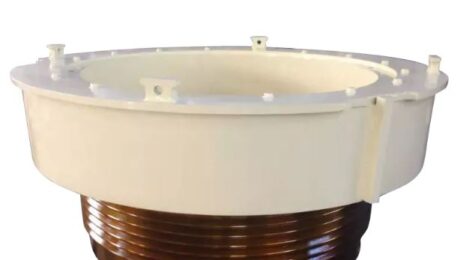
Bowl Assembly Optimization: A Comprehensive Guide
The ‘bowl assembly’ is a critical component in numerous mining machinery systems, particularly within gravity separation processes like ball milling and high-intensity grinding. Understanding its design, maintenance requirements, and available spare parts is paramount for maximizing operational efficiency, reducing downtime, and ultimately, improving overall profitability. This article delves deep into the intricacies of bowl assemblies, offering a comprehensive overview for engineers, operators, and maintenance personnel.
What is a Bowl Assembly?
A bowl assembly consists primarily of a rotating bowl or drum supported by bearings and often incorporating internal components like liners, skirts, and sometimes even riffle plates. These assemblies are designed to provide the necessary forces for size reduction through impact and attrition – key processes in mineral liberation. The bowl assembly’s effectiveness hinges on several factors, including its geometry, speed, and the characteristics of the material being processed.
Types of Bowl Assemblies
Ball Milling Bowl Assemblies
Ball mills utilize a rotating bowl containing steel balls to crush and grind materials. Different types of bowl assembly designs cater to specific ore characteristics:
- Dry Ball Mills: These feature a dry, non-lubricated design, ideal for abrasive materials.
- Wet Ball Mills: Employ water or slurry for cooling and lubrication, enhancing grinding efficiency with cohesive ores.
- Hemispherical Bowl Mills: Provide excellent power distribution and are commonly used for coarse crushing.
- Conical Bowl Mills: Offer a more gradual reduction in size, suitable for finer grinding applications.
High-Intensity Grinding (HIG) Bowl Assemblies
HIG mills utilize higher rotational speeds and optimized bowl geometries to achieve significantly finer particle sizes compared to traditional ball mills. Bowl assembly designs in HIG mills often incorporate advanced features such as:
- Variable Speed Control: Allows for precise adjustment of grinding intensity.
- Optimized Bowl Profiles: Designed for maximum impact and attrition forces.
- Enhanced Liner Systems: Reducing friction and wear to improve efficiency.
Key Components of a Bowl Assembly
Several components contribute to the functionality and longevity of a bowl assembly:
- Bowl Liner: A replaceable component that reduces friction between the grinding media (balls or HIG liners) and the bowl walls.
- Skirt Board: Surrounds the bowl, containing oil for lubrication and cooling, preventing material from escaping.
- Bearing Assembly: Supports the rotating bowl and ensures smooth operation.
- Riffle Plates (HIG Mills): Channels slurry to remove coarser particles, improving grinding efficiency.
Maintenance of Bowl Assemblies
Regular maintenance is crucial for extending the lifespan of a bowl assembly and ensuring optimal performance:
- Bearing Lubrication: Frequent lubrication prevents bearing wear and reduces friction.
- Liner Replacement: Replace liners as they show signs of abrasion or damage.
- Skirt Seal Inspection: Check for leaks and replace seals as needed.
- Speed Monitoring: Excessive speed can lead to premature wear; monitor regularly.
Spare Parts for Bowl Assemblies
Identifying the correct spare parts is critical for efficient repairs. Common bowl assembly spare parts include:
- Ball Mill Balls: Various sizes and materials are available.
- HIG Liners: Ceramic, graphite, or tungsten carbide liners.
- Bearing Assemblies: Replacement bearings for the rotating bowl.
- Skirt Seals: Various types to suit different applications.
Frequently Asked Questions (FAQs) about Bowl Assembly
Q: What is the typical lifespan of a ball mill bowl assembly?
A: Lifespan varies depending on operating conditions and material being processed, ranging from 6 months to several years. Regular maintenance significantly extends this period.
Q: How do I determine the correct size of replacement ball mill balls?
A: Consider the bowl diameter, rotational speed, and material being processed. Consulting with a supplier specializing in grinding equipment is recommended.
Q: What type of lubrication is best for a wet ball mill?
A: Typically, synthetic oils specifically formulated for high-speed rotating machinery are preferred due to their thermal stability and resistance to water contamination.
Q: How often should I replace the bowl liner in an HIG mill?
A: Liner replacement depends on wear rates, which are affected by material characteristics. Regular inspection and monitoring of liner condition are essential.
Q: What is the impact of speed on a bowl assembly’s life?
A: Increasing the speed increases friction and wear, shortening the lifespan of components like liners and bearings. Optimize speed based on material characteristics and mill type.
- Published in Products
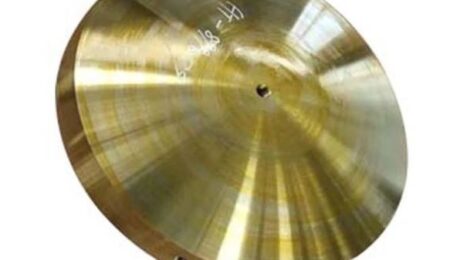
T Seal Mining Seals: The Critical Component for Hydraulic Systems
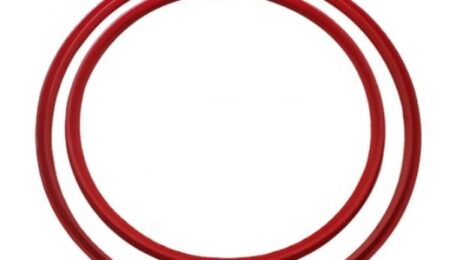
T Seal Mining Seals: Understanding the Importance
In the demanding world of mining, hydraulic systems are the backbone of countless operations – from drilling and excavation to crushing and conveying. These systems rely heavily on seals to maintain pressure, prevent leakage, and protect critical components from contamination. Among the most robust and reliable seal types used in mining machinery is the T Seal. This article delves into what a T Seal is, its specific applications within mining equipment, the advantages it offers, and why selecting the right T Seal is crucial for operational efficiency and longevity.
What is a T Seal? Defining the T Seal
A T Seal, often referred to as a hydraulic T seal or a tri-seal, is a specialized sealing arrangement designed for use in rotating shaft applications within hydraulic cylinders. Unlike simple O-rings or lip seals, a T Seal employs three distinct sealing elements arranged around the shaft – two primary seals and a secondary wiper seal. This configuration provides superior protection against leakage, contamination, and wear, especially under extreme pressure and temperature conditions common in mining environments.

Types of T Seals Used in Mining Machinery
Several variations of the T Seal are available, each tailored to specific applications and operating conditions. Common types include:
- Conventional T Seals: These offer a basic level of protection and are suitable for lower pressure applications.
- Double T Seals: Employing two sets of seals provide enhanced reliability and extended lifespan, crucial in heavy-duty mining equipment.
- T Seals with Metal Shields: Integrating a metal shield around the seal elements provides added protection against abrasive particles and reduces wear.
- T Seals Optimized for High Pressure & Temperature: Designed to withstand extreme conditions, these seals are frequently utilized in deep-hole drilling and large hydraulic cylinders.
Applications of T Seals in Mining Equipment
The versatility of the T Seal makes it a popular choice across various mining equipment categories:
- Drilling Rigs: Providing leak-free sealing for rotary tables and downhole drilling systems.
- Excavators & Loaders: Used in hydraulic cylinders to control movement and lifting capabilities.
- Crushers & Grinding Mills: Ensuring the integrity of hydraulic circuits within these demanding machines.
- Conveyor Systems: Maintaining pressure and preventing leakage in conveyor drive systems.
Advantages of Using T Seals in Mining
The adoption of T Seal technology offers numerous advantages for mining operations:
- Reduced Leakage: The multi-seal design significantly minimizes leakage, preserving hydraulic fluid and reducing downtime.
- Extended Component Life: By protecting against contamination and wear, T Seals prolong the lifespan of cylinders and other components.
- Increased Operational Efficiency: Consistent pressure delivery translates to smoother operation and improved equipment performance.
- Enhanced Reliability: The robust design of T Seals contributes to increased operational reliability and reduced maintenance requirements.
- Suitable for Harsh Environments: Designed to withstand the abrasive conditions found in mines.
Material Selection for T Seals
The selection of appropriate materials is crucial for maximizing the performance and longevity of a T Seal. Common materials include:
- Polyurethane (PU): Offers excellent wear resistance, oil compatibility, and temperature stability.
- Nitrile Rubber (NBR): Provides good abrasion resistance and is suitable for lower pressure applications.
- Fluorocarbon Elastomers (FKM/Viton): Exhibits exceptional resistance to high temperatures and aggressive chemicals.
- PTFE (Teflon): Offers superior chemical inertness and low friction properties.
Maintenance and Replacement of T Seals
Proper maintenance is essential for ensuring the optimal performance of T Seals. Regular inspection for signs of wear, damage, or contamination is recommended. When replacing a T Seal, it’s important to use seals manufactured from compatible materials and with the correct dimensions. Always consult equipment manufacturer’s recommendations for specific maintenance procedures.
Frequently Asked Questions (FAQ) – T Seal Mining Seals
- What is the primary cause of T Seal failure in mining applications?
- Wear, contamination, and excessive pressure are the most common causes. Abrasive particles and improper lubrication accelerate wear.
- How often should T Seals be inspected?
- At least quarterly, or more frequently in high-demand environments. Visual inspection for damage is key.
- What are the critical dimensions to consider when selecting a T Seal?
- Shaft diameter, bore size, and operating pressure/temperature are paramount. Consult manufacturer specifications.
- Can I use any elastomer for my T Seal?
- No. Elastomers have varying resistance to oil, temperature, and abrasive conditions. Choose the material suited for your specific application.
- What is the cost difference between a conventional and double T seal?
- Double T seals are typically 20-50% more expensive due to the increased materials and manufacturing complexity but offer significantly longer service life.
- Published in Products
U Seal Mining: The Critical Component for Hydraulic Circuit Reliability
U Seal Mining: Understanding the Importance
In the demanding environment of mining operations, hydraulic systems are ubiquitous, powering everything from excavators and loaders to crushers and conveyors. The reliability of these systems hinges on numerous components, but one often overlooked yet critically important element is the U seal. This article delves into the specifics of U seals in mining machinery, exploring their design, benefits, maintenance requirements, and overall impact on hydraulic circuit performance.
What is a U Seal?
A U seal, also known as a ‘U-shaped seal,’ is a specialized sealing component designed to provide a robust barrier against leakage in hydraulic systems. Unlike traditional O-rings or gaskets, the U shape offers superior contact area and therefore greater resistance to pressure and temperature fluctuations – conditions common in mining applications. The design features a continuous, uninterrupted path, minimizing gaps that could allow fluid loss and contamination.
Why Use U Seals in Mining Machinery?
Mining machinery operates under extreme conditions: high pressures, elevated temperatures, abrasive dust, and corrosive fluids. These factors significantly shorten the lifespan of conventional seals. U seal mining provides a superior solution because:
- Reduced Leakage:** The continuous U shape dramatically reduces leakage, minimizing fluid loss, preventing environmental contamination, and conserving valuable hydraulic fluid.
- Enhanced Pressure Resistance:** The unbroken seal withstands significantly higher pressures compared to O-rings, crucial for systems operating at full load or experiencing dynamic loads.
- Improved Temperature Stability:** The U seal maintains a consistent sealing surface even under extreme temperature variations, preventing thermal expansion and contraction from compromising the integrity of the seal.
- Extended Component Life:* By minimizing leaks and maintaining pressure, U seals contribute to longer equipment lifespan and reduced downtime.
Types of U Seals for Mining
Several types of U seal mining are available, each suited for specific applications and hydraulic fluid types:
- Cast Iron U Seals:** These are the most common type, offering excellent wear resistance and suitability for a wide range of hydraulic fluids.
- Bronze U Seals:* Bronze provides superior corrosion resistance, ideal for environments with saline water or corrosive chemicals.
- Polyurethane (PU) U Seals:** PU offers exceptional abrasion resistance and flexibility, suitable for high-velocity applications and challenging fluid compatibility.
- PTFE (Teflon) U Seals:* PTFE boasts outstanding chemical resistance and low friction, making it ideal for demanding hydraulic systems.
Material Selection for U Seals
The selection of the correct material is paramount for U seal mining performance. Here’s a breakdown of common materials:
- Cast Iron:** Good general-purpose choice, cost-effective.
- Bronze:** Excellent corrosion resistance, suitable for saltwater environments.
- Polyurethane (PU):* High abrasion resistance, good for abrasive fluids and high pressures.
- PTFE (Teflon):* Exceptional chemical resistance, low friction, ideal for demanding applications.
- Rubber (e.g., Nitrile, EPDM):* Provides flexibility and sealing capabilities but may be less durable in harsh mining conditions.
Installation Best Practices for U Seals
Proper installation is crucial to ensure the longevity of U seal mining. Follow these best practices:
- Clean Surfaces:** Thoroughly clean the mating surfaces before installing the U seal, removing any debris or contaminants.
- Apply Lubricant (if necessary):* Use a compatible hydraulic fluid or grease to lubricate the seal during installation. Avoid excessive lubrication that could compromise the seal’s integrity.
- Proper Compression:** Install the U seal with adequate compression force to ensure optimal contact and sealing. Avoid over-compression, which can damage the seal.
- Alignment:** Ensure proper alignment of all components during installation to prevent uneven stress on the U seal.
Maintenance and Inspection of U Seals
Regular maintenance is vital for maximizing the lifespan of U seal mining. Implement these practices:
- Visual Inspections:** Conduct regular visual inspections to identify signs of wear, damage, or leakage.
- Pressure Testing:** Perform periodic pressure testing to assess the integrity of the U seal and detect any potential leaks.
- Replace Worn Seals:* Replace U seal mining promptly when signs of wear are detected, preventing further fluid loss and potential system failures.
Benefits of Utilizing U Seals
Employing U Seal Mining brings substantial advantages to the mining industry:
- Reduced Operational Costs:* Minimizing leakage reduces fluid consumption and associated costs.
- Increased Equipment Uptime:** Reliable sealing contributes to fewer equipment breakdowns and increased operational uptime.
- Improved Safety:* Preventing leaks enhances safety by reducing potential hazards from hydraulic fluid exposure.
- Environmental Protection:* Reducing contamination safeguards the environment from harmful fluids.
Frequently Asked Questions (FAQ) about U Seals in Mining
Here are some common questions regarding U seal mining:
- Q: What is the typical lifespan of a U seal in a mining application? A: Lifespan varies based on operating conditions, fluid type, and maintenance practices. Generally, expect 1000-3000 hours under optimal conditions with regular inspections and replacements.
- Q: How do I determine the correct size U seal for my hydraulic system? A: Consult the manufacturer’s specifications or utilize a dimensional measurement tool to ensure an accurate fit. Consider the pressure, temperature, and fluid compatibility requirements.
- Q: What are the signs that a U seal is failing? A: Common indicators include increased leakage rates, unusual noises, reduced hydraulic performance, and elevated fluid temperatures.
- Q: Can I use synthetic fluids with U seals? A: While some U seals can handle synthetic fluids, it’s crucial to verify compatibility based on the specific material of the seal and the fluid’s properties. Consult the manufacturer’s recommendations.
- Q: What is the cost difference between different types of U seals? A: Costs vary depending on material (cast iron, bronze, PU, PTFE) and complexity. Generally, polyurethane offers higher initial costs but provides superior durability in abrasive environments.
- Published in Products
Head Bolt Lock Bolt: Understanding, Selection, and Importance for Mining Machinery
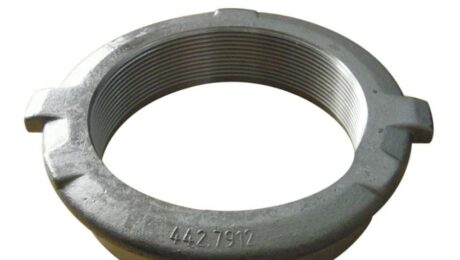
Head Bolt Lock Bolt: Understanding the Critical Component
In the demanding world of mining machinery operation and maintenance, ensuring the structural integrity of rotating equipment is paramount. The head bolt lock bolt plays a crucial, often understated, role in this process. This article delves into everything you need to know about these specialized fasteners – from their purpose and design to selecting the right one for your specific application and its impact on mining machinery performance.
What is a Head Bolt Lock Bolt?
A head bolt lock bolt, also known as a rotor head bolt or rotating union bolt, is a high-strength fastener specifically designed to withstand the extreme torsional stresses experienced by rotating equipment like pumps, mixers, and other machinery used in mining operations. Unlike standard bolts, it’s engineered with features that prevent loosening due to vibration and thermal expansion. These bolts are critical for maintaining sealing integrity and preventing catastrophic failures.
The Critical Role of Head Bolt Lock Bolts in Mining Machinery
Mining machinery operates under incredibly harsh conditions: high temperatures, intense vibrations, abrasive materials, and significant rotational speeds. Standard bolts simply aren’t robust enough to handle these stresses. The head bolt lock bolt is crucial because it’s designed to mitigate several key issues:
- Preventing Vibration Loosening: Mining equipment generates substantial vibration during operation, which can cause standard bolts to loosen over time. Lock bolts incorporate features that resist this loosening force.
- Thermal Expansion and Contraction: Temperature fluctuations within the machinery create thermal expansion and contraction, generating forces on fasteners. Lock bolts are designed to accommodate these movements without failing.
- Sealing Integrity: Rotating equipment frequently involves fluids – water, slurry, or abrasive materials. A loose bolt can compromise the seal, leading to leaks, contamination, and reduced efficiency.
Design Features of Head Bolt Lock Bolts
Several design features contribute to the effectiveness of a head bolt lock bolt:
- Locked Threads: The most common feature is locked threads, which are either thread lockers (like Loctite) or integrated into the bolt’s geometry. Thread lockers chemically bond to the mating surface, resisting loosening.
- Helical Lock Features: Some bolts incorporate helical grooves that engage with a corresponding internal thread on the rotating component, increasing friction and preventing movement.
- Shoulder Design: A shoulder is often present to provide a bearing surface and distribute load more evenly.
- High-Strength Materials: Head bolt lock bolts are typically manufactured from high-strength alloys like alloy steel or stainless steel to withstand extreme forces.
Selecting the Right Head Bolt Lock Bolt
Choosing the correct head bolt lock bolt for your mining machinery requires careful consideration of several factors:
- Torque Requirements: Determine the maximum torque the bolt will experience.
- Fluid Type: The fluid being handled affects material selection (corrosion resistance).
- Temperature Range: Operating temperature dictates material strength and thread locker compatibility.
- Rotation Speed: High-speed rotation increases stress levels, demanding robust designs.
- Industry Standards & Certifications: Ensure compliance with relevant industry standards (e.g., ASME) and certifications for safety and performance.
Maintenance and Inspection of Head Bolt Lock Bolts
Regular maintenance and inspection are critical to the longevity and reliability of head bolt lock bolts in mining machinery. Implement a routine check program that includes:
- Visual Inspection: Look for signs of damage, corrosion, or thread distortion.
- Torque Verification: Regularly verify torque settings to ensure bolts haven’t loosened.
- Thread Locker Condition Check: Inspect thread locker condition – replace if degraded.
Head Bolt Lock Bolt vs. Standard Bolts – A Comparison
| Feature | Standard Bolt | Head Bolt Lock Bolt |
|---|---|---|
| Strength | Low | Very High |
| Vibration Resistance | Poor | Excellent |
| Thermal Expansion Resistance | Poor | Good |
| Cost | Lower | Higher |
Applications in Mining Machinery
Head bolt lock bolts are commonly found in a variety of mining machinery, including:
- Pumps
- Mixers
- Agitators
- Rotating Unions
- Fluid Transfer Systems
FAQ – Frequently Asked Questions about Head Bolt Lock Bolts
Here are some frequently asked questions regarding head bolt lock bolts:
- Q: What is the lifespan of a head bolt lock bolt? A: Lifespan varies depending on operating conditions, but with proper maintenance and material selection, they can last for many years.
- Q: Can I use standard thread locker on a head bolt lock bolt? A: While possible in some cases, using the correct thread locker designed for high-speed rotating applications is crucial. Incorrect thread lockers may fail prematurely.
- Q: How often should I inspect my head bolt lock bolts? A: A minimum of every 6 months, or after each major maintenance cycle, is recommended.
- Q: What materials are typically used for head bolt lock bolts? A: Alloy steel and stainless steel are the most common materials due to their strength and corrosion resistance.
- Q: Are there different types of head bolt lock bolts available? A: Yes, designs vary depending on application – some utilize thread locking compounds, others have integrated helical locks.
- Published in Products
Anti Clogging Screen Meshes: The Ultimate Guide for Mining Machinery Performance

Anti Clogging Screen Meshes: The Ultimate Guide
In the demanding world of mining machinery, consistent and efficient operation hinges on minimizing disruptions. One of the most frequent culprits behind downtime and reduced productivity is clogging – specifically, the blockage of screens and mesh filters within various mining equipment. Anti clogging screen meshes are a critical component in maintaining smooth operations, preventing costly repairs, and maximizing resource extraction. This comprehensive guide delves into everything you need to know about these essential parts, from their function and materials to selection criteria, installation, and maintenance.
Understanding the Importance of Anti Clogging Screen Meshes
Mining operations involve handling abrasive materials – rocks, minerals, and slurry – that naturally contain particles. These particles can easily become trapped within screens and mesh filters used in processes like ore washing, tailings management, and mineral processing. If left unchecked, these clogs lead to several detrimental consequences:
- Reduced Throughput: Clogs significantly restrict the flow of material, drastically decreasing production rates.
- Increased Energy Consumption: When a screen is partially blocked, the equipment motor has to work harder, leading to higher energy costs.
- Equipment Damage: Persistent clogging can cause excessive strain on machinery components, potentially resulting in premature wear and tear or even catastrophic failures.
- Increased Maintenance Costs: Frequent cleaning and repair due to clogs translate into substantial operational expenses.
- Loss of Product Quality: In ore washing applications, clogs can contaminate the final product with unwanted minerals.
Types of Anti Clogging Screen Meshes
A variety of mesh types are available to address different mining challenges. Understanding these distinctions is crucial for selecting the optimal solution:
1. Stainless Steel Screen Meshes
Stainless steel meshes represent a prevalent choice due to their robust durability and resistance to abrasion, corrosion, and chemical attack. They are suitable for a broad range of mining applications, including gold processing, base metal recovery, and coal washing. Different grades of stainless steel (304, 316, 316L) offer varying degrees of corrosion resistance, with 316/316L being preferred in highly aggressive environments.
2. Polyurethane Screen Meshes
Polyurethane meshes provide a softer alternative to stainless steel, making them particularly well-suited for applications involving abrasive slurries and delicate minerals. They exhibit excellent impact resistance and can handle higher pressures without fracturing. This makes them ideal for screening phosphate rock or potash.
3. Rubber Screen Meshes
Rubber screen meshes offer superior abrasion resistance compared to polyurethane, making them a cost-effective solution for applications involving highly abrasive materials like coal and iron ore. They are often used in combination with a rubber backing to further enhance their resilience.
4. PVC Screen Meshes
Polyvinyl chloride (PVC) meshes offer a budget-friendly option, suitable for less demanding applications involving relatively soft or non-abrasive materials. While less durable than stainless steel or polyurethane, they can provide adequate screening performance in specific scenarios.
Material Selection: Key Factors
Choosing the right material is paramount to the long-term effectiveness of your anti clogging screen meshes. Consider these factors:
- Abrasiveness of the Material: Highly abrasive materials necessitate more durable meshes, such as stainless steel or rubber.
- Chemical Environment: The chemical composition of the slurry will dictate corrosion resistance requirements.
- Operating Pressure and Flow Rate: Higher pressures and flow rates require stronger mesh materials.
- Temperature: Extreme temperatures can affect material properties; select a material suitable for the operating conditions.
Installation Best Practices
Proper installation is critical to preventing premature wear and maximizing screen performance. Here are some key considerations:
- Correct Mesh Size: Select a mesh size appropriate for the target particle size distribution.
- Support Structure: Ensure adequate support around the mesh to distribute pressure evenly and prevent localized stress.
- Proper Tensioning: Slight tension is beneficial, but excessive tension can lead to breakage.
- Regular Inspection: Conduct frequent visual inspections for signs of wear or damage.
Maintenance and Cleaning Procedures
Implementing a robust maintenance program extends the lifespan of your screen meshes and minimizes downtime. Regular cleaning is essential to remove accumulated material and prevent clogs:
- Manual Cleaning: For minor clogs, manual removal with brushes or scrapers can often resolve the issue.
- Mechanical Cleaning: Rotating brush systems or high-pressure water jets are effective for more persistent blockages.
- Periodic Replacement: Even with proper maintenance, screen meshes will eventually wear out; establish a schedule for replacement based on operating conditions and performance monitoring.
Frequently Asked Questions (FAQ) – Anti Clogging Screen Meshes
Q: What is the typical lifespan of stainless steel screen meshes?
A: The lifespan varies significantly based on material, operating conditions, and maintenance practices. Generally, well-maintained stainless steel meshes can last from 1 to 5 years.
Q: How do I determine the correct mesh size for my application?
A: Conduct a particle size analysis of your slurry to identify the dominant particle sizes. Select a mesh size that effectively removes particles larger than this target size, while allowing smaller particles to pass through.
Q: Can I use any type of mesh in all mining applications?
A: No. Material selection should be dictated by the specific characteristics of your ore and operating conditions.
Q: What is the cost difference between stainless steel and polyurethane screen meshes?
A: Stainless steel typically has a higher upfront cost but offers greater durability and longer lifespan, potentially reducing overall costs in the long run. Polyurethane meshes are generally more economical for abrasive applications.
Conclusion
Anti clogging screen meshes represent a vital investment for any mining operation seeking to optimize efficiency, minimize downtime, and ensure consistent product quality. By understanding the various types of meshes available, selecting the appropriate materials, implementing best practices for installation and maintenance, you can maximize the performance and longevity of your screening equipment.
- Published in Products
