


Countershaft Bushing: Essential Guide to Mining Machinery and Spare Parts

Countershaft Bushing: Essential Guide to Mining Machinery and Spare Parts
In the demanding world of mining machinery, every component plays a crucial role in ensuring efficiency and durability. Among these, the countershaft bushing stands out as a vital part that supports rotating shafts and reduces friction, prolonging the lifespan of mining equipment. Whether you’re an operator, maintenance engineer, or procurement specialist, understanding countershaft bushings and their role in mining machinery and spare parts is key to optimizing your operations.
Understanding Countershaft Bushings in Mining Machinery
Countershaft bushings are cylindrical components designed to provide a bearing surface for shafts, especially in heavy-duty mining equipment such as crushers, conveyors, and gearboxes. They absorb wear and tear, reduce vibration, and maintain alignment, ensuring smooth mechanical motion under harsh conditions.
What Is a Countershaft Bushing?
A countershaft bushing is a type of plain bearing that fits around a countershaft to minimize friction between the shaft and the housing. Typically made from durable materials like bronze, steel, or composite alloys, these bushings are engineered to withstand heavy loads and abrasive environments common in mining.
Why Are Countershaft Bushings Critical in Mining Equipment?
- Wear Resistance: Mining environments expose machinery to dust, dirt, and high pressure, making wear resistance essential.
- Friction Reduction: Minimizes heat generation and energy loss, improving machinery efficiency.
- Alignment Maintenance: Keeps shafts properly aligned for smooth operation and reduces the risk of breakdowns.
Mining Machinery Overview: Types and Components
Mining machinery encompasses a broad range of equipment designed for extraction, processing, and transportation of minerals. Key categories include:
- Drilling Machines: Used for creating boreholes in mining sites.
- Excavators and Loaders: For digging and moving earth or ore.
- Crushers and Mills: To break down large rocks into smaller pieces.
- Conveyors and Feeders: Transport materials efficiently within the mining site.
Each of these machines relies on numerous spare parts like gears, shafts, and bushings to function reliably. The countershaft bushing is a common spare part integral to many of these systems.
Common Mining Machinery Spare Parts
- Countershaft bushings
- Drive belts and chains
- Bearings and seals
- Gearboxes and couplings
- Hydraulic components
Types of Countershaft Bushings Used in Mining Equipment
Choosing the right countershaft bushing depends on the application, load, and operating environment. Common types include:
Bronze Bushings
Known for excellent wear resistance and load capacity, bronze bushings are widely used in mining machinery.
Composite Bushings
Made from polymer-based materials, these bushings offer low friction and require minimal lubrication.
Steel Bushings
Steel bushings provide high strength but typically require lubrication to prevent wear.
Comparison of Countershaft Bushing Materials
| Material | Durability | Maintenance | Cost | Best Use |
|---|---|---|---|---|
| Bronze | High | Moderate (requires lubrication) | Medium | Heavy load, abrasive environments |
| Composite | Moderate | Low (self-lubricating) | High | Low to medium load, corrosive environments |
| Steel | High | High (requires frequent lubrication) | Low | High load but controlled environment |
Buying Guide: How to Select the Right Countershaft Bushing for Mining Machinery
Choosing the right countershaft bushing involves evaluating several factors to ensure compatibility and longevity:
1. Understand Your Equipment Requirements
Review the machinery specifications, including shaft diameter, load capacity, and operating conditions.
2. Material Selection
Consider the environment (abrasive, corrosive) and maintenance capabilities when selecting the bushing material.
3. Size and Fit
Accurate measurements are critical. An improper fit can cause premature wear or equipment failure.
4. Maintenance Needs
Determine if you require self-lubricating bushings or if regular lubrication is feasible.
5. Supplier Reliability
Choose suppliers with proven quality standards and availability of spare parts.
Common Mistakes When Choosing and Maintaining Countershaft Bushings
- Ignoring Manufacturer Specifications: Using incompatible bushings can lead to equipment damage.
- Poor Installation: Incorrect fitting causes misalignment and rapid wear.
- Neglecting Maintenance: Lack of lubrication or inspection shortens bushing life.
- Overlooking Environmental Factors: Not accounting for dust, moisture, or temperature can degrade bushings prematurely.
- Using Low-Quality Parts: Cheap or counterfeit bushings may fail quickly and increase downtime.
Frequently Asked Questions About Countershaft Bushings and Mining Machinery Spare Parts
1. What is the typical lifespan of a countershaft bushing in mining equipment?
Lifespan varies based on material, operating conditions, and maintenance but generally ranges from several months to multiple years.
2. Can I replace a countershaft bushing myself?
While possible, it is recommended to have trained technicians perform replacement to ensure correct installation and avoid damage.
3. How often should countershaft bushings be inspected?
Regular inspections every 3-6 months are advisable, depending on usage intensity and environmental conditions.
4. Are composite bushings better than bronze for mining applications?
Composite bushings offer low maintenance and corrosion resistance but may not handle heavy loads as well as bronze bushings.
5. Where can I find genuine mining machinery spare parts?
Reliable suppliers and manufacturers specializing in mining equipment parts are the best sources. Always verify authenticity and warranty.
6. How do I know if my countershaft bushing needs replacement?
Signs include increased vibration, unusual noises, overheating, or visible wear during inspection.
7. What role do countershaft bushings play in energy efficiency?
By reducing friction, bushings decrease energy loss, leading to smoother operation and lower power consumption.
8. Are there environmental considerations when disposing of worn bushings?
Yes, proper disposal or recycling according to local regulations is important to minimize environmental impact.
For more detailed information on mining machinery and spare parts, visit our Mining Equipment Resources page or check out our Comprehensive Parts Catalog.
- Published in Products
Eccentric Bushing in Mining Machinery: Comprehensive Guide to Spare Parts and Selection
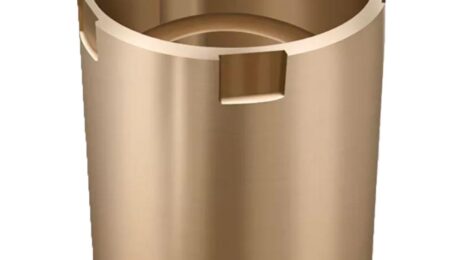
Eccentric Bushing in Mining Machinery: Comprehensive Guide to Spare Parts and Selection
In the demanding world of mining machinery, the eccentric bushing plays a crucial role in ensuring operational efficiency and longevity. Whether you are managing heavy-duty crushers, conveyors, or excavators, understanding the importance of eccentric bushings and their spare parts can significantly impact your machinery’s performance. This article dives deep into mining machinery and their spare parts, focusing on the eccentric bushing, its applications, selection criteria, common mistakes, and answers to frequently asked questions.
Understanding Eccentric Bushings in Mining Machinery
An eccentric bushing is a specialized mechanical component designed to provide precise alignment and smooth rotational movement in mining equipment. Its unique design features an offset center, allowing for controlled eccentric motion which is essential in crushers, screens, and other heavy machinery.
What Is an Eccentric Bushing?
The eccentric bushing is a cylindrical sleeve with an off-center bore that fits onto a shaft. This off-center design facilitates the conversion of rotary motion into an eccentric movement, vital for the crushing and screening processes in mining operations.
Applications of Eccentric Bushings in Mining Machinery
- Jaw Crushers: Controls the swing jaw movement, enabling effective crushing.
- Cone Crushers: Facilitates the eccentric motion required for crushing rocks.
- Screening Equipment: Helps in oscillating movements for material separation.
- Excavators and Drilling Machines: Provides smooth rotational motion in joints and pivots.
Mining Machinery and Spare Parts Overview
Mining machinery encompasses a broad range of equipment used to extract and process minerals. These machines rely heavily on high-quality spare parts like eccentric bushings to maintain peak performance and minimize downtime.
Key Components in Mining Machinery
- Crushers: Jaw crushers, cone crushers, impact crushers.
- Screeners: Vibrating screens, rotary screens.
- Conveyors: Belt conveyors, chain conveyors.
- Excavators and Loaders: Hydraulic arms, buckets, joints.
Importance of Using Genuine Spare Parts
Using genuine spare parts such as eccentric bushings ensures durability, compatibility, and safety. Counterfeit or low-quality parts can lead to frequent breakdowns and costly repairs.
How to Choose the Right Eccentric Bushing for Mining Machinery
Choosing the correct eccentric bushing is vital for optimal machinery performance. Below are key criteria to consider:
Selection Criteria for Eccentric Bushings
- Material Quality: High-strength alloys or cast iron with wear-resistant coatings.
- Precision Engineering: Accurate dimensions and tolerances for proper fit.
- Compatibility: Match with specific machinery models and shaft sizes.
- Load Capacity: Ability to withstand the operational stresses and loads.
- Maintenance Requirements: Ease of replacement and lubrication needs.
Long-Tail Keywords for Selecting Eccentric Bushings
- Best eccentric bushings for jaw crushers
- Durable eccentric bushings for mining equipment
- How to replace eccentric bushing on cone crusher
- Mining machinery spare parts eccentric bushing selection guide
Comparison of Eccentric Bushings: OEM vs Aftermarket
| Feature | OEM Eccentric Bushings | Aftermarket Eccentric Bushings |
|---|---|---|
| Quality | High, manufacturer-certified | Variable, depends on supplier |
| Price | Higher | Lower |
| Compatibility | Guaranteed fit | May require adjustments |
| Warranty | Usually included | Often limited or none |
| Availability | May have lead times | Often readily available |
Common Mistakes When Handling Eccentric Bushings in Mining Machinery
- Ignoring Proper Lubrication: Leads to premature wear and failure.
- Using Incorrect Sizes: Causes misalignment and operational issues.
- Delaying Replacement: Results in damage to connected components.
- Choosing Low-Quality Parts: Increases downtime and repair costs.
- Improper Installation: Can cause uneven wear and reduce lifespan.
Buying Guide: How to Purchase Eccentric Bushings and Mining Spare Parts
Purchasing the right eccentric bushing and spare parts requires a strategic approach:
Steps to Buying Quality Mining Machinery Spare Parts
- Identify Your Machinery Model: Know the exact specifications and part numbers.
- Consult Manufacturer or Experts: Seek advice on compatible parts.
- Compare Suppliers: Evaluate based on quality, price, and delivery time.
- Check Reviews and Certifications: Ensure supplier credibility.
- Request Samples or Warranty: To verify product reliability.
For more detailed insights, visit our Mining Machinery Spare Parts Resource.
Frequently Asked Questions About Eccentric Bushings and Mining Machinery
1. What is the lifespan of an eccentric bushing in mining machinery?
The lifespan depends on usage, maintenance, and quality but typically ranges from several months to a few years under heavy operation.
2. How often should eccentric bushings be inspected or replaced?
Regular inspections every 3-6 months are recommended, with replacement as soon as wear or damage is detected.
3. Can aftermarket eccentric bushings perform as well as OEM parts?
High-quality aftermarket parts can perform comparably but always verify supplier reliability and product specifications.
4. What materials are eccentric bushings usually made from?
Common materials include high-grade cast iron, steel alloys, and sometimes bronze, often with surface treatments for wear resistance.
5. How does an eccentric bushing improve mining machinery performance?
By enabling precise eccentric motion, it ensures efficient crushing and screening, reducing vibration and mechanical stress.
6. Are there specific maintenance tips for eccentric bushings?
Yes, maintain proper lubrication, avoid contamination, and ensure correct installation to maximize lifespan.
7. Where can I find replacement eccentric bushings for mining equipment?
Authorized dealers, OEM suppliers, and reputable aftermarket manufacturers are reliable sources.
8. What are the signs of a failing eccentric bushing?
Signs include unusual noise, increased vibration, misalignment, and decreased crushing efficiency.
- Published in Products
Breaker Bar: Essential Guide to Mining Machinery and Spare Parts
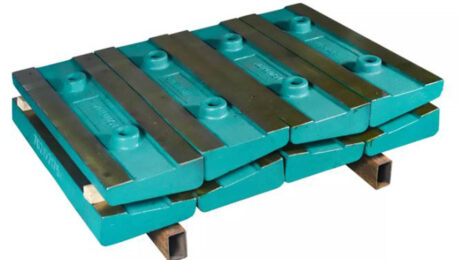
Breaker Bar: Essential Guide to Mining Machinery and Spare Parts
The term breaker bar is widely recognized in the mining industry, referring to a crucial tool and component that enhances the efficiency and safety of mining operations. Whether you’re involved in heavy-duty mining machinery or require reliable mining machinery spare parts, understanding the role of breaker bars is fundamental. This comprehensive guide delves into the world of mining machinery, the importance of breaker bars, and how to select the right spare parts to maximize productivity and minimize downtime.
Understanding Breaker Bars in Mining Machinery
A breaker bar, in the context of mining, is a robust lever tool or component designed to apply high torque to loosen or tighten fasteners that are otherwise difficult to move. In mining machinery, breaker bars are often integrated into hydraulic breakers or used as manual tools to maintain equipment.
What is a Breaker Bar?
A breaker bar is essentially a long, non-ratcheting bar used with socket wrenches to provide extra leverage. This allows operators to exert greater torque on stubborn bolts or nuts found in mining equipment. Its design minimizes the risk of damage to fasteners and reduces operator fatigue.
Role of Breaker Bars in Mining Machinery
- Maintenance: Breaker bars facilitate the loosening and tightening of large bolts on mining machines such as excavators, drills, and crushers.
- Hydraulic Breakers: In hydraulic mining machinery, breaker bars are components of hydraulic breakers that help in rock breaking and excavation.
- Safety: Using breaker bars reduces the risk of injury compared to using makeshift tools.
Mining Machinery: Types and Applications
Mining machinery encompasses a broad range of equipment used for extraction, processing, and transportation of minerals. Below are the primary types:
Primary Mining Machinery Types
- Excavators and Shovels: For digging and loading materials.
- Drilling Machines: Used for blasting and creating boreholes.
- Crushers and Breakers: For breaking down large rocks.
- Conveyors and Haulers: For transporting materials.
Importance of Spare Parts in Mining Machinery
Mining operations demand continuous uptime, making the availability of high-quality spare parts critical. Spare parts include breaker bars, hydraulic components, filters, and wear parts that ensure machinery operates efficiently and safely.
Mining Machinery Spare Parts: Key Components and Their Functions
Understanding various spare parts helps in selecting the right components for maintenance and repair.
Common Spare Parts in Mining Machinery
- Breaker Bars: Provide leverage for maintenance and are integral to hydraulic breakers.
- Hydraulic Cylinders: Power movement in excavators and loaders.
- Wear Parts: Include teeth, blades, and liners subject to wear.
- Filters and Seals: Maintain fluid purity and prevent leaks.
- Bearings and Pins: Ensure smooth and stable movement of parts.
Long-Tail Keyword Focus: High-Quality Mining Machinery Spare Parts Suppliers
Choosing a reliable supplier for mining machinery spare parts is essential. Look for suppliers who offer certified parts, warranties, and technical support.
Comparison of Breaker Bars and Hydraulic Breakers in Mining
| Feature | Breaker Bar | Hydraulic Breaker |
|---|---|---|
| Function | Manual leverage tool for loosening/tightening | Hydraulic tool for rock breaking |
| Power Source | Manual | Hydraulic system |
| Application | Maintenance and repairs | Excavation and demolition |
| Size | Handheld, portable | Mounted on heavy machinery |
| Cost | Low | High |
Buying Guide: How to Select the Right Mining Machinery Spare Parts and Breaker Bars
Choosing the correct parts can be challenging. Consider the following criteria:
1. Compatibility
Ensure the spare parts and breaker bars match your machinery’s make and model.
2. Material Quality
Opt for parts made from durable materials like high-grade steel to withstand mining conditions.
3. Supplier Reputation
Select suppliers with proven track records, certifications, and customer reviews.
4. Warranty and Support
Parts should come with warranties and technical support for installation and troubleshooting.
5. Cost vs. Value
Balance affordability with quality to avoid frequent replacements.
Common Mistakes When Using Breaker Bars and Mining Machinery Spare Parts
- Using Incorrect Sizes: Using the wrong breaker bar size can damage fasteners or cause injury.
- Ignoring Maintenance: Neglecting regular inspection of spare parts leads to unexpected failures.
- Poor Storage: Storing parts in unsuitable environments can cause corrosion.
- Over-Torquing: Excessive force can strip threads or break bolts.
- Buying Cheap, Low-Quality Parts: This results in reduced lifespan and safety risks.
Frequently Asked Questions About Breaker Bars and Mining Machinery Spare Parts
1. What is the primary use of a breaker bar in mining?
Breaker bars are primarily used to provide additional leverage for loosening or tightening large bolts and nuts on mining equipment.
2. How do I know which breaker bar size to use?
Select a breaker bar size based on the socket size and the torque requirements of the fastener you are working with.
3. Can breaker bars be used with power tools?
No, breaker bars are designed for manual use and should not be used with power tools to avoid damage.
4. Why are high-quality spare parts important in mining machinery?
High-quality parts ensure durability, reduce downtime, and maintain safety standards in harsh mining environments.
5. How often should mining machinery spare parts be inspected?
Regular inspections should be conducted based on manufacturer recommendations, typically every 500-1000 operational hours.
6. What materials are breaker bars usually made from?
Breaker bars are commonly made from chrome-vanadium steel or other alloy steels for strength and durability.
7. Where can I find reliable suppliers for mining machinery spare parts?
Reliable suppliers can be found through industry directories, manufacturer authorized dealers, and specialized mining equipment vendors. Visit our supplier directory for trusted contacts.
8. Are there safety precautions when using breaker bars?
Yes, always wear protective gear, ensure the bar is securely attached to the socket, and apply force steadily to avoid slips and injuries.
For further information on mining machinery and spare parts, explore our detailed guides and product reviews at our resource center.
- Published in Products
Comprehensive Guide to Mining Machinery and Mining Machinery Spare Parts
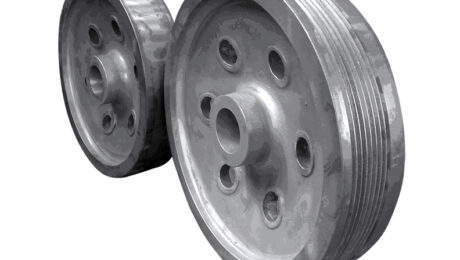
Mining Machinery and Mining Machinery Spare Parts: Essential Guide for Efficient Operations
Mining machinery plays a pivotal role in the extraction and processing of minerals from the earth. Whether you’re running a large-scale mining operation or managing a smaller site, understanding the types of mining machinery and the importance of high-quality mining machinery spare parts is crucial for maximizing productivity and minimizing downtime. In this comprehensive guide, we explore everything you need to know about mining machinery, spare parts, and how to select the right equipment for your needs.
Understanding Mining Machinery: Types and Functions
Mining machinery encompasses a wide range of equipment designed for various stages of mining, including excavation, transportation, processing, and material handling. Each type of machinery serves a specific function to ensure efficient mineral extraction and processing.
Primary Mining Machines
- Excavators and Shovels: Used for digging and loading raw materials.
- Drilling Machines: Essential for creating holes for blasting or sampling.
- Loaders and Haulers: Transport materials within the mining site.
- Crushers: Break down large rocks into smaller, manageable sizes.
Secondary and Support Machinery
- Conveyors: Move materials efficiently across distances.
- Screening Equipment: Sort materials by size and quality.
- Grinding Mills: Pulverize minerals for further processing.
Mining Machinery Spare Parts: Importance and Types
Reliable mining machinery depends heavily on the availability of quality spare parts. These components ensure that your equipment runs smoothly, reducing the risk of unexpected failures and costly downtime.
Common Mining Machinery Spare Parts
- Wear Parts: Such as drill bits, crusher liners, and conveyor belts that experience regular wear and tear.
- Mechanical Components: Bearings, gears, shafts, and couplings critical for machine operation.
- Hydraulic and Pneumatic Parts: Cylinders, pumps, valves essential for machine movement and control.
- Electrical Components: Motors, sensors, and control units that manage machinery functions.
Why Quality Spare Parts Matter
Using genuine, high-quality spare parts extends the lifespan of your mining equipment, improves safety, and enhances operational efficiency. Inferior parts can lead to frequent breakdowns and increased maintenance costs.
Comparison of Top Mining Machinery Brands and Spare Parts Suppliers
Choosing the right machinery and spare parts supplier is critical. Below is a comparison of leading brands based on product range, quality, and service.
| Brand | Product Range | Quality | After-Sales Support |
|---|---|---|---|
| Caterpillar | Excavators, Loaders, Crushers | High | Excellent |
| Komatsu | Drilling Machines, Haulers, Crushers | High | Very Good |
| Sandvik | Drilling, Crushing, Screening | Premium | Excellent |
| Metso | Crushers, Grinding Mills, Spare Parts | High | Good |
For more detailed comparisons, visit our supplier reviews page.
How to Select the Right Mining Machinery and Spare Parts
Selecting the appropriate machinery and spare parts requires careful consideration of multiple factors to ensure optimal performance and cost-effectiveness.
Selection Criteria for Mining Machinery
- Type of Mining Operation: Surface vs. underground mining demands different equipment.
- Material Characteristics: Hardness, abrasiveness, and size of the ore.
- Capacity Requirements: Volume of material to be processed.
- Durability and Maintenance: Ease of servicing and availability of parts.
- Energy Efficiency: Machines with lower fuel or power consumption reduce operating costs.
Choosing the Right Spare Parts
- Compatibility: Parts must match the specific machinery model.
- Quality Certifications: Look for OEM or certified aftermarket parts.
- Supplier Reputation: Reliable suppliers ensure timely delivery and support.
- Cost vs. Longevity: Balance upfront cost with expected lifespan.
Common Mistakes to Avoid When Purchasing Mining Machinery and Spare Parts
- Ignoring Manufacturer Recommendations: Using non-compatible parts can cause damage.
- Overlooking Maintenance Needs: Neglecting routine checks leads to premature failures.
- Choosing Cheapest Options: Low-cost parts often compromise safety and reliability.
- Failing to Train Operators: Improper use can reduce machinery lifespan.
- Not Planning for Spare Parts Inventory: Delays in parts availability cause downtime.
Frequently Asked Questions About Mining Machinery and Spare Parts
1. What are the most essential mining machines for surface mining?
Key machines include excavators, haul trucks, drilling rigs, crushers, and conveyors. Each plays a vital role in extraction and material handling.
2. How often should mining machinery spare parts be replaced?
Replacement frequency depends on usage intensity and part type. Wear parts may need frequent replacement, while mechanical components last longer with proper maintenance.
3. Can aftermarket spare parts be used safely in mining equipment?
Yes, if they meet OEM specifications and quality standards. Always verify certifications and supplier reputation.
4. What factors affect the cost of mining machinery?
Machine size, technology, brand, capacity, and included features influence the price. Operational costs like fuel and maintenance should also be considered.
5. How to ensure the longevity of mining machinery?
Regular maintenance, using quality spare parts, proper operator training, and timely repairs are key to extending equipment life.
6. Are there environmental considerations when selecting mining machinery?
Yes, choosing energy-efficient machines and those with lower emissions helps reduce environmental impact.
7. Where can I find reliable suppliers for mining machinery spare parts?
Authorized dealers, OEM manufacturers, and reputable aftermarket suppliers are good sources. Check reviews and certifications before purchasing.
8. What safety measures should be followed when operating mining machinery?
Operators should be trained, wear protective gear, perform pre-operation checks, and adhere to safety protocols specific to the machinery.
For more insights, explore our detailed articles on mining equipment maintenance and spare parts procurement.
- Published in Products
End Frame in Mining Machinery: Comprehensive Guide to Mining Equipment and Spare Parts
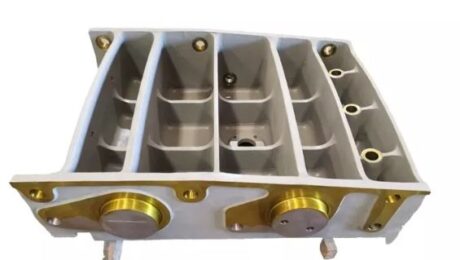
End Frame in Mining Machinery: Comprehensive Guide to Mining Equipment and Spare Parts
Mining machinery plays a pivotal role in the efficiency and safety of mining operations worldwide. Among the critical components of this machinery is the end frame, a structural element that supports and stabilizes heavy equipment. Whether you are a mining engineer, equipment manager, or an industry enthusiast, understanding the role of the end frame and related mining machinery spare parts is essential for optimizing performance and longevity.
Understanding the End Frame in Mining Machinery
The term end frame refers to the robust structural framework located at the terminal sections of mining equipment such as crushers, conveyors, and grinding mills. It provides essential support, absorbs mechanical stresses, and ensures alignment of moving parts.
What Is an End Frame?
An end frame is a heavy-duty steel structure designed to house bearings, shafts, and other critical components. It acts as a foundation for rotating equipment, helping to maintain operational stability and reduce wear and tear.
Importance of End Frames in Mining Equipment
- Structural Support: Ensures the machinery withstands heavy loads and vibrations.
- Alignment: Maintains precise positioning of shafts and bearings for smooth operation.
- Durability: Protects internal components from environmental and mechanical damage.
Overview of Mining Machinery and Its Spare Parts
Mining machinery encompasses a broad range of equipment used in extraction, processing, and material handling. These machines require regular maintenance and replacement of spare parts to sustain productivity.
Common Types of Mining Machinery
- Excavators and Shovels: For digging and loading materials.
- Conveyors: For transporting mined materials.
- Crushers and Mills: For size reduction and processing.
- Drilling Machines: For creating boreholes.
Essential Mining Machinery Spare Parts
Spare parts are vital for minimizing downtime and ensuring operational efficiency. Key spare parts include:
- End frames
- Bearings and shafts
- Hydraulic components
- Conveyor belts and rollers
- Wear-resistant liners and plates
- Electrical and control system parts
Detailed Components of End Frames in Mining Machinery
End frames consist of multiple subcomponents that contribute to their functionality and durability.
Structural Elements
- Base Plate: Supports the entire frame and connects to the machinery foundation.
- Side Plates: Provide lateral stability and housing for bearings.
- Cross Members: Reinforce the frame against bending forces.
Mechanical Interfaces
- Bearing Seats: Precision machined areas for mounting bearings.
- Shaft Housings: Secure shafts and facilitate rotation.
Comparison of End Frame Materials and Designs
Choosing the right end frame depends on material properties and design considerations.
| Material | Advantages | Disadvantages | Common Applications |
|---|---|---|---|
| Cast Steel | High strength, good wear resistance | Heavyweight, expensive | Heavy crushers, grinding mills |
| Fabricated Steel | Customizable, lighter weight | Potential weld failure points | Conveyors, smaller crushers |
| Alloy Steel | Enhanced toughness, corrosion resistance | Higher cost | Harsh mining environments |
Mining Machinery Spare Parts Selection Criteria
Choosing the right spare parts, including end frames, requires careful evaluation to ensure compatibility and durability.
Key Factors to Consider
- Material Compatibility: Match parts to the machinery specifications and operating environment.
- Load Capacity: Parts must support expected mechanical stresses.
- Wear Resistance: Select materials that withstand abrasion and corrosion.
- Manufacturer Standards: Use OEM or certified parts to guarantee quality.
- Availability and Lead Time: Ensure parts can be sourced quickly to minimize downtime.
Common Mistakes When Handling Mining Machinery and Spare Parts
Avoiding errors can save costs and extend equipment life.
Typical Errors to Avoid
- Ignoring Manufacturer Guidelines: Leads to improper installation and failures.
- Using Substandard Spare Parts: Causes premature wear and operational issues.
- Neglecting Regular Maintenance: Results in unexpected breakdowns.
- Improper Storage of Spare Parts: Can damage components before use.
- Overlooking Compatibility: Causes mechanical misalignment and safety hazards.
Frequently Asked Questions About Mining Machinery and End Frames
1. What is the primary function of an end frame in mining machinery?
The end frame provides structural support and alignment for critical components like bearings and shafts, ensuring stable and efficient operation.
2. How often should mining machinery spare parts be inspected?
Inspection frequency depends on usage intensity but generally should occur during routine maintenance cycles, typically monthly or quarterly.
3. Can end frames be repaired or must they be replaced when damaged?
Minor damages can sometimes be repaired by welding or machining, but severe structural issues usually require replacement to maintain safety and performance.
4. Are OEM parts necessary for mining machinery maintenance?
OEM parts are recommended for compatibility and reliability, though high-quality aftermarket parts may be acceptable if certified.
5. What materials are best suited for end frames in corrosive mining environments?
Alloy steels with corrosion-resistant coatings or stainless steel variants are preferred in harsh environments.
6. How does the end frame affect the overall lifespan of mining equipment?
A well-designed and maintained end frame reduces mechanical stress and wear, thereby extending the equipment’s operational life.
7. Where can I find reliable suppliers for mining machinery spare parts?
Reliable suppliers can be found through industry trade shows, certified dealers, and reputable online platforms. For more information, visit our supplier directory.
8. What are the signs that an end frame needs replacement?
Signs include visible cracks, misalignment of shafts, unusual vibrations, and frequent bearing failures.
Conclusion
Understanding the role of the end frame and selecting the right mining machinery spare parts are crucial for maintaining efficient and safe mining operations. By following proper selection criteria, avoiding common mistakes, and staying informed through resources like this guide, mining professionals can maximize equipment uptime and productivity.
For further insights on mining machinery maintenance and spare parts, explore our detailed articles at Mining Equipment Resources.
- Published in Products
Pitman Mining Machinery and Spare Parts: Ultimate Guide to Selection, Comparison, and Maintenance

Pitman Mining Machinery and Spare Parts: Comprehensive Guide for Industry Professionals
In the dynamic world of mining, reliable and efficient equipment is the backbone of operational success. The term Pitman often surfaces in discussions surrounding mining machinery and their spare parts, symbolizing quality and durability. Whether you are an industry veteran or a newcomer, understanding the nuances of Pitman mining machinery and its spare parts is crucial for optimizing your mining operations. This detailed guide dives deep into the essential aspects of mining machinery, the significance of genuine spare parts, and how to make informed purchasing decisions.
Understanding Pitman Mining Machinery: What Makes It Stand Out?
Pitman mining machinery encompasses a broad range of heavy-duty equipment designed to facilitate mining operations, from excavation to material transport. These machines are engineered to withstand harsh environments and maximize productivity. The key components and spare parts, often referred to as Pitman spare parts, play a vital role in maintaining machinery efficiency and longevity.
Primary Types of Pitman Mining Machinery
- Excavators: Used for digging and material handling, essential for surface and underground mining.
- Drilling Machines: Critical for creating blast holes and exploration.
- Loaders and Haulers: Facilitate material transport within the mining site.
- Crushers and Screeners: Process raw materials for further refinement.
Long-Tail Keyword Focus: Durable Pitman Mining Machinery Spare Parts for Heavy-Duty Operations
Spare parts such as hydraulic pumps, gears, bearings, and the Pitman arm ensure that machines operate smoothly. Using genuine and compatible spare parts minimizes downtime and extends the machinery life cycle.
Search Intent Analysis: Informational and Commercial Insights
Users searching for ‘Pitman’ in the context of mining machinery typically seek detailed product information, comparisons, and purchasing advice. The intent is primarily informational with commercial undertones, as buyers want to understand product features before making procurement decisions.
Detailed Overview of Mining Machinery Spare Parts
Key Components and Their Functions
| Spare Part | Function | Importance |
|---|---|---|
| Hydraulic Cylinders | Provide force for movement and lifting | Critical for machine operation and precision |
| Bearings | Reduce friction between moving parts | Enhance machine efficiency and lifespan |
| Gears and Gearboxes | Transmit power and control speed | Ensure smooth operation and torque management |
| Pitman Arm | Converts rotary motion to linear motion | Essential for steering and mechanical linkage |
Maintenance Tips for Spare Parts
- Regular inspection for wear and tear
- Use of manufacturer-approved lubricants
- Timely replacement of damaged components
- Proper storage to avoid corrosion
Comparison of Pitman Mining Machinery with Competitors
When selecting mining machinery and parts, comparing Pitman equipment with other leading brands is essential. Below is a summary comparison to help you evaluate key factors:
| Feature | Pitman | Competitor A | Competitor B |
|---|---|---|---|
| Durability | High | Moderate | High |
| Spare Parts Availability | Extensive | Limited | Moderate |
| Cost Efficiency | Competitive | Lower upfront cost but higher maintenance | Higher upfront cost |
| After-Sales Support | Strong global network | Variable | Good |
Buying Guide: How to Choose the Right Pitman Mining Machinery and Spare Parts
Essential Selection Criteria
- Compatibility: Ensure spare parts match your specific machinery model.
- Quality Certification: Look for ISO or industry-standard certifications.
- Supplier Reputation: Choose authorized dealers or manufacturers.
- Warranty and Support: Verify warranty terms and after-sales service.
- Price vs. Value: Balance cost with durability and performance.
Where to Buy Genuine Pitman Spare Parts
Authorized distributors, official websites, and trusted industrial suppliers are the best sources. Beware of counterfeit parts that can cause machinery damage and safety risks.
Common Mistakes to Avoid When Purchasing Mining Machinery Spare Parts
- Buying incompatible parts without checking model specifications.
- Ignoring the importance of genuine parts leading to frequent breakdowns.
- Overlooking supplier credibility and warranty conditions.
- Neglecting regular maintenance schedules.
- Choosing the cheapest option without assessing long-term costs.
Frequently Asked Questions About Pitman Mining Machinery and Spare Parts
1. What is a Pitman arm in mining machinery?
The Pitman arm is a mechanical component that converts rotary motion into linear motion, commonly used in steering and linkage systems of mining equipment.
2. How can I ensure the spare parts I purchase are genuine Pitman products?
Purchase only from authorized dealers or official distributors and request certification or proof of authenticity.
3. What maintenance practices extend the life of mining machinery spare parts?
Regular inspections, proper lubrication, timely replacements, and correct storage are key maintenance practices.
4. Are Pitman spare parts compatible with other brands of mining machinery?
Compatibility depends on the machinery model and part specifications; always verify before purchasing.
5. How often should mining machinery spare parts be replaced?
Replacement frequency varies based on usage, operating conditions, and part quality. Follow manufacturer guidelines for best results.
6. Can I find Pitman mining machinery parts online?
Yes, many authorized distributors offer online catalogs and ordering options. Ensure the source is reputable.
7. What are the risks of using counterfeit mining machinery spare parts?
Counterfeit parts can lead to equipment failure, safety hazards, increased downtime, and higher repair costs.
8. How does Pitman machinery compare in cost to other brands?
Pitman offers competitive pricing with a focus on durability and after-sales support, often resulting in better long-term value.
For more detailed insights and product inquiries, visit our mining machinery resources and spare parts catalog.
- Published in Products
Comprehensive Guide to Mining Machinery and Mining Machinery Spare Parts Featuring Rotor Components

Mining Machinery and Mining Machinery Spare Parts: The Essential Role of Rotors
Mining machinery is at the heart of modern mineral extraction, enabling efficient and safe operations across the globe. Among these crucial components, the rotor plays a vital role in various mining machines, impacting performance and durability. Whether you are a mining engineer, equipment buyer, or maintenance professional, understanding the intricacies of mining machinery and their spare parts—especially rotors—is essential for optimizing operations and minimizing downtime.
Understanding Mining Machinery and Its Key Components
Mining machinery encompasses a wide range of equipment used to extract, transport, and process minerals. These machines include excavators, crushers, drilling rigs, conveyors, and more. Each machine consists of multiple parts, with some components like rotors being critical for mechanical function.
What Is a Rotor in Mining Machinery?
A rotor is a rotating part of a mechanical device, often responsible for transmitting power or motion. In mining machinery, rotors are found in equipment such as crushers, pumps, and motors. They convert energy into mechanical work, facilitating processes like crushing rock, moving fluids, or powering conveyors.
Types of Rotors Used in Mining Equipment
- Crusher Rotors: Used in impact crushers to break down ore and rock.
- Pump Rotors: Found in slurry pumps, moving abrasive fluids.
- Motor Rotors: Integral to electric motors powering mining machinery.
- Drill Rotors: Enable rotary drilling for boreholes.
Mining Machinery Spare Parts: Importance and Overview
Spare parts are essential for maintaining the longevity and efficiency of mining machinery. Timely replacement of worn rotors and other components prevents costly breakdowns and production delays.
Common Mining Machinery Spare Parts
- Rotors and stators
- Bearings and seals
- Conveyor belts and rollers
- Drill bits and rods
- Hydraulic components
Why Quality Spare Parts Matter
Using high-quality spare parts, especially precision-engineered rotors, ensures optimal machine performance, reduces maintenance frequency, and enhances safety.
Detailed Analysis of Rotor Functionality in Mining Equipment
The rotor’s design and material composition directly impact mining equipment efficiency. For example, crusher rotors must withstand high impact and abrasion, while pump rotors require corrosion resistance.
Material Considerations for Mining Rotors
- High-strength steel alloys: For durability against wear and tear.
- Corrosion-resistant coatings: To combat harsh mining environments.
- Lightweight composites: In applications requiring reduced inertia.
Design Features Enhancing Rotor Performance
- Optimized blade geometry for efficient crushing or fluid movement.
- Balanced rotor assemblies to minimize vibration.
- Modular designs allowing easy replacement of worn parts.
Comparison of Rotor Types in Mining Machinery
| Rotor Type | Primary Application | Material | Advantages | Limitations |
|---|---|---|---|---|
| Impact Crusher Rotor | Rock and ore crushing | High-strength steel | High impact resistance, efficient crushing | Requires frequent inspection |
| Slurry Pump Rotor | Transporting abrasive fluids | Corrosion-resistant alloys | Good abrasion resistance, long lifespan | Complex maintenance |
| Electric Motor Rotor | Powering machinery | Steel laminations with copper windings | High efficiency, reliable power transmission | Sensitive to overheating |
| Drill Rotor | Rotary drilling | Hardened steel | High torque transmission, durability | Wear over time |
Buying Guide: Selecting the Right Mining Machinery Spare Parts and Rotors
Choosing the correct spare parts and rotors requires careful consideration of machine specifications, operating conditions, and supplier reliability.
Key Selection Criteria
- Compatibility: Ensure parts match your equipment model and make.
- Material Quality: Opt for parts made from durable, wear-resistant materials.
- Supplier Reputation: Choose trusted manufacturers with proven track records.
- Warranty and Support: Prefer parts with warranty and technical assistance.
- Cost vs. Longevity: Balance upfront cost with expected durability.
Where to Buy Mining Machinery Spare Parts
Reliable sources include authorized dealers, specialized mining equipment suppliers, and verified online marketplaces. Always verify authenticity before purchase.
Common Mistakes When Handling Mining Machinery Rotors and Spare Parts
- Ignoring regular maintenance: Leads to premature rotor failure.
- Using incompatible parts: Causes equipment damage and safety risks.
- Overlooking quality: Cheap parts may reduce machine lifespan.
- Poor installation practices: Result in misalignment and vibration.
- Neglecting environmental factors: Such as corrosion or abrasion.
Frequently Asked Questions About Mining Machinery and Rotors
1. What is the primary function of a rotor in mining machinery?
The rotor converts energy into mechanical motion, enabling processes like crushing, drilling, or fluid movement within mining equipment.
2. How often should mining machinery rotors be inspected?
Inspection frequency depends on usage and environment but generally ranges from weekly to monthly to detect wear or damage early.
3. Can I use generic spare parts for my mining equipment?
While generic parts may fit, it is recommended to use OEM or high-quality compatible parts to ensure performance and safety.
4. What materials are best for mining rotors?
High-strength steel alloys and corrosion-resistant materials are preferred to withstand harsh mining conditions.
5. How do I know if a rotor needs replacement?
Signs include unusual vibration, noise, decreased performance, visible wear, or cracks.
6. Are there environmental considerations when selecting rotors?
Yes, factors like abrasion, corrosion, temperature, and chemical exposure affect material choice and design.
7. What maintenance practices extend rotor life?
Regular cleaning, lubrication, alignment checks, and timely replacement of worn parts help maximize rotor lifespan.
8. Where can I find technical support for mining machinery spare parts?
Manufacturers, authorized dealers, and specialized service providers typically offer technical assistance and training.
For more detailed information on mining machinery and spare parts, visit our comprehensive resource page here.
- Published in Products
Comprehensive Guide to Mining Machinery and Mining Machinery Spare Parts with Conveyor Belt Insights

Conveyor Belt: Essential Component in Mining Machinery and Spare Parts
The conveyor belt is an indispensable part of mining machinery, playing a crucial role in the efficient transport of minerals and materials. Whether you’re involved in the mining industry or seeking reliable mining machinery spare parts, understanding conveyor belts and their integration with mining equipment is vital. This guide dives deep into the world of mining machinery, conveyor belts, and the spare parts that keep operations running smoothly.
Understanding Mining Machinery and the Role of Conveyor Belts
Mining machinery encompasses a wide range of equipment designed to extract, transport, and process minerals. Among these, conveyor belts stand out as a pivotal system for material handling.
What is a Conveyor Belt in Mining?
A conveyor belt is a continuous loop of material that moves objects from one point to another. In mining, conveyor belts transport ores, coal, and other extracted materials efficiently over long distances within the mining site.
Types of Conveyor Belts Used in Mining Machinery
- Rubber Conveyor Belts: Durable and flexible, ideal for heavy loads.
- Steel Cord Conveyor Belts: Reinforced with steel cables for high tensile strength.
- Fabric Conveyor Belts: Made with textile layers, suitable for lighter materials.
- Modular Plastic Belts: Used for specialized applications requiring easy maintenance.
Key Mining Machinery and Their Conveyor Belt Integration
Mining machinery includes excavators, loaders, crushers, and screening equipment. Conveyor belts often integrate with these machines to streamline material flow.
Excavators and Loaders
These machines extract raw materials and load them onto conveyor belts for transport.
Crushers and Screeners
After initial extraction, materials are crushed and screened before being moved by conveyor belts to processing or storage areas.
Conveyor Systems in Mining Operations
Mining conveyor systems vary from simple short-distance belts to complex, multi-segmented systems spanning several kilometers.
Mining Machinery Spare Parts: Ensuring Longevity and Efficiency
To maintain optimal performance, mining machinery requires regular replacement of spare parts, especially for conveyor belts and their components.
Common Conveyor Belt Spare Parts
- Rollers and Idlers
- Drive Pulleys
- Belt Fasteners and Splicing Kits
- Motor and Gearbox Components
- Cleaning Systems
Importance of Quality Spare Parts
Using high-quality spare parts minimizes downtime, enhances safety, and extends machinery lifespan.
Comparison of Conveyor Belt Types for Mining Applications
| Conveyor Belt Type | Advantages | Disadvantages | Best Use Case |
|---|---|---|---|
| Rubber Conveyor Belt | Durable, flexible, cost-effective | Can wear out under extreme heat | General mining transport |
| Steel Cord Conveyor Belt | High tensile strength, long lifespan | Higher cost, heavier | Heavy-duty mining operations |
| Fabric Conveyor Belt | Lightweight, easy to handle | Less durable for heavy loads | Light material transport |
| Modular Plastic Belt | Easy maintenance, corrosion-resistant | Limited load capacity | Specialized mining tasks |
Buying Guide: Selecting the Right Conveyor Belt and Mining Machinery Spare Parts
1. Assess Your Mining Operation Needs
Consider the type of materials, load weight, distance, and environmental conditions.
2. Choose the Appropriate Conveyor Belt Type
Match belt type to operational demands for durability and efficiency.
3. Evaluate Spare Parts Compatibility
Ensure spare parts fit your machinery model and meet quality standards.
4. Prioritize Supplier Reputation and Support
Opt for suppliers with proven reliability and after-sales service.
5. Consider Maintenance and Replacement Frequency
Plan for ease of maintenance and availability of parts to reduce downtime.
Common Mistakes to Avoid When Handling Conveyor Belts and Mining Machinery
- Ignoring regular maintenance schedules.
- Using incompatible or low-quality spare parts.
- Overloading conveyor belts beyond capacity.
- Neglecting environmental factors like temperature and moisture.
- Failing to train staff on proper equipment handling.
Frequently Asked Questions (FAQs) About Mining Machinery and Conveyor Belts
1. What materials are conveyor belts in mining typically made of?
Conveyor belts are commonly made from rubber, steel cords, fabric layers, or modular plastic, depending on the application.
2. How often should conveyor belts in mining be replaced?
Replacement depends on usage, material handled, and maintenance; typically, belts last several years but should be inspected regularly.
3. Can I use generic spare parts for mining machinery?
It’s best to use OEM or high-quality compatible parts to ensure safety and performance.
4. What factors affect conveyor belt lifespan?
Load weight, environmental conditions, maintenance, and belt material all influence lifespan.
5. How do I choose the right conveyor belt for my mining operation?
Consider the material type, transport distance, load capacity, and environmental factors to select the best belt.
6. Are there eco-friendly options for conveyor belts in mining?
Some manufacturers offer belts made with sustainable materials or designed for energy efficiency.
7. What safety measures should be taken when operating conveyor belts?
Ensure proper guarding, emergency stops, regular inspections, and staff training to maintain safety.
8. How can I improve the efficiency of my mining conveyor system?
Regular maintenance, using quality spare parts, optimizing belt speed, and minimizing downtime help improve efficiency.
For more detailed insights on mining machinery and conveyor belts, explore our related resources here.
- Published in Products
Comprehensive Guide to Mining Machinery and Mining Machinery Spare Parts: The Ultimate Roller in Mining Operations

Mining Machinery and Mining Machinery Spare Parts: The Ultimate Roller in Mining Operations
In the dynamic world of mining, the role of roller components in mining machinery cannot be overstated. Whether you are operating a small-scale mine or a large industrial extraction site, understanding mining machinery and their spare parts, especially rollers, is crucial for maximizing efficiency and minimizing downtime. This comprehensive guide dives deep into the intricacies of mining machinery, focusing on the vital role of rollers and their spare parts, helping you make informed decisions for your mining operations.
Understanding Mining Machinery: An Overview
Mining machinery encompasses a wide range of equipment designed to extract minerals and other geological materials from the earth. These machines include excavators, crushers, conveyors, drilling rigs, and many more. Central to many of these machines are rollers, which facilitate smooth movement and operational efficiency.
What Is a Roller in Mining Machinery?
A roller is a cylindrical component used in various mining machines to support and guide conveyor belts, crushers, and other moving parts. Rollers reduce friction, support heavy loads, and ensure consistent movement of material through mining processes.
Types of Rollers Used in Mining Machinery
- Idler Rollers: Support the conveyor belt and maintain its alignment.
- Drive Rollers: Provide the necessary force to move the conveyor belt.
- Snub Rollers: Increase the contact between the belt and drive roller to improve traction.
- Impact Rollers: Absorb shock and protect the conveyor belt from heavy loads.
Mining Machinery Spare Parts: Importance and Categories
Mining machinery spare parts, including rollers, are essential to maintain the longevity and performance of mining equipment. Timely replacement of worn-out parts prevents costly breakdowns and ensures continuous operation.
Common Spare Parts in Mining Machinery
- Rollers and Bearings
- Conveyor Belts
- Hydraulic Components
- Drill Bits and Blades
- Filters and Seals
- Electrical Components
Why Choose Quality Rollers and Spare Parts?
High-quality rollers reduce wear and tear, withstand harsh mining environments, and improve the overall efficiency of machinery. Investing in reliable spare parts minimizes operational risks and boosts productivity.
How Rollers Enhance Mining Machinery Performance
Rollers play a pivotal role in ensuring smooth material handling and operational efficiency. Here’s how:
- Reduced Friction: Rollers minimize friction between moving parts, lowering energy consumption.
- Load Distribution: They evenly distribute the weight of materials, preventing damage to conveyor belts.
- Enhanced Durability: Quality rollers withstand abrasive materials and harsh conditions.
- Operational Stability: They maintain the alignment of belts and machinery components.
Comparison of Different Roller Types for Mining Machinery
| Roller Type | Primary Use | Material | Advantages | Limitations |
|---|---|---|---|---|
| Idler Roller | Supports conveyor belts | Steel or Rubber-coated | Reduces belt sag, low maintenance | Can wear out under heavy loads |
| Drive Roller | Drives conveyor belts | Steel with rubber lagging | High traction, durable | Requires regular inspection |
| Snub Roller | Increases belt contact | Steel | Improves belt grip | Potential for increased wear |
| Impact Roller | Absorbs shock loads | Rubber or polyurethane | Protects belt from damage | Rubber may degrade over time |
Buying Guide: Selecting the Right Mining Machinery and Spare Parts
Choosing the appropriate mining machinery and spare parts requires careful consideration. Here are key factors to guide your selection:
1. Understand Your Mining Needs
Assess the scale, type of minerals, and terrain of your mining operation to determine machinery specifications.
2. Quality and Durability
Opt for parts made from high-grade materials that can withstand abrasive and corrosive conditions.
3. Compatibility
Ensure spare parts, especially rollers, are compatible with your existing machinery models.
4. Supplier Reputation
Choose suppliers with proven track records and reliable customer support.
5. Maintenance and Availability
Consider ease of maintenance and availability of spare parts to minimize downtime.
Common Mistakes to Avoid When Purchasing Mining Machinery and Spare Parts
- Ignoring Compatibility: Using incompatible rollers can cause premature wear.
- Overlooking Quality: Cheap parts may save money upfront but lead to higher costs later.
- Neglecting Maintenance: Failure to maintain rollers and machinery reduces lifespan.
- Skipping Supplier Verification: Unverified suppliers may provide substandard products.
- Underestimating Operational Requirements: Selecting machinery not suited for your mining conditions.
Frequently Asked Questions About Mining Machinery and Spare Parts
1. What is the role of rollers in mining machinery?
Rollers support and guide conveyor belts and other moving parts, reducing friction and wear, ensuring smooth material transport.
2. How often should mining machinery rollers be replaced?
Replacement frequency depends on usage and environment but generally every 1-3 years or upon signs of wear and damage.
3. Can I use generic rollers for all mining machines?
No, rollers must be compatible with specific machinery models to ensure proper fit and function.
4. What materials are best for mining machinery rollers?
Steel and rubber-coated rollers are common due to their strength and resistance to abrasion and corrosion.
5. How do I maintain mining machinery rollers?
Regular inspection, lubrication, cleaning, and timely replacement of worn parts help maintain rollers.
6. Are spare parts readily available for all types of mining machinery?
Availability varies; sourcing from reputable suppliers ensures access to quality spare parts.
7. What are the signs of roller failure?
Unusual noise, belt misalignment, increased friction, and visible wear indicate roller issues.
8. How do rollers affect mining machinery efficiency?
Efficient rollers reduce energy consumption, prevent breakdowns, and extend machinery lifespan.
For more detailed information on mining machinery and spare parts, explore our related articles here: Mining Equipment Maintenance and Spare Parts Procurement Strategies.
- Published in Products
Comprehensive Guide to Mining Machinery and Mining Machinery Spare Parts
Mining Machinery and Mining Machinery Spare Parts: Everything You Need to Know
Mining machinery plays a crucial role in the extraction and processing of minerals and ores, making it an indispensable part of the mining industry. Whether you are a mining professional, equipment buyer, or enthusiast, understanding mining machinery and their spare parts will help you optimize operations, reduce downtime, and increase productivity. This comprehensive guide covers everything from types of mining machinery to spare parts, buying guides, common mistakes, and FAQs to help you make informed decisions.
Understanding Mining Machinery: Types and Functions
Mining machinery encompasses a broad range of equipment used in mining operations. These machines are designed to extract, transport, and process minerals efficiently and safely.
Primary Mining Machinery Types
- Excavators and Shovels: Used for digging and loading materials.
- Drilling Machines: Essential for creating holes for blasting or exploration.
- Loaders and Haulers: Transport materials from the mining site.
- Crushers and Mills: Break down ore into smaller pieces for processing.
- Conveyors and Feeders: Move materials through different stages of mining and processing.
- Screening Equipment: Sort materials by size and quality.
Specialized Mining Equipment
Depending on the mining method (surface or underground), specialized machines such as continuous miners, longwall miners, or draglines may be used.
Mining Machinery Spare Parts: Importance and Common Components
Spare parts are vital to maintain the functionality and longevity of mining machinery. Using genuine and high-quality parts ensures optimal performance and reduces the risk of breakdowns.
Common Mining Machinery Spare Parts
- Drum Components: Includes drums used in conveyor belts and crushers, essential for material movement.
- Belts and Chains: Drive systems that transfer power and move materials.
- Hydraulic Components: Cylinders, pumps, and valves that control machine movements.
- Bearings and Seals: Reduce friction and protect machinery from contaminants.
- Cutting Tools and Bits: Used in drilling and excavation.
- Filters and Lubricants: Maintain engine and hydraulic system health.
How to Choose the Right Mining Machinery and Spare Parts
Selecting the right equipment and parts can be challenging given the variety of options and technical specifications.
Buying Guide for Mining Machinery
- Assess Your Mining Needs: Understand the type of mining, material hardness, and production capacity.
- Evaluate Machine Specifications: Power, size, durability, and technology features.
- Consider Brand Reputation: Opt for manufacturers known for quality and after-sales support.
- Check Compatibility: Ensure spare parts match your existing machinery models.
- Budget and Cost of Ownership: Factor in initial price, maintenance, and operational costs.
Selection Criteria for Spare Parts
- Original Equipment Manufacturer (OEM) vs. Aftermarket parts.
- Material quality and durability.
- Availability and delivery time.
- Warranty and service support.
- Compliance with safety and industry standards.
Comparison of Mining Machinery Brands and Spare Parts Suppliers
| Brand | Product Range | After-Sales Support | Price Range | Warranty |
|---|---|---|---|---|
| Brand A | Excavators, Drills, Crushers | 24/7 Support, Training | High | 3 Years |
| Brand B | Loaders, Conveyors, Spare Parts | Regional Service Centers | Medium | 2 Years |
| Brand C | Complete Mining Solutions | Comprehensive Global Support | Premium | 5 Years |
Choosing between brands depends on your operational scale, budget, and service requirements. Learn more about top mining equipment brands.
Common Mistakes to Avoid When Purchasing Mining Machinery and Spare Parts
- Ignoring Compatibility: Using non-compatible parts can damage machinery.
- Overlooking Maintenance Needs: Neglecting regular servicing reduces equipment lifespan.
- Choosing Based Solely on Price: Low-cost parts may compromise quality and safety.
- Not Verifying Supplier Credentials: Risk of counterfeit or substandard parts.
- Failing to Plan for Downtime: Lack of spare parts inventory can halt operations.
Frequently Asked Questions (FAQs) About Mining Machinery and Spare Parts
1. What is the most important mining machinery for surface mining?
Excavators and haul trucks are among the most critical for surface mining due to their ability to move large volumes of material efficiently.
2. How often should mining machinery spare parts be replaced?
Replacement frequency depends on usage, operating conditions, and part quality. Regular inspections help determine timely replacement to avoid failures.
3. Are OEM spare parts always better than aftermarket parts?
OEM parts guarantee compatibility and quality but may be more expensive. High-quality aftermarket parts can be a cost-effective alternative if sourced from reputable suppliers.
4. How can I ensure the quality of mining machinery spare parts?
Purchase from authorized dealers, verify certifications, and request material and performance data sheets.
5. What safety standards apply to mining machinery?
Standards vary by region but generally include ISO, OSHA, and MSHA regulations to ensure operator safety and environmental compliance.
6. Can mining machinery be customized?
Yes, many manufacturers offer customization options to meet specific mining conditions and operational requirements.
7. What are the benefits of regular maintenance for mining machinery?
Regular maintenance extends equipment life, reduces unexpected breakdowns, and improves operational efficiency.
8. Where can I find reliable suppliers for mining machinery spare parts?
Look for suppliers with proven track records, positive customer reviews, and comprehensive product catalogs. Explore trusted mining spare parts suppliers.
For more insights on mining machinery and spare parts, visit our resource center.
- Published in Products
