


Head Bolt, Lock Bolt: Essential Mining Machinery and Spare Parts Guide
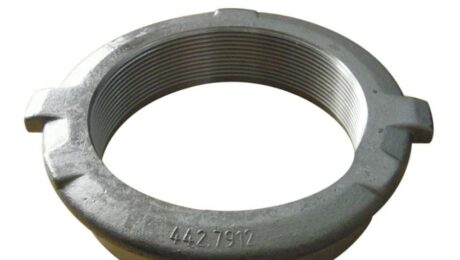
Head Bolt, Lock Bolt: Essential Mining Machinery and Spare Parts Guide
Mining machinery plays a pivotal role in the extraction and processing of minerals, with components like head bolts and lock bolts being critical for operational safety and efficiency. Whether you’re managing a mining operation or sourcing reliable spare parts, understanding these components can save time, reduce downtime, and enhance productivity. This comprehensive guide explores mining machinery and their spare parts, focusing on the importance of head bolts and lock bolts, their applications, and how to select the best options for your needs.
Understanding Mining Machinery: An Overview
Mining machinery encompasses a broad range of equipment designed to excavate, transport, and process minerals from the earth. These machines include excavators, crushers, conveyors, drilling rigs, and more. Each machine consists of numerous components, among which fasteners like head bolts and lock bolts ensure structural integrity and safety.
What Are Head Bolts and Lock Bolts?
Head bolts are specialized fasteners used primarily to secure heavy machinery parts, such as engine heads or crusher components. They are engineered to withstand high pressure and vibration. Lock bolts, on the other hand, are designed to prevent loosening under dynamic loads, often featuring locking mechanisms like nylon inserts or deformed threads.
Importance of Head Bolt and Lock Bolt in Mining Equipment
- Ensure machine stability under extreme conditions
- Prevent mechanical failures caused by vibration and heavy loads
- Enhance safety by securing critical components
- Facilitate maintenance through reliable fastening
Types of Mining Machinery Spare Parts
Mining machinery spare parts can be broadly categorized into:
- Fasteners: Head bolts, lock bolts, nuts, washers
- Wear parts: Crusher jaws, conveyor belts, drill bits
- Hydraulic components: Pumps, cylinders, valves
- Electrical components: Motors, sensors, control panels
Among these, fasteners like head bolts and lock bolts are often overlooked but are vital for machine longevity.
Materials Used for Head Bolts and Lock Bolts
Mining applications demand high-strength materials resistant to corrosion and wear. Common materials include:
- Alloy steel with heat treatment for enhanced strength
- Stainless steel for corrosion resistance
- High-grade carbon steel for cost-effective durability
How to Choose the Right Head Bolt and Lock Bolt for Mining Machinery
Selecting the appropriate fasteners involves considering several factors:
1. Load Capacity and Strength Requirements
Determine the mechanical stresses the bolt must endure. Choose bolts with tensile strength and grade suitable for heavy-duty mining equipment.
2. Environmental Conditions
Mining environments can be harsh, with exposure to moisture, chemicals, and extreme temperatures. Opt for corrosion-resistant materials when necessary.
3. Compatibility with Machinery
Ensure the bolt dimensions, thread type, and head design match the equipment specifications to maintain proper fit and function.
4. Locking Mechanism
For lock bolts, evaluate the locking type—such as nylon inserts, prevailing torque, or deformed threads—to prevent loosening during operation.
Comparison of Head Bolt and Lock Bolt Types for Mining Machinery
| Feature | Head Bolt | Lock Bolt |
|---|---|---|
| Primary Function | Secures heavy machine parts | Prevents loosening under vibration |
| Common Materials | Alloy steel, carbon steel | Alloy steel with locking inserts |
| Locking Mechanism | Usually none | Nylon insert, deformed threads |
| Typical Applications | Engine heads, crusher assemblies | Conveyor systems, rotating parts |
| Strength | High tensile strength | High tensile with locking feature |
Common Mistakes When Selecting Mining Machinery Spare Parts
- Choosing incorrect bolt sizes leading to poor fit and potential failure
- Ignoring material quality and opting for cheaper, less durable fasteners
- Overlooking the importance of locking mechanisms in dynamic environments
- Not verifying compatibility with specific mining equipment models
- Neglecting supplier certifications and quality standards
Buying Guide: How to Source Quality Head Bolts and Lock Bolts for Mining Machinery
Follow these steps to ensure you purchase reliable spare parts:
- Identify exact specifications: Refer to equipment manuals or consult manufacturers for bolt sizes, grades, and types.
- Choose reputable suppliers: Look for vendors specializing in mining fasteners with proven quality and warranty.
- Request samples or certifications: Verify material quality and compliance with industry standards.
- Consider bulk purchases: To reduce cost and ensure availability during maintenance cycles.
- Plan for inventory management: Maintain stock of critical fasteners to minimize downtime.
Frequently Asked Questions About Mining Machinery and Spare Parts
1. What is the difference between a head bolt and a lock bolt?
A head bolt primarily secures heavy components and typically does not have a locking feature, while a lock bolt includes mechanisms to prevent loosening under vibration.
2. Why are lock bolts important in mining equipment?
Mining machinery operates in high-vibration environments; lock bolts prevent fasteners from loosening, reducing the risk of mechanical failure.
3. How often should mining machinery spare parts be inspected?
Regular inspections should be conducted based on manufacturer recommendations, typically every 3 to 6 months, or after heavy usage cycles.
4. Can I use standard bolts instead of head bolts in mining machinery?
Standard bolts may not meet the strength and durability requirements of mining equipment, risking safety and performance.
5. What materials are best for bolts used in corrosive mining environments?
Stainless steel or coated alloy steel bolts offer superior corrosion resistance suitable for harsh mining conditions.
6. How do I know if a lock bolt is properly installed?
Proper installation involves torqueing to the specified value and ensuring the locking mechanism (e.g., nylon insert) is intact and engaged.
7. Are there industry standards for mining fasteners?
Yes, standards such as ASTM, ISO, and DIN specify requirements for bolt dimensions, materials, and mechanical properties.
8. Where can I find replacement parts for specialized mining machinery?
Authorized dealers, OEM suppliers, and certified aftermarket vendors are reliable sources for genuine spare parts.
For more detailed guides on mining equipment and parts, visit our resources section here.
- Published in Products
Anti Clogging Screen Meshes in Mining Machinery: Comprehensive Guide to Mining Machinery and Spare Parts

Anti Clogging Screen Meshes in Mining Machinery: Comprehensive Guide to Mining Machinery and Spare Parts
In the demanding world of mining, efficiency and durability are paramount. One critical component that ensures smooth operations is the anti clogging screen mesh. Designed to prevent blockages and maintain consistent material flow, these meshes play a vital role in mining machinery performance. This article dives deep into the realm of mining machinery and mining machinery spare parts, focusing on the importance of anti clogging screen meshes, their types, selection criteria, and common pitfalls to avoid.
Understanding Anti Clogging Screen Meshes in Mining Machinery
Anti clogging screen meshes are specialized screening components used in mining equipment to separate materials while preventing clogging or blinding of the screen surface. Their primary function is to enhance screening efficiency by allowing continuous operation without frequent stoppages for cleaning.
What Are Anti Clogging Screen Meshes?
These meshes are engineered with unique patterns and materials that reduce the adhesion of fine particles and sticky substances. This feature is crucial in mining processes where materials like clay, wet ores, or fine powders tend to clog conventional screens.
Types of Anti Clogging Screen Meshes
- Rubber Screen Meshes: Flexible and resistant to wear, ideal for abrasive materials.
- Polyurethane Screen Meshes: Durable and resistant to chemicals, providing longer service life.
- Metal Wire Screen Meshes with Anti Clogging Coating: Enhanced with special coatings to reduce material buildup.
Mining Machinery and Their Dependence on Screen Meshes
Mining machinery encompasses various equipment such as crushers, vibrating screens, and feeders. The performance of these machines is heavily influenced by the quality and type of screen meshes installed.
Key Mining Machinery Using Anti Clogging Screen Meshes
- Vibrating Screens: Separate ore particles by size; anti clogging meshes maintain throughput.
- Shaking Tables: Used for mineral separation; require clear mesh surfaces.
- Feeders and Crushers: Benefit from screens that prevent material blockages.
Importance of Spare Parts in Mining Machinery
Mining operations demand continuous uptime. Having reliable spare parts like anti clogging screen meshes ensures minimal downtime and sustained productivity. Choosing compatible and high-quality spare parts is essential for machinery longevity.
Comparison of Anti Clogging Screen Mesh Materials and Technologies
| Material Type | Durability | Anti Clogging Performance | Cost | Ideal Application |
|---|---|---|---|---|
| Rubber | High | Excellent | Moderate | Abrasive and sticky materials |
| Polyurethane | Very High | Very Good | Higher | Chemically aggressive environments |
| Metal Wire with Coating | Moderate | Good | Low to Moderate | General screening with less sticky material |
Buying Guide: How to Select the Right Anti Clogging Screen Mesh and Mining Machinery Spare Parts
1. Assess Material Characteristics
Understand the type of ore or material to be processed. Sticky or fine materials require meshes with superior anti clogging properties.
2. Consider Mesh Size and Aperture
Select mesh sizes that match the desired particle separation and throughput requirements.
3. Evaluate Durability and Wear Resistance
Choose materials that withstand abrasive conditions and extend service life.
4. Compatibility with Existing Machinery
Ensure the mesh dimensions and fastening methods fit your equipment specifications.
5. Supplier Reputation and Support
Opt for manufacturers offering quality assurance and prompt spare parts delivery.
Common Mistakes When Choosing and Using Anti Clogging Screen Meshes
- Ignoring Material Compatibility: Using inappropriate mesh materials can lead to rapid wear or clogging.
- Overlooking Mesh Size: Incorrect aperture sizes reduce screening efficiency.
- Neglecting Regular Maintenance: Failure to clean or inspect meshes leads to unexpected downtime.
- Purchasing Low-Quality Spare Parts: Can cause machinery damage and operational delays.
- Not Considering Environmental Factors: Chemical exposure or temperature extremes affect mesh performance.
Frequently Asked Questions About Anti Clogging Screen Meshes and Mining Machinery
1. What makes a screen mesh anti clogging?
Anti clogging screen meshes incorporate special materials, coatings, or designs that reduce particle adhesion and facilitate self-cleaning during operation.
2. How often should mining machinery screen meshes be replaced?
Replacement frequency depends on material abrasiveness and usage intensity but typically ranges from 6 months to 2 years. Regular inspections help determine exact timing.
3. Can anti clogging screen meshes be used in wet mining applications?
Yes, many anti clogging meshes are specifically designed for wet and sticky materials, improving screening efficiency in such environments.
4. Are there custom options available for screen meshes?
Many manufacturers offer custom sizes, materials, and mesh patterns tailored to specific mining machinery and material requirements.
5. How do I maintain anti clogging screen meshes for optimal performance?
Regular cleaning, timely inspections, and avoiding overloading the machinery help maintain mesh effectiveness and extend lifespan.
6. What are the signs that a screen mesh needs replacement?
Visible wear, frequent clogging, reduced throughput, and torn or damaged mesh surfaces indicate the need for replacement.
7. How do anti clogging screen meshes improve mining productivity?
By preventing blockages and maintaining consistent material flow, these meshes reduce downtime and enhance overall operational efficiency.
8. Where can I find reliable mining machinery spare parts?
Trusted suppliers and manufacturers specializing in mining equipment offer genuine spare parts. Always verify compatibility and quality certifications.
For more detailed information on mining machinery and spare parts, visit our Mining Equipment Resource Center and Spare Parts Catalog.
- Published in Products
Mining Machinery and Mining Machinery Spare Parts: Comprehensive Guide for Optimal Performance
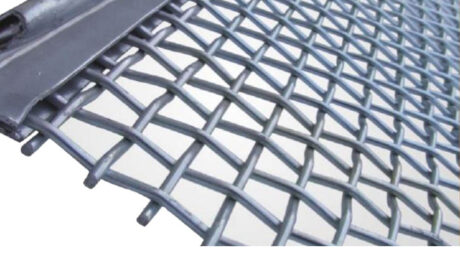
Mining Machinery and Mining Machinery Spare Parts: Comprehensive Guide for Optimal Performance
In the world of mining, the efficiency and reliability of mining machinery are critical to success. Whether extracting valuable minerals or processing raw materials, the right equipment and quality spare parts can make all the difference. This comprehensive guide delves into everything you need to know about mining machinery and mining machinery spare parts, covering types, maintenance, buying tips, and common pitfalls to avoid.
Understanding Mining Machinery: Types and Applications
Mining machinery encompasses a broad range of equipment used in extraction, processing, and transportation of minerals. These machines are engineered to withstand harsh environments and heavy-duty operations.
Primary Mining Equipment
- Excavators and Shovels: Used for digging and loading overburden or ore.
- Drilling Machines: Essential for creating holes for blasting or exploration.
- Loaders and Haul Trucks: Transport materials within the mine site efficiently.
- Crushers and Grinders: Break down rocks into manageable sizes for processing.
Secondary and Support Equipment
- Conveyors: Facilitate material movement over distances.
- Screen Meshes: Separate particles by size to improve processing efficiency.
- Pumps and Compressors: Support fluid and air movement in mining operations.
Mining Machinery Spare Parts: Importance and Types
Spare parts are vital for minimizing downtime and ensuring continuous operation. Using high-quality spare parts extends equipment life and maintains safety standards.
Common Spare Parts for Mining Machinery
- Wear Parts: Such as liners, teeth, and blades that endure constant abrasion.
- Hydraulic Components: Cylinders, valves, and hoses critical for machine movements.
- Engine Parts: Filters, belts, and pumps that keep machinery running smoothly.
- Screen Meshes: Durable screens that separate materials during processing.
Screen Meshes in Mining
Screen meshes are essential for sorting and grading materials by size, improving the efficiency of crushing and grinding processes. They come in various materials and mesh sizes designed to handle abrasive and corrosive environments.
How to Choose the Right Mining Machinery and Spare Parts
Selecting the right machinery and spare parts requires understanding operational needs, environmental conditions, and budget constraints.
Selection Criteria for Mining Machinery
- Type of Mining Operation: Surface or underground mining dictates equipment type.
- Material Characteristics: Hardness, abrasiveness, and moisture content influence machine choice.
- Capacity Requirements: Match machinery capacity with production goals.
- Technology and Automation: Consider modern equipment with advanced control systems.
Choosing the Best Spare Parts
- Compatibility: Ensure parts fit your specific machinery model.
- Durability: Opt for parts made from high-quality materials.
- Supplier Reputation: Buy from trusted manufacturers or distributors.
- Cost vs. Longevity: Balance upfront cost with expected lifespan.
Comparison of Screen Mesh Types for Mining Applications
| Screen Mesh Type | Material | Advantages | Typical Use |
|---|---|---|---|
| Woven Wire Mesh | Steel or Stainless Steel | High strength, corrosion-resistant | General screening, abrasive materials |
| Perforated Plate | Steel | Robust, easy to clean | Coarse screening, heavy-duty applications |
| Rubber or Polyurethane Mesh | Rubber/Polyurethane | Wear-resistant, noise reduction | Fine screening, wet materials |
| Hooked Wire Mesh | Steel | Easy to replace, flexible | Screen decks with frequent maintenance |
Common Mistakes When Purchasing Mining Machinery and Spare Parts
- Ignoring Compatibility: Using incompatible parts can cause equipment failure.
- Overlooking Maintenance Needs: Not planning for regular servicing reduces machinery lifespan.
- Choosing Low-Quality Parts: Cheaper parts may increase long-term costs.
- Neglecting Supplier Credentials: Unverified suppliers can lead to counterfeit parts.
- Underestimating Environmental Factors: Selecting machinery not suited for site conditions causes inefficiency.
Buying Guide: How to Procure Mining Machinery and Spare Parts
Follow these steps to ensure a successful purchase:
- Assess Your Needs: Define operational requirements and budget.
- Research Suppliers: Look for experienced and reputable vendors.
- Request Detailed Specifications: Confirm compatibility and technical details.
- Compare Quotes: Evaluate pricing, warranty, and after-sales service.
- Inspect Before Purchase: If possible, review samples or visit supplier facilities.
- Plan Logistics: Ensure timely delivery and installation support.
Frequently Asked Questions (FAQ) About Mining Machinery and Spare Parts
1. What is the lifespan of mining machinery?
The lifespan varies based on usage, maintenance, and environment but typically ranges from 5 to 20 years.
2. How often should mining machinery spare parts be replaced?
Replacement depends on wear and tear; critical wear parts may need changing every few months, while others last longer.
3. Can screen meshes be customized for specific mining needs?
Yes, screen meshes are available in various materials, sizes, and configurations tailored to specific applications.
4. What are the signs that mining machinery needs repair?
Unusual noises, reduced performance, increased fuel consumption, and visible damage indicate the need for repair.
5. How important is supplier certification when buying spare parts?
Supplier certification ensures quality, authenticity, and compliance with industry standards, reducing risk of failures.
6. Are there environmentally friendly mining machines available?
Yes, many manufacturers now offer energy-efficient and low-emission machinery to reduce environmental impact.
7. How can I extend the life of my mining machinery?
Regular maintenance, proper operation, using quality spare parts, and timely repairs help extend machinery life.
8. Where can I find genuine mining machinery spare parts?
Purchase from authorized dealers, original equipment manufacturers (OEMs), or verified distributors for genuine parts.
For more detailed information on specific mining equipment and spare parts, visit our product catalog and technical resources.
- Published in Products
Feed Eye Ring: Comprehensive Guide to Mining Machinery and Spare Parts
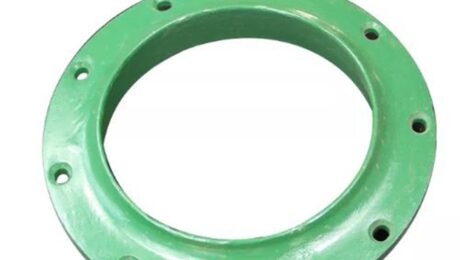
Feed Eye Ring: Comprehensive Guide to Mining Machinery and Spare Parts
In the mining industry, the feed eye ring plays a crucial role in ensuring the smooth operation of various mining machinery. Whether you’re involved in mineral extraction or equipment maintenance, understanding the importance of the feed eye ring and related mining machinery spare parts is essential for operational efficiency and safety. This detailed guide explores the key components of mining machinery, their spare parts, and how to select the right equipment to maximize productivity.
Understanding Mining Machinery and the Role of Feed Eye Ring
Mining machinery encompasses a wide range of heavy-duty equipment used to extract minerals and ores from the earth. Among these, the feed eye ring is a vital spare part typically found in crushers and feeders, responsible for guiding and supporting the feed mechanism.
What Is a Feed Eye Ring?
The feed eye ring is a circular component designed to encircle the feed opening of a crusher or feeder. It acts as a protective barrier and ensures that materials enter the crushing chamber smoothly without causing damage to the machinery. Made from durable materials like manganese steel or alloy castings, feed eye rings withstand significant wear and tear in harsh mining environments.
Primary Functions of the Feed Eye Ring
- Protects the feed opening from abrasion and impact damage
- Guides raw materials into the crusher or feeder for efficient processing
- Reduces maintenance downtime by extending the lifespan of feeding equipment
Types of Mining Machinery Featuring Feed Eye Rings
Feed eye rings are commonly integrated into several types of mining machinery, including:
- Jaw Crushers: Used for primary crushing, jaw crushers rely on feed eye rings to protect the feed opening and ensure smooth material flow.
- Impact Crushers: In impact crushers, feed eye rings help manage the entry of materials to prevent blockages and wear.
- Vibrating Feeders: Feed eye rings guide materials onto conveyors or crushers, optimizing feed rates and reducing spillage.
Mining Machinery Spare Parts: Components That Keep Operations Running
Besides feed eye rings, mining machinery requires various spare parts to maintain peak performance. These parts often experience heavy wear due to abrasive materials and demanding operating conditions.
Common Mining Machinery Spare Parts
- Jaw Plates: Replaceable plates in jaw crushers that crush materials.
- Concave Liners: Curved liners in cone crushers that protect the crusher bowl.
- Rotor Blades: Found in impact crushers, these blades break down materials on impact.
- Screen Mesh: Used in screening machines to separate materials by size.
- Bearings and Seals: Critical for smooth rotation and preventing contamination.
Comparison of Feed Eye Rings and Related Spare Parts
| Component | Material | Function | Typical Lifespan |
|---|---|---|---|
| Feed Eye Ring | Manganese Steel / Alloy | Protects feed opening and guides material | 6-12 months (depending on usage) |
| Jaw Plates | High Manganese Steel | Crushes raw materials | 3-6 months |
| Concave Liners | Alloy Steel | Protects crusher bowl | 6-9 months |
| Rotor Blades | High Chrome Steel | Impacts and breaks materials | 4-8 months |
How to Select the Right Mining Machinery and Spare Parts
Choosing the appropriate mining machinery and spare parts like feed eye rings is critical for operational efficiency and cost-effectiveness. Here are essential selection criteria:
Selection Criteria for Mining Machinery Spare Parts
- Material Compatibility: Ensure parts are made from materials suited to the abrasiveness of the mined materials.
- Durability and Wear Resistance: Opt for parts with proven longevity under heavy use.
- Manufacturer Reputation: Purchase from trusted suppliers with quality certifications.
- Compatibility: Confirm that spare parts fit your specific machinery model.
- Cost vs. Performance: Balance upfront costs with expected lifespan and performance.
Common Mistakes When Buying Mining Machinery Spare Parts
Many mining operations face avoidable downtime due to mistakes in purchasing spare parts. Here are common pitfalls to avoid:
- Ignoring Compatibility: Using parts not designed for your equipment can cause damage.
- Overlooking Material Quality: Cheap materials may wear out quickly, increasing costs.
- Skipping Supplier Verification: Unreliable suppliers may provide counterfeit or substandard parts.
- Neglecting Regular Maintenance: Failing to replace parts proactively leads to unexpected failures.
Frequently Asked Questions About Feed Eye Rings and Mining Machinery
1. What is the typical lifespan of a feed eye ring?
The lifespan varies depending on material quality and usage but generally ranges from 6 to 12 months under normal mining conditions.
2. Can feed eye rings be repaired or must they be replaced?
While minor repairs are sometimes possible, it is usually more cost-effective and safer to replace worn feed eye rings to ensure optimal performance.
3. How do I know if a feed eye ring is compatible with my crusher?
Check the manufacturer’s specifications or consult with the supplier to match the feed eye ring model to your crusher type and size.
4. What materials are feed eye rings made from?
Common materials include manganese steel and alloy castings, chosen for their high wear resistance and toughness.
5. Are there alternatives to manganese steel for feed eye rings?
Yes, some manufacturers use high chrome alloys or composite materials, but manganese steel remains the industry standard due to its balance of durability and cost.
6. How often should mining machinery spare parts be inspected?
Regular inspections are recommended monthly or based on operational hours to detect wear early and schedule timely replacements.
7. Where can I find reliable suppliers for mining machinery spare parts?
Look for certified manufacturers and distributors with positive reviews and industry certifications. Internal links to trusted suppliers can be found here.
8. What maintenance practices extend the life of feed eye rings?
Regular cleaning, proper lubrication of adjacent components, and avoiding overloading the machinery help extend the lifespan of feed eye rings.
For more detailed information on mining machinery and spare parts, visit our comprehensive resources here.
- Published in Products
Comprehensive Guide to Feed Tube in Mining Machinery and Spare Parts

Feed Tube: Essential Component in Mining Machinery and Spare Parts
The mining industry relies heavily on robust and efficient machinery to ensure smooth operations, and the feed tube plays a pivotal role in this ecosystem. Whether you’re involved in mineral extraction or processing, understanding the function, types, and maintenance of feed tubes can significantly enhance machinery performance. In this comprehensive guide, we’ll delve into the world of mining machinery and mining machinery spare parts, focusing on the feed tube’s importance, selection criteria, common mistakes, and more.
Understanding the Role of Feed Tubes in Mining Machinery
At its core, a feed tube is a component designed to transport raw materials or slurry efficiently within mining equipment. It acts as a conduit that ensures consistent and controlled flow, minimizing blockages and wear. Feed tubes are integral to various mining machines such as crushers, conveyors, and screening units.
What is a Feed Tube?
A feed tube is a cylindrical or tapered pipe that guides materials from one part of the machinery to another. Often made from high-strength steel or wear-resistant alloys, feed tubes must withstand abrasive materials and harsh operating conditions commonly found in mining environments.
Types of Feed Tubes Used in Mining Machinery
- Standard Feed Tubes: Basic cylindrical tubes used for general material transport.
- Wear-Resistant Feed Tubes: Coated or lined with materials like rubber or polyurethane to resist abrasion.
- Flexible Feed Tubes: Designed to accommodate movement and vibration within machinery.
- Custom Feed Tubes: Tailored to specific machinery requirements or material types.
Mining Machinery and Their Use of Feed Tubes
Mining machinery encompasses a wide range of equipment, each with unique requirements for feed tubes. Let’s explore some common machines and how feed tubes integrate within them.
Crushers
Feed tubes in crushers direct raw ore or rock into the crushing chamber. Proper feed tube design ensures even distribution, reducing wear on crusher components and improving output quality.
Conveyors
Conveyor systems use feed tubes to channel material onto belts or into hoppers. Efficient feed tubes prevent spillage and maintain steady flow rates.
Screening Equipment
Screeners utilize feed tubes to distribute material evenly across screens, enhancing sorting accuracy and efficiency.
Mining Machinery Spare Parts: Importance of Quality Feed Tubes
Spare parts are critical for maintaining mining machinery uptime. Feed tubes, being wear-prone, often require replacement. Choosing high-quality spare feed tubes can reduce downtime and maintenance costs.
Material Selection for Feed Tubes
The choice of material impacts the durability and performance of feed tubes. Common materials include:
- Carbon Steel: Offers strength but moderate wear resistance.
- Alloy Steel: Enhanced durability and resistance to impact.
- Rubber Lined Tubes: Absorb abrasion and reduce noise.
- Polyurethane Coated Tubes: Provide excellent wear resistance and flexibility.
Signs You Need to Replace Your Feed Tube
- Visible cracks or corrosion.
- Increased material spillage.
- Reduced flow efficiency.
- Frequent blockages.
Comparison of Feed Tube Types for Mining Applications
| Feed Tube Type | Material | Advantages | Disadvantages | Best Use |
|---|---|---|---|---|
| Standard Feed Tube | Carbon Steel | Cost-effective, strong | Moderate wear resistance | General applications with low abrasion |
| Wear-Resistant Feed Tube | Rubber or Polyurethane Lined | High abrasion resistance, longer life | Higher cost | High-abrasion environments |
| Flexible Feed Tube | Composite Materials | Absorbs vibration, reduces damage | Limited pressure tolerance | Machines with movement and vibration |
| Custom Feed Tube | Varies | Tailored fit and function | Longer lead time, cost varies | Specialized machinery or materials |
Buying Guide: How to Choose the Right Feed Tube for Your Mining Machinery
Selecting the right feed tube involves careful consideration of several factors to ensure optimal performance and longevity.
1. Understand Your Material Characteristics
Consider the abrasiveness, size, moisture content, and temperature of the material being transported.
2. Evaluate Operating Conditions
Assess pressure, flow rate, vibration, and environmental factors such as corrosion risk.
3. Material and Coating Selection
Choose feed tubes made from materials or coatings that match the wear and corrosion challenges of your operation.
4. Compatibility with Machinery
Ensure the feed tube dimensions and design fit your existing equipment specifications.
5. Maintenance and Replacement Ease
Opt for designs that facilitate easy inspection and replacement to minimize downtime.
6. Supplier Reputation and Support
Choose suppliers known for quality products and reliable after-sales service.
Common Mistakes to Avoid When Handling Feed Tubes in Mining Machinery
- Ignoring Material Compatibility: Using feed tubes unsuited for abrasive or corrosive materials leads to premature failure.
- Overlooking Proper Installation: Incorrect fitting can cause leaks, blockages, or damage.
- Neglecting Regular Inspections: Failing to monitor wear and tear increases downtime risks.
- Using Low-Quality Spare Parts: Cheap replacements often reduce machinery efficiency and lifespan.
- Not Considering Environmental Factors: Exposure to extreme temperatures or chemicals without proper feed tube protection causes rapid degradation.
Frequently Asked Questions About Feed Tubes and Mining Machinery
1. What is the primary function of a feed tube in mining machinery?
The feed tube guides and controls the flow of raw materials or slurry within mining equipment, ensuring efficient and continuous operation.
2. How often should feed tubes be inspected or replaced?
Inspection frequency depends on operating conditions but generally ranges from monthly to quarterly. Replacement is necessary when signs of wear, cracks, or blockages are evident.
3. Can feed tubes be customized for specific mining applications?
Yes, many manufacturers offer custom feed tubes tailored to the material type, flow requirements, and machinery specifications.
4. What materials are best for feed tubes in abrasive environments?
Wear-resistant materials like rubber or polyurethane linings, alloy steels, or composite coatings are ideal for handling abrasive materials.
5. How do feed tubes impact mining machinery efficiency?
Properly selected and maintained feed tubes ensure smooth material flow, reduce wear on machinery, and minimize downtime, thereby enhancing overall efficiency.
6. Are there any safety considerations when handling feed tubes?
Yes, proper installation and maintenance are critical to prevent leaks, blockages, and mechanical failures that could pose safety risks.
7. Where can I find reliable spare parts for feed tubes?
Reliable spare parts can be sourced from authorized mining equipment suppliers or manufacturers with proven quality and support services. Explore options at our spare parts catalog.
8. What are common signs that a feed tube is failing?
Signs include increased material spillage, unusual noises, frequent blockages, visible wear or corrosion, and decreased machinery performance.
Conclusion
Understanding the critical role of feed tubes in mining machinery and the importance of selecting the right spare parts can dramatically improve your mining operations’ efficiency and longevity. By following the guidelines and insights provided, you can make informed decisions that reduce downtime, enhance safety, and optimize performance.
For more detailed information on mining machinery spare parts, visit our mining equipment resources page.
- Published in Products
Wear Plate: Essential Guide to Mining Machinery and Spare Parts

Wear Plate: Essential Guide to Mining Machinery and Spare Parts
In the demanding world of mining, durability and efficiency are paramount. Wear plates play a crucial role in protecting mining machinery from abrasive wear, extending equipment life and minimizing downtime. Whether you’re managing a mining operation or sourcing reliable spare parts, understanding wear plates and their applications in mining machinery is vital. This comprehensive guide explores everything from the types of wear plates used in mining equipment to selecting the right spare parts for optimal performance.
Understanding Wear Plates in Mining Machinery
Wear plates are protective components designed to absorb abrasion, impact, and corrosion in mining equipment. They serve as sacrificial layers that shield critical machine parts from damage caused by harsh mining environments.
What Are Wear Plates?
Wear plates are typically made from high-strength steel alloys or composite materials engineered to resist wear and tear. They are installed on surfaces exposed to heavy friction, such as bucket edges, conveyor chutes, crusher liners, and excavator arms.
Types of Wear Plates Used in Mining Machinery
- High Manganese Steel Plates: Known for their toughness and work-hardening properties, ideal for impact-heavy applications.
- AR (Abrasion Resistant) Steel Plates: Provide excellent resistance to abrasive wear, commonly used in liners and chutes.
- Composite Wear Plates: Combine metal and polymer layers for enhanced wear resistance and reduced weight.
- Ceramic Wear Plates: Extremely hard surfaces used in high-wear areas but more brittle than steel.
Mining Machinery and Their Wear Plate Applications
Mining machinery encompasses a broad range of equipment, each requiring specific wear plates tailored to operational demands.
Key Mining Machinery Components Using Wear Plates
- Excavators and Shovels: Bucket teeth and edges protected by wear plates to handle rocky and abrasive materials.
- Conveyor Systems: Chute liners and belt scrapers use wear plates to prevent material buildup and wear.
- Crushers and Mills: Crusher liners and grinding mills rely on wear plates to withstand constant impact and abrasion.
- Drilling Equipment: Drill bit protectors and stabilizers use wear-resistant materials for longevity.
Mining Machinery Spare Parts: Importance and Selection
Spare parts are essential to maintain mining machinery efficiency and reduce operational downtime. Selecting the right wear plates and spare parts ensures machinery operates smoothly and safely.
Wear Plate Material Selection Criteria for Mining Spare Parts
Choosing the correct wear plate material depends on several factors:
- Type of Abrasion: Sliding, impact, or a combination affects material choice.
- Operating Environment: Presence of corrosive agents or extreme temperatures.
- Load and Impact Intensity: Determines hardness and toughness requirements.
- Maintenance and Replacement Frequency: Balancing durability with cost-effectiveness.
Comparison of Popular Wear Plate Materials
| Material | Hardness | Impact Resistance | Typical Use | Cost |
|---|---|---|---|---|
| High Manganese Steel | Medium | High | Bucket edges, crusher liners | Moderate |
| AR Steel | High | Medium | Conveyor chutes, liners | Moderate |
| Composite Plates | Varies | Medium | Lightweight applications | Higher |
| Ceramic Plates | Very High | Low | High abrasion zones | High |
Buying Guide: How to Choose the Right Wear Plates and Mining Spare Parts
When selecting wear plates and spare parts for mining machinery, consider the following:
- Assess Your Equipment’s Wear Patterns: Identify high-wear zones and the type of wear experienced.
- Match Material Properties: Choose materials that align with operational stresses and environmental conditions.
- Consult Manufacturer Specifications: Use OEM recommendations to ensure compatibility.
- Evaluate Supplier Reliability: Prioritize suppliers with proven quality and timely delivery.
- Consider Cost vs. Longevity: Balance upfront costs with expected lifespan and maintenance savings.
Common Mistakes When Selecting Wear Plates and Spare Parts
- Ignoring Operating Conditions: Using generic wear plates without considering abrasion type leads to premature failure.
- Overlooking Material Compatibility: Incorrect material choice can cause rapid wear or equipment damage.
- Neglecting Proper Installation: Poor fitting or welding can reduce wear plate effectiveness.
- Underestimating Maintenance Needs: Delaying inspections and replacements increases downtime.
- Choosing Cheapest Option: Low-cost materials may save money initially but increase long-term costs.
Frequently Asked Questions about Wear Plates and Mining Machinery Spare Parts
1. What is the main function of wear plates in mining machinery?
Wear plates protect machinery surfaces from abrasion, impact, and corrosion, extending equipment lifespan and reducing maintenance costs.
2. How do I know which wear plate material is best for my mining equipment?
Consider the type of wear, operating environment, impact levels, and manufacturer recommendations to select an appropriate material.
3. Can wear plates be repaired or must they always be replaced?
Minor wear plates can sometimes be refurbished by welding or resurfacing, but extensive damage usually requires replacement for safety and performance.
4. How often should wear plates be inspected in mining operations?
Regular inspections should be scheduled based on equipment usage intensity, typically monthly or quarterly, to detect wear early.
5. Are composite wear plates better than steel wear plates?
Composite plates offer advantages like reduced weight and corrosion resistance but may not provide the same impact toughness as steel in heavy-duty mining applications.
6. Where can I find reliable suppliers for mining machinery spare parts?
Look for certified manufacturers and distributors with industry experience, positive reviews, and comprehensive after-sales support. Learn more here.
7. What internal link can help me understand more about mining equipment maintenance?
Visit our detailed guide on Mining Equipment Maintenance Best Practices to optimize your machinery’s lifespan.
8. How do wear plates contribute to operational safety?
By preventing excessive wear and potential equipment failure, wear plates help maintain safe mining operations and reduce accident risks.
Conclusion
Wear plates are indispensable components in mining machinery, offering protection against harsh operational wear and tear. Understanding the types, selection criteria, and common pitfalls ensures you invest in the right mining machinery spare parts for maximum efficiency and safety. For more insights on mining equipment and spare parts, explore our comprehensive resources and stay ahead in your mining operations.
- Published in Products
Distributor of Mining Machinery and Mining Machinery Spare Parts: Ultimate Guide

Distributor of Mining Machinery and Mining Machinery Spare Parts
In the mining industry, having reliable access to high-quality mining machinery and spare parts is crucial for operational efficiency and safety. Whether you’re managing a large-scale mining operation or a smaller extraction project, partnering with a trusted distributor can make all the difference. This comprehensive guide explores everything you need to know about mining machinery distributors, the types of equipment available, spare parts essentials, and how to select the right supplier to keep your operations running smoothly.
Understanding Mining Machinery and Its Importance
Mining machinery encompasses a wide range of heavy equipment designed to extract minerals from the earth efficiently and safely. From excavators and drilling rigs to crushers and conveyors, these machines are the backbone of the mining sector.
Primary Types of Mining Machinery
- Excavators: Used for digging and moving large quantities of earth.
- Drilling Machines: Essential for creating holes for blasting or exploration.
- Crushers: Break down rocks into smaller, manageable pieces.
- Conveyors: Transport materials within the mining site.
- Loaders and Haulers: Move extracted materials to processing areas.
Mining Machinery Spare Parts: Keeping Your Equipment Running
Spare parts are vital to maintain the longevity and performance of mining machinery. Regular wear and tear, harsh working conditions, and heavy usage make it necessary to have a reliable supply of replacement parts.
Common Spare Parts for Mining Equipment
- Hydraulic Components: Cylinders, pumps, valves, and hoses.
- Engine Parts: Filters, belts, pistons, and turbochargers.
- Wear Parts: Teeth, blades, liners, and cutting edges.
- Electrical Components: Sensors, wiring harnesses, and control units.
- Undercarriage Parts: Tracks, rollers, and sprockets.
Role of a Distributor in Mining Machinery and Spare Parts
A distributor acts as an intermediary between manufacturers and end-users, offering a wide range of products, technical support, and after-sales services. Choosing the right distributor ensures access to genuine parts, expert advice, and timely deliveries.
Key Services Offered by Mining Machinery Distributors
- Product sourcing and availability.
- Technical consultation and equipment recommendations.
- After-sales support and maintenance services.
- Warranty and repair management.
- Customized solutions for specific mining needs.
How to Choose the Right Distributor for Mining Machinery and Spare Parts
Selecting a distributor involves careful consideration of several factors to ensure reliability and value.
Selection Criteria for Mining Machinery Distributors
- Product Range and Availability: Comprehensive inventory including latest machinery and spare parts.
- Quality Assurance: Genuine OEM parts and certified machinery.
- Technical Expertise: Knowledgeable staff to assist with complex requirements.
- After-Sales Service: Support for installation, maintenance, and repairs.
- Delivery and Logistics: Timely shipping and efficient supply chain management.
- Customer Reviews and Reputation: Positive feedback and industry credibility.
Comparison of Top Mining Machinery Distributors
| Distributor | Product Range | Service Support | Delivery Speed | Warranty |
|---|---|---|---|---|
| Alpha Mining Supplies | Extensive (Excavators, Crushers, Parts) | 24/7 Technical Support | Fast (2-5 days) | 12 Months |
| Global Mining Equipment | Wide (Machinery + Spare Parts) | On-site Maintenance | Moderate (5-7 days) | 18 Months |
| MineralTech Distributors | Selective (Specialized Equipment) | Remote Assistance | Fast (3-6 days) | 12 Months |
Common Mistakes When Purchasing Mining Machinery and Spare Parts
Many mining operations face challenges due to avoidable errors during procurement. Being aware of these pitfalls can save time and money.
- Ignoring Compatibility: Buying parts that don’t fit existing machinery.
- Overlooking Quality: Choosing cheaper, non-genuine parts that fail prematurely.
- Neglecting After-Sales Support: Not considering the distributor’s service capabilities.
- Poor Inventory Planning: Running out of critical spare parts during operations.
- Skipping Technical Consultation: Failing to get expert advice leads to wrong purchases.
Buying Guide: How to Procure Mining Machinery and Spare Parts Efficiently
Following a structured approach can streamline your purchasing process.
Step-by-Step Buying Guide
- Assess Your Needs: Determine the machinery and parts required based on your mining operations.
- Research Distributors: Evaluate distributors based on product range, quality, and support.
- Request Quotes and Compare: Obtain pricing, warranty, and delivery details.
- Verify Authenticity: Ensure parts are OEM certified to avoid counterfeit products.
- Plan Inventory: Maintain a stock of critical spare parts to avoid downtime.
- Negotiate Terms: Discuss payment terms, return policies, and service agreements.
- Finalize Purchase and Schedule Delivery: Confirm order details and logistics.
Frequently Asked Questions About Mining Machinery Distributors
1. What is the role of a mining machinery distributor?
A mining machinery distributor supplies equipment and spare parts from manufacturers to mining companies, providing technical support and after-sales services.
2. How can I ensure the spare parts are genuine?
Purchase from authorized distributors who provide OEM certified parts and warranty documentation to guarantee authenticity.
3. What factors affect the delivery time of mining machinery?
Delivery times depend on distributor location, stock availability, shipping methods, and customs clearance processes.
4. Can distributors provide customized mining machinery solutions?
Many distributors offer tailored solutions based on specific mining requirements, including modifications and special attachments.
5. How often should mining machinery spare parts be replaced?
Replacement frequency depends on usage intensity, operating conditions, and manufacturer recommendations; regular inspections help determine timing.
6. Are there financing options available when purchasing mining machinery?
Some distributors offer leasing, installment plans, or financing options; it’s best to inquire directly with the supplier.
7. What maintenance services do distributors typically offer?
Services may include installation assistance, routine maintenance, repairs, and emergency support to maximize equipment uptime.
8. How do I handle warranty claims for mining machinery parts?
Contact your distributor with proof of purchase and warranty details; they will guide you through the claim and replacement process.
For more information on mining machinery and spare parts, visit our resources page or contact our expert team for personalized advice.
- Published in Products
Feed Cone in Mining Machinery: Comprehensive Guide to Equipment and Spare Parts
Feed Cone in Mining Machinery: Comprehensive Guide to Equipment and Spare Parts
In the dynamic world of mining, the feed cone plays a crucial role in optimizing machinery performance and ensuring efficient material processing. Understanding the function, types, and maintenance of feed cones is essential for mining professionals and equipment operators. This article dives deep into mining machinery and mining machinery spare parts, focusing on the feed cone’s significance, selection criteria, common mistakes, and much more.
What Is a Feed Cone in Mining Machinery?
A feed cone is a specialized component used in various mining machines, particularly crushers and feeders, to regulate the flow of raw materials into the processing unit. It ensures a consistent and controlled feed rate, which maximizes equipment efficiency and reduces wear and tear.
Primary Functions of Feed Cones
- Regulating material flow to crushers or mills
- Preventing blockages and uneven feeding
- Enhancing crushing efficiency and throughput
- Protecting machinery from overload
Types of Feed Cones and Their Applications
Feed cones come in different designs and materials depending on the mining machinery type and the material being processed.
Common Feed Cone Types
- Standard Feed Cones: Used in general-purpose crushers and feeders.
- Heavy-Duty Feed Cones: Designed for abrasive or large-sized materials in heavy mining operations.
- Wear-Resistant Feed Cones: Made from high-grade alloys or rubber composites to extend lifespan.
Material Compatibility and Selection
Choosing the right feed cone material depends on the hardness, abrasiveness, and moisture content of the mined material. For example, iron ore processing may require wear-resistant cones, while softer minerals might use standard cones.
Mining Machinery Overview: Crushers and Feeders
Feed cones are integral to various mining machinery, including:
- Jaw Crushers: Feed cones regulate the input of raw rocks to the crushing chamber.
- Cone Crushers: They ensure smooth material flow and prevent blockages.
- Vibrating Feeders: Feed cones help distribute material evenly onto conveyor belts.
How Feed Cones Enhance Equipment Performance
Properly selected and maintained feed cones improve crushing efficiency by providing uniform material distribution, reducing downtime caused by blockages, and minimizing equipment wear.
Mining Machinery Spare Parts: Importance of Quality Feed Cones
Mining operations demand durable and reliable spare parts to maintain continuous production. Feed cones, as critical components, must meet strict quality standards to withstand harsh mining environments.
Key Characteristics of High-Quality Feed Cones
- Robust construction with high tensile strength
- Resistance to abrasion and corrosion
- Precision manufacturing for perfect fit and function
- Compatibility with various mining machinery models
Comparison of Feed Cones: Material and Design Differences
| Feature | Standard Feed Cone | Heavy-Duty Feed Cone | Wear-Resistant Feed Cone |
|---|---|---|---|
| Material | Steel Alloy | Reinforced Steel | High-Grade Alloy or Rubber Composite |
| Suitable For | Soft to Medium Hardness Materials | Hard, Abrasive Materials | Highly Abrasive or Corrosive Materials |
| Durability | Moderate | High | Very High |
| Cost | Low to Medium | Medium to High | High |
Buying Guide: Selecting the Right Feed Cone for Your Mining Machinery
Choosing the correct feed cone is vital for operational efficiency. Consider the following criteria:
- Material Compatibility: Match the feed cone material with the type of ore or mineral processed.
- Machine Model Compatibility: Ensure the feed cone fits your specific crusher or feeder model.
- Durability Requirements: Assess the expected wear and select cones with appropriate resistance.
- Manufacturer Reputation: Opt for suppliers with proven quality and after-sales support.
- Cost vs. Longevity: Balance initial investment with expected lifespan and maintenance costs.
Common Mistakes When Using and Maintaining Feed Cones
- Ignoring Wear Signs: Delaying replacement can cause machine damage.
- Incorrect Installation: Misaligned cones can lead to uneven feeding and blockages.
- Using Incompatible Materials: Applying feed cones not suited for the material hardness accelerates wear.
- Skipping Regular Maintenance: Lack of cleaning and inspection reduces lifespan.
Frequently Asked Questions About Feed Cones in Mining Machinery
1. How often should feed cones be inspected?
Feed cones should be inspected regularly, typically every 3 to 6 months, depending on usage intensity and material abrasiveness.
2. Can feed cones be repaired or must they be replaced?
Minor wear can sometimes be repaired by welding or resurfacing, but significant damage usually requires replacement to maintain efficiency.
3. Are feed cones universal for all mining machines?
No, feed cones are designed to fit specific machinery models. Always check compatibility before purchase.
4. What materials are feed cones commonly made from?
Common materials include steel alloys, reinforced steel, and wear-resistant composites like rubber or high-grade alloys.
5. How does a feed cone improve crusher performance?
By ensuring consistent and controlled feeding, feed cones prevent blockages and uneven wear, enhancing crusher efficiency and lifespan.
6. Where can I find quality mining machinery spare parts?
Quality parts can be sourced from authorized dealers, reputable manufacturers, and specialized mining equipment suppliers. Always verify certifications and reviews.
7. What are the signs that a feed cone needs replacement?
Signs include excessive wear, cracks, deformation, uneven feeding, and frequent blockages.
8. Is it possible to customize feed cones for specific mining operations?
Yes, many manufacturers offer custom feed cones tailored to specific machinery and material requirements.
For more information on mining machinery and spare parts, visit our Mining Equipment Resources page.
- Published in Products
Frame Liner: Comprehensive Guide to Mining Machinery and Spare Parts

Frame Liner: Comprehensive Guide to Mining Machinery and Spare Parts
In the demanding world of mining, the durability and efficiency of equipment are paramount. One crucial component often overlooked is the frame liner, a vital part of mining machinery that ensures structural integrity and longevity. Whether you are a mining operator, equipment supplier, or maintenance professional, understanding frame liners and their role in mining machinery and spare parts is essential. This guide dives deep into the types, applications, and selection criteria for frame liners, along with a broader look at mining machinery and their spare parts.
Understanding Frame Liners in Mining Machinery
A frame liner is a protective layer fitted inside the frame of mining equipment to shield it from abrasion, impact, and corrosion. These liners extend the operational life of machinery by preventing wear and tear caused by harsh mining environments.
What Are Frame Liners Made Of?
Frame liners are typically manufactured from high-strength materials such as manganese steel, chromium alloys, or composite materials designed to withstand extreme conditions. The choice of material depends on the specific mining application and the type of machinery.
Types of Frame Liners
- Manganese Steel Liners: Known for their toughness and ability to harden under impact, ideal for heavy-duty mining equipment.
- Rubber Liners: Used in situations requiring vibration dampening and noise reduction.
- Composite Liners: Lightweight and corrosion-resistant, suitable for specialized mining tasks.
Mining Machinery: An Overview
Mining machinery encompasses a wide range of equipment designed for extraction, processing, and transportation of minerals. Key types include:
- Excavators: For digging and earth moving.
- Drilling Machines: Used to bore holes for explosives or sampling.
- Loaders and Haulers: For material transport.
- Crushers and Mills: For ore processing.
Importance of Spare Parts in Mining Machinery
Mining machinery operates in extreme conditions, making the availability of high-quality spare parts critical to minimize downtime. Spare parts include:
- Frame liners
- Hydraulic components
- Wear plates
- Conveyor belts
- Filters and seals
How Frame Liners Enhance Mining Machinery Performance
Frame liners serve multiple functions that directly impact the performance and maintenance of mining equipment:
- Protection: Shielding the frame from abrasive materials and mechanical damage.
- Cost Efficiency: Reducing repair frequency and extending machine life.
- Safety: Preventing structural failures that could lead to accidents.
Case Study: Frame Liner Application in Excavators
Excavators fitted with manganese steel frame liners demonstrate increased resistance to wear, resulting in 30% longer operational cycles before maintenance. This reduces operational costs and improves productivity.
Comparison of Frame Liner Materials for Mining Machinery
| Material | Durability | Cost | Best Use Case |
|---|---|---|---|
| Manganese Steel | High | Moderate | Heavy-duty impact and abrasion |
| Rubber | Medium | Low | Vibration dampening, noise reduction |
| Composite | High | High | Corrosion resistance, lightweight applications |
Buying Guide: How to Select the Right Frame Liner and Mining Machinery Spare Parts
Selecting the right frame liner and spare parts requires careful consideration of several factors:
- Compatibility: Ensure parts fit the specific make and model of your machinery.
- Material Quality: Choose materials suited to your mining environment (abrasive, corrosive, impact-heavy).
- Supplier Reputation: Source parts from trusted manufacturers with proven performance.
- Cost vs. Longevity: Balance initial investment with expected lifespan and maintenance savings.
- Warranty and Support: Opt for products with good warranty terms and after-sales support.
Tips for Maintaining Frame Liners
- Regular inspection for wear and damage
- Timely replacement before severe degradation
- Proper installation to avoid misalignment
Common Mistakes When Choosing and Maintaining Frame Liners
- Ignoring Material Suitability: Using liners not designed for specific mining conditions can lead to premature failure.
- Delaying Replacement: Waiting too long to replace worn liners increases risk of frame damage.
- Poor Installation: Incorrect fitting can reduce liner effectiveness and cause equipment downtime.
- Overlooking Supplier Credentials: Buying cheap, unverified parts may compromise safety and performance.
Frequently Asked Questions About Frame Liners and Mining Machinery Spare Parts
1. What is the primary function of a frame liner in mining equipment?
The primary function is to protect the machinery frame from abrasion, impact, and corrosion, thereby extending its operational life.
2. How often should frame liners be inspected or replaced?
Inspection frequency depends on usage intensity but generally should be checked during regular maintenance cycles, with replacement before severe wear occurs.
3. Can frame liners be custom-made for specific machinery?
Yes, many manufacturers offer custom frame liners tailored to the dimensions and requirements of specific mining equipment.
4. Are rubber frame liners effective for heavy mining operations?
Rubber liners are better suited for vibration dampening and noise reduction rather than heavy impact or abrasive conditions.
5. How do I ensure compatibility of spare parts with my mining machinery?
Consult your equipment’s manufacturer specifications and work with reputable suppliers to verify part compatibility.
6. What are the benefits of composite frame liners over traditional metal liners?
Composite liners offer corrosion resistance, lighter weight, and sometimes longer wear life in specific environments.
7. Is it more cost-effective to buy original equipment manufacturer (OEM) parts or aftermarket parts?
OEM parts generally guarantee compatibility and quality but may be more expensive; aftermarket parts can be cost-effective if sourced from reliable suppliers.
8. Where can I find reliable suppliers for mining machinery spare parts?
Reliable suppliers can be found through industry directories, trade shows, and verified online marketplaces. Always check reviews and certifications.
For more information on mining machinery and spare parts, visit our detailed resources and product catalog.
- Published in Products
Mining Machinery and Mining Machinery Spare Parts: Comprehensive Guide for Efficient Operations

Mining Machinery and Mining Machinery Spare Parts: Comprehensive Guide for Efficient Operations
Mining machinery plays a pivotal role in the extraction of valuable minerals and resources from the earth. Whether you are managing a large-scale mining operation or a smaller setup, understanding the types of mining machinery and the importance of quality spare parts is essential for maintaining productivity and reducing downtime. In this detailed article, we explore everything you need to know about mining machinery and mining machinery spare parts, helping you make informed decisions that enhance your mining operations.
Understanding Mining Machinery: Types and Functions
Mining machinery encompasses a wide range of equipment designed to facilitate various stages of the mining process, including excavation, transportation, crushing, and processing. Here are some of the primary types of mining machinery used in the industry:
Excavation Equipment
- Draglines: Used for removing overburden and extracting coal or other minerals.
- Shovels and Excavators: Ideal for digging and loading materials onto haul trucks.
- Continuous Miners: Specialized for underground mining, cutting and loading material simultaneously.
Transportation Machinery
- Haul Trucks: Heavy-duty trucks designed to transport ore and waste material.
- Conveyor Belts: Efficiently move material over long distances within the mine.
Crushing and Screening Equipment
- Jaw Crushers: Break down large rocks into smaller, manageable pieces.
- Impact Crushers: Used for secondary crushing and shaping of materials.
- Screening Machines: Separate materials based on size for further processing.
Mining Machinery Spare Parts: Importance and Types
Spare parts are critical for maintaining mining machinery performance and extending equipment lifespan. Using genuine, high-quality spare parts reduces the risk of breakdowns and ensures operational efficiency.
Common Mining Machinery Spare Parts
- Hydraulic Components: Cylinders, pumps, and valves that control machinery movement.
- Wear Parts: Bucket teeth, cutting edges, and liners that face constant abrasion.
- Electrical Parts: Sensors, switches, and wiring for machine control and safety.
- Engine Components: Filters, belts, and fuel injectors crucial for engine performance.
Signs You Need to Replace Spare Parts
- Reduced machine efficiency or slower operation.
- Unusual noises or vibrations during operation.
- Visible wear, cracks, or corrosion on parts.
- Frequent breakdowns or increased maintenance costs.
How to Choose the Right Mining Machinery and Spare Parts
Selecting the appropriate machinery and spare parts depends on several factors that align with your mining operation’s specific needs.
Selection Criteria for Mining Machinery
- Type of Mining Operation: Surface or underground mining demands different machinery types.
- Material Characteristics: Hardness, abrasiveness, and moisture content influence equipment choice.
- Production Capacity: Match machinery size and power with output goals.
- Operational Environment: Terrain, climate, and accessibility impact equipment suitability.
Choosing Spare Parts
- Compatibility: Ensure parts fit your specific machine models.
- Quality and Durability: Opt for OEM or certified aftermarket parts.
- Supplier Reliability: Choose vendors with proven track records and support services.
- Cost-effectiveness: Balance initial cost with longevity and performance benefits.
Comparison of Mining Machinery Brands and Spare Parts Suppliers
Choosing the right brand and supplier can significantly affect your operation’s efficiency and cost management. Below is a comparison table highlighting key features of popular mining machinery manufacturers and spare parts suppliers.
| Brand/Supplier | Product Range | Quality | After-sales Support | Price Range |
|---|---|---|---|---|
| Caterpillar | Excavators, Haul Trucks, Dozers | High | Excellent | Premium |
| Komatsu | Loaders, Excavators, Crushers | High | Good | Mid to Premium |
| Sandvik | Drilling, Crushing, Screening | High | Excellent | Premium |
| Local Suppliers | Various Spare Parts | Variable | Variable | Budget-friendly |
Common Mistakes in Mining Machinery Maintenance and Spare Parts Management
Understanding common pitfalls can help you avoid costly errors in your mining operations.
- Neglecting Regular Maintenance: Skipping scheduled checks leads to unexpected breakdowns.
- Using Non-Compatible Spare Parts: Can cause damage and void warranties.
- Ignoring Supplier Reputation: Leads to poor quality parts and unreliable support.
- Overlooking Training: Operators unfamiliar with machinery increase risk of misuse.
- Failing to Monitor Inventory: Running out of critical spare parts causes downtime.
Frequently Asked Questions About Mining Machinery and Spare Parts
1. What is the lifespan of typical mining machinery?
Mining machinery lifespan varies by type and usage but generally ranges from 10 to 20 years with proper maintenance.
2. How often should mining machinery spare parts be replaced?
Replacement frequency depends on part type and operating conditions; wear parts may need replacement every few months, while others last longer.
3. Are aftermarket spare parts reliable for mining equipment?
High-quality aftermarket parts can be reliable if sourced from reputable manufacturers and certified suppliers.
4. How can I reduce downtime caused by machinery failure?
Implementing a preventive maintenance program and keeping an adequate inventory of spare parts are effective strategies.
5. What safety measures should be followed when operating mining machinery?
Operators should receive proper training, wear protective gear, and follow manufacturer guidelines and site safety protocols.
6. Can mining machinery be customized for specific mining conditions?
Yes, many manufacturers offer customization options to suit unique mining environments and material types.
7. How do I identify genuine spare parts from counterfeit ones?
Purchase only from authorized dealers, check for certification marks, and verify part numbers with the manufacturer.
8. What role does technology play in modern mining machinery?
Advanced technologies like automation, GPS tracking, and remote monitoring improve efficiency, safety, and predictive maintenance.
For more information on mining machinery and spare parts, visit our related resources and stay updated with the latest industry trends.
- Published in Products
