


Comprehensive Guide to Mining Machinery and Mining Machinery Spare Parts

Mining Machinery: Essential Equipment and Spare Parts for Efficient Operations
Mining machinery plays a critical role in the extraction and processing of minerals, ensuring productivity and safety in the mining industry. Whether you are operating a small-scale mine or a large industrial site, understanding the various types of mining machinery and their spare parts is essential for maintaining equipment longevity and optimizing performance. In this guide, we explore everything you need to know about mining machinery and mining machinery spare parts, including types, maintenance tips, buying guides, and common mistakes to avoid.
Understanding Mining Machinery: Types and Functions
Mining machinery encompasses a wide range of equipment designed to extract, transport, and process minerals from the earth. These machines are engineered to handle tough conditions and heavy loads, making them indispensable in mining operations.
Primary Mining Machines
- Excavators: Used for digging and removing overburden or ore.
- Drilling Machines: Essential for creating holes for blasting or exploration.
- Loaders: Transport materials from the mining face to processing areas.
- Dump Trucks: Heavy-duty trucks designed to carry large volumes of mined material.
- Crushers: Machines that break down large rocks into smaller, manageable pieces.
Secondary and Support Machinery
- Conveyors: Facilitate continuous transportation of materials within the mine.
- Screening Equipment: Sort and separate materials by size.
- Grinding Mills: Reduce ore to finer particles for processing.
Mining Machinery Spare Parts: Importance and Types
Spare parts are vital for the maintenance and repair of mining equipment, ensuring minimal downtime and sustained operation efficiency.
Common Mining Machinery Spare Parts
- Gearboxes: Transmit mechanical power and adjust speed and torque in machinery.
- Hydraulic Components: Include pumps, cylinders, and valves essential for machine movement.
- Bearings: Support rotating parts and reduce friction.
- Filters: Ensure clean fluids and air for machinery longevity.
- Belts and Chains: Used in power transmission and material handling.
Why Quality Spare Parts Matter
Using high-quality spare parts ensures compatibility, durability, and safety. Inferior parts can lead to frequent breakdowns, increased costs, and potential hazards.
Comparison of Mining Machinery Brands and Spare Parts Suppliers
Choosing the right machinery and spare parts supplier is crucial for operational success. Below is a comparison of leading brands and suppliers known for quality and reliability.
| Brand/Supplier | Product Range | Quality Assurance | After-Sales Support |
|---|---|---|---|
| Caterpillar | Excavators, Loaders, Spare Parts | ISO Certified, Rigorous Testing | Global Service Centers, Warranty |
| Komatsu | Drilling Machines, Crushers, Spare Parts | High Durability Standards | 24/7 Customer Support |
| Sandvik | Mining Equipment, Gearboxes, Filters | Advanced Engineering | Technical Assistance and Training |
| Local Suppliers | Various Spare Parts | Variable Quality | Limited Support |
Buying Guide: How to Choose the Right Mining Machinery and Spare Parts
Investing in mining machinery and spare parts requires careful consideration of several factors to ensure you get the best value and performance.
Key Selection Criteria
- Compatibility: Ensure spare parts match your existing equipment models.
- Durability: Look for parts made from high-quality materials designed for heavy-duty use.
- Supplier Reputation: Choose suppliers with proven track records and positive customer reviews.
- Warranty and Support: Opt for products with comprehensive warranties and accessible after-sales service.
- Cost vs. Quality: Balance initial costs with long-term reliability and maintenance expenses.
Tips for Purchasing Mining Machinery
- Request detailed product specifications and certifications.
- Compare multiple suppliers and brands.
- Consider leasing options for high-cost machinery.
- Plan for future maintenance and spare parts availability.
Common Mistakes to Avoid When Managing Mining Machinery and Spare Parts
Many mining operations face challenges due to avoidable errors in equipment management. Here are some common mistakes to watch out for:
- Neglecting Regular Maintenance: Skipping scheduled check-ups leads to premature wear and breakdowns.
- Using Non-Standard Spare Parts: Can cause incompatibility and damage to machinery.
- Ignoring Supplier Credentials: Buying from unverified sources risks quality and safety.
- Poor Inventory Management: Running out of critical spare parts causes costly downtime.
- Overlooking Training: Operators unaware of proper machine handling increase accident risks.
Frequently Asked Questions About Mining Machinery and Spare Parts
1. What is the role of a gearbox in mining machinery?
A gearbox adjusts the speed and torque from the engine to the machinery’s working parts, ensuring efficient power transmission and optimal performance.
2. How often should mining machinery be serviced?
Regular servicing depends on usage and manufacturer recommendations, but typically, heavy machinery should be inspected every 250-500 operating hours.
3. Can I use generic spare parts for my mining equipment?
While generic parts may be cheaper, they often lack the durability and precision of OEM parts, potentially leading to equipment failure.
4. What are the signs that a mining machine needs spare parts replacement?
Common signs include unusual noises, decreased performance, overheating, and visible wear or damage.
5. Where can I find reliable suppliers for mining machinery spare parts?
Trusted suppliers include original equipment manufacturers (OEMs), authorized dealers, and reputable industrial parts distributors.
6. How important is operator training in mining machinery maintenance?
Proper training is crucial to ensure safe operation, timely maintenance, and early detection of potential issues.
7. What safety precautions should be taken when handling mining machinery spare parts?
Always use personal protective equipment (PPE), follow manufacturer guidelines, and ensure machinery is turned off and secured before performing maintenance.
8. Are there environmentally friendly mining machinery options?
Yes, manufacturers are developing electric and hybrid mining machines that reduce emissions and improve energy efficiency.
For more detailed insights and product recommendations, visit our Mining Machinery Resources page.
- Published in Products
Electrical Motor in Mining Machinery: Comprehensive Guide to Mining Machinery and Spare Parts

Electrical Motor in Mining Machinery: Comprehensive Guide to Mining Machinery and Spare Parts
Electrical motors are the powerhouse behind modern mining machinery, driving essential equipment that extracts valuable minerals efficiently and reliably. Whether you are an industry professional or a mining enthusiast, understanding the role of electrical motors within mining machinery and the importance of quality mining machinery spare parts is crucial. This article dives deep into the world of mining machinery, focusing on electrical motors, their applications, maintenance, and how to select the best spare parts to ensure optimal performance.
Understanding Mining Machinery and Its Components
Mining machinery encompasses a wide range of equipment designed to extract, process, and transport minerals from the earth. These machines often rely heavily on electrical motors for power and precision. Common types of mining machinery include:
- Drilling rigs
- Conveyor belts
- Crushers and grinders
- Excavators and loaders
- Screening equipment
Each of these machines incorporates electrical motors tailored to specific operational needs such as torque, speed, and power efficiency.
Role of Electrical Motors in Mining Machinery
Electrical motors convert electrical energy into mechanical energy, powering components like conveyor belts, pumps, and crushers. Their efficiency directly impacts mining productivity and cost-effectiveness. Key types of electrical motors used in mining machinery include:
- Induction Motors: Known for durability and simplicity, ideal for heavy-duty applications.
- Brushless DC Motors: Offer high efficiency and precise speed control.
- Synchronous Motors: Provide constant speed under varying loads.
Mining Machinery Spare Parts: Importance and Types
Reliable spare parts are vital to maintain mining machinery uptime and avoid costly downtime. Mining environments are harsh, requiring parts that can withstand abrasion, corrosion, and heavy loads.
Essential Spare Parts for Mining Machinery
- Electrical motor components (bearings, windings, rotors)
- Hydraulic system parts
- Conveyor belts and rollers
- Wear-resistant liners and crusher parts
- Filters and seals
Using genuine or high-quality aftermarket parts ensures longevity and safety for mining operations.
How to Choose the Right Electrical Motor for Mining Machinery
Selecting the appropriate electrical motor involves considering several factors to match the mining application:
Selection Criteria for Electrical Motors in Mining
- Power Requirements: Calculate the horsepower or kilowatt needed based on the load.
- Operating Environment: Consider temperature, humidity, dust, and explosive atmospheres.
- Speed and Torque: Match motor specifications to the machinery’s operational demands.
- Efficiency Ratings: Opt for energy-efficient motors to reduce operational costs.
- Maintenance and Serviceability: Choose motors with easy access to spare parts and technical support.
Consulting with manufacturers or experts can help tailor the motor choice to specific mining needs.
Comparison of Popular Electrical Motors Used in Mining Machinery
| Motor Type | Advantages | Disadvantages | Ideal Applications |
|---|---|---|---|
| Induction Motor | Robust, low maintenance, cost-effective | Less efficient at variable speeds | Conveyors, crushers, pumps |
| Brushless DC Motor | High efficiency, precise control | Higher initial cost, complex electronics | Precision drilling, variable speed conveyors |
| Synchronous Motor | Constant speed, high power factor | Requires more complex control | Large crushers, grinding mills |
Common Mistakes in Maintaining Mining Machinery and Electrical Motors
- Ignoring regular maintenance schedules leading to premature failures.
- Using incompatible or low-quality spare parts.
- Overlooking environmental factors causing corrosion or overheating.
- Improper installation resulting in misalignment or vibration.
- Neglecting to monitor motor performance parameters like temperature and current.
Avoiding these mistakes can extend equipment life and improve safety.
Buying Guide for Mining Machinery Spare Parts and Electrical Motors
When purchasing mining machinery spare parts and electrical motors, keep these tips in mind:
- Verify Compatibility: Ensure parts match your machinery model and motor specifications.
- Check Quality Certifications: Look for ISO or industry-specific certifications.
- Source from Reputable Suppliers: Prefer manufacturers or distributors with proven track records.
- Consider Warranty and Support: Opt for parts with warranties and accessible customer service.
- Evaluate Cost vs. Longevity: Sometimes investing more upfront saves money on replacements and downtime.
Always request technical datasheets and installation instructions.
Frequently Asked Questions About Electrical Motors and Mining Machinery
1. What types of electrical motors are best suited for harsh mining environments?
Induction motors with sealed enclosures and corrosion-resistant materials are typically preferred for their durability and low maintenance in tough conditions.
2. How often should mining machinery electrical motors be serviced?
Regular inspections every 3 to 6 months are recommended, with detailed servicing annually or based on manufacturer guidelines.
3. Can aftermarket spare parts be used safely in mining machinery?
Yes, if they meet quality standards and specifications. Always verify certifications and supplier reputation.
4. What are the signs of electrical motor failure in mining equipment?
Common signs include unusual noises, overheating, reduced performance, vibration, and tripped circuit breakers.
5. How does motor efficiency impact mining operations?
Higher motor efficiency reduces energy consumption, lowers operating costs, and decreases environmental impact.
6. Are there specific safety standards for electrical motors in mining?
Yes, motors often need to comply with standards like ATEX or IECEx for explosive atmospheres, depending on the mining environment.
7. What internal resources can I consult for more information?
Refer to our detailed Mining Machinery Maintenance Guide and Electrical Motor Selection Tips for comprehensive insights.
8. How can I extend the lifespan of mining machinery spare parts?
Implementing proper storage, timely maintenance, and using genuine parts significantly extends service life.
- Published in Products
V Belt in Mining Machinery: Comprehensive Guide to Mining Equipment and Spare Parts

V Belt in Mining Machinery: Essential Guide to Mining Equipment and Spare Parts
The mining industry relies heavily on durable and efficient machinery to ensure smooth operations. Among the critical components that keep mining equipment running are V belts. These simple yet vital parts transmit power across various machines, making them indispensable in mining operations. In this comprehensive guide, we explore the role of V belts in mining machinery, delve into mining machinery spare parts, and provide valuable insights to help you choose the right components for your needs.
Understanding V Belts and Their Importance in Mining Machinery
V belts are a type of power transmission belt characterized by their trapezoidal cross-section. Their design allows them to fit snugly into pulley grooves, providing efficient power transfer with minimal slippage. In mining machinery, V belts connect motors to equipment such as crushers, conveyors, and pumps, ensuring consistent performance even under heavy loads.
Primary Functions of V Belts in Mining Equipment
- Transmitting mechanical power efficiently
- Absorbing shocks and vibrations
- Allowing flexible positioning of components
- Reducing maintenance by minimizing wear and tear
Types of V Belts Used in Mining Machinery
Mining operations require V belts that can withstand harsh environments, heavy loads, and continuous use. The most common types include:
Classical V Belts
These belts have a simple trapezoidal shape and are often used in light to medium-duty applications.
Wedge V Belts
Featuring a narrower top and wider base, wedge V belts offer better grip and power transmission, suitable for more demanding mining machinery.
Raw Edge Cogged V Belts
Designed with notches on the underside, these belts provide enhanced flexibility and heat dissipation, ideal for high-speed or high-torque mining equipment.
Mining Machinery and Their Spare Parts: Overview
Mining machinery encompasses a broad range of equipment designed for extracting and processing minerals. Each machine relies on numerous spare parts, including V belts, to maintain operational efficiency.
Common Types of Mining Machinery
- Excavators: Used for digging and loading materials.
- Drilling Rigs: For creating boreholes in rock or soil.
- Crushers: Reduce large rocks into smaller pieces.
- Conveyors: Transport materials across sites.
- Screening Equipment: Separate materials by size.
Essential Spare Parts in Mining Machinery
- V belts and timing belts
- Bearings and bushings
- Hydraulic components
- Filters and seals
- Motors and pumps
How to Select the Right V Belt for Your Mining Machinery
Choosing the appropriate V belt is crucial for ensuring machine reliability and minimizing downtime. Consider the following selection criteria:
1. Load Capacity and Power Requirements
Determine the power your machinery requires and select a belt that can handle the load without slipping.
2. Belt Size and Profile
Match the belt’s width, length, and cross-section to the pulley specifications for optimal fit.
3. Material and Durability
Opt for belts made from high-quality rubber compounds and reinforced fibers to resist abrasion, heat, and oil.
4. Environmental Conditions
Consider exposure to dust, moisture, chemicals, and temperature extremes typical in mining environments.
5. Maintenance and Replacement Frequency
Select belts that offer longer service life and are easy to replace to reduce operational interruptions.
Comparison of V Belt Types for Mining Applications
| V Belt Type | Advantages | Best Use Case | Limitations |
|---|---|---|---|
| Classical V Belt | Cost-effective, easy to replace | Light to medium loads | Less grip under heavy loads |
| Wedge V Belt | Higher torque capacity, better grip | Medium to heavy loads | More expensive than classical belts |
| Raw Edge Cogged V Belt | Flexible, heat resistant, efficient | High-speed, high-torque machinery | Requires precise alignment |
Common Mistakes When Using V Belts in Mining Machinery
- Incorrect Belt Size: Using a belt that does not fit pulleys properly can cause slippage or excessive wear.
- Poor Installation: Improper tensioning or alignment leads to premature failure.
- Ignoring Environmental Factors: Selecting belts not suited for dust, moisture, or temperature can reduce lifespan.
- Neglecting Regular Maintenance: Failing to inspect and replace belts timely increases downtime risks.
- Mixing Belt Types: Using incompatible belts in the same system can cause uneven wear and damage.
Frequently Asked Questions About V Belts and Mining Machinery
1. What is the typical lifespan of a V belt in mining machinery?
The lifespan varies depending on operating conditions, but high-quality V belts typically last between one to three years with proper maintenance.
2. How can I tell if a V belt needs replacement?
Signs include visible cracks, fraying edges, glazing, slipping noises, or reduced machine performance.
3. Are V belts interchangeable between different mining machines?
Not always. Belt size, profile, and load capacity must match the specific requirements of each machine.
4. Can V belts handle heavy loads in mining environments?
Yes, especially wedge and raw edge cogged V belts designed for high torque and harsh conditions.
5. How often should V belts be inspected in mining operations?
Regular inspections are recommended monthly or according to manufacturer guidelines to detect wear early.
6. What maintenance practices extend the life of V belts?
Proper tensioning, alignment, cleaning of pulleys, and avoiding exposure to harsh chemicals help prolong belt life.
7. Where can I find quality mining machinery spare parts?
Reliable suppliers and authorized dealers offer genuine parts. Always verify compatibility and warranty terms.
8. Is it better to replace a worn V belt immediately?
Yes, replacing worn belts promptly prevents machine damage and costly downtime.
Conclusion
V belts play a pivotal role in the functionality and efficiency of mining machinery. Understanding their types, selection criteria, and maintenance can significantly enhance your mining operations. For more detailed insights into mining machinery spare parts and to explore quality products, visit our mining equipment resources and spare parts catalog.
- Published in Products
Pinion and Drive Gear: Essential Components in Mining Machinery and Spare Parts

Pinion and Drive Gear: Essential Components in Mining Machinery and Spare Parts
In the demanding world of mining machinery, the pinion and drive gear play a pivotal role in ensuring operational efficiency and longevity. Whether you’re operating heavy-duty excavators, crushers, or conveyors, understanding these components is crucial. This comprehensive guide will explore the intricacies of pinion and drive gears, their applications in mining machinery, and how to select the best mining machinery spare parts to maximize performance.
Understanding Pinion and Drive Gear in Mining Machinery
The pinion is a small gear that engages with a larger gear or rack, transmitting motion and torque within a machine. The drive gear refers to the gear responsible for initiating movement by transferring power from the motor to other components. Together, they form an integral part of the power transmission system in mining equipment.
What is a Pinion Gear?
A pinion gear is typically the smaller gear in a gear set, designed to mesh with larger gears to convert rotational motion into linear motion or to increase torque. In mining machinery, pinions are often found in gearboxes, crushers, and hoists.
Role of Drive Gear in Mining Equipment
The drive gear acts as the primary power transmitter. It receives input power from the engine or motor and drives the pinion, which then transfers power to other parts of the machinery. This mechanism is vital in equipment like conveyors, crushers, and drilling machines.
Types of Mining Machinery Utilizing Pinion and Drive Gears
Mining operations rely on various machines where pinion and drive gears are essential:
- Jaw Crushers: Use heavy-duty pinions and drive gears to crush rocks efficiently.
- Conveyors: Employ drive gears to move materials smoothly across mining sites.
- Drilling Machines: Utilize pinion gears for precise rotational movement.
- Excavators and Loaders: Rely on gear systems for power transmission and movement control.
Materials and Manufacturing of Pinion and Drive Gears for Mining Machinery
Durability and resistance to wear are crucial for gears used in harsh mining environments. Common materials include:
- Alloy Steel: Offers high strength and wear resistance.
- Carbon Steel: Cost-effective with good hardness after heat treatment.
- Cast Iron: Used in less demanding applications due to its brittleness.
Manufacturing processes such as carburizing, induction hardening, and precision machining enhance gear performance and lifespan.
Comparison of Pinion and Drive Gear Configurations in Mining Machinery
| Gear Type | Advantages | Disadvantages | Typical Applications |
|---|---|---|---|
| Spur Gears | Simple design, easy to manufacture, efficient for moderate speeds | Noisy at high speeds, limited load capacity | Conveyors, crushers |
| Helical Gears | Quieter operation, higher load capacity, smoother engagement | More complex and expensive to produce | Drilling machines, heavy excavators |
| Bevel Gears | Transmit power between intersecting shafts, compact design | Complex alignment, higher maintenance | Hoisting equipment, loaders |
Mining Machinery Spare Parts: Ensuring Longevity and Efficiency
Regular maintenance and timely replacement of spare parts like pinion and drive gears are vital to prevent downtime and costly repairs. High-quality spare parts improve machine reliability and operational safety.
Key Spare Parts to Monitor
- Pinion gears
- Drive gears
- Bearings and shafts
- Gearboxes and couplings
Buying Guide: How to Select the Right Pinion and Drive Gear for Mining Machinery
Choosing the right gears involves several considerations:
- Material Quality: Opt for gears made from high-grade alloy steel with proper heat treatment.
- Compatibility: Ensure the gear dimensions and specifications match your machinery.
- Load Capacity: Select gears that can withstand operational loads and stresses.
- Manufacturer Reputation: Purchase from trusted suppliers with proven quality standards.
- After-Sales Support: Look for suppliers offering warranties and technical assistance.
Common Mistakes When Choosing and Maintaining Pinion and Drive Gears
- Ignoring manufacturer specifications leading to incompatible gear selection.
- Neglecting regular lubrication and maintenance schedules.
- Overlooking signs of wear such as unusual noise or vibration.
- Using low-quality spare parts to cut costs, resulting in frequent breakdowns.
- Improper installation causing misalignment and premature gear failure.
Frequently Asked Questions About Pinion and Drive Gears in Mining Machinery
1. What is the main function of a pinion gear in mining machinery?
The pinion gear transmits rotational motion and torque from the drive gear to other machine components, enabling efficient power transfer.
2. How do I know when to replace pinion and drive gears?
Signs such as unusual noise, excessive vibration, visible wear, or decreased machine performance indicate it’s time for replacement.
3. Can I use generic spare parts for my mining machinery?
It’s recommended to use OEM or high-quality compatible parts to ensure proper fit, performance, and durability.
4. What maintenance practices extend the life of pinion and drive gears?
Regular lubrication, alignment checks, and timely inspections help prolong gear life and prevent failures.
5. Are there differences between gears used in various mining machines?
Yes, gear design and material vary depending on the machine’s operational demands, load, and environment.
6. How does gear material affect mining machinery performance?
High-quality materials improve strength, wear resistance, and reduce downtime caused by gear failures.
7. Where can I find reliable suppliers for mining machinery spare parts?
Look for established manufacturers with certifications, positive reviews, and comprehensive after-sales support. Explore options here: Mining Machinery Spare Parts Suppliers.
8. What role do pinion and drive gears play in machine safety?
Properly functioning gears ensure smooth operation, reducing the risk of mechanical failures that could cause accidents.
For more detailed information on mining machinery and spare parts, visit our resource section: Mining Machinery Resources.
- Published in Products
Comprehensive Guide to Mining Machinery and Mining Machinery Spare Parts Featuring Roller Bearings

Roller Bearing in Mining Machinery: Essential Components and Spare Parts Guide
Mining machinery is the backbone of mineral extraction industries worldwide, and roller bearings play a pivotal role in ensuring the smooth operation of these heavy-duty machines. Whether you’re involved in equipment maintenance or procurement, understanding the function and selection of roller bearings within mining machinery is crucial for maximizing efficiency and minimizing downtime.
Understanding Mining Machinery and Its Components
Mining machinery encompasses a wide range of equipment designed to extract, process, and transport minerals. These machines operate under extreme conditions, requiring robust components like roller bearings to sustain heavy loads and harsh environments.
Primary Types of Mining Machinery
- Excavators and Shovels
- Conveyor Systems
- Crushers and Mills
- Drilling Equipment
- Loaders and Haul Trucks
Role of Roller Bearings in Mining Machinery
Roller bearings reduce friction between moving parts, support radial and axial loads, and enhance the operational lifespan of mining equipment. Their design allows them to handle the high stress and impact loads typical in mining operations.
Types of Roller Bearings Used in Mining Machinery
Choosing the right roller bearing is essential for mining equipment performance. Below are the common types:
Cylindrical Roller Bearings
Ideal for high radial loads and moderate speeds, these bearings are common in conveyor rollers and crushers.
Tapered Roller Bearings
Designed to handle combined radial and axial loads, often used in gearboxes and wheel hubs.
Spherical Roller Bearings
Self-aligning bearings that accommodate misalignment and heavy loads, suitable for vibrating screens and crushers.
Needle Roller Bearings
Compact bearings for applications with limited radial space, such as in drilling equipment.
Mining Machinery Spare Parts: Importance and Maintenance
Spare parts like roller bearings are critical to maintaining mining machinery’s uptime. Regular inspection and timely replacement prevent costly failures.
Common Spare Parts in Mining Machinery
- Roller Bearings
- Seals and Gaskets
- Hydraulic Components
- Conveyor Belts
- Wear-resistant Liners
Maintenance Tips for Roller Bearings
- Regular lubrication using manufacturer-recommended grease or oil
- Monitoring bearing temperature and vibration
- Ensuring proper alignment during installation
- Replacing bearings at signs of wear or damage
Comparison of Roller Bearing Types for Mining Applications
| Bearing Type | Load Capacity | Misalignment Tolerance | Typical Application |
|---|---|---|---|
| Cylindrical Roller | High Radial | Low | Conveyor Rollers, Crushers |
| Tapered Roller | Radial & Axial | Moderate | Gearboxes, Wheel Hubs |
| Spherical Roller | High Radial & Axial | High | Vibrating Screens, Crushers |
| Needle Roller | Moderate Radial | Low | Drilling Equipment |
Buying Guide: Selecting the Right Roller Bearing for Mining Machinery
Choosing the correct roller bearing involves considering several factors to ensure durability and performance.
Key Selection Criteria
- Load Requirements: Assess radial and axial loads the bearing must support.
- Operating Environment: Consider temperature extremes, presence of dust, moisture, and corrosive agents.
- Speed Ratings: Match bearing speed limits with machine operation speeds.
- Alignment Capabilities: Determine if self-aligning bearings are needed for shaft misalignment.
- Maintenance Accessibility: Select bearings that facilitate easy inspection and replacement.
Additional Tips
- Consult manufacturer specifications and industry standards.
- Work with trusted suppliers offering genuine spare parts.
- Consider the lifecycle cost, not just the initial price.
Common Mistakes When Using Roller Bearings in Mining Machinery
Avoid these frequent errors to enhance bearing performance and equipment longevity:
- Improper Installation: Misalignment and incorrect mounting can cause premature failure.
- Insufficient Lubrication: Leads to increased friction and wear.
- Ignoring Environmental Protection: Exposure to contaminants without seals or shields damages bearings.
- Overloading: Using bearings beyond their rated capacity reduces service life.
- Neglecting Regular Maintenance: Fails to detect early signs of wear or damage.
Frequently Asked Questions About Roller Bearings in Mining Machinery
1. What makes roller bearings suitable for mining machinery?
Roller bearings can handle heavy loads and harsh environments typical in mining, providing durability and reducing friction.
2. How often should roller bearings in mining equipment be replaced?
Replacement depends on operating conditions and maintenance but generally when signs of wear, noise, or vibration exceed acceptable levels.
3. Can roller bearings be repaired or should they always be replaced?
Due to precision manufacturing, roller bearings are typically replaced rather than repaired to ensure reliability.
4. What lubrication methods are best for roller bearings in mining machinery?
Grease lubrication is common for sealed bearings, while oil lubrication suits high-speed or heavily loaded applications.
5. How does temperature affect roller bearing performance?
Extreme temperatures can degrade lubrication and bearing materials, so selecting bearings rated for operating temperatures is essential.
6. Are there any industry standards for mining machinery roller bearings?
Yes, standards like ISO and ANSI provide guidelines on bearing dimensions, tolerances, and performance.
7. How can I identify the correct spare part for my mining machinery?
Refer to the equipment manual, part numbers, or consult with manufacturers and authorized dealers for accurate identification.
8. What internal resources can help with roller bearing maintenance?
Check our maintenance resources or equipment manuals for detailed procedures and schedules.
- Published in Products
Tramp Release Cylinder in Mining Machinery: Comprehensive Guide to Mining Machinery and Spare Parts

Tramp Release Cylinder in Mining Machinery: Essential Insights and Spare Parts Guide
The tramp release cylinder is a critical component in mining machinery, designed to protect equipment from damage caused by uncrushable materials or tramp metal entering the system. Understanding its role, maintenance, and selection is vital for mining operations aiming to maximize equipment longevity and efficiency. In this comprehensive guide, we explore the intricacies of mining machinery and their spare parts, focusing on the tramp release cylinder to help you make informed decisions.
Understanding Mining Machinery and the Role of Tramp Release Cylinders
Mining machinery encompasses a broad range of equipment used for extraction, processing, and material handling in mining operations. These machines, including crushers, conveyors, and excavators, rely on various components to function safely and effectively. Among these, the tramp release cylinder plays a pivotal role in safeguarding crushers by providing a mechanical release mechanism when foreign objects enter the crusher chamber.
What is a Tramp Release Cylinder?
A tramp release cylinder is a hydraulic or pneumatic device integrated into crushers and other mining machinery. Its primary function is to allow the crusher to momentarily open or release pressure when uncrushable materials (tramp metal) are detected. This prevents severe damage to the crusher’s internal components, reducing downtime and costly repairs.
Key Functions of Tramp Release Cylinders in Mining Equipment
- Protect crushers from damage caused by tramp metal or uncrushable objects
- Enable quick release and reset of crusher jaws or plates
- Minimize operational downtime and maintenance costs
- Enhance overall safety in mining operations
Types of Mining Machinery Utilizing Tramp Release Cylinders
Tramp release cylinders are commonly found in various mining machines, particularly crushers. Here’s a breakdown of typical machinery where these cylinders are indispensable:
Jaw Crushers
Jaw crushers use tramp release cylinders to allow the jaw to move or open when uncrushable materials enter, preventing damage to the jaw plates and frame.
Cone Crushers
In cone crushers, tramp release cylinders help in lifting the mantle or adjusting the crusher settings to avoid damage from tramp metal.
Impact Crushers
Impact crushers often incorporate tramp release systems to protect the rotor and impact plates from foreign objects.
Mining Machinery Spare Parts: Importance and Overview
Mining operations demand durable and reliable spare parts to maintain continuous production. The tramp release cylinder is among the critical spare parts that require regular inspection and timely replacement. Other essential spare parts include:
- Crusher jaws and liners
- Hydraulic pumps and motors
- Conveyor belts and rollers
- Bearings and seals
- Filters and valves
Ensuring the availability of high-quality spare parts reduces equipment failure risks and extends machinery life.
How to Choose the Right Tramp Release Cylinder for Your Mining Machinery
Selecting the appropriate tramp release cylinder involves considering several factors to match your specific mining equipment and operational conditions.
Selection Criteria for Tramp Release Cylinders
- Compatibility: Ensure the cylinder matches the crusher model and specifications.
- Operating Pressure: Choose a cylinder rated for the hydraulic or pneumatic pressure in your system.
- Durability: Opt for cylinders made from high-strength materials resistant to wear and corrosion.
- Stroke Length: Verify that the stroke length suits the crusher’s release requirements.
- Maintenance: Consider ease of maintenance and availability of spare seals and components.
Common Mistakes When Handling Tramp Release Cylinders and Mining Machinery Parts
Mining operators often encounter issues due to improper handling or selection of tramp release cylinders and spare parts. Avoid these pitfalls:
- Ignoring manufacturer specifications leading to incompatibility
- Delaying maintenance causing premature cylinder failure
- Using low-quality or counterfeit spare parts
- Improper installation affecting cylinder performance
- Neglecting regular inspections and lubrication
Comparison: Hydraulic vs Pneumatic Tramp Release Cylinders
| Feature | Hydraulic Tramp Release Cylinder | Pneumatic Tramp Release Cylinder |
|---|---|---|
| Operating Medium | Hydraulic fluid | Compressed air |
| Force Output | Higher force, suitable for heavy-duty crushers | Lower force, suitable for lighter applications |
| Response Time | Slower due to fluid viscosity | Faster response |
| Maintenance | Requires fluid checks and leak monitoring | Requires air quality control and moisture removal |
| Cost | Generally higher initial cost | Lower initial cost |
Comprehensive FAQ on Tramp Release Cylinders and Mining Machinery Spare Parts
1. What causes tramp metal to enter crushers?
Tramp metal can enter crushers due to improper sorting, material contamination, or accidental inclusion during loading.
2. How often should tramp release cylinders be inspected?
Regular inspections should be performed monthly or according to the equipment manufacturer’s guidelines to ensure optimal performance.
3. Can I retrofit a tramp release cylinder to older mining machinery?
Retrofitting is possible but requires consultation with equipment experts to ensure compatibility and safety.
4. What are the signs of a failing tramp release cylinder?
Signs include hydraulic leaks, slow or incomplete release action, unusual noises, and inconsistent crusher operation.
5. How do I maintain mining machinery spare parts effectively?
Maintain spare parts by following manufacturer recommendations, performing regular cleaning, lubrication, and replacing worn components promptly.
6. Are genuine spare parts necessary for mining machinery?
Yes, genuine parts ensure reliability, safety, and adherence to equipment specifications, reducing downtime and operational risks.
7. What safety precautions should be taken when handling tramp release cylinders?
Always depressurize hydraulic or pneumatic systems before maintenance, use proper personal protective equipment, and follow manufacturer instructions.
8. Where can I find high-quality tramp release cylinders and mining machinery spare parts?
Reliable suppliers and OEM manufacturers provide certified parts. For more information, visit our spare parts catalog.
Conclusion
Understanding the tramp release cylinder and its integration within mining machinery is crucial for maintaining operational efficiency and equipment safety. Selecting the right cylinder, performing regular maintenance, and using genuine spare parts can significantly reduce downtime and repair costs. For further guidance on mining machinery and spare parts, explore our detailed resources and expert recommendations.
- Published in Products
Bowl Assembly in Mining Machinery: Comprehensive Guide to Spare Parts and Selection Criteria
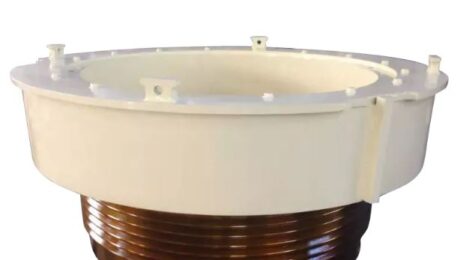
Bowl Assembly in Mining Machinery: Essential Insights and Spare Parts Guide
The bowl assembly is a critical component in various mining machinery, playing a pivotal role in efficient material processing and extraction. Whether you are an operator, maintenance engineer, or procurement specialist, understanding the nuances of bowl assemblies and their spare parts can significantly impact operational efficiency and equipment longevity. This comprehensive guide dives deep into mining machinery, focusing on bowl assemblies, their spare parts, selection criteria, common mistakes, and frequently asked questions to empower your decisions and optimize your mining operations.
Understanding Bowl Assembly in Mining Machinery
The bowl assembly is integral to machines like cone crushers, gyratory crushers, and flotation cells commonly used in mining. It typically consists of a bowl-shaped component that works in conjunction with a mantle or other moving parts to crush, grind, or separate mined materials.
What is a Bowl Assembly?
A bowl assembly refers to the stationary or rotating bowl-shaped part of crushing or separation equipment. It is designed to hold or process raw materials, facilitating size reduction or mineral separation.
Primary Functions of a Bowl Assembly
- Providing a surface against which material is crushed or ground
- Facilitating efficient material flow and processing
- Ensuring durability under high-stress mining conditions
- Supporting the movement of other mechanical parts like mantles or impellers
Types of Mining Machinery Featuring Bowl Assemblies
Bowl assemblies are found in various mining equipment, each serving a specialized function:
1. Cone Crushers
Used for secondary or tertiary crushing, cone crushers utilize a bowl assembly to crush rocks through compressive force.
2. Gyratory Crushers
These machines use a large bowl assembly and a conical head to crush large rocks in primary crushing stages.
3. Flotation Cells
In mineral processing, bowl assemblies in flotation cells help separate valuable minerals from ore slurry.
Mining Machinery Spare Parts: Focus on Bowl Assembly Components
Maintaining mining machinery requires access to high-quality spare parts, especially for bowl assemblies. Common spare parts include:
- Bowl Liners: Wear-resistant liners protect the bowl from abrasion and impact.
- Seals and Gaskets: Ensure dust and fluid containment within the assembly.
- Bolts and Fasteners: Secure the assembly components under high vibration.
- Bearings: Facilitate smooth rotation and reduce mechanical wear.
- Hydraulic Components: Used in adjustable bowl assemblies for precise operation.
Material Considerations for Spare Parts
Spare parts must be made from robust materials such as manganese steel, chromium alloys, or specialized composites to withstand harsh mining environments.
How to Select the Right Bowl Assembly for Your Mining Machinery
Choosing the appropriate bowl assembly is crucial for optimizing equipment performance and durability. Consider the following selection criteria:
1. Compatibility
Ensure the bowl assembly matches your machine model and specifications. Using incompatible parts can lead to premature failure.
2. Material Quality
Opt for high-grade materials that resist wear, corrosion, and impact.
3. Operational Requirements
Assess the type of mining operation, material hardness, and throughput capacity to select a bowl assembly designed for your specific needs.
4. Manufacturer Reputation
Choose spare parts from trusted suppliers with proven quality assurance and support.
5. Maintenance and Serviceability
Parts that are easy to install and maintain reduce downtime and operational costs.
Comparison of Bowl Assembly Types in Mining Machinery
| Type | Typical Application | Material | Advantages | Limitations |
|---|---|---|---|---|
| Cone Crusher Bowl Assembly | Secondary/Tertiary Crushing | Manganese Steel | High wear resistance, efficient crushing | Requires precise maintenance |
| Gyratory Crusher Bowl Assembly | Primary Crushing | Chromium Alloy | Handles large feed size, robust design | Heavy and complex structure |
| Flotation Cell Bowl Assembly | Mineral Separation | Polyurethane/Steel | Corrosion resistant, efficient separation | Limited mechanical stress tolerance |
Common Mistakes When Handling Bowl Assemblies and Spare Parts
- Using Low-Quality Spare Parts: Can lead to frequent breakdowns and safety hazards.
- Ignoring Compatibility: Installing incompatible parts may damage machinery.
- Neglecting Regular Maintenance: Causes accelerated wear and unexpected failures.
- Improper Installation: Leads to misalignment and reduced equipment life.
- Overlooking Manufacturer Guidelines: Can void warranties and reduce performance.
Buying Guide: How to Purchase Mining Machinery Bowl Assemblies and Spare Parts
Follow these steps for an informed purchase:
- Identify Your Equipment Model: Gather exact specifications and part numbers.
- Consult Manufacturer or Experts: Seek advice for suitable parts and alternatives.
- Evaluate Supplier Credibility: Check reviews, certifications, and after-sale support.
- Request Samples or Catalogs: Review material quality and compatibility.
- Compare Prices and Warranty: Balance cost with quality and service guarantees.
- Plan for Timely Delivery: Avoid operational downtime by ordering in advance.
Frequently Asked Questions About Bowl Assembly and Mining Machinery Spare Parts
1. What is the lifespan of a typical bowl assembly in mining machinery?
The lifespan varies based on material quality, operating conditions, and maintenance but generally ranges from 6 months to several years.
2. Can I use generic spare parts for bowl assemblies?
While generic parts may fit, it is best to use OEM or high-quality aftermarket parts to ensure performance and safety.
3. How often should bowl assemblies be inspected?
Regular inspections are recommended monthly or according to operational hours to detect wear and prevent failures.
4. What materials are best for bowl liners?
Manganese steel and chromium alloys are preferred for their excellent wear resistance and toughness.
5. How do I know if my bowl assembly needs replacement?
Signs include excessive wear, cracks, decreased crushing efficiency, and unusual noises during operation.
6. Are hydraulic bowl assemblies better than fixed ones?
Hydraulic assemblies allow for adjustment and better control but may require more maintenance compared to fixed assemblies.
7. Where can I find reliable suppliers for bowl assemblies?
Look for established mining equipment manufacturers or authorized distributors with positive industry reputations.
8. How can I extend the life of my bowl assembly?
Implement regular maintenance, use high-quality spare parts, and operate machinery within recommended parameters.
For more detailed information on mining machinery and spare parts, visit our Mining Equipment Resources page or explore our Product Catalog.
- Published in Products
Head Assembly in Mining Machinery: Comprehensive Guide to Mining Machinery and Spare Parts
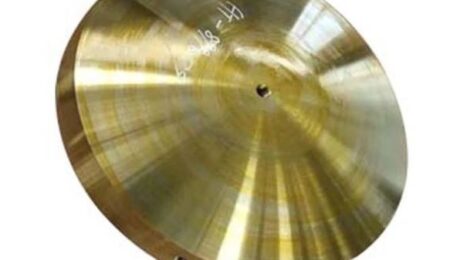
Head Assembly in Mining Machinery: Comprehensive Guide to Mining Machinery and Spare Parts
Mining machinery plays a crucial role in the extraction and processing of minerals from the earth. Among its many components, the head assembly is a vital part that ensures efficient operation and longevity of the equipment. Whether you are an industry professional, equipment buyer, or maintenance engineer, understanding the role of the head assembly and its related mining machinery spare parts is essential for optimizing your mining operations.
Understanding the Head Assembly in Mining Machinery
The head assembly is a key structural and functional component found in various mining machines such as crushers, conveyors, and drilling rigs. It typically refers to the top section where critical mechanical parts converge to transfer power, support loads, or facilitate material movement.
What Is a Head Assembly?
A head assembly is a combination of mechanical parts, including shafts, bearings, seals, and housings, designed to provide stability and motion control in mining equipment. It acts as the interface between the power source and the working parts of the machine.
Common Types of Head Assemblies in Mining Equipment
- Crusher Head Assembly: Supports the main shaft and allows the crushing jaws or cones to operate efficiently.
- Conveyor Head Assembly: Houses the drive pulley and motor, enabling smooth material transport.
- Drilling Rig Head Assembly: Facilitates the rotation and feed of drill bits into the earth.
Mining Machinery and Their Spare Parts
Mining machinery consists of complex systems with numerous spare parts that require regular maintenance and replacement to ensure peak performance. Key spare parts related to the head assembly include:
- Bearings: Reduce friction and support rotating shafts.
- Seals: Prevent dust and contaminants from entering sensitive areas.
- Shafts: Transmit power from the motor to the working components.
- Couplings: Connect different parts of the assembly to allow smooth power transfer.
- Drive Pulleys: Facilitate belt movement in conveyor systems.
Importance of High-Quality Spare Parts
Using genuine, high-quality spare parts for the head assembly significantly extends the lifespan of mining machinery, reduces downtime, and improves operational safety. Inferior parts can lead to frequent breakdowns and costly repairs.
How the Head Assembly Impacts Mining Equipment Performance
The efficiency of mining operations largely depends on the reliability of the head assembly. A well-maintained head assembly ensures:
- Optimal power transmission
- Reduced mechanical wear and tear
- Minimized vibration and noise
- Increased safety for operators
Comparison of Head Assembly Types in Mining Machinery
| Type | Application | Advantages | Disadvantages |
|---|---|---|---|
| Fixed Head Assembly | Jaw Crushers, Fixed Conveyors | Robust and durable, easy maintenance | Less flexible for adjustments |
| Rotary Head Assembly | Drilling Rigs, Rotary Crushers | Allows dynamic movement, efficient drilling | Higher maintenance requirements |
| Modular Head Assembly | Various Mining Machines | Easy to replace parts, customizable | Initial setup cost higher |
Mining Machinery Head Assembly Buying Guide
Selecting the right head assembly and spare parts can be challenging. Here are key criteria to consider:
1. Compatibility
Ensure the head assembly matches your specific mining machinery model and operational requirements.
2. Material Quality
Look for assemblies made from high-grade steel or alloys that resist wear, corrosion, and extreme conditions.
3. Manufacturer Reputation
Choose suppliers with proven track records and certifications to guarantee product reliability.
4. Maintenance and Support
Consider the availability of technical support and ease of servicing the assembly.
5. Cost vs. Longevity
Balance initial investment against expected lifespan and performance benefits.
Common Mistakes When Handling Mining Machinery Head Assemblies
- Ignoring Regular Maintenance: Leads to premature failure and costly downtime.
- Using Non-Genuine Spare Parts: Compromises machine integrity and safety.
- Improper Installation: Causes misalignment and uneven wear.
- Overlooking Environmental Factors: Dust and moisture can degrade components if not properly sealed.
- Neglecting Operator Training: Can result in mishandling and damage.
Frequently Asked Questions About Head Assembly and Mining Machinery
1. What is the primary function of a head assembly in mining machinery?
The head assembly primarily supports and connects moving parts, facilitating power transmission and operational stability.
2. How often should the head assembly be inspected?
Regular inspections are recommended every 3 to 6 months, depending on usage intensity and environmental conditions.
3. Can I use generic spare parts for the head assembly?
While generic parts may be cheaper, they often lack the durability and precise fit of genuine parts, risking equipment damage.
4. What signs indicate a failing head assembly?
Common signs include unusual noises, excessive vibration, overheating, and visible wear or damage.
5. How do environmental conditions affect the head assembly?
Harsh environments with dust, moisture, and extreme temperatures can accelerate wear and corrosion if the assembly is not properly protected.
6. Are there any safety concerns related to the head assembly?
Yes, faulty head assemblies can cause mechanical failures leading to accidents, so proper maintenance and quality parts are critical.
7. Where can I find reliable suppliers for mining machinery head assemblies?
Reliable suppliers can be found through industry trade shows, certified distributors, and reputable online marketplaces. For more information, visit our supplier directory.
8. What maintenance practices extend the life of a head assembly?
Regular lubrication, cleaning, timely replacement of worn parts, and correct installation procedures are essential.
For further insights into mining machinery and spare parts, explore our detailed resources at Mining Equipment Hub.
- Published in Products
T Seal in Mining Machinery: Comprehensive Guide to Mining Machinery and Spare Parts
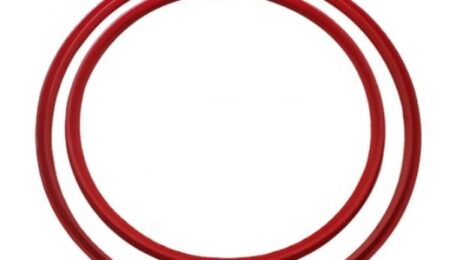
T Seal in Mining Machinery: Comprehensive Guide to Mining Machinery and Spare Parts
Mining machinery plays a pivotal role in the extraction and processing of minerals, ensuring efficiency and safety in mining operations. Among the many essential components, the T seal stands out as a critical element, offering durability and protection in harsh mining environments. In this article, we will explore the significance of T seals in mining machinery, delve into the various types of mining machinery and their spare parts, and provide a detailed buying guide to help you make informed decisions.
Understanding T Seal: Definition and Importance in Mining Machinery
A T seal is a specialized sealing component designed to prevent leakage of fluids and contaminants in mechanical systems. In mining machinery, T seals ensure the integrity of hydraulic cylinders, pumps, and other equipment exposed to abrasive materials and extreme conditions.
What is a T Seal?
The T seal gets its name from its cross-sectional shape, resembling the letter ‘T’. It is typically made from durable materials such as polyurethane, nitrile rubber, or PTFE, which provide excellent resistance to wear, pressure, and temperature fluctuations.
Why Are T Seals Essential in Mining Equipment?
- Leak Prevention: T seals prevent hydraulic fluid leaks, maintaining system efficiency.
- Contaminant Exclusion: They block dust, dirt, and abrasive particles from entering sensitive components.
- Durability: Their robust design extends the lifespan of mining machinery parts.
- Cost Efficiency: Reducing downtime and maintenance costs by enhancing equipment reliability.
Overview of Mining Machinery and Their Spare Parts
Mining operations rely on a variety of machinery, each requiring specific spare parts to function optimally. Understanding the types of machinery and their components is crucial for maintenance and procurement.
Primary Types of Mining Machinery
- Excavators: Used for digging and material handling.
- Drilling Machines: Employed for creating holes for blasting or sampling.
- Loaders: Transport materials from excavation sites.
- Conveyors: Facilitate material movement within the mine.
- Crushers: Break down mined materials into smaller sizes.
Common Spare Parts in Mining Machinery
- Seals and Gaskets: Including T seals, O-rings, and lip seals.
- Hydraulic Components: Cylinders, pumps, and valves.
- Wear Parts: Teeth, liners, and blades.
- Bearings and Bushings: For smooth mechanical operations.
- Electrical Components: Sensors, switches, and control units.
Long-Tail Keywords Related to Mining Machinery Spare Parts
When searching for spare parts like T seals, users often use specific phrases such as:
- High-quality T seal for hydraulic cylinders in mining
- Durable mining machinery spare parts supplier
- Replacement seals for excavator hydraulic systems
- Where to buy mining equipment seals and gaskets
- Cost-effective spare parts for mining machinery maintenance
Comparison of T Seals Versus Other Sealing Solutions in Mining Machinery
Choosing the right seal is vital for mining machinery performance. Below is a comparison table highlighting T seals against other common seals.
| Seal Type | Design | Durability | Application | Cost |
|---|---|---|---|---|
| T Seal | T-shaped cross-section | High resistance to abrasion and pressure | Hydraulic cylinders, pumps | Moderate |
| O-Ring | Round cross-section | Good for static seals | Static joints, low-pressure systems | Low |
| Lip Seal | Flexible lip design | Moderate wear resistance | Rotating shafts | Low to moderate |
| U-Cup Seal | U-shaped cross-section | Good for reciprocating motion | Hydraulic pistons | Moderate |
Buying Guide: How to Select the Right T Seal and Mining Machinery Spare Parts
Choosing the correct T seal and spare parts ensures optimal machinery performance and longevity. Consider the following criteria:
1. Material Compatibility
Ensure the seal material matches the hydraulic fluid and operating temperature to prevent degradation.
2. Size and Dimensions
Accurately measure the required dimensions to avoid leaks or installation issues.
3. Pressure and Temperature Ratings
Select seals rated for the maximum pressure and temperature of your mining equipment.
4. Abrasion Resistance
Mining environments are abrasive; choose seals with high wear resistance.
5. Supplier Reputation
Buy from trusted suppliers offering quality certifications and warranty.
6. Compatibility with Machinery Brand
Verify that spare parts are compatible with the specific make and model of your equipment.
Common Mistakes When Purchasing and Installing T Seals and Spare Parts
- Incorrect Sizing: Leads to leaks and equipment failure.
- Ignoring Material Specifications: Causes premature wear under harsh conditions.
- Poor Installation Practices: Damages seals during fitting.
- Using Low-Quality Parts: Results in frequent breakdowns and higher costs.
- Neglecting Regular Maintenance: Reduces the lifespan of seals and machinery.
Frequently Asked Questions (FAQ) About T Seal and Mining Machinery Spare Parts
1. What is the typical lifespan of a T seal in mining machinery?
The lifespan varies based on operating conditions, but high-quality T seals typically last between 1 to 3 years under normal mining use.
2. Can T seals be used in all types of mining machinery?
T seals are versatile and commonly used in hydraulic systems across various mining equipment, but compatibility should always be verified.
3. How do I know if a T seal needs replacement?
Signs include hydraulic fluid leaks, reduced pressure, or visible wear and damage during inspection.
4. Are there alternatives to T seals for hydraulic systems?
Yes, options like U-cup seals and O-rings exist, but T seals provide superior abrasion resistance in mining applications.
5. Where can I buy genuine mining machinery spare parts?
Purchase from authorized dealers, reputable suppliers, or directly from manufacturers to ensure authenticity.
6. How important is regular maintenance for T seals?
Regular maintenance is critical to detect wear early and prevent costly equipment failures.
7. Can improper installation damage T seals?
Yes, incorrect installation can cause seal deformation or tearing, leading to leaks.
8. What materials are best for T seals in abrasive mining environments?
Polyurethane and PTFE are preferred due to their excellent abrasion resistance and durability.
For more information on mining machinery and spare parts, visit our detailed resources here.
- Published in Products
U Seal: Comprehensive Guide to Mining Machinery and Mining Machinery Spare Parts
U Seal: Comprehensive Guide to Mining Machinery and Mining Machinery Spare Parts
In the demanding world of mining, the efficiency and reliability of mining machinery are crucial. Whether you operate underground or open-pit mines, understanding the role of essential components like U seals and other mining machinery spare parts can save time and money. This article dives deep into mining machinery, their spare parts, and how U seals contribute to optimal performance, durability, and safety.
Understanding Mining Machinery: Types and Applications
Mining machinery encompasses a wide range of equipment designed for extraction, processing, and transportation of minerals. The primary categories include:
- Drilling Machines: Used for creating holes for blasting or mineral extraction.
- Excavators and Loaders: For digging and moving ore or waste material.
- Conveyors and Crushers: To transport and reduce the size of mined materials.
- Ventilation and Safety Equipment: Ensures safe working conditions underground.
Each machine relies on numerous components, including seals, bearings, and hydraulic parts, to maintain smooth operation.
What is a U Seal and Why is it Important in Mining Machinery?
A U seal is a type of sealing component shaped like the letter ‘U’, designed to prevent leakage of fluids such as oil, water, or dust ingress in machinery. In mining equipment, U seals are critical for:
- Protecting hydraulic and pneumatic systems.
- Maintaining lubrication within moving parts.
- Preventing contamination from abrasive particles.
- Enhancing the lifespan of machinery components.
Given the harsh mining environment, selecting the right U seal material and design is essential.
Mining Machinery Spare Parts: Categories and Key Components
Mining machinery spare parts are vital for maintenance and minimizing downtime. The most common spare parts include:
1. Seals and Gaskets
Besides U seals, other seals like O-rings, lip seals, and shaft seals are used extensively. They prevent leaks and contamination in hydraulic cylinders, gearboxes, and pumps.
2. Bearings and Bushings
Bearings reduce friction between moving parts, while bushings provide wear resistance. Both are critical for smooth machine operation.
3. Hydraulic Components
Hydraulic pumps, valves, and cylinders power many mining machines. Spare parts for these systems ensure consistent performance.
4. Wear Parts
Components like crusher hammers, drill bits, and conveyor belts are subject to heavy wear and require periodic replacement.
How to Choose the Right U Seal and Mining Machinery Spare Parts
Choosing the correct spare parts, especially U seals, involves several criteria:
- Material Compatibility: Ensure seals withstand temperature, pressure, and chemical exposure.
- Size and Dimensions: Accurate measurements prevent leaks and mechanical failures.
- Manufacturer Specifications: Follow OEM recommendations for optimal fit and performance.
- Durability and Resistance: Prefer seals with abrasion, corrosion, and aging resistance.
Consult with suppliers and verify certifications to guarantee quality.
Comparison of U Seals and Other Seal Types for Mining Equipment
| Seal Type | Shape | Primary Use | Advantages | Limitations |
|---|---|---|---|---|
| U Seal | U-shaped | Hydraulic and pneumatic sealing | Excellent sealing under pressure, flexible | Requires precise installation |
| O-Ring | Round | Static and dynamic sealing | Simple design, cost-effective | Limited to lower pressures |
| Lip Seal | Ring with a lip | Rotary shaft sealing | Good for dust and oil sealing | Wear over time |
Common Mistakes When Selecting and Maintaining Mining Machinery Spare Parts
- Ignoring OEM Specifications: Using incompatible parts can cause failures.
- Overlooking Environmental Conditions: Failing to consider temperature and chemical exposure reduces seal life.
- Poor Installation Practices: Incorrect fitting leads to leaks and damage.
- Neglecting Regular Maintenance: Skipping inspections accelerates wear and unexpected breakdowns.
- Choosing Cost Over Quality: Cheap parts may save money upfront but increase downtime.
Buying Guide: How to Source Quality Mining Machinery Spare Parts and U Seals
When purchasing spare parts, consider the following:
- Supplier Reputation: Select vendors with proven track records and positive reviews.
- Certification and Warranty: Ensure parts meet industry standards and come with guarantees.
- Availability and Delivery: Choose suppliers who can provide timely shipments to reduce downtime.
- Technical Support: Access to expert advice aids in selecting correct parts.
- Price vs. Value: Focus on long-term reliability rather than just price.
Request detailed product datasheets and consult our spare parts catalog for more information.
Frequently Asked Questions (FAQ) About U Seal and Mining Machinery Spare Parts
1. What materials are U seals made from for mining applications?
Common materials include nitrile rubber (NBR), polyurethane, fluorocarbon (Viton), and silicone, chosen based on temperature, pressure, and chemical exposure.
2. How often should mining machinery spare parts be replaced?
Replacement frequency depends on usage intensity and environmental conditions but regular inspections every 3-6 months are recommended.
3. Can U seals be used in both hydraulic and pneumatic systems?
Yes, U seals are versatile and designed for effective sealing in both hydraulic and pneumatic applications.
4. What are the signs of a failing U seal in mining equipment?
Signs include fluid leaks, pressure drops, unusual noises, and contamination ingress.
5. Are aftermarket spare parts reliable for mining machinery?
Quality aftermarket parts can be reliable if sourced from reputable manufacturers adhering to OEM standards.
6. How do I ensure correct installation of U seals?
Follow manufacturer guidelines, use proper tools, and avoid twisting or damaging the seal during fitting.
7. What role do seals play in mining machinery safety?
Seals prevent hazardous leaks and contamination, thereby reducing risks of equipment failure and accidents.
8. Where can I find technical support for selecting mining machinery spare parts?
Many suppliers offer technical consultation; alternatively, consult industry experts or visit our support center.
- Published in Products
