


Comprehensive Guide to Conveyor Belts in Mining Machinery and Spare Parts

Conveyor Belt: Essential Component in Mining Machinery and Spare Parts
The conveyor belt is a cornerstone of modern mining machinery, playing a pivotal role in efficient material handling and transportation. Whether you’re involved in mineral extraction or equipment maintenance, understanding conveyor belts and their spare parts is crucial for optimizing operations. This comprehensive guide delves into the types, applications, maintenance tips, and buying considerations of conveyor belts in mining, ensuring you make informed decisions for your machinery needs.
Understanding Conveyor Belts in Mining Machinery
What Is a Conveyor Belt?
A conveyor belt is a continuous loop of material that moves objects from one point to another in mining operations. It is designed to transport bulk materials like ores, coal, and gravel efficiently and safely across varying distances and terrains within mining sites.
Types of Conveyor Belts Used in Mining
- Rubber Conveyor Belts: Known for durability and resistance to abrasion, ideal for transporting heavy materials.
- Steel Cord Conveyor Belts: Provide high tensile strength for long-distance and steep incline transport.
- Fabric Conveyor Belts: Lightweight and flexible, suitable for light to medium loads.
- Modular Conveyor Belts: Made of interlocking plastic segments, used for specialized applications.
Mining Machinery and Conveyor Belt Integration
Mining machinery relies heavily on conveyor belts for seamless material flow. Key mining equipment that integrates conveyor belts includes:
- Drilling Machines
- Excavators
- Crushers
- Screening Machines
- Loading Equipment
Conveyor belts ensure these machines operate efficiently by reducing manual handling and improving safety.
Mining Machinery Spare Parts: Conveyor Belt Components
Proper maintenance requires understanding the spare parts essential for conveyor belts. Common spare parts include:
- Idlers: Support the belt and material load.
- Rollers: Facilitate smooth belt movement.
- Belt Cleaners: Remove debris to prevent damage.
- Drive Pulleys: Power the belt’s motion.
- Belting Material: The actual belt, replaceable based on wear.
Selection Criteria for Conveyor Belts in Mining Applications
Choosing the right conveyor belt is vital for operational efficiency. Consider the following factors:
- Load Capacity: Match belt strength to the weight of materials transported.
- Material Type: Abrasive or corrosive materials require specialized belts.
- Operating Environment: Temperature, moisture, and terrain influence belt choice.
- Belt Speed and Length: Ensure compatibility with mining site layout and machinery.
- Maintenance Requirements: Opt for belts with accessible spare parts and easy servicing.
Common Mistakes When Using Conveyor Belts in Mining
- Ignoring Regular Maintenance: Leads to premature wear and unexpected downtime.
- Incorrect Belt Selection: Using unsuitable belts causes frequent failures.
- Poor Installation: Misalignment results in belt damage and inefficiency.
- Overloading: Exceeding capacity shortens belt lifespan.
- Neglecting Safety Protocols: Can cause accidents and equipment damage.
Comparison of Conveyor Belt Types for Mining Machinery
| Type | Strength | Flexibility | Durability | Ideal Application |
|---|---|---|---|---|
| Rubber Conveyor Belt | High | Medium | High | Heavy-duty bulk materials |
| Steel Cord Conveyor Belt | Very High | Low | Very High | Long-distance, steep inclines |
| Fabric Conveyor Belt | Medium | High | Medium | Light to medium loads |
| Modular Conveyor Belt | Medium | High | Medium | Specialized or curved paths |
Buying Guide: How to Choose Conveyor Belts and Spare Parts for Mining Machinery
When purchasing conveyor belts and spare parts, keep these tips in mind:
- Assess Your Mining Needs: Understand the materials and volume to be transported.
- Consult with Experts: Seek advice from manufacturers or suppliers specializing in mining equipment.
- Check Quality Certifications: Ensure belts meet industry standards for safety and durability.
- Consider Total Cost of Ownership: Factor in maintenance, replacement frequency, and downtime costs.
- Request Samples or Demonstrations: Evaluate belt performance before committing.
Frequently Asked Questions About Conveyor Belts in Mining Machinery
1. What is the typical lifespan of a conveyor belt in mining?
The lifespan varies based on material, usage, and maintenance but typically ranges from 3 to 10 years.
2. How often should conveyor belts be inspected?
Regular inspections are recommended monthly, with detailed checks quarterly to prevent unexpected failures.
3. Can conveyor belts handle abrasive mining materials?
Yes, specialized rubber and steel cord belts are designed to resist abrasion and extend service life.
4. What are the signs that a conveyor belt needs replacement?
Common signs include frequent slippage, visible wear or tears, unusual noises, and decreased transport efficiency.
5. How do I maintain conveyor belt spare parts?
Keep components clean, lubricated, and replace worn parts promptly to ensure smooth operation.
6. Are modular conveyor belts suitable for mining?
They are suitable for specific applications, especially where flexibility and easy maintenance are required.
7. How important is belt alignment?
Proper alignment is critical to prevent edge damage, reduce wear, and improve safety.
8. Where can I find reliable conveyor belt spare parts?
Look for authorized dealers and manufacturers with proven track records and good customer support.
For more detailed insights on mining machinery and conveyor belts, visit our Mining Equipment Resources page or explore our Spare Parts Catalog.
- Published in Products
Comprehensive Guide to Mining Machinery and Mining Machinery Spare Parts: Everything You Need to Know About Rollers and More

Mining Machinery and Mining Machinery Spare Parts: The Ultimate Guide to Rollers and Essential Components
Mining machinery plays a pivotal role in the extraction and processing of minerals, metals, and other valuable resources from the earth. Among the many components that keep mining operations running smoothly, rollers stand out as critical elements in various machinery types. In this comprehensive guide, we will explore everything you need to know about mining machinery, focusing especially on rollers and mining machinery spare parts. Whether you are a mining professional, equipment buyer, or enthusiast, this article will provide valuable insights to help you make informed decisions.
Understanding Mining Machinery: An Overview
Mining machinery refers to the heavy equipment and tools used in the mining industry to extract minerals and ores. These machines range from excavators and drilling rigs to crushers and conveyor belts. Each machine is made up of numerous components, including rollers, gears, motors, and spare parts that ensure optimal performance and durability.
What is a Roller in Mining Machinery?
A roller is a cylindrical component that facilitates the movement of materials or parts within mining equipment. Rollers are widely used in conveyor systems, crushers, and grinding mills. They help reduce friction, support heavy loads, and maintain smooth operation of machinery.
Types of Rollers Used in Mining Equipment
- Conveyor Rollers: Support and guide conveyor belts transporting ore and materials.
- Crusher Rollers: Used in roller crushers to crush rocks and minerals.
- Grinding Mill Rollers: Facilitate the grinding process in ball mills and other grinding equipment.
Key Mining Machinery and Their Spare Parts
Mining machinery is complex and requires regular maintenance to avoid downtime. Spare parts are essential for replacing worn or damaged components, ensuring the longevity and efficiency of equipment.
Common Mining Machinery
- Excavators
- Drilling Machines
- Conveyor Systems
- Crushers
- Grinding Mills
- Loaders and Haulers
Essential Spare Parts for Mining Machinery
- Rollers
- Bearings
- Belts and Chains
- Hydraulic Components
- Cutting Tools
- Filters and Seals
How Rollers Enhance Mining Machinery Performance
Rollers play an indispensable role in ensuring the smooth operation of mining machinery. Their design and material composition directly affect the efficiency, lifespan, and safety of equipment.
Material and Design Considerations for Mining Rollers
- Durability: Made from high-grade steel or alloy to withstand abrasive materials.
- Size and Shape: Customized to fit specific equipment requirements.
- Surface Treatment: Coatings to resist corrosion and wear.
Benefits of Using Quality Rollers in Mining Operations
- Reduces equipment downtime
- Enhances load-bearing capacity
- Improves conveyor belt alignment and tracking
- Minimizes friction and energy consumption
Comparison of Roller Types for Mining Machinery
| Roller Type | Application | Material | Advantages | Limitations |
|---|---|---|---|---|
| Steel Rollers | Conveyor belts, crushers | High-grade steel | High durability, wear resistance | Heavier, higher cost |
| Rubber-Coated Rollers | Conveyor systems | Steel core with rubber coating | Reduced noise, better grip | Less durable in harsh conditions |
| Ceramic Rollers | Grinding mills | Ceramic composite | Heat resistant, low friction | Fragile, expensive |
Buying Guide: Selecting the Right Mining Machinery Spare Parts Including Rollers
Choosing the correct spare parts is crucial for maintaining mining machinery performance. Here are key factors to consider when selecting rollers and other components.
Selection Criteria for Mining Rollers and Spare Parts
- Compatibility: Ensure parts match machinery model and specifications.
- Material Quality: Opt for high-grade materials suitable for mining conditions.
- Supplier Reputation: Choose reliable manufacturers and distributors.
- Warranty and Support: Check for warranty terms and after-sales service.
- Cost vs. Longevity: Balance upfront cost with expected lifespan.
Where to Buy Mining Machinery Spare Parts
Purchasing from authorized dealers or trusted online platforms ensures authenticity and quality. Consider local suppliers for faster delivery and support.
Common Mistakes to Avoid When Handling Mining Machinery and Spare Parts
- Ignoring Regular Maintenance: Leads to premature wear and costly repairs.
- Using Incompatible Parts: Can cause equipment malfunction and safety risks.
- Overlooking Quality: Cheap parts often fail faster, increasing downtime.
- Neglecting Proper Installation: Incorrect fitting reduces part efficiency and lifespan.
- Failing to Train Staff: Improper handling and maintenance can damage machinery.
Frequently Asked Questions About Mining Machinery and Rollers
1. What is the primary function of rollers in mining machinery?
Rollers support and guide moving parts such as conveyor belts and crusher components, reducing friction and facilitating smooth operation.
2. How often should mining machinery rollers be inspected or replaced?
Inspection frequency depends on usage intensity and environment, but regular checks every few months are recommended. Replace rollers when significant wear or damage is detected.
3. Can I use generic rollers for different types of mining equipment?
It’s best to use rollers designed specifically for your machinery to ensure compatibility, safety, and optimal performance.
4. What materials are best for rollers in abrasive mining environments?
High-grade steel or alloy rollers with protective coatings are preferred for durability in abrasive conditions.
5. How do I know if a roller needs replacement?
Signs include unusual noises, visible wear, misalignment, or decreased equipment efficiency.
6. Are there eco-friendly mining machinery spare parts available?
Yes, some manufacturers offer parts made from recycled materials or designed for energy efficiency.
7. What role do rollers play in conveyor belt systems?
They support the belt, maintain tension, and ensure smooth transportation of materials.
8. How can I extend the lifespan of mining machinery rollers?
Regular maintenance, proper lubrication, correct installation, and using high-quality parts can significantly extend roller life.
For more detailed insights on mining equipment and spare parts, visit our related resources and stay updated with the latest industry trends.
- Published in Products
Comprehensive Guide to Mining Machinery and Mining Machinery Spare Parts
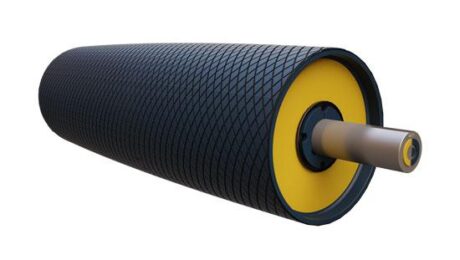
Mining Machinery: Essential Equipment and Spare Parts for Efficient Operations
Mining machinery plays a pivotal role in the extraction and processing of minerals, making it an indispensable part of the mining industry. Whether you are involved in surface mining or underground mining, understanding the various types of mining machinery and their spare parts is crucial for optimizing productivity and minimizing downtime. In this comprehensive guide, we explore everything you need to know about mining machinery, including key equipment, essential spare parts, buying guides, and common mistakes to avoid.
Understanding Mining Machinery: Types and Functions
Mining machinery encompasses a wide range of equipment designed to extract, transport, and process minerals from the earth. These machines are engineered to withstand harsh environments and heavy workloads.
Primary Mining Equipment
- Excavators: Used for digging and removing overburden or ore.
- Drilling Machines: Essential for creating blast holes in rock formations.
- Loaders and Haulers: Transport materials from the mining site to processing areas.
- Crushers: Break down large rocks into smaller, manageable pieces.
- Conveyors: Facilitate the movement of materials efficiently across the mining site.
Secondary and Support Equipment
- Screening Machines: Separate materials by size for further processing.
- Grinding Mills: Reduce ore to fine particles for mineral extraction.
- Pumps and Compressors: Support dewatering and ventilation systems.
Mining Machinery Spare Parts: Keeping Your Equipment Running Smoothly
Spare parts are vital to maintain the longevity and efficiency of mining machinery. Using high-quality spare parts reduces the risk of unexpected breakdowns and costly repairs.
Common Mining Machinery Spare Parts
- Wear Parts: Such as crusher liners, drill bits, and cutting edges that endure high abrasion.
- Hydraulic Components: Including cylinders, pumps, and valves essential for machine movement.
- Electrical Parts: Motors, sensors, and control systems that ensure operational accuracy.
- Engine Parts: Filters, belts, and fuel injectors critical for power generation.
Importance of Genuine Spare Parts
Choosing genuine or OEM (Original Equipment Manufacturer) spare parts ensures compatibility, safety, and optimal performance. Inferior parts may lead to frequent failures and compromise worker safety.
Comparison of Mining Machinery Brands and Spare Parts Suppliers
When selecting mining machinery and spare parts, comparing brands and suppliers can help you make informed decisions.
| Brand | Equipment Range | Spare Parts Availability | Warranty | Customer Support |
|---|---|---|---|---|
| Caterpillar | Excavators, Loaders, Drills | Extensive OEM Parts | 12 months | 24/7 Global Support |
| Komatsu | Haulers, Crushers, Drills | Wide Spare Parts Network | 12 months | Regional Service Centers |
| Sandvik | Drills, Crushers, Screening | High-Quality OEM Parts | 12 months | Technical Assistance |
| Joy Global | Underground Mining Equipment | Specialized Spare Parts | Varies | On-site Support |
Buying Guide: How to Choose the Right Mining Machinery and Spare Parts
Selecting the appropriate machinery and spare parts requires careful consideration of several factors to ensure maximum return on investment.
Key Selection Criteria
- Application Requirements: Identify the type of mining operation and the specific tasks to be performed.
- Machine Capacity and Size: Choose equipment that matches your production volume and site conditions.
- Durability and Reliability: Opt for machinery with proven performance in similar environments.
- Spare Parts Availability: Ensure that replacement parts are readily accessible to minimize downtime.
- After-Sales Service: Consider suppliers offering comprehensive maintenance and support services.
- Budget Constraints: Balance cost with quality and long-term operational efficiency.
Tips for Purchasing Spare Parts
- Verify the authenticity of parts through authorized dealers.
- Maintain an inventory of critical spare parts to avoid delays.
- Consult with technical experts to confirm compatibility.
Common Mistakes to Avoid When Using Mining Machinery and Spare Parts
Awareness of typical errors can help prevent costly setbacks and improve operational safety.
Frequent Pitfalls
- Ignoring Regular Maintenance: Skipping routine checks leads to premature wear and unexpected failures.
- Using Non-Standard Spare Parts: This can cause equipment malfunction and void warranties.
- Overloading Machinery: Operating beyond machine capacity reduces lifespan and increases accident risks.
- Inadequate Operator Training: Untrained personnel may misuse equipment, causing damage.
- Poor Inventory Management: Lack of essential spare parts can halt production.
Frequently Asked Questions About Mining Machinery and Spare Parts
1. What types of mining machinery are most commonly used in surface mining?
Excavators, haul trucks, drilling machines, and crushers are among the most commonly used equipment in surface mining operations.
2. How often should mining machinery be serviced?
Service intervals depend on the manufacturer’s recommendations, but regular inspections and maintenance should be performed daily or weekly, with comprehensive servicing every few months.
3. Why is it important to use OEM spare parts?
OEM parts guarantee compatibility, maintain machine performance, and uphold safety standards, reducing the risk of breakdowns.
4. Can mining machinery be customized to specific site conditions?
Yes, many manufacturers offer customization options to tailor machinery for unique mining environments and operational needs.
5. What are the signs that a spare part needs replacement?
Signs include unusual noises, decreased performance, visible wear or damage, and increased fuel consumption.
6. How can I ensure the quality of spare parts purchased from suppliers?
Purchase from authorized dealers, request certification, and verify part numbers against manufacturer specifications.
7. What safety measures should operators follow when using mining machinery?
Operators should undergo proper training, wear protective gear, follow operational protocols, and conduct pre-use inspections.
8. Are there environmental considerations when choosing mining machinery?
Yes, selecting energy-efficient machines and those with lower emissions helps reduce environmental impact and comply with regulations.
For more detailed insights on mining machinery and spare parts, visit our Mining Equipment Resources and Spare Parts Catalog.
- Published in Products
Mantle and Bowl Liner: Comprehensive Guide to Mining Machinery and Spare Parts

Mantle and Bowl Liner: Comprehensive Guide to Mining Machinery and Spare Parts
In the mining industry, the efficiency and durability of machinery directly affect productivity and operational costs. Among the critical components of crushing and grinding equipment are the mantle and bowl liner, which play a pivotal role in mineral processing. Whether you are a mining engineer, equipment buyer, or maintenance technician, understanding these parts and their related machinery is essential for optimizing performance and extending equipment life.
Understanding Mantle and Bowl Liner in Mining Machinery
The mantle and bowl liner are wear parts commonly used in cone crushers, a key piece of mining machinery that reduces ore size for further processing. These liners protect the crusher’s main structure from wear and tear, while also shaping the crushing chamber to ensure efficient rock fragmentation.
What Is a Mantle in Mining Equipment?
The mantle is the moving part of the cone crusher’s crushing chamber. It is mounted on the main shaft and gyrates eccentrically to crush material against the bowl liner. Made from manganese steel or other alloy materials, mantles absorb impact and abrasion, making them vital for crusher longevity.
What Is a Bowl Liner?
The bowl liner is the stationary counterpart to the mantle. It lines the inside of the crusher’s bowl and works in tandem with the mantle to crush rock. Like mantles, bowl liners are crafted from high-strength materials designed to withstand extreme wear.
Types of Mining Machinery Involving Mantle and Bowl Liners
Besides cone crushers, other mining machinery employs similar wear parts. Understanding these machines helps in selecting the right spare parts.
Cone Crushers
- Standard Cone Crushers: Suitable for secondary or tertiary crushing with medium to hard materials.
- Short Head Cone Crushers: Designed for finer crushing, often used in tertiary or quaternary stages.
Jaw Crushers
Primarily used for primary crushing, jaw crushers use fixed and movable jaws instead of mantle and bowl liners but share similar wear part replacement principles.
Impact Crushers
These use blow bars and impact plates, differing from mantle and bowl liners but still requiring regular maintenance and replacement.
Mining Machinery Spare Parts: Importance and Types
Mining machinery spare parts like mantles and bowl liners are crucial for maintaining operational efficiency and minimizing downtime. Using genuine, high-quality parts ensures optimal crusher performance and equipment longevity.
Common Spare Parts for Cone Crushers
- Mantles
- Bowl liners
- Concaves
- Drive belts
- Hydraulic components
Materials Used for Spare Parts
High manganese steel is the most common material due to its excellent impact resistance and work-hardening properties. Other materials include alloy steels and composite materials designed for specific mining conditions.
Comparison of Mantle and Bowl Liner Materials and Designs
| Feature | Manganese Steel | Alloy Steel | Composite Materials |
|---|---|---|---|
| Durability | High | Medium | Variable |
| Wear Resistance | Excellent | Good | Good to Excellent |
| Cost | Moderate | Lower | Higher |
| Maintenance Frequency | Lower | Higher | Variable |
How to Choose the Right Mantle and Bowl Liner: Buying Guide
Choosing the correct mantle and bowl liner is critical for crusher efficiency and longevity. Consider the following factors:
1. Material Compatibility
Match the liner material to the type of rock and abrasiveness of the ore.
2. Crusher Model and Size
Ensure parts are designed for your specific crusher model and size specifications.
3. Wear Life and Maintenance Cycle
Evaluate the expected wear life and ease of replacement to minimize downtime.
4. Manufacturer Reputation and Warranty
Opt for reputable manufacturers offering warranties and quality assurance.
5. Cost vs. Performance
Balance initial cost with long-term performance and replacement frequency.
Common Mistakes When Selecting and Maintaining Mantle and Bowl Liners
- Ignoring Compatibility: Using liners not designed for the crusher model can cause premature failure.
- Neglecting Wear Monitoring: Failing to regularly inspect liners leads to unexpected breakdowns.
- Using Low-Quality Parts: Cheap, substandard liners reduce crusher efficiency and lifespan.
- Improper Installation: Incorrect fitting can cause uneven wear and damage.
- Overlooking Operating Conditions: Not considering ore hardness and abrasiveness affects liner selection.
Frequently Asked Questions (FAQ) about Mantle and Bowl Liner and Mining Machinery Spare Parts
1. How often should mantle and bowl liners be replaced?
Replacement frequency depends on ore type, crusher workload, and material quality. Typically, liners last from several months up to a year under standard operating conditions.
2. Can I use aftermarket mantle and bowl liners?
Aftermarket parts can be cost-effective but ensure they meet OEM specifications and quality standards to avoid performance issues.
3. What are the signs of worn mantle and bowl liners?
Signs include reduced crushing efficiency, unusual vibrations, increased power consumption, and visible wear or cracking on the liners.
4. How does liner wear affect crusher performance?
Worn liners reduce crushing efficiency, cause uneven particle size distribution, and can lead to equipment damage if not replaced timely.
5. Are there any maintenance tips to extend liner life?
Regular inspections, proper installation, maintaining optimal operating parameters, and using quality liners help extend wear life.
6. What is the difference between mantle and bowl liner wear?
The mantle typically experiences more impact wear due to its movement, while the bowl liner endures abrasion from crushed material.
7. Can liners be repaired or only replaced?
Minor damage can sometimes be repaired by welding or resurfacing, but extensive wear usually requires full replacement.
8. Where can I find reliable suppliers for mining machinery spare parts?
Look for suppliers with proven industry experience, OEM certifications, and positive customer reviews. Check our recommended partners for trusted options.
Conclusion
Understanding the role of mantle and bowl liners in mining machinery is fundamental for maintaining crusher efficiency and reducing operational costs. By selecting the right spare parts, adhering to maintenance best practices, and avoiding common mistakes, mining operations can achieve longer equipment life and improved productivity.
For more detailed resources and expert advice on mining machinery and spare parts, explore our comprehensive mining equipment guides.
- Published in Products
Jaw Plate: Essential Mining Machinery Spare Parts for Efficient Crushing Operations

Jaw Plate: Essential Mining Machinery Spare Parts for Efficient Crushing Operations
In the world of mining machinery, the jaw plate stands out as a critical component that ensures the efficiency and longevity of jaw crushers. Whether you are involved in mining operations or industrial crushing, understanding the role and selection of jaw plates can significantly impact your productivity and cost-effectiveness. This comprehensive guide dives deep into mining machinery and mining machinery spare parts, focusing on jaw plates, their types, materials, maintenance, and buying criteria.
Understanding Jaw Plates in Mining Machinery
Jaw plates are the wear-resistant components fitted inside jaw crushers, responsible for crushing raw materials by applying compressive force. These plates come in direct contact with rocks and ores, making their durability and design vital for optimal crushing performance.
What is a Jaw Plate?
A jaw plate is a replaceable part of a jaw crusher that forms the crushing chamber. It consists of two plates: a fixed jaw plate and a movable jaw plate. The fixed plate remains stationary, while the movable plate oscillates to crush the material.
Types of Jaw Plates
- Standard Jaw Plates: Designed for general-purpose crushing, suitable for most materials.
- Corrugated Jaw Plates: Feature a grooved surface to increase grip and reduce slippage.
- Toothed Jaw Plates: Have tooth-like protrusions for more aggressive crushing of hard materials.
- Flat Jaw Plates: Smooth surface plates for fine crushing and shaping of materials.
Mining Machinery and Their Spare Parts: An Overview
Mining machinery encompasses a broad range of heavy equipment used to extract and process minerals. Spare parts like jaw plates, liners, bearings, and shafts play a crucial role in maintaining these machines’ operational efficiency.
Common Mining Machinery Spare Parts
- Jaw Plates
- Concave Liners
- Hammer Mill Parts
- Crusher Bearings
- Screen Meshes
- Conveyor Belts and Rollers
Regular replacement and maintenance of these parts can reduce downtime and increase the lifespan of mining equipment.
How Jaw Plates Impact Mining Efficiency
The quality and condition of jaw plates directly affect the crushing capacity, output size, and energy consumption of jaw crushers. Worn or damaged jaw plates can lead to inefficient crushing, increased power consumption, and potential damage to the crusher.
Signs of Worn Jaw Plates
- Reduced crushing efficiency
- Irregular particle size of output material
- Increased noise and vibration
- Visible cracks or excessive wear on plates
Materials Used in Jaw Plates
Jaw plates are typically made from high manganese steel, which offers excellent wear resistance and durability. Some advanced materials and treatments include:
- High Manganese Steel: Self-hardening properties increase wear life.
- Alloy Steel: Enhanced toughness and resistance to impact.
- Heat-Treated Steel: Improved hardness and durability.
Choosing the right material depends on the type of material being crushed and operational conditions.
Comparison of Jaw Plates and Other Crusher Spare Parts
| Spare Part | Function | Material | Typical Wear Life |
|---|---|---|---|
| Jaw Plate | Crushing raw material by compression | High manganese steel | 6-12 months (varies by usage) |
| Concave Liner | Protects bowl of cone crushers | Alloy steel | 8-14 months |
| Hammer Mill Parts | Impact crushing | Forged steel | 3-6 months |
This comparison highlights how jaw plates are integral to jaw crushers, with specific wear life and material requirements.
Buying Guide: How to Select the Right Jaw Plate for Your Mining Machinery
Choosing the appropriate jaw plate involves considering several factors to ensure compatibility, durability, and performance.
Selection Criteria
- Material Type: Consider the hardness and abrasiveness of the material to be crushed.
- Jaw Crusher Model: Ensure the jaw plate matches the crusher’s make and model.
- Plate Design: Choose between standard, corrugated, toothed, or flat based on crushing needs.
- Wear Resistance: Look for plates made from high-quality manganese steel or alloy steel.
- Manufacturer Reputation: Purchase from reputable suppliers to guarantee quality.
- Cost vs. Durability: Balance initial cost with expected wear life for best value.
Common Mistakes When Using Jaw Plates in Mining Machinery
Avoiding these pitfalls can extend the life of your jaw plates and improve crusher performance.
- Ignoring Regular Inspection: Failing to monitor wear can lead to sudden breakdowns.
- Using Incorrect Plate Types: Mismatched plates reduce crushing efficiency.
- Neglecting Proper Installation: Incorrect fitting can cause uneven wear and damage.
- Overloading the Crusher: Excessive feed can accelerate wear and cause failure.
- Skipping Maintenance: Lack of lubrication and cleaning shortens component life.
Frequently Asked Questions (FAQ) About Jaw Plates and Mining Machinery Spare Parts
1. How often should jaw plates be replaced?
Replacement frequency depends on material hardness and usage but typically ranges from 6 to 12 months. Regular inspections help determine the right time.
2. Can jaw plates be repaired or only replaced?
Minor damages can sometimes be repaired by welding, but generally, replacement is recommended to maintain crusher performance.
3. What is the difference between fixed and movable jaw plates?
The fixed jaw plate remains stationary, while the movable jaw plate moves to crush materials within the crusher.
4. Are there eco-friendly options for jaw plates?
While most jaw plates are made from steel alloys, some manufacturers are exploring sustainable production methods and recyclable materials.
5. How does jaw plate design affect crushing efficiency?
Designs like corrugated or toothed plates improve grip and crushing force, enhancing efficiency for specific materials.
6. Where can I find high-quality mining machinery spare parts?
Reliable suppliers, manufacturer websites, and authorized dealers are the best sources. Always verify authenticity and warranty.
7. What maintenance practices extend jaw plate life?
Regular cleaning, inspection, proper installation, and avoiding overloading can significantly prolong jaw plate lifespan.
8. Can jaw plates be customized?
Yes, many manufacturers offer custom jaw plates tailored to specific crusher models and material requirements.
For more detailed information on mining machinery and spare parts, visit our comprehensive resource page and explore expert guides.
- Published in Products
Blow Bar in Mining Machinery: Comprehensive Guide to Mining Equipment and Spare Parts

Blow Bar in Mining Machinery: Comprehensive Guide to Mining Equipment and Spare Parts
In the fast-evolving mining industry, the blow bar plays a pivotal role in crushing and grinding operations. Whether you’re a mining engineer, equipment supplier, or industry enthusiast, understanding blow bars and their integration with mining machinery and spare parts is essential. This article dives deep into the world of mining machinery, focusing on blow bars and how they contribute to efficient mineral processing.
Understanding Blow Bars and Their Role in Mining Machinery
A blow bar is a critical component used primarily in impact crushers within mining machinery. Designed to withstand extreme wear and tear, blow bars are responsible for crushing raw materials by impact, enabling efficient size reduction of ores and minerals.
What Is a Blow Bar?
Blow bars are heavy-duty, wear-resistant bars attached to the rotor of impact crushers. When the crusher operates, these bars strike and shatter large rocks, making them smaller and suitable for further processing. Their durability directly affects the crusher’s performance and longevity.
Types of Blow Bars
- High Manganese Steel Blow Bars: Known for toughness and resistance to impact.
- Chrome Alloy Blow Bars: Offer excellent wear resistance and longer service life.
- Composite Blow Bars: Combine materials for balanced performance.
Mining Machinery Overview: Essential Equipment in Mineral Processing
Mining machinery encompasses a broad range of equipment designed for extraction, crushing, grinding, and processing of minerals. The blow bar is just one component in this complex ecosystem.
Key Types of Mining Machinery
- Impact Crushers: Utilize blow bars to crush materials by impact force.
- Jaw Crushers: Use compressive force to break down rocks.
- Grinding Mills: Reduce ore size through grinding.
- Conveyors and Feeders: Transport materials efficiently.
Importance of Quality Spare Parts in Mining Machinery
Spare parts like blow bars, liners, and rotors must be durable and precisely engineered to maintain operational efficiency. Using substandard parts can lead to frequent breakdowns and costly downtime.
How Blow Bars Impact Mining Efficiency and Cost
Choosing the right blow bar influences the crushing efficiency and operational costs significantly.
Factors Affecting Blow Bar Performance
- Material Quality: Determines wear resistance and lifespan.
- Design and Shape: Influences crushing efficiency and energy consumption.
- Compatibility: Must match the crusher model and application.
Benefits of Using High-Quality Blow Bars
- Extended service life reduces replacement frequency.
- Improved crushing efficiency lowers energy costs.
- Minimized downtime enhances overall productivity.
Comparison of Popular Blow Bar Materials and Their Applications
| Material Type | Advantages | Best Used For | Typical Lifespan |
|---|---|---|---|
| High Manganese Steel | High toughness, good impact resistance | General crushing of medium-hard materials | 3-6 months |
| Chrome Alloy Steel | Excellent wear resistance, longer life | Highly abrasive materials | 6-12 months |
| Composite Materials | Balanced toughness and wear resistance | Specialized crushing applications | Varies by composition |
Buying Guide: How to Choose the Right Blow Bar and Spare Parts for Mining Machinery
Choosing the right blow bar and spare parts requires careful consideration of several factors to ensure optimal performance and cost-efficiency.
Selection Criteria for Blow Bars
- Material Compatibility: Match the blow bar material to the type of ore and crusher.
- Crusher Model: Ensure the blow bar fits the specific crusher rotor design.
- Operational Conditions: Consider moisture, temperature, and abrasion levels.
- Supplier Reputation: Choose manufacturers with proven quality and support.
- Cost vs. Lifespan: Balance upfront cost with expected durability.
Additional Tips for Spare Parts Procurement
- Maintain an inventory of critical parts to avoid downtime.
- Regularly inspect parts for wear and replace proactively.
- Use OEM or certified aftermarket parts to guarantee compatibility.
Common Mistakes When Selecting and Using Blow Bars
Many mining operations face avoidable issues due to common mistakes related to blow bars and spare parts.
Top Mistakes to Avoid
- Ignoring Material Specifications: Using inappropriate blow bar materials for the ore type.
- Overlooking Compatibility: Installing parts not designed for the crusher model.
- Delaying Replacements: Waiting too long to replace worn blow bars, risking damage.
- Neglecting Supplier Quality: Choosing cheaper, low-quality parts that fail prematurely.
- Improper Installation: Incorrect mounting leading to uneven wear or failure.
Frequently Asked Questions (FAQ) About Blow Bars and Mining Machinery Spare Parts
1. What is the average lifespan of a blow bar in mining crushers?
The lifespan varies depending on material type, ore abrasiveness, and operational conditions but typically ranges from 3 to 12 months.
2. Can I use aftermarket blow bars instead of OEM parts?
Yes, but it is crucial to ensure the aftermarket parts meet quality standards and are compatible with your crusher model to avoid performance issues.
3. How do I know when to replace a blow bar?
Signs include visible wear, cracks, reduced crushing efficiency, and increased energy consumption. Regular inspections help determine the right replacement time.
4. Are blow bars interchangeable between different crusher brands?
Not always. Blow bars are designed to fit specific rotor shapes and sizes; always verify compatibility before purchasing.
5. What maintenance practices extend blow bar life?
Routine inspections, proper installation, avoiding overloading, and using suitable materials for the application can significantly extend blow bar life.
6. How do blow bars affect mining machinery operational costs?
High-quality blow bars minimize downtime and energy usage, reducing overall operational costs and increasing profitability.
7. What are the environmental considerations when selecting blow bars?
Choosing durable, long-lasting blow bars reduces waste and the frequency of replacements, contributing to more sustainable mining operations.
8. Where can I find reliable suppliers for mining machinery spare parts?
Look for certified manufacturers with positive industry reviews and comprehensive support services. Internal links such as our supplier directory can help you find trusted sources.
Conclusion
Understanding the importance of blow bars within mining machinery and selecting the right spare parts is key to optimizing mining operations. By considering material types, compatibility, and operational conditions, mining professionals can enhance crusher performance, reduce costs, and maintain steady production. For more detailed guidance and to explore quality mining machinery parts, visit our resource center.
- Published in Products
Locotrack LT1213: Comprehensive Guide to Mining Machinery and Spare Parts

Locotrack LT1213: Comprehensive Guide to Mining Machinery and Spare Parts
In the demanding world of mining, reliable equipment like the Locotrack LT1213 plays a crucial role in ensuring operational efficiency and safety. Whether you’re a mining professional, equipment supplier, or maintenance technician, understanding the capabilities, spare parts, and maintenance of the LT1213 is essential. This article offers an in-depth exploration of mining machinery, focusing on the Locotrack LT1213, its spare parts, and best practices for selection and maintenance.
Understanding the Locotrack LT1213 and Its Role in Mining Machinery
The Locotrack LT1213 is a versatile mining locomotive designed to transport materials efficiently in underground and surface mining operations. Known for its robust construction and adaptability, this machinery supports heavy loads and harsh environments, making it a preferred choice across mining sectors.
Key Features of Locotrack LT1213
- High traction power for steep inclines and rough terrain
- Durable chassis built for extended operational life
- Ergonomic operator cabin with advanced controls
- Energy-efficient diesel-electric propulsion system
- Modular design facilitating easier maintenance and part replacement
Mining Machinery: Types and Applications
Mining operations rely on a variety of machinery to optimize productivity and safety. The Locotrack LT1213 fits into the category of mining locomotives but understanding the broader machinery landscape helps contextualize its importance.
Common Types of Mining Machinery
- Excavators: For digging and material handling
- Loaders: Transporting mined materials
- Drills: Creating boreholes for blasting or sampling
- Conveyor Systems: Continuous material transport
- Mining Locomotives: Like the LT1213, used for underground haulage
Applications of Locotrack LT1213 in Mining
The LT1213 excels in underground haulage, transporting ore and waste rock efficiently. Its compact design allows it to navigate narrow tunnels, while its power output ensures consistent performance under heavy load conditions.
Mining Machinery Spare Parts: Importance and Common Components
Maintaining mining machinery like the Locotrack LT1213 requires a steady supply of high-quality spare parts. Using genuine parts ensures longevity, safety, and optimal performance.
Why Genuine Spare Parts Matter
- Ensure compatibility with original machinery specifications
- Maintain operational efficiency and safety standards
- Reduce downtime caused by part failures
- Extend the lifespan of mining equipment
Common Spare Parts for Locotrack LT1213
- Traction motors and controllers
- Brake systems and pads
- Diesel engine components
- Hydraulic pumps and valves
- Electrical wiring harnesses and connectors
- Track wheels and suspension parts
Comparison: Locotrack LT1213 vs. Other Mining Locomotives
Choosing the right mining locomotive can be challenging. Here’s a comparison table highlighting how Locotrack LT1213 stacks against similar models.
| Feature | Locotrack LT1213 | Competitor A | Competitor B |
|---|---|---|---|
| Power Output | 1200 HP | 1100 HP | 1250 HP |
| Maximum Load Capacity | 35 tons | 30 tons | 40 tons |
| Fuel Efficiency | High (diesel-electric) | Medium (diesel) | Medium (diesel-electric) |
| Maintenance Ease | Modular design | Standard | Complex |
| Price Range | $$$ | $$ | $$$$ |
Buying Guide: Selecting the Right Mining Machinery and Spare Parts
When investing in mining machinery like the Locotrack LT1213 or its spare parts, consider the following criteria to ensure you make an informed decision.
Selection Criteria for Mining Machinery
- Operational Requirements: Match machinery specifications to your mining environment and load needs.
- Durability and Build Quality: Assess the materials and design for long-term use.
- Energy Efficiency: Opt for models that minimize fuel consumption and emissions.
- Maintenance and Support: Ensure availability of spare parts and service centers.
- Cost of Ownership: Consider initial price, maintenance costs, and resale value.
Choosing Spare Parts
- Always prefer OEM (Original Equipment Manufacturer) parts for guaranteed compatibility.
- Verify supplier reputation and warranty offerings.
- Consider lead times and stock availability to avoid operational delays.
- Check for certifications and quality standards compliance.
Common Mistakes When Handling Mining Machinery and Spare Parts
Mining operations often face challenges due to mishandling or poor choices related to machinery and parts. Avoid these pitfalls:
- Using Non-Genuine Parts: Leads to frequent breakdowns and safety risks.
- Ignoring Regular Maintenance: Causes premature wear and unexpected failures.
- Overloading Equipment: Reduces lifespan and increases accident risks.
- Poor Storage of Spare Parts: Results in corrosion or damage.
- Neglecting Operator Training: Can cause operational errors and machinery damage.
Frequently Asked Questions (FAQ) About Locotrack LT1213 and Mining Machinery
1. What is the primary function of the Locotrack LT1213 in mining?
The Locotrack LT1213 is primarily used as a mining locomotive to transport ore and materials efficiently within underground and surface mines.
2. How often should spare parts for the LT1213 be replaced?
Replacement depends on usage intensity and maintenance schedules, but regular inspections every 500 operational hours are recommended to identify worn parts.
3. Are aftermarket spare parts suitable for the Locotrack LT1213?
While aftermarket parts may be cheaper, OEM parts are preferred to ensure compatibility, safety, and performance.
4. What maintenance practices extend the life of mining machinery?
Routine inspections, timely lubrication, using genuine parts, and operator training are key practices to prolong machinery lifespan.
5. Can the Locotrack LT1213 be customized for different mining environments?
Yes, its modular design allows customization to suit specific mining conditions and operational requirements.
6. Where can I find genuine spare parts for the Locotrack LT1213?
Authorized dealers and certified suppliers offer genuine parts; always verify authenticity before purchasing.
7. What safety features are integrated into the Locotrack LT1213?
The LT1213 includes advanced braking systems, operator cabin protections, and emergency shutoff controls to ensure safe operation.
8. How does the LT1213 compare in fuel efficiency to other mining locomotives?
Its diesel-electric propulsion system offers higher fuel efficiency compared to traditional diesel-only models, reducing operational costs.
For more detailed information on mining machinery and spare parts, visit our resource page at Mining Equipment Resources.
- Published in Products
Mining Machinery and Mining Machinery Spare Parts: Comprehensive Guide for Efficient Operations

Mining Machinery and Mining Machinery Spare Parts: Comprehensive Guide for Efficient Operations
Mining machinery plays a pivotal role in the extraction and processing of minerals, making it indispensable in the mining industry. Whether you are involved in surface or underground mining, having reliable mining machinery and quality spare parts ensures operational efficiency and minimizes downtime. In this article, we dive deep into the types of mining machinery, essential spare parts, selection criteria, common mistakes to avoid, and answer frequently asked questions to help you make informed decisions.
Understanding Mining Machinery: Types and Applications
Mining machinery encompasses a broad range of equipment designed to facilitate the extraction, transportation, and processing of minerals. These machines vary based on mining methods, material types, and operational scale.
Primary Mining Machinery Categories
- Drilling Machines: Used for creating holes in the earth’s surface or underground for blasting or sampling.
- Excavators and Loaders: Essential for digging and moving earth or ore.
- Haul Trucks and Dumpers: Transport mined materials from the site to processing areas.
- Crushers and Grinders: Break down large rocks into smaller, manageable sizes for processing.
- Conveyors: Facilitate continuous movement of materials within the mining site.
Mining Machinery Spare Parts: Importance and Common Types
Spare parts are critical to maintain the longevity and performance of mining machinery. Regular wear and tear, harsh operational environments, and mechanical stress make spare parts replacement inevitable.
- Hydraulic Components: Cylinders, pumps, and valves that control machinery movement.
- Engine Parts: Filters, pistons, and belts ensuring engine efficiency.
- Wear Parts: Teeth, blades, and liners that endure abrasive conditions.
- Electrical Components: Sensors, wiring, and control panels for machine automation.
- Fasteners and Bolts: High-strength bolts and nuts crucial for structural integrity.
How to Choose the Right Mining Machinery and Spare Parts
Selecting the appropriate machinery and spare parts requires a thorough understanding of your mining operation’s specific needs.
Selection Criteria for Mining Machinery
- Mining Method Compatibility: Ensure the equipment suits surface, underground, or placer mining.
- Capacity and Size: Match machinery capacity with production targets and site dimensions.
- Durability and Reliability: Opt for robust machines designed for harsh environments.
- Technological Features: Consider automation, remote control, and monitoring capabilities.
- Service and Support: Availability of local service centers and spare parts supply.
Choosing Quality Mining Machinery Spare Parts
- Purchase from reputable manufacturers or authorized dealers.
- Verify compatibility with your specific machinery model.
- Check material quality and certifications.
- Consider warranty and after-sales service.
- Maintain inventory of critical spare parts to reduce downtime.
Comparison of Leading Mining Machinery Types
| Machine Type | Primary Use | Advantages | Limitations |
|---|---|---|---|
| Hydraulic Excavators | Digging and loading | High power, versatile attachments | High fuel consumption |
| Continuous Miners | Underground mining | Efficient, reduces manual labor | High initial cost |
| Rock Drills | Drilling blast holes | Precise, fast drilling | Wear parts require frequent replacement |
| Haul Trucks | Material transport | Large capacity, rugged design | Limited maneuverability in tight spaces |
Common Mistakes When Managing Mining Machinery and Spare Parts
- Ignoring Preventive Maintenance: Leads to unexpected breakdowns and costly repairs.
- Using Non-Standard Spare Parts: May cause compatibility issues and reduce machinery lifespan.
- Overlooking Training: Improper operation can damage equipment and compromise safety.
- Poor Inventory Management: Results in delays and increased operational costs.
- Neglecting Technological Upgrades: Missing out on efficiency and safety improvements.
Frequently Asked Questions About Mining Machinery and Spare Parts
1. What are the most critical spare parts to keep in stock for mining machinery?
Hydraulic components, wear parts like teeth and liners, engine filters, and fasteners such as bolts are essential to maintain continuous operations.
2. How often should mining machinery undergo maintenance?
Maintenance frequency depends on usage and manufacturer guidelines but typically includes daily checks, weekly servicing, and comprehensive inspections quarterly or biannually.
3. Can I use generic spare parts instead of OEM parts?
While generic parts may be cheaper, OEM parts ensure compatibility, reliability, and maintain machinery warranty. Use generic parts cautiously and only from trusted suppliers.
4. How does technology impact modern mining machinery?
Advanced technology enables automation, real-time monitoring, improved safety, and energy efficiency, significantly enhancing productivity.
5. What factors affect the price of mining machinery?
Machine size, capacity, brand, technological features, and after-sales support influence the cost.
6. Where can I find reliable suppliers for mining machinery spare parts?
Authorized dealers, manufacturer websites, and verified industrial marketplaces are recommended sources. Always verify certifications and customer reviews.
7. How can I extend the lifespan of my mining machinery?
Regular maintenance, using quality spare parts, proper operator training, and timely repairs are key to prolonging machinery life.
8. What safety measures should be considered when operating mining machinery?
Operators should receive proper training, wear protective equipment, follow operational protocols, and ensure machinery is regularly inspected for safety compliance.
For more detailed resources on mining equipment and spare parts, visit our mining machinery resources page.
- Published in Products
Comprehensive Guide to Mining Machinery and Mining Machinery Spare Parts

Mining Machinery and Mining Machinery Spare Parts: Ultimate Guide for Efficient Operations
Mining machinery plays a crucial role in the extraction and processing of minerals, making it an indispensable asset in the mining industry. Whether you are running a large-scale mining operation or a smaller site, understanding mining machinery and their spare parts is essential for maximizing productivity and minimizing downtime. In this article, we will explore everything you need to know about mining machinery, the importance of spare parts, and how to select the right equipment for your needs.
Understanding Mining Machinery: Types and Functions
Mining machinery encompasses a wide range of equipment designed to facilitate various mining activities such as excavation, material handling, drilling, and processing. The primary types of mining machinery include:
- Excavators and Shovels: Used for digging and loading materials.
- Drilling Machines: Essential for creating holes for blasting or sampling.
- Conveyors and Haul Trucks: Transport materials within the mining site.
- Crushers and Screeners: Break down and sort extracted materials.
- Loaders and Bulldozers: Move and level earth and materials.
Long-tail keyword: Types of mining machinery and their uses
Each type of machinery is designed for specific tasks, and choosing the right equipment depends on the mining method, material type, and site conditions.
Mining Machinery Spare Parts: Importance and Common Components
Spare parts are vital for maintaining the operational efficiency and longevity of mining machinery. Delays caused by malfunctioning parts can lead to costly downtime and reduced productivity.
Key Spare Parts for Mining Machinery
- Hydraulic Components: Pumps, valves, and cylinders that control machine movement.
- Wear Parts: Teeth, blades, and liners that experience high abrasion.
- Engine Parts: Filters, belts, and fuel injectors essential for engine performance.
- Electrical Components: Sensors, wiring, and control units for machine automation.
- Undercarriage Parts: Tracks, rollers, and sprockets that support mobility.
How to Choose the Right Mining Machinery and Spare Parts
Selecting the right machinery and spare parts requires a strategic approach to ensure compatibility, durability, and cost-effectiveness.
Buying Guide: Selection Criteria for Mining Machinery and Spare Parts
- Assess Your Mining Operation Needs: Consider the scale, type of minerals, and terrain.
- Evaluate Machine Specifications: Power, capacity, and technology features.
- Check Spare Parts Availability: Ensure parts are readily available and compatible.
- Consider Supplier Reputation: Opt for manufacturers with proven quality and support.
- Analyze Total Cost of Ownership: Factor in maintenance, fuel efficiency, and resale value.
Comparison of Popular Mining Machinery Brands and Spare Parts
| Brand | Machine Types | Spare Parts Availability | Warranty | Price Range |
|---|---|---|---|---|
| Caterpillar | Excavators, Haul Trucks, Drills | Extensive | Up to 5 Years | High |
| Komatsu | Loaders, Bulldozers, Crushers | Wide | 3-5 Years | Mid to High |
| Sandvik | Drills, Crushers, Screeners | Good | 3 Years | Mid |
| Atlas Copco | Drilling Equipment, Compressors | Good | 3 Years | Mid |
Common Mistakes When Purchasing Mining Machinery and Spare Parts
- Ignoring Compatibility: Buying parts that do not fit or work with existing machinery.
- Overlooking Maintenance Requirements: Neglecting the importance of routine servicing.
- Choosing Cheapest Options: Sacrificing quality for lower upfront costs.
- Failing to Verify Supplier Credibility: Risking counterfeit or low-quality parts.
- Neglecting Training: Not providing adequate operator training for new machinery.
Frequently Asked Questions About Mining Machinery and Spare Parts
1. What are the most critical spare parts to keep in stock?
Hydraulic components, wear parts like teeth and liners, and engine filters are essential to maintain continuous operation.
2. How often should mining machinery be serviced?
Regular servicing intervals depend on usage but typically range from every 250 to 500 operating hours.
3. Can I use generic spare parts for my mining equipment?
While generic parts may be cheaper, OEM parts ensure better compatibility and longer machine life.
4. What factors affect the price of mining machinery?
Machine size, technology, brand reputation, and included features influence pricing.
5. How do I identify the right mining machinery for my operation?
Assess your mining method, material type, and site conditions, then consult with suppliers for tailored recommendations.
6. Are there financing options available for purchasing mining equipment?
Many manufacturers and dealers offer financing plans; it’s best to inquire directly for available options.
7. How can I ensure the longevity of my mining machinery?
Regular maintenance, using quality spare parts, and proper operator training are key to extending equipment life.
8. What certifications should I look for in mining machinery suppliers?
Look for ISO certifications, safety compliance, and positive industry reviews to ensure reliability.
For more detailed information on mining machinery and spare parts, visit our resources page or contact our experts today.
- Published in Products
Toggle Plate in Mining Machinery: Comprehensive Guide to Mining Machinery and Spare Parts

Toggle Plate in Mining Machinery: Comprehensive Guide to Mining Machinery and Spare Parts
Mining machinery is the backbone of the mining industry, enabling efficient extraction and processing of minerals. Among the critical components in mining equipment, the toggle plate plays a vital role in jaw crushers and other heavy-duty machinery. This article dives deep into the world of mining machinery and mining machinery spare parts, focusing on toggle plates, their function, types, and how to select the right parts for optimal performance.
Understanding Toggle Plates and Their Role in Mining Machinery
A toggle plate is a mechanical component used primarily in jaw crushers to transfer force and help in the crushing process. It acts as a safety device and a force transmission link between the moving jaw and the frame of the crusher.
What is a Toggle Plate?
The toggle plate is a flat, often triangular or rectangular metal plate that connects the jaw stock to the main frame. It works by converting the motion generated by the eccentric shaft into the crushing action of the jaw.
Functions of a Toggle Plate
- Transmits crushing force from the moving jaw to the frame.
- Acts as a safety mechanism by breaking or bending if uncrushable material enters the crusher, preventing damage to other parts.
- Maintains the correct alignment and movement of the jaw.
Types of Toggle Plates in Mining Machinery
Mining machinery uses various toggle plates designed to suit different crusher models and operational needs.
Standard Toggle Plates
These are the most common type, made from manganese steel or alloy steel, designed for durability and impact resistance.
Reinforced Toggle Plates
Used in heavy-duty crushers, these plates have added thickness or additional material reinforcements to withstand higher stress.
Adjustable Toggle Plates
Some crushers use toggle plates that allow adjustment of the crusher’s discharge opening, offering flexibility in operation.
Mining Machinery Overview: Types and Applications
Mining machinery encompasses a broad range of equipment designed for excavation, material handling, crushing, and processing.
Common Types of Mining Machinery
- Excavators and Shovels: For digging and loading materials.
- Drilling Machines: Used to create blast holes.
- Crushing Equipment: Jaw crushers, cone crushers, and impact crushers.
- Conveyors: For transporting mined materials.
- Screening Equipment: To separate materials by size.
Role of Spare Parts in Mining Machinery
Spare parts like toggle plates, jaw plates, liners, and bearings are essential for maintaining mining machinery’s efficiency and longevity. Timely replacement prevents downtime and costly repairs.
Toggle Plate vs. Jaw Plate: A Comparison
| Component | Function | Material | Position in Crusher | Maintenance |
|---|---|---|---|---|
| Toggle Plate | Force transmission and safety mechanism | Manganese steel or alloy steel | Between moving jaw and frame | Replace if bent or cracked |
| Jaw Plate | Crushes material by compressing | High manganese steel | Attached to fixed and moving jaws | Replace when worn out or cracked |
Buying Guide: How to Select the Right Mining Machinery Spare Parts
Choosing the correct spare parts is crucial for maintaining mining equipment performance.
Key Selection Criteria
- Material Quality: Opt for high-grade manganese or alloy steel for durability.
- Compatibility: Ensure parts match your specific machinery model.
- Manufacturer Reputation: Purchase from trusted suppliers with proven quality.
- Cost vs. Longevity: Balance initial cost with expected lifespan.
- Warranty and Support: Look for parts with warranty and after-sales service.
Where to Buy Mining Machinery Spare Parts
Reliable sources include authorized dealers, manufacturer websites, and specialized mining equipment suppliers. Always verify authenticity and check customer reviews.
Common Mistakes When Using and Maintaining Toggle Plates
- Ignoring Wear Signs: Delaying replacement can cause damage to other crusher parts.
- Using Low-Quality Parts: Leads to frequent breakdowns and reduced efficiency.
- Improper Installation: Can cause misalignment and premature failure.
- Neglecting Regular Maintenance: Results in unexpected downtime.
- Overloading Crushers: Exceeds design limits and damages toggle plates.
Frequently Asked Questions About Toggle Plates and Mining Machinery Spare Parts
1. What materials are toggle plates typically made from?
Toggle plates are usually made from manganese steel or alloy steel due to their high strength and wear resistance.
2. How often should toggle plates be replaced?
Replacement depends on usage and wear but generally when signs of cracking, bending, or excessive wear appear.
3. Can toggle plates be repaired or only replaced?
Due to the critical safety function, toggle plates are typically replaced rather than repaired.
4. What is the difference between toggle plates and toggle seats?
Toggle seats are the fixed base where toggle plates rest, while toggle plates are the moving components transmitting force.
5. How do I know if a toggle plate is compatible with my crusher?
Check the manufacturer’s specifications or consult with the supplier to ensure compatibility with your crusher model.
6. Are there aftermarket toggle plates available?
Yes, but it’s essential to verify quality and compatibility before purchasing aftermarket parts.
7. What maintenance practices extend the life of toggle plates?
Regular inspections, timely replacements, proper installation, and avoiding crusher overload help extend toggle plate life.
8. Where can I find more information about mining machinery spare parts?
Visit our mining machinery resources or contact authorized dealers for detailed guidance and support.
Understanding the importance of toggle plates and other mining machinery spare parts ensures efficient operations and reduces costly downtime. Investing in quality parts and proper maintenance practices is key to long-term success in the mining industry.
- Published in Products
