


Crusher Wear Parts Manganese Grade Mn13: Comprehensive Guide to Mining Machinery and Spare Parts
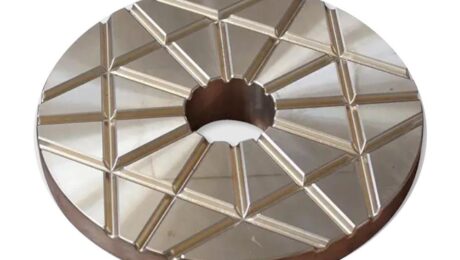
Crusher Wear Parts Manganese Grade Mn13: Your Ultimate Guide to Mining Machinery and Spare Parts
In the demanding world of mining, durability and efficiency are paramount. One of the critical components ensuring optimal crusher performance is the crusher wear parts manganese grade Mn13. Whether you operate a quarry, a mining site, or a recycling plant, understanding these specialized spare parts can significantly enhance your machinery’s lifespan and productivity. This article dives deep into the essentials of mining machinery, focusing on manganese grade Mn13 crusher wear parts, their advantages, selection criteria, and common pitfalls to avoid.
Understanding Crusher Wear Parts and Their Importance in Mining Machinery
Mining machinery operates under intense conditions, grinding and crushing hard materials. Over time, parts like jaws, cones, and liners wear out due to abrasion and impact. Crusher wear parts are specifically designed to withstand these harsh environments, ensuring minimal downtime and consistent output.
The manganese grade Mn13 is a popular choice for these wear parts, offering a balanced combination of hardness and toughness. But what exactly makes Mn13 stand out?
What is Manganese Grade Mn13?
Manganese grade Mn13 refers to a steel alloy containing approximately 13% manganese. This alloy is known for its excellent impact resistance and wear properties, making it ideal for heavy-duty crusher components.
- High toughness: Resists cracking under high-impact conditions.
- Wear resistance: Prolongs the lifespan of crusher parts.
- Self-hardening: The surface hardens during use, improving durability.
Types of Mining Machinery and Their Wear Parts
Mining machinery encompasses a variety of equipment used for extraction and processing. Each machine requires specific wear parts tailored to its function.
Primary Crushers
Primary crushers break large rocks into manageable pieces. Wear parts include:
- Jaw plates
- Toggle plates
- Cheek plates
Secondary and Tertiary Crushers
These crushers further reduce material size. Their wear parts often include:
- Concaves
- Mantles
- Impact bars
Mining Machinery Spare Parts: Why Quality Matters
Using high-quality manganese grade Mn13 parts ensures:
- Reduced maintenance frequency
- Lower operational costs
- Improved safety and reliability
Investing in premium spare parts translates to better machine uptime and productivity.
Comparison of Manganese Grades for Crusher Wear Parts
Choosing the right manganese grade is crucial. Here’s a comparison of common grades:
| Grade | Manganese Content (%) | Hardness | Best Use |
|---|---|---|---|
| Mn10 | 10 | Medium | Light to medium impact crushers |
| Mn13 | 13 | High | Medium to heavy impact crushers |
| Mn18 | 18 | Very High | Heavy-duty crushers with severe wear |
Mn13 strikes a balance between toughness and wear resistance, making it a versatile choice for many mining applications.
How to Select the Right Crusher Wear Parts Manganese Grade Mn13
Choosing the right parts requires careful consideration:
1. Assess Your Crusher Type and Application
Different crushers have unique wear patterns. Understand your machine’s demands to select compatible parts.
2. Evaluate Material Characteristics
The abrasiveness and hardness of the processed material influence wear part selection.
3. Consider Operating Conditions
Factors like impact force, temperature, and moisture affect manganese grade performance.
4. Verify Manufacturer Specifications
Always consult OEM guidelines or trusted suppliers to ensure compatibility.
Common Mistakes When Choosing and Using Crusher Wear Parts
- Ignoring wear patterns: Not monitoring wear can lead to premature failures.
- Choosing the wrong manganese grade: Using a grade too soft or too hard can reduce efficiency.
- Neglecting installation procedures: Improper fitting can cause uneven wear or damage.
- Overlooking supplier quality: Low-quality parts may look similar but fail quickly.
FAQ: Crusher Wear Parts Manganese Grade Mn13
Q1: What makes manganese grade Mn13 suitable for crusher wear parts?
A1: Mn13 offers a unique combination of toughness, wear resistance, and self-hardening properties, ideal for handling medium to heavy impact in crushers.
Q2: How often should crusher wear parts be replaced?
A2: Replacement frequency depends on material abrasiveness, operating conditions, and maintenance but typically ranges from weeks to months of heavy use.
Q3: Can Mn13 parts be used in all types of crushers?
A3: While versatile, Mn13 is best suited for medium to heavy impact crushers. For extremely heavy-duty applications, higher grades like Mn18 may be preferable.
Q4: Are aftermarket Mn13 wear parts reliable?
A4: Quality varies widely. It’s essential to source from reputable manufacturers who adhere to strict alloy composition and heat-treatment standards.
Q5: How does self-hardening work in manganese steel?
A5: The surface of Mn13 parts hardens during impact and abrasion, increasing wear resistance while maintaining internal toughness.
Q6: What internal resources can help in selecting the right parts?
A6: Refer to your machinery’s manual or consult with our expert team at Mining Machinery Support for tailored recommendations.
Q7: Can improper installation affect Mn13 wear parts?
A7: Yes, incorrect installation can cause uneven wear, reduce part lifespan, and even damage the crusher.
Q8: What maintenance tips prolong the life of Mn13 wear parts?
A8: Regular inspections, timely replacements, proper lubrication, and operating within recommended parameters help extend wear part life.
Conclusion
Understanding crusher wear parts manganese grade Mn13 is essential for anyone involved in mining machinery operations. Selecting the right grade and maintaining your equipment diligently can save costs and improve efficiency. For more detailed advice on mining machinery spare parts and maintenance, explore our resources at Mining Machinery Hub.
- Published in Products
Mine Belt Conveyor Maintenance Parts Kit: Essential Guide for Mining Machinery and Spare Parts
Mine Belt Conveyor Maintenance Parts Kit: Essential Guide for Mining Machinery and Spare Parts
In the demanding world of mining, efficient and reliable equipment is crucial to maintaining productivity and safety. One key component is the mine belt conveyor maintenance parts kit, an essential resource for keeping mining machinery in top condition. Whether you are managing a mining operation or working in equipment maintenance, understanding these kits and their components can save time, reduce downtime, and optimize your conveyor systems.
Understanding Mining Machinery and Its Importance
Mining machinery encompasses a wide range of equipment designed to extract and transport minerals and ores from the earth. From excavators and crushers to conveyor belts, each machine plays a vital role in operational efficiency.
What Are Mining Machinery Spare Parts?
Spare parts for mining machinery include all replacement components necessary to maintain or repair mining equipment. These parts range from simple fasteners to complex mechanical assemblies, such as rollers, pulleys, and motors specifically designed for harsh mining environments.
Mine Belt Conveyor Systems: Overview and Components
Conveyor belts are the backbone of material handling in mining. They transport bulk materials efficiently across various stages of mining operations.
Key Components of a Mine Belt Conveyor
- Conveyor Belt: The continuous loop that carries materials.
- Rollers and Idlers: Support the belt and material load.
- Pulleys: Drive and redirect the belt.
- Drive Motor: Powers the conveyor system.
- Frames and Supports: Structural elements that hold the conveyor.
What Is a Mine Belt Conveyor Maintenance Parts Kit?
A mine belt conveyor maintenance parts kit is a pre-assembled collection of essential spare parts designed to facilitate routine maintenance and quick repairs on conveyor systems. These kits help minimize downtime by ensuring all critical components are readily available.
Typical Contents of a Maintenance Parts Kit
- Rollers and idlers
- Belt fasteners and clamps
- Seals and bearings
- Pulleys and lagging materials
- Sprockets and chains
- Lubricants and cleaning tools
Why Investing in a Maintenance Parts Kit Is Crucial
Mining environments are harsh, and conveyor systems endure constant wear and tear. Having a maintenance kit on hand enables:
- Rapid response to equipment failures
- Scheduled preventive maintenance
- Reduction in unexpected downtime
- Cost savings on emergency repairs
Comparison: Custom Kits vs. Standard Maintenance Parts Kits
| Feature | Custom Kits | Standard Kits |
|---|---|---|
| Parts Selection | Tailored to specific conveyor models | General parts for common conveyor types |
| Cost | Higher due to customization | More affordable and readily available |
| Availability | May require lead time | Usually in stock |
| Suitability | Best for unique or proprietary systems | Ideal for standard maintenance needs |
How to Choose the Right Mine Belt Conveyor Maintenance Parts Kit
Selection Criteria for Mining Machinery Spare Parts
- Compatibility: Ensure parts match your conveyor system’s make and model.
- Quality and Durability: Opt for OEM or high-grade aftermarket parts.
- Comprehensive Contents: Kits should cover all critical wear components.
- Supplier Reputation: Choose trusted manufacturers with good support.
- Cost-effectiveness: Balance price with long-term reliability.
Common Mistakes in Maintaining Mine Belt Conveyor Systems
- Ignoring regular inspections leading to unexpected breakdowns.
- Using incompatible or low-quality spare parts.
- Delaying repairs due to lack of available parts.
- Neglecting proper lubrication and cleaning routines.
- Failing to train maintenance staff on kit usage and conveyor care.
Frequently Asked Questions (FAQ)
1. What is included in a typical mine belt conveyor maintenance parts kit?
Most kits include rollers, belt fasteners, bearings, seals, pulleys, chains, lubricants, and cleaning tools essential for routine maintenance.
2. How often should I perform maintenance on mine belt conveyors?
Regular inspections are recommended monthly, with preventive maintenance every 3 to 6 months depending on usage and environmental conditions.
3. Can I use generic spare parts for my mining conveyor system?
While some generic parts may fit, using OEM or high-quality aftermarket parts designed for your specific equipment ensures better performance and longevity.
4. How does a maintenance parts kit reduce downtime?
By having all necessary parts on hand, repairs and replacements can be completed quickly without waiting for orders, minimizing operational interruptions.
5. Where can I buy reliable mining machinery spare parts kits?
You can purchase kits from authorized mining equipment suppliers, OEM manufacturers, or specialized industrial parts distributors. Always verify supplier credentials.
6. What are the signs that my conveyor belt needs maintenance?
Look for unusual noises, belt misalignment, material spillage, excessive wear on rollers, and reduced conveyor speed as indicators for maintenance.
7. How important is lubrication in conveyor maintenance?
Proper lubrication reduces friction and wear on moving parts, extending the life of rollers, bearings, and pulleys.
8. Can I customize a maintenance parts kit for my mining operation?
Yes, many suppliers offer customized kits tailored to your conveyor specifications and operational needs.
For more detailed information on mining machinery and spare parts, visit our Mining Equipment Resources page or explore our Maintenance Best Practices guide.
- Published in Products
Conveyor Pulley Lagging Rubber Ceramic: Essential Mining Machinery and Spare Parts Guide

Conveyor Pulley Lagging Rubber Ceramic: Essential Mining Machinery and Spare Parts Guide
In the mining industry, the reliability and efficiency of machinery directly impact operational success. One critical component that often goes unnoticed but plays a vital role is conveyor pulley lagging rubber ceramic. This specialized lagging enhances conveyor performance, prolongs equipment life, and reduces maintenance costs. In this comprehensive guide, we will explore everything about mining machinery and their spare parts, focusing on conveyor pulley lagging options, including rubber and ceramic varieties.
Understanding Conveyor Pulley Lagging: Rubber vs Ceramic
Conveyor pulley lagging is a protective layer applied to the surface of conveyor pulleys. Its primary function is to increase friction between the pulley and the conveyor belt, preventing slippage and improving power transmission. There are two main types of lagging materials used in mining applications: rubber and ceramic.
What is Conveyor Pulley Lagging?
Conveyor pulley lagging is a cover, usually made from rubber or ceramic tiles, that wraps around the pulley drum. It enhances grip, protects the pulley from wear, and helps in cleaning the conveyor belt by scraping off dirt and debris.
Rubber Lagging
- Material: Typically made from natural or synthetic rubber compounds.
- Benefits: Excellent flexibility, noise reduction, and cost-effectiveness.
- Applications: Suitable for moderate mining environments with less abrasive materials.
Ceramic Lagging
- Material: High-strength ceramic tiles embedded in a rubber base.
- Benefits: Superior wear resistance, enhanced grip, and longer lifespan.
- Applications: Ideal for harsh mining conditions involving abrasive materials.
Mining Machinery and Their Spare Parts: An Overview
Mining machinery encompasses a broad range of equipment designed for extracting and processing minerals. Spare parts like conveyor pulley lagging are essential to maintain these machines’ optimal performance and minimize downtime.
Key Types of Mining Machinery
- Excavators: Used for digging and material handling.
- Drilling Machines: For creating boreholes in mining sites.
- Conveyor Systems: Transport mined materials efficiently.
- Crushers and Mills: Break down ore into smaller particles.
Importance of Quality Spare Parts
Using high-quality spare parts like conveyor pulley lagging rubber ceramic ensures:
- Extended equipment lifespan
- Reduced maintenance frequency
- Improved operational safety
- Enhanced productivity and cost savings
Detailed Comparison: Rubber vs Ceramic Lagging for Conveyor Pulleys
| Feature | Rubber Lagging | Ceramic Lagging |
|---|---|---|
| Durability | Moderate | High |
| Wear Resistance | Good for mild abrasion | Excellent for harsh abrasion |
| Cost | Lower | Higher |
| Grip Performance | Good | Superior |
| Noise Reduction | Effective | Less effective |
| Maintenance Frequency | Moderate | Lower |
How to Select the Right Conveyor Pulley Lagging for Mining Operations
Choosing the appropriate lagging depends on several factors. Below is a buying guide to help you make an informed decision.
Selection Criteria
- Material Abrasiveness: For highly abrasive materials, ceramic lagging is preferable.
- Operating Environment: Consider temperature, humidity, and exposure to chemicals.
- Conveyor Speed and Load: High-speed or heavy-load conveyors may benefit from ceramic lagging.
- Budget Constraints: Rubber lagging offers a cost-effective solution for less demanding conditions.
- Maintenance Capabilities: Ceramic lagging requires less frequent replacement but may need skilled installation.
Common Mistakes When Choosing Conveyor Pulley Lagging
- Ignoring Material Compatibility: Using rubber lagging in abrasive environments leads to premature wear.
- Overlooking Installation Quality: Poor installation can cause lagging to peel or slip.
- Neglecting Regular Inspection: Failure to inspect lagging can result in unexpected downtime.
- Choosing Based Solely on Cost: Low-cost lagging may increase long-term expenses due to frequent replacements.
- Not Considering Environmental Factors: Exposure to chemicals or extreme temperatures can degrade lagging prematurely.
Frequently Asked Questions (FAQ)
1. What is conveyor pulley lagging used for in mining?
It improves the grip between the conveyor belt and pulley, reduces slippage, protects the pulley surface, and helps clean the belt.
2. How does ceramic lagging differ from rubber lagging?
Ceramic lagging contains hard ceramic tiles embedded in rubber, offering superior wear resistance and grip compared to standard rubber lagging.
3. Can I install conveyor pulley lagging myself?
While some rubber lagging installations can be DIY, ceramic lagging typically requires professional installation to ensure durability and performance.
4. How often should conveyor pulley lagging be replaced?
Replacement frequency depends on operating conditions but generally ranges from 1 to 3 years. Regular inspections help determine the optimal timing.
5. Does lagging affect conveyor belt life?
Yes, proper lagging reduces belt slippage and wear, thereby extending the conveyor belt’s lifespan.
6. Are there environmental considerations when choosing lagging?
Certain lagging materials perform better in extreme temperatures or chemical exposure. Selecting the right lagging improves safety and durability.
7. Where can I purchase high-quality conveyor pulley lagging?
You can buy lagging from specialized mining equipment suppliers or manufacturers. Look for certifications and customer reviews for quality assurance.
8. Can lagging reduce noise in conveyor systems?
Rubber lagging is effective at noise reduction, whereas ceramic lagging may generate more noise due to its rigid surface.
Conclusion
Choosing the right conveyor pulley lagging rubber ceramic is crucial for maintaining efficient and reliable mining operations. Understanding the differences between rubber and ceramic lagging, evaluating your mining environment, and selecting quality spare parts will ensure you get the best performance and value. For more insights on mining machinery and spare parts, visit our Mining Equipment Resources and Spare Parts Catalog.
- Published in Products
Belt Conveyor Backstop Anti-Runback Device: Essential Mining Machinery & Spare Parts Guide
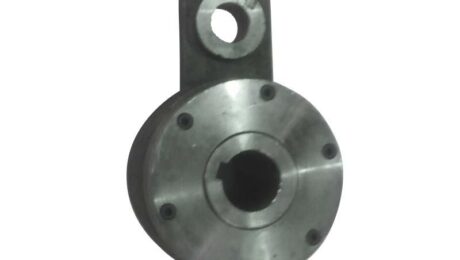
Belt Conveyor Backstop Anti-Runback Device: Essential Mining Machinery & Spare Parts Guide
In the demanding world of mining, reliable equipment is crucial to maintaining operational efficiency and safety. One key component that often goes unnoticed but plays a vital role is the belt conveyor backstop anti-runback device. This device prevents the backward movement of conveyor belts, protecting machinery and workers alike. In this comprehensive guide, we will explore mining machinery, the importance of backstop devices, and how to select the best mining machinery spare parts tailored to your needs.
Understanding Belt Conveyor Backstop Anti-Runback Devices in Mining Machinery
Belt conveyors are a backbone of mining operations, transporting vast amounts of material across complex sites. However, conveyor belts can sometimes roll back when power is lost or during emergency stops, causing damage and hazards. The backstop anti-runback device is designed to prevent this by locking the conveyor drum or shaft in one direction, ensuring safety and operational continuity.
What Is a Belt Conveyor Backstop Anti-Runback Device?
A belt conveyor backstop anti-runback device is a mechanical or electromechanical component installed on conveyor systems. It allows rotation in the forward direction but locks instantly to prevent reverse rotation. This function is critical in mining environments where heavy loads and steep inclines increase the risk of conveyor rollback.
Types of Backstop Devices Used in Mining Machinery
- Sprag Clutch Backstops: Utilize sprags to lock the shaft in reverse, commonly used for moderate loads.
- Roller Clutch Backstops: Employ rollers to engage locking, suitable for high-speed conveyors.
- Electromagnetic Backstops: Use electromagnetic force to engage locking mechanisms, offering precise control.
- Mechanical Ratchet Backstops: Simple and robust, ideal for heavy-duty mining conveyors.
Mining Machinery Overview and the Role of Spare Parts
Mining machinery encompasses a wide range of equipment, including excavators, crushers, screens, and conveyors. Each machine requires regular maintenance and high-quality spare parts to ensure longevity and performance.
Critical Mining Machinery Spare Parts
- Conveyor Components: Belts, rollers, pulleys, and backstop devices.
- Excavation Parts: Buckets, teeth, hydraulic cylinders.
- Crushing and Screening Parts: Jaw plates, hammers, screens.
- Electrical and Control Components: Sensors, motors, control panels.
Using genuine spare parts like the belt conveyor backstop anti-runback device ensures equipment runs safely and efficiently, reducing downtime and repair costs.
How to Select the Right Belt Conveyor Backstop Anti-Runback Device for Mining Operations
Choosing the proper backstop device requires understanding your conveyor system’s specifications and operational demands.
Selection Criteria for Backstop Devices
- Load Capacity: Ensure the device can handle the maximum load of the conveyor.
- Speed Compatibility: Match the locking mechanism to the conveyor speed.
- Environmental Conditions: Consider dust, moisture, and temperature typical of mining sites.
- Installation and Maintenance: Opt for devices that are easy to install and maintain.
- Durability and Material Quality: High-grade materials resist wear and corrosion.
Comparing Backstop Devices: Mechanical vs. Electromechanical
| Feature | Mechanical Backstop | Electromechanical Backstop |
|---|---|---|
| Operation | Passive locking via sprags or rollers | Active locking using electromagnetic force |
| Maintenance | Lower maintenance, fewer components | Requires electrical system upkeep |
| Cost | Generally lower initial cost | Higher initial cost but precise control |
| Suitability | Heavy-duty, harsh environments | Applications needing quick engagement/disengagement |
Common Mistakes When Using Belt Conveyor Backstop Anti-Runback Devices
- Incorrect Sizing: Installing a backstop device not rated for the conveyor’s load can lead to failure.
- Poor Maintenance: Neglecting lubrication and inspection reduces device lifespan.
- Ignoring Environmental Factors: Not protecting devices from dust and moisture causes premature wear.
- Improper Installation: Misalignment or faulty mounting compromises locking efficiency.
- Using Low-Quality Spare Parts: Counterfeit or substandard parts increase downtime and safety risks.
Buying Guide: How to Choose Mining Machinery Spare Parts Including Backstop Devices
When sourcing spare parts for mining machinery, consider the following:
1. Authenticity and Quality Assurance
Always buy from reputable manufacturers or authorized dealers to ensure genuine parts that meet industry standards.
2. Compatibility and Specifications
Verify that parts match the model and specifications of your machinery to avoid installation issues.
3. Warranty and Support
Choose suppliers offering warranties and technical support for peace of mind.
4. Lead Time and Availability
Ensure parts are readily available to minimize operational downtime.
5. Cost vs. Value
Balance upfront costs with long-term reliability and maintenance savings.
Frequently Asked Questions About Belt Conveyor Backstop Anti-Runback Devices and Mining Machinery
Q1: Why is a backstop anti-runback device essential for mining conveyors?
A1: It prevents the conveyor belt from rolling backward during power failures or stops, protecting equipment and personnel from accidents and damage.
Q2: Can I install a backstop device on any conveyor system?
A2: Most conveyors can be fitted with backstop devices, but it’s important to select one compatible with your conveyor’s size, load, and speed.
Q3: How often should backstop devices be inspected and maintained?
A3: Regular inspections should be performed monthly, with lubrication and detailed maintenance done according to manufacturer guidelines, typically every 6 months.
Q4: What are the signs that a backstop device needs replacement?
A4: Signs include unusual noises, slipping during reverse rotation, visible wear or damage, and failure to lock properly.
Q5: Are there industry standards for mining machinery spare parts?
A5: Yes, standards such as ISO and API ensure parts meet safety, quality, and performance requirements.
Q6: How do environmental conditions affect backstop device performance?
A6: Harsh conditions like dust, moisture, and extreme temperatures can accelerate wear and corrosion, so devices must be chosen and maintained accordingly.
Q7: What internal resources can help with mining machinery maintenance?
A7: Refer to your company’s maintenance manuals, training materials, and technical support teams. For more information, visit our mining machinery resources page.
Q8: Where can I find reliable suppliers for mining machinery spare parts?
A8: Trusted suppliers include original equipment manufacturers (OEMs) and certified distributors. Always verify credentials and customer reviews before purchasing.
- Published in Products
Mining Conveyor Idler Frame Replacement: Comprehensive Guide on Mining Machinery and Spare Parts
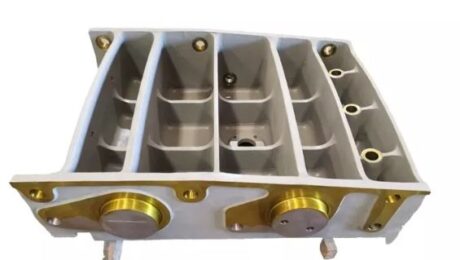
Mining Conveyor Idler Frame Replacement: Essential Insights on Mining Machinery and Spare Parts
Mining conveyor idler frame replacement is a critical maintenance task within the mining industry, ensuring the smooth operation of conveyor systems that transport bulk materials efficiently. Whether you are a mining operator, maintenance engineer, or procurement specialist, understanding the intricacies of conveyor idler frames and their replacement can dramatically improve operational uptime and reduce costs. This article dives deep into mining machinery, focusing on conveyor idler frames, their replacement process, spare parts, and best practices to maximize equipment longevity.
Understanding Mining Conveyor Idler Frames and Their Role
Mining conveyors are essential components in bulk material handling. The idler frame is a pivotal part of the conveyor system that supports the idler rollers, which in turn support the conveyor belt and the material load. A well-maintained idler frame ensures optimal belt alignment, reduces friction, and prevents premature wear.
What is a Conveyor Idler Frame?
A conveyor idler frame is a robust metal structure designed to hold multiple idler rollers in place beneath the conveyor belt. These frames are engineered to withstand harsh mining environments, heavy loads, and continuous operation.
Types of Conveyor Idler Frames
- Standard Idler Frames: Basic frames supporting single or multiple rollers.
- Impact Idler Frames: Designed with shock-absorbing capabilities to handle heavy material drops.
- Self-aligning Idler Frames: Automatically adjust to maintain belt alignment.
Why Mining Conveyor Idler Frame Replacement is Crucial
Over time, idler frames can suffer from wear, corrosion, and mechanical damage due to the demanding mining environment. Replacing worn or damaged idler frames is vital for:
- Preventing conveyor belt misalignment and damage.
- Reducing downtime caused by conveyor failures.
- Maintaining optimal conveyor efficiency and safety.
Mining Machinery and Spare Parts: An Overview
Mining machinery encompasses a wide range of heavy equipment designed for mineral extraction, processing, and transportation. Conveyor systems, including idler frames and rollers, are integral components. Procuring high-quality spare parts is essential for maintaining machinery performance and extending service life.
Common Mining Machinery Spare Parts
- Conveyor belts and idler rollers
- Idler frames and brackets
- Drive pulleys and couplings
- Gearboxes and motors
- Wear liners and impact beds
Step-by-Step Guide to Mining Conveyor Idler Frame Replacement
Replacing an idler frame requires careful planning and execution to ensure safety and effectiveness. Below is a detailed process outline:
- Inspection and Diagnosis: Identify damaged or worn idler frames through visual inspection and performance monitoring.
- Preparation: Shut down the conveyor system and ensure all safety protocols are in place.
- Removal: Dismount the conveyor belt if necessary, then carefully remove the damaged idler frame and rollers.
- Replacement: Install the new idler frame, ensuring proper alignment and secure fastening.
- Testing: Reinstall the conveyor belt and test the system to verify smooth operation and alignment.
Comparison of Conveyor Idler Frame Materials and Designs
Choosing the right idler frame depends on mining conditions, load requirements, and budget. Below is a comparison table highlighting key features:
| Feature | Steel Idler Frames | Aluminum Idler Frames | Composite Idler Frames |
|---|---|---|---|
| Durability | High | Moderate | Variable |
| Weight | Heavy | Light | Light |
| Corrosion Resistance | Low (unless coated) | High | High |
| Cost | Moderate | High | High |
| Maintenance | Regular | Low | Low |
Buying Guide: How to Select the Right Mining Conveyor Idler Frames and Spare Parts
Choosing the right idler frame and spare parts is essential for operational efficiency. Consider the following criteria:
1. Material Quality and Strength
Ensure the idler frame material can withstand the mining environment and load stresses.
2. Compatibility
Verify that the replacement idler frame fits your conveyor system specifications.
3. Manufacturer Reputation
Opt for suppliers with proven track records in mining machinery spare parts.
4. Maintenance and Warranty
Check warranty terms and ease of maintenance to reduce long-term costs.
5. Cost vs. Performance
Balance upfront costs with durability and performance benefits.
Common Mistakes to Avoid During Mining Conveyor Idler Frame Replacement
- Skipping thorough inspections: Overlooking minor damages can lead to bigger failures.
- Using incompatible parts: Installing non-standard idler frames can cause misalignment and belt damage.
- Ignoring safety protocols: Conveyor maintenance involves heavy equipment and requires strict safety measures.
- Poor alignment during installation: Misaligned idler frames reduce conveyor efficiency and cause premature wear.
- Neglecting regular maintenance: Delaying inspections and replacements shortens machinery lifespan.
Frequently Asked Questions (FAQ) on Mining Conveyor Idler Frame Replacement and Spare Parts
1. How often should mining conveyor idler frames be inspected?
It is recommended to inspect idler frames monthly or after any unusual conveyor operation to detect wear or damage early.
2. Can I replace individual idler rollers without changing the entire frame?
Yes, individual rollers can often be replaced; however, if the frame is damaged or misaligned, full frame replacement is advisable.
3. What are the signs that an idler frame needs replacement?
Common signs include unusual belt tracking issues, visible frame corrosion or deformation, excessive noise, and increased conveyor downtime.
4. Are aftermarket spare parts reliable for mining conveyors?
Quality varies; always source aftermarket parts from reputable manufacturers that meet OEM specifications to ensure reliability.
5. How does idler frame replacement impact conveyor belt life?
Properly maintained and aligned idler frames reduce belt wear and extend conveyor belt life significantly.
6. What safety measures should be taken during replacement?
Ensure power isolation, use appropriate personal protective equipment, follow lockout/tagout procedures, and have trained personnel perform the task.
7. Can preventive maintenance reduce the frequency of idler frame replacement?
Yes, regular inspections and maintenance help identify issues early, potentially extending the life of idler frames.
8. Where can I find high-quality mining machinery spare parts?
Reliable suppliers can be found through industry directories, manufacturer websites, and authorized distributors. For more information, visit our mining machinery parts page.
Conclusion
Mining conveyor idler frame replacement is a vital aspect of maintaining efficient and safe mining operations. Understanding the types of idler frames, replacement procedures, and selection criteria can help mining professionals optimize their conveyor systems and minimize downtime. Investing in high-quality spare parts and adhering to best maintenance practices ensures the longevity and reliability of mining machinery.
- Published in Products
Conveyor Belt Scraper Primary Secondary: Essential Mining Machinery and Spare Parts Guide
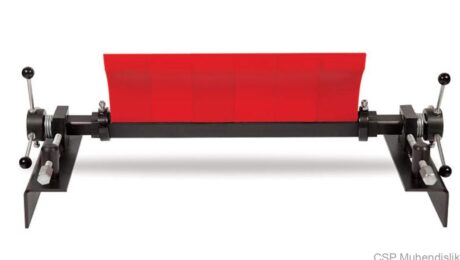
Conveyor Belt Scraper Primary Secondary: Essential Mining Machinery and Spare Parts Guide
In the mining industry, conveyor belt scrapers—both primary and secondary—play a crucial role in maintaining efficiency and safety. Whether you’re managing bulk material handling or optimizing mining machinery operations, understanding the function and selection of conveyor belt scrapers is essential. This comprehensive guide dives into the specifics of conveyor belt scraper primary secondary systems, their importance in mining machinery, and how to select the right spare parts to maximize productivity.
Understanding Conveyor Belt Scraper Primary and Secondary Systems
Conveyor belt scrapers are vital components designed to clean the conveyor belt surface by removing residual material. They prevent carryback, reduce maintenance costs, and increase the lifespan of the conveyor belt.
What is a Primary Conveyor Belt Scraper?
The primary scraper is the first line of defense positioned immediately after the head pulley. Its main function is to remove the bulk of the material stuck to the belt, preventing it from falling off and causing damage or safety hazards.
What is a Secondary Conveyor Belt Scraper?
The secondary scraper acts as a backup cleaning system, catching any residual material that the primary scraper missed. It is typically installed further along the conveyor belt to ensure thorough cleaning.
Mining Machinery and Conveyor Belt Scraper Integration
Mining machinery depends heavily on conveyor systems for transporting ores, minerals, and waste. Effective scraper systems are integral to these conveyors, ensuring smooth operation and minimizing downtime.
Key Mining Machinery Using Conveyor Belt Scraper Systems
- Continuous miners
- Shuttle cars
- Bucket wheel excavators
- Stacker reclaimers
- Crusher feeders
Each of these machines benefits from properly maintained conveyor belt scrapers to optimize material flow and reduce wear.
Types of Conveyor Belt Scraper Blades and Materials
Choosing the right scraper blade material is critical for durability and performance in harsh mining environments.
Common Scraper Blade Materials
- Polyurethane: Flexible and wear-resistant, ideal for abrasive materials.
- Rubber: Cost-effective and suitable for general-purpose cleaning.
- Metal: Heavy-duty applications requiring aggressive cleaning.
Blade Design Variations
- Single blade primary scrapers
- Dual blade secondary scrapers
- Self-adjusting scrapers
Comparison of Primary vs Secondary Conveyor Belt Scrapers
| Feature | Primary Scraper | Secondary Scraper |
|---|---|---|
| Location | Directly after head pulley | Further along the conveyor belt |
| Function | Removes bulk material carryback | Removes residual material missed by primary |
| Blade Type | Usually single, robust blade | Often dual or flexible blades |
| Maintenance Frequency | Higher due to heavy wear | Lower but critical for thorough cleaning |
Mining Machinery Spare Parts: Selection Criteria for Conveyor Belt Scraper Components
Proper selection of spare parts ensures longevity and efficiency of conveyor scraper systems.
Key Factors to Consider
- Material Compatibility: Match blade material with conveyed material properties.
- Durability: Choose abrasion-resistant materials for harsh mining conditions.
- Ease of Installation: Prefer designs that allow quick replacement to minimize downtime.
- Adjustability: Scrapers with self-adjusting features maintain consistent belt contact.
- Cost-effectiveness: Balance initial investment with maintenance frequency and lifespan.
Common Mistakes When Choosing and Maintaining Conveyor Belt Scraper Systems
- Ignoring the difference between primary and secondary scraper roles.
- Using incorrect blade materials leading to premature wear.
- Neglecting regular inspection and maintenance schedules.
- Failing to adjust scraper tension properly, reducing cleaning efficiency.
- Overlooking compatibility with specific mining machinery models.
Comprehensive FAQ on Conveyor Belt Scraper Primary Secondary and Mining Machinery Spare Parts
1. What is the main difference between primary and secondary conveyor belt scrapers?
The primary scraper removes the majority of material carryback immediately after the head pulley, while the secondary scraper cleans any residual material missed by the primary scraper further along the belt.
2. How often should conveyor belt scrapers be maintained in mining operations?
Maintenance frequency varies by usage and material conveyed, but regular inspections at least monthly are recommended to ensure optimal performance and prevent downtime.
3. Can I use the same scraper blade material for different mining materials?
Not always. Selecting the appropriate blade material depends on the abrasiveness and moisture content of the material being transported.
4. What are the signs that a conveyor belt scraper needs replacement?
Signs include visible blade wear, ineffective cleaning leading to material carryback, increased belt damage, and frequent maintenance requirements.
5. Are there any safety concerns related to conveyor belt scraper maintenance?
Yes, always follow lockout/tagout procedures, wear appropriate PPE, and ensure scrapers are properly installed to avoid accidents during operation and maintenance.
6. How do conveyor belt scrapers impact mining machinery efficiency?
Effective scrapers reduce material spillage, lower maintenance costs, and extend conveyor belt life, directly improving overall mining machinery efficiency.
7. What is the benefit of self-adjusting conveyor belt scrapers?
Self-adjusting scrapers maintain constant pressure on the belt, ensuring consistent cleaning performance and reducing manual adjustment needs.
8. Where can I find quality mining machinery spare parts for conveyor belt scrapers?
Reliable suppliers specialize in mining machinery components and offer OEM or aftermarket parts. Always verify compatibility and warranty terms. Learn more here.
Conclusion
Understanding the roles and differences of conveyor belt scraper primary secondary systems is vital for efficient mining operations. Selecting the right scraper blades and spare parts tailored to your mining machinery ensures durability, safety, and optimal performance. Avoid common mistakes by adhering to maintenance best practices and choosing quality components. For further details on mining machinery and spare parts, visit our resources page.
- Published in Products
Circular Vibrating Screen Side Plate Liner: Essential Mining Machinery and Spare Parts Guide
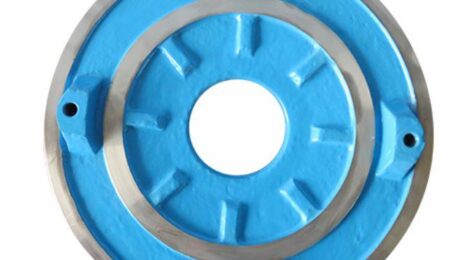
Circular Vibrating Screen Side Plate Liner: Essential Mining Machinery and Spare Parts Guide
In the mining industry, the circular vibrating screen side plate liner plays a crucial role in ensuring efficient screening and durability of mining machinery. Whether you’re involved in mineral processing or aggregate production, understanding the importance of these liners and their impact on machine performance is essential. This comprehensive guide explores everything you need to know about mining machinery and spare parts, focusing on circular vibrating screen side plate liners, their functions, selection criteria, and maintenance tips.
Understanding Circular Vibrating Screen Side Plate Liners and Their Role in Mining Machinery
Circular vibrating screens are widely used in mining operations for sorting and separating materials by size. The side plate liner is a protective component attached to the side plates of the vibrating screen to reduce wear and tear caused by abrasive materials. This liner extends the lifespan of the equipment, reduces maintenance costs, and enhances operational efficiency.
What Is a Circular Vibrating Screen Side Plate Liner?
A circular vibrating screen side plate liner is typically made from high-quality rubber, polyurethane, or metal composites designed to withstand harsh mining environments. It acts as a buffer between the vibrating screen body and the screened materials, absorbing impact and preventing damage to the side plates.
Key Functions of Side Plate Liners in Mining Machinery
- Protects the vibrating screen’s side plates from abrasion and impact.
- Improves machine longevity and reduces downtime.
- Enhances screening efficiency by maintaining structural integrity.
- Reduces noise and vibration during operation.
Mining Machinery and Spare Parts: An Overview
Mining machinery encompasses a wide range of equipment used in extraction, processing, and transportation of minerals. Spare parts like the circular vibrating screen side plate liners are critical components that ensure smooth operation and minimize breakdowns.
Types of Mining Machinery Related to Screening
- Vibrating Screens: Used for material separation by size.
- Jaw Crushers: Break down large rocks before screening.
- Conveyor Systems: Transport materials between processing stages.
Common Spare Parts in Mining Machinery
- Screen cloths and meshes
- Side plate liners and deck plates
- Springs and suspension components
- Motors and eccentric shafts
Detailed Analysis of Circular Vibrating Screen Side Plate Liners
Materials Used for Side Plate Liners
The choice of material significantly influences the liner’s durability and performance. Common materials include:
- Rubber: Offers excellent impact resistance and noise reduction.
- Polyurethane: Highly resistant to abrasion and chemical corrosion.
- Metal (Steel or Composite): Provides superior strength but may be heavier.
Design Variations and Their Impact
Side plate liners come in various designs to fit different screen models and operational needs. Some liners feature ribbed patterns to improve material flow, while others have smooth surfaces to minimize clogging.
Installation and Maintenance Tips
- Ensure proper alignment with the side plate to prevent gaps.
- Use recommended fasteners and torque specifications.
- Regularly inspect for wear and replace liners before severe damage occurs.
- Clean liners periodically to avoid material buildup.
Comparison of Circular Vibrating Screen Side Plate Liners: Rubber vs. Polyurethane vs. Metal
| Feature | Rubber Liners | Polyurethane Liners | Metal Liners |
|---|---|---|---|
| Durability | Good | Excellent | Very High |
| Impact Resistance | High | Moderate | High |
| Abrasion Resistance | Moderate | High | High |
| Weight | Light | Light to Moderate | Heavy |
| Cost | Affordable | Moderate | Expensive |
| Noise Reduction | Excellent | Good | Poor |
Buying Guide: How to Choose the Right Circular Vibrating Screen Side Plate Liner
Selecting the appropriate side plate liner involves several considerations to maximize your mining machinery efficiency.
Factors to Consider When Purchasing Side Plate Liners
- Material Compatibility: Match liner material to the type of material being screened.
- Operating Conditions: Consider temperature, chemical exposure, and abrasion levels.
- Screen Model Compatibility: Ensure liner dimensions fit your vibrating screen model.
- Manufacturer Reputation: Choose liners from trusted suppliers with quality certifications.
- Replacement Frequency: Opt for liners with longer wear life to reduce downtime.
Where to Buy Quality Mining Machinery Spare Parts
Reliable suppliers often provide OEM and aftermarket spare parts with warranties and technical support. Consider trusted mining equipment dealers and online marketplaces specialized in mining machinery components.
Common Mistakes When Using Circular Vibrating Screen Side Plate Liners
- Ignoring regular inspections leading to unexpected failures.
- Using incompatible liner materials for specific mining environments.
- Improper installation causing premature wear or liner detachment.
- Neglecting cleaning, resulting in material buildup and reduced efficiency.
- Overlooking the importance of matching liners to screen models.
Frequently Asked Questions (FAQ) About Circular Vibrating Screen Side Plate Liners and Mining Machinery
1. What is the lifespan of a circular vibrating screen side plate liner?
Lifespan varies depending on material, operating conditions, and maintenance but typically ranges from 6 months to 2 years.
2. Can I install side plate liners myself?
Yes, with proper tools and instructions. However, professional installation is recommended to ensure correct fit and safety.
3. How do I know when to replace the side plate liner?
Replace liners when you notice significant wear, cracks, or reduced screening efficiency during inspections.
4. Are polyurethane liners better than rubber liners?
Polyurethane liners generally offer higher abrasion resistance but may be less impact-resistant than rubber liners. Selection depends on your specific needs.
5. Can side plate liners reduce noise in vibrating screens?
Yes, rubber liners especially help absorb vibration and reduce operational noise.
6. Where can I find replacement parts for mining machinery?
Authorized dealers, OEM suppliers, and specialized online platforms offer a wide range of mining machinery spare parts.
7. What maintenance is required for circular vibrating screens?
Regular inspection, cleaning, timely replacement of worn parts, and lubrication of moving components are essential maintenance tasks.
8. Are there environmental considerations when selecting liners?
Yes, consider materials that are recyclable or have lower environmental impact, and ensure proper disposal of used liners.
For more detailed information on mining machinery and spare parts, explore our related articles here.
- Published in Products
Sandvik Screen Spare Parts Supplier: Your Ultimate Guide to Mining Machinery and Spare Parts
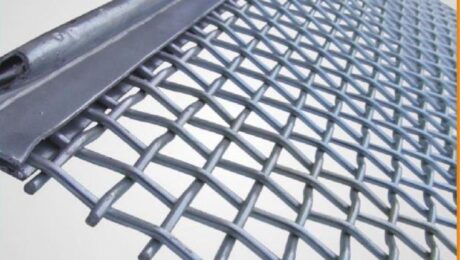
Sandvik Screen Spare Parts Supplier: Your Ultimate Guide to Mining Machinery and Spare Parts
Finding a reliable Sandvik screen spare parts supplier is crucial for maintaining the efficiency and longevity of your mining operations. Whether you operate in mineral extraction, quarrying, or aggregate production, having access to quality mining machinery and their spare parts ensures minimal downtime and maximized productivity. This comprehensive guide dives deep into the world of mining machinery, focusing on Sandvik screens and their essential spare parts, helping you make informed decisions for your equipment needs.
Understanding Sandvik Screens and Their Role in Mining Machinery
Sandvik screens are vital components in the mining industry, designed to separate and classify materials efficiently. These screens come in various types, including vibrating screens, grizzly screens, and dewatering screens, each serving specific purposes in material processing.
Types of Sandvik Screens
- Vibrating Screens: Used for sorting materials by size with high precision.
- Grizzly Screens: Ideal for coarse material separation.
- Dewatering Screens: Remove excess water from materials for better processing.
Choosing the right screen type depends on your mining operation’s specific requirements and the nature of the material being processed.
Common Sandvik Screen Spare Parts and Their Functions
To keep Sandvik screens operating at peak performance, various spare parts must be readily available. Understanding these parts helps in timely maintenance and replacement, preventing costly breakdowns.
Primary Spare Parts for Sandvik Screens
- Screen Media: Includes wire cloth, polyurethane panels, and woven mesh that perform the actual screening.
- Springs: Absorb vibrations and protect the screen frame.
- Bearings: Support rotating parts and reduce friction.
- Motors and Drives: Power the vibrating mechanism of the screen.
- Screen Frame and Decks: Structural components that hold the screen media in place.
Why Choose a Specialized Sandvik Screen Spare Parts Supplier?
Opting for a supplier specializing in Sandvik screen spare parts offers several advantages:
- Authenticity: Genuine parts ensure compatibility and longevity.
- Expertise: Suppliers understand the technical specifications and can advise on the best parts.
- Availability: Quick access to parts reduces downtime.
- Warranty and Support: Reliable after-sales services and guarantees.
Look for suppliers with proven track records, certifications, and positive customer feedback.
Comparison of Leading Sandvik Screen Spare Parts Suppliers
| Supplier | Product Range | Delivery Time | Warranty | Support Services |
|---|---|---|---|---|
| Sandvik Authorized Dealer | Full range of genuine parts | 3-7 days | 12 months | Technical support, installation guidance |
| Independent Mining Supplier A | Wide range including aftermarket parts | 5-10 days | 6 months | Consultation, spare parts sourcing |
| Online Supplier B | Limited range, mostly common parts | 7-14 days | 3 months | Email support only |
Buying Guide: How to Select the Right Sandvik Screen Spare Parts
Choosing the correct spare parts requires careful consideration of several factors:
1. Compatibility
Ensure the parts match your specific Sandvik screen model and specifications.
2. Quality and Material
Opt for parts made from durable materials suited to harsh mining environments.
3. Supplier Credibility
Purchase from authorized or reputable suppliers to guarantee authenticity.
4. Price vs. Value
Consider the long-term value rather than just upfront cost; cheaper parts may wear out faster.
5. Availability and Delivery
Timely delivery is essential to avoid production delays.
6. Warranty and Support
Check for warranty coverage and after-sales support options.
Common Mistakes When Purchasing Mining Machinery Spare Parts
- Ignoring Part Numbers: Using incorrect parts can damage machinery.
- Choosing Cheapest Options: Compromises on quality lead to frequent replacements.
- Neglecting Supplier Verification: Risk of counterfeit parts increases.
- Overlooking Maintenance Schedules: Delaying replacements causes bigger failures.
- Failing to Consult Experts: Lack of technical advice may result in wrong purchases.
Frequently Asked Questions About Sandvik Screen Spare Parts Supplier
1. What is the typical lead time for ordering Sandvik screen spare parts?
Lead times vary by supplier but generally range from 3 to 14 days depending on part availability and shipping method.
2. Can I use aftermarket parts for Sandvik screens?
While aftermarket parts may be cheaper, it is recommended to use genuine parts to ensure compatibility and durability.
3. How do I identify the correct spare part for my Sandvik screen?
Refer to your equipment’s manual or consult with the supplier using model and serial numbers for accurate identification.
4. Are there any maintenance tips to extend the life of Sandvik screen parts?
Regular inspection, timely cleaning, and replacing worn parts promptly help prolong equipment life.
5. What warranty can I expect on Sandvik spare parts?
Authorized dealers typically offer a 12-month warranty, but this can vary by supplier and part type.
6. Where can I find a reliable Sandvik screen spare parts supplier?
Look for authorized Sandvik dealers or trusted mining equipment suppliers with positive reviews and certifications. You can start your search here.
7. Is technical support available when purchasing spare parts?
Many specialized suppliers provide technical support and guidance to ensure you select the right parts and install them correctly.
8. How do I ensure the authenticity of Sandvik spare parts?
Purchase only from authorized dealers or verified suppliers and request certificates of authenticity when possible.
For more detailed information on mining machinery and spare parts, explore our related resources here.
- Published in Products
Screen Deck Rubber vs Wire Mesh Mining: Comprehensive Guide on Mining Machinery and Spare Parts
Screen Deck Rubber vs Wire Mesh Mining: Understanding the Best Choice for Your Mining Machinery
In the mining industry, selecting the right screen deck material can significantly impact productivity and equipment longevity. The debate between screen deck rubber vs wire mesh mining solutions is crucial for operators aiming to optimize their mining machinery and spare parts usage. This article dives deep into the comparison, benefits, and selection criteria, ensuring you make an informed decision for your mining operations.
Introduction to Mining Machinery and Spare Parts
Mining machinery is the backbone of any mining operation, encompassing equipment like crushers, conveyors, screen decks, and more. Spare parts, including screen decks made from rubber or wire mesh, play a vital role in maintaining operational efficiency. Understanding the differences between these materials helps in choosing the best fit for your specific mining environment.
What is Screen Deck Rubber in Mining Machinery?
Screen deck rubber refers to a type of screening surface made from high-quality rubber compounds designed to withstand abrasive mining materials. It is commonly used in vibrating screens to separate particles based on size.
Key Features of Screen Deck Rubber
- High resistance to wear and tear
- Noise reduction during operation
- Flexibility that reduces clogging
- Easy installation and maintenance
What is Wire Mesh in Mining Screen Decks?
Wire mesh is a traditional screening material made from woven or welded steel wires. It is widely used in mining to separate ore and other materials.
Key Features of Wire Mesh
- High tensile strength and durability
- Good permeability for material flow
- Variety of mesh sizes available
- Cost-effective for many mining applications
Screen Deck Rubber vs Wire Mesh Mining: A Detailed Comparison
| Feature | Screen Deck Rubber | Wire Mesh |
|---|---|---|
| Durability | Excellent resistance to abrasion and impact | Strong but prone to wire breakage over time |
| Noise Level | Significantly quieter operation | Higher noise due to metal-on-metal contact |
| Maintenance | Requires less frequent replacement | Needs regular inspection for wire damage |
| Cost | Higher initial investment | Lower upfront cost |
| Material Flow | Less clogging due to flexibility | Better for fine material screening |
Mining Machinery Spare Parts: Importance and Types
Spare parts ensure uninterrupted mining operations. Common spare parts include:
- Screen decks: Rubber or wire mesh options
- Crusher liners: Protect machinery from wear
- Conveyor belts: Transport materials efficiently
- Bearings and gears: Ensure smooth machinery function
Choosing the right spare parts extends machinery life and reduces downtime.
Factors to Consider When Selecting Screen Deck Materials for Mining Machinery
1. Type of Material Being Processed
Hard, abrasive materials benefit from rubber decks due to their wear resistance, while finer materials may be better suited for wire mesh.
2. Operational Environment
Noise-sensitive environments prefer rubber decks for quieter operation.
3. Maintenance Capabilities
Consider your maintenance team’s ability to inspect and replace parts regularly.
4. Budget Constraints
Balance upfront costs with long-term durability and replacement frequency.
Common Mistakes When Choosing Screen Decks for Mining Machinery
- Ignoring the material characteristics leading to premature wear
- Underestimating noise and vibration impacts on the work environment
- Choosing based solely on initial cost without considering maintenance
- Overlooking compatibility with existing machinery
Buying Guide: How to Select the Best Screen Deck Rubber or Wire Mesh for Mining
- Assess Your Mining Material: Identify particle size, abrasiveness, and moisture content.
- Evaluate Machinery Compatibility: Check manufacturer recommendations and size specifications.
- Consider Durability Needs: Choose rubber for high abrasion or wire mesh for fine screening.
- Calculate Total Cost of Ownership: Include purchase, maintenance, and downtime costs.
- Check Supplier Reputation: Opt for reliable manufacturers with quality certifications.
Frequently Asked Questions About Screen Deck Rubber vs Wire Mesh Mining
1. Which screen deck material lasts longer in mining operations?
Screen deck rubber generally offers longer lifespan due to its superior abrasion resistance and flexibility compared to wire mesh, which can suffer from wire breakage.
2. Can screen deck rubber be used for all types of mining materials?
While screen deck rubber is versatile, it is especially effective for abrasive and coarse materials. For very fine materials, wire mesh might provide better separation.
3. How often should mining machinery spare parts be replaced?
Replacement frequency depends on usage intensity and material type but regular inspections every 3-6 months are recommended to prevent unexpected failures.
4. Is the installation of rubber screen decks more complicated than wire mesh?
No, rubber screen decks are designed for easy installation and often require less downtime compared to wire mesh replacements.
5. What are the environmental benefits of using rubber screen decks?
Rubber decks reduce noise pollution and vibration, creating a safer and more comfortable working environment.
6. Are there hybrid screen deck options combining rubber and wire mesh?
Yes, some mining operations use hybrid decks to balance durability and screening precision, depending on specific needs.
7. Where can I find quality mining machinery spare parts?
You can find quality parts from reputable manufacturers and distributors. Always verify certifications and customer reviews before purchasing. For more information, visit our spare parts catalog.
8. How does screen deck choice affect overall mining productivity?
The right screen deck material improves screening efficiency, reduces downtime, and minimizes maintenance costs, directly boosting mining productivity.
For further details on mining machinery and maintenance tips, explore our comprehensive resource center.
- Published in Products
Vibrating Screen Exciter Bearing Replacement: Essential Guide for Mining Machinery and Spare Parts
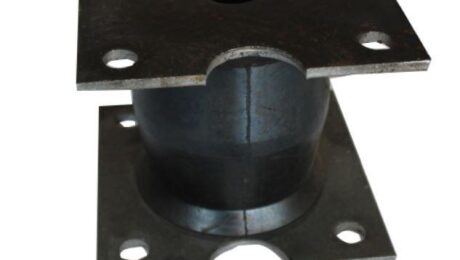
Vibrating Screen Exciter Bearing Replacement: Essential Guide for Mining Machinery and Spare Parts
In the demanding world of mining machinery, the vibrating screen exciter bearing replacement is a critical maintenance task that ensures optimal equipment performance and longevity. Whether you’re an industry professional or a maintenance technician, understanding the nuances of exciter bearing replacement can save you significant downtime and repair costs. This comprehensive guide dives into the intricacies of mining machinery and their spare parts, focusing on exciter bearings for vibrating screens.
Understanding Vibrating Screen Exciter Bearings in Mining Machinery
Mining machinery relies heavily on vibrating screens to separate materials efficiently. The exciter bearing is a pivotal component that supports the exciter shaft, enabling the screen to vibrate and perform its sorting function. Without a properly functioning exciter bearing, the entire screening operation can falter, leading to reduced throughput and increased wear on other machine parts.
What Is a Vibrating Screen Exciter Bearing?
A vibrating screen exciter bearing is a specialized bearing designed to withstand heavy loads and high-frequency vibrations. It supports the exciter shaft, which creates the vibratory motion essential for material separation. These bearings must endure harsh mining environments, including dust, moisture, and continuous mechanical stress.
Types of Bearings Used in Vibrating Screen Exciters
- Roller Bearings: Handle radial loads and moderate axial loads, common in many vibrating screens.
- Ball Bearings: Often used for lighter loads but can be found in smaller or less demanding screens.
- Heavy-Duty Bearings: Designed for extreme conditions, these bearings offer increased durability and lifespan.
Mining Machinery: An Overview of Equipment and Spare Parts
Mining operations depend on a suite of machinery, including crushers, conveyors, vibrating screens, and excavators. Each piece requires specific spare parts to maintain peak performance. Exciter bearings are among the most critical spare parts for vibrating screens.
Common Mining Machinery Spare Parts
- Bearings (exciter, conveyor, crusher)
- Screen meshes and panels
- Hydraulic components
- Motors and drives
- Seals and gaskets
- Lubrication systems
Importance of Quality Spare Parts
Using high-quality spare parts like exciter bearings ensures reliability, reduces downtime, and extends machinery lifespan. Inferior parts can cause premature failures and costly operational interruptions.
Step-by-Step Guide to Vibrating Screen Exciter Bearing Replacement
Preparation and Safety Measures
- Power down and lockout the vibrating screen.
- Wear appropriate personal protective equipment (PPE).
- Gather necessary tools and replacement bearings.
- Consult the manufacturer’s manual for specific instructions.
Removal of the Old Exciter Bearing
- Disconnect the exciter motor and remove the screen deck if necessary.
- Loosen the bearing housing bolts carefully.
- Extract the worn bearing using a puller or appropriate tool.
- Inspect the exciter shaft and housing for wear or damage.
Installation of the New Exciter Bearing
- Clean the shaft and bearing housing thoroughly.
- Apply lubricant as recommended by the bearing manufacturer.
- Press the new bearing into place carefully, avoiding damage.
- Secure the bearing housing bolts to the specified torque.
- Reassemble the vibrating screen components.
- Test the screen operation for smooth vibration and noise-free running.
Comparison of Bearing Brands and Types for Vibrating Screens
| Brand | Bearing Type | Durability | Price Range | Warranty |
|---|---|---|---|---|
| SKF | Heavy-Duty Roller | High | $$$ | 2 Years |
| FAG | Sealed Ball Bearing | Medium-High | $$ | 1.5 Years |
| Timken | Roller Bearing | High | $$$ | 2 Years |
| NTN | Ball Bearing | Medium | $ | 1 Year |
Buying Guide: How to Choose the Right Exciter Bearing for Your Vibrating Screen
Key Selection Criteria
- Load Capacity: Ensure the bearing can handle the radial and axial loads of your exciter.
- Vibration Resistance: Bearings must withstand continuous, high-frequency vibrations.
- Sealing and Protection: Dust and moisture resistance is crucial in mining environments.
- Compatibility: Match the bearing size and type to your vibrating screen model.
- Brand Reputation: Opt for trusted manufacturers with proven quality.
- Price vs. Longevity: Balance upfront cost with expected service life.
Where to Buy
Purchase bearings from authorized dealers, mining equipment suppliers, or directly from manufacturers to ensure authenticity and warranty coverage. Always verify part numbers and specifications before ordering.
Common Mistakes to Avoid During Exciter Bearing Replacement
- Ignoring Manufacturer Specifications: Using incorrect bearings can lead to premature failure.
- Poor Lubrication: Insufficient or inappropriate lubricant reduces bearing life.
- Improper Installation: Forcing bearings or misaligning shafts causes damage.
- Neglecting Safety Precautions: Can result in injury or equipment damage.
- Skipping Inspection: Failing to check related components may lead to recurring problems.
Frequently Asked Questions (FAQ) About Vibrating Screen Exciter Bearing Replacement
1. How often should exciter bearings be replaced?
Replacement frequency depends on operating conditions but typically ranges from 12 to 24 months. Regular inspections help determine the optimal replacement interval.
2. What symptoms indicate a failing exciter bearing?
Common signs include unusual noise, excessive vibration, overheating, and reduced screen efficiency.
3. Can I replace the exciter bearing without professional help?
While experienced technicians may perform the replacement, it is recommended to consult professionals to avoid mistakes and ensure safety.
4. What lubricants are best for exciter bearings?
Use high-quality grease or oil specified by the bearing manufacturer, designed for heavy loads and vibration resistance.
5. How does bearing quality affect mining machinery performance?
High-quality bearings reduce downtime, improve efficiency, and extend equipment lifespan, directly impacting operational costs.
6. Are there aftermarket alternatives for exciter bearings?
Yes, but ensure aftermarket parts meet or exceed OEM specifications to maintain performance and warranty.
7. What maintenance practices extend exciter bearing life?
Regular lubrication, timely inspections, proper installation, and operating within design limits are essential.
8. Where can I find detailed manuals for vibrating screen maintenance?
Manufacturer websites, authorized dealers, and industry forums are reliable sources for manuals and technical documents. Learn more here.
Conclusion
Mastering vibrating screen exciter bearing replacement is vital for mining machinery efficiency and durability. By understanding bearing types, selecting the right parts, following proper installation procedures, and avoiding common mistakes, you can significantly enhance your equipment’s performance. Stay informed, invest in quality spare parts, and maintain your machinery proactively to keep your mining operations running smoothly.
- Published in Products
