


Crusher Wear Parts Manganese Mn18Cr2: Ultimate Guide to Mining Machinery and Spare Parts
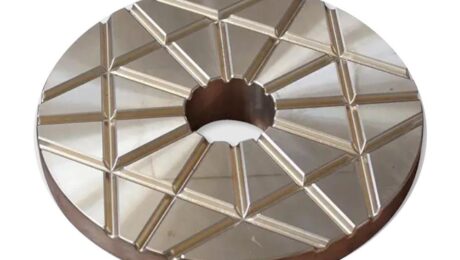
Crusher Wear Parts Manganese Mn18Cr2: Ultimate Guide to Mining Machinery and Spare Parts
When it comes to mining machinery, the durability and efficiency of crusher wear parts like manganese Mn18Cr2 are paramount. Whether you operate a quarry, a mining site, or a recycling plant, understanding the features and benefits of high-quality wear parts can save you time and money. In this comprehensive guide, we explore everything about crusher wear parts manganese Mn18Cr2, their role in mining machinery, and how to select the best spare parts for your equipment.
Understanding Crusher Wear Parts and Their Importance in Mining Machinery
Crusher wear parts are components subject to constant abrasion and impact during crushing processes. These parts include jaw plates, cone crusher liners, blow bars, and impact plates. Manganese alloys, especially Mn18Cr2, are widely used due to their excellent hardness and toughness, which extend the lifespan of these parts under harsh mining conditions.
What is Manganese Mn18Cr2?
Manganese Mn18Cr2 is a high-manganese steel alloy with approximately 18% manganese and 2% chromium. This composition offers superior wear resistance and impact strength, making it ideal for crusher liners and other wear parts exposed to heavy abrasion. The chromium addition enhances corrosion resistance, further extending service life.
Key Benefits of Using Mn18Cr2 in Crusher Wear Parts
- High Wear Resistance: The alloy withstands intense abrasion, reducing downtime for replacements.
- Excellent Impact Toughness: Resists cracking and breaking under heavy impact loads.
- Corrosion Resistance: Chromium content protects against rust and chemical wear.
- Cost Efficiency: Longer lifespan reduces maintenance and replacement costs.
Types of Mining Machinery Utilizing Mn18Cr2 Wear Parts
Mining operations rely heavily on various machinery that incorporate Mn18Cr2 wear parts to optimize performance and durability.
Jaw Crushers
Jaw crushers use manganese liners to crush large rocks into smaller pieces. The Mn18Cr2 jaw plates resist wear from crushing hard materials, ensuring consistent output.
Cone Crushers
Cone crushers feature manganese cone liners made from Mn18Cr2 to handle medium to fine crushing stages. Their toughness helps prevent premature failure.
Impact Crushers
Impact crushers use blow bars and impact plates made of Mn18Cr2 to absorb shock and abrasion when breaking materials.
How to Choose the Right Crusher Wear Parts: A Detailed Buying Guide
Choosing the right crusher wear parts is critical for efficient mining operations. Here are key factors to consider:
1. Material Composition
Look for manganese alloys like Mn18Cr2 that balance hardness and toughness. Avoid low-quality steels that wear out quickly.
2. Compatibility with Your Machinery
Ensure the wear parts match your crusher model and specifications. Using incompatible parts can cause damage or reduce performance.
3. Manufacturer Reputation
Select parts from reputable suppliers with proven quality control and positive customer feedback.
4. Wear Life and Performance Data
Request wear life estimates and performance reports to compare different parts objectively.
5. Price vs. Value
Consider the total cost of ownership, including replacement frequency and downtime, not just initial price.
Common Mistakes When Selecting and Using Crusher Wear Parts
- Ignoring Material Specifications: Using inferior alloys leads to rapid wear and costly downtime.
- Overlooking Machine Compatibility: Mismatched parts cause mechanical failures.
- Neglecting Regular Maintenance: Failing to inspect and replace wear parts timely reduces efficiency.
- Choosing Cheapest Options: Low-cost parts often lack durability and increase long-term expenses.
Comparison of Mn18Cr2 with Other Manganese Alloys in Crusher Wear Parts
| Alloy | Manganese Content | Chromium Content | Wear Resistance | Impact Toughness | Typical Applications |
|---|---|---|---|---|---|
| Mn18Cr2 | 18% | 2% | High | High | Jaw plates, cone liners, blow bars |
| Mn13 | 13% | 0% | Moderate | Moderate | General wear parts, impact plates |
| Mn22 | 22% | 0% | Very High | Lower | Heavy impact crushers |
Maintenance Tips for Extending the Life of Crusher Wear Parts
- Regularly inspect wear parts for cracks, deformation, and excessive wear.
- Maintain proper crusher settings to avoid overloading parts.
- Use recommended lubrication and cooling systems.
- Replace parts promptly when wear limits are reached.
Frequently Asked Questions (FAQ) About Crusher Wear Parts Manganese Mn18Cr2
1. What makes Mn18Cr2 better than other manganese alloys for crusher wear parts?
Mn18Cr2 offers a balanced combination of high abrasion resistance and impact toughness, plus added corrosion resistance from chromium, making it more durable in harsh mining environments.
2. Can Mn18Cr2 wear parts be used in all types of crushers?
While Mn18Cr2 parts are versatile and used in jaw, cone, and impact crushers, compatibility depends on specific crusher models and operating conditions.
3. How often should crusher wear parts be replaced?
Replacement frequency varies with material hardness, operating conditions, and maintenance but typically ranges from several months to over a year.
4. Are aftermarket Mn18Cr2 wear parts as reliable as OEM parts?
Quality aftermarket parts can be reliable if sourced from reputable manufacturers who adhere to strict quality standards.
5. What internal links should I explore to learn more about mining machinery?
Check out our detailed articles on Mining Equipment Maintenance, Crusher Types and Applications, and Mining Spare Parts Selection.
6. How does chromium improve the performance of Mn18Cr2 wear parts?
Chromium enhances corrosion resistance and contributes to the alloy’s hardness, which improves wear life and durability.
7. Can Mn18Cr2 parts be repaired or reconditioned?
Some wear parts can be reconditioned by welding or machining, but this depends on the extent of wear and damage.
8. What environmental factors affect the lifespan of crusher wear parts?
Factors like abrasive material type, moisture, temperature, and chemical exposure influence wear rates and part longevity.
- Published in Products
Mining Conveyor Belt Pulley Spare Parts: Comprehensive Guide to Mining Machinery and Spare Components

Mining Conveyor Belt Pulley Spare Parts: Essential Components for Mining Machinery
Mining conveyor belt pulley spare parts play a crucial role in the efficient operation of mining machinery. Whether you’re involved in large-scale mining operations or maintenance services, understanding the components and their functions is vital for minimizing downtime and maximizing productivity. This detailed guide covers everything from the basics of mining machinery to the selection criteria for spare parts, common mistakes to avoid, and answers to frequently asked questions.
Understanding Mining Machinery and Its Importance
Mining machinery encompasses a wide range of equipment designed to extract minerals, ores, and other geological materials from the earth. Key machinery includes excavators, crushers, conveyor belts, and pulleys. Among these, conveyor systems are integral for transporting materials efficiently across mining sites.
What Are Conveyor Belt Pulleys?
Conveyor belt pulleys are cylindrical components that drive and support conveyor belts. They come in various types, such as drive pulleys, tail pulleys, and bend pulleys, each serving a specific function to maintain belt tension and direction.
Types of Mining Conveyor Belt Pulley Spare Parts
- Drive Pulleys: Provide the driving force to move the conveyor belt.
- Tail Pulleys: Located at the opposite end of the drive pulley, they help maintain belt tension.
- Bend Pulleys: Change the direction of the conveyor belt.
- Lagging: A rubber or ceramic coating applied to pulleys to increase friction and protect the pulley surface.
- Bearings: Support the pulley shaft and enable smooth rotation.
Mining Conveyor Belt Pulley Spare Parts: Key Components and Their Functions
Each spare part of a mining conveyor belt pulley has a specific role to ensure the conveyor system operates smoothly and reliably.
Bearings and Shafts
Bearings reduce friction and support the pulley shaft, which transmits mechanical power. High-quality bearings are essential to withstand harsh mining environments.
Lagging Materials
Lagging enhances grip between the pulley and belt, preventing slippage and extending the service life of both components. Common lagging materials include rubber and ceramic composites.
Seals and Fasteners
Seals protect bearings from dust and moisture, while fasteners ensure the pulley assembly remains intact during operation.
Mining Machinery Spare Parts: Why Quality Matters
Using original or high-quality aftermarket spare parts reduces the risk of equipment failure, improves safety, and lowers maintenance costs. Inferior parts can lead to frequent breakdowns and costly downtime.
Durability and Compatibility
Spare parts must be durable and compatible with existing machinery. Matching specifications such as diameter, width, and material composition is critical.
Comparison of Spare Parts: OEM vs. Aftermarket
| Feature | OEM Parts | Aftermarket Parts |
|---|---|---|
| Quality | High, manufacturer-tested | Varies, depends on supplier |
| Price | Higher | Lower |
| Warranty | Usually included | May be limited or none |
| Availability | Depends on manufacturer | Often more readily available |
Buying Guide: How to Select Mining Conveyor Belt Pulley Spare Parts
Choosing the right spare parts requires careful consideration of several factors to ensure optimal performance and longevity.
1. Identify the Correct Part Specifications
Check the original equipment’s manual or data plate for exact dimensions and material requirements.
2. Assess Material Quality
Look for materials resistant to corrosion, abrasion, and impact, such as alloy steel and high-grade rubber for lagging.
3. Verify Supplier Credentials
Purchase from reputable suppliers with proven track records and positive customer feedback.
4. Consider Maintenance and Replacement Ease
Opt for parts that simplify installation and maintenance to reduce downtime.
5. Compare Pricing and Warranty
Balance cost with quality and warranty offerings to get the best value.
Common Mistakes to Avoid When Purchasing Mining Conveyor Belt Pulley Spare Parts
- Ignoring Compatibility: Using incorrect parts can cause equipment damage.
- Overlooking Quality: Choosing cheap parts may lead to frequent failures.
- Neglecting Maintenance: Failing to inspect and replace parts timely increases breakdown risks.
- Skipping Supplier Verification: Buying from unverified sources can result in counterfeit or substandard parts.
- Not Considering Environmental Factors: Parts must withstand site-specific conditions like moisture, dust, and temperature extremes.
Frequently Asked Questions About Mining Conveyor Belt Pulley Spare Parts
1. What are the most critical spare parts for mining conveyor belt pulleys?
The most critical parts include drive and tail pulleys, bearings, lagging, seals, and shafts.
2. How often should conveyor belt pulley spare parts be inspected and replaced?
Inspection frequency depends on usage and environment but generally every 3 to 6 months, with replacements as soon as wear or damage is detected.
3. Can aftermarket spare parts be used for mining conveyor belt pulleys?
Yes, but ensure they meet OEM specifications and quality standards to avoid operational issues.
4. What materials are best for pulley lagging in mining applications?
Rubber and ceramic lagging materials are preferred for their durability and grip in abrasive mining environments.
5. How do I know if a pulley bearing needs replacement?
Signs include unusual noise, increased vibration, overheating, or visible damage during inspection.
6. Are there industry standards for mining conveyor belt pulley spare parts?
Yes, organizations like ISO and CEMA provide standards to ensure safety and compatibility.
7. What role does pulley lagging play in conveyor belt performance?
Lagging improves friction between the pulley and belt, preventing slippage and reducing wear.
8. Where can I find reliable suppliers for mining machinery spare parts?
Look for suppliers with certifications, positive reviews, and strong industry presence. Learn more here.
- Published in Products
Conveyor Belt Idler Roller Replacement Mining: Comprehensive Guide to Mining Machinery and Spare Parts

Conveyor Belt Idler Roller Replacement Mining: Essential Insights for Mining Machinery and Spare Parts
In the demanding world of mining, conveyor belt systems form the backbone of material handling operations. Among their critical components, the conveyor belt idler roller plays a pivotal role in ensuring smooth and efficient transport of mined materials. Understanding conveyor belt idler roller replacement mining techniques and the broader scope of mining machinery and spare parts is indispensable for maintaining operational efficiency and reducing downtime.
Understanding Conveyor Belt Idler Rollers in Mining Applications
Conveyor belt idler rollers support the conveyor belt and the material it carries, minimizing friction and wear. In mining, where heavy loads and abrasive materials are common, idler rollers must be robust and reliable.
What Are Conveyor Belt Idler Rollers?
Idler rollers are cylindrical components mounted on the conveyor frame that help guide and support the belt. They come in various types:
- Carrying Idlers: Support the loaded belt section.
- Return Idlers: Support the empty belt on its return path.
- Impact Idlers: Absorb impact where materials are loaded onto the belt.
Importance of Idler Roller Replacement in Mining Operations
Regular replacement of worn or damaged idler rollers is essential to:
- Prevent belt misalignment and damage.
- Reduce energy consumption by minimizing friction.
- Avoid costly downtime and repairs.
- Enhance overall conveyor system lifespan.
Mining Machinery and Mining Machinery Spare Parts: An Overview
Mining machinery encompasses a wide range of equipment used for extraction, processing, and transport of minerals. Conveyor systems are integral to this ecosystem, and their components, including idler rollers, require timely maintenance and replacement.
Key Types of Mining Machinery
- Excavators and Shovels: For material extraction.
- Crushers and Mills: For material processing.
- Conveyor Systems: For material transport.
- Drilling Equipment: For exploration and blasting.
Mining Machinery Spare Parts: Critical for Operational Continuity
Spare parts such as conveyor belt idler rollers, belts, pulleys, bearings, and motors ensure uninterrupted mining operations. Selecting high-quality spare parts enhances equipment reliability and reduces maintenance costs.
Detailed Guide to Conveyor Belt Idler Roller Replacement in Mining
Signs Indicating Idler Roller Replacement
- Unusual noise during conveyor operation.
- Visible wear, cracks, or dents on rollers.
- Increased belt misalignment or slippage.
- Excessive vibration in the conveyor system.
Step-by-Step Idler Roller Replacement Process
- Safety First: Shut down equipment and follow lockout-tagout procedures.
- Inspect and Identify: Locate damaged or worn idler rollers.
- Remove Old Rollers: Loosen and detach using appropriate tools.
- Clean and Prepare: Clean mounting brackets and check for frame damage.
- Install New Rollers: Fit new idler rollers ensuring proper alignment.
- Test Conveyor: Run the system to verify smooth operation.
Comparison of Conveyor Belt Idler Roller Types for Mining
| Idler Roller Type | Material | Best Use Case | Durability | Cost |
|---|---|---|---|---|
| Steel Rollers | Carbon Steel or Stainless Steel | Heavy loads, abrasive materials | High | Moderate to High |
| Rubber-Covered Rollers | Steel Core with Rubber Cover | Impact zones, reducing material damage | Moderate | Moderate |
| Plastic Rollers | High-Density Polyethylene (HDPE) | Lightweight materials, corrosion resistance | Moderate | Low to Moderate |
Buying Guide: Selecting the Right Conveyor Belt Idler Roller for Mining
Considerations for Optimal Selection
- Load Capacity: Match roller strength to conveyor load.
- Material Compatibility: Choose roller materials resistant to mining environment abrasives and chemicals.
- Durability and Maintenance: Opt for rollers with sealed bearings and corrosion-resistant coatings.
- Size and Dimensions: Ensure compatibility with existing conveyor frames.
- Supplier Reputation: Source from reliable manufacturers with proven quality standards.
Common Mistakes to Avoid During Idler Roller Replacement
- Ignoring Regular Inspections: Leads to unexpected failures.
- Using Incompatible Rollers: Causes premature wear and belt damage.
- Poor Installation Practices: Results in misalignment and operational issues.
- Neglecting Safety Protocols: Risks worker injury and equipment damage.
- Overlooking Environmental Factors: Such as moisture and dust affecting roller lifespan.
Frequently Asked Questions (FAQ) About Conveyor Belt Idler Roller Replacement in Mining
1. How often should conveyor belt idler rollers be replaced in mining?
Replacement frequency depends on operational load, environment, and roller quality. Typically, inspections every 6 months with replacements as needed ensures reliability.
2. What are the signs of a failing idler roller?
Common signs include unusual noise, belt misalignment, visible roller damage, and increased conveyor vibration.
3. Can I replace idler rollers without stopping the conveyor?
For safety and quality, it is recommended to stop the conveyor and follow lockout-tagout procedures during replacement.
4. What materials are best for mining idler rollers?
Steel rollers with corrosion-resistant coatings are ideal for heavy-duty mining, while rubber-covered rollers are preferred in impact zones.
5. How do I ensure the new idler rollers are compatible with my conveyor system?
Check the roller dimensions, load capacity, and mounting type against your conveyor specifications before purchase.
6. Are there any maintenance tips to prolong idler roller life?
Regular cleaning, lubrication of bearings (if applicable), and routine inspections help extend roller lifespan.
7. Where can I find quality mining machinery spare parts?
Trusted suppliers and manufacturers specializing in mining equipment provide quality spare parts. Always verify certifications and reviews.
8. What impact does idler roller failure have on mining productivity?
Failure can cause belt damage, unplanned downtime, and increased maintenance costs, negatively affecting productivity.
For more detailed resources on mining machinery and maintenance, visit our Mining Equipment Resource Center and Spare Parts Catalog.
- Published in Products
Screen Panel Polyurethane vs Rubber Mining: Comprehensive Guide to Mining Machinery and Spare Parts

Screen Panel Polyurethane vs Rubber Mining: Comprehensive Guide to Mining Machinery and Spare Parts
In the competitive world of mining machinery, choosing the right screen panel material is crucial for operational efficiency and cost-effectiveness. The debate between screen panel polyurethane vs rubber mining materials is a common concern among mining professionals seeking durable, high-performance solutions. This article dives deep into the nuances of these materials, their applications in mining machinery, and essential considerations for selecting the best spare parts to optimize your mining operations.
Understanding Screen Panels in Mining Machinery
Screen panels are vital components used in mining machinery to separate materials by size during processing. They play a critical role in ensuring the quality and efficiency of mineral extraction and processing. Mining screen panels are typically made from materials like polyurethane and rubber, each offering unique benefits and challenges.
What Are Screen Panels?
Screen panels are flat or curved surfaces with perforations or mesh that allow smaller particles to pass through while retaining larger ones. They are mounted on vibrating screens, feeders, and other equipment used in mining operations.
Common Materials Used for Screen Panels
- Polyurethane: A versatile polymer known for its abrasion resistance and elasticity.
- Rubber: A resilient material offering excellent impact resistance and flexibility.
Polyurethane Screen Panels vs Rubber Screen Panels in Mining
Choosing between polyurethane and rubber screen panels depends on several factors including wear resistance, impact absorption, cost, and maintenance needs.
Key Differences Between Polyurethane and Rubber Screen Panels
| Feature | Polyurethane Screen Panels | Rubber Screen Panels |
|---|---|---|
| Durability | High abrasion resistance; lasts longer under abrasive conditions | Good impact resistance but lower abrasion resistance |
| Flexibility | Moderate flexibility; less prone to tearing | Highly flexible and elastic |
| Weight | Lighter than rubber | Heavier, which may affect machinery load |
| Noise Reduction | Moderate noise dampening | Excellent noise absorption |
| Cost | Generally higher initial cost | Lower upfront cost but may require more frequent replacement |
Performance in Mining Environments
Polyurethane panels excel in high-abrasion environments typical of mineral processing, while rubber panels are preferred where impact and noise reduction are priorities. Understanding your mining site’s specific conditions is key to making the right choice.
Mining Machinery and Spare Parts: Overview
Mining machinery encompasses a broad range of equipment designed for extraction, processing, and transportation of minerals. The efficiency of these machines heavily depends on the quality and compatibility of their spare parts.
Types of Mining Machinery
- Excavators and Shovels
- Drilling Machines
- Conveyors and Feeders
- Crushers and Screeners
- Loaders and Haulers
Common Spare Parts for Mining Machinery
- Screen panels (polyurethane, rubber, wire mesh)
- Wear liners and plates
- Belts and pulleys
- Hydraulic components
- Filters and seals
High-quality spare parts ensure minimal downtime and extend the lifespan of mining machinery.
Selection Criteria for Screen Panels and Spare Parts in Mining
Choosing the right spare parts, especially screen panels, requires careful evaluation of several factors.
Key Factors to Consider
- Material Compatibility: Match screen panel material with the type of minerals and abrasiveness.
- Durability and Wear Resistance: Opt for materials that withstand operational stresses.
- Maintenance Requirements: Consider ease of replacement and maintenance frequency.
- Cost-effectiveness: Balance initial investment with lifespan and performance.
- Environmental Conditions: Evaluate temperature, moisture, and chemical exposure.
Long-Tail Keyword Focus: Best Polyurethane Screen Panels for Mining Machinery
When searching for the best polyurethane screen panels for mining machinery, look for products offering superior abrasion resistance, ease of installation, and compatibility with your equipment model. Reliable suppliers provide detailed specifications and customer support to assist with selection.
Common Mistakes When Choosing Screen Panels and Mining Spare Parts
- Ignoring material suitability leading to premature wear.
- Overlooking compatibility with existing machinery.
- Choosing the cheapest option without considering lifespan.
- Neglecting supplier reputation and after-sales support.
- Failing to consider environmental factors affecting material performance.
Frequently Asked Questions (FAQ)
1. What are the advantages of polyurethane screen panels over rubber?
Polyurethane panels offer higher abrasion resistance and longer wear life, making them ideal for harsh mining environments with abrasive materials.
2. Can rubber screen panels be used in high-impact mining operations?
Yes, rubber panels provide excellent impact absorption and flexibility, suitable for applications where shock resistance is critical.
3. How often should screen panels be replaced in mining machinery?
Replacement frequency depends on material type, mining conditions, and maintenance practices but typically ranges from several months to a few years.
4. Are there hybrid screen panels combining polyurethane and rubber?
Some manufacturers offer composite panels that combine the benefits of both materials, though availability and cost vary.
5. What factors influence the cost of mining machinery spare parts?
Material quality, manufacturing process, brand reputation, and compatibility with equipment all affect spare parts pricing.
6. How can I ensure the spare parts I buy are compatible with my mining machinery?
Consult equipment manuals, supplier specifications, and seek expert advice to verify compatibility before purchase.
7. Do polyurethane screen panels reduce noise during mining operations?
Polyurethane panels provide moderate noise reduction, but rubber panels typically offer better noise dampening.
8. Where can I find reliable suppliers for mining machinery spare parts?
Look for specialized mining equipment suppliers with proven track records, certifications, and positive customer reviews. Learn more here.
Conclusion
Choosing between screen panel polyurethane vs rubber mining materials requires a clear understanding of your mining operation’s specific needs. Polyurethane offers superior abrasion resistance and durability, while rubber excels in flexibility and impact absorption. Coupled with selecting high-quality mining machinery spare parts, making informed decisions can significantly enhance operational efficiency and reduce downtime. For further guidance on mining machinery and spare parts, explore our detailed resources and connect with industry experts.
- Published in Products
Vibrating Screen Spare Parts Mining: Comprehensive Guide to Mining Machinery and Spare Components
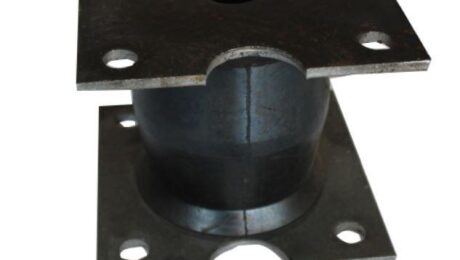
Vibrating Screen Spare Parts Mining: Comprehensive Guide to Mining Machinery and Spare Components
In the demanding world of mining, the efficiency and reliability of vibrating screens and their spare parts play a crucial role in ensuring smooth operations. Whether you are involved in mineral processing or aggregate production, understanding the intricacies of vibrating screen spare parts mining is essential. This article delves deep into mining machinery, focusing on spare parts for vibrating screens, their selection criteria, common pitfalls, and answers to frequently asked questions.
Understanding Mining Machinery and Its Importance
Mining machinery encompasses a broad range of equipment designed to extract, process, and transport minerals from the earth. Vibrating screens are among the most vital components in mineral processing plants, used to separate materials by size and improve product quality.
What Are Vibrating Screens?
Vibrating screens are mechanical devices that use vibration to separate materials into different sizes for further processing or end-use. They come in various types such as circular, linear, and elliptical, each suited for specific mining applications.
Key Components of Vibrating Screens
- Screen mesh: The surface where material separation occurs.
- Vibrating motor: Generates the vibration force.
- Springs: Absorb vibration and support the screen.
- Screen frame: Holds the screen mesh and other components.
- Counterweights: Adjust vibration amplitude.
Vibrating Screen Spare Parts Mining: Essential Components
Spare parts are critical for maintaining the performance and longevity of vibrating screens. Regular replacement and maintenance prevent downtime and costly repairs.
Common Vibrating Screen Spare Parts
- Screen panels and meshes: Available in wire mesh, polyurethane, or rubber.
- Vibration motors and exciter shafts: Responsible for generating vibrations.
- Springs and suspension systems: Provide stability and absorb shocks.
- Bearings and shafts: Support rotating parts and reduce friction.
- Counterweights and fasteners: Balance the machine and secure components.
Long-Tail Keywords: Selecting High-Quality Vibrating Screen Spare Parts for Mining Machinery
When sourcing spare parts, look for durability, compatibility, and vendor reliability. High-quality parts ensure optimal screen performance and reduce operational interruptions.
Comparison of Vibrating Screen Spare Parts Materials
| Material | Advantages | Disadvantages | Typical Use |
|---|---|---|---|
| Wire Mesh | High strength, good for heavy-duty screening | Prone to wear in abrasive materials | General mining applications |
| Polyurethane | Wear-resistant, flexible, quieter operation | Higher cost, less heat resistant | Fine screening, abrasive materials |
| Rubber | Good impact resistance, noise reduction | Lower tensile strength | Wet screening, sticky materials |
Buying Guide: How to Choose the Right Vibrating Screen Spare Parts for Mining
1. Identify Your Screen Type and Model
Compatibility is key. Always verify the exact model and specifications of your vibrating screen before ordering parts.
2. Evaluate Material Quality and Durability
Choose spare parts made from materials suited to your mining environment and material characteristics.
3. Consider Supplier Reputation and Warranty
Reliable suppliers offer warranties and technical support, reducing risks associated with part failure.
4. Check Availability and Delivery Time
Minimize downtime by selecting suppliers who can deliver parts promptly.
5. Factor in Cost vs. Longevity
Investing in higher-quality parts may save money over time by reducing replacements and maintenance.
Common Mistakes When Purchasing Vibrating Screen Spare Parts
- Ignoring compatibility: Using incorrect parts can damage equipment.
- Choosing low-quality parts: Leads to frequent breakdowns and inefficiency.
- Overlooking supplier credentials: Risk of counterfeit or substandard components.
- Neglecting maintenance schedules: Causes premature wear and failure.
- Failing to verify part specifications: Results in improper fit and function.
Frequently Asked Questions (FAQ) About Vibrating Screen Spare Parts Mining
1. What is the typical lifespan of vibrating screen spare parts in mining?
The lifespan varies based on material, usage intensity, and maintenance but typically ranges from 6 months to 2 years.
2. How often should vibrating screen parts be inspected?
Regular inspections every 3 to 6 months are recommended to detect wear and prevent unexpected failures.
3. Can I use generic spare parts for my vibrating screen?
While generic parts might fit, using OEM or certified parts ensures compatibility and performance.
4. What are the signs that vibrating screen spare parts need replacement?
Signs include decreased screening efficiency, unusual noise, visible wear, and frequent breakdowns.
5. How does the choice of screen mesh affect mining operations?
The mesh type impacts screening accuracy, throughput, and durability, influencing overall productivity.
6. Are there any environmental considerations when selecting spare parts?
Yes, parts resistant to corrosion and abrasion are essential in harsh mining environments.
7. Where can I find reliable suppliers for mining machinery spare parts?
Look for suppliers with proven track records, positive reviews, and technical support capabilities. Learn more here.
8. How can I extend the life of my vibrating screen spare parts?
Implement regular maintenance, proper installation, and operate within recommended parameters to maximize part longevity.
Conclusion
Understanding the significance of vibrating screen spare parts mining and selecting the right components is vital for maintaining mining machinery efficiency. By following the buying guide, avoiding common mistakes, and staying informed through FAQs, mining operations can achieve optimal performance and reduced downtime.
For more detailed insights on mining machinery and spare parts, visit our resource center and stay updated with the latest industry trends.
- Published in Products
HSI Crusher Blow Bar Replacement Guide: Essential Tips for Mining Machinery Spare Parts

HSI Crusher Blow Bar Replacement Guide: Essential Tips for Mining Machinery Spare Parts
When it comes to maintaining efficient mining operations, understanding the HSI crusher blow bar replacement guide is crucial. These blow bars are vital components in mining machinery, ensuring optimal crushing performance and longevity. Whether you are a mining engineer, equipment operator, or maintenance technician, this comprehensive guide will walk you through everything you need to know about blow bars, their replacement process, and selecting the best spare parts for your machinery.
Understanding HSI Crushers and the Role of Blow Bars
Horizontal Shaft Impact (HSI) crushers are widely used in the mining industry for crushing various materials such as rocks, ores, and minerals. The blow bars inside these crushers directly impact the material, breaking it down into smaller sizes. The performance and durability of blow bars significantly affect the efficiency of mining machinery.
What Are HSI Crusher Blow Bars?
Blow bars are heavy-duty metal bars mounted on the rotor of an HSI crusher. Their primary function is to strike and shatter the feed material. Blow bars are typically made from high-quality alloys like manganese steel, chromium, or martensitic steel to withstand high impact and abrasive conditions.
Types of Blow Bars for HSI Crushers
- Manganese Steel Blow Bars: Known for their toughness and work-hardening properties, ideal for medium abrasive materials.
- Chrome Alloy Blow Bars: Offer superior wear resistance and are suitable for highly abrasive materials.
- Martensitic Steel Blow Bars: Provide a balance of toughness and hardness, used in less abrasive applications.
When and Why to Replace HSI Crusher Blow Bars
Regular inspection and timely replacement of blow bars are essential to maintain crusher performance and avoid downtime. Worn or damaged blow bars can lead to inefficient crushing, increased power consumption, and potential damage to other crusher components.
Signs That Indicate Blow Bar Replacement
- Visible wear or cracks on the blow bars
- Reduced crushing efficiency or throughput
- Increased vibration or unusual noise during operation
- Frequent crusher blockages or jams
Step-by-Step HSI Crusher Blow Bar Replacement Guide
Replacing blow bars involves careful planning and adherence to safety standards. Below is a detailed replacement process for maintenance teams.
Preparation
- Turn off and lock out the crusher to ensure safety.
- Wear appropriate personal protective equipment (PPE).
- Gather necessary tools, including wrenches, hammers, and lifting equipment.
Removal of Old Blow Bars
- Locate the blow bars on the rotor assembly.
- Remove the securing bolts or pins carefully.
- Use lifting equipment if the blow bars are heavy to avoid injury.
- Inspect the rotor and surrounding parts for wear or damage.
Installing New Blow Bars
- Clean the mounting surfaces to ensure proper fit.
- Position the new blow bars correctly on the rotor.
- Secure them tightly with bolts or pins as per manufacturer specifications.
- Double-check all fittings for tightness and alignment.
Post-Replacement Checks
- Rotate the rotor manually to check for clearance and balance.
- Restart the crusher and monitor for unusual noises or vibrations.
- Record the replacement date and bar type for maintenance logs.
Mining Machinery Spare Parts: Selection Criteria for Blow Bars
Choosing the right blow bars is critical for maximizing crusher lifespan and performance. Here are key factors to consider when selecting blow bars for your mining machinery.
Material Compatibility
Select blow bars based on the abrasiveness and hardness of the material you are crushing. For example, chrome alloy bars are better for highly abrasive materials, while manganese steel suits less abrasive feed.
Durability and Wear Resistance
Opt for blow bars with proven wear resistance to reduce replacement frequency and operational costs.
Manufacturer Reputation and Warranty
Purchase from trusted manufacturers who provide warranties and technical support to ensure quality and reliability.
Cost vs. Performance
Balance initial cost with expected lifespan and performance to achieve the best return on investment.
Comparison of Popular Blow Bar Materials for HSI Crushers
| Material | Wear Resistance | Toughness | Typical Applications |
|---|---|---|---|
| Manganese Steel | Medium | High | General purpose, medium abrasive materials |
| Chrome Alloy | High | Medium | Highly abrasive materials |
| Martensitic Steel | Medium | Medium | Less abrasive, general crushing |
Common Mistakes When Replacing HSI Crusher Blow Bars
- Ignoring Manufacturer Guidelines: Not following torque specifications or installation instructions can lead to premature failure.
- Using Incorrect Blow Bar Material: Selecting unsuitable materials reduces lifespan and efficiency.
- Skipping Regular Inspections: Delayed replacement increases risk of crusher damage.
- Poor Handling During Installation: Damaging blow bars or rotor components during replacement can cause operational issues.
Frequently Asked Questions (FAQ) About HSI Crusher Blow Bar Replacement
1. How often should I replace HSI crusher blow bars?
Replacement frequency depends on material abrasiveness and crusher usage but typically ranges from a few weeks to several months. Regular inspections help determine the right timing.
2. Can I reuse worn blow bars after repair?
Generally, blow bars should not be reused once significantly worn or cracked, as this compromises safety and performance.
3. What safety precautions are necessary during blow bar replacement?
Always lock out power, wear PPE, use proper tools, and follow manufacturer procedures to ensure safe replacement.
4. How do I know which blow bar material is best for my crusher?
Consider the type of material being crushed, its abrasiveness, and consult with your equipment supplier or manufacturer for recommendations.
5. Are aftermarket blow bars reliable?
Quality aftermarket blow bars can be reliable if sourced from reputable manufacturers. Verify certifications and warranty before purchase.
6. What are the signs of a damaged rotor during blow bar replacement?
Look for cracks, excessive wear, or deformation on the rotor surface. Address any damage before installing new blow bars.
7. Can improper blow bar installation affect crusher performance?
Yes, incorrect installation can cause imbalance, increased wear, and potential equipment failure.
8. Where can I find genuine mining machinery spare parts?
Purchase from authorized dealers or directly from manufacturers to ensure authenticity and quality. Explore our recommended suppliers here.
Conclusion
Mastering the HSI crusher blow bar replacement guide is essential for maintaining mining machinery efficiency and reducing downtime. By understanding blow bar types, knowing when and how to replace them, and selecting the right spare parts, mining operations can achieve better productivity and cost savings. For more detailed resources on mining machinery and spare parts, visit our mining equipment section.
- Published in Products
Blow Bar Impact Crusher Manganese Steel: Ultimate Guide to Mining Machinery and Spare Parts
Blow Bar Impact Crusher Manganese Steel: Ultimate Guide to Mining Machinery and Spare Parts
In the world of mining machinery, the blow bar impact crusher manganese steel stands out as a critical component that ensures efficient crushing performance and longevity. Whether you are involved in mining, quarrying, or aggregate production, understanding the role and selection of manganese steel blow bars can dramatically impact your operations. This comprehensive guide dives deep into everything you need to know about mining machinery, spare parts, and specifically the importance of manganese steel blow bars in impact crushers.
Understanding Blow Bar Impact Crushers and Their Role in Mining
Impact crushers are widely used in mining for crushing rocks and ores. The blow bar is the primary wear part inside the crusher that delivers the impact force to break down materials. Made typically from manganese steel, these blow bars are designed to withstand high impact and abrasion.
What Is a Blow Bar in an Impact Crusher?
A blow bar is a heavy-duty, replaceable component attached to the rotor of an impact crusher. When the rotor spins, the blow bars strike the material, causing it to shatter and break down into smaller pieces. The quality and material of the blow bar directly affect crusher efficiency and maintenance costs.
Why Choose Manganese Steel for Blow Bars?
- High Impact Resistance: Manganese steel hardens upon impact, making it ideal for crushing applications.
- Wear Resistance: It offers excellent durability against abrasive materials.
- Cost-Effectiveness: Longer lifespan reduces downtime and replacement frequency.
Mining Machinery Overview: Key Equipment and Spare Parts
Mining machinery encompasses a variety of equipment designed to extract and process minerals efficiently. Beyond impact crushers, the industry relies on conveyors, feeders, screens, and grinding mills.
Essential Mining Machinery Components
- Crushers: Jaw crushers, cone crushers, and impact crushers.
- Feeders and Conveyors: Equipment for material transport.
- Grinding Mills: Ball mills, rod mills for mineral processing.
- Spare Parts: Blow bars, liners, hammers, and screens.
Importance of Quality Spare Parts in Mining
Using high-quality spare parts like manganese steel blow bars ensures machinery operates smoothly, reduces unexpected breakdowns, and extends equipment life. Selecting the right spare parts is crucial for maintaining productivity and safety.
Blow Bar Impact Crusher Manganese Steel: Types and Grades
There are various manganese steel grades and blow bar designs tailored for different crushing needs.
Common Manganese Steel Grades for Blow Bars
| Grade | Manganese Content (%) | Typical Use |
|---|---|---|
| Mn13 | 12-14 | General purpose crushing |
| Mn18 | 17-19 | High impact and abrasion environments |
| Mn22 | 21-23 | Extreme wear resistance applications |
Blow Bar Designs
- Flat Blow Bars: Best for soft to medium-hard materials.
- Curved Blow Bars: Provide better impact and reduce wear on hard materials.
- Multi-tooth Blow Bars: Designed for fine crushing and high throughput.
Comparison: Manganese Steel Blow Bars vs. Other Materials
Choosing the right blow bar material can influence crusher performance and maintenance.
| Material | Impact Resistance | Wear Resistance | Cost | Typical Application |
|---|---|---|---|---|
| Manganese Steel | Excellent | High | Moderate | General and high-impact crushing |
| Chrome Alloy Steel | Good | Very High | High | Severe abrasion conditions |
| Cast Iron | Poor | Low | Low | Low-impact, non-abrasive materials |
Buying Guide: How to Select the Right Blow Bar Impact Crusher Manganese Steel
Choosing the correct blow bar for your impact crusher involves several important considerations:
- Material Hardness: Match the manganese grade to the hardness of the material you crush.
- Crusher Type and Model: Ensure compatibility with your specific crusher rotor and design.
- Operating Conditions: Consider impact force, abrasion level, and feed size.
- Manufacturer Reputation: Opt for reliable brands with proven quality.
- Cost vs. Durability: Balance upfront price with expected lifespan and maintenance savings.
Always consult your equipment manual or a mining machinery expert before purchasing.
Common Mistakes When Using Blow Bar Impact Crushers and How to Avoid Them
- Ignoring Wear Patterns: Regularly inspect blow bars to identify uneven wear and replace timely.
- Using Incorrect Blow Bar Material: Avoid using low-grade materials for high-impact jobs.
- Poor Installation: Ensure blow bars are securely mounted to avoid damage or safety hazards.
- Neglecting Maintenance: Routine checks and cleaning prevent buildup and mechanical failures.
- Overloading Crushers: Do not exceed crusher capacity to avoid premature wear.
Frequently Asked Questions About Blow Bar Impact Crusher Manganese Steel and Mining Machinery
1. What is the lifespan of manganese steel blow bars in impact crushers?
The lifespan depends on material grade, operating conditions, and maintenance but typically ranges from 3 to 12 months under normal mining operations.
2. Can blow bars be repaired or only replaced?
While minor repairs like welding are possible, it is generally recommended to replace blow bars to maintain crusher performance and safety.
3. How does manganese steel harden upon impact?
Manganese steel work-hardens due to the deformation caused by impact, increasing its surface hardness and wear resistance.
4. Are there any environmental considerations when disposing of worn blow bars?
Yes, manganese steel is recyclable. Proper recycling reduces environmental impact and recovers valuable materials.
5. How often should I inspect the blow bars?
Inspection frequency varies but a good practice is to check wear every 2-4 weeks depending on usage intensity.
6. What are the signs that blow bars need replacement?
Signs include significant wear, cracks, reduced crushing efficiency, and unusual noise or vibration.
7. Can I upgrade my existing crusher with higher grade manganese steel blow bars?
Yes, upgrading to higher-grade manganese steel can improve durability and reduce downtime but verify compatibility first.
8. Where can I find genuine spare parts for mining machinery?
Purchase from authorized dealers or manufacturers to ensure authenticity and warranty support. See our spare parts resources for trusted suppliers.
Conclusion
Investing in high-quality blow bar impact crusher manganese steel components is essential for maximizing the efficiency and lifespan of your mining machinery. Understanding the types, grades, and selection criteria helps you make informed decisions that reduce costs and boost productivity. Remember to prioritize maintenance and avoid common mistakes to keep your crushing operations running smoothly.
For more detailed information on mining machinery and spare parts, explore our related articles and guides at Mining Machinery Hub.
- Published in Products
Sandvik Cone Crusher Bowl Liner Supplier: Comprehensive Guide to Mining Machinery and Spare Parts

Sandvik Cone Crusher Bowl Liner Supplier: Comprehensive Guide to Mining Machinery and Spare Parts
When it comes to optimizing the performance of your mining operations, choosing the right Sandvik cone crusher bowl liner supplier is crucial. Whether you’re upgrading machinery or sourcing spare parts, understanding the nuances of mining machinery components can save you time, money, and operational headaches. This article dives deep into the world of mining machinery and spare parts, focusing on Sandvik cone crusher bowl liners, their importance, and how to select the best supplier for your needs.
Understanding Sandvik Cone Crusher Bowl Liners and Their Role in Mining Machinery
Sandvik cone crushers are renowned for their efficiency and durability in crushing operations. The cone crusher bowl liner is a vital wear part that protects the crusher’s main frame and ensures effective crushing. These liners are engineered to withstand high stress and abrasive materials, making them essential for continuous mining activities.
What Is a Cone Crusher Bowl Liner?
A bowl liner is a replaceable wear part in a cone crusher that lines the outer surface of the crusher’s mantle assembly. It works together with the mantle liner to crush rock and ore by compressing the material between the mantle and the bowl liner.
- Material Composition: Typically made from manganese steel or alloy steel, designed for high wear resistance.
- Function: Protects the crusher’s frame and ensures efficient crushing performance.
- Wear and Replacement: Subject to wear and tear, requiring periodic replacement to maintain crusher efficiency.
Mining Machinery and Spare Parts: An Overview
Mining machinery encompasses a wide range of equipment used for extraction, processing, and transportation of minerals. Spare parts like bowl liners, mantles, shafts, and gears ensure these machines operate optimally.
Key Types of Mining Machinery
- Crushers: Jaw crushers, cone crushers, impact crushers.
- Grinding Mills: Ball mills, SAG mills.
- Excavators and Loaders: For material handling.
- Screening Equipment: For sorting and sizing materials.
Importance of Quality Spare Parts
Using high-quality spare parts like genuine Sandvik cone crusher bowl liners ensures:
- Prolonged equipment life
- Reduced downtime
- Improved operational efficiency
- Cost savings in maintenance
How to Choose the Best Sandvik Cone Crusher Bowl Liner Supplier
Choosing the right supplier is a commercial and transactional decision, as buyers are looking to purchase reliable and durable spare parts. Here are the key selection criteria:
1. Product Quality and Authenticity
Ensure the supplier offers genuine Sandvik parts or high-quality OEM alternatives. Ask for certifications and material specifications.
2. Range of Products
A supplier with a wide inventory of mining machinery spare parts, including various sizes and models of bowl liners, can better meet your needs.
3. Technical Support and Expertise
Suppliers who provide technical guidance on installation, maintenance, and compatibility add significant value.
4. Delivery and Lead Times
Reliable suppliers ensure timely delivery to minimize operational downtime.
5. Pricing and Warranty
Competitive pricing combined with warranty policies protects your investment.
Comparison of Leading Sandvik Cone Crusher Bowl Liner Suppliers
| Supplier | Product Range | Quality Assurance | Technical Support | Delivery Time | Warranty |
|---|---|---|---|---|---|
| Sandvik Original | Full range of OEM parts | Certified genuine parts | Comprehensive support | Standard lead times | 12 months |
| XYZ Mining Supplies | OEM & aftermarket parts | High-quality alloys | Technical consultation | Fast shipping options | 6-12 months |
| ABC Industrial Parts | Aftermarket only | Tested for durability | Limited support | Variable | 3-6 months |
Common Mistakes When Purchasing Mining Machinery Spare Parts
- Ignoring Compatibility: Using parts not designed for your specific crusher model can cause damage.
- Prioritizing Low Cost Over Quality: Cheap parts may fail faster, increasing long-term costs.
- Overlooking Supplier Reputation: Not researching supplier reliability can lead to delivery delays or counterfeit products.
- Neglecting Maintenance Schedules: Delayed replacements can cause equipment breakdown.
- Failing to Verify Warranty and Return Policies: This can result in financial loss if parts are defective.
Buying Guide: How to Select the Perfect Sandvik Cone Crusher Bowl Liner
Follow these steps to ensure you make an informed purchase:
- Identify Your Crusher Model: Confirm the exact model and specifications of your Sandvik cone crusher.
- Assess Wear Patterns: Inspect current liners for wear to determine replacement timing.
- Check Material Specifications: Opt for liners made from high manganese steel or other suitable alloys.
- Request Samples or Product Data Sheets: Verify quality before bulk purchase.
- Compare Supplier Offers: Evaluate pricing, delivery, and support.
- Confirm Warranty and After-Sales Service: Ensure you have support post-purchase.
Frequently Asked Questions About Sandvik Cone Crusher Bowl Liners and Mining Machinery
1. How often should I replace the Sandvik cone crusher bowl liner?
Replacement frequency depends on the material processed and operating conditions but typically ranges from several months to a year. Regular inspections help determine the optimal timing.
2. Can I use aftermarket bowl liners instead of genuine Sandvik parts?
Aftermarket liners can be cost-effective but vary in quality. Always verify material composition and supplier reputation to avoid premature failure.
3. What are the signs of a worn bowl liner?
Common signs include reduced crushing efficiency, unusual noises, and visible wear or cracks on the liner surface.
4. How do I install a new bowl liner safely?
Installation should follow manufacturer guidelines, using proper tools and safety equipment. If unsure, seek professional assistance.
5. Are there different types of bowl liners for various mining applications?
Yes, liners are designed for specific crushing needs, such as standard, heavy-duty, or fine crushing. Selecting the right type improves performance.
6. What role does material composition play in bowl liner durability?
Material composition directly affects wear resistance and lifespan. High manganese steel is commonly used for its toughness and ability to work-harden.
7. Where can I find reliable technical support for mining machinery spare parts?
Authorized Sandvik dealers and reputable suppliers often provide technical support and maintenance advice.
8. How can I ensure timely delivery of spare parts to avoid downtime?
Establish a partnership with trusted suppliers who offer inventory tracking and expedited shipping options.
For more information on mining machinery and spare parts, visit our resources page or contact our experts directly.
- Published in Products
Metso HP Cone Crusher Spare Parts: Comprehensive Guide to Mining Machinery and Replacement Components

Metso HP Cone Crusher Spare Parts: Essential Components for Efficient Mining Machinery
The mining industry relies heavily on robust and reliable equipment to maintain continuous operations. Among the key machinery, the Metso HP cone crusher stands out for its efficiency and durability. However, to ensure optimal performance, sourcing genuine and high-quality Metso HP cone crusher spare parts is vital. In this extensive guide, we explore everything you need to know about mining machinery and their spare parts, focusing on the Metso HP cone crusher. Whether you’re a mining operator, maintenance engineer, or procurement specialist, this article will equip you with the knowledge to make informed decisions.
Understanding the Metso HP Cone Crusher and Its Role in Mining Machinery
The Metso HP cone crusher is a type of hydraulic cone crusher designed for secondary, tertiary, and quaternary crushing stages in mining and aggregate industries. Its advanced technology enables high productivity, low operating costs, and consistent product quality.
Key Features of Metso HP Cone Crushers
- High crushing force with adjustable settings
- Hydraulic tramp release system for overload protection
- Robust frame construction for durability
- Efficient wear part design to extend service life
- Easy maintenance with accessible spare parts
Common Metso HP Cone Crusher Spare Parts and Their Functions
To maintain peak operational efficiency, replacing worn or damaged parts with genuine Metso HP cone crusher spare parts is essential. Below are the primary components that frequently require replacement:
1. Mantle and Concave Liners
The mantle and concave liners form the crushing chamber’s core surfaces, directly impacting crushing efficiency and product size.
2. Bowl Assembly
Supports the concave liners and plays a crucial role in the crusher’s structural integrity.
3. Main Shaft and Eccentric Assembly
These parts facilitate the gyratory motion necessary for crushing material.
4. Hydraulic System Components
Includes cylinders and pumps that manage the crusher’s overload protection and adjustment mechanisms.
5. Drive and Transmission Parts
Belts, pulleys, and gears that transfer power from the motor to the crusher.
Why Using Genuine Metso HP Cone Crusher Spare Parts Matters
Opting for authentic parts ensures compatibility, safety, and longevity. Non-genuine parts may lead to premature wear, unexpected downtime, and compromised product quality.
Mining Machinery Spare Parts: Broader Overview
Beyond cone crushers, mining operations utilize various machinery requiring spare parts, including jaw crushers, impact crushers, screens, conveyors, and feeders. Each machine has unique components critical to its function.
Types of Mining Machinery Spare Parts
- Wear Parts: Liners, hammers, blow bars subject to erosion and abrasion
- Hydraulic Parts: Cylinders, valves, pumps essential for machine operation
- Electrical Parts: Motors, sensors, control panels ensuring automation and safety
- Mechanical Parts: Shafts, bearings, gears facilitating motion and load transmission
Comparison: Metso HP Cone Crusher Spare Parts vs. Competitor Brands
When selecting spare parts, understanding how Metso components compare to alternatives is crucial. Below is a comparison table highlighting key factors:
| Feature | Metso HP Spare Parts | Competitor Brands |
|---|---|---|
| Fit & Compatibility | Exact fit for Metso HP crushers | May require modifications |
| Material Quality | High-grade alloy steel with advanced metallurgy | Varies; often lower quality |
| Durability | Longer service life under harsh conditions | Shorter lifespan, more frequent replacements |
| Warranty & Support | Comprehensive manufacturer warranty and support | Limited or no warranty |
| Price | Higher initial cost | Lower upfront cost but higher lifetime expense |
Buying Guide: How to Choose the Right Metso HP Cone Crusher Spare Parts
Selecting the appropriate spare parts requires careful consideration of multiple factors to avoid costly mistakes.
1. Verify Part Numbers and Compatibility
Always cross-check manufacturer part numbers and ensure the components match your specific crusher model.
2. Assess Material and Build Quality
Look for parts made from durable materials designed to withstand abrasive mining environments.
3. Consider Supplier Reputation
Purchase from authorized dealers or trusted suppliers who offer genuine parts and after-sales service.
4. Evaluate Lead Times and Availability
Ensure parts are readily available to minimize downtime during maintenance.
5. Review Warranty and Return Policies
Choose suppliers that provide warranties and flexible return options for peace of mind.
Common Mistakes to Avoid When Purchasing Mining Machinery Spare Parts
- Ignoring Compatibility: Using incompatible parts can damage machinery and void warranties.
- Prioritizing Cost Over Quality: Cheap parts often result in frequent replacements and higher long-term costs.
- Neglecting Supplier Verification: Buying from unverified sources risks counterfeit or substandard components.
- Skipping Preventive Maintenance: Delaying inspections and replacements can cause unexpected failures.
- Overlooking Installation Procedures: Improper installation reduces part lifespan and machine efficiency.
Frequently Asked Questions (FAQ) About Metso HP Cone Crusher Spare Parts
1. What are the most commonly replaced parts in a Metso HP cone crusher?
The mantle, concave liners, bowl assembly, and hydraulic components are typically replaced due to wear and tear.
2. How often should Metso HP cone crusher spare parts be inspected or replaced?
Inspection frequency depends on operating conditions but generally ranges from weekly to monthly. Replacement is based on wear measurements and manufacturer guidelines.
3. Can I use generic spare parts instead of genuine Metso parts?
While generic parts may be cheaper, they often lack compatibility and durability, potentially causing machine damage and higher costs over time.
4. Where can I purchase authentic Metso HP cone crusher spare parts?
Authorized Metso distributors, official websites, and certified mining equipment suppliers are reliable sources.
5. How does proper maintenance impact the lifespan of spare parts?
Regular maintenance reduces wear, prevents failures, and extends the service life of both parts and machinery.
6. Are there any technological advancements in Metso HP cone crusher spare parts?
Yes, Metso continuously improves materials and designs, such as enhanced wear-resistant alloys and optimized hydraulic systems.
7. What should I do if I receive defective spare parts?
Contact the supplier immediately to report the issue and arrange for replacement or refund under warranty terms.
8. How can I ensure the correct installation of spare parts?
Follow manufacturer manuals, use trained technicians, and employ proper tools to guarantee correct installation.
For more detailed information on mining machinery and maintenance, visit our Mining Equipment Resources page.
- Published in Products
Cone Crusher Mantle Concave Replacement: Essential Guide to Mining Machinery and Spare Parts

Cone Crusher Mantle Concave Replacement: Essential Guide to Mining Machinery and Spare Parts
When it comes to maintaining peak performance in mining operations, understanding cone crusher mantle concave replacement is crucial. This article dives deep into the role of these vital components in mining machinery, offering insights into replacement techniques, selection criteria, and common mistakes to avoid. Whether you’re an industry professional or a mining machinery enthusiast, this comprehensive guide will equip you with the knowledge to optimize your equipment and maximize productivity.
Understanding Cone Crusher Mantle and Concave Components
Cone crushers are pivotal in the mining industry, used primarily for crushing ores and rocks. The mantle and concave are the two main wear parts inside the cone crusher. The mantle is the moving part while the concave is the stationary surface. Together, they crush material by compressing it between the two surfaces.
What is a Cone Crusher Mantle?
The mantle is a conical-shaped component mounted on the crusher’s main shaft. It gyrates within the concave, crushing rocks into smaller pieces. Made from high manganese steel or other wear-resistant materials, the mantle’s durability directly impacts crusher efficiency and lifespan.
What is a Cone Crusher Concave?
The concave, also known as the bowl liner, is the fixed outer surface that works with the mantle to crush material. It is designed to withstand heavy wear and tear and is typically made from manganese steel or alloy steel.
Search Intent and Why It Matters
The keyword cone crusher mantle concave replacement primarily reflects transactional and informational search intent. Users are looking for detailed information on replacement processes, maintenance tips, and where to buy quality spare parts. This article is tailored to address both intents by providing in-depth knowledge and practical buying advice.
Mining Machinery and Spare Parts: An Overview
Mining machinery encompasses a wide range of equipment used to extract and process minerals. Spare parts like mantles and concaves ensure that machinery runs smoothly and efficiently. Regular replacement of these parts is necessary due to the high-impact nature of mining operations.
Types of Mining Machinery Spare Parts
- Wear Parts: Mantles, concaves, liners, crusher jaws
- Mechanical Parts: Shafts, bearings, gears
- Hydraulic Components: Cylinders, pumps, valves
How to Replace Cone Crusher Mantle and Concave
Replacing the mantle and concave is a technical process that requires precision and safety measures. The steps below outline the general procedure:
- Safety First: Ensure the crusher is powered down and locked out.
- Disassemble: Remove the crusher’s upper frame and access the mantle and concave.
- Remove Worn Parts: Detach the old mantle and concave carefully.
- Inspect Components: Check for damage on other parts like the shaft or bearings.
- Install New Parts: Fit the replacement mantle and concave, ensuring alignment.
- Reassemble and Test: Put the crusher back together and perform operational tests.
Tools and Equipment Needed
- Wrenches and socket sets
- Hoisting equipment
- Torque wrench
- Safety gear (gloves, goggles, helmets)
Comparison of Mantle and Concave Materials
Choosing the right material for mantles and concaves affects durability and cost-efficiency. Below is a comparison table of commonly used materials:
| Material | Durability | Cost | Best Use |
|---|---|---|---|
| High Manganese Steel | High | Moderate | General crushing applications |
| Alloy Steel | Very High | High | Heavy-duty and abrasive materials |
| Chromium Steel | Moderate | Moderate | Medium wear resistance needs |
Buying Guide: Selecting the Right Cone Crusher Spare Parts
Purchasing the correct mantle and concave parts involves several considerations:
- Compatibility: Ensure parts match your crusher model and manufacturer specifications.
- Material Quality: Opt for high-grade materials to increase lifespan.
- Supplier Reputation: Choose trusted suppliers with proven track records.
- Warranty and Support: Check for warranty terms and after-sales service.
- Price vs. Value: Balance cost with expected durability and performance.
Where to Buy Quality Spare Parts
Reliable sources include original equipment manufacturers (OEMs), authorized dealers, and reputable aftermarket suppliers. Always verify authenticity and customer reviews before purchasing.
Common Mistakes in Mantle and Concave Replacement
- Ignoring Manufacturer Guidelines: Using incorrect parts or installation methods can cause damage.
- Delaying Replacement: Waiting too long can lead to crusher failure and costly downtime.
- Poor Installation: Misalignment or improper torque can reduce part lifespan.
- Using Low-Quality Parts: Cheap materials often wear out faster and affect crusher efficiency.
- Neglecting Regular Maintenance: Skipping routine inspections can miss early wear signs.
Frequently Asked Questions (FAQs)
1. How often should cone crusher mantles and concaves be replaced?
Replacement frequency depends on material hardness, crusher usage, and maintenance. Typically, parts are replaced every few months to a year under heavy mining conditions.
2. Can I replace the mantle and concave myself?
While possible, it is recommended that trained technicians perform replacements due to the complexity and safety risks involved.
3. What are the signs that mantle or concave needs replacement?
Signs include reduced crushing efficiency, unusual noises, visible wear, and frequent blockages.
4. Are aftermarket mantles and concaves reliable?
Quality aftermarket parts can be reliable if sourced from reputable suppliers, but OEM parts generally guarantee better compatibility and performance.
5. How to ensure the new parts fit correctly?
Always verify part numbers, dimensions, and consult manufacturer manuals before installation.
6. What maintenance practices extend the life of mantles and concaves?
Regular inspections, proper lubrication, and timely replacement of worn components help extend lifespan.
7. Does the type of material being crushed affect mantle and concave wear?
Yes, abrasive and hard materials cause faster wear, necessitating more frequent replacements.
8. Where can I find detailed manuals for cone crusher maintenance?
Manufacturer websites and authorized dealers often provide downloadable manuals and technical support.
For more information on mining machinery and spare parts, visit our related articles and resources.
- Published in Products
