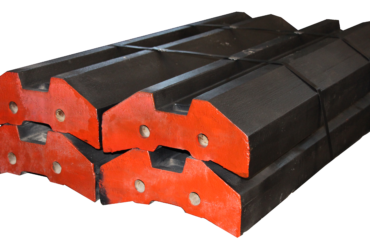
Understanding Pitman in Mining Machinery
The term pitman refers to a key component found in various types of mining machinery. Pitmans are integral to the operation of equipment like crushers and screens, providing the necessary movement for crushing material. This article delves into everything you need to know about pitman, including its design, function, and importance in mining machinery.
What is a Pitman?
A pitman is a crucial mechanical component usually connected to the main shaft of a machine. In mining machinery, it serves a pivotal role in converting rotary motion into reciprocating motion, which is essential for the performance of devices like jaw crushers and other crushing equipment.
The Role of Pitman in Mining Machinery
In mining applications, the pitman performs several critical functions:
- Energy Transfer: It transfers kinetic energy from the motor to the crushing elements, facilitating the reduction of material size.
- Motion Generation: The pitman’s oscillatory motion is what enables crushing and grinding processes to occur efficiently.
- Load Bearing: It supports the weight of the moving parts and absorbs vibrations during operation.
Types of Pitman Used in Mining Machinery
There are various designs and types of pitman found in mining machinery:
- Single Toggle Pitman: Commonly used in jaw crushers, this type features a single hinge point and is known for its straightforward design.
- Double Toggle Pitman: This more complex design uses two hinge points, allowing for greater crushing efficiency and the handling of larger materials.
- Custom Pitman Designs: Some manufacturers offer customized pitman designs to suit specific operational needs or to improve material handling.
Materials Used in Pitman Manufacturing
The materials chosen for manufacturing pitman components affect durability, efficiency, and performance. Common materials include:
- Steel: High-carbon steel is often used for its strength and resistance to wear.
- Alloys: Alloys can enhance resilience and durability under extreme conditions.
- Cast Iron: Though heavier, cast iron can provide excellent wear resistance and is used in specific applications.
Importance of Pitman in Mining Operations
The pitman‘s efficiency directly impacts mining operations, especially in terms of:
- Production Rates: An effective pitman allows for higher throughput by improving the crushing action.
- Equipment Lifespan: A well-maintained pitman contributes to longer equipment lifespan and reduced maintenance costs.
- Operational Efficiency: A properly functioning pitman enhances overall machinery performance, promoting smoother operations.
Maintenance and Replacement of Pitman
Regular maintenance of the pitman is vital for ensuring optimal performance. Common maintenance practices include:
- Inspection: Regularly checking for signs of wear and tear, especially in high-stress areas.
- Lubrication: Keeping moving parts lubricated to minimize friction and wear.
- Replacement: Knowing when to replace a pitman is crucial, particularly if wear exceeds acceptable limits or if manufacturing defects are detected.
Finding Quality Pitman Spare Parts
When it comes to sourcing pitman spare parts, consider the following:
- OEM vs. Aftermarket: Ensure you know the differences between original equipment manufacturer parts and aftermarket options.
- Quality: Always prioritize quality over cost. Investing in high-quality parts can save money in the long run.
- Supplier Reputation: Work with reputable suppliers who can provide both parts and expert advice.
FAQs about Pitman in Mining Machinery
What is the primary function of a pitman in mining machinery?
The primary function of a pitman is to convert rotary motion into reciprocating motion, which facilitates crushing and grinding processes in mining equipment.
How can I identify wear in a pitman?
Regular inspections for cracks, deformities, and abnormal movements can help identify wear in a pitman. Look out for signs of excessive vibration during operation.
Are there different types of pitman for various crushers?
Yes, different types of crushers, such as single toggle and double toggle crushers, each require specific designs of pitman tailored for their operational needs.
How often should I replace my pitman?
The replacement frequency of a pitman depends on usage and wear rates; regular monitoring and adherence to manufacturer guidelines are crucial.
Can I use aftermarket parts for my pitman?
While aftermarket parts can be used, it’s essential to ensure they meet quality standards and specifications comparable to OEM parts.
Conclusion
In conclusion, the pitman is an essential component in mining machinery that plays a key role in the effective operation of crushing equipment. Understanding its function, maintenance requirements, and the importance of quality parts can significantly enhance the efficiency of mining operations. As technology evolves, monitoring industry advancements related to pitman design and materials will also contribute to better performance in mining machinery.