


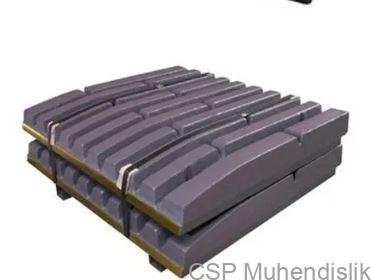
Jaw Crusher Cheek Plate Replacement: Essential Guide for Mining Machinery and Spare Parts
In the mining and construction industry, maintaining the efficiency and durability of equipment like jaw crushers is crucial. One of the most vital components in jaw crushers is the cheek plate, which protects the crusher’s frame from wear and tear. This comprehensive guide on jaw crusher cheek plate replacement explores everything you need to know about mining machinery and spare parts, ensuring you make informed decisions for optimal performance.
Understanding Jaw Crusher Cheek Plates and Their Importance
The jaw crusher cheek plate is a protective liner installed on the sides of the crusher’s crushing chamber. Its primary function is to shield the crusher frame from damage caused by the abrasive materials processed during crushing. Over time, these plates wear out and require replacement to maintain crusher efficiency and prevent costly repairs.
What Is a Jaw Crusher Cheek Plate?
A cheek plate is a replaceable metal liner, typically made from manganese steel or other wear-resistant alloys. It fits snugly against the crusher’s frame, absorbing impacts and reducing wear on the main structure. Without cheek plates, the crusher’s frame would suffer significant damage, leading to operational downtime.
Types of Cheek Plates
- Standard Manganese Steel Plates: Most commonly used due to their toughness and wear resistance.
- High Chromium Alloy Plates: Offer superior hardness and longer life in extremely abrasive environments.
- Composite Plates: Combine different materials for enhanced durability and reduced weight.
Mining Machinery and Spare Parts: The Role of Jaw Crusher Components
Mining machinery relies heavily on durable spare parts to sustain continuous operation. Jaw crushers are among the most widely used machines in mining, quarrying, and recycling industries. Their spare parts, including cheek plates, play a pivotal role in maintaining productivity and minimizing downtime.
Common Spare Parts for Jaw Crushers
- Cheek Plates
- Jaw Plates (Fixed and Movable)
- Toggle Plates
- Flywheels
- Bearings
- Drive Belts
Each part has a specific function, but cheek plates are especially critical because they directly affect the crusher frame’s longevity and operational safety.
When and Why to Replace Jaw Crusher Cheek Plates
Recognizing the right time for replacement is key to avoiding unexpected failures. Here are the main indicators that your cheek plates need replacement:
- Visible Wear and Tear: Cracks, deep grooves, or thinning of the plates.
- Reduced Crushing Efficiency: Increased material slippage or uneven crushing.
- Unusual Noise or Vibrations: Indicating loose or damaged plates.
- Regular Maintenance Schedule: Preventive replacement based on operational hours or tonnage.
Consequences of Delayed Replacement
Ignoring worn cheek plates can lead to frame damage, increased repair costs, and prolonged downtime, severely impacting mining operations.
Step-by-Step Guide to Jaw Crusher Cheek Plate Replacement
- Prepare the Equipment: Shut down the crusher and ensure it is safely locked out.
- Remove Old Cheek Plates: Use appropriate tools to unbolt and detach worn plates.
- Inspect the Frame: Check for any damage or deformation before installing new plates.
- Install New Cheek Plates: Align and secure the new plates firmly using manufacturer-recommended torque settings.
- Test the Crusher: Run the crusher at low speed to ensure proper installation and no abnormal noises.
Comparison of Jaw Crusher Cheek Plate Materials
| Material | Durability | Cost | Best Use Case |
|---|---|---|---|
| Manganese Steel | High | Moderate | General crushing operations |
| High Chromium Alloy | Very High | High | Extremely abrasive materials |
| Composite | Moderate to High | Moderate to High | Lightweight applications with moderate wear |
Buying Guide: How to Choose the Right Jaw Crusher Cheek Plates
Selecting the correct cheek plates is essential for maximizing crusher lifespan and efficiency. Consider the following criteria:
1. Material Compatibility
Choose plates made from materials suited to the abrasiveness and hardness of the processed material.
2. Manufacturer Specifications
Always refer to the crusher manufacturer’s recommendations for plate dimensions and material grades.
3. Durability vs. Cost
Balance your budget with the expected lifespan; investing in higher quality plates can reduce long-term costs.
4. Ease of Installation
Opt for designs that allow straightforward replacement to minimize downtime.
5. Supplier Reputation
Purchase from reliable suppliers who provide warranties and technical support.
Common Mistakes to Avoid During Cheek Plate Replacement
- Ignoring Regular Inspections: Leads to unexpected failures.
- Using Incorrect Materials: Reduces plate life and damages the crusher.
- Poor Installation Practices: Can cause misalignment and accelerated wear.
- Neglecting Frame Inspection: Overlooking frame damage can cause operational hazards.
- Delaying Replacement: Increases repair costs and downtime.
Frequently Asked Questions (FAQ) About Jaw Crusher Cheek Plate Replacement
1. How often should jaw crusher cheek plates be replaced?
Replacement frequency depends on usage intensity and material abrasiveness but generally ranges from every few months to annually. Regular inspections help determine the right timing.
2. Can I replace cheek plates myself or should I hire a professional?
While experienced technicians can perform replacements, it’s recommended to hire professionals to ensure safety and proper installation.
3. What are the signs that cheek plates are worn out?
Look for cracks, thinning, unusual noises, and decreased crushing efficiency as key indicators.
4. Are aftermarket cheek plates as reliable as OEM parts?
High-quality aftermarket parts can be reliable if sourced from reputable manufacturers, but OEM parts are generally preferred for guaranteed compatibility.
5. How can I prolong the life of jaw crusher cheek plates?
Regular maintenance, using appropriate materials, and timely replacement help extend plate life.
6. What is the cost range for jaw crusher cheek plates?
Costs vary widely based on material and size but typically range from a few hundred to several thousand dollars per set.
7. Are there any environmental considerations when disposing of worn cheek plates?
Yes, worn plates should be recycled as scrap metal to minimize environmental impact.
8. How do cheek plates affect overall mining machinery performance?
Proper cheek plates protect the crusher frame, ensuring consistent performance and reducing downtime.
For more detailed information on mining machinery spare parts, visit our Mining Equipment Resources page.


