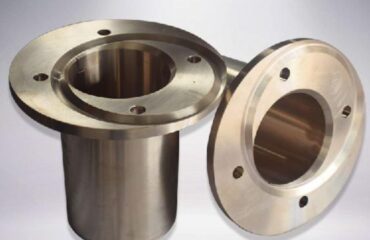
Jaw Plate: Essential Component in Mining Machinery
Mining machinery plays a pivotal role in extracting valuable minerals from the earth, and among the crucial components that ensure efficient operation are jaw plates. Jaw plates are an integral part of crushers used in mining operations, designed to handle heavy-duty crushing tasks. This article delves deep into the significance of jaw plates in mining machinery and explores the various types, materials, maintenance tips, and their role in improving mining productivity.
Understanding Jaw Plate in Mining Machinery
The jaw plate is a wear-resistant part of the jaw crusher, which is one of the most common crushing machines in the mining industry. It is responsible for crushing large rocks into smaller, manageable pieces suitable for further processing. The jaw plate works by applying compressive force on the material, breaking it down efficiently.
Types of Jaw Plates in Mining Machinery
Mining machinery utilizes different types of jaw plates to suit various crushing needs. The most common types include:
- Standard Jaw Plates: Designed for general crushing and versatile across many materials.
- Corrugated Jaw Plates: Features corrugated patterns to grip and crush materials more effectively, ideal for harder rocks.
- Toothed Jaw Plates: Equipped with teeth to enhance crushing efficiency, particularly in tough and abrasive materials.
- Custom Jaw Plates: Tailored to specific mining requirements, offering optimized performance for unique applications.
Material Composition of Jaw Plates
The durability and performance of jaw plates largely depend on their material composition. Common materials used include:
- High Manganese Steel: Known for excellent impact resistance and durability, the most widely used material for jaw plates.
- Chromium Alloy Steel: Offers higher hardness and wear resistance, ideal for highly abrasive mining environments.
- Composite Materials: Incorporate multiple metal alloys to balance toughness and wear resistance.
Importance of Jaw Plates in Mining Machinery Spare Parts
As a critical spare part in mining machinery, jaw plates directly influence crusher efficiency and lifespan. Regular replacement of worn jaw plates ensures continuous operation, reduces downtime, and maintains optimal crushing performance. Investing in quality jaw plates saves costs in the long run by minimizing breakdowns and improving productivity.
Maintenance and Replacement of Jaw Plates
Proper maintenance of jaw plates is crucial for sustaining mining operations. Key maintenance tips include:
- Regular inspection for wear and tear.
- Timely replacement before plates become too worn or damaged.
- Ensuring correct installation and alignment.
- Using manufacturer-recommended spare parts.
Failure to maintain jaw plates can lead to crusher damage, reduced efficiency, and increased operational costs.
How to Choose the Right Jaw Plate for Your Mining Machinery
Selecting the appropriate jaw plate depends on several factors:
- Type of Material Being Crushed: Hardness and abrasiveness dictate the jaw plate material and design.
- Crusher Model and Specifications: Compatibility with the mining machinery is essential.
- Operational Environment: Conditions such as moisture, temperature, and impact forces affect plate choice.
- Budget and Maintenance Capabilities: Balancing cost with durability and maintenance intervals.
Impact of Jaw Plate Quality on Mining Efficiency
The quality of jaw plates has a direct impact on mining machinery performance. High-quality plates improve crushing efficiency, reduce energy consumption, and extend equipment life. Conversely, inferior plates can cause frequent breakdowns, inefficient crushing, and higher maintenance costs.
Innovations in Jaw Plate Technology
Advancements in metallurgy and manufacturing have led to innovative jaw plate designs that offer superior wear resistance and strength. Techniques such as heat treatment, alloy optimization, and precision casting are enhancing the lifespan and performance of jaw plates in mining machinery.
Frequently Asked Questions About Jaw Plate
What is a jaw plate in mining machinery?
A jaw plate is a key component of jaw crushers used in mining to crush rocks by applying compressive force.
How often should jaw plates be replaced?
Replacement frequency depends on usage and material being crushed but generally occurs when the plates show significant wear or damage to avoid operational issues.
What materials are jaw plates made from?
Common materials include high manganese steel, chromium alloy steel, and composite alloys designed for durability and wear resistance.
Can jaw plates be customized?
Yes, jaw plates can be customized in design and material to meet specific mining machinery requirements and improve performance.
How does jaw plate quality affect mining operations?
High-quality jaw plates ensure efficient crushing, reduce downtime, lower maintenance costs, and extend the life of mining machinery.
Where can I buy reliable mining machinery spare parts like jaw plates?
Reliable suppliers specializing in mining machinery spare parts or authorized dealers of crusher manufacturers are recommended sources.
In conclusion, jaw plates are indispensable mining machinery spare parts that significantly influence crushing efficiency and mining productivity. Selecting the right jaw plate, maintaining it properly, and understanding its role can help mining operations achieve optimal results and sustainability.