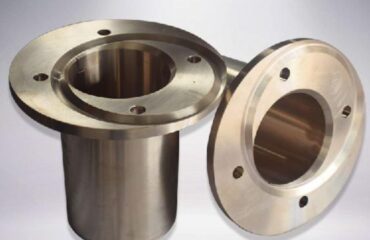
Jaw Plate: The Heart of Crushing and Grinding
The jaw plate is a fundamental component in many types of mining machinery, including cone crushers, impact crushers, and gyratory crushers. Its precise design and operation directly influence the efficiency, output, and longevity of the entire crushing process. Understanding the role of the jaw plate, its various aspects, maintenance needs, and replacement strategies is crucial for operators and engineers involved in mining operations.
What is a Jaw Plate?
A jaw plate, also known as a crushing jaw, consists of two plates – an upper and a lower – that move towards each other. This movement generates immense pressure, fracturing rocks and minerals into smaller pieces. The gap between the plates determines the size of the output material. The jaw plate’s design is what differentiates various crusher types.
Types of Jaw Plates
Several variations of jaw plates cater to different mining applications and rock types. These include:
- Conventional Jaw Plates: The most basic type, these plates move linearly inward toward each other.
- Conical Jaw Plates: Featuring a slightly conical shape, these are frequently used in cone crushers for improved crushing efficiency, particularly on abrasive materials. The jaw plate’s unique geometry minimizes stress concentration during operation.
- Segmented Jaw Plates: These plates are divided into segments that allow for controlled wear and reduced maintenance costs. The segmented design improves the durability of the jaw plate.
- Hydraulic Jaw Plates: Employing hydraulic cylinders to control the closing force, these provide greater precision and adaptability in crushing conditions. The use of a jaw plate with hydraulic assistance significantly enhances performance.
Key Factors Affecting Jaw Plate Performance
Several factors influence the jaw plate’s effectiveness:
- Wear Rate: Abrasive materials like quartz, limestone, and coal contribute significantly to wear.
- Closing Force: The force exerted by the plates is directly proportional to the crushing power. Optimizing the jaw plate’s closing force maximizes output.
- Plate Geometry: The shape and angles of the plates are crucial for efficient material handling.
- Lubrication: Proper lubrication reduces friction and wear on the jaw plate.
Selecting the Right Jaw Plate
Choosing the appropriate jaw plate requires careful consideration of several parameters:
- Rock Type: Harder rocks demand stronger plates and higher closing forces.
- Desired Output Size: Smaller output sizes necessitate a narrower gap between the plates.
- Crusher Type: Different crusher designs require specific jaw plate characteristics.
- Production Volume: Higher production volumes demand robust and durable plates.
Jaw Plate Maintenance – Ensuring Optimal Performance
Regular maintenance is critical to extending the life of your jaw plate. Key maintenance tasks include:
- Inspection: Frequent visual inspections for cracks, wear, and damage.
- Lubrication: Regular lubrication of bearing surfaces and sliding components.
- Plate Alignment: Ensuring the plates are properly aligned to prevent uneven wear.
- Wear Monitoring: Using gauges and sensors to monitor plate thickness and wear rate.
- Adjustments: Periodic adjustments to closing force and gap settings.
Replacing a Jaw Plate – A Step-by-Step Guide
Replacing a worn jaw plate involves several steps:
- Shutdown & Safety: Always shut down the crusher and ensure all safety precautions are followed.
- Disassembly: Carefully disassemble the crushing chamber, removing the old plates and associated components.
- Inspection: Thoroughly inspect the crusher frame and mounting surfaces for damage.
- Installation: Install the new jaw plate ensuring proper alignment and securing it tightly.
- Adjustment: Adjust closing force and gap settings to the manufacturer’s specifications.
- Startup & Testing: Start the crusher and conduct thorough testing to verify optimal performance.
Jaw Plate Materials
Common materials used for jaw plates include:
- Cast Steel: Provides good strength and wear resistance, suitable for general-purpose crushing.
- High-Chrome Cast Iron: Offers superior abrasion resistance, commonly used in abrasive rock applications.
- Tool Steel: Utilized for segmented plates due to its high hardness and ability to withstand significant stresses.
FAQ – Frequently Asked Questions about Jaw Plates
Q: How often do jaw plates need to be replaced?
A: Replacement frequency depends on the rock type, operating conditions, and maintenance practices. Generally, a jaw plate may last between 6 months and 2 years.
Q: What is the cost of replacing a jaw plate?
A: The cost varies depending on the size, material, and complexity of the plate. Expect to pay anywhere from $500 to $5,000 per replacement.
Q: How does closing force affect jaw plate wear?
A: Higher closing forces increase stress on the jaw plate, accelerating wear rates. Maintaining optimal force is crucial for longevity.
Q: Can I repair a damaged jaw plate?
A: Minor repairs may be possible using welding or machining; however, significant damage often necessitates replacement to ensure proper functionality and safety of the jaw plate.
Conclusion
The jaw plate is a critical component in crushing operations. Proper selection, maintenance, and timely replacement are paramount for maximizing efficiency, minimizing downtime, and ensuring the longevity of your mining equipment. Investing in understanding the nuances of jaw plates translates directly into increased profitability and operational success.