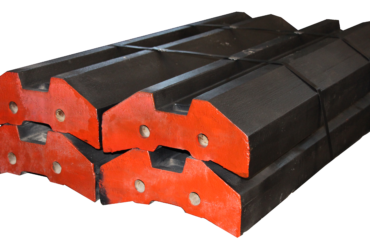
Mantle and Bowl Liner: Understanding Their Importance
In the demanding world of mineral processing, specifically in ball milling operations, the correct selection and maintenance of mantle and bowl liners are absolutely crucial. These components form the heart of the grinding process, directly impacting efficiency, throughput, and ultimately, profitability. This article delves into every aspect of mantle and bowl liner, providing a comprehensive understanding for mining professionals.
What is a Mantle?
The mantle is a key component within a ball mill. It’s a rotating cylinder typically made from high-chromium cast iron or ceramic materials. Its primary function is to support the grinding balls and distribute their weight evenly as the mill rotates. Without an appropriately designed and maintained mantle, the entire operation would suffer catastrophic failure. The mantle’s role isn’t just structural; it’s integral to creating a consistent grinding environment.

What is a Bowl Liner?
The bowl liner, also known as the grinding bowl or shell, surrounds the mantle within the ball mill. It’s a robust structure designed to withstand the immense forces generated during the grinding process. Made from materials similar to mantles – high-chromium cast iron or ceramics – its shape and construction are critical for efficient ball distribution and minimal wear. The bowl liner’s function is to create a stable grinding chamber, maximizing contact between the balls and the material being processed.

Materials Used for Mantles and Bowl Liners
The choice of material for mantles and bowl liners is dictated by the specific ore being processed and its abrasive characteristics. Common materials include:
- High-Chromium Cast Iron: Offers a good balance of wear resistance, cost-effectiveness, and machinability. It’s suitable for a wide range of applications.
- Ceramics (Alumina, Zirconia): These materials provide exceptional wear resistance, particularly when processing abrasive ores like garnet or diamond. However, ceramics are generally more expensive than cast iron.
- Chrome-Moly Steel: Provides a combination of toughness and abrasion resistance for demanding applications.
Factors Affecting Mantle and Bowl Liner Wear
Several factors contribute to the accelerated wear of mantles and bowl liners. Understanding these is paramount for preventative maintenance. Key contributors include:
- Ore Type: Abrasive ores like phosphate rock, garnet, or diamond will significantly increase wear rates compared to softer materials like limestone.
- Ball Size and Distribution: An imbalance in ball size or poor distribution can create uneven stresses on the mantle and liner.
- Load Intensity: Higher grinding loads generate greater forces, accelerating wear.
- Mill Speed: Faster mill speeds generally increase wear rates.
Maintenance of Mantles and Bowl Liners
Regular maintenance is critical to extending the lifespan of your mantle and bowl liner components. This includes:
- Visual Inspections: Regularly inspect for signs of wear, cracking, or damage.
- Ball Level Monitoring: Maintain optimal ball levels to ensure even distribution.
- Lubrication: Proper lubrication reduces friction and wear.
- Replacement Scheduling: Implement a proactive replacement schedule based on wear rates and operating conditions. Life cycle analysis is often used for this determination.
Impact of Worn Mantles and Bowl Liners
Ignoring the signs of worn mantles and bowl liners can lead to serious consequences, including:
- Reduced Throughput: Increased wear reduces grinding efficiency.
- Increased Energy Consumption: Wear increases friction, leading to higher energy costs.
- Mill Downtime: Catastrophic failures can lead to extended downtime and costly repairs.
- Ore Loss: Improperly worn components can contribute to ore loss during grinding.
Choosing the Right Mantle and Bowl Liner
Selecting the appropriate materials for your mantle and bowl liner depends heavily on the specific application. A thorough analysis of the ore being processed, including its abrasive characteristics, is essential. Consulting with a reputable supplier specializing in mining machinery components can provide valuable guidance.
Frequently Asked Questions (FAQ) about Mantles and Bowl Liners
What is the typical lifespan of a mantle and bowl liner?
Lifespan varies greatly, typically ranging from 6 months to 2 years, depending on ore type, mill speed, and maintenance practices. Detailed wear monitoring can help predict replacement needs.
How do I determine when a mantle or bowl liner needs replacing?
Monitor ball levels regularly. Significant changes in ball distribution often indicate liner wear. Also, use measuring tools to assess liner thickness and identify excessive wear.
What are the advantages of using ceramic mantles and bowl liners?
Ceramics offer superior wear resistance, allowing for longer lifespans and reduced downtime when processing abrasive ores.
Can I use different materials for the mantle and bowl liner?
While it’s possible, using mismatched materials can lead to uneven stresses and premature failure. It’s generally recommended to use compatible materials.
What is life cycle analysis used for in relation to mantles and bowl liners?
Life cycle analysis (LCA) helps determine the optimal replacement schedule based on wear rates, operating conditions, and predicted future changes in ore characteristics. It’s a data-driven approach that minimizes downtime and maximizes profitability.