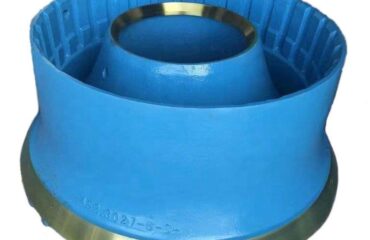
The Comprehensive Guide to Wear Plates in Mining Machinery and Spare Parts
In the mining industry, the performance and durability of machinery are paramount. A pivotal component within this framework is the wear plate. Wear plates are critical for protecting machinery components and ensuring operational efficiency. This article delves into the significance of wear plates, their applications, types, manufacturing processes, and much more.
What are Wear Plates?
Wear plates are flat pieces of material installed in heavy machinery to protect other components from wear and tear caused by friction, impact, and abrasion. They are essential for extending the lifespan of equipment used in mining, construction, and various industrial applications.
Importance of Wear Plates in Mining Machinery
The mining industry works with abrasive materials that can quickly erode machinery. Wear plates play a crucial role in:
- Extending Equipment Life: By bearing the brunt of abrasive forces, wear plates protect critical machinery components.
- Reducing Maintenance Costs: Regular replacement of wear plates minimizes wear on other vital parts, leading to lower maintenance expenses.
- Enhancing Operational Efficiency: Efficiently distributing load and reducing friction enhances the overall performance of mining equipment.
Types of Wear Plates
Wear plates come in a variety of types, each suited for different applications within mining machinery:
1. Steel Wear Plates
These offer high durability and strength, suitable for extreme conditions and heavy impacts.
2. Polyurethane Wear Plates
Known for their excellent shock absorption, these are used where noise reduction and flexibility are essential.
3. Rubber Wear Plates
These are ideal for applications requiring high resistance to impacts and vibrations.
4. Ceramic Wear Plates
They provide superior hardness and are commonly used where maximum abrasion resistance is required.
Applications of Wear Plates in Mining Machinery
Wear plates are utilized in various equipments, including:
- Dump Trucks: Protecting bucket edges from wear during loading and unloading.
- Excavators: Used on buckets and arm assemblies.
- Conveyors: Applied to conveyor skirts and sidewalls to reduce friction.
- Crushing and Grinding Equipment: Protecting the interior components from abrasive materials.
Manufacturing Process of Wear Plates
The manufacturing of wear plates usually involves several key steps:
- Material Selection: Choosing the right material based on application requirements.
- Cutting and Shaping: The material is cut to required dimensions and shaped as per specifications.
- Hardening Treatments: Processes such as heat treatment may be applied to enhance durability.
- Finishing: Surface finishing helps in reducing friction and improving performance.
Factors to Consider When Choosing Wear Plates
Choosing the right wear plate involves consideration of several factors:
- Material Compatibility: Ensure that the wear plate material is compatible with the machinery and the environment it operates in.
- Thickness and Size: Select appropriate dimensions to fit the specific application.
- Cost vs. Performance: Balance initial costs with expected durability and maintenance savings.
- Supplier Reliability: Work with reputable manufacturers to ensure quality and performance.
Wear Plate Installation Best Practices
Proper installation is key to maximizing the benefits of wear plates. Best practices include:
- Surface Preparation: Clean and prepare the surface where the wear plate will be installed.
- Alignment: Ensure correct alignment for optimal performance.
- Secure Fastening: Use appropriate fasteners and methods to ensure the wear plate is secure.
Maintenance of Wear Plates
Regular maintenance of wear plates can prevent costly machinery failures:
- Inspection: Regularly inspect wear plates for signs of wear and damage.
- Cleaning: Keep surfaces clean to maintain optimal operation.
- Replacement: Replace wear plates before they become too worn to ensure equipment longevity.
Future Trends in Wear Plate Technology
As the mining industry continues to evolve, so too does the technology surrounding wear plates. Innovations could include:
- Advanced Materials: Development of new composite materials that offer better performance.
- Smart Wear Plates: Integration of IoT sensors to monitor wear and predict replacement needs.
Common Questions about Wear Plates
What are the signs that a wear plate needs replacing?
Common signs include visible wear and tear, cracks, or a decrease in equipment performance.
How do wear plates affect equipment performance?
Wear plates protect critical components from abrasion, thereby enhancing performance and extending machinery life.
Can wear plates be repaired?
Depending on the extent of damage, some wear plates can be repaired but replacement is often a more effective solution.
What materials are used in making wear plates?
Common materials include steel, polyurethane, rubber, and ceramic, each chosen based on application needs.
How often should wear plates be inspected?
Wear plates should be inspected regularly during routine maintenance checks, ideally every few months or as per equipment usage.
Conclusion
Wear plates are indispensable in mining machinery, serving as the first line of defense against wear and tear. Understanding their functionality, types, maintenance, and advanced technologies is crucial for optimizing machinery performance in the harsh mining environment. By selecting and maintaining wear plates properly, operators can ensure their equipment runs efficiently and lasts longer.
Related Keywords and Phrases
- Wear plate materials
- Durable wear plates
- Mining equipment spare parts
- Wear plate applications
- Protective wear solutions
- Machine wear resistance
- Mining machinery maintenance
- Heavy machinery wear components
- Customized wear plates
- High-performance wear plates
- Wear plate suppliers
- Abrasion-resistant plates
- Ceramic wear solutions
- Polyurethane wear plates
- Wear plate technology advancements