


Pitman Mining Machinery and Spare Parts: Comprehensive Guide to Selection and Maintenance

Pitman Mining Machinery and Mining Machinery Spare Parts
In the mining industry, efficiency and reliability are paramount. Pitman mining machinery and their spare parts play a crucial role in ensuring smooth operations and minimizing downtime. Whether you are involved in surface mining or underground mining, understanding the types, components, and maintenance of mining machinery is essential. This article dives deep into Pitman mining machinery, exploring their applications, spare parts, buying guide, and common pitfalls to avoid.
Understanding Pitman Mining Machinery: Types and Applications
Pitman is a renowned name in mining machinery, known for robust equipment designed to withstand harsh mining environments. These machines are integral to extracting valuable minerals and ores efficiently.
Primary Mining Machinery Used in the Industry
- Excavators and Shovels: Used for digging and loading materials.
- Drilling Machines: Essential for creating holes for blasting and exploration.
- Conveyor Systems: Transporting mined material efficiently.
- Crushers and Screeners: Breaking down rocks and sorting materials.
- Loaders and Haul Trucks: Moving material from pit to processing plants.
Role of Pitman Machinery in Mining Operations
Pitman machinery often features advanced hydraulic systems, durable construction, and customizable options to fit various mining conditions. Their equipment is designed to improve productivity while reducing operational costs.
Mining Machinery Spare Parts: Importance and Types
Spare parts are vital for maintaining mining machinery’s performance and extending its operational life. Using genuine Pitman spare parts ensures compatibility and reliability.
Common Pitman Mining Machinery Spare Parts
- Hydraulic Cylinders and Pumps: Critical for machine movement and control.
- Conveyor Belts and Rollers: Essential for material transport.
- Wear Parts: Such as crusher liners, teeth, and blades that endure high abrasion.
- Electrical Components: Including sensors, switches, and control units.
- Engine Parts: Filters, pistons, and fuel injectors for optimal engine performance.
Benefits of Using Genuine Spare Parts
- Enhanced machine durability
- Reduced downtime and maintenance costs
- Improved safety standards
- Better performance and efficiency
How to Choose the Right Pitman Mining Machinery and Spare Parts: Buying Guide
Selecting the appropriate mining machinery and spare parts requires careful consideration of several factors to meet your operational needs.
Key Selection Criteria for Mining Machinery
- Application Suitability: Match the machine type to mining method and material.
- Capacity and Size: Ensure the machinery can handle required volumes.
- Durability and Build Quality: Look for machines built with high-grade materials and technology.
- After-Sales Support: Availability of service centers and spare parts.
- Cost Efficiency: Balance upfront cost with long-term operational expenses.
Choosing the Right Spare Parts
- Confirm compatibility with your specific Pitman machinery model.
- Prioritize OEM (Original Equipment Manufacturer) parts.
- Check for warranty and supplier reputation.
- Evaluate delivery times and stock availability.
Comparison of Pitman Mining Machinery vs. Other Brands
When selecting mining machinery, it is helpful to compare Pitman equipment with other leading brands to make an informed decision.
| Feature | Pitman | Competitor A | Competitor B |
|---|---|---|---|
| Build Quality | High-grade steel and components | Moderate | High |
| After-Sales Service | Extensive global network | Limited | Moderate |
| Spare Parts Availability | Wide range of OEM parts | Limited options | Good |
| Price | Mid to high range | Lower | Mid range |
| Technology Integration | Advanced hydraulic and control systems | Basic | Moderate |
Common Mistakes to Avoid When Purchasing and Maintaining Mining Machinery
- Ignoring Compatibility: Using non-OEM parts can cause failures.
- Overlooking Maintenance Schedules: Leads to unexpected breakdowns.
- Underestimating Operating Conditions: Selecting machinery not suited for the environment.
- Neglecting Training: Operators must be trained to handle equipment safely.
- Skipping Warranty and Support Checks: Can result in costly repairs.
Frequently Asked Questions (FAQ) About Pitman Mining Machinery and Spare Parts
1. What types of mining machinery does Pitman manufacture?
Pitman manufactures a broad range of mining equipment including excavators, drilling machines, conveyor systems, crushers, and loaders designed for both surface and underground mining.
2. How can I ensure the spare parts I buy are genuine Pitman parts?
Purchase from authorized dealers or directly from Pitman’s official distributors. Verify part numbers and request certification of authenticity.
3. What maintenance practices extend the life of Pitman mining machinery?
Regular inspections, timely replacement of wear parts, proper lubrication, and operator training are essential maintenance practices.
4. Are Pitman machinery and parts suitable for all mining environments?
Yes, Pitman designs equipment for various mining conditions but always assess specific site requirements before purchase.
5. How does using genuine Pitman spare parts benefit my mining operation?
Genuine parts ensure better fit, durability, and performance, reducing downtime and maintenance costs.
6. Can I upgrade my existing Pitman machinery with new technology?
Many Pitman machines support upgrades such as improved hydraulic systems and control units; consult with Pitman service providers for options.
7. What should I consider when selecting a supplier for Pitman mining machinery?
Look for suppliers with proven track records, good customer service, availability of parts, and technical support.
8. How do I troubleshoot common issues with Pitman mining machinery?
Refer to the user manual, conduct regular diagnostics, and seek professional assistance for complex problems.
For more detailed information on mining machinery and parts, visit our resource center.
- Published in Products
Comprehensive Guide to Mining Machinery and Mining Machinery Spare Parts: Everything You Need to Know

Mining Machinery and Mining Machinery Spare Parts: Essential Guide for Efficient Operations
Mining machinery plays a pivotal role in the extraction and processing of minerals and ores from the earth. Whether you are involved in small-scale mining or large industrial operations, understanding the types, functions, and maintenance of mining machinery and their spare parts is crucial for maximizing productivity and minimizing downtime. This comprehensive guide covers everything from the basics to advanced insights on mining machinery and spare parts, helping you make informed decisions whether you are purchasing new equipment, replacing parts, or optimizing your mining processes.
Understanding Mining Machinery: Types and Functions
Mining machinery encompasses a wide range of equipment designed to facilitate different stages of mining operations. These machines vary in size, complexity, and function, but all share the common goal of improving efficiency and safety in mining activities.
Primary Types of Mining Machinery
- Excavators: Used for digging and moving large quantities of earth or ore.
- Drilling Machines: Essential for creating boreholes for blasting or exploration.
- Loaders and Haulers: Transport extracted materials from the mining site to processing areas.
- Crushers: Break down large rocks and ore into manageable sizes.
- Conveyors: Move materials efficiently across different stages of processing.
- Screening Equipment: Sort materials based on size for further processing.
Role of Mining Machinery Spare Parts
Mining machinery spare parts are components that replace worn or damaged parts of mining equipment. These parts ensure continuous operation, reduce downtime, and extend the lifespan of the machinery. Common spare parts include:
- Rotors
- Bearings
- Hydraulic components
- Conveyor belts
- Filters
- Drill bits
Using high-quality spare parts is essential for maintaining equipment performance and safety standards.
How Rotors Function in Mining Machinery
Among the critical spare parts, the rotor plays a vital role in several mining machines such as crushers, pumps, and drilling equipment. A rotor is a rotating component that transfers energy or motion within the machine.
Types of Rotors in Mining Equipment
- Crusher Rotors: Used in impact crushers to break down rocks by spinning at high speeds.
- Pump Rotors: Facilitate fluid movement in slurry pumps, essential for transporting abrasive mixtures.
- Drill Rotors: Provide rotational force for drilling into hard rock formations.
Proper maintenance and timely replacement of rotors ensure smooth operation and prevent costly breakdowns.
Mining Machinery Spare Parts: Selection Criteria
Choosing the right spare parts is crucial to maintain mining machinery efficiency. Here are key factors to consider:
Compatibility and Quality
- Ensure parts match the specific make and model of your machinery.
- Opt for OEM (Original Equipment Manufacturer) parts or high-quality aftermarket alternatives.
Durability and Material
- Parts should be made from materials that withstand harsh mining environments.
- Corrosion resistance and wear tolerance are important for longevity.
Supplier Reputation and Support
- Choose suppliers with proven track records and good customer service.
- Availability of technical support and warranty can be valuable.
Cost vs. Performance
- Balance initial cost with expected lifespan and performance benefits.
- Investing in quality parts can reduce long-term operational expenses.
Common Mistakes When Managing Mining Machinery and Spare Parts
Mining operations often face challenges due to improper handling of machinery and spare parts. Avoid these pitfalls:
- Neglecting Regular Maintenance: Skipping routine checks accelerates wear and increases failure risk.
- Using Low-Quality Spare Parts: Cheaper parts may fail prematurely, causing downtime.
- Improper Storage of Spare Parts: Exposure to moisture or dust can degrade parts before use.
- Ignoring Manufacturer Guidelines: Not following recommended procedures can void warranties and damage equipment.
- Inadequate Training: Operators unaware of machinery specifications may misuse equipment.
Comparison of Key Mining Machinery and Spare Parts Suppliers
Choosing the right supplier can impact your mining operations significantly. Below is a comparison table of leading suppliers based on quality, availability, and support:
| Supplier | Product Range | Quality Certification | Customer Support | Warranty |
|---|---|---|---|---|
| Global Mining Equip | Complete machinery & spare parts | ISO 9001 | 24/7 Technical Support | 12 months |
| Mineral Parts Co. | Specialized spare parts | ISO 14001 | Dedicated Account Managers | 18 months |
| RockTech Supplies | Heavy machinery & replacement parts | CE Certified | On-site Service | 1 year |
Buying Guide for Mining Machinery and Spare Parts
To ensure you invest wisely in mining machinery and spare parts, follow these steps:
- Assess Your Operational Needs: Identify the types of machinery and parts essential for your mining activities.
- Research Suppliers: Compare product quality, pricing, and after-sales support.
- Verify Compatibility: Confirm parts fit your existing equipment models.
- Request Samples or Demonstrations: Test parts or machinery performance before bulk purchase.
- Consider Total Cost of Ownership: Include maintenance, downtime, and part replacement costs.
- Plan for Inventory Management: Maintain an organized stock of critical spare parts to prevent delays.
Frequently Asked Questions About Mining Machinery and Spare Parts
1. What is the importance of using OEM spare parts in mining machinery?
OEM parts are designed specifically for your machinery, ensuring optimal fit, performance, and durability. Using OEM parts reduces the risk of malfunctions and extends equipment life.
2. How often should mining machinery be serviced?
Service frequency depends on usage intensity and manufacturer recommendations, but typically, major servicing is done every 500 to 1000 operational hours with regular daily checks.
3. Can aftermarket spare parts be as reliable as OEM parts?
High-quality aftermarket parts can be reliable if sourced from reputable suppliers. However, always verify compatibility and warranty before purchase.
4. What are the signs that a rotor needs replacement?
Common signs include unusual vibrations, noise, decreased performance, visible wear, or damage to the rotor blades or body.
5. How can I extend the lifespan of my mining machinery spare parts?
Regular maintenance, proper storage, timely replacement, and using recommended lubricants and cleaning methods help extend lifespan.
6. Are there environmental considerations when selecting mining machinery?
Yes. Choose machinery and parts that comply with environmental regulations, have lower emissions, and support sustainable mining practices.
7. What internal resources can help optimize mining machinery management?
Implementing asset management software, training staff, and establishing preventive maintenance schedules improve machinery efficiency.
8. Where can I find reliable suppliers for mining machinery spare parts?
Look for suppliers with verified certifications, positive customer reviews, and comprehensive product catalogs. Industry trade shows and online marketplaces are also good sources.
For more detailed information on mining machinery and spare parts, check out our related articles here and here.
- Published in Products
Comprehensive Guide to Mining Machinery and Spare Parts: Optimizing Conveyor Belt Systems

Conveyor Belt in Mining Machinery: Essential Guide to Equipment and Spare Parts
In the mining industry, conveyor belts play a pivotal role in ensuring efficient material handling and operational productivity. Whether you are managing a large-scale mining operation or involved in equipment maintenance, understanding conveyor belts and their related machinery and spare parts is crucial. This comprehensive guide dives deep into the world of mining machinery, focusing on conveyor belts, their components, maintenance, and how to select the best equipment for your needs.
Understanding Conveyor Belts in Mining Machinery
Conveyor belts are continuous moving bands typically made of rubber or synthetic materials that transport bulk materials such as ores, coal, and minerals. They are integral to mining operations, providing a reliable and cost-effective means of moving materials from extraction sites to processing plants.
Primary Functions of Conveyor Belts in Mining
- Transporting mined materials efficiently
- Reducing manual labor and operational costs
- Minimizing material spillage and loss
- Enhancing safety by automating material movement
Types of Conveyor Belts Used in Mining
Mining operations utilize various conveyor belt types depending on material characteristics and terrain:
- Rubber Conveyor Belts: Durable and flexible, ideal for heavy loads and rough environments.
- Steel Cord Conveyor Belts: Provide high tensile strength for long-distance transport.
- Fabric Conveyor Belts: Lightweight and suitable for moderate loads.
- Modular Plastic Belts: Used for specific applications requiring easy maintenance.
Mining Machinery: Beyond Conveyor Belts
While conveyor belts are vital, mining machinery encompasses a wide range of equipment designed to facilitate extraction, processing, and transportation.
Key Mining Machinery Types
- Excavators and Shovels: Used for digging and loading materials onto conveyors or trucks.
- Drills: For creating blast holes or sampling.
- Crushers: Reduce ore size for easier handling and processing.
- Screeners: Separate materials by size.
- Loaders and Haulers: Transport materials within the site.
Integration of Conveyor Belts with Mining Machinery
Conveyor belts often work in tandem with other machinery to streamline the mining process. For example, excavators load materials onto conveyor belts, which then transport ore to crushers or stockpiles.
Mining Machinery Spare Parts: Ensuring Operational Efficiency
Spare parts are critical to maintaining mining machinery and conveyor belts. Timely replacement of worn components prevents downtime and costly repairs.
Common Conveyor Belt Spare Parts
- Idlers and Rollers: Support and guide the belt.
- Belt Fasteners and Clamps: Join belt ends securely.
- Drive Pulleys: Transmit power to the belt.
- Motor and Gearbox Components: Enable belt movement.
- Skirts and Seals: Prevent material spillage.
Spare Parts for Other Mining Machinery
- Hydraulic components for excavators and loaders
- Drill bits and rods
- Crusher liners and wear parts
- Screen meshes and frames
Comparison of Conveyor Belt Types for Mining Applications
| Conveyor Belt Type | Material Strength | Best Use Case | Maintenance Needs |
|---|---|---|---|
| Rubber Conveyor Belt | High | Heavy loads, rough terrain | Moderate |
| Steel Cord Conveyor Belt | Very High | Long-distance transport | High |
| Fabric Conveyor Belt | Medium | Light to moderate loads | Low |
| Modular Plastic Belt | Medium | Specialized applications | Low |
Buying Guide: Selecting the Right Mining Machinery and Conveyor Belt Spare Parts
Choosing the right equipment and spare parts is essential for maximizing efficiency and minimizing downtime.
Selection Criteria for Conveyor Belts
- Material Characteristics: Consider the type, weight, and abrasiveness of the materials transported.
- Load Capacity: Ensure the belt can handle the maximum expected load.
- Environmental Conditions: Account for temperature, moisture, and terrain.
- Belt Speed and Length: Match belt speed with operational requirements.
- Durability and Maintenance: Opt for belts with proven longevity and easy maintenance.
Choosing Spare Parts
- Use OEM parts to guarantee compatibility and quality.
- Maintain an inventory of critical spare parts to reduce downtime.
- Regularly inspect parts for wear and replace proactively.
Common Mistakes to Avoid When Managing Mining Machinery and Conveyor Belts
- Ignoring Regular Maintenance: Can lead to unexpected failures and costly repairs.
- Using Incompatible Spare Parts: May reduce machinery lifespan and cause safety hazards.
- Overloading Conveyor Belts: Results in premature wear and operational delays.
- Neglecting Environmental Factors: Can cause material degradation and equipment damage.
- Failing to Train Operators: Leads to improper handling and increased risk of accidents.
Frequently Asked Questions About Mining Machinery and Conveyor Belts
1. What is the typical lifespan of a conveyor belt in mining?
The lifespan varies depending on usage, material, and maintenance but generally ranges from 5 to 10 years.
2. How often should conveyor belt spare parts be inspected?
Inspection frequency depends on operational intensity but monthly checks are recommended for critical components.
3. Can conveyor belts be repaired or should they be replaced when damaged?
Minor damages can be repaired using belt fasteners or patches, but extensive wear usually requires replacement.
4. What safety measures should be followed when operating mining machinery?
Operators should wear protective gear, follow manufacturer guidelines, and undergo regular training.
5. Are there eco-friendly options for conveyor belts in mining?
Yes, some manufacturers offer belts made from recycled materials and energy-efficient motors.
6. How do I choose the right conveyor belt speed?
Speed should align with material type, load, and processing requirements to optimize throughput.
7. What are signs that mining machinery needs spare parts replacement?
Unusual noises, reduced performance, and visible wear are common indicators.
8. Where can I find quality mining machinery spare parts?
Reliable suppliers and OEM manufacturers offer quality parts; always verify supplier credentials.
For more detailed insights and product options, visit our mining machinery resources page and explore our spare parts catalog.
- Published in Products
Comprehensive Guide to Mining Machinery and Mining Machinery Spare Parts: Roller and More

Mining Machinery and Mining Machinery Spare Parts: The Essential Role of Rollers
Mining machinery is the backbone of the mining industry, enabling efficient extraction and processing of minerals. Among the critical components of mining equipment are rollers, which play a pivotal role in ensuring smooth operations. In this comprehensive guide, we explore everything you need to know about mining machinery, with a special focus on rollers and mining machinery spare parts. Whether you are a mining professional, equipment buyer, or enthusiast, this article will equip you with valuable insights and practical tips.
Understanding Mining Machinery: Key Components and Functions
Mining machinery encompasses a wide range of equipment designed to extract, transport, and process minerals. These machines include excavators, crushers, conveyors, drilling rigs, and rollers, among others. Each component has a specific function that contributes to the overall mining process.
What Are Rollers in Mining Machinery?
Rollers are cylindrical components that facilitate the movement of materials or machinery parts. In mining, rollers are commonly found in conveyor systems, crushers, and grinding mills. They help reduce friction, support heavy loads, and ensure continuous material flow.
Types of Rollers Used in Mining Equipment
- Idler Rollers: Support conveyor belts and maintain tension.
- Drive Rollers: Provide the driving force to move conveyor belts.
- Support Rollers: Hold the conveyor belt and material load.
- Grinding Rollers: Used in mills to crush and grind ore.
Mining Machinery Spare Parts: Importance and Common Types
Spare parts are crucial for maintaining mining machinery performance and minimizing downtime. Regular replacement of worn-out parts like rollers, belts, bearings, and gears ensures operational efficiency and safety.
Common Mining Machinery Spare Parts
- Rollers and Bearings
- Conveyor Belts
- Drill Bits and Rods
- Crusher Liners
- Hydraulic Components
- Electrical Parts
How Rollers Impact Mining Machinery Performance
Rollers directly affect the reliability and longevity of mining equipment. Properly designed and maintained rollers reduce wear and tear, prevent conveyor belt slippage, and improve material handling efficiency.
Material Selection for Rollers
Rollers must be made from durable materials like steel alloys or rubber composites to withstand harsh mining conditions. The choice depends on the application, load, and environmental factors.
Comparison of Roller Types for Mining Applications
| Roller Type | Material | Application | Advantages | Limitations |
|---|---|---|---|---|
| Steel Rollers | High-grade steel | Heavy load conveyors, crushers | High durability, wear resistance | Heavier weight, higher cost |
| Rubber Rollers | Rubber composite | Conveyor belts, light material handling | Noise reduction, shock absorption | Lower load capacity, faster wear |
| Polyurethane Rollers | Polyurethane | Medium load conveyors | Good abrasion resistance, flexible | Less heat resistance |
Buying Guide: Selecting the Right Mining Machinery Spare Parts and Rollers
Choosing the right spare parts is essential for maximizing equipment uptime and efficiency. Consider the following criteria when purchasing rollers and other components:
- Compatibility: Ensure parts match your machinery model and specifications.
- Material Quality: Opt for high-quality materials suited to your mining conditions.
- Supplier Reputation: Buy from trusted manufacturers with proven track records.
- Cost vs. Durability: Balance initial cost with expected lifespan and maintenance needs.
- Availability: Prefer parts that are readily available to avoid extended downtime.
- Warranty and Support: Check for warranty terms and after-sales service.
Common Mistakes When Handling Mining Machinery and Spare Parts
- Ignoring regular maintenance schedules leading to premature wear.
- Using incompatible spare parts causing equipment damage.
- Overloading rollers beyond their designed capacity.
- Neglecting proper installation and alignment of rollers.
- Failing to monitor roller condition and replacing parts too late.
Frequently Asked Questions (FAQ) About Mining Machinery and Rollers
1. What is the primary function of rollers in mining machinery?
Rollers facilitate the smooth movement of materials and machinery parts by reducing friction and supporting heavy loads, especially in conveyor systems and crushers.
2. How often should mining machinery rollers be replaced?
The replacement frequency depends on usage, load, and environmental conditions. Regular inspections are recommended, with replacements typically every few months to years based on wear.
3. Can I use generic rollers for my mining equipment?
Using generic rollers is not advisable unless they meet the exact specifications of your equipment, as improper parts can cause damage and reduce efficiency.
4. What materials are best for rollers in harsh mining environments?
High-grade steel alloys and polyurethane composites are preferred for their durability, wear resistance, and ability to withstand harsh conditions.
5. How do I maintain rollers to extend their lifespan?
Regular cleaning, lubrication, alignment checks, and timely replacement of worn parts help maintain roller performance and longevity.
6. Are there eco-friendly options for mining machinery spare parts?
Yes, some manufacturers offer parts made from recycled materials or designed for energy efficiency, contributing to sustainable mining practices.
7. Where can I find reliable suppliers for mining machinery spare parts?
You can find trusted suppliers through industry directories, trade shows, and verified online marketplaces. Always check reviews and certifications.
8. What role do rollers play in conveyor belt systems?
Rollers support and guide the conveyor belt, ensuring smooth material flow and reducing belt wear by minimizing friction and load stress.
For more detailed information on related mining equipment and spare parts, visit our Mining Equipment Resources page.
- Published in Products
Comprehensive Guide to Mining Machinery and Mining Machinery Spare Parts
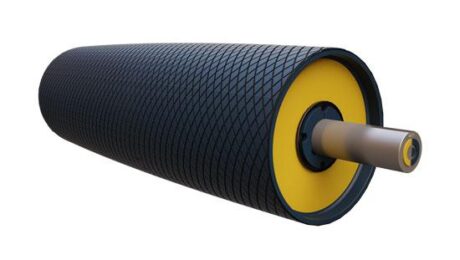
Mining Machinery and Mining Machinery Spare Parts: The Ultimate Guide
Mining machinery plays a pivotal role in the extraction and processing of minerals, ensuring efficiency and safety in mining operations worldwide. Whether you are involved in surface mining or underground mining, having the right equipment and reliable spare parts is essential to maintain productivity and reduce downtime. In this comprehensive guide, we explore everything you need to know about mining machinery and mining machinery spare parts, helping you make informed decisions for your mining projects.
Understanding Mining Machinery: Types and Functions
Mining machinery encompasses a wide range of equipment designed to assist in mineral extraction, transportation, and processing. These machines are engineered to withstand harsh environments and heavy workloads.
Primary Mining Machinery Types
- Excavators and Shovels: Used for digging and loading materials.
- Drilling Rigs: Essential for creating holes for blasting or exploration.
- Loaders and Haulers: Transport materials within the mining site.
- Crushers and Mills: Break down ore into smaller pieces for processing.
- Conveyors and Screens: Facilitate material movement and sorting.
Specialized Mining Equipment
Depending on the mining method, specialized machinery such as continuous miners, longwall miners, and underground loaders may be used. Each machine serves a unique purpose, tailored to specific mining conditions.
Mining Machinery Spare Parts: Ensuring Longevity and Performance
Spare parts are crucial for maintaining the operational efficiency of mining machinery. Using genuine and high-quality parts reduces the risk of breakdowns and extends equipment lifespan.
Common Mining Machinery Spare Parts
- Drum Components: Including drive drums and brake drums, vital for conveyor systems.
- Hydraulic Parts: Cylinders, pumps, and valves that control machine movements.
- Wear Parts: Such as cutting edges, teeth, and liners that endure heavy abrasion.
- Electrical Components: Motors, sensors, and control systems.
- Filters and Seals: Protect machinery from contaminants and leaks.
Importance of Timely Replacement
Regular inspection and timely replacement of spare parts prevent unexpected failures. Implementing a preventive maintenance schedule can save costs and improve safety.
Comparison of Mining Machinery Brands and Spare Parts
Choosing the right mining machinery and spare parts supplier is essential. Below is a comparison of some leading brands based on quality, availability, and after-sales support.
| Brand | Quality | Spare Parts Availability | After-Sales Support |
|---|---|---|---|
| Caterpillar | High | Extensive | Excellent |
| Komatsu | High | Good | Strong |
| Sandvik | Premium | Wide | Reliable |
| Joy Global | High | Moderate | Good |
Buying Guide: How to Select the Right Mining Machinery and Spare Parts
Choosing the right equipment and parts can be challenging. Consider the following criteria to make the best choice:
1. Assess Your Mining Needs
Understand the scale and type of mining operation to select machinery that fits your requirements.
2. Evaluate Machine Performance and Efficiency
Look for equipment with proven performance records and energy-efficient designs.
3. Check Compatibility of Spare Parts
Ensure spare parts are compatible with your machinery model to avoid installation issues.
4. Consider Supplier Reputation and Support
Choose suppliers known for quality products and reliable after-sales service.
5. Budget and Total Cost of Ownership
Factor in not only the initial purchase price but also maintenance, spare parts costs, and machine lifespan.
Common Mistakes to Avoid When Purchasing Mining Machinery and Spare Parts
- Ignoring Equipment Specifications: Failing to match machinery capabilities with mining requirements.
- Overlooking Spare Parts Quality: Using low-quality parts that cause frequent breakdowns.
- Neglecting Maintenance Plans: Not scheduling regular inspections and replacements.
- Choosing Cheapest Options: Sacrificing quality for lower prices can lead to higher long-term costs.
- Skipping Supplier Verification: Not verifying supplier credentials and customer reviews.
Frequently Asked Questions (FAQ) About Mining Machinery and Spare Parts
1. What types of mining machinery are essential for surface mining?
Excavators, haul trucks, drilling rigs, and crushers are essential for surface mining operations.
2. How often should mining machinery spare parts be replaced?
Replacement frequency depends on usage and wear but generally follows the manufacturer’s maintenance schedule.
3. Can I use generic spare parts for my mining equipment?
While some generic parts may fit, using genuine parts is recommended to ensure compatibility and performance.
4. What are the benefits of preventive maintenance in mining machinery?
Preventive maintenance reduces downtime, extends equipment life, and improves safety.
5. How do I choose the right mining machinery supplier?
Look for suppliers with a strong reputation, quality products, comprehensive warranties, and good customer support.
6. Are there eco-friendly options in mining machinery?
Yes, some manufacturers offer energy-efficient and low-emission machinery to reduce environmental impact.
7. What role do drum components play in mining machinery?
Drum components are critical in conveyor systems, helping to drive and control material movement.
8. How can I ensure the longevity of my mining machinery?
Regular maintenance, timely spare parts replacement, and operating machines within recommended parameters ensure longevity.
For more detailed information on specific mining machinery and spare parts, visit our product catalog and technical resources pages.
- Published in Products
Mantle and Bowl Liner: Comprehensive Guide to Mining Machinery and Spare Parts

Mantle and Bowl Liner: Comprehensive Guide to Mining Machinery and Spare Parts
In the dynamic world of mining, the mantle and bowl liner play crucial roles in the efficiency and longevity of cone crushers, a vital piece of mining machinery. Whether you’re a mining engineer, equipment buyer, or maintenance professional, understanding these components and their relationship with mining machinery and spare parts is essential. This guide dives deep into the significance of mantle and bowl liners, explores the broader mining machinery landscape, and offers expert advice on selection, maintenance, and common pitfalls.
Understanding Mantle and Bowl Liner in Mining Machinery
The mantle and bowl liner are wear parts used primarily in cone crushers, which are widely utilized in mining operations for crushing ores and rocks. The mantle is the moving part that gyrates within the bowl liner, which is the stationary outer surface. Together, they crush materials by compressing them between each other.
Function and Importance of Mantle and Bowl Liner
- Wear Resistance: Both components endure intense wear and tear, making material quality critical.
- Efficiency: Properly matched liners optimize crushing efficiency and reduce downtime.
- Longevity: High-quality liners extend the lifespan of crushers and reduce maintenance costs.
Materials and Design Variations
Mantles and bowl liners are typically made from manganese steel or alloy steel with high chromium content for enhanced durability. Designs vary based on crusher models and intended applications, including standard, short head, and symons types.
Mining Machinery: Types and Applications
Mining machinery encompasses a wide range of equipment designed to extract, process, and transport minerals. Key categories include:
Primary Mining Equipment
- Drilling Machines: Used for creating boreholes for blasting or exploration.
- Excavators and Loaders: For material handling and loading.
- Crushers: Including jaw crushers, cone crushers (where mantle and bowl liners are used), and impact crushers.
Processing Equipment
- Grinding Mills: Ball mills, SAG mills for ore size reduction.
- Screening Machines: To separate materials by size.
Transportation and Support Machinery
- Conveyors: For material movement.
- Dump Trucks and Haulers: For transporting mined materials.
Mining Machinery Spare Parts: Essential Components for Optimal Performance
Spare parts are crucial for maintaining mining machinery uptime and ensuring operational safety. Common spare parts include:
Wear Parts
- Mantle and Bowl Liners: Key wear parts in cone crushers.
- Jaw Plates: For jaw crushers.
- Grinding Media: Balls and rods for mills.
Mechanical Parts
- Bearings: Support rotating components.
- Hydraulic Components: Pumps, cylinders, and valves.
Electrical Parts
- Motors: Drive crushers and conveyors.
- Control Systems: PLCs and sensors.
Comparison of Mantle and Bowl Liner Materials and Designs
| Feature | Manganese Steel | High Chromium Alloy | Composite Liners |
|---|---|---|---|
| Durability | Good | Excellent | Very Good |
| Wear Resistance | Moderate | High | High |
| Cost | Lower | Higher | Moderate |
| Application | General Crushing | Hard and Abrasive Materials | Specialized Uses |
Buying Guide: How to Select the Right Mantle and Bowl Liner for Your Mining Machinery
Choosing the correct mantle and bowl liner involves several factors to ensure optimal performance and cost-effectiveness.
1. Compatibility with Crusher Model
Verify the liner specifications match your crusher type and model to ensure proper fit and function.
2. Material Quality
Select liners made from high-quality alloy steels with proven wear resistance.
3. Operational Conditions
Consider the hardness and abrasiveness of the material being crushed.
4. Manufacturer Reputation
Choose suppliers with strong industry credibility and after-sales support.
5. Cost vs. Longevity
Balance initial cost with expected lifespan and maintenance expenses.
Common Mistakes When Using Mantle and Bowl Liners
- Ignoring Wear Patterns: Not monitoring wear can lead to premature failures.
- Incorrect Installation: Misalignment can cause uneven wear and damage.
- Using Incompatible Materials: Leads to rapid deterioration.
- Delayed Replacement: Waiting too long to replace liners can damage the crusher.
- Overlooking Maintenance: Regular inspections and cleaning are essential.
Frequently Asked Questions About Mantle and Bowl Liner in Mining Machinery
1. What is the lifespan of a mantle and bowl liner?
The lifespan depends on material quality, crusher type, and operating conditions but typically ranges from several months to over a year under normal use.
2. How do I know when to replace mantle and bowl liners?
Signs include decreased crushing efficiency, visible wear or cracks, and changes in product size consistency.
3. Can I use generic liners for my cone crusher?
While generic liners may be cheaper, using OEM or high-quality aftermarket liners ensures better fit, performance, and durability.
4. How does liner material affect crusher performance?
Liner material influences wear resistance, crushing efficiency, and maintenance intervals.
5. Are there environmental considerations for mining machinery spare parts?
Yes, selecting parts with longer lifespans reduces waste, and some manufacturers offer recyclable or eco-friendly materials.
6. What maintenance is required for mantle and bowl liners?
Regular inspections, cleaning, and timely replacement are essential to maintain crusher performance.
7. Where can I find reliable suppliers for mining machinery spare parts?
Look for suppliers with industry certifications, positive reviews, and comprehensive after-sales support. Explore our recommended suppliers.
8. How do mantle and bowl liners impact overall mining operation costs?
Efficient liners reduce downtime, maintenance costs, and improve productivity, directly affecting profitability.
For more detailed insights into mining machinery and spare parts, visit our Mining Equipment Resource Center.
- Published in Products
Jaw Plate in Mining Machinery: Comprehensive Guide to Mining Machinery & Spare Parts

Jaw Plate in Mining Machinery: Comprehensive Guide to Mining Machinery & Spare Parts
In the world of mining machinery, the jaw plate plays a pivotal role in ensuring efficient crushing and processing of raw materials. Whether you are an industry professional, equipment buyer, or maintenance technician, understanding the function, types, and selection criteria of jaw plates and other mining machinery spare parts is essential for maximizing operational productivity and minimizing downtime.
Understanding Jaw Plates: Definition and Importance in Mining Machinery
A jaw plate is a critical component of a jaw crusher, one of the primary machines used in mining for crushing rocks and ores. These plates act as the crushing surfaces where raw materials are broken down into smaller sizes for further processing.
What is a Jaw Plate?
Jaw plates are wear-resistant steel components mounted inside the jaw crusher. They come in two types: the fixed jaw plate and the movable jaw plate. Together, they create the crushing chamber that applies compressive force to materials.
Why Are Jaw Plates Essential?
- Durability: Designed to withstand extreme wear and tear.
- Efficiency: Proper jaw plates enhance crushing efficiency and product consistency.
- Cost-effectiveness: High-quality jaw plates reduce maintenance frequency and operational costs.
Mining Machinery Overview: Key Equipment and Spare Parts
Mining operations rely on a variety of machinery and their spare parts to ensure smooth workflows. Besides jaw plates, several other components are vital.
Common Mining Machinery
- Jaw Crushers: Primary crushers that use jaw plates to break down materials.
- Cone Crushers: Secondary crushers that further reduce particle size.
- Impact Crushers: Machines that use impact force for crushing.
- Screening Equipment: Sorts materials by size after crushing.
Essential Mining Machinery Spare Parts
- Jaw plates (fixed and movable)
- Concave liners and mantles (for cone crushers)
- Crusher hammers and blow bars
- Screen meshes and decks
- Bearings and shafts
Types of Jaw Plates and Their Applications
Choosing the correct type of jaw plate depends on the material being processed and the crusher specifications.
Common Jaw Plate Materials
- High Manganese Steel: Offers excellent toughness and work-hardening properties.
- Martensitic Steel: Used for abrasive materials due to higher hardness.
- Composite Materials: Combining wear resistance with impact toughness.
Jaw Plate Profiles
- Standard (Flat) Jaw Plates: Suitable for general-purpose crushing.
- Corrugated Jaw Plates: Provide better grip and reduce slippage of materials.
- Toothed Jaw Plates: Designed for hard and abrasive materials to improve crushing efficiency.
How to Select the Right Jaw Plate and Mining Machinery Spare Parts
Choosing the right jaw plate and spare parts is critical for performance and longevity.
Selection Criteria for Jaw Plates
- Material Compatibility: Match the jaw plate material to the hardness and abrasiveness of the processed rock.
- Jaw Crusher Model: Ensure the jaw plate fits the specific crusher model and size.
- Wear Resistance: Opt for materials that offer superior wear life.
- Operational Conditions: Consider crushing speed, feed size, and moisture content.
Additional Considerations for Spare Parts
- Availability of OEM or aftermarket parts
- Quality certifications and industry standards
- Supplier reputation and warranty terms
Common Mistakes When Using Jaw Plates and Mining Machinery Spare Parts
Avoiding these pitfalls can save time and money:
- Incorrect Installation: Improper mounting can cause uneven wear and equipment damage.
- Ignoring Wear Signs: Delaying replacement leads to reduced crushing efficiency and possible machine failure.
- Using Low-Quality Parts: Cheap parts may save upfront costs but increase downtime and repair expenses.
- Neglecting Regular Maintenance: Lack of routine checks accelerates wear and tear.
Jaw Plate Comparison: OEM vs Aftermarket Spare Parts
| Feature | OEM Jaw Plates | Aftermarket Jaw Plates |
|---|---|---|
| Quality | High, manufacturer tested | Varies; some high quality, some low |
| Price | Higher | Generally lower |
| Availability | May have longer lead times | Often readily available |
| Warranty | Usually included | Varies by supplier |
| Compatibility | Guaranteed fit | May require verification |
Buying Guide: How to Purchase Jaw Plates and Mining Machinery Spare Parts
Purchasing the right parts involves several steps to ensure reliability and best value.
Steps to Follow
- Assess Your Needs: Identify the exact jaw crusher model and required part specifications.
- Research Suppliers: Look for reputable manufacturers or distributors with proven track records.
- Request Samples or Product Data: Verify material specifications and compatibility.
- Compare Prices and Terms: Consider warranty, delivery times, and after-sales support.
- Place Order and Verify Upon Arrival: Check parts for damage and conformity before installation.
Frequently Asked Questions (FAQ) About Jaw Plates and Mining Machinery Spare Parts
1. What is the average lifespan of a jaw plate in mining operations?
The lifespan depends on material hardness and operating conditions but typically ranges from several weeks to a few months under heavy use.
2. How do I know when to replace jaw plates?
Signs include decreased crushing efficiency, visible cracks, excessive wear, and uneven surfaces.
3. Can aftermarket jaw plates affect crusher performance?
Yes, quality aftermarket parts can perform well, but low-quality ones may reduce efficiency and increase wear.
4. Are jaw plates interchangeable between different crusher brands?
Not always. Compatibility depends on crusher model and design; always verify specifications.
5. How does the jaw plate profile influence crushing?
Different profiles (flat, corrugated, toothed) affect grip, material flow, and wear rate, impacting crushing efficiency.
6. What maintenance practices extend jaw plate life?
Regular inspection, proper installation, lubrication, and timely replacement of worn parts help maximize lifespan.
7. Where can I find reliable suppliers for mining machinery spare parts?
Look for certified OEMs or trusted aftermarket manufacturers with positive industry reviews and customer support.
8. Is it better to replace both fixed and movable jaw plates simultaneously?
Replacing both together ensures balanced wear and optimal crusher performance.
For more detailed insights on mining machinery and spare parts, visit our comprehensive resource page and explore expert guides tailored to your equipment needs.
- Published in Products
Blow Bar: Essential Guide to Mining Machinery and Mining Machinery Spare Parts

Blow Bar: Essential Guide to Mining Machinery and Mining Machinery Spare Parts
In the dynamic world of mining, the blow bar plays a pivotal role in the efficiency and productivity of crushing equipment. Whether you’re a mining professional or an equipment buyer, understanding the nuances of blow bars and related mining machinery spare parts is crucial. This comprehensive guide will walk you through everything you need to know about blow bars, mining machinery, their spare parts, and how to select the best components for your operations.
Understanding Blow Bars in Mining Machinery
A blow bar is a critical component used in impact crushers, which are widely applied in mining and aggregate industries for crushing rocks and ores. Positioned inside the crusher rotor, blow bars strike the material to break it down into smaller pieces, enabling further processing.
What is a Blow Bar?
The blow bar is a heavy-duty, replaceable hammer made from high-strength materials such as manganese steel or chromium alloy. Its design and material composition allow it to withstand severe impact and abrasion during crushing.
Types of Blow Bars
- High Manganese Steel Blow Bars: Known for toughness and resistance to impact wear.
- Chrome Alloy Blow Bars: Offer superior hardness and wear resistance for abrasive materials.
- Composite Blow Bars: Combine different materials to optimize performance and lifespan.
Mining Machinery and Its Spare Parts: An Overview
Mining machinery encompasses a wide range of equipment designed for mineral extraction, processing, and transportation. Key machinery includes crushers, conveyors, excavators, and drilling rigs. Spare parts such as blow bars, liners, bearings, and hydraulic components are vital for maintaining operational efficiency.
Common Mining Machinery Spare Parts
- Blow Bars: Impact crusher components for material breakage.
- Crusher Liners: Protect crusher housing from wear.
- Conveyor Belts & Rollers: Facilitate material transport.
- Hydraulic Pumps & Cylinders: Power machinery movements.
- Bearings & Seals: Ensure smooth operation of rotating parts.
How Blow Bars Impact Mining Efficiency
The performance of blow bars directly influences crushing efficiency, product size, and operational costs. Worn or low-quality blow bars can lead to frequent shutdowns, reduced output, and higher maintenance expenses.
Key Factors Affecting Blow Bar Performance
- Material hardness and toughness
- Design and shape of the blow bar
- Compatibility with crusher type and material
- Maintenance and replacement schedule
Comparison of Blow Bar Materials and Their Applications
| Material | Hardness | Wear Resistance | Best Application |
|---|---|---|---|
| High Manganese Steel | Medium | Good | Soft to medium-hard materials |
| Chrome Alloy Steel | High | Excellent | Hard and abrasive materials |
| Composite Materials | Variable | Optimized | Specialized crushing needs |
Buying Guide: Selecting the Right Blow Bar and Mining Machinery Spare Parts
Choosing the right blow bar and spare parts can significantly affect your mining operations. Here are essential criteria to consider:
1. Material Compatibility
Match the blow bar material with the hardness and abrasiveness of the ore or rock to be crushed.
2. Crusher Type
Ensure the blow bar fits the specific impact crusher model and rotor design.
3. Durability and Wear Resistance
Opt for materials and designs that offer longer service life to reduce downtime.
4. Supplier Reputation and Support
Choose suppliers with proven quality standards and after-sales support.
5. Cost-effectiveness
Balance upfront costs with long-term savings from reduced maintenance.
Common Mistakes to Avoid When Purchasing and Using Blow Bars
- Ignoring Material Suitability: Using inappropriate blow bar materials can cause premature wear.
- Delaying Replacement: Operating with worn blow bars reduces crusher efficiency.
- Overlooking Compatibility: Mismatched parts can damage equipment or cause safety hazards.
- Neglecting Maintenance: Poor upkeep shortens machinery life.
- Choosing Low-Quality Suppliers: May lead to substandard parts and operational issues.
Frequently Asked Questions (FAQ)
1. What is the primary function of a blow bar in mining machinery?
The blow bar’s primary function is to impact and crush materials inside an impact crusher, breaking down rocks and ores into smaller pieces.
2. How often should blow bars be replaced?
Replacement frequency depends on material hardness, usage intensity, and blow bar quality. Regular inspections are recommended to determine wear levels.
3. Can blow bars be repaired or only replaced?
While minor repairs like welding can be done, replacement is generally preferred to maintain crusher performance and safety.
4. Are all blow bars compatible with every impact crusher?
No, blow bars must be specifically designed to fit the crusher model and rotor specifications.
5. What factors influence the cost of blow bars?
Material type, manufacturing process, size, and supplier reputation all affect blow bar pricing.
6. How do mining companies optimize blow bar lifespan?
By selecting appropriate materials, performing routine maintenance, and timely replacements.
7. Where can I find reliable suppliers of mining machinery spare parts?
Look for established manufacturers with certifications, positive reviews, and strong customer support. Learn more here.
8. What are the risks of using low-quality blow bars?
Risks include increased wear on crushers, frequent downtime, safety hazards, and higher operational costs.
For further information on mining machinery and spare parts, visit our detailed resources.
- Published in Products
Locotrack LT1213: Comprehensive Guide to Mining Machinery and Spare Parts

Locotrack LT1213: Comprehensive Guide to Mining Machinery and Spare Parts
The Locotrack LT1213 is a pivotal piece of equipment in the mining industry, known for its robust performance and reliability. Whether you’re a mining professional or an equipment supplier, understanding the functionalities, spare parts, and maintenance of this machinery is essential. In this article, we will explore everything about mining machinery, focusing on the Locotrack LT1213, its spare parts, buying considerations, common mistakes, and frequently asked questions to help you make informed decisions.
Understanding the Locotrack LT1213 and Its Role in Mining Machinery
The Locotrack LT1213 is a specialized mining vehicle designed to transport heavy loads efficiently within mining sites. Its compact design and powerful engine make it ideal for underground and surface mining operations. This machinery enhances productivity by providing reliable transport solutions in harsh environments.
Key Features of Locotrack LT1213
- Robust diesel engine with high torque output
- Heavy-duty chassis designed for rugged terrain
- Advanced suspension system for stability and comfort
- Ergonomic operator cabin with safety features
- Easy maintenance access points
Mining Machinery: Types and Applications
Mining machinery encompasses a wide range of equipment designed to extract, process, and transport minerals. Apart from the Locotrack LT1213, other common mining machines include:
- Excavators: For digging and material handling.
- Drills: Used for creating holes for blasting.
- Loaders: To load materials onto trucks or conveyors.
- Conveyor Systems: For continuous material transport.
Each type plays a vital role in the mining process, and selecting the right machinery depends on the mining method and site conditions.
Locotrack LT1213 vs Other Mining Transport Vehicles
| Feature | Locotrack LT1213 | Standard Mining Truck |
|---|---|---|
| Load Capacity | Up to 12 tons | Varies; often higher |
| Size | Compact for narrow tunnels | Larger, requires wide paths |
| Fuel Efficiency | Optimized diesel engine | Generally less efficient |
| Maneuverability | Excellent in confined spaces | Limited in tight areas |
Mining Machinery Spare Parts: Essential Components for Longevity
Maintaining mining machinery like the Locotrack LT1213 requires high-quality spare parts to ensure optimal performance and safety. Common spare parts include:
- Engine Components: Filters, pistons, and injectors.
- Hydraulic Systems: Pumps, hoses, and valves.
- Electrical Parts: Wiring harnesses, sensors, and batteries.
- Undercarriage Parts: Tracks, rollers, and sprockets.
- Brake Systems: Pads, discs, and actuators.
Using genuine spare parts reduces downtime and extends machinery lifespan.
Where to Source Reliable Locotrack LT1213 Spare Parts
To avoid compatibility issues and maintain warranty coverage, purchase spare parts from authorized dealers or certified suppliers. Online platforms with verified reviews and technical support also offer convenience and assurance.
Buying Guide: How to Choose the Right Mining Machinery and Spare Parts
Selecting the right mining machinery and spare parts is crucial for operational efficiency and safety. Here are key factors to consider:
1. Assess Your Mining Needs
Evaluate the type of mining operation, load requirements, terrain, and environmental conditions to determine suitable machinery specifications.
2. Quality and Compatibility
Choose machinery and parts that meet industry standards and are compatible with existing equipment to prevent malfunctions.
3. Supplier Reputation and Support
Work with reputable suppliers offering warranties, after-sales service, and technical assistance.
4. Cost vs. Value
Consider total cost of ownership including maintenance and fuel efficiency rather than just the purchase price.
5. Safety Features
Ensure machinery complies with safety regulations and includes protective features for operators.
Common Mistakes When Purchasing and Maintaining Mining Machinery
- Ignoring Manufacturer Guidelines: Skipping recommended maintenance schedules can lead to premature failures.
- Using Non-Genuine Spare Parts: May cause damage and void warranties.
- Overlooking Training: Operators unfamiliar with machinery risk accidents and inefficient use.
- Neglecting Environmental Conditions: Not adapting machinery choice to site conditions can reduce performance.
- Underestimating Total Costs: Focusing only on upfront costs without factoring maintenance and operational expenses.
Frequently Asked Questions About Locotrack LT1213 and Mining Machinery
1. What is the primary use of the Locotrack LT1213 in mining?
The Locotrack LT1213 is primarily used for transporting heavy materials within mining sites, especially in confined or underground areas.
2. How often should spare parts for the Locotrack LT1213 be replaced?
Replacement depends on usage and operating conditions, but regular inspections every 500 hours and adherence to manufacturer schedules are recommended.
3. Can the Locotrack LT1213 be customized for different mining environments?
Yes, it can be equipped with specific attachments and modifications to suit various mining conditions.
4. Where can I find genuine Locotrack LT1213 spare parts?
Authorized dealers, certified distributors, and official online platforms are the best sources for genuine parts.
5. What safety features are included in the Locotrack LT1213?
It includes reinforced cabins, emergency stop systems, and ergonomic controls designed for operator safety.
6. How does the Locotrack LT1213 compare to other mining transport vehicles?
It offers superior maneuverability in tight spaces and fuel efficiency but may have lower load capacity compared to larger mining trucks.
7. What are common maintenance challenges with mining machinery?
Challenges include wear and tear from harsh environments, hydraulic leaks, and electrical system failures.
8. How can I improve the lifespan of my mining machinery?
Regular maintenance, using genuine spare parts, proper operator training, and timely repairs are key to extending machinery life.
For more detailed insights and related topics, explore our Mining Machinery Resources and Spare Parts Catalog.
- Published in Products
Excellent Adhesive Backing Compound for Mining Machinery and Mining Machinery Spare Parts: Comprehensive Guide

Excellent Adhesive Backing Compound for Mining Machinery and Mining Machinery Spare Parts
In the demanding world of mining, the reliability and durability of machinery and their components are paramount. One critical factor that ensures the longevity and performance of mining equipment is the use of an Excellent Adhesive Backing Compound. This compound plays a vital role in securing parts, reducing wear and tear, and enhancing operational efficiency.
What is an Excellent Adhesive Backing Compound?
An Excellent Adhesive Backing Compound is a specialized adhesive material designed to bond various components of mining machinery and their spare parts effectively. It provides a strong, durable, and resilient layer that adheres backing materials to surfaces, ensuring components remain firmly attached even under extreme conditions.
Importance of Excellent Adhesive Backing Compound in Mining Machinery
The mining industry involves harsh environments, including abrasive materials, heavy loads, and extreme temperatures. The Excellent Adhesive Backing Compound is essential in this context because it:
- Enhances the durability of machinery parts by preventing detachment and damage.
- Reduces maintenance frequency and costs by providing long-lasting adhesion.
- Improves safety by ensuring parts remain securely fixed during operation.
- Supports vibration resistance, minimizing operational disruptions.
Types of Adhesive Backing Compounds Used in Mining Machinery
Various adhesive backing compounds are utilized in mining machinery, each tailored for specific applications and conditions. Common types include:
- Epoxy-based Adhesives: Known for their strong bonding and chemical resistance.
- Polyurethane Adhesives: Offer flexibility and excellent impact resistance.
- Acrylic Adhesives: Provide fast curing and strong adhesion on metal surfaces.
- Rubber-based Adhesives: Used for vibration damping and flexible bonding.
Applications of Excellent Adhesive Backing Compound in Mining Machinery Spare Parts
The compound is widely applied in various mining machinery spare parts, including:
- Conveyor Belt Liners: Adhesive backing compounds secure liners to prevent slippage and wear.
- Wear Plates and Liners: Ensures plates remain fixed, reducing downtime.
- Rubber Pads and Mounts: Provides cushioning and secures mounts to machinery.
- Filters and Seals: Enhances sealing performance and component stability.
Benefits of Using Excellent Adhesive Backing Compound in Mining Equipment
Implementing an Excellent Adhesive Backing Compound in mining machinery and spare parts offers numerous benefits:
- Extended Equipment Life: Reduces component failure and replacement frequency.
- Cost Efficiency: Lowers maintenance and operational costs.
- Improved Performance: Maintains component integrity under stress.
- Environmental Resistance: Withstands moisture, chemicals, and temperature variations.
Factors to Consider When Selecting an Excellent Adhesive Backing Compound
Choosing the right adhesive backing compound is critical. Consider these factors:
- Material Compatibility: Ensure the adhesive bonds well with the substrate materials.
- Environmental Conditions: Resistance to temperature extremes, moisture, and chemicals.
- Mechanical Stress: Ability to withstand vibration, impact, and load.
- Curing Time: Depending on production schedules and maintenance windows.
- Application Method: Ease of application and safety considerations.
How to Apply Excellent Adhesive Backing Compound in Mining Machinery
Proper application is essential for optimal performance:
- Surface Preparation: Clean and dry surfaces free from dust, oil, and rust.
- Adhesive Mixing: Follow manufacturer instructions for mixing ratios.
- Application: Apply evenly using brushes, rollers, or spray equipment.
- Curing: Allow adequate curing time under recommended conditions.
- Inspection: Check bond strength and adhesion quality before use.
Common Challenges and Solutions When Using Adhesive Backing Compounds
Despite their advantages, challenges may arise:
- Poor Adhesion: Often due to inadequate surface preparation; solution: thorough cleaning and priming.
- Slow Curing: Caused by low temperatures; solution: use heat or faster-curing adhesives.
- Chemical Degradation: Exposure to harsh chemicals; solution: select chemical-resistant adhesives.
- Mechanical Failure: Excessive load or vibration; solution: use flexible or impact-resistant compounds.
Case Studies: Success Stories Using Excellent Adhesive Backing Compound in Mining
Several mining companies have reported significant improvements after adopting Excellent Adhesive Backing Compounds:
- Company A: Reduced conveyor belt liner replacements by 30%.
- Company B: Improved wear plate adhesion, resulting in 25% less downtime.
- Company C: Enhanced vibration resistance in rubber mounts, extending machinery life.
Future Trends in Adhesive Backing Compounds for Mining Machinery
Advancements in adhesive technology are shaping the future of mining machinery maintenance:
- Eco-friendly Adhesives: Development of sustainable, non-toxic compounds.
- Smart Adhesives: Adhesives that change properties based on environmental conditions.
- Improved Durability: Enhanced resistance to extreme conditions and longer life spans.
- Automation in Application: Robotics and precision application techniques.
Frequently Asked Questions (FAQ) About Excellent Adhesive Backing Compound
What makes an adhesive backing compound excellent for mining machinery?
An excellent adhesive backing compound offers strong bonding, chemical and temperature resistance, flexibility to withstand vibrations, and durability to endure harsh mining environments.
Can adhesive backing compounds be used on all mining machinery spare parts?
While adhesive backing compounds are versatile, the choice depends on the material compatibility and operational conditions of the spare parts.
How often should adhesive backing compounds be reapplied in mining equipment?
Reapplication frequency varies based on usage and environmental factors but generally aligns with maintenance schedules or when signs of wear appear.
Are there eco-friendly adhesive backing compounds available?
Yes, manufacturers are increasingly producing environmentally friendly adhesive compounds with reduced volatile organic compounds (VOCs) and sustainable materials.
How can I ensure proper application of adhesive backing compounds?
Follow manufacturer guidelines for surface preparation, mixing, application, and curing, and consider professional training for personnel.
Do adhesive backing compounds affect the recyclability of mining machinery parts?
Some adhesives may complicate recycling; however, advances in adhesive technology aim to minimize environmental impact and facilitate recycling.
What are the safety considerations when handling adhesive backing compounds?
Use appropriate personal protective equipment (PPE), ensure proper ventilation, and follow safety data sheets (SDS) provided by manufacturers.
Conclusion
The Excellent Adhesive Backing Compound is indispensable in enhancing the performance, durability, and safety of mining machinery and their spare parts. Selecting the right compound and applying it correctly can lead to significant operational benefits, cost savings, and extended equipment life. As technology evolves, these compounds will continue to play a crucial role in mining industry advancements.
Investing in quality adhesive backing compounds is a strategic decision that supports efficient mining operations and sustainable equipment management.
- Published in Products
