


T Seal: Comprehensive Guide to Mining Machinery and Mining Machinery Spare Parts
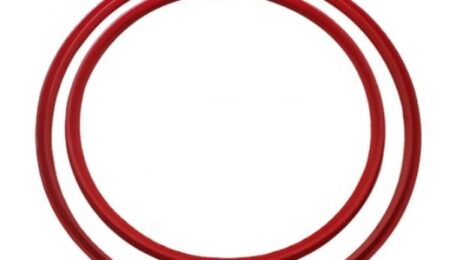
T Seal: Comprehensive Guide to Mining Machinery and Mining Machinery Spare Parts
In the demanding world of mining, the reliability of equipment is paramount. The term T seal is often encountered when discussing mining machinery and their spare parts, reflecting an essential component in ensuring operational efficiency. Whether you are a mining professional, equipment operator, or procurement specialist, understanding T seals and their role in mining machinery can significantly impact the longevity and performance of your equipment.
Understanding T Seal and Its Importance in Mining Machinery
A T seal is a specialized sealing component designed to prevent leakage of fluids and contaminants in various mechanical assemblies. In mining machinery, T seals play a critical role in maintaining the integrity of hydraulic systems, engines, and other moving parts exposed to harsh environments.
What is a T Seal?
The T seal gets its name from its cross-sectional shape, which resembles the letter ‘T’. This unique design allows it to provide an effective seal under pressure, accommodating axial and radial movement while resisting wear and tear.
Why Are T Seals Crucial in Mining Equipment?
- Durability: Mining machinery operates under extreme conditions with dust, dirt, and abrasive materials. T seals protect critical components from contamination.
- Leak Prevention: They prevent hydraulic fluid leaks, which can cause equipment failure and safety hazards.
- Cost Efficiency: Proper sealing reduces maintenance costs and downtime by extending the lifespan of machinery.
Overview of Mining Machinery and Their Spare Parts
Mining machinery encompasses a broad range of equipment used for extraction, processing, and transportation of minerals. These machines require various spare parts to maintain optimal functionality.
Types of Mining Machinery
- Excavators: Used for digging and earthmoving.
- Drilling Machines: For creating holes in rock formations.
- Crushers: To break down large rocks into smaller, manageable sizes.
- Conveyors: For transporting mined materials.
- Loaders: For loading materials onto trucks or conveyors.
Common Spare Parts for Mining Machinery
Spare parts ensure continuous operation and include:
- Seals and Gaskets: Including T seals, O-rings, and lip seals.
- Hydraulic Components: Pumps, valves, cylinders.
- Wear Parts: Bucket teeth, cutting edges, liners.
- Electrical Parts: Sensors, wiring harnesses.
- Engine Components: Filters, belts, pistons.
How T Seals Integrate with Mining Machinery Spare Parts
Mining machinery relies heavily on hydraulic and mechanical systems where T seals are indispensable. They work alongside other spare parts to ensure smooth operation.
Applications of T Seals in Mining Equipment
- Hydraulic Cylinders: T seals prevent fluid leakage during piston movement.
- Gearboxes: They seal lubricants inside gear compartments.
- Motors and Pumps: T seals maintain pressure and prevent contamination.
Material Considerations for T Seals
Given the abrasive and corrosive environment in mining, T seals are manufactured from robust materials such as:
- Polyurethane: Excellent wear resistance.
- Nitrile Rubber (NBR): Good oil and abrasion resistance.
- Fluoroelastomer (FKM): High temperature and chemical resistance.
Comparison of T Seals with Other Seal Types in Mining Machinery
Choosing the right seal is vital for equipment performance. Below is a comparison table highlighting key differences:
| Seal Type | Design | Best Use | Advantages | Limitations |
|---|---|---|---|---|
| T Seal | T-shaped cross-section | Hydraulic cylinders, dynamic sealing | Excellent sealing under pressure, accommodates movement | Requires precise installation |
| O-Ring | Round cross-section | Static and low-pressure dynamic seals | Simple design, cost-effective | Less effective under high pressure |
| Lip Seal | Lipped edge | Rotating shafts, oil sealing | Good for rotary applications | Wear faster under harsh conditions |
Buying Guide: Selecting the Right T Seal for Mining Machinery
Choosing the correct T seal requires attention to several criteria to ensure durability and compatibility.
Key Selection Criteria
- Material Compatibility: Match the seal material with the fluids and temperatures it will encounter.
- Size and Dimensions: Accurate measurements of groove and shaft dimensions are critical.
- Pressure and Speed Ratings: Ensure the seal can withstand operational pressures and speeds.
- Environmental Resistance: Consider abrasion, chemical exposure, and temperature fluctuations.
- Supplier Reputation: Purchase from trusted manufacturers with quality certifications.
Common Mistakes When Using T Seals in Mining Machinery
To maximize the lifespan of T seals and avoid costly failures, be aware of these frequent errors:
- Incorrect Installation: Improper fitting can cause leaks and premature wear.
- Ignoring Material Specifications: Using incompatible materials leads to rapid degradation.
- Neglecting Maintenance: Lack of regular inspection results in unnoticed damage.
- Overlooking Environmental Factors: Exposure to extreme conditions without suitable seals can cause failures.
Frequently Asked Questions About T Seals and Mining Machinery Spare Parts
1. What is the typical lifespan of a T seal in mining equipment?
The lifespan varies depending on operating conditions, material quality, and maintenance but generally ranges from 1 to 3 years under normal use.
2. Can T seals be used in both hydraulic and pneumatic systems?
Yes, T seals are versatile and can be used in both hydraulic and pneumatic applications, provided the material suits the specific system requirements.
3. How often should T seals be inspected or replaced?
Regular inspections should be conducted during routine maintenance, with replacements recommended when signs of wear, cracking, or leakage are detected.
4. Are there industry standards for T seals in mining machinery?
Yes, many T seals comply with standards such as ISO 3601 and ASTM, ensuring quality and performance consistency.
5. Where can I find reliable suppliers for T seals and mining machinery spare parts?
Reliable suppliers can be found through industry directories, manufacturer websites, and authorized distributors. Always verify certifications and customer reviews.
6. How do environmental conditions affect T seal performance?
Harsh conditions like extreme temperatures, abrasive dust, and chemical exposure can degrade seals faster, so selecting appropriate materials is crucial.
7. Can T seals be customized for specific mining applications?
Many manufacturers offer customization options for T seals to meet unique size, material, and performance requirements.
8. What maintenance practices help extend the life of T seals?
Regular cleaning, lubrication, proper installation, and timely inspections help maintain seal integrity and extend service life.
For more detailed insights on mining machinery spare parts and maintenance tips, visit our Mining Equipment Resource Center and Spare Parts Catalog.
- Published in Products
U Seal: Comprehensive Guide to Mining Machinery and Mining Machinery Spare Parts
U Seal: Comprehensive Guide to Mining Machinery and Mining Machinery Spare Parts
In the demanding world of mining, equipment reliability is paramount. The term U seal often surfaces when discussing mining machinery and their spare parts, reflecting its critical role in ensuring operational efficiency. This article delves deep into mining machinery, the essential spare parts including U seals, and everything you need to know to optimize your mining operations.
Understanding Mining Machinery and Its Importance
Mining machinery encompasses the heavy equipment used in extracting minerals and ores from the earth. These machines range from excavators and drills to crushers and conveyors. Each piece plays a vital role in the mining process, and maintaining them with quality spare parts is essential to avoid downtime.
Types of Mining Machinery
- Drilling Machines: Used for creating boreholes in the mining site.
- Excavators and Loaders: For digging and moving earth and ore.
- Crushers: Reduce large rocks into smaller, manageable pieces.
- Conveyors: Transport mined materials within the site.
- Screening Equipment: Separate materials based on size.
The Role of U Seals in Mining Machinery
U seals are a type of sealing component shaped like the letter ‘U’, designed to prevent leakage of fluids such as hydraulic oil, water, or dust ingress in mining equipment. Their robust design ensures tight sealing under high pressure and harsh conditions, which are common in mining environments.
Why U Seals Are Critical for Mining Machinery
- Prevent Leakage: Protect hydraulic systems from fluid loss.
- Enhance Equipment Longevity: Reduce wear and tear by keeping contaminants out.
- Improve Safety: Avoid hazardous leaks that can cause accidents.
- Maintain Efficiency: Ensure smooth operation without interruptions.
Mining Machinery Spare Parts: Key Components to Monitor
Beyond U seals, mining machinery depends on a variety of spare parts to function optimally. Regular replacement and maintenance of these parts prevent unexpected failures.
Essential Spare Parts for Mining Machinery
- Hydraulic Seals: Including U seals, O-rings, and rod seals.
- Bearings: Support rotating parts and reduce friction.
- Filters: Keep fluids clean from contaminants.
- Wear Plates: Protect structural components from abrasion.
- Conveyor Belts and Rollers: Essential for material transport.
Comparison of U Seal Types for Mining Equipment
Choosing the right U seal depends on the specific application and operating conditions. Below is a comparison table highlighting popular U seal variants used in mining machinery.
| U Seal Type | Material | Pressure Rating | Temperature Range | Ideal Use |
|---|---|---|---|---|
| Standard NBR U Seal | Nitrile Rubber | Up to 20 MPa | -30°C to 100°C | General hydraulic systems |
| PU U Seal | Polyurethane | Up to 35 MPa | -30°C to 110°C | High-pressure hydraulic cylinders |
| FKM (Viton) U Seal | Fluorocarbon Rubber | Up to 30 MPa | -20°C to 200°C | High temperature and chemical resistance |
Buying Guide: How to Select the Right Mining Machinery Spare Parts Including U Seals
Choosing the correct spare parts, especially U seals, ensures maximum equipment uptime and cost-efficiency. Consider the following criteria:
1. Compatibility
Ensure the spare parts match the specifications of your machinery model. Refer to manufacturer manuals or consult with suppliers.
2. Material Quality
Opt for high-quality materials that withstand mining conditions such as abrasion, pressure, and temperature extremes.
3. Supplier Reputation
Purchase from trusted suppliers or manufacturers known for durable and reliable spare parts.
4. Price vs. Value
While cost matters, prioritize longevity and performance over cheap alternatives that may fail prematurely.
5. Availability and Delivery
Choose suppliers who can deliver parts promptly to minimize downtime.
Common Mistakes When Maintaining Mining Machinery and Spare Parts
- Ignoring Regular Inspections: Skipping routine checks leads to unexpected failures.
- Using Incorrect Spare Parts: Non-compatible parts can damage machinery.
- Poor Storage Conditions: Storing seals and parts improperly can degrade materials.
- Neglecting Seal Replacement: Worn U seals cause leaks and contamination.
- Overlooking Supplier Credentials: Buying from unverified sources risks counterfeit or low-quality parts.
Frequently Asked Questions About Mining Machinery and U Seals
1. What is a U seal and why is it used in mining machinery?
A U seal is a sealing component shaped like the letter ‘U’ used primarily to prevent fluid leakage and contamination in hydraulic systems of mining equipment.
2. How often should U seals be replaced in mining machinery?
Replacement frequency depends on usage and operating conditions but generally during scheduled maintenance or when signs of wear, leakage, or damage appear.
3. Can I use generic U seals for all types of mining machinery?
No. It’s important to use U seals compatible with your machinery’s specifications to ensure proper sealing and durability.
4. What materials are best for U seals in harsh mining environments?
Materials like polyurethane (PU) and fluorocarbon rubber (FKM) are preferred for their resistance to pressure, temperature, and chemicals.
5. How do I identify a quality supplier for mining machinery spare parts?
Look for suppliers with industry certifications, positive reviews, and a proven track record in mining equipment parts.
6. Are there any internal resources to learn more about mining machinery maintenance?
Yes, check out our detailed guides and tutorials here: Mining Machinery Maintenance Resources.
7. What common issues arise from faulty U seals?
Faulty U seals can cause hydraulic fluid leaks, contamination ingress, reduced equipment efficiency, and increased risk of breakdowns.
8. Is it possible to customize U seals for specific mining applications?
Many manufacturers offer customized U seals tailored to unique mining conditions and equipment requirements.
- Published in Products
Head Bolt and Lock Bolt in Mining Machinery: Essential Spare Parts for Optimal Performance
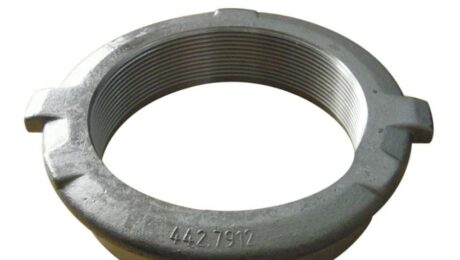
Head Bolt and Lock Bolt in Mining Machinery: Essential Spare Parts for Optimal Performance
Mining machinery is the backbone of the mining industry, ensuring efficient extraction and processing of minerals. Among the critical components that keep these machines running smoothly are head bolts and lock bolts. Whether you are a mining equipment operator or a procurement specialist, understanding the role and selection of these bolts is vital for maintaining machinery integrity and avoiding costly downtime.
Understanding Mining Machinery and Its Spare Parts
Mining machinery encompasses a wide range of heavy-duty equipment used for excavation, transportation, and processing of minerals. These machines include excavators, crushers, conveyors, drilling rigs, and more. Each machine relies on numerous spare parts, with bolts like head bolts and lock bolts playing a crucial role in structural stability.
What Are Head Bolts and Lock Bolts?
Head bolts are fasteners used primarily to secure the heads of components such as engines, pumps, and hydraulic systems. They are designed to withstand high pressure and temperature variations common in mining operations. Lock bolts, on the other hand, are specialized bolts that prevent loosening due to vibrations and dynamic loads, ensuring the safety and reliability of the machinery.
Search Intent Analysis: Informational and Commercial
The keyword ‘Head bolt, lock bolt’ reflects both informational and commercial search intent. Users are likely seeking detailed knowledge about these bolts in mining machinery and looking to purchase reliable spare parts. This article aligns with these intents by providing comprehensive information and guidance on selecting and maintaining these essential components.
Types of Head Bolts and Lock Bolts Used in Mining Machinery
Common Materials and Specifications
Mining conditions demand bolts made from high-strength materials such as alloy steel, stainless steel, and heat-treated metals. Key specifications include tensile strength, corrosion resistance, and thread type.
- Alloy Steel Bolts: Provide excellent strength and wear resistance.
- Stainless Steel Bolts: Ideal for corrosive environments.
- Heat-Treated Bolts: Enhanced durability under high stress.
Head Bolt Varieties
- Hex Head Bolts: Most common for heavy machinery assembly.
- Flange Head Bolts: Provide larger bearing surface for load distribution.
- Socket Head Bolts: Used where space is limited.
Lock Bolt Varieties
- Locking Nuts with Bolts: Combine bolt and nut with locking feature.
- Prevailing Torque Lock Bolts: Maintain tension under vibration.
- Safety Wire Lock Bolts: Secured with wires to prevent loosening.
Importance of Head Bolts and Lock Bolts in Mining Machinery
Mining machinery operates under extreme conditions including heavy loads, vibrations, and harsh environments. Properly selected and maintained head and lock bolts ensure:
- Structural integrity of machinery components
- Prevention of mechanical failures
- Enhanced safety for operators
- Reduced maintenance costs and downtime
Comparison of Head Bolts and Lock Bolts for Mining Applications
| Feature | Head Bolt | Lock Bolt |
|---|---|---|
| Primary Function | Secures component heads | Prevents loosening under vibration |
| Material | Alloy steel, stainless steel | High tensile steel with locking mechanism |
| Common Use | Engine heads, pumps, machinery joints | Vibration-prone joints, safety-critical parts |
| Locking Mechanism | Usually none | Thread interference, nylon insert, safety wire |
Buying Guide: How to Choose the Right Head Bolt and Lock Bolt for Mining Machinery
Selecting the correct bolts involves several key considerations:
1. Material Compatibility
Choose bolts made from materials compatible with the machinery environment to resist corrosion and wear.
2. Load and Stress Requirements
Assess the mechanical loads and stresses the bolts must endure to select appropriate tensile strength ratings.
3. Thread Type and Size
Ensure the bolt threads match the machinery’s specifications for secure fitting.
4. Locking Features
For lock bolts, consider locking mechanisms suitable for vibration-heavy applications.
5. Supplier Reliability
Purchase from reputable manufacturers offering certifications and quality guarantees.
Common Mistakes When Using Head Bolts and Lock Bolts in Mining Machinery
- Incorrect Bolt Specification: Using bolts with insufficient strength or wrong size can cause failures.
- Neglecting Locking Mechanisms: Ignoring lock bolts in vibration-prone areas leads to loosening and accidents.
- Improper Installation: Over-tightening or under-tightening bolts reduces their effectiveness.
- Ignoring Maintenance: Failure to regularly inspect and replace worn bolts compromises safety.
Frequently Asked Questions (FAQ)
1. What is the difference between a head bolt and a lock bolt?
A head bolt primarily secures the head of a component, while a lock bolt includes features to prevent loosening under vibration.
2. Can I use standard bolts instead of lock bolts in mining machinery?
Standard bolts may loosen under vibration; lock bolts are recommended for safety-critical and dynamic load areas.
3. How often should head bolts and lock bolts be inspected?
Inspection frequency depends on operating conditions but generally should be done during routine maintenance or every few months.
4. Are stainless steel bolts suitable for all mining environments?
Stainless steel bolts resist corrosion but may not always meet strength requirements; material choice should match specific needs.
5. What are the signs of bolt failure in mining machinery?
Signs include loosening, visible wear, cracks, or deformation, which can lead to machinery malfunction.
6. Where can I find certified head bolts and lock bolts for mining equipment?
Certified parts can be sourced from specialized mining machinery suppliers and manufacturers with quality assurance.
7. How do I ensure proper installation of these bolts?
Follow manufacturer torque specifications, use correct tools, and apply locking agents if recommended.
8. Are there industry standards for mining machinery bolts?
Yes, standards like ISO and ASTM specify bolt dimensions, materials, and performance criteria.
For more detailed information on mining machinery and spare parts, visit our Mining Equipment Resource Center.
- Published in Products
Anti Clogging Screen Meshes in Mining Machinery: Comprehensive Guide to Spare Parts and Selection

Anti Clogging Screen Meshes in Mining Machinery: Comprehensive Guide to Spare Parts and Selection
In the demanding world of mining machinery, efficiency and durability are paramount. One critical component that ensures smooth operations is the anti clogging screen mesh. These specialized meshes prevent blockages, enhance material flow, and increase the lifespan of mining equipment. Whether you are a mining operator, equipment supplier, or maintenance professional, understanding the nuances of anti clogging screen meshes and their spare parts is essential for maximizing productivity and minimizing downtime.
Understanding Anti Clogging Screen Meshes in Mining Machinery
Anti clogging screen meshes are engineered to reduce the buildup of material on the screening surface. Unlike traditional screens, these meshes use innovative designs and materials to prevent clogs caused by sticky or fine particles common in mining operations.
What Are Anti Clogging Screen Meshes?
Anti clogging screen meshes are screening surfaces with unique patterns or coatings that minimize adhesion and blockage of particles. They are typically made from high-strength alloys or synthetic materials designed to withstand harsh mining environments.
Why Are They Important in Mining Machinery?
- Improved Efficiency: Prevents downtime caused by clogged screens.
- Enhanced Material Flow: Ensures consistent throughput and sorting accuracy.
- Durability: Resistant to abrasion and corrosion, extending screen life.
Types of Mining Machinery Using Anti Clogging Screen Meshes
Anti clogging screen meshes are integral to various mining equipment, including:
- Vibrating Screens: Used for sorting and separating ores and minerals.
- Rotary Trommels: Cylindrical screens that separate materials by size.
- Shaking Tables: For fine particle separation in mineral processing.
Mining Machinery Spare Parts Involving Screen Meshes
Spare parts related to screen meshes are crucial for maintenance and replacement. These include:
- Screen Panels: Replaceable mesh sections for worn or damaged screens.
- Screen Frames: Support structures holding the mesh in place.
- Fasteners and Clamps: Secure the screen mesh to machinery.
How to Choose the Right Anti Clogging Screen Mesh for Your Mining Machinery
Selecting the appropriate screen mesh involves several factors to ensure optimal performance and longevity.
Material Composition and Durability
Choose meshes made from high-quality steel alloys or synthetic materials that resist abrasion and corrosion specific to your mining environment.
Mesh Size and Aperture
The size of the openings affects the separation efficiency. Select mesh sizes that match the particle size distribution of your mined materials.
Screen Design and Pattern
Innovative patterns such as wedge wire, perforated plates, or polyurethane coatings enhance anti clogging properties.
Compatibility with Existing Machinery
Ensure the mesh and spare parts fit your equipment model to avoid installation issues.
Comparison of Popular Anti Clogging Screen Mesh Types for Mining Machinery
| Mesh Type | Material | Anti Clogging Feature | Best For | Durability |
|---|---|---|---|---|
| Wedge Wire Mesh | Stainless Steel | Triangular profile reduces clogging | Coarse and fine screening | High |
| Polyurethane Screen Mesh | Polyurethane | Flexible surface prevents particle adhesion | Sticky and moist materials | Medium |
| Perforated Plate | Carbon Steel | Large apertures with smooth edges | Heavy-duty coarse screening | High |
Common Mistakes When Using Anti Clogging Screen Meshes in Mining Machinery
- Ignoring Regular Maintenance: Leads to premature wear and unexpected downtime.
- Using Incorrect Mesh Size: Causes inefficient separation and clogging.
- Overlooking Compatibility: Installing incompatible meshes can damage machinery.
- Neglecting Environmental Factors: Not considering moisture or chemical exposure reduces mesh life.
Buying Guide: How to Select the Best Mining Machinery Spare Parts Including Anti Clogging Screen Meshes
When purchasing spare parts, consider the following:
- Source from Reputable Suppliers: Ensure quality assurance and warranty.
- Verify Material Specifications: Match parts to your machinery’s operational requirements.
- Check for Customization Options: Custom meshes can improve performance for specific mining conditions.
- Assess Cost vs. Longevity: Investing in durable parts reduces long-term expenses.
- Request Technical Support: Professional advice aids in proper selection and installation.
Frequently Asked Questions About Anti Clogging Screen Meshes and Mining Machinery Spare Parts
1. What materials are best for anti clogging screen meshes in mining?
Stainless steel wedge wire meshes and polyurethane-coated meshes are popular due to their durability and clog resistant properties.
2. How often should screen meshes be replaced in mining machinery?
Replacement frequency depends on usage intensity and material abrasiveness but typically ranges from 6 months to 2 years with proper maintenance.
3. Can anti clogging screen meshes be customized?
Yes, many manufacturers offer custom sizes, materials, and patterns tailored to specific mining applications.
4. What are the signs that a screen mesh needs replacement?
Signs include increased clogging, visible wear or damage, reduced throughput, and inconsistent material separation.
5. How do I maintain anti clogging screen meshes?
Regular cleaning, inspection for damage, and timely replacement of worn parts help maintain optimal performance.
6. Are polyurethane screen meshes better than metal ones?
Polyurethane meshes excel in handling sticky or moist materials due to flexibility but may have lower abrasion resistance compared to metal meshes.
7. Where can I find reliable suppliers for mining machinery spare parts?
Look for industry-certified manufacturers and distributors with positive reviews and technical support services. Visit our supplier directory for trusted contacts.
8. What role do fasteners play in screen mesh performance?
High-quality fasteners ensure the mesh remains securely attached, preventing vibrations and damage during operations.
By understanding the importance of anti clogging screen meshes and selecting the right mining machinery spare parts, operators can significantly enhance operational efficiency and equipment lifespan. For more detailed guides and product options, explore our mining machinery resources.
- Published in Products
Mining Machinery and Mining Machinery Spare Parts: Ultimate Guide for Efficient Operations
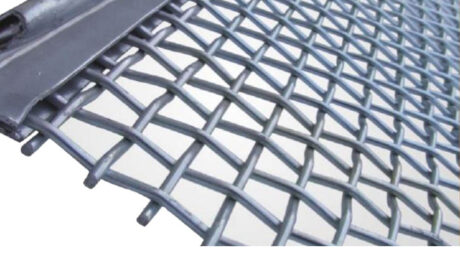
Mining Machinery and Mining Machinery Spare Parts: Essential Guide for Optimal Performance
Mining machinery is the backbone of every successful mining operation. Whether you are extracting coal, minerals, or precious metals, having the right mining machinery and reliable mining machinery spare parts is crucial to maximize productivity and reduce downtime. In this comprehensive guide, we will explore everything you need to know about mining equipment, their spare parts, how to choose the best machinery, avoid common pitfalls, and maintain your equipment for long-term efficiency.
Understanding Mining Machinery: Types and Functions
Mining machinery encompasses a wide range of equipment designed to perform various tasks in mining operations. From excavation and drilling to material handling and processing, each machine plays a vital role.
Primary Types of Mining Machinery
- Excavators and Shovels: Used for digging and loading materials.
- Drilling Machines: Essential for creating holes for explosives or sampling.
- Loaders and Haulers: Transport mined material from the excavation site.
- Crushers and Screeners: Break down rocks and separate materials by size.
- Conveyors: Move materials efficiently across the site.
Mining Machinery Spare Parts: What You Need to Know
Spare parts are components that replace worn or damaged parts in mining equipment, ensuring continuous operation. Common spare parts include:
- Hydraulic pumps and cylinders
- Conveyor belts and rollers
- Engine components
- Filters and seals
- Screen meshes and crusher liners
Using genuine and high-quality spare parts is critical to maintain machine efficiency and extend lifespan.
Long-Tail Keywords: Choosing the Right Mining Machinery and Spare Parts for Your Operation
Selecting the appropriate machinery and spare parts depends on several factors such as mining method, material type, and operational scale.
Factors to Consider When Selecting Mining Machinery
- Mining Method: Surface mining requires different equipment than underground mining.
- Material Characteristics: Hardness, abrasiveness, and moisture content affect machinery choice.
- Production Capacity: Match equipment size and capacity to your expected output.
- Maintenance and Spare Parts Availability: Ensure parts are easy to source and replace.
How to Identify Quality Mining Machinery Spare Parts
- Check manufacturer certifications and standards compliance.
- Review material quality and durability.
- Verify compatibility with your existing equipment.
- Consider supplier reputation and warranty terms.
Comparison of Popular Mining Machinery Brands and Spare Parts Suppliers
| Brand | Equipment Range | Spare Parts Availability | Warranty | Price Range |
|---|---|---|---|---|
| Brand A | Excavators, Drills, Crushers | Extensive | 2 Years | High |
| Brand B | Loaders, Conveyors, Screen Meshes | Moderate | 1 Year | Medium |
| Brand C | Full Mining Solutions | Wide | 3 Years | Premium |
Comparing brands based on equipment variety, spare parts availability, and after-sales service helps in making informed purchasing decisions.
Buying Guide: How to Purchase Mining Machinery and Spare Parts
Step 1: Assess Your Mining Needs
Analyze your mining operation scale, material type, and production goals to determine the machinery specifications.
Step 2: Research and Shortlist Suppliers
Look for reputable suppliers with proven track records and positive customer reviews.
Step 3: Evaluate Spare Parts Support
Ensure the supplier provides easy access to genuine spare parts and technical support.
Step 4: Consider After-Sales Service
Reliable maintenance services and warranty coverage can save costs in the long run.
Step 5: Compare Pricing and Financing Options
Balance cost with quality and service. Explore financing or leasing if budget constraints exist.
Common Mistakes to Avoid When Buying Mining Machinery and Spare Parts
- Ignoring Compatibility: Using incompatible spare parts can damage machinery.
- Overlooking Quality: Cheap parts might lead to frequent breakdowns.
- Neglecting Maintenance: Poor upkeep reduces equipment lifespan.
- Failing to Plan for Downtime: Not stocking critical spare parts can halt operations.
- Skipping Supplier Verification: Buying from unverified sources risks counterfeit parts.
Frequently Asked Questions About Mining Machinery and Spare Parts
1. What are the most critical spare parts for mining machinery?
Hydraulic components, engine parts, filters, screen meshes, and conveyor belts are among the most critical spare parts to keep on hand.
2. How often should mining machinery be serviced?
Regular servicing depends on usage but typically ranges from weekly inspections to comprehensive maintenance every few months.
3. Can I use generic spare parts instead of branded ones?
While generic parts may be cheaper, they often lack durability and compatibility, potentially causing damage or reduced performance.
4. How do I know if a spare part is genuine?
Purchase from authorized dealers, check for manufacturer markings, and verify certifications to ensure authenticity.
5. What factors affect the lifespan of mining machinery?
Operating conditions, maintenance quality, spare parts used, and operator skill all impact machinery lifespan.
6. Are there eco-friendly mining machinery options?
Yes, some manufacturers offer energy-efficient and low-emission equipment designed to minimize environmental impact.
7. How can I reduce downtime caused by machinery failure?
Maintain a stock of critical spare parts, schedule regular maintenance, and train operators on proper machine handling.
8. Where can I find reliable suppliers for mining machinery spare parts?
Look for suppliers with strong industry reputation, positive reviews, and comprehensive after-sales support. For more information, visit our supplier directory.
- Published in Products
Feed Eye Ring: Comprehensive Guide to Mining Machinery and Spare Parts
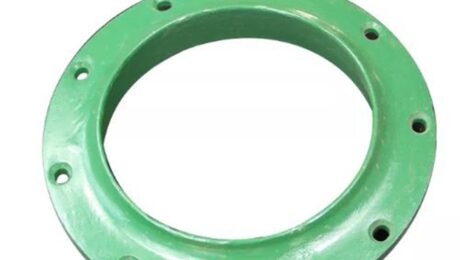
Feed Eye Ring: Comprehensive Guide to Mining Machinery and Spare Parts
The Feed Eye Ring is an essential component in the mining industry, playing a pivotal role in the operation of various mining machinery. Whether you are a mining professional, equipment supplier, or maintenance technician, understanding the importance of feed eye rings and their related machinery and spare parts is crucial for optimal performance and longevity of your equipment.
In this guide, we will explore the intricacies of mining machinery, delve into the specifics of feed eye rings, and provide you with expert insights on spare parts, buying guides, common mistakes to avoid, and frequently asked questions to equip you with everything you need to know.
Understanding Mining Machinery and the Role of Feed Eye Rings
What Is a Feed Eye Ring?
A Feed Eye Ring is a specialized component typically used in crushers and feeders within mining machinery. It serves as a critical connection point or bearing surface that facilitates the smooth feeding and movement of raw materials into crushers or processing units.
Constructed from high-grade alloy steel or other durable materials, feed eye rings are designed to withstand extreme pressure, abrasion, and harsh environmental conditions common in mining operations.
Types of Mining Machinery Utilizing Feed Eye Rings
- Jaw Crushers: Feed eye rings help guide and support the feed mechanism, ensuring steady material flow.
- Impact Crushers: They act as bearing surfaces for feeding components.
- Vibrating Feeders: Integral in maintaining feeding stability and reducing wear.
- Conveyors and Hoppers: Support feed mechanisms and reduce material spillage.
Mining Machinery Spare Parts: Importance and Overview
Why Are Spare Parts Critical in Mining Operations?
Mining machinery operates under challenging conditions, making wear and tear inevitable. High-quality spare parts, including feed eye rings, bearings, liners, and gears, ensure equipment reliability, reduce downtime, and lower maintenance costs.
Using genuine and compatible spare parts extends machinery lifespan and enhances operational efficiency.
Common Mining Machinery Spare Parts
- Feed Eye Rings
- Crusher Liners
- Bearings and Bushings
- Drive Belts and Chains
- Hydraulic Components
- Conveyor Rollers and Idlers
Detailed Analysis of Feed Eye Ring Specifications and Materials
Material Composition
Feed eye rings are commonly manufactured from:
- High Manganese Steel: Offers excellent impact resistance and durability.
- Alloy Steel: Provides high tensile strength and wear resistance.
- Heat-Treated Steel: Enhances hardness and lifespan.
Key Specifications to Consider
| Specification | Description | Typical Range |
|---|---|---|
| Outer Diameter | Overall width of the feed eye ring | 100mm – 600mm |
| Inner Diameter | Diameter of the central hole | 50mm – 400mm |
| Thickness | Material thickness ensuring durability | 20mm – 100mm |
| Weight | Depends on size and material | 5kg – 100kg |
Comparison of Feed Eye Rings: OEM vs. Aftermarket
Original Equipment Manufacturer (OEM) Feed Eye Rings
- Guaranteed compatibility and quality
- Higher cost but better warranty
- Designed specifically for particular machinery models
Aftermarket Feed Eye Rings
- Cost-effective alternative
- Wide availability and variety
- Quality may vary; requires careful supplier selection
Choosing between OEM and aftermarket parts depends on budget, urgency, and quality requirements.
Buying Guide: Selecting the Right Feed Eye Ring and Mining Machinery Spare Parts
Key Selection Criteria
- Compatibility: Ensure the part matches your machinery model and specifications.
- Material Quality: Opt for durable materials resistant to wear and corrosion.
- Supplier Reputation: Purchase from trusted manufacturers or distributors.
- Warranty and Support: Look for parts with reliable after-sales service.
- Price vs. Quality: Balance cost savings with part longevity and performance.
Tips for Effective Procurement
- Request detailed product datasheets and certifications.
- Compare multiple quotes to ensure competitive pricing.
- Check for customer reviews and testimonials.
- Plan spare parts inventory to avoid unexpected downtime.
Common Mistakes to Avoid When Handling Feed Eye Rings and Spare Parts
- Using Non-Compatible Parts: Leads to premature failure and equipment damage.
- Ignoring Regular Maintenance: Causes accelerated wear and operational inefficiencies.
- Overlooking Material Quality: Results in frequent replacements and higher costs.
- Improper Installation: Can cause misalignment and safety hazards.
- Neglecting Supplier Verification: Risks counterfeit or substandard parts.
Frequently Asked Questions About Feed Eye Rings and Mining Machinery Spare Parts
1. What is the primary function of a feed eye ring in mining machinery?
The feed eye ring acts as a support or bearing surface that facilitates the smooth feeding of materials into crushers or feeders, ensuring stable and efficient operation.
2. How often should feed eye rings be inspected or replaced?
Inspection frequency depends on operational intensity, but regular checks every 3-6 months are recommended. Replacement is necessary when visible wear, cracks, or deformation occur.
3. Can aftermarket feed eye rings be used as replacements for OEM parts?
Yes, aftermarket parts can be used if they meet the required specifications and quality standards. However, OEM parts generally offer better compatibility and warranty coverage.
4. What materials are best suited for feed eye rings in abrasive mining environments?
High manganese steel and heat-treated alloy steels are preferred due to their superior wear resistance and toughness.
5. How do I ensure I am purchasing genuine spare parts?
Buy from authorized dealers, verify product certifications, and request detailed technical documentation to confirm authenticity.
6. Are there any safety precautions when installing feed eye rings?
Yes, always follow manufacturer guidelines, use proper tools, and ensure machinery is powered down before installation to avoid accidents.
7. What other mining machinery components should be regularly maintained alongside feed eye rings?
Crusher liners, bearings, conveyor rollers, and hydraulic systems should also be routinely inspected and maintained for optimal performance.
8. Where can I find more information about mining machinery and spare parts?
Visit industry websites, manufacturer portals, and trusted suppliers. Check out our detailed resources section here for more insights.
- Published in Products
Feed Tube in Mining Machinery: Comprehensive Guide to Mining Equipment and Spare Parts

Feed Tube in Mining Machinery: Comprehensive Guide to Mining Equipment and Spare Parts
The mining industry relies heavily on robust and efficient machinery to ensure smooth operations and maximize productivity. Among the essential components in mining equipment, the feed tube plays a critical role in material handling and processing. Whether you are an operator, engineer, or procurement specialist, understanding the function, types, and maintenance of feed tubes and related mining machinery spare parts is vital for optimal performance.
Understanding Feed Tubes in Mining Machinery
A feed tube is a cylindrical conduit designed to guide and control the flow of raw materials or processed materials into mining machines such as crushers, grinders, or conveyors. It ensures a steady and controlled feed rate, preventing blockages and damage to equipment. Feed tubes are often customized to fit specific machinery and mining conditions.
Primary Functions of Feed Tubes
- Regulate material flow into crushers or mills
- Protect machinery from material spillage and wear
- Enhance operational efficiency by maintaining consistent feed rates
- Reduce downtime caused by blockages or equipment damage
Types of Feed Tubes Used in Mining Machinery
Mining operations demand various types of feed tubes depending on the material characteristics and equipment design. Common types include:
1. Fixed Feed Tubes
These are stationary tubes fixed to the machine’s inlet, suitable for consistent material sizes and flow rates.
2. Adjustable Feed Tubes
Designed with adjustable openings or lengths to accommodate variable feed sizes and volumes.
3. Wear-Resistant Feed Tubes
Constructed with abrasion-resistant materials like manganese steel or ceramic linings to withstand harsh mining environments.
Mining Machinery Overview: Essential Equipment and Their Spare Parts
Mining machinery encompasses a wide range of equipment, each with specific spare parts critical for maintenance and performance. Below is an overview of key mining machines and their associated spare parts.
Crushers
Crushers reduce large rocks into smaller aggregates. Spare parts include:
- Jaw plates
- Concave liners
- Feed tubes
- Toggle plates
Grinding Mills
Used for fine grinding of ores. Spare parts include:
- Grinding media
- Mill liners
- Feed tubes
- Gearboxes
Conveyors
Transport materials across mining sites. Spare parts include:
- Belts
- Rollers
- Feed tubes (for chute connections)
- Motors
How Feed Tubes Enhance Mining Machinery Efficiency
Proper feed tube selection and maintenance directly impact the efficiency and lifespan of mining equipment. Benefits include:
- Minimized material spillage and dust generation
- Reduced wear on crushers and mills
- Improved safety by controlling material flow
- Lower maintenance costs through protection of critical components
Comparison of Feed Tube Materials and Designs
| Material | Durability | Cost | Best Use Case |
|---|---|---|---|
| Carbon Steel | Moderate | Low | General purpose, low abrasion |
| Manganese Steel | High | Medium | High abrasion environments |
| Ceramic Lined | Very High | High | Extremely abrasive materials |
| Rubber Lined | Moderate | Medium | Impact absorption, corrosive materials |
Buying Guide: Selecting the Right Feed Tube and Mining Machinery Spare Parts
Choosing the appropriate feed tube and spare parts is crucial for mining operations. Consider the following criteria:
1. Material Compatibility
Match the feed tube material with the abrasiveness and corrosiveness of the mined material.
2. Machine Compatibility
Ensure the feed tube fits the specific make and model of your mining machinery.
3. Durability and Maintenance
Opt for materials and designs that reduce wear and simplify maintenance procedures.
4. Supplier Reliability
Purchase from reputable suppliers offering quality certifications and after-sales support.
5. Cost vs. Longevity
Balance initial investment with the expected lifespan and replacement frequency.
Common Mistakes When Handling Feed Tubes and Mining Machinery Parts
- Ignoring wear signs leading to unexpected failures
- Using incompatible materials causing premature damage
- Improper installation resulting in misalignment and blockages
- Delaying maintenance, increasing downtime and repair costs
- Overlooking supplier quality and warranty terms
Frequently Asked Questions (FAQ)
What is the primary purpose of a feed tube in mining machinery?
The feed tube controls and directs the flow of materials into mining equipment, ensuring consistent operation and protecting machinery from damage.
How do I know which feed tube material is best for my mining operation?
Consider the abrasiveness, corrosiveness, and size of your materials. High abrasion requires wear-resistant materials like manganese steel or ceramic linings.
Can feed tubes be customized for different machines?
Yes, feed tubes are often customized in diameter, length, and design to fit specific machinery and operational needs.
How often should I inspect and replace feed tubes?
Regular inspections should be part of your maintenance schedule, with replacement intervals depending on wear rates and operational conditions.
Are feed tubes compatible with all types of mining machinery?
Feed tubes are designed to be compatible with specific machines; always verify compatibility with equipment manufacturers.
What are the signs that a feed tube needs replacement?
Signs include visible wear, cracks, material leakage, blockages, and decreased machine efficiency.
Where can I find quality mining machinery spare parts?
Reliable suppliers with industry certifications and positive reviews are recommended. Consider trusted mining equipment providers for quality parts.
Is installation of feed tubes complicated?
Installation varies by machine but generally requires skilled technicians to ensure proper alignment and secure fitting.
For more detailed insights on mining machinery and spare parts, visit our comprehensive resource section.
- Published in Products
Wear Plate in Mining Machinery: Comprehensive Guide to Mining Machinery and Spare Parts

Wear Plate in Mining Machinery: Comprehensive Guide to Mining Machinery and Spare Parts
In the demanding world of mining, durability and efficiency are paramount. One critical component that ensures the longevity and performance of mining equipment is the wear plate. This article explores the essential role of wear plates in mining machinery, delves into mining machinery spare parts, and provides a thorough guide to selecting the right components for your mining operations.
Understanding Wear Plates in Mining Machinery
A wear plate is a protective metal sheet applied to mining equipment surfaces exposed to abrasive materials and harsh conditions. These plates shield the machinery from wear and tear, extending its service life and reducing downtime.
What Are Wear Plates Made Of?
Wear plates are typically made from high-strength steel alloys, such as manganese steel, chromium steel, or abrasion-resistant steel. These materials offer excellent hardness, toughness, and resistance to abrasion, making them ideal for mining environments.
Types of Wear Plates Used in Mining
- Manganese Steel Wear Plates: Known for their high impact resistance and work-hardening properties.
- Chromium Carbide Overlay Plates: Feature a hard chromium carbide surface welded onto a steel base for superior abrasion resistance.
- AR (Abrasion Resistant) Steel Plates: Provide a balance between hardness and toughness for general wear protection.
Mining Machinery and Their Wear Plate Applications
Mining machinery operates under extreme conditions, facing abrasive rocks, dust, and heavy loads. Wear plates are essential in various equipment to prevent premature failure.
Common Mining Machinery That Use Wear Plates
- Excavators: Bucket edges and liners are fitted with wear plates to reduce abrasion.
- Conveyors: Chute liners and impact zones use wear plates to protect against material flow wear.
- Crushers: Wear plates line the crushing chamber to resist crushing forces and abrasion.
- Screening Equipment: Screen decks and side liners incorporate wear plates for durability.
Mining Machinery Spare Parts Overview
Besides wear plates, mining machinery requires a variety of spare parts to maintain peak performance. These include:
- Hydraulic components
- Engine parts
- Track chains and pads
- Filters and seals
- Belts and pulleys
- Electrical components
Reliable spare parts suppliers ensure minimal downtime and extend equipment lifespan.
Selection Criteria for Wear Plates and Mining Machinery Spare Parts
Choosing the right wear plates and spare parts is crucial for operational efficiency and cost-effectiveness.
Key Factors to Consider When Selecting Wear Plates
- Material Composition: Match the wear plate material to the type of abrasion and impact expected.
- Thickness: Thicker plates offer longer wear life but add weight and cost.
- Hardness and Toughness: Balance hardness to resist abrasion and toughness to withstand impact.
- Compatibility: Ensure the wear plate fits your machinery model and application.
- Installation Method: Consider whether welding or bolting is preferred for your setup.
How to Choose Quality Mining Machinery Spare Parts
- Verify OEM (Original Equipment Manufacturer) or high-quality aftermarket parts.
- Check supplier certifications and customer reviews.
- Ensure parts meet industry standards and specifications.
- Evaluate warranty and support services.
- Consider lead time and availability for critical components.
Comparison of Wear Plate Materials for Mining Applications
| Wear Plate Type | Hardness (HB) | Impact Resistance | Best Application | Cost |
|---|---|---|---|---|
| Manganese Steel | 200-250 | High | High impact, moderate abrasion | Medium |
| Chromium Carbide Overlay | 600-700 | Medium | Severe abrasion | High |
| AR Steel | 400-500 | Medium-High | General abrasion | Low-Medium |
Common Mistakes to Avoid When Using Wear Plates and Mining Spare Parts
- Ignoring proper material selection: Using the wrong wear plate can lead to early failure.
- Poor installation practices: Incorrect welding or bolting reduces wear plate effectiveness.
- Neglecting regular inspections: Failing to monitor wear can cause unexpected breakdowns.
- Using low-quality spare parts: Cheap parts may save money initially but increase downtime.
- Overlooking compatibility: Parts not suited for specific machinery can cause damage.
Frequently Asked Questions About Wear Plates and Mining Machinery Spare Parts
1. What is the primary function of a wear plate in mining machinery?
The primary function is to protect machinery surfaces from abrasion and impact, extending equipment life and reducing maintenance costs.
2. How often should wear plates be inspected or replaced?
Inspection frequency depends on usage and conditions, but regular checks every few weeks or monthly are recommended. Replacement is necessary once wear compromises protection.
3. Can wear plates be reused after removal?
Generally, wear plates are not reused as their protective properties diminish with wear. Reusing may risk machinery damage.
4. Are aftermarket wear plates as effective as OEM parts?
Quality aftermarket wear plates can be effective if they meet or exceed OEM specifications. Always verify supplier credibility.
5. What installation methods are common for wear plates?
Welding and bolting are the most common methods. Welding provides a permanent bond, while bolting allows easier replacement.
6. How do environmental factors affect wear plate selection?
Factors like temperature, moisture, and chemical exposure influence material choice to ensure resistance against corrosion and thermal stresses.
7. What are the benefits of using chromium carbide overlay wear plates?
They offer superior abrasion resistance, ideal for extremely abrasive environments, though they come at a higher cost.
8. Where can I find reliable suppliers for mining machinery spare parts?
Look for suppliers with verified industry experience, positive customer feedback, and certifications. You can explore options via our recommended supplier list.
Conclusion
Wear plates are indispensable in mining machinery, safeguarding equipment against harsh operational conditions. Selecting the right wear plate and spare parts requires understanding material properties, machinery compatibility, and application needs. By avoiding common mistakes and following a strategic buying guide, mining operations can optimize equipment durability and efficiency. For more insights on mining machinery maintenance and spare parts, visit our resource center.
- Published in Products
Distributor of Mining Machinery and Mining Machinery Spare Parts: Comprehensive Guide and Buying Tips

Distributor of Mining Machinery and Mining Machinery Spare Parts
In the fast-evolving mining industry, having access to reliable mining machinery and quality spare parts is crucial for operational efficiency and safety. Whether you are managing a large-scale mining operation or a specialized extraction project, understanding the role of a distributor in supplying mining machinery and spare parts can significantly impact your business success. This guide delves deep into the essentials of mining equipment distribution, helping you make informed decisions and avoid costly mistakes.
Understanding Mining Machinery and Their Spare Parts
Mining machinery encompasses a wide range of equipment designed for extraction, processing, and transportation of minerals. These machines include excavators, drilling rigs, crushers, conveyors, and loaders. Each piece of equipment requires specific spare parts to maintain peak performance and extend operational life.
Types of Mining Machinery
- Excavators: Used for digging and earthmoving tasks.
- Drilling Machines: Essential for creating holes for blasting or exploration.
- Crushers: Reduce large rocks into smaller, manageable sizes.
- Conveyors: Facilitate material transport within mining sites.
- Loaders: Load extracted materials onto trucks or conveyors.
Common Mining Machinery Spare Parts
- Hydraulic pumps and cylinders
- Drill bits and rods
- Conveyor belts and rollers
- Engine filters and gaskets
- Wear plates and liners
The Role of a Distributor in Mining Machinery Supply
Distributors act as the critical link between manufacturers and end-users in the mining sector. They provide access to a broad inventory of machinery and spare parts, offer technical support, and ensure timely delivery. Choosing the right distributor means securing high-quality products, competitive pricing, and reliable after-sales service.
Key Services Offered by Mining Machinery Distributors
- Product sourcing from trusted manufacturers
- Inventory management and warehousing
- Technical consultation and product recommendations
- After-sales support and maintenance services
- Custom orders and logistics management
Mining Machinery and Spare Parts Market Overview
The global mining machinery market is driven by increasing demand for minerals and metals, technological advancements, and growing investments in mining infrastructure. Distributors play a pivotal role in addressing market needs by providing up-to-date equipment and parts that meet industry standards.
Emerging Trends in Mining Machinery Distribution
- Integration of IoT and automation in machinery
- Focus on energy-efficient and environmentally friendly equipment
- Expansion of aftermarket spare parts services
- Adoption of digital platforms for ordering and support
Comparison of Leading Mining Machinery Distributors
| Distributor | Product Range | Geographical Reach | After-Sales Support | Special Features |
|---|---|---|---|---|
| Global Mining Supplies | Excavators, Drills, Crushers | Worldwide | 24/7 Technical Support | Custom Parts Fabrication |
| MineralTech Distributors | Loaders, Conveyors, Spare Parts | Asia-Pacific, Africa | On-site Maintenance | Digital Inventory Management |
| OreEquip Solutions | Full Machinery Line, OEM Parts | Europe, Americas | Extended Warranty Programs | Eco-friendly Equipment Options |
Buying Guide: Selecting the Right Mining Machinery and Spare Parts Distributor
Choosing a distributor involves careful evaluation of several factors to ensure you receive quality products and services tailored to your mining operation’s needs.
Essential Selection Criteria
- Product Quality and Authenticity: Verify that distributors supply genuine OEM or certified aftermarket parts.
- Inventory Availability: Ensure the distributor maintains a comprehensive stock to minimize downtime.
- Technical Expertise: Look for distributors offering knowledgeable support and consultation.
- Logistics and Delivery: Timely shipping and flexible delivery options are critical.
- Pricing and Warranty: Compare pricing structures and warranty coverage for peace of mind.
- Customer Reviews and Reputation: Research feedback from other mining companies.
Common Mistakes to Avoid When Purchasing Mining Machinery and Spare Parts
- Ignoring Compatibility: Using incompatible parts can damage machinery and void warranties.
- Overlooking After-Sales Support: Lack of support can lead to prolonged downtime.
- Choosing Based Solely on Price: Low-cost options may compromise quality and safety.
- Neglecting Maintenance Requirements: Not planning for spare parts can halt operations unexpectedly.
- Failing to Verify Distributor Credentials: Risk of counterfeit products increases without proper vetting.
Frequently Asked Questions About Mining Machinery and Spare Parts Distribution
1. What is the difference between OEM and aftermarket spare parts?
OEM (Original Equipment Manufacturer) parts are produced by the original manufacturer and guarantee compatibility and quality. Aftermarket parts are made by third parties and may vary in quality; however, many meet or exceed OEM standards.
2. How can I ensure the spare parts I purchase are authentic?
Buy from reputable distributors with verified supplier relationships. Check for certification, warranty, and product documentation to confirm authenticity.
3. What factors affect the delivery time of mining machinery?
Delivery time depends on product availability, shipping distance, customs clearance, and logistics efficiency. Distributors with local warehouses typically offer faster delivery.
4. Can distributors provide customized mining machinery solutions?
Yes, many distributors collaborate with manufacturers to offer tailored machinery and custom spare parts based on specific mining requirements.
5. How important is after-sales support in mining machinery distribution?
After-sales support is critical for troubleshooting, maintenance, and ensuring continuous operation. Distributors offering technical assistance and spare parts availability reduce operational risks.
6. Are there eco-friendly options available in mining machinery?
Yes, distributors increasingly offer energy-efficient and environmentally friendly machinery designed to reduce emissions and improve sustainability in mining operations.
7. What should I consider when budgeting for mining machinery spare parts?
Include costs for genuine parts, shipping, potential customs fees, and consider investing in spare parts inventory to avoid downtime.
8. How often should mining machinery spare parts be replaced?
Replacement frequency depends on usage intensity, operating conditions, and manufacturer recommendations. Regular inspections help determine timely replacements.
For more detailed information on mining machinery and spare parts, visit our resources page here and explore expert insights and product listings.
- Published in Products
Feed Cone in Mining Machinery: Comprehensive Guide to Equipment and Spare Parts
Feed Cone in Mining Machinery: Essential Guide to Equipment and Spare Parts
In the mining industry, efficiency and reliability of equipment are paramount. One critical component that often goes unnoticed but plays a vital role in the processing chain is the feed cone. Whether you are a mining operator, maintenance engineer, or procurement specialist, understanding the role of feed cones in mining machinery and how to select the right spare parts can drastically improve your operational uptime and productivity.
What Is a Feed Cone and Its Role in Mining Machinery?
A feed cone is a conical device used in mining machinery to regulate the flow of materials into crushers, mills, or conveyors. It ensures a consistent and controlled feed rate, preventing blockages and improving the efficiency of downstream equipment.
Definition and Functionality
The feed cone acts as a funnel-shaped guide that channels raw materials from hoppers or feeders into the crushing or grinding equipment. Its tapered design allows materials to flow smoothly, minimizing spillage and wear on machinery.
Common Applications in Mining Equipment
- Jaw Crushers
- Cone Crushers
- Ball Mills
- Vibrating Feeders
- Conveyor Systems
Types of Feed Cones Used in Mining Machinery
Mining machinery utilizes various types of feed cones depending on the nature of the material and the equipment design.
Standard Feed Cones
These are generic cones designed for general-purpose feeding, suitable for most mining materials like ores and aggregates.
Heavy-Duty Feed Cones
Constructed from wear-resistant materials, heavy-duty cones are ideal for abrasive and hard materials, extending equipment life.
Adjustable Feed Cones
These cones allow operators to modify the feed rate and angle, providing flexibility for different processing requirements.
Mining Machinery Overview: Key Equipment Utilizing Feed Cones
Understanding the broader context of mining machinery helps appreciate the importance of feed cones and related spare parts.
Crushers and Their Feed Mechanisms
Crushers reduce large rocks into smaller pieces. Feed cones ensure the material enters the crusher evenly, avoiding jams.
Jaw Crushers
Feed cones in jaw crushers help maintain a steady feed of rocks, optimizing crushing efficiency.
Cone Crushers
In cone crushers, feed cones manage the input material to maintain consistent pressure and output size.
Grinding Mills and Feed Control
Grinding mills require precise feed control to achieve desired particle sizes. Feed cones regulate this input flow.
Mining Machinery Spare Parts: Importance and Selection
Regular maintenance and timely replacement of spare parts like feed cones are essential for uninterrupted mining operations.
Why Quality Spare Parts Matter
- Reduce downtime and maintenance costs
- Enhance machine performance and lifespan
- Ensure safety and compliance
Common Spare Parts for Mining Machinery
- Feed Cones
- Crusher Liners
- Grinding Media
- Belts and Rollers
- Bearings and Seals
Comparison of Feed Cone Materials and Designs
| Material | Durability | Cost | Best Use |
|---|---|---|---|
| Cast Steel | High | Moderate | General Mining Applications |
| Wear-Resistant Alloys | Very High | High | Abrasive Materials |
| Rubber-Coated | Moderate | Low | Soft Materials, Noise Reduction |
Buying Guide: How to Choose the Right Feed Cone and Spare Parts
Selecting the appropriate feed cone and spare parts requires careful consideration of several factors.
Material Compatibility
Ensure the feed cone material matches the abrasiveness and hardness of the processed material.
Equipment Specifications
Check the dimensions, feed rate, and compatibility with your existing machinery.
Durability and Maintenance
Choose parts that offer a balance between cost and longevity to minimize downtime.
Supplier Reputation and Support
Buy from reputable suppliers offering warranties, technical support, and genuine parts.
Common Mistakes When Selecting and Maintaining Feed Cones
- Ignoring material wear patterns leading to premature failure
- Using incompatible feed cones causing blockages or damage
- Neglecting regular inspections and maintenance schedules
- Overlooking supplier certifications and quality assurance
- Failing to train staff on proper installation and handling
Frequently Asked Questions About Feed Cones and Mining Machinery Spare Parts
1. What is the typical lifespan of a feed cone in mining machinery?
The lifespan varies depending on material, usage, and maintenance but typically ranges from 6 months to 2 years.
2. Can feed cones be customized for specific mining operations?
Yes, many manufacturers offer custom designs to suit unique processing requirements and materials.
3. How often should feed cones be inspected?
Regular inspections every 3 to 6 months are recommended to detect wear or damage early.
4. Are aftermarket spare parts reliable for mining equipment?
Quality aftermarket parts can be reliable if sourced from reputable suppliers with proper certifications.
5. What maintenance practices extend the life of feed cones?
Proper installation, regular cleaning, lubrication, and timely replacement of worn parts help extend lifespan.
6. How do feed cones improve crusher efficiency?
By ensuring a consistent feed rate, feed cones prevent overloading and underfeeding, optimizing crusher performance.
7. What materials are best for abrasive mining environments?
Wear-resistant alloys and hardened steel are preferred for abrasive environments due to their durability.
8. Can feed cones reduce material spillage and dust?
Yes, their design helps contain materials during feeding, reducing spillage and associated dust emissions.
For more detailed information on mining machinery and spare parts, visit our equipment resources page and maintenance tips section.
- Published in Products
