


Frame Liner in Mining Machinery: Comprehensive Guide to Mining Machinery and Spare Parts

Frame Liner in Mining Machinery: Essential Components and Spare Parts Explained
Mining machinery plays a vital role in the efficient extraction and processing of minerals. Among its many components, the frame liner stands out as a crucial part that ensures durability and protection of the equipment frame. In this comprehensive guide, we will explore everything you need to know about mining machinery, focusing on frame liners and other essential spare parts. Whether you are a mining professional, equipment operator, or procurement specialist, understanding these components will help you make informed decisions.
Understanding Frame Liners in Mining Machinery
A frame liner is a protective layer installed on the frame of mining machinery to prevent wear and damage caused by harsh mining environments. These liners are typically made from high-quality steel or composite materials designed to withstand abrasion, impact, and corrosion.
What Is a Frame Liner?
The frame liner acts as a barrier between the machinery’s metal frame and the abrasive materials it handles. By absorbing impacts and resisting wear, frame liners extend the lifespan of the equipment and reduce maintenance costs.
Types of Frame Liners
- Steel Frame Liners: Known for their strength and durability, steel liners are commonly used in heavy-duty mining equipment.
- Rubber Frame Liners: Flexible and impact-resistant, rubber liners are ideal for applications requiring vibration dampening.
- Composite Frame Liners: Combining materials like ceramics and polymers, composite liners offer enhanced wear resistance and lightweight properties.
Mining Machinery: Overview and Key Components
Mining machinery encompasses a wide range of equipment designed for excavation, material handling, and processing. Key machinery includes excavators, crushers, conveyors, drilling rigs, and loaders.
Core Components of Mining Machinery
- Excavators: Used for digging and moving large volumes of earth.
- Crushers: Break down rocks and ores into smaller, manageable sizes.
- Conveyors: Transport materials efficiently across mining sites.
- Drilling Rigs: Create holes for blasting or exploration.
- Loaders: Load materials into trucks or processing equipment.
Mining Machinery Spare Parts: Importance and Types
Regular maintenance and timely replacement of spare parts are essential for uninterrupted mining operations. Spare parts ensure machinery operates at peak performance and reduces downtime.
Common Mining Machinery Spare Parts
- Frame Liners: Protect the machinery frame from wear.
- Wear Plates: Shield components from abrasion.
- Hydraulic Cylinders: Enable movement and control of machinery parts.
- Conveyor Belts: Transport materials smoothly.
- Drill Bits: Critical for efficient drilling operations.
Materials Used in Spare Parts
Spare parts are often made from high-grade steel, manganese alloys, rubber composites, or ceramics to ensure durability and resistance to harsh mining conditions.
Comparison of Frame Liners: Steel vs. Rubber vs. Composite
| Feature | Steel Frame Liners | Rubber Frame Liners | Composite Frame Liners |
|---|---|---|---|
| Durability | High | Medium | High |
| Impact Resistance | Good | Excellent | Very Good |
| Weight | Heavy | Light | Light to Medium |
| Cost | Moderate | Low to Moderate | High |
| Maintenance | Requires Welding | Easy Replacement | Moderate |
Buying Guide for Mining Machinery and Spare Parts
Choosing the right mining machinery and spare parts, including frame liners, requires careful consideration of several factors to ensure optimal performance and cost-efficiency.
Key Selection Criteria
- Compatibility: Ensure spare parts fit your specific machinery model.
- Material Quality: Opt for high-grade materials that withstand mining conditions.
- Supplier Reputation: Purchase from trusted manufacturers or distributors.
- Cost vs. Longevity: Balance initial investment with expected lifespan.
- Maintenance Requirements: Consider ease of installation and servicing.
Where to Buy Mining Spare Parts
Reliable sources include authorized dealers, specialized mining equipment suppliers, and certified online marketplaces. Always verify product authenticity and warranty terms.
Common Mistakes When Selecting and Maintaining Mining Machinery Spare Parts
- Ignoring Compatibility: Using incompatible parts can cause equipment failure.
- Choosing Low-Quality Materials: Leads to frequent breakdowns and higher costs.
- Skipping Regular Inspections: Delays in identifying wear can result in major damage.
- Overlooking Supplier Credentials: Risk of counterfeit or substandard parts.
- Poor Installation Practices: Can reduce the lifespan of parts like frame liners.
Frequently Asked Questions (FAQ) About Mining Machinery and Frame Liners
1. What is the primary function of a frame liner in mining machinery?
The frame liner protects the machinery’s frame from wear, abrasion, and impact, extending the equipment’s operational life.
2. How often should frame liners be replaced?
Replacement frequency depends on the mining environment and material handled but generally occurs when significant wear or damage is observed during inspections.
3. Can frame liners be installed on all types of mining machinery?
Most mining machinery frames can be fitted with liners, but the type and design must be compatible with the specific equipment.
4. What materials are best for mining machinery spare parts?
High-grade steel, manganese alloys, rubber composites, and ceramics are commonly used for durability and resistance.
5. How do I ensure I buy genuine spare parts?
Purchase from authorized dealers or reputable suppliers and verify product certifications and warranties.
6. Are composite frame liners more cost-effective than steel?
While composite liners often have higher upfront costs, their longer lifespan and lighter weight can result in cost savings over time.
7. What maintenance practices improve the longevity of mining machinery?
Regular inspections, timely replacement of worn parts, proper installation, and using quality spare parts are key to extending machinery life.
8. Where can I find more information about mining machinery parts?
Industry publications, manufacturer websites, and specialized mining forums are excellent resources. You can also visit our resource center for detailed guides and updates.
- Published in Products
Mining Machinery and Mining Machinery Spare Parts: Comprehensive Guide for Optimal Performance

Mining Machinery and Mining Machinery Spare Parts: Comprehensive Guide for Optimal Performance
Mining machinery plays a crucial role in the extraction and processing of minerals, making it an indispensable part of the mining industry. Whether you are operating large-scale mining projects or managing small mining sites, understanding the various types of mining machinery and their spare parts is essential for maximizing efficiency and minimizing downtime. In this detailed guide, we explore everything you need to know about mining machinery and mining machinery spare parts to help you make informed decisions and keep your operations running smoothly.
Understanding Mining Machinery: Types and Applications
Mining machinery encompasses a wide range of equipment designed to extract, transport, and process ores and minerals. These machines vary in size, function, and complexity, tailored to different mining methods such as surface mining, underground mining, and placer mining.
Primary Types of Mining Machinery
- Excavators and Shovels: Used for digging and loading earth and ore materials.
- Drilling Machines: Essential for creating holes for blasting or sampling.
- Loaders and Haulers: Transport mined materials to processing areas or dumps.
- Crushers and Mills: Break down ore into smaller, manageable pieces for further processing.
- Conveyors: Facilitate continuous movement of materials across the mining site.
Long-Tail Keyword: Heavy-Duty Mining Machinery for Surface and Underground Mining
Heavy-duty mining machinery is designed to withstand harsh conditions and operate efficiently in both surface and underground mining environments. Choosing the right equipment depends on the type of mineral, mining method, and site conditions.
Mining Machinery Spare Parts: Key Components for Maintenance and Repair
Spare parts are vital to the longevity and reliability of mining machinery. Regular maintenance and timely replacement of worn-out parts help avoid costly breakdowns and extend equipment life.
Common Mining Machinery Spare Parts
- Hydraulic Components: Cylinders, pumps, valves, and hoses that power machine movements.
- Engine Parts: Filters, pistons, bearings, and gaskets essential for engine performance.
- Wear Parts: Conveyor belts, crusher liners, drill bits, and bucket teeth that endure constant abrasion.
- Electrical Components: Sensors, wiring harnesses, and control units for automation and safety.
Long-Tail Keyword: High-Quality Mining Machinery Spare Parts Suppliers
Partnering with reliable suppliers of mining machinery spare parts ensures access to genuine, durable components that meet OEM standards. This is crucial for maintaining machine efficiency and safety.
Comparison of Mining Machinery Brands and Spare Parts Quality
Choosing the right brand can significantly impact operational efficiency and maintenance costs. Below is a comparison table highlighting popular mining machinery manufacturers and their spare parts quality.
| Brand | Machine Reliability | Spare Parts Availability | After-Sales Support | Price Range |
|---|---|---|---|---|
| Caterpillar | High | Excellent | Global Network | Premium |
| Komatsu | High | Good | Strong | Mid to Premium |
| Sandvik | Medium-High | Good | Good | Mid |
| Hitachi | Medium | Moderate | Decent | Mid |
Buying Guide: How to Select the Right Mining Machinery and Spare Parts
Choosing the right mining machinery and spare parts involves several important factors to ensure you get the best value and performance.
1. Assess Your Mining Requirements
Understand the scale, type of minerals, and mining method to select machinery suited for your operations.
2. Evaluate Machine Performance and Efficiency
Look for equipment with proven reliability, fuel efficiency, and ease of operation.
3. Check Spare Parts Compatibility and Availability
Ensure spare parts are readily available and compatible with your machinery to minimize downtime.
4. Consider Supplier Reputation and Support
Choose suppliers or manufacturers offering strong after-sales support, warranties, and technical assistance.
5. Budget and Total Cost of Ownership
Factor in initial costs, maintenance expenses, and spare parts pricing for a comprehensive budget.
Common Mistakes to Avoid When Purchasing Mining Machinery and Spare Parts
- Ignoring Compatibility: Buying spare parts without verifying compatibility can lead to equipment damage.
- Overlooking Maintenance Needs: Neglecting regular maintenance schedules reduces machinery lifespan.
- Choosing Based Solely on Price: Opting for cheaper machinery or parts may result in higher long-term costs.
- Neglecting Supplier Credibility: Purchasing from unreliable sources increases the risk of counterfeit parts.
- Insufficient Training: Failing to train operators on new machinery can cause operational inefficiencies and safety hazards.
Frequently Asked Questions About Mining Machinery and Spare Parts
1. What types of mining machinery are essential for surface mining?
Surface mining typically requires excavators, bulldozers, haul trucks, and drilling machines to extract and transport minerals efficiently.
2. How often should mining machinery spare parts be replaced?
Replacement frequency depends on usage intensity and part type; wear parts like crusher liners may need replacement every few months, while engine components may last longer with proper maintenance.
3. Can I use generic spare parts for my mining machinery?
While generic parts may be cheaper, they often lack the quality and durability of OEM parts, potentially causing equipment failure and safety risks.
4. How do I ensure the quality of mining machinery spare parts?
Purchase from reputable suppliers, verify certifications, and check for OEM compliance to ensure part quality.
5. What maintenance practices extend the life of mining machinery?
Regular inspections, timely lubrication, cleaning, and replacing worn parts help maintain equipment performance and longevity.
6. Are there environmentally friendly mining machinery options?
Yes, advancements in electric and hybrid mining machinery reduce emissions and energy consumption, supporting sustainable mining practices.
7. How important is after-sales support when buying mining machinery?
Strong after-sales support ensures quick access to spare parts, technical assistance, and repairs, minimizing operational downtime.
8. Where can I find reliable suppliers for mining machinery spare parts?
Reliable suppliers can be found through industry trade shows, official manufacturer websites, and verified online marketplaces. For more information, visit our supplier directory.
- Published in Products
Comprehensive Guide to Mining Machinery and Mining Machinery Spare Parts

Mining Machinery and Mining Machinery Spare Parts: Your Ultimate Guide
Mining machinery plays a pivotal role in the extraction and processing of minerals, making it indispensable in the mining industry. Whether you’re involved in surface mining, underground mining, or mineral processing, understanding the types of mining machinery and their spare parts is crucial for maintaining operational efficiency and minimizing downtime. This comprehensive guide covers everything you need to know about mining machinery, their spare parts, selection criteria, common mistakes, and more.
Understanding Mining Machinery: Types and Applications
Mining machinery refers to the equipment used for extracting minerals from the earth and processing them for use. These machines vary widely depending on the mining method and mineral type.
Primary Types of Mining Machinery
- Drilling Machines: Used to create holes in the earth for blasting or sampling.
- Excavators and Shovels: Crucial for digging and loading materials.
- Loaders: Transport materials from the mining site to trucks or conveyors.
- Conveyors: Facilitate material movement within the mining site.
- Crushers: Break down large rocks into manageable sizes.
- Screening Equipment: Sort materials by size.
- Haul Trucks: Transport extracted materials to processing plants.
Mining Machinery Spare Parts: Importance and Common Types
Spare parts are essential for the maintenance and repair of mining machinery, ensuring minimal downtime and optimal performance.
- Hydraulic Components: Pumps, valves, and cylinders that control machinery movement.
- Engine Parts: Filters, belts, and fuel injectors critical for power generation.
- Wear Parts: Teeth, blades, liners, and screens that endure heavy abrasion.
- Electrical Components: Sensors, switches, and wiring for operational control.
- Fasteners and Bolts: Secure parts and maintain structural integrity.
Mining Machinery Spare Parts Market Overview
The demand for mining machinery spare parts is driven by the need to maintain and enhance the lifespan of mining equipment. High-quality spare parts reduce the risk of equipment failure and increase productivity.
Key Factors Influencing Spare Parts Selection
- Compatibility with existing machinery models.
- Durability and resistance to harsh mining environments.
- Availability and delivery time.
- Cost-effectiveness and warranty options.
Comparison of Top Mining Machinery Brands and Their Spare Parts
| Brand | Machinery Types | Spare Parts Quality | After-Sales Support |
|---|---|---|---|
| Caterpillar | Excavators, Loaders, Haul Trucks | High | Excellent |
| Komatsu | Drilling Machines, Crushers, Loaders | High | Good |
| Sandvik | Drilling Equipment, Crushers, Screening | Premium | Excellent |
| Joy Global (now part of Komatsu) | Underground Mining Machines | High | Good |
How to Select the Right Mining Machinery and Spare Parts
Selection Criteria for Mining Machinery
- Mining Method Compatibility: Choose machinery that suits surface or underground mining.
- Capacity and Efficiency: Consider production volume and energy consumption.
- Durability and Maintenance: Opt for machines with proven reliability and easy maintenance.
- Technology and Automation: Evaluate the level of automation and control systems.
Selection Criteria for Mining Machinery Spare Parts
- Original Equipment Manufacturer (OEM) vs. Aftermarket: OEM parts usually guarantee fit and performance.
- Material Quality: Use parts made from wear-resistant materials.
- Supplier Reputation: Choose trusted suppliers with good delivery records.
- Cost and Warranty: Balance cost with warranty and expected lifespan.
Common Mistakes to Avoid When Purchasing Mining Machinery and Spare Parts
- Ignoring Compatibility: Using incompatible parts can cause equipment damage.
- Overlooking Maintenance Needs: Not planning for spare parts can lead to extended downtime.
- Choosing Cheapest Options: Low-cost parts may compromise safety and efficiency.
- Neglecting Supplier Verification: Unverified suppliers might provide substandard products.
Frequently Asked Questions About Mining Machinery and Spare Parts
1. What are the most critical spare parts for mining machinery?
The most critical parts include wear parts such as teeth and blades, hydraulic components, and engine parts, as they directly affect machine operation and lifespan.
2. How often should mining machinery spare parts be replaced?
Replacement frequency depends on usage intensity and operating conditions but generally follows manufacturer guidelines and preventive maintenance schedules.
3. Can aftermarket spare parts be used safely in mining machinery?
Yes, if they meet OEM standards and are sourced from reputable suppliers, aftermarket parts can be a cost-effective alternative.
4. What factors affect the cost of mining machinery spare parts?
Material quality, manufacturing precision, brand reputation, and availability all influence spare parts pricing.
5. How to ensure timely availability of spare parts?
Establish strong relationships with suppliers, maintain an inventory of critical parts, and plan maintenance activities proactively.
6. What role does technology play in modern mining machinery?
Technology enhances automation, safety, and efficiency through advanced control systems, GPS tracking, and real-time monitoring.
7. Are there environmental considerations when selecting mining machinery?
Yes, selecting energy-efficient machines and those with lower emissions helps reduce environmental impact.
8. Where can I find reliable suppliers for mining machinery spare parts?
Reliable suppliers can be found through industry directories, trade shows, and online marketplaces. Always verify credentials and customer reviews before purchasing. Visit our supplier directory for trusted options.
- Published in Products
Toggle Seat: Comprehensive Guide to Mining Machinery and Spare Parts

Toggle Seat: Comprehensive Guide to Mining Machinery and Spare Parts
In the world of mining, the toggle seat plays a crucial role as part of essential mining machinery, ensuring efficient operation and safety. Whether you’re a mining professional, equipment supplier, or enthusiast, understanding the intricacies of mining machinery and their spare parts, including the toggle seat, is key to maximizing productivity and minimizing downtime. This detailed guide explores everything you need to know about mining machinery, the importance of quality spare parts, and how to select the right components for your operations.
Understanding Mining Machinery and Its Components
Mining machinery encompasses a wide range of heavy equipment used to extract minerals and other geological materials from the earth. These machines are designed to handle tough environments and heavy workloads, making their components critical for operational success.
What is a Toggle Seat in Mining Machinery?
The toggle seat is a pivotal component commonly found in jaw crushers and other crushing equipment. It acts as a safety mechanism and a structural support that helps absorb shock loads during crushing operations. By allowing a controlled movement, the toggle seat protects the crusher from damage due to uncrushable materials and ensures smooth mechanical function.
Key Functions of the Toggle Seat
- Absorbs impact and shock loads
- Supports the toggle plate and jaw movement
- Prevents machine damage during overloads
- Contributes to the crusher’s overall stability and efficiency
Primary Types of Mining Machinery
Mining operations rely on various types of machinery, each serving specific functions. Below is an overview of the main categories:
1. Excavators and Shovels
Used for digging and loading materials, these machines are the backbone of surface mining.
2. Crushers and Mills
These machines break down large rocks into smaller pieces. The toggle seat is a critical part of jaw crushers in this category.
3. Drilling Equipment
Drills create holes for blasting and sampling.
4. Material Handling Equipment
Conveyors, loaders, and trucks transport extracted materials.
Mining Machinery Spare Parts: Importance and Overview
Spare parts are vital for maintaining mining machinery’s performance and longevity. Using high-quality components reduces downtime and repair costs, ensuring continuous operation.
Common Mining Machinery Spare Parts
- Toggle Seats: Safety and structural component in crushers
- Jaw Plates: Wear parts in jaw crushers
- Conveyor Belts: For material transport
- Hydraulic Components: Cylinders, pumps, and valves
- Bearings and Seals: Reduce friction and prevent leaks
Material and Quality Considerations for Spare Parts
Mining spare parts must be made from durable materials like manganese steel, alloy steel, or high-grade cast iron to withstand abrasive and high-impact environments.
Toggle Seat vs. Other Crusher Components: A Comparison
Understanding how the toggle seat compares to other crusher components helps in maintenance and troubleshooting.
| Component | Function | Material | Wear Rate |
|---|---|---|---|
| Toggle Seat | Absorbs shock, supports toggle plate | High-strength steel | Moderate |
| Jaw Plate | Crushes rocks | Manganese steel | High |
| Toggle Plate | Transfers force to jaw | Steel alloy | Moderate |
Buying Guide: Selecting the Right Mining Machinery Spare Parts
Choosing the correct spare parts, including toggle seats, is essential for operational efficiency. Consider the following criteria:
1. Compatibility
Ensure parts match your specific machinery make and model.
2. Material Quality
Opt for parts made from durable materials resistant to wear and corrosion.
3. Supplier Reputation
Buy from trusted suppliers with proven quality assurance.
4. Cost vs. Longevity
Balance initial cost with expected lifespan and maintenance needs.
5. Warranty and Support
Check for warranty terms and after-sales support services.
Common Mistakes When Purchasing and Maintaining Mining Machinery Spare Parts
- Ignoring Compatibility: Using incompatible parts can cause equipment failure.
- Choosing Low-Quality Parts: Leads to frequent breakdowns and higher costs.
- Neglecting Regular Maintenance: Reduces part lifespan and machine efficiency.
- Overlooking Supplier Credentials: Risk of counterfeit or substandard parts.
- Not Keeping Spare Inventory: Causes operational delays during repairs.
Frequently Asked Questions (FAQ) About Toggle Seats and Mining Machinery Spare Parts
1. What is the main purpose of a toggle seat in mining machinery?
The toggle seat primarily absorbs shock loads and supports the toggle plate in crushers, protecting the machine from damage during overloads.
2. How often should toggle seats be replaced?
Replacement frequency depends on usage and material quality but generally should be inspected regularly and replaced when signs of wear or cracks appear.
3. Can I use generic toggle seats for my crusher?
While generic parts may be cheaper, it is recommended to use manufacturer-approved toggle seats to ensure compatibility and safety.
4. What materials are toggle seats usually made from?
Toggle seats are commonly made from high-strength steel alloys designed to withstand impact and abrasion.
5. How do I identify a high-quality spare part supplier?
Look for suppliers with certifications, positive reviews, warranty offerings, and technical support.
6. Are there alternatives to toggle seats in crushers?
Toggle seats are standard in jaw crushers; however, some crushers use different mechanisms, but these are less common in mining operations.
7. What maintenance practices extend the life of mining machinery parts?
Regular inspection, proper lubrication, timely replacement of worn parts, and using quality components help extend part life.
8. Where can I find detailed specifications for toggle seats?
Specifications are usually available in the equipment manufacturer’s manuals or from authorized spare parts suppliers.
For more insights on mining machinery and parts, explore our detailed resources at Mining Equipment Hub and Spare Parts Marketplace.
- Published in Products
Comprehensive Guide to Mining Machinery and Mining Machinery Spare Parts: Understanding Toggle Plates and More

Mining Machinery and Mining Machinery Spare Parts: The Essential Role of Toggle Plates
Mining machinery plays a pivotal role in the extraction and processing of minerals, making the mining industry efficient and productive. Among the critical components of mining machinery, the toggle plate stands out as a fundamental spare part that ensures the smooth operation of jaw crushers and other heavy equipment. In this comprehensive guide, we will explore the various types of mining machinery, delve into the specifics of mining machinery spare parts like toggle plates, and provide valuable insights to help you make informed purchasing decisions.
Understanding Mining Machinery: Types and Functions
Mining machinery encompasses a broad range of equipment used in the mining process. These machines are designed to extract, transport, and process minerals and ores from the earth. Some of the primary categories include:
- Drilling Machines: Used for creating holes in the earth to access mineral deposits.
- Excavators and Loaders: Essential for digging and moving large quantities of earth and ore.
- Crushing Equipment: Includes jaw crushers, cone crushers, and impact crushers that break down raw materials.
- Screening and Sorting Machines: Used to separate materials based on size and quality.
- Conveyors and Hauling Equipment: Facilitate the transportation of mined materials within the site.
Mining Machinery Spare Parts: Importance and Key Components
Spare parts are crucial for maintaining and extending the lifespan of mining machinery. Regular wear and tear, harsh operating conditions, and continuous usage demand timely replacement of these parts to avoid costly downtime. Essential spare parts include:
- Toggle Plates: Vital for jaw crushers, toggle plates act as a safety device and help transfer crushing force.
- Jaw Plates: The primary crushing surfaces in jaw crushers, responsible for breaking down materials.
- Bearings: Support rotating shafts and reduce friction.
- Conveyor Belts: Transport materials efficiently across the mining site.
- Hydraulic Components: Include cylinders and pumps that power machinery movements.
What is a Toggle Plate and Why is it Important?
A toggle plate is a critical component in jaw crushers, serving as a safety mechanism and force transmitter. It connects the jaw stock to the main frame and helps control the motion of the jaw during crushing. When uncrushable materials enter the crusher, the toggle plate breaks to protect the crusher from damage, making it a cost-effective safety feature.
Mining Machinery Spare Parts: Detailed Analysis of Toggle Plates
Material and Design
Toggle plates are typically made from high-strength manganese steel or similar alloys that offer excellent wear resistance and durability. The design must accommodate heavy loads and sudden impacts during crushing operations.
Types of Toggle Plates
- Standard Toggle Plates: Commonly used in general-purpose jaw crushers.
- High-Performance Toggle Plates: Designed for heavy-duty crushing applications with enhanced wear resistance.
- Custom Toggle Plates: Tailored to specific machine models or operational requirements.
Installation and Maintenance Tips
- Ensure correct alignment during installation to prevent uneven wear.
- Regularly inspect toggle plates for cracks or deformation.
- Replace toggle plates promptly when signs of wear appear to avoid damage to other crusher components.
Comparison of Toggle Plates and Other Jaw Crusher Components
| Component | Function | Material | Maintenance Frequency |
|---|---|---|---|
| Toggle Plate | Force transmission and safety protection | Manganese steel | Medium |
| Jaw Plate | Crushing material | Manganese steel or alloy steel | High |
| Bearings | Support rotating shafts | Steel with lubrication | Low to medium |
Buying Guide: How to Choose the Right Mining Machinery Spare Parts
1. Compatibility
Always verify that spare parts like toggle plates are compatible with your specific machinery model. Check manufacturer specifications or consult with suppliers.
2. Material Quality
Opt for parts made from high-quality materials that can withstand harsh mining conditions. Look for certifications or quality assurances.
3. Supplier Reputation
Purchase from reputable suppliers who offer warranties and reliable customer support.
4. Cost vs. Durability
Consider the balance between price and longevity. Cheaper parts may save money initially but could lead to more frequent replacements.
5. Availability and Lead Time
Ensure that spare parts are readily available to minimize machine downtime.
Common Mistakes When Selecting and Maintaining Mining Machinery Spare Parts
- Ignoring Manufacturer Guidelines: Using incompatible parts can cause severe damage.
- Delaying Replacement: Waiting too long to replace worn parts increases risk of breakdown.
- Overlooking Maintenance: Skipping regular inspections reduces machinery lifespan.
- Choosing Cheap Alternatives: Low-quality parts often fail prematurely.
- Poor Installation Practices: Incorrect fitting can lead to uneven wear and machine failure.
Frequently Asked Questions About Mining Machinery and Toggle Plates
1. What is the primary function of a toggle plate in mining machinery?
The toggle plate primarily acts as a safety device and force transmitter in jaw crushers, protecting the machine from damage by breaking if uncrushable materials enter.
2. How often should toggle plates be inspected or replaced?
Toggle plates should be inspected regularly for signs of wear or damage, typically during routine maintenance cycles, and replaced as soon as significant wear or cracks are detected.
3. Can toggle plates be used interchangeably between different jaw crusher models?
No, toggle plates are designed to fit specific crusher models. Using the wrong toggle plate can cause improper functioning and damage.
4. What materials are best for mining machinery spare parts?
High-strength manganese steel and alloy steels are preferred due to their excellent wear resistance and durability under harsh mining conditions.
5. How do I ensure the quality of the spare parts I purchase?
Buy from reputable manufacturers or suppliers, check for certifications, and request material test reports when possible.
6. Are there alternatives to toggle plates for safety in jaw crushers?
While toggle plates are the most common safety mechanism, some crushers use hydraulic relief systems or other protective devices depending on design.
7. What are the consequences of using low-quality toggle plates?
Low-quality toggle plates may break prematurely, leading to machine damage, increased downtime, and higher repair costs.
8. Where can I find reliable suppliers for mining machinery spare parts?
Reliable suppliers can be found through industry trade shows, verified online marketplaces, or direct manufacturer contacts. For more information, visit our supplier directory.
For further details on mining machinery maintenance and spare parts, explore our related articles at Mining Equipment Resources.
- Published in Products
Countershaft Bushing in Mining Machinery: Comprehensive Guide to Spare Parts and Selection

Countershaft Bushing: Essential Component in Mining Machinery and Spare Parts
Mining machinery is the backbone of the mining industry, ensuring efficient extraction and processing of valuable minerals. Among the critical components in mining equipment, the countershaft bushing plays a vital role in maintaining machine performance and longevity. Whether you are a mining operator, equipment technician, or procurement specialist, understanding the function, selection, and maintenance of countershaft bushings and related spare parts is crucial for operational success.
Understanding Countershaft Bushings in Mining Machinery
What is a Countershaft Bushing?
A countershaft bushing is a cylindrical component designed to provide a bearing surface for the countershaft within mining machinery gearboxes and transmissions. It supports the shaft, reduces friction between moving parts, and helps prevent wear and tear, thereby enhancing the durability of heavy-duty equipment.
Role of Countershaft Bushings in Mining Equipment
- Facilitates smooth rotation of shafts under heavy loads
- Reduces mechanical wear and heat generation
- Maintains alignment and stability of moving components
- Contributes to overall equipment reliability and uptime
Mining Machinery and Its Spare Parts: An Overview
Types of Mining Machinery Utilizing Countershaft Bushings
Countershaft bushings are commonly found in various mining machines, including:
- Conveyors: For material transport and handling
- Crushers: For breaking down mined ore
- Drilling rigs: For exploration and extraction
- Excavators and Loaders: For digging and loading materials
Key Spare Parts in Mining Machinery
Besides countershaft bushings, mining machinery relies on an array of spare parts to maintain peak performance:
- Bearings and seals
- Gears and shafts
- Hydraulic components
- Filters and lubricants
- Wear plates and liners
Types and Materials of Countershaft Bushings for Mining Equipment
Common Materials Used
Mining operations demand bushings that can withstand harsh environments. Typical materials include:
- Bronze: Excellent wear resistance and load capacity
- Steel with composite liners: Enhanced strength and reduced friction
- Polymer-based bushings: Lightweight and corrosion-resistant options
Design Variations
Countershaft bushings come in various designs to suit specific applications:
- Plain bushings
- Split bushings for easy installation
- Flanged bushings for axial location
How to Select the Right Countershaft Bushing for Mining Machinery
Selection Criteria
- Load Capacity: Ensure the bushing can handle the operational loads and stresses.
- Material Compatibility: Match the bushing material with the shaft and environmental conditions.
- Size and Fit: Accurate dimensions are critical for optimal performance.
- Lubrication Requirements: Choose self-lubricating or externally lubricated bushings as per maintenance capabilities.
- Environmental Resistance: Consider corrosion, temperature, and dust exposure.
Buying Guide for Countershaft Bushings and Mining Spare Parts
When purchasing countershaft bushings and other spare parts, keep these tips in mind:
- Source from reputable manufacturers with proven quality standards.
- Verify compatibility with your specific mining machinery model.
- Request detailed product specifications and certifications.
- Consider availability of technical support and after-sales service.
- Compare prices but prioritize durability and performance over cost alone.
Comparison of Countershaft Bushing Types for Mining Applications
| Type | Material | Advantages | Limitations |
|---|---|---|---|
| Bronze Plain Bushing | Bronze | High load capacity, good wear resistance | Requires regular lubrication |
| Composite Split Bushing | Steel with Polymer Liner | Easy installation, low friction | Higher initial cost |
| Polymer Flanged Bushing | Polymer | Corrosion resistant, maintenance-free | Lower load tolerance |
Common Mistakes When Using and Maintaining Countershaft Bushings
- Ignoring proper lubrication: Leads to premature wear and failure.
- Incorrect sizing: Causes misalignment and operational inefficiencies.
- Using incompatible materials: Results in accelerated corrosion or damage.
- Neglecting regular inspections: Missed early signs of wear can cause costly downtime.
- Improper installation: Can damage the bushing or shaft.
Frequently Asked Questions About Countershaft Bushings and Mining Machinery Spare Parts
1. What is the typical lifespan of a countershaft bushing in mining equipment?
The lifespan varies based on operating conditions, material quality, and maintenance. Generally, well-maintained bushings last several years under normal mining conditions.
2. How do I know if a countershaft bushing needs replacement?
Signs include increased vibration, unusual noises, shaft misalignment, or visible wear and scoring on the bushing surface.
3. Can I use generic bushings for my mining machinery?
While generic bushings may fit, it is recommended to use OEM or high-quality aftermarket parts designed specifically for your equipment to ensure reliability.
4. What lubrication methods are best for countershaft bushings?
Depending on the bushing type, options include manual grease application, oil bath lubrication, or self-lubricating materials that reduce maintenance needs.
5. Are there environmental considerations when selecting bushings?
Yes, factors like temperature extremes, moisture, dust, and chemical exposure should influence material and design choices.
6. How can I improve the durability of mining machinery spare parts?
Regular maintenance, proper installation, using quality parts, and monitoring operational parameters all contribute to longer service life.
7. Where can I find reliable suppliers of countershaft bushings?
Look for manufacturers with industry certifications and strong customer reviews. Check our supplier directory for trusted sources.
8. What internal resources can help with mining machinery maintenance?
Refer to manufacturer manuals, training programs, and our maintenance tips section for best practices.
Conclusion
Understanding the critical role of countershaft bushings in mining machinery equips industry professionals to make informed decisions about equipment maintenance and spare parts procurement. Selecting the right bushing tailored to your operational demands not only enhances machinery performance but also reduces downtime and operational costs. For more detailed insights on mining machinery and spare parts, explore our comprehensive resource hub.
- Published in Products
Eccentric Bushing in Mining Machinery: Comprehensive Guide to Mining Machinery and Spare Parts
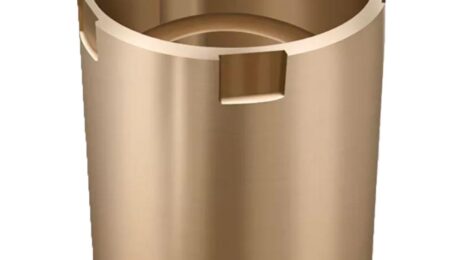
Eccentric Bushing in Mining Machinery: Comprehensive Guide to Mining Machinery and Spare Parts
Mining machinery plays a pivotal role in the extraction and processing of minerals, where every component, including the eccentric bushing, contributes to operational efficiency. Whether you are a mining professional, equipment supplier, or maintenance engineer, understanding the significance of eccentric bushings within mining machinery is essential for optimizing performance and reducing downtime.
Understanding Eccentric Bushings: Definition and Function in Mining Machinery
An eccentric bushing is a specialized mechanical component used to adjust the position or alignment of parts within mining equipment. Unlike regular bushings, eccentric bushings have an off-center bore that allows for precise angular or positional adjustments.
What is an Eccentric Bushing?
Eccentric bushings are cylindrical sleeves with an offset inner hole. This design enables the adjustment of shafts or other rotating elements, compensating for wear, misalignment, or specific operational requirements.
Role of Eccentric Bushings in Mining Machinery
- Adjusting alignment of conveyor belts and rollers
- Facilitating tension control in crushers and feeders
- Reducing vibration and wear in rotating assemblies
- Enhancing the lifespan of spare parts by precise positioning
Mining Machinery Overview: Types and Applications
Mining machinery encompasses a wide range of equipment designed for mineral extraction, material handling, and processing. These machines rely heavily on durable spare parts like eccentric bushings for smooth operation.
Primary Types of Mining Machinery
- Excavators and Shovels: Used for digging and loading materials.
- Drilling Machines: For creating boreholes in mining sites.
- Crushers and Grinding Mills: To break down ore into manageable sizes.
- Conveyor Systems: For transporting materials efficiently.
- Screening Equipment: To separate materials by size.
Importance of Spare Parts in Mining Machinery
Spare parts such as eccentric bushings, bearings, seals, and gears are critical for maintaining mining machinery. They ensure minimal downtime, improve safety, and extend equipment lifespan.
Key Components of Mining Machinery Spare Parts: Focus on Eccentric Bushings
Mining machinery spare parts must withstand harsh conditions including heavy loads, abrasive materials, and extreme temperatures. Eccentric bushings are engineered specifically to meet these demands.
Material and Design Considerations for Eccentric Bushings
- Material: Typically made from high-strength steel or alloy castings to resist wear and corrosion.
- Precision Machining: Ensures tight tolerances for accurate adjustment.
- Heat Treatment: Enhances durability and fatigue resistance.
Common Applications of Eccentric Bushings in Mining Equipment
- Jaw crushers for adjusting jaw plate clearance
- Conveyor belt tensioners
- Rotary feeders and screens
- Heavy-duty gearboxes
Comparison: Eccentric Bushings vs. Standard Bushings in Mining Machinery
| Feature | Eccentric Bushing | Standard Bushing |
|---|---|---|
| Design | Offset bore for adjustment | Centered bore |
| Functionality | Allows positional alignment | Provides simple bearing surface |
| Application | Used for tension and alignment control | Used for wear protection and load distribution |
| Adjustment Capability | Yes | No |
| Cost | Higher due to complexity | Lower |
How to Select the Right Eccentric Bushing for Your Mining Machinery
Choosing the correct eccentric bushing involves evaluating several critical factors to ensure compatibility and performance.
Selection Criteria for Eccentric Bushings
- Compatibility: Confirm dimensions and fit with existing machinery parts.
- Material Quality: Opt for high-grade steel or alloys resistant to mining conditions.
- Load Capacity: Ensure the bushing can withstand operational stresses.
- Adjustment Range: Verify the eccentricity meets alignment needs.
- Supplier Reputation: Choose manufacturers with proven reliability and support.
Buying Guide: Tips for Procuring Mining Machinery Spare Parts
- Request detailed specifications and certifications.
- Check for warranty and after-sales service.
- Compare prices but prioritize quality and durability.
- Consider lead times and shipping logistics.
- Look for customization options if needed.
Common Mistakes When Using or Selecting Eccentric Bushings in Mining Machinery
- Ignoring exact sizing leading to improper fit and premature wear.
- Choosing low-quality materials that fail under harsh mining conditions.
- Overlooking the importance of proper installation and alignment.
- Neglecting regular maintenance and inspection schedules.
- Failing to source from reputable suppliers causing compatibility issues.
Frequently Asked Questions About Eccentric Bushings and Mining Machinery Spare Parts
1. What is the typical lifespan of an eccentric bushing in mining equipment?
The lifespan depends on operating conditions, material quality, and maintenance but typically ranges from several months to a few years under heavy use.
2. Can eccentric bushings be repaired or re-machined?
In some cases, eccentric bushings can be re-machined or refurbished, but replacement is often recommended to ensure precision and safety.
3. How do I know if my mining machinery needs eccentric bushing replacement?
Signs include unusual vibrations, misalignment, increased wear on connected parts, and difficulty in adjustment.
4. Are there industry standards for eccentric bushings in mining machinery?
Yes, manufacturers often adhere to ISO and ASTM standards for dimensions, materials, and performance.
5. Where can I find reliable suppliers for mining machinery spare parts?
Trusted suppliers can be found through industry directories, trade shows, and verified online platforms. Always check reviews and certifications.
6. How important is regular maintenance for eccentric bushings?
Regular maintenance is crucial to detect wear early, ensure proper alignment, and prevent costly equipment failures.
7. Can eccentric bushings improve the efficiency of mining machinery?
Yes, by allowing precise adjustments, they help reduce wear, improve alignment, and optimize machine performance.
8. What are the cost factors involved in purchasing eccentric bushings?
Costs depend on material, size, manufacturing precision, and supplier. Investing in quality bushings reduces long-term operational costs.
For more insights on mining machinery and spare parts, visit our detailed resources here.
- Published in Products
Comprehensive Guide to Mining Machinery and Mining Machinery Spare Parts: Essential Insights and Buying Tips
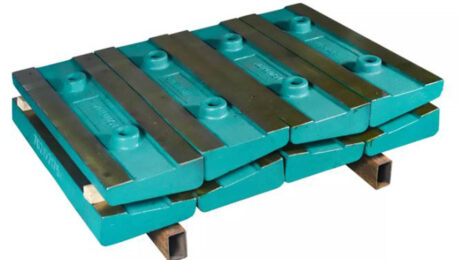
Mining Machinery and Mining Machinery Spare Parts: Your Ultimate Guide
Mining is a cornerstone industry that fuels the global economy, and at the heart of this sector lies robust mining machinery and their critical spare parts. Whether you are a mining professional, equipment supplier, or a maintenance engineer, understanding mining machinery and their spare parts is essential for optimizing operations and reducing downtime. In this detailed guide, we explore everything you need to know about mining machinery, their spare parts, and how to select the right equipment for your needs.
Understanding Mining Machinery: Types and Functions
Mining machinery encompasses a wide range of equipment designed to extract minerals and materials from the earth efficiently and safely. These machines vary depending on the mining method and material being extracted.
Primary Types of Mining Machinery
- Drilling Equipment: Used to create holes for blasting or sampling.
- Excavators and Shovels: For digging and material removal.
- Loaders and Haul Trucks: Transport extracted materials.
- Crushers and Mills: Break down ore into smaller pieces.
- Conveyor Systems: Move materials within the site.
Long-tail Keyword: Heavy-Duty Mining Machinery for Surface and Underground Mining
Heavy-duty mining machinery is engineered to withstand the harsh conditions of surface and underground mining. These machines are optimized for durability, power, and efficiency, ensuring continuous productivity even in challenging environments.
Mining Machinery Spare Parts: Importance and Types
Spare parts play a pivotal role in maintaining mining machinery performance. Using genuine, high-quality spare parts reduces the risk of equipment failure and extends the lifespan of the machines.
Common Mining Machinery Spare Parts
- Hydraulic Components: Cylinders, pumps, and valves essential for machine movement.
- Wear Parts: Bucket teeth, liners, and cutting edges that experience high abrasion.
- Electrical Parts: Sensors, motors, and control systems for automation.
- Engine Components: Filters, belts, and injectors ensuring optimal engine function.
Long-tail Keyword: Durable Replacement Parts for Mining Equipment Maintenance
Durable replacement parts are vital for reducing downtime and ensuring the seamless operation of mining equipment. Selecting parts that meet OEM specifications guarantees compatibility and performance.
Comparison of Mining Machinery Brands and Spare Parts Providers
Choosing the right mining machinery and spare parts supplier can significantly impact your operational efficiency and costs. Below is a comparison table highlighting key aspects of leading brands and providers.
| Brand | Equipment Range | Spare Parts Availability | After-Sales Support | Price Range |
|---|---|---|---|---|
| Caterpillar | Excavators, Loaders, Trucks | Extensive OEM parts | Global service network | High |
| Komatsu | Drilling, Crushing, Hauling | Wide range of genuine parts | Strong technical support | Medium-High |
| Sandvik | Drilling, Crushing | Specialized wear parts | Comprehensive training | Medium |
| Atlas Copco | Drilling, Blasting | Reliable spare parts | Efficient customer service | Medium |
Buying Guide: How to Select the Right Mining Machinery and Spare Parts
Choosing the right machinery and spare parts involves several critical factors to ensure you get the best value and performance.
Selection Criteria for Mining Machinery
- Application Suitability: Match machinery to your mining method and material.
- Durability and Reliability: Opt for machines designed for harsh mining environments.
- Fuel Efficiency: Consider machines with better fuel consumption rates.
- Maintenance and Serviceability: Choose equipment with accessible parts and service support.
- Technology Integration: Look for automation and monitoring features.
Selection Criteria for Spare Parts
- OEM vs. Aftermarket: OEM parts generally offer better quality and fit.
- Material Quality: Ensure parts are made from durable materials resistant to wear.
- Supplier Reputation: Purchase from trusted suppliers with proven track records.
- Availability and Delivery: Quick access to parts minimizes downtime.
Common Mistakes to Avoid When Purchasing Mining Machinery and Spare Parts
- Ignoring Compatibility: Using non-compatible parts can damage equipment.
- Overlooking Maintenance Costs: Low initial cost machines may incur higher maintenance expenses.
- Neglecting Supplier Support: Lack of after-sales service can lead to operational delays.
- Failing to Verify Quality: Poor quality spare parts reduce machinery lifespan.
- Skipping Training: Operators untrained on new equipment can cause accidents or damage.
Mining Machinery and Spare Parts FAQ
1. What types of mining machinery are commonly used in surface mining?
Surface mining commonly uses excavators, bulldozers, haul trucks, and drilling rigs designed for large-scale material extraction.
2. How do I know if a spare part is compatible with my mining equipment?
Compatibility is confirmed by matching the part number with the OEM specifications or consulting the equipment manufacturer or authorized supplier.
3. Why is it important to use OEM spare parts?
OEM parts ensure proper fit, maintain equipment warranty, and generally provide better durability and performance.
4. How often should mining machinery be serviced?
Service intervals vary by equipment type and usage but typically range from daily inspections to scheduled maintenance every few hundred operating hours.
5. What are the benefits of using automated mining machinery?
Automation improves safety, increases precision, reduces labor costs, and enhances operational efficiency.
6. Can aftermarket parts be a cost-effective alternative?
Aftermarket parts may be cheaper but can vary in quality; it’s essential to source from reputable manufacturers to avoid equipment damage.
7. How do I extend the lifespan of mining machinery spare parts?
Regular maintenance, using quality lubricants, timely replacement, and operating machines within recommended parameters help extend part lifespan.
8. Where can I find reliable suppliers for mining machinery spare parts?
Reliable suppliers are often authorized dealers of major brands, specialized mining equipment distributors, or certified aftermarket parts manufacturers. Check reviews and certifications before purchasing.
For more information on mining machinery and spare parts, visit our detailed resources here and explore our product catalog here.
- Published in Products
Comprehensive Guide to Mining Machinery and Mining Machinery Spare Parts: Everything You Need to Know
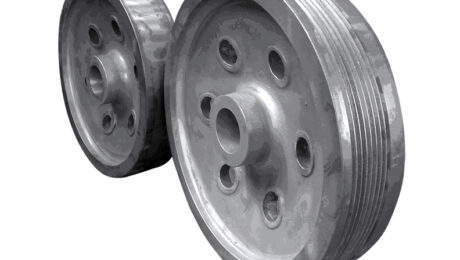
Mining Machinery and Mining Machinery Spare Parts: The Ultimate Guide
Mining machinery plays a pivotal role in the extraction and processing of minerals, powering industries worldwide. Whether you are a mining professional, equipment supplier, or simply interested in the mining sector, understanding mining machinery and their spare parts is essential for operational efficiency and cost management. In this comprehensive guide, we delve deep into the types of mining machinery, essential spare parts, buying tips, common mistakes, and frequently asked questions to help you make informed decisions.
Understanding Mining Machinery: Types and Applications
Mining machinery encompasses a broad range of equipment used in surface and underground mining operations. These machines are designed to extract, transport, and process minerals efficiently and safely.
Primary Mining Machinery
- Excavators: Used for digging and loading materials.
- Drilling Machines: Employed to bore holes for blasting or exploration.
- Loaders and Haulers: Transport mined materials to processing areas.
- Crushers and Mills: Break down ore into smaller, manageable sizes.
Secondary and Support Machinery
- Conveyors: Facilitate continuous material movement.
- Screening Equipment: Separate materials by size and type.
- Ventilation Systems: Ensure air quality and safety in underground mines.
Mining Machinery Spare Parts: Key Components to Maintain Efficiency
Spare parts are critical to maintaining mining machinery’s performance and longevity. Timely replacement of worn or damaged parts prevents costly downtime and extends equipment life.
Common Mining Machinery Spare Parts
- Flywheels: Store rotational energy, stabilizing machine operation.
- Hydraulic Cylinders: Control movement in excavators and loaders.
- Conveyor Belts and Rollers: Ensure smooth material transport.
- Drill Bits: Essential for drilling accuracy and speed.
- Filters and Seals: Protect machinery from contaminants.
Importance of Quality Spare Parts
Using genuine and high-quality spare parts ensures compatibility, safety, and optimal performance. Inferior parts can lead to frequent breakdowns and increased operational costs.
Comparing Top Mining Machinery Brands and Their Spare Parts
Choosing the right mining machinery and spare parts depends on various factors including brand reputation, availability, cost, and after-sales support.
| Brand | Machine Types | Spare Parts Availability | After-Sales Support | Price Range |
|---|---|---|---|---|
| Caterpillar | Excavators, Loaders, Drills | Extensive | Global Network | High |
| Komatsu | Excavators, Haulers, Crushers | Wide | Strong | Medium-High |
| Sandvik | Drills, Crushers, Screening | Good | Reliable | Medium |
| Joy Global (now part of Komatsu) | Underground Mining Equipment | Moderate | Specialized | Medium |
How to Choose the Right Mining Machinery and Spare Parts: A Buying Guide
Selecting suitable mining machinery and spare parts requires careful consideration of operational needs, budget, and future scalability.
1. Assess Your Mining Operation Requirements
- Type of mining (surface or underground)
- Material type and hardness
- Production capacity goals
2. Evaluate Machinery Specifications
- Machine power and capacity
- Fuel efficiency and emissions
- Durability and maintenance needs
3. Check Spare Parts Compatibility and Availability
- Ensure parts fit your specific machinery model
- Verify supplier stock and delivery times
- Consider aftermarket vs. OEM parts
4. Consider Total Cost of Ownership
- Initial purchase price
- Maintenance and repair costs
- Operational efficiency savings
5. Review Supplier Support and Warranty
- Technical assistance availability
- Warranty coverage on parts and machines
- Training and documentation
Common Mistakes to Avoid When Purchasing Mining Machinery and Spare Parts
- Ignoring Compatibility: Using non-compatible parts can damage equipment.
- Overlooking Maintenance Needs: Neglecting regular servicing leads to premature failure.
- Choosing Based on Price Alone: Low-cost options may incur higher long-term costs.
- Neglecting Supplier Reputation: Poor support can delay repairs and increase downtime.
- Failing to Plan for Scalability: Selecting machinery that doesn’t meet future demands limits growth.
Frequently Asked Questions About Mining Machinery and Spare Parts
1. What is a flywheel, and why is it important in mining machinery?
A flywheel is a mechanical device that stores rotational energy. In mining machinery, it helps stabilize engine speed, reduces vibrations, and ensures smoother operation during heavy-duty tasks.
2. How often should mining machinery spare parts be replaced?
Replacement frequency depends on usage intensity, operating conditions, and part quality. Regular inspections and manufacturer guidelines should dictate maintenance schedules.
3. Are aftermarket spare parts reliable for mining equipment?
Aftermarket parts can be reliable if sourced from reputable suppliers. However, OEM parts generally guarantee better compatibility and performance.
4. What safety considerations should I keep in mind when operating mining machinery?
Operators should follow manufacturer instructions, wear appropriate personal protective equipment (PPE), and ensure regular machinery inspections to prevent accidents.
5. Can I upgrade my existing mining machinery with new spare parts?
Yes, upgrading with compatible high-quality spare parts can improve performance and extend machinery lifespan. Consult with manufacturers or experts before upgrades.
6. How do I identify genuine spare parts from counterfeit ones?
Purchase from authorized dealers, verify part numbers, check for manufacturer markings, and be wary of unusually low prices.
7. What role does preventive maintenance play in mining machinery?
Preventive maintenance helps detect issues early, reduces unexpected breakdowns, and optimizes machinery uptime and efficiency.
8. Where can I find reliable suppliers of mining machinery and spare parts?
Look for suppliers with proven track records, positive customer reviews, extensive product catalogs, and strong after-sales support. Explore our recommended suppliers here.
- Published in Products
End Frame Mining Machinery and Spare Parts: Comprehensive Guide for Selection and Maintenance
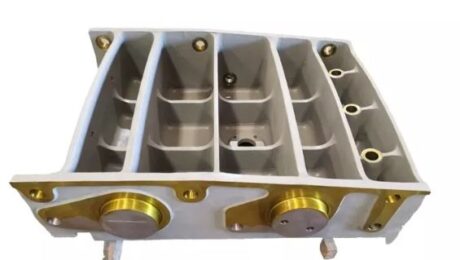
End Frame Mining Machinery and Spare Parts: A Complete Guide
Mining machinery plays a pivotal role in the extraction and processing of minerals, with the end frame being an essential component that supports heavy loads and ensures operational stability. Whether you’re managing a mining operation or sourcing reliable spare parts, understanding the intricacies of end frame mining machinery is crucial for maximizing efficiency and minimizing downtime.
What Is an End Frame in Mining Machinery?
The end frame refers to the structural frame located at the ends of mining equipment such as crushers, conveyors, and mills. It acts as a support system that holds various components together, absorbs mechanical stresses, and maintains alignment during operation.
Typically made from high-strength steel or cast iron, end frames are designed to withstand harsh mining environments, including heavy vibrations, impact loads, and abrasive materials.
Types of Mining Machinery Featuring End Frames
Mining machinery that commonly utilizes end frames includes:
- Jaw Crushers: End frames house the eccentric shaft and provide mounting points for the jaw plates.
- Ball Mills: End frames support the rotating drum and bearings.
- Conveyor Systems: End frames hold the rollers and motors at conveyor terminals.
- Screening Equipment: Frames ensure the structural integrity of vibrating screens.
Mining Machinery Spare Parts: Importance of Quality End Frames
Spare parts such as end frames are critical for maintaining mining machinery performance. High-quality end frames reduce vibration, prevent misalignment, and extend the lifespan of equipment.
Common spare parts related to end frames include:
- Bearings and bearing housings
- Eccentric shafts
- Mounting bolts and fasteners
- Wear-resistant liners
How to Choose the Right End Frame for Your Mining Machinery
Selection Criteria for End Frames and Spare Parts
When selecting end frames or their spare parts, consider the following factors:
- Material Quality: Opt for high-grade steel or cast iron to ensure durability.
- Compatibility: Ensure the end frame matches your machinery model and specifications.
- Load Capacity: Verify the frame can handle the operational loads and stresses.
- Manufacturer Reputation: Choose parts from trusted suppliers with proven track records.
- Maintenance Ease: Select designs that allow easy inspection and replacement.
Long-Tail Keywords: Mining Machinery End Frame Replacement, Durable Mining Spare Parts
Searching for mining machinery end frame replacement or durable mining spare parts? Understanding these criteria helps you make informed decisions that reduce downtime and improve productivity.
Common Mistakes When Handling End Frames and Spare Parts
- Ignoring Manufacturer Specifications: Using incompatible parts can lead to equipment failure.
- Neglecting Regular Maintenance: Overlooking inspections increases wear and tear.
- Choosing Low-Quality Materials: Cheap materials reduce lifespan and safety.
- Improper Installation: Incorrect fitting causes misalignment and vibration.
- Delaying Replacement: Waiting too long to replace worn frames risks costly breakdowns.
Comparison of End Frame Materials for Mining Machinery
| Material | Durability | Cost | Maintenance | Best Use |
|---|---|---|---|---|
| Cast Iron | High | Moderate | Low | Heavy Load Crushers |
| High-Strength Steel | Very High | High | Moderate | Vibrating Screens, Conveyors |
| Alloy Steel | Very High | High | Low | Ball Mills, Mills |
Frequently Asked Questions About End Frame Mining Machinery
1. What is the primary function of an end frame in mining equipment?
The end frame supports and aligns key components, absorbing mechanical stress to ensure stable operation.
2. How often should end frames be inspected or replaced?
Regular inspections every 3-6 months are recommended, with replacements depending on wear, typically every few years based on usage.
3. Can end frames be repaired, or should they always be replaced?
Minor damages can be repaired by welding or machining, but severe cracks or deformations usually require full replacement.
4. Are all end frames compatible across different mining machinery brands?
No, compatibility varies by model and manufacturer. Always verify specifications before purchasing.
5. What are the signs that an end frame needs replacement?
Signs include unusual vibrations, misalignment, visible cracks, or increased noise during operation.
6. How do spare parts improve the lifespan of mining machinery?
Using high-quality spare parts like end frames reduces wear, prevents breakdowns, and maintains optimal performance.
7. Where can I find reliable suppliers for mining machinery spare parts?
Look for certified manufacturers and distributors with positive reviews and warranties. Check our recommended suppliers for trusted options.
8. What maintenance practices help prolong end frame life?
Regular lubrication, timely inspections, proper installation, and avoiding overloading are key maintenance practices.
Conclusion
Understanding the role and selection of end frames in mining machinery is essential for operational success. By choosing quality materials, adhering to maintenance schedules, and avoiding common mistakes, mining operators can ensure their equipment runs efficiently and safely. For more detailed information on mining machinery and spare parts, visit our comprehensive resource page.
- Published in Products
