


The Comprehensive Guide to Feed Eye Rings in Mining Machinery and Spare Parts
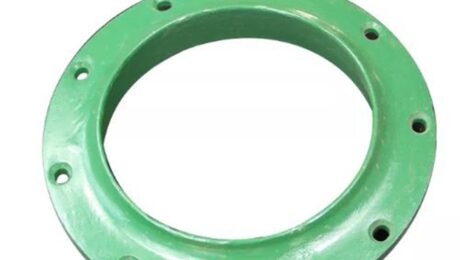
The Comprehensive Guide to Feed Eye Rings in Mining Machinery and Spare Parts
Mining machinery plays a crucial role in the extraction of minerals and other resources from the earth. Among the many components that contribute to the efficient operation of mining equipment, feed eye rings stand out for their importance in ensuring optimal performance. In this article, we will delve deep into the world of feed eye rings, exploring their definition, function, types, manufacturing processes, and maintenance practices. We will also provide insights into the selection of quality spare parts, manufacturers, and much more.
What is a Feed Eye Ring?
A feed eye ring is an essential component of mining machinery, particularly in crushing equipment and similar applications. It facilitates the efficient movement of materials and helps ensure that the flow of materials into the equipment is steady and controlled. The design and material of feed eye rings significantly affect the performance and lifespan of the machinery.
Functions of Feed Eye Rings
- Ensuring Efficient Material Flow: Feed eye rings guide the movement of materials into the crushing equipment, ensuring smooth operation.
- Minimizing Wear and Tear: A well-designed feed eye ring reduces the wear on other components, prolonging their service life.
- Enhancing Performance: By optimizing the flow of materials, feed eye rings improve the overall performance of mining machinery.
Types of Feed Eye Rings
Feed eye rings come in various types, depending on their specific application within mining machinery. Here are some common types:
- Standard Feed Eye Rings: Used in general application, matching the specifications of most mining equipment.
- Custom Feed Eye Rings: Designed for specific machinery models, tailored to meet unique operational requirements.
- Wear-Resistant Feed Eye Rings: Made from materials that resist abrasion, suitable for heavy-duty operations.
Materials Used in Feed Eye Rings
The choice of material for feed eye rings is critical to their performance. Common materials include:
- High Chrome Steel: Known for its strength and wear resistance.
- Alloy Steel: Offers a good balance of hardness and toughness.
- Polymer Composites: Lightweight options that provide corrosion resistance.
Manufacturing Process of Feed Eye Rings
The manufacturing of feed eye rings involves several stages:
- Design: Creating a blueprint that meets specified dimensions and tolerances.
- Material Selection: Choosing suitable materials based on the application.
- Machining: Cutting and shaping materials to form the feed eye ring.
- Heat Treatment: Enhancing material properties for improved strength and hardness.
- Finishing: Applying coatings or other finishes to improve performance and durability.
Maintenance of Feed Eye Rings
Regular maintenance is key to ensuring the longevity and performance of feed eye rings. Here are some tips:
- Conduct periodic inspections for signs of wear or damage.
- Keep the area around the feed eye ring clean and free from debris.
- Replace worn rings promptly to avoid additional damage to other components.
Choosing Quality Feed Eye Rings
When selecting feed eye rings for your mining machinery, consider the following factors:
- Compatibility: Ensure the feed eye ring matches the specifications of your equipment.
- Material Quality: Look for high-quality materials that offer superior wear resistance.
- Manufacturer Reputation: Choose products from reputable manufacturers known for quality and reliability.
Frequently Asked Questions (FAQ)
What are feed eye rings used for in mining machinery?
Feed eye rings are used to guide and control the flow of materials into mining equipment, ensuring efficient operation and minimal wear on other machinery components.
What types of feed eye rings are available?
There are standard, custom, and wear-resistant feed eye rings, each designed for specific applications within mining machinery.
How do I maintain my feed eye rings?
Regular inspections, cleaning the surrounding area, and timely replacement of worn rings are essential for maintaining feed eye rings.
What materials are feed eye rings made from?
Common materials include high chrome steel, alloy steel, and polymer composites, each offering distinct benefits for different applications.
How can I choose the right feed eye rings?
Select feed eye rings based on equipment compatibility, material quality, and the reputation of the manufacturer.
LSI and NLP Keywords Related to Feed Eye Rings
- Mining equipment
- Spare parts
- Crushing machinery
- Material handling
- Wear parts
- Mining operations
- Heavy machinery
- Machinery maintenance
- Spare part suppliers
- Mining industry standards
- Component durability
- Operational efficiency
- Mining machinery parts
- Equipment customization
- Quality assurance in manufacturing
- Replacement parts
Conclusion
Feed eye rings are vital components in mining machinery, contributing significantly to operational efficiency and equipment longevity. Understanding their role, types, and maintenance practices can help equipment operators make informed decisions regarding their mining machinery. By choosing quality feed eye rings and prioritizing maintenance, mining operators can enhance performance and reduce downtime, ultimately leading to more profitable operations.
- Published in Products
The Essential Guide to Feed Tubes in Mining Machinery: Importance, Types, and Maintenance

The Essential Guide to Feed Tubes in Mining Machinery: Importance, Types, and Maintenance
Introduction to Feed Tubes
Feed tubes are critical components in mining machinery, playing a significant role in the efficient operation of various mining processes. They facilitate the movement of materials like ores, aggregates, and other bulk materials through the system. Understanding the function and types of feed tubes is essential for maintenance and operational efficiency in mining operations.
What are Feed Tubes?
Feed tubes are specialized conveyance tubes designed to transport bulk materials. In mining machinery, these tubes are integral to systems like crushers, grinders, and other heavy equipment. Their design typically varies based on the machinery they serve and the materials they handle.
Types of Feed Tubes
1. Standard Feed Tubes
Standard feed tubes are designed for general material handling in various types of mining machinery. They are typically made of high-grade steel to withstand wear and tear.
2. Custom Feed Tubes
These are tailored to specific mining equipment and materials, ensuring optimal performance in specialized applications.
3. High-Durability Feed Tubes
Constructed from exceptionally robust materials, high-durability feed tubes are used in extreme environments where wear resistance is crucial.
4. Flexible Feed Tubes
Flexible feed tubes offer versatility in routing material flow and are often used in complicated machinery layouts.
Importance of Feed Tubes in Mining Operations
The design and functionality of feed tubes significantly impact the overall efficiency of mining operations. Key benefits include:
- Material Efficiency: Well-designed feed tubes help minimize material waste during transportation.
- Reduced Downtime: Properly maintained feed tubes reduce the likelihood of machinery breakdowns.
- Increased Productivity: Efficient material handling translates into better overall output.
Common Issues with Feed Tubes
Feed tubes can encounter several problems during operation, including:
- Blockages: Build-up of materials can hinder flow.
- Wear and Tear: Continuous movement of heavy materials can lead to premature degradation.
- Misalignment: Improper installation can lead to inefficient material flow.
Maintenance Tips for Feed Tubes
Regular maintenance of feed tubes is essential for ensuring their longevity and performance. Consider the following tips:
- Regular Inspections: Schedule routine checks for signs of wear or blockage.
- Proper Cleaning: Keep feed tubes clean to avoid material build-up.
- Alignment Checks: Ensure that feed tubes are correctly aligned to prevent operational issues.
Feed Tube Installation Best Practices
Proper installation of feed tubes can enhance their lifespan and functionality. Here are some best practices:
- Follow Manufacturer Guidelines: Adhere to specified instructions for installation.
- Use Quality Fasteners: Invest in high-quality fasteners to secure feed tubes.
- Check for Proper Alignment: Ensure accurate placement before securing tubes in place.
LSI and NLP Keywords Related to Feed Tubes
- mining machinery
- spare parts
- material handling
- conveyance systems
- mining operations
- bulk materials
- equipment maintenance
- wear and tear
- material efficiency
- performance optimization
- custom components
- high-durability materials
- flexible designs
- industrial applications
- industry standards
Frequently Asked Questions (FAQs)
What materials are feed tubes typically made from?
Feed tubes are usually constructed from high-grade steel or other durable materials to withstand the rigors of mining operations.
How do I know when to replace my feed tubes?
Signs of wear, significant blockages, and persistent alignment issues may indicate that it is time to replace feed tubes.
Can feed tubes be repaired?
In many cases, feed tubes can be repaired, particularly if the damage is not extensive. However, replacing them may be more cost-effective over time.
What factors affect the lifespan of feed tubes?
Factors include the material being handled, frequency of use, and adherence to maintenance protocols.
How can feed tube efficiency be improved?
Regular maintenance, using quality materials, and ensuring proper installation can significantly improve feed tube efficiency.
Conclusion
Feed tubes are indispensable components of mining machinery that facilitate efficient material handling and improve overall operational performance. Understanding their types, importance, potential issues, and maintenance practices is vital for any mining operation aiming for productivity and longevity. By investing in quality feed tubes and following best practices, mining companies can achieve smoother and more efficient operation.
- Published in Products
Comprehensive Guide to Wear Plates in Mining Machinery and Spare Parts

Comprehensive Guide to Wear Plates in Mining Machinery and Spare Parts
In the world of mining machinery, wear plates play a crucial role in ensuring operational efficiency and extending the lifespan of equipment. Understanding the types of wear plates, their applications, and their maintenance is vital for optimizing mining processes. This article delves deep into wear plates, particularly focusing on their significance in mining machinery and spare parts.
What are Wear Plates?
Wear plates are specialized components designed to withstand wear and abrasion in machinery. They provide a smooth surface that can reduce friction and protect underlying structures from degradation. In mining applications, where machinery operates under extreme conditions, wear plates are essential for durability and efficiency.
Types of Wear Plates Used in Mining Machinery
1. Steel Wear Plates
Steel wear plates are strong and durable, making them suitable for various applications in mining operations. They are typically made from high-carbon steel to enhance wear resistance.
2. Composite Wear Plates
Composite wear plates are made from a mix of materials, combining the strengths of different elements. They are lightweight yet robust, making them ideal for applications where weight is a concern.
3. Ceramic Wear Plates
Ceramic wear plates offer excellent resistance to abrasion and are often used in high-wear areas of mining equipment. Their hardness makes them ideal for handling harsh materials.
4. Rubber Wear Plates
Rubber wear plates are flexible and can absorb impacts, making them suitable for applications where equipment faces high levels of shock and vibration.
Applications of Wear Plates in Mining Machinery
1. Crushers
Wear plates in crushers protect the machinery from abrasive rocks and minerals, extending their operational lifespan and minimizing maintenance costs.
2. Conveyors
In conveyor systems, wear plates reduce friction and protect the conveyor belt and structure from wear due to material movement.
3. Excavators
Excavators utilize wear plates to safeguard their components against abrasive soils, rocks, and various minerals extracted from the ground.
Importance of Wear Plates in Mining Machinery
Wear plates are vital for reducing downtime caused by equipment failures due to excessive wear. They help maintain operational efficiency and safety by preventing component breakdowns.
How to Select the Right Wear Plate
1. Material Considerations
Choosing the right material for wear plates depends on the specific environment and application. Factors such as abrasion resistance, impact resistance, and weight need to be evaluated.
2. Thickness and Size
The thickness and size of wear plates should be compatible with the machinery they are being applied to. Proper measurement is critical to ensure a snug fit and optimal performance.
3. Installation Techniques
Proper installation of wear plates is crucial for effectiveness. Techniques may vary based on the type of wear plate and the machinery they’re used on.
Maintenance of Wear Plates
Regular inspections and maintenance of wear plates can significantly extend their lifespan. Common maintenance practices include cleaning, monitoring for signs of wear, and timely replacements.
Wear Plates and Spare Parts in the Mining Industry
Spare parts management in mining operations involves keeping an inventory of wear plates to reduce downtime and maintain continuous operation. This section will explore the best practices for spare parts management.
Frequently Asked Questions (FAQs)
1. What are the main functions of wear plates in mining machinery?
The main functions include protecting machinery from wear, promoting operational efficiency, and reducing maintenance needs.
2. How often should wear plates be replaced?
Replacement frequency depends on usage and material being mined, but regular inspections can help determine the right time for replacements.
3. Can wear plates be customized for specific applications?
Yes, wear plates can be customized in terms of size, thickness, and material to fit specific machinery and operational needs.
4. What are the signs that a wear plate needs replacement?
Signs include visible wear and tear, unusual noise during operation, and reduced machinery efficiency.
5. Are there environmental considerations for wear plates?
Yes, choosing wear plates made from sustainable materials or those that can be recycled reduces the environmental footprint of mining operations.
Conclusion
Wear plates are indispensable components in the mining machinery sector, providing protection, enhancing efficiency, and increasing the lifespan of equipment. Understanding the various types of wear plates, their applications, and maintenance can significantly contribute to successful mining operations. Investing in high-quality wear plates and managing spare parts effectively can lead to long-term cost savings and improved workflow.
LSI and NLP Keywords
- Mining Equipment
- Wear Resistance
- Steel Plates
- Mining Spare Parts
- Mining Machinery Accessories
- Heavy Equipment Wear Parts
- Excavator Parts
- Material Handling
- Mining Operations
- Durable Components
- Mining Industry Standards
- Performance Optimization
- Wear Plate Solutions
- Abrasion Resistance
- Custom Wear Plates
- Mining Equipment Maintenance
- Heavy Machinery Parts
- Shovel Wear Plates
- Loaders Wear Plates
- Mining Safety
- Reduced Downtime
- Published in Products
The Ultimate Guide to Mining Machinery and Spare Parts Distributors

The Ultimate Guide to Mining Machinery and Spare Parts Distributors
In the mining industry, efficiency and reliability play a crucial role in the operations of any mining site. One significant aspect that ensures the smooth functioning of mining operations is the machinery used, along with the availability of quality spare parts. This article delves into the world of mining machinery and the critical role that distributors play in supplying the necessary equipment and spare parts.
1. Understanding Mining Machinery
Mining machinery encompasses a range of equipment used for various mining operations. These include but are not limited to:
- Excavators
- Wheel loaders
- Dump trucks
- Bull dozers
- Drilling machines
- Crushing equipment
Each type of machinery has specific functions and applications critical to successful mining operations.
2. The Role of Distributors in Mining Machinery
Distributors act as the vital link between manufacturers of mining machinery and the end-users. They ensure that the latest and most efficient equipment is accessible to mining companies, thus enhancing their operational capabilities.
3. Key Attributes of Reliable Distributors
When selecting a distributor for mining machinery and spare parts, consider the following attributes:
- Reputation in the industry
- Range of products offered
- Quality assurance
- Customer support services
- Availability of spare parts
- Logistics and delivery capabilities
4. Types of Mining Equipment Distributed
Mining equipment distributors typically provide a variety of machinery, including but not limited to:
- Surface mining equipment
- Underground mining machinery
- Material handling equipment
- Exploration drilling rigs
- Mineral processing equipment
5. Mining Machinery Spare Parts: Importance and Availability
Spare parts are essential for maintaining operational efficiency in mining machinery. Availability of reliable spare parts can minimize downtime and extend the life of the mining equipment. Distributors play a crucial role in ensuring that these parts are readily available to keep the machinery in top shape.
6. How to Choose the Right Distributor
Selecting the right distributor for your mining machinery needs is crucial for your operation’s success. Look for:
- A strong inventory of relevant machinery and spare parts
- Competitive pricing
- Accessibility of technical support
- Partnership with reputable manufacturers
- Positive customer reviews
7. Global Trends in Mining Machinery Distribution
The mining industry is constantly evolving, and so are the trends in machinery distribution. Key trends include:
- Digitalization in the supply chain
- Increased emphasis on sustainability
- Adoption of advanced technology in machinery
- Growing demand for automation in mining
8. Challenges Faced by Mining Machinery Distributors
Like any business sector, mining machinery distribution faces several challenges, including:
- Market fluctuations
- Supply chain disruptions
- Regulatory compliance
- Technological advancements
9. The Future of Mining Machinery Distribution
As technology advances, the future of mining machinery distribution looks promising. Automated systems, AI, and data analytics are expected to play significant roles in shaping efficient distribution models.
10. Frequently Asked Questions (FAQ)
1. What is a mining machinery distributor?
A mining machinery distributor is a business entity that acts as an intermediary between manufacturers of mining equipment and end-users, supplying various types of mining machinery and spare parts.
2. Why are spare parts crucial for mining machinery?
Spare parts are essential for maintaining the functionality and efficiency of mining machinery, preventing downtime and ensuring smooth operations.
3. How do I choose the right distributor for my mining needs?
When selecting a distributor, consider their reputation, product range, customer service, and logistical capabilities.
4. What are the benefits of working with a reputable distributor?
A reputable distributor typically offers high-quality products, reliable customer service, and a strong warranty on their machinery and parts.
5. What types of machinery do mining distributors supply?
They supply a variety of machinery, including excavators, dump trucks, drilling machines, and mineral processing equipment.
6. Are there emerging trends in mining machinery distribution?
Yes, trends such as digitalization, sustainability, and automation are increasingly influencing the field of mining machinery distribution.
11. LSI and NLP Keywords Related to Mining Machinery
Mine equipment, crushing machinery, excavating machinery, mining industry, earthmoving equipment, heavy machinery, mining operations, mining tools, extractive industries, mineral extraction, mining processes, contractors, suppliers, industrial machinery, replacement parts, aftermarket parts, heavy-duty machinery, equipment maintenance, operator efficiency, performance parts, OEM parts, crushing and screening, drilling and blasting, materials handling, surface mining, underground mining, mineral processing technology.
- Published in Products
Comprehensive Guide to Feed Cone in Mining Machinery
Understanding the Feed Cone in Mining Machinery
The feed cone is a crucial component in mining machinery, particularly in equipment like crushers and grinders. It plays a pivotal role in the material handling and processing in mining operations. This article will explore the various aspects of feed cones, including their design, function, maintenance, and the importance of spare parts.
What is a Feed Cone?
A feed cone is a funnel-shaped part that directs the mined material into the processing equipment. It helps achieve a controlled feed rate and optimizes the efficiency of the crushing process. Properly functioning feed cones are essential for maintaining the operational efficiency of mining machinery.
Key Functions of the Feed Cone
- Material Distribution: The feed cone ensures even distribution of material into the crushing chamber, preventing blockages and ensuring a smooth process.
- Controlled Feed Rate: By regulating the feed rate, the feed cone helps to optimize the performance of the machinery and reduce wear and tear on other components.
- Protection of Equipment: It acts as a barrier that protects internal components from material that may cause damage.
Construction and Design of Feed Cones
Feed cones are typically made from durable materials such as low-alloy high-strength steel or hard-wearing alloys. The design often varies depending on the specific machinery application. Features can include varying cone angles, liners for added durability, and customizable sizes to accommodate different types of materials.
Common Types of Feed Cones
- Standard Feed Cones: Used in most conventional mining machinery.
- Custom Feed Cones: Designed for specific applications, usually tailored to user specifications.
- High-Efficiency Feed Cones: Optimized for high-performance machinery, ensuring maximum throughput.
Importance of Quality Feed Cone Spare Parts
High-quality spare parts for feed cones are crucial for maintaining the longevity and efficiency of mining machinery. Cheap, low-quality parts may result in frequent replacements and unexpected breakdowns, leading to costly downtimes. It is recommended to source parts from reputable suppliers who can guarantee the quality and compatibility of feed cones for your specific equipment.
How to Maintain Your Feed Cone Properly
Regular maintenance of feed cones can extend their lifespan and enhance performance. Here are some maintenance tips:
- Inspect Regularly: Perform routine inspections to identify any signs of wear or damage.
- Clean to Prevent Blockages: Ensure that the feed cone is free from obstructions or buildup of material that could impact performance.
- Replace Worn Parts Promptly: Do not delay in replacing any worn or damaged components to avoid further damage.
Challenges Faced with Feed Cones in Mining Machinery
Several challenges can arise in the operation and maintenance of feed cones, including:
- Material Build-Up: Over time, materials can accumulate, leading to clogs.
- Wear and Tear: Continuous usage can cause wear, diminishing the feed cone’s effectiveness.
- Incompatibility Issues: Using parts that are not suitable for your machinery can cause operational failures.
FAQs About Feed Cones in Mining Machinery
What is the role of a feed cone in mining machinery?
The feed cone directs the mined material into processing equipment, regulating the feed rate and ensuring proper distribution.
How do you maintain a feed cone?
Regular inspections, cleaning to prevent blockages, and prompt replacement of worn parts are essential for maintenance.
What materials are feed cones made of?
Feed cones are typically made from durable materials such as low-alloy high-strength steel or hard-wearing alloys.
Why are quality spare parts important for feed cones?
Quality spare parts are vital to prevent frequent breakdowns and ensure operational efficiency, reducing downtime and repair costs.
Concluding Thoughts on Feed Cones
In conclusion, understanding the feed cone’s function and importance in mining machinery is essential for improving operational efficiency and ensuring longevity. By prioritizing regular maintenance and sourcing quality spare parts, mining operations can significantly enhance productivity and reduce operational challenges.
LSI and NLP Keywords Related to Feed Cone
- Feed hopper
- Mining equipment
- Crusher parts
- Mineral processing machinery
- Material handling systems
- Conical feed device
- Mining machinery spare parts
- Cone crusher
- Feed chute
- Mineral extraction
- Feed mechanism
- Mining operations
- Performance optimization
- Material distribution systems
- Durability in mining
- Replacement parts for mining equipment
- Published in Products
Frame Liner: The Essential Component in Mining Machinery & Spare Parts

Frame Liner: The Essential Component in Mining Machinery & Spare Parts
In the world of mining machinery, components like the frame liner play a crucial role. The frame liner is a vital part of crushing equipment, serving to protect the machine from wear and tear, thereby extending its operational life. In this comprehensive article, we delve into the significance of frame liners, their functions, types, maintenance, and their importance in the mining industry.
Understanding the Frame Liner
The frame liner, often made from durable materials such as manganese steel or high-chromium, acts as a protective barrier within mining machinery. It absorbs the impact from materials being processed, preventing damage to the machine.
The Importance of Frame Liners in Mining Machinery
Frame liners are essential for several reasons:
- Protects against wear and tear
- Improves operational efficiency
- Reduces maintenance costs
- Extends the lifecycle of mining equipment
Types of Frame Liners
Frame liners come in various types, including:
- Fixed Frame Liners
- Adjustable Frame Liners
- Custom Frame Liners
Each type has its own specifications and applications within different mining machinery.
Materials Used in Frame Liners
Common materials for manufacturing frame liners include:
- Manganese Steel
- Carbon Steel
- High-Chromium Alloys
These materials are chosen for their durability and resilience in harsh mining conditions.
Frame Liners in Different Mining Equipment
Frame liners are used in various types of mining machinery, including:
- Jaw Crushers
- Cone Crushers
- Impact Crushers
- Ball Mills
In each application, the frame liner serves to enhance performance and protect the equipment.
Maintenance of Frame Liners
Proper maintenance of frame liners is crucial for their longevity. Here are some best practices:
- Regular Inspection: Check for wear and tear regularly.
- Proper Lubrication: Ensure that moving parts are well-lubricated to reduce friction.
- Proper Handling: When replacing or installing frame liners, handle them with care to avoid damage.
Replacement of Frame Liners
Knowing when and how to replace frame liners is essential. Signs of wear may include:
- Visible cracks or breaks
- Decreased efficiency in material processing
- Increased vibration during operation
Replacement should be done according to the manufacturer’s guidelines.
Cost of Frame Liners
The cost of frame liners can vary significantly based on materials, type, and supplier. It’s essential to factor in not only the initial purchase price but also the potential savings from reduced maintenance and increased equipment lifespan.
Buying Frame Liners: What to Consider
When purchasing frame liners, consider the following factors:
- Quality of material
- Supplier reputation
- Price versus performance
- Warranty options
Future Trends in Frame Liner Technology
The mining industry is constantly evolving, and frame liner technology is advancing as well. Innovations such as:
- Improved materials
- Advanced manufacturing techniques
- Smart monitoring for wear detection
are paving the way for more efficient mining operations.
Common FAQs about Frame Liners
What is a frame liner?
A frame liner is a protective component in mining machinery that prevents wear and tear on the equipment during material processing.
Why are frame liners important?
Frame liners protect the machinery, improve efficiency, reduce maintenance costs, and prolong the equipment’s lifespan.
What materials are frame liners made of?
Common materials include manganese steel, carbon steel, and high-chromium alloys, chosen for their durability.
How often should frame liners be replaced?
Replacement frequency depends on wear and operational conditions but should generally be checked regularly.
Where can I purchase frame liners?
Frame liners can be purchased from specialized mining equipment suppliers or manufacturers.
Conclusion
The frame liner is a crucial component in mining machinery that significantly impacts performance and longevity. Understanding its role, maintenance practices, and replacement strategies can lead to more efficient mining operations and cost savings. Investing in high-quality frame liners is essential for any mining operation looking to maximize productivity.
LSI and NLP Keywords
- Mining equipment
- Crushing components
- Spare parts
- Wear parts
- Mining industry
- Material processing
- Machinery maintenance
- Mining machinery
- Durable components
- High-performance liners
- Efficiency in mining
- Mining wear components
- Heavy-duty machinery
- Impact resistance
- Replacement parts
- Machinery lifecycle
- Published in Products
Comprehensive Guide to Nuts in Mining Machinery and Spare Parts

Comprehensive Guide to Nuts in Mining Machinery and Spare Parts
Mining is a heavy-duty industry where robust machinery operates under extreme conditions. Central to this operational efficiency are various components, including a crucial element: the nut. In this guide, we delve into the significance of nuts in mining machinery and spare parts, exploring different types, classifications, applications, and maintenance strategies.
1. Understanding Nuts in Mining Machinery
Nuts are essential fastening components that provide security and stability to a range of machinery used in mining operations. These small yet mighty elements ensure that movable and static components are held together tight enough to withstand the rigors of mining activities.
2. Types of Nuts Used in Mining Machinery
2.1 Hex Nuts
Hex nuts are the most widely used type of nut due to their versatility and strength. They have a hexagonal shape, allowing for easy gripping with a spanner, and are commonly used in a variety of mining machinery.
2.2 Lock Nuts
Lock nuts are designed to secure other nuts in place, preventing loosening due to vibrations or any dynamic loads. They are essential for maintaining the integrity of fastening in heavy mining equipment.
2.3 Jam Nuts
Jam nuts are smaller nuts that are used to lock a larger nut in place. They are frequently employed in applications where space is at a premium but additional security is needed.
2.4 Flanged Nuts
Flanged nuts provide a larger surface area, distributing load better and minimizing the risk of damage to the equipment. They are often used in critical applications where reliability is paramount.
3. Importance of Quality Nuts in Mining Machinery
The quality of nuts used in mining machinery directly impacts the equipment’s performance and reliability. Using high-quality nuts minimizes the risk of machinery failure, reduces maintenance costs, and enhances overall operational safety.
4. Applications of Nuts in Mining Machinery
4.1 Crushers
Nuts are vital in securing components in crushers, ensuring their optimal performance in breaking down materials like ores and rocks.
4.2 Conveyors
In conveyor systems, nuts are used to fasten belts and rollers, allowing for efficient transport of materials across mining sites.
4.3 Excavators
Excavators employ various nuts for attaching buckets and other accessories, where durability is key to handling heavy loads.
4.4 Drilling Equipment
Nuts are crucial in securing drill bits and other equipment used in extracting ore from the earth, impacting performance and reliability significantly.
5. Materials Used for Mining Nuts
5.1 Steel Nuts
Steel nuts are the most common due to their strength and durability, essential for handling the heavy demands of mining operations.
5.2 Stainless Steel Nuts
Stainless steel nuts offer superior corrosion resistance, making them ideal for mining operations in harsh environments.
5.3 Alloy Nuts
Alloy nuts are engineered for increased strength and resistance to wear, ensuring long-term application in tough mining conditions.
6. Maintenance of Nuts in Mining Machinery
Regular maintenance and inspection of nuts are vital to ensure the safety and efficiency of mining operations. Issues such as corrosion, wear, and loosening should be addressed promptly to avoid equipment failure.
6.1 Inspection Techniques
Implement frequent checks for signs of wear or deterioration. Use ultrasonic testing or visual inspections to assess nut conditions.
6.2 Replacement Strategies
Establish a routine replacement schedule for worn nuts to prevent failure caused by compromised integrity.
7. FAQ Section
7.1 What are mining nuts?
Nuts used in mining are mechanical fasteners that secure various components in mining machinery.
7.2 Why is quality important for mining nuts?
Quality is paramount for mining nuts as it impacts machinery reliability and safety in harsh operational conditions.
7.3 What materials are common for mining nuts?
Common materials include steel, stainless steel, and various alloys, chosen for their strength and resistance to wear.
7.4 How often should nuts be inspected?
Nuts should be inspected regularly, ideally during routine maintenance checks, to avoid unexpected machinery failures.
7.5 When should nuts be replaced?
Replace nuts when they show signs of wear, corrosion, or loosening to maintain the integrity of the machinery.
8. Conclusion
Nuts are vital components in the mining industry, ensuring that machinery operates efficiently and safely. Investing in high-quality nuts and maintaining them properly can lead to significant savings and improved operational effectiveness in the long term.
LSI and NLP Keywords
- Fasteners
- Mining equipment
- Spare parts
- Machine maintenance
- Mining safety
- Industrial hardware
- Heavy machinery
- Mechanical components
- Machine reliability
- Component durability
- Corrosion resistance
- High-strength nuts
- Mining operations
- Equipment assembly
- Load distribution
- Industrial manufacturing
- Dynamic loads
- Mining machinery parts
- Published in Products
The Importance of Bolts in Mining Machinery and Spare Parts

The Importance of Bolts in Mining Machinery and Spare Parts
Mining machinery plays a crucial role in the successful extraction of minerals and resources. At the heart of these machines lies a variety of components, and among these, bolts are essential fasteners that ensure structural integrity, safety, and reliability. In this article, we will explore various aspects of bolts in mining machinery, including their types, applications, and importance in spare parts.
Understanding Bolts: An Overview
Bolts are mechanical fasteners with external threads that are often used to hold objects together. They are typically combined with a nut and are essential in securing various components in mining machinery.
Types of Bolts Used in Mining Machinery
1. Hex Bolts
Hex bolts are widely used due to their versatility and high strength. They are commonly found in heavy mining equipment, providing reliable fastening solutions.
2. Structural Bolts
Structural bolts are designed for connecting steel structures securely. Their ability to withstand heavy loads makes them indispensable in mining applications.
3. Carriage Bolts
Carriage bolts have a round head and a square neck, which prevents the bolt from rotating when tightened. This characteristic makes them suitable for wooden structures in mining setups.
4. Anchor Bolts
Anchor bolts are used to attach objects or structures to concrete foundations. In mining, they are vital for securing heavy machinery to surfaces.
Applications of Bolts in Mining Machinery
Bolts serve a myriad of functions in mining machinery, such as:
- Connecting Equipment: Bolts are used to connect various structural components of mining machines, ensuring that they operate as a cohesive unit.
- Maintaining Safety: Properly fastened bolts are crucial for the safety of personnel operating heavy machinery.
- Facilitating Maintenance: The ease of replacing bolts in mining machinery allows for quicker maintenance and reduced downtime.
Common Mining Machinery That Utilizes Bolts
1. Drilling Machines
Drilling machines use bolts for securing drill bits and other key components. The vibrational forces they endure make the use of high-quality bolts essential.
2. Excavators
Excavators rely on bolts to maintain the structural integrity of their arms and buckets, ensuring they can handle heavy loads.
3. Crushers
In crushers, bolts are vital for holding together the components that crush materials, and any failure in these bolts can lead to catastrophic breakdowns.
4. Haul Trucks
Haul trucks are outfitted with numerous bolts to ensure their chassis and bodies remain secure while transporting heavy loads.
Choosing the Right Bolts for Mining Machinery
Selecting the right bolt is paramount to the longevity and effectiveness of mining machinery. Factors to consider include:
- Material: Stainless steel and carbon steel bolts are popular choices due to their strength and resistance to corrosion.
- Size: The size of the bolt must match the specifications of the machinery to ensure proper fit and function.
- Coating: Coatings can protect against environmental elements, making them suitable for outdoor mining operations.
Maintenance of Bolts in Mining Machinery
Regular maintenance is necessary to ensure the functionality of bolts within mining machinery:
- Inspection: Periodic inspections can identify any loosening or damage to bolts.
- Tightening: Any loose bolts should be tightened to prevent equipment failure.
- Replacement: Worn or corroded bolts must be replaced immediately to avoid operational hazards.
Mining Machinery Spare Parts: The Role of Bolts
Bolts are not just important in the original equipment but also play a significant role in spare parts:
- Interchangeability: Many bolts are standardized, allowing for easy replacements across different machinery.
- Availability: High-quality bolts can be readily sourced from spare parts suppliers, essential for minimizing downtime.
Frequently Asked Questions (FAQ)
What types of bolts are used in mining machinery?
Common types include hex bolts, structural bolts, carriage bolts, and anchor bolts, each serving specific roles within various machines.
How do I know if my bolts need replacement?
Look for signs of wear and corrosion, and conduct regular inspections to determine if any bolts are loose or damaged.
Are there specific bolts designed for heavy machinery?
Yes, bolts used in heavy machinery are designed for maximum strength and durability to withstand significant forces and vibrations.
How often should I inspect the bolts of mining machinery?
Regular inspections should be conducted at least monthly, with more frequent checks during heavy operational periods.
Can I use regular bolts for mining machinery?
It is recommended to use bolts that are specifically designed for mining applications to ensure safety and reliability.
- Published in Products
The Importance of the Toggle Seat in Mining Machinery and Spare Parts

The Importance of the Toggle Seat in Mining Machinery and Spare Parts
Mining machinery plays a crucial role in the extraction of minerals and raw materials from the earth. One of the essential components in this machinery is the toggle seat. Understanding the toggle seat’s function and significance can greatly enhance operational efficiency and longevity of mining machinery.
What is a Toggle Seat?
The toggle seat is a critical part of various mining machines, particularly within crushers. It acts as a support mechanism that allows the toggle to pivot and provides the necessary tension and stability during operations. The design and material quality of the toggle seat are vital, influencing both performance and durability.
Functionality of the Toggle Seat in Mining Machinery
Every piece of mining machinery has multiple components that work together to ensure smooth operations. The toggle seat’s main functions include:
- Providing Mechanical Support: It supports the toggle’s movement and maintains the required tension.
- Absorbing Shock Loads: During operations, the toggle seat absorbs significant shock loads, vital for machinery longevity.
- Facilitating Jaw Movement: In jaw crushers, it aids the movement of the jaw, thereby enhancing the crushing process.
Types of Toggle Seats Used in Mining Machinery
Toggle seats come in various types depending on the machinery they are designed for:
- Fixed Toggle Seats: Typically found in stationary crushers.
- Adjustable Toggle Seats: Allow for changes in crushing ratios and sizes.
- Heavy-Duty Toggle Seats: Designed for robust mining operations requiring high durability.
Materials Used for Toggle Seats
The material used in toggle seats is paramount to their functionality and lifespan. Common materials include:
- Alloy Steel: Known for its strength and durability.
- Cast Iron: Often used for its good wear resistance.
- Composite Materials: Increasingly popular due to lower weights and good mechanical properties.
Maintenance of Toggle Seats in Mining Machinery
Proper maintenance of toggle seats is crucial for preventing machinery breakdowns. Some best practices include:
- Regular Inspections: Check for wear and tear.
- Lubrication: Keep the toggle position well-lubricated to reduce friction.
- Replacement: Replace worn-out toggle seats promptly to avoid operational inefficiencies.
Impact of Toggle Seat Quality on Operational Efficiency
The quality of toggle seats directly correlates with the overall efficiency of mining machinery. High-quality toggle seats enhance performance, while subpar components can lead to frequent downtimes and increased operational costs.
Toggle Seat Suppliers and Spare Parts
Finding reliable suppliers for toggle seats is essential for maintenance and replacements. Look for suppliers that offer:
- High-Quality Materials: Ensures durability and performance.
- Customization: Ability to tailor toggle seats to specific machinery requirements.
- Competitive Pricing: Ensures cost-effectiveness without compromising on quality.
FAQs about Toggle Seats in Mining Machinery
What is the primary function of a toggle seat?
The primary function of a toggle seat is to provide support for the toggle mechanism and maintain tension within the mining machinery, allowing for efficient operation.
How often should toggle seats be replaced?
Toggle seats should be inspected regularly and replaced as needed, especially when wear and tear are evident. Generally, they may need replacement every 6 months to 1 year, depending on usage.
Can the quality of toggle seats affect the machinery’s performance?
Yes, poor-quality toggle seats can significantly hinder the performance of mining machinery, leading to inefficiencies and higher maintenance costs.
What materials are best for toggle seats?
Alloy steel and cast iron are commonly used materials due to their durability and wear resistance. Composite materials are also gaining popularity.
How do I choose the right toggle seat supplier?
Choose a supplier that offers high-quality materials, has a good industry reputation, provides customization, and competitive pricing.
Long List of LSI and NLP Keywords Related to ‘Toggle Seat’
- Mining Equipment
- Jaw Crusher Parts
- Crushing Machinery
- Toggle Mechanism
- Mining Spare Parts
- Mining Machinery Components
- High-Quality Toggle Seats
- Mining Maintenance
- Heavy-Duty Machinery
- Mining Operations
- Mechanical Support
- Shock Absorption in Machinery
- Durable Mining Parts
- Toggle Seat Suppliers
- Customization in Machinery Parts
- Mining Technology Innovations
- Wear Resistance
- Performance Efficiency
- Mining Industry Standards
- Equipment Longevity
- Spare Parts Procurement
Conclusion
In summary, the toggle seat plays an indispensable role in mining machinery. Understanding its functions, maintenance requirements, and the importance of quality can lead to enhanced performance and lower operational costs. As the mining industry evolves, investing in high-quality toggle seats and their spare parts will remain a critical consideration for mining operators.
- Published in Products
The Comprehensive Guide to Toggle Plates in Mining Machinery and Spare Parts

The Comprehensive Guide to Toggle Plates in Mining Machinery and Spare Parts
Introduction to Toggle Plates
Toggle plates are essential components in various types of mining machinery. They are critical for the effective operation of several equipment types, particularly in crushers where they serve a couple of important functions. Understanding the role and importance of toggle plates in mining machinery ensures that operators can maintain their equipment effectively while maximizing efficiency.
What is a Toggle Plate?
A toggle plate is a flat piece, usually made from durable metals or alloys, that serves to transfer force in machinery. Especially in crushing systems, toggle plates are responsible for transferring the pressure exerted on the jaws. They play a critical role in maintaining the structure and operation of the equipment.
The Importance of Toggle Plates in Mining Machinery
Toggle plates provide structural support and help control the movement of various machine components. Their importance cannot be overstated as they impact not only the efficiency of mining machinery but also the lifespan and maintenance of the equipment.
Types of Toggle Plates in Mining Machinery
1. Standard Toggle Plates
These are commonly used in various crushers and offer a straightforward design for basic applications.
2. Heavy-Duty Toggle Plates
Heavy-duty plates are designed to withstand greater forces and are utilized in more robust machinery.
3. Adjustable Toggle Plates
These toggle plates can be positioned for different crushing settings, providing versatility in operations.
Material Composition of Toggle Plates
Toggle plates are generally manufactured from high-quality steels or alloys. This ensures not only durability but also the capability to absorb and distribute the forces exerted during operation.
How Toggle Plates Work
In a typical mining crusher, the toggle plate will pivot on a support, allowing it to act as a lever that transfers crushing forces between different parts of the machine. The efficiency of the toggling process can significantly influence production rates and the overall performance of mining operations.
Common Issues with Toggle Plates
1. Wear and Tear
Toggle plates experience significant wear due to constant pressure and friction. Regular inspections are vital to ensure they remain operational.
2. Misalignment
If not correctly aligned, toggle plates can fail, leading to severe machinery malfunctions and safety hazards.
Maintenance of Toggle Plates
Regular maintenance involves checking for signs of wear, ensuring proper alignment, and replacing parts as necessary. Keeping toggle plates in good condition is pivotal for machine longevity.
Finding Quality Toggle Plates
When searching for toggle plates, it is crucial to source parts from reputable suppliers or manufacturers. High-quality toggle plates can significantly contribute to mining machinery performance, efficiency, and lifespan.
Understanding Toggle Plate Replacement
Replacing toggle plates is a critical maintenance task that should be performed regularly based on usage and wear. Understanding when and how to replace them can save operators time and money in the long run.
Applications of Toggle Plates in Mining Machinery
Toggle plates play a vital role in various applications across mining operations, including:
- Jaw Crushers
- Impact Crushers
- Gyratory Crushers
Best Practices for Toggle Plate Maintenance
Implementing best practices for toggle plate maintenance can ensure optimal operation. This includes regular inspection, timely replacements, and adhering to operational best practices.
FAQs About Toggle Plates
What are the functions of toggle plates in mining machinery?
Toggle plates serve to transfer force, maintain structural integrity, and enable the proper movement of machine components in mining machinery.
How often should toggle plates be inspected?
It is advisable to inspect toggle plates regularly or every few weeks depending on the frequency and intensity of machinery usage.
What materials are used to manufacture toggle plates?
Toggle plates are typically made from high-quality steel or durable alloys that can withstand significant forces and pressures.
Are there interchangeable toggle plates for different machinery?
Some toggle plates are designed to be interchangeable between certain models of machinery; however, it is crucial to verify compatibility with the manufacturer.
What steps should I take if a toggle plate breaks?
If a toggle plate breaks, immediate cessation of equipment operation is necessary. Inspect for damage, replace the broken part, and assess the machine for potential issues that led to the failure.
Conclusion
Toggle plates are integral to the functionality of mining machinery. By understanding their role, maintenance requirements, and types, operators can ensure the longevity and efficiency of their equipment. Sourcing quality toggle plates and adhering to best practices can significantly optimize mining operations.
LSI and NLP Keywords
- Mining equipment
- Crusher toggle mechanism
- Toggle plate maintenance
- Mining spares
- Crusher parts
- Tension rod
- Jaw crusher components
- Toggle shaft
- Chamber toggle plate
- Wear plates for machinery
- Mining machinery performance
- Toggle joint
Related Keywords
- Jaw plate
- Mining spare parts
- Heavy machinery
- Crushing efficiency
- Mining segments
- Industrial machinery
- Toggles in processing equipment
- Published in Products
