


The Ultimate Guide to Countershaft Bushing in Mining Machinery and Spare Parts

The Ultimate Guide to Countershaft Bushing in Mining Machinery and Spare Parts
Mining machinery is crucial for efficiently extracting resources, and each component plays a vital role in the overall function of the equipment. One such essential part is the countershaft bushing. In this comprehensive guide, we delve into everything you need to know about countershaft bushings, their importance, types, installation, maintenance, and answers to frequently asked questions.
Understanding Countershaft Bushing
Countershaft bushings are critical components in many types of mining machinery. They act as sleeves that provide support and reduce friction between rotating and stationary parts. This article will explore how countershaft bushings facilitate smoother operation and prolong the lifespan of mining equipment.
Importance of Countershaft Bushings in Mining Equipment
The role of countershaft bushings cannot be overstated. They help to stabilize the shaft of the machinery, absorbing shocks and vibrations during operation. By minimizing wear and tear, they ensure better performance and lower maintenance costs.
Types of Countershaft Bushings
Countershaft bushings come in various types, including:
- Bronze Countershaft Bushings: Known for their durability and resistance to corrosion.
- Steel Countershaft Bushings: Offer high strength and are suitable for heavy-duty applications.
- Plastic Countershaft Bushings: Lightweight and resistant to chemicals, ideal for specific environments.
Countershaft Bushing Installation
Installing a countershaft bushing correctly is vital for optimal performance. Here’s a step-by-step guide:
- Remove the existing countershaft bushing if applicable.
- Clean the housing and ensure there are no burrs or debris.
- Align the new countershaft bushing with the shaft and gently tap it in place.
- Ensure it is seated correctly to avoid misalignment.
- Reassemble the machinery following the manufacturer’s specifications.
Maintenance Tips for Countershaft Bushings
Regular maintenance will extend the life of your countershaft bushings:
- Inspect for signs of wear and replace them as necessary.
- Lubricate the bushings according to the specification provided by the manufacturer.
- Check the alignment of the bushings regularly.
- Monitor operating temperatures to avoid overheating.
Common Problems with Countershaft Bushings
Here are some typical issues related to countershaft bushings:
- Inadequate lubrication leading to increased wear.
- Misalignment causing uneven wear patterns.
- Overheating due to excessive friction.
Replacing Countershaft Bushings
Countershaft bushings may eventually wear out and require replacement. This section discusses signs that indicate a need for replacement and how to do it efficiently.
Countershaft Bushing Costs
The cost of countershaft bushings can vary greatly depending on the type, material, and brand. It’s important to weigh the costs against the potential downtime and maintenance savings.
Applications of Countershaft Bushings in Various Mining Machinery
Countershaft bushings are used in various mining machines, including but not limited to:
- Jaw Crushers
- Ball Mills
- Cone Crushers
- Grinders and Pulverizers
Environmental Considerations
When selecting countershaft bushings, consider the environmental impact, including material sourcing and disposal methods of worn-out bushings.
FAQ About Countershaft Bushings
What is a countershaft bushing?
A countershaft bushing is a sleeve-type bearing that supports the shaft of machinery, reducing friction and wear.
Why are countershaft bushings important?
They stabilize the shaft, absorb impacts, and minimize wear and tear, contributing to efficient machinery operation.
How do I know when to replace a countershaft bushing?
Signs include unusual noise, vibration, or overheating, which indicate excessive wear or misalignment.
Can I install a countershaft bushing myself?
Yes, but it requires proper tools and knowledge of the machinery. Always follow manufacturer guidelines.
How much do countershaft bushings cost?
Costs vary based on the type and material but generally range from a few dollars to several hundred dollars.
LSI and NLP Keywords Related to Countershaft Bushing
- Mining machinery components
- Countershaft bearing
- Machinery maintenance
- Equipment parts
- Bearing lubrication
- Wear resistance
- Heavy-duty machinery
- Rotating equipment
- Mining operations
- Mechanical components
- Engineering specifications
- Machine reliability
- Industrial bearings
- Performance efficiency
- Shock absorption
- Heat treatment
- Component durability
Conclusion
Countershaft bushings are indispensable in the mining machinery ecosystem, playing a significant role in the efficiency and reliability of operations. By understanding their importance, types, and maintenance tips, operators can significantly enhance their machinery’s lifespan and performance.
- Published in Products
Eccentric Bushing: Understanding Its Role in Mining Machinery and Spare Parts
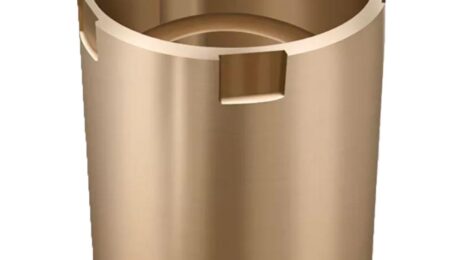
Eccentric Bushing: Understanding Its Role in Mining Machinery and Spare Parts
The eccentric bushing is a crucial component in mining machinery, playing a significant role in the overall performance and efficiency of various equipment. This article delves into the intricacies of eccentric bushings, their functions, types, maintenance, and more. We will also explore the relevance of eccentric bushings within the broader category of mining machinery spare parts.
What is an Eccentric Bushing?
An eccentric bushing is a cylindrical component that is offset from the machine’s center shaft. It is primarily used in crushers and other mining equipment to adjust the gap between the crushing surfaces, which affects the size of the output material. The unique design of the eccentric bushing allows for precise movements, which are essential for efficient operation.
Functions of Eccentric Bushings in Mining Machinery
Eccentric bushings serve several key functions in mining machinery, including:
- Adjustment of Crushing Gap: They help in adjusting the distance between the crushing surfaces, enabling the operator to set the desired size of the crushed material.
- Support and Alignment: Bushings provide necessary support to the shaft and keep the machinery components aligned.
- Vibration Damping: Eccentric bushings help reduce vibrations, improving the overall operation of mining equipment.
- Wear Resistance: Made from high-quality materials, they are designed to withstand wear and extend the lifespan of machinery.
Types of Eccentric Bushings
The two main types of eccentric bushings used in mining machinery include:
- Fixed Eccentric Bushings: These remain stationary and are typically used in primary crushing equipment.
- Adjustable Eccentric Bushings: These can be modified to change the gap settings and are commonly found in secondary and tertiary crushers.
Materials Used for Eccentric Bushings
Eccentric bushings are constructed from various materials, including:
- Bronze: Offers excellent wear resistance and good load-bearing capabilities.
- Steel: Widely used for its strength and durability.
- Composite Materials: These materials are often utilized to enhance wear characteristics and reduce friction.
Maintenance of Eccentric Bushings
Proper maintenance of eccentric bushings is essential to ensure optimal performance. Key maintenance practices include:
- Regular Inspection: Routine checks for wear and tear help identify issues early.
- Lubrication: Adequate lubrication minimizes friction and prolongs the life of the bushing.
- Replacement: Knowing when to replace worn-out bushings is critical for maintaining efficiency.
Common Problems Associated with Eccentric Bushings
Some common issues that may arise with eccentric bushings include:
- Excessive Wear: Can result from improper lubrication or material handling.
- Misalignment: This can affect the performance of the machinery and lead to further damage.
- Vibration Issues: May occur due to worn bushings that need replacement.
Benefits of Using High-Quality Eccentric Bushings
Investing in high-quality eccentric bushings offers several advantages, such as:
- Increased Efficiency: High-quality components promote optimal operation.
- Cost-Effectiveness: Durable bushings reduce the frequency of repairs and replacements.
- Enhanced Safety: Well-maintained bushings contribute to safer mining operations.
Eccentric Bushings and Spare Parts Inventory
Keeping a proper inventory of eccentric bushings is vital for mining operations. Factors to consider when managing spare parts include:
- Usage Patterns: Analyze which bushings are used frequently and ensure stock levels are maintained.
- Supplier Reliability: Establish relationships with reliable suppliers for timely shipments.
- Regular Audits: Conduct comprehensive audits of spare parts to avoid shortages.
Frequently Asked Questions (FAQ)
1. What is the function of an eccentric bushing in mining machinery?
An eccentric bushing adjusts the gap between the crushing surfaces, impacting the size of crushed material and assisting in the overall performance of the equipment.
2. What materials are used to make eccentric bushings?
Eccentric bushings are commonly made from bronze, steel, and composite materials, each selected for its unique strength and durability characteristics.
3. How often should eccentric bushings be replaced?
The frequency of replacement depends on usage, wear patterns, and maintenance practices. Regular inspection can help determine the right time for replacement.
4. What are the signs of worn eccentric bushings?
Signs include excessive wear, misalignment, and increased vibrations during operation.
5. Why are high-quality eccentric bushings important?
High-quality bushings increase efficiency, lead to cost-effectiveness by reducing repairs, and enhance safety in mining operations.
Conclusion
In conclusion, the eccentric bushing plays a pivotal role in the functionality and efficiency of mining machinery. Understanding their importance, ensuring proper maintenance, and investing in high-quality components can significantly impact the productivity of mining operations. As mining machinery continues to evolve, the relevance of eccentric bushings will remain integral to achieving optimal performance.
- Published in Products
The Essential Guide to Breaker Bars in Mining Machinery and Spare Parts
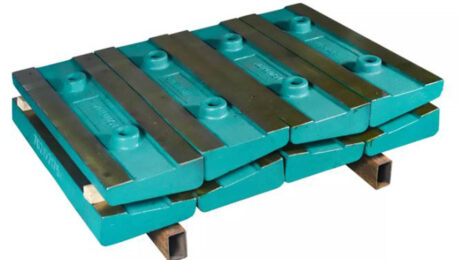
The Essential Guide to Breaker Bars in Mining Machinery and Spare Parts
In the world of mining machinery, the term ‘breaker bar’ is integral to the efficient functioning and maintenance of various mining equipment. As an essential component, breaker bars are employed in pulverizers, crushers, and other machinery that require the reduction of materials into manageable sizes.
What is a Breaker Bar?
A breaker bar is a heavy-duty part that helps to facilitate the crushing and grinding process in mining machinery. Typically made from high-quality steel or other durable materials, these bars can withstand extreme pressure and impact forces during operation.
Types of Breaker Bars in Mining Machinery
1. Hammer Mill Breaker Bars
Hammer mill breaker bars are used in crushing and grinding applications where material size reduction is necessary. The design ensures effective particle size management.
2. Impact Crusher Breaker Bars
These breaker bars are crucial for impact crushers, where they absorb the energy of crushing operations and help maximize efficiency.
3. Jaw Crusher Breaker Bars
In jaw crushers, breaker bars function as part of the crushing mechanisms to reduce large rocks into smaller fragments.
The Importance of Quality Breaker Bars
Choosing high-quality breaker bars is critical for maintaining the longevity and efficiency of mining machinery. Poorly made breaker bars can lead to frequent replacements and higher operational costs.
How to Choose the Right Breaker Bar
1. Material Selection
The right material for a breaker bar ensures durability. Steel alloy offers a good balance of strength and flexibility.
2. Compatibility with Machinery
Ensure that the breaker bar is compatible with your specific machinery model, as dimensions and fittings vary significantly between manufacturers.
3. Manufacturer Reputation
Opt for breaker bars from established manufacturers known for producing high-quality spare parts to ensure reliability.
Maintenance Tips for Breaker Bars
Regular maintenance of breaker bars is essential to avoid unexpected breakdowns. Here are some key tips:
- Inspect breaker bars regularly for wear and tear.
- Replace any damaged or worn breaker bars promptly.
- Maintain proper lubrication to reduce friction and wear.
Cost Considerations for Breaker Bars
The cost of breaker bars can vary based on material, design, and brand. However, investing in high-quality parts often leads to lower total costs in the long run due to reduced maintenance and longer lifespan.
FAQs About Breaker Bars
What is the lifespan of a breaker bar?
The lifespan of a breaker bar can vary based on usage, material quality, and maintenance practices. Typically, they can last from several months to several years.
Can I use a generic breaker bar in my mining machinery?
While generic parts may fit, it is advisable to use manufacturer-approved breaker bars to ensure compatibility and reliability.
How do I know when to replace a breaker bar?
Signs that a breaker bar needs replacing include visible wear, cracks, or a noticeable decrease in machinery performance.
Are there different sizes of breaker bars?
Yes, breaker bars come in various sizes and specifications depending on the machinery they are designed for.
Conclusion
In conclusion, the importance of breaker bars in mining machinery cannot be overstated. Understanding the different types, selection criteria, maintenance, and cost implications ensures optimal performance of your mining equipment. By ensuring you have high-quality breaker bars in your machinery, you can enhance efficiency while minimizing operational disruptions.
- Published in Products
The Essential Guide to Flywheels in Mining Machinery and Spare Parts
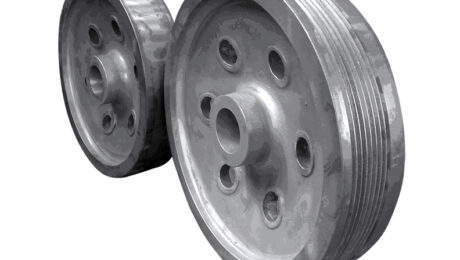
Understanding Flywheels in Mining Machinery
In the realm of mining machinery, flywheels play a crucial role in the machinery’s functionality and performance. Flywheels are mechanical devices specifically designed to store rotational energy. They help maintain consistent energy output and can improve efficiency in mining operations.
What is a Flywheel?
A flywheel is essentially a heavy rotating disk or wheel that is employed to store energy. When integrated into mining machinery, flywheels serve multiple purposes, such as compensating for energy fluctuations during operations.
Importance of Flywheels in Mining Machinery
Flywheels are vital to various types of mining machinery, from excavators to haul trucks. They contribute to the machinery’s performance by:
- Stabilizing power delivery
- Reducing wear and tear on the machinery
- Improving operational efficiency
Types of Flywheels Used in Mining Machinery
There are several types of flywheels utilized in the mining sector:
- Mechanical Flywheels: Typically used in older models of mining machinery.
- Composite Flywheels: Made of advanced materials for enhanced performance.
- Hybrid Flywheels: Combine mechanical and electrical components for optimal energy storage.
How Flywheels Affect Performance
Integrating flywheels into mining equipment can significantly enhance performance. They help in:
- Boosting acceleration during loading operations
- Facilitating smoother transitions in power transfer
- Minimizing energy wastage
Flywheel Maintenance for Mining Machinery
Regular maintenance of flywheels is essential for ensuring the longevity of mining machinery. Key maintenance practices include:
- Regular inspection for signs of wear
- Lubrication of components
- Balancing the flywheel to avoid vibrations
Mining Machinery Spare Parts: Focus on Flywheels
When discussing spare parts for mining machinery, the flywheel is crucial. Ensuring the availability of high-quality flywheel spare parts is essential for minimizing downtime and keeping operations running smoothly.
Where to Source Flywheel Spare Parts
Mining companies should take care to source flywheel spare parts from reputable suppliers. This can include:
- OEM (Original Equipment Manufacturer) parts
- Aftermarket parts from established brands
- Custom-made flywheels designed to fit specific machinery
Cost Factors for Flywheels in Mining Machinery
The cost of flywheels can vary considerably based on factors such as:
- Material type
- Size and weight
- Manufacturing brand
Flywheel Cost vs. Performance
Investing in a high-quality flywheel might come with a higher upfront cost, but it often pays off through enhanced performance and reduced maintenance costs over time.
Environmental Considerations for Flywheels
As mining operations increasingly focus on sustainability, the role of flywheels is gaining attention. By optimizing energy use, flywheels can contribute to reduced fuel consumption and lower emissions in mining machinery.
Common Problems with Flywheels in Mining Machinery
Miners often encounter various issues with flywheels, which can include:
- Cracks and deformation
- Excessive wear and tear due to lack of maintenance
- Balancing issues leading to vibrations
FAQs about Flywheels in Mining Machinery
What is the primary function of a flywheel in mining machinery?
The primary function of a flywheel in mining machinery is to store rotational energy and ensure consistent power delivery, which enhances the machine’s performance and efficiency.
How does a flywheel improve machine efficiency?
A flywheel helps in stabilizing energy output, reducing energy fluctuations that can lead to machine inefficiencies.
What should be considered when purchasing flywheels?
When purchasing flywheels, consider factors like the type of material, compatibility with your machinery, and the reputation of the manufacturer.
How often should flywheels be inspected?
Flywheels should be inspected regularly (at least once a year) to identify any potential issues that could impact machine performance.
Conclusion
Flywheels are an indispensable component in mining machinery, contributing significantly to operational efficiency and performance. Understanding their functions, maintenance needs, and sourcing options can empower mining operations to optimize equipment and enhance productivity.
LSI and NLP Keywords Related to ‘Flywheel’
- Rotational Energy
- Energy Storage
- Mechanical Devices
- Mining Equipment
- Excavators
- Haul Trucks
- Performance Optimization
- Spare Parts
- Maintenance Practices
- OEM Spare Parts
- Aftermarket Parts
- Energy Efficiency
- Durability
- Wear and Tear
- Vibration Issues
- Energy Transfer
- Mechanical Assembly
- Mining Operations
- Published in Products
Understanding End Frames in Mining Machinery and Spare Parts
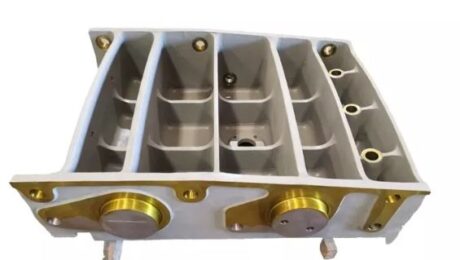
Understanding End Frames in Mining Machinery and Spare Parts
The mining industry relies heavily on advanced machinery to extract resources safely and efficiently. Essential components, such as the end frame, play a critical role in the operation of mining machinery. In this comprehensive guide, we will explore the concept of end frames, their functions, types, and significance in maintaining mining equipment.
What is an End Frame?
An end frame is a structural component used in various types of machinery, including mining equipment. It provides support and a mounting base for crucial parts of the machinery, ensuring stability and functionality during operation. End frames are designed to withstand heavy loads and harsh working conditions, making them vital for the mining industry.
Functions of End Frames in Mining Machinery
- Structural Support: The end frame supports the overall structure of the mining machinery, distributing weight evenly.
- Mounting Base: Serves as a mounting platform for other essential components, such as motors and gearboxes.
- Impact Resistance: Protects sensitive internal parts from the impact and vibrations generated during mining operations.
- Heat Dissipation: Helps dissipate heat generated by machinery, preventing overheating and potential damage.
Types of End Frames in Mining Machinery
1. Fixed End Frames
Fixed end frames are stationary and provide robust support for heavy mining machinery components. They are usually made from high-strength materials to withstand significant stress and strain during operation.
2. Adjustable End Frames
Adjustable end frames allow for modifications in the machinery setup. This feature is crucial in adapting to different mining operations and machinery configurations.
3. Modular End Frames
Modular end frames consist of interchangeable parts, enabling quick replacements or upgrades. This flexibility is advantageous in minimizing downtime during repairs or maintenance.
Materials Used in Manufacturing End Frames
End frames are typically constructed from high-strength materials such as steel or aluminum. The choice of material impacts the frame’s durability, weight, and overall performance. Additionally, protective coatings may be applied to resist corrosion and wear from harsh mining environments.
Importance of Quality End Frames
The quality of end frames directly influences the performance and lifespan of mining equipment. High-quality end frames reduce the risk of machinery failure, enhance safety, and improve operational efficiency. Investing in durable end frames can lead to significant cost savings in the long run through reduced maintenance and downtime.
Common Issues with End Frames
Mining machinery faces various stresses, leading to potential wear and tear on end frames. Common issues include:
- Cracks and Fractures: Resulting from prolonged use and heavy loads.
- Corrosion: Due to exposure to moisture and harsh chemicals.
- Misalignment: Causing uneven stress distribution and potential failure of connected machinery.
Replacing and Repairing End Frames
Regular inspection and maintenance of end frames are essential to ensure the reliable operation of mining machinery. Repairing or replacing damaged end frames promptly can prevent further issues down the line. Factors to consider when replacing end frames include compatibility with existing machinery and the availability of high-quality spare parts.
Choosing the Right End Frame for Your Mining Equipment
Selecting the appropriate end frame is crucial for optimal performance. Considerations include:
- Size and Dimensions: Ensure the frame fits your machinery specifications.
- Material: Choose durable materials suited for mining environments.
- Technical Specifications: Match the end frame’s capabilities with the machinery’s operational demands.
The Role of End Frame in Mining Machinery Efficiency
Efficient mining operations rely on well-maintained machinery, including robust end frames. By providing stability and support, end frames contribute to smoother machinery operation, leading to increased productivity and reduced operational costs.
Future Trends in End Frame Technology
As technology advances, the design and materials used for end frames in mining machinery are evolving. Innovations such as lightweight composite materials and advanced manufacturing techniques promise to enhance performance while reducing costs.
Conclusion
Understanding the significance of end frames in mining machinery is essential for maintaining operational efficiency. Investing in high-quality end frames and prioritizing regular maintenance can lead to improved equipment longevity and productivity.
Frequently Asked Questions (FAQ)
1. What is an end frame in mining machinery?
An end frame is a structural component that supports and stabilizes machinery, acting as a mounting base for other essential parts.
2. How often should end frames be inspected?
End frames should be inspected regularly, typically every few weeks or after major operations, to identify and address potential issues.
3. Can damaged end frames be repaired?
Yes, damaged end frames can often be repaired, but in some cases, replacement may be necessary for safety and reliability.
4. What materials are commonly used for end frames?
High-strength materials such as steel and aluminum are commonly used to manufacture end frames due to their durability and resilience.
5. How do end frames affect mining machinery performance?
End frames provide critical support that enhances stability, reduces wear on components, and improves overall machinery performance.
LSI and NLP Keywords
end frame spare parts, mining equipment frame, mining machinery components, structural frames, mining machinery maintenance, machine support structure, machinery load-bearing parts, mining component manufacturing, heavy machinery end frame, mining equipment durability, mining industry standards, machinery stability solutions, end frame quality assurance, mining machine design, end frame functions, repair mining machinery parts, mining equipment spare parts, end frame technology, modular mining machinery, end frame inspections, mining machinery upgrades
- Published in Products
The Essential Guide to Pitman in Mining Machinery and Spare Parts

The Essential Guide to Pitman in Mining Machinery and Spare Parts
Mining machinery plays a critical role in the extraction of valuable materials from the Earth. One essential component in various types of mining equipment is the ‘pitman’. In this comprehensive guide, we will explore everything you need to know about pitman, its function, types, and its significance in the mining machinery landscape.
What is a Pitman?
A pitman is a part of a machine that is responsible for transmitting motion. In mining machinery, particularly in jaw crushers and other types of equipment, the pitman connects the crankshaft to the movable jaw. This component is crucial for the operational efficiency of the machinery.
Importance of Pitman in Mining Machinery
The pitman’s role in mining machinery can’t be underestimated. It facilitates the necessary movements required for the crushing of materials. This section will outline the various reasons why understanding the functionality of a pitman is vital for effective mining operations.
Types of Pitmans in Mining Machinery
There are several types of pitmans used in mining machinery. Let’s take a closer look:
- Single Toggle Pitman: This type is used in single toggle jaw crushers and allows for a more simplified mechanism.
- Double Toggle Pitman: Common in double toggle jaw crushers, this type allows for higher efficiency and product sizing.
- Hydraulic Pitman: Used in modern equipment for better control and flexibility in operations.
How Pitman Works in Mining Machinery
The operational mechanics behind the pitman involve its connection to other parts of the machinery, such as the crankshaft. This relationship is pivotal in facilitating motion and energy transfer within mining equipment.
Common Pitman Materials
The durability of the pitman is paramount. Common materials used in manufacturing pitman components include:
- Steel
- Cast iron
- Aluminum alloys
Each material provides different benefits related to weight, strength, and resistance to wear.
Maintenance of Pitman in Mining Machinery
Regular maintenance of pitman components is crucial to ensure the longevity of mining machinery. This section will provide tips and techniques for maintaining the pitman to prevent wear and tear.
Common Pitman Issues and Troubleshooting
Understanding common issues related to pitman can help in swift troubleshooting. Here are some prevalent problems and their solutions:
- Wear and tear resulting from material fatigue
- Alignment issues leading to operational inefficiency
- Cracking due to improper handling
Replacement Parts for Pitmans
When the pitman shows signs of damage, replacing it with quality spare parts is essential. This section will explore the market options available for purchasing pitman spare parts.
How to Choose the Right Pitman for Your Mining Machinery
Choosing the right pitman is crucial for maximizing performance. Several factors should be considered, including:
- The type of machinery
- The geological conditions of the mining site
- Available budget for spare parts
Cost Considerations for Pitman Replacement
Understanding the cost implications of replacing a pitman can help mining companies maintain budget efficiency. This section will analyze the factors that influence costs.
The Future of Pitman Technology in Mining Machinery
As advancements in manufacturing technology continue, the potential for innovative pitman designs is promising. This segment will discuss emerging technologies that could revolutionize pitman functionality in the near future.
FAQ Section
What is the function of a pitman in mining machinery?
The pitman transmits motion within the machinery and is crucial for the operation of equipment like jaw crushers.
How do I maintain my pitman?
Regular inspections, lubrication, and checking for alignment issues can help in maintaining the longevity of the pitman.
What materials are commonly used for pitman components?
Common materials include steel, cast iron, and aluminum alloys.
What should I do if my pitman is damaged?
Replace it with quality spare parts and consider professional servicing of your machinery.
LSI Keywords and NLP Keywords
- Jaw crusher
- Mining equipment
- Spare parts
- Mining operations
- Material handling
- Crusher pitman arm
- Mining machinery manufacturer
- Pitman design
- Pitman assembly
- Part fabrication
- Mining industry innovations
- Material composition
- Pitman adjustment
- Performance optimization
Conclusion
The pitman is an integral component of mining machinery that plays a vital role in ensuring effective material processing. By understanding its function, types, and the importance of maintenance, mining operations can achieve greater efficiency and longevity in their equipment.
- Published in Products
The Comprehensive Guide to Mining Machinery and Spare Parts: Focus on Rotors

The Comprehensive Guide to Mining Machinery and Spare Parts: Focus on Rotors
Mining operations rely heavily on specialized machinery designed to function under challenging conditions. A critical component in many mining machines is the rotor, which plays a vital role in various operations. This article dives deep into mining machinery, focusing on the importance of rotors and their spare parts.
What is a Rotor?
The rotor is a revolving part of a machine, particularly in equipment like crushers and grinders, that facilitates the processing of materials. In the context of mining machinery, the rotor aids in breaking down large rocks into smaller fragments, thereby aiding in mineral extraction.
Types of Rotors in Mining Machinery
Various types of rotors are utilized in mining machinery:
- Impact Rotors: Used in impact crushers, these rotors are designed to withstand high speeds and provide effective material breakdown.
- Vertical Shaft Rotors: Common in vertical shaft impactors, these rotors create a centrifugal force that helps in grinding materials.
- Double Rotors: Found in certain types of crushers, these rotors allow for a more effective breakdown of tougher materials.
Importance of Rotors in Mining Machinery
Rotors are essential for efficient mining operations due to their role in:
- Material Processing: They enable the reduction of material size, facilitating further processing.
- Energy Efficiency: Well-designed rotors optimize energy use, which is crucial for cost-effective mining.
- Wear Resistance: High-quality rotors are built to resist wear and tear, ensuring longevity and reducing maintenance costs.
Mining Machinery Spare Parts: Why They Matter
Regular maintenance and timely replacement of spare parts are crucial for maintaining mining machinery efficiency. Rotors are among the components that often require replacement. Here’s why having the right spare parts is essential:
- Minimized Downtime: Having spare rotors on hand ensures that any breakdowns can be addressed quickly, keeping operations running smoothly.
- Cost Efficiency: Replacing worn-out parts with high-quality spares can save significant operational costs in the long run.
- Performance Optimization: New rotors can enhance the overall performance of mining machinery, leading to better productivity.
Choosing the Right Rotor for Your Mining Equipment
Selecting the appropriate rotor for your specific mining machinery is critical. Consider factors such as:
- Material Type: Different materials may require specialized rotor designs.
- Machine Specifications: Ensure compatibility with the specific model and make of your machinery.
- Durability Requirements: Assess the operational environment to choose rotors that can withstand specific conditions like moisture or abrasive materials.
Maintenance Tips for Mining Machinery Rotors
Proper maintenance is vital for extending the life of rotors. Here are some maintenance tips:
- Regular Inspections: Check for signs of wear or damage frequently to identify issues early.
- Cleaning: Keep rotors clean to prevent material buildup that can affect performance.
- Proper Lubrication: Ensure that rotors are adequately lubricated to reduce friction and wear.
Common Issues with Mining Machinery Rotors
Even with proper care, certain issues may arise with rotors. Some common problems include:
- Wear and Tear: Over time, rotors can become worn, impacting efficiency.
- Balance Issues: Imbalances can cause vibrations and lead to more severe machinery damage.
- Corrosion: Exposure to harsh mining environments can lead to rust and deterioration.
How to Identify the Right Spare Rotor Parts
When looking for spare rotor parts, consider the following tips:
- Manufacturer References: Always cross-reference with manufacturer specifications.
- Quality Standards: Opt for parts that meet industry quality standards to ensure reliability.
- Warranties: Look for warranties that cover defects and premature failures.
Frequently Asked Questions (FAQ)
What are the main functions of a rotor in mining machinery?
The primary functions of a rotor in mining machinery include breaking down large materials, enhancing energy efficiency, and ensuring optimal material processing.
How often should mining rotors be inspected?
Mining rotors should be inspected regularly, typically every few weeks, or more frequently depending on operational intensity to ensure optimal performance.
What materials are rotors typically made from?
Rotors are typically made from high-grade steel or other durable materials designed to withstand heavy-duty operations and resist wear.
Can I repair a damaged rotor?
Depending on the extent of the damage, some rotors can be repaired; however, often replacement with a new rotor is recommended for efficiency and safety.
Where can I purchase spare mining rotors?
Spare mining rotors can be sourced from manufacturers, industrial supply stores, and online platforms specializing in mining equipment.
Conclusion
Understanding the importance of rotors in mining machinery and knowing how to maintain and replace them effectively is crucial for ensuring smooth operations. By following the guidelines and tips mentioned in this article, mining operators can enhance the longevity and performance of their machinery, leading to more productive and cost-effective mining activities.
- Published in Products
The Essential Guide to Conveyor Belts in Mining Machinery and Spare Parts

The Essential Guide to Conveyor Belts in Mining Machinery and Spare Parts
Introduction to Conveyor Belts in Mining
Conveyor belts are crucial components in the mining industry, designed to transport materials efficiently across various stages of mining operations. They are integral to the movement of mined materials, improving productivity and reducing manual labor.
Types of Conveyor Belts Used in Mining
1. Fabric Conveyor Belts
Fabric conveyor belts are designed with layers of fabric to provide tensile strength and flexibility, making them ideal for smaller and lightweight materials.
2. Steel Cord Conveyor Belts
Steel cord belts are classified as high-capacity and high-strength, suitable for heavy loads and long-distance transportation.
3. Modular Conveyor Belts
Modular belts are made from plastic modules and are used in applications where cleanliness, easy maintenance, and flexibility are essential.
4. Rubber Conveyor Belts
Rubber belts are highly durable and resistant to wear, suitable for transporting abrasive materials such as coal, ores, and aggregates.
Components of Conveyor Belts
1. Belt Material
The type of material determines the performance and maintenance requirements of the conveyor belt.
2. Belt Width and Length
The width and length affect the load capacity and application suitability of the conveyor belt.
3. Rollers and Idlers
Rollers and idlers support the belt as it moves, reducing friction and assisting in material transport.
4. Pulleys
Pulleys aid in belt tensioning and redirect the belt at different angles.
Importance of Conveyor Belts in Mining Operations
Conveyor belts enhance the efficiency of mining operations by automating the transport of materials, reducing operational costs, and improving safety standards.
Common Issues with Conveyor Belts and Their Solutions
1. Belt Misalignment
Misalignment may lead to premature wear; regular inspection and adjustments can prevent this issue.
2. Belt Slippage
Inadequate tension or dirty pulleys can cause slippage; maintaining proper tension and cleanliness is essential.
3. Wear and Tear
Wear can be managed through timely replacements and through the use of high-quality materials.
Maintenance Practices for Conveyor Belts
Regular maintenance, including cleaning, inspections, and timely repairs, is vital to prolong the life of conveyor belts and ensure efficient operation.
Choosing the Right Conveyor Belt for Mining Machinery
Selecting a suitable conveyor belt involves assessing the type of materials handled, the operational environment, and the specific requirements of the mining process.
Conveyor Belt Spare Parts and Their Importance
Spare parts such as rollers, pulleys, and tensioning systems are vital for ensuring operational continuity and minimizing downtime in mining operations.
Future Trends in Conveyor Belt Technology
Emerging technologies, such as smart conveyor systems and automation, are set to revolutionize the mining industry by enhancing efficiency and reducing costs.
Conclusion
Conveyor belts play a pivotal role in the mining sector, and understanding their types, components, maintenance needs, and future advancements can significantly benefit mining operations.
FAQ Section
1. What is the primary function of conveyor belts in mining?
The primary function of conveyor belts in mining is to transport materials efficiently from one point to another within the mining facility. They significantly enhance productivity and safety.
2. What are the common types of conveyor belts used in mining?
Common types include fabric conveyor belts, steel cord conveyor belts, modular conveyor belts, and rubber conveyor belts.
3. How do I maintain a conveyor belt?
Maintenance involves regular inspections, cleaning, monitoring for misalignment or slippage, and timely replacement of worn-out components.
4. What components are crucial for a conveyor belt system?
Crucial components include the belt material, rollers and idlers, pulleys, and tensioning systems.
5. What are the signs of wear on a conveyor belt?
Signs of wear include fraying edges, reduced load-carrying capacity, visible cracks, and increased noise during operation.
Keyword Density and Related Keywords
Key phrases such as ‘conveyor belt systems,’ ‘mining conveyor belt maintenance,’ ‘conveyor belt components,’ ‘rubber conveyor belts in mining,’ and ‘industrial conveyor belts’ should be emphasized through the content. LSI and NLP keywords include: mining equipment, bulk material handling, material transport systems, wear-resistant belts, conveyor belt accessories, mining industry innovations, sustainable mining practices, automated conveyor systems, material handling solutions, mining operations efficiency, conveyor system design, high-capacity belts, heavy-duty conveyor belts, and modular belts. Additional relevant terms include: quarry equipment, mining logistics, machinery parts, mining production efficiency, load capacity, and mining safety standards.
- Published in Products
The Essential Role of Rollers in Mining Machinery and Spare Parts

The Essential Role of Rollers in Mining Machinery and Spare Parts
Mining machinery is critical to the efficiency and safety of operations in the extractive industries. Among the many components that contribute to this effectiveness, rollers play a pivotal role. This article explores the various types of rollers used in mining machinery, their functions, maintenance tips, and insights into spare parts.
1. Understanding Rollers in Mining Machinery
Rollers are cylindrical components that facilitate movement, reduce friction, and support machinery’s weight. Their primary application is in transporting materials and providing stability to the equipment in harsh mining environments.
2. Types of Rollers Used in Mining Machinery
2.1. Conveyor Rollers
Conveyor rollers are essential for moving materials from one point to another, especially over long distances. They are equipped with bearings to enhance portability and durability.
2.2. Idler Rollers
Idler rollers are used to support the conveyor belt without transmitting power. Their design reduces belt sagging and improves tensioning.
2.3. Drive Rollers
Drive rollers are involved in transmitting power, driving the conveyor belt forward. Their efficient operation is vital for overall productivity.
2.4. Return Rollers
Return rollers manage the conveyor belt’s back-and-forth movement, allowing for a seamless cycle of material transportation.
3. Importance of Roller Design and Material
Roller design varies based on the specific machinery application and environmental conditions. Common materials include steel, rubber, and plastic, each selected based on demands for strength, weight, and resistance to corrosive substances.
4. Maintenance Tips for Rollers in Mining Machinery
4.1. Regular Inspections
Conduct periodic checks to identify wear and tear that may affect performance. Look for cracks, rust, and misalignments.
4.2. Lubrication
Ensure proper lubrication of bearings to reduce friction and heat, ultimately extending the roller’s lifespan.
4.3. Replacement of Worn-Out Rollers
Set a schedule for replacing rollers that show significant wear to prevent operational downtime.
5. Roller Spare Parts in Mining Machinery
Investing in quality spare parts for rollers ensures reliability and optimal performance. Understanding the types and specifications of spare parts available can lead to better decision-making.
6. Common Issues with Rollers in Mining Machinery
6.1. Misalignment
Misaligned rollers can cause uneven wear on the conveyor belt and affect operational efficiency.
6.2. Bearing Failure
Worn or damaged bearings can lead to rollers seizing, creating larger operational issues.
6.3. Material Build-Up
Accumulation of debris or materials on rollers can obstruct movement and cause inefficiencies.
7. LSI and NLP Keywords Related to Rollers
- Mining equipment
- Material handling
- Conveyor systems
- Management of spare parts
- Heavy-duty rollers
- Maintenance practices
- Durable construction
- Mining industry standards
- Spare parts inventory
- Wear-resistant materials
8. Frequently Asked Questions (FAQ) about Rollers in Mining Machinery
8.1. What are the main types of rollers used in mining machinery?
The primary types include conveyor rollers, idler rollers, drive rollers, and return rollers, each serving a specific function in material transport.
8.2. How often should I inspect mining machinery rollers?
Regular inspections should be conducted at least monthly, but more frequent checks are advisable in high-demand environments.
8.3. What materials are commonly used for manufacturing rollers?
Rollers are typically constructed from steel, rubber, or plastic, selected for their suitability to specific mining applications.
8.4. How can I extend the lifespan of rollers in mining machinery?
Implementing a routine maintenance schedule, including lubrication and timely replacement, is crucial to extend their operational lifespan.
8.5. What problems can occur with mining machinery rollers?
Common issues include misalignment, bearing failure, and material build-up, all of which can disrupt machinery performance.
9. Conclusion
Rollers are indispensable components in mining machinery, impacting efficiency and productivity. Understanding their types, maintenance needs, and the role of spare parts helps ensure smooth and effective mining operations. Prioritizing roller quality and maintenance can lead to significant improvements in productivity and equipment longevity.
- Published in Products
The Ultimate Guide to Drum in Mining Machinery and Mining Machinery Spare Parts
The Ultimate Guide to Drum in Mining Machinery and Mining Machinery Spare Parts
Introduction to Drums in Mining Machinery
In the mining industry, a drum is a vital component used in various types of mining machinery. Drums are predominantly used in continuous miners, haulage systems, and other specialized equipment. Their design and functionality significantly influence operational efficiency and productivity in mining activities.
The Role of Drums in Mining Machinery
Drums serve multiple functions in mining machinery. They are primarily responsible for:
- Conveying materials
- Supporting the mining process
- Facilitating efficient extraction
- Equipment stability
Types of Drums in Mining Equipment
1. Continuous Miner Drums
Continuous miners utilize specialized drums designed to cut through rock and material. These drums have heavily reinforced teeth that allow them to efficiently extract ore from the earth.
2. Haulage Drums
Haulage drums are critical in transporting materials within the mine. They are typically mounted on conveyors and are responsible for moving mined resources to the processing area.
3. Drum Cutters
Used in trenching and tunneling operations, drum cutters are versatile tools that can efficiently carve through different materials, including rock and concrete.
Key Features of Mining Drums
The performance of a mining drum is affected by several features including:
- Material construction (usually steel or other durable metals)
- Size and weight
- Design (including tooth configuration)
- Compatibility with various mining machinery
Maintenance of Drums in Mining Machinery
Regular maintenance of mining drums ensures operational efficiency and extends the lifespan of the equipment. Key maintenance practices include:
- Regular inspections for wear and tear
- Lubrication of moving parts
- Prompt replacement of damaged components
- Ensuring proper alignment and functionality
Spare Parts for Drums in Mining Machinery
As machinery undergoes wear and tear, having access to spare parts for drums becomes essential for uninterrupted operations. Some common spare parts include:
- Drum replacement parts
- Teeth and wear plates
- Bearings and seals
- Motor components
Understanding Drum Components
1. Drum Shell
The drum shell is the core component that holds everything together and is responsible for the drum’s durability.
2. Cutting Tools
These include the teeth and bits that are integral in breaking down the material being mined.
3. Drive Assembly
The drive assembly powers the drum’s rotation and is crucial for continuous operation.
Technological Innovations in Drum Design
Recent advancements in technology have brought about innovative designs in mining drums, enhancing performance efficiency. Some notable innovations include:
- Smart sensors for monitoring wear
- Automated systems for optimal operation
- Advanced materials to improve durability
Environmental Impact of Drum Usage in Mining
The use of drums in mining machinery also requires consideration of environmental impacts, prompting the need for:
- Sustainable practices
- Environmentally-friendly materials
- Reduction of noise and dust emissions
Drum Innovations and Their Future in Mining Machinery
The future of drums in mining machinery looks promising with ongoing research and development focused on enhancing efficiency, durability, and reducing costs in operations.
FAQs
What is the purpose of a drum in mining machinery?
A drum in mining machinery primarily functions to aid in the extraction, conveyance, and processing of mined materials.
How often should I maintain mining drums?
It’s recommended to conduct inspections on a consistent basis—ideally monthly or after every significant operation cycle.
What are the common issues faced with mining drums?
Common issues include wear and tear, misalignment, and issues with cutting tools.
Where can I find spare parts for mining drums?
Spare parts can typically be sourced from specialized mining equipment suppliers or directly from manufacturers.
What materials are mining drums typically made from?
Mining drums are usually constructed from high-strength steel or other durable materials designed to withstand the harsh conditions of mining operations.
LSI and NLP Keywords Related to ‘Drum’
- Coal mining
- Underground mining
- Drum cutter
- Mining applications
- Excavation
- Conveyor systems
- Mining equipment manufacturing
- Heavy machinery
- Mining industry standards
- Mining operations
Conclusion
The drum has become an indispensable part of mining machinery, reflecting advancements in technology and design. Ensuring effective maintenance and understanding the various aspects of drums can significantly enhance operational efficiency in the mining sector.
- Published in Products
