


The Essential Guide to Pinion and Drive Gear in Mining Machinery

The Essential Guide to Pinion and Drive Gear in Mining Machinery
In the mining industry, the efficiency and functionality of machinery heavily depend on crucial components like the pinion and drive gear. This article will delve deep into these components, their applications, maintenance, and much more.
What is Pinion and Drive Gear?
The pinion and drive gear are vital components in the power transmission system of mining machinery. The pinion gear is a small gear that engages with a larger gear, known as the drive gear, to transmit torque and motion.
The Role of Pinion and Drive Gear in Mining Machinery
In mining machinery, the pinion gear is often responsible for driving the drive gear, facilitating smooth operations. These components are integral in various types of equipment, including excavators, loaders, and haul trucks.
Types of Pinion and Drive Gears
Spur Gears
Spur gears are the most common type used in mining machinery. They feature teeth that are straight and aligned parallel to the gear axis.
Helical Gears
Helical gears offer smoother operation due to their angled teeth, which provide better contact between the gears.
Bevel Gears
Bevel gears are used when the axes of the gears intersect. They are commonly found in applications requiring a change in direction.
Factors to Consider in Pinion and Drive Gear Selection
When selecting the right pinion and drive gear for your mining equipment, consider the following factors:
- Load Capacity
- Gear Material
- Operational Speed
- Environmental Conditions
Pinion and Drive Gear Maintenance
Regular maintenance is essential to ensure the longevity of pinion and drive gears. Key maintenance practices include:
- Regular Inspections
- Lubrication
- Prompt Replacement of Worn Parts
- Monitoring Gear Alignment
Common Issues with Pinion and Drive Gears
Understanding potential issues with pinion and drive gears can aid in early detection and intervention. Common problems include:
- Gear Wear and Tear
- Misalignment
- Insufficient Lubrication
- Overloading
Pinion and Drive Gear in Different Types of Mining Machinery
Excavators
In excavators, the pinion and drive gear system facilitates the articulation of the boom and bucket operations.
Loaders
Loaders utilize these gears to improve the power transmission required for lifting and transporting materials.
Haul Trucks
In haul trucks, the pinion and drive gear play a critical role in ensuring appropriate torque output for hauling heavy loads.
Performance Optimization of Pinion and Drive Gear
To optimize the performance of pinion and drive gears, implementing strategies such as load balancing and selecting appropriate gear ratios is essential.
Technological Advances in Pinion and Drive Gear Manufacturing
Recent advancements in gear manufacturing technologies have improved material quality and precision, enhancing the performance of pinion and drive gears.
The Market for Mining Machinery Spare Parts
The demand for spare parts like pinion and drive gears continues to rise as mining activities expand globally. Understanding market dynamics is crucial for procurement and inventory management.
Cost Considerations for Pinion and Drive Gears
When budgeting for pinion and drive gears, consider not only the initial purchase price but also long-term maintenance and operational costs.
FAQs about Pinion and Drive Gear
What is the purpose of the pinion and drive gear?
The pinion and drive gear work together to transmit power and torque, enabling machinery to operate efficiently.
How often should pinion and drive gears be maintained?
Maintenance should be performed regularly, with inspections scheduled based on usage and operational conditions.
What materials are commonly used for pinion and drive gears?
Common materials include steel, bronze, and composite materials, chosen based on the required strength and wear resistance.
What are the signs that pinion and drive gears need to be replaced?
Signs include excessive noise, gear slippage, and visible wear or damage to the gear teeth.
Conclusion
Understanding the significance of pinion and drive gears in mining machinery is vital for ensuring operational efficiency and longevity of equipment. Regular maintenance, proper selection, and timely replacement of these components are essential for optimal performance.
- Published in Products
The Comprehensive Guide to Roller Bearings in Mining Machinery

The Comprehensive Guide to Roller Bearings in Mining Machinery
Roller bearings are crucial components in mining machinery, ensuring operational efficiency and longevity in challenging environments. This article will explore everything you need to know about roller bearings, their applications, types, maintenance, and the spare parts associated with them.
1. What Are Roller Bearings?
Roller bearings are used to reduce friction between moving parts in machinery. They consist of cylindrical rollers that can support both radial and axial loads, making them ideal for heavy-duty applications in mining machinery.
2. Importance of Roller Bearings in Mining Machinery
In the mining industry, roller bearings play a critical role in various machinery such as excavators, haul trucks, and conveyor systems. Their ability to handle heavy loads while maintaining performance under harsh environmental conditions is vital.
3. Types of Roller Bearings Used in Mining Machinery
-
3.1 Cylindrical Roller Bearings
Cylindrical roller bearings are designed for high radial loads and moderate axial loads. They are commonly used in gearboxes and other critical machinery.
-
3.2 Tapered Roller Bearings
Tapered roller bearings can support substantial axial loads in one direction and are typically found in gear drives and wheel hubs.
-
3.3 Spherical Roller Bearings
Spherical roller bearings allow for misalignment and are often used in applications where shaft deflection is common.
-
3.4 Needle Roller Bearings
Needle roller bearings have a small diameter and are ideal for tight spaces, providing excellent load-carrying capacity.
4. Applications of Roller Bearings in Mining Machinery
Roller bearings are integral to various mining machinery applications, including:
- Excavators
- Dump trucks
- Conveyor belts
- Drilling machines
- Crushers and grinders
5. Key Features to Look for in Roller Bearings
When selecting roller bearings for mining machinery, consider the following features:
- Load capacity
- Durability and wear resistance
- Temperature range
- Sealing options
- Cost-effectiveness
6. Maintenance of Roller Bearings
Proper maintenance of roller bearings is crucial to extend their lifespan. Key maintenance practices include:
- Regular lubrication
- Monitoring for wear and tear
- Ensuring correct alignment
- Temperature and vibration monitoring
7. Common Problems with Roller Bearings
Understanding common issues faced by roller bearings in mining machinery can help in prevention:
- Excessive wear
- Overheating
- Contamination
- Misalignment
- Fatigue failure
8. Roller Bearing Spare Parts
Spare parts for roller bearings are essential for quick replacements and repairs. Key spare parts include:
- Bearings themselves
- Seals
- Lubricants
- Housings
- Locknuts
9. Choosing the Right Supplier for Roller Bearings
Selecting a reliable supplier for roller bearings and spare parts is essential. Look for:
- Quality certifications
- Reputation in the industry
- Range of products
- Customer support
- Warranty and return policies
10. Future Trends in Roller Bearings for Mining
The future of roller bearings in mining involves innovations such as:
- Smart bearings with IoT capabilities for real-time monitoring
- Materials with enhanced durability and resistance to wear
- Improved lubrication systems for longer-lasting performance
11. FAQ About Roller Bearings
11.1 What is the role of roller bearings in mining equipment?
Roller bearings minimize friction, support heavy loads, and ensure smooth operation of mining machinery.
11.2 How often should roller bearings be maintained?
Maintenance frequency depends on usage and environment, but routine checks should be performed regularly.
11.3 What are the signs of failing roller bearings?
Common signs include unusual noises, overheating, and visible wear on the bearing.
11.4 Can roller bearings be repaired?
In many cases, roller bearings can be repaired, but often replacing them is more cost-effective.
11.5 What factors affect the lifespan of roller bearings?
Key factors include load, operating temperature, lubrication quality, and exposure to contaminants.
12. LSI and NLP Keywords Related to Roller Bearings
Below are a list of keywords relevant to roller bearings that can enhance SEO:
- Mining machinery
- Bearings for heavy machinery
- Industrial applications
- Lubrication systems
- Bearing life expectancy
- Load ratings
- Vibration analysis
- Inline condition monitoring
- Rolling element bearings
- Reliability engineering
- Maintenance practices
- Spherical roller bearings
- Tapered bearings
- Roller cage systems
- OEM spare parts
- Quality assurance in bearings
- Machine design
- Bearings industry standards
- Wear-resistant materials
- Field testing of bearings
This guide provides an extensive overview of roller bearings in mining machinery, addressing their function, importance, maintenance, and future trends. By understanding these elements, stakeholders can make informed decisions regarding roller bearings and ensure the longevity and efficiency of their mining operations.
- Published in Products
The Comprehensive Guide to Tramp Release Cylinder in Mining Machinery

The Comprehensive Guide to Tramp Release Cylinder in Mining Machinery
Mining machinery plays a crucial role in the extraction and processing of minerals, and one of the key components that ensure the efficiency and safety of these machines is the tramp release cylinder. This article will delve deeply into the tramp release cylinder, its functions, types, maintenance, and its importance in the mining sector.
What is a Tramp Release Cylinder?
The tramp release cylinder is a hydraulic device used in various mining machines, primarily in cone crushers. It allows the machine to release uncrushable material that has entered the crushing chamber, preventing damage to the equipment. Understanding the functionality of tramp release cylinders is vital for mining operations aiming for efficiency and minimizing downtime.
Functions of the Tramp Release Cylinder
- Protection of Equipment: The primary function of a tramp release cylinder is to protect the machine from uncrushable material that could cause extensive damage.
- Automatic Reset: The cylinder allows for the automatic resetting of the crushing process once the foreign material has been expelled, thus enhancing operational efficiency.
- Hydraulic Support: It provides necessary hydraulic pressure, ensuring proper function and stability of the cone crusher.
Types of Tramp Release Cylinders
There are several types of tramp release cylinders utilized in mining machinery, including:
- Single-Acting Cylinders: Utilize hydraulic pressure in one direction to shift the piston, usually used for simpler tasks.
- Double-Acting Cylinders: Provide hydraulic pressure in both directions, offering greater control and efficiency.
- Variable Stroke Cylinders: Allow for adjustment of the stroke to accommodate different materials sizes.
Components of a Tramp Release Cylinder
Understanding the components of a tramp release cylinder is essential for maintenance and repair:
- Piston: The moving component that creates hydraulic pressure.
- Seal: Prevents hydraulic fluid from leaking and maintains pressure.
- Rod: Connects the piston to the specific mining machinery.
- Cylinder Housing: Houses the piston and hydraulic fluid.
Maintenance of Tramp Release Cylinder
Regular maintenance of the tramp release cylinder is essential to ensure long-term efficiency:
- Regular Inspections: Frequent checks to spot signs of wear and tear.
- Fluid Changes: Regularly change hydraulic fluids as per manufacturer’s recommendations.
- Seal Replacement: Replace seals as they age to prevent leaks.
Common Issues and Troubleshooting
Operators may encounter various issues with tramp release cylinders, including:
- Leakage: Caused by worn seals or damaged components.
- Inconsistent Operation: Can result from wrong hydraulic pressure settings or faulty components.
- Jamming: Occurs when foreign materials obstruct the cylinder’s movement.
Importance of Tramp Release Cylinders in Mining Operations
The role of tramp release cylinders extends beyond functionality:
- Improved Safety: Enhances safety for operators by ensuring that machinery can deal with uncrushable materials safely.
- Operational Efficiency: Minimizes downtime due to equipment failures, thus increasing productivity.
- Cost Savings: Reduces repair costs and prolongs the lifespan of mining machinery.
Best Practices for Tramp Release Cylinder Usage
Implementing best practices can greatly enhance the lifecycle of tramp release cylinders:
- Training Personnel: Ensure operators receive training on proper usage and maintenance.
- Monitoring Performance: Regularly monitor the performance of the cylinder and the machine as a whole.
- Utilizing Quality Parts: Always use replacement parts that meet manufacturer specifications.
FAQs about Tramp Release Cylinder
What is a tramp release cylinder used for?
A tramp release cylinder is used in mining machinery like cone crushers to release uncrushable materials and protect the equipment from damage.
How does a tramp release cylinder work?
It works using hydraulic pressure to push the piston, allowing the cone crusher to reset and continue operation after expelling uncrushable materials.
What are the signs of a failing tramp release cylinder?
Signs include leakage, inconsistent operation, and unexpected machinery shutdowns, which may indicate the need for maintenance.
How often should tramp release cylinders be inspected?
Regular inspections should be scheduled based on the manufacturer’s recommendations or as frequently as operational stress demands.
Can tramp release cylinders be repaired?
Yes, many issues can be repaired, particularly if caught early, although in some cases, replacement may be more economical.
Conclusion
The tramp release cylinder is an indispensable component in mining machinery, ensuring both safety and efficiency in operations. By understanding its functions, maintenance requirements, and common issues, operators can maximize their equipment’s performance and longevity. Regular training and adherence to best practices will further enhance the reliability of the mining machinery and the safety of the operation.
- Published in Products
The Comprehensive Guide to Bowl Assembly in Mining Machinery and Spare Parts
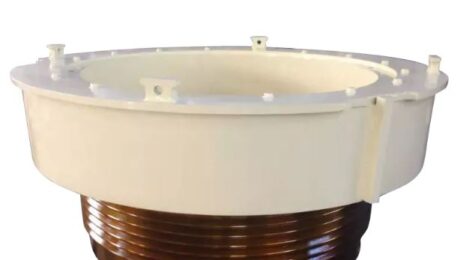
The Comprehensive Guide to Bowl Assembly in Mining Machinery and Spare Parts
Bowl assembly is a critical component in the vast world of mining machinery. It plays an essential role in the overall function of various mining equipment. In this guide, we will explore everything there is to know about bowl assemblies, their significance in mining machinery, how to maintain them, and the essential spare parts associated with them.
What is a Bowl Assembly?
A bowl assembly is a crucial part of numerous mining machines, particularly crushers and mills. It typically houses different elements that work together to process materials effectively. The bowl assembly serves as a container for the crushing process, ensuring that materials are crushed to the desired size.
The Importance of Bowl Assembly in Mining Machinery
The bowl assembly is fundamental for the overall efficiency of mining operations. Its design allows for maximum material throughput and ensures optimal performance of the equipment.
Types of Bowl Assemblies in Mining Machinery
- Fixed Bowl Assembly: This type remains stationary and allows for impact crushing against a moving part.
- Floating Bowl Assembly: This design floats upward during the crushing process, allowing for larger materials to be processed.
Key Components of Bowl Assembly
The bowl assembly comprises several vital components:
- Bowl Liner: Protects the bowl assembly from wear and tear.
- Check Valve: Prevents backflow and maintains proper pressure within the system.
- Hydraulic Cylinder: Provides the necessary force to adjust the bowl height.
- Spare Parts: Include nuts, bolts, and other fasteners essential for assembly.
How to Maintain Bowl Assemblies in Mining Machinery
Regular maintenance of the bowl assembly ensures longevity and optimal performance. Here are some key maintenance tips:
- Regular Inspections: Check for wear and tear regularly to catch issues early.
- Lubrication: Ensure all moving parts are well lubricated to reduce friction.
- Replacement of Worn Parts: Timely replacement of bowl liners and other components is crucial.
- Monitoring Performance: Keep track of production rates and machine performance to identify any abnormalities.
Common Issues with Bowl Assemblies and Their Solutions
Like any machinery component, bowl assemblies can encounter problems. Here are common issues and their solutions:
- Wear and Tear: Regularly replace bowl liners and inspect for damage to the bowl assembly.
- Hydraulic Issues: Check for leaks and ensure the hydraulic fluid is at optimal levels.
- Blockages: Routine cleaning can prevent blockages that lead to inefficiency.
Bowl Assembly Spare Parts and Their Importance
Having the right spare parts for bowl assemblies is fundamental. Here are some of the most common spare parts needed:
- Bowl Liners
- Seal Kits
- Hydraulic Cylinders
- Fasteners
- Check Valves
- Lubricants
Choosing Quality Bowl Assembly Spare Parts
When selecting spare parts for bowl assemblies, quality is key. It ensures that the bowl assembly works efficiently and lasts longer. Consider the following when purchasing:
- Manufacturer Reputation: Choose parts from reputable manufacturers with good reviews.
- Compatibility: Ensure the spare parts are compatible with your specific mining machinery.
- Warranty and Support: Look for products that come with warranties and ongoing support.
Comparison of Bowl Assembly Suppliers
When sourcing bowl assemblies and spare parts, it’s beneficial to compare different suppliers. Consider the following factors:
- Pricing: Get quotes from multiple suppliers to ensure you’re getting a fair price.
- Delivery Times: Quick delivery can reduce downtime in mining operations.
- Customer Service: Responsive support can help resolve issues swiftly.
Frequently Asked Questions (FAQ)
What is the purpose of a bowl assembly?
The bowl assembly is designed to facilitate the crushing process by providing a containment area for materials.
How often should bowl assemblies be inspected?
Regular inspections are recommended every few weeks, or sooner if operating conditions are harsh.
What type of maintenance is required for bowl assemblies?
Maintenance includes lubrication, inspections, and replacement of worn parts.
Where can I find spare parts for bowl assemblies?
Spare parts can be found through equipment manufacturers, specialized mining machinery suppliers, and online marketplaces.
What are some signs that my bowl assembly needs replacement?
Signs include unusual noises, decreased performance, and visible wear on the bowl assembly components.
Conclusion
In conclusion, understanding bowl assemblies in mining machinery and their spare parts is crucial for ensuring efficient mining operations. Regular maintenance, selecting quality parts, and being aware of common issues will lead to prolonged machinery life and optimal performance. This comprehensive guide provides valuable insights for anyone involved in mining machinery maintenance and operations.
- Published in Products
Comprehensive Guide to Head Assembly in Mining Machinery and Spare Parts
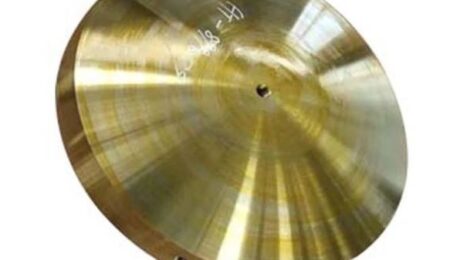
Comprehensive Guide to Head Assembly in Mining Machinery and Spare Parts
Mining machinery is a critical component of the mining industry, and understanding the intricacies of its parts is essential for maintenance and efficiency. One of the pivotal components of mining machinery is the head assembly. This article aims to explore everything about the head assembly, its importance, types, and the crucial role it plays in mining operations.
1. What is Head Assembly?
The head assembly encompasses all the components located on the upper part of mining equipment, particularly in crushers and drills. This includes various mechanisms that facilitate the operational capability of the machinery.
2. Importance of Head Assembly in Mining Machinery
Understanding the significance of the head assembly is vital for any mining operation. It ensures optimal performance, safety, and longevity of the machinery. Regular maintenance of the head assembly can prevent unexpected breakdowns and production lags.
3. Types of Head Assemblies in Mining Equipment
There are several types of head assemblies used in mining machinery:
- Jaw Crusher Head Assembly: Designed to crush materials using compressive force.
- Cone Crusher Head Assembly: Essential for secondary and tertiary crushing, providing a finer output.
- Drill Head Assembly: Utilized for drilling operations, available in various designs for specific rock types.
- Excavator Head Assembly: Comprising the bucket and attachment parts that define the excavator’s functionality.
4. Components of Head Assembly
The head assembly consists of numerous integral parts, including:
- Cab Frame: Supports the operational components.
- Crusher Mantle: Ensures crushing efficiency in cone crushers.
- Toggle Plate: Provides the necessary positioning in jaw crushers.
- Screws and Bolts: Critical for maintaining structural integrity.
- Bearings: Support rotating parts within the assembly.
5. Common Problems with Head Assemblies
Identifying issues within the head assembly can help maintain operational efficiency. Common problems include:
- Excessive wear and tear.
- Improper alignment causing mechanical failure.
- Cracks or fractures in the mountings.
- Leaking fluids from hydraulic components.
6. Maintenance Tips for Head Assembly
Regular maintenance enhances the life expectancy of the machinery. Here are some maintenance tips for the head assembly:
- Conduct regular inspections for wear and damage.
- Lubricate moving parts to minimize friction.
- Ensure proper alignment post-repair.
- Replace worn spare parts promptly.
7. Selecting the Right Spare Parts for Head Assembly
Choosing appropriate spare parts for the head assembly is crucial for overall machinery performance. Consider the following factors:
- Compatibility with existing equipment.
- Quality and durability of materials.
- Supplier reliability and support services.
8. Head Assembly Replacement Procedures
When repair is no longer feasible, replacing the head assembly is necessary. Proper procedures must be followed to ensure installation integrity:
- Thermal expansion considerations.
- Alignment checks post-installation.
- Validation tests for operational efficiency.
9. Innovations in Head Assembly Technologies
Advancements in technology are continually improving the head assembly components. Innovations include:
- Smart sensors for real-time monitoring.
- Lightweight materials to enhance efficiency.
- Predictive maintenance algorithms.
10. Future Trends in Mining Machinery Head Assemblies
The future of head assemblies in mining machinery is bright, with trends leaning towards:
- Automation and AI integration.
- Sustainability in manufacturing practices.
- Enhanced cross-compatibility of parts.
FAQs about Head Assemblies
What is a head assembly in mining machinery?
A head assembly is a crucial component of mining machinery that includes parts essential for the operation of equipment like crushers and drills.
How often should I maintain the head assembly?
Regular inspections and maintenance every few months are advised to ensure longevity and efficiency.
What are common issues with head assemblies?
Common problems include excessive wear, misalignment, and hydraulic leaks.
How can I choose quality spare parts for head assemblies?
Look for compatibility, material quality, and reliable suppliers when selecting spare parts.
What innovations are affecting mining machinery head assemblies?
Innovations include smart sensors, lightweight materials, and predictive maintenance technologies.
Conclusion
The head assembly plays a vital role in the operation of mining machinery. Understanding its components, function, and maintenance strategies is crucial for optimizing mining processes. Staying informed about advancements within this area will further enhance operational efficiency and safety.
LSI and NLP Keywords
- Mining equipment
- Crusher components
- Maintenance practices
- Spare parts
- Mining operations
- Hydraulic systems
- Equipment reliability
- Performance optimization
- Mining industry standards
- Operational efficiency
Other Related Terms
- Cone crusher
- Jaw crusher
- Excavators
- Maintenance schedules
- Rock drilling
- Heavy machinery
- Mining safety
- Mining technology
- Published in Products
The Comprehensive Guide to T Seals in Mining Machinery and Spare Parts
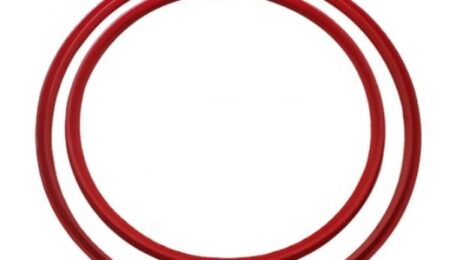
The Comprehensive Guide to T Seals in Mining Machinery and Spare Parts
T seals play a crucial role in the effective functioning of mining machinery. This article delves into the importance, types, applications, and maintenance of T seals in the context of mining machinery and spare parts. We’ll also address common questions and concerns surrounding T seals and their integration into various mining operations.
What are T Seals?
T seals are specialized sealing components designed to prevent fluid leakage and protect machinery from external contaminants. Their distinctive shape resembles the letter ‘T’, providing excellent sealing performance in various applications.
Importance of T Seals in Mining Machinery
In the demanding environment of mining operations, T seals are essential for maintaining the integrity of machinery. They help in:
- Preventing leaks: T seals prevent hydraulic fluid from leaking, ensuring optimal performance.
- Reducing contamination: They act as barriers against dirt and debris, which is crucial for machinery longevity.
- Enhancing efficiency: A good seal contributes to the efficient functioning of machinery, reducing downtime.
Types of T Seals
Understanding the different types of T seals available in the market is essential for selecting the right one for your mining machinery needs. Common types include:
- Rubber T Seals: Made from various types of rubber compounds, offering flexibility and durability.
- PTFE T Seals: Known for their chemical resistance and low friction properties, suitable for high-temperature applications.
- Metal-Reinforced T Seals: These seals provide additional strength and stability, often used in heavy-duty applications.
Applications of T Seals in Mining Machinery
T seals are used across various machinery types in the mining sector, including:
- Excavators: Essential for hydraulic components to prevent leakages.
- Dump Trucks: Used in piston rod seals to maintain hydraulic pressure.
- Haul Trucks: T seals ensure the efficient operation of hydraulic systems.
- Crushers: Seal oil circuits to prevent contamination.
Choosing the Right T Seal
Selecting the right T seal involves considering several factors:
- Material Compatibility: Ensure the seal material is compatible with the fluids used in the machinery.
- Temperature Range: Choose seals that can withstand the temperature extremes of your mining operation.
- Size and Dimensions: Accurate measurements are vital for a proper fit.
Installation and Maintenance of T Seals
Proper installation and maintenance can significantly prolong the lifespan of T seals:
Installation Tips
- Clean the sealing surfaces thoroughly before installation.
- Lubricate the seal lightly with compatible oils.
- Ensure seals are installed in the correct orientation.
Maintenance Best Practices
- Regularly inspect seals for wear and damage.
- Monitor hydraulic fluid levels to detect leaks early.
- Replace seals at the first sign of deterioration to prevent machinery failure.
Common Issues with T Seals
Several issues can arise with T seals, including:
- Wear and Tear: Over time, seals can degrade, leading to leaks.
- Improper Installation: Incorrect fittings can result in failure of sealing.
- Chemical Degradation: Exposure to harsh chemicals can compromise seal integrity.
FAQs About T Seals
What is a T seal used for in mining machinery?
A T seal is primarily used to prevent fluid leakage and protect various components of mining machinery from external contaminants.
How do I know if my T seal needs replacing?
Signs of seal degradation include visible leaks, decreased hydraulic pressure, or compromised machinery performance.
Can T seals be reused?
Generally, it is not recommended to reuse T seals, as they may have lost their sealing properties after being subjected to operational stresses.
Where can I buy T seals for mining machinery?
T seals can be purchased from specialized industrial suppliers, mining machinery dealers, and online marketplaces.
Conclusion
T seals are an indispensable component in mining machinery, ensuring effectiveness and efficiency. By understanding their importance, types, applications, and maintenance practices, operators can ensure their equipment runs smoothly and effectively. Proper care and selection of T seals can lead to extended machinery lifespan and reduced downtime in mining operations.
LSI and NLP Keywords
- Mining equipment
- Hydraulic seals
- Fluid sealing solutions
- Heavy machinery parts
- Sealing systems
- Oil seals
- Rubber seals
- High-temperature seals
- Machinery spare parts
- Contamination prevention
- Seal failure
- Maintenance practices
- Sealing technology
- Mining machinery replacement parts
- Durable seals
- Hydraulic systems
- Published in Products
The Comprehensive Guide to U Seals in Mining Machinery and Spare Parts
The Comprehensive Guide to U Seals in Mining Machinery and Spare Parts
U seals play a critical role in the functionality and efficiency of mining machinery and their spare parts. They are designed to prevent leakage and contamination, ensuring the smooth operation of various mining equipment. This article delves into everything you need to know about U seals, including their types, applications, materials, installation, maintenance, and more.
What is a U Seal?
A U seal, also known as a U-cup seal, is a type of sealing component shaped like the letter ‘U’. It is primarily used to create a seal between two surfaces, preventing fluid or gas leaks. In mining machinery, U seals are crucial for enhancing the durability and reliability of equipment.
Types of U Seals
1. Rubber U Seals
Rubber U seals are commonly used due to their excellent elasticity and resistance to wear. They can withstand various environmental factors, making them suitable for harsh mining conditions.
2. Polyurethane U Seals
Polyurethane U seals offer improved resistance to abrasion and are ideal for high-pressure applications, often found in hydraulic systems.
3. Metal U Seals
Metal U seals are used in extreme conditions and high-temperature applications, providing robust sealing capabilities.
Applications of U Seals in Mining Machinery
U seals are utilized in various types of mining machinery, including:
- Excavators
- Dump trucks
- Loaders
- Drilling equipment
- Hydraulic systems
Benefits of U Seals in Mining Machinery
Implementing U seals in mining machinery offers several benefits:
- Prevent Leakage: U seals ensure that fluids stay contained within machinery, minimizing waste and maintaining operational efficiency.
- Reduce Contamination: U seals prevent external contaminants from entering machinery, protecting internal components.
- Enhance Longevity: With effective sealing, the lifespan of mining equipment can be significantly extended.
- Lower Maintenance Costs: Properly sealed machinery requires less frequent repairs, resulting in lower maintenance costs.
How U Seals Work
U seals function by providing a resilient barrier between moving and stationary parts. When pressure is applied, the U shape compresses, creating a tight seal that effectively blocks leaks. The unique design allows for both static and dynamic sealing, making U seals versatile components in machinery.
U Seal Materials
1. Nitrile Rubber (NBR)
Nitrile rubber is widely used due to its good oil resistance and overall durability.
2. Ethylene Propylene Diene Monomer (EPDM)
EPDM is known for its excellent resistance to weathering, heat, and ozone.
3. Fluoroelastomer (Viton)
Viton seals are used for their high-temperature and chemical resistance.
Installation of U Seals
Proper installation of U seals is essential for ensuring effective sealing performance. Here are the steps to install a U seal:
- Clean the installation area thoroughly to remove debris and contaminants.
- Inspect the U seal for any damages or defects before installation.
- Lubricate the U seal lightly to facilitate installation.
- Insert the U seal into the designated groove carefully, ensuring it sits evenly.
- Check for proper alignment and secure the machinery components.
Maintenance of U Seals
Regular maintenance of U seals is vital for maintaining their sealing performance:
- Inspect seals periodically for wear or damage.
- Ensure that sealing surfaces are clean and smooth.
- Replace seals that show signs of degradation.
- Monitor the operating environment for factors that may affect seal life.
Common Issues with U Seals
U seals can encounter several challenges, including:
- Wear and Tear: Over time, seals can degrade and lose their sealing properties.
- Installation Errors: Improper installation can lead to leakage and seal failure.
- Environmental Factors: Extreme temperatures or corrosive materials can harm seals.
Choosing the Right U Seal
Selecting the right U seal for your mining machinery is crucial. Consider the following factors:
- Type of application (pressure, temperature, and fluid type)
- Material compatibility with the operating environment
- Dimensions and fit within the machinery
Frequently Asked Questions (FAQs)
1. What are U seals used for in mining machinery?
U seals are primarily used to prevent leaks in various types of mining machinery, ensuring efficient operation.
2. How do I know when to replace my U seals?
Signs of wear, such as leaks or changes in performance, are indicators that U seals should be replaced.
3. Can U seals be reused after removal?
It is not recommended to reuse U seals after removal, as they may lose their sealing properties.
4. What factors affect the lifespan of U seals?
Environmental conditions, material quality, and maintenance practices all impact the lifespan of U seals.
5. Where can I find U seals for mining machinery?
U seals can be sourced from specialized suppliers for mining machinery and industrial parts.
Conclusion
In conclusion, U seals are indispensable components in mining machinery and spare parts, playing a vital role in ensuring operational efficiency and safety. Understanding their types, applications, materials, and maintenance can help you make informed decisions for your equipment needs. Investing in high-quality U seals will enhance your mining operations and reduce long-term costs.
- Published in Products
The Essential Guide to Head Bolts and Lock Bolts in Mining Machinery
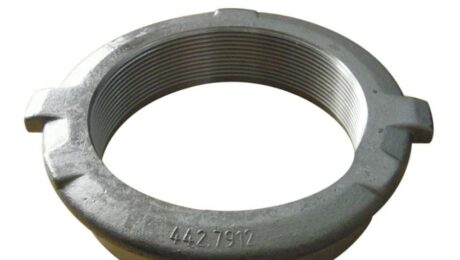
The Essential Guide to Head Bolts and Lock Bolts in Mining Machinery
Mining machinery plays a pivotal role in the extraction of minerals and resources from the earth. The efficiency and reliability of this equipment largely depend on the quality of its spare parts, including head bolts and lock bolts. In this comprehensive guide, we will explore the importance of these components, their applications, and best practices for selection and maintenance in the mining industry.
Understanding Head Bolts in Mining Machinery
What are Head Bolts?
Head bolts are essential fasteners used in mining machinery to secure critical components. They are designed to provide a strong hold and resist high levels of torque. This is vital in maintaining the integrity of machinery such as excavators, loaders, and drill rigs.
Applications of Head Bolts in Mining Equipment
Head bolts are used primarily in engines and gears, where they hold together assemblies under severe operational conditions. Their primary function is to prevent loosening during operation and to manage vibration.
Types of Head Bolts
There are various types of head bolts, including hex head bolts, shoulder bolts, and torque-to-yield bolts. Each type serves unique functions that are determined by the specific needs of the mining machinery.
The Importance of Lock Bolts in Mining Applications
What are Lock Bolts?
Lock bolts, a critical innovation in fastening technology, are designed to provide a secure, tamper-proof connection between various machinery parts. They are commonly used in mining equipment where traditional bolts may loosen due to vibrations.
Advantages of Using Lock Bolts
The main advantages of lock bolts include increased resistance to vibration, lower maintenance costs, and improved overall safety in mining operations. These features make lock bolts a preferred choice among manufacturers and operators.
Types of Lock Bolts
Lock bolts can be categorized into several forms, including swage lock bolts, collar lock bolts, and blind lock bolts. Each type offers specific advantages that cater to various mining equipment needs.
Choosing the Right Head Bolt and Lock Bolt
Factors to Consider
When selecting the appropriate head bolts and lock bolts, consider factors such as material type, strength rating, and environmental exposure. Common materials include stainless steel, alloy steel, and carbon steel, each providing different levels of durability and resistance.
Common Sizing Standards
Understanding sizing standards, such as metric and imperial measurements, is crucial in ensuring compatibility with existing machinery components.
Installation and Maintenance Best Practices
Proper Installation Techniques
Ensuring the correct installation of head bolts and lock bolts is vital to the performance of mining machinery. Always follow the manufacturer’s guidelines concerning torque specifications and tools required for securing these fasteners.
Regular Maintenance Tips
Regular checks for signs of wear and proper fastening should be part of a scheduled maintenance routine. Look for rust, deformation, or loosening of bolts and replace them as needed to avoid operational failures.
Frequently Asked Questions (FAQ)
1. What is the difference between head bolts and lock bolts?
Head bolts primarily secure components together, while lock bolts provide enhanced security and resistance to loosening.
2. How do I know what size head bolt I need for my mining machinery?
Consult the machinery’s service manual or manufacturer guidelines for specific bolt size recommendations.
3. Can I reuse head bolts or lock bolts?
Reusing bolts is not recommended unless they have been confirmed to be in excellent condition and meet safety standards.
4. How often should I inspect head bolts and lock bolts in mining machinery?
Inspections should be part of routine maintenance, typically done every few weeks to ensure machine reliability.
Conclusion
In summary, understanding the role of head bolts and lock bolts is crucial for the efficient operation of mining machinery. By selecting the right fasteners and adhering to proper maintenance practices, mining operations can significantly enhance productivity and safety. The investment in high-quality spare parts cannot be overemphasized; doing so ensures machinery longevity and a successful mining operation.
Related Keywords
head bolt specifications, lock bolt applications, mining equipment fasteners, torque rating, mining machinery parts, maintenance of mining machinery, fastener technology in mining, mining machinery reliability, mining machinery assembly, heavy equipment spare parts
- Published in Products
The Ultimate Guide to Anti Clogging Screen Meshes in Mining Machinery

The Ultimate Guide to Anti Clogging Screen Meshes in Mining Machinery
In the world of mining machinery, the efficiency and reliability of equipment are paramount. One integral component that significantly affects these qualities is the anti clogging screen meshes. This comprehensive guide delves deep into the functionalities, benefits, and various applications of anti clogging screen meshes, particularly in the mining industry.
What Are Anti Clogging Screen Meshes?
Anti clogging screen meshes are specially designed screening materials used in various mining processes to prevent blockages and ensure the smooth operation of machinery. These meshes are characterized by their unique design that promotes free flow of materials, reducing downtime caused by clogs.
Importance of Anti Clogging Screen Meshes in Mining Machinery
- Efficiency: Reduces downtime and increases overall productivity.
- Cost-Effectiveness: Minimizes operational costs resulting from machinery malfunctions.
- Durability: Designed to withstand harsh environmental conditions.
Types of Anti Clogging Screen Meshes
There are various types of anti clogging screen meshes, including:
- Woven Wire Mesh: Traditional mesh made of woven wire, offering flexibility and durability.
- Polyurethane Mesh: These meshes are resistant to wear and tear, making them an excellent choice for heavy-duty applications.
- Self-Cleaning Mesh: These meshes utilize unique designs that allow for self-cleaning properties, reducing manual maintenance.
How Anti Clogging Screen Meshes Work
Anti clogging screen meshes function by utilizing specific geometrical designs and materials that facilitate the movement of materials while preventing clogs. These meshes can be designed with different apertures to cater to specific material sizes, ensuring optimal performance.
Applications of Anti Clogging Screen Meshes in Mining
Anti clogging screen meshes are utilized in various aspects of mining, including:
- Screening Processes: Used in vibrating screens and other sorting equipment.
- Conveyor Systems: Ensures smooth material transfer without blockages.
- Hydraulic Systems: Prevents debris intake that could damage equipment.
Benefits of Using Anti Clogging Screen Meshes
- Increased Production Rates: With reduced blockages, production rates significantly increase.
- Lower Maintenance Costs: Less need for cleaning and repairs.
- Enhanced Safety: Reduced risk of equipment malfunction leads to a safer job site.
Choosing the Right Anti Clogging Screen Mesh
Selecting the appropriate anti clogging screen mesh involves considering factors such as material type, mesh size, and application environment. It’s essential to match the mesh properties with the specific requirements of your mining operations.
How to Maintain Anti Clogging Screen Meshes
Regular maintenance is crucial to ensure the longevity of anti clogging screen meshes. Here are some practices:
- Routine inspections to detect wear and tear.
- Cleaning the meshes to prevent material buildup.
- Replacing damaged sections promptly to ensure optimal performance.
Common Issues with Anti Clogging Screen Meshes
Despite their advantages, anti clogging screen meshes can face some issues, including:
- Material Wear: Over time, even durable meshes can wear out.
- Clogging: Although designed to reduce clogging, improper maintenance can lead to blockages.
- Improper Installation: Incorrect installation can affect the performance of the meshes.
Innovations in Anti Clogging Screen Mesh Technology
Recent advancements in materials science have led to the development of even more efficient anti clogging screen meshes. Innovations include:
- Smart Mesh Technologies: Incorporating sensors to monitor performance in real time.
- Bespoke Mesh Designs: Customized meshes tailored to specific mining applications.
Frequently Asked Questions (FAQ)
What is the function of anti clogging screen meshes?
Anti clogging screen meshes are designed to prevent blockages in mining machinery, ensuring a smooth flow of materials throughout the mining process.
How do I select the best anti clogging screen mesh?
Consider factors such as the type of materials being processed, the required mesh size, and the specific conditions of your mining environment.
How long do anti clogging screen meshes last?
The lifespan of anti clogging screen meshes depends on the material and usage. Regular maintenance may extend their longevity.
Can I clean anti clogging screen meshes?
Yes, routine cleaning is recommended to maintain their effectiveness and prevent material buildup.
What are the signs of a failing anti clogging screen mesh?
Signs can include an increase in clogs, visible wear and tear, and decreased production efficiency.
Conclusion
Anti clogging screen meshes play a crucial role in optimizing the performance of mining machinery and ensuring smooth operations. By selecting the right type, maintaining them effectively, and staying informed on technological advancements, mining companies can greatly enhance their productivity and efficiency.
Related LSI and NLP Keywords
- Mining machinery
- Screening equipment
- Vibrating screens
- Screen mesh types
- Wear-resistant mesh
- Mining screens
- Woven screens
- Polyurethane screens
- Material flow efficiency
- Screening solutions
- Mining spare parts
- Material separation
- Self-cleaning technology
- Mining safety equipment
- Durable screen meshes
- Custom screen mesh solutions
- Mesh size specifications
- Clogged screen solutions
- Mesh lifespan
- Published in Products
Comprehensive Guide to Screen Meshes in Mining Machinery and Spare Parts
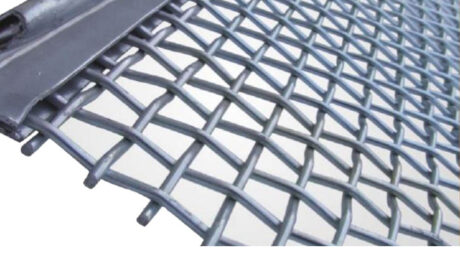
Comprehensive Guide to Screen Meshes in Mining Machinery and Spare Parts
When it comes to efficient operations within the mining industry, the selection of the most suitable mining machinery and spare parts is crucial. One of the often-overlooked components that play a significant role in the functionality of mining equipment is the screen mesh. In this extensive guide, we will delve into all aspects of screen meshes, their types, applications, and importance in the mining industry.
What are Screen Meshes?
Screen meshes are specialized woven fabrics used in various mining machinery, primarily for the purpose of separating materials based on size. They act as a filter, ensuring that only particles of a certain size pass through, while larger materials are retained for further processing.
Types of Screen Meshes in Mining Machinery
1. Woven Wire Mesh
This is the most common type of screen mesh, typically made of high-quality steel wire woven together to form a durable and versatile material.
2. Perforated Plate Mesh
Perforated plate meshes are sheets of metal with uniform holes punched through them, ideal for conveying bulk materials and heavy-duty applications.
3. Polyurethane Mesh
These meshes are made of polyurethane, making them lightweight, flexible, and highly resistant to wear and tear. They are commonly used in wet and abrasive environments.
4. Trommel Screens
Trommel screens, often cylindrical in shape, use rotating drums with perforated screens to separate materials efficiently.
5. Tensioned Screen Mesh
Tensioned screens are designed to be stretched tightly over a frame to enhance performance and reduce the likelihood of wear.
Application of Screen Meshes in Mining Machinery
1. Screening
The primary function of screen meshes is screening, where they classify materials into smaller fractions, which can be essential in the mineral processing of various ores.
2. Classification
In processes where material separation by size is required, screen meshes play a crucial role in effective classification, improving overall efficiency.
3. Dewatering
Screen meshes are also widely used in dewatering applications, where excess water is removed from materials, particularly in mineral processing.
4. Recycling
Screen meshes facilitate the recycling process, allowing for the effective segregation of recyclable materials from waste.
Importance of Quality in Screen Meshes
Using high-quality screen meshes is vital because they directly impact the operational efficiency and longevity of mining machinery. Low-quality meshes can lead to increased wear and tear, reduced productivity, and higher maintenance costs.
Maintenance of Screen Meshes
1. Regular Inspections
Conducting routine inspections will allow for the early identification of wear and potential failures.
2. Proper Cleaning
Cleaning the screen meshes thoroughly is essential to maintain optimal performance and extend their lifespan.
3. Replacing Worn Components
Timely replacement of worn-out screen meshes is critical to ensure consistent operation without interruptions.
How to Choose the Right Screen Mesh for Your Machinery
1. Consider Material Type
The choice of material depends on the application and the type of material being processed. For instance, harsh materials require more durable options.
2. Evaluate Mesh Size
Choosing the appropriate mesh size is crucial for effective separation. Smaller mesh sizes achieve finer separations.
3. Assess Operating Conditions
Understanding the operating environment, including temperatures and abrasion levels, will help in selecting the right screen mesh.
Advancements in Screen Mesh Technology
Recent technological advancements have led to the development of more efficient and durable screen meshes. Innovations in materials and weaving techniques have enhanced their performance and lifespan.
Conclusion
Screen meshes are essential components in mining machinery, playing pivotal roles in screening, classification, and dewatering. Selecting the right mesh type and maintaining it properly ensures that machinery operates at optimal capacity. Understanding the various types of screen meshes and their applications can help mining operations achieve better productivity and efficiency.
FAQ Section
What is a screen mesh?
A screen mesh is a woven fabric or perforated material used in mining machinery to separate materials based on size.
How does screen mesh improve mining processes?
Screen meshes enhance mining processes by classifying and separating materials, which increases efficiency and productivity.
What are the different types of screen meshes?
Common types include woven wire mesh, perforated plate mesh, polyurethane mesh, trommel screens, and tensioned screen mesh.
How do I choose the right screen mesh?
Consider the material type, mesh size, and operating conditions when selecting a screen mesh for your machinery.
Why is maintenance important for screen meshes?
Regular maintenance ensures optimal performance, extends the lifespan of the screens, and minimizes downtime.
LSI and NLP Keywords
- Mining equipment
- Screening machinery
- Material separation
- Wire mesh
- Screening media
- Mineral processing
- Heavy-duty screens
- Mesh density
- Trommel screen technology
- Mining operations
- High-friction applications
- Material handling
- Mesh specifications
- Durability in mining
- Mesh fatigue
- Operational efficiency
Additionally, other relevant terms include spare parts, mining operations, and industrial applications, ensuring comprehensive coverage of the subject matter.
- Published in Products
