


The Ultimate Guide to Filters in Mining Machinery and Spare Parts

The Ultimate Guide to Filters in Mining Machinery and Spare Parts
Mining machinery plays an essential role in the efficiency and effectiveness of mineral extraction. One of the key components in the maintenance and operation of these machines is the filter. Filters minimize contaminants, prolong equipment lifespan, and ensure optimal functioning. This article explores the significance of filters in mining machinery and mining machinery spare parts, including their types, applications, and importance in the industry.
1. Understanding Filters: A Definition
Filters are mechanical devices designed to remove impurities and particulate matter from fluids or gases. In mining machinery, filters can be found in various applications, including hydraulic systems, fuel systems, air intake systems, and more.
2. The Role of Filters in Mining Machinery
Filters play a pivotal role in maintaining the performance and longevity of mining machinery. They serve several functions, such as:
- Providing clean fuel and lubricants.
- Reducing wear on engine components.
- Preventing blockages in hydraulic systems.
- Improving machinery reliability and operational efficiency.
3. Types of Filters Used in Mining Machinery
Several types of filters are commonly used in mining machinery:
3.1 Hydraulic Filters
Hydraulic filters remove contaminants from hydraulic fluids. Their effective operation enhances hydraulic system efficiency and prolongs the life of hydraulic pumps and components.
3.2 Oil Filters
Oil filters are vital for ensuring that engines run smoothly. They filter out dirt, debris, and other contaminants from engine oil, maintaining engine performance and efficiency.
3.3 Fuel Filters
Fuel filters are critical for preventing dirt and water from entering the fuel system. Clean fuel is essential for optimal engine performance.
3.4 Air Filters
Air filters keep the air intake system clean, protecting the engine from dirt and debris that could cause wear and tear.
4. Importance of Regular Filter Maintenance
Regular maintenance of filters is crucial for optimal operation. Neglecting filter upkeep can lead to numerous problems, such as:
- Poor machine performance.
- Increased fuel consumption.
- Higher emissions.
- Frequent machinery breakdowns.
5. Criteria for Choosing the Right Filter
When selecting filters for mining machinery, it’s essential to consider several factors:
- Compatibility: Ensure the filter is compatible with the specific machinery type and model.
- Efficiency: Look for filters that provide high levels of contaminant removal.
- Capacity: Make sure the filter can handle the volume of fluids required by the machinery.
- Brand and Quality: Opt for reputable brands known for reliability and quality.
6. Common Issues with Filters in Mining Machinery
Operators may experience various issues with filters due to wear and tear, such as:
- Clogged filters which can lead to decreased performance.
- Leaking filters causing fluid loss.
- Incorrect installation leading to system inefficiencies.
7. Advances in Filter Technology for Mining Machinery
Filter technology continuously evolves, with new materials and designs improving filtration efficiency and longevity. Innovations include:
- Use of synthetic materials for higher dirt holding capacity.
- Development of self-cleaning filter systems.
- Integration of smart technologies for monitoring filter performance.
8. Buying Mining Machinery Spare Parts: The Filter Perspective
When purchasing spare parts, particularly filters, it’s critical to ensure they meet industry standards. This section covers key considerations when buying filters:
- Supplier Reputation: Choose credible suppliers with excellent reviews.
- Certification: Verify that filters have necessary quality certifications.
- Warranty: Look for products that come with warranties for peace of mind.
9. Conclusion
Filters are indispensable components of mining machinery, crucial for maintaining equipment performance and reliability. Regular maintenance and choosing the right filters can significantly impact the longevity of mining operations. Investing in quality filters and understanding their importance could save time, money, and resources in the long run.
10. Frequently Asked Questions
10.1 What is the purpose of filters in mining machinery?
Filters help to remove contaminants from fluids and gases, ensuring that machinery operates efficiently and prolongs its lifespan.
10.2 How often should filters be replaced in mining machinery?
Filter replacement schedules can vary based on machinery type and usage, but it is advisable to check filters regularly and replace them as per manufacturer recommendations.
10.3 What are the types of filters used in mining machinery?
The most common types of filters in mining machinery include hydraulic filters, oil filters, fuel filters, and air filters.
10.4 How can I choose the right filter for my mining machinery?
Consider compatibility, efficiency, capacity, and the brand’s reputation when selecting filters for your equipment.
LSI and NLP Keywords Related to Filters:
- Filtration systems
- Contaminant removal
- Hydraulic oil filtration
- Mechanical filters
- Spare parts for mining
- Equipment maintenance
- Fluid mechanics
- Mining safety equipment
- Machine performance
- Mining industry standards
- Air filtration
- Oil purification
- Contamination control
- Mining machinery operation
- Spare parts procurement
Related Terms to Filters:
- Filter media
- Microfiltration
- Ultrafiltration
- Filtration efficiency
- Spent filters
- Industrial filters
- Custom filters
- Filter installation
- Filter testing
- Filter certification
- Published in Products
The Comprehensive Guide to Lubrication Pumps in Mining Machinery

The Comprehensive Guide to Lubrication Pumps in Mining Machinery
Mining operations heavily rely on machinery to ensure efficiency and productivity. One crucial component in maintaining the functionality of this machinery is the lubrication pump. Lubrication pumps facilitate the essential task of distributing oil or grease to machinery bearings and components, preventing wear and tear while ensuring optimal performance. In this guide, we will explore various aspects of lubrication pumps, their importance in the mining industry, types of lubrication pumps, maintenance practices, common issues, and much more.
What is a Lubrication Pump?
A lubrication pump is a mechanical device that supplies lubricant, such as oil or grease, to specific parts of machinery to reduce friction and wear. It ensures that all moving components are adequately lubricated, increasing efficiency and lifespan.
Importance of Lubrication Pumps in Mining Machinery
In the mining industry, equipment operates under extreme conditions, making lubrication critical. The importance of lubrication pumps includes:
- Reducing Wear and Tear: Proper lubrication minimizes friction between moving parts, reducing wear and extending the equipment’s life.
- Maximizing Efficiency: Well-lubricated machinery operates more smoothly, which enhances overall efficiency and productivity.
- Preventing Overheating: Lubrication helps in dissipating heat generated by moving parts, preventing overheating and potential failures.
- Lower Maintenance Costs: Routine lubrication reduces the frequency and costs associated with maintenance and repairs.
Types of Lubrication Pumps Used in Mining Machinery
Several types of lubrication pumps are employed within mining operations, including:
1. Gear Pumps
Gear pumps are commonly used in mining machinery because of their high efficiency and reliability. They work by utilizing gears to draw in and displace lubricant, often used for high-pressure applications.
2. Piston Pumps
Piston pumps use a piston mechanism to create a pressure differential, which helps to pump the lubricant through the system. They are ideal for precise lubrication applications.
3. Diaphragm Pumps
Diaphragm pumps are known for their ability to handle viscous fluids. They are widely used for their ability to provide consistent lubrication even under varying conditions.
4. Electric Lubrication Pumps
Electric lubrication pumps are powered electrically, providing automation to the lubrication process. They are often integrated into mining machinery for more efficient lubrication management.
5. Manual Lubrication Pumps
Despite advancements in technology, manual pumps are still used in some mining applications for their simplicity and effectiveness in specific situations.
Factors to Consider When Choosing a Lubrication Pump
When selecting a lubrication pump for mining machinery, consider the following factors:
- Type of Lubricant: Match the pump with the specific type of lubricant, whether oil or grease.
- Desired Pressure: Ensure the pump can achieve the necessary pressure for efficient lubrication.
- Application: Evaluate the specific machinery and environment where the pump will be used.
- Maintenance Requirements: Consider the maintenance needs of the pump to ensure continuous operation.
Common Issues with Lubrication Pumps
Lubrication pumps, while critical, can also face common issues, such as:
1. Clogging
Clogged lubrication lines can restrict the flow of lubricant, leading to inadequate lubrication and potential machinery failure.
2. Air Leakage
Air in the lubrication system can create pressure fluctuations, disrupting the flow of lubricant.
3. Worn Components
Over time, components within the pump can wear out, leading to decreased performance or failure.
4. Inconsistent Lubrication
Inconsistent delivery of lubricant can result from pump malfunctions, leading to uneven wear on machine parts.
Maintenance Best Practices for Lubrication Pumps
To ensure the longevity and effectiveness of lubrication pumps, follow these maintenance best practices:
- Regular Inspections: Conduct periodic checks for any signs of wear, leakage, or malfunction.
- Change Lubricants: Regularly replace old or contaminated lubricants to ensure optimal performance.
- Clean Filters: Keep lubrication filters clean to prevent clogging and ensure proper flow.
- Monitor Performance: Keep an eye on the performance metrics of lubrication pumps to catch potential issues early.
Lubrication Pump Technology Advancements
The mining industry has seen advancements in lubrication pump technology, including:
- Smart Lubrication Systems: These systems use IoT technology to monitor lubrication condition and automate the process.
- Remote Monitoring: Remote monitoring systems allow for real-time tracking of lubrication pump performance, enhancing maintenance efficiency.
- High-Efficiency Pumps: Developments in pump design have led to more efficient pumps that provide consistent lubrication without resource wastage.
Best Practices for Operating Lubrication Pumps in Mining
To get the most out of lubrication pumps in mining operations, follow these best practices:
- Understand Equipment Needs: Know the specific lubrication needs of different machinery.
- Train Personnel: Ensure operators are trained in lubrication techniques and pump operation.
- Implement a Lubrication Schedule: Develop and adhere to a regular lubrication schedule for all machinery.
- Keep Records: Maintain records of lubrication practices and maintenance for accountability and future reference.
FAQs About Lubrication Pumps
What is the main function of a lubrication pump?
The primary function of a lubrication pump is to deliver a consistent supply of lubricant to various moving parts of machinery, reducing friction and wear while ensuring optimal performance.
How often should lubrication pumps be maintained?
Lubrication pumps should be inspected regularly, typically every few months, depending on the operating environment and the specific equipment requirements.
Can I use different types of lubricants in the same pump?
It is not advisable to mix different types of lubricants in the same pump, as it can lead to chemical reactions or inconsistencies in lubrication performance. Always follow the manufacturer’s recommendations.
What are the signs of a failing lubrication pump?
Signs may include unusual noises, leaking lubricant, erratic pressure readings, or reduced flow rates. Regular monitoring can help catch these issues early.
How do I choose the right lubrication pump for my machinery?
Consider factors such as the type of lubricant, desired pressure, specific application needs, and maintenance requirements when selecting a lubrication pump.
Conclusion
Lubrication pumps play a pivotal role in mining machinery, directly impacting the efficiency and longevity of the equipment. Understanding their operation, maintenance, and advancements can help mining operators optimize their use. By integrating best practices and remaining vigilant about maintenance, mining facilities can enhance productivity and ensure smooth operations.
- Published in Products
The Ultimate Guide to Gearboxes in Mining Machinery and Spare Parts

The Ultimate Guide to Gearboxes in Mining Machinery and Spare Parts
Gearboxes play a critical role in the functionality and efficiency of mining machinery. As vital components that help transmit power, they ensure that the heavy equipment used in mining operates smoothly and effectively. In this article, we will delve into the significance of gearboxes, types, maintenance practices, common failures, spare parts availability, and more. Whether you are a mining operator, a machinery manufacturer, or just curious about mining operations, this guide will provide you with valuable insights into gearboxes.
What is a Gearbox?
A gearbox is a mechanical device that converts speed and torque to suit the specific needs of mining machinery. It comprises a series of gears that work together to alter the output speed and torque of the machine. This modification is essential for optimizing the performance of equipment like excavators, bulldozers, and haul trucks.
Types of Gearboxes Used in Mining Machinery
1. Planetary Gearboxes
Planetary gearboxes are commonly used due to their compact design and high efficiency. They allow for significant torque output while maintaining lightweight specifications, making them ideal for mobile mining equipment.
2. Helical Gearboxes
Helical gearboxes are well-known for their smooth operation and high load capacity. They are utilized in applications requiring high-speed reduction, making them suitable for belt conveyors and crushers.
3. Worm Gearboxes
These gearboxes are primarily used when high torque is required with a corresponding reduction in speed. They have a simple design but are less efficient than planetary or helical gearboxes.
4. Spur Gearboxes
Spur gearboxes are one of the simplest and most commonly used types in mining machinery. They are usually applied in situations where high speed and low torque are necessary.
The Importance of Gearboxes in Mining Machinery
Gearboxes are essential in improving power efficiency, controlling speed, and managing load, which ultimately leads to enhanced productivity in mining operations. They reduce energy consumption and minimize operational costs, playing a crucial role in the overall efficiency of mining machinery.
Common Gearbox Failures in Mining Machinery
1. Overheating
Excessive heat can cause gear failure and compromise the integrity of the gearbox. Overheating may stem from insufficient lubrication or excessive loads.
2. Gear Wear
Gear wear is a natural occurrence but can be accelerated by poor maintenance. Regular inspections and proper gear alignment are essential to mitigate wear.
3. Seal Failures
Seals are critical in protecting gears from dirt and water. When seals fail, contaminants can enter the gearbox, leading to severe damage over time.
4. Vibration and Noise
Loud noises and excessive vibrations can indicate underlying issues within the gearbox, such as misalignment or imbalance.
Maintenance Tips for Mining Machinery Gearboxes
1. Regular Inspections
Frequent inspections can help identify issues before they escalate. Check for signs of wear, overheating, and lubricant levels.
2. Lubrication Management
Ensure that the gears are adequately lubricated to prevent wear and overheating. Use the recommended type and amount of lubricant.
3. Monitoring Vibration
Investing in vibration analysis technology can help detect potential issues early and allow for timely maintenance.
4. Replace Worn Parts
Timely replacement of worn or damaged components can prolong the life of the gearbox and improve overall machinery performance.
Gearbox Spare Parts in the Mining Industry
The availability of gearbox spare parts is crucial for minimizing downtime in mining operations. OEM (Original Equipment Manufacturer) parts are recommended for ensuring compatibility and reliability. Alternatively, aftermarket parts can provide cost-effective solutions, but it is essential to assess their quality and performance.
FAQs about Gearboxes in Mining Machinery
What is the function of a gearbox in mining machinery?
The function of a gearbox in mining machinery is to adjust the torque and speed generated by the engine to optimize the performance of the equipment.
How often should gearboxes in mining machinery be maintained?
Routine maintenance should be conducted every 1,000 operating hours or as recommended by the manufacturer to ensure optimal performance and longevity.
What are the signs of a failing gearbox?
Typical signs of a failing gearbox include unusual noises, high temperatures, excessive vibrations, and noticeable leaks.
Can I replace parts of a gearbox myself?
While some minor repairs can be performed by knowledgeable personnel, it is advisable to consult with professionals for significant repairs and replacements to ensure safety and effectiveness.
Where can I find spare gearbox parts for mining machinery?
Spare gearbox parts can be sourced from OEM manufacturers, authorized dealers, and reliable aftermarket suppliers specializing in mining machinery.
Conclusion
Gearboxes are indispensable components that significantly influence the productivity and efficiency of mining machinery. By understanding their functions, types, and maintenance practices, operators can ensure that their equipment remains reliable and effective. Regular inspections and timely interventions can help mitigate common failures and extend the service life of gearboxes, ultimately leading to enhanced operational performance in mining.
LSI and NLP Keywords
Mining equipment, torque transmission, gear maintenance, machinery efficiency, spare parts supply, heavy-duty machinery, gear wear, lubrication systems, equipment reliability, gearbox types, power transmission, machinery operations, mining industry, industrial gearboxes, manufacturing processes, equipment downtime, gearbox design, performance optimization, mechanical systems, mining operations, mining techniques, excavator gearboxes, conveyor systems, heavy machinery gearbox.
- Published in Products
The Importance of Electrical Motors in Mining Machinery: A Comprehensive Guide

The Importance of Electrical Motors in Mining Machinery
Electrical motors are an integral part of mining machinery, playing a critical role in the operation and efficiency of various equipment. From conveyors to drills, electrical motors drive numerous processes essential for successful mining operations. This article details various aspects of electrical motors in mining machinery, including types, applications, maintenance, and spare parts. We also provide insights into the future of electrical motors in the mining sector.
1. Understanding Electrical Motors
Electrical motors convert electrical energy into mechanical energy, which is essential for the operation of mining machinery. They are classified into several types, including AC motors, DC motors, and servo motors, each serving specific applications in mining operations.
1.1 Types of Electrical Motors Used in Mining Machinery
- AC Motors: Commonly used in larger machinery due to their efficiency and durability.
- DC Motors: Typically employed in applications requiring variable speed and high starting torque.
- Servo Motors: Used in precision applications where accurate control is vital.
2. Applications of Electrical Motors in Mining Machinery
Electrical motors are utilized in a wide range of mining machinery, including:
2.1 Conveyors
Conveyor systems rely on electrical motors to transport materials efficiently from one point to another within the mine.
2.2 Drilling Equipment
Electrical motors power drilling rigs, enabling the extraction of minerals from deep underground.
2.3 Crushers and Screens
These machines utilize electrical motors to crush and size materials for further processing.
2.4 Excavators and Loaders
Electrical motors provide the necessary power to operate various functions of excavators and loaders.
3. Benefits of Using Electrical Motors in Mining Machinery
The advantages of incorporating electrical motors in mining machinery are numerous:
- Efficiency: Electrical motors are energy-efficient, reducing operational costs.
- Reliability: They offer consistent performance in harsh mining environments.
- Low Maintenance: Compared to internal combustion engines, electrical motors typically require less maintenance.
4. Maintenance of Electrical Motors in Mining Operations
Proper maintenance is crucial for the performance and longevity of electrical motors:
4.1 Regular Inspections
Conducting periodic inspections can identify potential issues before they escalate into significant problems.
4.2 Lubrication
Electrical motors should be regularly lubricated to reduce friction and wear.
4.3 Temperature Monitoring
Monitoring the operating temperature can prevent overheating and potential failure.
5. Mining Machinery Spare Parts for Electrical Motors
Having a reliable inventory of spare parts is essential to minimize downtime. Common spare parts for electrical motors include:
- Bearings
- Brushes
- Cooling fans
- Rotor assemblies
- Stators
6. Challenges Faced by Electrical Motors in Mining
Electrical motors in mining are subjected to various challenges:
6.1 Harsh Operating Conditions
Dust, moisture, and extreme temperatures can affect motor performance.
6.2 Power Supply Issues
Inconsistent power supply can lead to operational interruptions.
6.3 Load Variability
Electrical motors must adapt to fluctuating loads without compromising performance.
7. Innovations in Electrical Motor Technology
The mining industry is continually evolving, and so is the technology behind electrical motors:
7.1 Smart Motors
Smart motor technology allows for remote monitoring and predictive maintenance, enhancing operational efficiency.
7.2 Energy-Efficient Designs
New designs focus on improving energy efficiency, which can lead to significant savings in operational costs.
8. Future Trends in Electrical Motors for Mining Machinery
The future of electrical motors in mining looks promising with the following trends:
8.1 Increased Automation
The mining industry is moving towards greater automation, requiring advanced electrical motors for seamless operation.
8.2 Integration with Renewable Energy Sources
As sustainability becomes a priority, there is a push towards integrating electric motors with renewable energy.
9. Frequently Asked Questions (FAQs)
9.1 What is the role of electrical motors in mining machinery?
Electrical motors drive various pieces of equipment in mining operations, from conveyors to drills.
9.2 How do I maintain an electrical motor in mining?
Regular inspections, lubrication, and temperature monitoring are key maintenance practices.
9.3 What are the common spare parts for electrical motors?
Common spare parts include bearings, brushes, cooling fans, rotor assemblies, and stators.
9.4 What are the benefits of using electrical motors in mining?
Benefits include high efficiency, reliability, and lower maintenance compared to traditional engines.
9.5 What innovations are impacting electrical motors in the mining industry?
Innovations include smart motor technology and energy-efficient designs.
9.6 How to improve the lifespan of electrical motors in harsh environments?
Implementing regular maintenance and using protective enclosures can help enhance lifespan.
10. Conclusion
In conclusion, electrical motors are vital components of mining machinery, offering numerous benefits and supporting diverse applications. With ongoing advancements in technology and maintenance practices, the future of electrical motors in mining looks bright. Embracing these innovations will be key to improving efficiency and sustainability in the mining industry.
- Published in Products

Pinion and Drive Gear: Essential Components in Mining Machinery and Spare Parts

Pinion and Drive Gear: Essential Components in Mining Machinery
The mining industry relies heavily on sophisticated machinery, which is designed to operate under harsh conditions. Among the critical components of this machinery are the pinion and drive gear. These components play an essential role in transferring power and ensuring efficient operation. This article will explore the specifics of pinion and drive gears, their functions, maintenance, types, and their importance in mining machinery.
What are Pinion and Drive Gear?
The pinion and drive gear are part of the gear reduction system that converts electric or engine power into rotational motion. The pinion gear is the smaller gear that drives a larger gear, known as the drive gear. This combination allows for increased torque and the ability to rotate heavy loads, which is crucial in mining operations.
Types of Pinion and Drive Gears in Mining Machinery
1. Hypoid Gears
Hypoid gears are commonly used in mining applications due to their ability to handle high torque capacities and operational flexibility.
2. Spiral Bevel Gears
These gears provide smooth and efficient transmission of power, ideal for mining machinery that requires precision.
3. Helical Gears
Helical gears are known for their quiet operation and ability to handle high loads, making them suitable for various mining applications.
The Role of Pinion and Drive Gear in Mining Equipment
Mining machinery such as excavators, loaders, and crushers rely on pinion and drive gears for effective operation. These gears enable the machinery to perform various tasks, such as:
- Digging and breaking rock
- Transporting materials
- Crushing ore
How to Maintain Pinion and Drive Gears
Regular Inspections
Conducting regular inspections of pinion and drive gears ensures early detection of wear and tear.
Lubrication
Proper lubrication minimizes friction, which can cause overheating and premature failure of the gears.
Alignment
Ensuring proper alignment between the pinion and drive gear is crucial for maintaining smooth operation.
Common Issues with Pinion and Drive Gears
Some of the common problems faced by pinion and drive gears in mining machinery include:
- Noise and vibration
- Excessive wear
- Overheating
Choosing the Right Pinion and Drive Gear
Choosing the appropriate pinion and drive gear for specific mining operations depends on several factors:
- Load requirements
- Operating conditions
- Required speed
Aftermarket Spare Parts for Pinion and Drive Gears
The demand for high-quality aftermarket spare parts for pinion and drive gears continues to rise. Operators must ensure they select parts that meet original equipment manufacturer (OEM) specifications to maintain performance and durability.
Cost Considerations
Cost is always a key consideration in mining operations. The price of pinion and drive gears can vary based on type, material, and manufacturer. Quality should take precedence over price, as poor-quality gears can lead to significant costs through undue equipment failure.
Future Trends in Pinion and Drive Gear Technology
The advancement of materials science and manufacturing techniques is driving innovations in pinion and drive gears. Future trends may include enhanced durability, reduced weight, and improved efficiency, which will likely lead to lower operational costs in mining.
Frequently Asked Questions (FAQs)
1. What are the main functions of pinion and drive gears in mining machinery?
The main functions include transferring power from the motor to the machinery, enabling efficient movement and operation of mining equipment.
2. How do I know if my pinion and drive gears need replacement?
Signs include unusual noises, excessive heat, or visible wear on the gears.
3. What materials are best for pinion and drive gears?
High-strength steel alloys are commonly used for durability and performance.
4. Can I use aftermarket pinion and drive gears?
Yes, but ensure they meet OEM specifications to ensure compatibility and reliability.
5. How can I ensure the longevity of my pinion and drive gears?
Regular maintenance, proper lubrication, and routine inspections are key practices for longevity.
Conclusion
The pinion and drive gear are vital components in the operation of mining machinery. Understanding their significance, types, maintenance, and future trends can lead to improved performance and efficiency in mining operations. Using high-quality parts and adhering to best practices in maintenance will help ensure the tools of the trade remain effective in challenging conditions.
Keywords and Related Terms
For comprehensive coverage, consider these LSI (Latent Semantic Indexing) and NLP (Natural Language Processing) keywords: mining machinery, gear reduction system, torque, hypoid gears, bevel gears, helical gears, gear maintenance, aftermarket spare parts, mining trucks, excavators, loaders, crushers, OEM specifications, wear and tear, machinery efficiency.
- Published in Products
The Comprehensive Guide to Roller Bearings in Mining Machinery

The Comprehensive Guide to Roller Bearings in Mining Machinery
In the mining industry, efficiency, durability, and reliability are paramount. One critical component that significantly affects the performance of mining machinery is the roller bearing. This article delves deep into the world of roller bearings, exploring their design, functionality, types, and their essential role in mining machinery and mining machinery spare parts.
1. Understanding Roller Bearings
1.1 What are Roller Bearings?
Roller bearings are mechanical devices that facilitate smooth rotational or linear movement between two surfaces. They typically consist of cylindrical rollers positioned between two rings, allowing for minimal friction and efficient load distribution.
1.2 The Functionality of Roller Bearings in Mining Machinery
In mining machinery, roller bearings are critical in reducing wear, providing support, and ensuring efficient performance under heavy loads and extreme conditions. They help maintain operational efficiency and extend the lifespan of equipment.
2. Types of Roller Bearings Used in Mining Machinery
2.1 Cylindrical Roller Bearings
Cylindrical roller bearings are commonly utilized in heavy mining machinery due to their high load-carrying ability and resistance to deformation. They are ideal for applications where high radial loads are present.
2.2 Spherical Roller Bearings
Spherical roller bearings can accommodate misalignment and are designed to handle both radial and axial loads, making them suitable for machinery that experiences variable conditions.
2.3 Tapered Roller Bearings
Tapered roller bearings are designed to support larger loads in applications where axial and radial forces coexist. They are often used in gearboxes and axles within mining machines.
2.4 Needle Roller Bearings
Needle roller bearings are ideal for applications where space is limited. They preserve the sliding motion while providing a larger surface area, making them advantageous for various mining equipment.
3. Key Characteristics of Roller Bearings
3.1 Load Capacity
The load capacity of roller bearings is vital for mining operations. Bearings must withstand substantial weight and stress without failure, ensuring machinery operates safely and efficiently.
3.2 Durability and Longevity
Durability is a critical factor, as mining machinery operates in challenging environments. Higher-quality roller bearings resist wear and tear, contributing to extended service life.
3.3 Resistance to Environmental Conditions
Mining environments expose bearings to dust, moisture, and extreme temperatures. The right roller bearing design includes seals and lubricants that guard against these elements.
4. The Importance of Roller Bearings in Mining Machinery Performance
4.1 Enhancing Machinery Efficiency
Efficient roller bearings reduce friction, enhancing the overall performance of mining machinery. This efficiency translates into lower energy consumption and increased productivity.
4.2 Reducing Downtime
Regular use of high-quality roller bearings minimizes the risk of breakdowns, leading to less downtime for machinery. This reliability is crucial for maintaining mining operations.
5. Maintenance of Roller Bearings in Mining Machinery
5.1 Regular Inspection
Routine inspections help identify wear and tear on roller bearings early, allowing for timely replacements and repairs.
5.2 Lubrication Techniques
Effective lubrication is essential in reducing friction and heat. Different bearing types may require specific lubrication strategies to preserve performance.
5.3 Signs of Bearing Failure
Monitoring signs such as unusual noises, overheating, or excessive vibration can alert operators to potential bearing failures.
6. Sourcing Roller Bearings for Mining Machinery
6.1 Quality Standards
When sourcing roller bearings, quality standards are paramount. High-quality materials and precision engineering ensure that the bearings can withstand the rigors of mining operations.
6.2 OEM vs. Aftermarket Spare Parts
OEM (Original Equipment Manufacturer) roller bearings often provide guaranteed quality and compatibility, while aftermarket options might offer cost savings but require careful selection.
6.3 Evaluating Suppliers
Choosing a reputable supplier is essential. Evaluate suppliers based on their experience, customer support, and warranty offerings.
7. The Future of Roller Bearings in Mining Machinery
7.1 Technological Advancements
Innovations in materials and engineering are continually improving roller bearing designs. Advancements such as composite materials and smart sensor technology promise enhanced performance.
7.2 Environmental Considerations
With a push for sustainable mining practices, the future may see more emphasis on eco-friendly bearings that reduce the environmental footprint of mining operations.
8. FAQ: Common Questions About Roller Bearings
8.1 What is the difference between roller bearings and ball bearings?
Roller bearings use cylindrical rollers to carry loads, whereas ball bearings use spherical balls. Roller bearings can typically handle heavier loads compared to ball bearings.
8.2 How often should roller bearings be replaced in mining machinery?
The frequency of replacement depends on operating conditions, maintenance practices, and the type of bearing. Regular inspections can determine the need for replacement.
8.3 Can roller bearings be repaired?
In some cases, roller bearings can be repaired or refurbished, but replacement is often more cost-effective, especially if significant wear is present.
8.4 What factors affect roller bearing lifespan?
Factors include load conditions, lubrication quality, environmental conditions, and maintenance practices.
9. LSI and NLP Keywords Related to Roller Bearing
Roller bearing types, mining machinery performance, spare parts procurement, load capacity, durability in machinery, lubrication in bearings, misalignment in roller bearing, bearing inspections, reducing machinery downtime, environmental resistance, bearing material technology.
10. Conclusion
Roller bearings play an indispensable role in the functionality and efficiency of mining machinery. By understanding their types, characteristics, and maintenance needs, operators can ensure their equipment remains reliable and performs optimally, ultimately contributing to the success of mining operations.
- Published in Products
The Comprehensive Guide to Tramp Release Cylinders in Mining Machinery

Introduction to Tramp Release Cylinders
The tram release cylinder is an essential component in mining machinery, specifically designed to enhance the efficiency and safety of crushing operations. In this article, we delve into the intricate details of tramp release cylinders, their working mechanism, and their importance in the mining industry.
What is a Tramp Release Cylinder?
A tramp release cylinder is a hydraulic device used in mining machinery, particularly in cone crushers, to manage uncrushable materials that may enter the crushing chamber. The primary function of the cylinder is to allow an automatic release of the uncrushable material, minimizing damage and maintaining operational efficiency.
How Do Tramp Release Cylinders Work?
Tramp release cylinders operate based on a hydraulic system that detects when an uncrushable object enters the crusher. Once detected, the cylinder activates, allowing the crushing mechanism to open and release the object, ensuring that the machine does not experience any severe damage or downtime.
Importance of Tramp Release Cylinders in Mining Machinery
Tramp release cylinders play a vital role in the mining machinery ecosystem. They not only protect the equipment from damage but also enhance productivity by reducing downtime. Additionally, they contribute to the safety of operations by preventing potential hazards associated with blockages in the machinery.
Types of Tramp Release Cylinders
1. Single-acting Tramp Release Cylinders
Single-acting cylinders utilize a hydraulic force for either extension or retraction. They are commonly used in applications where the hydraulic pressure needs to control the opening of the crusher to release tramp materials.
2. Double-acting Tramp Release Cylinders
Double-acting cylinders can apply force in both directions, providing better control of the crushing mechanism. These are generally more efficient and reliable in complex operations.
Manufacturers of Tramp Release Cylinders
Various manufacturers specialize in tramp release cylinders, offering different models and designs tailored to specific mining machinery. Some of the leading manufacturers include Metso, Sandvik, and Terex.
Maintaining Tramp Release Cylinders
Proper maintenance of tramp release cylinders is crucial for their longevity and performance. Regular inspections and timely replacements of worn-out seals and hydraulic fluids can significantly enhance their operational life. Users should refer to manufacturer guidelines for maintenance schedules and best practices.
Common Issues and Troubleshooting
Some common problems associated with tramp release cylinders include leaks, slow operation, and failure to release. Troubleshooting these issues often involves checking hydraulic fluid levels, inspecting seals, and testing the actuator’s response.
Cost Considerations for Tramp Release Cylinders
The cost of tramp release cylinders can vary based on their design and manufacturer. Generally, investing in quality machinery parts like tramp release cylinders can lead to reduced operational costs in the long run, as they minimize downtime and equipment repair expenses.
Future Trends in Tramp Release Cylinder Technology
As technology continues to advance, tramp release cylinders are evolving. Future trends may include improved sensor technologies for better detection of uncrushable materials, as well as advancements in materials that enhance durability and efficiency.
Conclusion
Tramp release cylinders are a crucial component in modern mining machinery, contributing significantly to operational effectiveness and machinery lifespan. By understanding their functions, types, and maintenance requirements, mining professionals can enhance their operations and minimize potential risks.
FAQs about Tramp Release Cylinders
1. What is the purpose of a tramp release cylinder?
The main purpose is to allow automatic release of uncrushable materials, protecting the machinery from damage.
2. How do I maintain my tramp release cylinder?
Regular inspections and timely replacements of seals and fluids are recommended to maintain the cylinder.
3. What are the signs of a faulty tramp release cylinder?
Signs include hydraulic fluid leaks, slow operation, and failure to release trapped materials.
4. Where can I purchase tramp release cylinders?
You can purchase them from specialized manufacturers or distributors like Metso, Sandvik, and Terex.
5. How much do tramp release cylinders cost?
Costs vary based on design and manufacturer but investing in quality components can result in long-term savings.
LSI and NLP Keywords
- Hydraulic cylinder
- Mining equipment
- Crusher machinery
- Cylinder replacement
- Cylinder maintenance
- Mining operation safety
- Uncrushable materials management
- Cone crusher components
- Mining machinery spare parts
- Equipment efficiency
- Hydraulic systems
- Mining industry innovations
- Wear parts
- Heavy equipment maintenance
- Load sensing
- Mining machinery technology
- Crushing plant optimization
- Cylinder serviceability
- Component durability
- Preventive maintenance in mining
- Automated release mechanism
- Published in Products
The Comprehensive Guide to Bowl Assembly in Mining Machinery
The Comprehensive Guide to Bowl Assembly in Mining Machinery
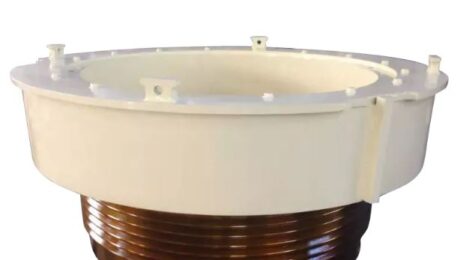
Bowl assembly is a critical component within the realm of mining machinery. Understanding its design, function, and optimal maintenance practices is paramount for ensuring the efficiency and longevity of mining operations. This comprehensive guide delves into bowl assembly, its spare parts, and the role it plays in various types of mining machinery.
What is Bowl Assembly?
Bowl assembly refers to a foundational structure that holds various components and facilitates the separation of materials in mining processes. It is often used in equipment like crushers and separators, making it a crucial element in the productive chain of mining operations.
Components of Bowl Assembly
The bowl assembly typically consists of several integral parts, including:
- Bowl Liner: Protects the bowl from wear and tear.
- Bowl Support: Provides stability and support to the assembly.
- Spindle: A rotating component that drives the bowl’s movement.
- Adjustment Mechanism: Allows for the adjustment of the bowl position.
- Hydraulic Systems: Used for lifting and adjusting the bowl as necessary.
The Importance of Bowl Assembly in Mining Machinery
Bowl assemblies are crucial for several reasons:
- Efficiency: A well-functioning bowl assembly enhances the efficiency of material separation.
- Durability: High-quality bowl assemblies extend the lifespan of mining machinery.
- Performance: Properly assembled bowls improve overall operational performance.
Common Mining Machinery Using Bowl Assembly
Several types of mining machinery utilize bowl assemblies, including:
- Hoppers: For managing the flow of materials.
- Crushers: Particularly cone crushers, which rely on bowl assemblies for crushing operations.
- Separators: To segregate different materials efficiently.
Bowl Assembly Spare Parts
Maintaining bowl assemblies requires access to an array of spare parts, including:
- Bowl Liners: Regular replacement is necessary to combat wear.
- Tapered Rollers: Essential for smooth operation.
- Seals: Prevent leaks and protect components from contamination.
How to Maintain Bowl Assembly in Mining Machinery
Effective maintenance practices for bowl assembly include:
- Regular Inspections: Frequent checks for wear and tear can prevent larger issues.
- Lubrication: Proper lubrication reduces friction and extends the lifespan of components.
- Timely Repairs: Addressing minor issues before they escalate is critical.
FAQs About Bowl Assembly
1. What materials are commonly used for bowl assembly construction?
The materials used for bowl assemblies can vary but typically include high-strength steel and wear-resistant alloys.
2. How often should bowl assemblies be inspected?
It is recommended to inspect bowl assemblies at regular intervals, such as every few weeks or after a set number of operational hours.
3. What are signs of a failing bowl assembly?
Common signs include unusual noises, vibrations, and inefficiencies in material processing.
4. Can I replace bowl assembly components myself?
While minor replacements can be done independently, it is advisable to consult with a professional for major repairs.
5. How does bowl assembly impact the overall performance of mining machinery?
A well-assembled bowl directly influences the machinery’s efficiency, stability, and durability, affecting overall productivity.
Conclusion
Bowl assemblies are indispensable to mining machinery, influencing everything from operations efficiency to equipment lifespan. Understanding their function, maintenance needs, and the importance of associated spare parts can empower operators to keep their machinery running smoothly and effectively.
LSI and NLP Keywords Related to Bowl Assembly
- Mining Equipment
- Mining Operations
- Crusher Components
- Bowl Liner Replacement
- Spare Parts Supplier
- Mining Industry
- Materials Handling
- Cone Crushers
- Hydraulic Systems
- Equipment Maintenance
- Mining Machinery Maintenance
- Wear Parts
- Material Separation
- Crushing Equipment
- Protective Liners
- Mining Production
- Published in Products
Comprehensive Guide to Head Assembly in Mining Machinery
Comprehensive Guide to Head Assembly in Mining Machinery
In the world of mining machinery, the head assembly plays a crucial role in the overall functionality and efficiency of machines. This component is vital for the proper operation of various mining equipment, ensuring that they perform optimally in harsh environments. This article delves into the intricacies of head assemblies, their types, spare parts, and more.
What is a Head Assembly?
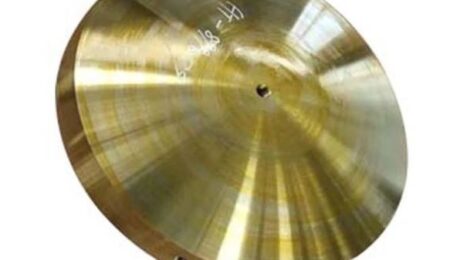
The head assembly is a significant component in mining machinery, responsible for various tasks depending on the specific type of equipment. Typically, the head assembly includes the main housing, gears, and various attached mechanisms that contribute to the overall performance of the machine.
Types of Head Assemblies in Mining Machinery
Mining machinery comes in various forms, and so do the head assemblies that accompany them. Here are some common types:
- Hydraulic Head Assembly: Utilized primarily in hydraulic excavators, this assembly enables precise movements and increased power distribution.
- Mechanical Head Assembly: Typically found in drilling rigs, mechanical assemblies often use gears and levers to perform their functions.
- Electric Head Assembly: Used in electrically powered mining machinery, providing a reliable source of power for various operations.
Importance of Head Assembly in Mining Operations
The head assembly’s design and construction significantly influence a mining machine’s performance, efficiency, and longevity. Proper maintenance of the head assembly can lead to:
- Improved Equipment Efficiency
- Reduced Downtime
- Enhanced Safety Features
- Cost Savings Through Less Frequent Repairs
Head Assembly Components
Understanding the components of the head assembly can help operators maintain their mining machinery effectively. Major components include:
- Main Housing: The structural part that houses the internal mechanisms.
- Bearings: Facilitate smooth movement of rotating parts.
- Gears: Essential for transferring power within the assembly.
- Seals and Gaskets: Prevent fluid leaks, thus ensuring operational integrity.
Mining Machinery Spare Parts Related to Head Assembly
In maintaining reliability, spare parts for head assemblies are crucial. When needing replacement, consider the following:
- Replacement Bearings
- Gears and Gearboxes
- Hydraulic Seals
- Control Valves
- Electrical Components
Choosing the Right Head Assembly Spare Parts
When selecting spare parts for head assemblies, consider compatibility, manufacturer reputation, and warranty offerings. Always refer to the equipment manual for specifications.
How to Maintain Your Head Assembly
Regular maintenance of the head assembly can prevent costly repairs. Here are some maintenance tips:
- Frequent inspections for wear and tear.
- Proper lubrication of moving parts.
- Regular cleaning procedures to remove debris.
- Addressing any leaks immediately.
Common Issues with Head Assemblies
Despite proper care, head assemblies can encounter problems, including:
- Wear and Tear: Over time, components can degrade.
- Leaks: Fluid leaks often indicate seal failure.
- Noise: Unusual sounds may signal component failure.
FAQs about Head Assembly in Mining Machinery
What is the function of the head assembly in mining machinery?
The head assembly is critical for the operation of mining equipment, providing support and facilitating various machine functions.
What are common spare parts for head assemblies?
Common spare parts include bearings, gears, hydraulic seals, control valves, and electrical components.
How can I tell if my head assembly needs maintenance?
Signs of wear and tear, leaks, and unusual noises can indicate that your head assembly requires maintenance.
What are the best practices for maintaining head assemblies?
Regular inspections, proper lubrication, cleaning, and prompt repairs are essential for maintaining head assemblies.
Future Trends in Head Assembly Technology
As technology advances, the design and functionality of head assemblies are expected to improve. Future trends may include:
- Integration of IoT technology for predictive maintenance.
- Use of advanced materials to enhance durability.
- Improved designs for energy efficiency.
Conclusion
Head assemblies are a fundamental component of mining machinery that deserves attention regarding maintenance and operation. By understanding their function, components, and spare parts, operators can enhance the lifespan and efficiency of their equipment.
LSI and NLP Keywords
Head assembly parts, mining equipment head assembly, hydraulic head assembly, head assembly maintenance, spare parts for head assembly, mining machinery components, efficiency in mining, heavy machinery head assembly, mining machinery repair, drilling rigs head assembly, head assembly troubleshooting, mining equipment maintenance, hydraulic systems in mining, breakdown of head assembly, inspection of mining machinery.
- Published in Products
