


The Ultimate Guide to T Seals in Mining Machinery and Spare Parts
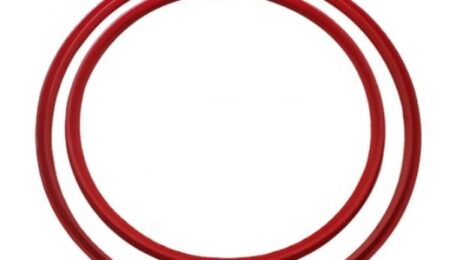
The Ultimate Guide to T Seals in Mining Machinery and Spare Parts
T seals play a crucial role in the functionality and efficiency of mining machinery, providing vital sealing solutions in various applications. In this comprehensive guide, we will explore everything you need to know about T seals, their importance in mining machinery, how to select the right T seal for your needs, and the benefits of using high-quality T seals in operations.
What Are T Seals?
T seals, often referred to as T-shaped seals, are important components used in hydraulic and pneumatic applications to prevent fluid leakage. They are designed to fit in specific grooves, creating a secure seal that withstands pressure and temperature variations.
Importance of T Seals in Mining Machinery
The mining industry relies heavily on machinery to operate efficiently. T seals ensure that hydraulic systems function optimally by preventing fluid leakage, which can cause machinery breakdowns and costly downtimes. The integrity of mining operations depends on the reliability of these seals.
Applications of T Seals in Mining Machinery
- Hydraulic cylinders
- Pneumatic systems
- Rotary actuators
- Compressors
- Excavators and backhoes
Types of T Seals
Understanding the different types of T seals can help in selecting the right one for your machinery:
- Standard T Seals: Used in most hydraulic applications.
- Urethane T Seals: Ideal for abrasive environments commonly found in mining.
- Silicone T Seals: Used for high-temperature applications.
- Fluoroelastomer T Seals: Suitable for chemical exposure.
How to Select the Right T Seal for Your Mining Machinery
Choosing the right T seal requires careful consideration of several factors:
- Size and Dimensions: Ensure the seal fits the specific seal groove.
- Material: Consider the operating environment and fluid compatibility.
- Temperature Range: Select seals that can withstand the operational temperatures.
- Pressure Ratings: Ensure seals can handle the necessary pressure levels.
Benefits of Using High-Quality T Seals
Investing in high-quality T seals leads to numerous advantages:
- Improved Equipment Reliability: Reduces risks of leaks and machinery failure.
- Enhanced Performance: Maintains efficient operations of hydraulic systems.
- Cost-effectiveness: Reduces maintenance costs by preventing premature wear.
- Extended Machinery Life: Protects components and prolongs operational lifespan.
Common Problems Associated with T Seals in Mining Equipment
T seals can face specific challenges in the mining environment:
- Wear and Tear: Continuous operation can lead to degradation.
- Chemical Exposure: Harsh chemicals can damage seals.
- Temperature Extremes: High or low temperatures may compromise seal integrity.
- Poor Installation: Incorrect installation can lead to premature failure.
How to Maintain T Seals in Mining Machinery
Proper maintenance can enhance the longevity of T seals:
- Regular Inspections: Check for signs of wear and leakage.
- Proper Lubrication: Ensure appropriate lubricants are used to reduce friction.
- Timely Replacement: Replace seals at the first signs of wear to prevent equipment damage.
T Seal vs. Other Types of Seals
When compared to other types of seals, T seals offer specific advantages, especially in hydraulic systems. Understanding these differences can help operators make informed decisions for their machinery:
- O-rings: More versatile, but not always suitable for high-pressure applications.
- U Seals: Effective in certain applications but may not provide the same sealing capability as T seals.
FAQ Section
What is a T seal?
A T seal is a T-shaped sealing component designed for hydraulic and pneumatic applications to prevent fluid leakage.
In which applications are T seals commonly used?
T seals are commonly used in hydraulic cylinders, pneumatic systems, excavators, and other mining machinery.
How do I know if my T seal needs to be replaced?
Signs of wear, such as fluid leakage or decreased machinery performance, often indicate that a T seal needs replacement.
What materials are T seals made from?
T seals can be made from various materials including urethane, silicone, and fluoroelastomer, depending on the specific application requirements.
Can I install a T seal myself?
Installation of T seals can be done by operators with proper training, but it is crucial to follow guidelines to ensure proper fit and function.
Conclusion
Understanding the importance of T seals in mining machinery is key to maintaining operational efficiency and reducing downtime. Selecting the right seal for your specific application, maintaining it properly, and investing in high-quality components can make a significant difference in the performance of your machinery. For mining operators, ensuring that T seals are in optimal condition is as vital as the machinery itself.
- Published in Products
The Ultimate Guide to U Seals in Mining Machinery and Spare Parts
The Ultimate Guide to U Seals in Mining Machinery and Spare Parts
In the world of mining machinery and spare parts, U seals play a crucial role in ensuring operational efficiency and longevity. This comprehensive guide covers everything you need to know about U seals, including their types, applications, advantages, and maintenance tips.
1. Understanding U Seals
U seals, also known as U-shaped seals, are essential components used in hydraulic systems and machinery across various industries, particularly in mining. Their design helps in effectively sealing against dirt, dust, and other contaminants while preventing fluid leakage.
2. Types of U Seals
2.1. Rubber U Seals
Rubber U seals are made from durable elastomeric materials, providing excellent flexibility and sealing properties. They are commonly used in applications exposed to varying temperature and pressure conditions.
2.2. PTFE U Seals
PTFE (Polytetrafluoroethylene) U seals offer superior chemical resistance and can withstand high temperatures, making them ideal for harsh mining environments.
2.3. Metal Reinforced U Seals
Metal reinforced U seals combine the flexibility of rubber with the strength of metal, providing enhanced durability for heavy-duty applications.
3. Common Applications of U Seals in Mining Machinery
U seals are widely used in various types of mining machinery, including excavators, bulldozers, and drilling equipment. They are crucial in hydraulic cylinders, pumps, and other machinery components, preventing leaks and contamination.
4. Benefits of Using U Seals in Mining Machinery
4.1. Enhanced Performance
U seals contribute to the seamless operation of mining machinery by ensuring optimal sealing capabilities under various operating conditions.
4.2. Cost-Effectiveness
By minimizing fluid loss and protecting machinery from contaminants, U seals help reduce maintenance costs and enhance the longevity of equipment.
4.3. Versatility
The adaptability of U seals to different environments and their compatibility with various hydraulic fluids make them indispensable in the mining sector.
5. How to Choose the Right U Seal
Selecting the appropriate U seal involves considering factors such as the type of machinery, operating conditions (temperature and pressure), and the fluids involved.
6. Installation Tips for U Seals
6.1. Proper Cleaning
Before installing a U seal, ensure that the sealing surfaces are clean and free from debris or contaminants.
6.2. Correct Alignment
Ensure that the U seal is aligned correctly with the sealing groove to avoid premature wear and leakage.
6.3. Lubrication
Applying appropriate lubrication before installation can enhance the lifespan of the U seal and facilitate easier installation.
7. Maintenance and Care of U Seals
Regularly inspect U seals for signs of wear or damage, and replace them as necessary to maintain optimal performance of mining machinery.
8. Frequently Asked Questions (FAQ)
8.1. What are U seals used for in mining machinery?
U seals are used to prevent fluid leakage and protect machinery from contaminants, ensuring optimal performance and longevity.
8.2. How do I know when to replace a U seal?
Signs of wear or damage, such as leaks or diminished performance, indicate that a U seal needs to be replaced.
8.3. Can I use U seals in all types of machinery?
While U seals are versatile, it’s essential to select the appropriate type based on the machinery’s operating conditions and fluid compatibility.
9. Conclusion
Choosing the right U seal for mining machinery is crucial for efficient and reliable operation. Understanding the types, applications, and maintenance of U seals can significantly enhance the performance of mining equipment.
10. Related Keywords
Some related keywords include hydraulic seals, machinery seals, seal design, spare parts for mining machinery, U-shaped seals, rubber seals for machinery, PTFE seals, metal seals, mining equipment, and hydraulic machinery. Incorporating these terms can further enhance the content’s SEO performance.
- Published in Products
Understanding Head Bolts and Lock Bolts in Mining Machinery: Essential Spare Parts
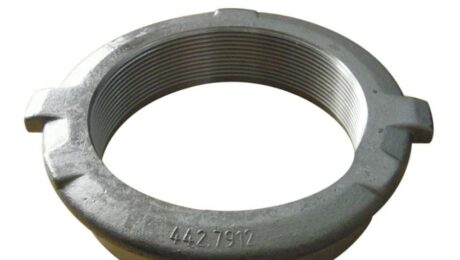
Understanding Head Bolts and Lock Bolts in Mining Machinery: Essential Spare Parts
Mining machinery is integral to the mining industry, enabling the efficient extraction of valuable minerals and resources. Among the essential components of mining machinery are head bolts and lock bolts. These spare parts play crucial roles in ensuring the structural integrity and operational efficiency of heavy equipment. This article delves into the significance, functions, and maintenance of head bolts and lock bolts in mining machinery.
1. What are Head Bolts?
Head bolts are critical fastening components used in various machinery, including mining equipment. They secure the machine’s engine, transmission, and other essential parts to prevent loosening and maintain optimal performance. Proper installation and maintenance of head bolts are vital for safe and effective machinery operation.
2. What are Lock Bolts?
Lock bolts are specialized fastening devices designed to provide increased resistance against vibrations, making them ideal for use in heavy-duty machinery like mining equipment. They feature a unique design that locks the bolt in place, enhancing stability and reducing the risk of parts loosening during operation.
3. The Importance of Head Bolts in Mining Machinery
Head bolts serve several crucial functions in mining machinery:
- Securing engine components: Head bolts play a fundamental role in holding the engine block, cylinder head, and other vital components together.
- Maintaining pressure: Properly tightened head bolts help maintain engine pressure, ensuring efficient performance and reducing the risk of overheating.
- Preventing leaks: Tight head bolts reduce the chances of coolant and oil leaks, contributing to overall machinery longevity.
4. The Benefits of Lock Bolts in Mining Operations
Lock bolts offer multiple advantages in the context of mining machinery:
- Vibration resistance: Their design minimizes the risk of loosening caused by vibrations from heavy equipment.
- Ease of installation: Unlike traditional fasteners, lock bolts can be easily installed and removed with specific tools.
- Enhanced safety: The locking mechanism provides an added layer of safety by ensuring components remain securely fastened during operation.
5. Head Bolt vs. Lock Bolt: A Comparison
While both head bolts and lock bolts serve the purpose of fastening in mining machinery, they differ in design and application:
- Head bolts are primarily used for assembling engine components, while lock bolts are used in various applications where vibration resistance is crucial.
- Head bolts often require precise torque settings, whereas lock bolts provide a more forgiving installation process.
6. Maintenance and Replacement of Head Bolts
Regular maintenance of head bolts ensures that mining machinery operates efficiently. Here are some tips:
- Regular inspections: Check for signs of wear or rust on head bolts and replace them as necessary.
- Proper torque setting: Always adhere to the manufacturer’s specifications for torque settings when installing head bolts.
- Timely replacement: Replace head bolts as part of routine maintenance, especially after major repairs or engine overhauls.
7. Maintenance and Replacement of Lock Bolts
Lock bolts also require regular inspections and maintenance. Consider the following:
- Visual inspections: Regularly check lock bolts for any signs of wear or loss of locking ability.
- Replacement: Replace lock bolts as soon as they show signs of fatigue to avoid potential machinery failure.
- Use correct tools: Ensure the proper tools are used for installation and removal to prevent damage.
8. Common Issues with Head and Lock Bolts
Understanding potential issues with head and lock bolts is essential for preventing machinery failure:
- Corrosion: Exposure to harsh mining environments can lead to corrosion, affecting bolt performance.
- Loosening: Improper installation or wear can lead to loosening of bolts, posing safety risks.
- Over-torquing: Excessive torque can damage the bolts and surrounding components, leading to further issues.
9. Frequently Asked Questions (FAQs)
Q1: What materials are head bolts typically made from?
A1: Head bolts are commonly made from high-strength steel or alloys to withstand high temperatures and pressures.
Q2: Can I use regular bolts instead of lock bolts in mining machinery?
A2: It is not advisable; lock bolts are specifically designed for vibration resistance and provide enhanced safety.
Q3: How often should head bolts be inspected?
A3: Head bolts should be inspected regularly, especially after major machinery use or maintenance.
Q4: What signs indicate a head bolt needs replacement?
A4: Signs include visible wear, corrosion, or if you notice engine overheating or fluid leaks.
Q5: Are there specific tools required for installing head bolts?
A5: Yes, a torque wrench is essential to ensure proper tightening to the manufacturer’s specifications.
10. Conclusion: The Role of Head Bolts and Lock Bolts in Mining Machinery
Head bolts and lock bolts are invaluable components of mining machinery, ensuring the safety and efficiency of operations. Regular maintenance and timely replacement can prevent costly downtime and enhance the lifespan of mining equipment. By understanding the significance of these spare parts, operators can ensure their machinery remains in optimal condition for successful mining operations.
11. LSI and NLP Keywords Related to Head Bolts and Lock Bolts
- Fasteners
- Mining Equipment
- Heavy Machinery
- Structural Integrity
- Bolt Maintenance
- Vibration Resistance
- Torque Specifications
- Wear and Tear
- Engine Components
- Corrosion Resistance
- Mechanical Fasteners
- Mining Industry
- Safety Standards
- High-Strength Steel
- Structural Bolts
- Industrial Grade Fasteners
- Operational Efficiency
- Fastening Technologies
- Equipment Durability
- Mining Operations
- Published in Products
Comprehensive Guide to Anti Clogging Screen Meshes in Mining Machinery

Anti Clogging Screen Meshes: A Game Changer for Mining Machinery
In the mining industry, efficiency is paramount. One critical component that plays a significant role in enhancing operational productivity is the anti-clogging screen mesh. This article will explore the importance, types, and applications of anti-clogging screen meshes in mining machinery, alongside an extensive FAQ section to address common queries.
What are Anti Clogging Screen Meshes?
Anti-clogging screen meshes are specialized filtration products used in mining machinery to prevent blockages during the screening process. They are designed to facilitate the flow of materials while effectively filtering out unwanted debris.
The Importance of Anti Clogging Screen Meshes in Mining Operations
- Enhances Productivity
- Reduces Downtime
- Increases Equipment Lifespan
- Improves Material Quality
Types of Anti Clogging Screen Meshes
1. Wire Mesh
Traditional wire meshes are effective but can become clogged. Anti-clogging variants are designed with specific configurations that minimize blockage.
2. Polyurethane Mesh
This type of mesh is flexible and durable, making it ideal for harsh mining environments. It offers superior wear resistance.
3. Self-Cleaning Mesh
Self-cleaning meshes utilize vibration and movement to eliminate any material clinging to the surface, thus preventing clogging.
4. Synthetic Mesh
Made from synthetic materials, these meshes offer lightweight and strong properties, increasing efficiency in screening processes.
Key Features of Anti Clogging Screen Meshes
- High Open Area: Allows materials to flow freely.
- Durability: Withstands harsh mining conditions.
- Customized Aperture Sizes: Tailored to specific material types.
- Corrosion Resistance: Enhances service longevity.
Applications of Anti Clogging Screen Meshes in Mining
- Coal Processing
- Aggregate Screening
- Mineral Processing
- Sand and Gravel Separation
- Waste Recycling
Choosing the Right Anti Clogging Screen Mesh
- Assessment of Material Characteristics
- Understanding Operational Conditions
- Selecting the Appropriate Material
- Determining Cost-Effectiveness
Maintenance Tips for Anti Clogging Screen Meshes
- Regular Inspections
- Timely Cleaning
- Replacement of Worn Parts
- Adjusting Tension
Innovations in Anti Clogging Screen Mesh Technology
Technology is continuously evolving and thus anti-clogging screen meshes are becoming more efficient. Innovations include enhanced materials and designs that optimize performance.
Conclusion
Anti clogging screen meshes are indispensable in mining machinery operations. Their role in enhancing efficiency and productivity cannot be overstated. Investing in high-quality meshes leads to long-term benefits for mining operations.
Frequently Asked Questions (FAQ)
1. What is the function of anti-clogging screen meshes?
The function of anti-clogging screen meshes is to prevent blockages during the screening process while allowing materials to flow freely through.
2. How do I know if I need an anti-clogging screen mesh?
If your current operation is experiencing frequent blockages and inefficiencies, it may be time to consider upgrading to anti-clogging screen meshes.
3. What are the common materials used for anti-clogging screen meshes?
Common materials include stainless steel, polyurethane, and synthetic materials designed for durability and flexibility.
4. How often should anti-clogging screen meshes be maintained or replaced?
Regular inspection is recommended, with maintenance conducted based on wear and tear. When performance drops considerably, replacement is advised.
5. Can anti-clogging screen meshes be customized?
Yes, anti-clogging screen meshes can often be customized in terms of material, aperture size, and dimensions to meet specific operational needs.
LSI and NLP Keywords Related to Anti Clogging Screen Meshes
- Mining filtration solutions
- Screening technology
- Mesh design innovations
- Material separation equipment
- Mining machinery components
- Clogging prevention techniques
- Mining operation optimization
- Durable screen materials
- Wear-resistant meshes
- Efficient screening processes
- Ore processing technology
- Equipment maintenance strategies
- Custom mesh solutions
- Mining industry best practices
- Published in Products
The Comprehensive Guide to Screen Meshes in Mining Machinery and Spare Parts
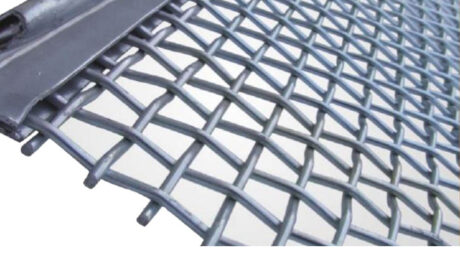
The Comprehensive Guide to Screen Meshes in Mining Machinery and Spare Parts
Screen meshes play a crucial role in the mining industry, serving as vital components in various heavy machinery used for sorting, filtering, and separating minerals. This guide delves into everything you need to know about screen meshes, including their types, materials, applications, maintenance, and spare parts.
1. What are Screen Meshes?
Screen meshes refer to the fabricated mesh materials that are utilized in mining machinery for the purpose of separating materials based on size and shape. Typically made from wire or synthetic materials, these meshes are designed to offer durability and efficiency in screening processes.
2. Types of Screen Meshes in Mining Machinery
There are several different types of screen meshes commonly used in mining machinery:
- Woven Wire Mesh: Traditional and widely used for its strength and flexibility.
- Punched Plate Screens: Metal sheets with holes punched for larger debris separation.
- Polyurethane Screen Mesh: Known for its corrosion resistance and longer lifespan.
- Rubber Screen Mesh: Offers flexibility and reduces noise, ideal for sensitive environments.
3. Materials Used in Screen Meshes
Screen meshes can be made from various materials, each offering unique benefits:
- Stainless Steel: Highly resistant to corrosion and wear, ideal for harsh environments.
- Carbon Steel: More affordable option but less resistant to corrosion.
- Polyester and Nylon: Lightweight and flexible, suitable for specific applications.
4. Applications of Screen Meshes in Mining Machinery
Screen meshes have numerous applications in the mining industry:
- Used in vibrating screens for sorting minerals.
- In trommel screens for separating different materials based on size.
- As part of crushers and grinders during mineral processing.
5. Importance of Quality Screen Meshes
Investing in quality screen meshes is vital for maintaining optimal operation in mining machinery. High-quality meshes can enhance efficiency, reduce maintenance costs, and improve the overall lifespan of the machinery.
6. Maintenance of Screen Meshes
Regular maintenance is key to ensuring the functionality of screen meshes:
- Routine inspections for wear and tear.
- Cleaning to remove any buildup that might obstruct flow.
- Timely replacement of damaged meshes to prevent costly downtimes.
7. How to Choose the Right Screen Mesh for Your Mining Machinery
Choosing the appropriate screen mesh involves considering various factors:
- The specific application and purpose of the machinery.
- The material characteristics to be separated.
- Operating conditions, including temperature and chemical exposure.
- Desired longevity and maintenance requirements.
8. Screen Mesh Spare Parts for Mining Machinery
Having the right spare parts on hand is vital for the smooth operation of mining machinery:
- Replacement Screen Meshes: Regularly stocked to replace worn-out units.
- Support Frames: Essential for securely holding the mesh in place.
- Fasteners and Clips: Necessary for installation and maintenance.
9. Future Trends in Screen Mesh Technology
The mining industry is continuously evolving, and so is the technology behind screen meshes. Innovations such as advanced synthetic materials and smart monitoring systems are paving the way for more efficient and durable mesh solutions.
10. Frequently Asked Questions (FAQ)
What is the lifespan of a typical screen mesh?
The lifespan of a screen mesh varies based on material, usage, and operating conditions but can typically range from several months to a few years with proper maintenance.
How do I know when to replace my screen mesh?
Indicators of needing a replacement include visible wear, reduced screening efficiency, and excessive noise during operation.
Can screen meshes be repaired?
In some cases, screen meshes can be repaired, especially if the damage is minor. However, replacement is often more effective for long-term reliability.
Are there customizable options for screen meshes?
Many manufacturers offer customizable screen meshes to meet specific needs, including size, material, and hole pattern.
What should I consider when sourcing spare parts for screen meshes?
Consider factors such as compatibility with existing machinery, quality of materials, and supplier reliability when sourcing spare parts.
11. Related Keywords and Terms
- Mining screen mesh
- Mining machinery screens
- Vibrating screen mesh
- Crusher screen mesh
- Trommel screen mesh
- Screening equipment
- Screen mesh specifications
- High carbon screen mesh
- Screen mesh manufacturers
- Mining equipment spare parts
- Mining screen types
- Efficient screening solutions
- Durability in mining equipment
- Screen mesh applications
- Heavy-duty screen fabrics
- Published in Products
Understanding the Feed Eye Ring: A Comprehensive Guide to Mining Machinery and Spare Parts
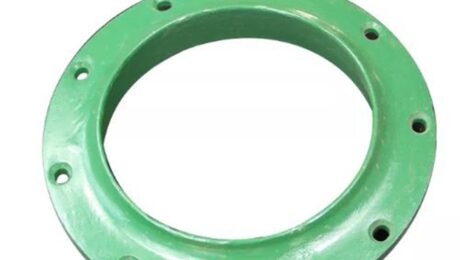
Understanding the Feed Eye Ring: A Comprehensive Guide to Mining Machinery and Spare Parts
1. Introduction to Feed Eye Rings
In the realm of mining machinery, the feed eye ring plays a crucial role in the efficiency and performance of various equipment. This component is essential in ensuring optimal feed rates and preventing wear and tear on machinery. In this comprehensive guide, we will explore the intricacies of feed eye rings, their applications, benefits, and maintenance.
2. What is a Feed Eye Ring?
A feed eye ring is a specific component utilized in mining machinery designed to guide material into the processing units. Typically made from high-quality materials, these rings ensure durability and longevity under rigorous operational conditions. They are integral to systems such as crushers, mills, and screens.
3. The Role of Feed Eye Rings in Mining Machinery
Feed eye rings serve multiple functions in mining operations. They help in:
- Regulating feed material flow
- Minimizing friction and wear in processing units
- Enhancing the efficiency of material handling
- Preventing blockages in the feed system
4. Types of Feed Eye Rings
There are several types of feed eye rings available, each tailored for specific machinery and operational needs. Some common types include:
- Standard Feed Eye Rings: These are the most widely used versions, designed for general application across various machinery.
- Custom Feed Eye Rings: Tailored to meet the distinct requirements of certain mining operations, these rings are crafted to fit specified dimensions and conditions.
- Heavy-Duty Feed Eye Rings: Constructed from robust materials, these rings are ideal for high-impact and heavy-load scenarios.
5. Materials Used in Manufacturing Feed Eye Rings
The performance and longevity of feed eye rings largely depend on the materials used in their construction. Some common materials include:
- High-Carbon Steel: Offers excellent wear resistance and durability.
- Alloy Steel: Provides higher toughness and strength, suitable for demanding applications.
- Polyurethane: Used for its low friction properties and chemical resistance.
6. Benefits of Using Quality Feed Eye Rings
Investing in high-quality feed eye rings can offer several benefits, such as:
- Improved machinery efficiency and reliability
- Reduced downtime due to maintenance or replacements
- Longer service life and lower operational costs
- Enhanced safety in material handling processes
7. Maintenance Tips for Feed Eye Rings
Proper maintenance of feed eye rings is crucial for optimal performance. Here are some tips to ensure longevity:
- Regularly inspect feed eye rings for signs of wear and tear.
- Clean the rings to prevent buildup of material that may cause blockages.
- Replace rings showing significant wear promptly to avoid machinery damage.
- Ensure proper alignment during installation to maintain effective material flow.
8. How to Select the Right Feed Eye Ring for Your Equipment
Selecting the appropriate feed eye ring involves several factors, including:
- Type of machinery it will be used with
- Operating environment and conditions
- Material characteristics being processed
- Expected load and wear factors
9. Frequently Asked Questions (FAQs) about Feed Eye Rings
9.1 What is the typical lifespan of a feed eye ring?
The lifespan of a feed eye ring can vary widely based on usage, material properties, and maintenance practices but may range from several months to a few years.
9.2 Can feed eye rings be repaired?
While some damage may be repairable, it is often more cost-effective and safer to replace a worn or damaged feed eye ring.
9.3 How often should feed eye rings be replaced?
Replacement frequency is dependent on operational conditions, but regular inspections should guide timely replacements to avoid equipment failure.
9.4 Are there standards or certifications for feed eye rings?
Yes, many manufacturers adhere to industry quality standards and certifications to ensure components meet specific performance and safety criteria.
9.5 Where can I purchase high-quality feed eye rings?
High-quality feed eye rings can be purchased from specialized mining machinery suppliers, industrial equipment distributors, and trusted online platforms catering to machine parts.
10. Conclusion: The Importance of Feed Eye Rings in Mining Operations
In summary, the feed eye ring is a vital component of mining machinery that significantly influences operational efficiency. By understanding its function, benefits, and maintenance practices, mining operators can ensure their equipment performs optimally and experiences minimal downtime. Choosing the right feed eye ring is imperative for enhancing productivity and safety in mining operations.
LSI and NLP Keywords Related to Feed Eye Rings
- mining equipment
- machinery components
- spare parts for mining
- wear-resistant materials
- mineral processing
- crushing equipment
- material handling systems
- machinery reliability
- operational efficiency
- mining industry standards
- preventive maintenance
- spare parts suppliers
- machinery alignment
- heavy machinery
- production optimization
- custom machinery parts
- Published in Products
The Essential Guide to Feed Tubes in Mining Machinery and Spare Parts

The Essential Guide to Feed Tubes in Mining Machinery and Spare Parts
In the mining industry, the efficiency and performance of machinery play a crucial role in productivity. Among the many components that ensure smooth operations, the feed tube is one of the most vital parts. This article delves into the significance of feed tubes in mining machinery, their construction, maintenance, and the spare parts associated with them.
Understanding Feed Tubes in Mining Machinery
Feed tubes are critical components in various types of mining machinery. They serve the purpose of transporting materials from one point to another, enhancing the efficacy of the machinery.
What is a Feed Tube?
A feed tube refers to a cylindrical conduit that helps in transferring mined materials, slurries, or other substances efficiently through equipment. Its design and quality can significantly impact the performance of mining machinery.
Types of Feed Tubes
- Standard Feed Tubes: Commonly used in various machines such as conveyors, feeders, and crushers.
- Custom Feed Tubes: Tailor-made for specific machinery or mining conditions, ensuring optimal performance.
- Wear-Resistant Feed Tubes: Designed to withstand abrasive materials and extend the lifespan of the equipment.
The Role of Feed Tubes in Mining Operations
Feed tubes are essential for transporting materials efficiently within the mining operation. Their role extends beyond mere transportation; they influence the overall productivity of the machinery.
Enhancing Material Flow
Feed tubes are engineered to ensure smooth material flow through the mining machinery, minimizing blockages and downtime. This efficiency is critical in maintaining productivity on-site.
Improving Equipment Longevity
By utilizing high-quality feed tubes, mining companies can prolong the life of their machinery. A well-functioning feed tube reduces strain on the equipment, leading to fewer mechanical failures.
Materials Used in Feed Tube Manufacturing
Feed tubes are manufactured using various materials based on the application, environmental conditions, and types of materials being transported.
Common Materials for Feed Tubes
- Stainless Steel: Known for its durability and resistance to corrosion, suitable for harsh environments.
- Polyurethane: Offers flexibility and wear-resistant properties, ideal for transporting abrasive materials.
- Rubber: Can absorb vibrations and impacts, enhancing the longevity of the feed tube.
- High-Strength Plastic: Lightweight and resistant to various chemicals, often used in mobile mining machinery.
Maintenance of Feed Tubes
Regular maintenance of feed tubes is crucial for ensuring optimal performance and longevity.
Inspection Practices
- Routine inspections for wear and tear.
- Checking for clogs or material buildup.
- Monitoring connection points for leaks or separation.
Cleaning Procedures
Implementing effective cleaning procedures ensures that feed tubes operate without blockages, improving efficiency. Cleaning processes can include:
- Flushing with solvents or cleaning agents.
- Utilizing brushes or air compressors to remove buildup.
- Periodic replacement for highly worn feed tubes.
Identifying Signs of Wear and Tear in Feed Tubes
Awareness of potential issues with feed tubes can prevent severe machinery breakdowns.
- Unusual vibrations during operation.
- Inconsistent material flow.
- Visible cracks or dents in the tube structure.
Common Issues and Troubleshooting of Feed Tubes
Understanding common issues associated with feed tubes can help in quick troubleshooting.
- Blockages: Caused by material build-up; can be resolved by thorough cleaning.
- Leaks: Often occur at joints; regular inspection is essential.
- Wear: Indicates the need for replacement; monitor for signs of extreme wear.
The Importance of Quality Spare Parts for Feed Tubes
Substituting high-quality spare parts is essential for the functionality of feed tubes. Not all spare parts are made equal; opting for quality components can drastically improve performance.
Benefits of Quality Spare Parts
- Increased lifespan of mining machinery.
- Improved safety during operations.
- Decreased downtime and maintenance costs.
Frequently Asked Questions About Feed Tubes
What is the purpose of a feed tube in mining machinery?
The feed tube facilitates the transfer of materials within mining machinery, enhancing the efficiency of operations.
How do I know when to replace my feed tube?
Signs of wear, such as cracks, leaks, or inconsistent material flow, indicate when a feed tube should be replaced.
What materials are best for feed tubes?
Common materials include stainless steel, polyurethane, rubber, and high-strength plastic, each selected based on specific operational needs.
How can I maintain my feed tube?
Regular inspections, cleaning, and monitoring for wear and tear are crucial for maintaining feed tubes and ensuring their longevity.
Are replacement feed tubes always compatible?
Not necessarily; it’s vital to ensure replacements match the specifications of your existing machinery.
Conclusion
Feed tubes are indispensable components in mining machinery, influencing both the efficiency and longevity of operations. Understanding their functions, maintenance needs, and the importance of quality spare parts allows mining companies to optimize their productivity and equipment performance.
Additional Keywords
- Mining machinery
- Spare parts
- Material transport
- Wear-resistant components
- Cylinder conduits
- Mining operations
- Productivity enhancement
- Material flow efficiency
- Mining equipment life
- Component wear
- Published in Products
Comprehensive Guide to Wear Plates in Mining Machinery and Spare Parts

Understanding Wear Plates in Mining Machinery
Wear plates play a crucial role in mining machinery, ensuring optimal performance and longevity. In this article, we delve into everything you need to know about wear plates, their types, applications, benefits, and how they contribute to the efficiency of mining operations.
What are Wear Plates?
Wear plates are flat components used to protect machinery parts against wear caused by friction or impact. Made from high-strength materials, they reduce material loss, enhance component lifespan, and ultimately improve the efficiency of mining operations.
Importance of Wear Plates in Mining Machinery
Mining machinery operates in harsh environments, and wear plates provide necessary protection for critical components. Without wear plates, the machinery is susceptible to damage, leading to costly downtime and repairs.
Types of Wear Plates Used in Mining Machinery
1. Abrasion Resistant Steel Plates
These plates are designed to withstand severe abrasion and are commonly used in high-impact applications.
2. Composite Wear Plates
Composite wear plates combine various materials, offering exceptional resistance properties.
3. Rubber Wear Plates
Rubber plates are used in applications requiring flexibility and shock absorption while protecting against wear.
4. Polyurethane Wear Plates
Polyurethane plates are lightweight and provide excellent resistance to abrasion, making them ideal for various mining machinery.
Applications of Wear Plates in Mining Machinery
Wear plates are applied in various areas of mining machinery, including:
- Excavators
- Loaders
- Crushers
- Conveyors
- Dump trucks
- Shovels
Benefits of Using Wear Plates
Investing in wear plates offers numerous advantages:
- Extended Machinery Life: Protecting critical components ensures machinery lasts longer.
- Cost Efficiency: Reducing wear minimizes replacement costs and machinery downtime.
- Enhanced Performance: Properly fitted wear plates improve the efficiency of mining operations.
- Safety: By preventing unexpected breakdowns, wear plates contribute to enhanced safety in the workplace.
Choosing the Right Wear Plate for Your Machinery
Selecting the correct wear plate is crucial for maximizing performance. Considerations include:
- Type of machinery and application
- Material properties and resistance
- Thickness and dimensions
- Operating environment and conditions
Installing Wear Plates in Mining Machinery
Proper installation of wear plates is vital. Always follow manufacturer guidelines for installation and maintenance to ensure optimal performance.
Maintenance of Wear Plates
Regular inspection and maintenance of wear plates are essential to prevent wear-related issues. Key maintenance practices include:
- Routine checks for damage or wear
- Proper cleaning to prevent buildup
- Periodic replacement based on wear patterns
Frequently Asked Questions (FAQs) about Wear Plates
1. What are the most common materials used for wear plates?
Common materials include abrasion resistant steel, rubber, polyurethane, and composite materials.
2. How often should wear plates be replaced?
It depends on the operating conditions and wear patterns, but regular inspections are crucial for timely replacements.
3. Can wear plates be used in other industries?
Yes, wear plates are used in various industries, including construction, agriculture, and manufacturing.
4. What factors influence the lifespan of a wear plate?
Lifespan can be influenced by material quality, operational environment, and maintenance practices.
5. Are there custom wear plate options available?
Many manufacturers offer custom wear plates tailored to specific machinery and operational needs.
Conclusion
Wear plates are integral to the mining machinery industry, providing essential protection and enhancing operational efficiency. Understanding their types, applications, and maintenance will help miners and operators make informed decisions that boost productivity and reduce costs. If you have further questions, feel free to reach out or consult your equipment manufacturer for expert advice.
- Published in Products
The Ultimate Guide to Mining Machinery: Finding the Right Distributor for Spare Parts

The Ultimate Guide to Mining Machinery: Finding the Right Distributor for Spare Parts
The mining industry relies heavily on machinery and spare parts to ensure efficient operations. In this guide, we will delve deep into the world of mining machinery and the vital role that distributors play in supplying necessary spare parts. Understanding the types of machinery available, the importance of choosing the right distributor, and how to maintain these machines can make all the difference in a mining operation’s success.
1. What is Mining Machinery?
Mining machinery refers to the equipment and machinery utilized in the extraction of minerals and resources from the earth. This includes everything from drilling machines, excavators, and loaders, to crushers and haulers. The mining industry demands high-efficiency machines capable of operating under extreme conditions.
2. Types of Mining Machinery
2.1 Surface Mining Machinery
Surface mining involves techniques that remove mineral resources from the earth’s surface. Types of machinery used in surface mining include:
- Excavators
- Draglines
- Bulldozers
- Haul Trucks
2.2 Underground Mining Machinery
Underground mining requires specialized equipment to operate in confined spaces. Key machinery includes:
- Continuous Miners
- Longwall Miners
- Roof Bolters
- Dump Trucks
2.3 Support Equipment
Support equipment is also crucial for mining operations, encompassing machinery needed for maintenance and material handling:
- Graders
- Forklifts
- Loaders
- Water Trucks
3. Importance of Mining Machinery Spare Parts
Spare parts are essential for maintaining the performance and safety of mining machinery. They ensure minimal downtime, reduce repair costs, and prolong the lifespan of equipment. Regular maintenance with quality spare parts keeps machinery running smoothly and improves overall operational efficiency.
4. How to Choose the Right Distributor for Mining Machinery Spare Parts
4.1 Researching Distributors
Start by researching various distributors that specialize in mining machinery spare parts. Look for those with a proven track record in the industry.
4.2 Evaluating Product Range
A reputable distributor should offer a comprehensive range of spare parts for various types of mining machinery. Ensure they carry OEM parts for top quality.
4.3 Assessing Customer Service
Good customer service is vital when selecting a distributor. You want a partner who is responsive and can provide support when needed.
4.4 Checking Inventory and Delivery Times
Confirm that the distributor has sufficient inventory and can deliver parts in a timely manner to avoid costly downtimes.
5. Frequently Asked Questions (FAQ) About Mining Machinery Distributors
5.1 What should I look for in a quality mining machinery distributor?
Look for a distributor with industry expertise, a wide product selection, excellent customer service, and reliable delivery times.
5.2 How do I find a distributor in my area?
You can find local distributors through online searches, industry trade shows, and networking within the mining community.
5.3 Are OEM spare parts more beneficial than aftermarket parts?
OEM parts typically offer better quality and compatibility with your machinery, providing longevity and reliability.
5.4 How can I maintain my mining machinery to reduce spare parts needs?
Regular maintenance, including scheduled inspections and timely repairs, can help minimize the need for spare parts and prolong machinery life.
5.5 What are common issues that require the replacement of spare parts?
Common issues include wear and tear, structural failures, and operational inefficiencies due to outdated components.
6. LSI and NLP Keywords Related to ‘Distributor’
- Mining equipment
- Spare parts provider
- Heavy machinery supplier
- Mining machinery maintenance
- OEM components
- Aftermarket parts distributor
- Equipment rental services
- Parts catalog
- Mining supplies
- Parts warranty
- Mining industry resources
- Site support services
7. Other Relevant Terms
- Mining operations
- Earthmoving machinery
- Performance parts
- Global suppliers
- Logistics solutions
- Technical support
- Experiential dealers
Conclusion
Choosing the right distributor for mining machinery spare parts is crucial for the success of your mining operations. Knowledge of various types of mining machinery, a clear understanding of the importance of spare parts, and the right approach to selecting a distributor can lead to significant improvements in efficiency and productivity. Be proactive in maintaining your equipment and stay informed about industry changes, as this will better position your operations for future challenges.
- Published in Products
Understanding Feed Cone: The Essential Mining Machinery Component
Understanding Feed Cone: The Essential Mining Machinery Component
In the world of mining machinery, components play a crucial role in ensuring the efficiency and effectiveness of operations. One such component is the feed cone, an integral part of various mining equipment. This article will delve deep into the topic of feed cones, exploring their function, types, maintenance, and much more.
What is a Feed Cone?
The feed cone is a conical-shaped device that directs feed material into the processing equipment. Commonly found in crushers, mills, and other mining machinery, the feed cone plays a pivotal role in the overall machinery workflow.
Types of Feed Cones in Mining Machinery
- Standard Feed Cones: Typically used in most mining applications, these cones are designed for general operational needs.
- Custom Feed Cones: Tailored to specific equipment and material types, these cones enhance efficiency and performance.
- Replaceable Feed Cones: A modular option that allows for easy replacement to minimize downtime.
Material Composition of Feed Cones
Feed cones are often made from robust materials, including:
- High-Carbon Steel: Known for its durability and wear resistance.
- Alloy Steels: Provides superior strength under high-impact conditions.
- Hardox Steel: A favorite in demanding mining and industrial environments due to its toughness.
The Role of Feed Cones in Mining Operations
Feed cones facilitate the smooth feeding of materials into processing machinery, which is critical for maintaining the balance and efficiency of operations. They help in:
- Directing feed material into the right location.
- Minimizing material segregation and enhancing material flow.
- Reducing operational wear and tear on machinery.
Maintenance and Care of Feed Cones
Regular maintenance of feed cones is essential to ensure their longevity and performance. Key maintenance practices include:
- Regular Inspections: Scheduling inspections to identify wear, cracks, and other defects early.
- Proper Cleaning: Keeping the feed cone free of debris and buildup to allow for optimal function.
- Lubrication: Ensuring moving parts are well-lubricated to prevent friction-related damage.
Replacement and Spare Parts for Feed Cones
Choosing high-quality replacement feed cones and spare parts is vital for maintaining operational efficiency. Considerations include:
- Compatibility with existing machinery.
- Durability and warranty period.
- Manufacturer reputation and reviews.
Common Issues with Feed Cones and Solutions
Feed cones can encounter several issues, including:
- Blockages: Caused by material buildup, blockages can be resolved through regular maintenance and inspections.
- Cracking: Often due to heavy use or impact, cracked feed cones should be replaced immediately to avoid further machinery damage.
- Misalignment: Ensuring proper installation and adjustments can prevent misalignment issues.
Feed Cone Sizing and Specifications
Choosing the right size feed cone is essential for optimizing performance. Key specifications to consider include:
- Diameters and angles suitable for the specific machinery.
- Capacity ratings compatible with operational needs.
- Weight and material properties matching the application’s requirements.
The Future of Feed Cone Technology in Mining
With advancements in mining technology, feed cones are also evolving. Innovations may include:
- Smart Feed Cones: Incorporating sensors to monitor performance and detect wear.
- Enhanced Materials: Development of lighter yet stronger materials for improved efficiency.
- Customizable Designs: Tailored designs for specific operational needs.
Frequently Asked Questions (FAQs)
1. What is the function of a feed cone?
The function of a feed cone is to direct and control the flow of feed material into mining machinery, ensuring proper feeding and minimizing blockages.
2. How do I know when to replace a feed cone?
Indicators for replacement include visible cracks, extensive wear, and decreased machinery performance. Regular inspections can help identify these issues early.
3. Are feed cones compatible with all types of mining machinery?
No, feed cones are designed for specific equipment. It’s important to ensure compatibility when selecting replacements.
4. What materials are feed cones typically made of?
Feed cones are made from durable materials such as high-carbon steel, alloy steels, and Hardox steel to withstand harsh mining conditions.
5. How often should feed cones be inspected?
It’s recommended to inspect feed cones regularly, typically every few months or as dictated by operational intensity, to ensure optimal performance.
Conclusion
Understanding the intricacies of the feed cone is essential for anyone involved in mining operations. By focusing on their design, function, and maintenance, industries can enhance productivity and extend the lifespan of their mining machinery.
- Published in Products
