


Comprehensive Guide to Frame Liners in Mining Machinery

Comprehensive Guide to Frame Liners in Mining Machinery
Mining machinery plays a crucial role in the efficiency and effectiveness of mining operations. Among the various components that ensure optimal performance, frame liners stand out as essential parts. This article delves into the significance of frame liners, their applications, types, maintenance, and procurement of mining machinery spare parts.
What is a Frame Liner?
A frame liner is a critical component of mining machinery designed to provide structural support and enhance the durability of the equipment. They are specifically manufactured to withstand the harsh conditions typical in mining activities.
The Importance of Frame Liners in Mining Machinery
1. Structural Integrity
Frame liners help maintain the structural integrity of heavy machinery by absorbing impact and reducing wear and tear.
2. Increased Longevity
Utilizing high-quality frame liners can significantly increase the lifespan of mining equipment, thereby reducing replacement costs.
3. Enhanced Operational Efficiency
Properly installed frame liners enable machinery to function more efficiently, minimizing downtime and maximizing productivity.
Types of Frame Liners in Mining Machinery
1. Steel Frame Liners
Steel frame liners are known for their strength and durability. They are often used in larger mining machinery.
2. Rubber Frame Liners
Rubber frame liners provide excellent shock absorption and are suitable for machinery operating in particularly harsh environments.
3. Composite Frame Liners
Composite frame liners combine the benefits of both steel and rubber, offering excellent durability with improved performance.
Applications of Frame Liners in Mining Machinery
Frame liners are utilized in a variety of mining machinery including:
- Excavators
- Bulldozers
- Dump trucks
- Crushers
- Grinders
How to Maintain Frame Liners
1. Regular Inspection
Frequent inspections of frame liners help identify wear patterns and potential failures before they lead to costly breakdowns.
2. Cleaning
Keeping frame liners clean ensures that debris does not accumulate and cause unnecessary wear.
3. Replacement
Knowing when to replace frame liners is critical for maintaining the overall efficiency of mining machinery. Signs of wear include cracks, significant surface damage, and abnormal vibrations during operation.
Choosing the Right Frame Liner for Your Mining Machinery
1. Compatibility
Always select frame liners that are compatible with your specific equipment model.
2. Material Considerations
Consider the operating environment; choose materials that resist wear and can withstand extreme conditions.
3. Cost vs. Quality
While it can be tempting to choose the cheaper option, investing in high-quality frame liners can save you money in the long run due to lower replacement and maintenance costs.
FAQs about Frame Liners in Mining Machinery
What is the average lifespan of a frame liner?
The lifespan of a frame liner varies based on its material and operating conditions, but generally, they last between 6 months to 5 years.
How often should frame liners be replaced?
Frame liners should be replaced based on inspection findings. Regular monitoring is essential for optimal performance.
What are the signs that a frame liner needs replacement?
Signs include visible wear, cracks, and abnormal machinery vibrations.
Can frame liners be repaired?
In some cases, minor damage can be repaired, but full replacement is often recommended for optimum safety and performance.
Common Manufacturers of Frame Liners for Mining Machinery
When sourcing frame liners, consider reliable manufacturers known for quality:
- Metso
- Sandvik
- Terex
- Komatsu
- Caterpillar
Procurement Tips for Mining Machinery Spare Parts
1. Research Suppliers
Research and compare various suppliers for frame liners and other spare parts to find the best options.
2. Request Quotes
Always request quotes from multiple vendors to ensure competitive pricing.
3. Check Reviews
Look for reviews and testimonials to verify the reputation of the supplier.
Conclusion
Frame liners are essential components in mining machinery that significantly contribute to operational efficiency and machinery longevity. By understanding their importance, proper maintenance, and effective procurement strategies, mining companies can ensure their equipment performs at its best.
LSI and NLP Keywords Related to Frame Liners
- Mining machinery
- Frame liner replacement
- Mining equipment parts
- Heavy machinery wear parts
- Mining operation efficiency
- Durability in mining equipment
- Custom frame liners
- Frame liner types
- Heavy equipment maintenance
- Mining industry standards
- Structural components for excavators
- Published in Products
The Importance of Nuts in Mining Machinery and Spare Parts

The Importance of Nuts in Mining Machinery and Spare Parts
Nuts are essential components in mining machinery, playing a crucial role in various mechanical systems. Their function is not only to fasten parts together but also to ensure the structural integrity of machinery operating in challenging environments. This article will delve into the significance of nuts, types of nuts used, how to select the right nut for mining applications, common issues, and the impact of properly maintained nuts on the longevity of mining machinery.
Understanding Nuts in Mining Machinery
In the realm of mining machinery, a nut is a hexagonal block with a hole in the center that accommodates a bolt, ensuring that components are securely fastened together. The use of nuts is vital as they provide a reliable connection that withstands the rigors of heavy usage in harsh environments. Different machinery components utilize various types of nuts, making it essential to choose the correct one for each application.
Types of Nuts Used in Mining Machinery
Hex Nuts
Hex nuts are the most common type used in mining machinery. Their six-sided shape allows for a secure grip, providing reliability in high-tension applications.
Lock Nuts
Lock nuts, including nylon insert lock nuts and serrated flange nuts, are designed to prevent loosening due to vibrations, making them ideal for heavy machinery in mining operations.
Cap Nuts
Cap nuts are used when a decorative finish is needed, or when enhanced safety is required. They cover the exposed ends of bolts, giving a polished look and preventing injury.
Wing Nuts
Wing nuts are designed for easy manual fastening and unfastening. They are typically used in assemblies where quick adjustments are needed.
Choosing the Right Nut for Mining Applications
Selecting the right nut for mining machinery involves several considerations:
- Material: Nuts made from high-strength steel or stainless steel are preferred for durability.
- Size: Ensure the nut size matches the bolt size for optimal performance.
- Application: Consider the specific application and choose lock nuts or regular nuts accordingly.
Common Issues with Nuts in Mining Machinery
Corrosion
Corrosion can weaken nuts, especially in wetter environments or when exposed to chemicals. Regular inspections and the use of coated nuts can mitigate this issue.
Loosening
Vibration from heavy equipment can cause nuts to loosen over time. Utilizing lock nuts is an effective strategy to prevent this problem.
Wear from Environmental Conditions
Harsh mining conditions can accelerate wear and tear on nuts, affecting their performance. Regular maintenance routines are essential.
Impact of Properly Maintained Nuts on Machinery Longevity
Proper maintenance of nuts can drastically affect the lifespan of mining machinery. Regular inspections, replacements, and updates on machinery standards ensure that all parts, including nuts, are functioning correctly.
FAQs about Nuts in Mining Machinery
What is the function of a nut in mining machinery?
The primary function of a nut in mining machinery is to secure two or more parts together, ensuring stability and performance during operations.
How do I select the correct nut for mining applications?
To select the correct nut, consider factors like the material, size, and specific application needs, such as whether a locking mechanism is necessary.
What are the common materials used for nuts in mining equipment?
Common materials include high-strength steel and stainless steel, chosen for their durability and resistance to environmental wear.
How can I prevent nuts from loosening in mine machinery?
Using lock nuts, regular maintenance checks, and ensuring proper torque during installation can help prevent loosening.
Conclusion
Nuts might seem like small components in mining machinery, but their importance cannot be overstated. Ensuring the right types of nuts are used, maintaining them properly, and being aware of potential issues is essential for the efficient operation of mining equipment.
Related LSI and NLP Keywords: mining industry, machinery maintenance, fasteners, heavy-duty equipment, structural integrity, mining spare parts, mining operations, machinery parts, mining tools, bolt and nut, nut types, machinery components, machinery reliability, fastener types, high-strength steel nuts, stainless steel nuts, vibration control, machinery wear and tear, equipment longevity, assembly components.
- Published in Products
The Essential Guide to Bolts in Mining Machinery and Spare Parts

The Essential Guide to Bolts in Mining Machinery and Spare Parts
Bolts are fundamental components of mining machinery, playing a crucial role in the structural integrity and performance of equipment. This comprehensive guide will cover everything from the types of bolts used in mining machinery to their specifications and maintenance practices.
1. Understanding Bolts in Mining Machinery
Bolts are fasteners that connect two or more components together. In the mining industry, they are used to secure machinery parts, holding immense importance for safety and operational efficiency. The reliability of these bolts directly impacts the productivity of mining operations.
2. Types of Bolts Used in Mining Machinery
2.1 Hex Bolts
Hex bolts are widely used in mining machinery for their strength and durability. They have a hexagonal head and are often used in high-pressure environments.
2.2 Carriage Bolts
Carriage bolts feature a rounded head and a square neck, preventing them from turning when tightened. Ideal for connecting wood and metal in mining applications.
2.3 Lag Bolts
Lag bolts, or lag screws, provide robust fastening for heavy machinery, especially in areas requiring significant load-bearing capabilities.
2.4 Eye Bolts
Eye bolts are used for lifting and securing loads in mining operations, providing a reliable point for rigging and hoisting applications.
2.5 U-Bolts
U-bolts are commonly utilized for securing pipes and tubes within machinery, offering strong and stable connections.
3. Specifications and Standards for Mining Bolts
Mining bolts must adhere to specific standards for safety and performance. Common specifications include:
- Material: Steel, stainless steel, and alloy compositions.
- Coatings: Galvanized, zinc-plated, or powder-coated finishes for corrosion resistance.
- Size: Varied diameters, lengths, and thread types based on application.
4. Importance of Quality Bolts in Mining Machinery
Using high-quality bolts is essential for ensuring the longevity and safety of machinery. Poor-quality bolts can lead to failures, costly repairs, and potentially dangerous situations.
5. Maintenance Practices for Bolts
Regular maintenance can extend the life of bolts in mining machinery:
- Regular inspection for wear and corrosion.
- Lubrication to prevent galling and seizing.
- Re-torquing to maintain appropriate tension and prevent loosening.
6. The Role of Spare Parts in the Mining Industry
Spare parts, including bolts, are critical for minimizing downtime in mining operations. Availability of quality spare parts ensures that machinery can be repaired quickly and efficiently, enhancing operational productivity.
7. Sourcing Quality Bolts and Spare Parts for Mining Machinery
Investing in reliable vendors and suppliers is key to obtaining high-quality bolts and spare parts. Look for manufacturers that provide detailed specifications and certifications.
8. Common Issues with Bolts in Mining Machinery
Several issues can arise from improper bolt usage:
- Corrosion leading to structural failures.
- Fatigue from repetitive stress causing cracks.
- Loose bolts leading to parts separation.
9. Innovations in Bolt Technology
Advancements in materials and engineering have led to improved bolt performance. Innovations include:
- High-strength alloys that reduce weight and increase durability.
- Self-locking designs that minimize loosening risks.
10. Frequently Asked Questions (FAQ)
10.1 What types of bolts are best for mining machinery?
Hex bolts, carriage bolts, and lag bolts are among the best for heavy-duty applications in mining machinery.
10.2 How often should bolts be inspected in mining equipment?
Bolts should be inspected at regular intervals, ideally every maintenance cycle or whenever machinery is serviced.
10.3 Can worn bolts be reused?
It is not advisable to reuse worn bolts as they may not provide the necessary strength and integrity for safe operation.
10.4 What is the importance of using corrosion-resistant bolts?
Corrosion-resistant bolts are vital in preventing structural degradation in harsh mining environments, enhancing safety and longevity.
10.5 How can I choose the right bolt for my mining machinery?
Consider the material, size, specifications, and the specific machinery requirements when selecting bolts for mining applications.
11. Conclusion
Understanding the significance of bolts in mining machinery is essential for ensuring operational efficiency and safety. Opting for quality bolts and adhering to proper maintenance practices can significantly impact the longevity and performance of mining equipment.
- Published in Products
The Comprehensive Guide to Toggle Seats in Mining Machinery

The Comprehensive Guide to Toggle Seats in Mining Machinery
Mining machinery is essential in the mineral extraction industry, and one of its vital components is the toggle seat. The toggle seat plays a crucial role in the jaw crusher, impacting its overall efficiency and functionality. In this article, we will delve deeply into the subject of toggle seats, their importance in mining machinery, the various spare parts associated, and answer some frequently asked questions to enhance your understanding.
What is a Toggle Seat?
The toggle seat is a critical component in the construction of a jaw crusher. It serves as the foundation for the toggle mechanism, facilitating the oscillation of the jaw and enabling the crushing process. The quality and durability of the toggle seat can significantly influence the performance of the mining machinery.
Importance of Toggle Seats in Mining Machinery
Toggle seats are essential for several reasons, including:
- Durability: High-quality toggle seats are manufactured from strong materials to withstand the intense pressures and forces produced during crushing operations.
- Efficiency: A reliable toggle seat ensures optimal jaw movement, leading to improved crushing efficiency.
- Maintenance: Easy replacement options for toggle seats reduce downtime, thereby increasing productivity.
Types of Toggle Seats
There are primarily two types of toggle seats in mining machinery:
- Fixed Toggle Seats: These remain stationary and provide a stable base for the toggle mechanism.
- Movable Toggle Seats: These allow for adjustments in the crushing gap and are crucial for achieving desired output sizes.
Common Materials Used in Toggle Seats
Toggle seats are constructed from several materials, including:
- High-Carbon Steel: Offers superior strength and wear resistance.
- Alloy Steels: Enhances durability and withstands wear and tear.
- Ceramic Materials: Provides high wear resistance in extreme conditions.
Maintenance and Replacement of Toggle Seats
Regular maintenance of toggle seats is crucial to achieve optimal performance of mining machinery:
- Inspection: Regularly inspect for wear and deformation.
- Cleaning: Ensure no debris is lodged between the toggle seat and toggle plate.
- Replacement: Replace toggle seats at the first sign of wear to avoid machine inefficiency.
Choosing the Right Toggle Seat for Your Machinery
When selecting a toggle seat, consider the following factors:
- Compatibility: Ensure that the toggle seat is compatible with your specific machinery model.
- Material Quality: Opt for toggle seats made from high-quality, durable materials.
- Manufacturer Reputation: Choose reputable manufacturers known for producing reliable mining machinery components.
Toggle Seats vs. Other Components in Mining Machinery
Understanding the role of toggle seats in relation to other components can help in appreciating their importance:
- Toggle Plate: Works closely with the toggle seat to convert the movement of the jaw into a crushing motion.
- Jaw Plates: These work in conjunction with toggle seats to achieve the desired crushing action.
Cost Factors of Toggle Seats and Spare Parts
The cost of toggle seats can vary based on:
- Material: Higher-quality materials usually incur higher costs.
- Manufacturing Process: Precision-engineered toggle seats may cost more but offer better performance.
- Brand: Well-known brands typically have a higher price due to their reliability.
Frequently Asked Questions (FAQ)
1. What is the function of a toggle seat?
The toggle seat provides support for the toggle mechanism, ensuring proper movement and functioning of the jaw crusher.
2. How do I know when to replace a toggle seat?
Inspect for signs of wear, deformation, or any significant changes in performance, and replace it at the first sign of damage.
3. Can toggle seats be repaired?
In some cases, toggle seats can be repaired if the damage is not severe; however, replacement is often recommended for optimal performance.
4. What materials are best for toggle seats?
High-carbon steels and alloy steels are among the best materials for toggle seats due to their strength and durability.
5. Are there universal toggle seats for different mining machinery?
Most toggle seats are specifically designed for particular models, so it’s important to ensure compatibility when purchasing.
LSI and NLP Keywords
- Jaw Crusher Components
- Mining Equipment Parts
- Replacement Parts for Crushers
- Mining Machinery Maintenance
- Spare Parts for Mining Machinery
- Durability in Mining Machinery
- Jaw Crusher Toggle Mechanism
- Mining Operations Efficiency
- Crusher Spare Parts
- Mining Machinery Industry
- Equipment Performance Optimization
- Wear Resistance Materials
- Toggle Mechanism Function
- High Carbon Steel Parts
Conclusion
In conclusion, the importance of toggle seats in mining machinery cannot be overstated. They play a critical role in the efficiency and durability of jaw crushers, which are essential for mining operations. By understanding the types, maintenance, and selection criteria of toggle seats, operators can ensure optimal performance of their machinery, leading to longer lifespans, reduced costs, and increased production efficiency.
- Published in Products
Comprehensive Guide to Toggle Plates in Mining Machinery and Spare Parts

Toggle Plates in Mining Machinery: An Introduction
In the realm of mining machinery, the toggle plate plays a pivotal role in various equipment configurations. This article delves into the significance of toggle plates, their applications, manufacturing materials, and maintenance tips, ensuring that mining operations run smoothly.
What is a Toggle Plate?
A toggle plate is a crucial component in mining machinery, primarily found in crushers. Its main function is to provide a lever mechanism that increases the effectiveness of the crushing process. By adjusting the gap between the moving and fixed plates, toggle plates facilitate the movement of material, ensuring efficient breaking and crushing.
Types of Toggle Plates
1. Hydraulic Toggle Plates
Hydraulic toggle plates utilize hydraulic systems for better force application, allowing for more effective crushing. These plates adjust automatically, enhancing operational efficiency.
2. Mechanical Toggle Plates
Mechanical toggle plates rely on traditional mechanics for their function. They are typically used in older models of mining machinery and require manual adjustment.
Applications of Toggle Plates in Mining Machinery
1. Jaw Crushers
Toggle plates are primarily used in jaw crushers, a fundamental piece of equipment in mining and stone quarrying. They enable the powerful crushing mechanism that is essential for breaking down large rocks into manageable sizes.
2. Impact Crushers
In impact crushers, the toggle plate assists in delivering the required energy for breaking materials and is crucial for maintaining the correct function of the moving parts.
3. Cone Crushers
Similar to jaw and impact crushers, cone crushers utilize toggle plates to manage and facilitate the crushing process, ensuring that the machinery operates at peak performance.
Materials Used in Manufacturing Toggle Plates
Toggle plates are typically made from various materials, including:
- High Carbon Steel
- Alloy Steel
- Cast Iron
- Manganese Steel
How to Maintain Toggle Plates
Regular maintenance is crucial for ensuring the longevity and performance of toggle plates. Here are some tips:
- Regular Inspections: Check for signs of wear and tear.
- Lubrication: Ensure that the toggle plate and its associated components are adequately lubricated to reduce friction.
- Replacement: If a toggle plate is damaged or significantly worn, prompt replacement is essential to avoid affecting operational efficiency.
Common Issues with Toggle Plates and Solutions
1. Worn Toggle Plates
Worn toggle plates can lead to reduced efficiency. It’s crucial to regularly inspect and, if necessary, replace them to maintain optimal machinery performance.
2. Misalignment
If the toggle plate is misaligned, it can hinder the crusher’s operation. Regular alignment checks are necessary to prevent operational issues.
FAQs about Toggle Plates
What is the function of a toggle plate?
The toggle plate serves as a lever mechanism that enables effective crushing by adjusting the gap between the moving and fixed plates in machinery such as crushers.
What materials are toggle plates made of?
Toggle plates are commonly made from high carbon steel, alloy steel, cast iron, and manganese steel, each selected based on application requirements.
How often should toggle plates be replaced?
Replacement frequency depends on usage and wear, but regular inspections should be conducted to determine the necessity for replacement.
What are the signs of a worn toggle plate?
Signs include unusual noises during operation, reduced crushing efficiency, and visible wear or damage to the plate itself.
Can toggle plates be repaired?
In some cases, repairs can be made, but replacement is often recommended for severely worn or damaged plates to ensure safe and effective operation.
Conclusion
The toggle plate is a crucial component in mining machinery and plays a significant role in ensuring effective crushing operations. By understanding its functions, materials, maintenance, and common issues, operators can enhance the performance and longevity of their mining equipment. Regular inspections and timely replacements are essential practices to maintain the efficiency of toggle plates, ensuring that mining operations continue smoothly.
LSI and NLP Keywords
- Crusher toggle plate
- Mining machinery components
- Spares for mining equipment
- Compression mechanisms
- High wear resistance materials
- Jaw crusher toggle mechanisms
- Casting and forging processes
- Machinery maintenance tips
- Mining spare parts suppliers
- Toggle plate suppliers
Related Terms
- Mining equipment
- Crusher parts
- Mining operations
- Mechanical systems
- Performance enhancements
- Heavy machinery maintenance
- Material handling in mining
- Published in Products
The Comprehensive Guide to Countershaft Bushing in Mining Machinery

The Comprehensive Guide to Countershaft Bushing in Mining Machinery
Mining machinery plays a crucial role in the extraction of valuable resources. One of the essential components in this machinery is the countershaft bushing. Understanding the function, types, and maintenance of countershaft bushings is vital for optimal equipment performance.
What is a Countershaft Bushing?
A countershaft bushing is a cylindrical component that provides support and alignment for the countershaft within mining machinery. Its primary function is to reduce friction and wear, ensuring smooth operation of the mechanical systems.
The Importance of Countershaft Bushings in Mining Machinery
Countershaft bushings are integral to maintaining the efficiency and longevity of mining equipment. They help in:
- Reducing wear and tear on rotating parts.
- Providing a proper fit for moving components.
- Enhancing machine productivity and reliability.
Types of Countershaft Bushings
There are various types of countershaft bushings utilized in mining machinery, including:
- Bronze Bushings: Known for their durability and resistance to corrosion.
- Composite Bushings: Often made from a blend of materials for improved performance.
- Plastic Bushings: Lightweight options that provide excellent wear resistance.
Materials Used for Countershaft Bushings
The selection of materials for manufacturing countershaft bushings is crucial. Common materials include:
- Bronze
- Steel
- Polyurethane
- PTFE (Teflon)
Manufacturing Process of Countershaft Bushings
The manufacturing of countershaft bushings involves several steps:
- Material selection
- Machining and shaping
- Quality control and testing
- Surface treatment
Installation of Countershaft Bushings
Proper installation is critical for the performance of countershaft bushings. The steps for installation include:
- Prepare the housing and lubrication.
- Insert the bushing without damaging it.
- Ensure proper alignment.
- Secure with bolts if necessary.
Maintenance of Countershaft Bushings
To prolong the life of countershaft bushings, regular maintenance is required. Tips include:
- Regular lubrication to prevent wear.
- Inspection for signs of damage.
- Replacement as needed to avoid equipment failure.
Signs of Worn Countershaft Bushings
Worn countershaft bushings can lead to equipment inefficiencies. Signs to watch for include:
- Unusual noise during operation.
- Vibration in machinery.
- Decreased performance and efficiency.
Choosing the Right Countershaft Bushing
When selecting a countershaft bushing, consider:
- Operating conditions
- Machinery specifications
- Material compatibility
- Load-bearing requirements
Countershaft Bushing Suppliers and Manufacturers
Locating reliable suppliers and manufacturers for countershaft bushings is crucial for quality assurance. Look for:
- Reputable brands with industry experience.
- References and customer reviews.
- Quality certifications like ISO 9001.
Countershaft Bushing Replacement Procedure
To replace a countershaft bushing, follow these steps:
- Disconnect power supply and isolate the machinery.
- Remove the housing cover.
- Take out the old bushing carefully.
- Clean the housing before inserting the new bushing.
- Reassemble and test the machinery.
Common Issues with Countershaft Bushings
Common issues encountered with countershaft bushings may include:
- Overheating due to insufficient lubrication.
- Pitting and scoring from prolonged use.
- Out-of-round conditions affecting alignment.
Future Innovations in Countershaft Bushing Technology
As technology advances, enhancements in countershaft bushing design and materials will lead to improved performance and longer service life. Innovations to look forward to may include smart materials that can self-lubricate or adapt to conditions dynamically.
FAQ Section
What is the function of a countershaft bushing?
The countershaft bushing supports and aligns the countershaft, reducing friction and wear for smoother operation.
How often should countershaft bushings be replaced?
Replacement frequency depends on usage, but it’s essential to inspect them regularly for signs of wear.
What materials are countershaft bushings made from?
Common materials include bronze, steel, polyurethane, and PTFE.
What are the symptoms of a failing countershaft bushing?
Symptoms may include unusual noise, vibration, and decreased operational efficiency.
Can I install countershaft bushings myself?
Yes, but it’s essential to follow proper procedures and ensure alignment for optimal performance.
LSI and NLP Keywords Related to Countershaft Bushing
- Mining equipment
- Mechanical components
- Wear-resistant materials
- Lubrication systems
- Friction reduction
- Rolling elements
- Performance optimization
- Heavy machinery parts
- Spare parts suppliers
- Engineering solutions
Conclusion
Understanding the role of countershaft bushings in mining machinery is crucial for ensuring efficient operation and extending equipment life. Regular maintenance and careful selection based on specific application requirements will help in achieving optimal performance.
- Published in Products
The Comprehensive Guide to Eccentric Bushings in Mining Machinery and Spare Parts
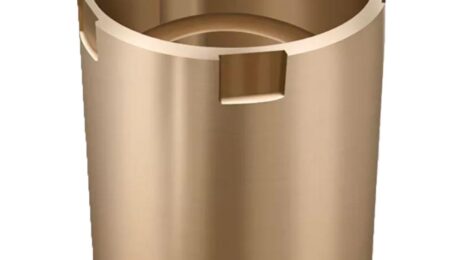
The Comprehensive Guide to Eccentric Bushings in Mining Machinery and Spare Parts
Eccentric bushings play a vital role in mining machinery, providing necessary support and functionality across various equipment. This article will explore everything you need to know about eccentric bushings, including their importance, applications, maintenance, and selection.
What is an Eccentric Bushing?
An eccentric bushing is a rotating sleeve or component that is used in machinery to provide the necessary clearance or motion required in applications such as crushers, screens, and other mining equipment. Their design allows for adjustments to be made while in operation, contributing to improved efficiency.
How Do Eccentric Bushings Work?
Eccentric bushings fit over a shaft and rotate eccentrically, allowing for movement that transfers to the connected components. This eccentric rotation enables adjustments in distance and alignment, crucial for machinery stability and functionality.
Types of Eccentric Bushings
- Standard Eccentric Bushings
- Offset Eccentric Bushings
- Custom Eccentric Bushings
Applications of Eccentric Bushings in Mining Machinery
Eccentric bushings are used in several mining machinery types:
- Jaw Crushers: Vital for crushing ores and rocks.
- Cone Crushers: Essential for secondary crushing operations.
- Vibrating Screens: Ensures proper material separation.
- Ball Mills: Utilized in the grinding process of minerals.
- Shaking Tables: Important for the concentration of minerals.
Importance of Eccentric Bushings in Mining Equipment
The efficient functioning of mining machinery heavily relies on eccentric bushings. They ensure that moving parts are well supported, minimizing wear and tear while optimally aligning components for effective operation.
Materials Used in Eccentric Bushings
Common materials used for manufacturing eccentric bushings include:
- Bronze: Offers low friction and high wear resistance.
- Cast Iron: Provides strength and durability.
- Stainless Steel: Ideal for harsh environments due to corrosion resistance.
- Alloys: Used for customized applications needing enhanced performance.
How to Choose the Right Eccentric Bushing
Selecting the correct eccentric bushing involves several factors:
- Machine Type: Ensure compatibility with the specific machinery.
- Material Specifications: Choose based on environmental conditions.
- Size and Fit: Proper sizing is crucial for optimal performance.
- Load Capacity: Must match the operational requirements.
Installation Procedures for Eccentric Bushings
The installation of eccentric bushings must be conducted with precision:
- Ensure all parts are clean and free from debris.
- Align the bushing properly on the shaft.
- Secure using appropriate fasteners.
- Perform operational checks to ensure correct installation.
Maintenance of Eccentric Bushings
Regular maintenance is key to extending the life of eccentric bushings:
- Lubrication: Ensure proper lubricants are applied to minimize friction.
- Inspection: Regularly check for signs of wear or damage.
- Alignment Checks: Confirm that all parts are aligned for efficient performance.
Signs of Worn Eccentric Bushings
Identifying worn eccentric bushings early can save extensive repairs:
- Unusual Noises: Grinding or squeaking sounds during operation.
- Vibration: Excessive vibration is a sign of misalignment.
- Decreased Performance: Reduced efficiency in machinery operation.
Replacing Eccentric Bushings
When replacement is necessary, follow these steps for optimal results:
- Disconnect power to all machinery.
- Remove old bushing carefully.
- Clean the receiving surfaces thoroughly.
- Insert new bushing and secure appropriately.
Cost Considerations for Eccentric Bushings
The cost of eccentric bushings will vary based on materials, size, and manufacturer. Investing in high-quality eccentric bushings can provide longer service life and lower overall maintenance costs.
FAQs About Eccentric Bushings
What is the function of an eccentric bushing in mining machinery?
An eccentric bushing functions to provide support and alignment for moving parts, allowing for adjustments during operation, which enhances machinery efficiency.
How do I know when to replace my eccentric bushings?
Replace eccentric bushings if you hear unusual noises, experience excessive vibration, or notice decreased machinery performance.
Can eccentric bushings be custom made?
Yes, manufacturers can produce custom eccentric bushings tailored to specific operational needs and machinery requirements.
What materials are commonly used in the manufacturing of eccentric bushings?
Common materials include bronze, cast iron, stainless steel, and various alloys chosen for their wear resistance and durability.
How can I maintain the eccentric bushings in my mining machinery?
Regular maintenance includes proper lubrication, routine inspections for wear, and ensuring correct alignment to prevent premature failure.
Conclusion
Understanding eccentric bushings is crucial for anyone involved in the mining machinery industry. Proper selection, installation, and maintenance can significantly enhance the lifespan and performance of mining equipment. Given their critical role, always consider the specifications and conditions under which these components are to be used to ensure optimal results.
- Published in Products
The Ultimate Guide to Breaker Bars in Mining Machinery and Spare Parts
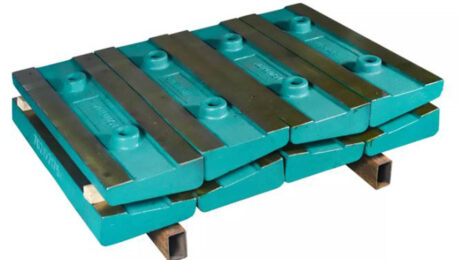
The Ultimate Guide to Breaker Bars in Mining Machinery
In the dynamic realm of mining machinery, understanding the various components that enhance efficiency and productivity is crucial. One such component is the breaker bar. This article delves into the significance, types, applications, and maintenance of breaker bars, ensuring you have comprehensive knowledge about this essential piece of mining equipment.
What is a Breaker Bar?
A breaker bar is a crucial component in many types of mining machinery, serving as a linking structure between various parts of the machine. It plays a pivotal role in the performance and effectiveness of mining operations by providing stability and durability in harsh environments.
The Importance of Breaker Bars in Mining Machinery
Breaker bars are designed to withstand extreme pressures and stresses during operations. Their strength contributes directly to the durability of mining equipment and reduces the likelihood of failures that can lead to costly downtime. Investing in high-quality breaker bars leads to enhanced performance and safety in mining processes.
Types of Breaker Bars
- Standard Breaker Bars: Often used in everyday mining operations, these are made from robust materials for moderate applications.
- Heavy-Duty Breaker Bars: Designed for tough conditions, these bars are ideal for large-scale mining where the risks of wear and tear are significant.
- Custom-Made Breaker Bars: Tailored to specific machines or requirements, these are designed after thorough consideration of the operational demands.
Applications of Breaker Bars in Mining
Breaker bars have diverse applications within the mining sector, including:
- Support elements in crushers and screens.
- Connection points in conveyor systems.
- Conduits in various processing units.
Materials Used in the Manufacturing of Breaker Bars
Typically, breaker bars are engineered from high-strength steels and specialized alloys, providing longevity and wear resistance. Other materials, such as composites or reinforced plastics, might also be used for specific operational requirements.
How to Maintain Breaker Bars for Optimal Performance
Regular maintenance of breaker bars is essential to prevent wear and damage. Here are some best practices:
- Conduct routine inspections for signs of wear or fatigue.
- Lubricate moving parts to minimize friction.
- Replace worn or damaged breaker bars promptly to maintain operational efficacy.
Common Issues Associated with Breaker Bars
Some common problems managers encounter with breaker bars include:
- Excessive wear due to harsh operational environments.
- Alignment issues that can lead to improper functioning.
- Corrosion from exposure to chemicals or water.
Replacing Breaker Bars: When and How?
It is vital to recognize the signs indicating the need for a replacement. If performance dips, visual inspection reveals damage, or consistent failures occur, it’s time to consider a new breaker bar. The replacement process should follow manufacturer guidelines to ensure compatibility and safety.
Benefits of Investing in Quality Breaker Bars
High-quality breaker bars offer numerous benefits, including:
- Extended equipment lifespan.
- Reduced operational disruptions and downtimes.
- Improved safety protocols by preventing failures.
FAQs about Breaker Bars
- What is a breaker bar used for in mining machinery?
- A breaker bar serves as a linking component that enhances machine stability and performance during mining operations.
- How often should breaker bars be replaced?
- Replacement depends on wear; however, routine checks should occur to identify signs of damage or reduced effectiveness.
- What materials are breaker bars made from?
- Breaker bars are typically produced from high-strength steel, specialized alloys, or composites designed for specific applications.
- Can breaker bars be customized?
- Yes, many manufacturers offer custom solutions tailored to the specific needs and challenges of mining operations.
Conclusion
In the fast-paced world of mining, every component matters, and breaker bars are no exception. Understanding their role, applications, and maintenance can significantly influence your mining operation’s success. By prioritizing quality and ensuring proper care, you can enhance the performance and safety of your machinery, leading to a more productive mining environment.
LSI and NLP Keywords
- Mining equipment
- Spare parts
- High-strength materials
- Wear resistance
- Mining productivity
- Equipment performance
- Maintenance practices
- Mining safety
- Custom mining solutions
- Heavy-duty machinery
Related Terms
- Crusher parts
- Conveyor systems
- Durable machinery
- Mining performance
- Mechanical components
- Mining operations
- Operational efficiency
- Published in Products
The Importance of Flywheels in Mining Machinery and Spare Parts
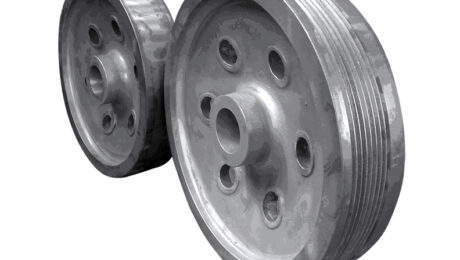
Understanding Flywheels in Mining Machinery
Mining machinery plays a critical role in extracting resources from beneath the earth’s surface, and flywheels are essential components that enhance the efficiency and effectiveness of these machines. A flywheel is a mechanical device that stores rotational energy, acting as a stabilizer and helping to maintain even power output in various mining applications.
What is a Flywheel?
A flywheel is designed to smooth out the delivery of power from a motor or engine, absorbing excess energy and releasing it when needed. This characteristic is vital in mining operations where machinery often experiences variable loads. Flywheels play a significant role in equipment such as crushers, mills, and other heavy-duty machines.
The Role of Flywheels in Mining Machinery
In mining machinery, flywheels have several functions:
- Energy Storage: Flywheels store energy during low-load periods and release it during high-load periods, thereby maintaining a constant energy supply.
- Vibration Dampening: The rotating mass of a flywheel helps to reduce vibrations in the machinery, leading to less wear and tear on components.
- Torque Regulation: Flywheels help control torque variations, which is crucial for smooth operation and longevity of mining equipment.
Types of Flywheels Used in Mining Machinery
Different types of flywheels are employed in mining machinery, including:
- Cast Iron Flywheels: Durable and commonly used due to their robust nature.
- Composite Flywheels: Lightweight options offering enhanced performance and reduced inertia.
- Steel Flywheels: Known for their strength and stability, often used in heavy applications.
Flywheel Maintenance and Spare Parts
Regular maintenance of flywheels is crucial to ensure optimal performance and longevity. This includes:
- Regular Inspections: Checking for cracks, wear, and securing mounting bolts.
- Lubrication: Ensuring that bearings are properly lubricated to prevent overheating and friction.
- Replacement Parts: Sourcing high-quality spare parts when repairs are needed is vital for maintaining machinery efficiency.
Choosing the Right Flywheel for Your Mining Machinery
When selecting a flywheel, consider the following:
- Size and Weight: The size of the flywheel should match the machine specifications to ensure efficiency.
- Material: Choose a material that offers the best balance between weight and durability for your specific application.
- Compatibility: Ensure the flywheel is compatible with existing machinery to avoid operational issues.
Common Issues with Flywheels in Mining Equipment
Some common problems associated with flywheels include:
- Cracks: Due to fatigue or sudden impacts, flywheels can develop cracks that compromise integrity.
- Out-of-Balance Conditions: An unbalanced flywheel can lead to excessive vibrations, reducing equipment lifespan.
- Worn Bearings: If the bearings are not maintained, they may wear down, leading to operational failure.
Flywheels and Energy Efficiency in Mining Operations
Incorporating flywheels into mining operations can significantly enhance energy efficiency. They provide a means to recover energy that would otherwise be lost during operation, making the entire process more sustainable.
FAQs About Flywheels in Mining Machinery
What is the primary function of a flywheel in mining equipment?
The primary function of a flywheel in mining equipment is to store and regulate energy, ensuring smooth operation and reducing fluctuations in power output.
Why is it important to maintain flywheels?
Maintaining flywheels is vital because they ensure the continued efficiency and stability of mining operations, reducing the risk of machinery failure.
How often should flywheels be inspected?
Flywheels should be inspected regularly, typically during scheduled maintenance checks, to identify potential issues before they lead to failures.
What are the signs that a flywheel needs replacement?
Signs that a flywheel may need replacement include visible cracks, unusual vibrations, and abnormal noises during operation.
Can flywheels be repaired?
In some cases, flywheels can be repaired, but it often depends on the extent of damage. It’s essential to consult with a specialist.
Conclusion
In conclusion, flywheels play an indispensable role in the functionality of mining machinery, ensuring energy efficiency, stability, and durability. Understanding their importance in mining operations can lead to better maintenance practices and improved overall productivity.
LSI and NLP Keywords:
Flywheel performance, mining machinery components, energy storage flywheel, mining spare parts, impact on mining efficiency, flywheel specifications, heavy machinery, flywheel maintenance, rotational energy, stability in machinery, flywheel types, flywheel design, mining equipment longevity, vibration reduction, torque control, energy recovery in mining, cast iron flywheel, composite flywheel, steel flywheel, energy efficiency strategies, mining operations optimization, mining machinery technology.
- Published in Products
The Comprehensive Guide to End Frames in Mining Machinery and Their Spare Parts
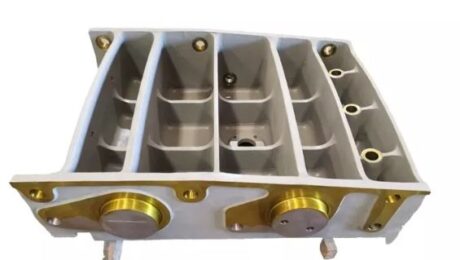
The Comprehensive Guide to End Frames in Mining Machinery and Their Spare Parts
In the world of mining machinery, the end frame plays a critical role in ensuring the robustness and efficiency of the equipment. Understanding what end frames are, their significance, and the spare parts associated with them is essential for anyone involved in the mining industry. This article will provide a detailed overview of end frames, their functions, maintenance, and the various types of spare parts available.
Table of Contents
- What Are End Frames?
- Functions of End Frames in Mining Machinery
- Types of End Frames
- Materials Used in End Frames
- Importance of End Frames in Mining Machinery
- End Frame Spare Parts
- Maintenance and Care of End Frames
- End Frame Repair and Replacement
- Buying Guidelines for End Frames and Spare Parts
- FAQs about End Frames
- Conclusion
What Are End Frames?
An end frame is a fundamental component of mining machinery, which stabilizes the overall structure and houses various attached components. It serves as a structural frame that supports key elements of the machinery, ensuring that they operate effectively and efficiently. In large mining machines, end frames are vital for holding engines, gearboxes, and other heavy components in place.
Functions of End Frames in Mining Machinery
End frames have several critical functions in mining machinery:
- Structural Support: Providing a strong base that supports the entire mechanism of the mining equipment.
- Shock Absorption: Minimizing vibrations and shocks that occur during operation, thus protecting sensitive components.
- Alignment: Maintaining proper alignment of parts for optimized operation.
- Modularity: Facilitating easy installation and removal of various mining machinery components.
Types of End Frames
There are several types of end frames used in different mining machinery:
- Fixed End Frames: Often used in stationary equipment where no movement is needed.
- Movable End Frames: Designed for mobile mining equipment, allowing for easier transport and adaptability.
- Custom End Frames: Built to specific requirements detailed by manufacturers or end-users.
Materials Used in End Frames
The choice of materials for end frames is crucial for durability and performance. Common materials include:
- Steel: Known for its strength and resilience, commonly used in heavy-duty applications.
- Aluminum: Lightweight but strong, used when weight reduction is essential.
- Composite materials: Used for specialized applications that require corrosion resistance and weight savings.
Importance of End Frames in Mining Machinery
The significance of end frames in mining machinery cannot be overstated. They not only enhance the structural integrity of the equipment but also improve operational efficiency. End frames ensure that the machinery performs its best while minimizing wear and tear, which can lead to costly repairs and downtime.
End Frame Spare Parts
When it comes to maintaining end frames, having access to the right end frame spare parts is essential. Common spare parts include:
- End frame bolts: Used for securing components within the frame.
- Bearings: Ensure smooth movement of rotating parts.
- Seals: Prevent dust and dirt from entering the machinery.
- Supporting brackets: Provide additional support and stability.
Maintenance and Care of End Frames
Proper maintenance of end frames is critical for longevity. Regular inspections should include checking for:
- Cracks or bends in the frame.
- Corrosion on metal parts.
- Wear on bearings and seals.
- Proper bolt tightness to ensure stability.
End Frame Repair and Replacement
When an end frame becomes damaged, prompt repair or replacement is necessary to prevent further damage to the mining machinery. Depending on the extent of the damage, options may range from patching small cracks to completely replacing the entire end frame. It’s critical to consult with professionals experienced in mining machinery to determine the best course of action.
Buying Guidelines for End Frames and Spare Parts
When considering the purchase of end frames or their spare parts, keep the following in mind:
- Quality: Always opt for high-quality materials to ensure durability.
- Compatibility: Ensure that the end frame or spare parts are compatible with your specific mining machinery model.
- Supplier Reputation: Work with reputable suppliers who specialize in mining machinery components.
- Warranty: Check if the part comes with a warranty for added security.
FAQs about End Frames
What is an end frame in mining machinery?
An end frame is a structural component that provides support and stability to the rest of the machinery, housing important parts like engines and gearboxes.
Why is the end frame important?
The end frame is essential for maintaining the alignment of the equipment, reducing vibrations, and ensuring that other components function efficiently.
What materials are commonly used for end frames?
End frames are typically constructed from steel, aluminum, or composite materials, depending on the application and required strength.
How can I maintain my end frame?
Regular inspections for cracks, ensuring bolts are tight, checking for corrosion, and replacing worn parts can help maintain the integrity of end frames.
What should I consider when buying end frames or spare parts?
Consider the quality, compatibility with your machinery, the reputation of the supplier, and warranty options when purchasing.
Conclusion
Understanding the role and significance of end frames in mining machinery is crucial for maintaining the efficiency and longevity of your equipment. Proper maintenance and timely replacement of end frames and their spare parts can lead to optimal performance in the demanding environment of mining operations.
- Published in Products
