


Bowl Assembly in Mining Machinery: A Comprehensive Guide
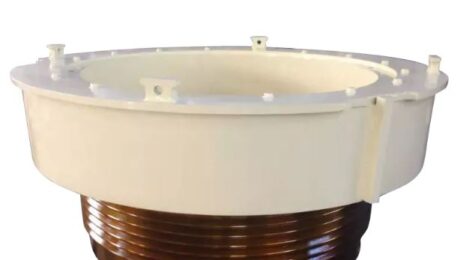
Bowl Assembly in Mining Machinery: A Comprehensive Guide
The bowl assembly is a crucial component in various types of mining machinery, playing a vital role in the efficient operation of mining equipment. Understanding the structure, function, and maintenance of bowl assemblies can significantly enhance the performance and longevity of mining operations. In this article, we delve into the various aspects of bowl assemblies, including their design, functionality, and the spare parts required for their optimal performance.
What is a Bowl Assembly?
A bowl assembly refers to a collection of components that form the base structure of certain types of mining equipment, notably crushers and classifiers. This assembly is designed to facilitate the crushing, grinding, and separation of materials during mining operations.
Key Components of a Bowl Assembly
The bowl assembly consists of several key components, including:
- Bowl Liner: Protects the bowl assembly and enhances durability.
- Hub: Central part that holds the other components together.
- Adjustment Ring: Allows the user to adjust the width of the crushing chamber.
- Mantle: Works in conjunction with the bowl liner to crush materials.
- Locking Nut: Secures the mantle to the main shaft.
The Importance of Bowl Assembly in Mining Machinery
The bowl assembly plays an essential role in the following ways:
- Efficiency: Properly functioning bowl assemblies ensure the efficient crushing of materials, leading to increased productivity.
- Durability: High-quality materials in bowl assemblies enhance the lifespan of mining machinery.
- Cost-Effectiveness: Reduces maintenance costs by minimizing wear and tear on equipment.
Common Types of Bowl Assemblies
1. Cone Crusher Bowl Assembly
Cone crusher bowl assemblies are specifically designed for cone crushers and are critical for ensuring proper crushing processes. They require regular maintenance to prevent issues such as excessive wear or misalignment.
2. Classifier Bowl Assembly
Classifier bowl assemblies are used in various types of grinding and classification machinery, playing an important role in separating fine materials from coarse ones.
Bowl Assembly Spare Parts
When it comes to maintaining bowl assemblies, having access to spare parts is essential. Common spare parts include:
- Bowl Liners
- Adjustment Rings
- Seals
- Locking Nuts
- Wear Plates
Maintenance of Bowl Assemblies
Regular maintenance of bowl assemblies is key to their performance. This includes:
- Inspections: Regularly check for signs of wear and damage.
- Lubrication: Ensure that all moving parts are well-lubricated.
- Replacing Spare Parts: Replace worn-out parts promptly to avoid operational issues.
Common Issues with Bowl Assemblies
Some common problems faced with bowl assemblies include:
- Excessive Wear: Can lead to inefficiencies and increased costs.
- Misalignment: A misaligned bowl assembly can cause significant operational issues.
- Cracks and Breaks: Regular inspections help detect these issues early.
Frequently Asked Questions (FAQ) about Bowl Assembly
What is the purpose of a bowl assembly in mining machinery?
The bowl assembly is crucial for grinding, crushing, and separating materials, enhancing the overall efficiency of mining operations.
How often should bowl assemblies be maintained?
Bowl assemblies should be inspected regularly, typically every few weeks, or after major operational activities.
What are common spare parts for bowl assemblies?
Common spare parts include bowl liners, adjustment rings, sealing components, locking nuts, and wear plates.
How can I tell if my bowl assembly needs replacement?
Signs include excessive wear patterns, visible damage, misalignment, and poor machinery performance.
Conclusion
Understanding the functionality and maintenance of bowl assemblies in mining machinery is crucial for ensuring productivity and cost-effectiveness in mining operations. With proper care and access to high-quality spare parts, mining operations can minimize downtime and maximize efficiency.
LSI and NLP Keywords Related to Bowl Assembly
Bowl liner, cone crusher, rotor assembly, mining equipment, crushing chamber, classifier, grinding machinery, wear parts, maintenance services, spare parts supply, material separation, rock crushing machinery, mineral processing, adjustment mechanisms, heavy machinery, operating efficiency, replacement parts, durability in mining, cost management, operational integrity.
- Published in Products
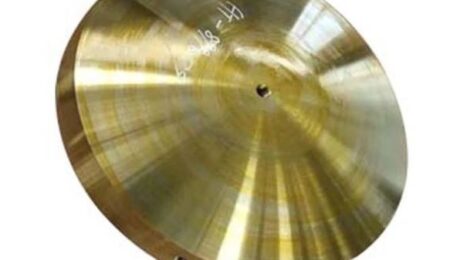
The Comprehensive Guide to T Seals in Mining Machinery and Spare Parts
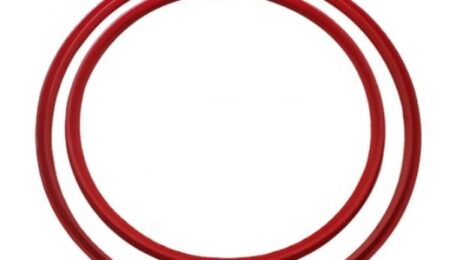
The Comprehensive Guide to T Seals in Mining Machinery and Spare Parts
In the heavy-duty world of mining machinery, the reliability and efficiency of equipment are paramount. One critical component that plays a vital role in ensuring the operational performance of this machinery is the T seal. This article delves deep into understanding T seals, their significance, types, applications, maintenance, and where to source high-quality T seals and spare parts for mining machinery.
What is a T Seal?
A T seal, often referred to as a T-shaped seal, is a type of sealing element used in hydraulic and pneumatic systems. It’s designed to prevent the leakage of fluids and contaminants, ensuring that machinery operates smoothly and efficiently. The unique T-shape of the seal allows it to fit snugly into grooves, providing a reliable barrier against fluid loss.
Importance of T Seals in Mining Machinery
T seals are essential for the following reasons:
- Leak Prevention: T seals are designed to prevent the leakage of hydraulic fluids, which is crucial in maintaining pressure and performance in machinery.
- Equipment Longevity: By ensuring proper sealing, T seals help prolong the life of mining equipment, reducing the frequency of repairs and replacements.
- Operational Efficiency: Properly functioning T seals enhance the efficiency of machinery by minimizing downtime and optimizing performance.
- Cost-Effectiveness: Investing in high-quality T seals can lead to significant cost savings by preventing fluid loss and reducing maintenance expenses.
Types of T Seals
T seals come in various materials and designs to accommodate different applications. The common types include:
- Rubber T Seals: These are widely used in various machinery due to their elasticity and durability. Rubber T seals are resistant to wear and can withstand harsh conditions.
- Polyurethane T Seals: Known for their excellent abrasion resistance, polyurethane T seals are ideal for high-pressure applications in mining machinery.
- PTFE T Seals: Polytetrafluoroethylene seals offer excellent chemical resistance and are ideal for applications involving aggressive fluids.
Applications of T Seals in Mining Machinery
T seals are utilized in various mining machinery components, including:
- Hydraulic Cylinders: T seals are commonly used in hydraulic cylinders to ensure that hydraulic fluid does not leak out, maintaining the power of the machinery.
- Excavators: In excavators, T seals are crucial for preventing leakage and ensuring smooth operation of the hydraulic systems.
- Loaders: T seals in loaders help maintain hydraulic pressure, ensuring that these machines can handle heavy loads efficiently.
- Dump Trucks: Preventing fluid leaks in dump trucks is essential for their operation, and T seals play a vital role in this regard.
How to Choose the Right T Seal for Your Mining Equipment
Selecting the appropriate T seal involves considering several factors:
- Material Compatibility: Ensure that the seal material is compatible with the fluids it will encounter.
- Size and Dimensions: Accurate measurements of the grooves and channels where the T seal will fit are crucial for ensuring a proper seal.
- Operating Conditions: Consider the pressure, temperature, and environmental conditions where the T seal will be used.
Maintenance Tips for T Seals
To ensure the longevity and effectiveness of T seals, consider the following maintenance tips:
- Regular Inspections: Frequently check the seals for signs of wear or damage, and replace them if necessary.
- Fluid Monitoring: Keep an eye on hydraulic fluid levels. Low levels could indicate seal leakage.
- Proper Installation: Ensure that T seals are installed correctly to prevent premature wear and operational issues.
Common Issues and Solutions Related to T Seals
Some common problems encountered with T seals include:
- Leakage: This is often due to improper installation or wear and tear. Ensure the seal is properly fitted and check for abrasions.
- Reduced Efficiency: If machinery performance diminishes, inspect seals for any signs of damage.
- Material Degradation: Inspect seals regularly for signs of chemical damage or physical wear, and replace them as necessary.
FAQs about T Seals in Mining Machinery
What is the purpose of T seals in mining machinery?
T seals are used to prevent fluid leakage in hydraulic systems, ensuring the efficient operation of mining equipment.
How do I know when to replace T seals?
Look for signs such as visible leakage, decreased performance, or physical damage to the seals as indicators that replacement is necessary.
What materials are T seals typically made from?
T seals can be made from various materials, including rubber, polyurethane, and PTFE, depending on their application.
Can I install T seals myself?
While some may attempt DIY installations, it’s advisable to have a professional install T seals to ensure proper fit and function.
Where can I purchase high-quality T seals for mining machinery?
High-quality T seals are available from specialized suppliers, manufacturers of mining machinery, and industrial seal providers.
Conclusion
In conclusion, T seals are vital components in the realm of mining machinery and spare parts. Understanding their types, applications, and maintenance can significantly enhance the performance and longevity of mining equipment. Investing in quality T seals and adhering to proper maintenance practices can lead to operational efficiency and considerable cost savings in the long run.
LSI and NLP Keywords
- Hydraulic seals
- Seal maintenance
- Mining equipment parts
- Seal leakage
- Fluids in mining machinery
- Hydraulic fluid sealing
- Seal types
- Seal installation tips
- Pneumatic systems
- Industrial sealing solutions
- Heavy machinery maintenance
- Seal wear
- Mining machinery performance
- Hydraulic system efficiency
- Replacement seals
- Mining machinery operation
- Mining equipment durability
- Published in Products
The Comprehensive Guide to U Seals in Mining Machinery and Spare Parts
The Comprehensive Guide to U Seals in Mining Machinery and Spare Parts
In the mining industry, ensuring the longevity and efficiency of equipment is paramount. One of the critical components that contribute to this goal is the ‘U seal’. U seals play a vital role in the functionality of mining machinery by preventing leaks and maintaining pressure. In this article, we will explore the various aspects of U seals, including their types, applications, benefits, and maintenance best practices.
What is a U Seal?
A U seal, also known as a U-shaped seal, is a type of sealing element used in machinery to stop fluid leakage. These seals are designed with a distinctive U shape that allows them to fit snugly in grooves, providing effective sealing under pressure.
Types of U Seals
U seals come in various types, each designed for specific applications in mining machinery. The most common types include:
- Static U Seals: Used in non-moving parts where no relative motion occurs.
- Dynamic U Seals: Designed for use in parts that experience movement, such as hydraulic cylinders.
- Customized U Seals: Tailor-made seals designed to meet the specific requirements of unique machinery.
Materials Used in U Seals
The performance and suitability of U seals are largely determined by the materials used in their construction. Common materials include:
- Rubber: Offers excellent elasticity and sealing properties, suitable for dynamic applications.
- PTFE (Teflon): Known for its chemical resistance and low friction properties, ideal for harsh environments.
- Metal-reinforced Seals: Provide durability and strength, commonly used in high-pressure applications.
Applications of U Seals in Mining Machinery
U seals are utilized in various pieces of mining machinery, including:
- Excavators: U seals are crucial in hydraulic cylinders to prevent oil leakage.
- Dump Trucks: Used in hydraulic systems to maintain efficient operation.
- Drills: Essential for sealing moving parts and preventing failures in drilling equipment.
Benefits of Using U Seals in Mining Machinery
The adoption of U seals in mining machinery presents numerous advantages:
- Leak Prevention: U seals effectively prevent fluid leaks, which can cause significant damage.
- Cost Efficiency: Reducing leaks prolongs the lifespan of machinery, leading to lower maintenance costs.
- Improved Performance: By maintaining pressure and preventing contaminants, U seals enhance machinery performance.
Choosing the Right U Seal for Your Mining Machinery
When selecting U seals, consider the following factors:
- Size and Dimensions: Ensure that the seals fit the designated grooves accurately.
- Material Compatibility: Choose a material that can withstand the operating conditions of your machinery.
- Operating Conditions: Consider factors such as temperature, pressure, and type of fluid being sealed.
Maintenance Tips for U Seals
Regular maintenance of U seals is essential for ensuring optimal performance and longevity. Here are some tips:
- Inspection: Regularly inspect U seals for signs of wear or damage.
- Cleaning: Keep the sealing surfaces clean to prevent contamination that can lead to seal failure.
- Replacement: Replace U seals promptly when signs of degradation are observed.
Frequently Asked Questions (FAQ) about U Seals
What is the purpose of a U seal in mining machinery?
The primary purpose of a U seal is to prevent fluid leaks and maintain pressure in various components of mining machinery.
How do I know if a U seal needs to be replaced?
If you notice leaks, persistent operational issues, or visible wear on the seal, it’s time for a replacement.
Can U seals be custom-made?
Yes, U seals can be designed and manufactured according to specific requirements.
What materials are U seals made from?
U seals are commonly made from rubber, PTFE, or metal-reinforced materials depending on the application.
How can I ensure the longevity of U seals?
Regular inspections, cleaning, and timely replacements are key to ensuring the longevity of U seals.
LSI and NLP Keywords Related to U Seal
Here is a list of keywords that can help enhance the SEO of this article:
- U seal specifications
- U seal dimensions
- Mining machinery maintenance
- Hydraulic seals
- Sealing solutions for machinery
- Oil seals
- U-shaped seals
- Mining equipment parts
- Heavy machinery seals
- Seal failure prevention
- Fluid leakage solutions
- Custom sealing solutions
- Durability of U seals
- Sealing technology
- Mining industry components
- Hydraulic cylinder seals
- Mining machinery parts suppliers
- Sealing materials
- Preventive maintenance for machinery
Conclusion
U seals are an indispensable component in the maintenance and upkeep of mining machinery. Understanding their types, applications, benefits, and maintenance tips can significantly enhance machinery performance and reduce costs. By investing in quality U seals and implementing a proactive maintenance routine, mining operations can ensure optimal equipment performance and longevity.
- Published in Products
The Ultimate Guide to Head Bolts and Lock Bolts in Mining Machinery and Spare Parts
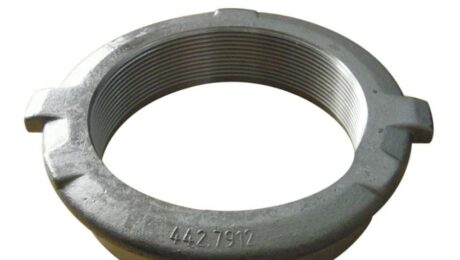
The Ultimate Guide to Head Bolts and Lock Bolts in Mining Machinery and Spare Parts
In the world of mining machinery, every component plays a vital role in ensuring optimal performance and longevity. Among these components, head bolts and lock bolts stand out as crucial elements that ensure the structural integrity and safety of mining equipment. In this comprehensive guide, we will delve into the significance, types, applications, maintenance, and purchasing considerations of head bolts and lock bolts in mining machinery and spare parts.
Understanding Head Bolts and Lock Bolts
Head bolts are essential fasteners used to connect various parts of mining machinery together securely. Lock bolts, on the other hand, provide enhanced security against loosening under high vibration conditions typical in mining environments. Together, these bolts are integral to operational efficiency and equipment reliability.
What Are Head Bolts?
Head bolts are threaded fasteners used in engines and other machinery to hold components together. They are designed to withstand extreme conditions, ensuring that everything from the engine block to the head maintains a tight seal.
What Are Lock Bolts?
Lock bolts are a type of fastening system that is designed to withstand dynamic loads. They consist of a bolt and a specially designed nut that locks onto the bolt, preventing it from loosening due to vibration and movement common in mining machinery.
Types of Head Bolts in Mining Machinery
There are several types of head bolts utilized in mining machinery, including:
- Hex Head Bolts: These are commonly used due to their ease of installation.
- Flange Head Bolts: These provide a wider bearing surface, reducing the risk of crushing the connecting material.
- Shoulder Bolts: Featuring a special shoulder, they allow for greater flexibility in applications.
Types of Lock Bolts in Mining Equipment
Lock bolts also come in various designs:
- Frangible Lock Bolts: Designed to break at a predetermined load, these are useful for ensuring safety under extreme conditions.
- Lockbolt Assemblies: These include a bolt and retainer that holds the components together under high vibrations.
- Specialty Lock Bolts: Designed for specific applications, these can be made from various materials to resist corrosion and wear.
Applications in Mining Machinery
Head and lock bolts are used extensively in various types of mining machinery including:
- Excavators: Secure connections ensure that hydraulic components operate effectively.
- Bulldozers: Head bolts maintain the integrity of the engine assembly promoting operational efficiency.
- Trucks and Haulers: Lock bolts prevent loosening during transit over rugged terrain.
Importance of Quality Head Bolts and Lock Bolts
Using high-quality head bolts and lock bolts is paramount. They affect the overall performance and safety of mining machinery.
- Structural Integrity: Quality bolts maintain the connection strength.
- Safety: Preventing bolt failure ensures the safety of operators and machinery.
- Cost Efficiency: Reliable bolts reduce maintenance frequency, lowering operational costs.
Maintenance Tips for Head Bolts and Lock Bolts
Proper maintenance extends the life of head bolts and lock bolts. Here are essential tips:
- Regular Inspections: Schedule regular checks to identify wear or loosening.
- Torque Settings: Ensure bolts are tightened to manufacturer specifications using a torque wrench.
- Corrosion Resistance: Choose bolts made from materials resistant to corrosion, especially in damp mining environments.
Purchasing Considerations for Head Bolts and Lock Bolts
When sourcing head bolts and lock bolts, keep the following factors in mind:
- Material Quality: Choose bolts made from high-grade steel or other durable materials.
- Compatibility: Ensure that the bolts are compatible with your specific machinery.
- Manufacturer Reputation: Opt for suppliers and brands known for their quality and reliability.
Frequently Asked Questions (FAQs)
What is the difference between head bolts and lock bolts?
Head bolts are primarily used to secure components together, while lock bolts are designed to prevent loosening, especially in dynamic applications.
How often should I inspect head bolts and lock bolts on my mining equipment?
It is recommended to inspect these bolts during routine maintenance checks or any time there is unusual vibration or noise from the machinery.
Can I use regular bolts instead of head bolts and lock bolts in mining machinery?
It is not advisable as regular bolts may not withstand the harsh conditions and dynamic forces present in mining operations.
Conclusion
Head bolts and lock bolts play a critical role in the functionality and safety of mining machinery. Understanding their types, applications, and maintenance can lead to better equipment performance and longevity. For mining operations, investing in quality fasteners is not just a choice; it is a necessity to ensure ongoing efficiency and safety in harsh working environments.
- Published in Products
The Ultimate Guide to Anti Clogging Screen Meshes in Mining Machinery

The Ultimate Guide to Anti Clogging Screen Meshes in Mining Machinery
Mining operations rely heavily on machinery and equipment to ensure efficiency and productivity. Among the various components used in mining machinery, anti clogging screen meshes play a crucial role in maintaining effective mineral processing. This article delves into everything you need to know about anti clogging screen meshes, their applications in mining, and how they improve machinery performance.
What Are Anti Clogging Screen Meshes?
Anti clogging screen meshes are specialized screening solutions designed to prevent material build-up and blockage during various mining processes. These meshes ensure a consistent flow of materials, reducing downtime and enhancing the overall efficiency of mining operations.
Importance of Anti Clogging Screen Meshes in Mining Machinery
The significance of anti clogging screen meshes in mining can’t be overstated. They contribute to:
1. **Improved Productivity**: By preventing clogging, these meshes facilitate continuous operation, directly increasing productivity levels.
2. **Reduced Maintenance Costs**: Clogged machinery often requires extensive maintenance, which can be costly. With anti clogging meshes, maintenance needs are minimized.
3. **Enhanced Product Quality**: By ensuring that only the desired materials pass through, these meshes help maintain the quality of final products.
Types of Anti Clogging Screen Meshes
There are several types of anti clogging screen meshes available in the market, each with unique features to suit different mining applications. The common types include:
– **Polyurethane Screens**: Durable and flexible, ideal for a variety of materials.
– **Woven Wire Mesh**: Traditional choice with various thickness options, great for various applications.
– **Self-Cleaning Screens**: Specifically designed to reduce material build-up, enhancing efficiency.
Applications of Anti Clogging Screen Meshes in Mining
Anti clogging screen meshes find applications in various areas within the mining industry, including:
– **Crushing and Screening Plants**: Essential for separating materials effectively.
– **Mineral Processing**: Helps in the efficient recovery of valuable minerals.
– **Aggregate Production**: Ensures the quality of aggregate by preventing fines from mixing.
Benefits of Using Anti Clogging Screen Meshes
Integrating anti clogging screen meshes into mining operations offers numerous benefits, such as:
– **Increased Operational Efficiency**: With less downtime, operations run smoother.
– **Extended Machinery Life**: Minimizing blockage stress on equipment extends its lifespan.
– **Cost Savings**: Less frequent maintenance translates to significant cost savings.
Choosing the Right Anti Clogging Screen Mesh
When selecting the appropriate anti clogging screen mesh for your mining operations, consider the following factors:
– **Material Compatibility**: Ensure the mesh is compatible with the materials being processed.
– **Mesh Size and Aperture**: Choose sizes that will effectively screen materials without causing significant blockage.
– **Environmental Conditions**: Consider the wear and tear due to environmental factors.
Maintenance of Anti Clogging Screen Meshes
To maintain the effectiveness of anti clogging screen meshes, regular inspections and maintenance are crucial. Here are some maintenance tips:
– **Regular Cleaning**: Ensure that the mesh is kept free from debris.
– **Check for Wear and Tear**: Regularly inspect for signs of damage and replace as needed.
– **Adjust Tensioning**: Ensure that the mesh is properly tensioned to maintain efficiency.
Cost Considerations for Anti Clogging Screen Meshes
The cost of anti clogging screen meshes can vary based on material, size, and application. It’s essential to weigh the initial investment against long-term savings generated through increased efficiency and reduced maintenance costs.
Future Trends in Anti Clogging Screen Mesh Technology
As technology advances, we can anticipate future trends such as:
– **Smart Mesh Technologies**: Implementing Internet of Things (IoT) technology for real-time monitoring.
– **Eco-friendly Materials**: Development of more sustainable materials for mesh production.
Frequently Asked Questions (FAQs)
1. What materials are anti clogging screen meshes made of?
Anti clogging screen meshes are typically made from various materials, including polyurethane, stainless steel, and high carbon steel.
2. How do anti clogging screen meshes improve mining efficiency?
These meshes prevent material buildup and blockages, ensuring continuous material flow and reducing downtime.
3. Can I use anti clogging screen meshes for other industries?
Yes, while primarily used in mining, these meshes can be applied in other sectors like construction and recycling.
4. How often should I replace anti clogging screen meshes?
The replacement frequency depends on the material processed and the level of wear; regular inspections are recommended.
5. Are there customizable options for anti clogging screen meshes?
Yes, many manufacturers offer custom sizes and designs to fit specific operational needs.
Conclusion
Anti clogging screen meshes are vital components in the efficient operation of mining machinery. Understanding their functionality, benefits, and maintenance can lead to optimized operations and increased profitability. By investing in high-quality anti clogging screen meshes, mining companies can enhance productivity and reduce operational costs.
LSI and NLP Keywords
- Mining screens
- Screening solutions
- Mineral processing equipment
- Screen mesh manufacturing
- Screen mesh applications
- Mining performance
- Mining equipment spare parts
- Product quality in mining
- Materials handling
- Screen mesh durability
- Circular vibrating screen
- Polyurethane mesh advantages
- Types of mining screens
- Aggregate screening
- Mine machinery components
- Published in Products
The Comprehensive Guide to Screen Meshes in Mining Machinery and Spare Parts
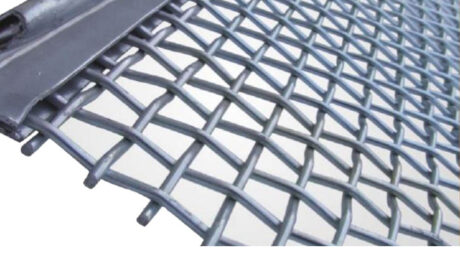
Screen Meshes: A Crucial Component in Mining Machinery
In the world of mining machinery, screen meshes play a pivotal role in the efficient operation and productivity of various equipment. This article delves deep into the significance, types, applications, and maintenance of screen meshes, particularly within the mining industry.
Understanding Screen Meshes
Screen meshes are components used in mining machinery to separate materials of different sizes. They are critical in processes such as screening, classification, and de-watering, ensuring the effective handling of mined materials.
The Importance of Screen Meshes in Mining Operations
Properly designed and well-maintained screen meshes can significantly impact the efficiency of mining operations, leading to improved productivity and reduced operational costs.
Types of Screen Meshes Used in Mining Machinery
Various types of screen meshes are utilized in mining machinery, each suited to specific applications:
- Woven Wire Mesh: Often used for vibrating screens, it offers flexibility and high durability.
- Perforated Plate Screens: Ideal for coarse screening, these screens provide high throughput.
- Polyurethane Screens: Known for their resistance to wear, these screens are ideal for fine particle separation.
- Self-Cleaning Screens: Designed to prevent material buildup, ensuring consistent performance.
Applications of Screen Meshes in Mining Machinery
Screen meshes are utilized in various applications within mining, including:
- Coal Screening: Essential for separating different sizes of coal particles.
- Aggregate Production: Used in the production of sand, gravel, and other aggregates.
- Mineral Processing: Critical for the classification and separation of ores and minerals.
Key Features to Consider When Choosing Screen Meshes
When selecting screen meshes for mining machinery, consider the following features:
- Material Composition: The material affects durability and suitability for different materials.
- Mesh Size: This determines the size of particles that can pass through.
- Open Area: Higher open area allows more screening efficiency.
- Resistance to Wear: Essential for longevity in harsh mining environments.
Maintaining Screen Meshes for Optimal Performance
Regular maintenance of screen meshes ensures they function effectively and last longer. Important practices include:
- Regular Inspection: Check for wear and tear regularly.
- Cleaning: Remove material buildup that could affect performance.
- Replacement: Replace damaged or worn screens promptly.
Common Issues with Screen Meshes and Solutions
Some common problems with screen meshes include:
- Blocking: Caused by oversize particles; using self-cleaning screens can mitigate this.
- Wear: Select materials with higher wear resistance or adapt mesh size.
- Structural Failure: Ensure appropriate sizing and support to handle operational stresses.
Frequently Asked Questions (FAQ)
1. What are screen meshes used for in mining?
Screen meshes are used to separate materials of different sizes in various mining applications, including coal and mineral processing.
2. How do I choose the right screen mesh for my machinery?
Consider factors such as material, mesh size, open area, and resistance to wear when selecting a screen mesh.
3. How often should screen meshes be inspected and maintained?
Regular inspections should be conducted at least monthly, and maintenance practices should be in place to address any wear or blockage.
4. What are the signs that a screen mesh needs to be replaced?
Signs include visible wear, reduced performance in material separation, and structural damage.
LSI and NLP Keywords Related to ‘Screen Meshes’
- Mining Screens
- Vibrating Screen Mesh
- Screening Equipment
- Aggregate Screens
- Mineral Screening
- Mesh Size
- Mining Equipment Spare Parts
- Material Separation
- Screening Media
- Coal Screening Mesh
- Self-Cleaning Meshes
- Perforated Mesh
- Woven Wire Screens
- Durable Screening
- Polyurethane Screens
- Screen Maintenance
In conclusion, screen meshes are a vital aspect of mining machinery, influencing operational efficiency and product quality. Understanding the types, applications, and maintenance requirements of screen meshes is essential for optimizing their performance in various mining operations.
- Published in Products
The Comprehensive Guide to Feed Eye Rings in Mining Machinery and Spare Parts
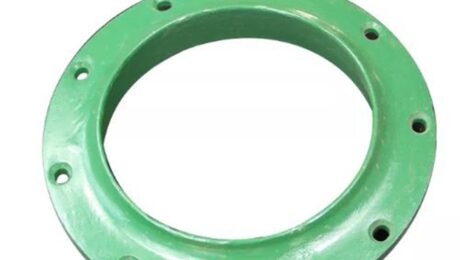
The Comprehensive Guide to Feed Eye Rings in Mining Machinery and Spare Parts
In the mining industry, efficient machinery and high-quality spare parts are crucial for optimal performance and longevity. Among these essential components is the feed eye ring, a part integral to various types of mining equipment. This article explores the significance of feed eye rings, their applications, types, maintenance, and much more, establishing a thorough understanding of this vital component.
What is a Feed Eye Ring?
A feed eye ring is a strategically designed component in mining machinery that facilitates the controlled flow of material into processing units. It acts as an entry point for ore, facilitating the transition between different stages of mining operations. Understanding the role of feed eye rings in mining machinery is essential for maintaining the efficiency and productivity of mining operations.
Applications of Feed Eye Rings in Mining Machinery
Feed eye rings are primarily used in various types of mining equipment, including:
- Crushers
- Conveyors
- Screening machines
- Grinders
- Separator systems
Each application leverages the feed eye ring’s design to enhance material flow and operational efficiency.
Types of Feed Eye Rings
Feed eye rings come in various designs and materials, each suited for specific mining machinery requirements:
- Metal Feed Eye Rings: Durable and strong, suitable for high-impact environments.
- Plastic Feed Eye Rings: Lightweight and resistant to corrosion, often used in environments with chemical exposure.
- Composite Feed Eye Rings: Combining materials for enhanced durability and performance.
Benefits of High-Quality Feed Eye Rings
Investing in high-quality feed eye rings offers several advantages, including:
- Improved material flow
- Reduced wear and tear on machinery
- Increased operational efficiency
- Longer lifespan of equipment
How to Choose the Right Feed Eye Ring for Your Operations
Selecting the appropriate feed eye ring involves consideration of several factors:
- Machinery Type: Ensure compatibility with the specific machinery used.
- Operating Environment: Assess the environment in which the feed eye ring will function, including temperature and exposure to chemicals.
- Material Composition: Choose based on required durability and performance characteristics.
Maintenance of Feed Eye Rings
Regular maintenance of feed eye rings is essential for extending their functional lifespan and ensuring efficiency. Recommended maintenance practices include:
- Regular inspections for wear and damage
- Lubrication where applicable
- Timely replacement of worn components
Common Problems with Feed Eye Rings
Understanding common issues that can arise with feed eye rings can help in effective troubleshooting:
- Excessive wear due to poor material flow
- Cracking from thermal stress
- Blockages caused by debris accumulation
Replacement and Sourcing of Feed Eye Rings
When it comes time to replace feed eye rings, sourcing quality spare parts from reputable suppliers is crucial. Considerations include:
- Supplier reputation
- Quality certifications
- Warranty and customer service options
Feed Eye Ring FAQs
What materials are feed eye rings made from?
Feed eye rings can be crafted from various materials, including metal, plastic, and composite materials, depending on the application and environmental conditions.
How do I know when to replace my feed eye ring?
Signs of wear, such as cracks, excessive wear, or blockages in material flow, indicate that it may be time to replace your feed eye ring.
Can feed eye rings be repaired?
Minor damage may sometimes be repaired, but it is often more efficient and cost-effective to replace a severely damaged feed eye ring.
Where can I purchase feed eye rings?
Feed eye rings can be purchased from OEM suppliers, industrial equipment suppliers, and online marketplaces specializing in mining machinery parts.
Are there alternatives to feed eye rings?
In some cases, other components may perform similar functions, but it is essential to ensure compatibility with existing machinery.
Conclusion
Feed eye rings play a crucial role in the performance of mining machinery, aligning efficient material flow with maintenance excellence. By understanding their functions, benefits, and selection criteria, mining operators can ensure smooth operations and extend the lifespan of their equipment. Investing in quality feed eye rings is a smart strategy to enhance the productivity and efficiency of mining operations.
LSI and NLP Keywords Related to Feed Eye Ring
- Mining equipment components
- Spare parts for mining machinery
- Durable mining solutions
- Mining machine performance
- Material flow optimization
- Heavy machinery parts
- Mining industry best practices
- Feed eye ring suppliers
- Replacement parts for mining
- Machinery maintenance techniques
- Mining machinery efficiency
- Quality control in mining parts
- Material handling systems
- Mining machinery longevity
- Mining machinery upgrades
- Published in Products
Everything You Need to Know About Feed Tubes in Mining Machinery

Everything You Need to Know About Feed Tubes in Mining Machinery
In the world of mining machinery, feed tubes play a crucial role in ensuring efficient operations and optimal material handling. Whether you’re working with large excavators, bulldozers, or specialized mining equipment, understanding how feed tubes function is essential for maintaining productivity levels and enhancing machinery performance.
What is a Feed Tube?
A feed tube is a component used in various types of mining machinery, designed to transport materials such as ore, rocks, and other particulate matter from one point to another efficiently. These tubes facilitate the smooth flow of materials, minimizing blockages and downtime.
Types of Feed Tubes in Mining Machinery
Feed tubes come in different shapes, sizes, and materials to accommodate various mining applications. Here are some common types of feed tubes:
- Steel Feed Tubes: Known for their durability and strength, steel feed tubes are often used in heavy-duty machinery.
- Polymer Feed Tubes: Lightweight and resistant to corrosion, polymer feed tubes are ideal for transporting abrasive materials.
- Flexible Feed Tubes: These tubes allow for easier handling in complex layouts where rigidity may be an issue.
The Importance of Quality Feed Tubes
The quality of your feed tubes directly impacts the effectiveness of your mining operations. High-quality tubes prevent leaks, reduce wear and tear, and improve the overall efficiency of the machinery. Investing in quality feed tubes leads to better performance and longer equipment lifespan.
Common Issues with Feed Tubes
While feed tubes are designed to withstand harsh conditions, they can still encounter various issues:
- Wear and Tear: Over time, material abrasion can lead to thinning walls, potentially causing failure.
- Blockages: Improper installation or damage can cause materials to become lodged within the tube.
- Corrosion: Environmental factors can lead to rust and degradation, particularly in metal feed tubes.
Maintenance Tips for Feed Tubes
To ensure the longevity and efficiency of your feed tubes, regular maintenance is essential:
- Inspect tubes periodically for signs of wear, damage, or corrosion.
- Clean tubes regularly to prevent blockages and buildup.
- Replace damaged or worn tubes promptly to avoid further issues.
Feed Tube Replacement and Spare Parts
When it’s time to replace your feed tubes, knowing where to find quality mining machinery spare parts is key. Look for reputable suppliers that specialize in mining components. Always ensure you are purchasing parts designed specifically for your equipment model.
FAQ Section
What materials are feed tubes made from?
Feed tubes can be made from various materials, including steel, polymers, and rubber, depending on the application and materials being transported.
How can I tell if my feed tube needs replacement?
Indicators include visible cracks, excessive wear, leaks, or blockages. Regular inspections can help catch these issues early.
Are there aftermarket feed tubes available?
Yes, many suppliers offer aftermarket feed tubes compatible with various machinery brands.
What are the signs of a blocked feed tube?
Reduced material flow, unusual noises from machinery, and increased pressure in the system can signify a blockage.
How do I properly install a feed tube?
Ensure correct alignment with machinery fittings, secure all connections, and follow manufacturer guidelines for installation.
Conclusion
Understanding the role of feed tubes in mining machinery is vital for optimal operations. Regular maintenance, timely replacement, and investing in quality components can significantly enhance equipment performance and extend its operational life. By focusing on these essentials, mining operators can achieve higher efficiency and lower operational costs over time.
List of LSI and NLP Keywords Related to ‘Feed Tube’
Mining equipment, material flow, heavy machinery parts, mining operations, spare parts for mining, replacement feed tubes, mining machinery maintenance, durable feed tubes, material handling, mining safety equipment, wear-resistant tubes, fluid transport systems, component compatibility, mining industry standards, underground mining machinery, surface mining equipment, ore transportation, feed system optimization.
- Published in Products
The Ultimate Guide to Wear Plates in Mining Machinery

Introduction to Wear Plates in Mining Machinery
Wear plates are crucial components in mining machinery, designed to protect equipment parts from abrasion and impact. They help extend the life of mining equipment, ensuring that operations run smoothly and efficiently.
Understanding Wear Plates
A wear plate is a flat piece of material, often made from high-strength steel or other durable materials, that is installed in areas of machinery that experience excessive wear due to friction, impact, or excessive use. In mining operations, where heavy loads and harsh conditions are prevalent, wear plates play a vital role.
Types of Wear Plates
There are several types of wear plates used in mining machinery:
- High-Impact Wear Plates: Designed for applications with high impact and shock loads.
- Wear-Resistant Plates: Made from materials that resist wear and tear, suitable for moderate load applications.
- Composite Wear Plates: Made from a combination of materials to maximize strength and wear resistance.
Applications of Wear Plates in Mining Machinery
Wear plates are used in various types of mining machinery, including:
- Excavators: Protecting the bucket and arm from wear during digging.
- Dump Trucks: Reinforcing the truck bed to withstand the weight of mined materials.
- Crushers: Mitigating wear from crushing rock and mineral materials.
- Conveyors: Protecting the system from abrasive materials being transported.
Benefits of Using Wear Plates
Using wear plates in mining operations provides numerous benefits:
- Extended Equipment Life: By minimizing wear, wear plates help to prolong the lifespan of valuable machinery.
- Reduced Maintenance Costs: Less wear equates to fewer repairs and parts replacements, saving money.
- Increased Efficiency: Well-maintained equipment operates more efficiently, improving overall productivity.
Choosing the Right Wear Plate
When selecting wear plates, several factors must be considered:
- Material Composition: Choose based on the specific wear conditions.
- Thickness: Depending on the level of wear anticipated in operations.
- Installation Method: Ensure compatibility with existing machinery and ease of installation.
Installation of Wear Plates
Proper installation of wear plates is critical. Here’s a general guide:
- Clean the surface where the plate will be installed.
- Align the wear plate properly to ensure maximum coverage.
- Secure the plate using bolts or welding, depending on the design.
- Check for any loose fittings or gaps to ensure stability.
Maintenance of Wear Plates
Regular maintenance will enhance the performance of wear plates:
- Inspect wear plates periodically for any signs of excessive wear.
- Replace wear plates as needed to prevent damage to the machinery.
- Clean wear plates to remove any debris that may cause additional wear.
Common Issues with Wear Plates
Several issues can affect wear plates:
- Corrosion: Exposure to water and chemicals can degrade the material.
- Improper Installation: Leads to premature wear or failure of the plates.
- Incompatibility: Using the wrong type of plate can lead to damage of the machinery.
FAQ Section
What is a wear plate?
A wear plate is a protective component made to withstand friction and impact in machinery, specifically tailored for applications in mining.
What materials are wear plates made from?
Wear plates are typically constructed from high-strength steel, composite materials, and other abrasion-resistant substances.
How often should wear plates be replaced?
Replacement frequency varies based on use; regular inspections are recommended to determine wear plate condition and replacement necessity.
Can wear plates be used in all types of mining machinery?
While many types of mining equipment can utilize wear plates, the specific type and material should be matched to the machine’s operating conditions.
How do wear plates aid in reducing maintenance costs?
By preventing excessive wear on critical components, wear plates reduce the need for frequent repairs and replacements, thus lowering overall maintenance costs.
Conclusion
Wear plates are invaluable in the realm of mining machinery. By understanding their types, applications, and maintenance requirements, operators can ensure optimal performance and longevity of their equipment.
- Published in Products
