


The Comprehensive Guide to Flywheels in Mining Machinery
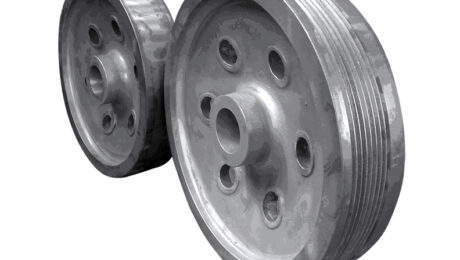
Understanding Flywheels in Mining Machinery
Mining machinery relies heavily on efficient operation and durability. One of the critical components in this machinery is the flywheel. Flywheels serve various functions, including energy storage, smooth operation, and the overall longevity of mining equipment.
What is a Flywheel?
A flywheel is a mechanical device specifically designed to store rotational energy. In mining machinery, flywheels are crucial for balancing the engine speed and absorbing shocks generated during operations, ensuring a more stable and reliable functioning process.
Functions of Flywheels in Mining Machinery
1. Energy Storage
Flywheels capture and store energy when the mining machinery is running at high speeds. This stored energy is then released during lower speeds, providing the necessary power to maintain operation and improve efficiency.
2. Smoothing Out Power Delivery
Mining operations often encounter inconsistent loads. Flywheels help smooth out power delivery to the machinery, allowing for a more consistent operation and reducing wear and tear on mechanical components.
3. Vibration Dampening
Mining machinery is subject to extreme vibrations. Flywheels help absorb some of these vibrations, protecting other sensitive components from damage.
Types of Flywheels Used in Mining Machinery
1. Solid Flywheels
Solid flywheels are the traditional design and are typically made from metal. They are robust and effective in energy storage and smoothing operations but can be heavy and less responsive.
2. Composite Flywheels
Composite flywheels utilize advanced materials, making them lighter and able to store more energy. They have become increasingly popular in modern mining machinery for their efficiency and performance.
Flywheel Design Considerations
1. Size and Weight
The size and weight of the flywheel are critical factors. A larger flywheel can store more energy but may also increase the overall weight of the machinery.
2. Material Selection
Choosing the right materials affects both the performance and durability of the flywheel. Common materials include steel, aluminum, and composites.
3. Balancing
Proper balancing of the flywheel is vital to prevent vibrations and ensure smooth operation.
Maintenance of Flywheels in Mining Machinery
1. Regular Inspections
Regularly inspecting flywheels for wear and tear is essential to maintain efficiency and prevent unexpected breakdowns.
2. Replacement of Spare Parts
As with any machinery component, flywheels may require spare parts. Identifying and replacing worn parts promptly can extend the life of the flywheel.
3. Lubrication
The bearings and other moving parts connected to the flywheel must be properly lubricated to ensure smooth operation.
Common Issues with Flywheels
1. Cracks and Fractures
High-stress operations can lead to cracks and fractures in flywheels. Regular monitoring can help detect these issues before they lead to failure.
2. Imbalance
An imbalanced flywheel can cause significant vibrations, leading to mechanical failure. Ensuring proper installation and maintenance is crucial for balance.
3. Excessive Wear
Over time, flywheels can wear down. Monitoring wear patterns can help determine the need for replacements.
Flywheel Spare Parts for Mining Machinery
When considering the efficiency and reliability of flywheels, obtaining quality spare parts is essential. Here are some common flywheel spare parts:
- Flywheel rings
- Flywheel bearings
- Flywheel bolts
Innovations in Flywheel Technology
Modern advancements in flywheel technology have led to significant improvements in performance, weight reduction, and energy efficiency.
FAQ Section
What is the importance of a flywheel in mining machinery?
The flywheel is essential for energy storage, smooth operation, and providing stability in mining machinery.
How often should flywheels be inspected?
Flywheels should be inspected regularly—typically during scheduled maintenance—to ensure functionality and prevent failures.
What are the signs of a failing flywheel?
Common signs of a failing flywheel include excessive vibration, unusual noises, and visible wear or damage.
Can flywheels affect the overall performance of mining machinery?
Yes, flywheels play a crucial role in energy management and vibration control, which can significantly impact the overall performance of mining machinery.
What materials are best for flywheels?
Common materials for flywheels include steel for durability and composite materials for lighter weight and better energy storage.
Conclusion
In conclusion, flywheels are a vital component of mining machinery, serving numerous functions that enhance efficiency and prolong machinery life. Understanding the intricacies of flywheels, their design, and maintenance can lead to better operational outcomes and reduced downtime.
- Published in Products
Understanding the Importance of End Frames in Mining Machinery and Spare Parts
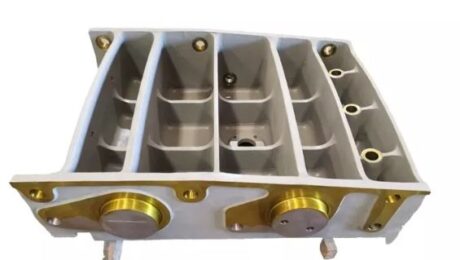
Understanding the Importance of End Frames in Mining Machinery and Spare Parts
Mining machinery is the backbone of the mining industry, enabling the extraction of valuable resources efficiently. Among the various components, the end frame plays a crucial role. This article will delve into the significance of end frames, their functions, and the essential considerations when choosing them.
Table of Contents
- What is an End Frame?
- Function of End Frames in Mining Machinery
- Types of End Frames Used in Mining Machinery
- Materials Used for End Frames
- Top Manufacturers of End Frames
- Repair and Maintenance of End Frames
- How to Choose the Right End Frame for Your Mining Equipment
- FAQs about End Frames
What is an End Frame?
The end frame is a pivotal component in various mining machinery, including drills, excavators, and crushers. It serves as the supporting structure that houses critical components like motors and gearboxes, providing stability and alignment necessary for optimal performance.
Function of End Frames in Mining Machinery
End frames serve multiple functions in mining equipment:
- Structural Support: They provide the necessary integrity to the machinery.
- Alignment: Ensure proper alignment of rotating components, reducing wear and tear.
- Heat Dissipation: Aid in dissipating heat generated by motors and other components.
- Protection: Protect critical machinery elements from dirt, moisture, and mechanical damage.
Types of End Frames Used in Mining Machinery
Different types of end frames are utilized based on the specific machinery and its operational requirements:
- Cast Iron End Frames: Known for their strength and durability, often used in heavy-duty machinery.
- Steel End Frames: Lightweight and robust, suitable for various mining applications.
- Composite End Frames: Offer resistance to corrosion and wear, ideal for harsh environments.
Materials Used for End Frames
End frames can be constructed from various materials depending on their application:
- Cast Iron: Provides high strength and stability.
- Steel: Offers a combination of strength and flexibility.
- Aluminum: Lightweight choice for less demanding applications.
- Plastic and Composites: Increasingly used for specific purposes due to their resistance to corrosion and lower weight.
Top Manufacturers of End Frames
There are several manufacturers renowned for their quality in producing end frames:
- Joy Global: A leading name in mining machinery manufacturing.
- Sandvik: Known for innovative engineering and robust mining equipment.
- Komatsu: Offers a range of mining solutions, including durable end frames.
- CAT (Caterpillar): Renowned for high-quality machinery components.
Repair and Maintenance of End Frames
Regular maintenance and timely repairs of end frames are vital to prolonging the life of mining machinery:
- Inspection: Regular checks for signs of wear or damage.
- Lubrication: Ensure appropriate lubrication of mechanical parts housed within the end frame.
- Replacement: Know when to replace outdated or damaged end frames to prevent further machinery issues.
How to Choose the Right End Frame for Your Mining Equipment
When selecting an end frame, consider the following:
- Compatibility: Ensure it fits your specific machinery model.
- Material: Choose an appropriate material based on the application environment.
- Manufacturer: Opt for reputable manufacturers who provide quality assurance.
- Cost: Consider the overall cost-effectiveness, including maintenance and longevity.
FAQs about End Frames
What is the purpose of an end frame in mining machinery?
The end frame supports and aligns key components like motors and gearboxes, providing structural integrity and ensuring machinery efficiency.
What materials are commonly used for end frames?
Common materials include cast iron, steel, aluminum, and composites, each chosen for specific durability and weight requirements.
How often should end frames be inspected?
End frames should be inspected regularly, with checks done at least every few months or according to manufacturer guidelines.
Can damaged end frames be repaired?
Yes, most end frames can be repaired, but if the damage is extensive, replacement might be more cost-effective.
What are the signs of a failing end frame?
Signs of a failing end frame include vibrations, misalignment, unusual noises, and visible wear or cracking.
LSI and NLP Keywords
Mining machinery, spare parts, structural integrity, alignment, heat dissipation, protection, cast iron, steel, composite materials, repair and maintenance, manufacturers, mining equipment, machinery frame, durable components, mining industry, excavation, wear resistance, performance optimization, machinery stability.
- Published in Products
The Comprehensive Guide to Pitman in Mining Machinery and Spare Parts

The Comprehensive Guide to Pitman in Mining Machinery and Spare Parts
The world of mining machinery is intricate and requires specialized components to ensure optimal performance. One of the essential components in this realm is the pitman. This article aims to provide a thorough understanding of the role and importance of the pitman in mining machinery, its various types, applications, maintenance practices, and spare parts.
What is a Pitman in Mining Machinery?
A pitman is a critical part of a machine, particularly used in various types of crushers and rock-breaking equipment in the mining industry. It serves as the connecting link between the driving mechanism and the movable part of the machine, facilitating the movement necessary for crushing and breaking larger rocks.
Types of Pitman in Mining Machinery
1. Single Toggle Pitman
The single toggle pitman setup is simple yet effective. It allows for a more straightforward motion and is often seen in smaller mining operations.
2. Double Toggle Pitman
The double toggle pitman provides enhanced motion and crushing capabilities, making it suitable for larger operations with more demanding output requirements.
3. Composite Pitman
Composite pitmans utilize multiple materials to enhance durability and performance, making them ideal for various mining conditions.
Importance of Pitman in Mining Machinery
The pitman‘s role in mining machinery is crucial for several reasons:
- Efficiency: The pitman facilitates efficient crushing action, ensuring that rocks are broken down effectively.
- Durability: High-quality pitmans are designed to withstand extensive wear and tear, thereby prolonging the equipment’s lifespan.
- Performance: Properly functioning pitmans ensure optimal machinery performance, which is vital in the mining industry.
Pitman Spare Parts
Maintaining the pitman and its related components is vital for operational efficiency. Here are some common spare parts associated with pitman maintenance:
- Pitman Arm
- Pitman Bearing
- Pitman Plate
- Pitman Adjustment Mechanism
Maintenance of Pitman in Mining Machinery
Regular maintenance of the pitman can prevent costly repairs and downtime. Key maintenance practices include:
- Regular Inspections: Consistent evaluation of the pitman for cracks or wear is crucial.
- Lubrication: Proper lubrication of the pitman and its components minimizes friction and wear.
- Replacement of Worn Parts: Timely replacement of worn-out pitman parts will ensure continued efficiency.
Common Issues with Pitman in Mining Machinery
Despite their robustness, pitmans can face several issues:
- Wear and Tear: Continuous operation can lead to significant wear.
- Misalignment: Improper installation or wear can cause misalignment.
- Cracking: Extreme stress on pitman arms can lead to cracks and failures.
FAQs About Pitman in Mining Machinery
- What materials are used for manufacturing pitman?
Pitmans are typically made from high-strength steel or iron to ensure durability and resistance to wear. - How can I identify a faulty pitman?
Signs of a faulty pitman include unusual noises, slower processing times, and visible damage on the component. - What is the cost of replacing a pitman?
The cost can vary widely depending on the type of pitman, but it’s generally a significant investment due to the component’s importance. - Can I replace pitman parts independently?
It’s possible for experienced personnel, but proper training and understanding of the machinery are essential.
Conclusion
In summary, the pitman is a cornerstone of mining machinery, playing a vital role in the operational efficiency and durability of rock-breaking equipment. Regular maintenance, timely replacement of spare parts, and understanding the various types of pitmans can significantly enhance machinery performance in the mining industry.
List of LSI and NLP Keywords Related to Pitman
- Mining Equipment
- Crushing Machines
- Rock Breakers
- Crusher Parts
- Mining Industry
- Material Handling
- Heavy Machinery
- Jaw Crusher
- Toggle Mechanism
- Mining Operations
- Spare Parts Supply
- Preventive Maintenance
- Mining Equipment Repair
- Component Lifecycle
- Operational Efficiency
- Heavy-Duty Equipment
- Durability Testing
- Mining Technology
- Published in Products
The Ultimate Guide to Mining Machinery Rotors and Spare Parts

The Ultimate Guide to Mining Machinery Rotors and Spare Parts
Mining machinery is a critical component of the mining industry, playing an essential role in the extraction and processing of mineral resources. Among the various components of mining machinery, rotors are pivotal in ensuring the efficient functioning of various machines. In this comprehensive guide, we will delve deep into the world of rotors used in mining machinery, as well as spare parts associated with them, while maintaining a focus on relevant keywords and SEO best practices.
What is a Rotor in Mining Machinery?
A rotor is a rotating component in various types of mining machinery. It works by spinning to perform its function, often in association with other parts of the machine. Different types of mining equipment utilize rotors, including crushers, grinders, and drilling machines. Understanding the mechanics of rotors is essential for those involved in mining operations.
Types of Rotors Used in Mining Machinery
-
Hammer Mill Rotors
Hammer mill rotors are designed for crushing and grinding minerals. They consist of a series of hammers attached to a rotor that rotates at high speed. This movement causes the hammers to strike the material, reducing it to smaller sizes.
-
Impact Crusher Rotors
Impact crushers utilize rotors with blow bars to break down materials. The rotor’s design allows for efficient impact and crushing force, leading to improved material processing.
-
Drilling Machine Rotors
Rotors in drilling machines help to deliver the necessary torque and rotation to the drill bit, facilitating the drilling process in various geological conditions.
-
Mixing and Agitation Rotors
Used in flotation processes, these rotors aid in mixing chemicals with ores to enhance separation and recovery.
Importance of Rotors in Mining Machinery
Rotors are fundamental to the operation of mining machinery, as they directly affect the efficiency and productivity of the mining process. Well-designed rotors can lead to:
- Increased throughput and processing speed
- Improved material reduction and size control
- Enhanced energy efficiency
- Reduced wear and maintenance costs
Common Materials Used in Rotor Manufacturing
The choice of materials for rotors is critical, as they must withstand harsh operating conditions. Common materials include:
- High Carbon Steel: Offers strength and durability for heavy-duty applications.
- Alloy Steels: Provides resistance to wear and corrosion.
- Casting Materials: Various casting techniques are used to create complex rotor designs.
- Composite Materials: These materials offer weight reduction while maintaining strength.
Maintenance Tips for Mining Machinery Rotors
Regular maintenance of rotors is essential to ensure optimal performance and longevity. Here are some tips:
- Perform regular inspections for wear and tear.
- Keep the rotor clean to prevent contamination.
- Lubricate bearings and other moving parts as needed.
- Replace damaged or worn components promptly.
Rotor Spare Parts for Mining Machinery
Spare parts for rotors are critical for maintaining the operational efficiency of mining machinery. Some of these spare parts include:
- Replacement Hammers: Crucial for hammer mill rotors, these need regular replacement.
- Blow Bars: Essential for impact crusher rotors.
- Shafts and Bearings: Vital components that support rotor operation.
- Wear Liners: Protect the rotor from excessive wear in harsh environments.
FAQs about Mining Machinery Rotors
What are rotors used for in mining machinery?
Rotors are used to convert mechanical energy into impact or crushing force to process materials in mining machinery.
How often should mining machinery rotors be inspected?
Rotors should be inspected regularly, typically every few weeks or after significant operational changes, to ensure they function efficiently.
What are the signs of rotor wear?
Signs of rotor wear include excessive vibration, unusual noises during operation, and reduced performance in material processing.
Can I replace a rotor myself?
While it is possible to replace a rotor yourself, it is recommended to consult a technician for complex machinery to ensure proper installation and safety.
Where can I find spare parts for mining machinery rotors?
Spare parts can be sourced from the original equipment manufacturer (OEM), authorized dealers, or aftermarket suppliers who specialize in mining machinery.
Key Takeaways on Mining Machinery Rotors
Understanding the role of rotors in mining machinery is essential for anyone involved in the industry. From their design and function to their maintenance and spare parts, every aspect is vital for optimal machinery performance.
Conclusion
In conclusion, rotors are an indispensable component of mining machinery, impacting everything from efficiency to productivity. Proper maintenance and timely replacement of rotor spare parts can significantly affect the overall operation. As technology continues to advance, the design and functionality of rotors will evolve, leading to even greater importance in the mining sector.
- Published in Products
The Ultimate Guide to Conveyor Belts in Mining Machinery and Spare Parts

The Ultimate Guide to Conveyor Belts in Mining Machinery and Spare Parts
Conveyor belts play a crucial role in the efficiency and safety of mining operations. In this comprehensive guide, we will explore the various types of conveyor belts used in mining, their components, maintenance strategies, and much more.
1. What is a Conveyor Belt?
A conveyor belt is a continuous loop of material that moves items from one point to another within a mining operation. These belts are integral to transporting materials over various distances, ultimately enhancing productivity.
2. Types of Conveyor Belts
2.1. Flat Conveyor Belts
Flat conveyor belts are designed to carry bulk materials over short and long distances horizontally or inclined. They are ideal for transporting aggregates, coal, and other materials.
2.2. Modular Conveyor Belts
These belts consist of interlocking plastic segments and are versatile, allowing for easy maintenance and customization.
2.3. Steel Cord Conveyor Belts
Known for their strength and durability, steel cord conveyor belts are engineered for heavy-duty applications where extreme loads are present.
2.4. Rubber Conveyor Belts
Rubber conveyor belts are resistant to wear and suitable for transporting abrasive materials.
2.5. Pipe Conveyor Belts
Pipe conveyor belts contain material in a tube shape, which is useful in transporting materials over challenging terrains.
3. Key Components of Conveyor Belts
Understanding the components of conveyor belts is vital for effective maintenance and operation:
- Belt: The fundamental component that carries the materials.
- Idlers: Rollers that support the belt and help maintain tension.
- Drum Pulleys: These drive the conveyor belt; there are two types: driving and non-driving.
- Chassis: The support structure for the conveyor system.
- Conveyor Belt Modifications: Elements like sidewalls and cleats that enhance functionality.
4. Conveyor Belt Applications in Mining
Conveyor belts are used throughout the mining process:
- Mineral Extraction: Transporting extracted minerals to processing plants.
- Material Handling: Efficiently moving raw materials and products throughout the mining site.
- Environmental Management: Minimizing dust and waste through covered and enclosed conveyor systems.
5. Selecting the Right Conveyor Belt for Mining
Choosing the appropriate conveyor belt depends on several factors:
- Material Characteristics: Factors such as size, shape, and weight.
- Operational Conditions: Temperature, humidity, and potential exposure to abrasion.
- Distance and Elevation: The length of the conveyor and the elevation change.
6. Maintenance and Care for Conveyor Belts
Proper maintenance extends the life of conveyor belts:
- Regular Inspections: Checking for wear and tear, alignment, and tension.
- Cleaning: Keeping belts free of debris and material buildup.
- Replacement: Timely replacement of worn-out components.
7. Conveyor Belt Repair and Replacement
Understanding when to repair or replace a conveyor belt is critical:
- Identifying Damage: Regular monitoring for tears, holes, or unusual wear patterns.
- Repair Techniques: Methods such as vulcanization, splicing, and patching.
- Replacement Guidelines: Indicators for when to replace entire systems versus repairing localized damage.
8. Advances in Conveyor Belt Technology
The mining industry continues to evolve, with new technologies improving conveyor belt performance:
- Smart Conveyor Systems: Integrating sensors for real-time monitoring.
- Eco-Friendly Materials: Developing belts from sustainable resources.
- Automated Controls: Enhancing efficiency through automation and remote monitoring.
9. Conveyor Belt Safety Considerations
Safety is paramount when operating conveyor belts:
- Emergency Stops: Installing easily accessible emergency stop buttons.
- Protective Covers: Using covers to shield moving parts.
- Employee Training: Proper training for personnel operating machinery.
10. Frequently Asked Questions (FAQs)
10.1. What materials can be transported with conveyor belts?
Conveyor belts can transport a wide range of materials, including minerals, coal, sand, gravel, and other bulk materials.
10.2. How often should conveyor belts be inspected?
Conveyor belts should ideally be inspected daily, with more thorough checks weekly or monthly depending on usage and operational conditions.
10.3. How do you repair a damaged conveyor belt?
Repairs can include methods such as splicing, patching, or using vulcanization based on the damage’s severity.
10.4. What should be considered when selecting a conveyor belt?
Factors to consider include material characteristics, environmental conditions, load capacity, and operational efficiency.
10.5. Are there any safety risks associated with conveyor belts?
Yes, common risks include entrapment, falls, and injuries from moving parts, highlighting the importance of safety measures.
11. Conclusion
Conveyor belts are essential components in mining operations. Understanding their types, applications, maintenance, and safety can significantly enhance operational efficiency and safety. Investing in the right technology and practices ensures that mining operations continue to thrive in a competitive landscape.
LSI and NLP Keywords Related to Conveyor Belts
- Mining conveyor systems
- Material handling solutions
- Conveyor belt maintenance
- Mining equipment
- Belt splicing techniques
- Industrial conveyor belts
- Heavy-duty conveyor belts
- Conveyor belt troubleshooting
- Conveyor roller manufacturers
- Mining machinery spare parts
- Bulk material transport
- Conveyor pulley types
- Conveyor belt construction
- Mining logistics
- Production efficiency
Additional Keywords Related to Conveyor Belts
- Industrial machines
- Automation in mining
- Belt wear and tear
- Mining safety regulations
- Aggregate conveyors
- Material recovery
- Conveyor system design
- Belt conveyor system
- Frequent maintenance
- Conveyor belt suppliers
- Published in Products
Comprehensive Guide to Mining Machinery: Understanding Roller Systems and Spare Parts

Comprehensive Guide to Mining Machinery: Understanding Roller Systems and Spare Parts
Mining operations are heavily reliant on machinery, and one of the crucial components of these systems is the roller. Rollers play a significant role in ensuring the efficiency and durability of various mining equipment. In this article, we will delve deep into the world of mining machinery, focusing on rollers, their various types, applications, and the importance of spare parts. We’ll also address common questions to help you understand this critical area better.
The Importance of Rollers in Mining Machinery
Rollers are integral parts of various mining machines, including excavators, conveyor systems, and crushers. They help reduce friction and wear, contributing to the machine’s overall performance and longevity. Efficient roller function directly correlates with the productivity of mining operations.
Types of Rollers in Mining Machinery
-
Track Rollers
-
Idler Rollers
-
Conveyor Rollers
-
Return Rollers
-
Drive Rollers
-
Guide Rollers
Track Rollers: Features and Applications
Track rollers are pivotal in tracked machinery, such as bulldozers and excavators. They guide the movement of the track and support the weight of the machinery, making their maintenance essential for optimal performance.
Idler Rollers: Functionality and Maintenance
Idler rollers support the weight of the conveyor belt and help in maintaining its tension. Regular inspections and maintenance are crucial to minimize wear and prevent unexpected breakdowns.
Conveyor Rollers: Types and Benefits
Conveyor rollers play a vital role in the transportation of materials within mining operations. They come in various forms, including light-duty, heavy-duty, and impact rollers, each serving a specific purpose.
Return Rollers: Importance in Conveyor Systems
Return rollers help keep the conveyor belt in place and support its return trip. They ensure that the belt does not sag, thus maintaining efficiency in material transport.
Drive Rollers: The Core of Conveyor Motion
Drive rollers are crucial for initiating the movement of the conveyor belt. They are powered and must be maintained to ensure smooth operation.
Guide Rollers: Precision and Control
Guide rollers assist in directing the conveyor belt and maintaining its alignment. They are small but essential components that can greatly affect operational efficiency.
Common Problems Faced with Rollers in Mining Equipment
- Excessive Wear and Tear
- Misalignment Issues
- Insufficient Lubrication
- Crumbling and Damage from Harsh Conditions
The Role of Spare Parts in Maintaining Rollers
Having the right spare parts is essential for the upkeep of rollers in mining machinery. Spare parts help prevent downtime and ensure that operations continue smoothly. Understanding the types of spare parts available, such as bearings, seals, and complete roller assemblies, is critical for maintenance.
How to Choose the Right Spare Parts for Rollers
-
Assess Compatibility
-
Quality Over Price
-
Check Supplier Reputation
-
Consider the Operating Environment
Frequently Asked Questions (FAQ)
-
What is the purpose of rollers in mining machinery?
- Rollers help to reduce friction and wear within machinery, enhancing operational efficiency.
-
How do I know when to replace rollers?
- Signs include excessive wear, noise during operation, and misalignment of the conveyor belt.
-
What are the best materials for roller construction?
- Common materials include steel, rubber, and nylon, each suited for specific applications.
-
How can maintenance extend the life of rollers in mining machinery?
- Regular lubrication, alignment checks, and timely replacement of worn components can significantly enhance roller longevity.
-
Are aftermarket spare parts a good option for rollers?
- Aftermarket parts can be cost-effective, but it’s important to ensure compatibility and quality standards.
Conclusion
Understanding the role of rollers in mining machinery and the significance of spare parts is crucial for maintaining productivity in mining operations. Through proper selection, maintenance, and timely replacement of rollers and spare parts, mining companies can optimize their operations, reduce downtime, and achieve greater efficiency.
LSI and NLP Keywords Related to ‘Roller’
Roller bearings, conveyor roller systems, idler pulleys, track roller maintenance, heavy machinery parts, mining machinery components, roller performance, mining equipment spare parts, heavy-duty rollers, friction reducers, reducing wear in rollers, belt tensioning systems, roller alignment techniques, mining equipment efficiency, spare parts procurement, and roller inspection.
- Published in Products
Comprehensive Guide to Drum in Mining Machinery and Spare Parts
Comprehensive Guide to Drum in Mining Machinery and Spare Parts
The mining industry relies heavily on specialized equipment and machinery for efficient extraction and processing. Among the essential components are drums used in various applications, including material handling and conveyor systems. This article explores the significance of drums in mining machinery, their types, maintenance, and the importance of drum spare parts.
1. Understanding Drums in Mining Machinery
A drum in mining machinery serves multiple purposes, primarily in the transporting and processing of mined materials. These components are essential for the optimal performance of a variety of machinery, including conveyor systems, feeders, and crushers.
1.1 What Is a Drum?
In mining equipment, a drum typically refers to a cylindrical component that is crucial for the operational capabilities of various machinery. Drums can be designed for different functions, such as rotating to convey materials or serving as a structural part of machinery that helps in the stabilization and support of other components.
1.2 Types of Drums in Mining Machinery
- Drum Rollers
- Drum Feeders
- Drum Conveyors
- Drum Crushers
- Drum Screens
2. The Role of Drums in Mining Operations
Drums play a pivotal role in the workflow of mining operations. Their design and function can significantly influence productivity and efficiency.
2.1 Drums in Conveyor Systems
Conveyor systems are fundamental in transporting mined materials from one point to another. Drums in these systems are integral for ensuring smooth operation and minimizing downtime.
2.2 Drums in Crushing Equipment
In crushing machinery, drums facilitate the reduction of mined material sizes. They provide the necessary force and rotation, ensuring effective crushing and processing.
3. Importance of Drum Spare Parts
The functionality of drums highly depends on the quality and availability of spare parts. It is essential to maintain these components to avoid costly production stops.
3.1 Common Drum Spare Parts
- Drum Bearings
- Drum Shafts
- Drum Liners
- Drum Seals
- Drum Gearboxes
3.2 Why Regular Maintenance is Crucial
Regular maintenance of drums ensures longevity and optimal performance, reducing the risk of failures that could halt mining operations.
4. Choosing Quality Drums and Parts
When selecting drums and their corresponding spare parts, several factors should be considered, including material, design, and compatibility with existing machinery.
4.1 Material Quality
The material used in manufacturing drums can affect durability and performance. High-quality steel and composite materials are preferred for their strength and resistance to wear and tear.
4.2 Compatibility Factors
Ensuring that the drum and spare parts align with the specifications of the mining machinery is crucial for seamless integration and functionality.
5. Innovations in Drum Technology
As technology advances, the design and functionality of drums in mining machinery are evolving to improve efficiency and safety.
5.1 Smart Drums
Smart technology is being integrated into drums to provide real-time performance data, enhancing monitoring and maintenance capabilities.
6. FAQ Section
6.1 What is the main function of drums in mining machinery?
The main function of drums in mining machinery is to facilitate the transportation and processing of mined materials, as well as to support various equipment operations.
6.2 How often should drum spare parts be inspected?
Drum spare parts should be inspected regularly, ideally during scheduled maintenance to identify and address issues before they lead to operational problems.
6.3 Can drums be customized for specific mining applications?
Yes, drums can be customized to meet the specific needs and operational requirements of different mining applications.
6.4 What are the signs that a drum needs replacement?
Signs that a drum may need replacement include excessive wear, unusual noises during operation, and visible damage or corrosion.
6.5 Are there advancements in drum design for better efficiency?
Yes, recent advancements include smart technology and innovative materials that enhance the efficiency and lifespan of drums in mining operations.
7. Conclusion
Understanding the significance of drums in mining machinery along with their proper maintenance and the importance of spare parts can lead to improved operational efficiency. As technology continues to evolve, staying updated on innovations in drum design will become increasingly important for mining companies looking to optimize their processes.
LSI and NLP Keywords
- Mining machinery
- Conveyor drums
- Spare parts
- Material handling
- Mining equipment
- Drum maintenance
- Durability
- Mining operations
- High-quality materials
- Drum technology
- Published in Products
The Essential Guide to Mantle and Bowl Liner in Mining Machinery

The Essential Guide to Mantle and Bowl Liner in Mining Machinery
Mining machinery plays a pivotal role in the mining industry, and components such as the mantle and bowl liner are critical for efficient operations. Understanding the significance, types, and maintenance of these parts can greatly enhance your mining productivity.
What is a Mantle?
The mantle is a vital component of cone crushers, primarily responsible for crushing the material that is fed into the machine. It is designed to withstand immense pressure and wear during the crushing process, which makes its proper selection and maintenance crucial.
The Role of Bowl Liner in Mining Machinery
The bowl liner, similar to the mantle, is another essential part of cone crushers. It encases the mantle and forms an integral part of the crushing chamber. Together, these two components help ensure the efficient processing of minerals.
Materials Used in Mantles and Bowl Liners
Mantles and bowl liners are usually made from high chrome iron or manganese steel because of their high resistance to impact and abrasion. Choosing the right material can significantly affect the wear rate and overall efficiency of the mining machinery.
Types of Mantles and Bowl Liners
- Standard Mantle and Bowl Liner: Provides balanced performance and longevity.
- Short Head Mantle and Bowl Liner: Designed for finer crushing applications.
- Medium Cone Mantle and Bowl Liner: Versatile choice for various crushing needs.
Importance of Proper Selection
Choosing the right mantle and bowl liner for your mining machinery is crucial for maximizing efficiency. Factors such as the type of material being processed and the desired output size should influence your choice.
Maintenance of Mantle and Bowl Liner
Regular inspection and maintenance of the mantle and bowl liner can prevent unintended breakdowns and prolong the life of your equipment. Implementing a maintenance schedule that includes checking for wear and tear can save resources in the long run.
Signs of Wear and Tear on Mantle and Bowl Liner
- Increased Noise Levels: Excessive noise may indicate that your mantle and bowl liner are worn.
- Material Breakage: If the material being processed gets contaminated, it could be a sign of wear.
- Lack of Material Size Consistency: Irregular sizes in the output may indicate that your components need replacing.
Benefits of High-Quality Mantle and Bowl Liner
Investing in high-quality mantle and bowl liner can lead to improved productivity, reduced downtime, and lower operational costs. Quality materials are engineered to handle more stress and last longer than their cheaper counterparts.
Common Brands and Manufacturers of Mantle and Bowl Liners
Several well-known brands manufacture mantles and bowl liners, including Sandvik, Metso, and Telsmith. Each brand offers unique innovations that cater to specific requirements in the mining industry.
Cost Factors for Mantle and Bowl Liners
The cost of mantles and bowl liners can vary based on materials, design, and brand. It’s essential to analyze the long-term returns on investment when selecting these components.
Purchasing Tips for Mantle and Bowl Liner
- Always buy from reputable suppliers.
- Check certifications and quality standards of the parts.
- Seek recommendations based on your crushing needs.
Questions to Consider When Buying Mantle and Bowl Liners
- What material is suitable for my specific needs?
- What is the lifespan I should expect?
- Are there any warranties offered with the purchase?
FAQ Section
What is the difference between a mantle and a bowl liner?
The mantle is the moving part that crushes the rocks, while the bowl liner is stationary and surrounds the mantle, forming the crushing chamber.
How do I know when to replace my mantle and bowl liner?
Signs such as increased noise, material breakage, or inconsistent output size indicate that it’s time for a replacement.
What materials are best for mantles and bowl liners?
High chrome iron and manganese steel are commonly used due to their durability and resistance to wear.
How can I extend the life of my mantle and bowl liner?
Implement a regular maintenance schedule and monitor for signs of wear to extend the life of these components.
Do all cone crushers use mantle and bowl liners?
Yes, mantle and bowl liners are standard components in cone crushers used in the mining industry.
LSI and NLP Keywords
- Crushing equipment
- Mining industry components
- Wear-resistant materials
- High-performance liners
- Mantle design
- Mining spare parts
- Equipment lifespan
- Crushing chamber
- Material processing
- Mining machinery maintenance
- Cone crusher parts
- Grinding performance
- Mineral extraction tools
Conclusion
In conclusion, understanding the role of mantle and bowl liner in mining machinery is crucial for optimizing performance. By selecting the right materials and investing in maintenance, you can greatly improve your operation’s efficiency and productivity.
- Published in Products
The Ultimate Guide to Jaw Plates in Mining Machinery and Spare Parts

The Ultimate Guide to Jaw Plates in Mining Machinery and Spare Parts
Jaw plates are essential components within the mining machinery industry, crucial for the performance and efficiency of crushers. In this comprehensive article, we will explore what jaw plates are, their types, materials, importance, and how to choose the right jaw plate for your mining machinery. Additionally, the article will cover maintenance tips and frequently asked questions about jaw plates.
1. What is a Jaw Plate?
A jaw plate is a component of a jaw crusher used to crush rocks and other materials. It serves as the primary crushing surface in crushers, directly responsible for the material size reduction. The plates are typically fixed and movable, with one plate being stationary while the other moves back and forth to crush the material between them.
2. Importance of Jaw Plates in Mining Machinery
The role of jaw plates in mining machinery cannot be overstated. They impact the overall operational efficiency, the quality of output material, and the longevity of the machinery. Properly functioning jaw plates help in achieving optimal crushing performance and reducing operational costs.
3. Types of Jaw Plates
3.1 Fixed Jaw Plates
Fixed jaw plates are stationary components that set the parameters for material size reduction. They are manufactured to withstand high wear and tear from impact forces.
3.2 Movable Jaw Plates
Movable jaw plates are designed to move within the crushing chamber, crushing materials between the fixed plates. Their design can vary based on the application and specific machinery.
3.3 Different Profiles of Jaw Plates
Jaw plates come in various profiles such as standard, heavy-duty, and toothed designs, which cater to different crushing needs. Understanding the profile type is crucial for optimizing the crushing process.
4. Materials Used in Manufacturing Jaw Plates
Jaw plates can be made from various materials including:
4.1 High Manganese Steel
This material provides excellent durability and resistance to impact and wear, making it one of the most common choices for jaw plates.
4.2 Cast Iron
Cast iron is used for its high compressive strength, suitable for specific applications but may not withstand heavy loading as well as high manganese steel.
4.3 Alloy Steel
Alloy steel jaw plates provide enhanced resistance to wear and corrosion, often used in harsher environments.
5. How to Choose the Right Jaw Plate
Selecting the appropriate jaw plate involves considering factors such as:
5.1 Material Type
Choose the right material based on your crushing requirements and the type of material being processed.
5.2 Design and Profile
Analyze the application to determine which jaw plate design will maximize crushing efficiency.
5.3 Compatibility with Machinery
Ensure the jaw plates are compatible with your specific crushing machinery model for optimal performance.
6. Maintenance and Care of Jaw Plates
Proper maintenance of jaw plates is essential for prolonging their lifespan and ensuring efficient operations. Here are some tips:
6.1 Regular Inspections
Perform regular inspections to catch wear early and replace jaw plates at the right time.
6.2 Proper Lubrication
Ensure proper lubrication of moving parts to minimize friction and extend component life.
6.3 Keeping the Crushing Environment Clean
Maintain a clean work environment to prevent contaminants from affecting the jaw plates and other machinery components.
7. Common Problems with Jaw Plates
Some common issues include:
7.1 Excessive Wear
Regularly check for signs of wear and replace jaw plates as needed to avoid inefficient crushing.
7.2 Deformation
Monitor for any deformation due to excessive loads and address the underlying issues to prevent further damage.
8. Frequently Asked Questions (FAQs)
8.1 What is the average lifespan of a jaw plate?
The lifespan of a jaw plate can vary based on usage, material type, and maintenance practices, but they usually last between 6 to 12 months.
8.2 How do I know when to replace my jaw plates?
Signs include excessive wear, reduced crushing efficiency, and cracks or fractures in the plates.
8.3 Can I use different types of jaw plates in the same machine?
It is not recommended as it can lead to improper functioning and reduced efficiency. Always use recommended jaw plates for your specific machinery.
8.4 What are the most common materials used for jaw plates?
The most common materials are high manganese steel, cast iron, and alloy steel.
8.5 How can I enhance the performance of my jaw plates?
Maintain proper lubrication, ensure regular inspections, and select the right materials and profiles based on your applications.
9. Conclusion
Jaw plates play a pivotal role in the functionality of mining machinery. Choosing the right jaw plates, maintaining them well, and understanding the different types and materials can lead to improved crushing efficiencies and reduced operational costs. Stay proactive in monitoring and replacing jaw plates to ensure continuous high performance in mining operations.
10. Related Topics to Explore
If you’re interested in learning more about mining machinery and spare parts, consider researching:
- Jaw Crushers
- Crusher Liners
- Mining Equipment Maintenance
- Rock Crushing Techniques
- Wear Parts in Mining
- Grinding Machinery
In summary, by understanding and effectively managing jaw plates, operators can maximize the efficiency and longevity of their mining machinery.
- Published in Products
The Essential Guide to Blow Bars in Mining Machinery

The Essential Guide to Blow Bars in Mining Machinery
In the world of mining machinery, efficiency and durability are key factors in operations that involve crushing and grinding. One of the most critical components in this process is the blow bar. This article will explore the intricacies of blow bars used in various mining machinery, their importance, types, maintenance tips, and spare parts information. We will also address frequently asked questions regarding blow bars to provide comprehensive knowledge for industry professionals.
What are Blow Bars?
Blow bars are crucial wear components in impact crushers used in mining machinery. They are designed to withstand high levels of stress and impact, ensuring the effective crushing of materials such as rocks and ores. The material composition of blow bars significantly influences their performance and durability.
Types of Blow Bars
There are several types of blow bars used in mining machinery, each tailored to specific applications:
- High Chrome Blow Bars: Known for their wear resistance, these are ideal for crushing abrasive materials.
- Manganese Blow Bars: These offer high impact resistance and are suited for applications requiring high feed sizes.
- Martensitic Blow Bars: They deliver a balance between impact resistance and wear resistance, making them versatile for various applications.
- Composite Blow Bars: A combination of materials designed for specific crushing applications.
Importance of Blow Bars in Mining Machinery
Blow bars play a vital role in determining the efficiency of crushing operations. They directly impact the size of the material produced and affect the machine’s operational lifespan. Selecting the right blow bar is essential for optimizing machine performance and reducing overall operating costs.
Factors to Consider When Selecting Blow Bars
When choosing the right blow bars for your mining machinery, consider the following factors:
- Material Composition: Choose blow bars that match the materials being processed.
- Impact Resistance: Look for blow bars that can withstand high-impact conditions.
- Wear Resistance: Select blow bars that offer durability and longevity.
- Compatibility: Ensure that the blow bars are compatible with the specific machinery.
Maintenance Tips for Blow Bars
Proper maintenance of blow bars extends their lifespan and ensures consistent performance. Here are some maintenance tips:
- Regularly inspect blow bars for wear and damage.
- Monitor crushing performance and adjust settings accordingly.
- Replace worn-out blow bars immediately to prevent damage to the machinery.
- Keep records of blow bar performance to identify patterns and predict replacements.
Mining Machinery Spare Parts: Blow Bars
Having quality spare parts in stock for your mining machinery is essential. Blow bars are among the critical spare parts that need to be readily available to avoid downtime. When sourcing spare parts:
- Ensure quality by choosing reputable suppliers.
- Pay attention to warranties and after-sales support.
- Consider OEM vs. aftermarket options based on your needs and budget.
Common Myths About Blow Bars
Several myths surround blow bars in mining machinery. Here we debunk some of them:
- Myth 1: All blow bars are the same. Fact: Blow bars are designed for specific applications and materials.
- Myth 2: More wear-resistant materials are always better. Fact: The right material depends on the crushing application.
FAQs About Blow Bars
What is the average lifespan of a blow bar?
The lifespan of a blow bar can vary significantly based on material type, application, and operational conditions but generally ranges from 400 to 1,000 hours of crushing.
How do I know when to replace my blow bars?
Monitor the wear indicators on your blow bars and assess the crushing performance. If you notice significant wear or a decrease in efficiency, it’s time to consider a replacement.
Can I use aftermarket blow bars?
Yes, aftermarket blow bars can be used, but ensuring they meet OEM specifications and compatibility with your machinery is crucial for optimal performance.
What materials are blow bars made from?
Blow bars can be made from various materials, including high chrome, manganese steel, martensitic steel, and composite materials, depending on the application requirements.
How often should I inspect my blow bars?
Regular inspections should occur at set intervals, such as every 200 hours of operation, or more frequently based on the crushing conditions and material being processed.
This Section Summarizes Key Takeaways About Blow Bars
In conclusion, blow bars are an essential component of mining machinery that directly contributes to the efficiency and effectiveness of crushing operations. Understanding the types, importance, maintenance, and spare parts availability of blow bars will ensure optimized performance and reduced downtime in the field.
LSI and NLP Keywords Related to Blow Bars
1. Impact crushers
2. Wear parts
3. Mining equipment
4. Crushing machinery
5. Spare parts supplier
6. Crusher maintenance
7. Material wear resistance
8. Manganese steel
9. High chrome alloys
10. Crusher performance
11. Rock crushing
12. Aggregate production
13. Mining applications
14. OEM blow bars
15. Aftermarket blow bars
16. Crushing efficiency
17. Mining industry
18. Milling machinery
19. Crushing and grinding
20. Crusher optimization
21. Crusher wear patterns
22. Production downtime
23. Heavy machinery parts
24. Cost-effective solutions
25. Machinery maintenance tips
- Published in Products
