


The Essential Role of a Distributor in Mining Machinery and Mining Machinery Spare Parts

The Essential Role of a Distributor in Mining Machinery and Mining Machinery Spare Parts
In the vast and complex world of mining, the machinery and the spare parts required to support these operations are critical for the successful extraction of resources. A distributor plays a pivotal role in this ecosystem, ensuring that mining companies have the right equipment and parts at the right time. This article will explore the significance of distributors in mining machinery, the types of products they handle, the benefits they provide, and key considerations when choosing a distributor.
Understanding Mining Machinery
Mining machinery encompasses a variety of equipment used for the extraction of valuable minerals or other geological materials from the earth. The machinery can include:
- Excavators
- Drills
- Dump trucks
- Loaders
- Crushers
- Screeners
The Role of a Distributor in Mining Machinery
What is a Distributor?
A distributor in the context of mining machinery is a company or individual that sells, distributes, and often maintains various types of machinery and spare parts required for mining operations. They act as intermediaries between manufacturers and end-users, facilitating the supply chain.
Importance of Distributors
Distributors are significantly crucial in ensuring that mining operations run smoothly. They provide access to machinery and spare parts that may not be readily available to the end user. Their network helps reduce lead times and costs associated with procurement.
Mining Machinery Spare Parts
Mining machinery spare parts are essential components that are required to maintain and repair mining equipment. Some common spare parts include:
- Hydraulic pumps
- Transmission systems
- Filters
- Belts
- Bearings
Benefits of Working with a Distributor
Access to Diverse Products
Distributors often provide a wide range of machinery and spare parts, making it easier for mining companies to find the exact components they need.
Expert Knowledge and Support
Distributors possess expert knowledge about the products they carry. They can assist in selecting the right machinery or spare parts based on operational requirements.
Efficient Logistics
Distributors manage logistics and supply chain challenges, ensuring timely delivery of machinery and spare parts, which is crucial for the continuous operation of mining sites.
Cost Efficiency
By leveraging their relationships and economies of scale, distributors can often provide better pricing on both machinery and spare parts.
Choosing the Right Distributor
Consider Experience and Reputation
It is essential to evaluate potential distributors based on their experience in the industry and their reputation among other mining companies.
Assess Product Range and Availability
Ensure that the distributor offers a comprehensive selection of mining machinery and spare parts with reliable availability.
Check for Support Services
Look for distributors who offer additional services such as maintenance, warranty support, and technical assistance.
FAQs About Distributors in Mining Machinery
What is the primary role of a distributor in the mining industry?
A distributor’s primary role is to supply mining machinery and spare parts, acting as an intermediary between manufacturers and mining companies.
How can I find a reliable distributor for mining machinery?
Researching industry reputation, seeking recommendations, and checking for experience can help in finding a reliable distributor.
What are the advantages of purchasing from a distributor instead of directly from manufacturers?
Purchasing from a distributor can provide access to a wider product range, faster delivery times, cost savings, and expert support.
Do distributors offer warranty and support services for machinery?
Many distributors do offer warranty and support services, but it is essential to verify these aspects before purchase.
LSI and NLP Keywords Related to ‘Distributor’
Mining equipment distributor, machinery supplier, spare parts supplier, mining machinery repair, heavy machinery distributor, mining tools distributor, parts distribution network, construction equipment distributor, hydraulic parts supplier, machinery logistics service, mining supply chain, mining equipment sales, OEM parts distributor, industrial equipment distributor.
Conclusion
In conclusion, the role of a distributor in mining machinery and mining machinery spare parts is crucial for the success of mining operations. From providing access to a wide range of products to ensuring timely delivery and support, distributors help mining companies maintain their competitive edge. When selecting a distributor, consider their experience, product range, and support services to ensure that your mining operations can thrive.
- Published in Products
The Ultimate Guide to Feed Cone in Mining Machinery: Importance, Types, and Spare Parts
The Ultimate Guide to Feed Cone in Mining Machinery: Importance, Types, and Spare Parts
The feed cone is a critical component in various mining machinery, significantly involved in the functionality and efficiency of equipment used in the extraction of minerals. Understanding its role, different types, and the spare parts associated with the feed cone is crucial for mining operations to enhance productivity and minimize downtime.
What is a Feed Cone?
A feed cone is a conical structure designed to funnel material into a designated device or machine in the mining process. It directs the flow of material, ensuring a steady and efficient feeding into crushers, mills, or other processing equipment. The configuration and material of the feed cone play a vital role in optimizing operational efficiency.
Importance of Feed Cone in Mining Machinery
The feed cone in mining machinery serves multiple purposes:
- Material Direction: It helps in accurately directing material to the processing machine, enhancing throughput.
- Prevention of Clogging: Proper material funneling reduces the risk of clogging within the equipment, leading to more efficient operation.
- Optimized Performance: Feed cones aid in distributing particles uniformly, contributing to the overall performance and lifespan of the machinery.
Types of Feed Cones
Depending on the application and machinery type, feed cones come in various designs and materials:
1. Standard Feed Cone
Typically used in most mining operations, these cones are designed for general material processing.
2. Custom Feed Cone
Engineered for specific mining machinery or certain types of materials, custom feed cones can greatly enhance performance in specialized operations.
3. Wear-Resistant Feed Cone
Composed of durable materials designed for high wear applications, these cones are essential in environments with abrasive materials.
4. Feed Cone Liners
Used as a protective layer within the feed cone, liners provide additional resistance to wear and extend the lifespan of the feeding system.
Key Features of a Quality Feed Cone
When selecting a feed cone, consider the following features:
- Material Composition: High-quality materials enhance durability and performance.
- Size and Dimensions: Correct sizing ensures optimal material flow and compatibility with machinery.
- Design and Shape: The conical design aids in effective material direction.
- Ease of Replacement: A design that allows for quick and efficient replacement minimizes downtime.
Choosing the Right Feed Cone for Your Mining Machinery
Selecting the appropriate feed cone requires consideration of several factors:
- Type of Material Being Processed: Different materials may require specific cone designs and materials.
- Machine Compatibility: Ensure that the feed cone matches the specifications of the machinery.
- Operational Conditions: Factors like temperature, pressure, and chemical exposure must align with the feed cone material.
Maintenance of Feed Cones
Regular maintenance can significantly enhance the longevity of feed cones:
- Regular Inspection: Frequent checks to identify any wear or damage can prevent operational delays.
- Cleaning: Keeping the feed cone free from debris and material buildup avoids performance issues.
- Replacing Wear Parts: Timely replacement of wear liners or cones is essential to maintain efficiency.
Mining Machinery Spare Parts Related to Feed Cone
Besides the feed cone itself, several spare parts are essential for maintaining the efficient operation of mining machinery:
- Feed Cone Liners: These protect the internal surfaces of the feed cone from wear.
- Seals and Gaskets: Essential for preventing material leakage and maintaining pressure.
- Bearing Assemblies: Proper bearings ensure smooth operation and longevity of the machinery.
- Couplings: Connect different components within the machinery, facilitating smooth operation.
Feed Cone Manufacturing Materials and Technologies
The manufacturing processes and materials significantly influence the performance of feed cones. Some common materials used include:
- High-Carbon Steel: Offers excellent wear resistance.
- Rubber Composites: Absorb impact and reduce wear.
- Polyurethane Liners: Help reduce wear and extend lifespan.
FAQs About Feed Cone
1. What is the function of a feed cone in mining machinery?
The feed cone directs material flow into crushers or mills, facilitating efficient processing and reducing the chance of clogging.
2. How often should feed cones be inspected?
Regular inspections should be conducted at least weekly, or more frequently in high-wear environments, to identify wear and tear early.
3. What materials are feed cones typically made from?
Feed cones are commonly made from high-carbon steel, rubber composites, and polyurethane due to their durability and wear resistance.
4. Can a feed cone be customized?
Yes, feed cones can be customized based on the specific requirements of the machinery and material being processed.
5. How can I ensure my feed cone lasts longer?
Implementing regular maintenance, using appropriate materials, and ensuring proper sizing can help extend the lifespan of feed cones.
Conclusion
In conclusion, the feed cone is an integral part of mining machinery that plays a crucial role in the efficiency and effectiveness of mineral processing. Understanding its types, components, and maintenance can lead to better operational performance and reduced equipment failure.
LSI and NLP Keywords
Mining equipment, feed cone functions, mining industry, mineral processing, material handling, feed cone spare parts, cone crusher feed system, mining machinery maintenance, wear resistance, mining spare parts, material flow optimization, equipment compatibility, mining operations efficiency.
- Published in Products
The Comprehensive Guide to Frame Liners in Mining Machinery and Spare Parts

The Comprehensive Guide to Frame Liners in Mining Machinery
Frame liners play an essential role in the performance and longevity of mining machinery. These vital components are designed to protect the frame from wear and tear caused by various operational factors. In this article, we will explore everything you need to know about frame liners, including their types, functions, installation, and maintenance.
What is a Frame Liner?
A frame liner is a protective layer installed within the frame of mining machinery to minimize damage from abrasion and impact. The material used in frame liners can vary, but they are typically made from robust materials such as steel or high-grade composite materials. Understanding the significance of frame liners is crucial for anyone involved in mining operations.
Types of Frame Liners
- Metal Frame Liners: Typically constructed from high-quality steel, these liners provide excellent durability and resistance to heavy loads.
- Composite Frame Liners: Made from a combination of materials, these liners offer lightweight options with high wear resistance.
- Plastic Frame Liners: Used in specific applications, plastic liners provide corrosion resistance and lower friction.
Functions of Frame Liners
- Protection: Frame liners shield the underlying frame from constant wear, ensuring longevity and operational efficiency.
- Impact Resistance: They provide critical protection against severe impacts that could potentially damage the machinery.
- Weight Distribution: Frame liners help in evenly distributing the weight that the machinery is subjected to, preventing undue stress on specific areas.
Importance of Frame Liners in Mining Machinery
The mining industry operates under harsh conditions, making frame liners a crucial component. Using frame liners effectively can reduce the risk of premature machinery failure, leading to significant cost savings in repairs and downtime. Choosing the right frame liner can enhance the efficiency of machinery by ensuring optimal performance even in the most challenging environments.
How to Install Frame Liners
Installing frame liners requires a few essential steps to ensure proper fitting and performance:
- Preparation: Clean the frame surface thoroughly to remove debris and existing worn materials.
- Measurement: Accurately measure the dimensions of the frame and the new liner to ensure a precise fit.
- Alignment: Place the frame liner in the appropriate position, ensuring correct alignment with mounting holes.
- Fastening: Securely fasten the liner using the required bolts or screws, ensuring it is tight to avoid movement.
Maintenance of Frame Liners
Regular maintenance of frame liners is vital for ensuring their continued effectiveness. Here are some best practices:
- Regular Inspections: Conduct routine inspections for wear and tear, especially after heavy operation periods.
- Lubrication: Apply appropriate lubrication to minimize friction and wear on the frame liner.
- Replacement: Know when to replace frame liners based on inspection results, ensuring optimal machinery performance.
Common Issues with Frame Liners
There are several issues that can arise with frame liners, including:
- Wear and Tear: Over time, all frame liners will experience wear due to continuous friction and impact.
- Improper Fitment: Incorrect installation can lead to misalignment, resulting in additional wear on the frame.
- Corrosion: In environments with moisture, certain types of frame liners, particularly metal ones, may corrode over time.
Choosing the Right Frame Liner for Your Machinery
When selecting a frame liner, consider the following factors:
- Material: Choose a material suited for the specific operational environment.
- Dimensions: Ensure that the dimensions match your machinery specifications.
- Brand Reputation: Opt for reputable brands to guarantee quality and performance.
Frequently Asked Questions (FAQs)
What are frame liners used for in mining machinery?
Frame liners are used to protect the frame of mining machinery from wear and impact, extending the machinery’s lifespan.
How often should frame liners be replaced?
Frame liners should be inspected regularly, with replacement recommended when significant wear is evident, typically every few months depending on usage.
Can I install frame liners myself?
Yes, if you’re familiar with machinery maintenance, you can install frame liners yourself by following proper installation procedures.
What materials are frame liners made from?
Frame liners are typically made from various materials, including high-quality steel, composites, and plastics, selected based on operational conditions.
How do I maintain frame liners?
Regular inspections, lubrication, and timely replacement of worn or damaged liners are key maintenance practices for frame liners.
Conclusion
Frame liners are essential components that enhance the performance and durability of mining machinery. Understanding their types, functions, and maintenance is crucial for operators seeking to protect their investments in mining tech. By selecting the right frame liner and maintaining it properly, mining operations can minimize costs associated with repairs and downtime.
Related Keywords
Mining machinery, frame liner replacement, mining equipment maintenance, impact resistance, spare parts for mining machinery, abrasion protection, mining industry best practices, wear-resistant materials, machinery longevity, preventive maintenance in mining, composite liners, metal frame liners, liner fitting techniques.
- Published in Products
The Comprehensive Guide to Nuts in Mining Machinery and Spare Parts

The Comprehensive Guide to Nuts in Mining Machinery and Spare Parts
Nuts play a crucial role in the operation and maintenance of mining machinery. Understanding the different types of nuts used in industrial settings and their importance can elevate your awareness and effectiveness in the mining sector. This article will explore the various facets of nuts, including their functions, types, manufacturing processes, and the pivotal role they play in mining machinery and spare parts.
1. What are Nuts in Mining Machinery?
Nuts are fasteners typically paired with bolts to create a secure and stable connection in mining machinery. They ensure that parts remain intact under significant stress and vibration, which is common in mining operations.
2. The Importance of Nuts in Mining Machinery
In mining applications, the integrity of machinery is non-negotiable. Nuts contribute durability and safety by preventing loose connections that could lead to machinery failure. Regular inspections and replacements are key to extending operational life.
2.1 Safety and Maintenance Considerations
Frequent maintenance checks on nuts and their connections can significantly reduce downtime and prevent accidents, thereby ensuring a safer work environment.
3. Types of Nuts Used in Mining Machinery
3.1 Hex Nuts
Hex nuts are the most common type of nuts, shaped like a hexagon and used widely due to their compatibility with standard fasteners.
3.2 Flanged Nuts
Flanged nuts have a wider bearing surface that provides extra stability when fastening components in high-vibration environments.
3.3 Lock Nuts
Lock nuts are designed to resist loosening under vibrations, making them essential in heavy mining applications.
3.4 Cap Nuts
Cap nuts have a dome-shaped lid, providing a neat finish and preventing any protruding threads that could cause injury.
3.5 Nylon Insert Lock Nuts
These nuts combine traditional locking mechanisms with a nylon insert that grips the bolt threads, offering extra resistance to loosening.
4. Manufacturing Process of Nuts
4.1 Materials Used
Nuts are commonly made from steel, stainless steel, and alloys that offer corrosion resistance and strength suitable for mining equipment.
4.2 Production Techniques
The production of nuts involves various techniques, including forging, machining, and casting. Each method has its benefits depending on the required specifications and production volume.
5. Selecting the Right Nut for Mining Equipment
Choosing the appropriate nut is essential for ensuring machinery reliability. Factors to consider include material strength, corrosion resistance, and compatibility with existing bolts.
5.1 Compatibility with Existing Machinery
Ensuring that new nuts are compatible with existing bolts in your machinery is crucial for safety and functionality.
6. Maintenance of Nuts in Mining Machinery
Regular inspection, cleaning, and replacement of nuts are essential to maintain the integrity of the mining machinery.
6.1 Inspection Protocols
Develop an inspection routine to check for wear and tear, and ensure that all nuts are securely fastened.
7. Common Issues Related to Nuts in Mining Machinery
7.1 Corrosion
Corrosion can weaken nuts and lead to failure under load. Regular inspection and maintenance can mitigate these risks.
7.2 Loosening
Vibration can cause nuts to loosen, leading to potential machinery failure. Lock nuts and thread-locking adhesives can be useful solutions.
8. Innovations in Nut Technology
Recent advancements in materials and manufacturing processes have led to the development of stronger, lighter, and more efficient nuts that are tailored for the harsh conditions of mining.
9. Frequently Asked Questions (FAQ)
9.1 What is a nut in mining machinery?
A nut is a fastener that secures bolts, creating a strong connection in mining equipment.
9.2 Why are nuts important in mining machinery?
Nuts provide stability and safety by securing components under high stress and vibrations.
9.3 What types of nuts are commonly used in mining?
Common types include hex nuts, lock nuts, flanged nuts, and cap nuts.
9.4 How do I choose the right nut for mining machinery?
Consider the material, strength, and compatibility with existing bolts when selecting nuts.
9.5 How often should nuts be inspected?
Regular inspections should be conducted to ensure safety and functionality, typically every few months depending on equipment usage.
10. Conclusion
Nuts are indispensable components in mining machinery, ensuring safety and functionality in operations. Understanding their types, manufacturing processes, and maintenance is vital for effective mining operations. Investing time in proper selection and maintenance of nuts will lead to improved productivity and safety in the mining industry.
11. LSI and NLP Keywords
Nuts, mining machinery, fasteners, mining equipment, hex nuts, lock nuts, maintenance, spare parts, vibration resistance, corrosion, manufacturing process, materials, safety, inspection, engineering, tightening, threaded fasteners, industrial machinery, operational efficiency, connections, tooling, heavy machinery, mining operations.
- Published in Products
Comprehensive Guide to Bolts in Mining Machinery and Spare Parts

Comprehensive Guide to Bolts in Mining Machinery and Spare Parts
Mining machinery plays a crucial role in the extraction and processing of minerals, and one fundamental component of this machinery is the bolt. The role of bolts in mining machinery cannot be understated, as they are essential for ensuring the integrity and safety of the equipment. This article will delve into the various aspects of bolts in mining machinery, including their types, applications, materials, and maintenance.
1. Understanding Bolts in Mining Machinery
Bolts are mechanical fasteners with thread that are used to hold objects together. In mining machinery, bolts are used to secure components in place, withstand heavy loads, and endure harsh operating conditions.
2. Types of Bolts Used in Mining Machinery
Mining machinery employs various types of bolts, including:
- Hex Bolts: Standard bolts with hexagonal heads used in many applications.
- Carriage Bolts: Often used for connecting metal to wood or for fastening metal components.
- Flange Bolts: Features a built-in washer that helps distribute loads efficiently.
- Lag Bolts: Heavy-duty screws used in wooden structures, applicable in certain mining setups.
- U-Bolts: Shaped like the letter ‘U’, used to secure pipes or cables.
3. Applications of Bolts in Mining Machinery
Bolts are utilized in various applications within mining machinery, such as:
- Connecting structural frames.
- Securing motors and gearboxes.
- Fastening conveyor systems.
- Attaching hydraulic components.
- Installing support frames for crushers and screens.
4. Materials Used for Manufacturing Bolts
The selection of bolt materials is critical for performance and longevity. Common materials include:
- Carbon Steel: Economical and widely used.
- Alloy Steel: Offers improved tensile strength and is used for heavy-duty applications.
- Stainless Steel: Provides excellent corrosion resistance, ideal for wet environments.
- Specialty Alloys: Used for very specific environments and conditions.
5. The Importance of Proper Bolt Installation
Proper installation of bolts is vital for the safety and efficiency of mining machinery. Incorrectly installed bolts can lead to equipment failure and pose serious safety risks.
6. Maintenance of Bolts in Mining Machinery
Regular inspection and maintenance of bolts ensure their effectiveness. This section discusses:
- Checking for corrosion or wear.
- Tightening bolts to the correct torque specifications.
- Replacing damaged or worn bolts promptly.
7. Common Problems with Bolts in Mining Machinery
Some common issues faced with bolts include:
- Corrosion due to exposure to moisture and chemicals.
- Thread stripping from over-tightening.
- Fatigue failure under repetitive stress.
8. Frequently Asked Questions (FAQ)
What is the purpose of bolts in mining machinery?
Bolts are used to securely fasten and hold various components of mining machinery together ensuring stability and safety.
What materials are bolts made from in mining equipment?
Bolts are typically made from carbon steel, alloy steel, stainless steel, and sometimes specialty alloys for specific applications.
How should bolts be maintained in mining machinery?
Bolts should be regularly inspected for wear and corrosion, properly torqued, and replaced when necessary to ensure safe operation.
What are the risks of improper bolt installation?
Improper installation can lead to equipment failure, accidents, and costly downtime.
Where can I find high-quality mining machinery bolts?
High-quality bolts can be sourced from specialized manufacturers or suppliers of mining machinery spare parts.
9. Conclusion
In conclusion, bolts play an indispensable role in the functioning of mining machinery, contributing significantly to the safety and efficiency of operations. Understanding the different types of bolts, their applications, and maintenance practices can lead to enhanced performance and longer equipment lifespan.
LSI and NLP Keywords
- bolts for mining machinery
- mining equipment fasteners
- heavy duty bolts
- industrial bolts
- mining spare parts
- fastening solutions for mining
- oil and gas bolts
- high-strength bolts
- bolts and nuts for machinery
- mining machinery safety
- fastener durability
- bolt failure analysis
- torque specifications
- maintenance of machinery components
- sourcing mining components
- Published in Products
The Importance of Toggle Seats in Mining Machinery: Understanding Functionality and Selection

Understanding Toggle Seats in Mining Machinery
Mining machinery is complex, with each component playing a crucial role in its overall function. One such key component is the toggle seat, which is essential for the effective functioning of various types of mining equipment, particularly crushers. In this article, we will delve into the importance of toggle seats, their functions, types, maintenance tips, and frequently asked questions surrounding this critical part of mining machinery.
What is a Toggle Seat?
A toggle seat is a crucial component found in the toggle mechanism of crushers and other mining machinery. It serves as a point of contact between the moving parts of the machine and provides a stable base for the toggle lever to operate. The seat is typically made of robust materials to withstand the substantial forces generated during the machinery’s operation.
Functions of Toggle Seats in Mining Machinery
The toggle seat plays several key roles in the operation of mining machinery:
- Support: The toggle seat provides essential support to the moving parts of the machinery, ensuring that they can operate smoothly.
- Stability: It helps maintain stability within the toggle mechanism, reducing wear and tear on the machinery.
- Facilitation of Motion: The toggle seat facilitates the proper pivoting motion necessary for efficient material crushing.
Types of Toggle Seats
Toggle seats are available in various designs and materials, tailored to meet the specifications of different types of mining machinery. Here are some common types:
- Fixed Toggle Seat: A rigid structure that provides unwavering support to the toggle mechanism.
- Adjustable Toggle Seat: Allows for modifications in height or position, enabling operators to optimize performance based on specific needs.
- Fabricated Toggle Seat: Made from various materials, including steel and alloy, to enhance durability and performance.
Factors to Consider When Choosing a Toggle Seat
Selecting the right toggle seat is critical for maintaining the performance and longevity of mining machinery. Here are important factors to consider:
- Material: The material of the toggle seat should match the operational demands of the machinery it serves.
- Size and Fit: Ensure the toggle seat is appropriately sized for the machinery to prevent operational issues.
- Customization: Sometimes, custom toggle seats are necessary for specialized applications.
Maintenance Tips for Toggle Seats
Regular maintenance of toggle seats is essential to ensure the efficient functioning of mining machinery:
- Routine Inspections: Conduct regular inspections to check for signs of wear and tear.
- Lubrication: Proper lubrication can reduce friction and improve the longevity of the toggle seat.
- Replacement: Timely replacement of worn-out toggle seats ensures optimal performance.
Common Problems Associated with Toggle Seats
Understanding the common issues that may arise with toggle seats can help in preventing machinery failures:
- Wear and Tear: Continuous operation can lead to significant wear, necessitating regular checks.
- Improper Alignment: Misalignment can lead to inefficient functioning and damage to other machinery components.
- Material Fatigue: Over time, the materials used in toggle seats may weaken, leading to breakage or failure.
How Toggle Seats Affect Crusher Performance
The performance of crushers is directly impacted by the quality and condition of the toggle seats. Poorly maintained or damaged toggle seats can lead to:
- Reduced Efficiency: Machinery may not operate at optimal levels, affecting productivity.
- Increased Wear on Other Components: Faulty toggle seats can lead to undue stress on other parts of the machinery.
- Higher Costs: Increased repairs and downtime can result from the failure of this critical component.
Frequently Asked Questions (FAQs)
What is a toggle seat?
A toggle seat is a component in mining machinery that supports the toggle mechanism and allows for smooth movement during operation.
What materials are used to manufacture toggle seats?
Toggle seats are typically made from durable materials such as steel, alloy, or cast iron to withstand significant forces.
How do I know when to replace a toggle seat?
Signs of wear, such as cracks or deformation, indicate it’s time to replace the toggle seat to prevent machinery failure.
Can I use a toggle seat from another brand of machinery?
It is crucial to use the correct toggle seat designed specifically for your machinery to ensure proper fit and function.
How does a toggle seat impact the cost of mining operations?
A reliable toggle seat can reduce maintenance costs and downtime, resulting in more efficient mining operations and lower overall costs.
Conclusion
In conclusion, the toggle seat plays a vital role in the functionality and longevity of mining machinery, particularly in crushing equipment. Understanding its significance, the factors that influence its performance, and how to maintain it can lead to improved operational efficiency and reduced costs in mining operations. Investing time and resources in the right toggle seat will pay dividends in the reliability of your mining machinery.
- Published in Products
Comprehensive Guide to Toggle Plates in Mining Machinery

Understanding Toggle Plates in Mining Machinery
Toggle plates are essential components in various types of mining machinery, providing crucial functions that ensure optimal performance and durability. This article delves into the significance of toggle plates, their roles in different types of mining equipment, and considerations when selecting toggle plates. We also cover toggle plate spare parts and maintenance tips for enhancing the longevity of these components.
What is a Toggle Plate?
A toggle plate is a mechanical part that serves as a connection between different components in mining machinery, particularly in crushers and other crushing equipment. This plate is designed to provide a pivot point, allowing for the movement and adjustment of moving parts, thereby facilitating the crushing process.
The Role of Toggle Plates in Mining Machinery
Toggle plates play a pivotal role in the crushing mechanism of machinery. They act as a fulcrum, enabling the crushing device to compress materials by creating a mechanical advantage. The design and robustness of a toggle plate can significantly influence the effectiveness of the machinery.
Types of Mining Machinery that Utilize Toggle Plates
- Jaw Crushers
- Gyratory Crushers
- Impact Crushers
- Roll Crushers
Specifications of Toggle Plates
Toggle plates come in various sizes and materials, depending on the specific application in mining machinery. The choice of material, such as manganese steel or other alloys, affects the strength and wear resistance of the toggle plate, impacting overall performance.
Toggle Plate Spare Parts: Importance and Availability
When dealing with toggle plates in mining equipment, it’s essential to recognize the importance of spare parts. Utilizing high-quality toggle plate spare parts ensures the reliability and efficiency of mining operations. Spare parts can be sourced from manufacturers and distributors specializing in mining machinery.
Maintenance Tips for Toggle Plates
Effective maintenance of toggle plates includes regular inspection and replacement when necessary. Key factors for maintenance involve monitoring wear and tear, ensuring proper lubrication, and verifying the alignment of toggle plates within the machinery.
Common Issues with Toggle Plates in Mining Machinery
Toggle plates can face various issues such as excessive wear, misalignment, and cracking. Addressing these problems promptly can prevent significant downtime and maintenance costs.
How to Select the Right Toggle Plate
When selecting a toggle plate, consider factors such as the application type, crushing capacity required, and compatibility with existing machinery. Consulting with manufacturers can provide insights into the best options available for specific needs.
FAQs about Toggle Plates in Mining Machinery
1. What materials are commonly used for toggle plates?
Toggle plates are typically made from high-grade materials such as manganese steel, alloy steel, or cast iron, depending on the specific machinery and application.
2. How do I know when to replace a toggle plate?
Signs that a toggle plate needs replacement include excessive wear, cracks, or abnormal noise during operation. Regular inspections can help identify these issues early.
3. Can toggle plates be repaired, or should they be replaced?
While some toggle plates can be repaired, it is often more cost-effective and safer to replace them, especially if they are significantly worn or damaged.
4. What are the benefits of using OEM toggle plates?
OEM toggle plates are designed specifically for certain machinery, ensuring a perfect fit and optimal performance, often resulting in improved efficiency and reduced downtime.
5. How can I find high-quality toggle plate spare parts?
High-quality spare parts can be sourced from established suppliers or manufacturers that specialize in mining machinery components, ensuring reliability in your operations.
Keywords and Phrases Related to Toggle Plate
- Mining equipment
- Crusher toggle plate
- Jaw crusher parts
- Mining machinery components
- Toggle mechanism
- Spare parts for mining machinery
- Crusher maintenance
- Wear resistance
- Manufacturer of toggle plates
- Durability in mining
- Mining spare parts suppliers
- Replacement toggle plates
- Manganese toggle plates
- Crushing efficiency
- Mining industry standards
- Custom toggle plates
Conclusion
Toggle plates are a vital element in the operation of mining machinery. Understanding their function, maintenance needs, and replacement options can help operators ensure efficient performance and longevity of their equipment. Always prioritize quality when sourcing toggle plates and stay informed on best practices for maintenance and care.
- Published in Products
The Ultimate Guide to Countershaft Bushing in Mining Machinery

The Ultimate Guide to Countershaft Bushing in Mining Machinery
Introduction
Mining machinery plays a crucial role in the efficiency and effectiveness of mining operations worldwide. One of the key components that contribute to the smooth operation of this machinery is the countershaft bushing. This article explores everything related to countershaft bushings, including their purpose, types, installation, maintenance, troubleshooting, and their importance in mining machinery spare parts.
What is a Countershaft Bushing?
The countershaft bushing is an important component of various types of mining machinery, including crushers, mills, and conveyors. It acts as a pivot point that allows for the rotation of the countershaft, reducing friction and wear while also facilitating the smooth operation of the machinery.
Importance of Countershaft Bushings in Mining Machinery
Countershaft bushings are critical for maintaining the overall performance of mining machinery. They help reduce vibrations and noise, prolong the life of the countershaft and other related components, and improve operational efficiency. In addition, they contribute to the safety of mining operations by minimizing the risk of machinery failures.
Common Types of Countershaft Bushings
1. Bronze Countershaft Bushings
Bronze bushings are widely used in mining machinery due to their excellent wear resistance and ability to withstand harsh environmental conditions.
2. Composite Countershaft Bushings
These bushings are made from a combination of materials, providing enhanced properties such as reduced friction and extended lifespan.
3. Steel Countershaft Bushings
Steel bushings offer high strength and durability, making them ideal for heavy-duty mining equipment.
Installation of Countershaft Bushings
Proper installation of countershaft bushings is crucial to ensuring optimal performance. The steps generally include the following:
- Clean the area where the bushing will be installed.
- Lubricate the bushing to facilitate installation.
- Align the bushing correctly with the countershaft.
- Secure the bushing in place using appropriate fasteners.
Maintenance of Countershaft Bushings
Regular maintenance of countershaft bushings can significantly enhance their lifespan and performance. Recommended maintenance practices include:
- Routine inspections to check for signs of wear and damage.
- Lubrication at specified intervals to minimize friction.
- Immediate replacement of worn-out bushings to prevent further damage to machinery.
Common Issues and Troubleshooting for Countershaft Bushings
While countershaft bushings are designed to last, they can face several issues over time:
1. Wear and Tear
This is a normal occurrence but can be accelerated by poor lubrication or misalignment.
2. Overheating
Excessive heat can lead to premature failure, often caused by insufficient lubrication.
3. Misalignment
Misalignment can cause uneven wear and increased friction, potentially damaging both the bushing and the countershaft.
Countershaft Bushing vs. Other Bushing Types
Understanding the distinctions between countershaft bushings and other types of bushings used in mining machinery is essential for maintenance and replacement strategies.
Countershaft Bushings vs. Main Shaft Bushings
While both serve to reduce friction, countershaft bushings are specifically designed for rotational parts, while main shaft bushings support static components.
Countershaft Bushings vs. Thrust Bushings
Thrust bushings manage axial loads, whereas countershaft bushings deal primarily with rotational forces.
LSI and NLP Keywords Related to Countershaft Bushing
- Mining machinery components
- Mining equipment maintenance
- Bushings in heavy machinery
- Wear and tear in bushings
- Countershaft maintenance
- Bronze bushings
- Composite bushings
- Steel bushings
- Countershaft installation
- Mining machine spare parts
- Countershaft bushing replacement
- Mining machinery performance
- Preventive maintenance in mining
- Mining equipment troubleshooting
- Lubrication strategies for bushings
Frequently Asked Questions (FAQs)
1. What is the purpose of a countershaft bushing?
The countershaft bushing reduces friction between rotating machinery parts, allowing for smooth operation and extending the lifespan of components.
2. How often should I check my countershaft bushing?
It is recommended to inspect countershaft bushings regularly during maintenance checks, typically every few months, or more frequently in high-use applications.
3. What are the signs of a worn countershaft bushing?
Common signs include unusual noises, excessive vibration, and visible wear on the bushing surface.
4. Can I replace a countershaft bushing myself?
Yes, if you have the right tools and knowledge of machinery maintenance, you can replace a countershaft bushing. However, it’s advisable to consult with a professional if you’re unsure.
5. What materials are countershaft bushings typically made from?
Countershaft bushings can be made from several materials, including bronze, steel, and composite materials, each offering different benefits.
Conclusion
Countershaft bushings are vital components in mining machinery that play a significant role in operational efficiency and equipment longevity. By understanding their function, types, installation, and maintenance, mining operations can ensure their machinery performs optimally and minimizes downtime. Regular checks and prompt replacements of worn bushings can help maintain seamless mining processes and reduce repair costs in the long run.
- Published in Products
The Comprehensive Guide to Eccentric Bushings in Mining Machinery and Spare Parts
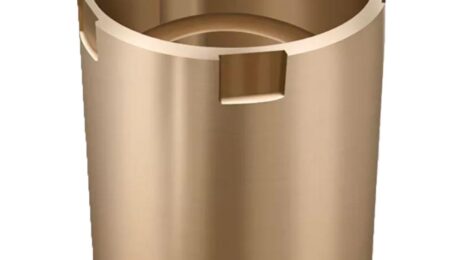
The Comprehensive Guide to Eccentric Bushings in Mining Machinery and Spare Parts
Eccentric bushings play a critical role in the operation and maintenance of mining machinery. These components, often found in various types of heavy mining equipment, are crucial for ensuring optimal performance, increased efficiency, and reduced wear and tear. In this article, we will delve deep into eccentric bushings, exploring their types, functions, materials, and more.
What are Eccentric Bushings?
Eccentric bushings are cylindrical components that are used to create a variable spacing effect in pivot points of machinery. They allow for adjustments in alignment and spacing, which in turn helps in optimizing the operation of various mining machines.
Types of Eccentric Bushings
1. Standard Eccentric Bushings – These are the most commonly used bushings and come in various sizes depending on the machinery used.
2. Adjustable Eccentric Bushings – These allow for on-the-fly adjustments during operation.
3. Heavy-Duty Eccentric Bushings – Designed for more robust applications where extreme conditions are present.
Functions of Eccentric Bushings in Mining Machinery
Eccentric bushings serve various functions such as:
– Providing alignment for rotating components.
– Reducing friction between moving parts.
– Minimizing wear and extending the life of machinery.
– Allowing for precise adjustments in machinery operation.
Materials Used in Eccentric Bushings
Eccentric bushings are made from various materials such as:
– Steel – Known for its strength and durability.
– Bronze – Offers excellent wear resistance.
– Polyurethane – Used for its flexibility and vibration dampening properties.
Importance of Quality Eccentric Bushings
Quality eccentric bushings can significantly impact the performance of mining machinery. Poor-quality components can lead to increased friction and wear, resulting in machinery breakdowns and costly downtime.
How to Maintain Eccentric Bushings
1. Regular inspections – Check for signs of wear or damage.
2. Lubrication – Ensure the bushings are properly lubricated to minimize friction.
3. Replacement – Be proactive about replacing worn bushings before issues arise.
Common Problems with Eccentric Bushings
Some common problems include:
– Premature wear due to inadequate lubrication.
– Misalignment that can cause excessive stress.
– Failure to heat treatment which can reduce strength.
Choosing the Right Eccentric Bushing
When sourcing eccentric bushings, consider:
– The specific machinery and its requirements.
– Material compatibility.
– Dimensions and tolerances needed.
Where to Find Quality Eccentric Bushings
Numerous suppliers specialize in mining machinery spare parts. Ensure you choose a reputable supplier that offers quality eccentric bushings for your specific machinery needs.
FAQs about Eccentric Bushings
What is the role of an eccentric bushing in mining machinery?
An eccentric bushing helps to maintain proper alignment of rotating parts while providing adjustment capability, reducing friction, and minimizing wear.
How do I identify if my eccentric bushing is worn out?
Common signs of wear include increased noise, vibrations, overheating, or misalignment in the machinery.
How often should I replace my eccentric bushings?
This depends on usage and conditions, but regular inspections advised every few months can help identify wear before it becomes an issue.
Can I adjust an eccentric bushing while the machine is operating?
Yes, if you have adjustable eccentric bushings, you can make adjustments while the machine is running, but ensure it’s done safely and according to the manufacturer’s guidelines.
What materials are best for eccentric bushings?
Steel, bronze, and polyurethane are popular materials, each offering distinct advantages depending on the application.
Conclusion
Understanding eccentric bushings is essential for anyone involved in the mining industry. These components are vital in ensuring efficient operation and longevity of machinery. By prioritizing quality, regular maintenance, and proper selection, you can significantly enhance the performance of your mining equipment.
- Published in Products
Comprehensive Guide to Breaker Bars in Mining Machinery and Spare Parts
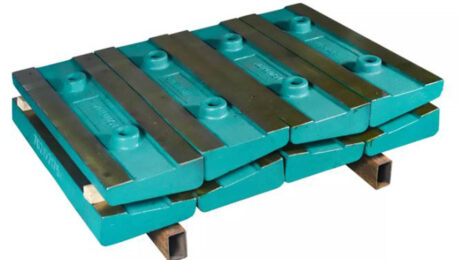
Comprehensive Guide to Breaker Bars in Mining Machinery and Spare Parts
The mining industry heavily relies on robust machinery to efficiently extract valuable resources. An integral component of this machinery is the breaker bar. This article aims to provide a detailed overview of breaker bars, their function, types, maintenance, and their role in the overall mining process.
1. What is a Breaker Bar?
A breaker bar, also known as a breaker plate or impact bar, is a crucial component used in various types of mining machinery. They are primarily utilized in crushing and grinding processes to break down large rock or ore into manageable sizes for further processing. Breaker bars are designed to absorb immense impact forces and ensure smooth operation within machinery like crushers.
2. Importance of Breaker Bars in Mining Machinery
Breaker bars play a vital role in the efficiency and effectiveness of mining operations. Their primary functions include:
- Breaking Down Materials: They aid in reducing the size of raw materials for easier handling.
- Protecting Machinery: They serve as protective components that prevent damage to crushers and other machinery parts.
- Efficiency Improvement: Properly functioning breaker bars can significantly enhance the overall efficiency of the crushing process.
3. Types of Breaker Bars
Breaker bars come in various types, each designed for specific applications. The most common types include:
- Fixed Breaker Bars: These are stationary components designed to provide consistent performance.
- Adjustable Breaker Bars: These bars can be adjusted for different operational requirements, increasing versatility.
- Wear-Resistant Breaker Bars: Made from high-strength materials, these are designed to withstand extreme wear and tear.
4. Material Composition of Breaker Bars
Breaker bars are typically made from high-alloy steel or other durable materials. This ensures that they can handle the heavy-duty demands of mining operations, including resistance to wear and shock loads. The choice of material impacts the longevity and performance of the breaker bars.
5. Maintenance of Breaker Bars
Regular maintenance of breaker bars is essential to ensure optimal performance. This includes:
- Inspection: Regularly check for signs of wear and damage.
- Cleaning: Keep the bars free from debris and buildup that can affect performance.
- Replacement: Replace worn or damaged bars promptly to prevent further deterioration.
6. Faulty Breaker Bars: Signs and Solutions
Identifying a faulty breaker bar is crucial for maintaining overall machinery health. Signs include:
- Uneven Wear Patterns: This can indicate improper installation or alignment.
- Excessive Vibration: If machinery exhibits unusual vibrations during operation, it could point to a malfunctioning breaker bar.
- Cracks or Breakage: A physical inspection will help identify any visible cracks or fractures.
7. Selecting the Right Breaker Bar for Your Machinery
When selecting a breaker bar, consider the following factors:
- Application: The specific mining operation you are undertaking.
- Machinery Compatibility: Ensure the selected breaker bar is compatible with your equipment.
- Material Requirements: Choose bars made of materials suited for your specific mining conditions.
8. Breaker Bars in Different Types of Mining Machinery
Breaker bars are utilized across various types of mining equipment. Some examples include:
- Jaw Crushers: Breaker bars assist in the primary crushing of ores.
- Impact Crushers: In these machines, breaker bars are exposed to significant impact forces.
- Hammer Mills: They play a key role in the milling process.
9. The Economic Impact of Effective Breaker Bar Usage
Proper use of breaker bars can have a significant economic impact on mining operations. Efficient machinery reduces processing costs, minimizes downtime, and enhances overall productivity, translating to increased profitability.
10. Innovations in Breaker Bar Technology
The mining industry continuously seeks innovative technologies to improve machinery efficiency. Breaker bar design has evolved to incorporate:
- Smart Materials: Materials that offer improved wear resistance.
- Advanced Coatings: Coatings that enhance durability and reduce friction.
- 3D Printing: Customization of parts to meet specific operational demands.
FAQ Section
What is the primary function of a breaker bar?
The primary function of a breaker bar is to break down large materials into smaller, manageable sizes during the mining process.
How often should breaker bars be replaced?
Breaker bars should be inspected regularly and replaced as needed, typically depending on the level of wear and tear they experience.
What materials are breaker bars made of?
Breaker bars are often made from high-alloy steel and other durable materials designed to withstand extreme conditions.
How do you maintain breaker bars?
Maintenance includes regular inspection, cleaning, and timely replacement of worn or damaged bars.
What are the signs of a faulty breaker bar?
Signs include uneven wear patterns, excessive vibration during operation, and visible cracks or breakage.
Conclusion
Breaker bars are essential components in mining machinery, playing a significant role in efficiency and operational success. Understanding their function, types, maintenance, and innovative technologies can greatly benefit mining operations. By investing time in selecting the right breaker bars and ensuring proper maintenance, mining companies can enhance performance, reduce downtime, and ultimately increase profitability.
Related Keywords
Breaker plate, impact bar, mining equipment, crusher parts, wear materials, mining industry equipment, machinery maintenance, crushing machinery, mining spare parts, wear resistance.
- Published in Products
