


The Comprehensive Guide to Filters in Mining Machinery and Spare Parts

The Comprehensive Guide to Filters in Mining Machinery and Spare Parts
Introduction to Filters in Mining Machinery
Filters play a crucial role in the function and longevity of mining machinery. They are essential components that help maintain optimal performance by preventing contaminants from entering pivotal systems. In this guide, we will explore various types of filters, their applications, and best practices for maintenance and replacement in mining machinery.
Types of Filters in Mining Machinery
1. Hydraulic Filters
Hydraulic filters are designed to remove contaminants from hydraulic fluids. They are integral to the operation of hydraulic systems in mining machinery, ensuring that the hydraulic fluid is clean and free from particles that could damage the system.
2. Air Filters
Air filters are responsible for keeping the air clean within the machinery. They prevent dirt and debris from entering the engine, which can result in decreased efficiency and increased wear over time.
3. Fuel Filters
Fuel filters serve to remove impurities from fuel before it reaches the engine. Clean fuel is critical for optimal engine performance, making fuel filters vital components in mining machinery.
4. Oil Filters
Oil filters help maintain engine cleanliness by removing contaminants from engine oil. They are essential for prolonging the life of the engine and enhancing its performance.
The Importance of Filters in Mining Operations
In mining operations, filters are pivotal in ensuring machinery operates smoothly. Regular maintenance and timely replacement of filters reduce downtime and repair costs. Dirty or clogged filters can lead to machinery failure and costly repairs.
Common Issues Related to Filters
1. Clogged Filters
Clogged filters can cause a decrease in performance and efficiency. Regular inspection and maintenance are necessary to prevent such issues.
2. Contaminated Fluids
If filters are not replaced regularly, they can allow contaminants to enter vital machinery components, leading to serious operational problems.
How to Choose the Right Filters for Mining Machinery
1. Consider the Type of Machinery
The type of machinery used in mining operations will determine the specific filters required. It’s important to understand the compatibility of filters with your machinery.
2. Quality of Filters
Opt for high-quality filters from reputable manufacturers to ensure the best performance and reliability. Investing in quality filters can save money in the long run.
3. Regular Maintenance Schedule
Establish a regular maintenance schedule to check and replace filters as needed. This proactive approach can help avoid unexpected machinery failures.
Cost Factors for Filters in Mining Machinery
The cost of filters can vary depending on various factors including the type of filter, manufacturer, and specific requirements of the mining machinery. Understanding these costs can help in budgeting for maintenance and spare parts.
Best Practices for Filter Maintenance
1. Regular Inspections
Conduct regular inspections to check the condition of filters. This can help identify potential issues before they escalate into larger problems.
2. Proper Installation
Ensure filters are installed correctly following the manufacturer’s recommendations. Poor installation can lead to leaks and other issues.
3. Timely Replacement
Replace filters according to the manufacturer’s guidelines. Waiting too long can result in decreased performance and increased wear on machinery.
Where to Buy Mining Machinery Filters and Spare Parts
Mining machinery filters can be purchased from specialized suppliers and manufacturers. It’s crucial to select a supplier with a strong reputation and extensive inventory to meet your requirements.
FAQs
What types of filters are used in mining machinery?
Mining machinery typically uses hydraulic, air, fuel, and oil filters to ensure system efficiency and longevity.
How often should filters be replaced?
Filters should be replaced according to the manufacturer’s recommendations, typically based on hours of operation or at regular intervals.
Can I clean and reuse filters?
Some filters can be cleaned and reused, but it’s essential to follow the manufacturer’s guidelines to ensure proper functionality.
What are the signs of a clogged filter?
Signs of a clogged filter include reduced performance, unusual noises from the machinery, and visible signs of contamination.
Where can I find replacement filters for my mining machinery?
Replacement filters can be found through authorized dealers, online suppliers, and specialized mining machinery parts suppliers.
Conclusion
In conclusion, filters are vital components of mining machinery that require careful selection, regular maintenance, and timely replacement. By understanding the significance of filters and adopting best practices for their upkeep, mining operations can enhance efficiency, reduce costs, and prolong the lifespan of their machinery.
LSI and NLP Keywords
Mining equipment filters, hydraulic filter maintenance, air filtration in mining, fuel system contaminants, oil filtration systems, machinery performance, replacement filters, hydraulic systems, filter replacement schedule, mining parts suppliers, heavy machinery maintenance, filter cleaning techniques, mining operation efficiency, filter installation guidelines, quality of mining components.
- Published in Products
The Essential Role of Lubrication Pumps in Mining Machinery and Spare Parts

The Essential Role of Lubrication Pumps in Mining Machinery and Spare Parts
Mining operations rely heavily on efficient and reliable machinery to maintain productivity and safety. One critical component in the efficiency of this heavy equipment is the lubrication pump. In this article, we’ll delve deep into the world of lubrication pumps, discussing their importance, types, maintenance, and how they relate to mining machinery and spare parts.
What is a Lubrication Pump?
A lubrication pump is a device designed to distribute lubricating oil or grease to various parts of machinery. In the context of mining machinery, these pumps ensure that components such as gears, bearings, and chains remain adequately lubricated, reducing friction and wear, and prolonging the lifespan of the equipment.
Importance of Lubrication Pumps in Mining Machinery
Lubrication pumps are vital for several reasons:
- Efficiency: By reducing friction between moving parts, lubrication pumps help machinery operate at optimal efficiency.
- Longevity: Proper lubrication significantly extends the life of machinery, reducing the need for costly spare parts.
- Safety: Adequately lubricated machines are less likely to fail unexpectedly, adding a layer of safety for operators.
Types of Lubrication Pumps Used in Mining Machinery
1. Manual Lubrication Pumps
These are operated manually, requiring the operator to pump grease to the desired location. They are often used for smaller machines.
2. Electric Lubrication Pumps
Electric pumps automate the lubrication process, making them ideal for larger mining operations where efficiency is critical.
3. Pneumatic Lubrication Pumps
Pneumatic pumps use compressed air to deliver lubricant, often preferred in harsh mining environments.
4. Positive Displacement Pumps
These pumps are designed to deliver a fixed quantity of lubricant with each cycle, ensuring precise lubrication levels.
How Lubrication Pumps Work
Lubrication pumps operate using a variety of mechanisms, which generally include a fluid reservoir where the lubricant is stored, a pump mechanism that moves the fluid, and a distribution system that delivers the lubricant to the machine parts. Understanding the basic operation of these pumps is crucial for ensuring proper maintenance and functioning.
Key Components of a Lubrication Pump
- Reservoir: Holds the lubricant before it is pumped.
- Pumping Mechanism: The heart of the lubricating system that moves the fluid.
- Distribution Lines: Transport lubricant from the pump to the machine parts.
- Control System: Regulates the amount and timing of lubricant delivery.
Maintenance of Lubrication Pumps
Regular maintenance of lubrication pumps is essential to ensure they function correctly and efficiently:
- Inspect pumps for leaks.
- Replace worn or damaged parts.
- Check lubricant levels and quality regularly.
- Ensure distribution lines are free from obstructions.
- Calibrate the pump settings for precise delivery.
Lubrication Pumps and Mining Machinery Spare Parts
The relationship between lubrication pumps and mining machinery spare parts is significant. When lubrication is inadequate, components can wear out faster, resulting in the need for replacements. Understanding the integration of lubrication systems within machines can save costs on spare parts and downtime.
Common Lubricants Used with Lubrication Pumps
Different lubrication pumps require different types of oils or greases. Some common options include:
- Mineral oils
- Synthetic oils
- Grease with additives for extreme pressure
Choosing the Right Lubrication Pump for Mining Machinery
Selecting the appropriate lubrication pump is critical for operational success. Factors include:
- The type of machinery in use
- The operating environment
- The specific lubrication needs of components
- Power source availability (manual, electrical, pneumatic)
Frequently Asked Questions
What is the lifespan of a lubrication pump?
The lifespan of a lubrication pump varies depending on its type, usage, and maintenance. Generally, with appropriate care, lubrication pumps can last between 5 to 10 years.
How do I know when to replace a lubrication pump?
Signs include inconsistent lubrication delivery, visible wear and tear, or unusual noises from the pump. Regular inspections can help identify these issues early.
Can lubrication pumps be repaired?
Yes, many lubrication pumps can be repaired, particularly if minor components are worn out. Regular maintenance can extend the overall life of the pump.
What factors affect lubrication pump performance?
Performance can be affected by lubricant viscosity, pump design, operating temperatures, and maintenance practices.
How often should lubrication pumps be serviced?
It is recommended to service lubrication pumps regularly, typically every 6 to 12 months, depending on operational conditions.
LSI and NLP Related Keywords
- Mining Equipment
- Lubrication Systems
- Grease Pumps
- Oil Pump
- Bearing Lubrication
- Pneumatic Pumps
- Hydraulic Lubrication
- Centralized Lubrication System
- Maintenance Tools
- Spare Parts Management
- Mining Machinery Maintenance
- Bucket Wheel Excavator Lubrication
- Oil Reservoir
- Pumping Efficiency
- Automated Lubrication
- Lubricant Types
- Fluid Mechanics
- Mining Safety Standards
Conclusion
In conclusion, the significance of lubrication pumps in mining machinery cannot be overstated. They play a crucial role in maintaining the efficiency, safety, and longevity of heavy equipment. By understanding their operation, maintenance, and selection, you can ensure optimal performance and minimize costs related to spare parts and downtime.
- Published in Products
The Essential Guide to Gearboxes in Mining Machinery and Spare Parts

The Essential Guide to Gearboxes in Mining Machinery and Spare Parts
Mining machinery plays a critical role in extracting valuable minerals and resources from the earth. A crucial component of this machinery is the gearbox, which serves as a vital element in the drive systems. This article explores everything you need to know about gearboxes in mining machinery and their spare parts, including different types, their importance, maintenance practices, and FAQs.
1. Understanding Mining Machinery Gearboxes
Gearboxes are mechanical devices used to increase torque and reduce speed in machinery. In mining, gearboxes are essential for the operation of various types of machinery, ensuring efficient power transfer from engines to the working components.
2. Types of Gearboxes in Mining Machinery
Several types of gearboxes are utilized in mining machinery:
- Shaft Mounted Gearboxes: Ideal for high-torque applications.
- Helical Gearboxes: Known for their quiet operation and smooth performance.
- Bevel Gearboxes: Used for changing the direction of the drive.
- Planetary Gearboxes: Highly efficient and compact, suited for heavy-duty operations.
- Spur Gearboxes: Commonly used for simple power transmission tasks.
- Worm Gearboxes: Excellent for reducing speed and increasing torque, yet have lower efficiency.
3. Importance of Gearboxes in Mining Operations
Gearboxes are integral to the reliability and efficiency of mining operations. They enable machinery to perform at optimal levels, which is crucial for maintaining productivity and safety in challenging environments.
4. Common Gearbox Applications in Mining Machinery
Some of the typical applications of gearboxes in mining machinery include:
- Excavators
- Loaders
- Drilling machines
- Belt conveyors
- Crushers
- Screening equipment
5. Gearbox Spare Parts and Their Importance
Having access to high-quality spare parts is critical for maintaining the performance and longevity of gearboxes. Some common spare parts include:
- Gears
- Bearings
- Seals
- Housing assemblies
- Lubrication components
6. Maintenance Practices for Mining Machinery Gearboxes
Regular maintenance is essential to ensure gearboxes operate efficiently and have a prolonged lifespan. Best practices include:
- Regular inspection and monitoring of oil levels
- Replacing worn or damaged components promptly
- Maintaining clean and dry environments to avoid contamination
- Implementing a lubrication schedule
- Using high-quality lubricant tailored for gearbox applications
7. Troubleshooting Common Gearbox Issues
Understanding common issues can help operators quickly address problems to minimize downtime:
- Unusual noises may indicate gear wear or bearing failure.
- Overheating can result from insufficient lubrication or overloading.
- Oil leaks often signal seal damage or improper installation.
- Gear slippage may point to worn gears or incorrect adjustments.
8. Enhancing Gearbox Efficiency with Technology
New technologies, such as IoT sensors and data analytics, are revolutionizing how mining companies monitor gearbox performance, allowing for predictive maintenance and optimized operations.
9. Choosing the Right Gearbox for Your Mining Needs
Factors to consider when selecting gearboxes include:
- Load capacity
- Speed requirements
- Operating environment
- Cost and availability of spare parts
10. Frequently Asked Questions (FAQs) About Gearboxes in Mining Machinery
10.1 What is a gearbox?
A gearbox is a mechanical device that transmits power, increases torque, and reduces speed in machinery.
10.2 Why are gearboxes important in mining machinery?
They are crucial for the effective operation of mining equipment, ensuring smooth power transmission and enhancing operational efficiency.
10.3 What types of gearboxes are best for heavy-duty applications?
Planetary gearboxes and bevel gearboxes are often recommended for heavy-duty mining operations due to their durability and efficiency.
10.4 How can I maintain my gearbox?
Regularly check oil levels, replace damaged seals and components, and follow a strict lubrication schedule to ensure optimal performance.
10.5 Where can I find spare parts for mining gearboxes?
Spare parts can be purchased from specialized equipment suppliers, OEMs, and aftermarket distributors.
11. Conclusion
Understanding gearboxes and their role in mining machinery is essential for operators and maintenance teams. By investing in quality gearboxes and following best practices for maintenance and operation, mining companies can improve efficiency, reduce downtime, and enhance safety.
Keywords and Phrases
Gearbox, Mining Machinery, Mining Equipment, Gearbox Spare Parts, Torque, Power Transmission, Gearbox Maintenance, Types of Gearboxes, Gearbox Applications, Heavy-Duty Gearboxes, Planetary Gearbox, Gearbox Performance, Mining Operations, Gearbox Issues, Lubrication, Gearbox Efficiency.
LSI and NLP Keywords
Mining equipment parts, Gearbox repair, Industrial gearboxes, Drive systems, Mining machinery maintenance, Equipment performance, Mechanical power transmission, Spare parts supply, Mining industry standards, Gear train, Load handling, High-torque applications.
- Published in Products
The Comprehensive Guide to Electrical Motors in Mining Machinery and Spare Parts

Understanding Electrical Motors in Mining Machinery
Electrical motors are integral components of mining machinery, providing the necessary power and control for various operations. In this article, we will explore the function, types, maintenance, and importance of electrical motors in mining environments.
What Are Electrical Motors?
Electrical motors are devices that convert electrical energy into mechanical energy. In mining machinery, they play a vital role in powering equipment like excavators, loaders, conveyors, and crushers.
Types of Electrical Motors Used in Mining Machinery
AC Motors
AC motors are widely used in mining applications due to their efficiency and reliability. They can handle high power requirements and are less expensive to maintain compared to DC motors.
DC Motors
DC motors are prevalent for applications requiring high torque at low speeds. They offer precise speed control, making them suitable for certain mining machinery operations.
Stepper Motors
Stepper motors provide excellent positioning and are valuable in automation systems within mining operations that require precise movements.
Servo Motors
Servo motors provide high precision and speed control, making them essential for automated machinery in the mining sector.
Importance of Electrical Motors in Mining Machinery
Electrical motors are essential for efficient operation, productivity, and safety in mining. They enable the movement of heavy materials, control machinery, and improve operational efficiency.
Key Components of Electrical Motors
Understanding the key components of an electrical motor helps in grasping its functionality. These components include:
- Stator
- Rotor
- Bearings
- Windings
- End Caps
Electrical Motors vs. Hydraulic Motors
While both electrical and hydraulic motors are used in mining applications, electrical motors are preferred for their simplicity, lower cost, and reduced maintenance. Hydraulic systems, while powerful, often require extensive upkeep and can fail under extreme conditions.
Application of Electrical Motors in Mining Machinery
Conveyor Systems
Electrical motors power conveyor systems to transport minerals, ore, and other materials efficiently within mining sites.
Drilling Equipment
Electrical motors drive drilling equipment, ensuring precision and control, which are crucial in mining operations.
Crushing and Grinding Machines
In crushing and grinding applications, electrical motors provide the necessary energy to break down materials.
Choosing the Right Electrical Motor for Mining Machinery
Choosing the appropriate electrical motor depends on several factors, including:
- Required Torque
- Operating Environment
- Power Supply Availability
- Speed Requirements
Maintenance of Electrical Motors in Mining Machinery
Importance of Regular Maintenance
Regular maintenance ensures the longevity and reliability of electrical motors in mining machinery. It minimizes downtime and unexpected failures.
Common Maintenance Practices
Common practices include:
- Lubrication of bearings
- Inspection of windings
- Cleaning of cooling vents
- Monitoring of temperature and vibrations
Electrical Motor Spare Parts for Mining Machinery
The performance of electrical motors heavily relies on spare parts. Understanding the key spare parts available can aid in efficient maintenance and repairs.
Common Spare Parts for Electrical Motors
Common spare parts include:
- Bearings
- Stators
- Rotors
- Brushes and windings
- Cooling fans
Future Trends in Electrical Motors for Mining Machinery
The mining industry is evolving, with a push towards more energy-efficient and environmentally friendly electrical motors. Innovations such as smart motors with IoT capabilities are becoming increasingly common.
Frequently Asked Questions (FAQs)
What is the primary function of electrical motors in mining machinery?
Electrical motors convert electrical energy into mechanical energy to power various mining equipment.
What are the main types of electrical motors used in mining?
The main types include AC motors, DC motors, stepper motors, and servo motors.
Why are electrical motors preferred over hydraulic motors in mining applications?
Electrical motors are simpler, less expensive to maintain, and more efficient for many applications compared to hydraulic motors.
How can I maintain electrical motors in mining machinery?
Regular lubrication, component inspections, and cleaning are crucial maintenance practices.
What are common spare parts needed for electrical motors?
Common spare parts include bearings, rotors, stators, and cooling fans.
Conclusion
Electrical motors play a critical role in the efficiency and productivity of mining operations. Understanding their types, applications, and maintenance can greatly impact overall machinery performance. As technology advances, the mining industry will continue to benefit from the innovations in electrical motor design and functionality.
LSI and NLP Keywords
Mining equipment, electric motors in mining, motor spare parts, industrial motors, AC motor applications, DC motor advantages, servo motor benefits, high torque motors, reliable mining machinery, maintenance of electric motors, energy-efficient motors, mining machinery components, motor repair parts, electrical equipment in mining, heavy-duty motors, motor efficiency in mining, automated mining operations, low voltage motors, mining machinery spare parts, motor applications in heavy industries, mining technology innovations.
- Published in Products
The Comprehensive Guide to V Belts in Mining Machinery and Spare Parts

The Comprehensive Guide to V Belts in Mining Machinery and Spare Parts
Mining operations rely heavily on various types of machinery to ensure efficiency and productivity. Among the vital components of this machinery are V belts, which play a crucial role in transmitting power in various applications. This article will explore V belts in detail, their importance in mining machinery, how they work, types of V belts, maintenance tips, and frequently asked questions.
What is a V Belt?
A V belt is a type of flexible, looped belt that is used in machinery to transmit power from one component to another. Its trapezoidal cross-section enables it to fit snugly into pulley grooves, providing excellent grip and ensuring efficient operation.
Importance of V Belts in Mining Machinery
In mining machinery, V belts are vital for the operation of various components like conveyors, crushers, and pumps. Their role in power transmission ensures smooth operation, reduces downtime, and increases overall productivity in mining activities.
How Do V Belts Work?
V belts work by wrapping around pulleys and transmitting rotational energy from the motor to the driven components. The friction created between the belt and the pulley ensures that the power is efficiently conveyed without slipping. The V shape helps maximize contact area and reduce wear.
Types of V Belts
-
Classical V Belts
-
Wedge V Belts
-
Raw Edge V Belts
-
Poly-V Belts
-
Timing Belts
Benefits of Classical V Belts
Classical V belts are widely used due to their versatility and availability in various sizes. They are ideal for light to moderate industrial applications.
Benefits of Wedge V Belts
Wedge V belts have a narrower profile, allowing for a higher power transmission capability. They are suited for high-performance applications.
Benefits of Raw Edge V Belts
These belts feature a raw edge finish, improving grip and flexibility. They are used in applications that require high flexibility.
Benefits of Poly-V Belts
Poly-V belts offer a flat design with multiple ribs, providing smooth operation and reduced wear. They are suitable for compact designs and high speeds.
Benefits of Timing Belts
Timing belts have teeth that mesh with pulleys, ensuring precise movement and synchronization in applications requiring accuracy.
Understanding V Belt Sizes and Specifications
V belts are categorized based on their length, width, and profile dimensions. It’s crucial to select the right size to ensure optimal performance and prevent wear.
Measuring V Belts
V belt sizes are typically measured in inches, with common dimensions including length and cross-section width. Proper measurement ensures compatibility with pulleys.
V Belt Maintenance Tips
-
Regular Inspections
-
Adjust Tension Appropriately
-
Keep Pulleys Clean
-
Replace Worn Belts Promptly
Regular Inspections
Regular inspections can help identify potential issues with V belts before they lead to significant failures.
Adjust Tension Appropriately
Maintaining the correct belt tension optimizes performance and minimizes wear. Too loose or too tight can cause slippage or damage.
Keep Pulleys Clean
Debris and buildup on pulleys can affect the grip and function of V belts. Cleaning pulleys regularly will enhance performance.
Replace Worn Belts Promptly
Worn V belts can lead to inefficiencies and operational downtime. Scheduling regular replacements helps maintain machinery efficiency.
Common Issues with V Belts
Several issues can affect V belts, including slippage, fraying, and misalignment. Understanding these problems can help prevent costly repairs.
Slippage
Occurs when the belt fails to maintain grip on the pulley, often due to improper tension or wear.
Fraying
Fraying indicates wear on the belt, often due to age, tension, or environmental factors.
Misalignment
Misalignment can cause uneven wear and affect performance. Regular checks are essential to ensure components are correctly aligned.
FAQs About V Belts in Mining Machinery
What is the purpose of a V belt?
The primary purpose of a V belt is to transmit power between rotating machinery components efficiently.
How do I know when to replace my V belts?
Signs that a V belt needs replacement include visible wear, fraying, slippage, or any odd noises during operation.
What are the most common sizes of V belts?
Common sizes vary widely, but belts are often categorized by standard length increments such as A, B, C, and D sections.
Can V belts be used in outdoor mining applications?
Yes, V belts can be used in outdoor mining applications, but they must be constructed with materials resistant to weather and environmental conditions.
How can I improve V belt lifespan in my machinery?
Improving V belt lifespan can be achieved by ensuring proper installation, regular maintenance, and timely replacements of worn belts.
Conclusion
Understanding the importance of V belts in mining machinery is essential for ensuring optimal performance. Regular maintenance and timely replacements are key to preventing operational issues. By selecting the appropriate type of V belt for your application, you can maximize efficiency and reduce downtime in your mining processes.
LSI and NLP Keywords
- Power transmission
- Mining equipment
- Machine reliability
- Conveyor belt systems
- Mechanical drive belts
- Minimizing wear
- Belts in heavy machinery
- Industrial V belts
- Cost-effective solutions
- Belt drives
- Mining machinery parts
- Efficient power transfer
- V belt maintenance
- Heavy-duty V belts
- Drive components
- Replacement V belts
- Mining industry efficiency
- Pulley systems
- V belt tensioning
- V belt inspection procedures
- Optimal performance
- Published in Products
The Importance of Pinion and Drive Gear in Mining Machinery

The Importance of Pinion and Drive Gear in Mining Machinery
Mining machinery plays a pivotal role in extracting valuable resources from the earth, and understanding the components that make these machines operate efficiently is essential. Among these components, the pinion and drive gear stand out as critical parts that ensure the smooth functioning of mining operations. In this article, we will explore everything you need to know about the pinion and drive gear, including their functionality, types, maintenance, and more.
What are Pinion and Drive Gears?
The pinion and drive gear are integral parts of power transmission systems used in various types of mining machinery. The pinion is a small gear that engages with a larger gear, known as the drive gear. This interaction helps convert rotational motion and torque from the motor to the machinery, resulting in the operation of various mining equipment such as excavators, haul trucks, and drilling rigs.
Functions of Pinion and Drive Gear in Mining Machinery
The primary function of the pinion and drive gear system is to transmit power effectively. The pinion gear drives the larger drive gear, increasing torque and allowing the machinery to handle heavy loads. Additionally, this gear system helps control the speed of mechanical components in mining equipment, contributing to their efficiency and safety.
Types of Pinion and Drive Gears Used in Mining Machinery
Several types of pinion and drive gears are commonly used in mining machinery.
- Spur Gears: The most straightforward type, characterized by straight teeth and efficient power transmission.
- Helical Gears: These have angled teeth that offer smoother engagement and reduced noise during operation.
- Bevel Gears: Used for changing the axis of rotation, typically found in mining equipment with complex drive systems.
- Worm Gears: Effective for high reduction ratios, worm gears provide substantial torque.
Choosing the Right Pinion and Drive Gear for Mining Equipment
Choosing the right pinion and drive gear involves several considerations:
- Load Capacity: The gear must withstand the loads it will encounter in operation.
- Speed Requirements: Gears need to be chosen based on the desired speed of the machinery.
- Material Quality: Durable materials can enhance performance and extend the lifespan of gears.
- Compatibility: Ensuring the gears are compatible with the machinery is essential for efficient operation.
Maintenance of Pinion and Drive Gear Systems
Regular maintenance of the pinion and drive gear system is crucial for preventing failures and prolonging service life. Key maintenance practices include:
- Regular Inspections: Check for signs of wear, misalignment, and lubrication issues.
- Lubrication: Adequate lubrication prevents overheating and reduces friction between gears.
- Alignment Checks: Proper alignment is essential for reducing stress on the gears and ensuring smooth operation.
- Replacement of Worn Parts: Timely replacement of worn gears can prevent further damage to the machinery.
Challenges in Pinion and Drive Gear Operation
While pinion and drive gears are vital for the operation of mining machinery, they face several challenges:
- Extreme Operating Conditions: Mining equipment often operates in harsh environments that can cause premature wear.
- Heavy Loads: The high loads encountered during mining activities can stress the gear system.
- Temperature Variations: Fluctuations in temperature can affect lubrication and the mechanical properties of gear materials.
Future Trends in Pinion and Drive Gear Design
The future of pinion and drive gear design in mining machinery is geared towards greater efficiency and sustainability. Innovations may include:
- Use of Advanced Materials: Developing stronger, lighter materials could enhance efficiency.
- Smart Gear Systems: Integrating IoT technology for real-time monitoring and predictive maintenance.
- 3D Printing: Utilizing 3D printing for bespoke and complex gear designs that are difficult to manufacture traditionally.
Pinion and Drive Gear Spare Parts: When to Replace
Knowing when to replace the pinion and drive gear spare parts is essential to prevent sudden equipment failures. Signs include unusual noise, vibration, and performance issues.
Pinion and Drive Gear Suppliers: Where to Find Them
Sourcing high-quality pinion and drive gear spare parts is critical. Consider reputable suppliers who specialize in mining machinery components. Ensure they offer warranties and support services.
FAQs About Pinion and Drive Gears
What is a pinion gear?
A pinion gear is a small gear that works with a larger drive gear to transmit power in machinery.
How does the drive gear function?
The drive gear receives motion from the pinion gear and transfers it to the machinery, enabling operation.
What are the common causes of gear failure?
Common causes include inadequate lubrication, misalignment, overload, and wear, which can lead to premature gear failure.
How often should I maintain pinion and drive gears?
Regular maintenance should be conducted according to the manufacturer’s recommendations, typically every few months.
Can I upgrade my pinion and drive gears?
Yes, upgrading to higher quality or more advanced gear systems can improve performance and efficiency.
Conclusion
The pinion and drive gear system is essential for the efficient operation of mining machinery. Understanding its functions, types, and maintenance practices can lead to enhanced performance and reduced downtime in mining operations. Stay informed about trends and innovations to keep your mining equipment operating at peak efficiency.
- Published in Products
Roller Bearing in Mining Machinery: Importance, Types, and Spare Parts

Roller Bearing in Mining Machinery: Importance, Types, and Spare Parts
Introduction to Roller Bearings
Roller bearings are crucial components in mining machinery, contributing significantly to their operational efficiency. These bearings help reduce friction between moving parts, enhancing the overall performance and lifespan of mining equipment. In this article, we will delve into the significance of roller bearings, their various types, and the importance of spare parts in the mining sector.
The Role of Roller Bearings in Mining Machinery
In mining operations, machinery faces extreme conditions, including heavy loads, vibrations, and dust. Roller bearings are designed to handle these challenging environments, providing smooth rotational motion. They play a vital role in a variety of mining equipment, such as excavators, trucks, and crushers. Understanding the functionality of roller bearings is essential for anyone involved in mining machinery maintenance and procurement.
Types of Roller Bearings Used in Mining
Cylindrical Roller Bearings
Cylindrical roller bearings are designed to carry radial loads, making them ideal for applications in mining machinery where high radial load capacity is required. These bearings provide excellent load distribution and reduced friction.
Spherical Roller Bearings
Spherical roller bearings can accommodate misalignments and are often found in heavy-duty mining equipment. Their design allows them to handle both radial and axial loads, making them versatile for various applications.
Tapered Roller Bearings
Tapered roller bearings are particularly effective in supporting combined loads (radial and axial). In mining machinery, they are frequently used in gearboxes and wheel assemblies, thanks to their ability to handle heavy, varying loads.
Needle Roller Bearings
Needle roller bearings are known for their compact design and ability to handle high radial loads with limited space. These bearings are suitable for small machinery in confined spaces within mining operations.
Advantages of Using Roller Bearings in Mining Machinery
Utilizing roller bearings in mining equipment offers several benefits:
- Reduced Friction: Lower friction leads to less heat generation and wear, extending the life of the machinery.
- High Load Capacity: Roller bearings can accommodate heavy loads, essential in mining operations.
- Versatility: Different types of roller bearings can be used in various applications, providing flexibility in machinery design.
- Improved Reliability: Quality roller bearings enhance the reliability of mining equipment, minimizing downtime.
Maintenance and The Importance of Spare Parts for Roller Bearings
To ensure the efficient operation of roller bearings in mining machinery, proper maintenance is crucial. Regular checks for wear and tear, lubricating bearings appropriately, and replacing damaged parts can prevent significant equipment failures.
The Significance of Spare Parts
Having access to quality spare parts for roller bearings is vital. It not only ensures the smooth functioning of mining equipment but also helps in avoiding delays in production. A variety of spare parts are available for specific bearing types:
- Seals and shields to protect against environmental contaminants.
- Grease fittings for proper lubrication.
- Replacement rollers and races for worn-out components.
Choosing the Right Roller Bearings for Mining Machinery
Selecting the right roller bearings involves considering factors like the type of load, speed, and operational environment. Consulting with manufacturers or industry experts can lead to better choices, enhancing the performance and lifespan of mining machinery.
Common FAQs about Roller Bearings
What are roller bearings?
Roller bearings are mechanical components designed to reduce friction between moving parts, allowing for smooth rotational motion. They come in various types to accommodate different load conditions and applications.
How do roller bearings differ from ball bearings?
Roller bearings use cylindrical rollers to support loads, whereas ball bearings utilize balls. Roller bearings typically have a higher load capacity, while ball bearings are known for their ability to handle high speeds.
What maintenance does a roller bearing require?
Maintenance includes regular inspections for wear, proper lubrication, and timely replacement of damaged components to ensure optimal performance.
Why are spare parts necessary for roller bearings?
Spare parts are essential to maintain the operational efficiency of mining machinery by allowing quick replacements and minimizing downtime in case of equipment failures.
Conclusion
Roller bearings are vital components in the functionality and efficiency of mining machinery. Understanding the different types of roller bearings, their advantages, and the significance of spare parts can aid in better machinery management. By investing in quality roller bearings and maintenance practices, mining companies can enhance productivity and reduce operational costs.
LSI and NLP Keywords Related to Roller Bearings
Some relevant keywords related to roller bearings include:
- Ball bearings
- Bearing types
- Lubrication
- Friction reduction
- Load capacity
- Heavy machinery
- Automotive bearings
- Industrial bearings
- Crusher bearings
- Maintenance tips
- Precision bearings
- Heavy-duty bearings
- Vibration analysis
- Bearing suppliers
- Bearing replacement
- Mining equipment
- Engine components
- Published in Products
The Comprehensive Guide to Tramp Release Cylinders in Mining Machinery

The Comprehensive Guide to Tramp Release Cylinders in Mining Machinery
Mining operations are complex and require reliable machinery components to ensure smooth processes. One such critical component is the tramp release cylinder, which plays a vital role in the functionality of various mining machinery. This guide explores everything you need to know about tramp release cylinders, including their function, types, maintenance, and spare parts.
What is a Tramp Release Cylinder?
A tramp release cylinder is a hydraulic component used in mining machinery, specifically in cone crushers. Its primary function is to release uncrushable materials, or ‘tramp’, that can obstruct normal crushing operations. This not only protects the machinery but also contributes to efficient mineral processing.
How Tramp Release Cylinders Work
The operation of the tramp release cylinder is simple yet effective. When a foreign object enters the crushing chamber, the tramp release cylinder activates, using hydraulic pressure to lift the upper mantle of the crusher. This action allows the uncrushable material to pass through, preventing damage to the machinery and allowing operations to continue smoothly.
Types of Tramp Release Cylinders
There are various types of tramp release cylinders, suited for different models and brands of mining machinery. Some common types include:
- Single Acting Tramp Release Cylinders
- Double Acting Tramp Release Cylinders
- Custom Tramp Release Cylinders for specific machinery
- High-Pressure Tramp Release Cylinders
Importance of Tramp Release Cylinders in Mining Operations
The importance of tramp release cylinders cannot be overstated. They contribute to productivity by preventing unexpected downtimes and reducing the risk of equipment damage. Additionally, they enhance safety for operators and prolong the life cycle of the machinery.
Common Issues with Tramp Release Cylinders
Like any other machinery component, tramp release cylinders can face issues over time. Some common problems include:
- Hydraulic leaks
- Worn seals
- Piston damage
- Corrosion due to harsh mining environments
Maintenance Tips for Tramp Release Cylinders
To keep tramp release cylinders in optimal condition, regular maintenance is crucial. Here are some tips:
- Regularly check hydraulic fluid levels and quality.
- Inspect seals and replace them if worn.
- Keep the cylinder clean to prevent corrosion.
- Perform routine system checks to identify potential issues early.
Replacement Parts for Tramp Release Cylinders
Replacement parts may be necessary when issues arise. Common spare parts for tramp release cylinders include:
- Seals and O-rings
- Pistons
- Hydraulic fluid reservoirs
- Complete cylinder assemblies
Choosing the Right Tramp Release Cylinder
Selecting the right tramp release cylinder involves considering various factors such as machinery compatibility, operating pressure, and specific needs of your mining operation. Always consult with manufacturers or suppliers to ensure compatibility.
Conclusion
In summary, the tramp release cylinder is an integral part of mining machinery that ensures smooth and efficient operations. By understanding its function, maintenance requirements, and issues, operators can better ensure the longevity and reliability of their equipment.
FAQs About Tramp Release Cylinders
What is a tramp release cylinder?
A tramp release cylinder is a hydraulic mechanism in mining machinery that allows uncrushable materials to pass through the crushing process without causing damage to the equipment.
How does a tramp release cylinder work?
When uncrushable material enters the system, the tramp release cylinder activates hydraulically to lift the upper mantle, allowing the foreign object to pass through.
What are common issues with tramp release cylinders?
Common problems include hydraulic leaks, worn seals, and corrosion, which can affect the performance and reliability of the cylinder.
How can I maintain my tramp release cylinder?
Regular maintenance includes checking hydraulic fluid levels, inspecting seals, cleaning components, and performing routine system checks.
When should I replace my tramp release cylinder?
If you notice consistent hydraulic leaks, reduced performance, or physical damage to the cylinder, it may be time to consider replacement.
LSI and NLP Keywords Related to Tramp Release Cylinder:
- Manganese steel
- Hydraulic systems
- Mining equipment
- Cone crusher spare parts
- Crusher maintenance
- Mining industry
- Material processing
- Hydraulic pressure
- Underground mining machinery
- Failure analysis
- Crusher performance
- Coal mining equipment
- Rock crushers
- Mining operations
- Heavy machinery parts
- Cylinder repair
- Spare parts procurement
- Mining machinery manufacturers
- Operational efficiency
- Mineral processing equipment
- Mechanical components in mining
- Tramp metal detection
- Hydraulic component failure
- Crusher safety systems
- Published in Products
Everything You Need to Know About Bowl Assembly in Mining Machinery
Everything You Need to Know About Bowl Assembly in Mining Machinery
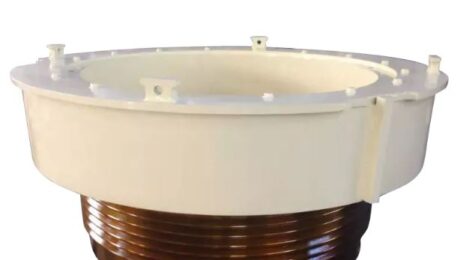
Mining machinery plays a vital role in the extraction and processing of minerals, and one of the key components in this equipment is the bowl assembly. This article provides a comprehensive guide on bowl assembly, including its functions, types, maintenance tips, and spare parts. Whether you are a mining professional or an enthusiast, this article will help you understand the significance of bowl assemblies in the mining industry.
What is Bowl Assembly?
The bowl assembly is a crucial part of several types of mining equipment, including crushers, concentrators, and separators. It is designed to facilitate the separation and processing of materials by using specific operational mechanisms. Bowl assemblies come in various designs and specifications, depending on the type of mining machinery in which they are used.
Types of Bowl Assemblies in Mining Machinery
1. Cone Crusher Bowl Assembly
The cone crusher bowl assembly is essential for compressing materials. It consists of the bowl, liners, and the adjustment ring. This assembly allows for the efficient crushing of rock and ore into smaller particles.
2. Hydraulic Bowl Assembly
Hydraulic bowl assemblies utilize hydraulic force to adjust the gap between the bowl and the mantle. This enables better control over the size of crushed materials and ensures optimal performance during the crushing phase.
3. Spiral Classifier Bowl Assembly
In spiral classifiers, the bowl assembly helps separate materials based on their particle size and density. The spiral motion created in the bowl allows for effective classification and dewatering.
Importance of Bowl Assembly in Mining Machinery
Understanding the importance of bowl assembly in mining machinery is crucial for optimizing performance and ensuring longevity. Here are some key benefits:
1. Efficiency in Material Processing
Bowl assemblies enhance the efficiency of processing operations by ensuring that materials are separated and crushed as intended.
2. Durability and Reliability
Quality bowl assemblies are designed to withstand the rigors of mining operations, providing reliability and reducing downtime.
3. Cost-Effectiveness
Regular maintenance of bowl assemblies can prevent costly repairs and replacements, making them a cost-effective component of mining operations.
Maintenance Tips for Bowl Assemblies
Proper maintenance of bowl assemblies is essential to ensure their functionality and longevity. Here are some best practices:
1. Regular Inspections
Conducting regular inspections of the bowl assembly helps identify wear and tear early, allowing for timely replacements of parts.
2. Lubrication
Ensure that all moving parts within the bowl assembly are adequately lubricated to minimize friction and prevent overheating.
3. Timely Replacement of Spare Parts
Using high-quality spare parts for bowl assemblies is vital. Regularly check for wear on liners, seals, and other critical components.
Common Spare Parts for Bowl Assembly
Spare parts are critical for the smooth operation of bowl assemblies. Here are some common spare parts:
1. Bowl Liners
Bowl liners protect the assembly from wear and are essential for maintaining the crushing quality.
2. Adjustment Rings
These rings are critical for controlling the size of crushed materials and should be replaced routinely.
3. Sealing Kits
Seals are necessary to prevent contamination of the hydraulic fluid, ensuring efficient operation.
Operational Best Practices with Bowl Assemblies
To achieve optimal performance from your bowl assembly, adhere to these operational best practices:
1. Monitor Operational Parameters
Regularly monitor the operational parameters such as pressure, temperature, and material throughput to identify any issues early.
2. Train Operators
Ensure that machine operators are trained in the correct use of bowl assemblies to minimize human error.
3. Stay Updated on Technological Advances
Keeping abreast of technological advancements can help identify new and improved bowl assembly designs and methodologies.
FAQs about Bowl Assembly
What is the function of a bowl assembly in mining machinery?
The bowl assembly is responsible for compressing and separating materials in mining machinery, essential for efficient mineral processing.
How often should bowl assemblies be maintained?
Bowl assemblies should be inspected regularly, at least every few weeks, or as recommended by the manufacturer.
What are the common signs of wear in bowl assemblies?
Common signs of wear include unusual noises, decreased operational efficiency, and visible damage to liners and seals.
Can I use aftermarket spare parts for bowl assemblies?
While aftermarket parts may be a cost-effective option, it’s important to ensure they meet quality standards to avoid operational issues.
Conclusion
Understanding bowl assemblies in mining machinery is crucial for anyone involved in the mining industry. By maintaining these components and staying informed about operational best practices, you can enhance the efficiency and longevity of your mining machinery. Invest in quality bowl assemblies and spare parts to ensure your operations run smoothly.
LSI and NLP Keywords Related to ‘Bowl Assembly’
- Mining equipment
- Cone crusher assembly
- Hydraulic bowl assembly
- Spare parts
- Mining machinery maintenance
- Rock crushing
- Material processing
- Spiral classifier
- Bowl liners
- Adjustment ring
- Sealing kits
- Operational efficiency
- Mining industry
- Reducer technology
- Material separation
- Performance optimization
- Equipment longevity
- Mineral processing
- Bowl assembly construction
- Milling machinery
- Hydraulic machinery
Additional Words Related to ‘Bowl Assembly’
- Assembly design
- Operational guidelines
- Maintenance procedures
- Durable machinery parts
- Quality control
- Mining operations
- User manuals
- Performance metrics
- Replacement criteria
- Published in Products
The Comprehensive Guide to Head Assembly in Mining Machinery and Spare Parts
The Comprehensive Guide to Head Assembly in Mining Machinery and Spare Parts
The mining industry relies heavily on various types of machinery, and at the heart of many of these machines is the head assembly. This crucial component plays a pivotal role in ensuring the efficient operation of equipment used in mining and extraction processes. In this article, we will explore everything you need to know about head assemblies in mining machinery, including their functions, types, maintenance, and more.
Understanding Head Assembly in Mining Machinery
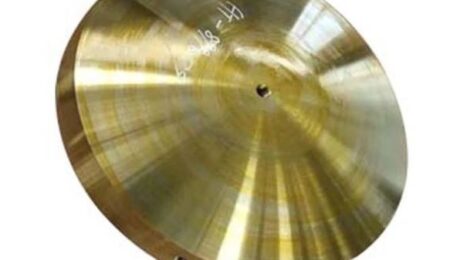
Head assembly refers to a collection of components that work together as a unit to perform specific functions in mining machinery. These assemblies are essential for machines such as excavators, bulldozers, and drilling rigs. The design and quality of the head assembly directly influence the machinery’s performance and longevity.
What is a Head Assembly?
The head assembly of mining machinery typically includes the main housing, bearings, seals, and sometimes gears or other mechanisms. It serves the purpose of housing components that enable movement and support various operations, thereby contributing significantly to the machine’s operational performance.
Functions of Head Assembly in Mining Machinery
- Support and Housing: It houses essential components like gears and bearings.
- Transmission of Motion: It aids in transmitting power from the engine to the working parts.
- Sealing and Protection: Protects internal components from dust, debris, and environmental conditions.
- Heat Dissipation: Helps dissipate heat generated during operation.
Types of Head Assembles in Mining Machinery
Head assemblies come in various types, each designed for specific tasks within mining machinery. Some of the common types include:
1. Hydraulic Head Assembly
This type is often found in excavators and is essential for controlling the hydraulic movements of the machinery.
2. Mechanical Head Assembly
Commonly used in drilling rigs, providing robust support to mechanical operations.
3. Electric Head Assembly
This assembly utilizes electric components to offer precision control and efficient operation.
Components of a Head Assembly
Understanding each component of a head assembly is crucial for maintenance and spare parts management:
1. Main Housing
This is the outer casing that holds all the assembly’s components together.
2. Bearings
Bearings help facilitate smooth movement and reduce friction between moving parts.
3. Seals
Seals prevent leakage of lubricants and protect against contamination.
4. Gears
In certain assemblies, gears are present to alter speed and torque.
Importance of Quality in Head Assembly
The quality of head assemblies can greatly influence the overall performance and reliability of mining machinery. High-quality components are more durable, reducing the frequency of repairs and replacements.
Maintenance of Head Assembly
Proper maintenance of head assembly is vital for ensuring the longevity and effectiveness of mining machinery. Key maintenance practices include:
1. Regular Inspection
Conduct regular inspections to detect any wear and tear promptly.
2. Lubrication
Ensure components are adequately lubricated to reduce friction and wear.
3. Replacement of Worn Parts
Replace seals, bearings, and any other components that show signs of deterioration.
4. Cleaning
Periodically clean the assembly to remove any dust and debris that may accumulate.
Buying Guide for Head Assembly Spare Parts
When it comes to purchasing spare parts for head assemblies, consider the following factors:
1. Compatibility
Ensure the spare parts are compatible with your specific model of mining machinery.
2. Manufacturer Reputation
Opt for parts from established manufacturers known for quality.
3. Cost
Compare prices while ensuring that quality is not compromised.
4. Warranty and Support
Choose parts that come with a warranty and reliable customer support.
Frequently Asked Questions (FAQs) About Head Assembly
1. What is a head assembly in mining machinery?
A head assembly is a collection of components that perform specific functions in mining machinery, housing essential elements like bearings and gears.
2. How often should I inspect my head assembly?
Regular inspections should be conducted, typically every few months, or more often if the machinery is used heavily.
3. What signs indicate that I need to replace head assembly components?
Signs include unusual noise, excessive vibration, leaks, and visible wear on components.
4. Can I use aftermarket parts for head assemblies?
Yes, but ensure they are compatible and meet or exceed the quality of the original parts.
5. What maintenance practices are essential for head assemblies?
Regular inspection, proper lubrication, cleaning, and the timely replacement of worn parts are key maintenance practices.
LSI and NLP Keywords Related to Head Assembly
- Mining equipment
- Spare parts
- Hydraulic components
- Excavator head
- Drilling rig assembly
- Heavy machinery parts
- Mining machinery maintenance
- Head assembly replacement
- Performance optimization
- Component compatibility
- Mining industry standards
- Machinery durability
- Operational efficiency
Conclusion
In conclusion, understanding the head assembly in mining machinery is essential for optimizing the performance and longevity of the equipment. Through proper maintenance, quality part selection, and knowledge of the components involved, operators can ensure that their mining equipment remains reliable and efficient in the demanding environment of the mining industry.
- Published in Products
