


The Comprehensive Guide to T Seals in Mining Machinery and Spare Parts
The Comprehensive Guide to T Seals in Mining Machinery and Spare Parts
Mining machinery plays a crucial role in the extraction and processing of minerals, and among the various components that contribute to efficient operation, T seals stand out due to their importance in maintaining machinery effectiveness. This article delves deep into what T seals are, their functions, types, applications in mining machinery, maintenance tips, and their significance in mining machinery spare parts.
What Are T Seals?
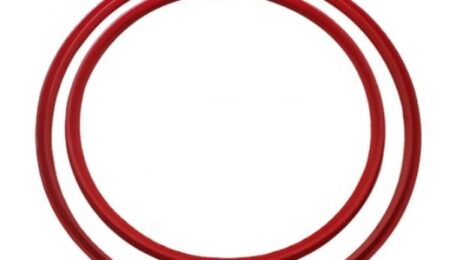
T seals are specific types of sealing devices that are designed to prevent the leakage of fluids and contaminants, thereby ensuring the efficiency of mining machinery. Their unique T-shape allows them to create a reliable barrier, which is crucial in environments subject to high pressures and potential wear and tear.
The Structure of a T Seal
A T seal typically consists of a rubber or elastomer material that is reinforced with additional compounds to provide enhanced durability and flexibility. The design allows the T seal to fit snugly into grooves in machinery components, ensuring that they effectively seal joints and prevent leaks.
Applications of T Seals in Mining Machinery
T seals find use in various mining machinery applications including:
- Hydraulic systems
- Pneumatic systems
- Gearboxes
- Hydraulic cylinders
Types of T Seals
There are several types of T seals used in mining machinery:
- Hydraulic T Seals: Designed for hydraulic applications, these seals are critical in preventing fluid leakage.
- Pneumatic T Seals: Ideal for pneumatic systems, these seals withstand compressible fluid pressures and ensure efficiency.
- Custom T Seals: Made to specifications, these seals are tailored for unique machinery designs.
Why Are T Seals Important in Mining Machinery?
The importance of T seals in mining machinery cannot be overstated. They ensure that fluid leaks are minimized, thus preventing machinery failure and costly downtime. T seals also play a vital role in ensuring the safety of operations by preventing hazardous material leaks.
Maintenance of T Seals
Proper maintenance of T seals is essential to maximize their lifespan. Here are several tips on maintaining T seals in mining machinery:
- Regular inspection for wear and tear.
- Use of appropriate lubricants to prevent material degradation.
- Replacement of worn seals promptly.
T Seals in Mining Machinery Spare Parts
In addition to their roles in mining machinery, T seals are crucial spare parts that require regular procurement. Understanding the specifications and compatibility of T seals with various machinery can greatly impact the performance and longevity of the entire system.
Choosing the Right T Seal for Your Machinery
Selecting the correct T seal involves understanding the specific requirements of your machinery, including:
- Operating temperature ranges
- Fluid compatibility
- Pressure conditions
FAQs About T Seals in Mining Machinery
What is the lifespan of a T seal in mining machinery?
The lifespan of a T seal varies based on usage, environmental conditions, and maintenance practices but generally ranges from 1 to 3 years.
How do you know when to replace a T seal?
Signs indicating the need for replacement include visible wear, noticeable leaks, and a decrease in machinery efficiency.
Can T seals be custom-made?
Yes, T seals can be custom-made to meet specific machinery requirements and operating conditions.
What materials are commonly used to manufacture T seals?
T seals are commonly made from various elastomers and rubber compounds, tailored for specific resistance to chemicals, oil, and temperature.
LSI and NLP Keywords Related to T Seals
Below are several related keywords and phrases:
- Mining machinery seals
- Seal maintenance
- Sealing solutions
- Wear-resistant seals
- Fluid sealing technology
- Hydraulic seals
- Seals for mining equipment
- Custom seals for industry
- Seal repair techniques
- Machinery component seals
Other Keywords Related to T Seals
Additionally, the following terms are relevant:
- Seal installation
- High-pressure seals
- Mining equipment efficiency
- Hydraulic fluid control
- Machinery safety
- Operational reliability
Conclusion
T seals play a vital role in the performance and reliability of mining machinery. Understanding their importance, maintenance, and selection process can help operators maintain efficiency and reduce downtime. Investing in quality T seals and spare parts ensures that mining operations run smoothly and safely. By adhering to best practices for management and procurement of T seals, mining companies can achieve better operational reliability and equipment longevity.
- Published in Products
The Comprehensive Guide to U Seals in Mining Machinery and Spare Parts
The Comprehensive Guide to U Seals in Mining Machinery and Spare Parts
Mining machinery operates under some of the most demanding conditions, where the need for durable and efficient components is critical. One such component that plays a vital role in ensuring the functionality and longevity of mining equipment is the U seal. This article will delve into the significance, types, examples, and applications of U seals, particularly in the mining industry.
What are U Seals?
U seals, also known as U-shaped seals, are a type of sealing device utilized in various machinery, including mining equipment. They are designed to prevent leakage of fluids and contaminants, helping maintain pressure and performance in hydraulic and pneumatic systems.
Importance of U Seals in Mining Machinery
The mining industry heavily relies on U seals due to the rigorous conditions mining machinery faces. Factors such as vibration, high pressure, and exposure to abrasive materials necessitate the use of high-quality seals to protect machinery from wear and tear.
Key Functions of U Seals
- Prevention of fluid leakage
- Protection against contaminants
- Enhancement of equipment reliability
- Maintenance of system pressure
Types of U Seals Available
There are various types of U seals tailored for different applications within the mining sector. Understanding these types is crucial for selecting the right seal for a specific piece of machinery.
1. Standard U Seals
Standard U seals are used in most industrial applications where basic sealing properties are needed. They are cost-effective and versatile.
2. U Seals with Dust Exclusion Features
These seals are equipped with features that prevent dust and debris from entering the sealing area, significantly increasing their lifespan in abrasive mining environments.
3. High-Temperature U Seals
Designed to withstand extreme temperatures, high-temperature U seals are essential for mining machinery operating in heated conditions, ensuring that the sealing integrity is maintained.
4. U Seals for Hydraulic Systems
Specialized for hydraulic applications, these U seals can handle high pressures and are manufactured from materials that resist wear and chemical exposure.
Materials Used in U Seal Manufacturing
The material of a U seal plays a significant role in its performance and durability. Common materials include:
- Rubber (Nitrile, Viton)
- Polyurethane
- PTFE (Teflon)
Applications of U Seals in Mining Machinery
U seals find applications in various components of mining machinery, including:
- Excavators
- Dump trucks
- Drill rigs
- Loaders
Tips for Choosing the Right U Seal
Selecting the appropriate U seal is vital for optimal machine performance. Consider the following factors:
- Operating temperature
- Type of fluids being sealed
- Pressure conditions
- Mechanical wear and tear potential
Maintenance Tips for U Seals in Mining Equipment
Proper maintenance can significantly extend the lifespan of U seals. Key maintenance practices include:
- Regular inspection for signs of wear
- Keeping seals free from debris
- Lubrication where applicable
- Timely replacement of worn seals
Frequently Asked Questions about U Seals
1. What is a U seal?
A U seal is a U-shaped sealing device used in various mechanical applications to prevent fluid leakage and protect against contaminants.
2. What materials are U seals made from?
U seals are commonly made from rubber materials like nitrile and Viton, polyurethane, and PTFE (Teflon).
3. How do I know when to replace my U seals?
Signs that you may need to replace your U seals include visible wear, leakage, and a decrease in machinery performance.
4. Are U seals suitable for high-temperature applications?
Yes, there are specialized U seals designed to withstand high temperatures, making them suitable for those applications.
5. Can U seals be used in hydraulic systems?
Absolutely, U seals are widely used in hydraulic systems due to their capability to handle high pressure and specialized materials.
Conclusion
U seals are an essential component in mining machinery, providing critical sealing solutions that enhance machinery reliability and performance. Understanding the different types, materials, and applications of U seals can help ensure the proper functioning of mining equipment in demanding conditions. Investing in quality U seals and implementing proper maintenance protocols will ultimately lead to improved efficiency and cost savings in mining operations.
- Published in Products
The Importance of Head Bolts and Lock Bolts in Mining Machinery
The Importance of Head Bolts and Lock Bolts in Mining Machinery
Mining machinery operates under extreme conditions, making the reliability of components like head bolts and lock bolts crucial. These elements play a vital role in ensuring the safety and efficiency of mining operations. Understanding their functions and the significance of quality spare parts can save costs and increase productivity.
What are Head Bolts and Lock Bolts?
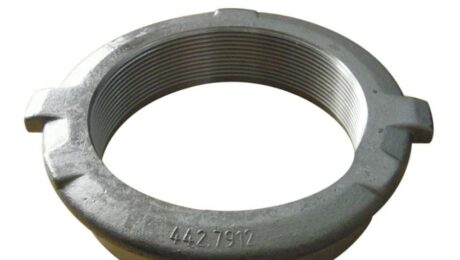
Head bolts are fasteners used to secure components in heavy machinery. They are often characterized by a large, flat top designed to distribute force evenly and prevent damage to the materials being fastened. Lock bolts, on the other hand, are designed to provide a secure fastening that resists loosening from vibrations and other forces.
Specifications of Head Bolts
Head bolts are typically made of high-strength materials to withstand the harsh conditions of mining operations. They are available in various sizes and thread types to fit different machinery requirements. Common specifications include:
- Material: Steel, Alloy Steel, and Stainless Steel
- Coating: Zinc-plated, Galvanized, and Black Oxide
- Thread Type: UNC, UNF, and Metric
- Length and Diameter: Customizable based on machinery needs
Specifications of Lock Bolts
Lock bolts feature a unique design that allows them to be locked in place, preventing them from loosening over time. They come in various forms, such as:
- Structural Lock Bolts
- High-Strength Lock Bolts
- Collared Lock Bolts
- Rivet Lock Bolts
Key specifications to consider include:
- Material Strength: Often standardized for heavy-duty applications
- Grip Range: Ensures proper tension without damaging components
Applications of Head Bolts and Lock Bolts in Mining Machinery
Both head bolts and lock bolts are critical in various mining machinery applications, such as:
- Excavators
- Loaders
- Drilling Machines
- Dump Trucks
- Crushers
Each piece of equipment has its specific requirements for head bolts and lock bolts to ensure optimal performance and safety.
Benefits of Using Quality Head Bolts and Lock Bolts
Investing in quality parts ensures:
- Increased Longevity: Durable materials resist wear and tear.
- Improved Safety: Reliable fasteners reduce the risk of machinery failure.
- Operational Efficiency: Properly secured components enhance productivity.
Using subpar parts can lead to costly downtime and maintenance. Thus, sourcing reputable suppliers for head bolts and lock bolts is imperative.
Choosing the Right Head Bolts and Lock Bolts
When selecting head bolts and lock bolts for mining machinery, consider:
- Compatibility with machinery specifications
- Load requirements and environmental conditions
- Manufacturer’s reputation and part warranty
It’s essential to consult with professionals or refer to the machinery’s service manual for precise specifications.
Maintenance Tips for Head Bolts and Lock Bolts in Mining Machinery
Regular maintenance plays a crucial role in the longevity and performance of head bolts and lock bolts. Here are some tips:
- Inspect bolts regularly for signs of wear or fatigue.
- Ensure proper torque settings are maintained during installation.
- Replace any bolts that show signs of corrosion or damage promptly.
- Regularly clean the area around bolts to prevent debris buildup.
FAQs about Head Bolts and Lock Bolts in Mining Machinery
1. What materials are head bolts made of?
Head bolts are commonly made of steel, alloy steel, or stainless steel, which provides strength and resistance to environmental degradation.
2. How do I know if my lock bolts are defective?
Look for signs of corrosion, improper tensioning, or any noticeable wear. If a lock bolt seems loose or fails to hold under operational conditions, it should be replaced.
3. Can I use regular bolts instead of lock bolts in mining machinery?
No, regular bolts do not provide the same level of security against loosening due to vibrations. It’s crucial to use the correct fasteners designed for heavy-duty applications in mining.
4. How often should I replace head bolts and lock bolts?
It depends on usage and the specific equipment specifications. Regular inspections can help determine the replacement schedule.
5. Are there any standards for head bolts and lock bolts in mining machinery?
Yes, various industry standards dictate the specifications for structural and fastening components used in mining machinery, ensuring safety and reliability.
Conclusion
Head bolts and lock bolts are indispensable components of mining machinery. They not only contribute to the functionality of the equipment but also play a critical role in ensuring operational safety. By understanding their importance and adhering to maintenance protocols, mining companies can achieve better reliability and performance in their operations. Invest in quality head bolts and lock bolts to ensure the longevity and effectiveness of your mining machinery.
LSI and NLP Keywords Related to Head Bolts and Lock Bolts
- Fasteners
- Mining Equipment
- Spare Parts
- Maintenance
- Heavy Duty Fasteners
- Machinery Components
- Structural Bolts
- Durable Fasteners
- Mining Tools
- High-Strength Bolts
- Machinery Assembly
- Corrosion Resistance
- Machine Safety
- High-Performance Fasteners
- Published in Products
The Comprehensive Guide to Anti-Clogging Screen Meshes in Mining Machinery

Understanding Anti-Clogging Screen Meshes
Anti-clogging screen meshes are essential components in mining machinery that facilitate efficient material separation and processing. This article delves into the functionality, advantages, and applications of anti-clogging screen meshes in mining, as well as providing insights into spare parts availability.
What are Anti-Clogging Screen Meshes?
Anti-clogging screen meshes are specifically designed to prevent blockages during the screening process. They enable the effective filtering of materials by allowing fine particles to pass through while retaining larger debris. This function is crucial in maintaining the overall efficiency of mining operations.
Benefits of Anti-Clogging Screen Meshes
Using anti-clogging screen meshes in mining machinery offers several benefits:
- Increased Efficiency: Their design minimizes material buildup, ensuring continuous operation and reducing downtime.
- Enhanced Durability: Constructed from high-quality materials, these meshes withstand harsh mining conditions.
- Improved Material Flow: The open structure allows for better material flow, enhancing separation processes.
- Cost-Effectiveness: By reducing the need for frequent maintenance and replacements, they prove to be a more economical option.
Types of Anti-Clogging Screen Meshes
There are various types of anti-clogging screen meshes employed in mining machinery:
- Woven Wire Mesh: This traditional type is made from high-tensile steel, providing a robust solution for various screening applications.
- Permanent Screening Meshes: These offer long-term solutions with enhanced resistance to wear and clogging.
- Polyurethane Mesh: Lightweight and versatile, polyurethane meshes offer excellent performance in wet conditions.
Applications of Anti-Clogging Screen Meshes in Mining
Anti-clogging screen meshes find applications across various mining operations:
- Sand and Gravel Mining: They are extensively used to separate fine particles from coarse aggregates.
- Coal Processing: In coal mining, these meshes help in efficiently screening out impurities.
- Mineral Processing: Anti-clogging meshes are vital in screening valuable minerals from waste materials.
Choosing the Right Anti-Clogging Screen Mesh
Selecting the appropriate anti-clogging screen mesh depends on various factors:
- Material Type: Different materials require specific mesh types for optimal performance.
- Particle Size: Consider the size of the materials being processed to determine the mesh aperture.
- Operating Conditions: Evaluate the environmental conditions such as humidity, temperature, and abrasive nature.
Maintenance of Anti-Clogging Screen Meshes
Proper maintenance is crucial for the longevity of anti-clogging screen meshes:
- Regular Inspections: Periodic checks can help in identifying wear and damages early.
- Cleaning: Keeping the meshes clean prevents the buildup of materials that can cause clogging.
Replacing Anti-Clogging Screen Meshes
Knowing when to replace anti-clogging screen meshes is vital for maintaining operational efficiency:
- Signs of Wear: Look out for cracks, tears, or deformations.
- Decrease in Performance: Noticeable declines in screening efficiency can indicate that a replacement is necessary.
Where to Purchase Anti-Clogging Screen Meshes
Anti-clogging screen meshes are available from various suppliers:
- Manufacturers: Source directly from manufacturers for tailored options.
- Distributors: Industrial distributors may offer a range of standard options.
- Online Retailers: Many platforms now provide easy access to various mesh types.
Anti-Clogging Screen Mesh Spare Parts
Availability of spare parts for anti-clogging screen meshes is crucial in the mining industry:
- OEM Parts: Original Equipment Manufacturer parts ensure compatibility and reliability.
- Aftermarket Parts: These can be more cost-effective but require careful consideration for quality.
Frequently Asked Questions (FAQ)
What are the most common materials used for anti-clogging screen meshes?
Common materials include high-tensile steel, polyurethane, and various synthetic materials designed to withstand harsh mining conditions.
How do anti-clogging screen meshes differ from regular screen meshes?
Anti-clogging screen meshes are specifically designed with features that prevent material buildup, offering significantly improved flow and reduced downtime.
What affects the lifespan of anti-clogging screen meshes?
The lifespan is influenced by factors such as material types, operating conditions, proper maintenance, and frequency of use.
Can anti-clogging screen meshes be repaired?
In some cases, minor damages can be repaired, but replacement is often recommended for severe wear or deformation.
What is the cost range for anti-clogging screen meshes?
The cost varies based on type, material, and supplier, typically ranging from a few hundred to several thousand dollars depending on the specifications.
Conclusion
Anti-clogging screen meshes play a fundamental role in enhancing the efficiency of mining operations. By understanding their benefits, types, applications, and maintenance requirements, mining operators can make informed decisions to optimize their equipment performance.
LSI and NLP Keywords
- Mining screens
- Screen mesh replacement
- Screening efficiency
- Industrial screen meshes
- Screening technology
- Mining machinery parts
- Mesh specifications
- Wear-resistant mesh
- Mining applications
- Material handling
- Separation processes
- Mining equipment maintenance
- Filter screens
- Separation technology
- Mesh performance
- Published in Products
The Ultimate Guide to Screen Meshes in Mining Machinery and Spare Parts
The Ultimate Guide to Screen Meshes in Mining Machinery and Spare Parts
Screen meshes play a pivotal role in the efficiency and effectiveness of mining operations. Understanding their importance, types, applications, and maintenance is crucial for any mining machinery user. In this comprehensive guide, we’ll cover everything related to screen meshes, focusing on their significance in the mining industry.
What Are Screen Meshes?
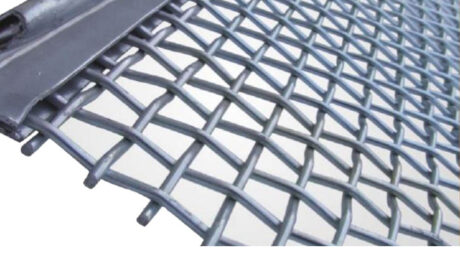
Screen meshes are essential components in various mining machinery applications. They act as filtration systems, allowing materials to pass through while retaining larger particles. Typically made from wire or other durable materials, screen meshes are designed to withstand harsh environments and heavy use.
Types of Screen Meshes in Mining Machinery
-
Woven Wire Screens
Woven wire screens are the most common type of screen meshes used in mining operations. They are made by interweaving wires to create various opening sizes suited for different materials.
-
Polyurethane Screens
These screens are lightweight, durable, and offer high wear resistance. Polyurethane screens are often used in wet processing applications.
-
Rubber Screens
Rubber screens provide excellent wear characteristics and can be used in both wet and dry applications, reducing noise and vibration in the process.
-
Perforated Metal Screens
With holes punched into metal sheets, perforated screens allow for precise sizing and excellent durability under heavy loads.
Applications of Screen Meshes in Mining
Screen meshes are utilized across various applications within the mining sector:
-
Crushing and Screening Plants
In crushing and screening plants, screen meshes separate materials based on size, enhancing the efficiency of material handling.
-
Mineral Processing
During mineral processing, screen meshes are critical for separating coarse and fine materials.
-
Waste Management
Screen meshes are also employed in waste management to segregate recyclable materials from waste.
How to Choose the Right Screen Mesh
Selecting the proper screen mesh is vital for optimal performance. Factors to consider include:
- Material Type: The type of material being processed will dictate mesh material and opening size.
- Open Area: Ensure the screen has enough open area to allow efficient flow while retaining necessary particles.
- Wear Resistance: Consider the wear characteristics needed based on the abrasiveness of the material.
Maintenance and Care of Screen Meshes
Regular maintenance of screen meshes is essential for longevity and effectiveness:
-
Regular Inspections
Conduct frequent inspections for wear and tear to prevent unexpected breakdowns.
-
Cleaning Procedures
Implementing regular cleaning protocols helps maintain effective operation and extends the lifespan of the mesh.
Common Problems and Solutions Related to Screen Meshes
-
Blockage
Blockages can occur due to incorrect mesh size or accumulation of materials. Regular cleaning and proper sizing can mitigate this issue.
-
Wear and Tear
Over time, wear can compromise mesh integrity. Selecting robust materials and conducting timely replacements is crucial.
Innovations in Screen Mesh Technology
Emerging technologies in screen meshes, such as advanced materials and enhanced weaving techniques, are being developed to improve efficiency and performance.
FAQs about Screen Meshes
What is the main function of screen meshes in mining?
The primary function of screen meshes in mining is to separate materials based on size, ensuring efficient processing and material handling.
How often should screen meshes be replaced?
The frequency of replacement depends on usage and wear; regular inspections can help determine the appropriate timing for replacement.
What are the signs of damaged screen meshes?
Signs of damage include visible wear, decreased efficiency, and increased blockage during operation.
Can screen meshes be repaired?
In some cases, small tears or damages can be repaired; however, replacing the mesh is often more effective and reliable.
Conclusion
Screen meshes are fundamental to the dynamics of mining operations. By understanding their types, applications, maintenance requirements, and innovations, mining machinery users can ensure their operations run efficiently and effectively. Investing in high-quality screen meshes can significantly enhance performance and longevity in any mining endeavor.
- Published in Products
The Essential Role of Feed Eye Rings in Mining Machinery: Understanding Their Importance and Functionality
Introduction to Feed Eye Rings
In the complex world of mining machinery, every component plays a crucial role in ensuring the efficiency and longevity of operations. One such vital component is the feed eye ring. This article delves into the functionality, significance, and maintenance of feed eye rings in mining machinery, specifically focusing on their application and importance in the mining industry.
What is a Feed Eye Ring?
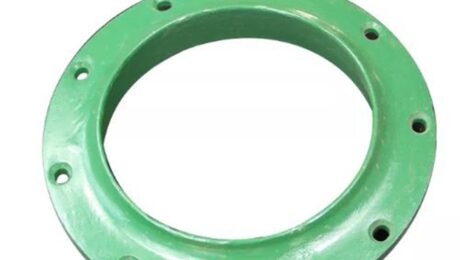
A feed eye ring is a component found in various types of mining machinery, such as crushers, screens, and mills. They serve as a protective and structural element that helps to maintain the proper flow of materials through the machine.
Importance of Feed Eye Rings in Mining Machinery
Feed eye rings play a pivotal role in the overall functionality of mining equipment. They:
- Enhance material flow and processing efficiency.
- Reduce wear and tear on machinery components.
- Help in maintaining the integrity and operational longevity of mining machines.
The Manufacturing Process of Feed Eye Rings
Understanding how feed eye rings are manufactured can provide insights into their quality and resilience. Typically, feed eye rings are fabricated from high-grade materials that withstand extreme conditions common in mining operations. The manufacturing process involves:
- Material Selection: Choosing durable materials such as high carbon steel or alloy steel.
- Forming: Precision forming techniques to ensure accurate dimensions.
- Treatment: Heat treatment processes to enhance strength and resilience.
Types of Feed Eye Rings
Feed eye rings come in various types depending on their application. Some common types include:
- Standard Feed Eye Rings: Typically used in most mining machinery.
- Custom Feed Eye Rings: Designed for specific applications or equipment needs.
- High-Performance Feed Eye Rings: Manufactured for extreme conditions requiring enhanced durability.
Materials Used in Feed Eye Rings
Different materials are used in the production of feed eye rings to meet varying operational needs:
- Steel: Commonly used due to its strength and resilience.
- Alloys: Offer improved wear resistance and enhanced performance.
- Composite Materials: Lightweight options that still provide durability.
Applications of Feed Eye Rings in Mining Machinery
Feed eye rings are essential components in various mining machinery, including:
- Crushers: They help direct material flow and prevent backflow.
- Screens: Assure smooth material passage during the separation process.
- Mills: Enhance efficiency by ensuring consistent feed rates.
Wear and Tear: Maintenance of Feed Eye Rings
Due to the harsh environment they operate in, feed eye rings are subject to wear and tear. Regular maintenance practices include:
- Visual Inspection: Routine checks for wear and integrity.
- Replacement: Timely replacement of worn-out feed eye rings to avoid machinery downtime.
- Lubrication: Ensuring moving parts are well-lubricated to reduce friction.
Choosing the Right Feed Eye Ring
Selecting the right feed eye ring for specific machinery involves several considerations:
- Compatibility with the machine
- Operational conditions (type of material being processed)
- Expected durability and maintenance requirements
Common Issues Associated with Feed Eye Rings
Some common issues that might arise with feed eye rings include:
- Worn-out components leading to inefficient material flow.
- Improper installation that affects operational efficiency.
- Material fatigue due to harsh mining conditions.
Frequently Asked Questions (FAQs)
What is the typical lifespan of a feed eye ring?
The lifespan of a feed eye ring varies based on the material and operating conditions but typically ranges from several months to a few years.
How can I tell when my feed eye ring needs replacement?
Signs of wear such as increased vibration, noise, or disruption in material flow are indicators that replacement may be necessary.
Are feed eye rings interchangeable between different brands of machinery?
Interchangeability depends on the specific dimensions and design. Always consult the manufacturer’s specifications.
What factors affect the maintenance of feed eye rings?
Factors include operational conditions, the materials being processed, and the frequency of equipment use.
Can I purchase customized feed eye rings?
Yes, many manufacturers offer customization options to meet specific operational needs.
Conclusion
Feed eye rings are integral components in mining machinery, significantly impacting operational efficiency and equipment longevity. Understanding their functionality, maintenance, and the selection process is crucial for any miner or company involved in heavy machinery. By investing in quality feed eye rings and ensuring regular maintenance, mining operations can enhance productivity and reduce downtime.
Related Keywords
Mining machinery, spare parts, feed eye ring suppliers, high-performance feed eye rings, mining equipment maintenance, material processing machinery, feed eye ring specifications, durability in mining equipment, feed eye ring types, preventative maintenance for mining machinery, industrial equipment parts, screen feed rings, crusher feed components.
- Published in Products
Ultimate Guide to Feed Tubes in Mining Machinery and Spare Parts

Ultimate Guide to Feed Tubes in Mining Machinery and Spare Parts
Mining machinery plays a crucial role in extracting valuable minerals and resources from the earth. One essential component of this machinery is the feed tube, which is vital for ensuring efficient operation and minimizing wear and tear on the equipment. In this comprehensive guide, we will explore everything related to feed tubes in mining machinery, including their types, materials, uses, and maintenance practices. This guide aims to provide mining professionals with the information they need to choose and maintain the right feed tubes for their mining operations.
What is a Feed Tube?
A feed tube is a critical component of various mining machinery, designed to transport material (such as ore or aggregate) from one part of the machine to another. Feed tubes are constructed to withstand the harsh conditions of mining environments and are essential for maintaining the efficiency and productivity of mining operations.
Types of Feed Tubes
Feed tubes come in various designs and specifications, catering to different mining applications. Common types include:
- Standard Feed Tubes: These are typically used in general produce applications for conveying materials.
- High-Flow Feed Tubes: Designed for high-capacity operations, these tubes optimize material flow.
- Custom Feed Tubes: Tailored to specific machinery and operational needs, custom feed tubes provide tailored solutions for unique mining projects.
Materials Used in Feed Tubes
Choosing the right material for feed tubes is critical for durability and performance. Common materials include:
- Steel: Known for its strength and durability, steel feed tubes are widely used in mining machinery.
- Rubber: Rubber-lined or entirely rubber feed tubes can absorb impact and reduce wear.
- Polyurethane: This material is popular for its flexibility and resistance to abrasion and wear.
Functions of Feed Tubes in Mining Machinery
Feed tubes serve several essential functions, including:
- Transporting material from hoppers to crushers or screening systems.
- Minimizing the risk of blockages and ensuring smooth material flow.
- Protecting machinery components from material wear and reducing maintenance costs.
Importance of Proper Feed Tube Selection
Choosing the correct feed tube for your mining machinery is crucial for operational efficiency and longevity. Key factors to consider include:
- Material Compatibility: Ensure that the feed tube material can withstand the specific types of materials being handled.
- Size and Dimensions: Select a feed tube with the right diameter and length to fit your machinery and operations.
- Wear Resistance: Consider tubes with coatings or materials designed to enhance wear resistance.
Maintenance Practices for Feed Tubes
Proper maintenance of feed tubes can extend their lifespan and performance:
- Regular Inspections: Routine checks can help identify wear and damage before they lead to failures.
- Cleaning: Keeping feed tubes clear of material blockages enhances their efficiency and prevents damages.
- Replacements: Be proactive about replacing worn feed tubes to minimize downtime in your operations.
Common Issues with Feed Tubes
Recognizing potential problems with feed tubes can prevent costly disruptions:
- Blockages: Blockages can occur due to the accumulation of materials or buildup of debris.
- Wear and Tear: Continuous operation can lead to wear, affecting material transport efficiency.
- Misalignment: Improper installation can cause operational issues and increased wear.
Upgrading Feed Tubes
As technology advances, upgrading to more efficient feed tubes can improve performance. Consider innovations such as:
- Smart Feed Tubes: Equipped with sensors that monitor flow and wear statistics.
- Advanced Materials: Developments in composite materials that offer greater durability and lighter weight.
Feed Tube Suppliers and Manufacturers
When sourcing feed tubes, consider reputable suppliers who can provide high-quality products. Some notable manufacturers include:
- ABC Mining Supplies: Offering a range of feed tubes and related components.
- XYZ Mining Equipment: Specialized in custom solutions for mining operations.
Frequently Asked Questions (FAQ)
What is the purpose of a feed tube in mining machinery?
The primary purpose of a feed tube in mining machinery is to transport materials efficiently from one point to another, aiding in seamless operation of the machinery.
What materials are feed tubes made from?
Feed tubes can be made from various materials, including steel, rubber, and polyurethane, depending on the requirements of the mining operation.
How often should feed tubes be inspected?
It is recommended to inspect feed tubes regularly, ranging from weekly to monthly, based on the operational intensity and material handling.
What are signs that a feed tube needs replacement?
Signs for replacement include visible wear, cracks, frequent blockages, and reduced efficiency in material transport.
Conclusion
In conclusion, understanding the role of feed tubes in mining machinery is fundamental for ensuring operational efficiency and minimizing downtime. By selecting the right type of feed tube, following proper maintenance practices, and staying informed about the latest advancements, mining companies can enhance their productivity and lower operational costs. Investing in quality feed tubes and equipment tailored to specific needs will contribute significantly to the performance and longevity of mining machinery.
- Published in Products
The Comprehensive Guide to Wear Plates in Mining Machinery and Spare Parts

Understanding Wear Plates in Mining Machinery
Wear plates are essential components within mining machinery, designed to provide protection against wear and tear during operation. In the harsh environment of mining, where equipment is subjected to extreme conditions, wear plates play a crucial role in ensuring longevity and efficiency.
What Are Wear Plates?
Wear plates are flat pieces of material, often made from steel or other durable substances, that are used to reduce friction and protect machinery from abrasive materials. In mining machinery, these plates are critical for safeguarding expensive equipment against damage caused by the constant handling of mineral ores and other materials.
Importance of Wear Plates in Mining Machinery
In mining operations, machinery faces significant stress and wear. Employing quality wear plates can reduce downtime, maintenance costs, and the frequency of equipment replacement. Their role extends beyond protection, as they can enhance the performance and reliability of mining machinery.
Types of Wear Plates Used in Mining Machinery
1. Steel Wear Plates
Steel wear plates are highly durable and are widely used due to their strength, impact resistance, and ability to withstand harsh environments.
2. Polyurethane Wear Plates
These lighter alternatives offer excellent wear resistance and are beneficial in applications where noise reduction is necessary.
3. Rubber Wear Plates
For applications that require flexibility and impact absorption, rubber wear plates are ideal to manage vibration and shock.
Wear Bars vs. Wear Plates
It is essential to distinguish between wear bars and wear plates. While both serve to protect machinery, wear bars are typically elongated strips, and wear plates are flat sheets. Both types can be crafted from various materials, including high-chrome cast iron, which provides excellent wear resistance.
Common Applications of Wear Plates in Mining Machinery
Wear plates are used in a variety of mining equipment, including:
- Dump trucks
- Excavators
- Loaders
- Conveyor systems
- Cranes and hoists
How to Choose the Right Wear Plate
When selecting a wear plate, consider the following factors:
- Material: Choose materials based on the specific wear and environmental conditions.
- Thickness: Thicker plates may offer higher protection but can also add weight to the machinery.
- Compatibility: Ensure that wear plates fit correctly with existing machinery to prevent operational issues.
Maintenance of Wear Plates
Regular inspection and maintenance of wear plates are necessary to ensure optimal performance. Look for signs of wear, such as cracks, deformation, or excessive scoring. Depending on the level of wear, you may need to replace or refinish the plates.
Cost Considerations for Wear Plates
While investing in high-quality wear plates may seem costly initially, their durability often leads to significant savings in maintenance and replacement costs over time. Consider the total cost of ownership when evaluating your options.
Recent Advances in Wear Plate Technology
New technologies, such as advanced coatings and composite materials, are enhancing the performance and lifespan of wear plates, providing even better wear resistance and easier installation.
OEM vs. Aftermarket Wear Plates
Original Equipment Manufacturer (OEM) wear plates are often more expensive but are designed specifically for the machinery. Aftermarket wear plates can offer cost savings but may vary in quality. Evaluating both options is essential for making an informed choice.
How Wear Plates Are Fabricated
The production of wear plates typically involves cutting, shaping, and finishing material to meet specific requirements. Advanced fabrication methods, like laser cutting and CNC machining, can ensure precision and quality in wear plate manufacturing.
Environmental Considerations
When selecting wear plates, consider the environmental impact of the materials and processes involved. Look for manufacturers who use sustainable practices and provide information on the lifecycle of their products.
Wear Plate FAQ
What is the primary function of wear plates in mining machinery?
The primary function of wear plates is to protect machinery components from wear due to abrasion and impact, thereby extending the life of the equipment.
How often should wear plates be inspected?
Wear plates should be inspected regularly, with guidance often suggesting checks before each operational shift or as part of routine maintenance.
Can wear plates be repaired?
Yes, wear plates can sometimes be repaired depending on the type of damage. Minor scratches or wear can be fixed with welding or surface treatments.
What materials are best for wear plates?
The best materials depend on the application. Steel, polyurethane, and rubber are popular choices based on durability and operational needs.
How do wear plates reduce downtime?
By protecting components from wear, wear plates reduce the frequency of repairs and replacements, which helps maintain consistent operations and reduces downtime.
Conclusion
Wear plates are vital components in the mining industry, protecting machinery from wear and improving overall efficiency. Investing in high-quality wear plates tailored to specific operational needs can lead to cost savings and extended machinery life.
LSI and NLP Keywords Related to Wear Plates
Wear plate mining, mining equipment wear protection, wear plate fabrication, wear plate maintenance, wear plate types, OEM wear plates, aftermarket wear plates, mining spare parts, wear plate applications, wear plate materials, wear plates for excavators, wear plates for conveyor systems, wear plate costs, wear plate technology, mining industry standards, wear plate suppliers, wear plate installation, abrasion resistance wear plates, impact resistance wear plates, wear plate performance, wear plate inspection, sustainable wear plates, advanced wear plate manufacturing.
- Published in Products
The Ultimate Guide to Mining Machinery Distributors and Spare Parts

The Ultimate Guide to Mining Machinery Distributors and Spare Parts
In the world of mining, having reliable machinery is essential for productivity and safety. This guide will delve into the various aspects of distributors of mining machinery and spare parts, providing valuable insights for stakeholders in the mining industry.
What Are Mining Machinery Distributors?
Mining machinery distributors are companies or individuals that supply equipment and spare parts necessary for mining operations. They play a crucial role in the supply chain, ensuring that mining companies have access to the latest technology and replacement parts needed for maintenance and repairs.
Why Are Distributors Important in the Mining Sector?
1. Access to Quality Equipment: Distributors are vital for providing access to quality mining machinery and spare parts.
2. Expertise and Support: Many distributors offer technical support and expertise to help mining companies select the right equipment.
3. Timely Deliveries: A well-established distributor ensures that machinery and parts are delivered on time, minimizing downtime for mining operations.
Types of Mining Machinery and Equipment
Mining equipment varies widely depending on the mining operation’s requirements. Key types include:
- Excavators: Used for digging and moving large amounts of earth.
- Loaders: Used to load materials onto trucks or into other machinery.
- Drillers: Essential for creating holes in rock for exploration or extraction purposes.
- Mining Trucks: Specifically designed for transporting materials within the site.
- Conveyors: Used for transferring materials from one point to another.
Mining Machinery Spare Parts
Spare parts are critical for the maintenance of mining machinery. High-quality spare parts ensure that machinery operates efficiently and safely. Common spare parts include:
- Filters: Vital for keeping machinery free from contaminants.
- Buckets: A key component of loaders and excavators.
- Hydraulic parts: Essential for the operations of various mining machinery.
- Belts: Found in conveyor systems to facilitate material movement.
Choosing the Right Distributor for Mining Machinery
Selecting the right distributor is crucial for operational success. Consider the following factors:
- Reputation: Research the distributor’s reputation and reviews from other mining companies.
- Product Range: Ensure the distributor offers a wide range of equipment and spare parts.
- Support Services: Look for distributors that provide technical support and after-sales services.
- Price Competitiveness: Compare prices but also consider the quality of the products.
Top Mining Machinery and Spare Parts Distributors Globally
Some of the most renowned distributors include:
- Caterpillar: A leader in heavy equipment manufacturing.
- Komatsu: Known for their excavators and large mining trucks.
- Sandvik: Offers advanced mining solutions and services.
- Hitachi: Provides a range of mining machinery and equipment.
FAQs About Mining Machinery Distributors
1. What is a mining machinery distributor?
A mining machinery distributor is a company or individual that supplies various types of mining equipment and spare parts to mining operations.
2. Why is it important to choose a reputable distributor?
Choosing a reputable distributor ensures access to quality machinery and parts, along with reliable service and support.
3. What types of equipment do distributors typically supply?
Distributors typically supply excavators, loaders, drills, mining trucks, and conveyor systems, among others.
4. How can I find a distributor for mining spare parts?
You can find distributors through online directories, industry trade shows, and referrals from other mining professionals.
5. What factors should I consider when selecting a distributor?
Consider factors such as reputation, product range, support services, and pricing when selecting a distributor.
Conclusion
Mining machinery and its distributors play an indispensable role in the mining industry. Understanding the various types of equipment and spare parts, along with how to choose the right distributor, can significantly impact a mining operation’s efficiency and success. By following the guidelines and insights provided in this article, stakeholders can make informed decisions that bolster their operations.
LSI and NLP Keywords
- Mining equipment
- Heavy machinery
- Construction equipment
- Mining tools
- Machinery parts
- Heavy lifting
- Industrial suppliers
- Mpanies for mining machinery
- Replacement parts
- Heavy-duty machinery
- Mining services
Understanding the landscape of mining machinery and the role of distributors is vital for ensuring operational success in the mining sector. By keeping abreast of market trends and developing strong partnerships with distributors, mining companies can position themselves for long-term success.
- Published in Products
Understanding Feed Cone in Mining Machinery and its Spare Parts
Understanding Feed Cone in Mining Machinery and its Spare Parts
The mining industry relies heavily on efficient machinery, and one crucial component in mining machinery is the feed cone. The feed cone plays an essential role in the functionality and efficiency of various mining operations. This article delves into the significance of the feed cone, its design and manufacturing, maintenance tips, troubleshooting common issues, and much more.
What is a Feed Cone?
A feed cone is a conical-shaped component used in mining machinery, particularly in equipment such as crushers and grinding mills. Its primary function is to facilitate the feeding of raw material into the machine, ensuring optimal performance and processing efficiency.
Importance of Feed Cone in Mining Machinery
Understanding the importance of the feed cone is critical for mining operations. The feed cone ensures a consistent flow of materials into the machinery, allowing for:
- Improved efficiency and productivity
- Stable operation of equipment
- Reduced wear and tear on other components
- Enhanced material processing
Design and Construction of Feed Cone
The feed cone is designed to withstand harsh conditions typical in mining environments. Various materials can be used for its construction, including:
- Steel
- Cast iron
- Ceramic materials
- Polyurethane
The choice of material affects the durability, performance, and cost-effectiveness of the feed cone.
Types of Feed Cones
Feed cones come in various types, tailored to specific applications and machinery requirements, including:
- Standard Feed Cone: Designed for general applications.
- Custom Feed Cone: Manufactured to meet specific operational needs.
- Heavy-Duty Feed Cone: Built for extreme conditions and high volumes.
Mining Machinery Using Feed Cones
Feed cones are used in a variety of mining equipment, such as:
- Jaw Crushers
- Gyratory Crushers
- Ball Mills
- Impact Crushers
- Flotation Cells
Maintenance of Feed Cone in Mining Machinery
Regular maintenance is key to ensuring that the feed cone operates efficiently. Here are some maintenance tips:
- Inspection: Regularly inspect the feed cone for wear and damage.
- Cleaning: Keep the feed cone clean to prevent material buildup.
- Lubrication: Ensure that all moving parts are properly lubricated.
- Replacement: Replace worn-out or damaged feed cones immediately.
Troubleshooting Common Feed Cone Issues
Some common issues with feed cones and troubleshooting methods include:
- Problem: Blockage in the feed cone
Solution: Clear the blockages and check for any unusual wear. - Problem: Irregular material flow
Solution: Inspect for misalignments and ensure the cone is correctly installed. - Problem: Excessive wear and tear
Solution: Assess the material type and operating conditions, and adjust as necessary.
Feed Cone Spare Parts Availability
Having access to quality spare parts for feed cones is essential for minimizing downtime. Here are the key considerations:
- Manufacturer: Choose reliable manufacturers for spare parts.
- Compatibility: Ensure that spare parts are compatible with your mining machinery.
- Quality: Opt for high-quality spare parts to ensure durability.
Frequently Asked Questions (FAQ)
What Materials are Used in Feed Cone Construction?
Feed cones are typically made from steel, cast iron, ceramics, or polyurethane, based on the specific requirements of their application.
How Often Should Feed Cones Be Inspected?
It is recommended to inspect feed cones regularly, typically at least once a month, and more frequently in high-use scenarios.
What Are the Signs of a Worn-Out Feed Cone?
Signs include visible wear patterns, unusual noise during operation, and irregular material flow. These signs indicate that the feed cone needs maintenance or replacement.
Can Feed Cone Designs Be Customized?
Yes, feed cones can be customized to meet specific operational requirements, enhancing the efficiency of mining machinery.
Where Can I Buy Spare Parts for Feed Cones?
Spare parts for feed cones can be purchased from manufacturers, authorized distributors, or specialized online retailers.
Conclusion
In summary, the feed cone is an integral part of mining machinery that significantly impacts operational efficiency. Proper understanding, maintenance, and sourcing of spare parts will enhance the performance and longevity of mining equipment. Emphasizing this component’s importance will lead to optimized mining processes and reduced operational costs.
LSI and NLP Keywords Related to ‘Feed Cone’
- Mining feed equipment
- Crusher feed cone
- Material handling in mining
- Aggregate processing
- Mining wear parts
- Mining machinery maintenance
- Crusher spare parts
- Mining operations optimization
- Mining equipment design
- Feed cone dimensions
- Feed cone replacement
- Mining machinery accessories
- Mining machinery suppliers
- High-quality feed cones
- Durable feed cone construction
- Published in Products
