


The Comprehensive Guide to Frame Liners in Mining Machinery: Importance, Types, and Maintenance

The Comprehensive Guide to Frame Liners in Mining Machinery: Importance, Types, and Maintenance
In the world of mining machinery, frame liners play a crucial role in ensuring equipment integrity and operational efficiency. These components serve as protective barriers that help to prevent wear on the frame of mining equipment, thereby extending its lifespan and enhancing productivity. This guide will delve into essential aspects of frame liners, including types, materials, installation, maintenance, and frequently asked questions.
What is a Frame Liner?
A frame liner is a protective component installed in mining machinery that absorbs impact and prevents damage to the mainframe. Typically found in equipment such as crushers, draglines, and shovels, frame liners are vital for maintaining optimal functionality and performance.
Importance of Frame Liners in Mining Machinery
Frame liners significantly contribute to the longevity and efficiency of mining machinery. Here are some key reasons for their importance:
- Protection Against Wear: Frame liners shield the machinery’s frame from wear and tear caused by abrasive materials.
- Reduced Maintenance Costs: By preventing damage to the mainframe, frame liners help to minimize repair and replacement expenses.
- Increased Equipment Uptime: Well-maintained frame liners contribute to reduced downtime, allowing for more consistent production.
- Enhanced Safety: By protecting structural integrity, frame liners help prevent hazardous failures during operation.
Types of Frame Liners
Various types of frame liners are utilized depending on the specific application, type of mining machinery, and the nature of the materials being processed. Some common types include:
- Steel Frame Liners: Often made from high-carbon steel, these liners offer excellent durability and are suitable for heavy-duty applications.
- Rubber Frame Liners: Typically used in less abrasive environments, rubber liners provide flexibility and good impact absorption.
- Polyurethane Frame Liners: Known for their wear resistance, polyurethane liners are ideal for applications requiring lightweight yet strong protective components.
- Composite Frame Liners: A combination of materials designed to maximize performance, composite liners can cater to specific operational needs.
Materials Used in Frame Liners
Frame liners are manufactured using a variety of materials, each chosen based on the operational requirements. The following materials are commonly used:
- High-Strength Steel: Offers exceptional durability and wear resistance.
- Rubber Compounds: Provides cushioning and impact absorption.
- Polyurethane: Lightweight with a high resistance to abrasion.
- Extruded Plastics: Useful for applications with lower impact forces.
Installation of Frame Liners
Proper installation of frame liners is critical to their performance. Consider the following steps during installation:
- Ensure that the equipment is clean and free of debris.
- Align the frame liner correctly, adhering to the manufacturer’s specifications.
- Secure the frame liner using the recommended fasteners.
- Conduct a thorough inspection to confirm correct installation.
Maintenance of Frame Liners
Like any other component in mining machinery, frame liners require regular upkeep to maximize their lifespan. Below are essential maintenance practices:
- Regular Inspections: Frequent checks can help identify wear patterns and issues before they lead to failure.
- Cleaning: Remove accumulated dirt and debris regularly to maintain performance.
- Replacement: Replace frame liners as soon as significant wear is observed to avoid damage to the equipment.
FAQ Section
What is a frame liner used for in mining machinery?
Frame liners protect the frame of mining equipment from wear and damage, thereby extending the equipment’s lifespan and reducing maintenance costs.
How often should frame liners be replaced?
Frame liners should be inspected regularly, and replacement should occur once significant wear is observed or as recommended by the manufacturer.
What materials are used for frame liners?
Frame liners are typically made from high-strength steel, rubber compounds, polyurethane, or composite materials, depending on the application needs.
Can frame liners reduce equipment downtime?
Yes, effective frame liners can help prevent equipment failures and reduce downtime, thus maintaining consistent production levels.
How can I install frame liners properly?
Ensure the equipment is clean, align the liner correctly, secure it according to specifications, and conduct a thorough inspection after installation.
Conclusion
Frame liners are an essential component of mining machinery, playing a pivotal role in protecting equipment and ensuring operational efficiency. Understanding the types, materials, installation, and maintenance of frame liners can lead to better performance and longevity of mining equipment. By prioritizing frame liners in equipment management strategies, operators can achieve improved productivity and reduced operational costs.
LSI and NLP Keywords Related to ‘Frame Liner’
- Mining equipment
- Wear resistance
- Protection layer
- Machinery integrity
- Maintenance practices
- Mining operations
- Frame protection
- Line replacement
- Mining performance
- Equipment uptime
- Durable materials
- Structural integrity
- Impact resistance
- Cost-effective solutions
- Mining technology
- Operational efficiency
- Heavy machinery
- Mechanical components
- Production optimization
- Machine wear
- Replacement parts
- Protective components
- Mining safety
- Published in Products
The Importance of Nuts in Mining Machinery and Mining Machinery Spare Parts

The Importance of Nuts in Mining Machinery and Mining Machinery Spare Parts
Nuts play a vital role in the functionality and reliability of mining machinery. They serve as secure fasteners that hold together critical components, preventing machinery malfunction and ensuring operational efficiency. In this article, we will explore the significance of nuts in the mining industry, their types, applications, maintenance, and much more.
1. What Are Nuts in Mining Machinery?
Nuts are standardized fasteners that are used in conjunction with bolts to create a tight and secure binding. In mining machinery, nuts are crucial for attaching various parts and components, which aids in the overall stability and function of the machinery.
2. Types of Nuts Used in Mining Machinery
2.1 Hex Nuts
Hex nuts are commonly used fasteners in mining machinery. Their six-sided shape allows for easy grip and torque application.
2.2 Lock Nuts
Lock nuts are designed to prevent loosening due to vibration and shock. They are essential in mining operations where heavy machinery experiences significant stress.
2.3 Wing Nuts
Wing nuts allow for easy hand-tightening, making them convenient for adjustments and repairs in a mining environment.
2.4 T-Nuts
T-Nuts are used for applications where a secure, low-profile attachment is necessary. They are ideal for use in mining machinery assemblies.
2.5 Cap Nuts
Cap nuts are designed to cover the exposed end of a bolt, providing protection against debris and corrosion.
3. Applications of Nuts in Mining Machinery
Nuts are utilized in various mining machinery including excavators, haul trucks, and drilling rigs. They are essential for:
- Securing hydraulic components
- Attaching engine parts
- Holding together conveyor belts
4. Mining Machinery Spare Parts: The Role of Nuts
Spare parts in mining machinery also rely heavily on nuts for assembly and functionality. Proper maintenance of nuts ensures that replacement parts integrate smoothly and perform effectively.
5. Maintenance of Nuts in Mining Machinery
5.1 Regular Inspection
Regular inspection of nuts is necessary to prevent failures. Look for signs of wear, corrosion, or loosening.
5.2 Proper Torque Specifications
Following proper torque specifications when tightening nuts is crucial to avoid over-tightening or loosening.
5.3 Cleaning and Lubrication
Keeping nuts clean and adequately lubricated helps extend their lifespan and maintain performance.
6. Common Problems Related to Nuts in Mining Machinery
6.1 Loosening from Vibration
Nuts can loosen due to the high levels of vibration and movement in mining machinery.
6.2 Corrosion
Exposure to harsh environments can lead to corrosion, compromising the integrity of the nut.
6.3 Stripped Threads
Stripped threads can prevent nuts from securing properly, leading to potential machinery breakdown.
7. Selecting the Right Nuts for Mining Machinery
When selecting nuts for mining machinery, consider factors such as material, size, and strength rating to ensure compatibility and performance.
8. Frequently Asked Questions (FAQ)
8.1 What is the purpose of nuts in mining machinery?
Nuts are used to fasten components securely in mining machinery, ensuring stability and functionality.
8.2 What types of nuts are used in mining machinery?
Common types include hex nuts, lock nuts, wing nuts, T-nuts, and cap nuts.
8.3 How do I maintain nuts in mining machinery?
Regular inspection, adhering to torque specifications, and keeping them clean and lubricated are key maintenance practices.
8.4 What problems can arise from poorly maintained nuts?
Loosening, corrosion, and stripped threads can all occur, leading to machinery failures.
8.5 Where can I find high-quality nuts for mining machinery?
Reputable suppliers of mining machinery spare parts usually offer quality nuts suitable for various applications.
9. LSI and NLP Keywords Related to ‘Nut’
To enhance SEO on the topic of nuts in mining machinery, consider using: fastening, bolts, machinery maintenance, fasteners, industrial hardware, thread locking, corrosion resistance, secure fastening, assembly, repair, mining equipment, and heavy machinery among others.
10. Conclusion
In conclusion, nuts are an indispensable component of mining machinery and spare parts. Understanding their importance, types, applications, and maintenance can significantly impact the performance and longevity of mining equipment. Regular attention to nuts and their condition can help prevent costly downtimes and enhance operational efficiency.
- Published in Products
Comprehensive Guide to Bolts in Mining Machinery and Spare Parts

Comprehensive Guide to Bolts in Mining Machinery and Spare Parts
Bolts are critical components in the construction and maintenance of mining machinery. This article delves into the various aspects of bolts used in mining machinery and their importance in securing spare parts.
The Importance of Bolts in Mining Machinery
In mining operations, durability and reliability are paramount. Bolts serve as the fastening agents that hold various components of mining machinery together. They are involved in a wide array of applications, from trucks and excavators to conveyors and drills. Understanding the types of bolts and their applications is crucial for maintaining efficient mining operations.
Types of Bolts Used in Mining Machinery
Structural Bolts
Structural bolts are used in heavy-duty applications and are designed to bear heavy loads. They are essential in maintaining the structural integrity of mining equipment.
High-Strength Bolts
These bolts are crucial in demanding environments where high stress is a factor. They are often used in machinery that operates under high dynamic loads.
Machine Bolts
Machine bolts are used to secure machinery components, often through pre-drilled holes. Their design helps in assembly efficiency and strength.
Hex Bolts
Hex bolts are commonly used in mining equipment due to their strength and ease of installation. They come with a hexagonal head and can be used in a variety of fastening applications.
Materials Used for Mining Bolts
Steel Bolts
Steel is a popular choice for mining bolts due to its high tensile strength and durability. Alloy steels can be used for enhanced performance.
Stainless Steel Bolts
These bolts are resistant to corrosion, making them ideal for mining applications in humid or wet environments.
Bronze and Brass Bolts
These metals provide excellent resistance to corrosion, though they are less common in high-load applications.
Understanding Bolt Specifications
When selecting bolts for mining machinery, it’s essential to understand different specifications, including diameter, length, thread pitch, and grade. This knowledge ensures choosing the right bolt for each application, leading to increased safety and efficiency.
Common Applications of Bolts in Mining Machinery
Excavators
Bolts are extensively used in excavators to secure hydraulic components and structural parts.
Haul Trucks
High-strength bolts are pivotal in maintaining the integrity of haul trucks that transport materials.
Conveyor Systems
Bolts hold conveyor systems together, ensuring the smooth movement of materials.
Drilling Equipment
Drilling rigs rely on bolts for securing components that withstand heavy drilling operations.
Maintenance of Bolts in Mining Machinery
Regular inspection and maintenance of bolts is crucial to avoid mechanical failures. Look out for signs of wear, corrosion, or loosening. Implement a routine check program to ensure safety and compliance.
Finding Quality Bolts for Mining Machinery Spare Parts
When sourcing bolts, consider OEM parts for reliability. Look for suppliers who specialize in mining machinery to ensure they understand the specific requirements of the equipment.
Cost Considerations
Quality bolts often come with a higher price tag, but investing in durable high-quality bolts can prevent costly machinery downtime in the long run.
Future Trends in Mining Bolts
Innovation in materials and fastening technology continues to evolve. The use of advanced coatings and intelligent fasteners may shape the future of bolts in mining machinery.
Frequently Asked Questions (FAQ) about Bolts in Mining Machinery
What types of bolts are most commonly used in mining machinery?
The most common types include structural bolts, high-strength bolts, machine bolts, and hex bolts, each serving distinct purposes.
How do I choose the right bolt for my mining equipment?
Consider factors like load requirements, environmental conditions, and specific machine specifications when selecting bolts.
Are there different materials for mining bolts?
Yes, steel, stainless steel, bronze, and brass are commonly used materials for manufacturing bolts in mining machinery.
What maintenance tips should I follow for bolts in mining machinery?
Regularly inspect for wear and corrosion, check torque levels, and replace any worn or damaged bolts promptly to ensure safety.
Where can I purchase bolts for mining machinery spare parts?
Look for trusted suppliers specializing in mining machinery parts and OEM bolts for quality and reliability.
LSI and NLP Keywords Related to Bolts in Mining Machinery
- fasteners
- mining equipment
- mining parts
- heavy machinery
- mechanical components
- industrial bolts
- load-bearing bolts
- corrosion-resistant
- high-performance bolts
- machine assembly
- engineering specifications
- fastening solutions
- bolt maintenance
- durable fasteners
- load capacity
- machinery safety
- replacement parts
- OEM bolts
- carbon steel bolts
- mining applications
- rig maintenance
In conclusion, understanding bolts and their applications in mining machinery is crucial for safe and efficient operations. Choose high-quality bolts, perform regular maintenance, and stay updated on industry innovations to ensure your mining machinery operates without issues.
- Published in Products
The Importance of Toggle Seats in Mining Machinery: A Comprehensive Guide

The Importance of Toggle Seats in Mining Machinery: A Comprehensive Guide
Mining operations rely heavily on specialized machinery to perform various tasks efficiently. One of the key components that play a crucial role in the performance of these machines is the toggle seat. In this article, we will delve deeply into the significance of toggle seats, their functionality, types, maintenance tips, and answers to frequently asked questions.
What is a Toggle Seat?
A toggle seat is a critical component in mining machinery, particularly in crushers. The toggle seat serves as the point of contact where the toggle mechanism engages, facilitating the crushing process. This component helps in the movement of the crusher’s jaw, allowing it to effectively crush materials like rock and ore.
Functionality of Toggle Seats in Mining Machinery
Understanding the functionality of toggle seats is vital for operators and maintenance crews in mining. Toggle seats enable the transition of energy within the machine, ensuring that the crusher operates smoothly and efficiently. Their design must accommodate the stresses involved in crushing materials, making them essential for optimal performance.
Types of Toggle Seats
There are several types of toggle seats used in mining machinery:
- Standard Toggle Seat: Typically found in many rock crushers, designed for general applications.
- Heavy-Duty Toggle Seat: Built to withstand extreme conditions and high-stress operations.
- Custom Toggle Seat: Tailored for specific machines or applications, offering enhanced performance.
Materials Used for Toggle Seats
Toggle seats are manufactured from robust materials to enhance durability and wear resistance. Common materials include:
- Cast Steel: Known for its strength and durability.
- Alloy Steel: Provides excellent wear resistance and toughness.
- High Manganese Steel: Ideal for high-impact applications.
Maintenance of Toggle Seats
Proper maintenance of toggle seats is crucial for prolonging their lifespan and ensuring efficient machinery operation. Here are some maintenance tips:
- Regularly inspect toggle seats for signs of wear and damage.
- Lubricate joints and moving parts as required.
- Replace worn or damaged toggle seats promptly to avoid machine failures.
Signs of Wear in Toggle Seats
Recognizing when a toggle seat is wearing out can help prevent costly downtimes:
- Increased vibration during operation.
- Unusual noises emanating from the machinery.
- Decreased efficiency in the crushing process.
Toggle Seats vs. Other Components
While toggle seats are essential, it is crucial to understand how they function in conjunction with other components of mining machinery. These include:
- Toggles: The lever mechanisms that transmit force.
- Crushing Jaws: The parts that do the actual crushing.
- Bearings: They support the moving parts of the machinery.
Cost Factors of Toggle Seats
When considering the purchase of toggle seats, various factors influence costs:
- Material selection impacts durability and price.
- Customization may lead to higher costs.
- Manufacturer brand reputation can affect pricing.
Where to Purchase Toggle Seats
Toggle seats can be sourced from several places, including:
- OEM suppliers for original parts.
- Aftermarket parts suppliers for cost-effective options.
- Local distributors specializing in mining equipment.
FAQs About Toggle Seats
What is the role of the toggle seat in mining machinery?
The toggle seat is crucial for the operational efficiency of mining machinery, particularly crushers, facilitating the conversion of energy for effective material crushing.
How often should toggle seats be replaced?
Replacement frequency depends on usage and wear; typically, they should be inspected regularly, and replaced when signs of significant wear are detected.
What materials are toggle seats made from?
Toggle seats are commonly made from cast steel, alloy steel, and high manganese steel, chosen for their durability and resistance to wear.
Can I use aftermarket toggle seats?
Yes, aftermarket toggle seats can be used, but ensure they meet the required specifications for your machinery to avoid operational issues.
How do I know if my toggle seat needs maintenance?
Signs of wear such as increased vibration, unusual noises, or decreased efficiency in crushing indicate that maintenance is necessary.
Conclusion
Toggle seats are an essential part of mining machinery, playing a pivotal role in the effective crushing of materials. Understanding their design, functionality, and maintenance is crucial for optimizing performance and prolonging the life of your equipment. Stay proactive with inspections and maintenance to ensure smooth operations and minimize downtime in your mining operations.
LSI and NLP Keywords
Mining machinery, spare parts, crushing equipment, toggle mechanism, jaw crusher, heavy-duty machinery, replacement parts, wear resistance, operational efficiency, wear indicators, OEM vs. aftermarket parts, mining industry, industrial components, equipment maintenance, mining equipment suppliers, toggle assembly, crusher maintenance, machinery performance, rock crushing, materials handling.
- Published in Products
The Comprehensive Guide to Toggle Plates in Mining Machinery and Spare Parts

The Comprehensive Guide to Toggle Plates in Mining Machinery and Spare Parts
Mining machinery plays a crucial role in the extraction of minerals and resources from the earth. Among the essential components of this machinery, the toggle plate stands out due to its critical function in the operational efficiency and durability of mining equipment. This article delves into the significance of toggle plates, their types, applications, maintenance, and much more.
Understanding the Toggle Plate
The toggle plate is a vital part of various types of mining machinery, especially in jaw crushers where it functions as a lever that transfers motion and enhances crushing action. Understanding toggle plates can help operators optimize their equipment for performance and longevity.
What is a Toggle Plate?
A toggle plate is typically a flat piece of metal that works in conjunction with the jaw crusher’s main component system, facilitating effective crushing through a hinge-like mechanism.
Types of Toggle Plates
Toggle plates come in various shapes and sizes depending on the machinery. The two main types include: 1. Standard Toggle Plates: Used in most jaw crushers. 2. Heavy-Duty Toggle Plates: Designed for more demanding applications.
The Role of Toggle Plates in Mining Machinery
Toggle plates are integral to the operation of various mining equipment. Their role includes:
- Enhancing Crushing Efficiency: They convert the motion of a machine’s toggle into a greater crushing force.
- Protection: Toggle plates protect the machine from overload and potential damage by acting as a sacrificial component.
- Adjusting Output: The toggle plate is also pivotal in adjusting the output size of the crushed materials.
Mining Machinery that Utilizes Toggle Plates
Several types of mining machinery use toggle plates, including:
- Jaw Crushers
- Impact Crushers
- Roll Crushers
Mining Machinery Spare Parts: Focus on Toggle Plates
When it comes to mining operations, the availability of spare parts like toggle plates is essential. Operators need to ensure they are sourcing high-quality toggle plates to maintain machinery efficiency.
Factors to Consider When Purchasing Toggle Plates
When purchasing toggle plates for mining machinery, consider the following factors:
- Material: Toggle plates should be made of durable alloy steel for maximum longevity.
- Compatibility: Ensure the toggle plate matches the specifications of your machinery.
- Supplier Reputation: Purchase from suppliers with a proven track record in mining machinery parts.
Maintenance of Toggle Plates
Proper maintenance of toggle plates can enhance the lifespan of mining machinery significantly.
Best Practices for Toggle Plate Maintenance
- Regular Inspection: Routinely check for wear and tear.
- Lubrication: Ensure that the toggle plate and its associated mechanisms are adequately lubricated.
- Replacement: Replace toggle plates at the first sign of wear to avoid extensive damage to machinery.
Common Problems Associated with Toggle Plates
Understanding the problems related to toggle plates can help avoid costly downtimes:
- Wear and Tear: Over time, toggle plates may become worn and reduce efficiency.
- Misalignment: Improper installation can lead to misalignment and suboptimal performance.
Conclusion
Toggle plates are an essential component in the mining machinery landscape, ensuring efficient operations and reducing wear on equipment. It’s crucial for mining operations to prioritize high-quality toggle plates, maintain them diligently, and understand the pivotal role they play in overall machinery function.
Frequently Asked Questions (FAQ)
1. What is the function of a toggle plate in mining machinery?
The toggle plate serves to transfer motion in crushers and increase the crushing efficiency, while also protecting the machinery from damage.
2. How do I know when to replace the toggle plate?
Indicators such as excessive wear, reduced efficiency, and unusual noises from the machinery are signs that a toggle plate should be replaced.
3. Are there different types of toggle plates?
Yes, there are standard and heavy-duty toggle plates designed for different levels of application and machinery.
4. Where can I purchase high-quality toggle plates?
High-quality toggle plates can be sourced from specialized mining machinery suppliers or manufacturers with a solid reputation in the industry.
5. How often should toggle plates be inspected?
Regular inspections should be conducted as part of routine maintenance, ideally every few weeks or after significant machinery use.
LSI and NLP Keywords
Mining equipment, toggle plate function, spare parts, jaw crusher toggle plate, heavy-duty toggle plate, mining machinery repair, toggle plate maintenance, spare parts efficiency, replacement toggle plate, toggle plate suppliers, toggle plate wear, toggle plate durability, mining operations, machinery performance, toggle plate price, high-quality toggle plates, industrial equipment.
- Published in Products
The Comprehensive Guide to Countershaft Bushings in Mining Machinery

The Comprehensive Guide to Countershaft Bushings in Mining Machinery
Mining machinery plays a critical role in extracting valuable resources from the earth, and one of the essential components in these machines is the countershaft bushing. This article aims to provide an in-depth understanding of countershaft bushings, including their function, types, and maintenance practices. We will also delve into the mining machinery industry and the importance of spare parts. By the end of this article, you will have a comprehensive understanding of countershaft bushings and their relevance in mining machinery.
What is a Countershaft Bushing?
A countershaft bushing is a cylindrical sleeve inserted into a hole to support the rotating shaft within mining machinery. It serves to reduce friction between the shaft and the machine components and aids in the proper alignment of the shaft. These bushings are critical for the longevity and performance of various types of mining equipment.
The Role of Countershaft Bushings in Mining Machinery
Countershaft bushings play an essential role in the overall functionality of mining machinery. They help maintain the alignment of the shaft, reduce wear and tear, and ensure smooth operation. In machines such as crushers, mills, and screens, these bushings are vital to ensuring that the components work efficiently and effectively.
Types of Countershaft Bushings
Different types of countershaft bushings are used in mining machinery, depending on the application and operational demands. Common types include:
- Bronze Bushings: Known for their durability and wear resistance, bronze bushings are commonly used in high-load applications.
- Steel Bushings: Offering high strength, steel bushings are typically used in heavy-duty machinery.
- Polymer Bushings: Lightweight and resistant to corrosion, polymer bushings are becoming increasingly popular in certain applications.
Choosing the Right Countershaft Bushing
Selecting the appropriate countershaft bushing depends on various factors, such as the type of machinery, operational loads, and environmental conditions. Manufacturers often provide specifications that can help guide the selection process.
Countershaft Bushing Maintenance
Proper maintenance of countershaft bushings is crucial for ensuring the longevity and performance of mining machinery. Maintenance practices include:
- Routine inspections to check for wear and tear.
- Regular lubrication to reduce friction.
- Prompt replacement of worn or damaged bushings.
Common Issues with Countershaft Bushings
Operational issues can arise from faulty or worn countershaft bushings. Common problems include:
- Increased vibration and noise during operation.
- Premature wear of shafts and gears.
- Misalignment resulting in decreased efficiency.
The Importance of Spare Parts for Mining Machinery
Having access to high-quality spare parts, including countershaft bushings, is vital for the smooth operation of mining machinery. Downtime can be costly, so ensuring a ready supply of spare components can help minimize interruptions.
Choosing Quality Countershaft Bushings from Suppliers
It is essential to source countershaft bushings from reputable suppliers. Considerations include:
- Supplier’s experience and reputation in the industry.
- Material quality and manufacturing processes.
- Customer reviews and feedback.
Countershaft Bushing Installation Guidelines
Installing countershaft bushings properly is crucial for performance. Important steps include:
- Cleaning the area where the bushing will be installed.
- Applying appropriate lubrication to the bushing.
- Using proper tools for installation to prevent damage.
Countershaft Bushing: FAQs
What is a countershaft bushing used for?
A countershaft bushing is used to support and align rotating shafts within mining machinery and reduce friction.
How often should countershaft bushings be replaced?
The frequency of replacement depends on usage and operational conditions but should typically be checked during regular maintenance.
What materials are countershaft bushings made from?
Countershaft bushings can be made from bronze, steel, or polymer, depending on the application.
How do I know if my countershaft bushing is worn?
Signs of wear include increased vibration, noise, and misalignment during operation.
Can I install a countershaft bushing myself?
Yes, but proper installation procedures and tools are necessary to avoid damaging the bushing or the machinery.
LSI and NLP Keywords Related to Countershaft Bushing
- Mining equipment parts
- Heavy machinery components
- Shaft alignment
- Bearings and bushings
- Mining machinery maintenance
- Wear and tear resistance
- High-load applications
- Mining industry suppliers
- Mining machinery efficiency
- Lubrication in mining machinery
Conclusion
In conclusion, countershaft bushings are critical components in mining machinery that ensure proper operation and longevity of equipment. Understanding their function, types, maintenance, and best practices for sourcing can significantly impact the efficiency and reliability of mining operations. By prioritizing quality and maintenance, operators can minimize downtime and enhance productivity in the demanding field of mining.
- Published in Products
Comprehensive Guide to Eccentric Bushings in Mining Machinery
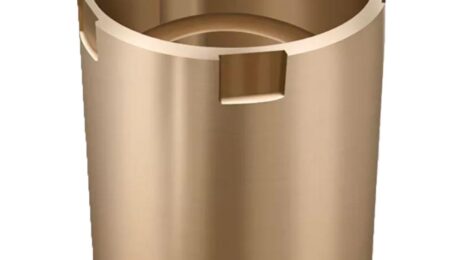
Eccentric Bushing: A Critical Component in Mining Machinery
The mining industry relies heavily on various machinery to extract and process valuable minerals. Among these components, the eccentric bushing plays a pivotal role in the efficient operation of mining equipment. In this article, we will explore everything about eccentric bushings, including their functions, types, materials, and maintenance tips, as well as their application in mining machinery and spare parts.
Understanding Eccentric Bushings
Eccentric bushings are specialized bushings used in various types of mining equipment, including crushers, screeners, and conveyor systems. Their primary function is to create a controlled displacement in rotating machinery, enhancing the performance and reducing wear and tear on components.
What Is an Eccentric Bushing?
An eccentric bushing is a cylindrical component that is intentionally off-center. This offset design allows for adjustments in alignment and spacing, making it crucial in applications that require frequent changes in operational parameters.
The Role of Eccentric Bushings in Mining Machinery
Eccentric bushings serve multiple functions in mining machinery, such as:
- Improving operational efficiency by maintaining proper alignment.
- Reducing vibration and noise levels during machine operation.
- Extending the lifespan of the machinery by minimizing wear.
- Facilitating easier maintenance and adjustments.
Types of Eccentric Bushings
Different types of eccentric bushings cater to various applications within mining machinery. Some common types include:
1. Standard Eccentric Bushings
These are the most commonly used types, designed for general applications.
2. High-Performance Eccentric Bushings
These bushings are engineered to withstand higher loads and extreme conditions often found in heavy-duty mining operations.
3. Custom Eccentric Bushings
Manufacturers can produce custom eccentric bushings tailored to specific machinery requirements, ensuring optimal performance.
Materials Used in Eccentric Bushings
The choice of material for eccentric bushings is crucial for performance and durability. Common materials include:
- Bronze: Offers excellent wear resistance and low friction properties.
- Steel: Provides high strength and durability, suitable for heavy-duty applications.
- Polymer composites: Lightweight and resistant to corrosion, ideal for specific environments.
Application of Eccentric Bushings in Mining Machinery
Eccentric bushings find applications in several types of mining machinery:
1. Crushers
In crushers, eccentric bushings help control the spacing between the moving and fixed jaws, ensuring efficient crushing.
2. Screeners
For screeners, these bushings aid in the vibrating mechanism, ensuring consistent processing of materials.
3. Conveyors
In conveyor systems, eccentric bushings support movement and alignment, promoting smooth transport of materials.
Maintaining Eccentric Bushings
Proper maintenance of eccentric bushings is crucial to ensure their longevity and functionality. Key maintenance tips include:
- Regularly inspect for wear and damage.
- Ensure proper lubrication to reduce friction.
- Monitor operational parameters to avoid excessive loads.
- Replace bushings that show signs of wear or fatigue.
Common Issues with Eccentric Bushings
Like any component, eccentric bushings can experience issues such as:
- Excessive wear due to lack of lubrication.
- Misalignment leading to vibration and noise.
- Corrosion from exposure to harsh environments.
FAQs About Eccentric Bushings
What is the purpose of an eccentric bushing?
The purpose of an eccentric bushing is to provide controlled displacement in machinery, ensuring proper alignment and reducing wear on other components.
How often should eccentric bushings be replaced?
Eccentric bushings should be inspected regularly, and replaced when signs of wear or damage are evident, or as recommended by manufacturers.
Can I use eccentric bushings in other industries?
Yes, eccentric bushings are utilized in various industries beyond mining, including construction, agriculture, and manufacturing.
What are the signs of a failing eccentric bushing?
Signs of a failing eccentric bushing include increased vibrations, unusual noises, and misalignment of machinery components.
Where can I purchase eccentric bushings?
Eccentric bushings can be purchased from specialized machinery suppliers, manufacturers, and online retailers that cater to mining and industrial components.
Conclusion
Understanding eccentric bushings is essential for anyone working with mining machinery. Their critical role in maintaining operational efficiency and minimizing wear makes them indispensable components in the mining industry. By selecting the right type, maintaining them properly, and addressing any issues promptly, operators can ensure their machinery runs smoothly and efficiently.
LSI and NLP Keywords
Eccentric bushing parts, mining machinery components, mining equipment bushings, hydraulic bushings, ore processing machinery, mining machinery maintenance, mining spare parts, wear-resistant bushings, crushing machinery parts, screen machine bushings, heavy-duty bushings, mining machinery suppliers, industrial bushings, adjustable bushings, misalignment in mining machinery, bushing replacements, bushing supplier, mining equipment maintenance, mining industry components.
- Published in Products
The Comprehensive Guide to Breaker Bars in Mining Machinery and Spare Parts
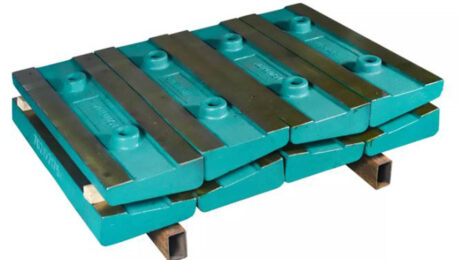
The Comprehensive Guide to Breaker Bars in Mining Machinery and Spare Parts
Breaker bars are vital components in the machinery used for mining purposes. In this guide, we will explore everything you need to know about breaker bars, their significance, types, maintenance, and their role in optimizing mining operations.
1. What is a Breaker Bar?
A breaker bar is an essential part of various mining machinery, particularly in mining equipment such as crushers and grinders. Its primary function is to facilitate the crushing process by impacting and breaking down materials into smaller sizes.
2. Importance of Breaker Bars in Mining Machinery
Breaker bars play a crucial role in enhancing the efficiency of mining operations. By allowing for the effective fragmentation of materials, they contribute to increased productivity and reduced wear and tear on machines.
3. Types of Breaker Bars
3.1. Fixed Breaker Bars
Fixed breaker bars are securely attached to machinery and provide stability and consistent performance during operations.
3.2. Adjustable Breaker Bars
Adjustable breaker bars can be modified based on the needs of the operation, offering flexibility in the size and extent of material fragmentation.
3.3. Heavy-Duty Breaker Bars
Designed for intensive applications, heavy-duty breaker bars withstand high impact forces and operate effectively in harsh mining environments.
4. Materials Used in Breaker Bars
Breaker bars are typically made from high-strength materials, including alloy steels, to ensure durability and longevity in challenging operational conditions.
5. Signs of Wear and Tear in Breaker Bars
Recognizing the signs of wear and tear in breaker bars is vital for effective maintenance. These may include uneven wear patterns, cracks, and deformation.
6. Maintenance of Breaker Bars
Regular maintenance is essential to prolonging the life of breaker bars. Key practices include inspecting for wear, ensuring proper alignment, and replacing damaged parts promptly.
7. How to Replace a Breaker Bar
The process of replacing a breaker bar involves safely shutting down the machinery, removing the damaged bar, and installing a new one following proper guidelines.
8. The Role of Breaker Bars in Crushers
In crushers, breaker bars help reduce the size of ore and other materials, playing a critical part in the overall crushing process.
9. Breaker Bars and Mining Safety
Ensuring the integrity of breaker bars is crucial for the safety of mining operations, as failures can lead to accidents and equipment damage.
10. FAQs about Breaker Bars
What is the lifespan of a breaker bar?
The lifespan of a breaker bar can vary based on factors such as material type, operating conditions, and maintenance practices.
How often should breaker bars be inspected?
Breaker bars should be inspected regularly, with checks performed at least every few weeks, depending on usage intensity.
Can breaker bars be repaired?
In some cases, damaged breaker bars can be repaired, but replacement is often more cost-effective for severely worn parts.
What are the costs associated with breaker bar replacement?
Costs vary based on the type and quality of the breaker bar, with wear and maintenance considerations also affecting overall expenses.
11. Conclusion
Breaker bars are indispensable in mining machinery, impacting the efficiency and safety of operations. Understanding their function, maintenance, and replacement can help mine operators enhance productivity and reduce downtime.
LSI and NLP Keywords Related to Breaker Bar
- Mining equipment
- Crusher spare parts
- Mining machinery components
- Durable mining parts
- Mining operations
- Material fragmentation
- Wear and tear
- Mechanical components
- Heavy machinery
- Performance optimization
Additional Related Terms
- Impact bars
- Crusher bars
- Steel components
- Mining industry
- Equipment maintenance
- Mining safety guidelines
- Published in Products
The Comprehensive Guide to Flywheels in Mining Machinery and Spare Parts
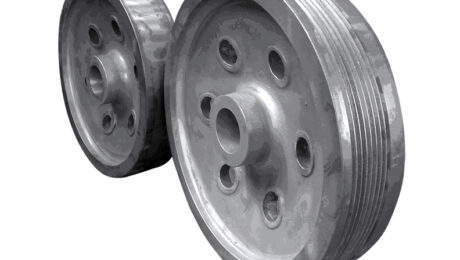
The Comprehensive Guide to Flywheels in Mining Machinery and Spare Parts
In the ever-evolving world of mining machinery, understanding the role of components like the flywheel is essential for optimizing equipment performance and longevity. Flywheels are vital in energy storage and management within mining machines, ensuring smooth operation and reducing wear on other parts. This article delves into all aspects of flywheels, from their design and functions to maintenance and material choices.
What is a Flywheel?
A flywheel is a mechanical device specifically engineered to store rotational energy. In mining machinery, flywheels are integrated into various equipment to aid in energy absorption and smooth operation. The energy stored in a flywheel can be released as needed, making it a critical element in machinery functioning.
The Function of Flywheels in Mining Machinery
Flywheels serve multiple functions in mining operations. They help to:
- Stabilize Energy Output: By storing energy, flywheels help stabilize the output, allowing for a consistent performance in heavy-duty machinery.
- Reduce Engine Load: Flywheels can absorb fluctuations in power demand, thereby lessening the load on the engine.
- Minimize Wear and Tear: With a flywheel’s ability to dampen vibrations, it significantly reduces the stress on other components, leading to improved durability.
Types of Flywheels Used in Mining Machinery
Depending on the application, different types of flywheels are utilized in mining machinery:
- Cast Iron Flywheels: Known for their strength and durability, they are often used in heavy equipment.
- Composite Flywheels: Lighter and more efficient, composite flywheels are becoming increasingly popular in modern machinery.
- Steel Flywheels: Offering robustness and resistance to wear, steel flywheels are prevalent in high-performance applications.
Applications of Flywheels in Mining Machinery
Flywheels find their applications in various pieces of mining equipment such as:
- Excavators: Flywheels in excavators help manage the energy consumption during digging operations.
- Drilling Machines: Maintaining consistent power ensures drilling efficiency.
- Dump Trucks: Flywheels assist in the delivery of power from the engine to the wheels, improving fuel efficiency.
Maintenance of Flywheels in Mining Equipment
Proper maintenance of flywheels is crucial for the optimal functioning of mining machinery. Regular checks should include:
- Visual Inspections: Look for cracks, warps, or signs of wear.
- Lubrication: Ensure appropriate lubrication to minimize friction and wear.
- Balancing: Check the balance to prevent excessive vibrations.
Common Issues with Flywheels
Mining operators often face several challenges regarding flywheels, including:
- Cracks: Due to high-stress environments, flywheels can develop cracks that require immediate attention.
- Out-of-Balance Issues: Improper installation or wear can lead to imbalance, affecting machinery performance.
- Wear and Tear: Continuous operation can lead to a loss of material and reduced effectiveness.
Choosing the Right Flywheel for Mining Machinery
When selecting a flywheel for mining operations, consider factors such as:
- Weight: Heavier flywheels may provide more stability but can affect mobility.
- Material: The chosen material should effectively balance durability and weight.
- Manufacturer Recommendations: Always follow manufacturer guidelines for optimal performance.
Flywheel Spare Parts for Mining Machinery
When replacing or repairing flywheels, sourcing the right spare parts is essential. Companies specializing in mining machinery should offer a variety of flywheel spare parts that fit your particular equipment, ensuring compatibility and performance consistency.
Future Trends in Flywheel Technology
As technology advances, the role of flywheels in mining machinery is likely to evolve. Innovations may include:
- Smart Flywheel Systems: Integration of IoT for real-time monitoring and management.
- Advanced Materials: Development of lighter, stronger materials for better performance.
- Hybrid Integration: Combining flywheel technology with other energy storage systems for improved efficiency.
Frequently Asked Questions about Flywheels
What is the primary purpose of a flywheel in mining machinery?
The primary purpose of a flywheel in mining machinery is to store and manage energy, ensuring a smoother and more efficient operation.
How often should flywheels be inspected?
Flywheels should be inspected regularly, typically as part of scheduled maintenance or every few weeks in high-use situations.
What materials are flywheels commonly made from?
Flywheels are commonly made from materials such as cast iron, composite materials, and steel, each offering various benefits.
Can flywheels be repaired if damaged?
Depending on the extent of the damage, flywheels can often be repaired; however, in many cases, replacement is recommended for optimal performance.
What is the impact of an unbalanced flywheel?
An unbalanced flywheel can cause excessive vibrations, leading to wear on other machine components and potentially causing equipment failure.
Conclusion
In summary, the flywheel plays a critical role in mining machinery by stabilizing energy output and minimizing wear on engine components. Understanding the importance of flywheel maintenance, material selection, and the latest technological advancements can significantly enhance the performance of mining operations. For mining professionals, keeping up with flywheel functionality and maintenance is key to ensuring smooth and efficient machinery operations.
- Published in Products
The Comprehensive Guide to End Frames in Mining Machinery and Spare Parts
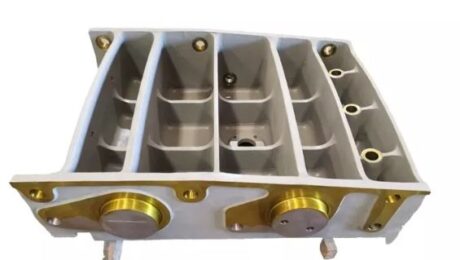
The Comprehensive Guide to End Frames in Mining Machinery and Spare Parts
In the mining industry, the efficacy and durability of equipment are paramount. One essential component that contributes significantly to the strength and functionality of mining machinery is the end frame. This article delves deep into the concept of end frames, their types, applications, advantages, and an in-depth FAQ section.
What is an End Frame?
The end frame is a critical structural component of various mining machines. It acts as the backbone, providing support and housing essential machinery parts. Specifically, end frames are found in equipment such as conveyors, crushers, and excavators. They ensure stability and alignment of operating components to enhance the overall performance of mining machinery.
Types of End Frames in Mining Machinery
End frames can be categorized based on their design, materials, and specific applications:
- Steel End Frames: Known for their strength and durability, steel end frames are commonly used in heavy mining applications.
- Aluminum End Frames: Lightweight and resistant to corrosion, aluminum end frames are ideal for equipment requiring fast and efficient operations.
- Custom Fabricated End Frames: Tailored end frames designed to meet specific machinery needs often optimize performance in unique mining environments.
Key Functions of End Frames
The primary functions of end frames in mining machinery include:
- Providing structural support to the main machinery
- Aligning various mechanical parts for efficient operation
- Facilitating ease of maintenance and repair
- Protecting internal components from dust and debris
Importance of High-Quality End Frames
Investing in high-quality end frames can vastly improve the performance and lifespan of mining machinery. Quality end frames can reduce the potential for breakdowns, enhance repair times, and improve the overall safety of operations.
Materials Used in Manufacturing End Frames
End frames can be constructed using various materials, each offering specific benefits:
- Carbon Steel: Offers excellent strength and is cost-effective.
- Stainless Steel: Provides higher resistance to corrosion and wear.
- Composite Materials: Lightweight and increasingly popular in modern machinery design.
Manufacturing Process of End Frames
The manufacturing of end frames involves several processes:
- Design and modeling using CAD software
- Material selection based on strength and durability requirements
- Fabrication involving cutting, welding, and assembling
- Finishing processes like painting or galvanizing to enhance durability
Maintenance of End Frames
Regular maintenance of end frames ensures longevity and performance:
- Routine inspections for signs of wear or damage
- Regular cleaning to remove dust and contaminants
- Prompt repairs or replacement of damaged parts
Common Issues with End Frames
Some of the most common issues faced with end frames include:
- Corrosion from exposure to harsh mining environments
- Structural fatigue caused by heavy loads
- Misalignment leading to operational inefficiencies
Choosing the Right End Frame for Your Mining Machinery
When selecting an end frame, consider the following factors:
- Compatibility with existing machinery
- Load capacity and durability
- Cost-effectiveness and ease of replacement
End Frames vs. Other Machinery Components
While end frames are integral to mining machines, it’s important to compare them with other components:
- Chassis: The chassis is the base structure, while end frames provide specific support.
- Bearings: Operate within the end frames to facilitate movement; thus, their condition impacts end frame health.
- Sprockets and Drive Components: These require alignment provided by end frames for efficient operation.
Future Trends in End Frame Technology
As technology evolves, the mining machinery industry is seeing advancements in end frame design and manufacturing:
- Smart Materials: Advancements may lead to the use of smart materials that predict maintenance needs.
- 3D Printing: Innovations such as 3D printing could redefine manufacturing processes for end frames.
FAQs about End Frames
What does an end frame do in mining machinery?
The end frame provides structural support for the operation of mining machinery and houses essential components.
How do I know if my end frame needs replacement?
Frequent operational failures, visible wear, and misalignment can indicate a need for replacement.
Can I modify my end frame?
Yes, but modifications should only be carried out by professionals to ensure safety and integrity.
What materials are best for end frames?
Steel and composite materials are commonly used for their strength and durability.
How can high-quality end frames improve my mining operations?
Quality end frames enhance durability, reduce downtime, and increase the overall safety of operations.
Conclusion
Understanding the role of the end frame in mining machinery is essential for ensuring efficiency and safety in operations. By investing in quality products and maintenance, mining companies can significantly enhance their equipment’s performance and longevity.
- Published in Products
