


The Comprehensive Guide to Gearbox in Mining Machinery and Spare Parts

The Comprehensive Guide to Gearbox in Mining Machinery and Spare Parts
Mining machinery is an essential component of the mining industry, ensuring efficient operations and the effective extraction of valuable resources. Central to many types of mining machinery is the gearbox, a critical element that powers various equipment. In this article, we will explore the significance of gearboxes in mining machinery, the types available, their maintenance, and spare parts. We will also answer some frequently asked questions surrounding the topic.
Understanding Gearbox in Mining Machinery
The gearbox is a mechanical device used to increase torque and reduce speed. In mining operations, gearboxes are found in excavators, crushers, conveyors, and many other types of machinery. Their primary role is to transmit power generated by the engine to the machine’s operational components.
Types of Gearboxes Used in Mining Machinery
There are several types of gearboxes used in mining machinery, each designed for specific applications:
1. Planetary Gearbox
Planetary gearboxes are compact and provide high torque efficiency. They are commonly used in heavy machinery like drills and excavators.
2. Helical Gearbox
These gearboxes have teeth that are cut at an angle, allowing for smoother and quieter operation. They are often used in conveyors and crushers.
3. Bevel Gearbox
Bevel gearboxes are designed to change the direction of power transmission, making them ideal for various mining applications.
4. Worm Gearbox
This type of gearbox is known for its ability to provide high torque in a small space. It’s commonly used in conveyor belts.
5. Gear Reduction Units
These units reduce the input speed from the engine, allowing for more effective equipment performance.
The Importance of Gearbox in Mining Machinery
Gearboxes play a vital role in mining operations for various reasons:
- Torque Multiplication: They enhance the torque output to perform heavy-duty tasks effectively.
- Speed Reduction: Gearboxes enable machinery to operate at controlled speeds for safety and efficiency.
- Durability: Mining conditions are harsh; a quality gearbox ensures longevity and reliability.
Common Gearbox Problems in Mining Machinery
Understanding common gearbox issues can help maintain optimal operation:
- Overheating: Caused by insufficient lubrication or excessive load.
- Noise and Vibration: Indicates misalignment or wear of internal components.
- Oil Leaks: Can lead to significant failures if not addressed promptly.
Maintenance Tips for Gearbox in Mining Machinery
Proper maintenance extends the life of gearboxes. Here are some tips:
- Regular Inspections: Frequent checks can catch issues early.
- Lubrication: Use the right type of oil and maintain optimal levels.
- Temperature Monitoring: Keep an eye on operating temperatures to prevent overheating.
Replacement and Spare Parts for Gearboxes
When gearboxes need repair or replacement, finding the right spare parts is essential. Common spare parts include:
- Gear Wheels: Different types for various gearbox models.
- Bearings: Critical for smooth operation.
- Shafts: Must match specifications for effective power transmission.
Choosing the Right Gearbox for Mining Machinery
When selecting a gearbox for mining machinery, consider:
- Load Capacity: Ensure the gearbox can handle the expected loads.
- Environmental Conditions: Choose gearboxes that withstand harsh conditions.
- Efficiency Ratings: Higher efficiency can lead to cost savings in the long run.
Frequently Asked Questions about Gearbox in Mining Machinery
What is the purpose of a gearbox in mining machinery?
The gearbox reduces speed and increases torque, enabling mining equipment to perform efficiently.
How often should a gearbox be maintained?
Regular maintenance is advised, typically every 6 months, though it may vary based on usage.
What are the signs that a gearbox needs repair?
Common signs include unusual noise, overheating, and leaking oil.
Can I use any spare part for a gearbox?
No, it is essential to use specific parts designed for the gearbox model to ensure proper function.
Conclusion
In summary, gearboxes are crucial components of mining machinery that enhance performance and efficiency. Regular maintenance and timely repair of gearboxes and spare parts can significantly impact the overall productivity of mining operations. Understanding the various types of gearboxes and their functions will help operators make informed decisions for their machinery.
LSI and NLP Keywords
Gearbox maintenance, mining equipment, spare parts, planetary gear, helical gear, bevel gear, worm gear, gear reduction, torque, efficiency, oil leaks, overheating gearboxes, mining operations, gear assemblies, heavy machinery parts, lubrication systems, mechanical efficiency.
Related Terms
Mining machinery, spare parts, excavators, crushers, conveyors, torque, power transmission.
- Published in Products
The Comprehensive Guide to Electrical Motors in Mining Machinery and Spare Parts

The Comprehensive Guide to Electrical Motors in Mining Machinery and Spare Parts
Electrical motors are pivotal components in the operation of mining machinery. They power various equipment, ensuring that mining operations run smoothly and efficiently. In this guide, we will delve deep into the significance of electrical motors, their applications, types, maintenance, and their role in enhancing the efficiency of mining operations.
1. Understanding Electrical Motors
Electrical motors convert electrical energy into mechanical energy. They are crucial in powering industrial machines and equipment used in mining. Without reliable electrical motors, the productivity and functionality of mining operations would significantly decline.
2. Types of Electrical Motors Used in Mining Machinery
2.1 AC Motors
AC motors are widely used in mining machinery due to their robustness and efficiency. They can be categorized into two types:
- Induction Motors: Commonly used for heavy-duty applications, these motors are durable and require minimal maintenance.
- Synchronous Motors: These are used for specific applications where precise speed control is necessary.
2.2 DC Motors
DC motors are known for their excellent speed control and torque characteristics, making them suitable for jobs requiring fine adjustments.
3. Key Applications of Electrical Motors in Mining Machinery
Electrical motors are integral to various mining machinery applications:
- Drilling rigs
- Conveyor systems
- Excavators
- Crushers
- Loaders
4. Importance of Electrical Motors in Mining Efficiency
Electrical motors enhance the efficiency of mining operations in several ways:
- Reliability: High-quality electrical motors reduce downtime, ensuring continuous operation.
- Energy Efficiency: Modern electrical motors are optimized for energy savings.
- Performance: Properly maintained motors improve the overall performance of mining machinery.
5. Factors to Consider When Choosing Electrical Motors for Mining Equipment
- Power requirements
- Speed ratings
- Environment and conditions
- Motor size and mounting options
6. Maintenance of Electrical Motors in Mining Machinery
Proper maintenance of electrical motors is crucial for optimal performance:
- Regular Inspections: Periodically check for wear and tear.
- Lubrication: Ensure that motors are appropriately lubricated to prevent overheating.
- Cleaning: Keep motors clean from dust and debris that can affect efficiency.
7. Troubleshooting Common Electrical Motor Issues
Identifying and addressing common problems can enhance the lifespan of electrical motors:
- Overheating: Check for proper ventilation.
- Noisy Operation: Inspect bearings and connecting components.
- Vibration: Assess alignment and balance of the motor.
8. The Future of Electrical Motors in Mining
Innovations in technology are leading to more efficient and powerful electrical motors in mining, making operations smoother and reducing environmental impact.
9. Frequently Asked Questions (FAQ)
9.1 What is the lifespan of an electrical motor in mining machinery?
The lifespan can vary based on usage and maintenance but typically ranges from 5 to 15 years.
9.2 How do you select the right electrical motor?
Consider power requirements, environmental conditions, and operational needs.
9.3 What are common issues with electrical motors?
Common issues include overheating, noise, and vibrations. Regular maintenance can help mitigate these.
9.4 Can electrical motors be repaired?
Yes, many problems can be rectified through proper repairs and maintenance.
9.5 Why are energy-efficient motors important?
Energy-efficient motors reduce operational costs and environmental impact.
10. Relevant Terms and LSI/NLP Keywords
- Electric drive systems
- Mining equipment
- Torque
- Industrial motors
- Motor control systems
- Spare parts
- Electromechanical systems
- Mining technology
- Gearboxes
- VFD (Variable Frequency Drive)
- Low-voltage motors
- High-efficiency motors
- Power transmission
- Maintenance strategies
- Mining operations
- Component reliability
- Performance optimization
In conclusion, electrical motors play an indispensable role in the mining industry. Understanding their types, applications, and maintenance can significantly improve operations and productivity. By investing in high-quality electrical motors and adhering to proper maintenance schedules, companies can ensure their mining machinery remains operational and efficient for years to come.
- Published in Products
The Comprehensive Guide to V Belts in Mining Machinery and Spare Parts

The Comprehensive Guide to V Belts in Mining Machinery and Spare Parts
When it comes to mining machinery, the importance of robust and reliable components cannot be overstated. One such critical component in various mining machines is the V belt. This article delves into the significance of V belts, their applications in mining machinery, maintenance practices, and the different types available, ensuring you’re equipped with all the necessary knowledge.
What is a V Belt?
A V belt is a type of belt used to transfer power between axles, primarily in engines and various machinery applications. Its distinctive trapezoidal cross-section allows it to fit into the grooves of pulleys, providing a higher friction surface, which enhances power transmission efficiency.
The Role of V Belts in Mining Machinery
In mining operations, machinery such as conveyors, crushers, and screening equipment relies heavily on V belts for effective functioning. These belts are instrumental in affecting the machine’s efficiency and longevity.
Types of V Belts Used in Mining
1. Classical V Belts
Traditional V belts available in various sizes and specifications suitable for diverse applications within mining machinery.
2. Wrapped V Belts
These belts are constructed with a fabric cover, providing a protective layer and improved flexibility, which is beneficial in environments subject to abrasion.
3. Cogged V Belts
With notches on the underside, cogged V belts provide better grip and flexibility, making them suitable for higher speed applications in mining machinery.
4. Variable Speed V Belts
Designed for variable speed drives, these belts allow equipment to operate efficiently at varying RPMs, crucial for dynamic mining operations.
Specifications for V Belts in Mining Machinery
Understanding specifications such as length, width, and thickness is vital for selecting the right V belt. Different mining machinery requires specific dimensions to function optimally.
Choosing the Right V Belt for Your Mining Application
When selecting a V belt, consider factors such as:
- The application and machinery type
- Operating conditions (temperature, dirt, moisture)
- Load capacity and torque requirements
- Compatibility with existing pulleys
Maintenance Tips for V Belts in Mining Machinery
Regular maintenance can extend the life of V belts significantly. Here are some tips:
- Inspect belts regularly for wear, cracks, or fraying.
- Ensure proper tension to prevent slippage.
- Check alignment with pulleys to avoid uneven wear.
- Keep the area free of debris and moisture.
Common Problems with V Belts in Mining Machinery
Identifying and troubleshooting common issues can prevent costly downtime:
- Slipping: Often due to improper tension.
- Wear and Tear: Caused by misalignment or contamination.
- Cuts or Fraying: Resulting from foreign objects or excessive heat.
Replacing V Belts: A Step-by-Step Guide
Replacing a worn-out V belt is essential for maintaining machinery efficiency. Follow these steps:
- Turn off and disconnect the machinery.
- Locate the belt path and remove guards as necessary.
- Loosen the tensioner to remove the old belt.
- Install the new belt following the correct path.
- Tighten the tensioner and replace guards.
- Test the machinery to ensure proper function.
Supplier Assessment for Mining Machinery Spare Parts: V Belts
When purchasing V belts, ensure you select a reputable supplier to ensure quality and reliability. Consider their track record, customer service, and guarantee policies.
Frequently Asked Questions (FAQs)
What is the lifespan of a V belt in mining machinery?
The lifespan can vary depending on usage and maintenance, typically ranging from a few months to several years.
How do I know when to replace my V belt?
Signs include visible wear, cracking, fraying, or if the machine shows decreased performance.
Can I use a different type of belt in place of a V belt?
It’s not advisable as different belts are designed for specific applications and may lead to machinery failure.
What should I do if my V belt keeps slipping?
Check the tension, alignment, and ensure there is no damage or debris affecting performance.
Conclusion
V belts play a vital role in the operational efficiency of mining machinery. Understanding their types, maintenance, and troubleshooting methods can lead to improved productivity and reduced downtime. As the backbone of mechanical power transfer, investing time and resources into the proper selection and care of V belts is essential for any mining operation.
LSI and NLP Keywords Related to V Belts
V belt specifications, mining equipment, power transmission, belt maintenance, cogged belts, wrapped V belts, classical V belts, variable speed V belts, conveyor system belts, machinery parts, mining tools, heavy equipment, belt slipping solutions, V belt replacement, tension adjustment, V belt types, durability of V belts, mining spare parts, belt maintenance tips, procurement of V belts, performance of mining equipment.
- Published in Products
Understanding Pinion and Drive Gear in Mining Machinery: Functions, Types, and Maintenance

Understanding Pinion and Drive Gear in Mining Machinery
The mining industry relies heavily on various types of machinery to facilitate extraction processes. Among these components, the pinion and drive gear play a crucial role in transferring power and ensuring efficiency in mining operations. This article delves deep into the importance, types, and maintenance of these essential parts.
What are Pinion and Drive Gear?
In the context of mining machinery, the pinion gear is a small gear that engages with a larger gear, known as the drive gear, to create rotational motion. The meshing of these gears is vital for the operation of several mining machines, including excavators, crushers, and conveyor systems.
The Importance of Pinion and Drive Gear in Mining Machinery
The efficiency of any mining machinery largely depends on the seamless operation of the pinion and drive gear. These components help in different ways:
- Power Transfer: They facilitate the transfer of power from the motor to the machinery.
- Torque Generation: The design of the pinion and drive gear enhances torque generation, crucial for heavy-duty machines.
- Speed Control: They help in controlling the operational speed of the machinery.
- Durability: High-quality gears enhance the durability and longevity of mining equipment.
Types of Pinion and Drive Gear
Understanding the different types of pinion and drive gear is essential to select the right one for your machinery. Here are the common types:
1. Spur Gear
Spur gears are the simplest type of gear, characterized by straight teeth that allow for efficient power transfer. They’re commonly used in mining machinery due to their reliability.
2. Helical Gear
Helical gears feature teeth that are cut at an angle, allowing for smoother engagement and reduced noise, making them ideal for high-speed applications in mining.
3. Bevel Gear
These gears are used when the direction of a shaft’s rotation needs to be changed, making them essential in various mining applications.
Pinion and Drive Gear Material Selection
The materials used in manufacturing pinion and drive gear can significantly affect their performance and durability. Common materials include:
- Steel: Known for its strength and hardness, steel is often used for high-load scenarios.
- Cast Iron: This material provides excellent wear resistance and is often used in less demanding applications.
- Alloyed Materials: These materials are particularly beneficial for high-performance applications, offering enhanced strength and resistance to wear.
Maintenance of Pinion and Drive Gear
Regular maintenance of pinion and drive gear can prolong the service life of mining machinery. Key maintenance practices include:
1. Lubrication
Proper lubrication reduces friction and wear. It is crucial to use the right type of lubricant as per the manufacturer’s specifications.
2. Regular Inspection
Routine inspections can help identify wear and tear early, allowing for timely replacements or repairs.
3. Alignment Checks
Misalignment can lead to premature wear. Regular checks ensure the gears are correctly aligned for optimal performance.
Common Issues with Pinion and Drive Gear
Despite proper maintenance, mining machinery can face issues with pinion and drive gears. Some common problems include:
- Wear and Tear: Over time, gears can wear down, leading to inefficiency.
- Noise: Increased noise can indicate problems with alignment or lubrication.
- Overheating: Insufficient lubrication can cause gears to overheat, leading to catastrophic failure.
FAQ Section
What is the role of pinion and drive gear in mining machinery?
The pinion and drive gear are essential components for transferring power, generating torque, and controlling the speed of mining machinery.
What types of gears are typically used in mining applications?
Common types include spur gears, helical gears, and bevel gears, each suitable for specific applications within mining machinery.
How can I maintain pinion and drive gear effectively?
Regular lubrication, routine inspections, and checking the alignment are critical for maintaining the efficiency of pinion and drive gear.
What materials are used for pinion and drive gears?
Common materials include steel, cast iron, and alloyed materials, chosen based on the application’s load and performance requirements.
Conclusion
The pinion and drive gear are fundamental components of mining machinery, critical for their efficiency and performance. By understanding their types, functions, and maintenance practices, mining operators can ensure optimal performance and longevity of their equipment.
LSI and NLP Keywords
gearbox, machinery, mining equipment, transmission, torque, gear ratio, heavy machinery, mechanical systems, component durability, mining industry, operational efficiency, gear maintenance, lubrication, wear resistance, pinion gear types, spur tooth, helical teeth, bevel gear design, industrial applications, gear alignment, mining spares, repair, performance optimization, mechanical failures, load bearing, mining tools, equipment upkeep.
- Published in Products
The Essential Role of Roller Bearings in Mining Machinery and Spare Parts

The Essential Role of Roller Bearings in Mining Machinery and Spare Parts
Mining machinery is at the heart of the resource extraction industry, and one crucial component that ensures the efficiency and longevity of this machinery is the roller bearing. In this article, we will explore the various aspects of roller bearings, their types, applications in mining machinery, maintenance tips, and frequently asked questions.
Understanding Roller Bearings
Roller bearings are mechanical devices that reduce friction between moving parts. They contain cylindrical rolling elements, which help to support radial loads and axial loads while allowing for smooth rotation. Their design enables them to withstand heavy loads and vibrations, making them an essential part of mining machinery.
Types of Roller Bearings
Cylindrical Roller Bearings
Cylindrical roller bearings consist of cylindrical rolling elements that enhance their load-bearing capacity. They are commonly used in heavy machinery due to their ability to handle high radial loads.
Tapered Roller Bearings
Tapered roller bearings feature conical rolling elements that are designed to endure both radial and axial loads. They are an ideal choice for mining applications where thrust and radial loads occur simultaneously.
Spherical Roller Bearings
These bearings are designed with spherical outer surfaces that allow for self-alignment, reducing maintenance needs in machines that may experience misalignment due to heavy workloads.
Applications of Roller Bearings in Mining Machinery
Roller bearings play a crucial role in various types of mining machinery, including:
Excavators
Excavators rely heavily on roller bearings for smooth movement and operational efficiency while digging and lifting heavy loads.
Dump Trucks
The robust design of roller bearings in dump trucks ensures the reliable transportation of materials from mining sites to processing plants.
Crushers and Mills
Roller bearings are essential components in crushers and mills, allowing for smooth operation and processing of mined materials.
Conveyors
Conveyor systems use roller bearings to facilitate the movement of materials, reducing friction and enhancing efficiency.
Maintenance of Roller Bearings in Mining Machinery
Proper maintenance of roller bearings is essential to ensure their longevity and performance. Key maintenance practices include:
Regular Inspection
Inspect roller bearings for signs of wear, damage, or misalignment regularly. Early detection of problems can prevent catastrophic failures.
Lubrication
Ensure that roller bearings are adequately lubricated to reduce friction and heat generation. Use the manufacturer-recommended lubricants for optimal performance.
Temperature Monitoring
Monitor the temperature of roller bearings during operation. Overheating can indicate a failure, so timely adjustments are necessary.
Choosing the Right Roller Bearing for Mining Machinery
When selecting roller bearings for mining applications, consider factors such as:
Load Capacity
The load capacity of the bearing must be suitable for the specific application to ensure reliable performance.
Environmental Conditions
Choose bearings that can handle the harsh mining environment, including exposure to dust, dirt, and moisture.
Manufacturer Reputation
Select roller bearings from reputable manufacturers known for their quality and reliability in the mining industry.
FAQ Section
What is a roller bearing?
A roller bearing is a type of bearing that uses rolling elements to support loads and reduce friction between moving parts.
What are the different types of roller bearings?
Types of roller bearings include cylindrical roller bearings, tapered roller bearings, spherical roller bearings, and needle roller bearings.
How do roller bearings affect the performance of mining machinery?
Roller bearings improve the efficiency, load capacity, and lifespan of mining machinery by reducing friction and supporting heavy loads.
What maintenance is required for roller bearings in mining applications?
Regular inspection, proper lubrication, temperature monitoring, and alignment checks are essential maintenance practices for roller bearings.
Conclusion
Roller bearings are vital components of mining machinery that significantly enhance performance and efficiency. By understanding their types, applications, and maintenance practices, operators can ensure the longevity and effectiveness of their equipment. For the best results, choose high-quality roller bearings suited for the demanding conditions in the mining industry.
LSI and NLP Keywords
roller bearing types, mining machinery components, bearing maintenance tips, heavy machinery bearings, lubrication for roller bearings, excavator roller bearings, tapered bearings, cylindrical bearings, spherical bearings, mining equipment spare parts, bearing load capacity, mining machinery performance, bearing selection guide, industrial bearings, maintenance of machinery, mining equipment efficiency, bearing lubrication techniques, vibrations in machinery, bearing failure signs, environmental conditions for bearings.
- Published in Products
Ultimate Guide to Tramp Release Cylinder in Mining Machinery

Ultimate Guide to Tramp Release Cylinder in Mining Machinery
The tramp release cylinder plays a pivotal role in the functionality of mining machinery, particularly in cone crushers and similar equipment. Understanding the significance, operation, and maintenance of tramp release cylinders can directly influence the efficiency and longevity of mining operations. This comprehensive guide covers everything you need to know about tramp release cylinders, including their design, types, applications, maintenance tips, and frequently asked questions.
What is a Tramp Release Cylinder?
A tramp release cylinder is a hydraulic component found in crushing machines that enables the release of uncrushable materials. When an uncrushable object enters the crushing chamber, the tramp release cylinder activates to allow the eccentric to move up, thereby separating the object from the crushing material, thus preventing damage to the machinery.
Importance of Tramp Release Cylinders in Mining Machinery
In mining operations, the ability to manage uncrushable objects is crucial. Tramp release cylinders enhance the efficiency of crushing processes, reduce downtime, and minimize wear and tear on machinery parts. By facilitating swift release, they protect essential machinery components and ensure continuous operation.
Types of Tramp Release Cylinders
- Hydraulic Tramp Release Cylinders: Utilize hydraulic pressure to operate, allowing for precise control and faster response times.
- Pneumatic Tramp Release Cylinders: Operate using compressed air, suitable for lighter machinery.
- Electromechanical Tramp Release Cylinders: Integrate electric motors with mechanical systems for more controlled operations.
How Do Tramp Release Cylinders Work?
When a tramp object is detected, hydraulic fluid pressure is modified, causing the tramp release cylinder to extend or retract. This movement allows the crushing head to lift and create enough space for the object to pass through, after which the system resets to its original position.
Applications of Tramp Release Cylinders in Mining Machinery
Tramp release cylinders are primarily used in:
- Cone Crushers: Essential for safeguarding the integrity of crushing operations.
- Jaw Crushers: Provide additional security against uncrushable materials.
- Aggregate Processing Plants: Enhance the productivity of screening and crushing systems.
- Mineral Processing Equipment: Protect machinery from unexpected foreign objects.
Maintenance of Tramp Release Cylinders
Regular maintenance of tramp release cylinders is vital for optimal performance. Here are some maintenance tips:
- Regularly inspect hydraulic lines and connections for leaks.
- Check and replace oil regularly to ensure smooth operation.
- Keep the cylinder free from debris to prevent jamming.
- Test the system for responsiveness and ensure it activates properly during uncrushable incidents.
Common Issues with Tramp Release Cylinders
Understanding potential problems related to tramp release cylinders can aid in timely troubleshooting:
- Failure in hydraulic pressure: Requires inspection of hydraulic pumps and lines.
- Leaking cylinders: Often caused by worn-out seals.
- Slow response times: May indicate issues with hydraulic fluid viscosity or system blockages.
Choosing the Right Tramp Release Cylinder for Your Mining Machinery
When selecting a tramp release cylinder, consider the following factors:
- Type of mining machinery in use
- Size and pressure requirements
- Compatibility with existing systems
- Manufacturer reputation and quality assurance
Tramp Release Cylinder Replacement: When Is It Necessary?
It may become necessary to replace a tramp release cylinder when:
- Frequent failures occur despite maintenance efforts.
- Visible damage or wear is noted during inspections.
- The cylinder does not respond correctly to signals or commands.
Frequently Asked Questions (FAQ)
What is the primary function of a tramp release cylinder?
The primary function of a tramp release cylinder is to allow the release of uncrushable materials in order to prevent damage to the machinery.
How often should tramp release cylinders be maintained?
Routine maintenance should be conducted at regular intervals, often recommended every three to six months, depending on usage.
What are common materials that cause tramp issues?
Common tramp materials include metal, wood, and large rocks that unintentionally enter the machinery during operations.
Can tramp release cylinders be retrofitted to existing machines?
In many cases, yes, tramp release cylinders can be retrofitted, but it is essential to consult with manufacturers or technical experts for compatibility.
What are signs of a failing tramp release cylinder?
Signs include slow response to uncrushable material detection, fluid leaks, and visible wear or deformation of the cylinder.
Conclusion
In conclusion, the tramp release cylinder is an indispensable component of mining machinery, ensuring efficient operations and equipment longevity. Understanding its workings, maintenance requirements, and potential issues can lead to safer and more productive mining practices.
LSI and NLP Keywords Related to Tramp Release Cylinder
- Hydraulic cylinder
- Cone crusher parts
- Mining equipment
- Uncrushable material management
- Hydraulic systems
- Mineral crushing
- Ore processing equipment
- Heavy machinery maintenance
- Mining industry standards
- Operational efficiency in mining
- Spare parts for crushers
- Equipment troubleshooting
- Preventive maintenance strategy
- Crushing technology
- Mineral processing techniques
- Published in Products
Understanding Bowl Assembly in Mining Machinery and Spare Parts
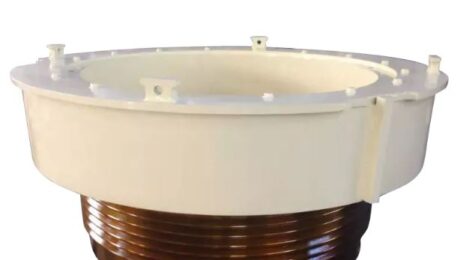
Bowl Assembly: A Key Component in Mining Machinery
The bowl assembly plays a crucial role in the operation of mining machinery, serving as an integral part of various types of equipment. In this article, we will explore what bowl assemblies are, their components, functionality, maintenance, and much more related to mining machinery and spare parts.
What is a Bowl Assembly?
A bowl assembly is an assembly of components in mining machinery that facilitates the efficient processing of materials. These assemblies are commonly found in equipment such as crushers, vibrating screens, and other heavy-duty machinery used in the mining sector.
The Importance of Bowl Assembly in Mining Machinery
The bowl assembly is vital for the effective operation of mining machinery. It influences the overall performance, durability, and efficiency of the machinery. Understanding the significance of bowl assemblies can help operators maximize productivity and reduce downtime.
Key Functions of a Bowl Assembly
The bowl assembly performs several key functions in mining machinery including:
- Controlling the material flow
- Enhancing the crushing process
- Minimizing operational wear and tear
- Facilitating easy replacement and maintenance
Components of a Bowl Assembly
A typical bowl assembly comprises several essential parts:
- Bowl Liner: Protects the bowl assembly and helps in the crushing process.
- Adjustment Ring: Allows for adjustments to the gap between the bowl liner and the crushing head.
- Bowl Mounting: The support structure for the bowl assembly.
- Screws and Fasteners: Ensure the stability and security of the assembly.
Types of Bowl Assemblies Used in Mining Machinery
Diverse types of bowl assemblies are utilized in mining machinery, each designed for specific applications:
- Standard Bowl Assembly: Commonly used in various crushers.
- Short Head Bowl Assembly: Designed for finer materials.
- Medium Bowl Assembly: Offers a balance between standard and short head assemblies.
Maintenance of Bowl Assemblies in Mining Machinery
Proper maintenance of bowl assemblies will ensure their longevity and optimal performance. Here are some maintenance tips:
- Regularly inspect the bowl assembly for any signs of wear.
- Ensure that all screws and fasteners are tightened properly.
- Monitor the performance of the machinery to identify any anomalies.
- Replace worn components promptly to avoid further damage.
How to Replace Bowl Assembly in Mining Machinery
Replacing a bowl assembly can be a complex task; however, following proper procedures ensures safety and efficiency:
- Power down the equipment and ensure it is secure.
- Carefully remove the current bowl assembly by detaching screws and fasteners.
- Install the new bowl assembly, ensuring it fits correctly.
- Check all fasteners before operating the machinery again.
Cost Considerations for Bowl Assemblies and Spare Parts
The cost of bowl assemblies can vary significantly depending on factors such as material quality, manufacturer, and specific design. Investing in high-quality bowl assemblies and spare parts can lead to reduced operational costs in the long run.
Common Issues and Troubleshooting with Bowl Assemblies
Identifying common issues associated with bowl assemblies can prevent unnecessary downtime. Here are some typical issues:
- Inconsistent material flow due to misalignment.
- Excessive wear of the bowl liner leading to frequent replacements.
- Improper adjustments causing decreased efficiency.
Future Trends in Bowl Assembly Design and Manufacturing
With advancing technology, bowl assemblies are evolving. The future trends in bowl assembly design may include:
- Increased use of durable materials to prolong life.
- Advanced engineering for improved performance.
- Integration of smart technologies for real-time monitoring and maintenance alerts.
Conclusion
Understanding bowl assemblies is essential for anyone involved in mining machinery operations. As a key component, they not only affect the machinery’s performance but also influence overall operational efficiency. Proper care, maintenance, and timely replacement of bowl assemblies will ensure the smooth operation of mining equipment.
FAQ
What is a bowl assembly in mining machinery?
A bowl assembly is a critical component of mining machinery that aids in the effective processing of materials.
Why is bowl assembly important?
Bowl assembly plays an essential role in controlling material flow, enhancing crushing processes, and minimizing operational wear.
How often should bowl assemblies be inspected?
Bowl assemblies should be inspected regularly as part of routine maintenance to ensure optimal performance.
What are the signs that a bowl assembly needs replacement?
Signs include excessive wear, misalignment, and inefficient material flow during processing operations.
What are the costs associated with bowl assemblies?
Costs can vary widely based on factors like material quality and manufacturer; investing in quality can lead to long-term savings.
What future trends can we expect in bowl assembly design?
Future trends may involve the use of advanced materials, smarter designs, and real-time monitoring technologies for better performance.
- Published in Products
The Ultimate Guide to Head Assembly in Mining Machinery: Spare Parts and More
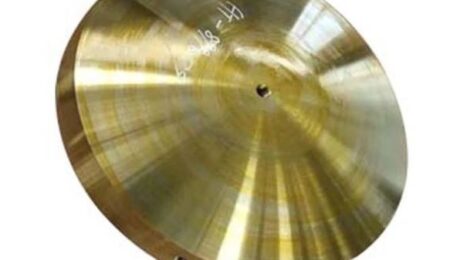
The Ultimate Guide to Head Assembly in Mining Machinery
Mining machinery is at the core of the exploration, extraction, and processing of raw materials. Among its most critical components is the head assembly, a vital part that can significantly affect the efficiency and productivity of mining operations. In this comprehensive article, we will explore the importance of head assemblies in mining machinery, the various types available, maintenance tips, and when to consider spare parts.
What is Head Assembly?
The head assembly is a crucial component of many mining machines, primarily those involved in crushing and grinding operations. It typically houses parts such as the drive mechanism, bearings, and various seals that allow for efficient operation. Understanding its function is essential for any mining professional.
Types of Head Assemblies
There are several types of head assemblies used across different mining machinery:
- Crusher Head Assembly: Found in crushers, this assembly is designed to break down large ores into smaller pieces.
- Milling Head Assembly: Integral to milling machines, facilitating the grinding of materials.
- Drilling Head Assembly: Employed in drilling rigs, allowing for precise drilling of holes in the earth’s surface.
- Hydraulic Head Assembly: Often used in equipment that requires hydraulic power to operate effectively.
Importance of Head Assembly in Mining Operations
The head assembly plays a pivotal role in ensuring the smooth operation of mining machinery. A well-functioning head assembly can lead to higher productivity, less downtime, and cost savings. Conversely, a malfunctioning assembly can halt operations and lead to expensive repairs.
Key Components of Head Assembly
The head assembly is composed of several key components, each playing a specific role:
- Bearings: Support the rotating parts and reduce friction.
- Seals: Prevent the ingress of dirt and contaminants, which can lead to wear and failure.
- Drive Shaft: Transfers power from the motor to the operating equipment.
- Housing: Protects the internal components from damage.
Head Assembly in Different Types of Mining Machinery
Various mining machines utilize different head assemblies:
- Excavators: Use hydraulic head assemblies to manage attachment tools.
- Loaders: Have head assemblies that interact with buckets for loading materials.
- Crushers: Heavily rely on robust head assemblies for effective material processing.
Maintenance of Head Assembly
Proper maintenance of head assemblies is essential for longevity. Here are some tips:
- Regular Inspections: Check for wear and tear, loose parts, and alignment issues.
- Lubrication: Keep bearings and other friction components well-lubricated to reduce wear.
- Replace Worn Parts: Address any damaged components promptly to prevent further issues.
When to Consider Spare Parts for Head Assembly
Head assemblies can wear out over time, and knowing when to replace parts is crucial:
- High Operating Hours: If machinery is frequently used, consider regular replacements.
- Performance Issues: Noticeable declines in machine performance can indicate head assembly issues.
- Visual Inspections: Any visible damage or rust may necessitate immediate replacement.
Benefits of Quality Spare Parts
Investing in quality spare parts for head assemblies can yield significant benefits:
- Increased Reliability: Quality parts tend to last longer and perform better.
- Cost Efficiency: Reduces the need for frequent replacements and repairs.
- Enhanced Performance: Helps maintain the operational efficiency of mining machinery.
FAQs about Head Assembly in Mining Machinery
- What is the primary function of a head assembly in mining machinery?
- The primary function of a head assembly is to support the various mechanical operations of mining equipment, including crushing and grinding. It houses critical components such as bearings, seals, and drive shafts.
- How can I identify when my head assembly needs maintenance?
- Signs that your head assembly needs maintenance include unusual noises, decreased machine performance, and visible wear or damage during inspections.
- Are there aftermarket spare parts available for head assemblies?
- Yes, aftermarket spare parts are often available and can be a cost-effective option for replacing head assembly components.
- What tools do I need for head assembly maintenance?
- Basic tools for head assembly maintenance may include wrenches, screwdrivers, lubrication tools, and inspection gauges.
- How often should I replace head assembly components?
- The frequency of replacement depends on usage and operating conditions but regular inspections can help determine the best schedule.
Conclusion
Understanding the head assembly’s role and maintenance in mining machinery is critical for optimizing performance and minimizing downtime. By investing in quality parts and adhering to maintenance routines, operators can enhance the longevity and efficiency of their mining operations.
LSI and NLP Keywords for Head Assembly
- Mining Equipment
- Head Assembly Parts
- Machinery Maintenance
- Mining Operations
- Spare Parts
- Hydraulic Systems
- Performance Optimization
- Casting and Forging
- Crushing and Grinding
- Heavy Machinery
- Engineering Components
- Industrial Applications
- Wear and Tear
- Replacement Components
- Reliability Engineering
- Operational Efficiency
- Published in Products
Understanding T Seals in Mining Machinery and Spare Parts
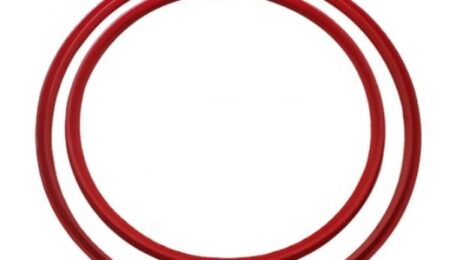
Understanding T Seals in Mining Machinery and Spare Parts
Mining machinery plays a crucial role in the extraction of minerals and resources from the earth. One essential component that ensures the efficient operation of this machinery is the T seal. T seals are vital for maintaining the performance and longevity of mining equipment, ensuring that systems remain leak-free and operate smoothly.
What is a T Seal?
A T seal is a type of sealing element, often utilized in hydraulic and pneumatic systems within mining machinery. This sealing solution is designed in the shape of a ‘T’, which helps it create a tight seal between two surfaces, preventing the escape of fluids or gases. Due to their unique design, T seals can accommodate a wide range of movements and tolerances, making them ideal for various mining applications.
Importance of T Seals in Mining Machinery
- Leak Prevention: One of the primary functions of T seals is to mitigate the risk of leaks. In mining operations, leaks can lead to significant losses and compromise safety.
- Durability: T seals are made from robust materials that can withstand harsh environments, including high pressures, temperatures, and abrasive conditions often found in mining operations.
- Maintenance Efficiency: With T seals effectively preventing leaks, maintenance teams can focus on other maintenance needs without frequent interruptions for seal replacements.
Types of T Seals Used in Mining Machinery
There are several varieties of T seals used in mining machinery, each designed for specific applications:
- Standard T Seals: Commonly used in hydraulic cylinders to provide reliable sealing.
- Back-up T Seals: These seals serve to support the primary seal and prevent extrusion under high-pressure scenarios.
- Custom T Seals: Tailored to specific machinery requirements, these seals can be designed for unique dimensions and material properties.
Materials Used for T Seals
The materials chosen for T seals are critical for their performance. Common materials include:
- Nitrile Rubber (NBR): Known for its excellent sealing properties in petroleum-based fluids.
- Fluorocarbon Rubber (FKM): This material offers high temperature resistance and chemical compatibility.
- Polyurethane: Valued for its abrasion resistance and durability.
Common Applications of T Seals in Mining Machinery
T seals find numerous applications within the mining industry:
- Hydraulic Cylinders: Essential components of numerous mining machines such as excavators and loaders.
- Pneumatic Equipment: Used in air-operated systems to prevent air leaks.
- Gearboxes: Ensuring that lubricants remain contained within gear systems, enhancing machine longevity.
How to Choose the Right T Seal for Your Mining Machinery
Selecting the right T seal involves considering several factors:
- Application Requirements: Identify the machinery’s operational conditions such as pressure, temperature, and the type of fluids in use.
- Material Compatibility: Ensure the seal material is compatible with the fluids used in the equipment.
- Size and Design: Measure the dimensions accurately to ensure the seal fits perfectly in the designated assembly.
Installation Guidelines for T Seals
Correct installation of T seals is paramount to their performance:
- Cleaning the Surfaces: Ensure that the surfaces where the seal will be installed are clean and free from debris.
- Lubrication: Use a compatible lubricant to make the installation easier and prevent damage to the seal.
- Proper Orientation: Ensure that the T seal is oriented correctly to avoid compression and distortion upon installation.
Maintenance Tips for T Seals in Mining Machinery
To maximize the lifespan of T seals, consider the following maintenance practices:
- Regular Inspections: Periodically check for signs of wear or fluid leaks around seal areas.
- Replacement Schedule: Establish a proactive replacement schedule based on usage to prevent unexpected failures.
- Control Environmental Conditions: Manage temperature and exposure to aggressive chemicals to enhance seal durability.
FAQs about T Seals in Mining Machinery
1. What are T seals used for in mining machinery?
T seals are used in hydraulic and pneumatic systems within mining machinery to prevent fluid leaks and ensure optimal performance.
2. What materials are T seals made from?
T seals are commonly made from nitrile rubber, fluorocarbon rubber, and polyurethane.
3. How do I know if my T seal needs to be replaced?
Signs such as fluid leaks, reduced machine performance, or visible wear on the seal indicate that it may need to be replaced.
4. Can T seals be reused?
It is not recommended to reuse T seals, as they may not provide the same level of performance due to wear and deformation.
5. How can I select the right T seal for my machinery?
Consider factors such as application requirements, material compatibility, and accurate measurements for selecting the right T seal.
LSI and NLP Keywords Related to T Seal
- Hydraulic seals
- Pneumatic seals
- Mining equipment maintenance
- Sealing solutions
- Leak-proof seals
- Industrial seals
- Sealing technology
- Hydraulic machinery
- T-seal applications
- Spare parts for mining machinery
- Mining industry components
- Heavy machinery seals
- Fluid sealing technology
- Seal installation tips
- Preventive maintenance in mining
- Long-lasting seals
- Mining machinery reliability
- Innovative sealing technologies
- Compatible seal materials
- Seal wear indicators
- Mining operations safety
Conclusion
In conclusion, T seals are an indispensable component in mining machinery, serving to enhance operational efficiency and safety. By understanding the importance, types, materials, installation, and maintenance of T seals, operators can ensure the longevity and reliability of their equipment. Investing in the right T seals and maintaining them properly can lead to substantial cost savings and efficient mining operations.
- Published in Products
The Comprehensive Guide to U Seals in Mining Machinery and Spare Parts
The Comprehensive Guide to U Seals in Mining Machinery and Spare Parts
Mining machinery operates in some of the roughest environments on the planet, and ensuring that every piece of equipment runs smoothly requires reliable components. One critical component in various types of mining machinery is the U seal. This article delves deep into everything you need to know about U seals, their applications, types, maintenance, and importance in mining operations.
What is a U Seal?
A U seal, often referred to as a U-shaped seal or U-ring, is a type of sealing device designed to prevent leakage of fluids in machinery. They are primarily made from elastomeric materials that provide the necessary flexibility and durability to withstand the harsh conditions of mining operations.
Applications of U Seals in Mining Machinery
U seals are utilized in various components of mining machinery, such as hydraulic cylinders, pumps, and various mobile equipment. They play a vital role in preventing contamination and maintaining the integrity of hydraulic systems. Common applications include:
- Hydraulic Cylinders: U seals ensure that the hydraulic fluid remains sealed within the cylinder, providing the necessary pressure for operation.
- Pumps: Used in mining operations for water and slurry pumping, U seals help prevent leakage and maintain efficiency.
- Mobile Equipment: Found in dump trucks, loaders, and excavators, U seals are vital for the smooth operation of mechanical systems.
Types of U Seals
U seals come in various types, each designed for specific applications in mining machinery:
- Standard U Seals: Basic models used in general applications.
- U Seals with Lip Design: Enhances sealing capabilities, often used in high-pressure environments.
- Custom U Seals: Tailored designs for specialized machinery or tasks.
Choosing the Right U Seal for Your Equipment
When selecting a U seal, consider the following factors:
- Material Composition: Different materials offer varying levels of resistance to chemicals, temperature, and wear.
- Size and Compatibility: Ensure the U seal fits the application perfectly to avoid leaks.
- Working Conditions: Evaluate the environment in which the seal will operate, including pressure and temperature ranges.
Maintenance of U Seals in Mining Machinery
Proper maintenance of U seals is crucial for their longevity and effectiveness:
- Regular Inspections: Check for wear and tear, and replace seals as needed.
- Lubrication: Keep seals lubricated to reduce friction and wear.
- Proper Installation: Ensure seals are correctly installed to prevent damage during operation.
Common Issues with U Seals and Solutions
Understanding common issues with U seals can help in troubleshooting:
- Leakage: Often due to wear, improper installation, or material degradation. Solution: Regular inspection and timely replacement.
- Worn Edges: Can occur from friction or contaminants. Solution: Ensure proper lubrication.
Why U Seals are Essential in Mining Operations
U seals play a critical role in maintaining efficient and safe mining operations by ensuring machinery operates as intended. A failure in U seals can lead to catastrophic equipment failure or hazardous leaks of hydraulic fluids.
FAQs About U Seals in Mining Machinery
What materials are U seals made from?
U seals are typically made from various elastomeric materials, including rubber, polyurethane, and PTFE. The choice of material impacts their durability and suitability for specific applications.
How often should U seals be replaced?
U seals should be inspected regularly and replaced when signs of wear or damage are evident, typically after several hundred operating hours, depending on the conditions.
Can U seals be used in high-temperature applications?
Yes, certain materials used for U seals are designed to withstand high temperatures, but it is essential to choose the right material for your specific operational requirements.
How do I know if my U seal is failing?
Common signs of failing U seals include leakage, decreased system pressure, or visible wear and tear during inspections.
Conclusion
In conclusion, U seals are a fundamental component in the performance of mining machinery. Understanding their function, types, and maintenance will ensure optimal performance and longevity of your equipment. Be proactive in inspections and replacements to prevent any operational downtime, enhancing overall productivity in your mining operations.
- Published in Products
