


The Essential Guide to Head Bolts and Lock Bolts in Mining Machinery and Spare Parts
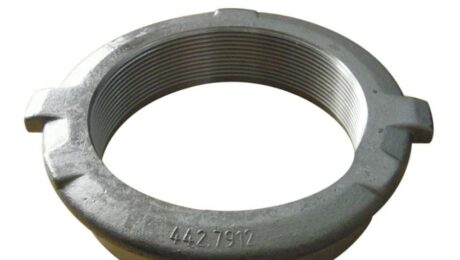
The Essential Guide to Head Bolts and Lock Bolts in Mining Machinery and Spare Parts
Mining machinery plays a crucial role in extracting valuable minerals from the earth. Within this intricate ecosystem of heavy-duty equipment, specific components are vital for ensuring seamless operations. Among these components, head bolts and lock bolts are essential fasteners that contribute to the overall integrity and functionality of mining machinery. This comprehensive guide will delve into the significance of head bolts and lock bolts, their applications, types, and best practices for maintenance and replacement, all while addressing frequently asked questions.
1. Understanding Head Bolts
1.1 What is a Head Bolt?
A head bolt is a type of fastener designed to hold engine components together. In mining machinery, head bolts are vital for securing the cylinder head to the engine block, playing a critical role in maintaining engine integrity and performance.
1.2 Applications of Head Bolts in Mining Machinery
Head bolts are extensively used in various mining machines, including excavators, haul trucks, and bulldozers. Their primary function is to secure high-stress components, thereby ensuring the efficient operation of the machinery.
1.3 Types of Head Bolts
There are several types of head bolts used in mining machinery:
- Standard Head Bolts: Typically used in most machinery.
- Torque-to-Yield Head Bolts: Designed for specific applications where high torque is required.
- Flanged Head Bolts: Provide a larger bearing surface to distribute loads.
2. Understanding Lock Bolts
2.1 What is a Lock Bolt?
Lock bolts are a type of mechanical fastener known for their ability to secure components without loosening over time. Their design aids in maintaining structural integrity under high vibration conditions, making them ideal for the mining industry.
2.2 Applications of Lock Bolts in Mining Machinery
Lock bolts are predominantly used in areas subjected to dynamic loads, such as chassis assemblies and structural supports in mining machinery, ensuring safety and reliability.
2.3 Types of Lock Bolts
Different types of lock bolts are utilized in the mining sector:
- Blind Lock Bolts: Can be installed in tight spaces without access to the back of the fastened material.
- Pin Lock Bolts: Provide exceptional resistance to loosening forces.
3. The Importance of Head Bolts and Lock Bolts in Mining Machinery
3.1 Enhancing Safety and Reliability
Both head bolts and lock bolts enhance the safety of mining machinery by preventing failures and ensuring secure assemblies. Their robust design is essential for coping with the extreme conditions often experienced in mining environments.
3.2 Cost-Effectiveness
Using quality head bolts and lock bolts can significantly reduce maintenance costs, as they minimize the risk of equipment failures that lead to costly downtime.
3.3 Influence on Performance
The performance of mining machinery largely depends on the integrity of its fasteners. Properly functioning head bolts and lock bolts ensure optimal machinery performance and longevity.
4. Maintenance and Replacement of Head Bolts and Lock Bolts
4.1 Regular Inspections
Conducting regular inspections on head bolts and lock bolts is crucial for early detection of wear and tear. Look for signs of corrosion or physical damage that may compromise their effectiveness.
4.2 Replacement Guidelines
When replacing head bolts or lock bolts, it is vital to follow manufacturer guidelines regarding torque specifications and bolt materials to ensure compatibility and maximize performance.
4.3 Best Practices for Maintenance
Some best practices include:
- Using anti-seize lubricant when installing.
- Re-torquing head bolts after initial installation.
- Keeping spare parts on hand for quick replacements.
5. FAQ Section
5.1 What materials are head bolts made of?
Head bolts are typically made from high-strength steel alloys that can withstand high temperatures and pressures.
5.2 How do you know when to replace head bolts?
Signs that you need to replace head bolts include visible wear, rust, and when the torque specifications cannot be met during reinstallation.
5.3 What are the advantages of using lock bolts?
Lock bolts provide excellent vibration resistance, ensuring that they do not loosen over time compared to traditional fasteners.
5.4 Can I use any type of bolt for my mining machinery?
No, it is essential to use manufacturer-recommended bolts to ensure proper fit and performance.
5.5 How often should I inspect head bolts and lock bolts?
It is advisable to inspect head bolts and lock bolts during routine maintenance checks, typically every 500 operating hours or as per the manufacturer’s recommendation.
6. Conclusion
Head bolts and lock bolts may seem like small components, but their role in the functionality and safety of mining machinery cannot be overstated. Understanding their applications, types, and maintenance can lead to better decision-making in mining equipment management. Invest in quality fasteners, follow maintenance best practices, and ensure your machinery operates at peak efficiency.
- Published in Products
The Essential Guide to Anti Clogging Screen Meshes in Mining Machinery

The Essential Guide to Anti Clogging Screen Meshes in Mining Machinery
Mining operations rely heavily on efficient machinery, and one critical component is the screen mesh. In this article, we’ll delve into the concept of anti clogging screen meshes and their significance in the mining industry. This comprehensive guide will cover various types of anti clogging screen meshes, their benefits, applications, maintenance, and how they contribute to enhancing performance in mining machinery.
What are Anti Clogging Screen Meshes?
Anti clogging screen meshes are specialized components used in mining machinery to prevent blockages caused by materials that do not pass through the screen. These screens are crucial in the separation and classification of materials, enhancing productivity, and ensuring the smooth operation of various mining processes.
Types of Anti Clogging Screen Meshes
1. Polyurethane Anti Clogging Screen Meshes
Polyurethane meshes are known for their excellent elasticity and abrasion resistance. They are widely used in mining applications where durability is paramount.
2. Steel Wire Anti Clogging Meshes
Steel wire meshes provide high strength and are effective in high-impact conditions. Their configuration can be adjusted to improve flow and reduce clogging.
3. Rubber Anti Clogging Screen Meshes
Rubber meshes offer flexibility and resistance to chemical damage, making them suitable for various mining applications.
Benefits of Using Anti Clogging Screen Meshes
1. Enhanced Efficiency
Using anti clogging screen meshes significantly increases the efficiency of mining operations by allowing for uninterrupted material flow.
2. Reduced Maintenance Costs
By preventing clogging, these meshes lower the frequency of maintenance and repair, leading to reduced overall costs.
3. Improved Product Quality
With better separation and classification of materials, the quality of the final product is enhanced, leading to higher profitability.
Applications of Anti Clogging Screen Meshes in Mining Machinery
1. Coal Mining
In coal mining, anti clogging screen meshes are essential for efficient separation of coal from impurities.
2. Mineral Processing
These screens are used in various mineral processing applications, ensuring effective classification of materials by size.
3. Sand and Gravel Production
In sand and gravel operations, anti clogging meshes help maintain a consistent flow of materials through screening processes.
Choosing the Right Anti Clogging Screen Mesh
1. Material Compatibility
Consider the materials that will come into contact with the mesh to ensure compatibility.
2. Size and Configuration
The size of the mesh and its opening configuration should match the specific requirements of the mining operation.
3. Durability and Strength
Assess the durability and strength of the mesh to withstand the conditions of the mining environment.
Maintenance of Anti Clogging Screen Meshes
1. Regular Inspection
Conducting regular inspections of the screen meshes can help identify wear and tear before they lead to significant issues.
2. Cleaning Procedures
Implementing effective cleaning procedures is crucial to maintaining the efficiency of the anti clogging meshes.
3. Replacement Guidelines
Establishing guidelines for when to replace meshes can ensure consistent performance throughout the operations.
Frequently Asked Questions About Anti Clogging Screen Meshes
1. What are anti clogging screen meshes?
Anti clogging screen meshes are designed to prevent the blockage of materials in mining machinery, enhancing operational efficiency.
2. How do anti clogging screens work?
They utilize specific designs and materials to allow materials to pass through while reducing the likelihood of buildup and clogging.
3. What materials are anti clogging screen meshes made from?
They can be made from various materials, including polyurethane, steel wire, and rubber, depending on the application.
4. How often should anti clogging screens be inspected?
Regular inspections at intervals of a few weeks or months, depending on the application, are recommended to ensure optimal performance.
5. Can anti clogging screen meshes be customized?
Yes, many manufacturers offer customization options to meet the specific needs of different mining applications.
Conclusion
Anti clogging screen meshes are a vital component of mining machinery that plays a significant role in enhancing productivity and efficiency. By understanding the various types, benefits, and maintenance requirements of these meshes, mining operations can optimize their processes, reduce costs, and improve overall product quality. Make sure to choose the right type of screen mesh for your specific needs and establish a regular maintenance schedule to ensure prolonged efficiency and performance.
- Published in Products
Comprehensive Guide to Screen Meshes in Mining Machinery and Spare Parts
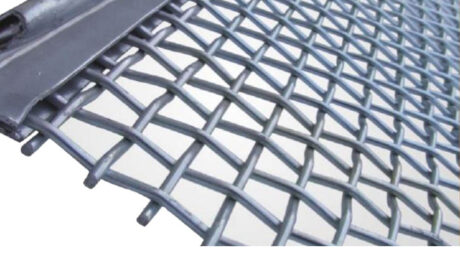
Comprehensive Guide to Screen Meshes in Mining Machinery and Spare Parts
In the mining machinery industry, screen meshes play a critical role in various processes such as screening, sieving, and classifying materials. This article provides an extensive overview of screen meshes, their types, applications in mining machinery, and the spare parts associated with them.
What are Screen Meshes?
Screen meshes are filtering materials used to separate particles of different sizes in mining operations. They consist of networks of wires or fibers that allow certain sizes of particles to pass while retaining others. This separation is vital in the preparation of mineral resources and enhances efficiency in mining processes.
Types of Screen Meshes Used in Mining Machinery
1. Wire Mesh Screens
Wire mesh screens are one of the most common types of screen meshes used in mining machinery. They are made from high-carbon steel, stainless steel, or other alloys, offering a robust structure for heavy-duty applications.
2. Perforated Screens
Perforated screens are made by punching holes into a solid sheet of metal, providing a durable option for separating larger particles from finer materials.
3. Polyurethane Screens
Polyurethane screens combine flexibility and durability, making them ideal for specific mining applications. They are resistant to wear and chemicals.
4. Rubber Screens
Rubber screens are useful in minimizing noise and vibration. They are particularly useful in high-impact applications within the mining sector.
Applications of Screen Meshes in Mining Machinery
1. Crushing and Screening Plants
Screen meshes are integral to crushing and screening plants, where they help in classifying materials into different sizes.
2. Ore Processing
In ore processing, various types of screen meshes are used to grade and separate valuable minerals from waste materials.
3. Recycling of Materials
Screen meshes also play a crucial role in recycling operations within the mining sector, allowing the recovery of valuable materials from waste.
Choosing the Right Screen Mesh for Your Mining Equipment
When selecting a screen mesh, consider factors such as material type, mesh size, and application requirements. It is important to match the screen mesh’s properties with the specific characteristics of the material being processed.
Screen Mesh Specifications and Standards
Compliance with industry standards and specifications for screen meshes ensures optimal performance and safety within mining operations.
Maintenance and Replacement of Screen Meshes
Routine maintenance of screen meshes is essential to prolong their life. Regular inspections, cleaning, and timely replacements can enhance equipment efficiency and reduce downtime.
Common Issues with Screen Meshes
Some common issues include clogging, wear and tear, and improper mesh sizing. Identifying and resolving these issues promptly is crucial to maintaining optimal performance.
Cost Factors in Screen Meshes
Investment in quality screen meshes can significantly impact the overall production cost. Lower-quality meshes may lead to increased downtime and material waste.
Future Trends in Screen Mesh Technology
Advancements in materials and manufacturing technology continue to improve the efficiency and lifespan of screen meshes. Innovations like self-cleaning screens and customizable mesh configurations are becoming more prevalent.
Frequently Asked Questions (FAQ)
What are the different types of screen meshes?
The different types of screen meshes include wire mesh screens, perforated screens, polyurethane screens, and rubber screens.
How do I choose the right screen mesh for my application?
Consider factors such as the material type, desired particle size, and specific application requirements when choosing the right screen mesh.
How often should screen meshes be replaced?
Screen meshes should be inspected regularly, and replacements should be made based on wear, damage, or decreased performance.
What are common causes of screen mesh wear?
Common causes of wear include material impact, clogging, and chemical reactions with the materials being processed.
Related Keywords
- Mining screen parts
- Mining filtration systems
- Mesh sizes in mining
- Industrial screen applications
- Separation technology in mining
- High-frequency screens
- Vibrating screen meshes
- Mining screen suppliers
- Screen mesh materials
- Performance of screen meshes
- Mining machinery components
- Screening solutions
- Mesh tensioning in mining
- Durability of mining screens
Conclusion
In conclusion, screen meshes are a pivotal component in mining machinery and spare parts, significantly affecting the efficiency and effectiveness of mining operations. By understanding the different types, applications, maintenance requirements, and advancements in technology, mining industry stakeholders can make informed decisions to enhance their processes.
- Published in Products
The Ultimate Guide to Feed Eye Ring in Mining Machinery
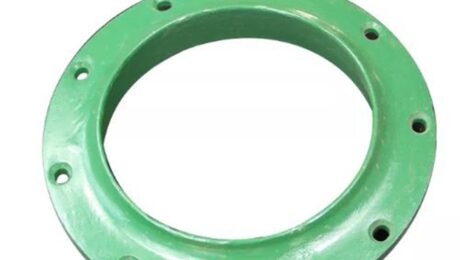
The Ultimate Guide to Feed Eye Ring in Mining Machinery
Understanding the significance of the feed eye ring in mining machinery is essential for the efficiency and effectiveness of mining operations. This detailed guide aims to provide a comprehensive overview of what a feed eye ring is, its applications, the types available, and maintenance practices.
What is a Feed Eye Ring?
The feed eye ring is an integral component of various mining machinery used during the extraction of minerals. This part serves as a connection point in equipment such as crushers and feeders, ensuring a steady flow of materials.
Importance of the Feed Eye Ring in Mining Machinery
In mining operations, the durability and performance of a feed eye ring can greatly affect the output of the machinery. A well-functioning feed eye ring enhances the efficiency of the process, thereby reducing operational costs.
Types of Feed Eye Rings
1. Standard Feed Eye Ring
This is the most common type of feed eye ring used in various mining operations.
2. Heavy-Duty Feed Eye Ring
Designed for rugged environments, heavy-duty feed eye rings offer increased durability and longevity.
3. Customized Feed Eye Rings
These are tailored to fit specific machinery models and operational requirements.
Materials Used in Manufacturing Feed Eye Rings
Different materials are employed in the manufacturing of feed eye rings to accommodate various operational demands and environments. Common materials include:
- Steel: Offers high strength and wear resistance.
- Cast Iron: Provides excellent durability and stability.
- Alloy Materials: Used for specialized applications requiring specific physical or chemical properties.
Applications of Feed Eye Rings
The applications of feed eye rings encompass several areas within mining, including:
- Crushing plants
- Conveyors
- Screening machinery
- Milling equipment
Performance Factors Influencing Feed Eye Rings
The performance of a feed eye ring is influenced by several factors:
- Material Quality: Ensures longevity and resistance to wear and tear.
- Design Specifications: Impacts the efficiency of material flow.
- Maintenance Practices: Regular checks and timely replacements can enhance performance.
Optimal Maintenance Practices for Feed Eye Rings
Maintaining the health of your feed eye rings is crucial for minimizing downtime.
- Regular Inspections: Helps identify wear and tear early.
- Cleaning: Ensures no build-up of material occurs.
- Replacement: Adhere to manufacturer guidelines for timely replacement.
Common Issues with Feed Eye Rings
Several problems may arise with feed eye rings, such as:
- Wear and tear leading to improper fit.
- Cracking due to excessive load or poor material quality.
- Incompatibility with specific machinery types.
Feed Eye Ring Spare Parts
The availability of feed eye ring spare parts is crucial. Having the right spare parts can significantly reduce downtime and maintain operational efficiency.
Where to Buy Feed Eye Rings and Spare Parts
Purchasing high-quality feed eye rings and their spare parts is essential for ensuring the longevity of your machinery. Trusted sources include:
- Original Equipment Manufacturers (OEMs)
- Authorized distributors
- Reputable online platforms
Feed Eye Ring FAQs
What is the purpose of a feed eye ring?
The feed eye ring serves as a crucial component to maintain a steady flow of materials within various mining machinery.
How do I know when to replace my feed eye ring?
Regular inspections will help identify signs of wear and ensure replacements are made before performance degrades.
Can feed eye rings be customized?
Yes, feed eye rings can be customized to fit specific machinery or operational needs.
Where can I purchase feed eye rings?
You can purchase feed eye rings from OEMs, authorized distributors, or reputable online platforms.
Conclusion
Understanding the significance and functionality of the feed eye ring in mining machinery is paramount for maintaining operational efficiency. By ensuring you have the right type and performing regular maintenance, mining operations can run smoothly and minimize costly downtimes.
LSI and NLP Keywords Related to Feed Eye Ring
- Mining equipment spare parts
- Crusher components
- Material flow optimization
- Mining machinery parts
- Durable mining parts
- Mining equipment maintenance
- Mining machinery design
- Mining supplies
- Spare part replacement
- Mining tools
- Heavy machinery components
- Wear-resistant materials
- Mining industry standards
- Published in Products
Comprehensive Guide to Feed Tubes in Mining Machinery and Spare Parts

Feed Tube: Essential Component in Mining Machinery
In the world of mining machinery, the feed tube plays a critical role in the overall efficiency and effectiveness of operations. Whether it’s transporting materials or ensuring the proper functioning of equipment, understanding the significance of feed tubes and their spare parts can vastly improve mining operations.
What is a Feed Tube?
A feed tube is a hollow, cylindrical component used in various types of mining machinery. Its primary function is to transport materials, such as ores or rocks, from one part of the machinery to another. It ensures a steady flow of material, enabling optimal performance of mining equipment.
Types of Feed Tubes
1. Steel Feed Tubes
Steel feed tubes are known for their durability and strength. They are essential for heavy-duty mining operations where the risk of wear and tear is high.
2. Rubber Feed Tubes
Rubber feed tubes are designed to be flexible and resilient, suitable for operations that require movement and bending, providing a degree of shock absorption.
3. Composite Feed Tubes
Combining both metal and rubber, composite feed tubes offer the best of both worlds—strength and flexibility.
Importance of Feed Tubes in Mining Machinery
Feed tubes are vital for several reasons:
- Material Transport: Efficiently moves materials through the machinery.
- Equipment Performance: Properly functioning feed tubes ensure that machinery operates at optimal levels.
- Minimized Downtime: High-quality feed tubes reduce the likelihood of breakdowns and maintenance needs.
Common Feed Tube Applications in Mining Equipment
- Excavators
- Crushers
- Conveyors
- Screening Equipment
Understanding Feed Tube Spare Parts
The longevity and efficiency of feed tubes often rely on their spare parts. Here we explore the different kinds of spare parts available:
1. Feed Tube Connectors
These components help to securely connect feed tubes to other machinery parts, ensuring a tight seal to prevent leaks and enhance efficiency.
2. Feed Tube Seals
Seals are crucial for preventing the escape of materials and minimizing wear on the tubes.
3. Feed Tube Clamps
Clamps secure the feed tubes in place, preventing movement that can lead to damage over time.
Best Practices for Maintaining Feed Tubes
- Regular Inspection: Periodically check for signs of wear and tear.
- Cleaning: Keep the tubes clear of blockages to maintain efficiency.
- Replacement: Address any issues promptly by replacing damaged parts.
Common Problems with Feed Tubes and How to Solve Them
1. Blockages
Blockages can occur due to material accumulation. Implementing regular cleaning schedules helps alleviate this issue.
2. Leaks
Leaks can happen due to worn seals or faulty connectors. Inspect and replace these components as necessary.
3. Wear and Tear
Prolonged use can lead to degradation of feed tubes, necessitating periodic inspections and timely replacements.
Choosing the Right Feed Tube for Your Mining Operations
When selecting feed tubes for your mining machinery, consider the following criteria:
- Material Compatibility: Ensure the feed tube material aligns with the type of materials being transported.
- Equipment Specifications: Match the size and capacity of feed tubes to the machinery’s requirements.
- Durability: Opt for high-quality materials that can withstand harsh mining environments.
FAQs About Feed Tubes in Mining Machinery
What are feed tubes used for in mining machinery?
Feed tubes are used to transport materials between different parts of mining machinery, ensuring efficient material handling.
What materials are feed tubes made of?
Feed tubes can be made of steel, rubber, or composite materials depending on the intended application and environment.
How can I tell if my feed tube needs replacing?
Signs include visible wear, leaks, blockages, or diminished equipment efficiency.
Where can I find spare parts for feed tubes?
Spare parts for feed tubes can be found through specialized mining machinery suppliers or online marketplaces.
How often should feed tubes be inspected?
It is advisable to inspect feed tubes regularly, ideally on a monthly basis, to catch potential problems early.
Conclusion
Understanding the function and importance of feed tubes in mining machinery is essential for maintaining efficiency and minimizing downtime. By choosing the right materials, performing routine maintenance, and being aware of potential issues, mining operations can significantly enhance their productivity.
LSI and NLP Keywords Related to Feed Tube
- Mining machinery
- Feed tube maintenance
- Spare parts for mining machinery
- Durable feed tubes
- Material transport systems
- Flexibility in feed tubes
- Mining equipment efficiency
- Feed tube problems
- Feed tube applications
- High-quality feed tubes
- Feed tube specifications
- Mining industry best practices
- Published in Products
The Essential Guide to Wear Plates in Mining Machinery: Importance, Types, and Maintenance

Wear Plates: An Indispensable Component in Mining Machinery
Wear plates are crucial components used in various mining machinery to protect against wear and extend equipment lifespan. They act as a barrier between abrasive materials and machinery surfaces, absorbing the impact of materials and reducing the risk of damage. In this comprehensive guide, we delve into the importance of wear plates, their types, applications, and maintenance practices.
What Are Wear Plates?
Wear plates are engineered materials that are installed in specific areas of mining machinery to mitigate wear and tear caused by abrasive materials. They are designed to withstand harsh operating conditions and are available in various materials including steel, plastic, and composites.
The Importance of Wear Plates in Mining Machinery
When it comes to mining, the machinery is subject to extreme stress and abrasive impacts. Wear plates are essential for:
- Protection: They shield critical components from wear damage.
- Cost-efficiency: By extending equipment life, they help reduce replacement costs.
- Performance enhancement: They improve machinery efficiency and reliability.
Common Types of Wear Plates in Mining Equipment
1. Steel Wear Plates
Steel wear plates are the most commonly used type in mining machinery due to their strength and durability. They can handle high-impact forces and are available in various grades and thicknesses.
2. Polyethylene Wear Plates
These are lighter than steel and provide excellent resistance to corrosion and chemicals, making them suitable for specific applications.
3. Ceramic Wear Plates
Ceramic wear plates offer superior hardness and are perfect for highly abrasive conditions but are more brittle than other materials.
4. Composite Wear Plates
Made from a combination of materials, composite wear plates can be tailored to meet specific performance requirements.
Applications of Wear Plates in Mining Industries
Wear plates find applications in various types of mining machinery such as:
- Excavators
- Loaders
- Haul trucks
- Crushers
- Conveyor systems
Installing Wear Plates: Best Practices
Proper installation of wear plates is essential for optimal performance. Here are some best practices:
- Ensure a clean surface before installation.
- Use appropriate adhesives or fasteners as per manufacturer recommendations.
- Regularly inspect installed plates for signs of wear or damage.
Maintenance Tips for Wear Plates
To maximize the lifespan of wear plates, implement the following maintenance tips:
- Schedule regular inspections.
- Check for loose fittings or signs of wear.
- Replace plates that show significant wear before they fail.
Cost Considerations: Are Wear Plates Worth the Investment?
While the upfront cost of wear plates can be substantial, the long-term savings in equipment repair and downtime often justify the investment. By enhancing the resilience of mining machinery, wear plates can lead to increased productivity and efficiency.
FAQs About Wear Plates in Mining Machinery
What is a wear plate?
A wear plate is a protective layer installed on machinery surfaces to reduce wear caused by abrasive materials.
How do I choose the right wear plate?
Choosing the right wear plate depends on factors like the type of material being handled, the nature of the operation, and specific wear conditions.
How often should wear plates be replaced?
Wear plates should be inspected regularly. Replace them as soon as you notice significant wear or damage to prevent further damage to machinery.
Can wear plates be repaired?
In some cases, minor damage can be repaired, but replacement is often recommended for severely worn plates.
Are there any alternatives to wear plates?
Alternatives include protective coatings and liners, but wear plates are typically more effective in high-abrasion scenarios.
Conclusion: Investing in Quality Wear Plates for Mining Machinery
In conclusion, wear plates play a pivotal role in enhancing the longevity and performance of mining machinery. Whether you opt for steel, polyethylene, ceramic, or composite wear plates, investing in high-quality options will yield significant returns in terms of reduced maintenance costs and improved operational efficiency. Stay proactive with regular inspections and maintenance to ensure your wear plates deliver the protection you need.
- Published in Products
The Comprehensive Guide to Mining Machinery Distributors and Spare Parts Distribution

The Essential Role of Distributors in Mining Machinery
Mining machinery is pivotal to the efficiency and effectiveness of mining operations. The role of a distributor in this industry cannot be understated. Distributors facilitate access to various types of mining equipment and spare parts, ensuring operations can run smoothly and safely.
What is a Mining Machinery Distributor?
A mining machinery distributor is an entity that sells and distributes mining equipment and their associated spare parts. They often work directly with manufacturers and provide a crucial link between them and mining companies. Their role includes not just selling equipment but also providing essential services like maintenance, repair, and customer support.
Why Choose a Reliable Distributor?
Choosing the right distributor for mining machinery is critical for several reasons. First, reliability in equipment supply can reduce downtime in operations. Additionally, a reliable distributor often offers quality spare parts, which are vital for the longevity of mining equipment.
Benefits of an Experienced Distributor
- Access to High-Quality Products
- Expert Knowledge on Mining Machinery
- Comprehensive Customer Support
- Timely Delivery of Spare Parts
Types of Mining Machinery Distributed
There are various types of mining machinery distributed in the market:
1. Excavators and Shovels
These are essential for digging and pulling large amounts of earth and material.
2. Drilling Machines
Used for creating holes in the earth for blasting or other operations.
3. Crusher and Screening Equipment
This equipment is used to reduce the size of mined material and sort it.
4. Loaders and Haul Trucks
These are utilized to transport materials from one location to another within the mining site.
5. Conveyors
These devices are integral for moving bulk material located deep underground to the surface.
Mining Machinery Spare Parts Distribution
Spare parts are crucial for the smooth operation of any mining machinery. A good distributor will have a vast inventory of spare parts to ensure minimal downtime.
Types of Spare Parts Available
- Engines and Power Trains
- Hydraulic Components
- Gears and Transmission Parts
- Wear Parts (e.g., buckets, blades)
- Electrical Components
How to Find a Mining Machinery Distributor
Finding the right distributor can be a challenging task. Here are some steps to guide you:
1. Research Online
Utilize search engines to find local distributors. Look for reviews and testimonials.
2. Networking
Engage with industry professionals to get referrals.
3. Assessment of Inventory
Ensure the distributor stocks a wide range of machinery and spare parts.
Key Factors to Consider When Selecting a Distributor
1. Product Quality
Always check the quality of the products offered by the distributor.
2. Customer Service
Examine the level of customer service you can expect, including post-purchase support.
3. Pricing Structure
Compare pricing between different distributors to ensure competitive rates.
Frequently Asked Questions (FAQs)
What should I look for in a mining machinery distributor?
Look for reliability, quality of product, wide range of machinery and spare parts, and excellent customer support.
How can a distributor help my mining operation?
A distributor ensures that you have access to the necessary equipment and spare parts, thus minimizing downtime and enhancing efficiency.
What kinds of spare parts do mining machinery distributors offer?
They offer a wide range of parts, including engines, hydraulic components, wear parts, and more.
How important is customer service in choosing a distributor?
Customer service is crucial as it supports you not just during the sale, but also for maintenance and future needs.
Conclusion
Selecting the right mining machinery distributor is crucial in ensuring that your mining operations run smoothly. By understanding the importance of distributors and the products they offer, you can make informed decisions that will support the longevity and efficiency of your machinery.
LSI and NLP Keywords
Here are some related terms and phrases that can help optimize your article further: mining equipment suppliers, heavy machinery distributors, spare parts suppliers, mining machinery maintenance, machinery servicing, underground mining equipment, surface mining machinery, aftermarket parts, construction equipment distributors, industrial machinery parts, and mining truck dealers.
Additional Related Terms
mining technology, equipment leasing, machinery marketplace, drilling and blasting, excavation services, safety equipment for mining, sustainable mining practices, mining operations management, and mineral extraction technology.
- Published in Products
The Importance of Feed Cones in Mining Machinery: A Comprehensive Guide
The Importance of Feed Cones in Mining Machinery
Mining machinery is essential in extracting valuable minerals and resources from the earth. Within this machinery, the feed cone plays a critical role in the efficiency of operations. In this article, we will delve into everything there is to know about feed cones, including their purpose, types, maintenance, and the significance of feed cone spare parts in the mining industry.
What is a Feed Cone?
A feed cone is a component in mining machinery, primarily found in grinding and crushing equipment. Its main function is to guide the material into the equipment, ensuring an even distribution that optimizes performance and reduces wear and tear.
Types of Feed Cones
1. Cone Crushers Feed Cones
Cone crushers are widely used in the mining industry, and their feed cones help direct the incoming material efficiently. This ensures optimal crushing performance.
2. Ball Mill Feed Cones
In ball mills, feed cones facilitate the flow of material into the grinding chamber, enabling maximum output and reducing drying time.
3. Vertical Shaft Impact (VSI) Feed Cones
VSI machines utilize feed cones to direct materials into the rotor at the correct angle, promoting effective crushing and shaping of materials.
The Role of Feed Cones in Operational Efficiency
Feed cones are instrumental in enhancing the operational efficiency of mining equipment. Their design allows for uniform material feeding, which reduces blockages and increases throughput. By maintaining a consistent feed rate, these cones help to optimize the overall performance of the machinery.
Impact on Material Flow
Proper feed cone design ensures a steady flow of material, helping to reduce downtime due to equipment jamming.
Wear and Tear Reduction
High-quality feed cones minimize wear on other machine components by evenly distributing forces and preventing excessive strain.
Maintenance of Feed Cones
1. Regular Inspection
It’s essential to regularly inspect feed cones for signs of wear and damage. Early detection helps prevent significant failures.
2. Cleaning and Lubrication
Keeping the feed cone area clean and properly lubricated is vital for its longevity and performance.
3. Replacement of Wear Parts
Replacing worn feed cones and spare parts promptly prevents reduced operational efficiency and potential machinery breakdowns.
Mining Machinery Spare Parts for Feed Cones
Mining machinery spare parts are vital for maintaining the efficiency of feed cones. These parts can vary significantly depending on the machinery type but generally include:
1. High-Quality Steel Components
Durable steel parts ensure longevity and withstand the harsh conditions of mining operations.
2. Customizable Designs
Many manufacturers offer customizable feed cones to meet specific operational needs and enhance compatibility with existing machinery.
Common Questions About Feed Cones
1. What materials are feed cones made of?
Feed cones are typically made from high-strength steel or alloys designed to resist wear and damage under harsh mining conditions.
2. How often should feed cones be inspected?
It is recommended to inspect feed cones at least once per month, or more frequently in high-use environments.
3. What are the signs of a worn feed cone?
Common signs include uneven material flow, increased vibrations, and visible wear or damage on the cone surface.
4. Can feed cones be repaired?
In some cases, feed cones can be repaired if the damage is not significant; however, replacement is often the best option for extensive wear.
Conclusion
Understanding the significance of feed cones in mining machinery is crucial for maximizing operational efficiency and minimizing downtime. Regular maintenance and the timely replacement of spare parts can prolong the life and performance of these essential components, ensuring the overall success of mining operations.
LSI and NLP Keywords Related to Feed Cone
- Mining equipment
- Crushing process
- Material handling
- Grinding efficiency
- Machine components
- Operational productivity
- Cone geometry
- Mining industry
- Spares and replacements
- Equipment lifespan
- Flow dynamics
- Mining machinery maintenance
- Material distribution
- Performance optimization
Other Related Terms
- Crusher parts
- Spare components
- Cone design
- Material flow management
- Mining machinery parts
- Durability of components
- Process efficiency
- Mechanical wear prevention
- Customized feed solution
- Published in Products
Comprehensive Guide to Frame Liners in Mining Machinery and Spare Parts

Frame Liners in Mining Machinery: A Detailed Overview
In the mining industry, the efficiency and longevity of machinery are critical for successful operations. One of the vital components that contribute to this efficiency is the frame liner. This article delves into the significance of frame liners, their applications in mining machinery, and why they are indispensable for maintaining equipment performance.
What is a Frame Liner?
A frame liner is a protective component usually made from heavy-duty materials, designed to enhance the structural integrity of mining machinery. These liners are typically installed in areas subject to considerable wear and tear, providing a resilient barrier that absorbs impact and reduces friction.
Importance of Frame Liners in Mining Machinery
The primary purpose of frame liners in mining machinery includes:
- Protection: Frame liners safeguard the machinery’s frame from abrasive materials, prolonging the lifespan of the equipment.
- Efficiency: By reducing wear and tear, frame liners help maintain optimal operational efficiency.
- Cost-effectiveness: The use of frame liners can lead to a reduction in maintenance costs over time.
- Enhanced Performance: Properly installed frame liners contribute to the overall performance of mining machines.
Types of Frame Liners
Frame liners can be classified into several types, each suitable for different machinery and operational conditions:
- Rubber Frame Liners: Known for their flexibility and excellent shock-absorbing properties.
- Steel Frame Liners: Ideal for heavy-duty applications, providing robust protection against mechanical impacts.
- Composite Frame Liners: Combining materials for improved performance and durability.
Applications of Frame Liners in Mining Machinery
Frame liners are used in various types of mining machinery, including but not limited to:
- Excavators: Protecting the boom and arm from wear.
- Loaders: Minimizing abrasive wear on the chassis.
- Crushers: Enhancing the durability of the frame under heavy load.
Choosing the Right Frame Liner
When selecting a frame liner, consider the following factors:
- Material: Choose based on the operational environment and type of mining.
- Durability: Ensure that the liner can withstand the conditions it will face.
- Compatibility: Frame liners must fit seamlessly with your existing machinery.
Installation and Maintenance of Frame Liners
Proper installation is crucial for the performance of frame liners. It is advisable to follow manufacturer guidelines and consult with professionals when necessary:
- Pre-Installation Checks: Inspect the machinery and ensure that all components are clean and free from damage.
- Installation Process: Follow systematic procedures to ensure correct placement.
- Regular Maintenance: Regular checks and maintenance will aid in identifying wear and tear early.
Common Issues Associated with Frame Liners
Some issues that may arise with frame liners include:
- Wear and Tear: Excessive wear due to harsh operating conditions.
- Improper Installation: Can lead to misalignment and ineffectiveness.
- Material Fatigue: Liners made from lower-quality materials may fail prematurely.
Frame Liner FAQs
Here are answers to some frequently asked questions regarding frame liners:
- What are the benefits of using frame liners? They provide protection, enhance efficiency, and reduce maintenance costs.
- How often should frame liners be replaced? This depends on the level of wear and the specific machinery used.
- Can frame liners be repaired? In some cases, yes, but replacement is often recommended for optimal performance.
- What materials are frame liners made from? They can be made from rubber, steel, composites, and other specialized materials.
- Where can I find frame liners for my equipment? Frame liners can be sourced from OEM suppliers, specialized machinery parts dealers, or directly from manufacturers.
Exploring Frame Liners’ Role in Mining Spare Parts
Understanding frame liners also involves recognizing their place in the broader category of mining machinery spare parts. These components play a significant role in keeping mining operations running smoothly and efficiently. Ensuring you have high-quality spare parts, including frame liners, is essential for long-term operational success.
Conclusion
In conclusion, frame liners are a crucial component of mining machinery that significantly impacts performance and durability. By understanding their importance, types, applications, and maintenance, mining operations can enhance the lifespan and functionality of their equipment. Investing in quality frame liners will lead to improved mining efficiencies and reduced operational costs.
Related Keywords
Mining machinery, mining spare parts, frame liner installation, frame liner maintenance, frame liner benefits, heavy-duty frame liners, mining equipment protection, abrasion-resistant liners, liner materials, customized frame liners, aftermarket frame liners, mining industry components, equipment longevity, mining machinery efficiency.
- Published in Products
The Essential Guide to Nuts in Mining Machinery and Spare Parts

The Essential Guide to Nuts in Mining Machinery and Spare Parts
In the world of mining machinery, every component plays a crucial role in ensuring operational efficiency. Among them, nuts, though seemingly simple, hold significant importance in the assembly and functionality of mining equipment. This comprehensive guide will explore everything related to nuts in mining machinery, their various types, applications, maintenance, and the critical role they play in ensuring safety and performance.
Understanding Nuts in Mining Machinery
Nuts are mechanical fasteners used in conjunction with bolts to secure multiple components in mining machinery. Their primary function is to provide a secure hold, ensuring that equipment can withstand the harsh conditions often encountered in mining operations.
Types of Nuts Used in Mining Machinery
1. Hex Nuts
Hex nuts are among the most commonly used nuts in mining machinery. Their six-sided shape allows for easy gripping and tightening, providing robust securing capabilities.
2. Lock Nuts
Lock nuts are designed to prevent loosening under vibration, making them ideal for environments that involve heavy machinery movement.
3. Wing Nuts
Wing nuts, with their protruding sides, allow for easy manual tightening and loosening, providing convenience during quick repairs.
4. Flange Nuts
Flange nuts feature a wider base that distributes load more evenly, reducing the likelihood of damage to equipment. They are crucial in applications where the surface area of contact is limited.
The Role of Nuts in Mining Machinery Spare Parts
When it comes to spare parts for mining machinery, the quality and type of nuts used can greatly influence the longevity and efficiency of the machinery. Using substandard nuts can lead to frequent breakdowns, increasing downtime and maintenance costs.
Factors to Consider When Choosing Nuts for Mining Machinery
Choosing the right nuts for mining machinery involves several factors:
- Material: Nuts are available in various materials such as steel, stainless steel, and nylon. The material selection depends on the specific requirements of the machinery and operational conditions.
- Size: Proper sizing is essential to ensure that nuts fit securely on bolts. Misalignment can lead to ineffective fastening and potential machinery failure.
- Coating: Some nuts are coated for enhanced resistance to corrosion and wear.
Maintenance of Nuts in Mining Machinery
Regular maintenance of nuts is critical for the overall health of mining machinery. Operations should include:
- Regular inspections to identify any signs of wear or loosening.
- Replacing worn or damaged nuts promptly to avoid operational issues.
- Applying the proper torque specifications during installation to maintain a secure grip.
Common Issues with Nuts in Mining Machinery
Some common issues faced with nuts in mining machinery include:
- Corrosion: Exposure to harsh environmental conditions can lead to corrosion, weakening the nut’s structure.
- Vibration Loosening: Vibrations from heavy machinery can cause nuts to loosen, requiring regular checks.
- Over-tightening: Excessive torque can cause damage, resulting in premature failure.
Best Practices for Nut Installation in Mining Machinery
- Ensure the threads of the bolt and nut are clean and free of debris before installation.
- Use a torque wrench to apply the recommended torque.
- Consider using locking mechanisms, such as lock washers, to prevent loosening.
FAQs about Nuts in Mining Machinery and Spare Parts
What materials are nuts made of in mining machinery?
Nuts can be made from various materials including carbon steel, stainless steel, and alloy materials, depending on the specific requirements of the mining operation.
What are lock nuts and why are they important?
Lock nuts are designed to prevent loosening due to vibrations; they are especially essential in heavy machinery applications where movement is constant.
How can I prevent nuts from loosening in mining machinery?
To prevent nuts from loosening, ensure proper installation with the correct torque, use lock nuts or washers, and conduct regular inspections.
When should I replace nuts in mining machinery?
Nuts should be replaced if they show signs of wear, corrosion, or if they have become loose repeatedly despite proper maintenance.
Can I use different types of nuts interchangeably in mining equipment?
While some nuts may be interchangeable, it is crucial to use the appropriate type specified for your mining equipment to ensure safety and effectiveness.
Conclusion
Nuts, though small components, play an invaluable role in the functionality and safety of mining machinery. Understanding their types, applications, and maintenance is essential for optimizing performance in mining operations. By following best practices and ensuring the quality of these fasteners, mining companies can minimize downtime and increase overall efficiency.
LSI and NLP Keywords Related to Nuts in Mining Machinery
- Mining fasteners
- Bolts and nuts
- Heavy machinery nuts
- Nuts and bolts maintenance
- Industrial nuts
- Nuts for construction equipment
- Mining machinery components
- Fasteners for mining
- Metal nuts
- Nut specifications
Additional Related Terms
- Mining equipment maintenance
- Fastening technology
- Industrial hardware
- Mechanics of mining
- Mining safety equipment
- Published in Products
