


The Importance of Bolts in Mining Machinery and Spare Parts

The Importance of Bolts in Mining Machinery and Spare Parts
Mining machinery is a vital part of the mining industry, and within this machinery, the significance of bolts cannot be overstated. Bolts are essential components that ensure the integrity, safety, and reliability of mining equipment. This article delves into the various aspects of bolts used in mining machinery and spare parts, their types, materials, applications, and maintenance considerations.
1. Understanding Bolts in Mining Machinery
Bolts are fasteners used to hold different elements of machinery together. In mining, where equipment faces severe operational conditions, the right bolts must be selected to prevent failures. They come in various sizes and strengths to cater to specific applications.
2. Types of Bolts Used in Mining Machinery
2.1. Standard Bolts
Standard bolts are the most common types used across various machinery applications in the mining sector. They vary in diameter, length, and thread pitch.
2.2. High Strength Bolts
High-strength bolts are designed for heavy-duty applications where shear and tensile strength are critical.
2.3. Structural Bolts
Structural bolts are used in applications where safety and durability are paramount, often used in the frameworks of larger machinery.
2.4. Specialty Bolts
These bolts are specifically designed for unique applications within mining machinery, including custom lengths and coatings.
3. Materials Used for Mining Bolts
3.1. Steel Bolts
Steel bolts are commonly used due to their high tensile strength and durability.
3.2. Stainless Steel Bolts
Stainless steel bolts provide excellent resistance to corrosion, making them suitable for wet and corrosive environments found in mines.
3.3. Alloy Bolts
Alloy bolts are made using a mixture of metals and are known for their improved strength and durability compared to standard steel bolts.
4. Application of Bolts in Mining Machinery
4.1. Equipment Assembly
Bolts are crucial in the assembly of various mining equipment, such as excavators, drill rigs, and haul trucks.
4.2. Structural Integrity
In heavy machinery, bolts help maintain the structural integrity necessary to handle the rigorous demands of mining operations.
4.3. Maintenance and Repairs
Regular inspections and replacements of bolts are necessary to prevent equipment failure and ensure operational efficiency.
5. Common Issues with Mining Bolts
5.1. Corrosion
Corrosion is a significant threat to bolts, especially in wet mining environments, leading to a reduction in strength and possible failures.
5.2. Fatigue
Bolts used in high vibration machinery can suffer from fatigue, necessitating regular inspections.
5.3. Over-tightening
Improper installation can lead to bolt failure; understanding the correct torque specifications is crucial.
6. Best Practices for Selecting and Using Bolts in Mining Machinery
6.1. Choose the Right Type
Select the appropriate type of bolt based on the specific application within the machinery.
6.2. Regular Inspections
Regularly inspect bolts to identify any signs of wear or damage.
6.3. Use Quality Fasteners
Always opt for high-quality bolts that meet industry standards to ensure reliability.
7. The Role of Spare Parts in Mining Machinery
Spare parts, including bolts, are essential for maintaining the efficiency of mining operations. Keeping an adequate supply of spare bolts can minimize downtime during repairs.
8. Sourcing Quality Bolts for Mining Machinery
When sourcing bolts, it is critical to find reputable suppliers who understand the demands of the mining industry and can provide quality products.
9. FAQs on Bolts in Mining Machinery
Q1: What types of bolts are commonly used in mining machinery?
A: Common types of bolts include standard bolts, high-strength bolts, structural bolts, and specialty bolts.
Q2: How do I know which material is best for mining bolts?
A: The choice of material depends on the operational environment; for wet environments, stainless steel is preferable, while high-strength steel may be better for heavy-duty applications.
Q3: What is the risk of using corroded bolts in mining machinery?
A: Corroded bolts can significantly reduce strength, leading to potential machinery failures and safety hazards.
Q4: How often should bolts be inspected?
A: Depending on the operational demands, bolts should be inspected regularly, ideally every month or after significant operational hours.
Q5: What are the signs that a bolt needs replacing?
A: Signs include visible corrosion, cracking, deformation, or any discrepancies in tightness or torque.
10. Conclusion
Bolts play a critical role in the mining machinery industry. Understanding the types, materials, and applications of bolts can lead to better maintenance practices, ensuring the safety and efficiency of mining operations. Proper selection, regular inspections, and timely replacements are essential for minimizing downtime and maximizing productivity.
- Published in Products
The Essential Guide to Toggle Seats in Mining Machinery: Functionality, Types, and Applications

The Essential Guide to Toggle Seats in Mining Machinery
Toggle seats play a crucial role in the functionality of mining machinery, particularly in equipment such as crushers and grinders. These components are integral to the performance and durability of various mining machines, making it essential for operators to understand their purpose, types, and maintenance. This comprehensive guide will delve into everything you need to know about toggle seats and their spare parts in the mining machinery industry.
What is a Toggle Seat?
A toggle seat is a part of mechanical devices, commonly found in mining machinery, that acts as a pivot point in a leverage system. In simple terms, a toggle seat supports the toggle mechanism which transfers motion to other parts of the machine. This feature allows for the efficient operation of crushing and grinding tasks, essential in mining processes.
Importance of Toggle Seats in Mining Machinery
Toggle seats are vital in ensuring the stability and effectiveness of mining machinery. The functionality of crushers, in particular, heavily relies on the toggle seat, as it directly impacts the crushing force and the efficiency of material processing. Regular maintenance and timely replacements of toggle seats contribute to reducing machine downtime and increasing productivity.
Types of Toggle Seats in Mining Machinery
1. Fixed Toggle Seats
Fixed toggle seats are stationary and are usually positioned on the main frame of the equipment. They provide a stable support structure, crucial for handling heavy loads encountered in mining operations.
2. Swing Toggle Seats
Unlike fixed toggle seats, swing toggle seats are designed to facilitate movement. They adapt as the machine operates, allowing for efficient material compression and resulting in better output from the mining equipment.
3. Adjustable Toggle Seats
Adjustable toggle seats offer versatility in their applications. They can be modified to meet specific operational needs, providing flexibility in the crushing process.
Materials Used for Toggle Seats
Toggle seats are typically manufactured from high-quality materials such as cast steel, high-carbon steel, and manganese steel. These materials are chosen for their durability and ability to withstand the intense forces exerted in mining machinery.
Toggle Seat Spare Parts
In the mining machinery industry, replacement parts play a crucial role in maintaining operational efficiency. Toggle seat spare parts are essential for ensuring the longevity of mining equipment. Common spare parts include toggle brackets, toggle rods, and hinge pins, among others.
Best Practices for Maintenance of Toggle Seats
To keep toggle seats in optimal condition, it is vital to adopt preventive maintenance practices. Regular inspections should be conducted to identify wear and tear, and any worn parts should be replaced immediately to prevent potential equipment failure.
Common Problems Associated with Toggle Seats
Some common problems related to toggle seats include misalignment, excessive wear, and premature failure. These issues can lead to inefficient operation of mining equipment and increase operational costs.
Frequently Asked Questions (FAQ) about Toggle Seats
1. What is the function of a toggle seat in mining machinery?
The toggle seat acts as a pivot point in the toggle mechanism, vital for the operation of crushers and grinders.
2. How often should toggle seats be replaced?
Maintenance schedules may vary, but it’s recommended to inspect toggle seats regularly and replace them as necessary, usually after significant wear is noticed.
3. What materials are toggle seats made from?
Toggle seats are commonly made from cast steel, high-carbon steel, and manganese steel due to their durability and strength.
4. How can I maintain toggle seats in my machinery?
Regular inspections, timely replacement of worn parts, and keeping the machinery well-lubricated are excellent practices for maintaining toggle seats.
5. Where can I find spare parts for toggle seats?
Toggle seat spare parts can be obtained from manufacturers, authorized dealers, or online marketplaces specializing in mining equipment.
Conclusion
Understanding the role of toggle seats in mining machinery is essential for operators and maintenance personnel. By ensuring that toggle seats are well-maintained and promptly replaced, mining operations can achieve higher efficiency and productivity. Invest in quality toggle seat spare parts to secure the longevity and performance of your mining equipment.
Related Keywords
Toggle mechanism, mining machinery, crusher parts, grinding machinery, spare parts, heavy-duty machinery, cast steel, high-carbon steel, manganese steel, equipment maintenance, mining industry, mining equipment, crusher toggle seat, adjustable toggle seats, fixed toggle seat, swing toggle seat, toggle seat applications.
- Published in Products
Understanding Toggle Plates in Mining Machinery: Importance, Types, and Maintenance

Understanding Toggle Plates in Mining Machinery: Importance, Types, and Maintenance
Toggle plates are crucial components in mining machinery, playing a vital role in the operational efficiency and longevity of equipment. This article delves into the various aspects of toggle plates, their functions, types, and how to maintain them effectively.
What is a Toggle Plate?
A toggle plate is a part of the jaw crusher mechanism used in mining machinery. It is typically made from high-quality steel and acts as a protective device, absorbing the shock from the crushing process while ensuring the jaw moves smoothly.
The Importance of Toggle Plates in Mining Machinery
The importance of toggle plates cannot be overstated. They facilitate the movement needed to crush materials effectively while protecting the machinery from overloads that could result in costly repairs. Understanding their function can aid operators in maximizing productivity.
Types of Toggle Plates
1. Standard Toggle Plates
Standard toggle plates are the most commonly used, designed for general mining applications.
2. Heavy-Duty Toggle Plates
Heavy-duty toggle plates are designed for challenging environments and tougher applications, able to withstand higher levels of stress and impact.
3. Adjustable Toggle Plates
Adjustable toggle plates can be modified to meet the specific crushing needs, allowing operators flexibility in adjusting the size of the output material.
How to Maintain Toggle Plates
Proper maintenance of toggle plates is essential for ensuring they operate efficiently. Frequent inspections should be carried out to check for wear and damage. Regular lubrication can also prolong their lifespan, maintaining the machinery’s overall performance.
Signs of Wear in Toggle Plates
Common signs of wear include unusual noises during operation, decreased performance, and visible cracks or distortions in the plate itself. Addressing these issues promptly can prevent more significant damage to the machinery.
Replacement of Toggle Plates
Understanding when and how to replace toggle plates is essential for maintaining machine efficiency. A worn-out toggle plate can significantly hinder production rates and prolong downtime.
Toggle Plates vs. Other Components
While toggle plates are vital to the jaw crusher system, they work in conjunction with various other components, such as jaw plates and springs, to ensure effective operation.
Cost Considerations for Toggle Plates
When considering the cost of toggle plates, it is essential to factor in material quality, durability, and the specific needs of your mining operation. Investing in high-quality toggle plates can save money in the long run through reduced maintenance and replacement costs.
DIY vs. Professional Installation of Toggle Plates
Installing toggle plates can be done independently, but hiring professionals ensures they are fitted correctly and operate seamlessly within the machinery. This is especially crucial for heavy-duty machinery where the stakes are high.
Common Manufacturers of Toggle Plates
There are several reputable manufacturers specializing in toggle plates for mining machinery, including [Manufacturer A], [Manufacturer B], and [Manufacturer C]. Researching quality and warranty options can lead to better investment decisions.
Toggle Plate Innovations
Recent advancements in the design of toggle plates have resulted in enhanced durability and performance. New materials and designs mean that operators can expect more from these components than ever before.
Toggle Plate FAQs
1. What is the function of a toggle plate in mining machinery?
The toggle plate serves as a protective device that absorbs shock and facilitates smooth movement of the machinery.
2. How often should toggle plates be inspected?
Toggle plates should be inspected regularly, at least once every month, or as part of routine machinery maintenance checks.
3. What are the signs indicating that a toggle plate needs replacement?
Signs include abnormal noises, reduced performance, and visible wear or damage on the toggle plate.
4. Can toggle plates be repaired?
In some cases, minor damages can be repaired; however, if a toggle plate is excessively worn or cracked, replacement is usually the best option.
5. What is the average lifespan of a toggle plate?
The lifespan varies depending on the material and usage; however, regular maintenance can extend their service life significantly.
LSI and NLP Keywords Related to Toggle Plates
- Mining machinery
- Jaw crushers
- Crushing equipment
- Replacement parts
- Machinery maintenance
- Toggle mechanism
- Steel plates
- High-quality toggle plates
- Industrial machinery components
- Impact resistance
- Wear and tear
- Machinery efficiency
- Durable mining parts
- Toggle assembly
- Supplier of mining equipment
- Published in Products
Comprehensive Guide to Countershaft Bushing in Mining Machinery

Understanding Countershaft Bushing: A Key Component in Mining Machinery
The mining industry heavily relies on reliable machinery for efficiency and productivity. One of the critical components in this machinery is the countershaft bushing. This guide explores everything you need to know about countershaft bushings, how they work, their importance in mining machinery, and how to maintain and replace them.
What is a Countershaft Bushing?
A countershaft bushing is a cylindrical component that provides support and reduces friction between moving parts in machinery. In the context of mining machinery, it plays a crucial role in the countershaft assembly, allowing for smooth operation and longevity of the equipment.
The Role of Countershaft Bushing in Mining Machinery
Countershaft bushings are essential for the effective functioning of various types of mining equipment, including crushers, grinding mills, and other heavy machinery. These bushings facilitate the rotational movement of the countershaft while minimizing wear and tear on adjacent components.
Types of Countershaft Bushings
Different types of countershaft bushings are used in mining machinery, each designed to meet specific operational requirements. The common types include:
- Bronze Countershaft Bushings: Known for their excellent wear resistance and ability to withstand high temperatures.
- Composite Countershaft Bushings: Lightweight and provide good durability, suitable for various mining applications.
- Steel Countershaft Bushings: Offer high strength and are typically used in heavy-duty operations.
Importance of Quality Countershaft Bushings in Mining
The quality of countershaft bushings directly affects the efficiency and reliability of mining machinery. High-quality bushings can lead to:
- Reduced operational costs through lower maintenance needs.
- Extended lifespan of the machinery.
- Improved overall performance and productivity.
How to Identify a Worn Countershaft Bushing
Identifying wear in a countershaft bushing can prevent major machinery failures. Signs of a worn bushing include:
- Increased noise and vibration during operation.
- Overheating of machinery components.
- Visible signs of wear on the bushing surface.
Maintenance Tips for Countershaft Bushings
Proper maintenance can significantly extend the life of countershaft bushings. Consider the following tips:
- Regular inspection for signs of wear and tear.
- Utilize appropriate lubricants to reduce friction.
- Follow manufacturer guidelines for installation and replacement.
When to Replace Countershaft Bushings
Countershaft bushings should be replaced when they show signs of significant wear or damage. It’s essential to adhere to a regular maintenance schedule to identify these issues early and avoid catastrophic failures.
How to Replace a Countershaft Bushing
Replacing a countershaft bushing requires careful attention to detail. Follow these steps:
- Disassemble the machinery as per the manufacturer’s guidelines.
- Carefully remove the old bushing, noting any wear patterns.
- Clean the bushing housing before installing the new bushing.
- Install the new bushing with the appropriate tools.
- Reassemble the machinery and conduct a test run to ensure proper operation.
Countershaft Bushing Suppliers and Manufacturers
When sourcing countershaft bushings, consider working with reputable suppliers and manufacturers who specialize in mining machinery components. Ensure they provide quality assurance and a track record of reliability.
Costs of Countershaft Bushings
The cost of countershaft bushings can vary depending on the material, size, and manufacturer. Investing in high-quality bushings may have higher upfront costs but can lead to significant savings in the long term due to reduced maintenance.
Innovations in Countershaft Bushing Manufacturing
Recent innovations in materials and manufacturing processes have allowed for the development of more durable and efficient countershaft bushings. Advances such as improved composite materials and enhanced lubricating properties are becoming prevalent in the industry.
Comparing Countershaft Bushing Brands
When evaluating different countershaft bushing brands, consider factors such as reliability, material quality, and cost-effectiveness. Conducting thorough research and reading customer reviews can aid in making informed decisions.
FAQs About Countershaft Bushing
What material is best for countershaft bushings?
Generally, bronze and composite materials are preferred for their durability and resistance to wear. However, the best material depends on the specific application and operational conditions.
How often should countershaft bushings be replaced?
It depends on usage, but regular inspections should be conducted, and bushings should be replaced at the first sign of excessive wear.
Can I replace a countershaft bushing myself?
Yes, if you have the right tools and knowledge of machinery disassembly and assembly, you can replace a countershaft bushing yourself. However, it’s advisable to consult with professionals if you are unsure.
What are the signs of a failing countershaft bushing?
Signs of failure include unusual noises, vibrations, overheating, and visible wear on the bushing itself.
Where can I buy quality countershaft bushings?
You can purchase quality countershaft bushings from specialized mining machinery suppliers or directly from manufacturers with a good reputation in the industry.
Conclusion: The Role of Countershaft Bushing in Mining Performance
Countershaft bushings may be a small component in mining machinery, but their impact on performance and efficiency is significant. By understanding their function, maintenance needs, and replacement protocols, mining operators can ensure their equipment runs smoothly and efficiently. Always prioritize quality and reliability when selecting countershaft bushings to support your mining operations.
- Published in Products
The Comprehensive Guide to Eccentric Bushings in Mining Machinery: Understanding, Maintenance, and Spare Parts
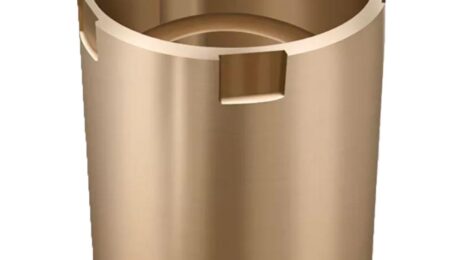
The Comprehensive Guide to Eccentric Bushings in Mining Machinery
Eccentric bushings are a critical component in the operation of mining machinery, ensuring proper functionality and longevity. This guide dives deep into the role of eccentric bushings, their types, applications, and maintenance practices that can enhance their performance.
What is an Eccentric Bushing?
An eccentric bushing is a cylindrical component used in various types of mining machinery and equipment. Its primary function is to adjust the position of a rotating item, helping to align it with other components for optimal performance.
Types of Eccentric Bushings
There are several types of eccentric bushings utilized in mining equipment:
- Standard Eccentric Bushings: Commonly used in jaw crushers and other heavy machinery.
- Heavy-Duty Eccentric Bushings: Designed to withstand extreme operational stress.
- Adjustable Eccentric Bushings: Allow for fine-tuning of the machinery alignment.
- Custom Eccentric Bushings: Tailored to specific machinery needs or performance requirements.
How Eccentric Bushings Work
Understanding the mechanics of eccentric bushings is essential for effective maintenance and operation. These components are designed to rotate around a center point, creating an offset that adjusts the alignment of attached parts. This results in precise control over the machinery’s movement and performance.
Applications of Eccentric Bushings in Mining
Eccentric bushings find applications in various mining machinery, including:
- Crushers: Used in primary and secondary crushers to maintain optimal alignment of the crushing cone.
- Screening Equipment: Ensures the correct movement of screens to maximize material separation efficiency.
- Conveyors: Helps in the alignment of pulleys and bearings to maintain smooth operation.
- Excavators: Optimizes the arm movements for better digging and lifting operations.
Importance of Eccentric Bushings in Mining Machinery
The importance of eccentric bushings in mining machinery cannot be overstated. They contribute significantly to the overall efficiency, safety, and productivity of mining operations. Properly functioning eccentric bushings lead to:
- Increased Machinery Lifespan: Regular maintenance ensures that wear and tear are minimized.
- Enhanced Performance: Well-aligned machinery can operate at its highest efficiency.
- Reduced Downtime: Quick replacements and repairs can be made when issues arise.
- Improved Safety: Fewer mechanical failures lead to a safer working environment.
Maintenance Practices for Eccentric Bushings
To ensure the longevity and efficiency of eccentric bushings, it is crucial to follow proper maintenance practices:
- Regular Inspections: Frequent checks to identify wear and tear or misalignment.
- Lubrication: Ensuring that bushings are adequately lubricated to reduce friction.
- Replacement of Worn Parts: Proactively replacing bushings before they fail can prevent larger machinery issues.
- Keeping Machinery Clean: Regular cleaning to remove dust and debris that can affect performance.
Choosing the Right Eccentric Bushing Spare Parts
Selecting the appropriate eccentric bushing spare parts is crucial for maintaining the performance of mining machinery. Key considerations include:
- Material Quality: Choose high-quality materials that withstand the harsh mining environment.
- Compatibility: Ensure that the spare parts are compatible with the specific machinery.
- Supplier Reputation: Work with reputable suppliers known for their quality and reliability.
Common Problems Associated with Eccentric Bushings
Various issues can arise with eccentric bushings, including:
- Wear and Tear: Constant movement leads to wear, affecting performance.
- Misalignment: Improper installation can lead to misalignment, causing operational issues.
- Overheating: Insufficient lubrication can lead to overheating and potential failure.
Frequently Asked Questions (FAQ)
What is an eccentric bushing used for?
An eccentric bushing is primarily used to adjust the alignment of rotating components in mining machinery, enhancing overall performance.
How do I know if my eccentric bushing needs replacing?
Signs include unusual noises, vibrations, or reduced efficiency in machinery operations.
Can I repair an eccentric bushing?
In most cases, worn-out eccentric bushings should be replaced rather than repaired for optimal integrity.
How often should I inspect my eccentric bushings?
Regular inspections every few months, or during scheduled maintenance, are recommended.
Conclusion
In conclusion, eccentric bushings play a vital role in the efficiency and safety of mining machinery. Regular maintenance, timely replacement, and choosing the right spare parts can significantly enhance performance and extend the life of your mining equipment.
- Published in Products
The Comprehensive Guide to Breaker Bars in Mining Machinery and Spare Parts
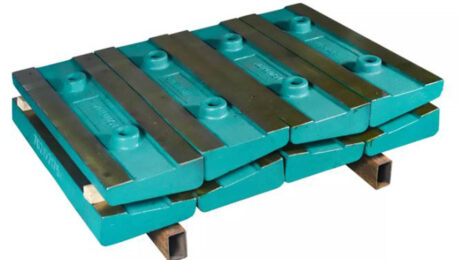
The Comprehensive Guide to Breaker Bars in Mining Machinery and Spare Parts
Breaker bars play a crucial role in the effective functioning of mining machinery. In this guide, you will learn everything you need to know about breaker bars, their applications, types, and their importance in mining machinery and spare parts. We will also delve into frequently asked questions regarding breaker bars and provide a comprehensive list of relevant keywords.
What is a Breaker Bar?
A breaker bar is a critical component in various types of mining machinery, often utilized for breaking large rocks into smaller, more manageable pieces. It ensures optimal performance of the equipment and minimizes wear and tear on other vital components.
Types of Breaker Bars
There are different types of breaker bars used in mining operations, including:
- Fixed Breaker Bars: These are stationary and provide continuous breaking action.
- Mobile Breaker Bars: Designed for versatility, mobile breaker bars can be adjusted for different applications.
- Replaceable Breaker Bars: These bars are designed to be easily replaced when worn out, reducing downtime.
Applications of Breaker Bars in Mining Machinery
Breaker bars are used in various mining machinery applications, including:
1. Jaw Crushers
In jaw crushers, breaker bars help reduce the size of large rocks onto desired specifications.
2. Impact Crushers
They are essential in impact crushers, which rely on breaker bars to create impact forces that crush materials.
3. Hammer Mills
Used in hammer mills, breaker bars aid in the pulverization of feed materials.
Importance of Breaker Bars in Mining Machinery
The importance of breaker bars in mining machinery cannot be overstated:
- Efficiency: They improve the efficiency of rock-breaking operations.
- Wear Reduction: By breaking rocks effectively, they reduce wear on other machinery parts.
- Safety: Ensuring the machinery operates properly reduces the risk of accidents.
Choosing the Right Breaker Bar
Selecting the right breaker bar is essential. Consider the following factors:
- Material: Different materials offer varying durability and effectiveness.
- Compatibility: Ensure that the breaker bar is compatible with your specific machinery.
- Application: Choose a bar suited to the specific applications of your equipment.
Maintaining Breaker Bars for Longevity
To ensure the longevity of breaker bars, adhere to the following maintenance tips:
- Regular Inspections: Conduct regular inspections to identify wear and tear.
- Proper Lubrication: Ensure proper lubrication of moving parts.
- Timely Replacement: Replace worn or damaged bars promptly to avoid machinery malfunction.
Breaker Bar Manufacturing Materials
Breaker bars can be manufactured from various materials:
- Steel: High tensile strength and durability make steel bars a popular choice.
- Alloyed Materials: Special alloys can enhance performance in harsh conditions.
- Composite Materials: Lightweight and resistant to wear, composites are a newer choice for breaker bars.
Breaker Bar Suppliers and Manufacturers
Finding reliable suppliers and manufacturers can ensure you get high-quality breaker bars. Consider companies that specialize in mining machinery spare parts and have a solid reputation in the industry.
Breaker Bars: Quality Assurance and Testing
Quality assurance is crucial in the manufacturing of breaker bars. Testing for strength, durability, and performance under load conditions can ensure reliability in mining operations.
Breaker Bar Cost: What to Expect
The cost of breaker bars can vary based on the following factors:
- Material: The type of material affects pricing significantly.
- Size: Larger bars tend to cost more.
- Manufacturing Process: The complexity of the manufacturing process may impact cost.
FAQs About Breaker Bars
What is the primary function of a breaker bar?
The primary function of a breaker bar is to break down large rocks into smaller pieces for easier processing by mining machinery.
How often should breaker bars be replaced?
Breaker bars should be inspected regularly, and replacement should occur when significant wear is detected, typically after several months of use.
Can I use different types of breaker bars in the same machinery?
It is not recommended as different types of breaker bars may have different dimensions and materials affecting the machinery’s performance.
Where can I purchase high-quality breaker bars?
High-quality breaker bars can be purchased from specialized mining machinery parts suppliers and manufacturers.
What factors affect the lifespan of a breaker bar?
The lifespan of a breaker bar is affected by factors such as material quality, frequency of use, and the type of material being processed.
LSI and NLP Keywords for Breaker Bars
- Mining equipment
- Replacement parts
- Rock breaking
- Crusher equipment
- Impact force
- Durable machinery parts
- Industrial mining
- Performance testing
- Manufacturing quality
- Mining industry
Conclusion
In conclusion, breaker bars are essential components of mining machinery, playing a pivotal role in the rock-breaking process. Understanding the types, applications, and maintenance of breaker bars is vital for optimizing mining operations. Regular inspections, timely replacements, and quality sourcing can significantly enhance performance and productivity in the mining sector.
- Published in Products
Understanding Flywheels: A Comprehensive Guide to Mining Machinery and Spare Parts
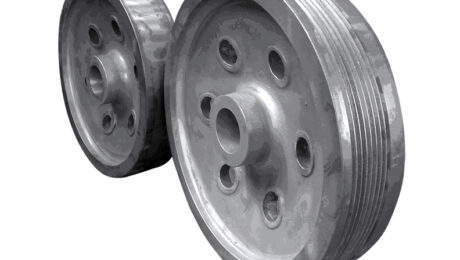
Understanding Flywheels: A Comprehensive Guide to Mining Machinery and Spare Parts
Introduction to Flywheels in Mining Machinery
Flywheels play a crucial role in the functionality and efficiency of mining machinery. As heavy equipment relies on powerful engines and complex systems, flywheels serve as vital components that help maintain steady operation. In this article, we will explore the importance of flywheels, their construction, types used in mining machinery, and the relevance of flywheel spare parts.
What is a Flywheel?
A flywheel is a mechanical device that stores rotational energy. It consists of a wheel with a significant moment of inertia, which allows it to continue spinning even when energy input is inconsistent. This characteristic is essential in mining operations where machinery needs to endure heavy loads while maintaining performance.
Functions of Flywheels in Mining Machinery
- Energy Storage: Flywheels store excess energy generated during peak operational moments, releasing it during lower energy demand periods.
- Stabilization: They stabilize the engine’s performance by minimizing fluctuations in speed and torque, which is vital for the heavy loads encountered in mining.
- Efficiency Improvement: Properly functioning flywheels enhance fuel efficiency, reduce wear and tear on engines, and increase the overall longevity of mining equipment.
Types of Flywheels Used in Mining Machinery
- Steel Flywheels: These are among the most common types due to their durability and strength, making them ideal for heavy-duty machinery.
- Composite Flywheels: Made from advanced materials, these flywheels are lighter and offer improved performance at high speeds.
- Cast Iron Flywheels: Typically utilized for their cost-effectiveness, cast iron flywheels are suitable for certain applications within the mining sector.
Flywheel Construction and Design
The construction of a flywheel involves careful consideration of materials and design factors. The density and diameter of the flywheel impact its performance. Engineers often focus on reducing weight while maximizing strength and energy storage capacity, leading to various design innovations in modern mining machinery.
Common Issues with Flywheels in Mining Machinery
Like any component, flywheels can experience wear and tear, leading to operational inefficiencies. Common issues include:
- Cracks and Fractures: Due to improper installation or excessive stress, flywheels can develop cracks, compromising their functionality.
- Misalignment: Flywheels must be aligned correctly to function effectively, as misalignment can lead to increased vibrations and premature failure.
- Balancing Issues: Imbalances can occur due to manufacturing defects or wear, leading to uneven operation and potential machinery damage.
Choosing the Right Flywheel for Mining Equipment
Selecting the right flywheel for specific mining equipment involves understanding the machine’s requirements, operational conditions, and compatibility with spare parts. Consultations with manufacturers can provide insights into the most suitable options.
Flywheel Spare Parts: Importance and Availability
Having access to quality flywheel spare parts is essential for the maintenance and repair of mining machinery. High-quality spare parts ensure that flywheels can be replaced or repaired without compromising the machine’s overall performance. This section explores:
- The significance of using OEM (Original Equipment Manufacturer) parts versus aftermarket options.
- Where to source flywheel spare parts, including local suppliers and online marketplaces.
- Tips for maintaining flywheels and recognizing when replacement is necessary.
Innovations in Flywheel Technology for Mining Machinery
The mining machinery industry is continually evolving, and so is flywheel technology. Innovations include the integration of smart sensors for real-time monitoring, advancements in material science for lighter yet stronger flywheels, and hybrid designs that combine traditional designs with modern engineering techniques.
FAQs About Flywheels in Mining Machinery
What is the purpose of a flywheel in mining machinery?
The purpose of a flywheel in mining machinery is to store energy, stabilize the machine’s operation, and enhance fuel efficiency.
How often should flywheels be replaced?
Flywheels should be inspected regularly, and replacement is typically needed when signs of wear, cracking, or misalignment are observed.
Can I use aftermarket flywheel parts for my mining machinery?
While aftermarket parts can be cost-effective, it is advisable to use OEM parts to ensure compatibility and performance reliability.
What are the signs of a failing flywheel?
Signs of a failing flywheel include unusual vibrations, difficulty starting the machinery, and noticeable noise during operation.
Where can I purchase flywheel spare parts for mining equipment?
Flywheel spare parts can be purchased from local suppliers, specialized automotive shops, or reputable online platforms that focus on mining machinery components.
Conclusion
Flywheels are indispensable components in the effective functioning of mining machinery. Understanding their role, types, maintenance, and the importance of quality spare parts can significantly enhance operational efficiencies and the longevity of mining equipment. Whether you’re dealing with flywheel construction or seeking replacements for worn-out parts, this guide serves as a comprehensive resource for all your flywheel-related queries.
- Published in Products
Comprehensive Guide to Mining Machinery: Understanding the Role of the End Frame
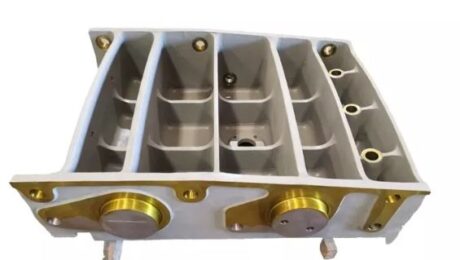
Comprehensive Guide to Mining Machinery: Understanding the Role of the End Frame
The end frame is a crucial component in mining machinery, playing a significant role in the overall performance and efficiency of various types of mining equipment. This article will explore the importance, features, and maintenance of end frames in mining machinery, as well as the spare parts associated with them.
What is an End Frame in Mining Machinery?
The end frame is an essential structural element in mining machinery that supports various components and systems. It serves as a protective casing and anchoring point for parts such as motors, gearboxes, and drivetrains.
Importance of the End Frame in Mining Equipment
- Structural Integrity: The end frame provides the necessary support to maintain the structural integrity of mining machines under challenging conditions.
- Protection: It protects sensitive components from dust, debris, and other environmental factors.
- Mounting Point: The end frame serves as a stable mounting point for other critical machinery parts.
Types of Mining Machinery That Use End Frames
End frames are utilized in various mining machinery, including:
- Excavators
- Drills
- Loaders
- Haul trucks
- Crushers
Common Materials Used for End Frames
End frames are typically constructed from robust materials to withstand harsh mining environments. Common materials include:
- Steel: Known for its strength and durability.
- Aluminum: Lightweight and resistant to corrosion.
- Composite Materials: Often used for specialized machinery to reduce weight without compromising strength.
Features of High-Quality End Frames
When selecting or manufacturing end frames, consider the following features for optimal performance:
- Precision Engineering: Ensures proper fit and alignment with other components.
- Corrosion Resistance: Vital for longevity in harsh mining conditions.
- Vibration Dampening: Minimizes wear and tear on connected parts.
How to Maintain End Frames in Mining Machinery
Regular maintenance of end frames is essential to enhance the lifespan of mining machinery. Key maintenance practices include:
- Regular Inspections: Check for signs of wear, corrosion, and damage.
- Lubrication: Ensure moving parts are adequately lubricated to reduce friction.
- Replacement of Spare Parts: Replace worn-out components promptly to avoid further damage.
The Role of Mining Machinery Spare Parts
Spare parts are essential for the seamless operation of mining machinery, including end frames. Recognizing which spare parts are necessary for the maintenance and repair of end frames can help mining operations run efficiently. Common spare parts include:
- Fasteners and additional structural supports
- Seals and gaskets
- Motors and control systems
FAQs About End Frames in Mining Machinery
What materials are end frames made from?
End frames are commonly made from steel, aluminum, or composite materials, selected based on the application’s specific strength and weight requirements.
How often should end frames be inspected?
End frames should be inspected regularly—ideally quarterly—to ensure they are free from wear, damage, and corrosion.
What are the signs of a damaged end frame?
Signs of a damaged end frame include visible cracks, misalignment with other components, and excessive wear or rust.
Can end frames be repaired?
Yes, depending on the extent of the damage, end frames can often be repaired or reinforced rather than replaced.
How do I choose the right spare parts for end frames?
Choosing the right spare parts involves assessing the model and specifications of the mining machine, consulting the manufacturer’s guidelines, and using high-quality parts that meet industry standards.
Conclusion
The end frame is a foundational component of mining machinery that significantly impacts equipment performance and durability. Understanding its role, maintenance needs, and related spare parts can ensure that mining operations remain efficient and productive.
LSI and NLP Keywords Related to ‘End Frame’
- Mining equipment
- Machinery components
- Structural components
- Mining machinery maintenance
- Heavy equipment
- Construction machinery
- End frame replacement
- Component assembly
- Durability in mining
- Mining gear and parts
- Industrial machinery
- Mining truck frame
- Safety in mining operations
- Load-bearing components
- Mining machinery suppliers
- Published in Products
Comprehensive Guide to Pitman in Mining Machinery and Spare Parts

Understanding the Role of Pitman in Mining Machinery
The pitman is a crucial component of various mining machinery, particularly in crushers. It serves as the main driving force, transforming rotary motion into reciprocal motion that is essential for the crushing process. This article will explore the function, importance, and different types of pitman mechanisms used in the mining industry.
What is a Pitman?
A pitman is a mechanical component utilized in equipment like jaw crushers and toggle mechanisms. It connects the crankshaft to the movable jaw, facilitating movement that allows the machinery to crush material efficiently.
The Importance of Pitman in Mining Machinery
The pitman’s role in mining machinery cannot be understated. It ensures the effective operation of the crusher by converting motion, supporting material processing, and contributing to equipment efficiency. With the right pitman, the overall performance of mining machinery can significantly improve.
Types of Pitman in Mining Machinery
1. Fixed Pitman
Fixed pitman arrangements are commonly found in many static machines, providing stability and strength. They are essential for large-scale operations where consistent performance is required.
2. Adjustable Pitman
Adjustable pitmans offer flexibility, allowing for modifications in the crushing process. This adaptability is beneficial in varying operational conditions.
3. Hydraulic Pitman
Hydraulic pitman systems use fluid power to enhance the efficiency of the crushing action, reducing wear and improving lifecycle management.
Pitman in Jaw Crushers
In jaw crushers, the pitman plays a pivotal role. It connects to the toggle plate, and as the pitman moves, it opens and closes the jaws, crushing materials in the process. A well-designed pitman enhances the crushing capacity and is essential for optimal performance.
Common Pitman Spare Parts
Ensuring the longevity and efficiency of mining machinery often involves the replacement of pitman spare parts. Common spare parts include:
- Pitman Assemblies
- Toggle Plates
- Bearings
- Seals
- Pins and Bushings
Materials Used in Pitman Construction
Most pitmans are constructed from robust materials, such as:
- High Carbon Steel
- Alloy Steel
- Cast Iron
These materials are chosen for their durability and capacity to withstand heavy operational loads.
How to Maintain Pitman in Mining Machinery?
Consistent maintenance of the pitman is essential to avoid costly downtimes. Here are some tips:
- Regular Inspection
- Lubrication
- Wear and Tear Monitoring
- Timely Replacement of Spare Parts
Signs of Pitman Failure
Detecting issues early is vital. Signs of pitman failure may include:
- Increased Vibration
- Abnormal Noises
- Reduced Crushing Efficiency
- Visible Wear on Components
Upgrade Options for Pitman
For businesses looking to enhance their mining operations, considering upgrades to pitman mechanisms can be a profitable move. Advanced designs and materials can significantly boost performance and reliability.
Frequently Asked Questions (FAQs)
What is a Pitman in mining machinery?
A pitman is a mechanical component in mining machinery, primarily in crushers, that converts rotary motion into reciprocal motion to facilitate crushing.
Why is the Pitman important in mining machinery?
The pitman is essential for the effective operation of crushers, impacting the efficiency and capacity of material processing.
What types of Pitman mechanisms are there?
There are fixed, adjustable, and hydraulic pitman mechanisms, each serving different purposes and offering various benefits depending on operational requirements.
How can one maintain a Pitman effectively?
Regular inspections, lubrication, and timely repairs are critical for maintaining a pitman, ensuring that it operates efficiently without failure.
Conclusion
The pitman is an indispensable part of mining machinery that significantly influences performance and output. Understanding its function, maintenance, and the technology behind it can lead to better operational efficiency and longevity of equipment.
LSI and NLP Keywords Related to Pitman
Pitman arm, jaw crusher pitman, pitman assembly, toggle mechanism, mining equipment, heavy machinery, jaw movement, mechanical components, crusher maintenance, force conversion, spare parts, mechanical engineering, construction materials, mining industry, aggregate processing, conveyor systems, pitman for crushers, wear parts, hydraulic systems, mining technology.
Other Related Terms
Mining machinery spare parts, rock crushers, crushing mechanism, industrial machinery, mechanical maintenance, machinery efficiency, material processing, equipment parts, performance optimization, operational excellence, heavy-duty machinery.
- Published in Products
Understanding the Importance of Rotors in Mining Machinery and Spare Parts

Understanding the Importance of Rotors in Mining Machinery and Spare Parts
Mining machinery plays a critical role in the extraction of valuable resources from the earth. Among the various components that make up these machines, the rotor stands out as a key element that significantly impacts the efficiency and performance of mining operations. This article delves into the multifaceted world of rotors, focusing on their function, types, maintenance, and the spare parts associated with them.
The Role of Rotors in Mining Machinery
Rotors serve vital functions in numerous mining machines, including crushers, grinders, and other processing equipment. Understanding their role is essential for optimizing mining operations.
Functionality of Rotors
Rotors are designed to facilitate various processes, such as crushing, grinding, and pulverizing materials. They exert force to break down materials into manageable sizes, ensuring smooth operation within the machinery.
Types of Rotors in Mining Machinery
There are several types of rotors used in mining machinery, including:
- Hammer Rotors: Widely used in impact crushers for crushing materials.
- Impeller Rotors: Used in vertical shaft impactors to enhance material flow.
- Rotary Drum Rotors: Employed in rotary breakers for sifting and breaking apart materials.
Mining Machinery Spare Parts Related to Rotors
To maintain optimal performance, it is crucial to understand the spare parts that complement rotors in mining machinery.
Common Spare Parts for Rotors
Some essential spare parts related to rotors include:
- Rotor Blades: Essential for efficiency, blades must be replaced regularly to maintain effective crushing.
- Bearings: Critical for smooth rotor motion, they require regular maintenance and replacement.
- Rotor Shafts: These connect the rotor to the motor and must be durable and robust.
Choosing the Right Spare Parts for Rotors
When selecting spare parts for rotors, consider the material type, wear resistance, and compatibility with your machinery.
Maintenance Tips for Rotors in Mining Machinery
Proper maintenance extends the life of rotors and ensures consistent performance.
Regular Inspection
Scheduled inspections can help identify wear and tear before they lead to significant issues.
Lubrication
Regular lubrication of the bearings and shafts is vital to prevent unnecessary friction.
Repair vs. Replace
Knowing when to repair or replace rotor components can save time and money. Consider factors like the extent of wear and available budget.
Innovations in Rotor Technology for Mining Machinery
As technology evolves, so do the designs of rotors.
Advanced Materials
Innovative materials like high-strength alloys are being used to manufacture rotors that are both lighter and more durable.
Smart Rotors
The implementation of sensors in rotors can provide data on performance metrics and help schedule maintenance.
Frequently Asked Questions (FAQ)
What is a rotor in mining machinery?
A rotor is a rotating component in mining machinery designed to perform various functions like crushing and grinding materials.
How often should rotors be replaced?
The replacement frequency of rotors depends on usage intensity, wear patterns, and maintenance practices, typically every few months to a year.
What are the signs of rotor wear?
Signs include unusual vibrations, decreased performance, and visible damage to rotor blades or other components.
Can I repair my rotor instead of replacing it?
Yes, depending on the extent of the damage, some rotors can be repaired to extend their lifespan.
Conclusion
Understanding rotors and their role in mining machinery is essential for efficient operation. Regular maintenance and the right spare parts can significantly enhance machinery performance. As technology advances, staying informed about the latest rotor innovations will benefit mining operations across the globe.
Related Terms & Keywords
- Mining Equipment
- Mining Parts
- Crusher Rotors
- Mining Machinery Maintenance
- Spare Parts for Miners
- Rotating Machinery
- Mining Operations
- Heavy Machinery Parts
- Mining Tooling
- Rotor Inspection
- Wear and Tear in Machinery
- Mining Technology
- Mechanical Components
This comprehensive guide serves as a detailed resource on rotors in mining machinery and the associated spare parts, shedding light on their significance within the mining industry.
- Published in Products
