


The Comprehensive Guide to V Belts in Mining Machinery and Spare Parts

The Comprehensive Guide to V Belts in Mining Machinery and Spare Parts
When it comes to mining machinery, the role of V belts cannot be overstated. As one of the key components in the power transmission system, V belts facilitate the transfer of energy from one part of the machine to another, ensuring optimal performance in harsh mining environments.
What is a V Belt?
A V belt is a type of mechanical belt used to link two or more rotating shafts. The cross-section of a V belt is trapezoidal, which helps it grip pulleys more effectively, making it an ideal choice for various applications in mining machinery.
Types of V Belts Used in Mining Machinery
Different types of V belts serve various functions in mining machinery. The commonly used types include:
- Classic V Belts: The traditional V belt used in numerous applications.
- Wedge V Belts: Designed for high power transmissions.
- Curved V Belts: Used for compact installations with space constraints.
- Variable Speed V Belts: Adapted for machines requiring speed adjustments.
Why V Belts are Essential in Mining Operations
In mining operations, heavy machinery experiences substantial wear and tear. V belts are essential because they absorb shock loads and maintain consistent power transfer, which is crucial for the efficiency and longevity of mining equipment.
Common Applications of V Belts in Mining Machinery
Some of the major applications of V belts in mining machinery include:
- Excavators
- Dump Trucks
- Conveyor Belts
- Crushers
- Drilling Machines
- Screening Equipment
Choosing the Right V Belt for Your Mining Machinery
Selecting the right V belt is critical for the performance of mining equipment. Factors to consider include:
- Size: The length and width must match the pulley specifications.
- Material: Rubber, polyurethane, or other composites impact durability.
- Temperature Resistance: V belts must withstand extreme temperatures common in mining.
- Load Capacity: Understanding the weight and force the belt will handle.
Maintenance Tips for V Belts in Mining Machinery
Regular maintenance can extend the lifespan of V belts. Here are some tips:
- Check for proper tension regularly.
- Inspect for wear and tear.
- Ensure pulleys are aligned correctly.
- Clean belts to prevent slippage.
Replacement of V Belts in Mining Machinery
Understanding when and how to replace V belts is essential for maintaining mining machinery. Signs of wear include:
- Cracks or frays
- Excessive wear on the edges
- Slipping or squeaking sounds
- Loss of tension
Replacement should be carried out according to the manufacturer’s guidelines to ensure compatibility and effectiveness.
V Belts vs. Other Types of Belts
While V belts are widely used in mining machinery, they are not the only option. Other belt types include:
- Flat belts
- Timing belts
- Type C belts
Each has its advantages and is suitable for different applications.
Key Manufacturers of V Belts for Mining Machinery
Several manufacturers specialize in high-quality V belts suitable for mining machinery. These include:
- Bando
- Gates
- Optibelt
- Dayco
FAQs
What is the purpose of V belts in mining machinery?
V belts are used to transfer power between different components of mining machinery, ensuring smooth operation and energy efficiency.
How often should V belts be replaced?
V belts should be inspected regularly, and replacement is recommended when signs of wear are evident or according to the manufacturer’s schedule.
Can I use a V belt for non-mining applications?
Yes, V belts can be used in various applications beyond mining, such as automotive and industrial machinery.
What materials are V belts made from?
V belts are typically made from rubber, polyurethane, or other composite materials designed for durability and flexibility.
How do I identify the right V belt size?
The right V belt size can be determined by measuring the existing belt or referencing the machinery specifications provided by the manufacturer.
Conclusion
In summary, V belts play a vital role in the functionality and efficiency of mining machinery. Understanding their types, maintenance, and proper application can significantly enhance the performance and longevity of your equipment. Be sure to consult with manufacturers for the best practices in choosing and maintaining V belts.
Keywords and LSI/NLP Related Keywords
- Mining equipment
- Power transmission
- Heavy machinery
- Conveyor systems
- Industrial belts
- Tensioning systems
- Maintenance schedules
- Spare parts
- Pulley systems
- Material handling
- Mining operations
- Machine efficiency
- Published in Products
Understanding Pinion and Drive Gear in Mining Machinery

Understanding Pinion and Drive Gear in Mining Machinery
Introduction to Pinion and Drive Gears
The mining industry relies heavily on complex machinery and mechanisms to enhance productivity and ensure safe operations. Among the crucial components of mining machinery are the pinion and drive gear, which play a significant role in the transmission of motion and power. This article delves into the definitions, functions, specifications, and maintenance of pinion and drive gear, enhancing your understanding of their importance in mining operations.
What is a Pinion Gear?
A pinion gear is a small gear that engages with a larger gear or a rack to transmit motion and torque. In the context of mining machinery, pinion gears are often used in conjunction with spur gears, bevel gears, or worm gears, allowing for effective power transmission in various applications. Understanding the characteristics of pinion gears is essential for optimizing the performance of mining equipment.
What is a Drive Gear?
The drive gear, often referred to as the larger gear in a gear set, works in conjunction with the pinion gear. It receives the motion from the pinion and translates it into mechanical power, driving machinery such as crushers, conveyor belts, and excavators. Its design and functionality are crucial for maintaining the efficiency and reliability of mining operations.
The Mechanical Advantage of Pinion and Drive Gears
Pinion and drive gears operate on the principle of mechanical advantage, which allows for the amplification of force. By varying the sizes of the pinion and drive gears, operators can control torque output and speed. This adaptability is particularly valuable in mining applications where different tasks may require varying levels of power transmission.
Pinion and Drive Gear Specifications
Material Choices for Pinion and Drive Gears
The choice of materials used for manufacturing pinion and drive gears is crucial for ensuring durability and performance. Common materials include:
- Steel: Preferred for its strength and durability.
- Cast Iron: Often used in larger gears due to its excellent wear resistance.
- Brass: Sometimes used in smaller gears for its corrosion resistance.
Common Sizes and Ratios
Pinion and drive gears come in various sizes and gear ratios, depending on the application. Standard ratios range from 1:1 to 10:1 or more, tailored for specific requirements in different mining machinery.
Applications of Pinion and Drive Gears in Mining Machinery
Pinion and drive gears are extensively used across various types of mining equipment, including:
- Excavators: For digging and material handling.
- Drilling Machines: To facilitate ground penetration.
- Crushers: For material size reduction.
- Conveyor Systems: To transport materials efficiently.
Importance of Pinion and Drive Gears in Mining Operations
The reliability of mining machinery depends significantly on the functionality of pinion and drive gears. Their efficiency directly impacts productivity, operational costs, and safety in mining operations. Regular maintenance and timely replacement are essential for preventing failures and minimizing downtime.
Maintenance and Care for Pinion and Drive Gears
Regular Inspections
Frequent inspections are vital for identifying wear and damage. Operators should check for noise, vibrations, and signs of overheating to address issues before they escalate.
Lubrication Practices
Proper lubrication reduces friction between the gears, prolonging their lifespan. Selecting the right lubricant and maintaining appropriate levels is crucial for optimal performance.
Replacing Worn Gears
When wear becomes apparent or performance drops, replacing pinion and drive gears is necessary. Using the correct replacement parts ensures compatibility and maintaining equipment reliability.
Innovations in Pinion and Drive Gear Technology
Advancements in materials science and manufacturing processes have led to innovations in pinion and drive gear designs. Techniques such as surface hardening and precision manufacturing help enhance durability and efficiency, adapting to the increasing demands of modern mining operations.
FAQ Section
What is the difference between a pinion gear and a drive gear?
The pinion gear is a smaller gear that drives the larger drive gear. The pinion transmits motion to the drive gear, creating mechanical advantage and enabling efficient power transmission.
How do I know when to replace my pinion and drive gears?
Signs that indicate it’s time to replace your pinion and drive gears include unusual noises, vibrations during operation, overheating, or a noticeable decrease in performance.
What materials are best for pinion and drive gears?
Common materials for pinion and drive gears include steel for its strength, cast iron for larger gears due to wear resistance, and brass for smaller gears to enhance corrosion resistance.
How often should I inspect my pinion and drive gears?
Regular inspections are recommended at least every 1,000 operating hours or based on your equipment manufacturer’s guidelines to ensure optimal performance.
Conclusion
The significance of pinion and drive gears in mining machinery cannot be overstated. Their effective operation ensures continuity in mining processes, impacting productivity and safety. By understanding their function, maintaining them properly, and staying updated on technological advancements, mining operators can maximize the efficiency of their operations.
LSI and NLP Keywords
Gears, mining machinery components, gear ratios, power transmission in mining, gear maintenance, mining equipment repair, machinery spare parts, gearboxes, drive systems, mechanical gears, industrial gears, heavy equipment gears, gear assembly, gear drive systems, gear lubrication, torque transmission, gear engineering, gear design, mining operations technology.
- Published in Products
The Ultimate Guide to Roller Bearings in Mining Machinery and Spare Parts

The Ultimate Guide to Roller Bearings in Mining Machinery and Spare Parts
Roller bearings play a crucial role in the performance and efficiency of mining machinery. As essential components, they reduce friction between moving parts, allowing for smoother operation and longer equipment lifespan. This article delves into the intricacies of roller bearings, their types, applications in mining machinery, and the importance of spare parts.
What Are Roller Bearings?
Roller bearings are mechanical devices that facilitate smooth motion by minimizing friction. They consist of row(s) of cylindrical rollers placed between inner and outer rings, distributing load and ensuring efficient motion. In mining machinery, the correct selection and maintenance of roller bearings are vital for operational success.
Types of Roller Bearings Used in Mining Machinery
Understanding the various types of roller bearings enhances operational efficiency:
- Cylindrical Roller Bearings: Suitable for high radial loads, commonly found in crushers and mills.
- Spherical Roller Bearings: Designed to accommodate misalignment, these bearings are ideal for conveyor systems.
- Tapered Roller Bearings: Excellent for handling both radial and axial loads, often used in heavy machinery axles.
- Needle Roller Bearings: Ideal for applications with limited radial space, often utilized in gearbox systems.
Importance of Roller Bearings in Mining Machinery
Roller bearings provide several benefits in mining machinery:
- Minimized Friction: Reducing wear and extending the lifespan of machinery.
- High Load Capacity: Supporting heavy loads essential for mining operations.
- Increased Efficiency: Enhancing overall machine performance and productivity.
- Wear Resistance: Prolonging the operational life of equipment under harsh conditions.
How to Choose the Right Roller Bearing
Selecting the appropriate roller bearing involves several considerations:
- Load Requirements: Assess both radial and axial load specifications.
- Speed Ratings: Consider the operating speed of the machinery.
- Environment: Evaluate factors like temperature, moisture, and dust exposure.
- Dynamic and Static Load Ratings: Ensure that bearing ratings match application needs.
Common Applications of Roller Bearings in Mining
Roller bearings find widespread applications in mining equipment, including:
- Crushers: For effective crushing operations, durable cylindrical roller bearings are essential.
- Conveyors: Spherical roller bearings accommodate misalignment in heavy-duty conveyor systems.
- Excavators: Tapered roller bearings help distribute loads evenly across the axle systems.
- Drilling Machines: Needle roller bearings ensure compact designs while maintaining robustness.
Maintenance Tips for Roller Bearings
Maintaining roller bearings is crucial for performance longevity. Here are some key maintenance tips:
- Regular Inspection: Periodically check for signs of wear and damage.
- Proper Lubrication: Ensure that bearings are regularly lubricated to prevent overheating.
- Temperature Monitoring: Keep an eye on operating temperatures to avoid excessive heat exposure.
- Alignment Checks: Regularly verify that bearings are aligned to prevent unnecessary strain.
Understanding Roller Bearing Spare Parts
Having quick access to spare parts for roller bearings can significantly minimize downtime in mining operations:
- Replacement Bearings: Keeping a stock of commonly used replacement bearings enhances operational efficiency.
- Retainers and Shields: These components protect bearings from contaminants and prolong their lifespan.
- Lubrication Equipment: Ensure that the right lubrication tools are available for optimal maintenance.
Cost Considerations for Roller Bearings and Spare Parts
The cost of roller bearings and their spare parts can vary widely based on several factors:
- Type of Bearing: Different designs have varying price points.
- Material Quality: High-quality materials may incur higher upfront costs but offer better longevity.
- Supplier Reputation: Established suppliers may charge premium prices due to their brand reliability.
Trends in Roller Bearing Technology
The mining industry is seeing advancements in roller bearing technology:
- Smart Bearings: Integration of IoT sensors for predictive maintenance.
- Sustainable Materials: Research into eco-friendly bearing materials is gaining traction.
- Advanced Lubricants: Development of high-performance lubricants for extreme environments.
Frequently Asked Questions about Roller Bearings
What is the primary function of roller bearings?
The primary function of roller bearings is to reduce friction between moving parts, allowing machinery to operate smoothly and efficiently.
How do I choose the right roller bearing for my equipment?
Consider factors such as load requirements, speed ratings, environmental conditions, and the specific application of the bearing.
What maintenance practices extend the life of roller bearings?
Regular inspections, proper lubrication, temperature monitoring, and alignment checks are essential maintenance practices.
What are the common types of roller bearings used in mining machinery?
Cylindrical, spherical, tapered, and needle roller bearings are commonly used in various types of mining machinery.
How often should I replace roller bearings?
The frequency of replacement depends on usage conditions and regular wear; routine inspection can help determine when replacement is necessary.
Conclusion
Roller bearings are integral to the productivity and longevity of mining machinery. Understanding their types, applications, maintenance, and technology trends can significantly enhance operational efficiency. To ensure optimal performance, investing in high-quality roller bearings and conducting regular maintenance is essential.
- Published in Products
Comprehensive Guide to Tramp Release Cylinder in Mining Machinery

Understanding the Tramp Release Cylinder in Mining Machinery
The tramp release cylinder is a critical component in the mining machinery sector, particularly within the operations involving crushers. It plays a vital role in ensuring the smooth functioning and longevity of crushing equipment. In this article, we will delve into the various facets of tramp release cylinders, including their function, components, maintenance, and connection to spare parts.
What is a Tramp Release Cylinder?
The tramp release cylinder is designed to release uncrushable materials that may enter the crushing chamber. This is essential in preventing damage to the machinery and ensuring efficient operation. The cylinder automatically adjusts the position of the crushing components to accommodate the tramp material, thus safeguarding the integrity of the equipment.
Functions of the Tramp Release Cylinder
The primary functions of the tramp release cylinder include:
- Automatic release of uncrushable materials
- Protection of the crusher from damage
- Restoration of normal operation after the release
- Improving maintenance efficiency
Components of the Tramp Release Cylinder
Understanding the individual components of the tramp release cylinder is crucial for comprehending its overall function:
- Hydraulic Cylinder: The heart of the system that actuates the release mechanism.
- Seals and Gaskets: Prevent hydraulic fluid leaks and ensure optimal pressure.
- Control Valves: Regulate the flow of hydraulic fluid.
- Pressure Switch: Monitors and maintains pressure levels.
Types of Tramp Release Cylinders
Tramp release cylinders can vary based on design and application. Some common types include:
- Standard Hydraulic Tramp Release Cylinder
- Heavy-Duty Tramp Release Cylinder
Maintenance Tips for Tramp Release Cylinders
Proper maintenance of the tramp release cylinder is essential for longevity and efficiency. Here are a few tips:
- Regular inspection for leaks and wear.
- Ensure hydraulic fluid levels are adequate.
- Check seals and gaskets for integrity.
- Perform routine cleaning and servicing.
Common Issues and Troubleshooting
Despite their robust design, tramp release cylinders can encounter issues. Common problems include:
- Hydraulic fluid leaks.
- Failure to release under pressure.
- Inadequate response time.
For troubleshooting, it is advised to consult the manufacturer’s guidelines and consider seeking professional assistance.
Tramp Release Cylinder Spare Parts
The availability of spare parts is crucial for minimizing downtime in mining operations. Spare parts may include:
- Hydraulic seals
- Control valve assemblies
- Replacement cylinders
Importance of Quality Spare Parts
Utilizing high-quality spare parts for tramp release cylinders is essential. Quality components ensure:
- Enhanced Performance and Reliability
- Reduced Risk of Failures
- Longer Service Life
Cost Considerations for Tramp Release Cylinder Replacement
When considering replacement, operators must account for various cost factors:
- Initial cost of the cylinder or spare parts
- Installation and labor costs
- Long-term maintenance and operational costs
Safety Protocols When Working with Tramp Release Cylinders
Ensuring safety during maintenance or operation involving tramp release cylinders is paramount. Key protocols include:
- Follow lockout/tagout procedures.
- Wear appropriate PPE (Personal Protective Equipment).
- Conduct safety training for operators.
FAQs About Tramp Release Cylinders
What is the purpose of the tramp release cylinder?
The purpose of the tramp release cylinder is to automatically release uncrushable materials and protect the crusher from damage during operation.
How does a tramp release cylinder work?
The tramp release cylinder uses hydraulic pressure to adjust the position of the crushing components, allowing uncrushable materials to pass through safely.
What are the common problems with tramp release cylinders?
Common problems include hydraulic fluid leaks, failure to release under pressure, and inadequate response time.
How often should tramp release cylinders be inspected?
It is advisable to inspect tramp release cylinders regularly, at least once a month, or more frequently depending on usage and operating conditions.
Can I use aftermarket spare parts for tramp release cylinders?
While aftermarket parts may be cheaper, it is recommended to use OEM parts for optimal performance and reliability.
Conclusion
The tramp release cylinder is an indispensable part of mining machinery that ensures operational efficiency and equipment protection. Understanding its function, maintenance, and the importance of using quality spare parts can significantly impact the performance of crushing operations in the mining industry.
LSI and NLP Keywords
1. Hydraulic cylinder
2. Mining machinery maintenance
3. Crusher spare parts
4. Crushing equipment efficiency
5. Mining operations safety
6. Preventive maintenance
7. Hydraulic system
8. Machinery protection
9. Uncrushable material handling
10. Equipment longevity
11. Performance reliability
12. Cylinder replacement
13. Mine operations
14. Heavy machinery maintenance
15. Equipment downtime
16. Hydraulic maintenance
17. Crusher operations
18. Industry standards
19. Component integrity
20. Machinery troubleshooting
- Published in Products
The Comprehensive Guide to Bowl Assembly in Mining Machinery
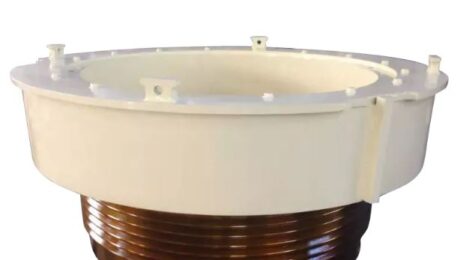
The Comprehensive Guide to Bowl Assembly in Mining Machinery
In the mining industry, efficient machinery is essential for optimal productivity. One critical component of this machinery is the bowl assembly, which plays a pivotal role in various operations, including crushing and milling processes. In this guide, we will delve into the intricacies of bowl assembly, its components, and its significance in mining machinery, including spare parts to consider for maintenance and replacement.
Understanding Bowl Assembly
The bowl assembly is a crucial component in mining equipment, primarily located in devices like cone crushers and grinding mills. It aids in the containment of materials and ensures that they are crushed or milled efficiently. Understanding the design and function of bowl assemblies can greatly enhance operational efficiency.
What is Bowl Assembly?
Bowl assembly refers to the structural unit that houses the crushing mechanism in certain mining machines. It typically comprises a bowl, often made of durable and wear-resistant materials, which houses a moving cone (or mantle) that crushes the material against a stationary surface.
Components of a Bowl Assembly
The typical bowl assembly consists of several integral parts:
- Bowl: The primary housing for the mantle and the crushed material.
- Mantle: The moving crushing surface that exerts pressure on the material.
- Support Frame: Provides stability and support to the entire assembly.
- Adjustment Mechanism: Allows for changes to the size of the output material by modifying the gap between the mantle and bowl.
The Role of Bowl Assembly in Mining Machinery
The bowl assembly serves multiple functions in mining machinery:
- Material Containment: It ensures that material is directed through the machine for efficient processing.
- Size Reduction: It transforms large rocks or minerals into manageable sizes.
- Wear Resistance: A high-quality bowl assembly can withstand extreme conditions and provide longevity.
Significance of Bowl Assembly
The bowl assembly is vital for:
- Enhancing productivity through effective material handling
- Reducing operational downtime related to equipment failure
- Ensuring the quality of extracted materials by maintaining consistent crushing processes
Bowl Assembly Maintenance and Spare Parts
Regular maintenance of the bowl assembly extends the life of the equipment and enhances efficiency. Key areas to focus on include:
- Regular Inspections: Checking for wear and tear or signs of damage.
- Lubrication: Proper lubrication reduces friction and wear.
- Replacement of Worn Parts: Ensuring that the bowl, mantle, and other components are replaced when necessary.
Common Spare Parts for Bowl Assembly
When it comes to spare parts for bowl assembly, several components should be readily available:
- Bowl Liners
- Mantle Liners
- Locking Bolts
- Bearings
- Adjustment Rings
Buying Guide for Bowl Assembly and Spare Parts
When purchasing bowl assemblies and spare parts, consider the following:
- Quality: Opt for components made from high-grade materials for durability.
- Compatibility: Ensure that the parts are compatible with your existing machinery.
- Supplier Reputation: Choose reputable suppliers known for their reliability and quality products.
Where to Buy Bowl Assembly and Spare Parts
You can find bowl assemblies and spare parts from:
- OEM Suppliers: Original Equipment Manufacturers often provide high-quality components that match your machinery perfectly.
- Aftermarket Suppliers: Aftermarket options can be more cost-effective while still providing good quality.
- Online Wholesalers: Numerous online platforms and marketplaces allow for easy comparison shopping.
Frequently Asked Questions (FAQs)
What materials are used in bowl assembly manufacturing?
Bowl assemblies are typically made from high-strength steel or manganese for durability and resistance to wear.
How often should bowl assemblies be inspected?
It is advisable to inspect bowl assemblies monthly, with more thorough inspections after high-intensity operations.
Can I upgrade my bowl assembly?
Yes, you can often upgrade to more efficient designs or materials that enhance performance and lifespan.
What are the signs of a worn bowl assembly?
Signs include irregular wear patterns, increased vibration during operation, and inconsistent material size output.
How can I ensure the longevity of my bowl assembly?
Regular wear checks, timely replacement of parts, and sufficient lubrication are vital for maintenance.
Conclusion
Bowl assemblies are central to the functionality of mining machinery, playing a crucial role in processing materials effectively. Understanding their components, functions, and maintenance needs ensures that operations run smoothly and efficiently. By investing in quality bowl assemblies and spare parts, mining companies can significantly improve productivity and reduce operational costs.
LSI and NLP Keywords
Some relevant keywords for ‘bowl assembly’ include:
- Mining machinery
- Cone crusher
- Spare parts
- Crushing equipment
- Mantle assembly
- Mining equipment parts
- Wear-resistant materials
- Material processing
- Bowl liner replacement
- Heavy-duty machinery
- Aggregate processing
- Rock crushing
- Mineral extraction
- Mining spare components
- Machinery maintenance
This extensive content provides a comprehensive overview of bowl assembly in mining machinery, making it suitable for both educational and practical applications.
- Published in Products
Comprehensive Guide to Head Assembly in Mining Machinery and Spare Parts
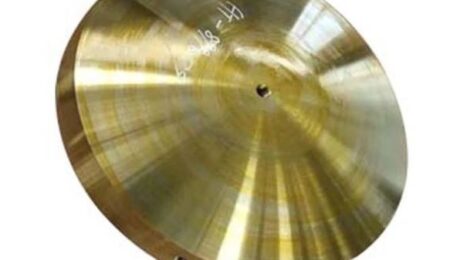
Understanding Head Assembly in Mining Machinery
Head assembly plays a crucial role in the functionality of mining machinery. In this article, we will explore everything you need to understand about head assembly, its components, maintenance, and the importance of using high-quality spare parts.
What is Head Assembly?
The head assembly refers to the component of mining machinery that houses critical mechanisms necessary for the operation of equipment such as excavators, loaders, and drills. It often includes parts such as the cylinder head, valves, and often various other mechanisms that help facilitate the performance of the machinery.
Components of Head Assembly
Head assembly is comprised of various components, including:
- Cylinder Head
- Valves
- Camshaft
- Fuel Injectors
- Gaskets
- Cylinder Head Bolts
Importance of Head Assembly in Mining Machinery
The head assembly is vital for the optimal functioning of the machinery. A well-maintained head assembly ensures efficient operation, reduces downtime, and enhances the productivity of mining operations.
Signs of a Failing Head Assembly
Recognizing the signs of a failing head assembly can save time and resources. Common signs include:
- Excessive Engine Noise
- Engine Overheating
- Loss of Power
- Oil Leaks
- Check Engine Light Activation
Maintenance Tips for Head Assembly
Regular maintenance is essential to prolong the life of the head assembly. Here are some tips:
- Regular Inspection of Components
- Replacing Worn-Out Parts Promptly
- Use of Quality Spare Parts
- Maintaining Proper Lubrication
- Monitoring Engine Performance
Purchasing Head Assembly Spare Parts
When purchasing spare parts for head assembly, consider the following:
- Quality of Materials
- Compatibility with Existing Machinery
- Manufacturer Reputation
- Warranty and Support Services
Frequently Asked Questions (FAQs)
What does the head assembly do in mining machinery?
The head assembly houses various components that are crucial for engine performance, including valves and injectors that control fuel and air mixture.
How often should I inspect the head assembly?
It is recommended to inspect the head assembly every 500 hours of machine operation or during routine maintenance checks.
What are the signs of head assembly failure?
Signs include unusual engine noises, loss of power, oil leaks, and engine overheating.
Can I use aftermarket parts for head assembly?
Yes, aftermarket parts can be used, but ensure they meet the original specifications and are of high quality.
Conclusion
The head assembly is a vital component of mining machinery, without which the performance can significantly diminish. Understanding its structure, function, and maintenance will help in ensuring the longevity and efficiency of mining operations. Investing in quality spare parts and keeping a close watch on the assembly’s condition can save time and resources in the long run.
LSI and NLP Keywords Related to Head Assembly
Some relevant keywords and phrases include: head assembly components, cylinder head maintenance, mining machinery efficiency, spare parts for head assembly, excavator head assembly, loader components, mining engine assembly, high-quality spare parts, machinery downtime, mining equipment repair, heavy machinery parts, performance optimization in mining, engine component failures, engine lubrication systems.
- Published in Products
The Comprehensive Guide to T Seals in Mining Machinery and Spare Parts
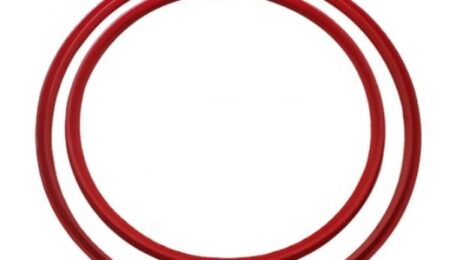
The Comprehensive Guide to T Seals in Mining Machinery and Spare Parts
Mining machinery relies on various components to function efficiently, and one such critical component is the T seal. In this guide, we will delve into the specifics of T seals, their importance in mining machinery, common applications, and maintenance practices. We’ll also explore various aspects related to mining machinery spare parts, ensuring you have a thorough understanding of T seals and their role in the industry.
What is a T Seal?
A T seal, often referred to as a ‘T-shape seal,’ is a type of seal used in hydraulic systems and mechanical applications. The design typically resembles the letter ‘T,’ making it effective in preventing fluid or contamination from leaking. In mining machinery, T seals are vital for maintaining the integrity of hydraulic systems, ensuring optimal performance.
Importance of T Seals in Mining Machinery
T seals play a crucial role in the functionality of various equipment used in mining operations. They help in:
- Preventing Leakage: T seals effectively prevent the escape of hydraulic fluids, which can lead to costly repairs and machinery downtime.
- Enhancing Equipment Lifespan: By preventing contaminants from entering hydraulic systems, T seals contribute to the longevity of mining machinery.
- Ensuring Operational Efficiency: With fewer leaks and a cleaner operating environment, machinery can run at peak efficiency.
Common Applications of T Seals in Mining Machinery
T seals are found in various applications within the mining sector, including:
- Excavators: Used in the hydraulic cylinders to maintain pressure and prevent leaks.
- Loaders: Essential in hydraulic systems for lifting and maneuvering buckets.
- Haul Trucks: Used in steering and hydraulic systems to ensure fluid containment.
- Drilling Equipment: Vital for maintaining pressure and preventing leaks in drilling operations.
Types of T Seals
There are various types of T seals that cater to different operational needs in mining machinery:
- Rubber T Seals: Common for their elasticity and ability to create a tight seal.
- Polyurethane T Seals: Known for excellent abrasion resistance and durability.
- PTFE T Seals: Used for high-temperature and chemical resistance applications.
Maintaining T Seals in Mining Machinery
Proper maintenance of T seals is essential for ensuring the continuous operation of mining machinery. Here are some tips for maintaining T seals:
- Regular Inspections: Check for wear and tear regularly to detect any potential failures early.
- Cleaning: Keep the surrounding area clean to prevent dirt and debris from entering the seal.
- Proper Installation: Follow manufacturer guidelines for installation to avoid damage during assembly.
T Seal Replacement: When and How
Understanding when to replace T seals is critical for maintaining equipment efficiency. Signs that T seals may need replacement include:
- Visible cracks or deformities in the seal.
- Oil or fluid leaking from the machinery.
- Increased operating pressure or decreased efficiency in machinery.
To replace a T seal, follow these steps:
- Disconnect the machinery from power and hydraulic sources.
- Remove the damaged T seal using appropriate tools.
- Clean the seal groove and surrounding areas.
- Install the new T seal, making sure it is seated correctly.
- Reassemble the machinery and run tests to ensure proper operation.
Benefits of Using Quality T Seals
Investing in high-quality T seals for mining machinery can yield significant benefits:
- Reduced Maintenance Costs: Quality seals require less frequent replacements, saving on maintenance costs.
- Improved Safety: Well-functioning seals reduce the risk of leaks and catastrophic failures.
- Enhanced Performance: Quality seals ensure machines operate at optimal efficiency, leading to higher productivity.
Frequently Asked Questions (FAQ)
What is the lifespan of a T seal?
The lifespan of a T seal can vary greatly depending on the operating conditions, environment, and material of the seal. Under normal conditions, T seals can last anywhere from 1 to 3 years.
Can T seals be re-used?
It is not advisable to reuse T seals. Once removed, they may lose their ability to form a tight seal, leading to potential leaks when reinstalled.
What materials are T seals made from?
T seals can be made from various materials, including rubber, polyurethane, and PTFE, depending on the specific application requirements.
How do I know if my T seal needs replacing?
Signs of a worn T seal include visible cracks, fluid leakage, and decreased efficiency in the machinery. Regular inspections can help identify issues early.
Where can I purchase T seals for mining machinery?
T seals can be purchased from specialized industrial supply stores, manufacturers of hydraulic components, and online marketplaces that focus on mining equipment and spare parts.
Conclusion
In conclusion, T seals are an essential component in the maintenance and operation of mining machinery. Understanding their function, types, and maintenance can significantly enhance the reliability and performance of mining equipment. Investing in quality T seals and ensuring proper maintenance practices can lead to improved operational efficiency and reduced downtime in mining operations.
List of LSI and NLP Keywords
- Hydraulic seals
- Mining equipment seals
- Sealing solutions
- Mining machinery maintenance
- Fluid sealing systems
- Hydraulic machinery
- T-seal technology
- Industrial seals
- Heavy machinery parts
- Sealing products
- Published in Products
U Seal in Mining Machinery: A Comprehensive Guide to U Seals and Spare Parts
U Seal in Mining Machinery and Spare Parts
Mining machinery is an essential component of the modern mining industry, facilitating the extraction of valuable minerals and materials. Among the critical components of these machines are U seals, which play a vital role in ensuring operational efficiency and longevity. This article explores the significance of U seals, their applications in mining machinery, and best practices for maintenance and replacement.
What is a U Seal?
A U seal, also known as a U-shaped seal, is a type of sealing element used in various hydraulic and pneumatic applications. These seals are designed to prevent the leakage of fluids and contamination in machinery, ensuring reliable operation. In the context of mining machinery, U seals are crucial for equipment such as excavators, dump trucks, and drilling rigs.
Types of U Seals for Mining Machinery
- Dynamic U Seals: These seals are used in moving parts of mining machinery, designed to withstand the constant movement while maintaining a reliable seal.
- Static U Seals: Designed for stationary components, these seals are less prone to wear and can effectively seal against liquid and gas leakage.
- U Seals for High-Temperature Applications: Specific U seals are engineered to withstand high temperatures often found in mining operations.
Applications of U Seals in Mining Machinery
U seals are extensively used in various types of mining machinery, including:
- Hydraulic cylinders in excavators
- Sealing joints in conveyor belts
- Dump truck suspension systems
- Drilling rigs
- Loaders and dozers
Importance of U Seals in Mining Operations
U seals are critical for the efficient operation of mining machinery. They help prevent fluid leakage, which can lead to:
- Increased operational costs due to fluid loss
- Reduced machinery efficiency
- Increased wear and tear on components
- Safety hazards due to fluid spills
Choosing the Right U Seal for Your Mining Equipment
Selecting the appropriate U seal is crucial for optimal performance. Consider the following factors when choosing a U seal:
- Material: U seals can be made from various materials, including rubber, polyurethane, and PTFE. Each material has unique properties suited for different applications.
- Temperature Range: Ensure the U seal can operate within the temperature ranges encountered during mining activities.
- Pressure Rating: The seal should be capable of withstanding the pressure conditions present in your equipment.
- Size Specifications: Accurate measurements are necessary for a proper fit, preventing leaks and ensuring efficiency.
Maintenance Tips for U Seals in Mining Machinery
Proper maintenance of U seals can extend their lifespan and enhance the efficiency of mining machinery. Here are some essential maintenance tips:
- Regularly inspect U seals for wear, cracks, or deformation.
- Clean the sealing surfaces to prevent the ingress of dirt and contaminants.
- Check for proper lubrication to reduce friction and prevent premature wear.
- Replace seals at the first sign of failure to prevent extensive damage to machinery.
Signs of Worn-out U Seals
Identifying worn-out U seals is vital to maintaining the efficiency of mining machinery. Watch for these signs:
- Fluid leaks around the seals
- Increased machinery noise
- Unusual vibrations during operation
- Decreased performance of hydraulic systems
Replacing U Seals in Mining Machinery
Replacing U seals is a straightforward process, but it requires attention to detail to ensure proper sealing. Follow these steps:
- Remove the old seal carefully, avoiding damage to the sealing surfaces.
- Clean the sealing surfaces thoroughly to ensure a good bond with the new seal.
- Install the new U seal following the manufacturer’s specifications.
- Test the machinery to ensure there are no leaks after replacement.
Frequently Asked Questions (FAQ)
1. What materials are U seals made of?
U seals can be made from various materials, including rubber, polyurethane, and PTFE, each selected based on the intended application and operating conditions.
2. How often should U seals be replaced?
Replacement frequency depends on the operating conditions, but a good practice is to inspect seals regularly and replace them at the first signs of wear or leakage.
3. Can worn U seals affect machinery performance?
Yes, worn U seals can lead to fluid leaks, increased wear on machinery components, and decreased performance, resulting in higher operational costs.
4. What are the benefits of using U seals in mining machinery?
U seals help prevent leaks, reduce contamination, enhance the efficiency of machinery, and ultimately contribute to safer and more cost-effective mining operations.
5. How can I ensure the right U seal for my equipment?
Consider factors such as material, temperature range, pressure rating, and size specifications when choosing a U seal for your mining equipment.
Conclusion
U seals are indispensable components in the mining industry, ensuring the reliable operation of various machinery. By understanding their importance, types, applications, and maintenance practices, you can significantly enhance the performance and reliability of your mining equipment. Regular inspections and timely replacements of U seals contribute to a more efficient and safer mining operation.
Further Reading
- Mining Machinery and Equipment Maintenance
- Understanding Hydraulic Systems in Mining Equipment
- Choosing the Best Seals for Your Mining Operations
LSI and NLP Keywords
- U seal replacement
- Hydraulic seals
- Mining equipment seals
- U-shaped sealing solutions
- Mining machinery components
- Fluid sealing technology
- Mining machinery efficiency
- Sealing materials
- Mining machine maintenance
- Pressure sealing applications
- Published in Products
Understanding Head Bolts and Lock Bolts in Mining Machinery: Essential Components for Performance
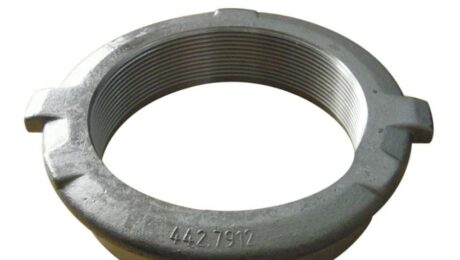
Understanding Head Bolts and Lock Bolts in Mining Machinery
Mining machinery is integral to the mining industry, enabling the effective extraction and processing of minerals and other resources. Within this machinery, specific components play crucial roles in ensuring reliability and functionality. Among these components, head bolts and lock bolts are vital for providing structural integrity and performance. In this comprehensive article, we will explore the significance of these bolts in mining machinery, their applications, specifications, and more.
The Role of Head Bolts in Mining Machinery
Head bolts are specially designed fasteners used to secure various components within mining machinery. They are instrumental in maintaining the stability and performance of engines, hydraulic systems, and other critical parts. The proper installation of head bolts ensures that machinery operates smoothly, minimizing downtime and enhancing productivity.
Types of Head Bolts
There are several types of head bolts used in mining machinery, including:
- Standard Head Bolts: These are conventional fasteners that provide reliable fastening for many applications.
- Tapered Head Bolts: Designed for securing components at various angles, these bolts offer flexibility in installation.
- Flanged Head Bolts: These bolts come with an integrated flange, distributing load and improving sealing.
Understanding Lock Bolts
Lock bolts are another critical component in the realm of mining machinery. They are known for their superior locking mechanisms, which provide enhanced security and stability in high-stress environments. Lock bolts are essential in applications where conventional fasteners may loosen due to vibrations or dynamic forces.
Benefits of Lock Bolts
The use of lock bolts in mining machinery offers several advantages:
- Vibration Resistance: Their design prevents loosening, making them ideal for heavy machinery in rugged environments.
- Enhanced Load Distribution: Lock bolts help distribute load more evenly, reducing the risk of failure.
- Ease of Installation: These fasteners can often be installed without the need for specialized tools, streamlining the maintenance process.
Applications of Head Bolts and Lock Bolts in Mining Machinery
Head bolts and lock bolts find application across various types of mining machinery, including:
- Excavators: Head bolts secure engine components, while lock bolts maintain the integrity of the arm and bucket attachments.
- Drilling Machines: Utilizing both types of bolts ensures that operational components remain tightly fastened during rigorous drilling operations.
- Haul Trucks: Heavy-duty lock bolts are crucial for securing parts that endure significant stress and strain.
Specifications and Considerations for Choosing Head Bolts and Lock Bolts
When selecting head bolts and lock bolts for mining machinery, several specifications should be taken into account:
- Material: Opt for materials that offer high tensile strength and resistance to corrosion, such as alloy steel or stainless steel.
- Size and Length: Choose bolts that match the specific dimensions required for the application to ensure a secure fit.
- Coating and Treatment: Consider additional coatings or treatments to enhance performance in harsh environments.
Maintenance Tips for Head Bolts and Lock Bolts
To ensure optimal performance and longevity of head bolts and lock bolts in mining machinery, regular maintenance is critical:
- Inspection: Regularly inspect bolts for signs of wear, corrosion, or loosening.
- Tightening: Follow manufacturer guidelines for torque specifications during installation and maintenance.
- Replacement: Replace worn or damaged bolts promptly to prevent machinery failure.
Frequently Asked Questions (FAQ)
What is the difference between head bolts and lock bolts?
Head bolts are traditional fasteners used to secure components, while lock bolts feature a locking mechanism designed to prevent loosening.
Why are lock bolts preferred in mining machinery?
Lock bolts are preferred for their superior vibration resistance and load distribution properties, making them ideal for high-stress conditions.
How do I know when to replace head bolts or lock bolts?
Replace head bolts or lock bolts if you notice any signs of wear, corrosion, or inability to maintain torque specifications.
Can I install head bolts and lock bolts myself?
Yes, both types of bolts can typically be installed with standard tools, but following manufacturer guidelines is essential for optimal performance.
Conclusion
Head bolts and lock bolts are indispensable components in mining machinery, playing essential roles in securing various parts and ensuring operational reliability. Understanding their functions, applications, and maintenance is crucial for anyone involved in the mining industry. For optimal performance, always choose the right specifications and conduct regular inspections. Investing in quality fasteners can lead to significant improvements in machinery performance and longevity.
LSI and NLP Keywords
- Mining equipment
- Heavy machinery bolts
- Machinery fasteners
- Bolt specifications
- Mining operations
- Fastener types
- Machine components
- Durability in mining
- Mining repair parts
- Mechanical integrity
- Industrial fasteners
- Mining industry standards
- High-strength fasteners
- Mining performance
- Machine maintenance
- Mining tools
- Equipment durability
- Published in Products
Comprehensive Guide to Anti Clogging Screen Meshes in Mining Machinery

Understanding Anti Clogging Screen Meshes
Anti clogging screen meshes are essential components in mining machinery, ensuring the efficient separation and processing of materials in various mining operations. These meshes are designed to prevent clogging and promote optimal flow of materials, which is critical in maintaining productivity and reducing downtime.
What Are Anti Clogging Screen Meshes?
Anti clogging screen meshes are specially engineered screens used in mining machinery. They are constructed from materials that resist clogging, allowing for the continuous flow of materials through the sieve. This feature is particularly important in applications involving wet or sticky materials that tend to obstruct traditional screens.
Types of Anti Clogging Screen Meshes
There are several types of anti clogging screen meshes available in the market. Some of the most common include:
- Woven Wire Mesh: This traditional type uses woven wires to create openings that resist clogging.
- Polymeric Mesh: Made from synthetic materials, these meshes are lightweight yet durable, making them ideal for various mining applications.
- Polyurethane Mesh: Known for its flexibility and high wear resistance, polyurethane meshes are commonly used in wet conditions.
- Self-Cleaning Mesh: This innovative design features a mechanism that vibrates or oscillates to keep the screen clear of materials.
Benefits of Using Anti Clogging Screen Meshes
Utilizing anti clogging screen meshes provides several advantages, including:
- Increased Efficiency: These meshes minimize downtime by preventing blockages, ensuring a steady flow of materials.
- Durability: Constructed from high-quality materials, anti clogging meshes are designed to withstand harsh mining environments.
- Reduced Maintenance Costs: By minimizing the need for frequent cleaning and replacement, these meshes help lower overall maintenance expenses.
Applications of Anti Clogging Screen Meshes in Mining Machinery
Anti clogging screen meshes are widely used in various applications within the mining industry, such as:
- Mineral Processing: Efficiently separating valuable minerals from ore without clogging.
- Coal Handling: Facilitating the handling of coal and preventing buildup that can impact performance.
- Sand and Gravel Separation: Ensuring effective separation of sand and gravel materials for construction purposes.
Choosing the Right Anti Clogging Screen Mesh
When selecting anti clogging screen meshes, consider the following factors:
- Material Composition: The choice of materials affects durability and performance, with steel, polyurethane, and composite options available.
- Mesh Size: The size of the openings should align with the specific requirements of the materials being processed.
- Operating Conditions: Environmental factors such as temperature, humidity, and the nature of materials will influence the selection.
Maintenance and Care for Anti Clogging Screen Meshes
Proper maintenance of anti clogging screen meshes is crucial for longevity and performance. Here are some practical tips:
- Regular Inspection: Routinely check for signs of wear, tear, or damage.
- Cleaning: Implement a cleaning schedule, especially for self-cleaning models.
- Replacement Plan: Have a strategy for timely replacement to avoid operational disruptions.
Frequently Asked Questions (FAQ) about Anti Clogging Screen Meshes
1. What materials are used to make anti clogging screen meshes?
Anti clogging screen meshes can be made from various materials, including woven wire, polyurethane, and composite materials, depending on the application and environmental conditions.
2. How do I know which anti clogging screen mesh is right for my mining operation?
Factors such as the type of materials processed, operating conditions, and mesh size requirements should guide your selection of the appropriate anti clogging screen mesh.
3. What are the main advantages of using anti clogging screen meshes in mining?
The key benefits include increased efficiency, durability, and reduced maintenance costs, all contributing to enhanced productivity in mining operations.
4. Can anti clogging screen meshes be used in wet applications?
Yes, many anti clogging screen meshes are specifically designed for wet conditions, with features that prevent clogging even when handling moist or sticky materials.
5. How often should I replace my anti clogging screen meshes?
Replacement frequency depends on usage and wear but conducting regular inspections will help determine the optimal replacement schedule for maintaining efficiency.
Conclusion
Anti clogging screen meshes play an integral role in the efficiency and productivity of mining operations. By understanding their types, benefits, and maintenance requirements, operators can optimize the use of these essential components in their machinery.
List of LSI and NLP Keywords
Mining machinery, screen mesh, anti clogging technology, mesh types, mineral processing, industrial screens, polyurethane screens, woven wire mesh, maintenance of screen meshes, vibratory screening, material handling in mining, mining equipment, screen sizes, separation technology, vibrating screens, mining spare parts, quality screening solutions, high-efficiency screens, wear-resistant meshes, construction aggregates, sand processing, coal separation meshes, efficient mining solutions.
- Published in Products
