


The Complete Guide to Toggle Plates in Mining Machinery and Spare Parts

The Complete Guide to Toggle Plates in Mining Machinery and Spare Parts
Toggle plates are crucial components in mining machinery, providing a vital link within various equipment systems. This comprehensive guide will explore the significance, types, benefits, and maintenance of toggle plates, emphasizing their role in enhancing the efficiency of mining operations.
What is a Toggle Plate?
A toggle plate is a component that serves as a pivot point in mechanical systems, particularly in crushers and other crushing machinery. They are designed to absorb shock loads and ensure the proper functioning of equipment by transferring force and motion.
Types of Toggle Plates
1. Standard Toggle Plates
These are the most common type used, typically made of steel or cast iron, providing excellent hardness and durability.
2. Heavy-Duty Toggle Plates
For more demanding applications, heavy-duty toggle plates are used, featuring enhanced material properties for increased longevity and performance.
3. Custom Toggle Plates
Depending on specific needs, custom toggle plates can be manufactured to meet unique specifications and performance requirements.
Importance of Toggle Plates in Mining Machinery
Toggle plates are integral to various types of mining machinery. Their role in the operation of crushers, screeners, and other equipment is significant:
- Shock Absorption: Toggle plates absorb shocks and reduce wear on other machine parts.
- Force Transfer: They effectively transfer force from the moving parts of the machinery.
- Impact Resistance: Their design allows them to withstand high impact forces and heavy loads.
- Alignment and Stability: Toggle plates help maintain the alignment and stability of machinery during operations.
Common Applications of Toggle Plates
Toggle plates are used in various applications in the mining sector, including:
- Crushers
- Jaw Crushers
- Gyratory Crushers
- Coal Breakers
- Screening Equipment
Benefits of High-Quality Toggle Plates
Investing in high-quality toggle plates can enhance the overall performance of machinery. Here are several benefits:
- Improved Efficiency: Higher durability and effectiveness lead to improved overall efficiency and reduced downtime.
- Cost-Effectiveness: Fewer replacements and repairs result in lower operational costs.
- Safety: Reliable toggle plates contribute to safer working conditions by preventing machinery failure.
Toggle Plate Maintenance Tips
Maintaining toggle plates is essential for ensuring their longevity and performance. Here are some key maintenance tips:
- Regular Inspections: Routinely check for signs of wear and tear.
- Lubrication: Keep moving parts well-lubricated to prevent overheating and wear.
- Replace Worn Parts: Timely replacement of worn or damaged toggle plates will prevent further damage to machinery.
Frequently Asked Questions About Toggle Plates
1. What material are toggle plates typically made from?
Toggle plates are commonly made from high-quality steel, cast iron, or a combination of durable materials designed to withstand significant stress and wear.
2. How do I know when to replace my toggle plate?
Signs of wear, such as excessive crack or deformation, unusual noise during operation, or reduced machinery performance, indicate that a toggle plate needs replacement.
3. Can toggle plates be customized?
Yes, toggle plates can be manufactured to specific dimensions and materials based on the requirements of different mining machinery.
4. What are the consequences of using a damaged toggle plate?
Using a damaged toggle plate can lead to equipment malfunction, increased wear on machinery, production delays, and ultimately costly repairs.
Conclusion
Toggle plates play an essential role in the functionality and efficiency of mining machinery. Understanding their significance, maintenance, and the benefits of high-quality parts can considerably impact mining operations. By prioritizing toggle plate quality and maintenance, operators can ensure optimal performance and longevity of their machinery.
Related Keywords
- Mining Equipment
- Crushing Machinery
- Jaw Crusher Spare Parts
- Crusher Wear Parts
- Heavy Equipment Components
- Mining Industry Components
- Toggle Mechanism
- Wear-Resistant Materials
- Mining Machinery Maintenance
- Replacement Parts
- High-Performance Parts
- Mining Machinery Parts Suppliers
- Mining Operations Equipment
- Published in Products
The Comprehensive Guide to Countershaft Bushings in Mining Machinery

The Comprehensive Guide to Countershaft Bushings in Mining Machinery
When it comes to the world of mining machinery, understanding the role of components like countershaft bushings is essential. This article will delve into the intricacies of countershaft bushings, their applications, types, importance, and much more. Whether you’re a machinery operator, a maintenance professional, or simply someone interested in mining machinery, this guide has something for you.
What is a Countershaft Bushing?
A countershaft bushing is a crucial component found in various types of mining machinery. It serves as a sleeve or lining that supports and reduces friction between moving parts. These bushings are typically placed around the countershaft of heavy equipment to ensure smooth operations.
Importance of Countershaft Bushings in Mining Machinery
Countershaft bushings play a vital role in ensuring the longevity and efficiency of mining machinery. They help in:
- Reducing Wear: By minimizing direct metal-to-metal contact, countershaft bushings reduce wear.
- Enhancing Performance: Properly functioning bushings lead to optimal performance of the machinery.
- Reducing Maintenance Costs: By preventing damage to the countershaft, these bushings can significantly lower maintenance expenses.
Types of Countershaft Bushings
There are several types of countershaft bushings, including:
- Bronze Bushings: Known for their durability and resistance to wear.
- Plastic Bushings: Lightweight and resistant to corrosion.
- Composite Bushings: Offer a combination of properties for different applications.
Common Applications of Countershaft Bushings in Mining Machinery
Countershaft bushings are used in various types of mining machinery, including:
- Excavators
- Dump Trucks
- Loaders
- Crushers
How to Choose the Right Countershaft Bushing
Selecting the right countershaft bushing involves several considerations:
- Material Compatibility: Ensure the material is suitable for the operating conditions.
- Size Specifications: The bushing must fit perfectly around the countershaft.
- Load Capacity: Choose a bushing that can handle the expected loads.
Installation of Countershaft Bushings
Proper installation of countershaft bushings is critical for their performance. Here are the steps to install:
- Clean the shaft and bushing surface thoroughly.
- Use appropriate lubrication during installation.
- Slide the bushing into place, ensuring proper alignment.
Maintenance Tips for Countershaft Bushings
Regular maintenance can enhance the lifespan of countershaft bushings:
- Regular Inspections: Check for wear and tear regularly.
- Lubrication: Ensure proper lubrication to minimize friction.
- Temperature Monitoring: Overheating can signal a need for replacement.
Countershaft Bushing Replacement
Over time, countershaft bushings will need to be replaced. Here’s how to identify when it’s time for a replacement:
- Visible Wear: Look for signs of heavy wear on the bushing.
- Increased Noise: Unusual noises from the machinery can signal a failing bushing.
- Performance Drops: A noticeable drop in machinery performance indicates a bushing problem.
FAQs About Countershaft Bushings
What materials are used in countershaft bushings?
Countershaft bushings can be made from materials such as bronze, plastic, and composites, each offering different benefits for durability and resistance.
How often should countershaft bushings be replaced?
The replacement interval can depend on machinery usage, but it’s generally advisable to inspect them every 500 to 1000 operating hours.
Can I replace a countershaft bushing myself?
You can replace a countershaft bushing yourself if you have the right tools and follow the proper procedures, but consulting a professional is always recommended for safety.
What are the signs of a failing countershaft bushing?
Signs include visible wear, unusual noises from the machinery, and a decrease in performance efficiency.
Where can I buy countershaft bushings?
Countershaft bushings can be purchased from mining machinery suppliers, auto part stores, or directly from manufacturers.
Conclusion: The Role of Countershaft Bushings in Mining Machinery
In conclusion, countershaft bushings are indispensable components in mining machinery that contribute significantly to smoother operations and enhanced equipment longevity. Understanding their types, applications, and maintenance can aid in optimizing machinery performance. Make sure to choose the right bushing for your specific needs to ensure the efficiency and reliability of your mining operations.
- Published in Products
The Comprehensive Guide to Eccentric Bushings in Mining Machinery and Spare Parts
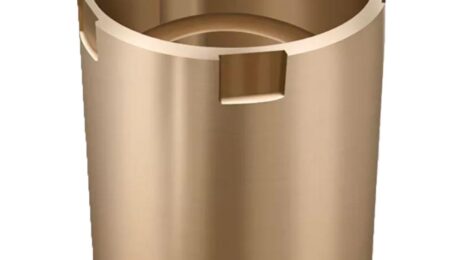
The Comprehensive Guide to Eccentric Bushings in Mining Machinery and Spare Parts
Mining machinery is crucial for the extraction and processing of valuable resources. An integral part of this machinery is the eccentric bushing, a component that plays a significant role in improving machine performance and longevity. This comprehensive guide delves into everything you need to know about eccentric bushings, their importance in mining machinery, and how they relate to spare parts.
What is an Eccentric Bushing?
An eccentric bushing is a device used in machinery that allows for adjustable alignment and enables the rotation of parts within a specific geometric area. In mining machinery, eccentric bushings are vital for the effective operation of crushers, mills, and other heavy-duty equipment.
Types of Eccentric Bushings
- Steel Eccentric Bushings
- Bronze Eccentric Bushings
- Plastic Eccentric Bushings
The Role of Eccentric Bushings in Mining Machinery
Eccentric bushings facilitate the movement of pivotal components in mining machinery. They are crucial in applications such as:
- Jaw Crushers
- Cone Crushers
- Ball Mills
- Screeners
Why Eccentric Bushings Matter
The importance of eccentric bushings cannot be understated. Here are a few reasons why they are vital:
- Enhances Machine Efficiency
- Reduces Wear and Tear on Components
- Facilitates Smooth Operations Under Load
Key Features of Eccentric Bushings
Understanding the features of eccentric bushings is critical for selecting the right part for your machinery. Key features include:
- Material Composition
- Load Capacity
- Design Specifications
- Durability and Wear Resistance
How to Choose the Right Eccentric Bushing
Choosing the right eccentric bushing for your mining machinery involves several considerations:
- Determine the Application Requirements
- Select the Right Material
- Consider the Operating Environment
- Check for Compatibility with Existing Machinery
Maintenance of Eccentric Bushings
Regular maintenance of eccentric bushings extends their lifespan and enhances their performance. Key maintenance practices include:
- Regular Inspections
- Lubrication
- Cleaning
- Monitoring for Wear
Common Issues with Eccentric Bushings
Despite their robust design, eccentric bushings may encounter several issues:
- Wear and Tear
- Misalignment
- Overheating
FAQs about Eccentric Bushings
1. What is the function of an eccentric bushing?
The function of an eccentric bushing is to provide adjustable alignment and rotational movement in machinery components, ensuring effective performance in mining applications.
2. How do I know if my eccentric bushing needs replacing?
Signs that an eccentric bushing may need replacing include unusual noises, decreased performance, visible wear, and excessive movement or alignment issues.
3. What materials are eccentric bushings made from?
Eccentric bushings can be made from various materials, including steel, bronze, and plastic, depending on the application and operating conditions.
4. Can I manufacture eccentric bushings myself?
While it’s possible to manufacture eccentric bushings, it requires precise engineering knowledge and equipment. It is generally recommended to purchase them from reputable suppliers.
5. How often should eccentric bushings be inspected?
Eccentric bushings should be inspected regularly, ideally during routine maintenance schedules, to ensure optimal performance and prevent unexpected failures.
Conclusion
In conclusion, eccentric bushings are vital components in the world of mining machinery. Understanding their function, importance, and maintenance can significantly affect the operational efficiency of your machinery. Invest in high-quality eccentric bushings and prioritize regular maintenance to keep your mining operations running smoothly.
List of LSI and NLP Keywords Related to Eccentric Bushing
- Mining equipment
- Heavy machinery
- Spare parts
- Industrial bushings
- Mining operations
- Cone crusher parts
- Crusher performance
- Machinery maintenance
- Wear parts
- Mineral processing equipment
- Component alignment
- Load distribution
- Operational efficiency
- Published in Products
Understanding Breaker Bars: Essential Components in Mining Machinery
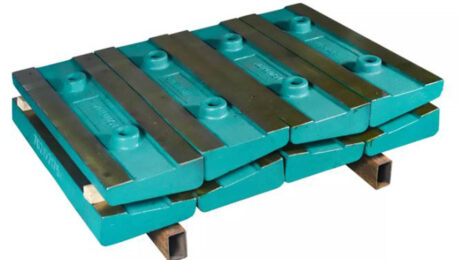
Understanding Breaker Bars: Essential Components in Mining Machinery
Mining machinery is a vital component in the extraction of minerals and resources from the earth. Among the various parts that facilitate this process, the breaker bar stands out as an essential component that ensures efficiency and effectiveness in operations. In this comprehensive guide, we will delve into the significance of breaker bars in mining machinery, their functions, types, maintenance, and more.
What is a Breaker Bar?
A breaker bar is a mechanical component found in various types of mining equipment. Its primary role is to break down large materials into smaller, manageable pieces, thereby facilitating the processing and transportation of mined materials. Breaker bars are often used in technologies like crushers and shredders in heavy mining machinery.
Importance of Breaker Bars in Mining Operations
Breaker bars are crucial in mining operations for several reasons:
- Efficiency: They help optimize the crushing process, improving overall productivity.
- Material Handling: By reducing the size of materials, breaker bars make it easier to transport and process mined resources.
- Cost-Effectiveness: A well-functioning breaker bar can reduce wear and tear on other equipment, lowering maintenance and replacement costs.
Types of Breaker Bars
Different mining machinery employs various types of breaker bars, each designed for specific applications:
1. Hydraulic Breaker Bars
These bars are powered by hydraulic systems and provide substantial force to fragment materials.
2. Mechanical Breaker Bars
Utilizing mechanical advantage, these bars rely on levers or gears to exert breaking force.
3. Impact Breaker Bars
Designed to provide high-impact force, these bars work effectively in primary crushing stages.
Common Applications of Breaker Bars in Mining Machinery
Breaker bars find applications in several types of mining machinery:
- Jaw Crushers: Used to break down large rock fragments.
- Impact Crushers: Ideal for creating smaller aggregates through high-speed impacts.
- Granulators: Designed for processing and recycling materials.
Materials Used in Breaker Bar Manufacturing
Breaker bars must withstand high levels of stress and wear, leading manufacturers to use various durable materials:
- High Manganese Steel: Offers excellent wear resistance.
- Chrome Molybdenum Steel: Enhances toughness and strength.
- Alloy Steels: Provides a balance of hardness and ductility.
Maintenance and Care of Breaker Bars
Regular maintenance of breaker bars extends their lifespan and ensures optimal performance:
- Regular Inspections: Frequent inspections can help identify wear and tear early.
- Lubrication: Proper lubrication reduces friction and wear.
- Replacement: Knowing when to replace a breaker bar is critical to maintaining machinery performance.
Costs Associated with Breaker Bars and Their Replacement
The cost of breaker bars varies based on materials, manufacturer, and type. It’s essential to factor in:
- Initial Cost: The price of purchasing new breaker bars.
- Maintenance Costs: Ongoing expenses related to upkeep.
- Downtime Costs: Lost productivity during replacement periods.
Comparing Different Brands of Breaker Bars
When selecting breaker bars, consider factors such as durability, price, and performance:
Popular Brands:
- Metso: Known for high-quality mining machinery components.
- Sandvik: Offers a wide range of breaker bars suitable for various applications.
- Terex: Renowned for innovative mining solutions.
Future Trends in Breaker Bar Technology
Advancements in materials and technology continue to shape the manufacturing of breaker bars. Future trends include:
- Wear-Resistant Materials: Innovating new composites to enhance durability.
- Smart Technology: Integrating sensors for real-time performance monitoring.
- Eco-friendly Manufacturing: A shift towards sustainable practices in production.
Conclusion
In summary, breaker bars play a crucial role in the efficient operation of mining machinery. Understanding their functions, types, and maintenance needs can significantly impact mining operations’ productivity and cost-effectiveness. As mining technology evolves, so does the importance of reliable and efficient breaker bars.
FAQs about Breaker Bars
- What is a breaker bar? A breaker bar is a component used in mining machinery to break down large materials into smaller pieces.
- Why are breaker bars important? They enhance the efficiency of crushing operations, making material handling easier and more cost-effective.
- What are the common materials used to make breaker bars? Common materials include high manganese steel, chrome molybdenum steel, and alloy steels.
- How can I maintain a breaker bar? Regular inspections, lubrication, and timely replacement are essential for maintaining breaker bars.
- When should I replace my breaker bar? A breaker bar should be replaced when significant wear is observed or performance declines.
- Published in Products
The Essential Guide to Flywheels in Mining Machinery and Spare Parts
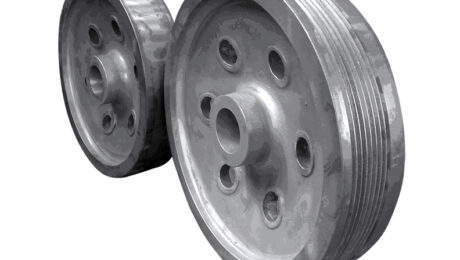
The Essential Guide to Flywheels in Mining Machinery and Spare Parts
Flywheels are crucial components in the world of mining machinery, ensuring optimal performance and efficiency in various applications. This guide provides a comprehensive look at flywheels, their functions, types, and maintenance considerations in mining machinery. Additionally, we will delve into the availability of mining machinery spare parts, particularly focusing on flywheel spare parts.
What is a Flywheel?
A flywheel is a mechanical device that stores kinetic energy. Traditionally, it consists of a heavy wheel that rotates to maintain the momentum necessary for the operations of mining machinery. The flywheel’s ability to smooth out the power delivery makes it indispensable in heavy machinery applications.
The Importance of Flywheels in Mining Machinery
Flywheels play several critical roles in mining operations:
- Energy Storage: Flywheels stabilize energy fluctuations and allow for consistent power delivery.
- Increased Efficiency: By providing a moment of inertia, flywheels allow mining machinery to optimize their energy consumption.
- Durability: Flywheels are designed to withstand the extreme conditions often found in mining environments.
Types of Flywheels Used in Mining Machinery
Understanding the different types of flywheels can help in selecting the right one for specific mining applications. The two main types include:
- Inertia Flywheels: These flywheels are used primarily for energy storage and stabilizing power in various machinery.
- Composite Flywheels: These are lighter and can operate at higher speeds, making them suitable for modern mining equipment.
Common Mining Machinery That Utilize Flywheels
Flywheels are integrated into various types of mining machinery, including:
- Excavators: They rely on flywheels for powerful bucket operations.
- Drills: Flywheels aid in percussion drilling methods.
- Haul Trucks: These trucks often use flywheels to manage load transitions smoothly.
Flywheel Spare Parts in Mining Machinery
Maintenance of flywheels and their spare parts is essential for the longevity of mining equipment. Key spare parts include:
- Flywheel Rings: Important for maintaining the flywheel’s structure.
- Bearings: Crucial for ensuring smooth operation.
- Flywheel Housings: Protects the internal components from environmental elements.
Maintaining Flywheels in Mining Equipment
Regular maintenance is vital for ensuring the efficiency and longevity of flywheels. Consider the following maintenance tips:
- Regular Inspections: Periodically check the flywheel for any signs of wear and tear.
- Lubrication: Keep all moving parts well-lubricated to reduce friction.
- Alignment Checks: Ensure the flywheel is properly aligned to avoid unnecessary strain on bearings.
Challenges in Flywheel Maintenance
Despite their durability, flywheels in mining machinery can encounter various challenges, including:
- Corrosion: Exposure to harsh environments can lead to degradation.
- Physical Damage: Heavy impacts can cause cracks or misalignment.
Choosing Quality Flywheel Spare Parts
When sourcing flywheel spare parts for mining machinery, consider the following factors:
- Compatibility: Ensure the parts are compatible with your machinery’s specifications.
- Material Quality: Opt for high-quality materials that can withstand heavy-duty applications.
- Manufacturer Reputation: Choose parts from reputable manufacturers to ensure reliability.
FAQs about Flywheels in Mining Machinery
What is the purpose of a flywheel in mining machinery?
The flywheel in mining machinery serves to store energy and provide stability in power delivery, enabling equipment to function efficiently.
How often should flywheels be inspected?
It is advisable to inspect flywheels regularly, at least once every few months, to catch any potential issues early.
Can flywheel spare parts be easily sourced?
Yes, flywheel spare parts are commonly available through specialized mining machinery suppliers and manufacturers.
What are the signs of a failing flywheel?
Signs of a failing flywheel can include unusual vibrations, increase in noise levels, or irregular engine performance in the machinery.
Conclusion
Flywheels are indispensable in the mining industry, ensuring machinery operates smoothly and efficiently under demanding conditions. Understanding their importance, types, and maintenance will help mining companies maximize productivity while minimizing equipment downtime. Always invest in quality flywheel spare parts to ensure the longevity and reliability of your mining machinery.
- Published in Products
The Comprehensive Guide to End Frames in Mining Machinery and Spare Parts
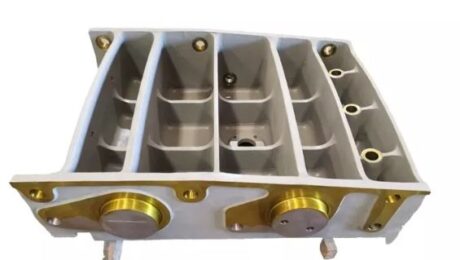
The Comprehensive Guide to End Frames in Mining Machinery and Spare Parts
Introduction to End Frames
End frames are essential components in mining machinery, providing structural integrity and support for various equipment. In this article, we will explore the significance of end frames, their manufacturing processes, and their role in ensuring operational efficiency.
What are End Frames?
End frames are structural components used in mining machinery to maintain the alignment and integrity of machinery parts. They serve as the foundation for assembling different machine elements, ensuring stability and operational performance.
Types of End Frames
There are several types of end frames used in mining machinery, including:
- Fixed End Frames: These are rigid and provide unwavering support during operations.
- Movable End Frames: Designed to allow adjustments based on operational needs.
Materials Used in End Frame Manufacturing
The choice of materials for end frame production is critical. Common materials include:
- Steel
- Aluminum
- Composite materials
The Importance of End Frames in Mining Machinery
End frames play a crucial role in the following areas:
- Load Bearing: They support heavy loads and ensure the machinery operates efficiently.
- Alignment: Correct alignment minimizes wear and extends machinery lifespan.
Design Considerations for End Frames
When designing end frames, several factors must be considered:
- Weight Distribution: Ensuring even weight distribution to enhance stability.
- Compatibility: End frames must be compatible with various machinery models.
The Manufacturing Process of End Frames
The manufacturing process for end frames typically involves:
- Design and prototyping
- Material selection
- Fabrication and assembly
Maintenance and Replacement of End Frames
Regular maintenance is essential to extend the lifespan of end frames. Signs that replacement is needed include:
- Visible wear and tear
- Deformation or misalignment
Mining Machinery Spare Parts and Their Relation to End Frames
End frames are often accompanied by various spare parts, enhancing machinery functionality:
- Cylinders
- Bearings
- Seals
Challenges Faced with End Frames in Mining Operations
Despite their importance, end frames face challenges like:
- Corrosion from harsh environments
- Damage during machine operation
Future Trends in End Frame Design
Innovations in materials and design will likely lead to lighter and more durable end frames in the future.
Conclusion
End frames are vital to the functionality, stability, and longevity of mining machinery. Understanding their role and maintenance is crucial for operational success.
FAQs
1. What is the function of an end frame in mining machinery?
The primary function of an end frame is to provide structural support and alignment for various components in mining machinery, ensuring efficient operation.
2. How often should end frames be inspected?
End frames should be inspected regularly, ideally every few months, to check for signs of wear, deformation, or misalignment.
3. What materials are typically used for end frames?
Common materials for end frames include steel, aluminum, and composite materials resistant to corrosion and wear.
4. Can end frames be repaired, or do they need to be replaced?
In many cases, minor damage can be repaired, but severe wear or deformation usually necessitates replacement.
LSI and NLP Keywords
Mining machinery, structural integrity, operational efficiency, load-bearing structures, machinery alignment, manufacturing processes, heavy equipment parts, mining operations, end frame maintenance, end frame design, mining sector, operational success.
Related Terms
- Machinery support frames
- Heavy equipment manufacturing
- Mining equipment durability
- Spare parts management
- Equipment performance optimization
- Published in Products
Understanding Pitman in Mining Machinery: Importance, Types, and Maintenance

Understanding Pitman in Mining Machinery: Importance, Types, and Maintenance
Mining machinery plays a critical role in the efficiency and productivity of mining operations. Among the various components that make up these machines, the ‘Pitman’ is a vital part that impacts the overall performance. This article explores what a Pitman is, its significance in mining machinery, the different types available, maintenance practices, and more.
1. What is a Pitman in Mining Machinery?
The Pitman is a fundamental component in various types of mining machinery, particularly in crushers and mills. It acts as a lever, allowing for the necessary movement and energy transfer within the machine. Understanding its role helps in grasping how mining machinery operates effectively.
2. The Importance of a Pitman in Mining Equipment
The importance of a Pitman in mining equipment cannot be overstated. It contributes significantly to the operational efficiency, durability, and functionality of the machinery. This section will cover why a well-functioning Pitman is essential for optimal mining operations.
2.1. Energy Efficiency
A properly designed and maintained Pitman enhances energy efficiency. It ensures that the energy input translates effectively into crushing or milling actions.
2.2. Performance Reliability
Reliability during operation is crucial. A malfunctioning Pitman can lead to machine downtime, impacting overall productivity.
2.3. Longevity of Equipment
By ensuring that the Pitman is in good condition, the longevity of the entire machinery is improved, leading to reduced operating costs over time.
3. Types of Pitman Used in Mining Machinery
Depending on the specific requirements of the mining operation, various types of Pitman are utilized in machinery. Below are the common types:
3.1. Standard Pitman
The standard Pitman is used in most crushers and is designed for typical workloads. It’s an essential part of the machinery.
3.2. Heavy-Duty Pitman
For more challenging applications, heavy-duty Pitmans are designed to withstand higher stresses, ensuring reliability in demanding environments.
3.3. Custom Pitman Solutions
Some operations require custom Pitman designs tailored to specific machinery and operational needs, which can enhance performance further.
4. Pitman Material Types and Their Features
The material used in the construction of a Pitman affects its performance and durability. Common materials include:
4.1. Cast Steel
Durable with excellent wear resistance, often used in heavy machinery applications.
4.2. Forged Steel
Stronger and more resilient under stress, preferred for situations with extreme loads.
4.3. Alloy Steel
Provides a balance between toughness and ductility, suitable for a wide range of mining applications.
5. Common Issues with Pitman in Mining Machinery
Despite their durability, Pitmans can encounter issues that can hamper machinery performance. Some common problems include:
5.1. Wear and Tear
Continuous use leads to wear, requiring regular assessment and potential replacement.
5.2. Misalignment
Improper installation or damage can cause misalignment, leading to reduced efficiency.
5.3. Overloading
Exceeding the load capacity can lead to premature failure and safety hazards.
6. Maintenance of Pitman in Mining Equipment
Regular maintenance is essential to ensure the longevity and reliability of the Pitman. Here are some key maintenance practices:
6.1. Regular Inspections
Conducting regular inspections can help preemptively identify potential issues.
6.2. Lubrication
Proper lubrication reduces friction and wear, promoting smoother operation.
6.3. Replacement of Worn Parts
Identifying and replacing worn components before they cause larger failures can save costs.
7. Role of Pitman in Different Mining Applications
Different mining applications may utilize the Pitman in varying capacities. Here, we look at its role in various contexts:
7.1. In Primary Crushers
Discusses how the Pitman facilitates the crushing process in primary crushers.
7.2. In Secondary and Tertiary Crushers
Examines the impact of Pitman on secondary and tertiary crushing stages.
8. FAQs about Pitman in Mining Machinery
8.1. What does a Pitman do in mining machinery?
The Pitman serves as a lever, transferring motion and energy, allowing the machinery to operate effectively.
8.2. How do I know if my Pitman needs replacement?
If you notice excessive vibration, misalignment, or unusual noises during operation, it may be time for replacement.
8.3. Can I clean and lubricate my Pitman myself?
Yes, as long as you follow the manufacturer’s instructions and safety protocols.
8.4. What are the signs of Pitman failure?
Common signs include decreased performance, loud operational noises, and visible wear on components.
8.5. How often should I maintain my Pitman?
This depends on usage, but it is generally advisable to perform maintenance checks at regular intervals.
9. Conclusion
The Pitman is a crucial element of mining machinery, impacting performance, efficiency, and overall operation. Understanding its functions, types, maintenance needs, and common issues helps in maximizing the effectiveness of mining operations.
LSI and NLP Keywords:
- Mining Equipment
- Crusher Parts
- Pitman Arm
- Pitman Assembly
- Pitman Design
- Pitman Steel
- Mining Operations
- Crushing Machinery
- Mining Spare Parts
- Crusher Maintenance
- Wear Parts
- Heavy Machinery
- Mining Equipment Maintenance
- Pitman Wear
- Mining Industry
- Crusher Safety
- Published in Products
Understanding Rotors in Mining Machinery: Essential Components and Spare Parts

Understanding Rotors in Mining Machinery: Essential Components and Spare Parts
In the world of mining, machinery plays a crucial role in efficiently extracting resources from the earth. Among the myriad of components that make up mining machinery, the rotor stands out as a pivotal element in various types of equipment. This article delves deep into the significance of rotors, the types used in mining machinery, their spare parts, and considerations for maintenance and replacement. We also encapsulate the commonly asked questions surrounding rotors in mining machinery.
What is a Rotor?
A rotor is a rotating assembly that converts electrical energy into mechanical energy. In mining machinery, rotors facilitate critical operations by functioning as an essential component in devices like crushers, pumps, and other heavy-duty equipment. The importance of rotors cannot be understated as they directly influence the performance and efficiency of the machinery.
Types of Rotors Used in Mining Machinery
1. Hammer Mill Rotors
Hammer mills utilize rotors that are equipped with heavy hammers. The spinning rotors break down materials into smaller pieces, making them ideal for ore processing.
2. Vertical Shaft Impact (VSI) Rotors
VSI rotors are designed to enhance material throw, increasing the impact on the material being processed. These are often used in sand and gravel production.
3. Shaft Rotors in Crusher Machines
Crushers commonly use shaft rotors that are durable and designed to withstand the high-impact forces during the crushing process.
4. Pump Rotors
Pumps in mining operations utilize rotors to facilitate the movement of water and other fluids from one location to another, ensuring efficient operation and resource management.
The Role of Rotors in Mining Machinery
Rotors serve several critical functions in mining machinery:
- Mechanical Energy Conversion: They convert electrical energy into mechanical energy that drives various processes.
- Material Reduction: In machines like hammer mills, rotors reduce material size for easier handling and processing.
- Enhanced Efficiency: Properly designed rotors improve the overall efficiency of mining operations.
- Durability: High-quality rotors ensure minimal downtime and therefore continuous operations.
Mining Machinery Spare Parts: Focus on Rotors
Importance of Rotor Spare Parts
In the mining industry, equipment downtime can lead to significant losses. Having access to spare parts, particularly for rotors, is essential for maintaining operational efficiency. Spare rotors can minimize the risk of extended downtime during repairs.
Common Spare Parts for Rotors
- Replacement Blades: Essential for maintaining the cutting effectiveness of rotors.
- Rotary Bearings: Support the rotor’s rotation and reduce friction.
- Fasteners and Housings: Vital for securing the rotor within the machinery.
- Cooling Systems: Important for high-performance rotors that may experience heat during operation.
Choosing the Right Rotor for Your Mining Machinery
Selecting the appropriate rotor depends on various factors including the type of material being processed, the desired output size, and the specific machinery in use.
- Material Compatibility: Ensure the rotor material can withstand the abrasive nature of materials being processed.
- Size and Design: Consider the size of the feed material and the specific design of the rotor for optimal efficiency.
- Manufacturer Specifications: Always adhere to the specifications provided by the equipment manufacturer.
Maintenance Tips for Mining Machinery Rotors
To maximize the lifespan of rotors in mining machinery, routine maintenance is critical:
- Regular Inspections: Conduct inspections to check for wear and tear.
- Lubrication: Ensure all moving parts, including bearings, are adequately lubricated.
- Proper Cleaning: Clean the rotor after use to remove debris and prevent corrosion.
FAQs about Rotors in Mining Machinery
What is the function of a rotor in mining machinery?
The rotor converts electrical energy into mechanical energy, aiding in processes like crushing, pumping, and material size reduction.
How long do rotors last in mining machinery?
The lifespan of rotors can vary widely based on usage and maintenance, ranging from several months to years.
What should I look for when buying rotor spare parts?
Look for compatibility with your equipment, quality assurance from manufacturers, and warranty options.
Can I repair a damaged rotor?
In some cases, rotors can be repaired, but replacement is often recommended for performance efficiency and safety.
How often should I perform maintenance on my mining machinery rotors?
Regular inspections should be conducted at intervals determined by usage; however, monthly checks are generally recommended.
Conclusion
In conclusion, rotors are vital components in mining machinery that facilitate the effective operation of equipment used in resource extraction. Understanding the types of rotors, their role, and the importance of spare parts is crucial for those in the industry. Proper maintenance practices will safeguard machinery efficiency and prevent costly downtime, ensuring optimal productivity.
Additional Resources
For more information on mining machinery and components, consider consulting industry publications and manufacturer resources.
LSI and NLP Keywords
- Mining equipment rotors
- Rotors for crushers
- Mining machinery parts
- Spare parts for rotors
- Hammer mill rotor parts
- Vertical impact rotor design
- Crusher machine rotors
- Mining industry components
- Heavy-duty rotors
- Rotary pumps rotors
- Rotor maintenance
- Mining machinery efficiency
- Published in Products
The Essential Role of Conveyor Belts in Mining Machinery and Spare Parts

The Essential Role of Conveyor Belts in Mining Machinery and Spare Parts
In the world of mining, efficiency and reliability are paramount. One of the critical components that enables effective material handling is the conveyor belt. This article dives deep into the significance of conveyor belts in mining machinery, their types, features, maintenance, and the array of spare parts essential for their operation.
Understanding Conveyor Belts in Mining
Conveyor belts serve a vital function in transporting raw materials from one point to another within a mine site. They are specifically designed to handle heavy and bulk materials, making them indispensable in the mining industry.
Types of Conveyor Belts Used in Mining
There are several types of conveyor belts utilized in the mining sector:
- Steel Cord Conveyor Belts: Ideal for heavy-duty operations, these belts provide high tensile strength and durability.
- Fabric Conveyor Belts: Composed of layers of fabric, these belts are used for lighter applications.
- Modular Conveyor Belts: These belts are made from interlocking plastic modules and are suited for conveyor tasks requiring varying widths and configurations.
- Rubber Conveyor Belts: Known for their flexibility and robustness, rubber belts are often used in the transport of aggregates and ores.
Key Features of Conveyor Belts in Mining Machinery
Conveyor belts are engineered with various features that enhance their performance:
- Tensile Strength: The ability to withstand tension and rough handling.
- Impact Resistance: Essential for the rugged conditions of mining operations.
- Heat Resistance: Important for refined processes involving heat exposure.
- Fire Resistance: Safety features to prevent fire hazards in mines.
Maintenance of Conveyor Belts
Proper maintenance of conveyor belts is essential to ensure longevity and operational efficiency. Regular checks for wear and tear, alignment, and cleaning can help avoid costly downtimes.
Common Maintenance Practices
- Regular Inspection: Frequent checks for damage and wear.
- Belt Cleaning: Removing debris and material build-up to prevent slip and wear.
- Replacement of Worn Parts: Timely replacement of damaged or worn-out belts and accessories.
Spare Parts for Conveyor Belts
The effectiveness of a conveyor belt relies heavily on its spare parts. Here is a list of essential spare parts:
- Belt Rollers: Ensure proper movement and reduce wear on the belt.
- Drum Pulley: Vital for belt tension and movement.
- Belt Fasteners: Help in joining belt ends securely.
- Bearings: Critical for the smooth operation of pulleys and rollers.
Choosing the Right Conveyor Belt for Your Mining Operations
Selecting the appropriate conveyor belt requires considering the type of material being transported, environmental conditions, and the specific requirements of the mining operation.
Factors to Consider
- Material Type: Different materials require different belt types for effective transport.
- Distance: Longer distances may require more robust belts to prevent stretching.
- Load Capacity: Understanding the maximum load the belt must accommodate.
Environmental Impact of Conveyor Belts in Mining
Considerations for sustainability in mining machinery operations are becoming increasingly crucial. Conveyor belts can help reduce environmental impact by minimizing truck transport and reducing emissions.
Integrating Technology with Conveyor Belts
Advancements in technology mean conveyor belts can now be integrated with monitoring systems for efficiency and safety. Real-time tracking and diagnostics can enhance operational performance.
Smart Conveyor Belts
Smart conveyor belts utilize sensors and IoT technology to monitor performance and predict maintenance needs, which significantly reduces operational downtimes.
Challenges Faced by Conveyor Belts in Mining Operations
Despite their advantages, many challenges are associated with conveyor belts in mining:
- Spillage: Improper loading can lead to material spillage.
- Wear and Tear: Continuous operations may lead to accelerated wear.
- Environmental Conditions: Extreme weather can affect belt performance.
Future Trends in Conveyor Belt Technology
The future of conveyor belts in the mining sector lies in the adoption of more sustainable materials, automation, and enhanced monitoring systems, which aim to improve efficiency and safety.
Conclusion
Conveyor belts are essential components in mining machinery that facilitate the efficient movement of materials. Investing in the right types of belts and maintenance can lead to significant operational advantages, minimizing costs and maximizing productivity.
FAQ Section
What is the function of a conveyor belt in mining?
A conveyor belt is used to transport materials from one location to another within a mining site, significantly improving efficiency and productivity.
What are the different types of conveyor belts available for mining machinery?
Types include steel cord belts, fabric belts, modular belts, and rubber belts, each suited to different applications.
How do you maintain a conveyor belt?
Regular inspections, cleaning, and timely replacement of worn parts are fundamental to maintaining conveyor belts.
What spare parts are necessary for conveyor belts?
Essential spare parts include belt rollers, drum pulleys, belt fasteners, and bearings.
What roles do technology play in modern conveyor belts?
Technology enhances conveyor belts’ operational efficiency and safety through real-time monitoring and predictive maintenance.
- Published in Products
Comprehensive Guide to Roller in Mining Machinery and Spare Parts

Understanding Roller: A Critical Component in Mining Machinery
Mining machinery plays an essential role in the extraction of valuable resources from the earth. Among the various components that constitute this heavy equipment, the roller is a vital part that ensures the smooth operation and efficiency of machinery. This guide dives deep into the different types of rollers, their functionalities, and the significance of roller spare parts in the mining industry.
What is a Roller in Mining Machinery?
A roller is a cylindrical component used in various mining machinery, including excavators, bulldozers, conveyor systems, and more. It aids in facilitating movement and reducing friction between surfaces. The performance of mining machinery heavily relies on the quality and durability of rollers.
Types of Rollers in Mining Machinery
1. Conveyor Rollers
Conveyor rollers are essential for transporting materials over distances. They come in various sizes and materials, designed for strength and durability to withstand heavy loads.
2. Idler Rollers
Idler rollers are non-powered rollers that support the conveyor belt. They help maintain tension and facilitate smooth movement.
3. Drive Rollers
Drive rollers are powered rollers that propel the conveyor belt. They are integral to the effective operation of the conveying system.
4. Carrier Rollers
Used in large mining equipment like excavators, carrier rollers support the weight of the machine and contribute to its operational stability.
5. Track Rollers
Track rollers are designed for crawler machinery, providing stability and support as the equipment moves over uneven terrains.
Materials Used in Manufacturing Rollers
Rollers are typically made from high-strength materials such as steel, rubber, and polyurethane. The choice of material depends on the roller’s application and the environmental conditions in which it operates.
Importance of High-Quality Rollers
The efficiency and longevity of mining machinery are heavily influenced by the quality of rollers used. High-quality rollers reduce maintenance costs, improve operational efficiency, and enhance safety. Regular inspections and timely replacements are crucial to maintain optimal performance.
Roller Spare Parts: Ensuring Longevity and Performance
Spare parts for rollers include components such as bearings, seals, and sleeves. Ensuring that these parts are of high quality is crucial for the smooth operation of mining machinery. Using substandard spare parts can lead to increased downtime and may compromise safety.
How to Choose the Right Roller for Your Mining Machinery
When selecting a roller for mining machinery, consider the following factors:
- Load Capacity: Choose a roller that meets the operational load requirements.
- Environmental Conditions: Select materials resistant to wear, corrosion, and temperature changes.
- Compatibility: Ensure the roller fits well with existing machinery and systems.
- Manufacturer Reputation: Opt for reputable manufacturers known for quality products.
Maintenance Tips for Rollers
Proper maintenance of rollers is essential to their longevity and performance. Here are some tips:
- Regular Inspections: Check for wear and tear regularly.
- Lubrication: Ensure proper lubrication of moving parts to reduce friction and prevent damage.
- Cleaning: Keep rollers clean to prevent material buildup that could hinder performance.
- Timely Replacements: Replace worn-out rollers promptly to avoid damages to machinery.
Frequently Asked Questions
What are the signs that a roller needs replacement?
Common signs include excessive noise, machine vibrations, and visible wear or damage to the roller.
Can I use generic spare parts for rollers?
While generic parts may fit, it is preferable to use manufacturer-approved spare parts for better performance and safety.
How often should rollers be inspected?
It is recommended to inspect rollers at least every 250 operating hours or as per the manufacturer’s guidelines.
What factors affect the lifespan of rollers?
Factors include load capacity, operating environment, material quality, and maintenance practices.
Emerging Trends in Roller Technology
Innovations in roller design and materials are constantly emerging. Advancements in composite materials and wear-resistant coatings are enhancing the durability and efficiency of rollers in mining machinery.
The Future of Rollers in Mining Machinery
As mining technology evolves, so will the design and functionality of rollers. The future will likely see smarter rollers equipped with sensors to monitor performance and predict failures, thus improving overall efficiency and safety in mining operations.
Conclusion
Rollers are indispensable components of mining machinery that ensure efficiency, stability, and safety during operations. Understanding the different types of rollers, their construction, and maintenance is crucial for anyone involved in the mining industry. Investing in high-quality rollers and spare parts is essential for enhancing the operational lifespan and performance of mining machinery.
- Published in Products
