


The Definitive Guide to Screen Meshes in Mining Machinery and Spare Parts
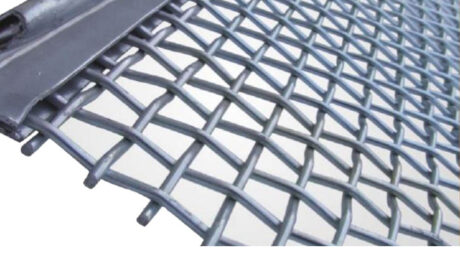
The Definitive Guide to Screen Meshes in Mining Machinery and Spare Parts
Screen meshes are integral components in mining machinery, serving crucial roles in the separation and classification processes. In this comprehensive guide, we will delve deep into the world of screen meshes, exploring their types, materials, applications, and the importance of high-quality meshes in the mining industry.
What Are Screen Meshes?
Screen meshes, also known as screening media or mesh screens, are used in mining machinery to separate materials based on size and shape. They are a vital part of vibrating screens and other equipment, ensuring efficient material processing.
Importance of Screen Meshes in Mining
Screen meshes play a pivotal role in mining operations. They enhance productivity by ensuring proper separation of various materials, aiding in the recovery of desired minerals while discarding waste. High-quality screen meshes reduce maintenance costs and improve overall machinery efficiency.
Types of Screen Meshes
1. Woven Wire Mesh
Woven wire mesh is one of the most common types of screen meshes used in mining. It is made from high-strength steel wires woven together to form a grid of openings. This type provides excellent durability and is customizable to fit specific requirements.
2. Perforated Plate Mesh
Perforated plate meshes consist of metal plates with holes punched through them, allowing for the effective screening of materials. They are often used for heavier materials and offer excellent wear resistance.
3. Synthetic Mesh
Synthetic meshes are made from materials like polyurethane or rubber. They are lightweight and flexible, offering good resistance to abrasion and wear. Synthetic screen meshes are ideal for high-frequency vibrating screens.
4. Hooked Mesh
Hooked meshes feature hooks that allow for easy installation on the screening equipment. They are available in various materials and are designed for specific applications in mining operations.
Materials Used in Screen Meshes
1. Wire Steel
Wire steel is commonly used in woven wire meshes due to its strength and durability. It can withstand harsh mining environments and provides an extended service life.
2. Stainless Steel
Stainless steel screen meshes are resistant to corrosion, making them ideal for wet applications in mining. They maintain their integrity and performance over time.
3. Polyurethane
Polyurethane is a popular choice for synthetic screen meshes. It is lightweight, flexible, and offers excellent resistance to wear and tear.
4. Aluminum
Aluminum meshes are lightweight and can be used in specific applications where reduced weight is crucial. They offer good corrosion resistance but may not be suitable for all heavy-duty operations.
Applications of Screen Meshes in Mining
1. Mineral Processing
Screen meshes are extensively used in mineral processing for separating valuable minerals from waste materials.
2. Aggregate Production
In aggregate production, screen meshes help in classifying aggregates by size, ensuring quality in construction materials.
3. Coal Processing
Screen meshes facilitate the separation of coal from impurities, making it essential in coal mining operations.
Choosing the Right Screen Mesh
When selecting a screen mesh, factors such as mesh size, material, and application should be considered. Properly matched screen meshes enhance efficiency and reduce operational costs.
Maintenance of Screen Meshes
Regular inspection and maintenance of screen meshes are essential to ensure their longevity and effectiveness. Cleaning, checking for wear, and replacing damaged screens can prevent costly downtimes.
FAQs About Screen Meshes in Mining
1. What is a screen mesh?
A screen mesh is a screening tool used in mining machinery to separate materials based on size and shape.
2. What types of screen meshes are used in mining?
Common types include woven wire mesh, perforated plate mesh, synthetic mesh, and hooked mesh.
3. How do I choose the right screen mesh for my operation?
Consider factors like mesh size, material durability, and the specific application when choosing a screen mesh.
4. How do I maintain screen meshes?
Regular inspection, cleaning, and timely replacement of damaged screens are key to maintaining screen meshes.
LSI and NLP Keywords
- screen mesh materials
- woven wire screen
- mining machinery parts
- vibrating screen mesh
- synthetic screening media
- screening process
- mesh size
- mineral separation
- aggregate screening
- coal screening
- screen maintenance
- high-frequency screens
- durable screen meshes
- mining equipment spare parts
In conclusion, screen meshes are critical components in mining operations, affecting productivity and efficiency. Understanding the types, materials, applications, and maintenance of screen meshes ensures that mining companies can choose the best options available and prolong the life of their machinery.
- Published in Products
The Comprehensive Guide to Feed Eye Rings in Mining Machinery and Spare Parts
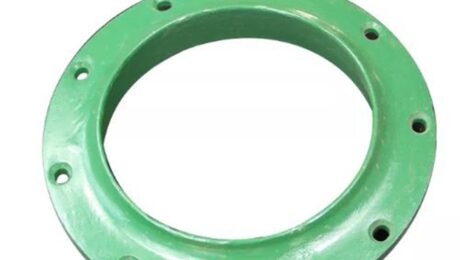
The Comprehensive Guide to Feed Eye Rings in Mining Machinery and Spare Parts
Mining machinery plays a critical role in the extraction of valuable minerals and ores from the earth. Within this framework, specific components are essential for the efficient operation of these machines. One such component is the feed eye ring. Understanding its function, specifications, and importance is crucial for professionals in the mining industry.
What is a Feed Eye Ring?
A feed eye ring is a mechanical part used in various types of mining machinery, particularly in equipment that requires consistent material flow and distribution. The feed eye ring plays a pivotal role in guiding material into the processing system while ensuring optimal performance and minimal wear and tear.
Functions of the Feed Eye Ring
The primary functions of a feed eye ring include:
- Guiding feed material into the crushing or processing equipment.
- Preventing spillage and ensuring a continuous flow of materials.
- Reducing wear on other mechanical components by providing a smooth entry point for materials.
Types of Feed Eye Rings
Feed eye rings can vary based on design, material, and application. Common types include:
- Standard Feed Eye Rings: Commonly used in various types of machinery.
- Customized Feed Eye Rings: Designed for specific applications to meet unique operational requirements.
- High-Performance Feed Eye Rings: Made from advanced materials for increased durability and efficiency.
Materials Used in Feed Eye Rings
Choosing the right material for a feed eye ring is vital to ensure longevity and performance. Common materials include:
- Steel: Offers strength and resistance to wear but may require coatings for corrosion resistance.
- Alloys: Special alloys can enhance strength and reduce weight.
- Polymer Composites: Lightweight and corrosion-resistant, suitable for specific environments.
Importance of Quality in Feed Eye Rings
The quality of feed eye rings significantly impacts the overall operational efficiency of mining machinery. High-quality components reduce downtime and maintenance costs, which directly affect productivity and profitability.
How to Choose the Right Feed Eye Ring
Selecting the appropriate feed eye ring involves several considerations:
- Compatibility: Ensure it fits the specific machinery.
- Material Properties: Consider the environmental conditions in which it will operate.
- Performance Requirements: Evaluate the load capacity and flow rate needed.
Maintenance of Feed Eye Rings
Proper maintenance of feed eye rings can extend their lifespan significantly. Regular inspections, appropriate lubrication, and timely replacements are key practices.
Common Issues with Feed Eye Rings
Mining professionals must recognize common issues associated with feed eye rings, including:
- Wear and tear from abrasive materials.
- Corrosion due to environmental factors.
- Misalignment with other components, leading to inefficient operation.
FAQs About Feed Eye Rings
What is the typical lifespan of a feed eye ring?
The lifespan of a feed eye ring can vary significantly based on usage conditions, material, and maintenance practices. Regularly maintained rings can last several years, whereas those in harsh environments may require replacement sooner.
How can you tell if a feed eye ring needs replacing?
Signs that a feed eye ring may need replacement include visible wear, deformation, or reduced performance in the material flow. Regular inspections are essential for early detection.
Can feed eye rings be repaired?
In some cases, minor damage to a feed eye ring can be repaired, but replacement is often recommended for greater reliability and performance.
Where can I purchase quality feed eye rings?
Quality feed eye rings can be purchased from specialized suppliers, equipment manufacturers, or online marketplaces that cater specifically to mining and industrial machinery.
Conclusion
In summary, the feed eye ring is a vital component in mining machinery that ensures efficient material handling and system performance. Understanding its functions, types, and maintenance is essential for industry professionals. Investing in quality and proper selection can greatly enhance productivity and reduce operational costs.
LSI and NLP Keywords
Mining machinery, spare parts, feed handling, material flow, mining equipment, component specifications, wear resistance, mining industry standards, industrial machinery components, feed system efficiency, mining operations, wear protection, maintenance practices, mining spare parts market, industrial components procurement.
- Published in Products
Understanding Feed Tubes: Essential Components in Mining Machinery and Spare Parts

Understanding Feed Tubes: Essential Components in Mining Machinery and Spare Parts
Mining machinery is the backbone of the extraction industry, and one key component in this machinery is the feed tube. In this comprehensive guide, we will explore what a feed tube is, its importance in mining operations, and how it relates to mining machinery and spare parts.
What is a Feed Tube?
A feed tube is a cylindrical component designed to transport material or fluids in mining operations. It serves as a conduit for the delivery of ores, slurries, and other materials to different processes within the machinery, ensuring efficient operation and high productivity.
The Role of Feed Tubes in Mining Machinery
Feed tubes play a crucial role in various types of mining machinery, including:
- Excavators: Feed tubes in excavators help transport excavated material to haul trucks.
- Conveyors: They are critical in conveyor systems, delivering material from one station to another.
- Crushers: In crushers, feed tubes help in supplying the raw material efficiently.
- Loaders: They facilitate the distribution of loads between different operational areas.
Different Types of Feed Tubes
Feed tubes come in various shapes, sizes, and materials, depending on their application. Common types of feed tubes include:
- Steel Feed Tubes: Used due to their durability and strength.
- Plastic Feed Tubes: Lightweight and resistant to corrosion.
- Rubber-lined Feed Tubes: Ideal for handling abrasive materials.
Importance of Quality Feed Tubes
The quality of feed tubes significantly impacts the efficiency and safety of mining operations. Low-quality feed tubes can lead to:
- Frequent replacements, increasing operational costs.
- Material blockages that disrupt the flow, causing delays and downtime.
- Potential safety hazards due to leaks or bursts.
Maintenance of Feed Tubes
Regular maintenance is essential for ensuring the longevity and functionality of feed tubes. Key maintenance practices include:
- Regular inspections: Routinely check for signs of wear, corrosion, or damage.
- Cleanliness: Keep feed tubes clear of obstructions to ensure uninterrupted flow.
- Proper installation: Make sure feed tubes are installed correctly to prevent leaks and failures.
Feed Tube Spare Parts
In the mining industry, having access to quality spare parts is crucial. Common spare parts related to feed tubes include:
- Junctions: Connect different sections of feed tubes.
- Seals: Prevent leaks and ensure the integrity of the feed tube system.
- Clamps: Secure feed tubes to machinery.
Choosing the Right Feed Tube
When selecting a feed tube, consider the following factors:
- Material compatibility with the transported substances.
- Pressure and temperature tolerances relevant to operations.
- Size requirements to fit specific machinery.
Frequently Asked Questions about Feed Tubes
What materials are feed tubes typically made of?
Feed tubes are commonly made from materials such as steel, plastic, and rubber, chosen based on the application’s specific requirements.
How can I tell if my feed tube needs replacement?
Signs of wear, corrosion, leaks, or blockages are indications that a feed tube may need replacement.
Can I use any feed tube in my mining machinery?
No, it is essential to choose a feed tube that is compatible with your specific machinery and application to ensure efficiency and safety.
What are the main causes of feed tube failure?
Common causes include wear and tear from abrasion, chemical corrosion, improper installation, and lack of maintenance.
How can I extend the lifespan of my feed tube?
Regular maintenance, proper installation, and choosing high-quality materials can help extend the lifespan of feed tubes.
Conclusion
Feed tubes are vital components in mining machinery, impacting overall efficiency and safety. Understanding their function, maintenance needs, and the importance of choosing quality spare parts is essential for any mining operation. By prioritizing feed tube quality and maintenance, mining operators can enhance productivity while minimizing downtime and operational costs.
LSI and NLP Keywords Related to Feed Tube
- Feed tube functionality
- Mining equipment components
- Material transport in mining
- Mining machinery parts
- Feed tube maintenance
- Mining machinery efficiency
- Spare parts for feed tubes
- Durable feed tubes
- Cylindrical components
- Material transfer systems
Related Words
- Conveyance
- Hydraulic systems
- Mineral processing
- Tube fitting
- Fluid dynamics
- Load capacity
- Integration with systems
- Performance standards
- Pipeline engineering
- Published in Products
The Comprehensive Guide to Wear Plates in Mining Machinery and Spare Parts

The Comprehensive Guide to Wear Plates in Mining Machinery and Spare Parts
Wear plates are essential components in mining machinery, designed to provide a protective layer that absorbs impacts and reduces wear and tear on critical machine parts. This article will explore the significance of wear plates, their applications in the mining sector, and their importance in maintaining optimal performance in mining machinery.
What are Wear Plates?
Wear plates are durable materials, typically made from metal or composite materials, that are installed on surfaces prone to abrasion or impact. They are integral in enhancing the lifespan and durability of mining machinery and are commonly used in areas subjected to high levels of wear, such as chutes, hoppers, and conveyor belts.
Importance of Wear Plates in Mining Machinery
Wear plates play a critical role in maintaining the operational efficiency of mining equipment. They safeguard against material loss, which can lead to reduced productivity and increased maintenance costs. By absorbing the impact and abrasion of materials, wear plates ensure that machinery operates smoothly and efficiently.
Types of Wear Plates Used in Mining
Several types of wear plates are utilized in the mining industry, each designed for specific applications:
- Steel Wear Plates: Durable and robust, steel wear plates are commonly used for heavy-duty applications.
- Polyurethane Wear Plates: These plates are flexible and resistant to chemicals, ideal for lighter applications.
- Ceramic Wear Plates: Extremely hard and abrasion-resistant, ceramic plates are suitable for the most demanding conditions.
- Composite Wear Plates: Often combining various materials, these plates provide tailored solutions for specific mining operations.
Common Applications of Wear Plates in Mining Machinery
Wear plates are employed in various areas of mining machinery, including:
- Chutes: Protect against wear from abrasive materials.
- Hoppers: Help in material flow and protect from wear.
- Conveyor Belts: Reduce friction and wear on belt surfaces.
- Loader Buckets: Enhance the life of the buckets in material handling.
- Crushers: Protecting the equipment from the impact of hard materials.
Choosing the Right Wear Plate for Your Mining Machinery
Factors to Consider
When selecting wear plates for mining machinery, consider the following factors:
- Material Type: Choose a wear plate that can withstand the specific conditions of your operation.
- Thickness: Thicker plates provide more protection but may affect overall efficiency.
- Size and Shape: Ensure that the wear plate fits perfectly in the designated area for maximum effectiveness.
- Cost and Longevity: Evaluate the long-term cost-effectiveness of the wear plates you choose.
Installation and Maintenance of Wear Plates
Proper installation and maintenance of wear plates are crucial for maximizing their lifespan and effectiveness:
Installation Guidelines
- Ensure the surface is clean and free of debris before installation.
- Follow manufacturer guidelines for securing the wear plate.
- Use the appropriate tools for installation to avoid damaging the wear plate.
Maintenance Tips
- Regularly inspect wear plates for signs of wear and damage.
- Replace wear plates proactively to avoid excessive wear on underlying machinery.
- Lubricate movable parts regularly to reduce friction related wear.
Frequently Asked Questions About Wear Plates
What is a Wear Plate?
A wear plate is a protective layer that absorbs impacts and reduces wear on machinery parts.
How do Wear Plates Extend the Life of Mining Machinery?
By protecting against wear, wear plates minimize maintenance needs and prolong the life of machinery.
What Materials Are Wear Plates Made From?
Wear plates can be made from steel, polyurethane, ceramics, and composite materials.
How Often Should Wear Plates Be Inspected?
Wear plates should be inspected regularly, ideally every month, depending on usage conditions.
Can Wear Plates Be Repaired?
In some cases, minor damages to wear plates can be repaired; however, severe wear usually necessitates replacement.
Conclusion
Wear plates are indispensable components in the mining machinery sector, playing a vital role in enhancing the performance and longevity of equipment. Understanding the various types, applications, and maintenance tips for wear plates can lead to more efficient mining operations and reduced costs associated with machinery wear and tear. Investing in high-quality wear plates and proper installation can make a significant difference in production efficiency.
LSI and NLP Keywords Related to Wear Plates
repair, maintenance, heavy equipment, abrasion resistance, conveyor systems, wear protection, mining operations, machinery longevity, heavy-duty applications, environmental impact, cost efficiency, machinery overhaul, steel manufacturing, material handling, equipment reliability, wear-resistant materials, impact factors, operational efficiency, predictive maintenance, mining industry standards, machinery evaluations.
- Published in Products
The Ultimate Guide to Mining Machinery Distributors and Spare Parts

The Ultimate Guide to Mining Machinery Distributors and Spare Parts
The mining industry relies heavily on efficient machinery and high-quality spare parts to ensure the smooth operation of mining tasks. Distributors play a vital role in the supply chain, providing access to various machinery and spare parts necessary for mining operations.
Understanding the Role of Mining Machinery Distributors
Mining machinery distributors are responsible for the procurement, sale, and distribution of heavy equipment used in mining tasks. These distributors work closely with manufacturers, retailers, and end-users to ensure that the necessary equipment is available when needed.
Types of Mining Machinery
There are various types of mining machinery utilized in different mining operations. Key types include:
- Excavators
- Drills
- Loaders
- Bull Dozers
- Dump Trucks
- Conveyor Belts
The Importance of Quality Spare Parts
Mining machinery requires regular maintenance and replacement of parts. Quality spare parts are essential to ensure the longevity and efficiency of equipment. Distributors often stock a wide range of spare parts, making it easier for mining companies to keep their machinery running smoothly.
Choosing the Right Distributor for Mining Machinery
Choosing the right distributor involves considering several factors:
- Product Range: Ensure the distributor offers a comprehensive selection of machinery and parts.
- Quality Assurance: Look for distributors that stock high-quality products from reputable manufacturers.
- Customer Service: Good customer support can make a significant difference in the purchasing process.
- Delivery Options: Consider how quickly the distributor can deliver the equipment and parts.
- Pricing: Competitive pricing is essential for budgeting and cost management.
Top Mining Machinery Distributors in the Market
Some of the leading mining machinery distributors include:
- Caterpillar
- Komatsu
- Hitachi
- Sandvik
- Atlas Copco
Innovations in Mining Machinery and Spare Parts
The mining industry is continually evolving, with new technologies improving efficiency and safety. Addressing sustainability and resource management, many distributors are integrating advanced technologies into their product offerings, including:
- Remote-controlled machinery
- Artificial intelligence for operational optimization
- Environmentally friendly equipment
The Future of Mining Machinery Distribution
As the demand for minerals continues to grow, so does the necessity for efficient machinery and spare parts distribution. The future of mining machinery distribution will likely see:
- Increased online presence for quicker access to products
- Enhanced logistics solutions for faster delivery
- Stronger partnerships between manufacturers and distributors
Frequently Asked Questions about Mining Machinery Distributors
What is a mining machinery distributor?
A mining machinery distributor is a company or business that sells and distributes equipment and spare parts used in mining operations.
How do I choose a mining machinery distributor?
Consider factors such as product range, quality assurance, customer service, delivery options, and pricing when selecting a distributor.
What types of machinery do mining distributors offer?
Mining distributors typically offer a wide range of equipment, including excavators, drills, loaders, dump trucks, and more.
Why is quality spare parts important for mining machinery?
Quality spare parts ensure the performance, reliability, and safety of mining equipment, preventing costly downtime and repairs.
Are there any innovations in mining machinery?
Yes, advancements such as remote-controlled machinery and AI-driven operations are transforming the mining equipment landscape.
LSI and NLP Keywords Related to ‘Distributor’
Mining machinery, heavy equipment, spare parts distribution, construction machinery, parts supplier, construction equipment distributor, mining supplies, OEM parts, machinery procurement, equipment maintenance, mining industry, mining kits, bulk equipment purchase, industrial machinery distributor, mining technology.
Conclusion
Understanding the role of distributors in the mining machinery sector is crucial for businesses looking to optimize their operations. By partnering with reputable distributors, mining companies can access the necessary machinery and spare parts to ensure efficiency and productivity in their operations. Innovations and advancements in technology will continue to shape this industry, making it essential for businesses to stay informed about the latest developments.
- Published in Products
The Essential Guide to Feed Cone in Mining Machinery and Spare Parts
Understanding Feed Cone: A Key Component in Mining Machinery
The feed cone is an essential component in many types of mining machinery, playing a vital role in the efficiency and performance of equipment. In this article, we will explore everything there is to know about the feed cone, including its function, components, maintenance considerations, and the importance of quality spare parts.
What is a Feed Cone?
The feed cone is designed to direct materials into the processing unit of mining equipment. Its structural design allows for optimal material flow and minimizes wear and tear on machinery. Typically found in crushers, feeders, and conveying systems, the feed cone’s design differs based on the specific application and machinery type.
Types of Feed Cones
-
Crusher Feed Cone
-
Feeder Feed Cone
-
Screening Equipment Feed Cone
Components of a Feed Cone
The feed cone consists of multiple components, including:
- Cone Body: The main structure of the feed cone that shapes the material flow.
- Intake Section: The area where materials are introduced into the cone.
- Outlet: The opening where materials exit the feed cone.
- Lining Material: Often made of high-resilience materials to reduce wear.
The Importance of Quality Feed Cones in Mining Machinery
Using high-quality feed cones is crucial for maintaining the longevity and efficiency of mining machinery. Poorly made or damaged feed cones can lead to:
- Decreased efficiency and output
- Increased operational costs
- Frequent breakdowns and maintenance issues
Choosing the Right Feed Cone
When selecting a feed cone, it’s essential to consider factors such as:
- Material Compatibility: The feed cone must be suitable for the type of materials being processed.
- Size and Fit: Ensuring the feed cone fits correctly within the machinery.
- Durability: Opting for cones made from high-strength materials to withstand wear.
Maintenance Tips for Feed Cones
Proper maintenance of feed cones can significantly enhance their lifespan. Consider the following tips:
- Regular Inspections: Look for signs of wear, damage, or misalignment.
- Proper Lubrication: Ensure that all moving parts are well-lubricated to reduce friction and wear.
- Timely Replacement: Replace feed cones that show significant wear or damage to avoid disruptions in operations.
Common Issues with Feed Cones
Some common issues experienced with feed cones include:
- Blockages due to improper material flow
- Excessive wear leading to material leaks
- Difficulties in material feeding that can disrupt production
Frequently Asked Questions (FAQ)
What materials are commonly used in feed cone manufacture?
Feed cones are commonly made from materials like high manganese steel, rubber, or polyurethane to withstand wear.
How often should feed cones be inspected?
It is recommended to inspect feed cones weekly or bi-weekly, depending on the volume of use.
What are the signs that a feed cone needs replacement?
Signs that a feed cone may need replacement include visible cracks, excessive wear, or irregular material flow.
Can I use a generic feed cone with different machinery?
It is crucial to match the feed cone specifically with the machinery type for optimal performance.
What is the typical lifespan of a feed cone?
The lifespan of a feed cone varies but often ranges from 6 months to 2 years, depending on usage and material type.
Conclusion
The feed cone is a critical component in the effective operation of mining machinery. Understanding its role and ensuring regular maintenance can foster better operational efficiency and reduce costs. Always prioritize quality feed cones and spare parts to achieve the best performance from your mining operations.
LSI and NLP Keywords Related to Feed Cone
- Mining Equipment
- Crusher Parts
- Material Handling
- Spare Parts for Mining
- Material Flow Optimization
- Wear-resistant Materials
- Conveyor Systems
- Mining Machinery Components
- Industrial Feed Systems
- Cone Crusher
- Feeding Systems in Mining
- Aggregate Processing
- Manganese Steel Cones
- Published in Products
The Ultimate Guide to Frame Liners in Mining Machinery: Understanding, Importance, and Maintenance

The Ultimate Guide to Frame Liners in Mining Machinery: Understanding, Importance, and Maintenance
Mining machinery plays a critical role in the extraction of minerals, and one of its essential components is the frame liner. In this detailed article, we will explore the function, significance, types, and maintenance practices related to frame liners.
What is a Frame Liner?
A frame liner is a protective coating or part fitted into mining machinery to shield the frame from wear and tear caused by abrasive materials. Its primary function is to prolong the life of the machinery and ensure efficient operation.
Importance of Frame Liners in Mining Machinery
Frame liners offer several benefits that can enhance the performance of mining equipment:
- Protection: They protect critical parts from heavy abrasion and impact.
- Durability: Frame liners provide durability to expensive machinery components.
- COST-EFFECTIVE: Investing in quality frame liners can prevent costly machinery downtime and repairs.
- Improved Efficiency: A well-maintained frame liner can improve the overall efficiency of mining operations.
Types of Frame Liners
Frame liners come in various types, each suited for different machinery and mining conditions:
1. Steel Frame Liners
Steel frame liners are commonly used for their high strength and resistance to wear. They are ideal for heavy-duty applications.
2. Rubber Frame Liners
Rubber frame liners are used where flexibility is required. They provide excellent shock absorption properties and are typically used in mobile mining machinery.
3. Polyurethane Frame Liners
Polyurethane frame liners combine the benefits of rubber and plastic materials, offering durability and resilience in harsh mining environments.
4. Composite Frame Liners
Composite materials offer a lightweight alternative with enhanced wear resistance, perfect for specific mining applications.
How to Choose the Right Frame Liner
Choosing the correct frame liner is crucial for optimal machinery performance. Consider the following factors:
- Type of Material Being Mined: Assess the abrasion levels of the materials.
- Operating Environment: Determine if extreme temperatures or corrosive elements are present.
- Replacement Frequency: Evaluate how often liners need to be replaced based on wear rates.
- Cost vs. Longevity: Balance initial costs against projected lifespan and efficiency improvements.
Maintenance of Frame Liners
Proper maintenance of frame liners ensures extended life and functionality. Here are key maintenance tips:
1. Regular Inspections
Conduct periodic inspections to assess the condition of frame liners and identify early signs of wear.
2. Cleanliness
Keep the linings and their surroundings clean to prevent unnecessary wear and corrosion.
3. Replacement Scheduling
Establish a replacement schedule based on usage, condition assessments, and manufacturer recommendations.
4. Optimize Operating Procedures
Adapt machinery operation to minimize excessive wear on frame liners, consequently extending their lifespan.
Frame Liners: Comparison With Other Spare Parts
A comparison between frame liners and other spare parts can shed light on their unique roles:
| Component | Function | Importance |
|---|---|---|
| Frame Liners | Protects the frame from wear | Prolongs machinery life |
| Shims | Aids in alignment | Ensures optimal function |
| Belts | Transmits power | Crucial for operational efficiency |
Common Issues with Frame Liners
Understanding potential issues with frame liners can help in timely diagnosis and resolution:
- Wear and Tear: The most common issue; regular monitoring is essential.
- Corrosion: Particularly a concern for metal frame liners in harsh environments.
- Improper Installation: Can lead to misalignment and further wear on machinery.
FAQs
What is the purpose of frame liners in mining machinery?
The primary purpose of frame liners is to protect the machinery frame from wear and tear caused by abrasive mining materials, ensuring longevity and efficiency.
How often should frame liners be replaced?
The replacement frequency of frame liners depends on the material being mined, environmental conditions, and wear rates; regular inspections will help determine when a replacement is needed.
Are rubber frame liners better than steel ones?
Rubber frame liners offer flexibility and shock absorption, making them suitable for mobile machinery, while steel frame liners provide higher resistance to wear for heavy-duty applications. The choice depends on specific operational requirements.
Can frame liners affect the performance of mining machinery?
Yes, well-maintained frame liners positively impact the performance of mining machinery by preventing excessive wear, thus ensuring smoother operation.
What materials are used for frame liners?
Frame liners can be made from various materials, including steel, rubber, polyurethane, and composite materials, each chosen based on the operational environment and specific needs.
Conclusion
Frame liners are an integral component of mining machinery, providing much-needed protection against wear and tear. Understanding their importance, types, maintenance, and common issues is essential for ensuring the efficiency and longevity of mining operations. By making informed choices regarding frame liners, mine operators can significantly enhance productivity while minimizing operational costs.
- Published in Products

The Essential Role of Bolts in Mining Machinery and Spare Parts

The Essential Role of Bolts in Mining Machinery and Spare Parts
Mining machinery plays a crucial role in extracting valuable minerals from the earth, and the proper functioning of this equipment heavily relies on quality components, including bolts. Bolts are fundamental fasteners that ensure the structural integrity and efficiency of mining machinery. This article will explore the various types of bolts used in mining machinery, the importance of selecting the right bolts, different bolts based on mining machinery requirements, maintenance tips, and frequently asked questions about bolts in the mining industry.
The Importance of Bolts in Mining Machinery
Bolts are the backbone of machinery, holding together various components and enabling them to function cohesively. In mining operations, where heavy machinery is subject to extreme conditions, the reliability of bolts becomes even more critical. High-quality bolts prevent breakdowns, reduce maintenance costs, and ensure the safety of operators.
Types of Bolts Used in Mining Machinery
1. Hex Head Bolts
Hex head bolts are commonly used in mining machinery due to their strength and ease of installation. Their six-sided head allows for a secure grip, making them ideal for heavy applications.
2. Carriage Bolts
Carriage bolts are designed with a round head and a square section beneath to prevent turning when installed. They are often used in areas where a smooth finish is required.
3. Flange Bolts
Flange bolts have an integrated washer that distributes the load over a larger area. This feature is particularly useful in mining machinery to prevent damage to the connected parts due to vibration and dynamic loading.
4. U-Bolts
U-bolts are used to secure pipes or other cylindrical objects to a flat surface. These are particularly prevalent in heavy mining machinery for securing various components.
Selecting the Right Bolt for Mining Machinery
Selecting the correct bolt is vital for the efficient operation of mining machinery. Factors to consider include:
- Material: Common materials include steel, stainless steel, and alloy steel.
- Size: Ensure the bolt fits the machinery’s specifications.
- Load Ratings: Understand the load requirements to select a bolt that can support it.
- Environmental Conditions: Consider corrosion resistance if exposed to harsh conditions.
Common Uses of Bolts in Different Mining Machinery
Excavators
Bolts are crucial in securing parts of excavators, such as the bucket and arm, ensuring their stability and functionality during operation.
Trucks
Mining trucks rely on robust fastening systems, with bolts securing the suspension, body, and engine components.
Drilling Equipment
In drilling machinery, bolts hold together critical parts that withstand intense pressure and torque.
Maintenance Tips for Mining Machinery Bolts
Regular maintenance of bolts can prevent failures that may lead to extensive downtime. Here are some tips:
- Regularly check for signs of wear or damage.
- Ensure that bolts are tightened correctly to the manufacturer’s specifications.
- Inspect for corrosion, especially in harsh mining environments.
- Replace damaged or worn-out bolts promptly to maintain machinery integrity.
Frequently Asked Questions about Bolts in Mining Machinery
1. What types of bolts are commonly used in mining machinery?
Hex head bolts, carriage bolts, flange bolts, and U-bolts are some common types used in mining machinery.
2. How do I select the right bolt for my mining equipment?
Consider material, size, load ratings, and the environmental conditions when selecting bolts for mining machinery.
3. What maintenance is required for bolts in mining machinery?
Regular inspections for wear, ensuring proper tightening, and replacing damaged bolts are essential for maintenance.
4. Why are bolts critical to the operation of mining machinery?
Bolts ensure the structural integrity and safety of mining machinery by holding components together securely.
5. Can corrosion affect the performance of bolts in mining situations?
Yes, corrosion can weaken bolts, leading to potential failures that can compromise machine operation.
Conclusion
Bolts are a vital component in the operation and maintenance of mining machinery and spare parts. Understanding the assortment of bolts available, their applications, and maintenance can significantly impact the performance and longevity of mining equipment.
LSI and NLP Keywords
- Mechanical fasteners
- Mining equipment
- Fastening systems
- Structural integrity
- Heavy-duty bolts
- Bolting technology
- Mining industry standards
- Corrosion-resistant bolts
- Impact of vibration
- Machine downtime
Related Terms
- Fasteners
- Mining components
- Heavy machinery
- Maintenance practices
- Mining operations
- Parts replacement
- Tensile strength
- Locking mechanisms
- Published in Products
The Essential Guide to Toggle Seats in Mining Machinery and Spare Parts

The Essential Guide to Toggle Seats in Mining Machinery and Spare Parts
Toggle seats play a crucial role in the operation and efficiency of various types of mining machinery. Understanding the design, functionality, and maintenance of toggle seats can lead to improved machinery performance and reduced downtime. This comprehensive guide will detail everything you need to know about toggle seats, including their applications, materials, and spare parts, all tied into the broader context of mining machinery.
What is a Toggle Seat?
A toggle seat is a critical component of mining machinery that provides support and facilitates the operation of other machine parts, particularly in a toggle mechanism. It typically assists in the conversion of rotary motion into reciprocal motion, which is essential in numerous mechanical systems, including crushers and screeners.
Importance of Toggle Seats in Mining Machinery
Toggle seats are vital for the optimal functioning of mining machinery. They contribute to durability, efficiency, and safety within mining operations. Understanding their role can help operators make informed decisions about equipment maintenance and upgrades.
Types of Toggle Seats
Fixed Toggle Seats
Fixed toggle seats are designed to remain stationary during operation, providing solid support to the moving components of the machinery.
Adjustable Toggle Seats
Adjustable toggle seats allow for customization in the positioning of the components they support, enhancing flexibility in machinery operation.
Materials Used for Toggle Seats
Toggle seats can be manufactured from various materials, each offering unique advantages:
Steel Toggle Seats
Steel is a common material for toggle seats due to its strength and durability, making it suitable for heavy-duty applications.
Composite Toggle Seats
Composite materials are becoming increasingly popular due to their resistance to wear, corrosion, and lightweight characteristics.
Cast Iron Toggle Seats
Cast iron is favored for its excellent strength and wear-resistant properties, making it ideal for heavy equipment.
Common Applications of Toggle Seats in Mining Machinery
Toggle seats are found in various mining equipment:
Jaw Crushers
In jaw crushers, toggle seats play a critical role in the crushing process by aiding in the movement of the jaw.
Ball Mills
Toggle seats also contribute to the effective grinding of materials in ball mills.
Screening Plants
In screening plants, toggle seats help support the movement of screens and other compounding materials.
Maintenance of Toggle Seats
Proper maintenance is essential for the longevity of toggle seats:
Regular Inspections
Regular inspections can identify wear and tear before they lead to machinery failure.
Lubrication
Regular lubrication prevents friction, extending the lifespan of toggle seats.
Replacement Protocols
Understanding when to replace toggle seats is crucial for minimizing downtime.
Buying Toggle Seats: What to Consider
When purchasing toggle seats, consider factors such as compatibility with your machinery, material type, and manufacturer reputation.
Understanding Toggle Seat Spare Parts
Spare parts for toggle seats may include:
Toggle Seat Plates
These support the main toggle in various machinery.
Bearing Assemblies
Bearing assemblies are essential for the smooth operation of toggle mechanisms.
Fasteners and Pins
Durable fasteners and pins are necessary to secure toggle seat components.
Frequently Asked Questions (FAQ)
What is the role of a toggle seat in mining machinery?
The toggle seat provides support and facilitates the movement of the toggle mechanism, essential for the functioning of various mining machines.
How do I know when to replace a toggle seat?
Replace a toggle seat when there are visible signs of wear, reduced performance in machinery, or after a specified number of operational hours as advised by the manufacturer.
What materials are used to make toggle seats?
Toggle seats can be made from materials such as steel, composite materials, and cast iron, each offering unique benefits.
Can I install toggle seats myself?
While some operators may be able to install toggle seats, it is generally advisable to consult with a professional to ensure proper installation and alignment.
Where can I purchase toggle seats and spare parts?
Toggle seats and spare parts can be purchased from dedicated mining equipment suppliers, online marketplaces, or directly from manufacturers.
Conclusion: The Future of Toggle Seats in Mining Machinery
As mining technology continues to evolve, the importance of high-quality toggle seats will only grow. Advances in materials and engineering will lead to more durable, efficient, and sustainable toggle seat designs, further enhancing the overall performance of mining machinery.
LSI and NLP Keywords
Mining machinery, mining excavation, mining equipment, toggle mechanism, heavy-duty machinery, machinery parts, spare parts, industrial machinery, toggle plate, crusher toggle, toggle joint, toggle clamp, machinery maintenance, fault diagnosis, equipment upgrade, wear parts, excavation equipment, mobile screening, crushing machinery, performance optimization, machinery design, safety features, operational efficiency, engineering standards, aftermarket parts.
- Published in Products
