


The Ultimate Guide to Roller Bearings in Mining Machinery and Spare Parts

Understanding Roller Bearings in Mining Machinery
Roller bearings are essential components in mining machinery, playing a crucial role in ensuring operational efficiency and reliability. These bearings support various movable parts, reducing friction and facilitating smooth movements under heavy loads.
The Importance of Roller Bearings in Mining Applications
In the context of mining machinery, roller bearings are indispensable for several reasons:
- Heavy Load Capacity: They are designed to bear enormous weights typical in mining operations, making them ideal for machinery like excavators, loaders, and haul trucks.
- Reduction of Friction: By minimizing friction between moving parts, roller bearings extend the service life of mining equipment and reduce wear and tear.
- Operational Efficiency: Their robust construction allows for continuous operation, leading to improved productivity in mining operations.
- Variety of Applications: Roller bearings find usage in multiple mining equipment, from crushers and conveyors to drilling rigs and underground miners.
Types of Roller Bearings Used in Mining Machinery
There are several types of roller bearings that are commonly used in mining machinery. Understanding the differences is crucial for selecting the right bearing for a specific application:
1. Cylindrical Roller Bearings
Cylindrical roller bearings are well-suited for applications where heavy radial loads are present. Their design allows for high-speed operations and minimal friction.
2. Spherical Roller Bearings
These bearings are designed to accommodate misalignment, making them ideal for applications with significant loading variations or harsh environmental conditions.
3. Tapered Roller Bearings
Tapered roller bearings are efficient for supporting both radial and axial loads, making them versatile for many mining machinery setups.
4. Needle Roller Bearings
Characterized by their thin and long rollers, needle roller bearings can accommodate high loads while maintaining a compact design, suitable for limited space applications.
Key Features of Roller Bearings
When choosing roller bearings, consider the following essential features:
- Material Quality: Bearings should be made from high-grade materials to withstand harsh mining conditions.
- Load Ratings: Selecting roller bearings with adequate load ratings is crucial for ensuring durability and performance.
- Seal Protection: Sealed roller bearings prevent contamination from dirt, dust, and moisture, extending their operational lifespan.
- Lubrication Options: Proper lubrication is key for reducing friction, which can be achieved through grease or oil systems.
Maintenance Practices for Roller Bearings in Mining Machinery
Regular maintenance of roller bearings can significantly enhance their performance and lifespan. Consider the following practices:
1. Lubrication Management
Establish a routine lubrication schedule, ensuring the use of appropriate lubricants based on the environmental conditions and bearing types.
2. Vibration Monitoring
Use vibration analysis tools to detect any unusual vibrations that might indicate bearing failure or misalignment.
3. Visual Inspections
Conduct regular visual checks for signs of wear, corrosion, or leakage, addressing any issues promptly to avoid extensive damage.
4. Temperature Control
Monitor operating temperatures to ensure they remain within safe limits, as excessive heat can lead to premature bearing failure.
Roller Bearings and Their Spare Parts
Understanding the spare parts associated with roller bearings is critical for efficient machinery operation. Key spare parts include:
- Inner and Outer Rings: The main surfaces where rolling elements operate.
- Rolling Elements: These include the rollers or needles that facilitate rotation.
- Retainers: Components that keep the rolling elements in place.
- Seals: Prevent contaminants from entering the bearing assembly, preserving the lubrication.
Common Issues with Roller Bearings in Mining Equipment
Despite their robust construction, roller bearings can face certain issues:
1. Overheating
Caused by inadequate lubrication or increased loads, overheating can lead to bearing failure.
2. Misalignment
Misalignment can accelerate wear and tear, leading to irregular performance.
3. Contamination
Dust, dirt, and moisture can severely affect bearing performance; therefore, proper seals and maintenance are essential.
4. Fatigue Failure
Constant cyclic loading can lead to fatigue, causing cracks and eventual bearing failure.
How to Choose the Right Roller Bearing for Mining Machinery
Selecting the right roller bearing involves several considerations:
- Load Requirements: Assess the specific load and speed requirements of your machinery.
- Operational Environment: Consider exposure to dust, moisture, and extreme temperatures.
- Compatibility: Ensure that the selected bearing fits well within the machinery design specifications.
- Manufacturer Reputation: Choose products from reputable manufacturers known for quality and reliability.
FAQs About Roller Bearings in Mining Machinery
What is a roller bearing?
A roller bearing is a type of bearing that uses cylindrical rollers to maintain the separation between moving parts, reducing friction and wear.
Why are roller bearings important in mining applications?
Roller bearings are crucial for supporting heavy loads, enhancing operational efficiency, and minimizing friction in mining machinery.
How often should roller bearings be inspected?
Regular inspections should be conducted as part of a routine maintenance schedule, ideally monthly, depending on the machinery usage conditions.
What causes roller bearings to fail?
Common causes of roller bearing failure include overheating, misalignment, contamination, and fatigue from cyclic loading.
Can I use any lubricant for roller bearings?
No, it is important to use lubricants recommended by the manufacturer, suited for the operational conditions and bearing type.
LSI and NLP Keywords Related to ‘Roller Bearing’
- Mining equipment
- Bearings for excavators
- Spare parts for mining
- Cylindrical bearings
- Spherical bearings
- Tapered roller bearings
- Needle bearings
- Mining machinery maintenance
- Bearing failure causes
- Lubrication systems
- Heavy machinery parts
- Mining industry standards
- Bearing load ratings
- Sealed bearings
- Rolling element bearings
Conclusion
In summary, roller bearings are an indispensable part of mining machinery and their spare parts. Proper selection, maintenance, and understanding of their features and potential issues can significantly enhance the efficiency and lifespan of mining equipment. As the mining industry continues to evolve, staying informed about the advancements in roller bearing technology is essential for maintaining a competitive edge.
- Published in Products
Understanding Tramp Release Cylinder: Essential Insights into Mining Machinery and Spare Parts

Understanding Tramp Release Cylinder: Essential Insights into Mining Machinery and Spare Parts
The tramp release cylinder plays a crucial role in the operation of mining machinery, particularly in equipment like cone crushers. This article dives deep into the functions, importance, maintenance, and specifications of tramp release cylinders, ensuring that you gain a comprehensive understanding of this essential component.
What is a Tramp Release Cylinder?
A tramp release cylinder is an integral component of certain types of crushing equipment, primarily designed to protect the machine from damage when uncrushable material enters the crushing chamber. By using hydraulics, the tramp release cylinder allows the crushing head to rise and create space for the foreign object, thus preventing mechanical failures.
Functions of Tramp Release Cylinders
- Overload Protection: The primary function of a tramp release cylinder is to act as a safeguard, allowing the crushing head to move upward when necessary.
- System Reset: After the tramp release mechanism is activated, the system can be reset to resume normal operations.
- Adjustable Settings: Many modern tramp release cylinders offer adjustable settings for customized performance based on the material being processed.
Importance of Tramp Release Cylinder in Mining Machinery
Tramp release cylinders are vital for maintaining the longevity and efficiency of mining machinery. Their role in preventing damage not only protects the equipment but also ensures uninterrupted operations, maximizing productivity.
Types of Tramp Release Cylinders
Tramp release cylinders come in various designs tailored for different machinery and operational requirements:
- Standard Hydraulic Cylinders: Used in most cone crushers.
- Heavy-Duty Cylinders: Designed for high-impact applications and larger machines.
- Adjustable Cylinders: Allow operators to fine-tune the release pressure based on material.
Materials Used in Manufacturing Tramp Release Cylinders
High-quality tramp release cylinders are usually made from durable materials resistant to wear and tear:
- Steel: Provides structural integrity and is often heat-treated for durability.
- Aluminum: Used in lighter-duty machines for weight reduction without sacrificing strength.
Maintenance of Tramp Release Cylinders
Proper maintenance is essential to extend the life of tramp release cylinders:
- Regular Inspections: Check for wear, leaks, and corrosion.
- Hydraulic Fluid Levels: Ensure optimal fluid levels for proper operation.
- Filter Maintenance: Clean or replace filters to avoid contamination of the hydraulic fluid.
How to Troubleshoot Common Issues with Tramp Release Cylinders
Identifying and addressing problems early can prevent costly downtime:
- Unresponsive Cylinder: Check for obstructions or low hydraulic fluid levels.
- Inconsistent Performance: Inspect for leaks or damaged seals.
- Unexpected Release: Test the control systems for faults.
Replacement and Spare Parts for Tramp Release Cylinders
Knowing when to replace your tramp release cylinder is crucial for machinery performance. Spare parts are readily available and are typically categorized as follows:
- OEM Parts: Original Equipment Manufacturer parts that meet factory specifications.
- Aftermarket Parts: Non-OEM alternatives that may vary in quality and cost.
Cost Factors for Tramp Release Cylinders
The cost of tramp release cylinders can vary based on several factors:
- Materials: High-grade materials may incur higher costs.
- Design Complexity: Customized units typically cost more.
- Manufacturer Reputation: Well-known brands may charge a premium for reliability.
FAQs on Tramp Release Cylinder
What does a tramp release cylinder do?
The tramp release cylinder helps prevent damage to mining machinery by allowing the crushing head to raise and create space when uncrushable objects enter the crushing chamber.
How often should tramp release cylinders be inspected?
It is recommended to inspect tramp release cylinders regularly, ideally every month, or during routine maintenance checks to ensure optimal operation.
Can I replace a tramp release cylinder myself?
While it’s possible to replace a tramp release cylinder with the right tools and knowledge, it is advisable to consult a professional to ensure proper installation.
What are common signs of a failing tramp release cylinder?
Common signs include inconsistent operation, fluid leaks, and delayed response during operation.
How can I prolong the life of my tramp release cylinder?
Regular maintenance, ensuring correct hydraulic fluid levels, and timely inspections are essential for prolonging the lifespan of a tramp release cylinder.
Conclusion
In conclusion, understanding the tramp release cylinder is essential for anyone involved in the mining machinery industry. Its role in ensuring smooth and safe operations cannot be overstated. By ensuring proper maintenance and timely replacements, operators can maximize the efficiency of their mining operations.
LSI and NLP Keywords
- Hydraulic cylinders
- Cone crusher components
- Spare parts for mining machinery
- Mining equipment maintenance
- Crusher wear parts
- Equipment overload protection
- Hydraulic system troubleshooting
- High-performance machinery parts
Related Terms
- Mining industry machinery
- Industrial hydraulic systems
- Mining spare parts suppliers
- Cylinder repair services
- Aggregate machinery maintenance
- Published in Products
The Comprehensive Guide to Bowl Assembly in Mining Machinery
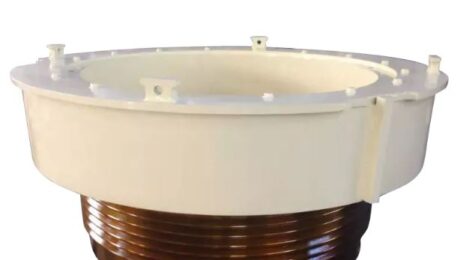
The Comprehensive Guide to Bowl Assembly in Mining Machinery
Mining machinery serves as the backbone of various operations within the industry, and understanding the role of each component is crucial. This article focuses on the bowl assembly, an essential part of mining machinery and its spare parts. We will explore its design, function, maintenance, and the significance it holds in the context of mining operations.
What is a Bowl Assembly?
The bowl assembly is a key component in numerous types of mining machinery, particularly in equipment like cone crushers and grinding mills. It plays a vital role in the crushing and material handling processes. In a cone crusher, the bowl assembly assists in delivering the materials to be crushed into the cavity where the actual crushing takes place. Understanding the intricacies of the bowl assembly is imperative for efficient mining operations.
Components of a Bowl Assembly
A typical bowl assembly comprises several critical components, including:
- Bowl Liner: The protective coating that reduces wear and tear.
- Bowl Shell: The structure that supports the internal components.
- Head Assembly: The part that houses the crushing head.
- Adjusting Ring: Allows for setting the gap between the bowl liner and the crushing head.
Importance of Bowl Assembly in Mining Operations
The bowl assembly is integral to the performance and efficiency of mining machinery. Its correct operation leads to:
- Optimal Crushing Efficiency
- Reduced Wear and Maintenance Costs
- Enhanced Material Flow
Common Issues with Bowl Assemblies
Despite their importance, bowl assemblies can encounter various issues, such as:
- Excessive Wear and Tear
- Misalignment of Components
- Cracks in the Bowl Liner
Recognizing these issues early can help mitigate downtime and maintenance costs.
Maintenance of Bowl Assemblies
Regular maintenance can significantly extend the life of the bowl assembly. Here are some maintenance tips:
- Regular Inspections: Schedule consistent inspections to identify signs of wear.
- Proper Lubrication: Ensure bearings and other moving parts are adequately lubricated.
- Replacement of Worn Parts: Replace bowl liners and other compromised components promptly.
Replacing Bowl Assemblies: A Step-by-Step Guide
Replacing a bowl assembly typically involves the following steps:
- Preparation: Gather necessary tools and shut down the equipment.
- Remove the Old Assembly: Detach the bowl assembly carefully, noting its orientation.
- Install the New Assembly: Set the new bowl assembly in place, ensuring correct alignment.
- Test Operation: Run the equipment at low speed before full-scale operations.
Finding Quality Bowl Assembly Spare Parts
When it comes to sourcing spare parts for the bowl assembly, consider the following:
- OEM vs. Aftermarket Parts: Understand the differences and benefits of each.
- Supplier Reputation: Research suppliers and read reviews for quality assurance.
- Cost Comparison: Analyze prices and warranty options.
Common Myths About Bowl Assemblies
Misconceptions can lead to poor purchasing decisions. Here are some common myths:
- All bowl assemblies are the same.
- Aftermarket parts are always inferior.
- Maintenance isn’t necessary if they function correctly.
Frequently Asked Questions About Bowl Assemblies
What is the function of the bowl assembly?
The bowl assembly securely houses the crushing head and facilitates the crushing process in mining machinery, enhancing efficiency.
How often should bowl assemblies be replaced?
The frequency of replacement depends on usage and wear but generally should be inspected regularly and replaced every 1-2 years if worn.
Can I use aftermarket parts for bowl assemblies?
Yes, aftermarket parts can be used, but it’s essential to ensure compatibility and quality to maintain machinery performance.
Conclusion
In conclusion, bowl assemblies are a critical component of mining machinery, contributing to overall efficiency and operational success. Understanding their structure, maintenance, and replacement options is vital for minimizing downtime and maximizing productivity in mining operations. Regular care and the sourcing of high-quality spare parts will ensure that bowl assemblies perform effectively throughout their lifespan.
LSI and NLP Keywords Related to Bowl Assembly
- Mining equipment
- Cone crushers
- Crushing head
- Mining machinery spare parts
- Wear-resistant materials
- Bowl liner replacements
- Machinery maintenance
- Spare parts sourcing
- Mining industry standards
- Operational efficiency
This comprehensive guide should serve as an essential resource for anyone involved in the mining industry, providing in-depth knowledge of bowl assemblies and their significance in ensuring productive mining operations.
- Published in Products
Comprehensive Guide to Head Assembly in Mining Machinery and Spare Parts
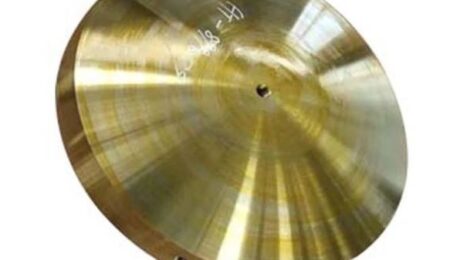
Understanding Head Assembly in Mining Machinery
The head assembly is a pivotal component in mining machinery, serving as the key connection point for several operational parts. This guide delves into the critical aspects of head assemblies, their function, significance, and the various forms available in the market.
What is Head Assembly?
Head assembly refers to the topmost portion of many types of machinery, especially in mining operations, where it functions as a housing unit for several components required for smooth operation. It typically comprises various parts, including but not limited to the cylinder head, headers, and associated fasteners, each essential for functionality.
Importance of Head Assembly in Mining Machinery
The head assembly plays a significant role in the overall performance of mining machinery. It ensures the proper alignment and sealing of components, contributing to operational efficiency and reducing the risk of machinery failure. A well-maintained head assembly can enhance the lifespan of the equipment.
Components of Head Assembly
1. Cylinder Head: This is the main part of the head assembly, enclosing the combustion chamber and providing pathways for the intake and exhaust gases.
2. Headers: Used to connect various fluid pathways and maintain pressure within the system.
3. Fasteners: Bolts, nuts, and washers that secure different components together and maintain structural integrity.
4. Gaskets: Sealing materials that prevent leaks between components, ensuring efficient operation and minimizing wear.
Types of Head Assemblies
Head assemblies come in various types, tailored to specific machinery and operational needs. Some common types include:
1. Gas Engine Head Assemblies: Designed specifically for gas-powered machines.
2. Diesel Engine Head Assemblies: Suitable for diesel engines used in heavy mining operations.
3. Electric Head Assemblies: Used in electrically powered mining machinery for various applications.
Materials Used in Head Assembly Construction
The materials used in head assembly construction have a significant impact on durability and performance. Common materials include:
1. Cast Iron: Known for its strength and durability, ideal for heavy-duty applications.
2. Aluminum: Lightweight and corrosion-resistant, preferred for applications with weight constraints.
3. Steel: Utilized in various forms for strength and resistance to wear and tear.
Maintaining Your Head Assembly
Regular maintenance of the head assembly is crucial to ensure the longevity and reliability of mining machinery. Key maintenance tips include:
1. Regular Inspections: Check for leaks, cracks, or signs of wear.
2. Cleaning: Keep components free of debris and contaminants for optimal performance.
3. Tightening Fasteners: Ensure that all connections are tight to prevent leaks and damage.
Common Issues with Head Assemblies
Head assemblies can encounter various issues over time. Common problems include:
1. Head Gasket Failures: Often caused by overheating or improper installation.
2. Cracks and Leaks: Resulting from excessive stress or fatigue.
3. Corrosion: Regular exposure to harsh mining environments can lead to material degradation.
Replacing Your Head Assembly
When your head assembly reaches the end of its service life, replacement is essential for continued operation. Steps for replacement include:
1. Assessing Condition: Evaluate if the head assembly needs replacement.
2. Choosing Quality Parts: Opt for OEM or high-quality aftermarket parts.
3. Professional Installation: Seek professional assistance for installation to prevent future issues.
Frequently Asked Questions (FAQ)
What is the purpose of the head assembly in mining machinery?
The head assembly serves as a housing unit for essential components and ensures proper alignment and sealing for optimal machinery performance.
How do I know if my head assembly needs replacement?
Signs like leaks, reduced performance, and visible cracks are indicators that the head assembly may need replacement.
What materials are best for head assemblies?
Cast iron, aluminum, and steel are commonly used materials, each offering different benefits like durability and weight savings.
Can I replace the head assembly myself?
While DIY replacement is possible, it is recommended to seek professional assistance to ensure proper installation and avoid potential issues.
Related Terms and Keywords
Mining Machinery, Mining Equipment, Spare Parts, Cylinder Head, Engine Assembly, Mining Operations, Head Gasket, Heavy-Duty Machinery, Replacement Parts, Industrial Equipment, Mining Safety, Maintenance Procedures, Cast Iron Components, Aluminum Machining, Mining Technologies, Torque Specifications, Hydraulic Systems, Pneumatic Equipment, Mining Innovations, Parts Catalog, OEM Parts, Aftermarket Components.
- Published in Products
The Comprehensive Guide to T Seals in Mining Machinery and Spare Parts
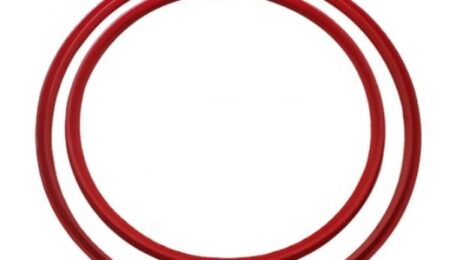
The Comprehensive Guide to T Seals in Mining Machinery and Spare Parts
Mining machinery and spare parts play a critical role in the efficiency and safety of mining operations. Among the many components that ensure smooth operations, T seals have emerged as essential for the proper functioning of machinery. This article delves into various aspects of T seals, including their types, applications, benefits, and maintenance. By understanding the significance of T seals in mining machinery, operators can enhance their equipment’s performance and longevity.
What are T Seals?
T seals, also known as T-shaped seals, are vital sealing components used in various machinery applications, including mining operations. These seals are designed to prevent the leakage of fluids, protect against dust and dirt ingress, and maintain the internal integrity of machinery. T seals are characterized by their unique ‘T’ shape that provides enhanced sealing capabilities.
Types of T Seals
There are several types of T seals used in mining machinery, each tailored for specific applications:
- Hydraulic T Seals: Designed for hydraulic systems, these seals withstand high pressures and fluid dynamics.
- Pneumatic T Seals: Used in pneumatic applications, these seals are optimized for air pressures and dynamic conditions.
- Static T Seals: Ideal for applications where motion is minimal but sealing is crucial to prevent leaks.
- Dynamic T Seals: Engineered for moving components, dynamic T seals provide reliable sealing in various machinery operations.
Applications of T Seals in Mining Machinery
T seals are used in numerous mining machinery components, including:
- Excavators: T seals prevent oil leaks in hydraulic systems, ensuring optimized performance.
- Dump Trucks: Used to seal hydraulic cylinders to reduce the risk of fluid contamination.
- Bulldozers: T seals maintain fluid integrity in engine and hydraulic systems.
- Loaders: Essential for sealing various joints to prevent material ingress.
Benefits of Using T Seals in Mining Machinery
The use of T seals in mining machinery offers numerous advantages:
- Leak Prevention: T seals effectively prevent oil and fluid leaks, reducing operational costs.
- Dust and Dirt Protection: They shield critical machinery components from contamination.
- Increased Equipment Longevity: By maintaining optimal sealing, T seals contribute to the longevity of mining machinery.
- Enhanced Performance: Efficient sealing leads to improved machinery performance.
Maintenance and Care for T Seals
Proper maintenance of T seals is crucial to ensure their effectiveness:
- Regular Inspections: Conduct routine checks for wear and damage to T seals.
- Lubrication: Regularly apply appropriate lubricants to enhance seal performance.
- Replacement: Replace worn or damaged seals immediately to avoid machinery breakdowns.
Frequently Asked Questions (FAQs)
What is the function of T seals in mining machinery?
T seals prevent leaks of hydraulic fluids and protect against dust and other contaminants, ensuring that equipment operates smoothly.
How do I know when to replace T seals?
Signs of wear such as leaks, decreased performance, or visible damage indicate that T seals should be replaced promptly.
Can T seals be used in extreme conditions?
Yes, T seals are designed to withstand various industrial conditions, including high pressure, temperature variations, and exposure to fluids.
Where can I find T seals for mining machinery?
T seals can be purchased from specialized machinery spare parts suppliers, industrial supply stores, and online marketplaces.
Conclusion
In conclusion, T seals are a crucial component in mining machinery and spare parts. Their diverse applications and benefits significantly enhance the efficiency and reliability of mining operations. By implementing proper maintenance techniques, operators can maximize the performance and lifespan of their machinery.
Related Keywords
- T seal manufacturing
- T seal applications
- T seal maintenance
- Hydraulic seals
- Pneumatic seals
- Mine machinery parts
- Sealing technology in mining
- Mining equipment sealing solutions
- Industrial sealing solutions
- Published in Products
The Comprehensive Guide to U Seal in Mining Machinery and Spare Parts
The Comprehensive Guide to U Seal in Mining Machinery and Spare Parts
Introduction to U Seal
The U seal is a crucial component in mining machinery, designed to ensure optimal performance and durability. In this article, we will explore what U seals are, their types, applications, maintenance, and the role they play in the mining industry.
What is a U Seal?
A U seal is a type of sealing device that is used to prevent the leakage of fluids and contaminants in machinery. The shape of the seal resembles the letter ‘U’, which allows for flexibility and adaptability in various environments. U seals are often made from materials such as rubber, silicone, and polyurethane, depending on the specific requirements of the machinery.
Types of U Seals
1. Standard U Seals
Standard U seals are commonly used in light to moderate load applications in mining machinery. They provide reliable sealing and are easy to install.
2. Heavy-Duty U Seals
Heavy-duty U seals are designed for high-pressure and high-temperature applications. They are more robust and are suitable for the harsh conditions often found in mining operations.
3. Double-acting U Seals
Double-acting U seals operate efficiently in both directions, making them ideal for hydraulic systems in mining machinery.
Applications of U Seals in Mining Machinery
U seals play a vital role in various types of mining machinery, including:
1. Excavators
U seals are used in hydraulic cylinders, ensuring that fluids do not leak during operation.
2. Loaders
In loaders, U seals help maintain lubrication and prevent grease loss, enhancing performance.
3. Drilling Rigs
On drilling rigs, U seals prevent the ingress of dirt and debris, protecting sensitive components.
Importance of U Seals in Mining
U seals are essential for maintaining the operational efficiency of mining machinery. Their effective sealing capabilities reduce maintenance costs by preventing leaks and contamination, thereby prolonging the lifespan of machinery.
Choosing the Right U Seal
When selecting a U seal, consider the following factors:
1. Material Compatibility
Ensure that the seal material is compatible with the fluid and environmental conditions it will face.
2. Size and Dimensions
Accurate measurements are critical for the proper fit and functionality of the U seal.
3. Load and Pressure Ratings
Select a U seal appropriate for the operational load and pressure of your machinery.
Maintenance of U Seals
Proper maintenance of U seals involves regular inspection and replacement when necessary:
1. Regular Inspections
Check for wear and tear, and replace seals that show signs of damage.
2. Lubrication
Ensure that U seals are adequately lubricated to minimize friction and wear.
Common Problems with U Seals
Some common issues encountered with U seals include:
1. Leakage
One of the primary reasons for U seal failure is leakage, often caused by improper installation or wear over time.
2. Cracking
Environmental factors and exposure to harsh chemicals can lead to seal cracking.
3. Misalignment
Improper alignment during installation can result in inadequate sealing performance.
Frequently Asked Questions (FAQ)
What is the lifespan of a U seal?
The lifespan of a U seal can vary widely based on material, usage, and environmental conditions, but typically ranges from a few months to several years.
How can I tell if my U seal needs replacing?
Signs of wear, such as leakage, cracks, or excessive friction, indicate that a U seal should be replaced.
Are all U seals interchangeable?
No, U seals are specifically designed for particular applications and machinery, making not all U seals interchangeable.
Can U seals be repaired?
While some minor issues may be addressed through maintenance, U seals are generally replaced rather than repaired.
Conclusion
Understanding the functionality and importance of U seals in mining machinery is essential for ensuring the reliability and efficacy of operations. By choosing the right type of U seal and maintaining it properly, you can enhance the performance of your mining equipment and reduce unexpected downtimes.
LSI and NLP Keywords Related to U Seal
Seals for hydraulic cylinders, U-shaped seals, mining equipment seals, U ring seals, rubber seals for mining, hydraulic seals, mining spare parts, machine seals, fluid sealing solutions, polyurethene U seals, U seal installation, sealing devices, industrial seals, belt conveyor seals, excavator hydraulic seals, mining machinery components.
- Published in Products
Ultimate Guide to Head Bolts and Lock Bolts in Mining Machinery and Spare Parts
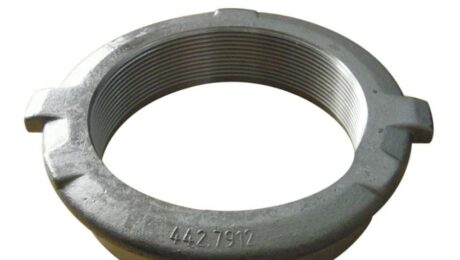
Ultimate Guide to Head Bolts and Lock Bolts in Mining Machinery and Spare Parts
Mining machinery is critical for the extraction of minerals and materials from the earth. A key component in the reliability and efficiency of these machines is the use of head bolts and lock bolts. This comprehensive guide will cover everything you need to know about these essential components, emphasizing their importance in mining operations.
What are Head Bolts?
Head bolts are specialized fasteners used in mining machinery to hold components together securely. They are designed to withstand high levels of tension and shear forces, making them ideal for heavy-duty applications. In this section, we will explore the different types of head bolts, their applications, and their significance in mining equipment.
Types of Head Bolts
Head bolts can vary based on their design, material, and application. Common types include:
– Hex Head Bolts
– Flange Head Bolts
– Socket Head Bolts
– Countersunk Head Bolts
What are Lock Bolts?
Lock bolts are another essential type of fastener utilized in mining machinery. They are designed to provide a more secure connection by preventing the bolt from loosening due to vibration or motion. This section will delve into the mechanisms of lock bolts and their advantages over traditional fasteners.
Advantages of Lock Bolts
Some key benefits of using lock bolts in mining operations include:
– Improved safety due to their secure fastening
– Enhanced durability under extreme conditions
– Resistance to vibration and loosening over time
The Importance of Head Bolts and Lock Bolts in Mining Machinery
The performance and longevity of mining machinery heavily rely on the integrity of the fasteners used. This section discusses the role of head bolts and lock bolts in maintaining the machinery’s operational efficiency and safety standards.
Impact on Machinery Performance
Head and lock bolts support critical components, such as engines, hydraulic systems, and chassis, ensuring the machinery operates smoothly and reliably.
How to Choose the Right Head Bolts and Lock Bolts
Choosing the correct fasteners is paramount for maintaining equipment performance. In this section, we will discuss several factors to consider when selecting head bolts and lock bolts for mining machinery.
Material Considerations
The material of the head bolt or lock bolt can significantly affect its performance. Popular materials include:
– Carbon Steel
– Stainless Steel
– Alloy Steel
Size and Strength Ratings
Understanding size and strength ratings is critical in ensuring that the selected fasteners can withstand operational stresses.
Common Applications of Head Bolts and Lock Bolts in Mining
Head bolts and lock bolts find applications in various areas of mining machinery. This section outlines some common uses in different types of equipment.
Application in Excavators
Discussing how head bolts secure the engine and hydraulic components in excavators.
Application in Drills
Exploring the role of lock bolts in maintaining drill safety and performance.
Application in Dump Trucks
Understanding the importance of head bolts in ensuring the dump truck chassis remains stable and secure under heavy loads.
Maintenance Tips for Head Bolts and Lock Bolts
To ensure the longevity and performance of head bolts and lock bolts, regular maintenance is essential. This section offers tips on how to maintain these fasteners effectively.
Frequently Asked Questions
What is the difference between head bolts and lock bolts?
Head bolts are standard fasteners used to join parts together, while lock bolts provide a more secure connection by preventing loosening due to vibrations.
How do you install head bolts?
Installation typically involves aligning the components, inserting the head bolt, and applying the proper torque settings.
When should I replace head bolts and lock bolts?
Replace fasteners if you notice wear, corrosion, or if they have been subjected to extreme conditions that may compromise their integrity.
Conclusion
In conclusion, understanding head bolts and lock bolts’ roles in mining machinery is essential for ensuring the safe and efficient operation of equipment. Proper selection, installation, and maintenance of these fasteners can significantly impact the performance and longevity of mining operations.
Additional Keywords and Phrases
Head bolt, lock bolt, mining machinery, fasteners, head bolt applications, lock bolt advantages, mining equipment longevity, torque settings, excavation machinery, hydraulic components, dump truck stability, replacing head bolts, maintaining lock bolts, steel fasteners, bolting techniques, heavy-duty machinery, vibration resistance, component integrity, mining safety, machinery performance, fastener materials, securing equipment.
- Published in Products
The Comprehensive Guide to Anti Clogging Screen Meshes in Mining Machinery

The Comprehensive Guide to Anti Clogging Screen Meshes in Mining Machinery
Mining machinery plays a pivotal role in the extraction and processing of minerals. One of the critical components that enhance the efficiency and reliability of these machines is the anti clogging screen mesh. This guide delves into every facet of anti clogging screen meshes, including their functionality, benefits, applications, and maintenance.
Understanding Anti Clogging Screen Meshes
Anti clogging screen meshes are specialized filtration products designed to prevent the buildup of materials that can inhibit machine performance. These meshes are engineered to provide exceptional permeability while resisting blockages, ensuring uninterrupted operation in mining environments.
What are Anti Clogging Screen Meshes?
Anti clogging screen meshes are typically made of robust materials such as stainless steel or synthetic fibers. They feature a unique design that promotes efficient fluid flow and minimizes particle accumulation.
How Anti Clogging Screen Meshes Work
By incorporating advanced weaving techniques, anti clogging screen meshes create openings that allow liquids and fine solids to pass through while trapping larger debris. This prevents buildup and ensures that machinery operates smoothly, reducing downtime and maintenance costs.
Benefits of Using Anti Clogging Screen Meshes
The advantages of deploying anti clogging screen meshes in mining machinery are numerous:
- Enhanced Performance: These meshes improve the overall performance and efficiency of mining equipment.
- Reduced Maintenance: By minimizing blockages, they decrease the frequency of required maintenance.
- Durability: Crafted from high-quality materials, anti clogging screen meshes are built to withstand harsh mining environments.
- Cost-Effectiveness: Long-lasting and efficient, they contribute to lower operational costs in the long run.
Applications of Anti Clogging Screen Meshes in Mining
Anti clogging screen meshes find diverse applications across various mining operations:
1. Mineral Processing
In mineral processing, these meshes help in the classification of materials, ensuring that only the desired particle sizes are processed further.
2. Aggregate Screening
The aggregates used in construction often require screening; anti clogging screen meshes improve grading efficiency.
3. Waste Water Treatment
Mining operations often produce significant amounts of wastewater; these meshes are vital in filtering contaminants effectively.
4. Chemical Processing
In chemical plants associated with mining, anti clogging screen meshes ensure the purity of hazardous materials.
Types of Anti Clogging Screen Meshes
Choosing the right type of anti clogging screen mesh is crucial for optimal performance. Some popular varieties include:
1. Woven Wire Mesh
This is one of the most common types, ideal for various applications due to its strength and flexibility.
2. Perforated Metal Mesh
Perforated metals are effective for specific applications where larger openings are needed.
3. Synthetic Screen Mesh
Made from advanced polymers, these screens are lightweight yet durable, making them an excellent choice for specific mining applications.
Installation and Maintenance of Anti Clogging Screen Meshes
Proper installation and maintenance are vital to the longevity of anti clogging screen meshes:
Steps for Installation:
- Ensure the area is clean and prepared for integration.
- Align the mesh with the mounting points of the machinery.
- Securely fasten all components to avoid vibrations.
Maintenance Tips:
- Regularly inspect the meshes for wear and tear.
- Clean the meshes using appropriate methods based on the materials processed.
- Replace damaged meshes promptly to maintain operational efficiency.
Choosing the Right Supplier for Anti Clogging Screen Meshes
Selecting a reputable supplier can significantly impact the quality of anti clogging screen meshes. When choosing:
- Look for suppliers with a good reputation in the mining industry.
- Check for quality certifications and customer reviews.
- Consider their range of products and customization options.
Frequently Asked Questions (FAQs)
1. What materials are anti clogging screen meshes made from?
Anti clogging screen meshes can be made from stainless steel, synthetic fibers, or a combination of both, depending on the intended application.
2. How do anti clogging screen meshes differ from standard screen meshes?
Anti clogging screen meshes are engineered specifically to prevent blockages, featuring unique designs and material properties that facilitate smoother operations.
3. What are the signs that an anti clogging screen mesh needs replacement?
Common signs include visible damage, significant wear, or reduced efficiency in fluid flow through the mesh.
4. Can anti clogging screen meshes be used in applications outside of mining?
Yes, these meshes can be utilized in various industries, including construction, waste management, and chemical processing, where filtration is essential.
5. What are the cost implications of using anti clogging screen meshes?
While initial costs may be higher than standard meshes, the long-term savings from reduced maintenance and enhanced efficiency often make them more cost-effective overall.
Conclusion
Anti clogging screen meshes are integral to the efficiency and productivity of mining machinery. Understanding their features, benefits, and maintenance strategies can help operators maximize their investment and ensure smooth operations in the often harsh mining environment. Whether deploying them in mineral processing or waste treatment, the advantages of anti clogging screen meshes will continue to play a significant role in the evolution of mining technology.
- Published in Products
The Essential Guide to Screen Meshes in Mining Machinery and Spare Parts
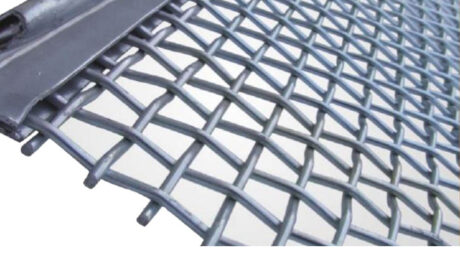
The Essential Guide to Screen Meshes in Mining Machinery and Spare Parts
Screen meshes play a crucial role in the operation of mining machinery, impacting various processes from sorting to screening materials. In this comprehensive article, we will explore everything you need to know about screen meshes, including their types, applications, materials, maintenance, and industry standards.
1. Understanding Screen Meshes
Screen meshes are structures primarily used to separate or filter materials in various applications within the mining industry. Their importance cannot be overstated, as they ensure that the mining processes are efficient and effective.
2. Types of Screen Meshes Used in Mining Machinery
2.1 Woven Wire Mesh
The most common type of screen mesh, woven wire mesh is made from crisscrossed wires and is widely used in mining for its durability and versatility.
2.2 Polyurethane Screen Mesh
Known for its exceptional wear resistance, polyurethane screen mesh is ideal for high-impact applications and is often used in wet classification processes.
2.3 Trommel Screens
Trommel screens consist of a rotating cylindrical mesh and are used for separating materials by size in a more cylindrical geometry.
2.4 Perforated Plate Screens
Perforated plate screens are made from solid plates with holes punched in them, offering a sturdy option for screening heavy materials.
3. Materials Used in Screen Meshes
3.1 Metal Mesh
Often made from steel or stainless steel, metal mesh is favored for its strength and longevity.
3.2 Synthetic Mesh
Synthetic mesh materials, such as nylon and polyester, are lightweight, resistant to corrosion, and excellent for specific applications.
3.3 Composite Mesh
Combining materials can lead to enhanced performance characteristics suitable for various mining conditions.
4. Applications of Screen Meshes in Mining
4.1 Coal Mining
In coal mining, screen meshes are used for sorting and sizing coal before it is transported to processing facilities.
4.2 Gold Mining
Gold mining operations utilize screen meshes for both concentration and recovery stages to increase efficiency.
4.3 Aggregate Production
In aggregate production, screen meshes are crucial for ensuring that only correctly sized materials are processed further.
5. Factors to Consider When Choosing Screen Meshes
5.1 Mesh Size
Choosing the right mesh size is essential for the optimal performance of mining operations and can significantly impact the quality of the output.
5.2 Wear Life
Understanding the expected wear life of a screen mesh helps in selecting materials that can withstand specific mining conditions.
5.3 Compatibility with Equipment
Screen meshes must be compatible with the machinery they are used with to ensure effective operation and minimize downtime.
6. Maintenance Tips for Screen Meshes
6.1 Regular Inspection
Routine inspections can identify problems early, prolonging the life of screen meshes.
6.2 Cleaning Procedures
Proper cleaning can prevent residue buildup and maintain screening efficiency.
7. Safety Considerations
Ensuring safety during the operation and maintenance of screen meshes is critical due to potential hazards associated with mining machinery.
8. Industry Standards and Regulations
Understanding the regulations governing the use of screen meshes in the mining industry helps companies ensure compliance and operational efficiency.
9. FAQs about Screen Meshes
9.1 What are screen meshes used for in mining?
Screen meshes are used to separate and sort materials based on size and type in various mining processes.
9.2 How do I choose the right screen mesh for my application?
Consider factors such as mesh size, material type, and compatibility with equipment when selecting screen meshes.
9.3 How often should screen meshes be inspected?
Regular inspections should be scheduled based on usage frequency and conditions, but generally every few weeks or after heavy use is recommended.
9.4 What materials are screen meshes made from?
Screen meshes can be made from metal, synthetic materials, or composite materials, depending on their application.
10. Conclusion
Screen meshes are integral components of mining machinery that enhance efficiency and productivity. Understanding their diverse types, applications, and maintenance practices ensures that mining operations can maximize their output while minimizing downtime.
LSI and NLP Keywords
- Vibrating screen
- Screening equipment
- Mesh size
- Mining processes
- Sieving
- Material separation
- Mining operations
- Screen panels
- Mining industry standards
- Screening media
- Aggregate screening
- Mineral processing
- Sand and gravel
- Separation efficiency
- Heavy-duty screens
- Wear resistance
- Durable mesh solutions
- Screening technologies
- Trommel design
- Replacement parts
- Mining machinery maintenance
- Published in Products
The Complete Guide to Feed Eye Rings in Mining Machinery: Importance, Types, and Maintenance
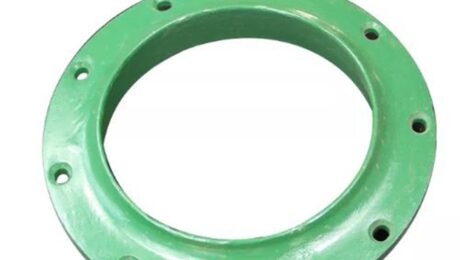
The Complete Guide to Feed Eye Rings in Mining Machinery: Importance, Types, and Maintenance
In the world of mining machinery, precision and efficiency are vital to success. One integral component that plays a significant role in the functioning of various mining equipment is the feed eye ring. This article delves deep into what feed eye rings are, their purpose, types, maintenance tips, and answers frequently asked questions.
What is a Feed Eye Ring?
A feed eye ring is a crucial part of the feeding system in mining machinery, designed to ensure a steady flow of materials into the machinery for processing. Typically made from durable materials that withstand heavy operations, the feed eye ring helps maintain the efficiency and productivity of the mining process.
Importance of Feed Eye Rings in Mining Machinery
Feed eye rings serve multiple functions in mining applications, including:
- Material Handling: They are essential for the transportation of ores and minerals to the crusher and other processing equipment.
- Precision: By controlling the flow of materials, feed eye rings enhance the accuracy of the mining machinery.
- Durability: Quality rings contribute to the longevity of the equipment, reducing the need for frequent replacements.
Types of Feed Eye Rings
Various types of feed eye rings cater to different types of mining applications. Some common types include:
- Fixed Feed Eye Rings: These are permanently attached and designed for specific machinery.
- Adjustable Feed Eye Rings: These can be modified to accommodate varying sizes of materials.
- Wear-resistant Feed Eye Rings: Made from specialized materials to enhance durability in abrasive environments.
- Custom Feed Eye Rings: Tailored specifically for particular machinery or operational needs.
Material Composition of Feed Eye Rings
The durability and effectiveness of feed eye rings depend significantly on the materials used in their construction. Common materials include:
- Steel: Renowned for its strength and flexibility.
- Rubber: Often used in conjunction with metal rings for enhanced cushioning and wear resistance.
- Polyurethane: Valued for its resistance to wear and tear, particularly in abrasive applications.
Installation of Feed Eye Rings
Proper installation of the feed eye ring is essential for optimal performance. Key steps include:
- Preparation: Ensure the machinery is turned off and cooled down.
- Removal: Carefully remove the old or damaged feed eye ring.
- Installation: Align the new ring accurately and secure it in place.
- Testing: After installation, run the machinery to check for any issues in material flow.
Maintenance Tips for Feed Eye Rings
To prolong the lifespan of feed eye rings and ensure efficient operation, regular maintenance is crucial. Here are some tips:
- Regular Inspections: Check for signs of wear and tear frequently.
- Cleanliness: Keep the feed eye ring area clean to avoid material buildup.
- Lubrication: Apply appropriate lubricants as recommended by the manufacturer.
- Replace Worn Parts: Timely replacement of damaged rings will help maintain system integrity.
Common Issues with Feed Eye Rings
Users may encounter various issues with feed eye rings, including:
- Wear: Excessive wear can affect performance and lead to material leakage.
- Misalignment: Incorrect installation may result in uneven material flow.
- Cracking: This often results from fatigue or impact damage over time.
FAQs about Feed Eye Rings
1. What is the purpose of a feed eye ring?
The purpose of a feed eye ring is to facilitate the controlled flow of materials into mining machinery, which is essential for efficient operations.
2. How often should feed eye rings be replaced?
Replacement frequency depends on usage; however, it’s generally advisable to inspect them regularly and replace them at the first signs of damage or excessive wear.
3. Can feed eye rings be custom-made?
Yes, many manufacturers offer custom feed eye rings tailored to specific machinery and operational needs.
4. What materials are feed eye rings made from?
Common materials include steel, rubber, and polyurethane, chosen for their durability and resistance to harsh mining conditions.
5. What are the signs that a feed eye ring needs maintenance?
Signs include wear and tear, cracks, leaks in materials, and misalignment during operation.
Conclusion
Feed eye rings are essential components of mining machinery that directly impact performance and efficiency. Understanding their importance, types, installation procedures, and maintenance practices is vital for any mining operator. By ensuring proper care and timely replacements, you can keep your mining operations running smoothly and efficiently.
LSI and NLP Keywords
- mining equipment
- spare parts
- material flow control
- mining industry
- feed system
- durability in mining
- mining component maintenance
- mining machinery performance
- wear and tear in mining equipment
- mining operations efficiency
- replacement parts
- heavy-duty machinery
- machinery alignment
- mineral processing
- feed eye ring installation
- Published in Products
