


The Comprehensive Guide to Eccentric Bushing in Mining Machinery and Spare Parts
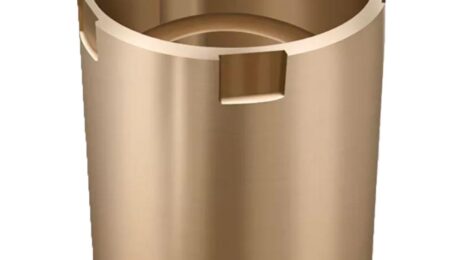
The Comprehensive Guide to Eccentric Bushing in Mining Machinery and Spare Parts
In the world of mining machinery, understanding the role of various components is crucial. One such component that significantly impacts the machinery’s performance is the eccentric bushing. This article delves deep into the meaning, functionality, importance, and maintenance of the eccentric bushing in mining machinery and its spare parts.
What is an Eccentric Bushing?
An eccentric bushing is a sleeve that is used to provide rotational movement in a machinery component. It is known for its off-center design that allows for motion while accommodating wear and tear experienced during mining operations. This unique aspect makes the eccentric bushing essential in heavy machinery used in the mining sector.
How Does an Eccentric Bushing Work?
In mining machinery, the eccentric bushing acts as a pivot point that adjusts the position of various mechanical components. When used in rock crushers, for example, the bushing moves the crushing surfaces closer together or further apart, facilitating material breakdown.
Importance of Eccentric Bushing in Mining Machinery
- Enhanced Performance: The eccentric bushing ensures smooth operation, minimizing friction and wear.
- Cost-Effectiveness: By prolonging the life of other components, the bushing ultimately contributes to lower maintenance costs.
- Improved Efficiency: A well-functioning eccentric bushing enhances the overall efficiency of the machinery.
- Versatility: Eccentric bushings are used in various equipment, including crushers, mills, and screens, making them a versatile component.
Eccentric Bushing Materials and Types
Eccentric bushings can be made from various materials, including:
- Bronze: Known for its wear resistance and durability.
- Steel: Offers strength and stability for heavy-duty applications.
- Composite materials: Lightweight and resistant to corrosion.
Common Applications of Eccentric Bushings in Mining Machinery
Eccentric bushings find their applications in:
- Jaw crushers: Used to provide the necessary movement of the crushing jaws.
- Cone crushers: Essential for adjusting the gap and ensuring material is crushed effectively.
- Ball mills: Help maintain the balance and stability of rotating components.
Choosing the Right Eccentric Bushing for Your Machinery
Selecting the appropriate eccentric bushing depends on several factors:
- Size: Ensure compatibility with your machinery measurements.
- Material: Consider the operational environment and load conditions.
- Quality: Opt for bushings from reputable manufacturers to guarantee reliability.
Maintenance of Eccentric Bushings
Regular maintenance is essential for prolonging the life of eccentric bushings. Here are some maintenance tips:
- Regular Inspections: Check for signs of wear and tear.
- Lubrication: Proper lubrication minimizes friction and wear.
- Replacement: Replace worn bushings promptly to avoid damage to other components.
Signs of Eccentric Bushing Wear
Identifying wear in eccentric bushings is essential for preventing machinery failure. Common signs include:
- Unusual noises during operation.
- Increased vibrations.
- Slipped or misaligned components.
Buying Spare Parts for Eccentric Bushings
When purchasing spare parts for eccentric bushings, consider:
- Established suppliers with positive reviews.
- Warranties and return policies.
- Comparison of prices without compromising on quality.
Frequently Asked Questions (FAQ)
1. What is the function of an eccentric bushing?
The function of an eccentric bushing is to provide rotational movement and adjust the positions of various components within mining machinery.
2. What materials are used in manufacturing eccentric bushings?
Eccentric bushings are commonly manufactured from bronze, steel, and composite materials, each offering unique benefits.
3. How can I tell if my eccentric bushing needs replacement?
Signs of wear include unusual noises, increased vibrations, and misalignment of components.
4. Where can I buy spare parts for eccentric bushings?
You can purchase spare parts from established suppliers, either online or at local stores specializing in mining machinery parts.
5. How does proper maintenance of eccentric bushings contribute to machinery performance?
Proper maintenance, such as lubrication and timely inspections, ensures that eccentric bushings function smoothly, minimizing wear and prolonging the life of associated components.
Related Keywords and Phrases
- Eccentric bushing suppliers
- Eccentric bushing maintenance
- Mining machinery parts
- Eccentric bushings specifications
- Rock crusher eccentric bushing
- Types of bushings
- Spare parts for mining equipment
- Heavy machinery components
- Wear-resistant materials in machinery
- Mining equipment maintenance
- Mechanical bushings
- Industrial machinery replacement parts
- Eccentric bushing installation
- Mining machinery performance optimization
- Mining and construction machinery
- Eccentric motion in machinery
In conclusion, understanding the role, importance, and maintenance of eccentric bushings in mining machinery can significantly enhance efficiency and operational longevity. Whether you are looking to buy new bushings or seeking maintenance tips, this guide provides comprehensive knowledge to be effectively utilized in the mining sector.
- Published in Products
The Comprehensive Guide to Breaker Bars in Mining Machinery and Spare Parts
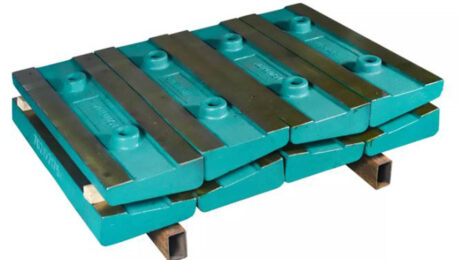
The Comprehensive Guide to Breaker Bars in Mining Machinery and Spare Parts
Understanding the role of breaker bars in mining machinery is essential for optimizing operations and enhancing productivity. Breaker bars are crucial components designed to facilitate the crushing process in mining equipment. This article will explore the various aspects of breaker bars, including their function, types, maintenance, and the significant role they play in mining machinery.
What is a Breaker Bar?
A breaker bar is a component in various types of mining machinery, often utilized in equipment like impact crushers and hammer mills. It acts as a tool for applying force to break down materials, helping in the efficient processing of minerals and ores. The durability and effectiveness of breaker bars are critical in maintaining the overall efficiency of mining operations.
Types of Breaker Bars
There are several types of breaker bars used in mining machinery, each designed for specific applications and materials:
- Fixed Breaker Bars: These are stationary components, usually positioned to complement moving parts in crushers.
- Movable Breaker Bars: These can move and pivot, allowing for enhanced crushing capabilities.
- Heavy-Duty Breaker Bars: Designed for high-impact environments, ideal for large mining operations.
- Replacement Breaker Bars: Spare parts designed to fit specific models of mining machinery, ensuring continuity in operations.
Materials Used in Breaker Bars
Breaker bars are made from various materials, each providing different advantages:
- High Carbon Steel: Known for its strength and durability, commonly used in heavy-duty applications.
- Ceramic Composites: Used for their abrasion resistance in harsh operating conditions.
- Alloy Steel: Provides a good balance between toughness and wear resistance.
Importance of Breaker Bars in Mining Machinery
Breaker bars have a significant impact on the efficiency of mining machinery:
- Increased Crushing Efficiency: Well-designed breaker bars improve the breakdown of materials, reducing processing time.
- Reduction of Downtime: High-quality breaker bars minimize equipment wear, enhancing machinery lifespan.
- Cost-Effectiveness: Investing in quality breaker bars ensures less frequent replacements, saving operational costs.
How to Choose the Right Breaker Bar
Choosing an appropriate breaker bar for specific applications involves several considerations:
- Material Type: Consider the hardness and abrasiveness of materials being processed.
- Compatibility: Ensure the breaker bar is compatible with your specific model of mining machinery.
- Manufacturer Recommendations: Always refer to the manufacturer’s guidelines for optimal performance.
Maintenance Tips for Breaker Bars
Proper maintenance of breaker bars is essential to ensure efficiency and longevity:
- Regular Inspections: Frequently check for wear and tear and replace as necessary.
- Lubrication: Apply appropriate lubricants to reduce friction and wear.
- Cleaning: Keep breaker bars clean from debris and abrasive materials to maintain functionality.
Common Issues with Breaker Bars
Understanding potential problems can help in proactively addressing them:
- Wear and Tear: Regular usage leads to degradation; replacements are necessary.
- Misalignment: Improper alignment can lead to inefficient crushing.
- Material Failure: Low-quality breaker bars may lead to sudden failures, affecting production.
Breaker Bar Suppliers and Manufacturers
Finding reliable suppliers for breaker bars is critical for operations:
- OEM Manufacturers: Original Equipment Manufacturers often provide the best-suited parts.
- Aftermarket Suppliers: Many aftermarket suppliers offer cost-effective alternatives without compromising quality.
- Local vs. International Suppliers: Consider logistics and support when choosing suppliers.
Breaker Bars in Modern Mining Operations
As mining technologies evolve, so too do the designs and applications of breaker bars. Advanced materials and manufacturing techniques are leading to more efficient and durable options.
Future of Breaker Bars in Mining Machinery
The future of breaker bars looks promising, with innovation focused on enhancing efficiency, reducing operational costs, and improving sustainability in mining practices. Ongoing research is expected to yield new materials and designs, paving the way for enhanced performance.
Frequently Asked Questions (FAQ)
1. What is the primary function of a breaker bar in mining machinery?
The primary function of a breaker bar is to apply force to break down materials during crushing operations, facilitating the processing of minerals and ores.
2. How often should breaker bars be replaced?
Replacement frequency depends on usage and the type of materials being processed, but regular inspections are recommended to determine wear and replacement needs.
3. Are there different types of breaker bars for different mining machines?
Yes, breaker bars come in various types and sizes, designed specifically to fit different models and types of mining machinery.
4. Can I use aftermarket breaker bars?
Aftermarket breaker bars can be used, but it’s essential to ensure they meet the quality and compatibility standards for your equipment.
5. What materials are typically used in the construction of breaker bars?
Common materials include high carbon steel, ceramic composites, and alloy steel, each chosen based on specific performance requirements.
6. How can I improve the longevity of breaker bars?
Regular maintenance, including inspections, lubrication, and cleaning, plays a vital role in enhancing the longevity of breaker bars.
7. What should I do if my breaker bar shows signs of wear?
If wear is detected, it is recommended to replace the breaker bar to avoid decreased performance and potential damage to mining machinery.
Conclusion
Breaker bars play a fundamental role in the efficiency and effectiveness of mining machinery. Understanding their types, maintenance, and applications helps improve operational performance and reduce costs. As the mining industry continues to embrace innovation, staying informed about advancements in breaker bar technology remains vital for optimizing mining processes.
LSI and NLP Keywords
- Mining equipment
- Impact crushers
- Hammer mills
- Mining spare parts
- Wear-resistant materials
- Crushing processes
- Mining operations
- Performance optimization
- OEM parts
- Equipment longevity
- Durability in mining
- Impact resistance
- Cost-effective machinery solutions
- Machinery maintenance
- High-performance breaking solutions
- Published in Products
The Comprehensive Guide to Flywheels in Mining Machinery and Spare Parts
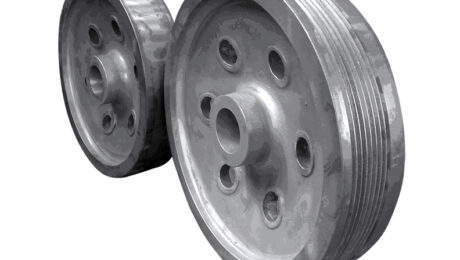
The Comprehensive Guide to Flywheels in Mining Machinery and Spare Parts
1. Introduction to Flywheels
In the realm of mining machinery, the role of the flywheel is integral to the operation and efficiency of various machinery. A flywheel is a mechanical device that stores rotational energy and plays a crucial part in stabilizing and regulating the output of engines and machines used in mining operations. This article will delve into the significance of flywheels, their functioning, and the various associated spare parts.
2. What is a Flywheel?
A flywheel is designed to distribute energy evenly throughout the operational cycle of a machine, thus minimizing fluctuations in power output. This section will explore the types of flywheels used in mining machinery and their unique features.
2.1 Types of Flywheels
The primary types of flywheels include solid plate flywheels, rimmed flywheels, and composite flywheels. Each type has distinct characteristics that make it suitable for specific applications in mining machinery.
2.2 Flywheel Materials
Common materials used in flywheel construction include cast iron, steel, and advanced composites. The choice of material affects the flywheel’s weight, strength, and ultimately, its performance.
3. The Importance of Flywheels in Mining Operations
Understanding the role of flywheels in mining operations can enhance machinery performance significantly. This section will dissect their importance, including energy efficiency, torque management, and operational stability.
3.1 Energy Efficiency
Flywheels help in maintaining energy efficiency in mining equipment by providing a reserve of energy that can be utilized during high demand.
3.2 Torque Management
Proper torque management is critical in mining applications where heavy loads are common. Flywheels assist in smoothing out the torque delivered by engines and motors.
3.3 Operational Stability
Stability in machine operation translates to safety and effectiveness. Flywheels contribute to this by leveling out engine speeds and reducing vibrations.
4. Flywheel Specifications in Mining Machinery
Key specifications that define the performance of a flywheel include diameter, weight, and moment of inertia. This section will provide detailed insights into these specifications and their implications for mining applications.
4.1 Diameter and Weight Considerations
The diameter and weight of a flywheel directly impact its energy storage capacity and the overall design of the machinery.
4.2 Moment of Inertia
Moment of inertia is a vital parameter in determining how much energy the flywheel can store and how quickly it can accelerate or decelerate.
5. Flywheel Spare Parts and Maintenance
Like all components of mining machinery, flywheels require maintenance and, occasionally, replacement of spare parts. This section will detail the critical spare parts associated with flywheels, their roles, and maintenance tips.
5.1 Common Flywheel Spare Parts
Common spare parts for flywheels include flywheel bolts, bushings, and seals. Each part plays a specific role in ensuring the flywheel operates optimally.
5.2 Flywheel Maintenance Tips
Regular inspection and maintenance of flywheels can prevent costly breakdowns and extend the lifespan of the machinery. Key maintenance practices will be outlined in this section.
6. Advanced Technologies in Flywheel Design
Emerging technologies are continuously enhancing flywheel design and application in mining. This section will explore innovations such as advanced materials, smart monitoring systems, and automation.
6.1 Use of Composite Materials
Applying composite materials in flywheel construction can lead to lighter, stronger, and more efficient flywheels.
6.2 Smart Monitoring Systems
Smart monitoring systems can impact maintenance schedules, predict failures, and improve overall efficiency in mining operations.
7. Economic Aspects of Flywheels
This section will consider the economic implications of using flywheels in mining machinery, including initial costs, potential savings, and return on investment.
7.1 Cost Analysis
A cost analysis comparing flywheel systems versus traditional energy storage solutions will be provided.
7.2 ROI on Flywheel Investments
Return on investment (ROI) for flywheel systems in mining operations can be calculated based on efficiency gains and reduced downtime.
8. Challenges in Flywheel Utilization
Despite their benefits, there are challenges associated with flywheel utilization in mining machinery. Common challenges include weight limitations, space constraints, and the need for precise engineering.
9. FAQs about Flywheels in Mining Machinery
9.1 What is the primary function of a flywheel in mining machinery?
The primary function of a flywheel is to store energy and stabilize the machine’s operation by smoothing out the power output.
9.2 How often should flywheels be maintained?
Flywheels should be inspected regularly, with maintenance based on usage frequency and manufacturer recommendations.
9.3 What are common issues with flywheels in mining machinery?
Common issues include wear and tear, misalignment, and failure of associated spare parts.
9.4 How can one ensure the longevity of a flywheel?
Regular maintenance, using high-quality spare parts, and adhering to operational limits can ensure the longevity of a flywheel.
9.5 Are flywheels environmentally friendly?
Flywheels can be considered environmentally friendly as they improve energy efficiency and reduce emissions from mining machinery.
10. Conclusion
In conclusion, flywheels play a pivotal role in the mining machinery landscape. Their ability to store energy, enhance efficiency, and contribute to smoother operations makes them an indispensable component. With ongoing advancements in technology and materials, the future of flywheel applications in mining looks promising.
LSI and NLP Keywords
Mining equipment, energy storage, rotational inertia, mechanical horsepower, machinery maintenance, hydraulic systems, mining industry, flywheel assembly, vibration control, torque stabilization, energy efficiency solutions, high-performance flywheel, industrial dynamics, mining operations optimization, flywheel technology, heavy machinery parts, mining engine performance, load management systems.
- Published in Products
The Essential Guide to End Frames in Mining Machinery and Spare Parts
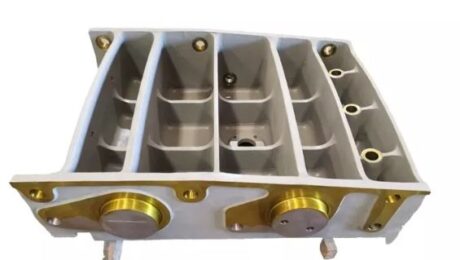
The Essential Guide to End Frames in Mining Machinery and Spare Parts
Mining machinery is an indispensable part of the mining industry, and understanding its components is crucial for effective operation and maintenance. One of the key components in mining machinery is the ‘end frame.’ This article explores everything you need to know about end frames, their importance, types, and impact on overall machinery performance. We will cover relevant topics that provide a comprehensive understanding of end frames.
What is an End Frame?
An end frame is a structural component of mining machinery that acts as a critical structural support. Typically positioned at either end of the machine, the end frame provides stability and alignment for the machinery.
Importance of End Frames in Mining Machinery
End frames are vital for ensuring the durability and longevity of mining equipment. They distribute loads evenly, reduce vibrations, and bear the stress induced during heavy operations. A well-designed end frame can significantly enhance the overall efficiency and productivity of mining machinery.
Types of End Frames Used in Mining Machinery
-
Frame End Assemblies
These are designed to support various components, ensuring they remain securely attached and aligned.
-
Motor End Frames
These end frames are integral in securing the motor while safeguarding it from external damage.
-
Drive End Frames
Drive end frames house essential components that facilitate the transfer of power from the engine to the working mechanism.
Common Materials Used for End Frames
End frames are constructed from various materials depending on the specific requirements and operational environment. Common materials include:
- Steel: Known for its strength and durability.
- Aluminum: Lightweight and corrosion-resistant.
- Cast Iron: Offers excellent damping characteristics and durability.
End Frame Design Considerations
Designing an efficient end frame involves multiple considerations, including:
-
Load-Bearing Capacity
Ensuring that the end frame can support all components it houses.
-
Vibration Resistance
Designing the end frame to minimize vibrations that can affect machine performance.
-
Maintenance Accessibility
Creating designs that allow for easy maintenance and parts replacement.
Maintenance of End Frames in Mining Machinery
Regular maintenance of end frames is crucial for ensuring the effectiveness of the mining machinery. Maintenance practices include:
- Visual Inspections: Regular checks for any signs of wear or damage.
- Lubrication: Ensuring that all moving parts are adequately lubricated to minimize friction.
- Replacement of Damaged Parts: Timely replacement of damaged end frames or components to prevent further damage.
End Frames in Mining Machinery Spare Parts Market
The market for mining machinery spare parts includes various end frames tailored to different machinery types. Companies specializing in spare parts may provide:
- OEM (Original Equipment Manufacturer) end frames.
- Aftermarket end frames designed to meet or exceed OEM specifications.
Advantages of Using Quality End Frames
Investing in high-quality end frames can lead to:
- Increased Efficiency: Enhanced performance and productivity of mining machinery.
- Reduced Downtime: Less frequent repairs and maintenance work required.
- Cost Savings: Long-term savings due to reduced need for replacements and repairs.
Future Trends in End Frame Technology
Innovations in materials and engineering are driving changes in end frame technology. Future trends may include:
- Advanced Materials: Utilizing composite materials for lighter, stronger end frames.
- Smart Sensors: Integrating sensors for real-time monitoring of end frame conditions.
FAQ
What is the function of the end frame in mining machinery?
The end frame serves as a structural support, ensuring the stability and alignment of machinery components.
How often should I inspect end frames?
Regular inspections should be conducted as part of routine maintenance, ideally every few months or based on operational conditions.
What materials are commonly used for end frames?
End frames are often made from steel, aluminum, or cast iron, chosen for their strength and durability.
Can I replace end frames with aftermarket parts?
Yes, aftermarket end frames can be utilized, but ensure they meet or exceed OEM specifications for compatibility.
Conclusion
Understanding end frames and their integral role in mining machinery is essential for anyone involved in the industry. By prioritizing quality and maintenance of these components, businesses can ensure the longevity and efficiency of their mining operations.
- Published in Products
Understanding Pitman in Mining Machinery and Spare Parts

Understanding Pitman in Mining Machinery and Spare Parts
Introduction to Pitman in Mining Machinery
In the vast industry of mining, specific components play crucial roles in ensuring that machinery operates efficiently. One such component is the Pitman.
What is a Pitman?
The Pitman is a crucial component in mining machinery primarily associated with jaw crushers. It is a part that connects the main shaft to the movable jaw, enabling movement and facilitating the crushing process. Understanding how the Pitman works can significantly impact the operation and maintenance of mining machinery.
The Role of Pitman in Mining Machinery
In mining operations, the Pitman has several essential roles:
- Connection: It connects the drive shaft to the jaw, allowing the mechanical movement necessary for crushing materials.
- Movement: The Pitman converts rotational motion from the motor into the oscillating motion of the jaw.
- Support: It provides structural support for the entire jaw crusher assembly, contributing to the machine’s overall durability.
Types of Pitman in Mining Machinery
There are various types of Pitman configurations found in mining machinery:
- Single Toggle Pitman: This design utilizes a single pivot point and is widely used in smaller jaw crushers.
- Double Toggle Pitman: More robust and better suited for larger applications, double toggle designs have two pivot points for added strength.
- Hybrid Pitman: Incorporating characteristics from both designs, hybrid Pitmans aim to optimize performance and durability.
Materials Used in Manufacturing Pitman
Quality and durability are key factors in sourcing Pitman components. Common materials used include:
- Steel: High-tensile steel is often used for its strength and resistance to wear.
- Alloy Steel: This provides enhanced mechanical properties, making it suitable for heavy-duty applications.
- Cast Iron: Used for its durability and ability to absorb shock, but less common in high-performance machines.
Maintaining and Repairing Pitman in Mining Machinery
Regular maintenance is crucial for ensuring the longevity and efficiency of the Pitman in mining machinery. Key maintenance practices include:
- Routine Inspections: Check for signs of wear and tear, especially around pivot points and connections.
- Lubrication: Regularly lubricate components to reduce friction and prevent overheating.
- Replacement Parts: Knowing when to replace worn-out Pitman components can save time and costs in the long run.
Pitman Spare Parts and Their Importance
Having access to Pitman spare parts is essential for minimizing downtime in mining operations. Common spare parts associated with Pitman include:
- Pitman Assembly: Complete assembly for quick replacements.
- Pivot Shafts: Critical for allowing movement of the jaw.
- Bearings: Essential for smooth operation and reducing friction.
Choosing the Right Pitman Spare Parts
When sourcing spare parts for Pitman, consider the following:
- Compatibility: Ensure parts are compatible with existing machinery.
- Quality: Choose high-quality parts to reduce the need for frequent replacements.
- Supplier Reputation: Work with reliable suppliers known for quality parts and customer service.
FAQs About Pitman in Mining Machinery
1. What is the function of the Pitman in mining machinery?
The Pitman serves to connect the main shaft to the jaw, translating rotational motion into the oscillating motion necessary for crushing materials.
2. How often should I replace Pitman components?
This depends on usage and wear. Regular inspections can help determine when replacements are due to maintain operational efficiency.
3. What materials are commonly used for Pitman manufacturing?
Common materials include high-tensile steel, alloy steel, and cast iron, depending on the application.
4. Can I repair the Pitman myself?
While minor maintenance tasks can often be performed on-site, it’s advisable to consult with a professional for significant repairs to avoid further damages.
5. Where can I find spare parts for Pitman?
Spare parts can typically be found through specialized suppliers, online marketplaces, or directly from manufacturers of mining machinery.
Conclusion
Understanding the operation and importance of the Pitman in mining machinery is essential for efficient mining operations. With proper maintenance and sourcing of quality spare parts, machinery can run at optimal performance, reducing costs and enhancing productivity in the long run.
- Published in Products
The Ultimate Guide to Mining Machinery and Rotor Spare Parts

The Ultimate Guide to Mining Machinery and Rotor Spare Parts
In the mining industry, efficiency and reliability are paramount when it comes to machinery. One crucial component that significantly impacts performance is the rotor. This article explores the importance of rotors in mining machinery, the various types available, and the benefits of using high-quality rotor spare parts to enhance mining operations.
1. Understanding Mining Machinery
Mining machinery encompasses a range of equipment essential for the extraction of minerals and resources. These machines include excavators, haul trucks, and crushers, all designed to operate in tough environments. At the heart of many of these machines lies the rotor, which plays a pivotal role in their functionality.
2. What is a Rotor in Mining Machinery?
A rotor is a rotating component found in various mining machines that facilitates the processing of materials. Whether in a crusher or a milling machine, the rotor is responsible for crushing, grinding, or separating materials efficiently. Various types of rotors are engineered to handle different materials and tasks.
3. Types of Rotors Used in Mining Machinery
3.1 Vertical Shaft Rotors
Vertical shaft rotors are commonly used in impact crushers, where they help accelerate material towards the impact surface, facilitating effective crushing.
3.2 Horizontal Shaft Rotors
These rotors are typical in horizontal impact crushers and are designed for maximum material reduction and product shape quality.
3.3 Drum Rotors
Drum rotors, often found in screening equipment, aid in the classification and separation of materials, ensuring that only suitable sizes pass through.
3.4 Mill Rotors
Used in grinding mills, these rotors are critical in pulverizing material to the desired particle size for processing.
4. Importance of Rotor Design and Quality
The design and material quality of mining rotors directly impact operational efficiency and durability. A well-designed rotor reduces wear on other machine parts and minimizes downtime.
5. Common Materials Used in Rotor Manufacturing
Rotors are often constructed from high-strength steel, alloy steel, and sometimes ceramic materials, depending on the application. Each material provides unique benefits regarding strength, durability, and resistance to wear.
6. Maintenance of Mining Machinery Rotors
Regular maintenance of rotors is essential to ensure optimal performance. This includes routine inspections, cleaning, and timely replacement of worn parts.
7. Rotor Spare Parts: Enhancing Performance
Using high-quality rotor spare parts is crucial for maintaining the integrity and performance of mining machinery. Factors to consider when sourcing spare parts include compatibility, material quality, and manufacturer reputation.
8. Suppliers of Rotor Spare Parts
Numerous suppliers specialize in mining machinery spare parts, providing OEM and aftermarket options. It’s vital to conduct thorough research to ensure you’re purchasing from a credible supplier who offers warranties and support.
9. Innovations in Rotor Technology
Advancements in rotor technology are continuously emerging, leading to more efficient designs and materials that extend the life and performance of mining machines.
10. Environmental Considerations
Modern mining operations are increasingly focusing on reducing their environmental impact. Innovative rotor designs can help achieve better material recovery rates, thus minimizing waste.
11. FAQs About Mining Machinery and Rotors
11.1 What is the function of a rotor in mining machinery?
The rotor aids in the processing of materials by crushing, grinding, or separating them as they pass through various mining machines.
11.2 How often should mining machinery rotors be inspected?
Rotors should be inspected regularly based on operational hours, typically every few hundred hours of use, to ensure they are functioning correctly.
11.3 What are the signs that a rotor needs replacement?
Common signs include excessive vibrations, unusual noises, or reduced efficiency in processing materials.
11.4 Can I use aftermarket rotor spare parts?
Yes, aftermarket rotor parts can be used, but it’s essential to ensure they are compatible and of high quality to maintain performance.
11.5 Are there specific rotor designs for different materials?
Yes, rotors are designed specifically for different types of materials, which may require specialized shapes and construction for optimal performance.
12. Conclusion
Rotors play a critical role in the operational efficiency of mining machinery. By understanding their functions, types, and maintenance best practices, facilities can optimize their machinery’s performance and lifespan. Investing in quality rotor spare parts is an essential aspect of maintaining effective mining operations.
- Published in Products
The Essential Guide to Conveyor Belts in Mining Machinery and Spare Parts

The Essential Guide to Conveyor Belts in Mining Machinery and Spare Parts
Conveyor belts are critical components of mining machinery, playing a vital role in transporting materials efficiently. In this article, we will explore everything you need to know about conveyor belts, their types, functions, maintenance, and innovations in the industry.
1. Understanding Conveyor Belts
Conveyor belts are continuous loops of material that transport goods from one point to another in various industries, especially in mining. They come in various materials, sizes, and configurations, tailored to meet specific operational needs.
2. Types of Conveyor Belts
-
2.1. General Purpose Conveyor Belts
-
2.2. Heavy-Duty Conveyor Belts
-
2.3. Modular Conveyor Belts
-
2.4. Steel Cord Conveyor Belts
-
2.5. Textile Conveyor Belts
3. Components of Conveyor Belts
Understanding the components of a conveyor belt is crucial. Major parts include:
- Belting Material
- Rollers and Pulleys
- Frame Structures
- Drive Mechanisms
4. The Role of Conveyor Belts in Mining Machinery
Conveyor belts are integral to mining operations. They expedite the movement of raw materials, thus enhancing productivity and ensuring operational efficiency.
5. Application of Conveyor Belts in Different Mining Operations
-
5.1. Surface Mining
-
5.2. Underground Mining
-
5.3. Material Handling
6. Advantages of Using Conveyor Belts
Conveyor belts offer numerous advantages in mining operations:
- Increased Efficiency
- Reduced Labor Costs
- Enhanced Safety
7. Maintenance of Conveyor Belts
Proper maintenance is essential for conveyor belt longevity. Key maintenance tips include:
- Regular Inspections
- Cleaning and Lubrication
- Immediate Repairs
8. Innovations in Conveyor Belt Technology
Recently, there have been significant advancements in conveyor belt technology, including:
- Smart Conveyor Systems
- Enhanced Durability Materials
9. The Future of Conveyor Belts in Mining
The future of conveyor belts in mining includes:
- Integration with IoT
- Automation and Artificial Intelligence
10. Choosing the Right Conveyor Belt for Your Mining Operation
Selecting the ideal conveyor belt for your mining operation requires careful consideration of:
- Type of Material
- Operational Environment
- Load Capacity
11. Conveyor Belt Spare Parts and Their Importance
Spare parts for conveyor belts are crucial for maintaining operational efficiency. Essential spare parts include:
- Belting Material
- Idlers and Rollers
- Drive Systems
12. FAQs About Conveyor Belts
12.1. What is a conveyor belt?
A conveyor belt is a continuous loop of material used to transport goods or materials from one location to another.
12.2. How do conveyor belts work?
Conveyor belts operate by moving materials over pulleys and rollers, powered by a motor.
12.3. What are the different types of conveyor belts?
Common types include general-purpose, heavy-duty, modular, steel cord, and textile conveyor belts.
12.4. How do I maintain my conveyor belt?
Regular inspections, cleaning, lubrication, and immediate repairs are essential maintenance practices.
12.5. Can conveyor belts be customized?
Yes, conveyor belts can be customized to fit specific operational needs in mining.
Conclusion
Conveyor belts play a crucial role in mining operations, enhancing efficiency and productivity. Understanding their types, maintenance practices, and innovations can help mining operations thrive in an increasingly competitive landscape.
LSI and NLP Keywords Related to Conveyor Belt
- Mining equipment
- Material handling
- Conveyor systems
- Bulk material transport
- Industrial conveyor belts
- Mining industry technology
- Conveyor belt maintenance
- Mining machinery components
- Conveyor efficiency
Related Terms
- Material handling systems
- Hierarchy of needs
- Load capacity
- Conveyor reliability
- Safety standards
- Published in Products
The Comprehensive Guide to Roller Machinery in Mining: Spare Parts, Applications, and Innovations

The Comprehensive Guide to Roller Machinery in Mining: Spare Parts, Applications, and Innovations
Mining machinery plays a pivotal role in the efficiency and effectiveness of the mineral extraction process. Among the various types of machinery utilized in mining, rollers stand out for their versatility and functionality. This article dives deep into the world of rollers, exploring their applications, spare parts, and the latest innovations in this critical sector.
What are Rollers in Mining Machinery?
Rollers are crucial components in various types of mining machinery, designed to facilitate the movement of materials and enhance operational efficiency. They serve several functions, from transporting materials to ensuring the smooth operation of conveyor systems.
Types of Rollers in Mining
1. Conveyor Rollers
Conveyor rollers are essential in the mining industry for material transport. They support the conveyor belt, helping to move materials from one place to another efficiently.
2. Idler Rollers
Idler rollers help maintain the tension and alignment of conveyor belts, ensuring smooth operation. They are vital for reducing friction and wear.
3. Impact Rollers
Impact rollers are designed to absorb the shocks that can occur when materials drop onto the conveyor system, protecting other components and ensuring longer lifespan.
Essential Spare Parts for Rollers
1. Roller Shells
The outer casing of rollers, known as roller shells, can wear out and require replacement to maintain performance.
2. Bearings
Rollers are equipped with bearings that facilitate smooth rotation. Worn bearings lead to inefficiencies and should be replaced regularly.
3. Axles
Axles support the structure of rollers. Damage or wear on axles can disrupt operations and may require immediate attention.
Applications of Rollers in Mining
1. Material Handling
Rollers are primarily used for the transportation of minerals and other materials during mining operations.
2. Coal Handling
In coal mines, rollers are crucial for transferring coal from extraction points to processing plants.
3. Ores and Minerals Transport
Rollers facilitate the movement of various ores and minerals, ensuring an efficient process in mining operations.
Innovations in Roller Technology
1. Enhanced Durability Materials
Recent advancements in materials science have led to the development of more durable roller materials, which resist wear and tear, prolonging service life.
2. Automation and Sensors
Integrating smart sensors in rollers can provide real-time data on wear levels and operational efficiency, allowing for predictive maintenance.
3. Eco-friendly Designs
Modern roller designs focus on sustainability and reducing energy consumption, which is increasingly critical in today’s mining operations.
Choosing the Right Rollers for Your Mining Operation
When selecting rollers, consider factors such as load capacity, material compatibility, and environmental conditions. Collaborating with equipment specialists can ensure that you choose the best rollers for your unique mining needs.
Frequently Asked Questions About Rollers in Mining Machinery
1. What are the main uses of rollers in mining?
Rollers are primarily used for material transportation, helping to move ores, minerals, and other materials efficiently within mining operations.
2. How often should roller components be replaced?
The frequency of replacement depends on usage and wear levels, but regular checks are essential to ensure optimal performance.
3. What are the signs of worn rollers?
Common signs include increased noise levels, reduced operational efficiency, or visible wear and tear on the roller components.
4. Are there eco-friendly options for mining rollers?
Yes, many manufacturers are now producing eco-friendly rollers designed to minimize environmental impact and energy consumption.
Conclusion
Rollers are a fundamental aspect of mining machinery, vital for ensuring an efficient material handling process. Understanding their types, spare parts, applications, and innovations can significantly enhance mining operations. Keeping up-to-date with advancements in roller technology and regularly maintaining components will ensure longevity and performance in your mining endeavors. Proper investment in quality rollers is not just a choice but a necessity in today’s competitive mining industry.
LSI and NLP Keywords Related to ‘Roller’
- Mining rollers
- Conveyor rollers
- Idler rollers
- Impact rollers
- Roller components
- Roller efficiency
- Roller maintenance
- Mining machinery
- Roller spare parts
- Durable rollers
- Sustainable mining
- Material handling
- Roller technology
- Mining equipment
- Conveyor belt systems
This comprehensive guide captures the essence of what rollers mean in the context of mining machinery and spare parts. Explore how these vital components contribute to productivity and operational efficiency within the industry.
- Published in Products
Understanding Drum Equipment in Mining Machinery and Spare Parts
Understanding Drum Equipment in Mining Machinery and Spare Parts
Mining is a critical industry, and the machinery that supports the extraction of valuable resources plays a vital role. One component that is often pivotal in various mining operations is the drum. In this detailed article, we will explore the significance of drums in mining equipment, their types, applications, maintenance, and the spare parts necessary to keep them functioning optimally.
What is a Mining Drum?
A mining drum is a cylindrical component used primarily in various types of mining machinery, including continuous miners, longwall systems, and surface mining equipment. Drums are designed to handle the heavy loads and harsh conditions typical in mining environments.
Types of Drums in Mining Machinery
Different types of mining drums cater to various applications:
- Wet Drums: Commonly used in processing plants for separating valuable materials from the waste.
- Dry Drums: Utilized in surface mining machinery for material conveyance and loading.
- Heavy-Duty Drums: Designed for continuous miners where extreme durability is paramount.
Applications of Drums in Mining
- Coal Mining: Drums are essential in the coal extraction process, aiding in the cutting and loading of coal.
- Mineral Processing: Drums are often part of the separation process, helping in the extraction of minerals from ore.
- Surface Mining: Used for transporting mined materials and aggregating them for further processing.
Components of Mining Drums
Understanding the components of a mining drum helps in identifying replacement needs:
- Drum Shell: The outer structure that withstands the harsh mining environment.
- End Flanges: Offer structural integrity and support for the drum assembly.
- Drive Mechanism: Allows the drum to rotate and perform its functions.
Maintenance of Mining Drums
Regular maintenance of mining drums ensures optimal performance and longevity. Key maintenance practices include:
- Inspection: Frequent checks for wear and tear, particularly on the drum shell and components.
- Lubrication: Keeping moving parts in good condition prevents excessive wear.
- Replace Worn Parts: Addressing any damaged components promptly to avoid costly downtime.
Mining Machinery Spare Parts: The Role of Drum Components
When a mining drum part wears out, having access to quality spare parts is crucial. The most common spare parts related to mining drums include:
- Drum Shells: Replacement shells are essential for maintaining the overall functionality of the drum.
- Sprockets: Attach to the drive mechanism and are critical for the drum’s rotation.
- Bearings: Essential for smooth operation and minimal friction.
Importance of Quality Spare Parts
Utilizing high-quality mining machinery spare parts, including drum components, ensures:
- Operational Efficiency: Reliable parts minimize equipment failure and improve productivity.
- Cost-Effectiveness: Investing in durable components reduces long-term operational costs.
- Safety: Well-functioning drums contribute to a safer working environment by minimizing accidental failures.
Common Issues with Mining Drums
Over time, mining drums can experience various problems:
- Wear and Tear: Constant operation leads to gradual degradation of drum components.
- Alignment Issues: Misalignment can cause excess wear on bearings and drive mechanisms.
- Corrosion: Exposure to moisture and harsh materials can lead to corrosion, compromising the drum’s integrity.
FAQs
What are drum rollers in mining machinery?
Drum rollers are components attached to the mining drum that support it during operation, increasing its efficiency in material handling.
How often should mining drums be maintained?
Maintenance schedules vary, but a thorough inspection should be conducted at least every month to identify wear and potential issues.
Can worn-out drums be repaired?
In many cases, worn-out drums can be refurbished or repaired by replacing certain components, although sometimes complete replacement is more practical.
What factors affect drum lifespan?
Factors such as the type of material being mined, operating conditions, and maintenance regimens significantly influence a drum’s operational lifespan.
Conclusion
Drums play an indispensable role in the functionality of mining machinery. Understanding their types, applications, and the spare parts associated with them is crucial for mining operation success. Regular maintenance and the use of quality spare parts help ensure that these machines operate efficiently, contributing to safer and more productive mining operations.
- Published in Products
The Essential Guide to Mantle and Bowl Liner in Mining Machinery

The Essential Guide to Mantle and Bowl Liner in Mining Machinery
Mining machinery is an essential component in the extraction of minerals, and two of the most important parts are the mantle and bowl liner. In this comprehensive guide, we’ll explore what these components are, their importance, how they work, and their role in the overall efficiency of mining operations.
What is a Mantle in Mining Machinery?
The mantle is a key wear part found in cone crushers, a type of mining machinery used to crush rocks and ores. It is designed to withstand heavy impact and abrasion, making it crucial for the effective operation of crushing equipment.
The Role of the Bowl Liner
The bowl liner, located in the lower part of the cone crusher, works alongside the mantle to crush materials. It adapts to the shape of the mantle, allowing it to provide maximum efficiency in material reduction processes.
Importance of Mantle and Bowl Liner in Mining Operations
The mantle and bowl liner play significant roles in several aspects of mining operations, including:
- Material Efficiency: Their design ensures maximum material throughput while minimizing waste.
- Durability: High-quality materials in the mantle and bowl liner can withstand harsh mining conditions.
- Cost Efficiency: Regular maintenance and timely replacements help avoid costly shutdowns and repairs.
How to Choose the Right Mantle and Bowl Liner
Choosing the right mantle and bowl liner is crucial for optimal performance. Factors to consider include:
- Material Quality: Ensure that the liners are made from high-grade materials such as manganese steel for durability.
- Compatibility: Make sure that the dimensions and shape of the liners are compatible with your specific crusher model.
- Manufacturer Reputation: Select parts from reputable manufacturers to ensure reliability.
Maintenance Tips for Mantle and Bowl Liner
Proper maintenance enhances the lifespan of the mantle and bowl liner. Here are some maintenance tips:
- Regular Inspections: Conduct frequent checks for signs of wear and damage.
- Replacement Timing: Replace liners before they become excessively worn to avoid affecting overall performance.
- Correct Installation: Ensure that liners are properly installed to prevent any operational issues.
Common Issues Faced with Mantle and Bowl Liner
Even with regular maintenance, certain issues may arise:
- Wear and Tear: Over time, all liners will experience degradation due to constant compression forces.
- Cracking: Improper installation or extreme operating conditions can lead to cracking.
- Misalignment: This can lead to uneven wear and reduced efficiency.
Mantle and Bowl Liner Replacement: When and How?
Knowing when to replace your mantle and bowl liner is critical. Signs include:
- Excessive Wear: When the lining has worn down to a specific thickness, it needs replacement.
- Decreased Efficiency: If you notice a drop in production, it may indicate that the liners are outdated.
- Frequent Jamming: Increased occurrences of jamming point towards problems with wear parts.
Replacement involves:
- Careful dismantling of the existing liners.
- Inspection of the crushing chamber for any additional damage.
- Proper installation of new parts following manufacturer specifications.
Innovations in Mantle and Bowl Liner Technology
Recent advancements in the design and materials used for mantle and bowl liners have significantly improved their performance. Features to look out for include:
- Improved Material Composition: New alloys that provide enhanced wear resistance.
- Optimized Designs: Innovations that improve fit and functionality, reducing wear and extending life.
Cost Analysis: Mantle and Bowl Liner
Understanding the costs associated with maintaining and replacing the mantle and bowl liner is essential for financial planning in mining operations. Considerations include:
- Initial Costs: The upfront investment in high-quality liners.
- Lifetime Costs: Maintenance, replacement, and associated downtimes.
FAQ Section
What materials are typically used for mantles and bowl liners?
Mantles and bowl liners are commonly made from high manganese steel due to its excellent wear resistance and toughness.
How often should I replace my mantle and bowl liner?
Replacement frequency varies depending on usage but is generally recommended when wear reaches a certain thickness or when efficiency drops.
Can I repair a worn mantle or bowl liner?
While minor wear can sometimes be repaired, it is usually more economical to replace these components.
What is the effect of poor maintenance on mantle and bowl liners?
Poor maintenance can lead to premature failure, decreased efficiency, increased costs, and potential damage to other components of the mining machinery.
Do different crushers require different mantle and bowl liners?
Yes, each type of crusher has specific design requirements, so it is crucial to select the appropriate liners for your particular crusher model.
Conclusion
The mantle and bowl liner are fundamental components of mining machinery that play a significant role in the efficiency and effectiveness of mineral extraction operations. By understanding their function, maintenance, and replacement needs, mining operations can optimize performance and reduce unnecessary costs. Staying updated with the latest enhancements in these components will further aid in achieving operational excellence in the competitive field of mining.
LSI and NLP Keywords
• Mining equipment
• Cone crusher spare parts
• Wear parts
• Manganese liner
• Crushing chamber
• Mining machinery wear parts
• Crusher maintenance
• Custom liners
• Cone crusher efficiency
• Material processing
• Mining industry
• Ore crushing
• Replacement liners
• Crushing equipment
• High quality parts
• Mining operations
• Rock crushing
• Equipment uptime
• Performance optimization
• Cost-effective solutions
• Heavy machinery parts
• Industrial machinery
• Construction aggregates
• Bulk materials handling
• Equipment reliability
• Machinery performance
• Long-lasting wear parts
- Published in Products
