


The Ultimate Guide to Bowl Assembly in Mining Machinery: Importance, Components, and Maintenance
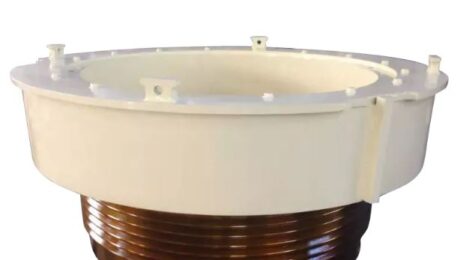
The Ultimate Guide to Bowl Assembly in Mining Machinery
Bowl assemblies play a pivotal role in the functionality of various types of mining machinery. In this comprehensive guide, we dive deep into the significance of bowl assemblies, their components, and the essential maintenance practices necessary to keep them in optimal condition. Whether you are a mining engineer, a machinery operator, or someone interested in the technical aspects of mining equipment, this article is here to provide you with all the insights you need.
What is a Bowl Assembly?
A bowl assembly is a critical component of several types of mining machinery, particularly in equipment such as cone crushers and other crushing devices. It comprises various parts that work in harmony to crush, lower, and sift materials efficiently. The construction and design of a bowl assembly can significantly impact the machine’s overall performance.
Components of a Bowl Assembly
The bowl assembly typically includes the following key components:
- Bowl Liner: This protective lining helps to reduce wear and tear on the bowl assembly.
- Head Assembly: The component that allows the bowl to rotate and crush material.
- Mantle: Works in conjunction with the bowl liner to crush material effectively.
- Adjustment Ring: Facilitates the adjustment of the bowl’s height and position.
- Screws and Bolts: Various fasteners that hold the bowl assembly components together securely.
The Role of Bowl Assembly in Mining Machinery
The bowl assembly is integral to the performance of mining equipment. It enhances the crushing process, improves the input-output ratio, and reduces operational downtime. By allowing efficient material handling, the bowl assembly ensures that mining operations can achieve high throughput and productivity.
Importance of Properly Maintaining Bowl Assemblies
Regular maintenance of bowl assemblies is crucial for machinery longevity and operational effectiveness. Neglecting bowl assembly maintenance can lead to catastrophic failures, costly downtime, and safety hazards. Key maintenance practices include:
- Regular Inspections: Checking for signs of wear, cracks, or loose components.
- Lubrication: Ensuring all moving parts are adequately lubricated to minimize friction.
- Replacing Worn Parts: Timely replacement of worn bowl liners and mantles to ensure efficacy.
Bowl Assembly Spare Parts: Where to Find Them
Finding high-quality spare parts for bowl assemblies is essential for minimizing downtime. Here’s how to locate reliable spare parts:
- OEM Suppliers: Original Equipment Manufacturers often provide the highest quality spare parts.
- Aftermarket Suppliers: Many aftermarket suppliers offer competitive pricing and availability.
- Local Distributors: Check with local machinery parts dealers for quick access to replacement parts.
Common Issues with Bowl Assemblies
Operational challenges can arise with bowl assemblies. Some common issues include:
- Excessive Wear: Over time, bowl liners and mantles can wear down due to the aggressive nature of crushing materials.
- Misalignment: Improperly aligned bowl assemblies can lead to inefficiencies and increased wear.
- Loose Components: Regular vibrations can cause screws and bolts to loosen, leading to operational issues.
Upgrading Your Bowl Assembly
Modern advancements in mining machinery technology mean that upgrading your bowl assembly can lead to significant operational improvements. Consider the following when upgrading:
- Material Selection: Choose materials with higher wear resistance.
- Design Innovations: Incorporate designs that improve the crushing efficiency.
- Compatibility: Ensure new components are compatible with existing machinery.
Frequently Asked Questions (FAQ)
What is the function of a bowl assembly in mining machinery?
The bowl assembly functions as a crucial element in crushing equipment, allowing for effective material processing by facilitating the crushing and sifting of materials.
How often should bowl assemblies be inspected?
Bowl assemblies should be inspected regularly, with recommendations often suggesting checks at least once a month or based on operational hours.
What are the signs of a worn bowl liner?
Signs of a worn bowl liner include decreased production efficiency, visual cracks or wear on the liner surface, and unusual noise during operation.
Where can I find replacement parts for bowl assembly?
Replacement parts can be sourced from OEM suppliers, aftermarket providers, and local machinery parts distributors.
Can a bowl assembly be repaired?
Many aspects of a bowl assembly can be repaired; however, severe damage may necessitate replacement for optimal performance.
Conclusion
The bowl assembly is a cornerstone of effective mining operations. Investing in high-quality components and regular maintenance can lead to increased efficiency, reduced downtime, and a safer work environment. By understanding the intricacies of bowl assemblies, mining professionals can ensure their operations are both productive and sustainable.
LSI Keywords
- Mining Equipment
- Mining Machinery
- Cone Crusher
- Bowl Liners
- Spare Parts
- Maintenance Practices
- Crushing Equipment
- Heavy Machinery
- Performance Optimization
- Mechanical Components
- Wear Parts
- Mining Operations
- Operational Efficiency
- Material Handling
- Equipment Longevity
NLP Keywords
- Mining Operations Management
- Crushing Circuit
- Aggregate Production
- Material Processing Techniques
- Operational Logs
- Machine Productivity
Related Words
- Mantle Assembly
- Crusher Parts
- Heavy-Duty Equipment
- Assembly Specifications
- Sourcing Parts
- Published in Products
Comprehensive Guide to Head Assembly in Mining Machinery and Spare Parts
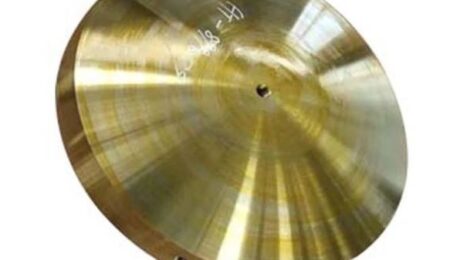
Understanding Head Assembly in Mining Machinery
Mining machinery plays a crucial role in the extraction of resources, and one of its most essential components is the head assembly. This article will delve deep into the significance of head assemblies, their types, features, and the role they play in the efficiency and functionality of mining equipment.
What is a Head Assembly?
The head assembly is a critical component of various mining machinery, particularly in drilling equipment. It typically houses the drill bit and provides the necessary support and stability for effective drilling operations.
Types of Head Assemblies
- Rotary Head Assembly: Commonly used in rotary drilling, this type includes a rotating mechanism to facilitate effective drilling.
- Hydraulic Head Assembly: Incorporates hydraulic systems for added power and efficiency during excavation.
- Pneumatic Head Assembly: Utilizes compressed air for efficient drilling, often seen in softer rock formations.
Components of Head Assembly
Understanding the various components of a head assembly can help in recognizing its importance:
- Drill Bit: The part that performs the actual drilling.
- Drive Mechanism: Powers the rotation of the drill bit.
- Support Structure: Provides the necessary stability during drilling operations.
Importance of Head Assembly in Mining Operations
The head assembly is vital for several reasons:
- Efficiency: A well-functioning head assembly enhances the speed and accuracy of drilling operations.
- Maintenance of Equipment: Regular checks and replacements of head assemblies can prevent larger mechanical failures.
- Cost-effectiveness: Investing in high-quality head assembly components can lead to long-term savings during operations.
Common Spare Parts for Head Assembly
When discussing head assembly, it is also essential to consider the spare parts that support its function. Common spare parts include:
- Bearings: Facilitate rotation while reducing friction.
- Seals: Prevent leakage of lubricants and protect against contaminants.
- Adapters: Customize fittings to accommodate various drill bits.
Factors to Consider When Choosing Head Assemblies
Selecting the right head assembly is crucial for efficient mining operations. Here are some factors to consider:
- Compatibility: Ensure the head assembly is compatible with your mining machinery.
- Material Quality: Look for durable materials that withstand harsh mining conditions.
- Manufacturer Reputation: Choose trusted manufacturers known for producing reliable head assemblies.
Maintaining Your Head Assembly
Proper maintenance ensures longevity and optimal performance of your head assembly. Regular inspections, timely replacements of worn-out parts, and lubrication are vital practices.
Upgrading Head Assemblies
As technology advances, upgrading head assemblies can provide additional benefits such as enhanced drilling efficiency and lower operational costs. Keep an eye on innovations in mining equipment to stay ahead.
Challenges in Head Assembly Performance
Some challenges include wear and tear due to harsh working conditions, equipment misalignment, and contamination from dust and debris. Addressing these issues involves regular maintenance and good operating practices.
FAQs About Head Assembly
What is the role of a head assembly in mining machinery?
The head assembly plays a vital role in supporting and stabilizing the drill bit during excavation, thus ensuring efficient and accurate drilling operations.
How often should I replace my head assembly?
Replacement frequency depends on usage and wear; however, regular inspections should be conducted to determine its condition and need for replacement.
What spare parts are commonly needed for head assemblies?
Common spare parts include bearings, seals, and adapters, each essential for the optimal functioning of the head assembly.
Can I upgrade my existing head assembly?
Yes, upgrading your head assembly can improve performance and efficiency, particularly with advances in technology and design.
What should I consider when purchasing a head assembly?
Consider compatibility, material quality, and the reputation of the manufacturer to ensure you are making a wise investment.
LSI and NLP Keywords Related to Head Assembly
- Drilling equipment
- Excavation machinery
- Mining equipment components
- Drill bit assembly
- Heavy machinery
- Mining spare parts
- Hydraulic systems in mining
- Pneumatic drilling
- Mining efficiency
- Machinery maintenance
- Operational costs
- Parts replacement
- Mining production
- Dirt and debris protection
- Quality assurance in mining
With this comprehensive overview of head assembly in mining machinery, you are now equipped with the knowledge to make informed decisions regarding purchasing, maintaining, and optimizing your mining equipment.
- Published in Products
The Essential Guide to T Seals in Mining Machinery and Spare Parts
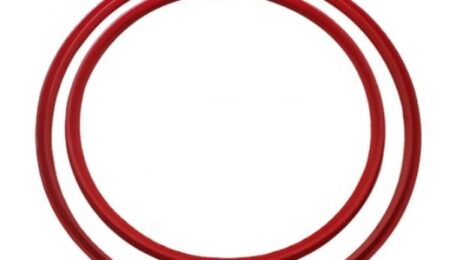
The Essential Guide to T Seals in Mining Machinery and Spare Parts
Introduction
T seals are crucial components in the functionality and efficiency of mining machinery. This comprehensive guide delves into everything you need to know about T seals, their applications, benefits, and the role they play in maintaining the performance of mining machinery and spare parts.
What is a T Seal?
A T seal, or T-shaped seal, is designed to create a reliable barrier to prevent the leakage of fluids or dust in equipment. They are commonly made from durable materials such as rubber or polyurethane, and they are vital in both heavy and light mining machinery.
Applications of T Seals in Mining Machinery
T seals are used in various mining applications, including:
- Hydraulic systems
- Pneumatic systems
- Gearboxes
- Bearings
- Valves
These applications highlight the versatility and importance of T seals in ensuring machinery operates smoothly.
Benefits of Using T Seals in Mining Machinery
The usage of T seals can result in numerous advantages:
- Reduced Leakage: T seals effectively prevent fluid leakage, which is critical in hydraulic applications.
- Increased Equipment Longevity: By preventing contaminants from entering machinery, T seals contribute to longer service life.
- Enhanced Efficiency: A well-sealed machine operates more efficiently, saving energy and resources.
- Cost-Effective Maintenance: Preventing leaks and contamination reduces the overall maintenance costs of mining machinery.
Common Types of T Seals
There are several types of T seals used in mining machinery, including:
- Standard T Seals: Ideal for general applications.
- Heavy-Duty T Seals: Designed for high-pressure and demanding environments.
- Custom T Seals: Tailored for specific machinery and conditions.
Choosing the Right T Seal for Your Machinery
Selecting an appropriate T seal involves considering various factors, including:
- Compatibility with fluids
- Pressure and temperature ratings
- Dimension specifications
- Environmental exposure
Consulting with suppliers and experts can lead to better selection and optimized performance.
T Seals vs. Other Types of Seals
When comparing T seals to other sealing solutions, such as O-rings or lip seals, T seals offer specific advantages:
- Better adaptability in dynamic applications
- Improved sealing performance under pressure
- Greater resilience against environmental contaminants
The unique design of T seals makes them suitable for a broad range of operations.
Maintaining T Seals in Mining Machinery
Regular maintenance is essential for maximizing the lifespan of T seals. Key practices include:
- Routine inspections to check for wear and tear
- Replacing seals as soon as signs of leakage appear
- Using compatible lubricants to reduce friction
- Cleaning areas where seals are installed to prevent damage
Manufacturing T Seals: Material Choices
Different materials can be used to make T seals, depending on their intended application. Common materials include:
- Nitrile Rubber: Excellent for oil and fuel resistance.
- Fluorocarbon (Viton): Withstands high temperatures and harsh chemicals.
- Polyurethane: Provides flexibility and durability.
Choosing the right material can enhance sealing performance dramatically.
Industry Standards and Certifications for T Seals
To ensure quality and reliability, T seals must meet industry standards such as:
- ISO 9001: Quality Management
- ANSI: Land-seal specifications
- ASTM: Material testing and specifications
These standards help in maintaining factory-level quality in mining operations.
OEM vs. Aftermarket T Seals
When replacing T seals, operators often face a choice between OEM (Original Equipment Manufacturer) and aftermarket parts.
- OEM T Seals: Guaranteed fit and performance.
- Aftermarket T Seals: Usually more affordable, but quality can vary.
Consideration of budget, and long-term operational efficiency is essential in making this decision.
The Future of T Seals in the Mining Industry
As technology continues to evolve, so will the design and functionality of T seals. Advances in materials science may lead to even more effective sealing solutions, potentially transforming the mining machinery landscape.
FAQ Section
What are T seals made of?
T seals can be made from various materials like rubber, polyurethane, or fluorocarbon, chosen based on their specific applications.
How do I know when to replace my T seal?
If you notice fluid leaks or signs of wear, it’s time to inspect and possibly replace the T seal.
Are aftermarket T seals reliable?
Aftermarket T seals can be reliable, but it’s essential to choose products from reputable manufacturers to ensure quality.
What is the lifespan of a T seal?
The lifespan varies widely depending on application conditions, but regular maintenance can extend the life of a T seal significantly.
Can T seals be reused?
Generally, T seals are not designed for reuse due to wear and potential for leaks. It’s advisable to replace them to maintain integrity.
Conclusion
T seals play an imperative role in mining machinery and their spare parts, providing enhanced functionality and efficiency. Understanding their applications, types, benefits, and maintenance practices are vital for operators in the mining sector. As the industry evolves, so too will the technology behind T seals, making them even more integral to successful mining operations.
- Published in Products
The Comprehensive Guide to U Seals in Mining Machinery and Spare Parts
The Comprehensive Guide to U Seals in Mining Machinery and Spare Parts
U seals play a crucial role in ensuring the efficiency and functionality of mining machinery. These components, often overlooked, are essential in protecting machinery from contaminants and retaining lubricants, ultimately enhancing the performance and longevity of equipment. In this article, we will explore U seals in detail, including their types, applications, manufacturing materials, and maintenance. We will also address frequently asked questions about U seals to provide a thorough understanding of their importance in mining machinery and spare parts.
What is a U Seal?
A U seal, also referred to as a U-ring, is a type of sealing component designed to provide a barrier between two surfaces. Typically shaped like the letter ‘U,’ these seals are used in various machinery applications, including hydraulic equipment, pneumatic systems, and mechanical devices in the mining industry. Their unique design allows them to withstand high pressures and prevent fluid leakage effectively.
Types of U Seals
1. Standard U Seals
Standard U seals are widely used in various mining machinery systems for their reliability and ease of installation.
2. Retaining U Seals
These seals not only prevent leakage but also retain components in place, providing additional stability to the machinery.
3. Custom U Seals
Custom U seals are designed based on specific application requirements, allowing for enhanced performance in specialized mining equipment.
Applications of U Seals in Mining Machinery
1. Hydraulic Systems
U seals are vital in hydraulic systems to maintain pressure and protect against fluid leakage.
2. Pneumatic Equipment
In pneumatic systems, U seals help create a tight seal that prevents air loss and improves efficiency.
3. Gearboxes and Transmissions
U seals in gearboxes and transmissions prevent oil leakage, ensuring optimal machine operation and reducing maintenance costs.
Materials Used for U Seals
1. Nitrile Rubber (NBR)
Nitrile rubber is a common material for U seals due to its excellent abrasion resistance and oil compatibility.
2. Fluoroelastomers (FKM)
Fluoroelastomers offer high-temperature resistance and are suitable for harsh mining environments.
3. Polyurethane
Polyurethane U seals provide excellent durability and flexibility, making them a popular choice in mining machinery.
Manufacturing Process of U Seals
1. Material Selection
The first step in manufacturing U seals involves choosing the right material based on application needs.
2. Molding and Curing
The chosen material is then molded into the desired shape and cured to achieve the required mechanical properties.
3. Quality Control
Each U seal undergoes rigorous quality control testing to ensure it meets industry standards and specifications.
Maintenance of U Seals
1. Regular Inspections
Conducting regular inspections of U seals can help identify wear and damage early, preventing costly machinery breakdowns.
2. Lubrication
Proper lubrication can enhance the performance of U seals, reducing friction and wear.
3. Replacement Protocols
Establishing a replacement protocol based on usage and wear can extend the life of machinery components.
Benefits of Using U Seals in Mining Machinery
1. Leakage Prevention
U seals effectively prevent fluid and lubricant leakage, thereby maintaining optimal equipment performance.
2. Cost-Effectiveness
By reducing the frequency of repairs and part replacements, U seals contribute to cost savings in operations.
3. Enhanced Equipment Longevity
Using U seals can significantly enhance the longevity of mining machinery, resulting in fewer downtime instances.
FAQs About U Seals in Mining Machinery
1. What are U seals used for in mining machinery?
U seals are used to prevent fluid leakage, maintain pressure, and ensure the efficient operation of hydraulic and pneumatic systems in mining machinery.
2. How do I know when to replace U seals?
Signs of wear, such as leaks or reduced performance, indicate that it may be time to replace U seals.
3. What materials are best for U seals in harsh mining environments?
Nitrile rubber and fluoroelastomers are excellent materials for U seals in harsh mining conditions due to their durability and resistance to oils and chemicals.
4. Can U seals be customized?
Yes, U seals can be customized to meet specific application requirements, ensuring optimal performance in mining machinery.
Conclusion
U seals are essential components in mining machinery and spare parts, providing effective sealing solutions that enhance equipment performance and longevity. Understanding the types, applications, and maintenance of U seals is vital for any mining operation looking to optimize their machinery. By investing in quality U seals and adhering to proper maintenance protocols, mines can ensure their equipment operates efficiently and reliably.
LSI and NLP Keywords Related to U Seal
- Mining machinery seals
- Hydraulic seals
- Pneumatic seals
- Sealing technology
- Seal manufacturing
- U-ring seals
- Mechanical seals
- Dynamic seals
- Static seals
- Material properties of seals
- Sealing solutions
- Lubrication systems
- Industrial seals
- Seal maintenance
- Equipment longevity
- Seal replacement
- Mining equipment efficiency
- Fluid dynamics in seals
- Mining spare parts
- Seal design and engineering
In conclusion, understanding U seals is critical for maintaining efficient mining operations. Their role in protecting machinery against leaks and wear cannot be overstated. By choosing the right seals and following maintenance best practices, mining companies can ensure their equipment remains operational and effective for years to come.
- Published in Products
Understanding Head Bolts and Lock Bolts in Mining Machinery
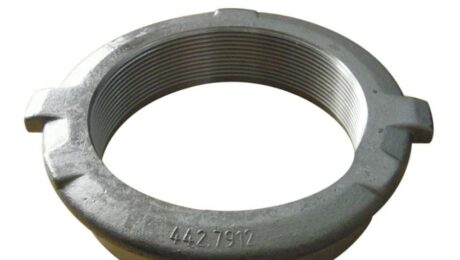
Understanding Head Bolts and Lock Bolts in Mining Machinery
The mining industry relies heavily on the functionality of mining machinery, and components such as head bolts and lock bolts play a critical role in ensuring equipment durability and reliability. In this article, we delve deeply into the importance and specifications of head bolts and lock bolts used in various mining machinery and spare parts.
1. What are Head Bolts and Lock Bolts?
Head bolts are specialized bolts used primarily to secure the cylinder head to the engine block in machinery. Lock bolts, on the other hand, are designed to provide additional security against loosening due to vibrations and impacts during operation. Both types of bolts are essential in maintaining the integrity of mining machinery.
2. Importance of Head Bolts in Mining Machinery
Head bolts are crucial in mining equipment engines. They provide a tight seal, preventing leaks and ensuring optimal performance under extreme conditions. Regular inspections for wear and tear are necessary to prevent machinery failures.
3. Importance of Lock Bolts in Mining Equipment
Lock bolts are essential for securing components that experience significant vibration. They are often used in place of traditional nuts and bolts where additional security is needed to maintain assembly integrity. This is particularly vital in mining machines that operate in harsh environments.
4. Types of Head Bolts Used in Mining Machinery
- Standard Head Bolts
- Shoulder Head Bolts
- Flanged Head Bolts
- Hex Head Bolts
Each type of head bolt serves a specific function and is designed to withstand different load capacities.
5. Types of Lock Bolts Used in Mining Machinery
- Structural Lock Bolts
- Blind Lock Bolts
- High-Strength Lock Bolts
- Lock Nut Bolts
Understanding the different types of lock bolts is essential for proper equipment maintenance and repair.
6. Material Considerations for Head Bolts and Lock Bolts
Head bolts and lock bolts can be made from various materials, including:
- Steel
- Stainless Steel
- Alloy Steel
- Carbon Steel
The choice of material affects the bolts’ strength, corrosion resistance, and longevity, which is particularly important in the mining industry.
7. Proper Installation Techniques for Head Bolts and Lock Bolts
Following manufacturer guidelines for the installation of head bolts and lock bolts is crucial. Proper torque specifications must be adhered to in order to ensure a secure fit and avoid damage to machinery components.
8. Common Issues with Head Bolts and Lock Bolts
Some common issues that arise with head bolts and lock bolts include:
- Corrosion
- Stripping
- Fatigue failures
Understanding these issues can aid in the timely maintenance and replacement of these crucial components.
9. Maintenance Tips for Head Bolts and Lock Bolts
Regular inspection and maintenance can prolong the lifespan of head bolts and lock bolts. Here are some tips:
- Conduct routine checks for rust and corrosion.
- Ensure proper torque during installation.
- Replace worn or damaged bolts immediately.
10. Replacement Options for Head Bolts and Lock Bolts
When it comes to replacement, always opt for high-quality bolts that meet industry standards. Reputable suppliers provide specifications and materials that match the original equipment manufacturer (OEM) requirements.
11. Suppliers and Manufacturers of Head Bolts and Lock Bolts
Finding reliable suppliers for head bolts and lock bolts is essential for maintaining mining machinery. Look for manufacturers that guarantee quality and provide comprehensive product specifications.
12. FAQ Section
What is the function of head bolts in mining machinery?
Head bolts secure the cylinder head to the engine, preventing leaks and ensuring the engine operates efficiently.
How do lock bolts differ from standard bolts?
Lock bolts are designed to prevent loosening due to vibrations, while standard bolts do not exhibit the same locking properties.
What materials are best for head bolts in mining applications?
Steel and stainless steel are commonly used, offering strength and corrosion resistance in harsh environments.
How often should head bolts and lock bolts be inspected?
Regular inspections should be performed during routine maintenance checks, particularly after heavy use.
Can I replace head bolts and lock bolts myself?
If you are familiar with machinery maintenance and have the right tools, you can perform replacements. However, consulting a professional is advised.
Conclusion
In conclusion, understanding the roles of head bolts and lock bolts in mining machinery is essential for maintaining operational efficiency and safety. Regular inspection, proper installation, and timely replacement will help ensure that mining equipment remains reliable and functional.
LSI and NLP Keywords
- Mining equipment
- Bolts and fasteners
- Mining machinery maintenance
- Mining machinery components
- Secure machinery assembly
- Heavy machinery parts
- Industrial fasteners
- Mechanical components
- Vibration resistance
- Cylinder head fastening
- Published in Products
The Ultimate Guide to Anti Clogging Screen Meshes in Mining Machinery

The Ultimate Guide to Anti Clogging Screen Meshes in Mining Machinery
Mining operations rely heavily on machinery and spare parts to ensure productivity and efficiency. A crucial component in the effectiveness of this machinery is the anti clogging screen meshes, which play a significant role in various applications. In this comprehensive guide, we will explore everything you need to know about anti clogging screen meshes, including their benefits, applications, materials, maintenance, and frequently asked questions.
What are Anti Clogging Screen Meshes?
Anti clogging screen meshes are specialized screening products designed to prevent the blockage of materials during processing in mining machinery. Their unique structures help facilitate the flow of materials while minimizing operational downtime caused by equipment clogs.
Importance of Anti Clogging Screen Meshes in Mining Machinery
Effective screening is essential in mining operations, and anti clogging screen meshes are critical in achieving this goal. They enhance productivity, reduce maintenance costs, and ensure the uninterrupted flow of materials, ultimately improving the overall effectiveness of mining machinery.
Key Benefits of Using Anti Clogging Screen Meshes
- Improved material flow.
- Reduced downtime due to clogging.
- Enhanced efficiency of mining machinery.
- Cost-effectiveness through reduced maintenance needs.
- Increased lifespan of mining equipment.
How Do Anti Clogging Screen Meshes Work?
The functionality of anti clogging screen meshes is based on their structure which may include various mesh sizes and shapes. The anti clotting mechanism typically involves:
- Open mesh design to allow material to pass through efficiently.
- Special coatings or treatments that enhance material flow.
- Strategically placed support strands to provide strength while minimizing unnecessary blockage.
Common Applications of Anti Clogging Screen Meshes in Mining Machinery
Anti clogging screen meshes are utilized in various stages of mining and processing operations, such as:
- Screening crushed ore.
- Washing materials.
- Separating different material sizes.
- Debris removal in material handling equipment.
Materials Used in Anti Clogging Screen Meshes
Several materials are used in manufacturing anti clogging screen meshes, each providing distinct advantages:
- Stainless Steel: Known for its corrosion resistance and durability.
- Polyurethane: Offers flexibility and wear resistance.
- Wire Cloth: Provides versatility with various wire diameters and mesh openings.
How to Choose the Right Anti Clogging Screen Mesh
Selecting the appropriate anti clogging screen mesh involves considering several factors:
- Material Type: Based on the specific needs and environmental conditions.
- Mesh Size: Right size depending on application and material type.
- Open Area: Ensures proper flow while preventing unnecessary clogging.
Maintenance Tips for Anti Clogging Screen Meshes
Proper maintenance can significantly extend the lifespan of anti clogging screen meshes:
- Regular cleaning to prevent buildup of materials.
- Inspection for wear and tear.
- Timely replacement of damaged meshes.
Cost Considerations for Anti Clogging Screen Meshes
Understanding the cost factors associated with anti clogging screen meshes is essential for budgeting:
- Initial purchase price based on material and specifications.
- Long-term savings from reduced downtime.
- Costs related to maintenance and replacement.
Frequently Asked Questions (FAQ)
What is the primary function of anti clogging screen meshes?
The primary function of anti clogging screen meshes is to facilitate the effective flow of materials during processing in mining operations while preventing blockages that could interrupt productivity.
How often should anti clogging screen meshes be replaced?
The replacement frequency of anti clogging screen meshes depends on usage, material types, and specific operating conditions. Regular inspections and maintenance can help determine the appropriate timing for replacements.
Can anti clogging screen meshes be customized?
Yes, anti clogging screen meshes can be customized in terms of size, material, and design to meet the specific operational needs and conditions of a mining operation.
Are there different types of anti clogging screen meshes?
Yes, there are various types of anti clogging screen meshes available, including different weave patterns, materials, and mesh sizes to suit numerous applications in mining and processing.
What factors impact the effectiveness of anti clogging screen meshes?
Factors such as the mesh design, material properties, and the type of materials being processed can all influence the overall effectiveness of anti clogging screen meshes in a mining operation.
LSI and NLP Keywords Related to Anti Clogging Screen Meshes
- Mining equipment
- Screening solutions
- Material handling
- Clogging prevention
- Mining spare parts
- Mesh cleaning techniques
- Debris management
- Efficient screening
- Mining machinery maintenance
- Wear-resistant materials
- Screen mesh selection
- Mineral processing
- Separation technology
- Production optimization
- Heavy-duty mining screens
- Published in Products
The Ultimate Guide to Screen Meshes in Mining Machinery and Spare Parts
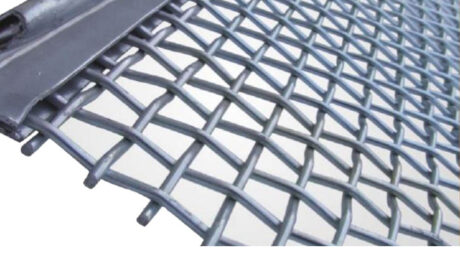
The Ultimate Guide to Screen Meshes in Mining Machinery and Spare Parts
Screen meshes are a crucial component in the mining industry, playing a vital role in the performance and efficiency of mining machinery. This article delves into the various aspects of screen meshes, including their types, functions, uses, maintenance, and the importance of selecting the right screen meshes for different mining applications.
What are Screen Meshes?
Screen meshes, often referred to as screen cloths or wire cloths, are used in various types of machinery to separate and filter materials based on size. They are an essential component in equipment like vibrating screens, crushers, and sand classifiers.
Types of Screen Meshes
1. Wire Mesh Screens
Wire mesh screens are made from wire strands woven together to create a grid-like structure. They are highly durable and can be customized to various sizes and configurations.
2. Polyurethane and Rubber Screens
These screens are made from polyurethane and rubber materials, offering flexibility and resistance against wear and tear. They are ideal for wet and sticky materials.
3. Perforated Metal Screens
Perforated metal screens are created by puncturing holes into metal sheets. They provide a robust solution for screening larger particles.
4. Trommel Screens
Trommel screens use a rotating cylinder design, which allows materials to be screened continuously and are highly effective in sorting various materials.
Functions of Screen Meshes in Mining Machinery
Screen meshes serve several fundamental functions in mining machinery:
- Material Separation: They allow fine materials to pass through while retaining larger particles, enhancing the efficiency of the process.
- Pre-Processing: Screen meshes are used to pre-process materials before further treatment, such as in crushing and grinding stages.
- Performance Improvement: Properly functioning screen meshes can significantly improve the overall performance and longevity of mining machinery.
Applications of Screen Meshes in Mining
Screen meshes are used in various applications throughout the mining process, including:
1. Screening and Sieving
Screen meshes are widely used in screening and sieving processes to classify materials based on size and quality.
2. Ore Processing
During ore processing, screen meshes help separate valuable minerals from waste, enhancing recovery rates.
3. Sand and Gravel Separation
In sand and gravel production, screen meshes are vital for sorting materials to meet specific size requirements.
Choosing the Right Screen Mesh
Selecting the right screen mesh is critical for optimal performance. Factors to consider include:
- Material Type: The type of material being processed will dictate the choice of screen mesh.
- Mesh Size: Choosing the right mesh size is essential for effective separation.
- Durability: Consider the operational environment and wear resistance required.
Maintenance of Screen Meshes
Regular maintenance of screen meshes is essential to ensure longevity and efficiency. This includes:
- Routine Inspections: Regular visual inspections for wear and tear.
- Cleansing: Periodically cleaning to prevent material buildup.
- Replacement: Timely replacement of worn or broken meshes to maintain performance.
Common Problems with Screen Meshes
Some common issues encountered with screen meshes include:
- Clogging: This occurs when fine particles build up and hinder performance.
- Wear and Tear: Over time, screen meshes can become worn out, impacting their effectiveness.
- Incorrect Sizing: Using the wrong mesh size can lead to poor separation and processing inefficiencies.
Benefits of High-Quality Screen Meshes
Investing in high-quality screen meshes can lead to significant advantages including:
- Improved Efficiency: Well-made screen meshes enhance the overall efficiency of mining operations.
- Cost Savings: High-quality meshes are more durable, resulting in lower replacement costs.
- Better Material Recovery: Optimal screening enhances recovery rates of valuable materials.
Frequently Asked Questions (FAQ)
What materials are screen meshes made of?
Screen meshes can be crafted from various materials such as stainless steel, carbon steel, polyurethane, and rubber, each providing different benefits depending on the application.
How do I choose the right mesh size?
The right mesh size depends on the type of material being screened. Consider the product specifications and the desired separation size for effective results.
How often should I replace my screen meshes?
Screen meshes should be inspected regularly and replaced at the first sign of wear or damage to maintain optimal performance.
What is the difference between woven wire and perforated screens?
Woven wire screens are made of interwoven wire strands, providing flexibility and finer separation, while perforated screens are rigid sheets with fixed hole sizes, ideal for larger particle separation.
Can screen meshes be used in wet applications?
Yes, tailored screen meshes like polyurethane and rubber meshes are specifically designed for wet applications, providing flexibility and resisting clogging.
Conclusion: The Importance of Screen Meshes in Mining
Screen meshes play an integral role in mining machinery and operations by ensuring efficient separation and processing of materials. Understanding the types, functions, and maintenance of screen meshes enables mining operations to maximize their efficiency and output. As technology advances, selecting high-quality screen meshes becomes even more critical for maintaining competitive advantage in the industry.
- Published in Products
The Importance of Feed Eye Ring in Mining Machinery: Understanding, Maintenance, and Spare Parts
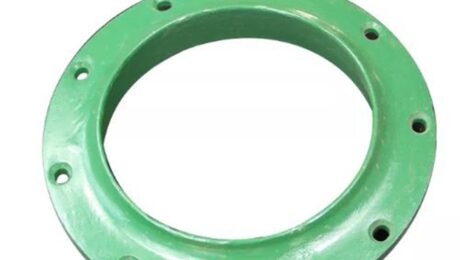
Feed Eye Ring: An Essential Component in Mining Machinery
The feed eye ring is a critical component in many types of mining machinery, playing a pivotal role in the overall efficiency and effectiveness of mining operations. This detailed article will explore the significance, design, maintenance, and common issues associated with feed eye rings in mining equipment.
What is a Feed Eye Ring?
The feed eye ring is a specially engineered part used in various mining machinery. It facilitates the optimal flow of materials through equipment like crushers, mills, and screens, ensuring that input materials are efficiently channeled into the processing systems.
Importance of the Feed Eye Ring in Mining Machinery
1. Efficient Material Handling
In mining operations, the efficient handling of materials is paramount. The feed eye ring ensures that the raw materials enter the processing equipment at the right angle and flow rate, reducing blockages and enhancing overall productivity.
2. Durability and Wear Resistance
Mining environments are notorious for their abrasive conditions. Quality feed eye rings are manufactured from wear-resistant materials that can withstand harsh operational conditions, extending their service life and reducing maintenance costs.
3. Impact on Machine Performance
The performance of mining machinery is heavily reliant on the design and condition of its component parts, including the feed eye ring. A well-maintained feed eye ring can significantly enhance machine performance, thereby improving output and efficiency.
Design and Specifications of Feed Eye Rings
Feed eye rings can vary in design based on the specific equipment and application. Factors such as material type, diameter, and thickness are crucial in determining their effectiveness.
Material Choices
Common materials used for manufacturing feed eye rings include:
- High Manganese Steel
- Nickel-Chromium Alloys
- Tungsten Carbide Composite
Size and Fit
Proper sizing and fitting of feed eye rings are essential for optimal performance. Incorrect sizing can lead to operational inefficiencies, increased wear, and ultimately, premature failure of other machine components.
Common Issues Related to Feed Eye Rings
1. Wear and Tear
The constant exposure to abrasive materials causes wear and tear in feed eye rings. Regular inspection and timely replacement are crucial to prevent further damage to the machinery.
2. Misalignment
Improper installation can lead to misalignment of the feed eye ring, disrupting material flow and affecting machine performance.
3. Damage from Foreign Objects
Foreign objects can sometimes enter the feed eye ring, leading to cracks or breaks, significantly impacting operational efficiency.
Maintenance of Feed Eye Rings
1. Regular Inspections
Periodic inspections enable operators to identify wear and potential issues before they lead to catastrophic failures. Key areas to inspect include the integrity of the ring, alignment, and wear patterns.
2. Replacement Strategies
Establishing a replacement schedule based on operational hours and wear patterns can help maintain optimal machine performance and prevent unexpected downtimes.
Spare Parts for Feed Eye Rings
1. Availability of Spare Parts
Having access to high-quality spare parts for feed eye rings is essential for minimizing downtime. Manufacturers and suppliers often provide a variety of options to match different equipment specifications.
2. Choosing the Right Spare Parts
When sourcing spare parts, it’s crucial to consider factors such as compatibility, material quality, and supplier reputation to ensure longevity and performance.
Frequently Asked Questions (FAQ)
1. What is the function of a feed eye ring?
The feed eye ring directs and controls the flow of materials into mining machinery, ensuring efficient operation.
2. How often should feed eye rings be replaced?
Replacement schedules can vary based on usage, but regular inspections should dictate replacement timing to prevent machine failures.
3. What materials are feed eye rings made from?
Feed eye rings are typically made from high manganese steel, nickel-chromium alloys, or tungsten carbide composites.
4. What are the signs of a worn feed eye ring?
Signs of wear can include decreased efficiency, unusual noises, and visible cracks or breaks in the ring.
Conclusion
The feed eye ring is a vital component in the operation of mining machinery, greatly influencing efficiency and productivity. Understanding its importance, maintenance needs, and the availability of spare parts can aid operators in optimizing their equipment performance.
LSI and NLP Keywords
- Mining equipment
- Spare parts
- Mining machinery maintenance
- Material flow control
- Abrasive materials
- Heavy machinery
- Wear-resistant components
- Mining operations efficiency
- Mining machinery components
- Repair and maintenance
- Machine alignment
- Replacement parts
- Industrial mining solutions
- Mining productivity
- High-quality mining equipment
- Mining industry standards
- Feed system performance
- Published in Products
Comprehensive Guide to Feed Tubes in Mining Machinery and Spare Parts

Comprehensive Guide to Feed Tubes in Mining Machinery and Spare Parts
Mining machinery plays a crucial role in the extraction of valuable resources from the Earth, operating in some of the toughest environments imaginable. One of the lesser-known yet vital components in this machinery is the “feed tube.” In this article, we will delve into the significance, types, maintenance, and applications of feed tubes used in mining machinery. Additionally, we will explore the spare parts available for these tubes, ensuring your mining operations run smoothly.
What is a Feed Tube?
A feed tube is a crucial component of mining machinery, responsible for directing the flow of materials, such as ore and aggregates, from one part of the machinery to another. Typically made from durable materials to withstand harsh operating conditions and ensure longevity, feed tubes ensure that the mining operation runs efficiently.
Types of Feed Tubes
1. Steel Feed Tubes
Steel feed tubes are robust and durable, ideal for heavy-duty applications in mining machinery. Their high tensile strength helps them withstand the significant pressure generated during the transportation of heavy materials.
2. Polyurethane Feed Tubes
Polyurethane feed tubes are resistant to abrasion and wear. They are often used in applications where flexibility and a lower weight are critical.
3. Rubber Feed Tubes
Rubber feed tubes are designed for applications that require high elasticity. They are commonly utilized in environments where vibration and movement are prevalent.
4. Custom Feed Tubes
Many manufacturers offer custom feed tubes that can be tailored to specific machinery requirements. These may be a combination of materials or specially designed shapes to fit certain equipment.
The Importance of Feed Tubes in Mining Machinery
Feed tubes are essential for:
- Efficient Material Transfer: They ensure a smooth transition of materials, reducing downtime and improving overall productivity.
- Minimizing Wear and Tear: Quality feed tubes help protect other components from damage caused by material flow.
- Enhancing Safety: Properly functioning feed tubes reduce the risk of spillage and accidents in the workplace.
Signs of Wear in Feed Tubes
Recognizing signs of wear in your feed tubes is crucial for maintaining the efficiency and safety of your equipment. Common signs include:
- Visible cracks or holes
- Frequent blockages in material flow
- Excessive vibration or noise during operation
Maintenance Tips for Feed Tubes
Regular maintenance of feed tubes can significantly extend their lifespan:
- Inspect feed tubes regularly for signs of wear and damage.
- Ensure proper alignment and secure fittings to prevent material leakage.
- Clean feed tubes periodically to remove any buildup of materials that may cause blockages.
Feed Tube Spare Parts
When it comes to mining machinery, having access to spare parts is essential for minimizing downtime. Common spare parts for feed tubes include:
- End caps
- Adapters for different connections
- Replacement seals and gaskets
- Custom shapes or sizes as per requirement
Choosing the Right Feed Tube for Your Equipment
Choosing the right feed tube is vital for maintaining operational efficiency. Consider the following factors:
- Material Compatibility: Ensure that the feed tube material is suitable for the type of materials being transported.
- Size and Dimensions: The feed tube should fit seamlessly into your existing machinery.
- Manufacturer’s Specifications: Always refer to the equipment manufacturer’s recommendations when selecting spare parts.
Common Applications of Feed Tubes in Mining Machinery
Feed tubes are used in various aspects of mining, including:
- Drilling Operations: Feeding drill bits with necessary materials.
- Conveyor Systems: Transporting materials along conveyor belts.
- Cranes and Excavators: Assisting in load distribution.
FAQs about Feed Tubes in Mining Machinery
What is the lifespan of a typical feed tube?
The lifespan of a feed tube can vary based on its material and operating conditions, but regular maintenance can extend it significantly.
How do I know when to replace my feed tube?
Signs like cracks, leaks, or reduced material flow efficiency indicate it’s time to consider replacement.
Can I use different types of feed tubes interchangeably?
It’s not advisable to interchange feed tubes without confirming compatibility with the machinery to avoid operational issues.
Are there custom options available for feed tubes?
Yes, many manufacturers offer custom feed tubes tailored to specific needs and machine configurations.
Conclusion
Feed tubes are an essential component of mining machinery, ensuring efficient and safe material transfer. Understanding the types, maintenance, and optimal choice of feed tubes can directly influence the productivity of mining operations. By investing in quality feed tubes and their spare parts, you can minimize downtime, enhance safety, and prolong the life of your mining equipment.
- Published in Products
The Ultimate Guide to Wear Plates in Mining Machinery: Importance, Types, and Applications

The Ultimate Guide to Wear Plates in Mining Machinery: Importance, Types, and Applications
Mining machinery operates under extreme conditions, which leads to significant wear and tear on the components used in these machines. One crucial component that mitigates this wear is the wear plate. In this comprehensive guide, we will delve into the definition, types, benefits, and applications of wear plates in mining machinery, along with answers to frequently asked questions related to the keyword ‘wear plate’.
What is a Wear Plate?
A wear plate is a flat piece of resilient material placed in high-wear areas of machinery to protect the underlying structure from damage during operation. By absorbing the impact and friction that occurs during mining processes, wear plates extend the life of mining machinery components significantly, thus reducing downtime and maintenance costs.
Importance of Wear Plates in Mining Machinery
Wear plates are vital for ensuring the longevity and reliability of mining machinery. They offer a protective barrier against abrasive materials, high-impact forces, and environmental factors that can degrade machinery performance. With proper implementation of wear plates, mining operations can maintain efficiency and productivity while minimizing repair costs.
Types of Wear Plates
1. Steel Wear Plates
Steel wear plates are manufactured from various grades of steel and are known for their durability and strength. They are commonly used in heavy machinery exposed to extreme abrasion.
2. Composite Wear Plates
Composite wear plates combine different materials, like steel and polymers, to offer improved performance and reduced weight. They are ideal for applications where weight and flexibility are essential.
3. Ceramic Wear Plates
Ceramic wear plates are designed for environments with high friction, leveraging their excellent hardness and abrasion resistance. These plates are perfect for applications that require high protection levels.
4. Polyurethane Wear Plates
Polyurethane wear plates are flexible and resistant to impact. They are ideal for applications where equipment durability is affected by shocks and vibrations.
Applications of Wear Plates in Mining Machinery
Wear plates find applications in numerous mining machinery and processes, including:
- Excavators: Used to protect the bucket and boom from wear.
- Dump Trucks: Installed in truck beds to reduce material friction and wear.
- Conveyor Systems: Used in chutes and other conveyor components to optimize material flow and reduce wear.
- Crushing and Grinding Equipment: Protective layers that enhance the life of crushers and grinders.
Benefits of Using Wear Plates
Utilizing wear plates in mining machinery results in an array of benefits such as:
- Increased machine lifespan
- Reduced maintenance costs
- Enhanced efficiency and productivity
- Improved safety for operators
Choosing the Right Wear Plate for Mining Machinery
When selecting wear plates for mining machinery, consider the following factors:
- Abrasiveness of Material: Choose wear plates that can withstand the abrasiveness of materials being processed.
- Environmental Conditions: Identify the temperature and moisture levels your machinery will face.
- Weight Restrictions: Ensure the wear plates do not significantly increase the overall weight of the machinery.
- Cost vs. Longevity: Balance upfront costs with potential savings from reduced wear and maintenance.
Wear Plate Installation and Maintenance
The installation and maintenance of wear plates are crucial for their effectiveness. Proper installation ensures a snug fit, while regular inspections help in identifying wear patterns early. Ensure that the plates are replaced or repaired before they become ineffective.
Innovations in Wear Plate Materials
Emerging technologies are paving the way for more advanced wear plate materials, such as:
- Wear plates with built-in sensors for condition monitoring
- Specialized coatings that enhance durability
- Recyclable materials that reduce environmental impact
Conclusion
Wear plates play a critical role in the efficiency and longevity of mining machinery. By understanding the different types of wear plates and their applications, operators can make informed decisions that lead to increased productivity and reduced operational costs.
FAQ Section
What is the primary function of wear plates in mining machinery?
The primary function of wear plates is to protect critical components from wear and tear caused by abrasive materials and impacts during mining operations.
Are wear plates replaceable?
Yes, wear plates can be replaced once they have worn down past a certain point, or if they are damaged.
How often should wear plates be inspected?
It is advisable to inspect wear plates regularly, ideally during routine maintenance checks, to ensure they are still effective.
Can wear plates be customized for specific applications?
Yes, wear plates can be custom-designed based on the specific needs and conditions of the mining operation.
What materials are commonly used to make wear plates?
Common materials include steel, ceramic, polyurethane, and composite materials, each chosen based on the operational environment.
LSI and NLP Keywords Related to Wear Plate
Wear plate, mining machinery, spare parts, abrasive materials, impact resistance, wear protection, mining equipment, wear plate installation, steel wear plates, ceramic wear plates, composite wear plates, polyurethane wear plates, machinery maintenance, mining operations, wear plate benefits, mining industry, heavy machinery, wear plate applications, equipment longevity, mining industry innovations.
- Published in Products
